Search Result
Results for "
mildew
" in MedChemExpress (MCE) Product Catalog:
2
Biochemical Assay Reagents
6
Isotope-Labeled Compounds
| Cat. No. |
Product Name |
Target |
Research Areas |
Chemical Structure |
-
- HY-119976
-
|
|
Environmental Pollutants
Apoptosis
Fungal
Mitochondrial Metabolism
Succinate Dehydrogenase
|
Infection
|
|
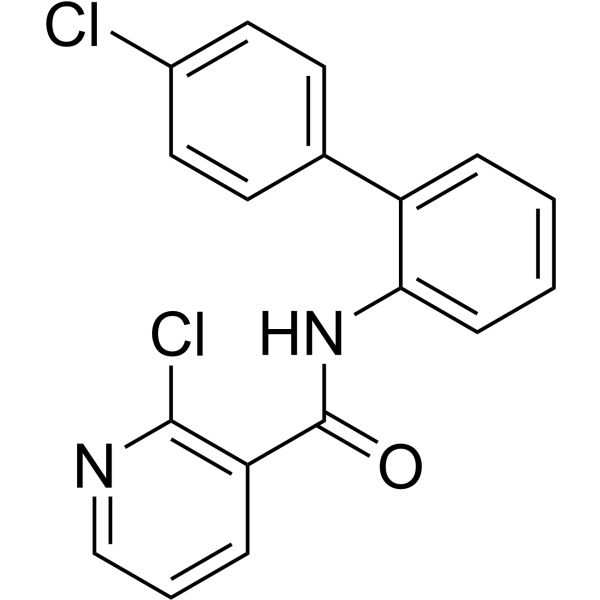
Boscalid is a succinate dehydrogenase (SDHI) inhibitor with antifungal activity. Boscalid binds to the ubiquinone-binding site of fungal mitochondrial complex II, blocks ATP production and aerobic respiration, exhibits good control efficacy against a variety of plant fungal diseases including gray mold, sclerotinia rot and powdery mildew, and is widely used for disease control in agriculture. Boscalid induces apoptosis, altered lipid metabolism, mitochondrial dysfunction, respiratory impairment, oxidative stress, ROS accumulation and neurodevelopmental disorders in zebrafish. Boscalid reduces foraging ability, shortens median death time and causes chronic toxicity in exposed honeybees. Boscalid also possesses genotoxicity, cytotoxicity, elevated mitochondrial superoxide levels and early-stage apoptosis .
|
-
-
- HY-B0843
-
|
|
Environmental Pollutants
Fungal
|
Infection
|
|
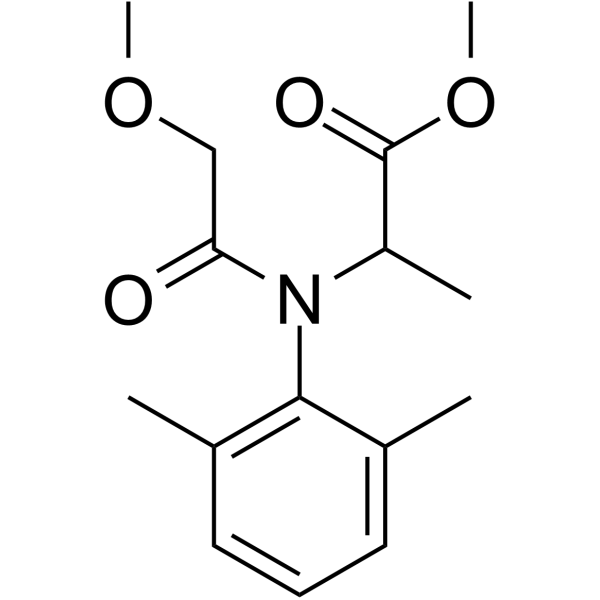
Metalaxyl is a fungicide agent that inhibits the protein synthesis in fungi. Metalaxyl against downy mildews and soil-borne diseases by Phytium ssp. and Phytophthora ssp. .
|
-
-
- HY-N6784
-
|
|
ATP Synthase
Bacterial
Apoptosis
Antibiotic
|
Infection
Neurological Disease
|
|
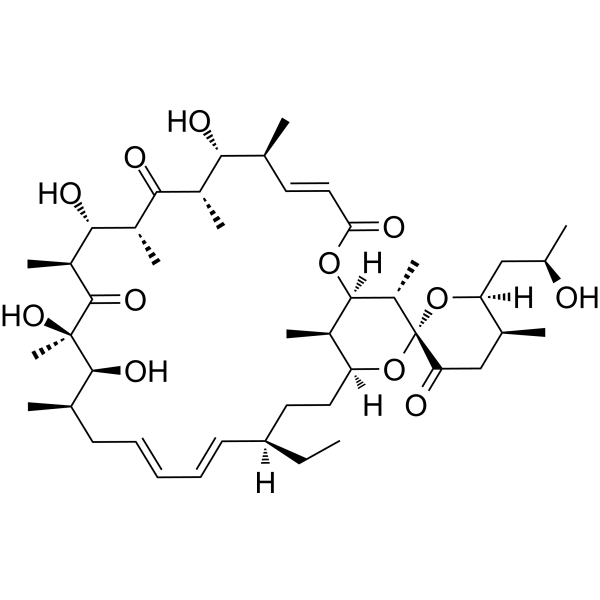
Oligomycin B is an antibiotic that acts as a non-selective inhibitor of ATP Synthase. Oligomycin B increases mitochondrial membrane potential. Oligomycin B induces apoptosis and necrosis. Oligomycin B impairs the motility of Plasmopara viticola zoospores and induces their lysis. Oligomycin B inhibits Magnaporthe oryzae (wheat blast fungus) and suppresses the development of wheat blast. Oligomycin B reduces hyphal growth and spore germination of Botrytis cinerea, and protects Arabidopsis thaliana against Botrytis cinerea infection. Oligomycin B exacerbates cytotoxic brain edema in rats with cerebral cortical contusion, increases intracranial pressure and brain water content, and aggravates mitochondrial damage in these rats. Oligomycin B is used in studies related to grape downy mildew, traumatic brain injury, wheat blast, and gray mold .
|
-
-
- HY-135761
-
-
-
- HY-17520
-
|
MTF-753
|
Environmental Pollutants
Fungal
|
Infection
|
|
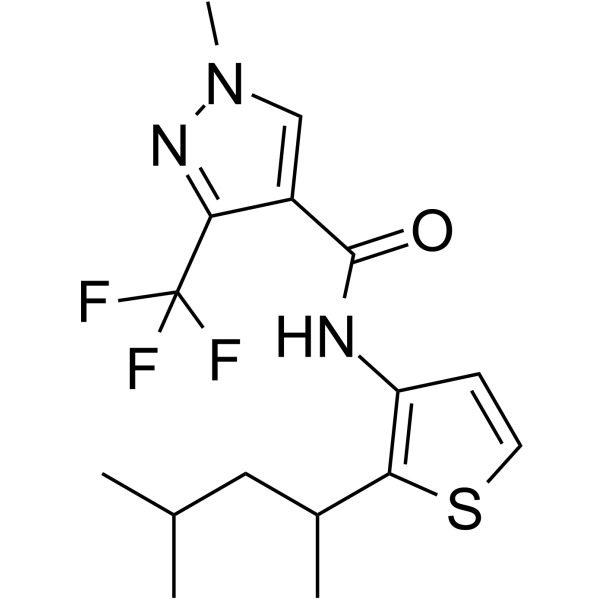
Penthiopyrad (MTF-753) is a carboxamide Fungicide. Penthiopyrad inhibits SDH. Penthiopyrad exhibits broad-spectrum antifungal activity, being effective not only against Basidiomycetes, but also against Ascomycetes and Deuteromycetes. Penthiopyrad inhibits the mycelial growth of Alternaria mali, Botrytis cinerea, Monilinia mali, Rhizoctonia solani and Sclerotinia sclerotiorum on PDA medium, with EC50 values ranging from <0.4 ppm to 0.34 ppm and MIC values ranging from 6.6 ppm to 47.9 ppm .
|
-
-
- HY-W744966
-
|
|
Environmental Pollutants
Antibiotic
|
Infection
|
|
Mandipropamid displays outstanding activity against late blight diseases of potato and tomato, combined with excellent efficacy on downy mildew diseases of grape and cucumber .
|
-
-
- HY-W714076
-
|
|
Fungal
|
Infection
Inflammation/Immunology
|
|
Ametoctradin is a potent Qo site inhibitor of bc1 complex in mitochondrial respiration. Ametoctradin is a highly selective and effective Oomycete-specific fungicide that can be used against late blight and downy mildews .
|
-
-
- HY-17522
-
|
2,4-DNOPC
|
Fungal
ERK
JNK
p38 MAPK
Apoptosis
Mitochondrial Metabolism
|
Infection
Endocrinology
|
|
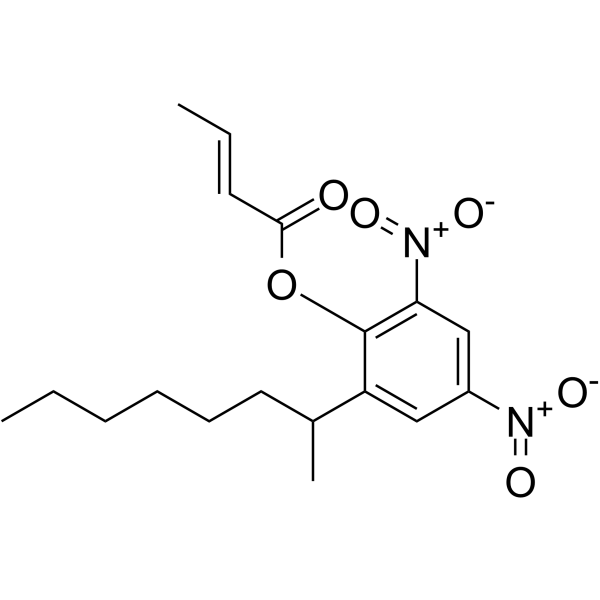
Meptyldinocap (2,4-DNOPC) is a fungicide and cytotoxic agent that acts against powdery mildew. Meptyldinocap upregulates the phosphorylation levels of ERK1/2, JNK and p38. Meptyldinocap induces apoptosis and endoplasmic reticulum stress, disrupts calcium homeostasis, inhibits cell proliferation and migration, downregulates the expression of proliferation- and pregnancy-related genes, and triggers mitochondrial dysfunction. Meptyldinocap can be used in studies related to powdery mildew and implantation failure .
|
-
-
- HY-B2008
-
|
DPX-JE874
|
Environmental Pollutants
Fungal
|
Infection
|
|
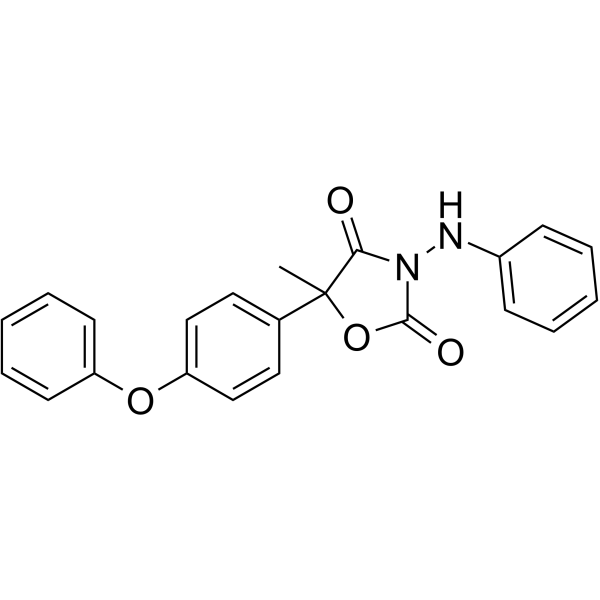
Famoxadone is a fungicide active against various oomycetes. Famoxadone induces rapid lysis of zoospores of P. viticola and P. infestans, and inhibits sporangial differentiation, zoospore release, sporangial germination and mycelial growth. Famoxadone exerts a preventive control effect on plant diseases. Famoxadone can be used in research related to grape downy mildew, potato late blight, tomato late blight and plant oomycete diseases .
|
-
-
- HY-120734
-
-
-
- HY-B0843R
-
|
|
Reference Standards
Fungal
|
Infection
|
|
Metalaxyl (Standard) is the analytical standard of Metalaxyl. This product is intended for research and analytical applications. Metalaxyl is a fungicide agent that inhibits the protein synthesis in fungi. Metalaxyl against downy mildews and soil-borne diseases by Phytium ssp. and Phytophthora ssp. .
|
-
-
- HY-W775091
-
|
IKF-5411
|
Fungal
Succinate Dehydrogenase
|
Infection
|
|
Isofetamid (IKF-5411) is a succinate dehydrogenase inhibitor and a fungicide. Isofetamid exhibits good control effects against various fungal diseases such as gray mold, white mold, and powdery mildew. Isofetamid is promising for research of plant fungal diseases .
|
-
-
- HY-17518
-
|
IR5885; Valiphenal
|
Environmental Pollutants
Bacterial
Fungal
|
Infection
|
|
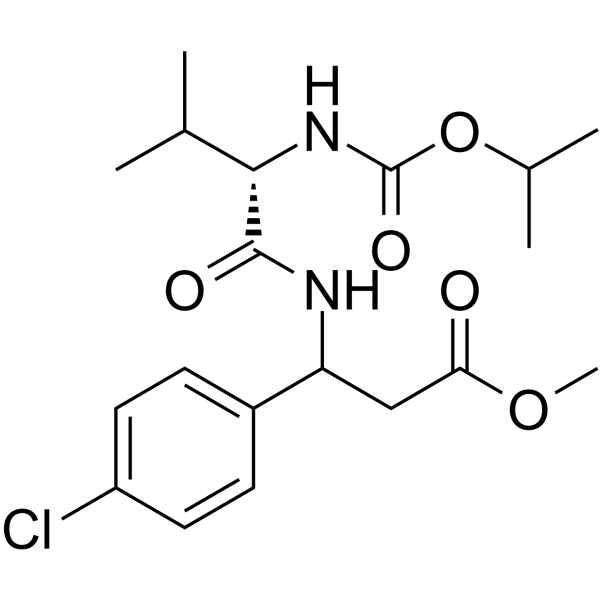
Valifenalate (IR5885; Valiphenal) is an insecticide agent and fungicide, which is approved for application on high-value crops such as grapes, tomatoes and other vegetables. Valifenalate interferes with cell-wall synthesisValifenalate is effective against various types of mildew. Valifenalate can be used against crown rot of rose cuased by Phytophthora citrophthora. Valifenalate induces non-adverse thyroid changes via adaptive induction of uridine 5’-diphosphoglucuronosyltransferase (UGT) in the liver of dogs and rats .
|
-
-
- HY-W020777
-
|
|
Environmental Pollutants
Fungal
|
Infection
|
|
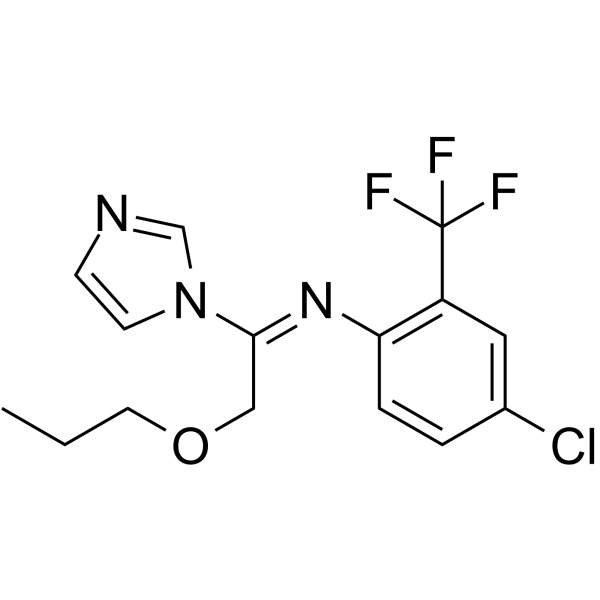
Triflumizole is one of imidazole fungicides that works by inhibiting ergosterol biosynthesis, and is widely used for the control of powdery mildew and scabs on various fruits and crops .
|
-
-
- HY-136425
-
|
Fosetyl-Al
|
Fungal
|
Infection
|
|
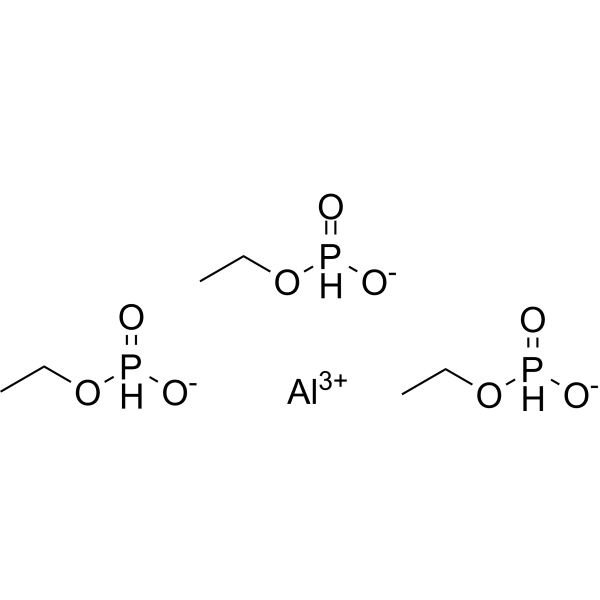
Fosetyl-aluminum (Fosetyl-Al) is an active ingredient in many fungicides against downy mildew. Fosetyl-aluminum is used to control many diseases caused by Phytophthora spp. on agricultural and horticultural crops .
|
-
-
- HY-W009168R
-
|
|
Reference Standards
Bacterial
Antibiotic
|
Infection
Cancer
|
|
Flutianil (Standard) is the analytical standard of Flutianil. This product is intended for research and analytical applications. Flutianil is a fungicide, which specifically inhibits the powdery mildew species. Flutianil inhibits the haustorium formation and subsequent mycelia growth .
|
-
-
- HY-W019803
-
|
|
Fungal
|
Infection
Others
|
|
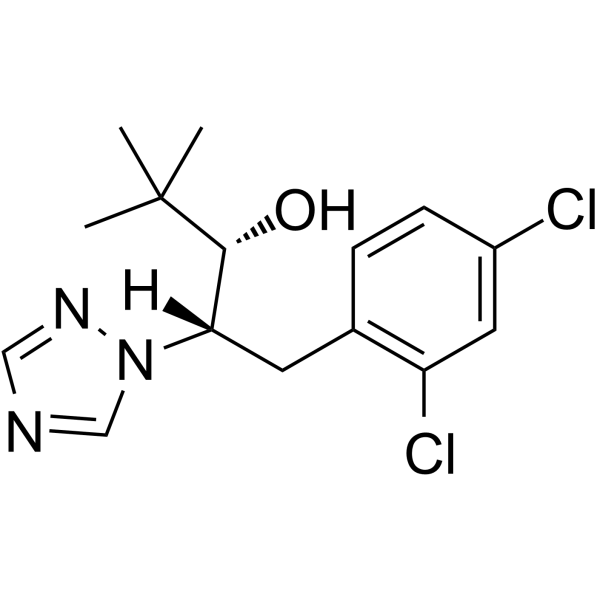
Diclobutrazol, a systemic fungicide, is highly active against rusts, powdery mildews, and other fungal phytopathogens. Diclobutrazol can be used as a pesticide to control of various crop diseases .
|
-
-
- HY-B1975
-
|
|
Fungal
Reactive Oxygen Species (ROS)
|
Infection
|
|
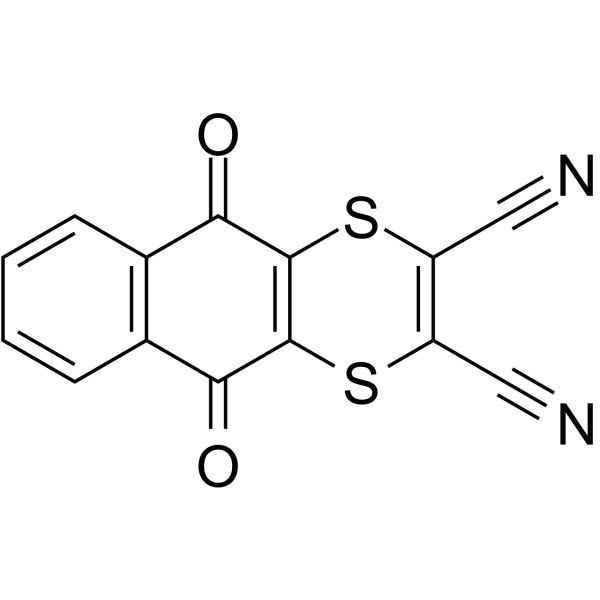
Dithianon is a broad-spectrum anthraquinone fungicide with good adherence to the surface of leaves and fruits. Dithianon is used to control several several fungal of some fruits and vegetables, as anthracnose (Colletotrichum sp., Elsinoe ampelina), mildew (Plasmopara viticola), phomopsis (Phomopsis viticola), among others .
|
-
-
- HY-135761R
-
|
|
Reference Standards
Fungal
Cholinesterase (ChE)
|
Infection
Neurological Disease
|
|
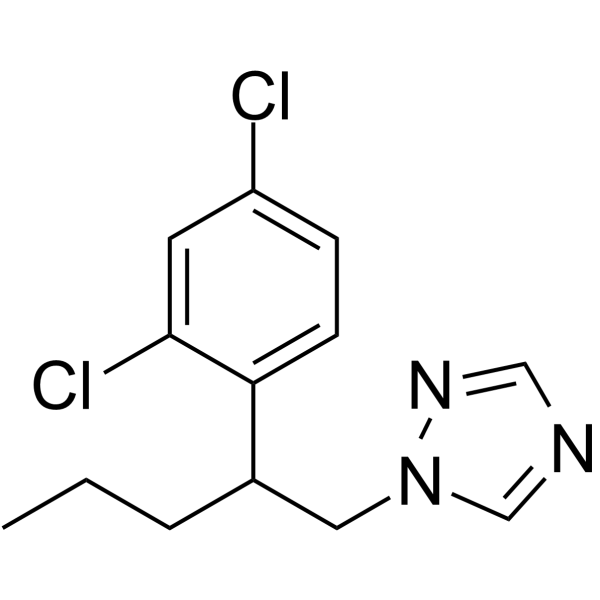
Penconazole (Standard) is the analytical standard of Penconazole. This product is intended for research and analytical applications. Penconazole is a typical triazole fungicide, and mainly applied on apples, grapes, and vegetables to control powdery mildew. Penconazole inhibits sterol biosynthesis in fungi. Penconazole decrease AChE activity in the cerebrum and cerebellum of rats .
|
-
-
- HY-B2048S
-
|
|
Isotope-Labeled Compounds
|
Others
|
|
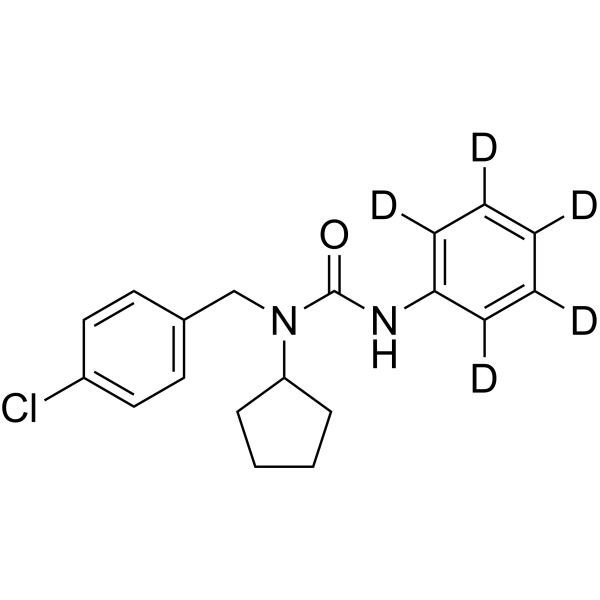
Pencycuron-d5 is the deuterium labeled Pencycuron (HY-B2048). Pencycuron is a benzoylurea fungicide. Pencycuron kills fungi by inhibiting the synthesis of fungal cell walls.Pencycuron can be used in research on the control of fungal diseases on crops, such as sheath blight, powdery mildew and late blight .
|
-
-
- HY-W706180
-
|
|
Isotope-Labeled Compounds
Fungal
|
Infection
|
|
(±)-Triadimefon-d4 is deuterium labeled Triadimefon. Triadimefon is a triazole fungicide used to control powdery mildew, rusts, and other fungal pests on grains, fruit and vegetable crops, turf, shrubs, and trees. Triadimefon inhibits lanosterol 14α-demethylase, interfering with oxidative demethylation reactions in the ergosterol biosynthesis pathway of fungi, and also blocks gibberellin biosynthesis .
|
-
-
- HY-W742324
-
|
IKF-309
|
Fungal
|
Others
|
|
Pyriofenone (IKF-309) is an arylphenyl ketone fungicide used primarily to control powdery mildew on crops such as cereals, rice, fruit trees, and vegetables. Pyriofenone has moderate efficacy against rice blast. Pyriofenone acts through preventive, residual, curative, rainfast, cross-stratum, and fumigant activities .
|
-
-
- HY-131134S
-
|
Fosetyl-Al-d15
|
Fungal
Isotope-Labeled Compounds
|
Infection
|
|
Fosetyl-aluminum-d15 (Fosetyl-Al-d15) is the deuterium labeled Fosetyl-aluminum. Fosetyl-aluminum (Fosetyl-Al) is an active ingredient in many fungicides against downy mildew. Fosetyl-aluminum is used to control many diseases caused by Phytophthora spp. on agricultural and horticultural crops .
|
-
-
- HY-W018359
-
|
|
Environmental Pollutants
Bacterial
|
Infection
|
|
Tolyl diiodomethyl sulfone is an organic antibacterial agent that does not cause significant changes in the number of resorbed fetuses, the number of dead fetuses, or the body weight of live fetuses in rats .
|
-
-
- HY-W744966R
-
|
|
Reference Standards
Fungal
|
Infection
|
|
Mandipropamid (Standard) is the analytical standard of Mandipropamid. This product is intended for research and analytical applications. Mandipropamid displays outstanding activity against late blight diseases of potato and tomato, combined with excellent efficacy on downy mildew diseases of grape and cucumber .
|
-
-
- HY-169987
-
|
|
Fungal
|
Infection
|
|
bc1 Complex-IN-1 (compound 12g) is a potent bc1 complex inhibitor. bc1 Complex-IN-1 shows fungicidal properties against Cucumber downy mildew (CDM) .
|
-
-
- HY-126724
-
|
|
Fungal
|
Infection
|
|
Flutianil is a fungicide, which specifically inhibits the powdery mildew species. Flutianil inhibits the haustorium formation and subsequent mycelia growth .
|
-
-
- HY-163891
-
|
|
Fungal
|
Infection
|
|
Antifungal agent 107 (compound b24) is an OSBP inhibitor with antifungal activity. Antifungal agent 107 can be used to control cucumber downy mildew and potato late blight in greenhouse .
|
-
-
- HY-N8511
-
|
|
Fungal
|
Infection
|
|
Acremine I is a fungi inhibitor and also a metabolite of the endophytic fungus Acremonium byssoides. Acremine I can effectively inhibit Plasmopara viticola. Acremine I can be used for research on plant diseases, such as grape downy mildew .
|
-
-
- HY-120729
-
|
Curamil
|
Fungal
|
Infection
|
|
Pyrazophos (Curamil) is a slightly systemic fungicide against the powdery mildew on crops and cereals. Pyrazophos is widely used in Greece to control diseases caused by Erysiphe spp., Sphaerotheca spp., Leveillula spp. and Oidium spp. .
|
-
-
- HY-126724R
-
|
|
Reference Standards
Fungal
|
Infection
|
|
Flutianil (Standard) is the analytical standard of Flutianil. This product is intended for research and analytical applications. Flutianil is a fungicide, which specifically inhibits the powdery mildew species. Flutianil inhibits the haustorium formation and subsequent mycelia growth .
|
-
-
- HY-B1838A
-
|
|
Fungal
|
Infection
|
|
Asulam (potassium salt) is a chitin synthase inhibitor against plant pathogenic fungi. Asulam (potassium salt) interferes with the biosynthesis of chitin in the fungal cell wall to destroy the integrity and normal growth and reproduction of fungal cells, thereby exerting bacteriostatic activity. Asulam (potassium salt) is promising for research of fungal diseases such as downy mildew and gray mold in spinach, tulips, daffodils and lilies .
|
-
-
- HY-W714076R
-
|
|
Reference Standards
Fungal
|
Infection
Inflammation/Immunology
|
|
Ametoctradin (Standard) is the analytical standard of Ametoctradin. This product is intended for research and analytical applications. Ametoctradin is a potent Qo site inhibitor of bc1 complex in mitochondrial respiration. Ametoctradin is a highly selective and effective Oomycete-specific fungicide that can be used against late blight and downy mildews .
|
-
-
- HY-P11343
-
|
|
Fungal
|
Infection
|
|
Verlamelin B (Compound 147) is effective against plant pathogenic fungal and is a derivative of Verlamelin (HY-N14856).Verlamelin B exhibits potent plant protective activity in vivo, particularly against rice blast and barley powdery mildew. Verlamelin B causes morphological changes in fungal cells, such as swelling or expansion. Verlamelin B exhibits weaker antifungal activity in vitro against plant pathogens such as rice blast, Dipolaris zeae, and Botrytis cinerea. Verlamelin B is useful for research on antifungal activities against plant pathogens .
|
-
-
- HY-174390
-
|
|
Fungal
Succinate Dehydrogenase
|
Infection
|
|
SDH-IN-29 (Compound A33) is a SDH inhibitor with an IC50 of 0.0709 μM. SDH-IN-29 has a broad spectrum of antifungal activities (EC50s of 0.356, 0.798 and 0.146 μg/mL for Fusarium graminearum, Sclerotinia sclerotiorum, and Rhizoctonia solani, respectively). SDH-IN-29 has moderate to significant protective effects against rice blast, wheat scab and cucumber powdery mildew .
|
-
-
- HY-121109
-
|
|
Environmental Pollutants
Fungal
|
Infection
|
|
Benalaxyl is a systemic fungicide. Benalaxyl exhibits inhibitory activity against downy mildew (Peronospora tabacina) in tobacco plants. Benalaxyl can be used in studies related to downy mildew .
|
-
-
- HY-119830
-
|
|
Fungal
|
Infection
|
|
Azaconazole is an agriculture fungicide, and can be used for controlling powdery mildew on crops and bean rust .
|
-
-
- HY-N14784
-
|
|
Antibiotic
Bacterial
|
Infection
|
|
Dechloromycorrhizin A is an antibiotic with weak activity against Gram-positive bacteria, yeasts and mildew, and strong nematocidal activity .
|
-
-
- HY-165017
-
|
|
Fungal
|
Infection
|
|
Etheroleic acid has antifungal activity against the powdery mildew B. graminis on the second leaves of barley seedlings. Etheroleic acid is a metabolite of Linolenic acid .
|
-
-
- HY-120734R
-
|
DE-795 (Standard)
|
Fungal
Reference Standards
|
Infection
|
|
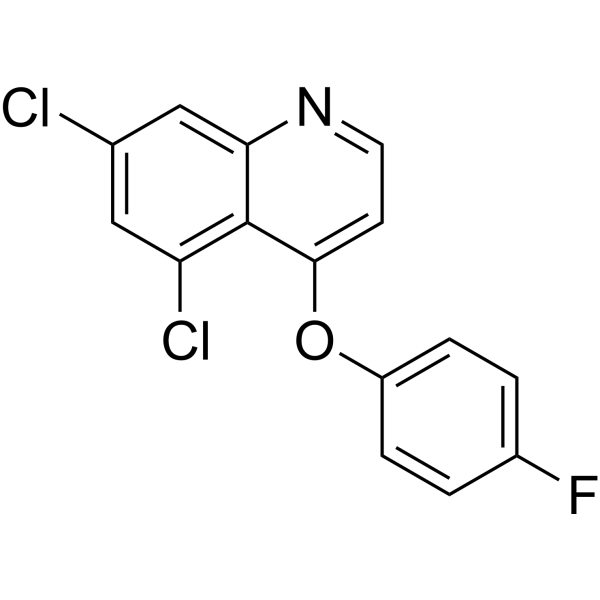
Quinoxyfen (Standard) is the analytical standard of Quinoxyfen. This product is intended for research and analytical applications. Quinoxyfen (DE-795) is a powdery mildew fungicide .
|
-
-
- HY-W748023
-
|
|
Fungal
|
Inflammation/Immunology
|
|
Cryptosporiopsin A, a polyketide with antifungal activity, exhibits motility inhibitory and lytic activities against zoospores of the grapevine downy mildew pathogen Plasmopara viticola .
|
-
-
- HY-133216
-
-
-
- HY-17522R
-
|
2,4-DNOPC (Standard)
|
Reference Standards
Bacterial
|
Infection
Endocrinology
|
|
Meptyldinocap (2,4-DNOPC) (Standard) is the analytical standard of Meptyldinocap. This product is intended for research and analytical applications. Meptyldinocap is a fungicide and cytotoxic agent that acts against powdery mildew. Meptyldinocap upregulates the phosphorylation levels of ERK1/2, JNK and p38. Meptyldinocap induces apoptosis and endoplasmic reticulum stress, disrupts calcium homeostasis, inhibits cell proliferation and migration, downregulates the expression of proliferation- and pregnancy-related genes, and triggers mitochondrial dysfunction. Meptyldinocap can be used in studies related to powdery mildew and implantation failure .
|
-
-
- HY-B2048
-
|
|
Fungal
|
Infection
|
|
Pencycuron is a benzoylurea fungicide. Pencycuron kills fungi by inhibiting the synthesis of fungal cell walls.Pencycuron can be used in research on the control of fungal diseases on crops, such as sheath blight, powdery mildew and late blight .
|
-
-
- HY-W020777R
-
|
|
Reference Standards
Fungal
|
Infection
|
|
Triflumizole (Standard) is the analytical standard of Triflumizole. This product is intended for research and analytical applications. Triflumizole is one of imidazole fungicides that works by inhibiting ergosterol biosynthesis, and is widely used for the control of powdery mildew and scabs on various fruits and crops .
|
-
-
- HY-W019803R
-
|
|
Reference Standards
Fungal
|
Infection
Others
|
|
Diclobutrazol (Standard) is the analytical standard of Diclobutrazol. This product is intended for research and analytical applications. Diclobutrazol, a systemic fungicide, is highly active against rusts, powdery mildews, and other fungal phytopathogens. Diclobutrazol can be used as a pesticide to control of various crop diseases .
|
-
-
- HY-135761S
-
|
|
Fungal
Cholinesterase (ChE)
|
Infection
|
|
Penconazole-d7 is the deuterium labeled Penconazole . Penconazole is a typical triazole fungicide, and mainly applied on apples, grapes, and vegetables to control powdery mildew. Penconazole inhibits sterol biosynthesis in fungi. Penconazole decrease AChE activity in the cerebrum and cerebellum of rats .
|
-
-
- HY-133216R
-
|
|
Reference Standards
Fungal
Adenosine Deaminase
|
Infection
|
|
Bupirimate (Standard) is the analytical standard of Bupirimate (HY-133216). This product is intended for research and analytical applications. Bupirimate is a systemic fungicide that inhibits adenosine deaminase (ADA). Bupirimate is widely used in the cultivation of fruit trees, vegetables, flowers, and other crops to control powdery mildew .
|
-
-
- HY-B2048R
-
|
|
Reference Standards
Fungal
|
Infection
|
|
Pencycuron (Standard) is the analytical standard of Pencycuron. This product is intended for research and analytical applications. Pencycuron is a benzoylurea fungicide. Pencycuron kills fungi by inhibiting the synthesis of fungal cell walls.Pencycuron can be used in research on the control of fungal diseases on crops, such as sheath blight, powdery mildew and late blight .
|
-
-
- HY-136425R
-
|
Fosetyl-Al (Standard)
|
Reference Standards
Fungal
|
Infection
|
|
Fosetyl-aluminum (Standard) is the analytical standard of Fosetyl-aluminum. This product is intended for research and analytical applications. Fosetyl-aluminum (Fosetyl-Al) is an active ingredient in many fungicides against downy mildew. Fosetyl-aluminum is used to control many diseases caused by Phytophthora spp. on agricultural and horticultural crops .
|
-
- HY-130406
-
|
|
Fungal
|
Infection
|
|
Benthiavalicarb isopropyl is a fungicide with specific activity against downy mildew and blight. Benthiavalicarb isopropyl is evaluated for use where necessary to control a serious threat to plant health that cannot be treated by other methods, including non-chemical methods. The use of Benthiavalicarb isopropyl can be considered representative of field applications in potatoes. Environmental and human exposures of Benthiavalicarb isopropyl are considered to be negligible .
|
-
- HY-B1975R
-
|
|
Reference Standards
Fungal
Reactive Oxygen Species (ROS)
|
Infection
|
|
Dithianon (Standard) is the analytical standard of Dithianon. This product is intended for research and analytical applications. Dithianon is a broad-spectrum anthraquinone fungicide with good adherence to the surface of leaves and fruits. Dithianon is used to control several several fungal of some fruits and vegetables, as anthracnose (Colletotrichum sp., Elsinoe ampelina), mildew (Plasmopara viticola), phomopsis (Phomopsis viticola), among others .
|
-
- HY-B1975S
-
|
|
Reactive Oxygen Species (ROS)
|
Infection
|
|
Dithianon-d4 is the deuterium labeled Dithianon (HY-B1975). Dithianon is a broad-spectrum anthraquinone fungicide with good adherence to the surface of leaves and fruits. Dithianon is used to control several several fungal of some fruits and vegetables, as anthracnose (Colletotrichum sp., Elsinoe ampelina), mildew (Plasmopara viticola), phomopsis (Phomopsis viticola), among others .
|
-
- HY-129548
-
|
|
Antibiotic
|
Infection
|
|
Prumycin is an antifungal antibiotic with activity against cucumber powdery mildew. Prumycin significantly inhibited the disease, whereas other metabolites such as bacillomycin D and surfactin did not. Prumycin did not induce the expression of plant defense genes, indicating that its effects were not through plant defense responses. Observation of cucumber cotyledons treated with prumycin showed that it could inhibit spore germination of P. fusca .
|
-
- HY-129548A
-
|
|
Fungal
|
Infection
|
|
Prumycin dihydrochloride is an antifungal antibiotic with activity against cucumber powdery mildew. Prumycin dihydrochloride significantly inhibited the disease, whereas other metabolites such as bacillomycin D and surfactin did not. Prumycin dihydrochloride did not induce the expression of plant defense genes, indicating that its effects were not through plant defense responses. Observation of cucumber cotyledons treated with prumycin showed that it could inhibit spore germination of P. fusca .
|
-
- HY-171542
-
|
|
Fungal
|
Infection
|
|
CDA-IN-2 (Compound VS#2-3) is a chitin deacetylase (Chitin Deacetylase, CDA) inhibitor with antifungal activity. At a concentration of 100 μM, it can inhibit the CDA PxCDA1 and PxCDA2 of P. xanthii by 83.7% and 74.5% respectively. CDA-IN-2 can be applied to the research in the field of controlling agricultural fungal diseases, such as dealing with resistant powdery mildew and Botrytis cinerea .
|
-
- HY-B2008R
-
|
DPX-JE874 (Standard)
|
Reference Standards
Fungal
|
Infection
|
|
Famoxadone (Standard) is the analytical standard of Famoxadone. This product is intended for research and analytical applications. Famoxadone is a fungicide active against various oomycetes. Famoxadone induces rapid lysis of zoospores of P. viticola and P. infestans, and inhibits sporangial differentiation, zoospore release, sporangial germination and mycelial growth. Famoxadone exerts a preventive control effect on plant diseases. Famoxadone can be used in research related to grape downy mildew, potato late blight, tomato late blight and plant oomycete diseases .
|
-
- HY-17518R
-
|
IR5885 (Standard); Valiphenal (Standard)
|
Reference Standards
Bacterial
Fungal
|
Infection
|
|
Valifenalate (Standard) is the analytical standard of Valifenalate. This product is intended for research and analytical applications. Valifenalate (IR5885; Valiphenal) is an insecticide agent and fungicide, which is approved for application on high-value crops such as grapes, tomatoes and other vegetables. Valifenalate interferes with cell-wall synthesisValifenalate is effective against various types of mildew. Valifenalate can be used against crown rot of rose cuased by Phytophthora citrophthora. Valifenalate induces non-adverse thyroid changes via adaptive induction of uridine 5’-diphosphoglucuronosyltransferase (UGT) in the liver of dogs and rats .
|
-
- HY-171541
-
|
|
Fungal
|
Infection
|
|
CDA-IN-1 (Compound vs#2-1) is an inhibitor of chitin deacetylase (CDA). CDA-IN-1 exhibits antifungal activity. It can inhibit fungal growth by suppressing the activity of fungal CDA, activating the plant immune response, and accumulating reactive oxygen species (ROS). At a concentration of 100 μM, CDA-IN-1 can achieve inhibition rates of 86.9% and 74.5% against PxCDA1 and PxCDA2 of P. xanthii, respectively. CDA-IN-1 can be applied to the research in the field of controlling plant fungal diseases, such as the research on diseases like cucurbit powdery mildew and tomato gray mold .
|
-
- HY-119976S
-
|
|
Isotope-Labeled Compounds
Apoptosis
Fungal
Mitochondrial Metabolism
Succinate Dehydrogenase
|
Others
|
|
Boscalid-d4 is the deuterium labeled Boscalid. Boscalid is a succinate dehydrogenase (SDHI) inhibitor with antifungal activity. Boscalid binds to the ubiquinone-binding site of fungal mitochondrial complex II, blocks ATP production and aerobic respiration, exhibits good control efficacy against a variety of plant fungal diseases including gray mold, sclerotinia rot and powdery mildew, and is widely used for disease control in agriculture. Boscalid induces apoptosis, altered lipid metabolism, mitochondrial dysfunction, respiratory impairment, oxidative stress, ROS accumulation and neurodevelopmental disorders in zebrafish. Boscalid reduces foraging ability, shortens median death time and causes chronic toxicity in exposed honeybees. Boscalid also possesses genotoxicity, cytotoxicity, elevated mitochondrial superoxide levels and early-stage apoptosis .
|
-
- HY-119976R
-
|
|
Reference Standards
Apoptosis
Fungal
Mitochondrial Metabolism
Succinate Dehydrogenase
|
Infection
|
|
Boscalid (Standard) is the analytical standard of Boscalid. This product is intended for research and analytical applications. Boscalid is a succinate dehydrogenase (SDHI) inhibitor with antifungal activity. Boscalid binds to the ubiquinone-binding site of fungal mitochondrial complex II, blocks ATP production and aerobic respiration, exhibits good control efficacy against a variety of plant fungal diseases including gray mold, sclerotinia rot and powdery mildew, and is widely used for disease control in agriculture. Boscalid induces apoptosis, altered lipid metabolism, mitochondrial dysfunction, respiratory impairment, oxidative stress, ROS accumulation and neurodevelopmental disorders in zebrafish. Boscalid reduces foraging ability, shortens median death time and causes chronic toxicity in exposed honeybees. Boscalid also possesses genotoxicity, cytotoxicity, elevated mitochondrial superoxide levels and early-stage apoptosis .
|
-
- HY-W715370
-
|
|
Fungal
|
Infection
|
|
Pyrametostrobin is a strobilurin fungicide used to protect crops from fungal infection. Pyrametostrobin can be applied to research related to cucumber powdery mildew, powdery mildew, rust, downy mildew and blight .
|
-
- HY-176923
-
|
|
Reactive Oxygen Species (ROS)
|
Inflammation/Immunology
|
|
1,3-Bis(isothiocyanatomethyl)benzene is a plant regulator. prevents the invasion of pathogens by inducing stomatal closure. 1,3-Bis(isothiocyanatomethyl)benzene significantly increases the levels of ROS and NO in guard cells. 1,3-Bis(isothiocyanatomethyl)benzene has shown significant control effects on grape downy mildew, cucumber downy mildew, and wheat leaf rust .
|
-
- HY-135442
-
|
|
Fungal
|
Infection
|
|
Simeconazole is a demethylation inhibitor-class fungicide. Simeconazole prevents the infection of barley leaves by Blumeria graminis f sp hordei, inhibits the development of powdery mildew on barley and cucumber leaves, and exhibits cuticular membrane permeability in tomato fruits. Simeconazole can be used in research related to barley powdery mildew and cucumber powdery mildew .
|
-
- HY-120729R
-
|
Curamil (Standard)
|
Reference Standards
Fungal
|
Infection
|
|
Pyrazophos (Standard) is the analytical standard of Pyrazophos. This product is intended for research and analytical applications. Pyrazophos (Curamil) is a slightly systemic fungicide against the powdery mildew on crops and cereals. Pyrazophos is widely used in Greece to control diseases caused by Erysiphe spp., Sphaerotheca spp., Leveillula spp. and Oidium spp. .
|
-
- HY-121443
-
|
|
Fungal
|
Infection
|
|
Cyflufenamid is an oxime amide fungicide. Cyflufenamid inhibits the formation of haustoria, colonies and spores of Blumeria graminis f. sp. tritici, and prevents germ tube elongation of Monilinia fructicola. Cyflufenamid is applicable to research related to powdery mildew and brown rot .
|
-
- HY-122480
-
|
SYP-1620
|
Fungal
ATP Synthase
Cytochrome P450
|
Infection
|
|
Fenaminstrobin (SYP-1620) is a strobilurin Fungicide. Fenaminstrobin binds to cytochrome bc1 in the mitochondrial respiratory chain, thereby inhibiting ATP production. Fenaminstrobin exhibits acute toxicity to Daphnia magna. Fenaminstrobin effectively controls diseases such as Fusarium ear rot, downy mildew, rice blast and pear scab .
|
-
- HY-W712766
-
|
|
Fungal
|
Infection
|
|
Dodemorph is a fungicide. Dodemorph exerts antifungal effects by inhibiting ergosterol biosynthesis. Dodemorph can be used in studies related to fungal mildew in rose cultivation .
|
-
- HY-182471
-
|
|
Fungal
|
Infection
|
|
Aminopyrifen is a GWT-1 inhibitor. Aminopyrifen inhibits the inositol acylation of phosphatidylinositol, disrupting the maturation process of GPI-anchored proteins and the integrity of fungal cell walls. Aminopyrifen strongly inhibits germ tube elongation of Botrytis cinerea, delays spore germination, prevents appressorium formation, and blocks the infection of plant tissues by pathogenic fungi. Aminopyrifen is effective against field populations of eggplant gray mold and cucumber powdery mildew, and can be used for research on various plant fungal diseases such as gray mold and powdery mildew .
|
-
- HY-182278
-
|
|
Fungal
Succinate Dehydrogenase
|
Infection
|
|
Flubeneteram is a succinate dehydrogenase inhibitor with an IC50 of 0.0484 μM. Flubeneteram disrupts succinate dehydrogenase activity. Flubeneteram demonstrates protective effects against Rhizoctonia solani and Sphaerotheca fuliginea in preclinical models. Flubeneteram can be used for research related to fungal infections .
|
-
- HY-W043791
-
|
|
Fungal
|
Infection
|
|
4-Dodecyl-2,6-dimethylmorpholine is a morpholine fungicide and plant-growth regulator. 4-Dodecyl-2,6-dimethylmorpholine targets phytopathogenic fungi including Oomycetes, Ascomycetes and Basidiomycetes. 4-Dodecyl-2,6-dimethylmorpholine acts synergistically with acylalanine fungicides to enhance antifungal efficacy and regulate plant growth. 4-Dodecyl-2,6-dimethylmorpholine can be applied to the study of plant fungal diseases and phytopathogenic fungal infections .
|
-
- HY-108874A
-
|
Levorin (≥50%); Vanobid (≥50%); Candimon (≥50%)
|
Antibiotic
Fungal
|
Infection
|
|
Candicidin (≥50%) (Levorin (≥50%)) is an Antifungal antibiotic. Candicidin (≥50%) exhibits potent antifungal activity against yeasts and yeast-like fungi, such as Candida albicans and Saccharomyces cerevisiae. Low concentrations of Candicidin (≥50%) do not adversely affect pea seed germination .
|
-
| Cat. No. |
Product Name |
Type |
-
- HY-119976
-
|
|
Biochemical Assay Reagents
|
|
Boscalid is a succinate dehydrogenase (SDHI) inhibitor with antifungal activity. Boscalid binds to the ubiquinone-binding site of fungal mitochondrial complex II, blocks ATP production and aerobic respiration, exhibits good control efficacy against a variety of plant fungal diseases including gray mold, sclerotinia rot and powdery mildew, and is widely used for disease control in agriculture. Boscalid induces apoptosis, altered lipid metabolism, mitochondrial dysfunction, respiratory impairment, oxidative stress, ROS accumulation and neurodevelopmental disorders in zebrafish. Boscalid reduces foraging ability, shortens median death time and causes chronic toxicity in exposed honeybees. Boscalid also possesses genotoxicity, cytotoxicity, elevated mitochondrial superoxide levels and early-stage apoptosis .
|
-
- HY-119976R
-
|
|
Biochemical Assay Reagents
|
|
Boscalid (Standard) is the analytical standard of Boscalid. This product is intended for research and analytical applications. Boscalid is a succinate dehydrogenase (SDHI) inhibitor with antifungal activity. Boscalid binds to the ubiquinone-binding site of fungal mitochondrial complex II, blocks ATP production and aerobic respiration, exhibits good control efficacy against a variety of plant fungal diseases including gray mold, sclerotinia rot and powdery mildew, and is widely used for disease control in agriculture. Boscalid induces apoptosis, altered lipid metabolism, mitochondrial dysfunction, respiratory impairment, oxidative stress, ROS accumulation and neurodevelopmental disorders in zebrafish. Boscalid reduces foraging ability, shortens median death time and causes chronic toxicity in exposed honeybees. Boscalid also possesses genotoxicity, cytotoxicity, elevated mitochondrial superoxide levels and early-stage apoptosis .
|
| Cat. No. |
Product Name |
Target |
Research Area |
-
- HY-P11343
-
|
|
Fungal
|
Infection
|
|
Verlamelin B (Compound 147) is effective against plant pathogenic fungal and is a derivative of Verlamelin (HY-N14856).Verlamelin B exhibits potent plant protective activity in vivo, particularly against rice blast and barley powdery mildew. Verlamelin B causes morphological changes in fungal cells, such as swelling or expansion. Verlamelin B exhibits weaker antifungal activity in vitro against plant pathogens such as rice blast, Dipolaris zeae, and Botrytis cinerea. Verlamelin B is useful for research on antifungal activities against plant pathogens .
|
| Cat. No. |
Product Name |
Category |
Target |
Chemical Structure |
-
- HY-N6784
-
|
|
Structural Classification
Microorganisms
Antifungal
Macrolide Antibiotics
Antibiotics
Disease Research
Source Classification
|
ATP Synthase
Bacterial
Apoptosis
Antibiotic
|
|
Oligomycin B is an antibiotic that acts as a non-selective inhibitor of ATP Synthase. Oligomycin B increases mitochondrial membrane potential. Oligomycin B induces apoptosis and necrosis. Oligomycin B impairs the motility of Plasmopara viticola zoospores and induces their lysis. Oligomycin B inhibits Magnaporthe oryzae (wheat blast fungus) and suppresses the development of wheat blast. Oligomycin B reduces hyphal growth and spore germination of Botrytis cinerea, and protects Arabidopsis thaliana against Botrytis cinerea infection. Oligomycin B exacerbates cytotoxic brain edema in rats with cerebral cortical contusion, increases intracranial pressure and brain water content, and aggravates mitochondrial damage in these rats. Oligomycin B is used in studies related to grape downy mildew, traumatic brain injury, wheat blast, and gray mold .
|
-
-
- HY-N8511
-
|
|
Natural Products
Microorganisms
Source Classification
|
Fungal
|
|
Acremine I is a fungi inhibitor and also a metabolite of the endophytic fungus Acremonium byssoides. Acremine I can effectively inhibit Plasmopara viticola. Acremine I can be used for research on plant diseases, such as grape downy mildew .
|
-
-
- HY-P11343
-
|
|
Structural Classification
Natural Products
Microorganisms
Source Classification
|
Fungal
|
|
Verlamelin B (Compound 147) is effective against plant pathogenic fungal and is a derivative of Verlamelin (HY-N14856).Verlamelin B exhibits potent plant protective activity in vivo, particularly against rice blast and barley powdery mildew. Verlamelin B causes morphological changes in fungal cells, such as swelling or expansion. Verlamelin B exhibits weaker antifungal activity in vitro against plant pathogens such as rice blast, Dipolaris zeae, and Botrytis cinerea. Verlamelin B is useful for research on antifungal activities against plant pathogens .
|
-
-
- HY-N14784
-
-
-
- HY-W748023
-
-
| Cat. No. |
Product Name |
Chemical Structure |
-
- HY-B2048S
-
|
|
|
Pencycuron-d5 is the deuterium labeled Pencycuron (HY-B2048). Pencycuron is a benzoylurea fungicide. Pencycuron kills fungi by inhibiting the synthesis of fungal cell walls.Pencycuron can be used in research on the control of fungal diseases on crops, such as sheath blight, powdery mildew and late blight .
|
-
-
- HY-W706180
-
|
|
|
(±)-Triadimefon-d4 is deuterium labeled Triadimefon. Triadimefon is a triazole fungicide used to control powdery mildew, rusts, and other fungal pests on grains, fruit and vegetable crops, turf, shrubs, and trees. Triadimefon inhibits lanosterol 14α-demethylase, interfering with oxidative demethylation reactions in the ergosterol biosynthesis pathway of fungi, and also blocks gibberellin biosynthesis .
|
-
-
- HY-131134S
-
|
|
|
Fosetyl-aluminum-d15 (Fosetyl-Al-d15) is the deuterium labeled Fosetyl-aluminum. Fosetyl-aluminum (Fosetyl-Al) is an active ingredient in many fungicides against downy mildew. Fosetyl-aluminum is used to control many diseases caused by Phytophthora spp. on agricultural and horticultural crops .
|
-
-
- HY-135761S
-
|
|
|
Penconazole-d7 is the deuterium labeled Penconazole . Penconazole is a typical triazole fungicide, and mainly applied on apples, grapes, and vegetables to control powdery mildew. Penconazole inhibits sterol biosynthesis in fungi. Penconazole decrease AChE activity in the cerebrum and cerebellum of rats .
|
-
-
- HY-B1975S
-
|
|
|
Dithianon-d4 is the deuterium labeled Dithianon (HY-B1975). Dithianon is a broad-spectrum anthraquinone fungicide with good adherence to the surface of leaves and fruits. Dithianon is used to control several several fungal of some fruits and vegetables, as anthracnose (Colletotrichum sp., Elsinoe ampelina), mildew (Plasmopara viticola), phomopsis (Phomopsis viticola), among others .
|
-
-
- HY-119976S
-
|
|
|
Boscalid-d4 is the deuterium labeled Boscalid. Boscalid is a succinate dehydrogenase (SDHI) inhibitor with antifungal activity. Boscalid binds to the ubiquinone-binding site of fungal mitochondrial complex II, blocks ATP production and aerobic respiration, exhibits good control efficacy against a variety of plant fungal diseases including gray mold, sclerotinia rot and powdery mildew, and is widely used for disease control in agriculture. Boscalid induces apoptosis, altered lipid metabolism, mitochondrial dysfunction, respiratory impairment, oxidative stress, ROS accumulation and neurodevelopmental disorders in zebrafish. Boscalid reduces foraging ability, shortens median death time and causes chronic toxicity in exposed honeybees. Boscalid also possesses genotoxicity, cytotoxicity, elevated mitochondrial superoxide levels and early-stage apoptosis .
|
-
Your information is safe with us. * Required Fields.
Inquiry Information
- Product Name:
- Cat. No.:
- Quantity:
- MCE Japan Authorized Agent:

