1. Search Result
Search Result
Results for "

mononuclear

" in MedChemExpress (MCE) Product Catalog:

177

Inhibitors & Agonists

2

Fluorescent Dye

11

Biochemical Assay Reagents

10

Peptides

4

MCE Kits

24

Inhibitory Antibodies

14

Natural
Products

1

Recombinant Proteins

3

Isotope-Labeled Compounds

3

Click Chemistry

7

Oligonucleotides

Cat. No. Product Name Target Research Areas Chemical Structure
  • HY-N7038
    Phytohemagglutinin
    5+ Cited Publications

    PHA-M

    NF-κB COX Interleukin Related Reactive Oxygen Species (ROS) Neurological Disease Inflammation/Immunology Cancer
    Phytohemagglutinin (PHA-M), the major seed lectin of the common bean, Phaseolus vulgaris, is a T-cell activator. Phytohemagglutinin stimulates human mononuclear leukocytes, inducing the expression of ChAT mRNA and potentiating ACh synthesis. Phytohemagglutinin induces dose- and time-dependent toxicity in THP-1 monocytes/macrophages, alters cellular morphology, causes organelle dysfunction, and increases the expression of NF-κB, COX2, IL-1β .
    Phytohemagglutinin
  • HY-P10587

    JNJ-77242113; JNJ-2113; PN-235

    Interleukin Related STAT IFNAR Inflammation/Immunology
    Icotrokinra (JNJ-77242113) is an orally available, selective antagonist of the IL-23 receptor. Icotrokinra inhibits IL-23-induced STAT3 phosphorylation in peripheral blood mononuclear cells (IC50=5.6 pM) and inhibits IL-23-induced interferon IFN-γ production in NK cells with an IC50 of 18.4 pM. Icotrokinra exhibits anti-inflammatory activity in a rat TNBS-induced colitis model. Icotrokinra can be used in the study of psoriasis, psoriatic arthritis, and inflammatory bowel disease .
    Icotrokinra
  • HY-13238
    Dolutegravir
    Maximum Cited Publications
    32 Publications Verification

    S/GSK1349572

    HIV Integrase HIV Infection
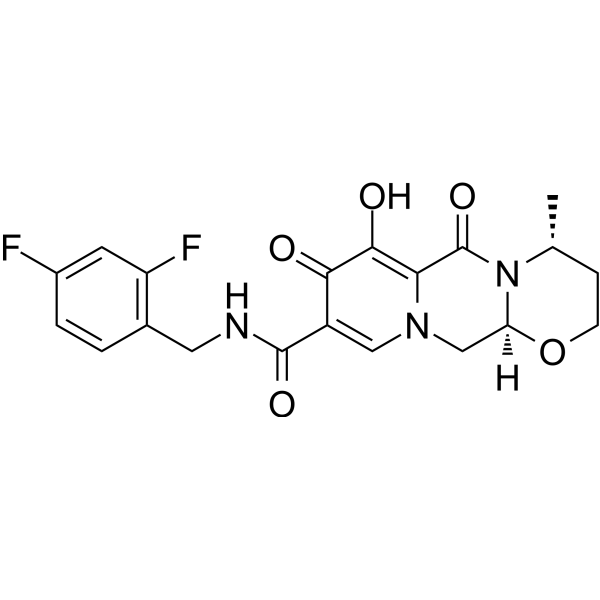
    Dolutegravir (S/GSK1349572) is a highly potent and orally bioavailable HIV integrase strand transfer inhibitor with an IC50 of 2.7 nM for HIV-1 integrase-catalyzed strand transfer. Dolutegravir (S/GSK1349572) inhibits HIV-1 viral replication with an IC50 of 0.51 nM in peripheral blood mononuclear cells. Dolutegravir retains a high potency against the HIV-1 Y143R, N155H, and G140S/Q148H mutants (EC50=3.6-5.8 nM) .
    Dolutegravir
  • HY-100870

    ABX464

    HIV Infection
    Obefazimod (ABX464) is a potent anti-HIV agent. Obefazimod inhibits HIV-1 replication in stimulated peripheral blood mononuclear cells (PBMCs) with an IC50 ranging between 0.1 μM and 0.5 μM.
    Obefazimod
  • HY-P990007

    PRA023

    TNF Receptor Inflammation/Immunology
    Tulisokibart (PRA023) is a humanized IgG1-κ monoclonal antibody. Tulisokibart targets to TNFSF15/TL1A. Tulisokibart can be used to study a variety of inflammatory/fibrotic diseases, such as Crohn's Disease (CD) and ulcerative colitis .
    Tulisokibart
  • HY-P990006

    TEV-48574; SAR-447189; TEV-574

    TNF Receptor Inflammation/Immunology
    Duvakitug (TEV-48574) is a humanized IgG1-λ2 monoclonal antibody targeting to TNFSF15/TL1A. Duvakitug' main expression system is CHOK1SV cells endogenously expressing glutamine synthetase (GS). Duvakitug can be used in the study of Crohn's Disease (CD) .
    Duvakitug
  • HY-P99931
    Epcoritamab
    1 Publications Verification

    GEN3013

    CD3 CD20 Cancer
    Epcoritamab (GEN3013) is an bispecific IgG1 antibody redirecting T-cells toward CD3×CD20 + tumor cells. Epcoritamab induces potent T-cell-mediated cytotoxicity towards B-cell NHL cell lines .
    Epcoritamab
  • HY-103697

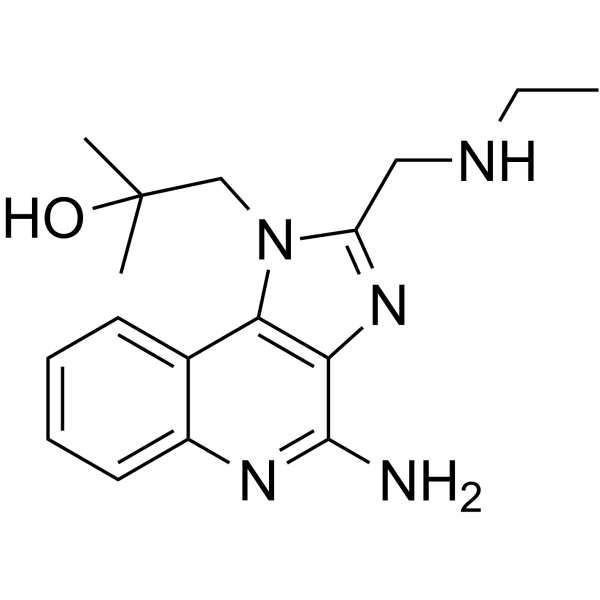
    Toll-like Receptor (TLR) Cancer
    Gardiquimod is an imidazoline TLR7/8 agonist. Gardiquimod inhibits HIV-1 infection of macrophages and activated peripheral blood mononuclear cells (PBMCs). Gardiquimod specifically activates TLR7 at concentrations below 10 μM.
    Gardiquimod
  • HY-P3160C

    Biochemical Assay Reagents Infection
    Fibronectin, bovine plasma is a fibronectin derived from bovine plasma. Fibronectin is an extracellular matrix protein that is upregulated and essential in many developmental processes, and also exists in the pathological progression of tissues and wound healing. Fibronectin specifically binds to a large number of molecules, including other components of the extracellular matrix, signaling molecules and cell adhesion molecules. The interaction between cells and fibronectin leads to bidirectional crosstalk, which regulates cell functions and induces cell-dependent changes in the extracellular matrix. Fibronectin, bovine plasma inhibits the production of bovine leukemia virus (BLV) p24 core protein in naturally infected bovine peripheral blood mononuclear cells .
    Fibronectin, bovine plasma
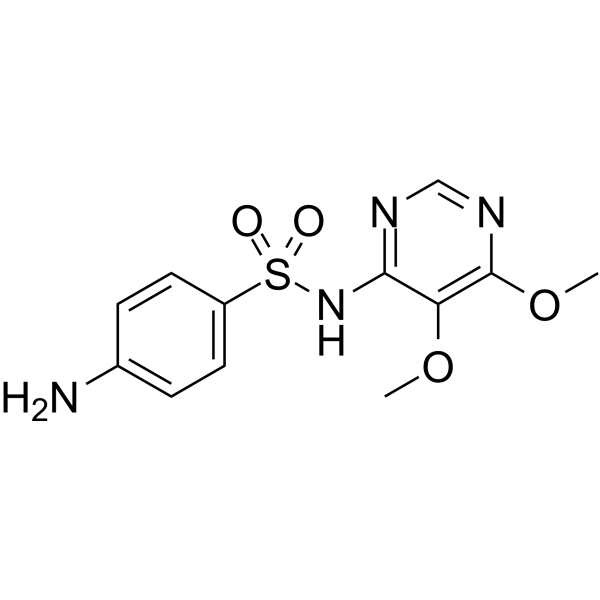
  • HY-B0439

    Sulphadoxine

    Parasite HIV Antibiotic Endogenous Metabolite Infection
    Sulfadoxine(Sulphadoxine) is a long acting sulfonamide that is used, usually in combination with other agents, for respiratory, urinary tract and malarial infections. Sulfadoxine inhibits HIV replication in peripheral blood mononuclear cells.
    Sulfadoxine
  • HY-129460
    XJB-5-131
    5+ Cited Publications

    Reactive Oxygen Species (ROS) Neurological Disease
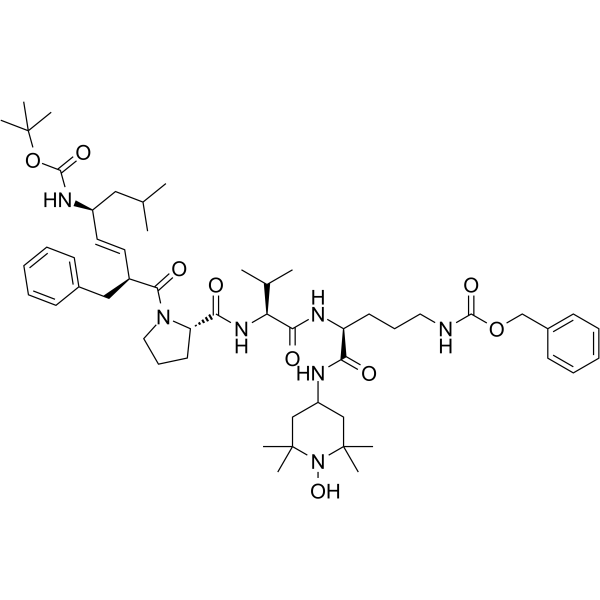
    XJB-5-131 is a mitochondria-targeted ROS and electron scavenger . XJB-5-131 is a bi-functional antioxidant that comprises a radical scavenger. XJB-5-131 is a synthetic antioxidant that targets mitochondria . XJB-5-131 is an effective ionizing irradiation protector and mitigator of cord blood mononuclear cells (CB MNCs) .
    XJB-5-131
  • HY-P99943

    KN-046

    PD-1/PD-L1 CTLA-4 Cancer
    Erfonrilimab (KN-046) is a monoclonal antibody targeting PD-L1/CTLA-4. Erfonrilimab blocks the PD-L1 and CTLA-4 pathways, thereby regulating T cell function. Erfonrilimab enhances the secretion of IL-2 in superantigen-stimulated peripheral blood mononuclear cells. Erfonrilimab inhibits tumor growth in xenograft and double gene knock-in mouse models. Erfonrilimab can be used in research related to a variety of advanced solid tumors, including non-small cell lung cancer and nasopharyngeal carcinoma.
    Erfonrilimab
  • HY-155175

    Tim3 IFNAR Cancer
    TIM-3-IN-2 is a TIM-3 inhibitor. TIM-3-IN-2 blocks the interactions of TIM-3 with PtdSer, CEACAM1 and Gal-9, and inhibits the immunosuppressive function of TIM-3. TIM-3-IN-2 restores IFNγ release from peripheral blood mononuclear cells. TIM-3-IN-2 inhibits the proliferation of acute myeloid leukemia cells. TIM-3-IN-2 can be used for the research of acute myeloid leukemia .
    TIM-3-IN-2
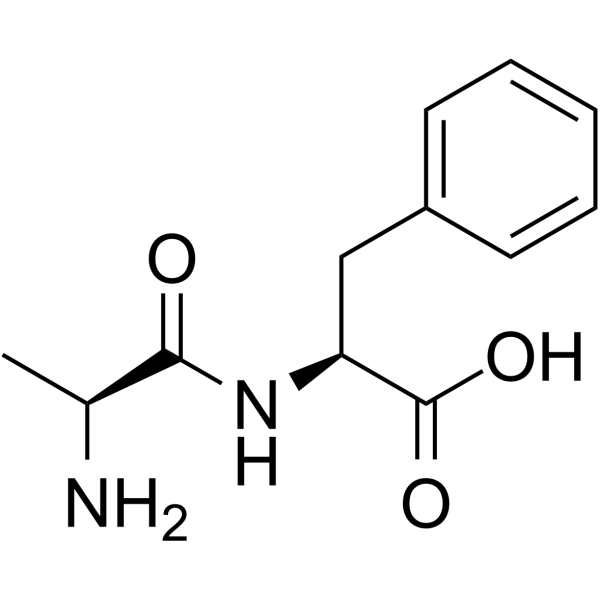
  • HY-W012161

    L-Alanyl-L-phenylalanine; H-Ala-Phe-OH

    Endogenous Metabolite Drug Intermediate Others
    Alanylphenylalanine (L-Alanyl-L-phenylalanine) is a dipeptide. Alanylphenylalanine forms a mononuclear Au (III) complex through bidentate coordination via its carboxyl oxygen atom and deprotonated amide nitrogen atom .
    Alanylphenylalanine
  • HY-138568

    MAP4K Inflammation/Immunology
    HPK1-IN-3 is a potent and selective ATP-competitive hematopoietic progenitor kinase 1 (HPK1; MAP4K1) inhibitor with an IC50 of 0.25 nM. HPK1-IN-3 has IL-2 cellular potency with an EC50 of 108 nM in human peripheral blood mononuclear cells (PBMCs) .
    HPK1-IN-3
  • HY-W011060

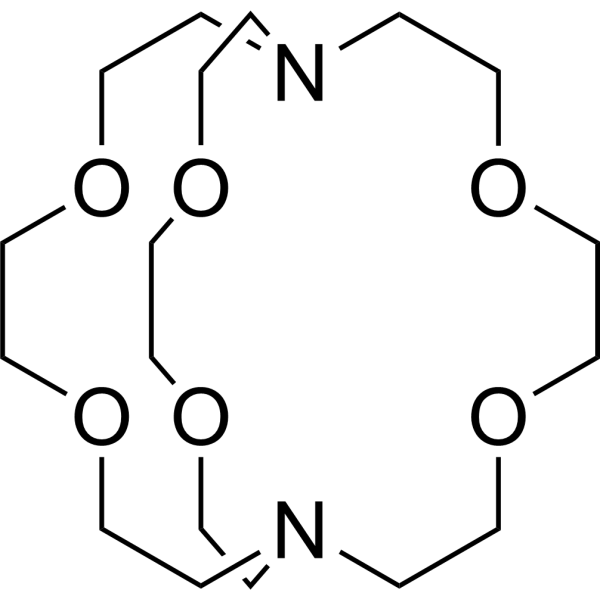
    4,7,13,16,21,24-Hexaoxa-1,10-diazabicyclo[8.8.8]hexacosane

    Biochemical Assay Reagents Others
    Cryptand 2.2.2 (4,7,13,16,21,24-Hexaoxa-1,10-diazabicyclo[8.8.8]hexacosane) is a metal ion chelator. Cryptand 2.2.2 forms stable mononuclear, protonated and dinuclear complexes with copper (II) ions; forms protonated complexes with hydrogen ions; and also forms stable complexes with Zn 2+, Co 2+, Ni 2+, Cd 2+, Hg 2+ and Pb 2+ ions. Cryptand 2.2.2 can be used for the preparation of nanoparticles, transition metal compounds, etc.
    Cryptand 2.2.2
  • HY-B0392

    (+)-Rolipram; (S)-Rolipram

    Phosphodiesterase (PDE) Apoptosis Neurological Disease Inflammation/Immunology Cancer
    (S)-(+)-Rolipram ((+)-Rolipram) is a cyclic AMP(cAMP)-specific phosphodiesterase 4 (PDE4) inhibitor, with an IC50 of 1100 nM. (S)-(+)-Rolipram can suppresse tumor necrosis factor-alpha (TNFα) production by human mononuclear cells .
    (S)-(+)-Rolipram
  • HY-156961

    GLPG3667

    JAK Inflammation/Immunology
    Cadefrecitinib (GLPG3667) is a reversible, ATP-competitive and orally active TYK2 inhibitor with an IC50 of 2.3 nM. Cadefrecitinib inhibits IFNα/pSTAT1, and the IC50 values ​​in human peripheral blood mononuclear cell (PBMC) and whole blood assays are 70 nM and 623 nM, respectively. Cadefrecitinib has the potential for the study of inflammatory and autoimmune diseases .
    Cadefrecitinib
  • HY-120559

    Itk Inflammation/Immunology
    GSK-2250665A (Compound 13) is a selective Itk inhibitor with a pKi of 9.2.
    GSK-2250665A
  • HY-13224

    Kinesin Apoptosis Mitosis Cancer
    AZD4877 is another isostere to Ispinesib (HY-50759)and also a kinesin spindle protein (Eg5) inhibitor with IC50 of 2 nM.AZD4877 arrests cell mitosis, leads to the formation of the monopolar spindle phenotype and induces apoptosis. AZD4877 inhibits circulating peripheral blood mononuclear cells (PBMCs) and has anti-cancer activity .
    AZD4877
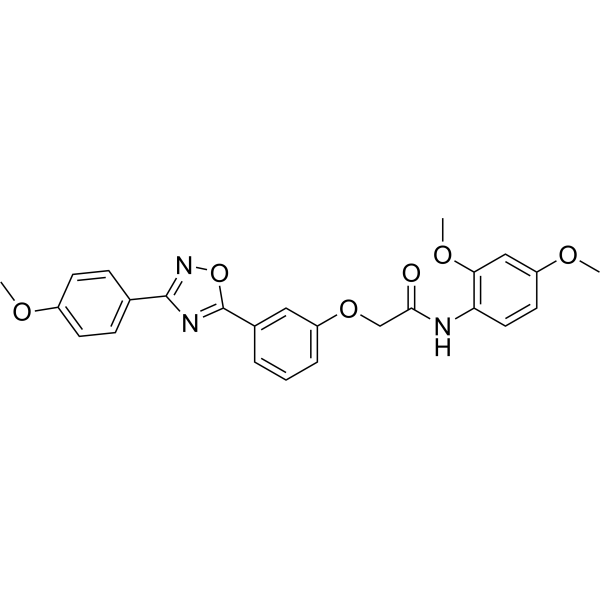
  • HY-18974
    MCT1-IN-2
    1 Publications Verification

    Monocarboxylate Transporter Cancer
    MCT1-IN-2 is a potent monocarboxylate transporter 1 (MCT1) inhibitor. MCT1-IN-2 has anti-cancer activity .
    MCT1-IN-2
  • HY-103697A

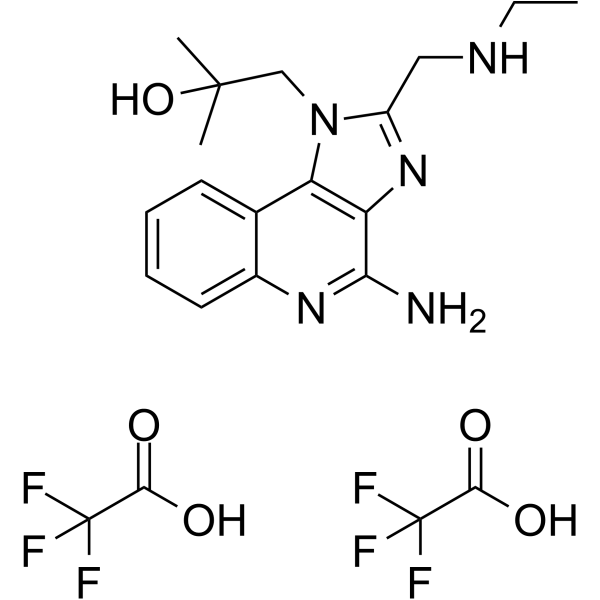
    Toll-like Receptor (TLR) Cancer
    Gardiquimod diTFA is an imidazoline TLR7/8 agonist. Gardiquimod diTFA inhibits HIV-1 infection of macrophages and activated peripheral blood mononuclear cells (PBMCs). Gardiquimod diTFA specifically activates TLR7 at concentrations below 10 μM.
    Gardiquimod diTFA
  • HY-139781
    PD-L1-IN-1
    1 Publications Verification

    PD-1/PD-L1 Apoptosis Cancer
    PD-L1-IN-1 (Compound 10) is a potent PD-L1 inhibitor with an IC50 of 115 nM. PD-L1-IN-1 strongly binds with the PD-L1 protein and challenged it in a co-culture of PD-L1 expressing cancer cells and peripheral blood mononuclear cells enhanced antitumor immune activity of the latter. PD-L1-IN-1 significantly exhibits low cytotoxicity in healthy cells .
    PD-L1-IN-1
  • HY-B0902A

    MF-934 hydrochloride

    Bacterial Antibiotic Infection
    Rufloxacin hydrochloride (MF-934 hydrochloride) is a fluoroquinolone antibacterial, inhibits B-cell differentiation in human mononuclear cells, inhibits Topo.
    Rufloxacin hydrochloride
  • HY-155782

    RIP kinase Inflammation/Immunology
    Zharp2-1 is an oral effective RIPK2 inhibitor, highly associated with inflammatory bowel disease (IBD). Zharp2-1 blocker muramyl dipeptide (MDP) induces growth of mononuclear cells and induces inflammatory cell factor infection. Zharp2-1 attenuates MDP-induced small inguinal peritonitis, or ameliorates by DNBS-induced large inguinal conjunctivitis .
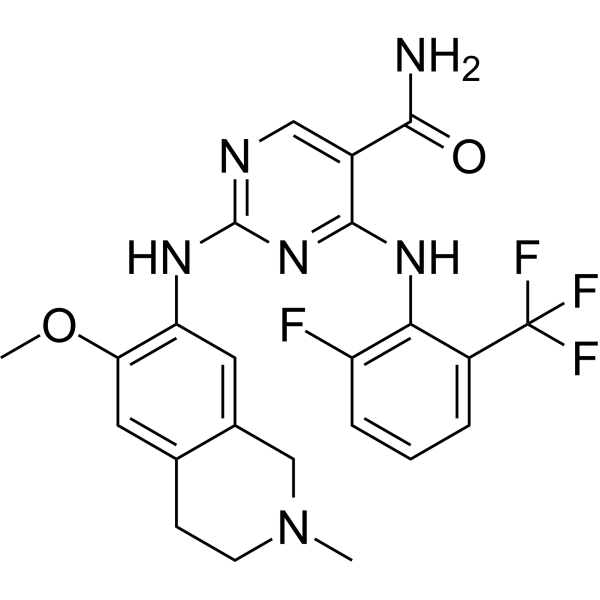
    Zharp2-1
  • HY-156278

    Apoptosis Autophagy Cancer
    FB49 is a highly selective inhibitor of Bcl-2-associated athanogene 3 (BAG3), with the Ki of 45 μM. FB49 inhibits the cell growth in human tumoral cells, but has no toxicity in human peripheral mononuclear cells. FB49 block cell cycle in G1 phase and to induce apoptosis as well as autophagy in medulloblastoma HD-MB03 treated cells .
    FB49
  • HY-W105318

    PBP

    TGF-beta/Smad Apoptosis Cancer
    Pentabromophenol (PBP) is a brominated flame retardant (BFR) widely used in various consumer products to reduce the flammability of materials used in different utility items. Pentabromophenol can accelerate the degradation of transforming growth factor-β (TGF-β) receptors by promoting clathrin-mediated endocytosis, thereby inhibiting the TGF-β signaling pathway. Additionally, Pentabromophenol can also induce apoptosis in peripheral blood mononuclear cells (PBMCs) .
    Pentabromophenol
  • HY-159884

    Tim3 TNF Receptor IFNAR Cancer
    MG-T-19 is an effective TIM-3 inhibitor that can suppress the interaction of TIM-3 with PtdSer, CEACAM1, and Gal-9. MG-T-19 can increase the production of tumor necrosis factor-α (TNF-α) and interferon-γ (IFN-γ) in peripheral blood mononuclear cells (PBMCs) from healthy donors, and enhance the ability of PBMCs to inhibit the proliferation of Kasumi-1 cells (an acute myelogenous leukemia cell line) .
    MG-T-19
  • HY-W033466

    Benzeneruthenium(II) chloride dimer

    Biochemical Assay Reagents Others
    Benzeneruthenium(II) Chloride Dimer (Benzeneruthenium(II) chloride dimer) is a dinuclear complex. Benzeneruthenium(II) Chloride Dimer undergoes a hydrolysis reaction to generate a mixture of mononuclear ruthenium complexes in equilibrium .
    Dichloro(benzene)ruthenium(II) dimer
  • HY-103078

    HIV Reverse Transcriptase Infection
    I-XW-053 is a specific anti-HIV-1 capsid inhibitor (IC50=164.2 μM). By binding to the CA NTD-NTD hexamerization interface and the R173 region of CTD (Kd=66.3 μM), I-XW-053 disrupts capsid function and reduces polymerization levels. I-XW-053 effectively blocks HIV-1 uncoating, inhibits reverse transcription and early replication, and exhibits broad-spectrum activity against primary HIV-1 isolates in peripheral blood mononuclear cells. I-XW-053 can be widely used in studies related to HIV-1 infection .
    I-XW-053
  • HY-P4911A
    SDF-1α (human) TFA
    2 Publications Verification

    CXCR Cardiovascular Disease
    SDF-1α (human) TFA is a mononuclear cells chemoattractant that can bind to CXCR4. SDF-1α plays a central role in stem cell homing, retention, survival, proliferation, cardiomyocyte repair, angiogenesis and ventricular remodelling following myocardial infarction. SDF-1α (human) TFA can be used in cardiovascular disease research .
    SDF-1α (human) TFA
  • HY-12344A
    UNC2025 hydrochloride
    5+ Cited Publications

    FLT3 Cancer
    UNC2025 hydrochloride is a potent, ATP-competitive, highly orally active and BBB-permeable Mer/Flt3 inhibitor with IC50 values of 0.74 nM and 0.8 nM, respectively. UNC2025 hydrochloride is >45-fold selectivity for MERTK relative to Axl (IC50= 122 nM; Ki = 13.3 nM). UNC2025 hydrochloride exhibits an excellent PK properties, and can be used for the investigation of acute leukemia .
    UNC2025 hydrochloride
  • HY-125726

    (3'-sulfo)Galβ-Cer(d18:1/24:1); N-Nervonoyl Sulfatide; C24:1 Sulfatide

    Nuclear Factor of activated T Cells (NFAT) Inflammation/Immunology
    Sulfo galactosylceramide (N-Nervonoyl Sulfatide; C24:1 Sulfatide) is a glycolipid and the major sulfolipid species in mature myelin. Sulfo galactosylceramide interacts with C-type lectins and immunoglobulin-like receptors, with the highest affinity for LMIR5. Sulfo galactosylceramide induces MCP-1 production by basophils but not mast cells, and increases NFAT activation via LMIR5. Sulfo galactosylceramide alleviates symptoms and improves survival in a mouse model of chronic relapsing-remitting experimental autoimmune encephalomyelitis (EAE), and reduces inflammatory lesions and the number of infiltrating mononuclear cells in the lumbar spinal cord of EAE mice.
    Sulfo galactosylceramide
  • HY-150749A

    IFNAR Cancer
    ODN D-SL03 sodium is a C class CpG oligonucleotides, and can induce stimulate PBMCs to produce high level of IFN-α. ODN D-SL03 sodium can activate human B cells, NK cells and mononuclear cells and up-regulate expression of CD80, CD86 and HLA-DR on the surface of subsets in human PBMCs. ODN D-SL03 sodium also can inhibit the growth of the tumor. ODN D-SL03 sequence: 5'-tcgcgaacgttcgccgcgttcgaacgcgg-3' .
    ODN D-SL03 sodium
  • HY-N6927

    Coleonol B

    TNF Receptor Interleukin Related Inflammation/Immunology
    Isoforskolin is the principle active component of C. forskohlii native to China. Isoforskolin reduces the secretion of lipopolysaccharide (LPS)-induced cytokines, namely TNF-α, IL-1β, IL-6 and IL-8, in human mononuclear leukocytes. Isoforskolin acts as an anti-inflammatory agent for the treatment of Lyme arthritis .
    Isoforskolin
  • HY-P4911

    CXCR Cardiovascular Disease
    SDF-1α (human) is a mononuclear cells chemoattractant that can bind to CXCR4. SDF-1α plays a central role in stem cell homing, retention, survival, proliferation, cardiomyocyte repair, angiogenesis and ventricular remodelling following myocardial infarction. SDF-1α (human) can be used in cardiovascular disease research .
    SDF-1α (human)
  • HY-107101

    PG 701; LLDT-8; 5α-Hydroxytriptolide

    IFNAR CD74 JNK Interleukin Related TNF Receptor NF-κB HIV Inflammation/Immunology
    (5R)-5-Hydroxytriptolide is an extracted compound from Tripterygium, and shows lower cell cytotoxicity and higher immunosuppressive activity. (5R)-5-Hydroxytriptolide can be used for study of rheumatoid arthritis .
    (5R)-5-Hydroxytriptolide
  • HY-P4984

    Biochemical Assay Reagents Inflammation/Immunology Cancer
    Toxic Shock Syndrome Toxin-1 (TSST-1) (58-78) is a T cell proliferation activator. Toxic Shock Syndrome Toxin-1 (TSST-1) (58-78) promotes the in vitro proliferation of human peripheral blood mononuclear cells (PBMC) in a dose-dependent manner. Toxic Shock Syndrome Toxin-1 (TSST-1) (58-78) can be used in research on inflammatory and immunity, as well as cancer .
    Toxic Shock Syndrome Toxin-1 (TSST-1) (58-78)
  • HY-W012232

    Biochemical Assay Reagents Drug Intermediate Others
    2,6-Diphenylpyridine is a proton acceptor (log(P) = 5) and a tridentate [C^N^C] dianionic ligand. 2,6-Diphenylpyridine efficiently transfers protons through a direct pathway at the interface of two immiscible electrolyte solutions. 2,6-Diphenylpyridine as a tridentate ligand and can form mononuclear and binuclear complexes with gold(III). 2,6-Diphenylpyridin is applicable to research in electrochemical ion transfer kinetics and organometallic chemistry .
    2,6-Diphenylpyridine
  • HY-135382

    PROTACs IRAK Inflammation/Immunology Cancer
    PROTAC IRAK4 degrader-2 (Compound 9) is a PROTAC-based IRAK4 degrader that affords potent IRAK4 degradation with a DC50 in peripheral blood mononuclear cells (PBMCs) cells of 151 nM. PROTAC IRAK4 degrader-2 induce a reduction of IRAK4 protein levels with a DC50 of 36 nM in PBMC cells. PROTAC IRAK4 degrader-2 also leads to the inhibition of multiple cytokines in PBMCs .
    PROTAC IRAK4 degrader-2
  • HY-150744A

    Toll-like Receptor (TLR) Inflammation/Immunology
    ODN 24888 sodium is an guanine-modified inhibitory oligonucleotides (INH-ODN), shows potent inhibition on TLR7/TLR9-mediated signaling. ODN 24888 sodium impairs IFN-α level and NF-κB activation, inhibits IL-6 release. ODN 24888 sodium involves in immune and inflammatory responses, can be used as a vaccine adjuvant .
    ODN 24888 sodium
  • HY-127023

    EPA-5-HT

    Endogenous Metabolite FAAH Interleukin Related Tyrosine Hydroxylase Metabolic Disease
    Eicosapentaenoyl serotonin (EPA-5-HT) is an endogenous fatty acid-serotonin conjugate lipid mediator. Eicosapentaenoyl serotonin acts as an inhibitor of fatty acid amide hydrolase (FAAH). Eicosapentaenoyl serotonin suppresses IL-17 release in Concanavalin A (HY-P2149)-stimulated human peripheral blood mononuclear cells. Eicosapentaenoyl serotonin is regulated by polyunsaturated fatty acids and modulates intestinal immunity and Th17 signaling. Eicosapentaenoyl serotonin can be used for the study of inflammatory bowel disease-related mechanisms .
    Eicosapentaenoyl serotonin
  • HY-119337

    Ser/Thr Protease Infection
    CE-2072 is an inhibitor of serine proteases neutrophil elastase and proteinase-3. CE-2072 inhibits HIV-1 production and p24 production in response to IL-18 or NaCl in infected U1 monocytic cells, reduces virus replication in infected peripheral blood mononuclear cells and blocks infection of permissive HeLa cells. CE-2072 suppresses activation of the HIV-1-inducing transcription factor NF-kB in U1 cells. CE-2072 is promising for research of HIV-1-related disease .
    CE-2072
  • HY-B0439R

    Sulphadoxine (Standard)

    Reference Standards Parasite HIV Antibiotic Endogenous Metabolite Infection
    Sulfadoxine (Standard) is the analytical standard of Sulfadoxine. This product is intended for research and analytical applications. Sulfadoxine(Sulphadoxine) is a long acting sulfonamide that is used, usually in combination with other agents, for respiratory, urinary tract and malarial infections. Sulfadoxine inhibits HIV replication in peripheral blood mononuclear cells.
    Sulfadoxine (Standard)
  • HY-148643

    STING Inflammation/Immunology
    STING modulator-5 (compound 38) is a STING modulator with a pIC50 value of 9.5. STING modulator-5 antagonizes peripheral blood mononuclear cells (PBMC) with a pIC50 value of 8.1. STING modulator-5 is a antagonist of THP-1 cells, it can be used for immunological disease research .
    STING modulator-5
  • HY-W852084

    Drug Derivative Infection Cancer
    S-27609 is an imidazoquinoline with antiviral and antitumour properties. S-27609 can induce peripheral blood mononuclear cells to produce various cytokines such as interferon-α (IFN-α), tumor necrosis factor-α (TNF-α), and interleukin-1β (IL-1β). S-27609 is promising for research of viral infections (e.g., herpes virus) and tumors .
    S-27609
  • HY-179009

    NOD-like Receptor (NLR) Interleukin Related Inflammation/Immunology
    NOD2 agonist 4 (Compound 12b) is a potent NOD2 agonist with an EC50 of 44.1 nM. NOD2 agonist 4 induces cytokine production (MCP-1, IL-6 and IL-8) in peripheral blood mononuclear cells (PBMCs), both alone and in combination with Lipopolysaccharide (LPS) (HY-D1056). NOD2 agonist 4 can be used for the studies of NOD2-targeted immunomodulator or vaccine adjuvant .
    NOD2 agonist 4
  • HY-15350

    LY 300046 hydrochloride

    Reverse Transcriptase Others
    Trovirdine hydrochloride, a phenethylthiazolylthiourea (PETT) derivative, is an HIV reverse transcriptase (RT) non-nucleoside inhibitor (NNI). A novel computer model of the RT/NNI binding pocket revealed spatial gaps around Trovirdine hydrochloride's pyridyl ring. Docking studies suggested that replacing this planar ring with a nonplanar piperidinyl or piperazinyl ring could better occupy the binding pocket, enhancing anti-HIV activity. Synthesized heterocyclic compounds based on this modification demonstrated greater potency than Trovirdine hydrochloride, effectively inhibiting HIV replication at nanomolar concentrations without cytotoxicity in infected peripheral blood mononuclear cells .
    Trovirdine hydrochloride
  • HY-P10587A

    JNJ-77242113 acetate; JNJ-2113 acetate; PN-235 acetate

    Interleukin Related STAT IFNAR Inflammation/Immunology
    Icotrokinra (JNJ-77242113) acetate is an orally available, selective antagonist of the IL-23 receptor. Icotrokinra acetate inhibits IL-23-induced STAT3 phosphorylation in peripheral blood mononuclear cells (IC50=5.6 pM) and inhibits IL-23-induced interferon IFN-γ production in NK cells with an IC50 of 18.4 pM. Icotrokinra acetate exhibits anti-inflammatory activity in a rat TNBS-induced colitis model. Icotrokinra acetate can be used in the study of psoriasis, psoriatic arthritis, and inflammatory bowel disease .
    Icotrokinra acetate
  • HY-W795993

    Transmembrane Glycoprotein Inflammation/Immunology
    TJU103 is a CD4 inhibitor. TJU103 inhibits autoreactive CD4 + T cells by disrupting the function of the CD4 during activation. TJU103 decreases mononuclear cell infiltration in brain and spinal cord tissue of experimental allergic encephalomyelitis (EAE) mice model. TJU103 downregulates Th1 and Th2 cytokine levels in response to proteolipid protein epitope 139-151 (PLPe) and exhibits inhibitory effects both after the appearance of EAE symptoms and upon rechallenge with Ag. TJU103 can be used for autoimmune diseases like EAE and sclerosis (MS) research .
    TJU103

Inquiry Online

Your information is safe with us. * Required Fields.

Salutation


Country or Region *

Applicant Name *


Organization Name *

Department *


Email Address *


Product Name *

Cat. No.


Requested quantity *

Phone Number *


Remarks

Inquiry Online

Inquiry Information

Product Name:
Cat. No.:
Quantity:
MCE Japan Authorized Agent:

