

1. Search Result
Search Result
Results for "

mouse brain

" in MedChemExpress (MCE) Product Catalog:

233

Inhibitors & Agonists

8

Fluorescent Dye

1

Biochemical Assay Reagents

23

Peptides

2

MCE Kits

7

Inhibitory Antibodies

16

Natural
Products

12

Recombinant Proteins

2

Isotope-Labeled Compounds

2

Click Chemistry

5

Oligonucleotides

Cat. No. Product Name Target Research Areas Chemical Structure
  • HY-13863
    Hydroxy-Dynasore
    15+ Cited Publications

    Dyngo-4a

    Dynamin Neurological Disease
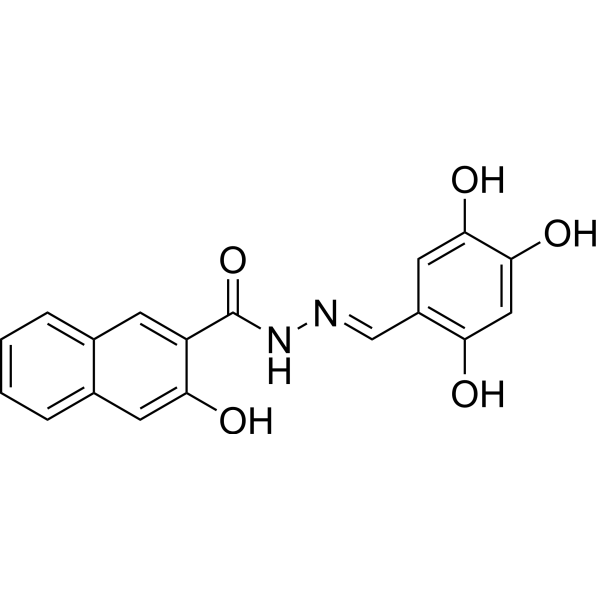
    Hydroxy Dynasore (Dyngo-4a), a structural mimetic analog of Dynasore (HY-15304), is an improved, less cytotoxic and versatile dynamin inhibitor with IC50 values ​​of 0.38 μM and 2.3 μM for brain recombinant dynamin I and recombinant mouse dynamin II, respectively. Hydroxy Dynasore inhibits dynamin-dependent transferrin endocytosis with an IC50 of 5.7 μM.
    Hydroxy-Dynasore
  • HY-103242

    Amyloid-β Neurological Disease
    CRANAD-2 is a specific near-infrared (NIR) fluorescent probe for detecting plaques (unbound to Aβ: Ex=640 nm; Em=805 nm; after binding: Em=715 nm). CRANAD-2 penetrates the blood-brain barrier and has high affinity for Aβ aggregates, with a Kd value of 38 nM. CRANAD-2 is applicable to research related to Alzheimer's disease and neurodegenerative diseases .
    CRANAD-2
  • HY-103530
    CGP35348
    2 Publications Verification

    GABA Receptor Neurological Disease
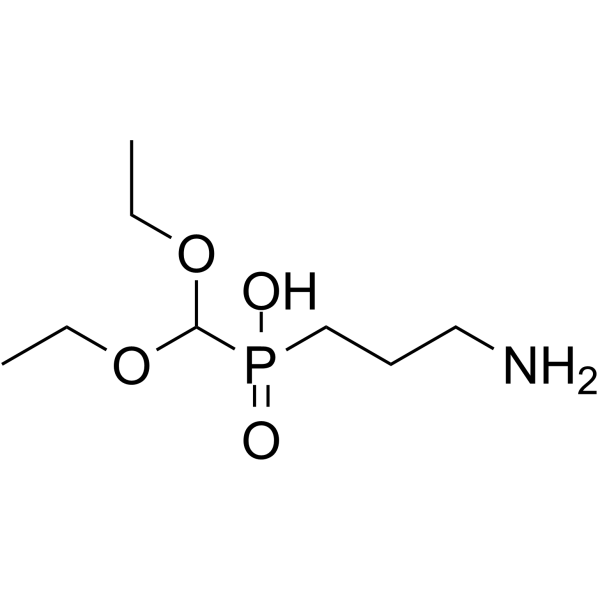
    CGP 35348 is a selective, brain penetrant, centrally active GABAB receptor antagonist with an EC50 of 34 μM. CGP 35348 shows affinity for the GABAB receptor only . CGP 35348 has a potential to improve neuromuscular coordination and spatial learning in albino mouse following neonatal brain damage .
    CGP35348
  • HY-NP0204

    ELOVL Apoptosis NOD-like Receptor (NLR) Caspase Tau Protein Neurological Disease Inflammation/Immunology
    Mouse Serum Albumin is most abundant protein in plasma, which leaks into the brain parenchyma when the blood-brain barrier (BBB) is impaired. Mouse Serum Albumin induces astrocytes to A1 phenotype to remarkably increase levels of Elovl1. Mouse Serum Albumin promotes VLSFAs secretion and causes neuronal lippoapoptosis through endoplasmic reticulum stress response pathway. MSA-activated microglia triggeres remarkable tau phosphorylation at multiple sites (Ser202/Thr205) through NLRP3 inflammasome pathway. Mouse Serum Albumin decreases the spatial learning and memory abilities in mice. Mouse Serum Albumin can be used for the study of neurodegenerative diseases like Alzheimer’s disease (AD) and frontotemporal dementia (FTD) .
    Mouse Serum Albumin
  • HY-17399
    Racecadotril
    3 Publications Verification

    Acetorphan

    Neprilysin Metabolic Disease
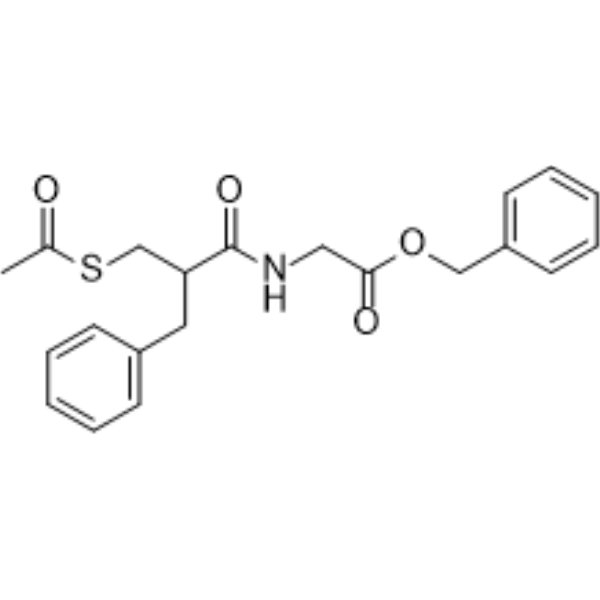
    Racecadotril (Acetorphan) is a neutral endopeptidase (NEP) inhibitor. Racecadotril and its active metabolite Thiorphan inhibits purified NEP activity from mouse brain with Kis of 4500 and 6.1 nM, , respectively. Antidiarrheal agent .
    Racecadotril
  • HY-B1161A
    S-Methoprene
    2 Publications Verification

    (+)-Methoprene; (7S)-Methoprene

    Environmental Pollutants Cannabinoid Receptor Others
    S-Methoprene is an insect juvenile hormone analog and effective insecticide that blocks the transition from pupa to adult. S-Methoprene is also a CB(1) receptor ligand and inhibits the binding of the CB1 receptor antagonist [ 3H]CP-55940 to the CB1 receptor (IC50: 19.31 μM) .
    S-Methoprene
  • HY-113413
    Imidazoleacetic acid
    2 Publications Verification

    Imidazolyl-4-acetic acid

    Endogenous Metabolite GABA Receptor Cardiovascular Disease Neurological Disease Metabolic Disease
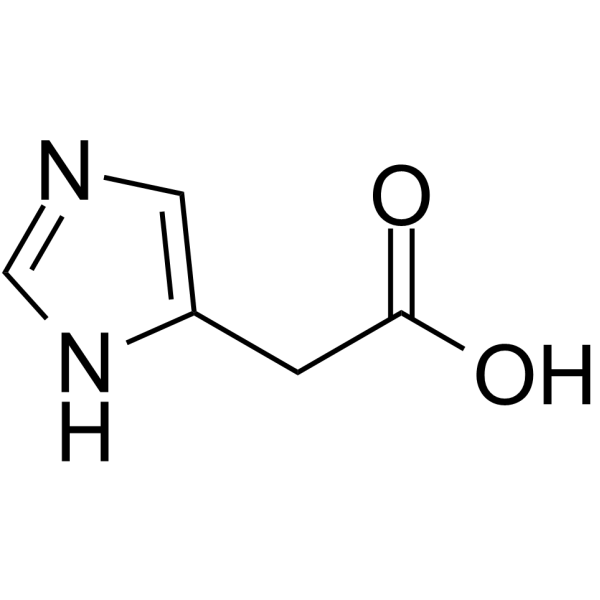
    Imidazoleacetic acid (Imidazolyl-4-acetic acid) is a blood-brain barrier-permeable full agonist of the GABAA receptor. Imidazoleacetic acid forms via histamine oxidation in the mouse brain. Imidazoleacetic acid exerts multiple neurochemical and behavioral effects. Imidazoleacetic acid induces a range of centrally mediated effects, including analgesia, sedation, hypnosis, as well as reductions in blood pressure, body temperature, isolation-induced aggression and motor activity .
    Imidazoleacetic acid
  • HY-106224B

    Hypocretin-1 (human, rat, mouse) acetate

    Orexin Receptor (OX Receptor) Neurological Disease
    Orexin A (Hypocretin-1) (human, rat, mouse) acetate is a hypothalamic neuropeptide with analgesic properties (crosses the blood-brain barrier). Orexin A (human, rat, mouse) acetate binds and activates two types of G protein-coupled receptors, the orexin-1 receptor (OX1R) and the orexin-2 receptor (OX2R). Orexin A (human, rat, mouse) acetate can be used in studies of appetite regulation, neurodegenerative diseases and modulation of injurious messaging .
    Orexin A (human, rat, mouse) acetate
  • HY-109024

    RG7314

    Vasopressin Receptor Cardiovascular Disease Neurological Disease Endocrinology
    Balovaptan (RG7314) is an orally available, selective brain-penetrant vasopressin 1a (hV1a) receptor antagonist, with Kis of 1 and 39 nM for human (hV1a) and mouse (mV1a) receptors, and is used for the research of autism.
    Balovaptan
  • HY-155482
    NA-184
    1 Publications Verification

    Proteasome Neurological Disease
    NA-184 is a selective and brain-penetrant calpain-2 inhibitor with an IC50 of 134 nM for mouse calpain-2. NA-184 has weak inhibitory activity on calpain-1 (IC50 of 2826 nM). NA-184 does not exhibit significant inhibition on a variety of other cysteine-, serine- or metallo-proteases. NA-184 shows significant neuroprotection and can be used for the study of traumatic brain injury (TBI) .
    NA-184
  • HY-N8157
    4'-O-Methylpyridoxine
    1 Publications Verification

    Others Cardiovascular Disease Neurological Disease
    4'-O-Methylpyridoxine is an orally active antivitamin B6 compound found in Ginkgo biloba seeds and leaves. 4'-O-Methylpyridoxine inhibits pyridoxal kinase. 4'-O-Methylpyridoxine reduces brain pyridoxal-5'-phosphate (PLP) levels, decreases gamma-aminobutyric acid/glutamate (GABA/Glu) ratio. 4'-O-Methylpyridoxine increases plasma levels of pyridoxal-5'-phosphate and pyridoxal. 4'-O-Methylpyridoxine induces hyperactivity, convulsions, pathological tissue changes, organ damage in rodent brain and heart .
    4'-O-Methylpyridoxine
  • HY-P2469

    BNP-45, mouse

    Natriuretic Peptide Receptor (NPR) Cardiovascular Disease
    Brain Natriuretic Peptide-45, mouse (BNP-45, mouse) is a 45-amino-acid peptide derived from the mouse BNP prohormone, which exhibits natriuretic, diuretic, and vasoactive effects. Brain Natriuretic Peptide-45, mouse contains all amino acid residues deemed critical for the biological activity of natriuretic peptides. Brain Natriuretic Peptide-45, mouse possesses hypotensive and diuretic activities .
    Brain Natriuretic Peptide-45, mouse
  • HY-W035091
    Tetrachloroauric acid
    1 Publications Verification

    Biochemical Assay Reagents Cardiovascular Disease Neurological Disease
    Tetrachloroauric acid is an Au (III) compound and bilayer disruptor that can be used to damage red blood cells. Tetrachloroauric acid specifically disrupts the bilayer structure of representative phospholipids (dimyristoylphosphatidylcholine and dimyristoylphosphatidylethanolamine) in human red blood cell membranes, and induces morphological changes in intact human red blood cells. Tetrachloroauric acid causes downregulation of MT I-II and GFAP expression in the mouse brain following chronic treatment. Tetrachloroauric acid is being used in studies related to neurotoxicity and hematotoxicity, including analyses of human red blood cells and molecular models of red blood cell membranes, as well as immunohistochemical evaluation of the mouse brain .
    Tetrachloroauric acid
  • HY-P1290
    PKA Inhibitor Fragment (6-22) amide
    5 Publications Verification

    PKI-(6-22)-amide

    PKA Neurological Disease
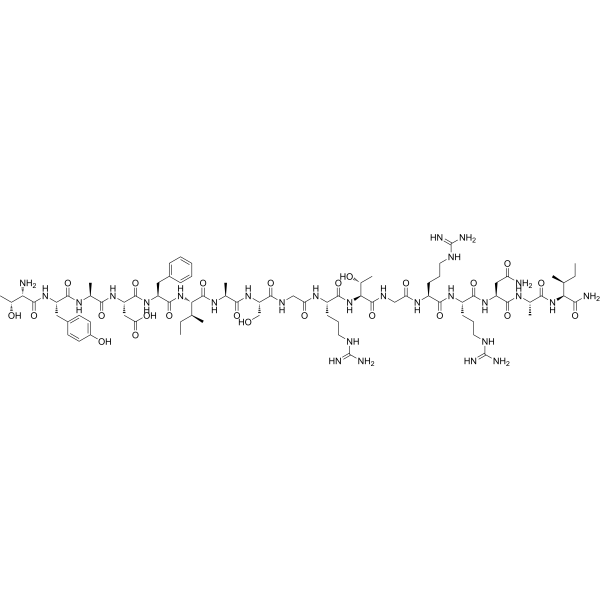
    PKA Inhibitor Fragment (6-22) amide is a highly potent and specific competitive inhibitor of PKA, with Ki values of 1.7 nM and 1.6 nM against human and bovine PKA catalytic subunits, respectively. The IC50 of PKA Inhibitor Fragment (6-22) amide targeting bovine PKA is 8.6 nM. PKA Inhibitor Fragment (6-22) amide effectively abolishes PKA activity in mouse brain and spinal cord, and exerts in vivo efficacy via intracerebroventricular administration. PKA Inhibitor Fragment (6-22) amide significantly reverses low-dose morphine analgesic tolerance in mice and blocks photoaffinity labeling of cAMP-dependent protein kinase. PKA Inhibitor Fragment (6-22) amide can be applied to research in fields related to the mechanism of morphine analgesic tolerance and skin wound healing .
    PKA Inhibitor Fragment (6-22) amide
  • HY-164485

    Toll-like Receptor (TLR) SARS-CoV Infection
    INI-4001 is a TLR7/8 agonist and vaccine adjuvant. INI-4001 regulates innate and adaptive immune responses by activating murine TLR7 and human TLR7/TLR8. INI-4001 enhances IgG and neutralizing antibody responses against Powassan virus (POWV), reduces viral loads in the brain, liver and spleen, provides complete protection against lethal POWV challenge, and skews immune responses toward a Th1 phenotype. When INI-4001 is used in combination with Al (OH)3 and SARS-CoV-2 RBD antigen, it efficiently adsorbs to Al (OH)3, promotes Th1 immunity and enhances SARS-CoV-2 neutralizing antibody responses. INI-4001 is applicable to research related to Powassan virus infection and COVID-19 .
    INI-4001
  • HY-145580

    UCB0599; (R)-NPT200-11

    α-synuclein Neurological Disease
    Minzasolmin (UCB0599; (R)-NPT200-11) is an orally active, blood-brain-permeable α-synuclein (α-Syn) inhibitor that selectively binds to α-Syn misfolded intermediates (such as oligomers) and inhibits aggregation and fibril formation by regulating their conformational stability. Minzasolmin can reduce the generation of pathological oligomers and block neurotoxic signaling, thereby reducing the abnormal accumulation of α-Syn in the brain. Minzasolmin significantly improved motor deficits, reduced neuroinflammatory markers, and α-Syn-related pathological deposition in transgenic mouse models .
    Minzasolmin
  • HY-15079
    Talampanel
    1 Publications Verification

    GYKI-53773; LY-300164

    iGluR Apoptosis Neurological Disease Cancer
    Talampanel (LY300164) is an orally and selective α-amino-3-hydroxy-5-methyl-4-isoxazolepropionate (AMPA) receptor antagonis with anti-seizure activity . Talampanel (IVAX) has neuroprotective effects in rodent stroke models . Talampanel attenuates caspase-3 dependent apoptosis in mouse brain .
    Talampanel
  • HY-B1941
    4-tert-Octylphenol
    2 Publications Verification

    Endogenous Metabolite Apoptosis DNA/RNA Synthesis Neurological Disease Metabolic Disease Inflammation/Immunology Endocrinology
    4-tert-Octylphenol, a endocrine-disrupting chemical, is an estrogenic agent. 4-tert-Octylphenol is also a biodegradation product of non-ionic surfactants alkylphenol polyethoxylates. 4-tert-Octylphenol induces apoptosis in neuronal progenitor cells in offspring mouse brain. 4-tert-Octylphenol reduces bromodeoxyuridine (BrdU), mitotic marker Ki67, and phospho-histone H3 (p-Histone-H3), resulting in a reduction of neuronal progenitor proliferation. 4-tert-Octylphenol disrupts brain development and behavior in mice, which is promising for reserch of immune response, neuro-related diseases and ethology .
    4-tert-Octylphenol
  • HY-D2709

    Fluorescent Dye Others
    Cy3 Dextran (MW 20000) is a fluorescent labeling reagent that combines Cy3 (HY-D0822) fluorescent dye and Dextran (HY-112624). The Cy3 fluorophore is commonly used in applications such as immunolabeling, nucleic acid labeling, fluorescence microscopy, and flow cytometry. Dextran has an inhibitory effect on thrombocyte aggregation and coagulation factors and is used as a plasma volume expander (Ex/Em = 550/570 nm) .
    Cy3 Dextran (MW 20000)
  • HY-P10216

    Biochemical Assay Reagents Neurological Disease
    CAQK peptide selectively binds to injured mouse brain. CAQK peptide selectively targets demyelinating areas and it is absent from healthy tissue. The CAQK peptide target is a proteoglycan complex upregulated in brain injuries and is used for drug delivery. CAQK peptide can penetrate the blood-brain barrier .
    CAQK peptide
  • HY-176222

    Caspase Inflammation/Immunology
    IRF1 antagonist 1 (8003-3282) is a potent IRF1 (interferon regulatory factor) antagonist with anti-inflammatory activity. IRF1 antagonist 1 can maintain blood-brain barrier integrity and reduce brain edema. IRF1 antagonist 1 can improve neurological outcomes in an acute traumatic brain injury (TBI) mouse model .
    IRF1 antagonist 1
  • HY-12332
    JW 642
    3 Publications Verification

    MAGL Neurological Disease
    JW 642 is a potent inhibitor of monoacylglycerol lipase (MAGL) that displays IC50 values of 7.6, 14, and 3.7 nM for inhibition of MAGL in mouse, rat, and human brain membranes, respectively.
    JW 642
  • HY-104003

    Histamine Receptor Neurological Disease Endocrinology
    S 38093 is a brain-penetrant, orally active antagonist of H3 receptor, with Kis of 8.8, 1.44 and 1.2 μM for rat, mouse and human H3 receptors, respectively.
    S 38093
  • HY-117709

    HDAC Neurological Disease
    BRD6688 is a selective HDAC2 inhibitor. BRD6688 increases H4K12 and H3K9 histone acetylation in primary mouse neuronal cells. BRD6688 crosses the blood brain barrier and rescues the memory defects associated with p25 induced neurodegeneration in contextual fear conditioning in a CK-p25 mouse model .
    BRD6688
  • HY-44157

    Biochemical Assay Reagents Neurological Disease
    ALS-I, an acid-Liable surfactant, is adopted for in-solution enzymatic digestions, can help to solubilize hydrophobic proteins. ALS-I is significantly enhanced peptide recovery for mass spectrometry (MS) mapping in the study of the proteomes of regenerating rat retina and mouse brain .
    ALS-I
  • HY-149170

    5-HT Receptor Monoamine Transporter Neurological Disease
    FFN246 is a fluorescent, dual substrate of serotonin transporter (SERT) probe and vesicular monoamine transporter 2 (VMAT2) with excitation and emission spectra 392/427 nm. FFN246 can be used for labeling serotonergic neurons in mouse brain tissue through SERT-dependent accumulation .
    FFN246
  • HY-155079

    EGFR Cancer
    DZD1516 is a potent and selective HER2 inhibitor (IC50=0.56 nM) with good blood-brain permeability. DZD1516 exhibits antitumor activity in CNS and subcutaneous xenograft mouse models .
    DZD1516
  • HY-170781

    LIM Kinase (LIMK) Metabolic Disease
    MDI-114215 (compound 85) is an allosteric LIMK1/2 dual inhibitor with good in vivo tolerance. MDI-114215 can inhibit cofilin phosphorylation in mouse brain region-induced pluripotent stem cells (iPSCs), which can be used for Fragile X Syndrome (FXS) research .
    MDI-114215
  • HY-12098

    MPC-6827 hydrochloride

    Microtubule/Tubulin Cancer
    Verubulin hydrochloride (MPC-6827 hydrochloride) is a blood brain barrier permeable microtubule-disrupting agent, with potent and broad-spectrum in vitro and in vivo cytotoxic activities. Verubulin hydrochloride (MPC-6827 hydrochloride) exhibits potent anticancer activity in human MX-1 breast and other mouse xenograft cancer models. Verubulin hydrochloride (MPC 6827 hydrochloride) is a promising candidate for the treatment of multiple cancer types .
    Verubulin hydrochloride
  • HY-126031

    DAGL Inflammation/Immunology
    (R)-KT109 is a peripherally restricted serine hydrolase inhibitor that cannot cross the blood-brain barrier. (R)-KT109 irreversibly inhibits ABHD6, DAGLα and DAGLβ via carbamoylation of the active-site serine. (R)-KT109 exerts selective inhibitory effects on serine hydrolases in mouse brains, with pIC50 values of 8.6, 9.1 and 8.2 against human ABHD6, DAGLα and DAGLβ, respectively. (R)-KT109 effectively reduces the levels of 2-arachidonoylglycerol, arachidonic acid, eicosanoids and TNF-α. (R)-KT109 is widely used in studies of metabolic syndrome-related diseases and neuroinflammation .
    (R)-KT109
  • HY-P1256C

    Neurotensin Receptor Neurological Disease
    JMV 449 acetate is a potent neurotensin receptor agonist. JMV 449 acetate shows an IC50 of 0.15 nM for inhibition of 125I-neurotensin binding to neonatal mouse brain and an EC50 of 1.9 nM in contracting the guinea-pig ileum. JMV 449 acetate has highly potent and long-lasting hypothermic and analgesic effects in the mouse .
    JMV 449 acetate
  • HY-161759

    Histone Methyltransferase Metabolic Disease
    MS152 is an oral bioactive inhibitor of EHMT2/G9a. MS152 reactivats maternally silenced Prader-Willi syndrome (PWS) genes in brain and liver tissues of PWS mouse models .
    MS152
  • HY-W023493

    2-Aminopent-4-enoic acid

    Amino Acid Decarboxylase Neurological Disease
    DL-Allylglycine (2-Aminopent-4-enoic acid) is a glutamate decarboxylase (GAD) inhibitor. DL-Allylglycine significantly increases mouse brain ornithine decarboxylase (ODC) activity and decreases S-adenosyl-L-methionine decarboxylase (SAM-DC) activity. DL-Allylglycine causes a marked decrease in brain GABA concentration. DL-Allylglycine has convulsant activity that can be used in studies to induce epileptic seizures .
    DL-Allylglycine
  • HY-118140

    Cannabinoid Receptor Neurological Disease Inflammation/Immunology
    ZCZ011 is a potent and brain-penetrant cannabinoid 1 (CB1) receptor positive allosteric modulator. ZCZ011 potentiates binding of CP55,940 to the CB1 receptor, enhances anandamide (AEA)-stimulated GTPγS binding in mouse brain membranes. ZCZ011 increases β-arrestin recruitment and ERK phosphorylation in hCB1 cells. ZCZ011 can be used for researching neuropathic and inflammatory pain .
    ZCZ011
  • HY-P990130

    Transferrin Receptor Neurological Disease
    Anti-Mouse/Rat CD71/TfR1 Antibody (OX-26) is a mouse-derived IgG2a κ type antibody, targeting to mouse/rat CD71/TfR1. Anti-Mouse/Rat CD71/TfR1 Antibody (OX-26) targets the transferrin receptor and binds to an extracellular domain for the transferrin receptor. Anti-Mouse/Rat CD71/TfR1 Antibody (OX-26) can be used for the research in drug delivery, especially for drug delivery to the brain .
    Anti-Mouse/Rat CD71/TfR1 Antibody (OX-26)
  • HY-120425

    Environmental Pollutants Insecticide Infection
    Ethiprole is an insecticide.Metabolic sulfones are produced faster than Fipronil (HY-B0822) in CYP3A4-expressing cells and in vivo in mouse brain and liver.Ethiprole's sulfide, sulfoxide, sulfone and desulfinyl derivatives have better biological activity .
    Ethiprole
  • HY-143792

    Huntingtin P-glycoprotein Neurological Disease
    HTT-D3 is an orally active, blood-brain barrier penetrant splicing modulator of huntingtin (HTT). HTT-D3 promotes the inclusion of a pseudo-exon containing a premature termination codon into HTT pre-mRNA, triggers nonsense-mediated mRNA degradation and reduces HTT protein levels. HTT-D3 induces dose-dependent, comparable reductions in mutant HTT protein in both the brain and peripheral tissues of transgenic mouse models. HTT-D3 can be used for the research of Huntington's disease .
    HTT-D3
  • HY-144266

    Glucosylceramide synthase-IN-1

    Glucosylceramide Synthase (GCS) Neurological Disease Metabolic Disease
    Glucosylceramide synthase-IN-1 (T-036), a chemical probe, a potent, brain-penetrant and orally active glucosylceramide synthase (GCS) inhibitor with IC50s of 31 nM and 51 nM for human GCS and mouse GCS, respectively. Glucosylceramide synthase-IN-1 can be used for Gaucher's disease research .
    TP-060
  • HY-150307

    Protein Arginine Deiminase Inflammation/Immunology
    KP-302 (Compound 23) is a selective inhibitor of protein arginine deaminase PAD2 with a Ki of 60 μM. KP-302 also reverses physical disability in the EAE mouse model of multiple sclerosis (MS) and eliminates T cell infiltration in the brain. KP-302 can be studied in research as a disease-modifying agent for MS .
    KP-302
  • HY-170360

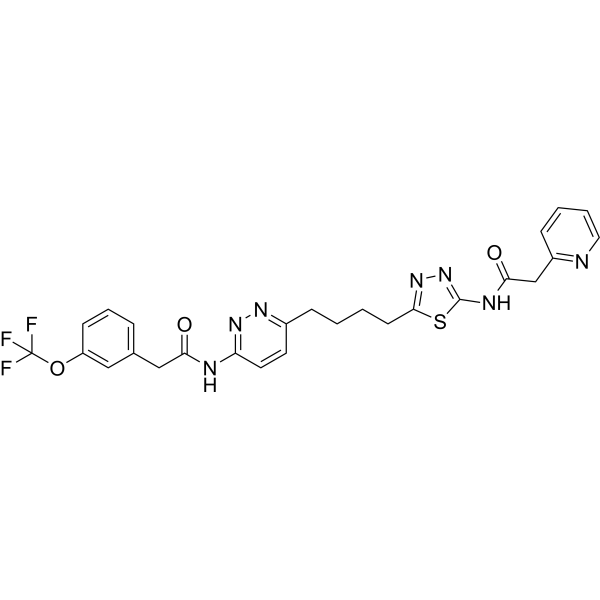
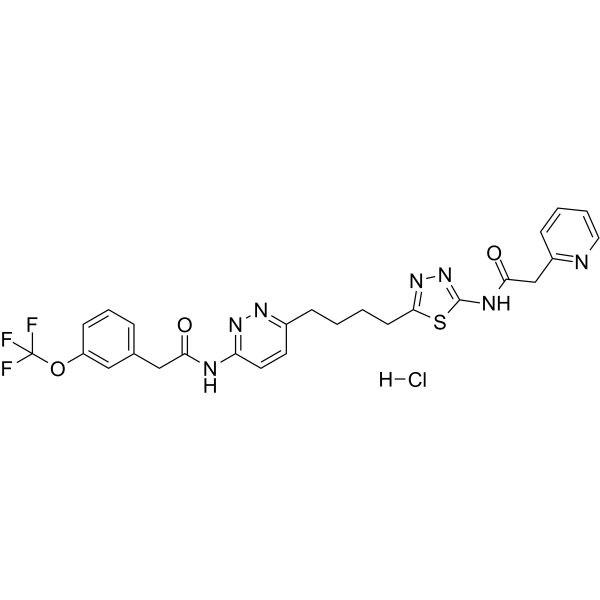
    AMPK JAK Cancer
    UCB9386 is the selective and brain penetrant inhibitor for Nuak1 with a pIC50 of 10.1. UCB9386 inhibits Nuak2 and Kak2 with an inhibition rate of ca. 50% at 10 nM .
    UCB9386
  • HY-116211

    WIN-25978

    Biochemical Assay Reagents Neurological Disease
    Amfonelic acid (WIN-25978) is a highly selective dopamine reuptake inhibitor. Amfonelic acid interferes with the in vitro neuronal uptake of norepinephrine in the iris of rats, but does not alter the concentrations of norepinephrine or dopamine in the whole mouse brain. Amfonelic acid can be used as a pharmacological tool to study the brain reward system, dopamine pathway and dopamine transporter .
    Amfonelic acid
  • HY-P99146

    CD3 Infection Neurological Disease Inflammation/Immunology Cancer
    Anti-Mouse TCR gamma/delta Antibody (UC7-13D5) is an anti-mouse TCR gamma/delta IgG monoclonal antibody. Anti-Mouse TCR gamma/delta Antibody (UC7-13D5) can enter the blood-brain barrier. Anti-Mouse TCR gamma/delta Antibody (UC7-13D5) effectively depletes γδ T cells and reduces macrophage and neutrophil infiltration. Anti-Mouse TCR gamma/delta Antibody (UC7-13D5) can reduce the immune response of transplants. Anti-Mouse TCR gamma/delta Antibody (UC7-13D5) can be used for researches on inflammation conditions, virus infection and cancer such as arthritis, JHM virus and breast cancer .
    Anti-Mouse TCR gamma/delta Antibody (UC7-13D5)
  • HY-W171983

    Wnt Cancer
    Notum-IN-1 (compound 6b) is an orally active, selective and brain penetrant inhibitor of Notum. Notum-IN-1 blocks the Wnt signaling in vivo in mouse .
    Notum-IN-1
  • HY-Z8890

    Cholinesterase (ChE) Neurological Disease
    Norneostigmine is a potent inhibitor of AChE that can penetrate the blood-brain barrier. Norneostigmine can achieve a 50% inhibition rate of mouse brain AChE after 10 min treatment, which is close to the inhibitory effect of tetrahydroaminoacridine (57% at 10 min). Norneostigmine can be used to study memory disorders related to Alzheimer's disease and other memory disorders .
    Norneostigmine
  • HY-124985

    mGluR Neurological Disease
    VU6010608 is a blood-brain barrier-crossing mGlu7 negative allosteric modulator (IC50 = 0.76 μM). VU6010608 can block long-term enhancement (LTP) of SC-CA1 synapses in mouse brain slices induced by high-frequency stimulation. VU6010608 can be used for research on neurological diseases .
    VU6010608
  • HY-P1256

    Neurotensin Receptor Neurological Disease
    JMV 449 is a potent neurotensin receptor agonist. JMV 449 shows an IC50 of 0.15 nM for inhibition of [ 125I]-neurotensin binding to neonatal mouse brain and an EC50 of 1.9 nM in contracting the guinea-pig ileum. JMV 449 has highly potent and long-lasting hypothermic and analgesic effects in the mouse .
    JMV 449
  • HY-157343A

    Apoptosis Mitochondrial Metabolism Caspase Neurological Disease Cancer
    GD3 Ganglioside sodium is an Apoptosis inducer and biomarker for mouse neural stem cells. GD3 Ganglioside sodium expresses in neural stem cells and the subventricular zone of the adult mouse brain. GD3 Ganglioside sodium targets the mitochondrial permeability transition pore complex, induces pore opening, dissipates mitochondrial transmembrane potential, triggers Mitochondrial swelling, releases pro-apoptotic factors, and activates Caspase-9. GD3 Ganglioside sodium is applicable to research related to glioblastoma .
    GD3 Ganglioside sodium
  • HY-157343

    Apoptosis Mitochondrial Metabolism Caspase Neurological Disease Cancer
    GD3 Ganglioside is an Apoptosis inducer and a biomarker for mouse neural stem cells. GD3 Ganglioside expresses in neural stem cells and the subventricular zone of the adult mouse brain. GD3 Ganglioside targets the mitochondrial permeability transition pore complex, induces pore opening, dissipates mitochondrial transmembrane potential, triggers Mitochondrial swelling, releases pro-apoptotic factors, and activates Caspase-9. GD3 Ganglioside is applicable to research related to glioblastoma .
    GD3 Ganglioside
  • HY-139182

    Endogenous Metabolite Metabolic Disease
    CAY10762 is an inhibitor of monoacylglycerol lipase (MAGL; IC50=34.1 nM). It reduces hydrogen peroxide-induced lactate dehydrogenase (LDH) release from Neuro2a cells when used at a concentration of 1 μM. CAY10762 (10 mg/kg) increases levels of 2-arachidonoyl glycerol in mouse brain.
    MAGL-IN-3
  • HY-157343B

    Apoptosis Mitochondrial Metabolism Caspase Neurological Disease Cancer
    GD3 Ganglioside ammonium is an Apoptosis inducer and biomarker for mouse neural stem cells. GD3 Ganglioside ammonium expresses in neural stem cells and the subventricular zone of the adult mouse brain. GD3 Ganglioside ammonium targets the mitochondrial permeability transition pore complex, induces pore opening, dissipates mitochondrial transmembrane potential, triggers Mitochondrial swelling, releases pro-apoptotic factors, and activates Caspase-9. GD3 Ganglioside ammonium is applicable to research related to glioblastoma .
    GD3 Ganglioside ammonium

Inquiry Online

Your information is safe with us. * Required Fields.

Salutation


Country or Region *

Applicant Name *


Organization Name *

Department *


Email Address *


Product Name *

Cat. No.


Requested quantity *

Phone Number *


Remarks

Inquiry Online

Inquiry Information

Product Name:
Cat. No.:
Quantity:
MCE Japan Authorized Agent:

