1. Search Result
Search Result
Results for "

norepinephrine uptake

" in MedChemExpress (MCE) Product Catalog:

50

Inhibitors & Agonists

1

Peptides

5

Natural
Products

4

Isotope-Labeled Compounds

Cat. No. Product Name Target Research Areas Chemical Structure
  • HY-14560C
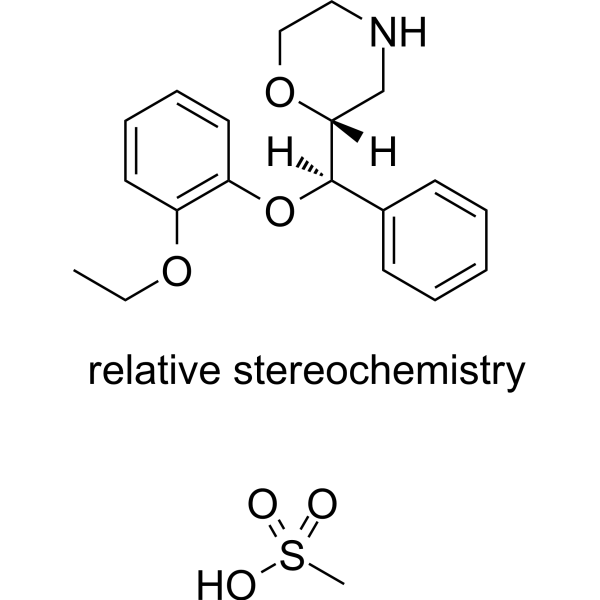
    Reboxetine mesylate
    2 Publications Verification

    FCE20124 mesylate; PNU155950E mesylate

    Adrenergic Receptor Neurological Disease
    Reboxetine mesylate (FCE20124 mesylate) is a potent, selective, and specific noradrenaline reuptake inhibitor (NARI) for the research of depression. Reboxetine mesylate inhibits the uptake of norepinephrine, with a Ki of 8 nM .
    Reboxetine mesylate
  • HY-N0740
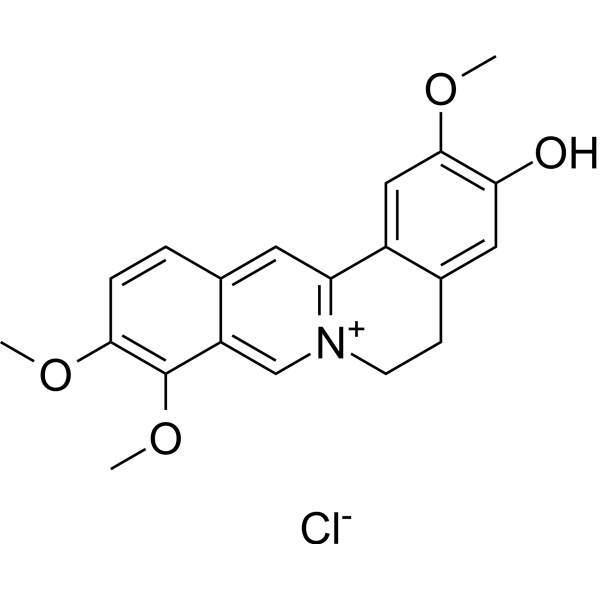
    Jatrorrhizine chloride
    3 Publications Verification

    Cholinesterase (ChE) 5-HT Receptor Bacterial Neurological Disease Inflammation/Immunology
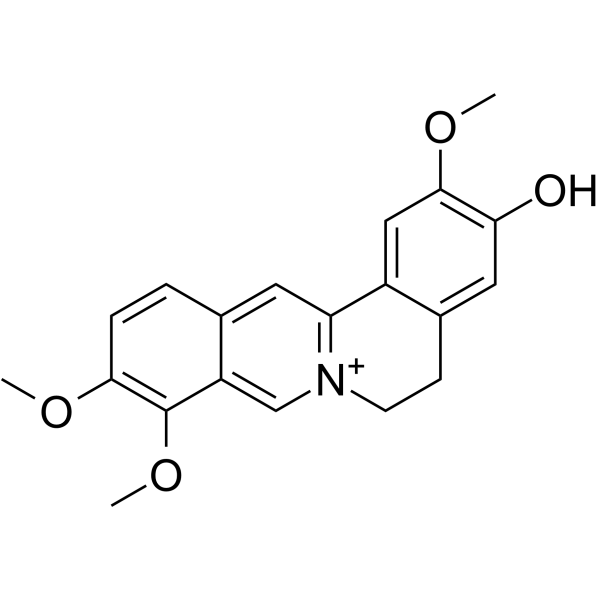
    Jatrorrhizine chloride is an alkaloid isolated from?Coptis chinensis with neuroprotective, antimicrobial, antiplasmodial and antioxidant activities . Jatrorrhizine chloride is a potent and orally active inhibitor of?AChE?(IC50=872 nM) over >115-fold selectivity for BuChE . Jatrorrhizine chloride reduces uptake of serotonin (5-HT) and norepinephrine (NE) via inhibition of uptake-2 transporters .
    Jatrorrhizine chloride
  • HY-14472

    NS-2330

    Dopamine Transporter Serotonin Transporter Metabolic Disease
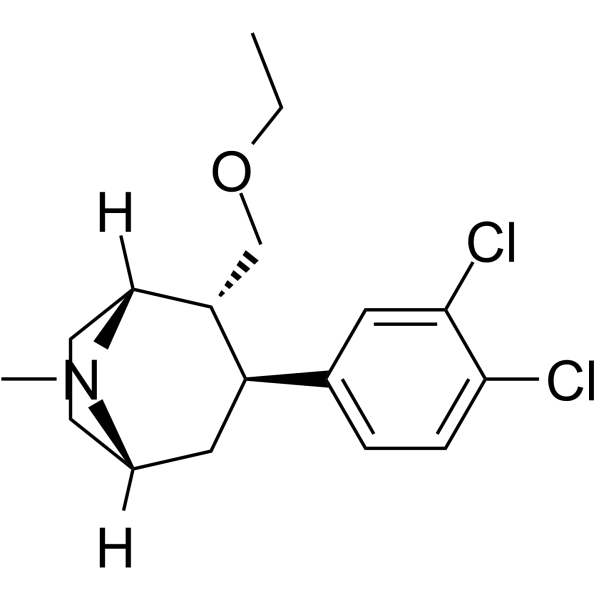
    Tesofensine (NS-2330) is a triple monoamine reuptake inhibitor inducing a potent inhibition of the re-uptake process in the synaptic cleft of the neurotransmitters dopamine (DA; IC50=6.5 nM), norepinephrine (NE;IC50=1.7 nM), and serotonin (5-HT;IC50=11 nM), and with potentials as an anti-obesity agent . Tesofensine is a CNS acting anti-obesity agent .
    Tesofensine
  • HY-100637
    Hydroxybupropion
    1 Publications Verification

    Drug Metabolite Adrenergic Receptor nAChR Neurological Disease
    Hydroxybupropion is the major active metabolite of Bupropion. Hydroxybupropion is metabolized by CYP2B6. Bupropion is an atypical antidepressant and smoking-cessation agent. Hydroxybupropion inhibits norepinephrine uptake with an IC50 value of 1.7 μM. Hydroxybupropion is also a nACh receptor antagonist .
    Hydroxybupropion
  • HY-14542A
    Ziprasidone hydrochloride
    3 Publications Verification

    CP-88059 hydrochloride

    5-HT Receptor Dopamine Receptor Neurological Disease
    Ziprasidone (CP-88059) hydrochloride is an orally active combined 5-HT and dopamine receptor antagonist . Ziprasidone hydrochloride has affinities for Rat D2 (Ki=4.8 nM), 5-HT2A (Ki=0.42 nM) and 5-HT1A (Ki=3.4 nM) .
    Ziprasidone hydrochloride
  • HY-108256

    5-HT Receptor Neurological Disease
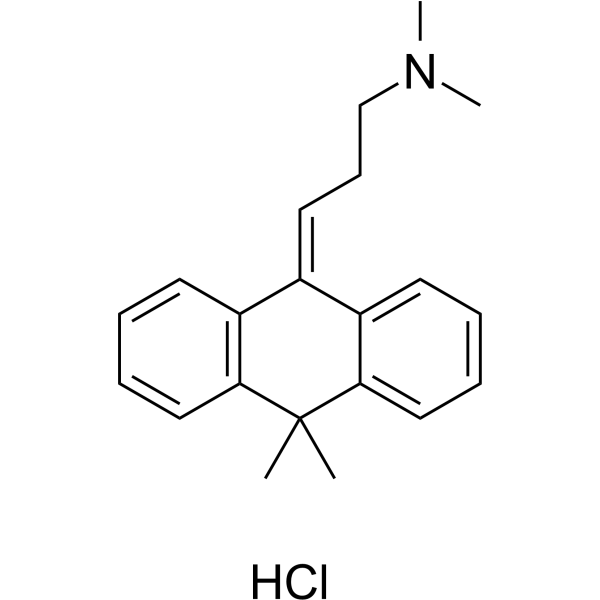
    Melitracen hydrochloride is an orally active biphasic antidepressant and antianxiety agent. Melitracen hydrochloride can inhibit the uptake of Norepinephrine and 5-HT (serotonin) through the presynaptic membrane inducing the increase of monoamine transmitters in synaptic space .
    Melitracen hydrochloride
  • HY-N0749

    Cholinesterase (ChE) 5-HT Receptor Bacterial Neurological Disease
    Jatrorrhizine is an alkaloid isolated from Coptis chinensis with neuroprotective, antimicrobial, antiplasmodial and antioxidant activities . Jatrorrhizine is a potent and orally active inhibitor of AChE (IC50=872 nM) over >115-fold selectivity for BuChE . Jatrorrhizine reduces uptake of serotonin (5-HT) and norepinephrine (NE) via inhibition of uptake-2 transporters .
    Jatrorrhizine
  • HY-B1110
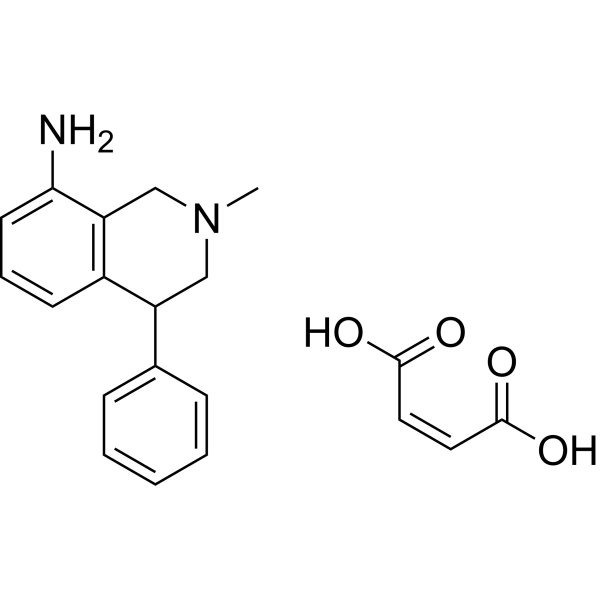
    Nomifensine
    5+ Cited Publications

    (±)-Nomifensine; Nomifensin

    Dopamine Receptor Adrenergic Receptor Neurological Disease
    Nomifensine ((±)-Nomifensine) is a potent norepinephrine (NE) and dopamine (DA) reuptake inhibitor. Nomifensine inhibits uptake of NE, DA and 5-HT in rat brain synaptosomes, with IC50 values of 6.6 nM, 48 nM and 830 nM, and Ki values of 4.7 nM, 26 nM and 4000 nM, respectively. Nomifensine has antidepressant and analgesic effects. Nomifensine is used in neurodegenerative diseases, compound addiction, and pain research .
    Nomifensine
  • HY-B1110A
    Nomifensine maleate
    5+ Cited Publications

    (±)-Nomifensine maleate; Nomifensin maleate

    Dopamine Receptor Adrenergic Receptor Neurological Disease
    Nomifensine ((±)-Nomifensine) maleate is a potent norepinephrine (NE) and dopamine (DA) reuptake inhibitor. Nomifensine maleate inhibits uptake of NE, DA and 5-HT in rat brain synaptosomes, with IC50 values of 6.6 nM, 48 nM and 830 nM, and Ki values of 4.7 nM, 26 nM and 4000 nM, respectively. Nomifensine maleate has antidepressant and analgesic effects. Nomifensine maleate is used in neurodegenerative diseases, compound addiction, and pain research .
    Nomifensine maleate
  • HY-B0952
    2-Aminoheptane
    1 Publications Verification

    Tuaminoheptane

    Adrenergic Receptor Neurological Disease
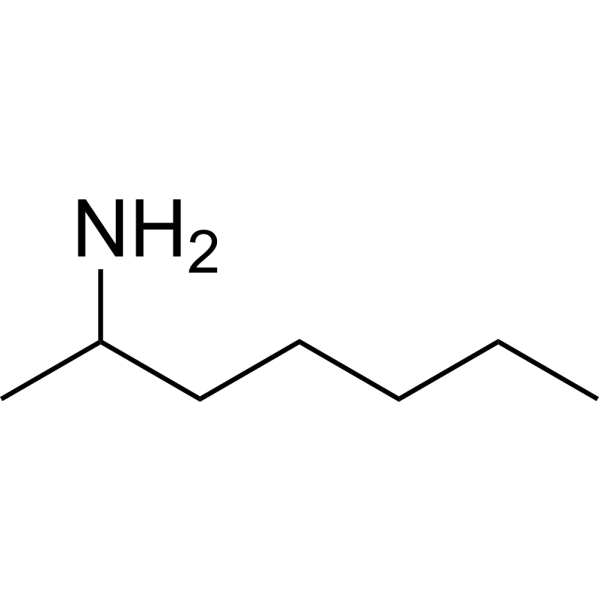
    2-Aminoheptane (Tuaminoheptane) is a norepinephrine transporter inhibitor. 2-Aminoheptane binds to norepinephrine transporter via ionic and hydrophobic interactions to block norepinephrine uptake. 2-Aminoheptane deactivates ω-TAmla enzyme, reduces recombinant whole cell stability, and acts as an amino group donor substrate for ω-TA and ω-TAmla enzymes. 2-Aminoheptane can be used in research on depression and Alzheimer's disease .
    2-Aminoheptane
  • HY-N0749A
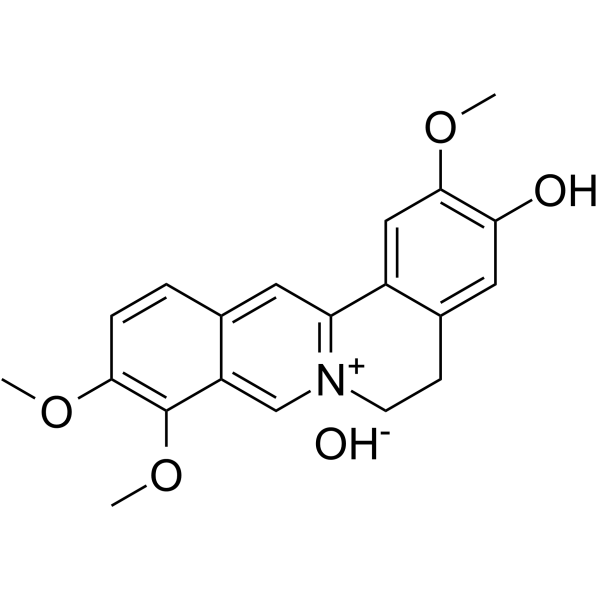
    Jatrorrhizine hydroxide
    3 Publications Verification

    Cholinesterase (ChE) 5-HT Receptor Bacterial Neurological Disease Inflammation/Immunology
    Jatrorrhizine hydroxide is an alkaloid isolated from Coptis chinensis with neuroprotective, antimicrobial, antiplasmodial and antioxidant activities . Jatrorrhizine hydroxide is a potent and orally active inhibitor of AChE (IC50=872 nM) over >115-fold selectivity for BuChE . Jatrorrhizine hydroxide reduces uptake of serotonin (5-HT) and norepinephrine (NE) via inhibition of uptake-2 transporters .
    Jatrorrhizine hydroxide
  • HY-U00050

    E-10-OH-NT

    Drug Metabolite Adrenergic Receptor mAChR Neurological Disease
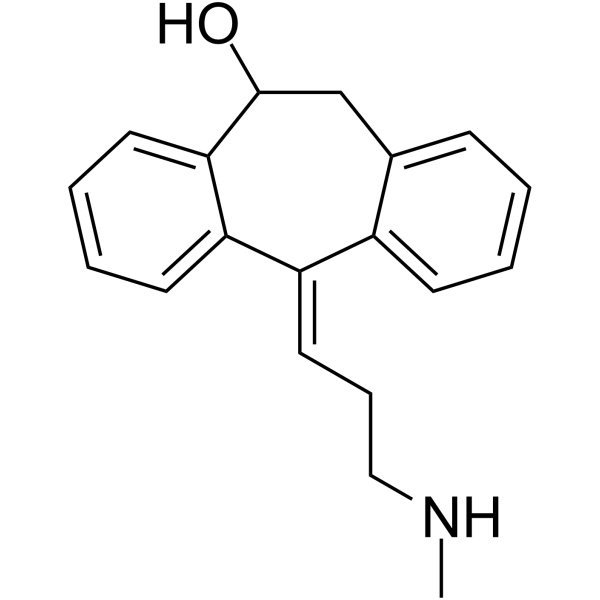
    (E)-10-Hydroxynortriptyline (E-10-OH-NT) is a blood-brain barrier-permeable norepinephrine uptake inhibitor. (E)-10-Hydroxynortriptyline effectively promotes central norepinephrine neuronal transmission, with little interindividual variation in in vivo potency. (E)-10-Hydroxynortriptyline has low affinity for muscarinic receptors, exhibits only extremely weak anticholinergic activity, and does not inhibit salivary secretion. (E)-10-Hydroxynortriptyline can be used in studies related to depression .
    (E)-10-Hydroxynortriptyline
  • HY-W685943

    Adrenergic Receptor Cardiovascular Disease Neurological Disease
    Heptaminol is a fatty amine with pressor properties and a potential antihypotension agent. Heptaminol is also a competitive inhibitor of norepinephrine uptake and an inhibitor of nicotine-induced catecholamine release (IC50: 650 μM). Heptaminol does not inhibit norepinephrine release induced by 59 mM K + but rather inhibits high-affinity Na +-dependent norepinephrine uptake .
    Heptaminol
  • HY-116211

    WIN-25978

    Biochemical Assay Reagents Neurological Disease
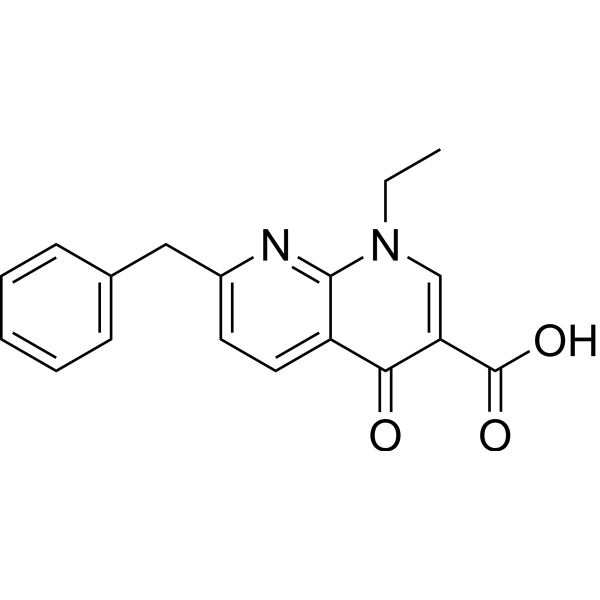
    Amfonelic acid (WIN-25978) is a highly selective dopamine reuptake inhibitor. Amfonelic acid interferes with the in vitro neuronal uptake of norepinephrine in the iris of rats, but does not alter the concentrations of norepinephrine or dopamine in the whole mouse brain. Amfonelic acid can be used as a pharmacological tool to study the brain reward system, dopamine pathway and dopamine transporter .
    Amfonelic acid
  • HY-18610A

    Ro 8-4650

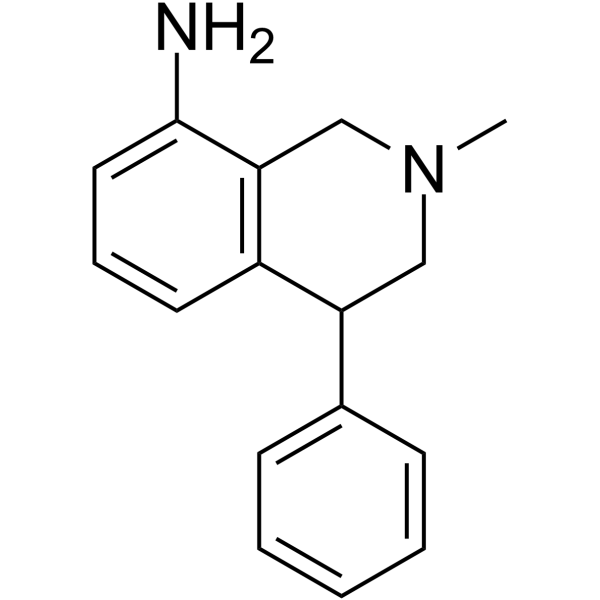
    Dopamine Transporter Adrenergic Receptor 5-HT Receptor Neurological Disease
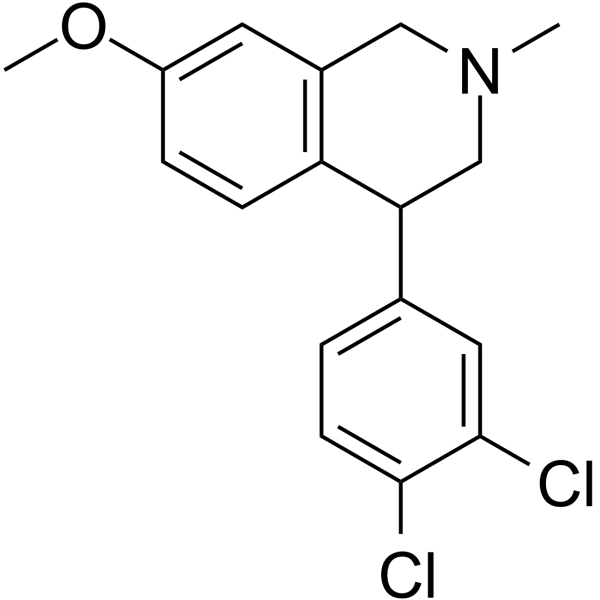
    Diclofensine (Ro 8-46500) is an orally active neuronal monoamine uptake inhibitor. Diclofensine blocks the uptake of dopamine, noradrenaline, and serotonin by rat brain synaptosomes with IC50 values of 0.74, 2.3 and 3.7 nM, respectively. Diclofensine potentiates norepinephrine-induced hypertension and attenuates Tyramine (HY-W007606)-induced hypertension. Diclofensine produces psychostimulant and mood-elevating effects without causing sudden disappearance or withdrawal reactions. Diclofensine can be used in the research of moderate to severe depression .
    Diclofensine
  • HY-A0175

    Butriptylene

    5-HT Receptor Neurological Disease
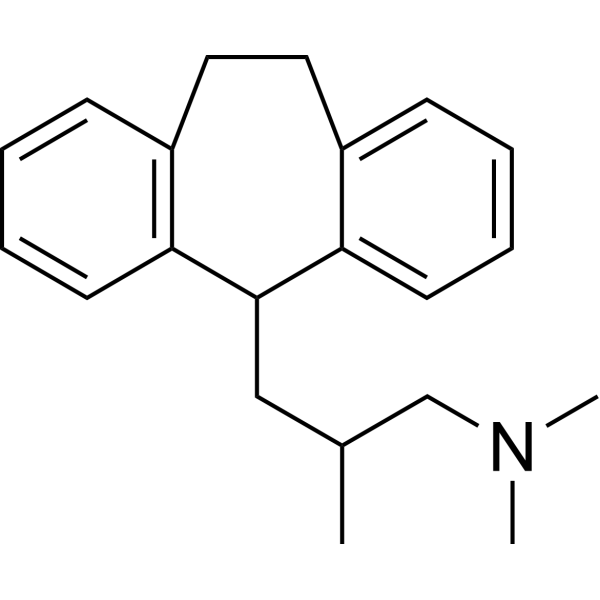
    Butriptyline (Butriptylene) is an orally active tricyclic antidepressant that slightly enhances central 5-HT effects. Butriptyline does not inhibit brain norepinephrine uptake. Butriptyline can be used for depression research .
    Butriptyline
  • HY-14472R

    NS-2330 (Standard)

    Dopamine Transporter Serotonin Transporter Reference Standards Metabolic Disease
    Tesofensine (Standard) is the analytical standard of Tesofensine. This product is intended for research and analytical applications. Tesofensine (NS-2330) is a triple monoamine reuptake inhibitor inducing a potent inhibition of the re-uptake process in the synaptic cleft of the neurotransmitters dopamine (DA; IC50=6.5 nM), norepinephrine (NE;IC50=1.7 nM), and serotonin (5-HT;IC50=11 nM), and with potentials as an anti-obesity agent . Tesofensine is a CNS acting anti-obesity agent .
    Tesofensine (Standard)
  • HY-107128

    TD-9855 hydrochloride

    Serotonin Transporter Neurological Disease
    Ampreloxetine (TD-9855) hydrochloride is an orally active and CNS-penetrant inhibitor of Norepinephrine transporter (NET) and Serotonin 5-HT uptake transporter (SERT), but not Dopamine transporter (DAT). Ampreloxetine hydrochloride binds norepinephrine transporters (NET) and serotonin transporters (SERT) with EC50 values of 11.7 ng/mL and 50.8 ng/mL, respectively, in plasma .
    Ampreloxetine hydrochloride
  • HY-B0773

    BRL29060 mesylate

    Serotonin Transporter Adrenergic Receptor Neurological Disease
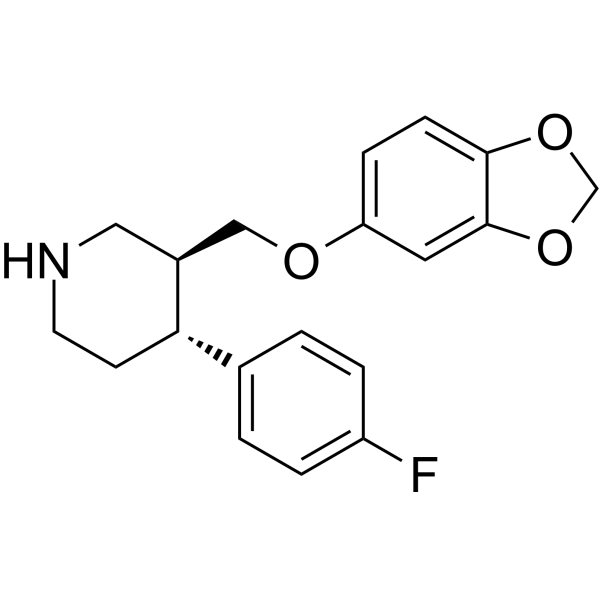
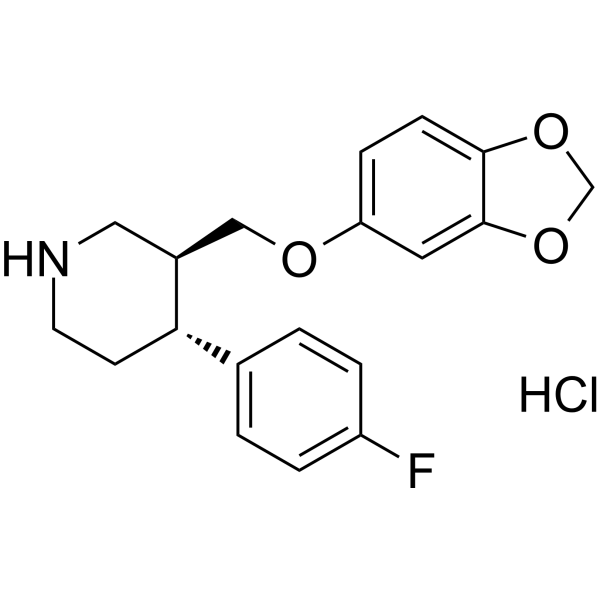
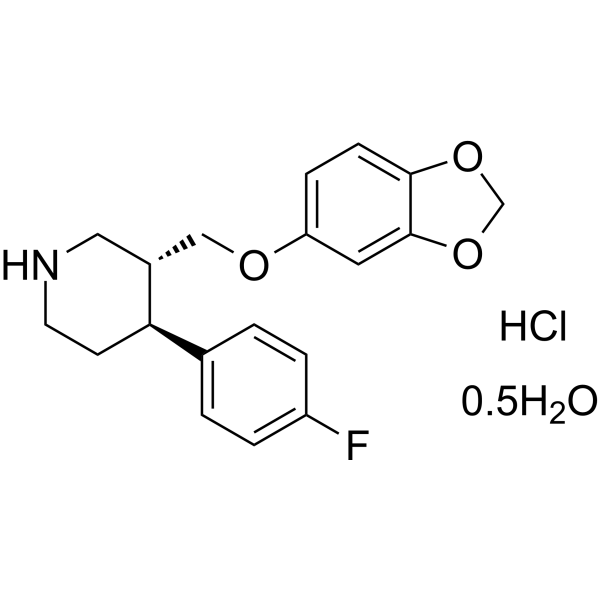
    Paroxetine mesylate, a phenylpiperidine derivative, is a potent and selective serotonin reuptake inhibitor (SSRI). Paroxetine mesylate is a very weak inhibitor of norepinephrine (NE) uptake but it is still more potent at this site than the other SSRIs .
    Paroxetine mesylate
  • HY-18610

    Ro 8-4650 hydrochloride

    Dopamine Transporter Adrenergic Receptor 5-HT Receptor Neurological Disease
    Diclofensine (Ro 8-46500) hydrochloride is an orally active neuronal monoamine uptake inhibitor. Diclofensine hydrochloride blocks the uptake of dopamine, noradrenaline, and serotonin by rat brain synaptosomes with IC50 values of 0.74, 2.3 and 3.7 nM, respectively. Diclofensine hydrochloride potentiates norepinephrine-induced hypertension and attenuates Tyramine (HY-W007606)-induced hypertension. Diclofensine hydrochloride produces psychostimulant and mood-elevating effects without causing sudden disappearance or withdrawal reactions. Diclofensine hydrochloride can be used in the research of moderate to severe depression .
    Diclofensine hydrochloride
  • HY-P11313

    Rat chromogranin A367–387

    nAChR Akt Cardiovascular Disease
    Catestatin (rat) (Rat chromogranin A367–387) is a potent, reversible, noncompetitive, and noncooperative nicotinic cholinergic antagonist derived from chromogranin A (A367-387). Catestatin (rat) inhibits norepinephrine release in rat PC12 pheochromocytoma cells (IC50 = 1.2 μM), and blocks desensitization of norepinephrine release (IC50 = 0.62 μM). Catestatin (rat) exerts antiadrenergic effects through the endothelial PI3K-AKT-eNOS pathway in rat papillary muscles and isolated cardiomyocytes. Catestatin (rat) maintains mitochondrial membrane potential in I/R cardiomyocytes and increases phosphorylation of AKT at S473, GSK3β at S9, PLB at T17, and eNOS at S1179. Catestatin (rat) reverses desensitization of 22Na + uptake. Catestatin (rat) can be used for the study of nicotinic cholinergic receptor regulation and catecholamine release control mechanisms .
    Catestatin (rat)
  • HY-123398

    Adrenergic Receptor Histamine Receptor Dopamine Receptor Neurological Disease
    RS-51324 is an oral active antidepressant agent. RS-51324 inhibitts norepinephrine uptake and reverses of Reserpine (HY-N0480)-induced hypothermia .
    RS-51324
  • HY-118064A

    LY-368975 hydrochloride

    Monoamine Transporter Neurological Disease
    (R)-Thionisoxetine hydrochloride (LY-368975 hydrochloride) is a potent and selective central and peripheral norepinephrine (NE) uptake inhibitor. (R)-Thionisoxetine hydrochloride prevents 6-hydroxydopamine-induced hypothalamic NE depletion with an ED50 of 0.21 mg/kg. (R)-Thionisoxetine hydrochloride can be used in the study of a variety of diseases, including depression and urinary incontinence .
    (R)-Thionisoxetine hydrochloride
  • HY-118064

    LY-368975

    Dopamine Receptor Neurological Disease
    (R)-Thionisoxetine is a potent and selective inhibitor of central and peripheral norepinephrine (NE) uptake. (R)-thionisoxetine prevented hypothalamic NE depletion by 6-hydroxydopamine with an ED50 of 0.21 mg/kg. (R)-Thionisoxetine can be used for the research of a variety of diseases including depression and urinary incontinence .
    (R)-Thionisoxetine
  • HY-115762

    Endogenous Metabolite Neurological Disease
    4-Hydroxytryptamine creatinine sulfate, a tryptamine derivative, is a neurotransmitter agonist .
    4-Hydroxytryptamine creatinine sulfate
  • HY-122300C

    (Rac)-Levoprotiline hydrochloride

    Adrenergic Receptor Neurological Disease
    Oxaprotiline hydrochloride is a potent norepinephrine (NA) uptake inhibitor. Oxaprotiline hydrochloride has antidepressant activity .
    Oxaprotiline hydrochloride
  • HY-122300A

    (Rac)-Levoprotiline

    Adrenergic Receptor Neurological Disease
    Oxaprotiline ((Rac)-Levoprotiline) is a potent Norepinephrine (NE)/Noradrenaline (NA) uptake inhibitor. Oxaprotiline has antidepressant activity .
    Oxaprotiline
  • HY-129682

    5-HT Receptor Dopamine Receptor Adrenergic Receptor Neurological Disease
    LY125180 is a serotonin uptake inhibitor. LY125180 competitively inhibits the uptake of serotonin and norepinephrine by cortical synaptosomes and of dopamine by striatal synaptosomes, with Ki values of 0.06 μM, 2.2 μM and 2.5 μM respectively .
    LY125180
  • HY-14607

    HP 749

    Potassium Channel Neurological Disease
    Besipirdine (hydrochloride) is a potassium channel blocker with cholinergic and adrenergic activity. The cholinergic activity of Besipirdine (hydrochloride) involves stimulating phosphatidylinositol turnover and reducing potassium currents. The adrenergic activity of Besipirdine (hydrochloride) involves stimulating norepinephrine release, which is attributed to the inhibition of presynaptic α2-adrenergic receptors and the inhibition of norepinephrine uptake. Besipirdine (hydrochloride) may be used in research for Alzheimer's disease .
    Besipirdine hydrochloride
  • HY-W708023

    5-HT Receptor Neurological Disease
    5-APDI hydrochloride is an indane with an amphetamine-like aminopropane group. 5-APDI hydrochloride inhibits the uptake of serotonin, dopamine, and norepinephrine by crude synaptosomes (IC50 values of 82 nM, 1,847 nM, and 849 nM, respectively) .
    5-APDI hydrochloride
  • HY-129985

    DU23811

    Serotonin Transporter 5-HT Receptor Neurological Disease
    Clovoxamine (DU23811) (Compound 35) has binding affinity for serotonin transporter (SERT) (Ki: 61 nM). Clovoxamine is a 5-HT and norepinephrine reuptake (NE) re-uptake inhibitor. Clovoxamine is an antidepressant .
    Clovoxamine
  • HY-14560CR

    FCE20124 mesylate (Standard); PNU155950E mesylate (Standard)

    Reference Standards Adrenergic Receptor Neurological Disease
    Reboxetine (mesylate) (Standard) is the analytical standard of Reboxetine (mesylate). This product is intended for research and analytical applications. Reboxetine mesylate (FCE20124 mesylate) is a potent, selective, and specific noradrenaline reuptake inhibitor (NARI) for the research of depression. Reboxetine mesylate inhibits the uptake of norepinephrine, with a Ki of 8 nM .
    Reboxetine mesylate (Standard)
  • HY-131479A

    Drug Metabolite Neurological Disease
    Threo-dihydrobupropion is a major metabolite of Bupropion, formed via oxidation and reduction exhibit pharmacological activity. Bupropion, a dual dopamine-norepinephrine uptake inhibitor and a nicotine receptor antagonist, is widely used in the management of depression and as a smoking cessation aid .
    Threo-dihydrobupropion
  • HY-126158

    Dopamine Transporter Serotonin Transporter Neurological Disease
    SRI-29574 is an allosteric modulator of the dopamine transporter (DAT). SRI-29574 partially inhibits the uptake of the DAT (IC50=2.3 nM) and also partially inhibits the uptake of the serotonin transporter (SERT) and norepinephrine transporter (NET). SRI-29574 may serve as a useful probe to study the function and regulatory mechanisms of DAT .
    SRI-29574
  • HY-122272S2

    BRL29060-d6-1

    Isotope-Labeled Compounds Adrenergic Receptor Serotonin Transporter Neurological Disease
    Paroxetine-d6-1 is a deuterated labeled Paroxetine . Paroxetine, a phenylpiperidine derivative, is a potent and selective serotonin reuptake inhibitor (SSRI). Paroxetine is a very weak inhibitor of norepinephrine (NE) uptake but it is still more potent at this site than the other SSRIs .
    Paroxetine-d6-1
  • HY-108256S

    Isotope-Labeled Compounds 5-HT Receptor Neurological Disease
    Melitracen-d6 (hydrochloride) is the deuterium labeled Melitracen hydrochloride. Melitracen hydrochloride is an orally active biphasic antidepressant and antianxiety agent. Melitracen hydrochloride can inhibit the uptake of Norepinephrine and 5-HT (serotonin) through the presynaptic membrane inducing the increase of monoamine transmitters in synaptic space .
    Melitracen-d6 hydrochloride
  • HY-N0740R

    Reference Standards Cholinesterase (ChE) 5-HT Receptor Bacterial Neurological Disease Inflammation/Immunology
    Jatrorrhizine (chloride) (Standard) is the analytical standard of Jatrorrhizine (chloride). This product is intended for research and analytical applications. Jatrorrhizine chloride is an alkaloid isolated from Coptis chinensis with neuroprotective, antimicrobial, antiplasmodial and antioxidant activities . Jatrorrhizine chloride is a potent and orally active inhibitor of AChE (IC50=872 nM) over >115-fold selectivity for BuChE . Jatrorrhizine chloride reduces uptake of serotonin (5-HT) and norepinephrine (NE) via inhibition of uptake-2 transporters .
    Jatrorrhizine chloride (Standard)
  • HY-108256R

    5-HT Receptor Reference Standards Neurological Disease
    Melitracen (hydrochloride) (Standard) is the analytical standard of Melitracen (hydrochloride). This product is intended for research and analytical applications. Melitracen hydrochloride is an orally active biphasic antidepressant and antianxiety agent. Melitracen hydrochloride can inhibit the uptake of Norepinephrine and 5-HT (serotonin) through the presynaptic membrane inducing the increase of monoamine transmitters in synaptic space .
    Melitracen hydrochloride (Standard)
  • HY-116062

    Monoamine Transporter Dopamine Transporter Adrenergic Receptor Others
    JNJ-7925476 (hydrochloride) is a triple monoamine uptake inhibitor with the ability to regulate neurotransmitter levels and antidepressant activity. JNJ-7925476 (hydrochloride) can be rapidly absorbed into the plasma in rats, with a higher concentration in the brain than in plasma. It can induce an increase in the levels of extracellular serotonin, dopamine, and norepinephrine in the rat cerebral cortex, and exhibits antidepressant activity in the mouse tail suspension test.
    JNJ-7925476 hydrochloride
  • HY-118997

    Dopamine Receptor Neurological Disease
    PD-89211 is a selective dopamine D4 receptor antagonist with a Ki value of 3.7 nM. PD-89211 reverses Quinpirole (HY-B1752A)-induced [3H]thymidine uptake in CHOpro5 cells (IC50 = 2.1 nM). PD-89211 regulates dopamine/norepinephrine metabolism in the hippocampus and can be used for research on central nervous system disorders such as schizophrenia .
    PD-89211
  • HY-18610R

    Ro 8-4650 hydrochloride (Standard)

    Reference Standards Dopamine Transporter Adrenergic Receptor 5-HT Receptor Neurological Disease
    Diclofensine (Ro 8-4650) hydrochloride (Standard) is the analytical standard of Diclofensine hydrochloride. This product is intended for research and analytical applications. Diclofensine hydrochloride is an orally active neuronal monoamine uptake inhibitor. Diclofensine hydrochloride blocks the uptake of dopamine, noradrenaline, and serotonin by rat brain synaptosomes with IC50 values of 0.74, 2.3 and 3.7 nM, respectively. Diclofensine hydrochloride potentiates norepinephrine-induced hypertension and attenuates Tyramine (HY-W007606)-induced hypertension. Diclofensine hydrochloride produces psychostimulant and mood-elevating effects without causing sudden disappearance or withdrawal reactions. Diclofensine hydrochloride can be used in the research of moderate to severe depression.
    Diclofensine hydrochloride (Standard)
  • HY-18610S

    Isotope-Labeled Compounds Dopamine Transporter Adrenergic Receptor 5-HT Receptor Neurological Disease
    Diclofensine-d3 (Ro-8-4650-d3) hydrochloride is the deuterium labeled Diclofensine hydrochloride. Diclofensine hydrochloride is an orally active neuronal monoamine uptake inhibitor. Diclofensine hydrochloride blocks the uptake of dopamine, noradrenaline, and serotonin by rat brain synaptosomes with IC50 values of 0.74, 2.3 and 3.7 nM, respectively. Diclofensine hydrochloride potentiates norepinephrine-induced hypertension and attenuates Tyramine (HY-W007606)-induced hypertension. Diclofensine hydrochloride produces psychostimulant and mood-elevating effects without causing sudden disappearance or withdrawal reactions. Diclofensine hydrochloride can be used in the research of moderate to severe depression.
    Diclofensine-d3 hydrochloride
  • HY-117542

    Histone Methyltransferase Neurological Disease
    D595 is a phenylethylamine calcium channel blocker with potent negative inotropic activity. D595 has shown significant efficacy in its corresponding pharmacological studies, especially in inhibiting the uptake of monoamine neurotransmitters. D595 has high affinity in binding to the dopamine transporter (DAT), serotonin transporter (SERT), and norepinephrine transporter (NET). Structural adjustments of D595, especially changes in the hydroxyl stereochemistry, significantly affect its interaction with the transporters, showing a specific preference for stereoisomers .
    D595
  • HY-B1110AR

    (±)-Nomifensine maleate (Standard); Nomifensin maleate (Standard)

    Dopamine Receptor Adrenergic Receptor Reference Standards Neurological Disease
    Nomifensine (maleate) (Standard) is the analytical standard of Nomifensine (maleate). This product is intended for research and analytical applications. Nomifensine ((±)-Nomifensine) maleate is a potent norepinephrine (NE) and dopamine (DA) reuptake inhibitor. Nomifensine maleate inhibits uptake of NE, DA and 5-HT in rat brain synaptosomes, with IC50 values of 6.6 nM, 48 nM and 830 nM, and Ki values of 4.7 nM, 26 nM and 4000 nM, respectively. Nomifensine maleate has antidepressant and analgesic effects. Nomifensine maleate is used in neurodegenerative diseases, compound addiction, and pain research .
    Nomifensine maleate (Standard)
  • HY-B1110R

    (±)-Nomifensine (Standard); Nomifensin (Standard)

    Dopamine Receptor Adrenergic Receptor Reference Standards Neurological Disease
    Nomifensine (Standard) is the analytical standard of Nomifensine. This product is intended for research and analytical applications. Nomifensine ((±)-Nomifensine) is a potent norepinephrine (NE) and dopamine (DA) reuptake inhibitor. Nomifensine inhibits uptake of NE, DA and 5-HT in rat brain synaptosomes, with IC50 values of 6.6 nM, 48 nM and 830 nM, and Ki values of 4.7 nM, 26 nM and 4000 nM, respectively. Nomifensine has antidepressant and analgesic effects. Nomifensine is used in neurodegenerative diseases, compound addiction, and pain research .
    Nomifensine (Standard)
  • HY-122300B

    Levoprotiline

    Adrenergic Receptor Neurological Disease
    R-(-)-Oxaprotiline (Levoprotiline) is an antidepressant with anticholinergic and sympathostimulatory activities. R-(-)-Oxaprotiline exhibits different abilities to block norepinephrine uptake and anticholinergic activity compared to its enantiomer C 49802 B-Ba. R-(-)-Oxaprotiline in human studies shows physiological effects consistent with those in animals. Administration of R-(-)-Oxaprotiline results in a modest increase in heart rate and arterial blood pressure. Salivation is inhibited with R-(-)-Oxaprotiline, consistent with its anticholinergic properties. R-(-)-Oxaprotiline has similar effects to the established antidepressant compound Levoprotiline and has a shorter onset of action .
    R-(-)-Oxaprotiline
  • HY-B1110S

    (±)-Nomifensine-d3 maleate; Nomifensin-d3 maleate

    Isotope-Labeled Compounds Dopamine Receptor Adrenergic Receptor Neurological Disease
    Nomifensine-d3 ((±)-Nomifensine-d3) maleate is the deuterium labeled Nomifensine maleate (HY-B1110A). Nomifensine ((±)-Nomifensine) maleate is a potent norepinephrine (NE) and dopamine (DA) reuptake inhibitor. Nomifensine maleate inhibits uptake of NE, DA and 5-HT in rat brain synaptosomes, with IC50 values of 6.6 nM, 48 nM and 830 nM, and Ki values of 4.7 nM, 26 nM and 4000 nM, respectively. Nomifensine maleate has antidepressant and analgesic effects. Nomifensine maleate is used in neurodegenerative diseases, compound addiction, and pain research .
    Nomifensine-d3 maleate
  • HY-107128R

    TD-9855 hydrochloride (Standard)

    Reference Standards Serotonin Transporter Neurological Disease
    Ampreloxetine hydrochloride (Standard) (TD-9855 hydrochloride (Standard)) is the analytical standard of Ampreloxetine (hydrochloride) (HY-107128). This product is intended for research and analytical applications. Ampreloxetine (TD-9855) hydrochloride is an orally active and CNS-penetrant inhibitor of Norepinephrine transporter (NET) and Serotonin 5-HT uptake transporter (SERT), but not Dopamine transporter (DAT). Ampreloxetine hydrochloride binds norepinephrine transporters (NET) and serotonin transporters (SERT) with EC50 values of 11.7 ng/mL and 50.8 ng/mL, respectively, in plasma .
    Ampreloxetine hydrochloride (Standard)
  • HY-106604

    LM 1404

    Monoamine Transporter Neurological Disease Metabolic Disease
    Lortalamine (LM 1404) is a selective norepinephrine transporter inhibitor with an IC50 of <1 nM. Lortalamine is a non-tricyclic antidepressant. Lortalamine antagonises Reserpine (HY-N0480)-induced ptosis and hypothermia. Lortalamine inhibits norepinephrine uptake .
    Lortalamine
  • HY-A0175A

    Butriptylene hydrochloride

    5-HT Receptor Neurological Disease
    Butriptyline (Butriptylene) hydrochloride is an orally active tricyclic antidepressant that slightly enhances central 5-HT effects. Butriptyline hydrochloride does not inhibit brain norepinephrine uptake. Butriptyline hydrochloride can be used for depression research .
    Butriptyline hydrochloride

Inquiry Online

Your information is safe with us. * Required Fields.

Salutation


Country or Region *

Applicant Name *


Organization Name *

Department *


Email Address *


Product Name *

Cat. No.


Requested quantity *

Phone Number *


Remarks

Inquiry Online

Inquiry Information

Product Name:
Cat. No.:
Quantity:
MCE Japan Authorized Agent:

