1. Search Result
Search Result
Results for "

p53 stabilization

" in MedChemExpress (MCE) Product Catalog:

44

Inhibitors & Agonists

2

Natural
Products

2

Oligonucleotides

Targets Recommended:
Cat. No. Product Name Target Research Areas Chemical Structure
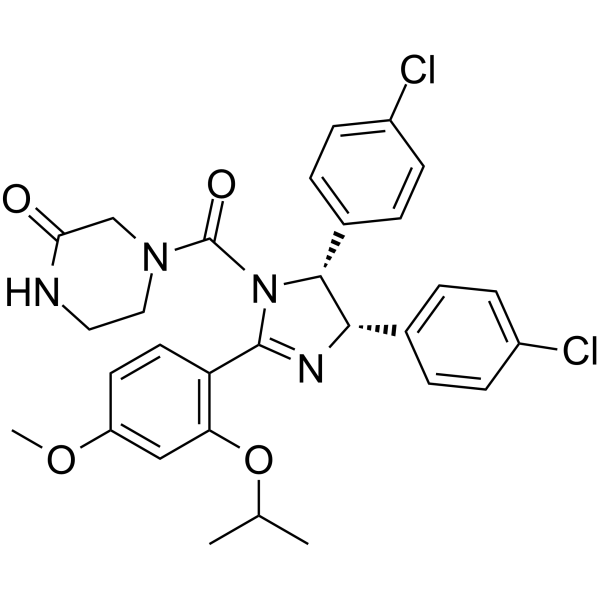
  • HY-10029
    Nutlin-3a
    Maximum Cited Publications
    66 Publications Verification

    Rebemadlin

    MDM-2/p53 E1/E2/E3 Enzyme Autophagy Apoptosis Cancer
    Nutlin-3a (Rebemadlin), an active enantiomer of Nutlin-3, is a potent murine double minute (MDM2) inhibitor (IC50=90 nM). Nutlin-3a inhibits MDM2-p53 interactions and stabilizes the p53 protein, and induces cell autophagy and apoptosis. Nutlin-3a has the potential for the study of TP53 wild-type ovarian carcinomas .
    Nutlin-3a
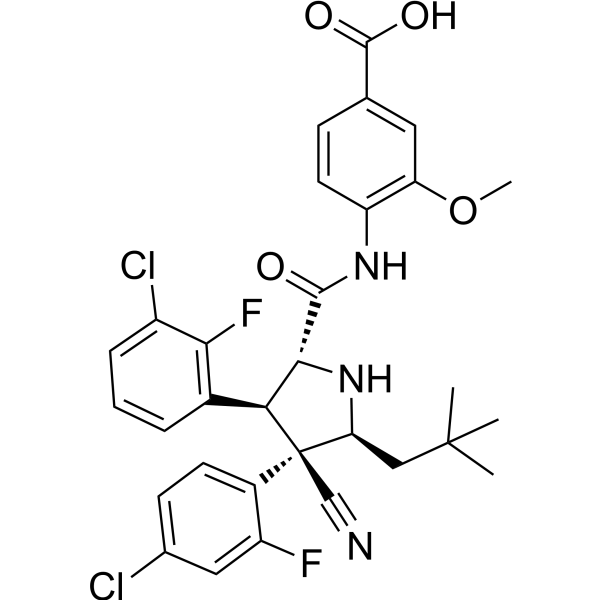
  • HY-156633
    Rezatapopt
    3 Publications Verification

    PC14586

    MDM-2/p53 Cancer
    Rezatapopt (PC14586) is an orally active antineoplastic agent. Rezatapopt binds to a pocket created by the TP53 Y220C mutation. Rezatapopt restores p53 tumor suppressor functions by stabilization of the p53 protein structure. Rezatapopt demonstrates tumor inhibition and regression in mouse models with established human tumor xenografts harboring the TP53 Y220C mutation .
    Rezatapopt
  • HY-170451

    KT-253

    PROTACs MDM-2/p53 Apoptosis Cancer
    Seldegamadlin (KT-253) is a selective p53 stabilizer and a MDM2 PROTAC degrader (DC50 = 0.4 nM). Seldegamadlin inhibits the proliferation of cancer cell RS4;11 with an IC50 of 0.3 nM, arrests the cell cycle at G2/M phase, and induces apoptosis. Seldegamadlin upregulates p53 activity and overcomes the p53-MDM2 feedback loop. Seldegamadlin can be used for the study of hematologic and solid tumors, such as acute myeloid leukemia (AML) and acute lymphoblastic leukemia (ALL). (Pink: ligand for target protein MDM2 ligand 4 (HY-170452); Black: linker (HY-W001478); Blue: ligand for E3 ligase cereblon (HY-163927)) .
    Seldegamadlin
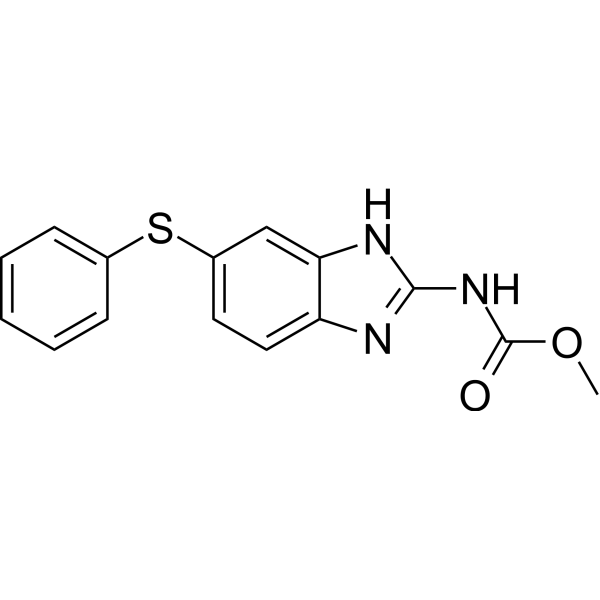
  • HY-B0413
    Fenbendazole
    5+ Cited Publications

    Parasite HIF/HIF Prolyl-Hydroxylase Microtubule/Tubulin Antibiotic Infection Cancer
    Fenbendazole is an orally active benzimidazole anthelmintic agent, with a broad antiparasitic range. Fenbendazole is a microtubule destabilizing agent and acts on helminthes primarily by binding to tubulin and disrupting the tubulin microtubule equilibrium. Fenbendazole stabilizes the transcriptional activator HIF-1α. Fenbendazole possesses an efficient anti-proliferative activity and induces apoptosis. Fenbendazole causes cell-cycle arrest and mitotic cell death, and has antitumor activity in mice xenografted with wild-type p53 .
    Fenbendazole
  • HY-13721
    Phenoxodiol
    3 Publications Verification

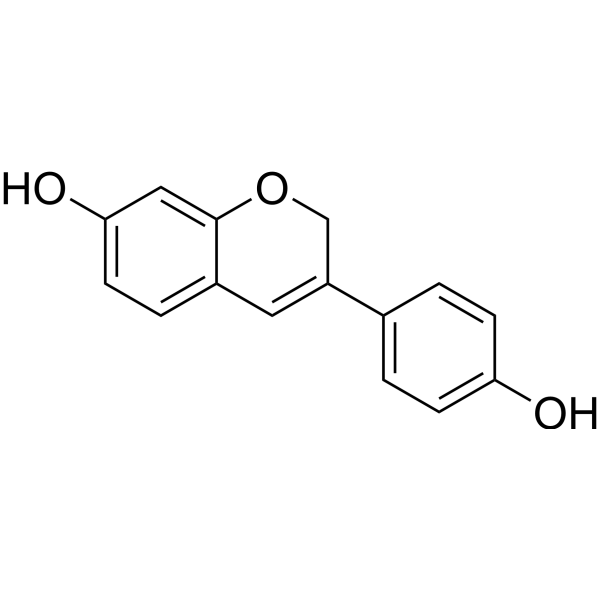
    Idronoxil; Dehydroequol; Haginin E

    Caspase Apoptosis Topoisomerase Cancer
    Phenoxodiol (Idronoxil), a synthetic analog of Genestein, activates the mitochondrial caspase system, inhibits XIAP (an apoptosis inhibitor), and sensitizes the cancer cells to Fas-mediated apoptosis. Phenoxodiol also inhibits DNA topoisomerase II by stabilizing the cleavable complex. Phenoxodiol induces cell cycle arrest in the G1/S phase of the cell cycle and upregulates p21 WAF1 via a p53 independent manner .
    Phenoxodiol
  • HY-122815

    Fusicoccin A

    Apoptosis Cancer
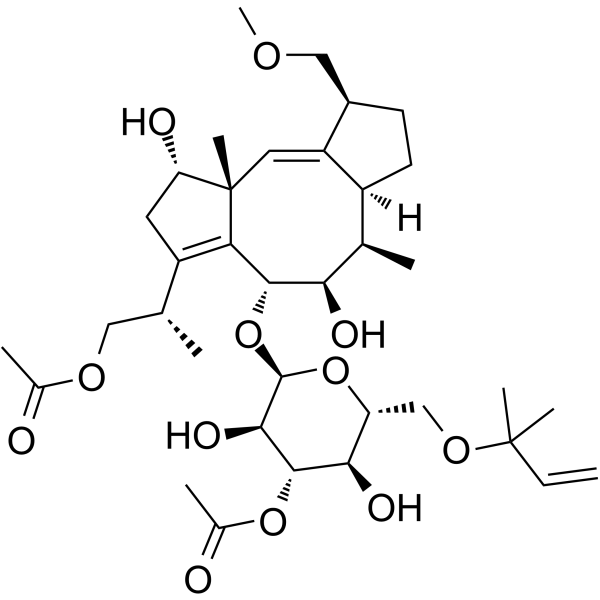
    Fusicoccin (Fusicoccin A), a fungal pytotoxin, is a stabilizer of specific 14-3-3 protein-protein interactions. Fusicoccin sabilizes H +-ATPase/14-3-3 cmplex in pants, maintaining the enzyme in activated state. Fusicoccin also stabilizes 14-3-3 protein interactions with binding partners containing a C-terminal 14-3-3 recognition motif (a mode 3 motif), such as ERα, GPIbα, TASK3, CTFR, and p53. Fusicoccin induces apoptosis in cancer cells and has anticancer activity .
    Fusicoccin
  • HY-108637
    PhiKan 083
    1 Publications Verification

    MDM-2/p53 Cancer
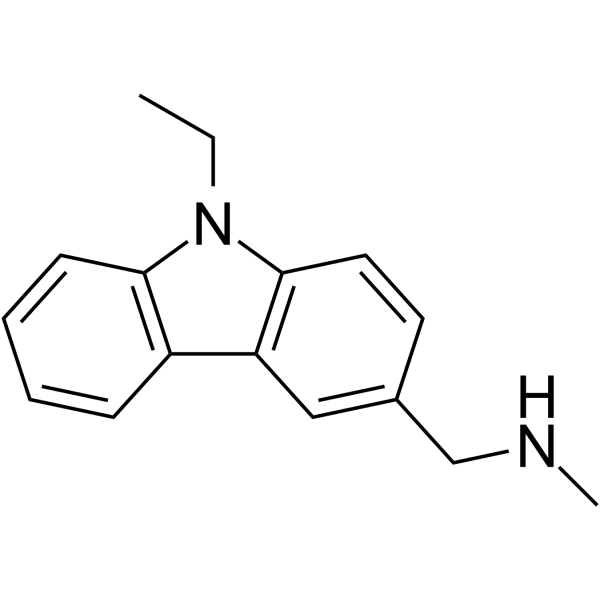
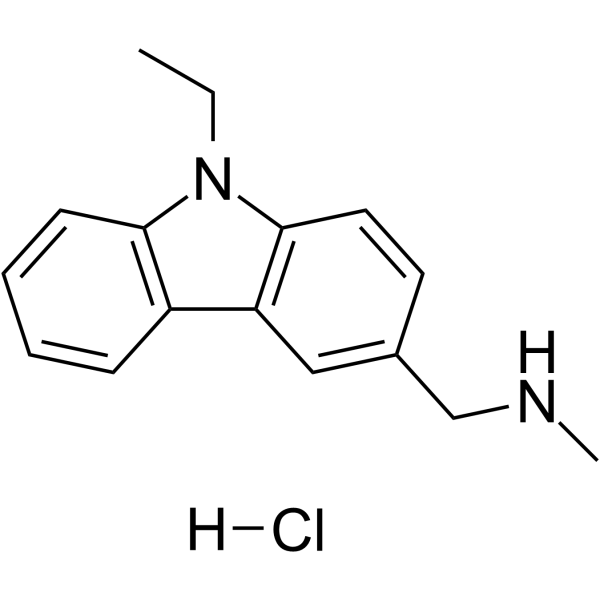
    PhiKan 083 is a carbazole derivative, which binds to the surface cavity and stabilizes Y220C (a p53 mutant), with a Kd of 167 μM. PhiKan 083 can be used for cancer research .
    PhiKan 083
  • HY-10929
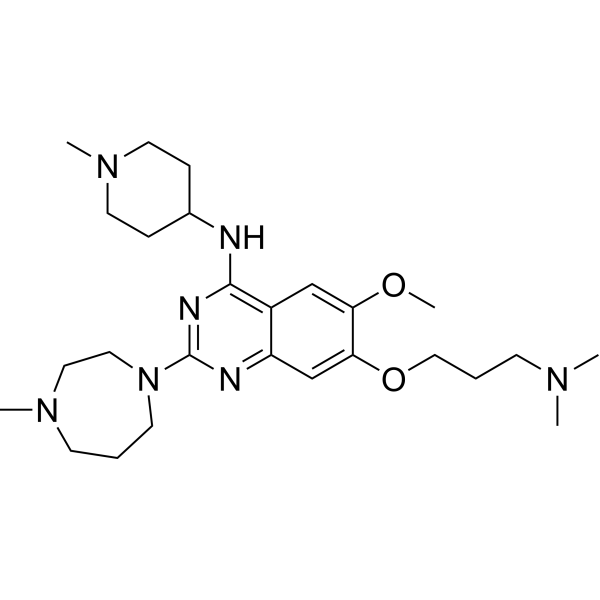
    UNC0224
    2 Publications Verification

    Histone Methyltransferase Cancer
    UNC0224 is a potent and selective histone methyltransferase G9a inhibitor with a Ki of 2.6 nM, an IC50 of 15 nM and a Kd of 23 nM. UNC0224 also potently inhibits b>GLP with assay-dependent IC50 values of 20-58 nM. UNC0224 is inactive against SET7/9, SET8/PreSET7, PRMT3 and JMJD2E .
    UNC0224
  • HY-18343A

    MDM-2/p53 Cancer
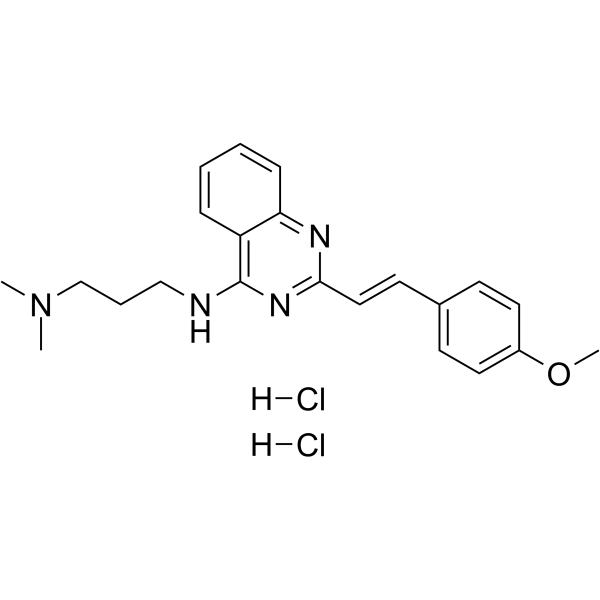
    CP-31398 dihydrochloride stabilizes the active conformation of p53 and promotes p53 activity in cancer cell lines with mutant or wild-type p53 .
    CP-31398 dihydrochloride
  • HY-101666
    HBX 41108
    4 Publications Verification

    Deubiquitinase Apoptosis MDM-2/p53 Metabolic Disease Cancer
    HBX 41108 is an inhibitor of ubiquitin-specific protease 7 (USP7) with an IC50 of 424 nM. HBX 41108 inhibits USP7-mediated p53 deubiquitination to stabilize p53 and inhibits cancer cell growth. BX 41108 can be used in cancer and diabetes research .
    HBX 41108
  • HY-108638
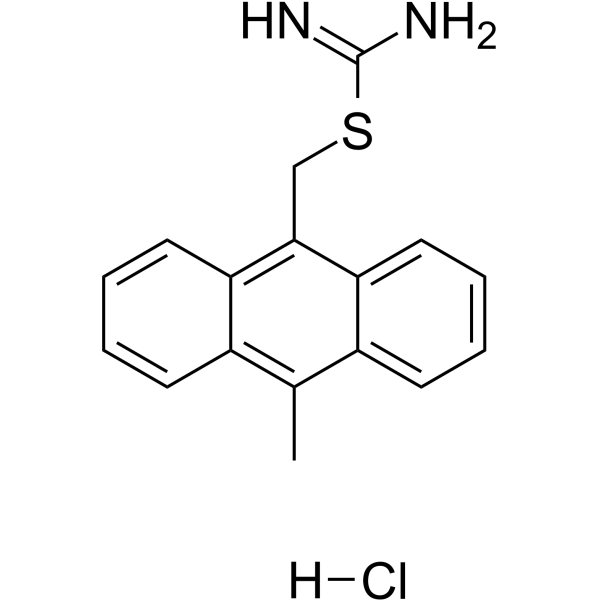
    NSC 146109 hydrochloride
    2 Publications Verification

    XI-011 hydrochloride

    MDM-2/p53 Apoptosis PARP Cancer
    NSC 146109 hydrochloride (XI-011 hydrochloride) is a p53 activator and MDMX inhibitor. NSC 146109 hydrochloride inhibits MDMX gene transcription, downregulates MDMX mRNA and protein levels, stabilizes p53 and activates the transcriptional activity of p53. NSC 146109 hydrochloride induces cancer cell apoptosis (apoptosis) and inhibits the growth of transformed cells. NSC 146109 hydrochloride inhibits the growth of xenograft tumors. NSC 146109 hydrochloride can be used in research related to breast cancer and cervical cancer .
    NSC 146109 hydrochloride
  • HY-128784

    MDM-2/p53 Reactive Oxygen Species (ROS) Cancer
    PK11007 is a mild thiol alkylator with anticancer activity. PK11007 stabilizes p53 via selective alkylation of two surface-exposed cysteines without compromising its DNA binding activity. PK11007 induces mutant p53 cancer cell death by increasing reactive oxygen species (ROS) levels .
    PK11007
  • HY-U00447

    MDM-2/p53 DNA Alkylator/Crosslinker Cancer
    PK11000 is an alkylating agent, and stabilizes the DNA-binding domain of both WT and mutant p53 proteins by covalent cysteine modification without compromising DNA binding. PK11000 has anti-tumor activities .
    PK11000
  • HY-120084
    BTX161
    1 Publications Verification

    Casein Kinase Cancer
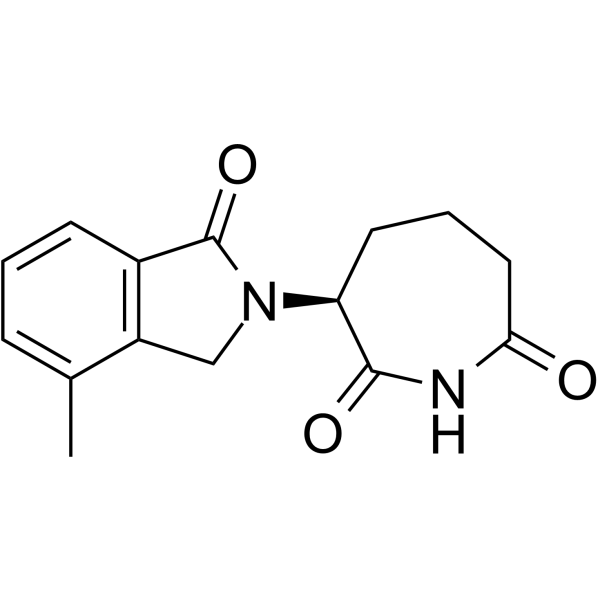
    BTX161, a thalidomide analog, is an effective CKIα degrader. BTX161 mediates human AML cell CKIα degradation more effectively than lenalidomide and activates the DNA damage response (DDR) and p53, while stabilizing p53 antagonist MDM2.
    BTX161
  • HY-156135

    MDM-2/p53 RET DNA/RNA Synthesis Apoptosis Caspase Endocrinology Cancer
    NSC194598 is a p53 DNA-binding inhibitor with an IC50 value of 180 nM. NSC194598 inhibits p53 DNA binding and induction of target genesn when p53 is stabilized and activated by irradiation or chemotherapy. NSC194598 can interfere with transcriptional activation of mutated rearranged during transfection (RET) gene, induce apoptosis and G0/G1 phase arrest. NSC194598 can be used for the researches of acute radiation toxicity and medullary thyroid carcinoma .
    NSC194598
  • HY-120373
    MB710
    1 Publications Verification

    MDM-2/p53 Cancer
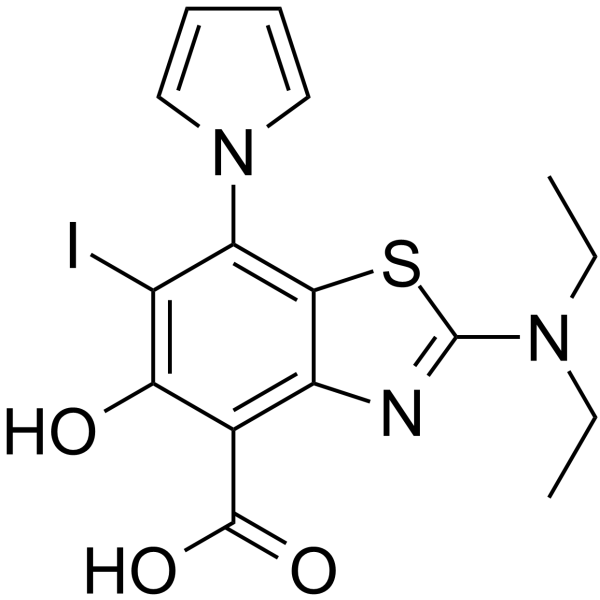
    MB710, an aminobenzothiazole derivative, is a stabilizer of oncogenic p53 mutation Y220C. MB710 binds tightly to the Y220C pocket and stabilizes p53-Y220C, with a Kd of 4.1 μM. MB710 shows anticancer activity in p53-Y220C cell lines .
    MB710
  • HY-160922

    MDM-2/p53 Bacterial Infection Cancer
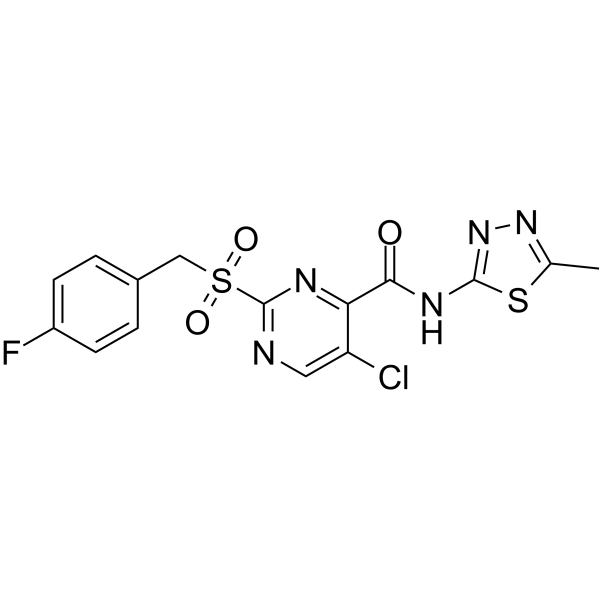
    BAY 249716 stabilizes all three p53 protein variants. BAY 249716 also has antitubercular activity (IC90: <0.10 μg/mL for Tuberculosis) .
    BAY 249716
  • HY-B0413R

    Reference Standards Parasite HIF/HIF Prolyl-Hydroxylase Microtubule/Tubulin Antibiotic Infection
    Fenbendazole (Standard) is the analytical standard of Fenbendazole. This product is intended for research and analytical applications. Fenbendazole is an orally active benzimidazole anthelmintic agent, with a broad antiparasitic range. Fenbendazole is a microtubule destabilizing agent and acts on helminthes primarily by binding to tubulin and disrupting the tubulin microtubule equilibrium. Fenbendazole stabilizes the transcriptional activator HIF-1α. Fenbendazole possesses an efficient anti-proliferative activity and induces apoptosis. Fenbendazole causes cell-cycle arrest and mitotic cell death, and has antitumor activity in mice xenografted with wild-type p53 .
    Fenbendazole (Standard)
  • HY-148106

    Ligands for E3 Ligase Cancer
    MEL23 is a MDM2 E3 ligase inhibitor that blocks the E3 ligase activity of the MDM2-MDMX complex. MEL23 inhibits Mdm2 and p53 ubiquitination in cells, reduce viability of cells with wild-type p53. MEL23 stabilizes MDM2 via a mechanism independent of p53 transcription .
    MEL23
  • HY-124072

    Cyclophilin LPL Receptor MDM-2/p53 Apoptosis Reactive Oxygen Species (ROS) Cancer
    HL001 is an orally active small molecule inhibitor of Cyclophilin A (CypA) and a receptor antagonist of Lysophosphatidic acid 1 (LPA1). HL001 induces cell cycle arrest and apoptosis of tumor cells by p53. HL001 stabilizes p53 by down-regulating G3BP1, inducing reactive oxygen species and DNA damage. HL001 disrupts the interaction between MDM2 and p53-72R in a CypA dependent manner. HL001 has antitumor activity. HL001 can also be used to study pulmonary fibrosis .
    HL001
  • HY-162141

    Glutaminase Apoptosis Cancer
    MD102 is a potent TG2 inhibitor with an IC50 value of 0.35 μM. MD102 stabilizes p53 by inhibiting TG2, inducing a decrease in p-AKT and p-mTOR downstream signaling, leading to tumor cell apoptosis .
    MD102
  • HY-132595A

    QPI-1002 sodium

    MDM-2/p53 Cancer
    Teprasiran sodium is a small interfering RNA that temporarily inhibits p53-mediated cell death that underlies acute kidney injury (AKI) .
    Teprasiran sodium
  • HY-124791

    MDM-2/p53 PARP Cancer
    MMRi6 is a Mdm2-MdmX RING domain inhibitor that can disrupt Mdm2-MdmX RING-RING interaction in vitro. MMRi6 inhibits MdmX-stimulated Mdm2 autoubiquitination and Mdm2-MdmX-mediated p53 polyubiquitination in vitro without affecting NEDD4-1 autoubiquitination. MMRi6 induces p53 stabilization and accumulation and induces PARP cleavage in wt-p53 Emu-myc lymphoma cells. MMRi6 inhibits the growth of wt-p53 and p53-null Emu-myc lymphoma cells with IC50s of approximately 0.5 μM and 3 μM, respectively. MMRi6 can be used for the study of leukemia/lymphoma .
    MMRi6
  • HY-158685

    MDM-2/p53 Cancer
    RG7112D is a potent MDM2 inhibitor with IC50s of 11 nM and >10000 nM and for MDM2-p53 and VHL-HIF1α by binding HTRF assay, respectively. RG7112D is coupled by an amide bond to VHL-Amine, resulting in a bi-functional molecule, YX-02-030. YX-02-03, a MDM2-PROTAC, potently inhibits MDM2-p53 binding (HTRF IC50=63nM). RG7112D can stabilize MDM2 protein and increase p53 protein levels .
    RG7112D
  • HY-10029A

    (Rac)-Rebemadlin

    MDM-2/p53 Autophagy Apoptosis E1/E2/E3 Enzyme Cancer
    (Rac)-Nutlin-3 (Rebemadlin), an active enantiomer of Nutlin-3, is a potent murine double minute (MDM2) inhibitor (IC50=90 nM). (Rac)-Nutlin-3 inhibits MDM2-p53 interactions and stabilizes the p53 protein, and induces cell autophagy and apoptosis. (Rac)-Nutlin-3 has the potential for the study of TP53 wild-type ovarian carcinomas .
    (Rac)-Nutlin-3
  • HY-132595

    QPI-1002

    Small Interfering RNA (siRNA) MDM-2/p53 Cancer
    Teprasiran (QPI-1002) is a small interfering RNA that temporarily inhibits p53-mediated cell death that underlies acute kidney injury (AKI) .
    Teprasiran
  • HY-179520

    Topoisomerase DNA/RNA Synthesis MDM-2/p53 Bcl-2 Family Cancer
    XSJ151 is a topoisomerase I inhibitor, stabilizing the DNA-Topo I covalent complex and inducing DNA double-strand breaks. XSJ151-induces DNA damage activates the p53-p21 signaling pathway, specifically regulating the expression of cyclins, leading to G2/M phase cell cycle arrest and disrupting the dynamic homeostasis of Bcl-2 family proteins, thereby triggering apoptosis in gastric cancer cells. XSJ151 can be used for the study of gastric cancer .
    XSJ151
  • HY-18343

    MDM-2/p53 Apoptosis Cancer
    CP-31398 can stabilize the active conformation of p53 and promote p53 activity in cancer cells with either mutant or wild-type p53. In addition, CP-31398 can upregulate p53 target genes, such as p21WAF1/Cip1 and KILLER/DR5. CP-31398 exerts an inhibitory effect on tumor growth .
    CP-31398
  • HY-108637A
    PhiKan 083 hydrochloride
    1 Publications Verification

    MDM-2/p53 Cancer
    PhiKan 083 hydrochloride is a carbazole derivative, which binds to the surface cavity and stabilizes Y220C (a p53 mutant), with a Kd of 167 μM , and a relative binding affinity (Kd) of 150 μM in Ln229 cells .
    PhiKan 083 hydrochloride
  • HY-122646

    Deubiquitinase MDM-2/p53 Cancer
    USP7-IN-2 (compound 4) is a non-competitive USP7 inhibitor with an IC50 of 6 nM. USP7-IN-2 causes degradation of MDM2, stabilization of p53 and induction of p21 in multiple cell lines, and can be utilized in cancer research .
    USP7-IN-2
  • HY-155974
    MeOIstPyrd
    1 Publications Verification

    MDM-2/p53 Cancer
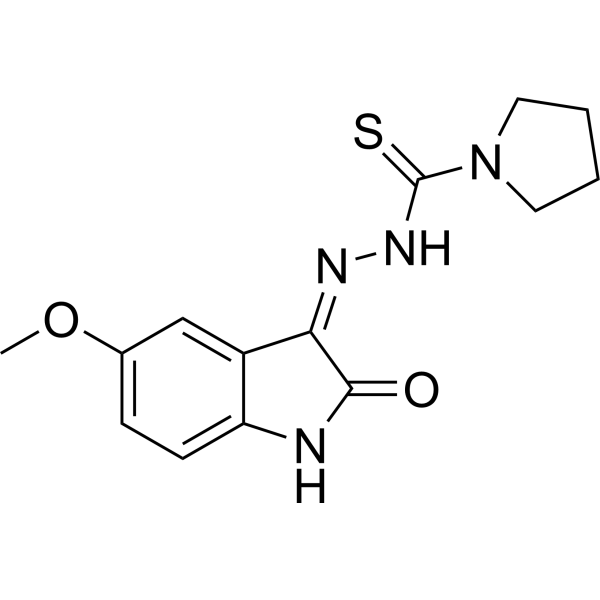
    MeOIstPyrd is an anti-skin cancer agent. MeOIstPyrd inhibits cell proliferation, migration, and spheroid formation by activating the mitochondrial intrinsic apoptotic pathway. MeOIstPyrd induces DNA damage. MeOIstPyrd activates p53, and increases the half-life of p53 and stabilizes p53 by phosphorylating it at ser15. MeOIstPyrd binds to MDM2 in the p53 sub-pocket and blocks p53-MDM2 interaction .
    MeOIstPyrd
  • HY-131667

    MDM-2/p53 E1/E2/E3 Enzyme Cancer
    Hdm2 E3 ligase inhibitor 1 (Compound 1) is a reversible inhibitor for Hdm2 (an E3 ubiquitin ligase)-mediated ubiquitination of the p53 protein with an IC50 of 12.7 μM. Hdm2 E3 ligase inhibitor 1 binds Hdm2, blocks Hdm2-catalyzed ubiquitin transfer from preligated Ub-Ubc4 to p53, inhibits p53 ubiquitination, stabilizes p53 protein in tumor cell and exhibits antitumor efficacy .
    Hdm2 E3 ligase inhibitor 1
  • HY-13721R

    Idronoxil (Standard); Dehydroequol (Standard); Haginin E (Standard)

    Caspase Apoptosis Topoisomerase Reference Standards Cancer
    Phenoxodiol (Standard) is the analytical standard of Phenoxodiol. This product is intended for research and analytical applications. Phenoxodiol (Idronoxil), a synthetic analog of Genestein, activates the mitochondrial caspase system, inhibits XIAP (an apoptosis inhibitor), and sensitizes the cancer cells to Fas-mediated apoptosis. Phenoxodiol also inhibits DNA topoisomerase II by stabilizing the cleavable complex. Phenoxodiol induces cell cycle arrest in the G1/S phase of the cell cycle and upregulates p21WAF1 via a p53 independent manner .
    Phenoxodiol (Standard)
  • HY-16270

    3-Cyanopropyl carbamimidothioate; 4-Isothioureidobutyronitrile

    Apoptosis MDM-2/p53 Cancer
    Kevetrin (3-Cyanopropyl carbamimidothioate; 4-Isothioureidobutyronitrile) is an apoptosis inducer that exhibits p53-dependent and p53-independent antitumor activity. In TP53 wild-type models, Kevetrin activates and stabilizes the p53 protein by altering the processing of MDM2, thereby inducing cell cycle arrest and apoptosis. Kevetrin shows higher sensitivity in mutant models. Kevetrin is applicable for the research of various cancers including acute myeloid leukemia and breast cancer .
    Kevetrin
  • HY-164828

    PC14586 analog-1

    MDM-2/p53 Cancer
    Rezatapopt analog-1 (PC14586 analog-1) (1919) is a Rezatapopt (HY-156633) analog. Rezatapopt binds to a pocket created by the TP53 Y220C mutation. Rezatapopt restores p53 tumor suppressor functions by stabilization of the p53 protein structure .
    Rezatapopt analog-1
  • HY-181024

    PROTACs HDAC Cancer
    PROTAC HDAC8 Degrader-3 (Compound BP6) is an efficient, selective and low-toxicity HDAC8 PROTAC degrader with a DC50 of 80 nM. PROTAC HDAC8 Degrader-3 exhibits IC50 of PROTAC for HDAC8 and CRBN of 0.26 and 30 μM respectively. PROTAC HDAC8 Degrader-3 increases the level of Ac-SMC3, stabilizes p53 and sensitizes targeted reagents (such as Idasanutlin (HY-15676)), demonstrating its great potential in combination therapy .
    PROTAC HDAC8 Degrader-4
  • HY-101666R

    Deubiquitinase Reference Standards Apoptosis MDM-2/p53 Metabolic Disease Cancer
    HBX 41108 (Standard) is the analytical standard of HBX 41108 (HY-101666). This product is intended for research and analytical applications. HBX 41108 is an inhibitor of ubiquitin-specific protease 7 (USP7) with an IC50 of 424 nM. HBX 41108 inhibits USP7-mediated p53 deubiquitination to stabilize p53 and inhibits cancer cell growth. BX 41108 can be used in cancer and diabetes research .
    HBX 41108 (Standard)
  • HY-10029R

    Rebemadlin (Standard)

    MDM-2/p53 Reference Standards E1/E2/E3 Enzyme Autophagy Apoptosis Cancer
    Nutlin-3a (Standard) is the analytical standard of Nutlin-3a (HY-10029). This product is intended for research and analytical applications. Nutlin-3a (Rebemadlin), an active enantiomer of Nutlin-3, is a potent murine double minute (MDM2) inhibitor (IC50=90 nM). Nutlin-3a inhibits MDM2-p53 interactions and stabilizes the p53 protein, and induces cell autophagy and apoptosis. Nutlin-3a has the potential for the study of TP53 wild-type ovarian carcinomas .
    Nutlin-3a (Standard)
  • HY-108637R

    Reference Standards MDM-2/p53 Cancer
    PhiKan 083 (Standard) is the analytical standard of PhiKan 083 (HY-108637). This product is intended for research and analytical applications. PhiKan 083 is a carbazole derivative, which binds to the surface cavity and stabilizes Y220C (a p53 mutant), with a Kd of 167 μM. PhiKan 083 can be used for cancer research .
    PhiKan 083 (Standard)
  • HY-181048

    Casein Kinase MDM-2/p53 Cancer
    CK1α-IN-1 (Compound 7a) is a selective CK1α inhibitor with an IC50 of 10.96 nM. CK1α-IN-1 dose-dependently stabilizes p53 protein. CK1α-IN-1 has anticancer activity against acute monocytic leukemia .
    CK1α-IN-1
  • HY-N18301

    ATM/ATR Checkpoint Kinase (Chk) MDM-2/p53 E1/E2/E3 Enzyme CDK Mitosis Reactive Oxygen Species (ROS) Apoptosis Cancer
    Americanin A is a Neolignan. Americanin A can be isolated from the seeds of Phytolacca americana. Americanin A activates ATM and ATR, initiating the subsequent signal transduction cascades that include Chk1, Chk2, and tumor suppressor p53. Americanin A targets selectively Skp2 for degradation and thereby stabilizes p27. Americanin A suppresses the activity of Cyclin B1 and its partner cdc2 to prevent entry into Mitosis. Americanin A induces Apoptosis by producing excessive ROS. Americanin A has anti-cancer activity against colorectal cancer .
    Americanin A
  • HY-108919

    HDAC Apoptosis MDM-2/p53 Aurora Kinase NEKs DNA/RNA Synthesis Bcl-2 Family Inflammation/Immunology Cancer
    CG-1521 is a histone deacetylase (HDAC) inhibitor that stabilizes Ac-Lys373 P53, increases P21 levels and HDAC2 degradation. CG-1521 can inhibit proliferation, induce cell cycle arrest and apoptosis. CG-1521 promotes Bax translocation to the mitochondria and cleavage. CG-1521 downregulates KIF4, Aurora B and Nek2 protein expression and DNA synthesis. CG-1521 can be used for the research of prostate cancer and inflammatory breast cancer .
    CG-1521
  • HY-183629

    Zinc Finger Protein Apoptosis Cardiovascular Disease Cancer
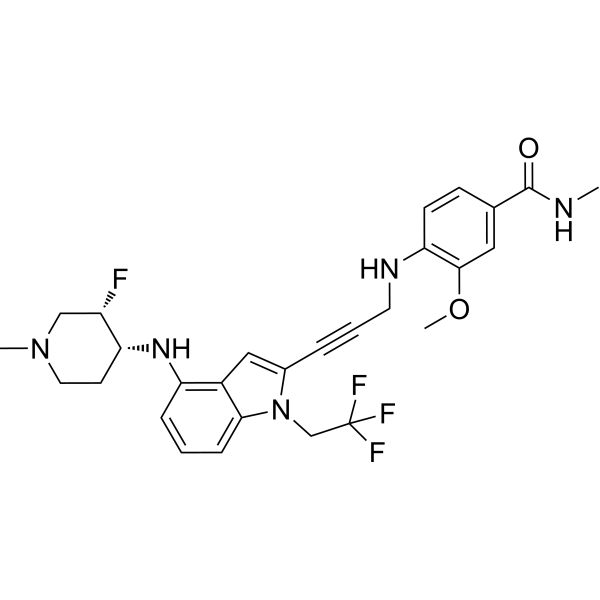
    ZNF281-IN-1 is a ZNF281 inhibitor. ZNF281-IN-1 disrupts the binding of transcriptionally active DNA-bound ZNF281 to the promoters of target genes including TRIM35 and ZEB1. ZNF281-IN-1 inhibits tumor cell proliferation, stabilizes P53 and upregulates PUMA to induce apoptosis, while triggering cellular senescence. ZNF281-IN-1 completely prevents Doxorubicin (HY-15142A)-induced cardiotoxicity (AIC), and enhances rather than impairs the antitumor efficacy of Doxorubicin. ZNF281-IN-1 completely blocks the distant metastasis of melanoma to the lungs. ZNF281-IN-1 can be used in the research of cardiotoxicity, lung cancer and metastatic melanoma .
    ZNF281-IN-1
  • HY-183831

    MDM-2/p53 PARP Caspase Apoptosis Cancer
    GPS167 is a CLK kinase inhibitor that potently and selectively inhibits recombinant human CLK1, CLK2 and CLK4. By inhibiting CLK-mediated phosphorylation of SRSF10, GPS167 upregulates the protein-binding ability of CLK1 and CLK4 with SRSF10, downregulates oncogenic BCLAF1-L and upregulates tumor-suppressive BCLAF1-S, regulates alternative splicing of genes such as MDM2 and MDM4, stabilizes p53 protein and induces DNA damage, ultimately triggering tumor cell apoptosis. GPS167 can block the epithelial-mesenchymal transition process of tumors, activate intracellular double-stranded RNA-mediated antiviral immune responses, and produce synergistic cytotoxicity when combined with microtubule-targeting drugs. GPS167 can be used in research related to various cancers including colorectal cancer .
    GPS167

Inquiry Online

Your information is safe with us. * Required Fields.

Salutation


Country or Region *

Applicant Name *


Organization Name *

Department *


Email Address *


Product Name *

Cat. No.


Requested quantity *

Phone Number *


Remarks

Inquiry Online

Inquiry Information

Product Name:
Cat. No.:
Quantity:
MCE Japan Authorized Agent:

