



1. Search Result
Search Result
Results for "

pH sensitive

" in MedChemExpress (MCE) Product Catalog:

60

Inhibitors & Agonists

1

Screening Libraries

26

Fluorescent Dye

13

Biochemical Assay Reagents

4

Peptides

1

Natural
Products

1

Click Chemistry

4

Oligonucleotides

Cat. No. Product Name Target Research Areas Chemical Structure
  • HY-D1563
    pH Receptor Probe
    1 Publications Verification

    Fluorescent Dye Others
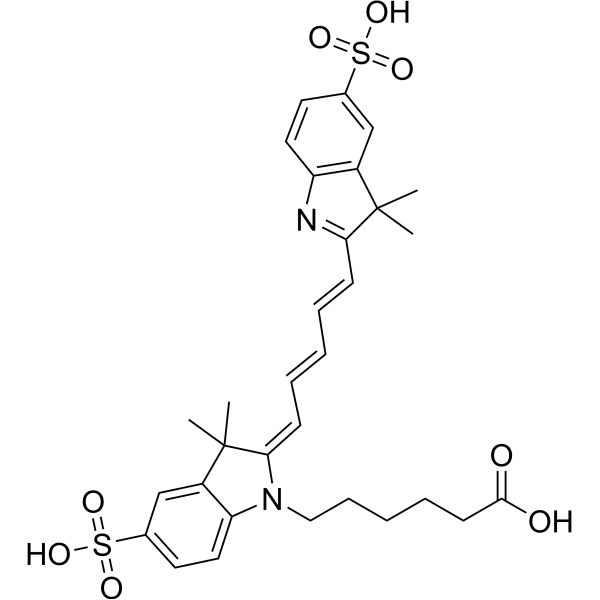
    pH Receptor Probe is a pH-sensitive cyanine derivative and a environmental sensitive fluorophore. pH Receptor Probe has a pH-sensitive maximal absorption at 644 nm and emission at 664 nm. pH Receptor Probe has been used as a pH sensor of lysosomal compartments .
    pH Receptor Probe
  • HY-P4108

    Influenza Virus Infection
    TAT-HA2 Fusion Peptide is a peptide-based delivery agent that combines the pH-sensitive HA2 fusion peptide from Influenza and the cell-penetrating peptide TAT from HIV. TAT-HA2 Fusion Peptide is a transactivator of transcription and hemaglutanin for endosomal release. TAT-HA2 Fusion Peptide enhances cellular uptake of macromolecules .
    TAT-HA2 Fusion Peptide
  • HY-D0023
    Pyranine
    2 Publications Verification

    HPTS; Solvent Green 7

    Environmental Pollutants Fluorescent Dye Others
    Pyranine (HPTS; Solvent Green 7) is a cell-impermeant pH-sensitive fluorescent indicator. Pyranine acts as a class of fluorescent chemosensor for the Cu + ion. Pyranine is used as a coloring agent, biological stain, optical detecting reagent, and pH indicator (Ex/Em = 450/510 nm) .
    Pyranine
  • HY-D1094
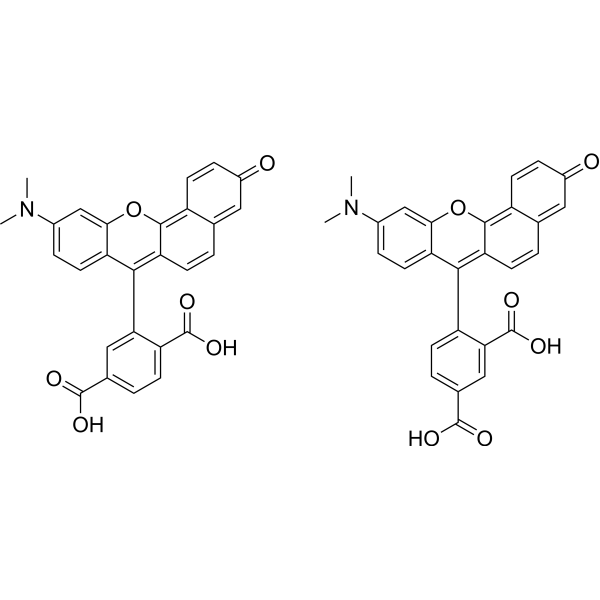
    Carboxy-SNARF 1 (5/6-mixture)
    1 Publications Verification

    SNARF 1

    Fluorescent Dye Others
    Carboxy-SNARF 1 (5/6-mixture) (SNARF 1) is a fluorescent probe that is sensitive to pH (Ex: 488 nm). Carboxy-SNARF 1 (5/6-mixture) can be used for measurement pH. Carboxy-SNARF 1 (5/6-mixture) exhibits a significant emission shift from yellow-orange (Em: 580 nm) to deep red fluorescence (Em: 640 nm) under acidic and basic conditions (pH=7-8), respectively .
    Carboxy-SNARF 1 (5/6-mixture)
  • HY-D1224
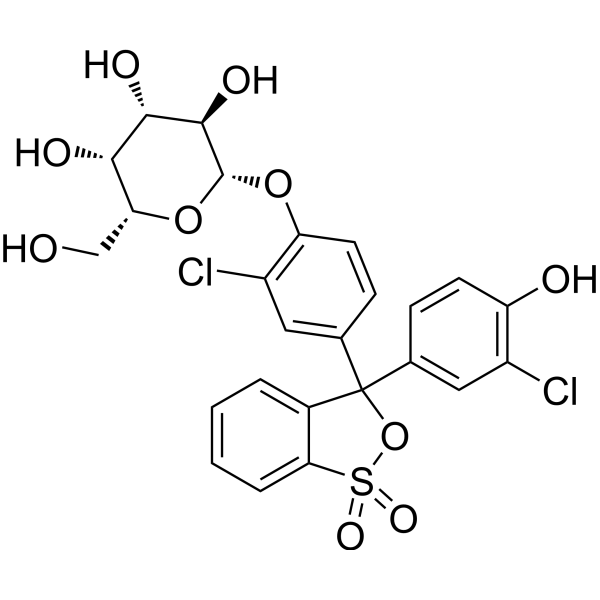
    Chlorophenol red-β-D-galactopyranoside
    2 Publications Verification

    CPRG

    Biochemical Assay Reagents Others
    Chlorophenol red-β-D-galactopyranoside (CPRG) is an efficient and sensitive chromogenic substrate for β-galactosidase (HY-P2869), widely used in colorimetric assays. Chlorophenol red-β-D-galactopyranoside itself appears pale yellow. When it is specifically hydrolyzed by β-galactosidase, it releases chlorophenol red. The released chlorophenol red turns purple-red under alkaline or neutral pH conditions. This color change from yellow to red can be quantitatively detected at wavelengths of 540-572 nm using visible spectrophotometry .
    Chlorophenol red-β-D-galactopyranoside
  • HY-101882
    BCECF
    3 Publications Verification

    2′,7′-Bis(2-carboxyethyl)-5(6)-carboxyfluorescein

    Fluorescent Dye Others
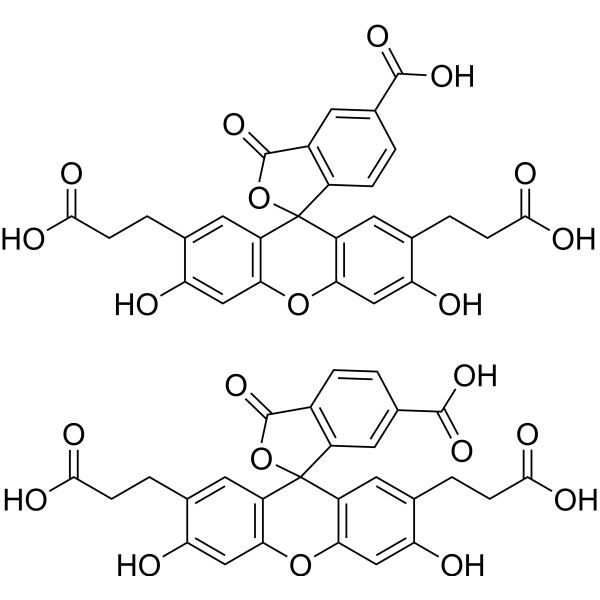
    BCECF is a cell-impermeant pH-sensitive fluorescent dye. BCECF allows measurements in the physiological pH range 6.0-8.0. Excitation ratio: 490/440 nm; Emission intensity: 535 nm.
    BCECF
  • HY-P99681

    IMMU 130; hMN-14-SN-38

    Antibody-Drug Conjugates (ADCs) Cancer
    Labetuzumab govitecan (IMMU 130) is an Anti-CEACAM5/SN-38 antibody-drug conjugate (ADC). Labetuzumab govitecan consists of the antibody Labetuzumab, SN-38, and a pH-sensitive Linker. Labetuzumab govitecan can be used for research of cancers, such as colorectal cancer .
    Labetuzumab govitecan
  • HY-15940
    5(6)-Carboxyfluorescein
    5 Publications Verification

    5(6)-FAM; 5-(and-6)-Carboxyfluorescein mixed isomers

    Fluorescent Dye Cancer
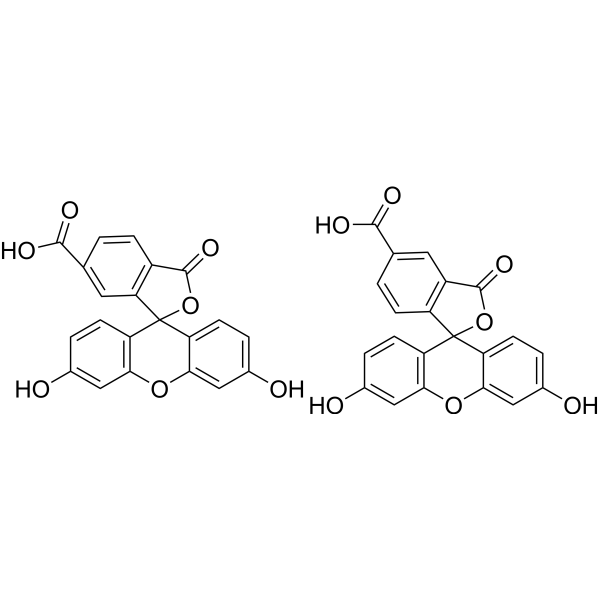
    5(6)-Carboxyfluorescein (5(6)-FAM) is an amine-reactive pH-sensitive green fluorescent probe. 5(6)-Carboxyfluorescein (5(6)-FAM) can be used to label proteins, peptides and nucleotides. 5(6)-Carboxyfluorescein can be used for the detection of tumour areas in vivo .
    5(6)-Carboxyfluorescein
  • HY-P10152

    Biochemical Assay Reagents Infection
    INF7 is a derivative of the N-terminal domain of the HA2 protein and is sensitive to pH. INF7 disrupts the stability of endosomal membranes through a mechanism independent of membrane fusion. INF7 can be used to enhance the endosome escape of complex or liposome-encapsulated proteins. Co-encapsulation of INF7 and molecular imaging probes in liposomes can enhance intracellular signaling and probe retention .
    INF7
  • HY-W040144

    Fluorescent Dye Others
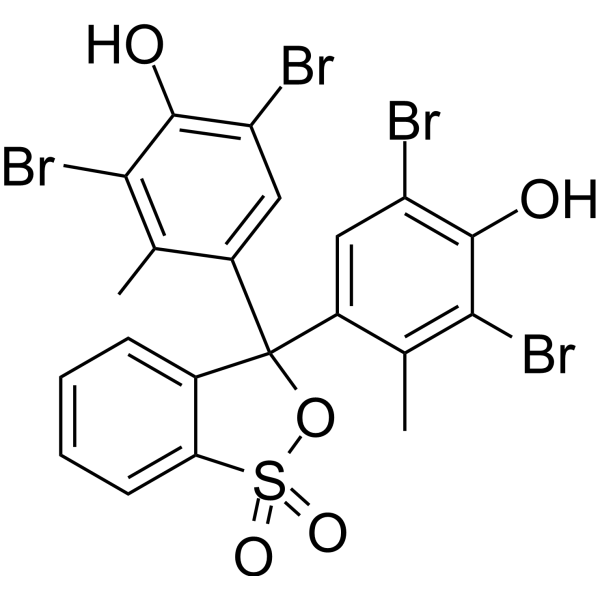
    Bromocresol green is a pH-sensitive triphenylmethane dye commonly used for the determination of protein and albumin in serum. Bromocresol green is a bio-based dye with a yellow-green to blue-green color. Bromocresol green turns yellow (λmax=435 nm, protonated form) when placed in acidic solution (e.g. pH=4.15), and turns blue in basic solution (λmax=615 nm, deprotonated form). Bromocresol green is widely used as a pH indicator in the field of biochemical analysis. In addition, Bromocresol green is also used to detect the concentration of molecules such as creatinine, and to judge the viability of cells .
    Bromocresol green
  • HY-118155
    9-Amino-6-chloro-2-methoxyacridine
    2 Publications Verification

    ACMA

    Fluorescent Dye Others
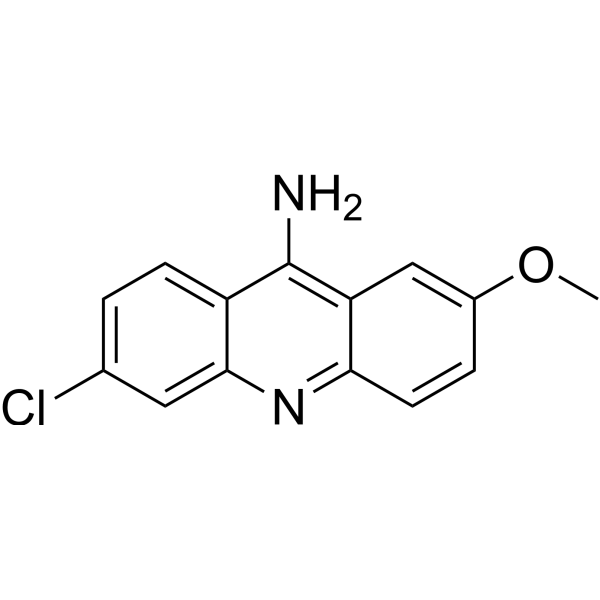
    9-Amino-6-chloro-2-methoxyacridine is a pH sensitive fluorescent probe. 9-Amino-6-chloro-2-methoxyacridine has been frequently used to measure changes in vacuolar pH when a specific substrate crosses the tonoplast through a putative H +/solute antiport system .
    9-Amino-6-chloro-2-methoxyacridine
  • HY-Y0699

    Environmental Pollutants Fluorescent Dye Others
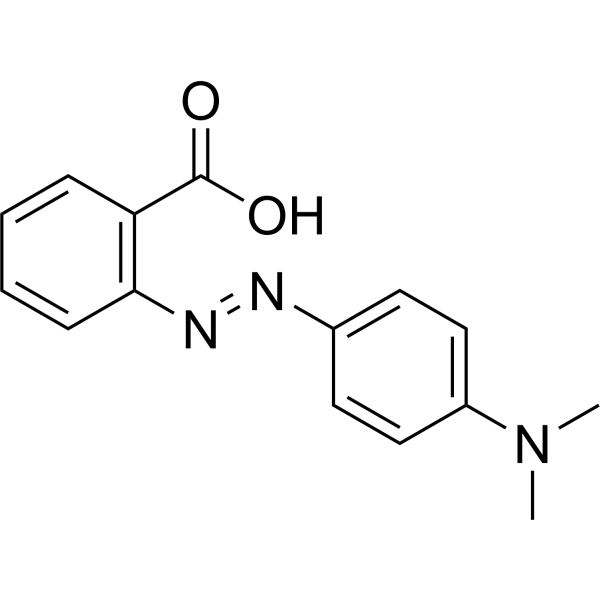
    Methyl red is a pH-sensitive acid-base indicator and colorimetric reagent with a pKa of 5.1. Methyl red achieves visual judgment of the titration endpoint through reversible structural changes of protonation (red, pH <4.4) and deprotonation (yellow, pH >6.2). Methyl red is widely used in acid-base titration in chemical analysis and buffer pH monitoring in biochemistry .
    Methyl red
  • HY-D0077

    Oregon green 488

    Fluorescent Dye Others
    2',7'-Difluorofluorescein (Oregon green 488) is a fluorescein derivative and a pH-sensitive fluorescent probe (pKa ~4.7). Upon excitation at 488 nm, 2',7'-Difluorofluorescein exhibits pH-sensitive fluorescence intensity through the formation of dianions, while its pH sensitivity decreases under excitation at 450 nm, allowing its use in ratiometric pH analysis. 2',7'-Difluorofluorescein can be used for the quantitative analysis of pH values in the range of 2-7 in submicron aerosol particles. 2',7'-Difluorofluorescein undergoes buffer-mediated and buffer-free excited-state proton transfer between different protonated forms, and its cationic form undergoes rapid excited-state deprotonation. 2',7'-Difluorofluorescein is resistant to photodegradation, maintains stable absorption and fluorescence properties within the physiological pH range, and serves as a fluorescent protein label, a component of Ca 2+ indicators, a fluorescent imaging agent, and an anisotropy probe .
    2',7'-Difluorofluorescein
  • HY-139305
    CL4H6
    1 Publications Verification

    Liposome Cancer
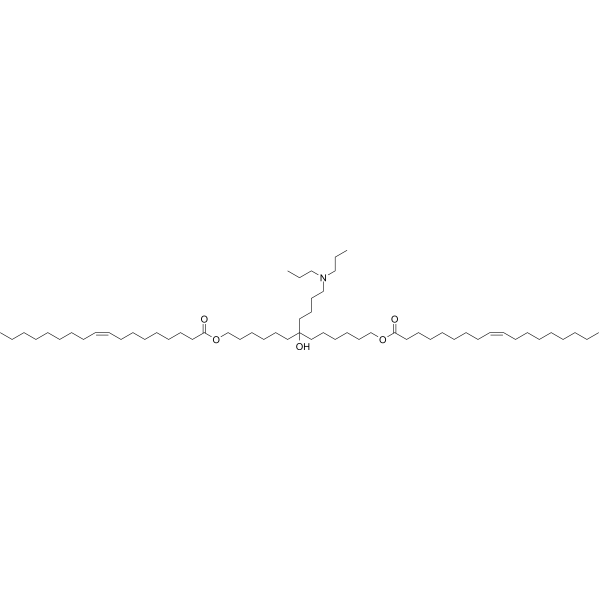
    CL4H6 is a pH-sensitive cationic lipid. CL4H6 is the main component of lipid nanoparticles (LNPs), which can be used to target and deliver siRNA, and induces a potent gene-silencing response .
    CL4H6
  • HY-W923198

    Methacryloyloxy fluorescein

    Fluorescent Dye Others
    Fluorescein O-methacrylate (Methacryloyloxy fluorescein) is a pH-responsive fluorescent monomeric dye. Fluorescein O-methacrylate exhibits pH-responsive fluorescence properties: its fluorescence is activated under alkaline conditions and quenched under neutral or acidic conditions; reversible switching of fluorescence is achievable by adjusting the pH of the solution. Fluorescein O-methacrylate can be used as a monomer for the synthesis of amphiphilic fluorescein polymers. These polymers can self-assemble into stable polymer nanoparticles with enhanced aqueous-phase fluorescence, and also enable the conjugation of nanoparticles with amine-containing biomolecules to support sensitive optical detection of biomarkers (Ex/Em = 490/520 nm) .
    Fluorescein O-methacrylate
  • HY-W133967

    Environmental Pollutants Biochemical Assay Reagents Inflammation/Immunology
    Calcium alginate is a biopolymer that can be used for developing oral agent-delivery systems . Calcium alginate is a pH sensitive hydrogel stable in acidic media and soluble in basic media .
    Calcium alginate
  • HY-D0075

    Fluorescent Dye Others
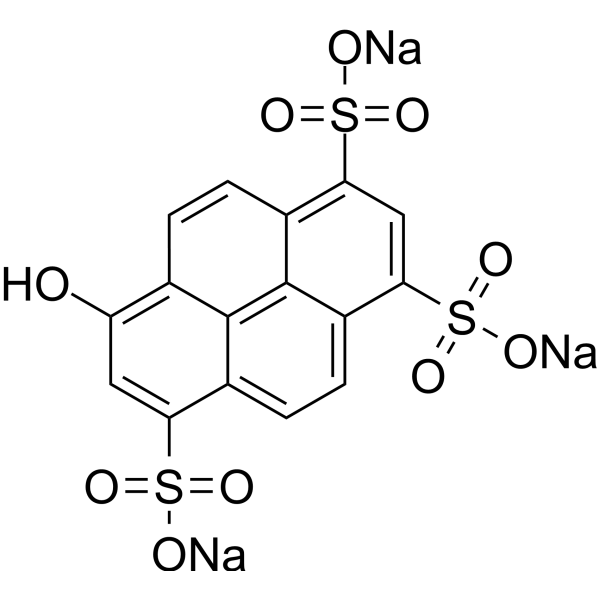
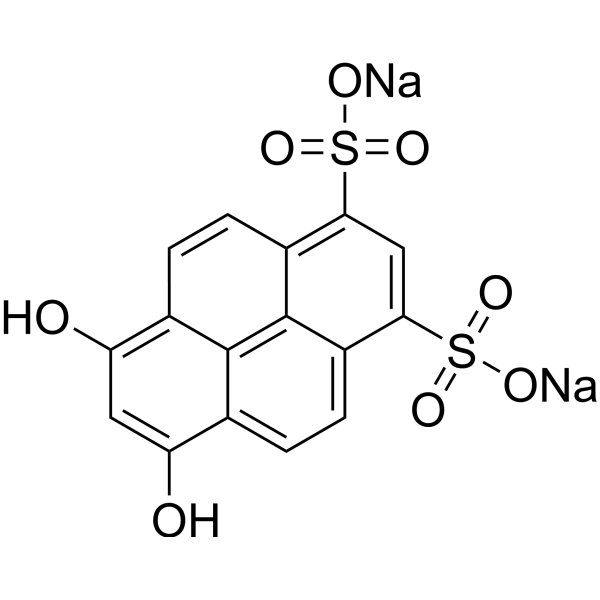
    DHPDS disodium salt is a pH-sensitive fluorescent dye. DHPDS disodium salt is used to measure intracellular pH (pHi) from the surface fluorescence of the isolated perfused rat liver .
    DHPDS disodium salt
  • HY-124473

    NapHthafluorescein

    HIF/HIF Prolyl-Hydroxylase Cancer
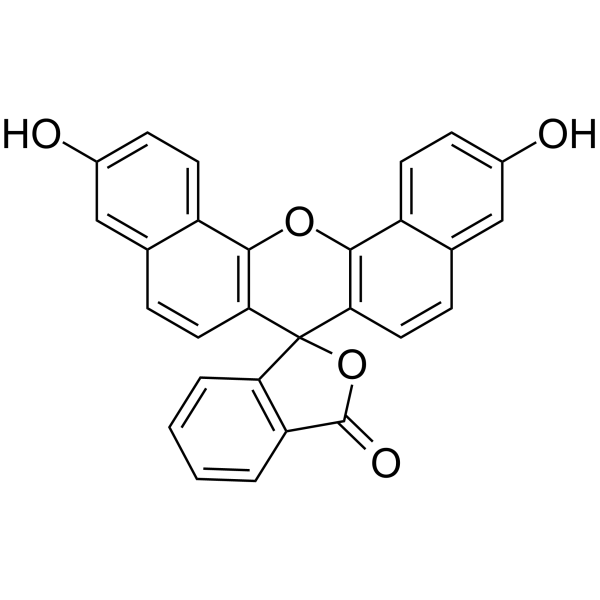
    Naphthofluorescein inhibits the interaction between HIF-1 and Mint3. Naphthofluorescein suppresses Mint3-dependent HIF-1 activity and glycolysis in cancer cells and macrophages without cytotoxicity in vitro and adverse effect in vivo . Naphthofluorescein is also a fluorescent pH-sensitive probe that can be used for functional Cerenkov imaging .
    Naphthofluorescein
  • HY-147087

    Liposome Cancer
    YSK 05 is a pH-sensitive cationic lipid. YSK 05 improves the intracellular trafficking of non-viral vectors. YSK 05-MEND shows significantly good gene silencing activity and hemolytic activity. YSK 05 overcomes the suppression of endosomal escape by PEGylation. YSK 05 effectively enhances siRNA delivery both in vitro and in vivo .
    YSK 05
  • HY-W110898

    Fluorescent Dye Others
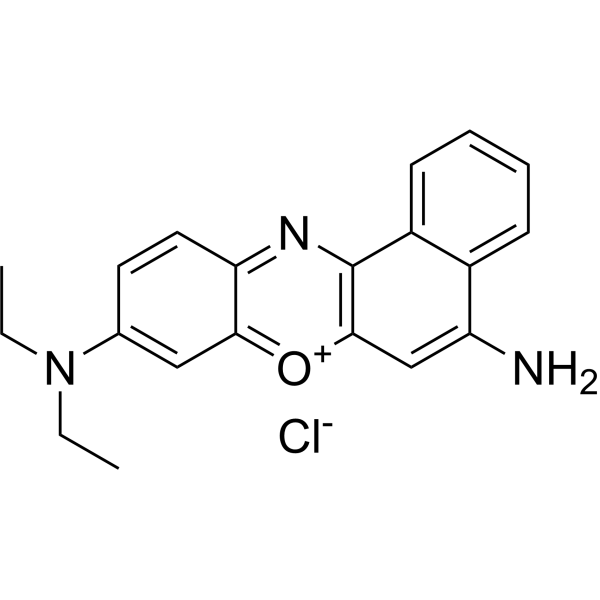
    Nile blue chloride is a highly fluorescent and photostable organic dye. Nile blue chloride and fluorescein isothiocyanate (FITC) can be used to construct a ratiometric pH sensitive probe for tracking the pH of the extracellular fluid between cancer cells in realtime. Nile Blue chloride has the potential for the research of nonlinear optics .
    Nile blue chloride
  • HY-D1457

    Fluorescent Dye Others
    DND-189, a low-pH fluorescent probe, is sensitive to neutral and low pH range. DND-189 can be used to measure the pH of acidic organelles .
    DND-189
  • HY-D1093

    Fluorescent Dye Others
    Carboxy SNARF-1, acetoxymethyl ester (5/6-mixture) is a fluorescent probe that is sensitive to pH. Carboxy SNARF-1, acetoxymethyl ester (5/6-mixture) can be used for measurement of intracellular pH .
    Carboxy SNARF-1, acetoxymethyl ester (5/6-mixture)
  • HY-W094214

    β-Methyl itaconate

    Drug Derivative Others
    Monomethyl itaconate (β-Methyl itaconate) is a monomethyl ester derivative of Itaconic acid (HY-Y0520). Monomethyl itaconate can copolymerize with PEGMA to form pH-sensitive hydrogels .
    Monomethyl itaconate
  • HY-DY1071

    Fluorescent Dye Others
    pH Receptor Probe (solution) is a pH-sensitive cyanine derivative and a environmental sensitive fluorophore. pH Receptor Probe has a pH-sensitive maximal absorption at 644 nm and emission at 664 nm. pH Receptor Probe has been used as a pH sensor of lysosomal compartments .
    Solvent and concentration: DMSO: 10 mM
    pH Receptor Probe (solution)
  • HY-157036

    Fluorescent Dye Others
    INSA is a a pH-sensitive fluorescent probe. INSA can simultaneously light up mitochondria (red emission) and lysosomes (green emission) for their internal pH differences .
    INSA
  • HY-144025

    Liposome Others
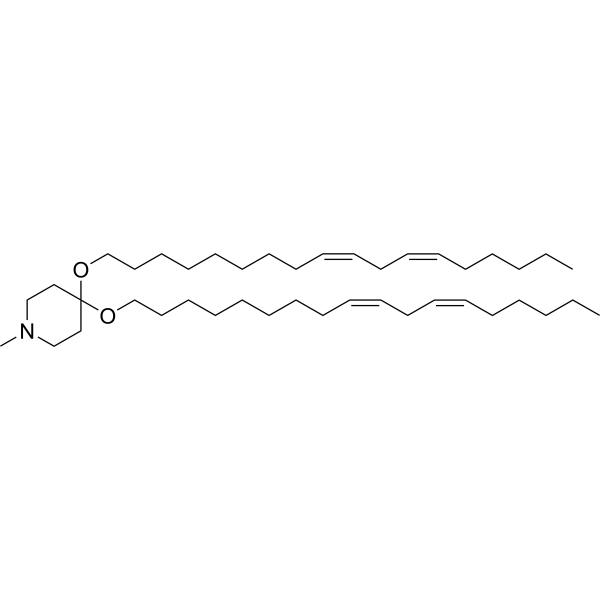
    DOBAQ, a cationic lipid, is a pH-sensitive lipid. DOBAQ can be used for liposomes applied in drug delivery .
    DOBAQ
  • HY-160113E

    Biochemical Assay Reagents Others
    Sodium phosphate buffer 0.1M, pH 8.0 is an aqueous sodium phosphate buffer with a concentration of 0.1M and a pH value of 8.0. Sodium phosphate buffer 0.1M, pH 8.0 can be used for the preparation of hydrated micellar membranes, the construction of pH-sensitive nanocarriers, and the maintenance of stable environmental conditions for pH-cleavable PEG-Hz-PE micelles. Sodium phosphate buffer 0.1M, pH 8.0 can also serve as a universal solvent, reaction medium and eluent, and is widely applied in experimental processes such as antibody thiolation, nanoparticle purification and cross-linking reactions .
    Sodium phosphate buffer 0.1M, pH 8.0
  • HY-D1556

    1,2-dioleoyl-sn-glycero-3-pHospHoethanolamine-N-(carboxyfluorescein) ammonium

    Fluorescent Dye Cancer
    18:1 PE CF (1,2-dioleoyl-sn-glycero-3-phosphoethanolamine-N-(carboxyfluorescein) (ammonium)) is a pH-sensitive fluorescent indicator. 18:1 PE CF exhibits changes in fluorescence intensity in response to pH variations and reflects the electrostatic states of cationic liposomes and lipoplexes. 18:1 PE CF supports real-time visualization of pH distribution and membrane deformation in giant unilamellar vesicles and is suitable for steady-state fluorescence testing in large unilamellar vesicle membranes. 18:1 PE CF is capable of monitoring the surface electrical potential of cationic liposomes and lipoplexes and can effectively label lipid bilayers and nanomicelles. 18:1 PE CF can be used for the research of the investigation of lung cancer (Ex = 495 nm; Em = 520 nm) .
    18:1 PE CF
  • HY-D2482

    APG-1 AM

    Fluorescent Dye Neurological Disease
    Asante potassium green-1 AM (APG-1 AM) is a cell-permeable K +-sensitive fluorescent indicator and potassium ion indicator that exhibits minimal interference from Na + and pH at physiologically relevant intracellular levels. Asante potassium green-1 AM enables non-invasive monitoring and quantitative analysis of intracellular potassium ion concentration (ᵢ) . Its excitation/emission maxima are 525/545 nm, respectively.
    Asante potassium green-1 AM
  • HY-20794

    Fluorescent Dye Others
    8-Hydroxyjulolidine is a chromophore moiety of a fluorescent probe for the detection of weak acid ions. 8-Hydroxyjulolidine can be used to synthesize the salicylaldehyde derivative 9-formyl-8-hydroxyjulolidine, which exhibits sensitive detection ability to pH changes of hydrogen sulfide and silicate in aqueous solution .
    8-Hydroxyjulolidine
  • HY-E70565

    Endonuclease Inflammation/Immunology
    O-Glycoprotease is an O-glycoprotein-specific endoprotease that catalyzes the hydrolysis of peptide bonds directly adjacent to the O-polymer in native mucin-type O-glycosylated proteins. O-Glycoprotease sequence is from Akkermansia muciniphila, recombinantly expressed in E.coli, with a 6×His tag at the C-terminus.
    The enzyme maintains high activity between pH 5.5-7.5 and is resistant to 1M NaCl, but is highly sensitive to EDTA (0.5 mM EDTA) and can be inhibited by Zn 2+.
    O-Glycoprotease
  • HY-150175

    Fluorescent Dye Inflammation/Immunology
    HKSOX-1 and its derivatives (HKSOX-1r and HKSOX-1m) are novel fluorescent probes designed for highly sensitive and selective detection of the superoxide anion radical (O2 •−) in cellular environments. These probes utilize an aryl trifluoromethanesulfonate group that undergoes O2 •−-mediated cleavage, releasing a free phenol and emitting fluorescence. They demonstrate excellent specificity and sensitivity across various pH ranges, withstand interference from strong oxidants and reductants typical in cellular contexts. HKSOX-1r, optimized for cellular retention, has been effectively employed in diverse assays including confocal imaging, flow cytometry, and zebrafish embryo studies, highlighting its utility in investigating O2 •− roles in inflammation, mitochondrial stress, and other physiological processes .
    HKSOX-1
  • HY-D1463

    Fluorescent Dye Others
    Nile Blue Methacrylamide is a pH-responsive probe. Nile Blue Methacrylamide exhibits pH-sensitive absorption and fluorescence emission in the physiological pH range, with spectral shifts occurring between acidic and near-physiological pH conditions . (Ex/Em = 590/670-700 nm)
    Nile Blue Methacrylamide
  • HY-147104

    Fluorescent Dye Others
    Fmoc-Lys(5-FITC)-OH is a marker for polypeptides or proteins. FITC is a fluorescence probe for the labeling of amines. FITC is a pH- and Cu 2+-sensitive fluorescence dye .
    Fmoc-Lys(5-FITC)-OH
  • HY-D2771

    Fluorescent Dye Others
    BP Fluor 405 NHS Ester is a water-soluble, blue-fluorescent dye that is often used in multi-color applications, including flow cytometry and super-resolution microscopy using STORM. Its excitation is ideally suited for the 407 nm spectral line of the krypton laser or the 408 nm violet laser diode. BP Fluor 405 conjugates are pH-insensitive from pH 4 to pH 10. The NHS ester (or succinimidyl ester) is the most popular amine reactive group for labeling with the primary amines of proteins (Lys), amine-modified oligonucleotides, and other amine-containing molecules. Proteins can be labeled with BP Fluor 405 NHS Ester at high molar ratios without significant self-quenching, leading to brighter conjugates and more sensitive detection. BP Fluor 405 conjugates can also be used for the detection of abundance targets.
    BP Fluor 405 NHS ester
  • HY-156514

    Drug-Linker Conjugates for ADC Cancer
    MC-GGFG-AM-(10NH2-11F-Camptothecin) is an antibody drug conjugates (ADC). MC-GGFG-AM-(10NH2-11F-Camptothecin) binds to the anti-TROp-2 antibody sacituzumab via a hydrolysable pH-sensitive linker and has anti-tumor activity. MC-GGFG-AM-(10NH2-11F-Camptothecin) can be used for cancer research .
    MC-GGFG-AM-(10NH2-11F-Camptothecin)
  • HY-176518

    Liposome Ser/Thr Protease Infection Neurological Disease Metabolic Disease
    ssPalmE-P4-C2 is a SS-cleavable and pH-sensitive lipid-like material (ssPalm) with a vitamin E‑scaffold. ssPalmE-P4-C2 improves gene knockdown activity against FVII with an ED50 of 0.5 mg/kg. ssPalmE-P4-C2 can be used to synthesize lipid nanoparticles (LNPs) for delivering siRNA to the hepatocyte. ssPalmE-P4-C2 can be used for the RNA therapies for dyslipidemia, hepatitis B/C infections and transthyretin amyloidosis research .
    ssPalmE-P4-C2
  • HY-P2815

    Biochemical Assay Reagents Others
    Creatinine deiminase is a hydrolytic enzyme. Creatinine deiminase plays a crucial role in the conversion of the metabolic waste creatinine into creatine. Creatinine deiminase is a creatine bioanalytical tool. Creatinine deiminase can be used to construct a novel creatinine-sensitive biosensor when adsorbed on a silicate-modified pH-sensitive field-effect transistor (pH-FET) .
    Creatinine deiminase
  • HY-W040291

    Fluorescent Dye Cancer
    7-Hydroxy-4-methylcoumarin-3-acetic acid, SE is a blue fluorophore that has pH-dependent and environment-sensitive fluorescence. It is widely used for preparing bioconjugates of blue fluorescence.
    7-Hydroxy-4-methylcoumarin-3-acetic acid, SE
  • HY-168913

    PSMA Cancer
    CTT2274 is a prodrug of MMAE (HY-15162). CTT2274 is composed of a prostate-specific membrane antigen (PSMA)-binding scaffold, a biphenyl motif, a pH-sensitive phosphoramidate linker, and MMAE payload. CTT2274 shows selective binding to PSMA and delivers MMAE. CTT2274 inhibits prostate cancer .
    CTT2274
  • HY-D2745

    Fluorescent Dye Others
    BP Fluor 594 NHS ester is the most popular tool for modifying proteins or antibodies through the primary amines (Lys), amine-modified oligonucleotides, and other amine-containing biomolecules with BP Fluor 594 label. The labeling occurs most efficiently at pH 7-9 and forms a stable, covalent amide bond. BP Fluor 594 dye can be used for proteins labeling at high molar ratios without significant self-quenching, enabling brighter conjugates and more sensitive detection. BP Fluor 594 is bright, water-soluble, and pH-insensitive from pH 4 to pH 10 red-fluorescent dye with absorption and emission maxima at 590 and 617 nm, respectively. It can be used with the 561 nm and 594 nm laser lines. BP Fluor 594 dye conjugated to a variety of antibodies, peptides, proteins, tracers, and amplification substrates often used for generation of stable signal in imaging and flow cytometry.
    BP Fluor 594 NHS ester
  • HY-D1224A

    CPRG sodium

    Biochemical Assay Reagents Others
    Chlorophenol red-β-D-galactopyranoside (CPRG) sodium is an efficient and sensitive chromogenic substrate for β-galactosidase (HY-P2869), widely used in colorimetric assays. Chlorophenol red-β-D-galactopyranoside sodium itself appears pale yellow. When it is specifically hydrolyzed by β-galactosidase, it releases chlorophenol red. The released chlorophenol red turns purple-red under alkaline or neutral pH conditions. This color change from yellow to red can be quantitatively detected at wavelengths of 540-572 nm using visible spectrophotometry .
    Chlorophenol red β-D-galactopyranoside sodium
  • HY-126470A

    pHCPamHcy

    Biochemical Assay Reagents Others
    N-Palmitoyl homocysteine (PHC) ammonium is a pH sensitive lipid hat is cleaved under endosomal pH conditions (pH 5.5) .
    N-Palmitoyl homocysteine (PHC) ammonium
  • HY-145616

    Microtubule/Tubulin Cancer
    Sudocetaxel is a microtubule depolymerization inhibitor for pH-sensitive docetaxel delivery.
    Sudocetaxel
  • HY-W353607A

    Biochemical Assay Reagents Others
    Bromochlorophenol Blue sodium salt, an acid-sensitive dye, is a pH-indicating dye .
    Bromochlorophenol Blue sodium salt
  • HY-172385

    1,2-Dipalmitoyl-sn-glycero-3-succinate

    Biochemical Assay Reagents Others
    16:0 DGS (1,2-Dipalmitoyl-sn-glycero-3-succinate) can be used for the preparation of pH-sensitive liposomes .
    16:0 DGS
  • HY-129563

    HIV HIV Protease Infection
    CGP 57813 is a peptidomimetic inhibitor of HIV protease that can be encapsulated by nanoparticles composed of poly(D,L-lactic acid) (PLA) and pH-sensitive methacrylic acid copolymers and delivered into the body .
    CGP 57813
  • HY-D0023A

    HPTS hydrate; Solvent Green 7 hydrate

    Fluorescent Dye Others
    Pyranine (HPTS; Solvent Green 7) hydrate is a cell-impermeant pH-sensitive fluorescent indicator. Pyranine hydrate acts as a class of fluorescent chemosensor for the Cu + ion. Pyranine hydrate is used as a coloring agent, biological stain, optical detecting reagent, and pH indicator (Ex/Em = 450/510 nm) .
    Pyranine hydrate
  • HY-D0116

    HPTS free acid; Solvent Green 7 free acid

    Fluorescent Dye Others
    Pyranine (HPTS; Solvent Green 7) free acid is a pH-sensitive fluorescent indicator. Pyranine free acid acts as a class of fluorescent chemosensor for the Cu + ion. Pyranine free acid is used as a coloring agent, biological stain, optical detecting reagent, and pH indicator (Ex/Em = 450/510 nm) .
    Pyranine free acid
  • HY-155717

    Autophagy Pim Cancer
    NDBM is a probe and binds to tumor-specific Pim-1 kinase, releases strong fluorescence, and produces cytotoxicity, thus achieving cell screening and killing effects. NDBM can specifically target lysosomes and sensitively respond to pH. NDBM can be used to track the pH changes in the intracellular environment under conditions of autophagy and external stimulation .
    NDBM

Inquiry Online

Your information is safe with us. * Required Fields.

Salutation


Country or Region *

Applicant Name *


Organization Name *

Department *


Email Address *


Product Name *

Cat. No.


Requested quantity *

Phone Number *


Remarks

Inquiry Online

Inquiry Information

Product Name:
Cat. No.:
Quantity:
MCE Japan Authorized Agent:

