1. Search Result
Search Result
Results for "

phenolic derivative

" in MedChemExpress (MCE) Product Catalog:

40

Inhibitors & Agonists

1

Screening Libraries

1

Biochemical Assay Reagents

20

Natural
Products

3

Isotope-Labeled Compounds

Targets Recommended:
Cat. No. Product Name Target Research Areas Chemical Structure
  • HY-Y0264

    Endogenous Metabolite Bacterial Infection
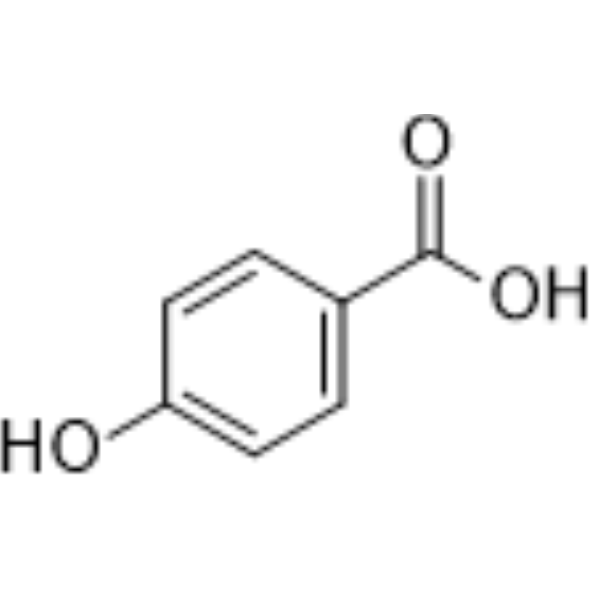
    4-Hydroxybenzoic acid, a phenolic derivative of benzoic acid, could inhibit most gram-positive and some gram-negative bacteria, with an IC50 of 160 μg/mL.
    4-Hydroxybenzoic acid
  • HY-W105135

    Biochemical Assay Reagents Others
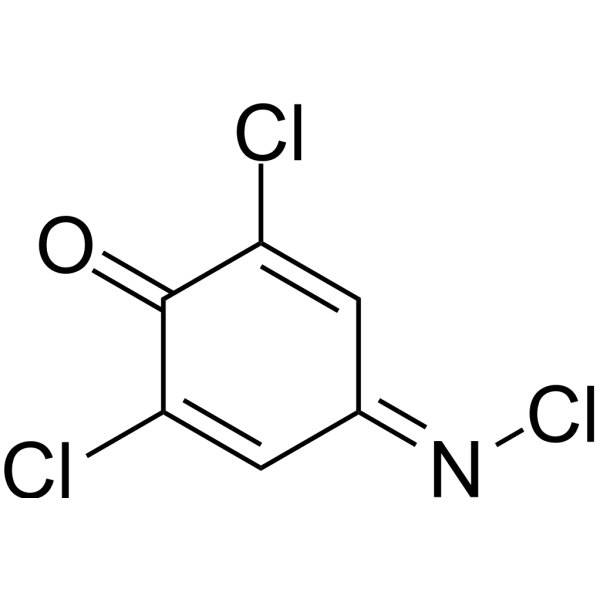
    2,6-Dichloroquinone-4-chloroimide is a spray reagent for organic compounds. 2,6-Dichloroquinone-4-chloroimide can be used in thin-layer chromatograms and detecting phenol and its derivatives. 2,6-Dichloroquinone-4-chloroimide can be used as an optical sensor for rapid detection of permethrin in treated wood .
    2,6-Dichloroquinone-4-chloroimide
  • HY-116152

    Ciprofol; HSK3486

    GABA Receptor Sirtuin Keap1-Nrf2 Apoptosis Cardiovascular Disease Neurological Disease Metabolic Disease Inflammation/Immunology Cancer
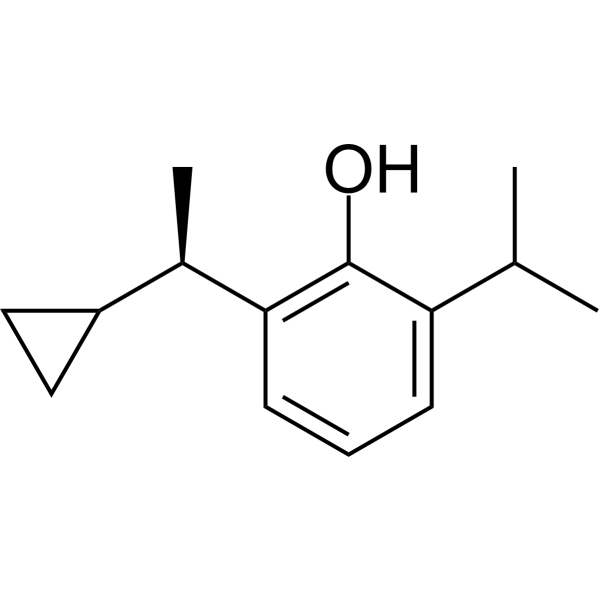
    Cipepofol (Ciprofol), a novel 2,6-disubstituted phenol derivative, is a positive allosteric modulator and direct agonist of the GABAA receptor. Cipepofol can cause the central nerve inhibition and promote sleep based on the structural modification of Propofol (HY-B0649). Cipepofol can activate the sirtuin1 (Sirt1)/Nrf2 pathway. Cipepofol protects the heart against Isoproterenol (ISO; HY-B0468)-induced myocardial infarction by reducing cardiac oxidative stress, inflammatory response and cardiomyocyte apoptosis .
    Cipepofol
  • HY-107369

    Butylresorcinol

    Tyrosinase Others
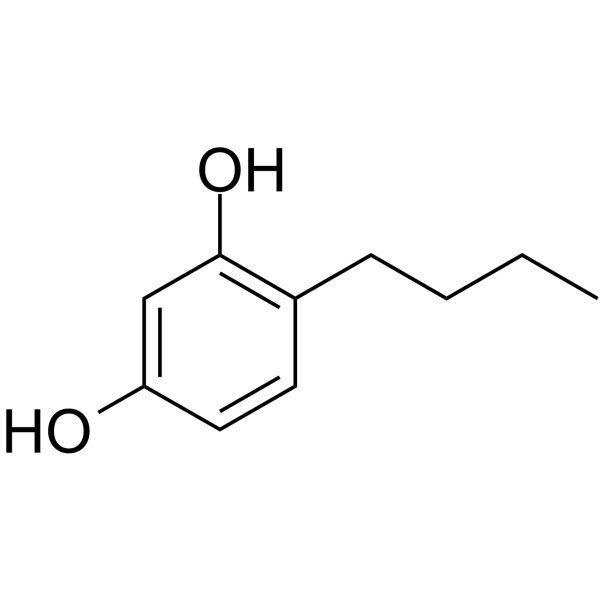
    4-Butylresorcinol is a phenol derivative which can inhibit tyrosinase with IC50 of 11.27 μM.
    4-Butylresorcinol
  • HY-N6599

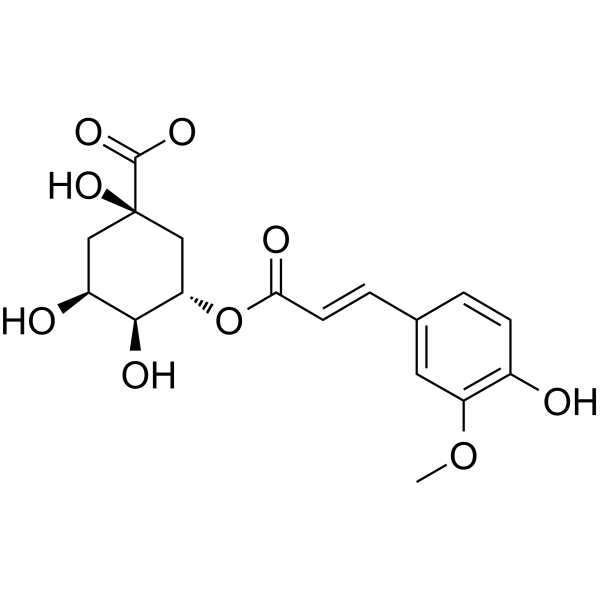
    3-O-Feruloylquinic acid

    Interleukin Related COX NO Synthase NF-κB Inflammation/Immunology
    3-Feruloylquinic acid (3-O-Feruloylquinic acid), a derivative of quinic acid-bound phenolic acid, shows antioxidant and anti-inflammatory activities .
    3-Feruloylquinic acid
  • HY-N4168

    HBV Infection Cancer
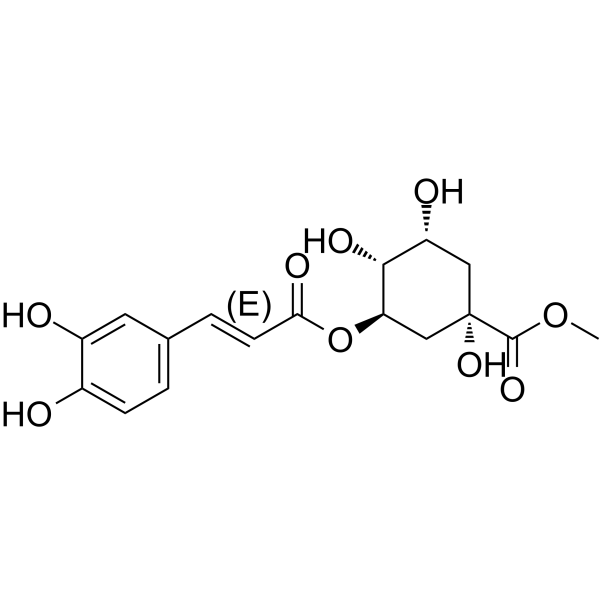
    3-O-Caffeoylquinic acid methyl ester is a monocaffeoylquinic acid derivative and phenolic acid component, which can be found in the whole plant of Pyrrosia calvata (Backer) Ching and the flower buds of Lonicera japonica Thunb .
    3-O-Caffeoylquinic acid methyl ester
  • HY-Y0264S1

    Endogenous Metabolite Bacterial Infection
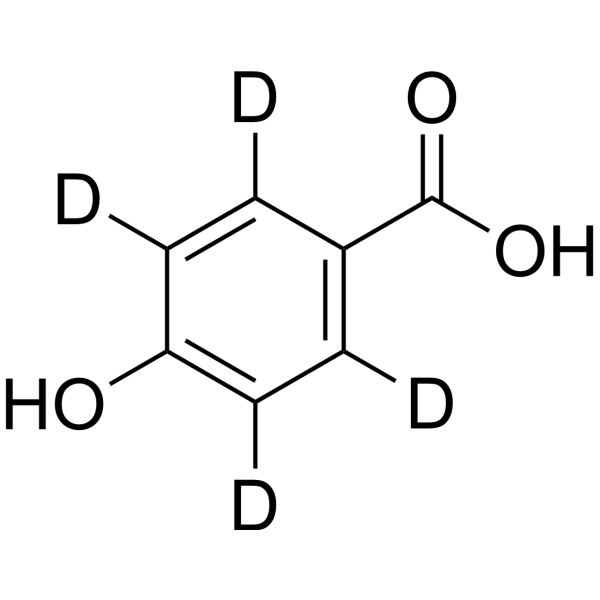
    4-Hydroxybenzoic acid-d4 is the deuterium labeled 4-Hydroxybenzoic acid. 4-Hydroxybenzoic acid, a phenolic derivative of benzoic acid, could inhibit most gram-positive and some gram-negative bacteria, with an IC50 of 160 μg/mL.
    4-Hydroxybenzoic acid-d4
  • HY-70003

    CPG2 Inhibitor

    Carboxypeptidase Cancer
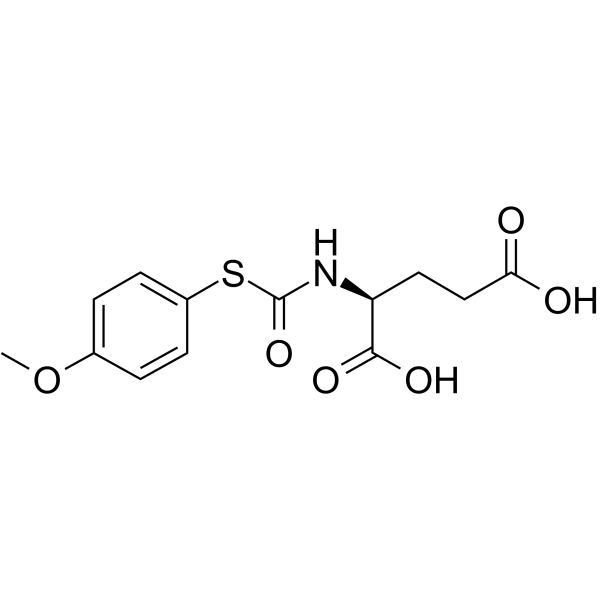
    Carboxypeptidase G2 (CPG2) Inhibitor is a novel CPG2 inhibitor with an Ki of 0.3 μM. Carboxypeptidase G2 (CPG2) Inhibitor effectively neutralizes the CPG2 activity in non-tumor sites, allowing for earlier administration of the drug and forming a complementary strategy with antibody clearance strategies. Carboxypeptidase G2 (CPG2) Inhibitor can be used for the study of antibody-directed enzyme prodrug therapy (ADEPT) .
    Carboxypeptidase G2 (CPG2) Inhibitor
  • HY-W012815

    Biochemical Assay Reagents Drug Intermediate Others
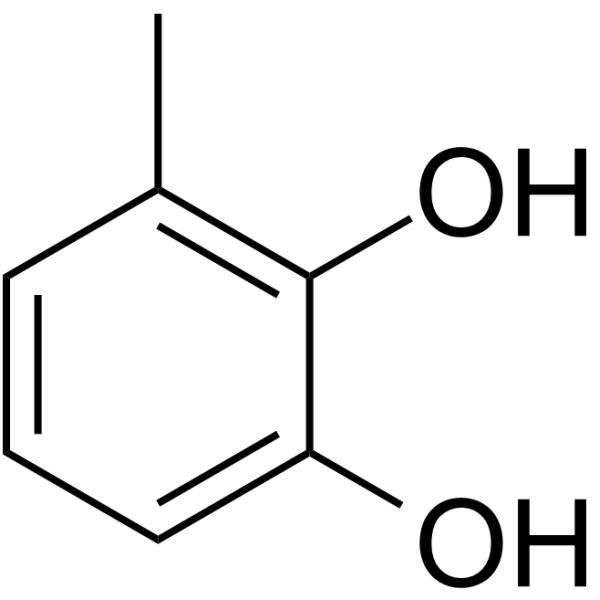
    3-Methylcatechol is a phenolic derivative that can be produced by Pseudomonas putida MC2. 3-Methylcatechol can serve as a molecular building block in chemical synthesis to produce other active compounds .
    3-Methylcatechol
  • HY-Y0264R

    Reference Standards Endogenous Metabolite Bacterial Infection
    4-Hydroxybenzoic acid (Standard) is the analytical standard of 4-Hydroxybenzoic acid. This product is intended for research and analytical applications. 4-Hydroxybenzoic acid, a phenolic derivative of benzoic acid, could inhibit most gram-positive and some gram-negative bacteria, with an IC50 of 160 μg/mL.
    4-Hydroxybenzoic acid (Standard)
  • HY-30014
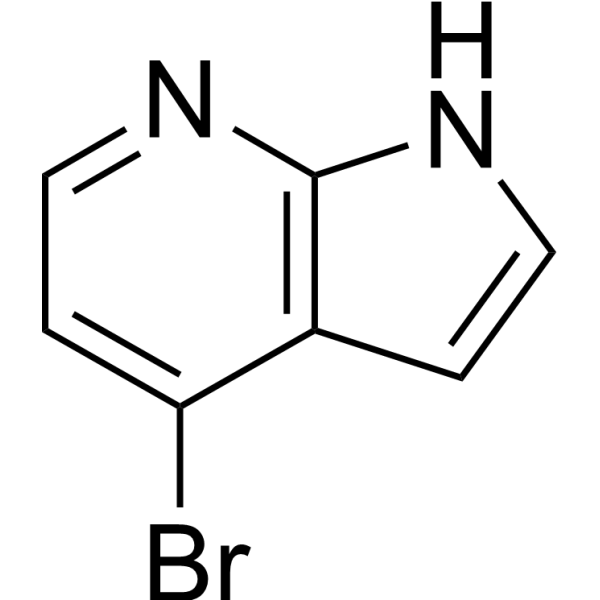
    4-Bromo-7-azaindole
    1 Publications Verification

    Drug Intermediate Others
    4-Bromo-7-azaindole is a brominated derivative of 7-azaindole. 4-Bromo-7-azaindole serves as a substrate for palladium-catalyzed C-N and C-O cross-coupling reactions, reacting with amides, amines, amino acid esters and phenols .
    4-Bromo-7-azaindole
  • HY-Y0264S

    Isotope-Labeled Compounds Infection
    4-Hydroxybenzoic acid- 13C6 is the 13C labeled isotope of 4-Hydroxybenzoic acid- 13C6.4-Hydroxybenzoic acid is a phenolic derivative of benzoic acid, which can inhibit most Gram-positive bacteria and some Gram-negative bacteria with an IC50 value of 160 μg/mL.
    4-Hydroxybenzoic acid-13C6
  • HY-Y0264S2

    Bacterial Endogenous Metabolite Infection
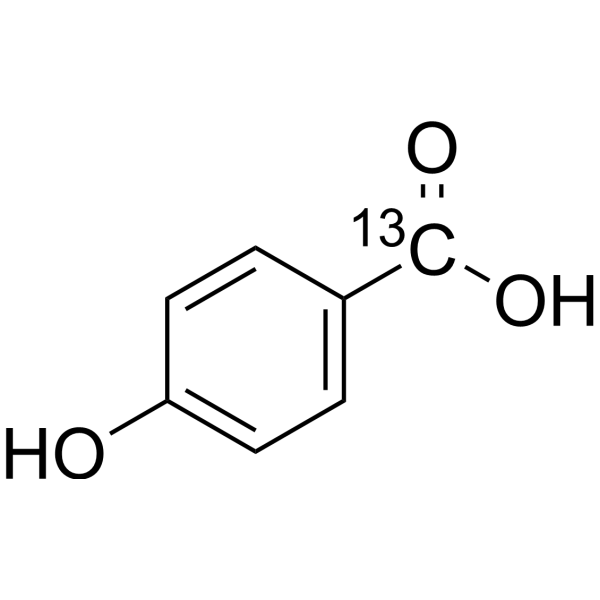
    4-Hydroxybenzoic acid- 13C is the 13C labeled 4-Hydroxybenzoic acid . 4-Hydroxybenzoic acid, a phenolic derivative of benzoic acid, could inhibit most gram-positive and some gram-negative bacteria, with an IC50 of 160 μg/mL .
    4-Hydroxybenzoic acid-13c
  • HY-N2492

    Methyl trans-p-coumarate

    Apoptosis Interleukin Related GSK-3 Parasite Infection Cancer
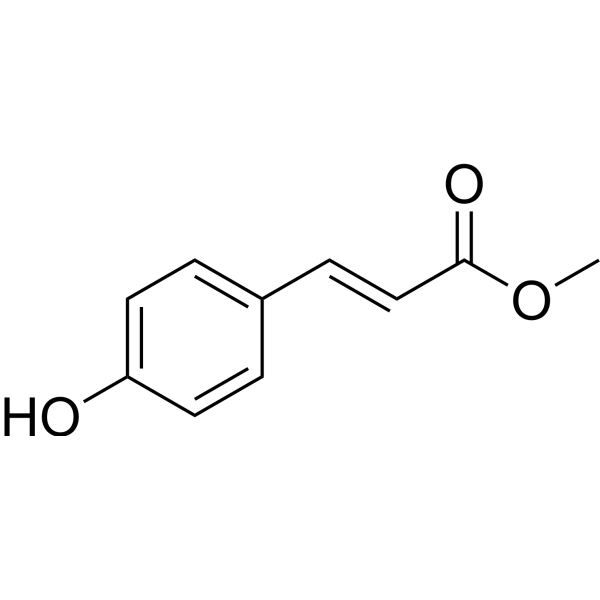
    (E)-Methyl 4-coumarate (Methyl 4-hydroxycinnamate) is a phenolic compound and derivative of Cinnamic acid (HY-N0610A). (E)-Methyl 4-coumarate can be found in several plants, such as the leaves of Allium cepa and Morinda citrifolia L. (E)-Methyl 4-coumarate, when combined with Carnosic acid (HY-N0644), induces Apoptosis. (E)-Methyl 4-coumarate inhibits GSK3β activity and modulates inflammatory cytokine levels (increasing IL-10 and decreasing IL-4). (E)-Methyl 4-coumarate combined with Carnosic acid exhibits anticancer effects against acute myeloid leukemia. (E)-Methyl 4-coumarate ameliorates Plasmodium berghei NK65 infection .
    (E)-Methyl 4-coumarate
  • HY-150175

    Fluorescent Dye Inflammation/Immunology
    HKSOX-1 and its derivatives (HKSOX-1r and HKSOX-1m) are novel fluorescent probes designed for highly sensitive and selective detection of the superoxide anion radical (O2 •−) in cellular environments. These probes utilize an aryl trifluoromethanesulfonate group that undergoes O2 •−-mediated cleavage, releasing a free phenol and emitting fluorescence. They demonstrate excellent specificity and sensitivity across various pH ranges, withstand interference from strong oxidants and reductants typical in cellular contexts. HKSOX-1r, optimized for cellular retention, has been effectively employed in diverse assays including confocal imaging, flow cytometry, and zebrafish embryo studies, highlighting its utility in investigating O2 •− roles in inflammation, mitochondrial stress, and other physiological processes .
    HKSOX-1
  • HY-W039169

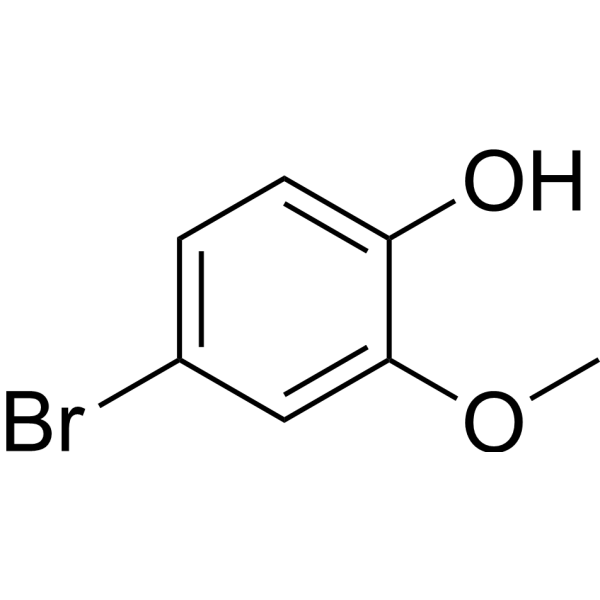
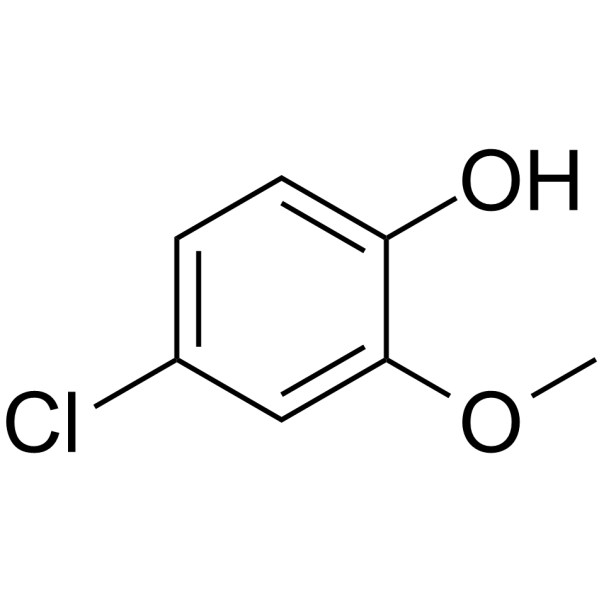
    4-Chloro-2-methoxyphenol

    Bacterial Infection
    4-Chloroguaiaco (4-Chloro-2-methoxyphenol) is a phenol derivative, with antimicrobial activity. 4-Chloroguaiaco shows inhibition against S. aureus and E. coli with MICs of both 110 μg/mL .
    4-Chloroguaiacol
  • HY-N10936

    Others Others
    Denudaquinol is a phenolic derivative. Denudaquinol can be isolated from M. denudata. Denudaquinol has cytotoxicity against the SFME and r/mHMSFME-1 cell lines .
    Denudaquinol
  • HY-14570

    Apoptosis Cancer
    Triphen diol is a phenol diol derivative, which has excellent anticancer activity against pancreatic cancer and cholangiocarcinoma, and can induce pancreatic cell apoptosis through two mechanisms, caspase-mediated and caspase-independent .
    Triphen diol
  • HY-N12216

    Others Others
    Cyanidin 3-sophoroside-5-glucoside is the main anthocyanin in purple-fleshed sweet potato and affects the antioxidant activity of purple-fleshed sweet potato .
    Cyanidin 3-sophoroside-5-glucoside
  • HY-W010235

    Drug Derivative Infection
    3,5-Dimethoxytoluene, a methylated phenolic derivative, is one of characteristic scent compounds emitted from flowers of most rose varieties. 3,5-Dimethoxytoluene shows significant fumigant toxicity against L. serricorne and L. bostrychophila with LC50 values of 4.99 mg/L air and 0.91 mg/L air, respectively .
    3,5-Dimethoxytoluene
  • HY-W205745

    4-(Aminomethyl)phenol hydrochloride

    Drug Intermediate Infection
    Bengamin (4-(Aminomethyl)phenol) hydrochloride is a drug intermediate that can be used for the synthesis of benzylguanidine derivatives, and it possesses antibacterial activity .
    Bengamin hydrochloride
  • HY-121959

    Biochemical Assay Reagents Metabolic Disease
    4-Acetylphenoxyacetic acid is a phenoxyacetic acid derivative. 4-Acetylphenoxyacetic acid can be synthesized from para-acetyl phenol. 4-Acetylphenoxyacetic acid can be used to study phenylacetic acid transport system of Pseudomonas putida U through the aerobic catabolism of phenylacetic aced derivative .
    4-Acetylphenoxyacetic acid
  • HY-139797

    Drug Derivative Neprilysin Cardiovascular Disease
    SCH 47896 is a phenolic derivative of SCH39370 (HY-139803), a potent specific inhibitor of metalloendopeptidase (NEP). SCH 47896 can be used for the research of cardiovascular disease, such as hypertension .
    SCH 47896
  • HY-W010235R

    Reference Standards Biochemical Assay Reagents Infection
    3,5-Dimethoxytoluene (Standard) is the analytical standard of 3,5-Dimethoxytoluene. This product is intended for research and analytical applications. 3,5-Dimethoxytoluene, a methylated phenolic derivative, is one of characteristic scent compounds emitted from flowers of most rose varieties. 3,5-Dimethoxytoluene shows significant fumigant toxicity against L. serricorne and L. bostrychophila with LC50 values of 4.99 mg/L air and 0.91 mg/L air, respectively[1].
    3,5-Dimethoxytoluene (Standard)
  • HY-116631

    Asaricin

    Fungal Insecticide Infection
    Sarisan (Asaricin) is a phenolic derivative with antifungal and insecticidal activity. Sarisan can be found in the stem bark of Ocotea opifera Mart. .
    Sarisan
  • HY-W754777

    Endogenous Metabolite Environmental Pollutants Others
    IPPD-Q is an antioxidant phenolic quinone derivative of p-phenylenediamine . IPPD-Q is one of the most acutely toxic emerging contaminants in urban waters.
    IPPD-Q
  • HY-N8618

    Others Others
    Erythro-guaiacylglycerol-β-O-4'-dihydroconiferyl alcohol was identified as one of the phenolic compounds isolated from Canadian maple syrup (MS-BuOH). It exhibited antioxidant properties along with other phenolic compounds and coumarins isolated from the syrup. These compounds showed varying degrees of antioxidant activity, with phenolic derivatives and coumarins showing superior activity, more so than lignans and flavonoids. This study marks the first time that 16 of the 23 phenolic compounds, including Erythro-guaiacylglycerol-β-O-4'-dihydroconiferyl alcohol, have been identified in maple syrup .
    Erythro-guaiacylglycerol-β-O-4'-dihydroconiferyl alcohol
  • HY-107369R

    Butylresorcinol (Standard)

    Reference Standards Tyrosinase Others
    4-Butylresorcinol (Standard) is the analytical standard of 4-Butylresorcinol. This product is intended for research and analytical applications. 4-Butylresorcinol is a phenol derivative which can inhibit tyrosinase with IC50 of 11.27 μM.
    4-Butylresorcinol (Standard)
  • HY-W012815R

    Biochemical Assay Reagents Reference Standards Drug Intermediate Others
    3-Methylcatechol (Standard) is the analytical standard of 3-Methylcatechol (HY-W012815). This product is intended for research and analytical applications. 3-Methylcatechol is a phenolic derivative that can be produced by Pseudomonas putida MC2. 3-Methylcatechol can serve as a molecular building block in chemical synthesis to produce other active compounds .
    3-Methylcatechol (Standard)
  • HY-170971

    Apoptosis Src Cancer
    Src Inhibitor 4 (Compound 18) is a derivative of KX-01 and an Src inhibitor. Src Inhibitor 4 can inhibit tumor cells, disrupt microtubules, and induce cell cycle arrest, apoptosis, and immunogenic cell death. After the introduction of phenolic or aniline functionality, Src Inhibitor 4 can serve as a payload attachment site for antibody-drug conjugates and has anti-tumor activity .
    Src Inhibitor 4
  • HY-N2492R

    Methyl trans-p-coumarate (Standard)

    Reference Standards Apoptosis Parasite Interleukin Related GSK-3 Infection Cancer
    (E)-Methyl 4-coumarate (Standard) is the analytical standard of (E)-Methyl 4-coumarate (HY-N2492). This product is intended for research and analytical applications. (E)-Methyl 4-coumarate (Methyl 4-hydroxycinnamate) is a phenolic compound and derivative of Cinnamic acid (HY-N0610A). (E)-Methyl 4-coumarate can be found in several plants, such as the leaves of Allium cepa and Morinda citrifolia L. (E)-Methyl 4-coumarate, when combined with Carnosic acid (HY-N0644), induces Apoptosis. (E)-Methyl 4-coumarate inhibits GSK3β activity and modulates inflammatory cytokine levels (increasing IL-10 and decreasing IL-4). (E)-Methyl 4-coumarate combined with Carnosic acid exhibits anticancer effects against acute myeloid leukemia. (E)-Methyl 4-coumarate ameliorates Plasmodium berghei NK65 infection .
    (E)-Methyl 4-coumarate (Standard)
  • HY-N12838

    Others Others
    Glycerol-2-(3-methoxy-4-hydroxybenzoicacid)ether is a phenolic derivative and can be isolated from Picrasma quassioides (D. Don) Benn .
    Glycerol-2-(3-methoxy-4-hydroxybenzoicacid)ether
  • HY-N17531

    Drug Derivative Others
    4-(β-D-Glucopyranosyloxy) benzenepropanoic acid is a phenolic acid glycoside natural product, which has an O-β-D-glucoside structure formed by a phenylpropanoic acid derivative and glucose .
    4-(β-D-Glucopyranosyloxy)benzenepropanoic acid
  • HY-N18765

    Bacterial Infection Inflammation/Immunology
    Dragons blood extract contains a variety of bioactive compounds, including alkaloids, flavonoids, phenolic acids, and chalcone derivatives, which have antibacterial, anti-inflammatory, antioxidant, and wound-healing effects.
    Dragons blood extract
  • HY-19410

    Drug Derivative Neurological Disease
    ORG-25435 is an alpha amino acid phenolic ester derivative. ORG-25435 has intravenous anesthesia activity. ORG-25435 can be used for anesthesia related research .
    ORG-25435
  • HY-W015811

    PDI Metabolic Disease Inflammation/Immunology Cancer
    3-N-Propylphenol is a small phenolic derivative containing a hydroxyl aryl group that competitively inhibits the binding of the peptide to pancreatic-specific protein disulfide isomerase (PDIp). 3-Propylphenol can be used for research on pancreatic-related diseases .
    3-N-Propylphenol
  • HY-N19785

    Fungal Infection
    11,12-Dimethyl chebulate is a phenolic acid chebulate derivative that can be found in Acer saccharum fall leaves and Terminalia dhofarica leaf extracts. 11,12-Dimethyl exhibits antifungal activity and DPPH scavenging activity.11,12-Dimethyl chebulate can be used for the research of fungal infection .
    11,12-Dimethyl chebulate
  • HY-N17138

    Others Inflammation/Immunology Cancer
    threo-1-(4-Hydroxyphenyl)-1-methoxy-2,3-propanediol is an aromatic propanediol phenolic derivative containing methoxy and hydroxyl groups. It can be naturally extracted from the dried aerial parts of Abies delavayi Franch. var. delavayi (Cangshan fir) from Dali, Yunnan, China. This source plant produces anti-inflammatory and anti-tumor active components .
    threo-1-(4-Hydroxyphenyl)-1-methoxy-2,3-propanediol
  • HY-186094

    Drug Derivative Drug Intermediate Neurological Disease
    (S,S)-Demethyl-reboxetine is a key phenolic precursor for the preparation of the PET tracer (S,S)-[ 11C]-MeNER. (S,S)-Demethyl-reboxetine is also the demethylated derivative of Reboxetine (HY-14560). Efficient synthesis of the norepinephrine transporter (NET)-targeted tracer is achieved through 11C methylation of (S,S)-Demethyl-reboxetine. (S,S)-Demethyl-reboxetine serves as a core raw material for the synthesis of radiopharmaceuticals related to NET imaging .
    (S,S)-Demethyl-reboxetine
  • HY-N17337

    Drug Derivative Others
    Etrogol is a prenylphenol derivative. Etrogol exists in the roots and root barks of citron (C. medica L. var. ethrog ENGL.) .
    Etrogol

Inquiry Online

Your information is safe with us. * Required Fields.

Salutation


Country or Region *

Applicant Name *


Organization Name *

Department *


Email Address *


Product Name *

Cat. No.


Requested quantity *

Phone Number *


Remarks

Inquiry Online

Inquiry Information

Product Name:
Cat. No.:
Quantity:
MCE Japan Authorized Agent:

