



Search Result
Results for "
potassium phosphate buffer
" in MedChemExpress (MCE) Product Catalog:
191
Biochemical Assay Reagents
31
Isotope-Labeled Compounds
| Cat. No. |
Product Name |
Target |
Research Areas |
Chemical Structure |
-
- HY-D0858
-
MES
4 Publications Verification
2-Morpholinoethanesulphonic acid
|
Biochemical Assay Reagents
|
Others
|
|
MES (2-Morpholinoethanesulphonic acid) is a kind of amphoteric ion buffer, the buffer capacity ranging pH 5.5-7.0. As a Good's buffer, MES is widely used in biochemistry and molecular biology experiments, such as cell culture, enzyme activity determination, electrophoresis and protein studies .
|
-
-
- HY-D0859
-
MOPS
1 Publications Verification
|
Biochemical Assay Reagents
|
Others
|
|
MOPS is a buffering agent used in biology. MOPS buffer maintains the pH of mammalian cell culture media. MOPS significantly improves the thermal stability of BSA (HY-D0842) .
|
-
-
- HY-Y0332B
-
|
|
Environmental Pollutants
Biochemical Assay Reagents
|
Others
|
|
Potassium phosphate monobasic (DiA) is a commonly used in biological assay buffers. Potassium phosphate monobasic is moderate to highly concentrated aqueous solutions of potassium phosphate monobasic for the production of phosphate buffers and other laboratory applications .
|
-
-
- HY-D0856
-
|
|
Biochemical Assay Reagents
|
Others
|
|
Bis-Tris is an amine buffer suitable for protein and nucleic acid systems with a pH buffer range of 5.8-7.2. Bis-Tris can also be mixed with HEPES and cacodylic acid buffer to create a pH 8 environment and monitor fluorescence emission intensity at 305 nm. Gels formulated with Bis-Tris also avoid protein degradation in samples prepared at higher pH (pH 8.5) .
|
-
-
- HY-Y0406H
-
-
-
- HY-D1840
-
|
|
Biochemical Assay Reagents
|
Others
|
|
Tyramide Amplification Buffer is a ready-to-use buffer primarily intended for immunostaining of cells and tissues by the technique of tyramide signal amplification (TSA). Tyramide Amplification Buffer enables the reaction between tyramide-labeled antibodies and fluorescently labeled tyramide substitutes (tyramide) using peroxidase, resulting in a highly amplified fluorescent signal. Tyramide Amplification Buffer can be used for signal enhancement in detection methods such as immunofluorescence (IF), immunohistochemistry (IHC), or in situ hybridization (FISH) .
|
-
-
- HY-B1610N
-
|
|
Biochemical Assay Reagents
|
Others
|
|
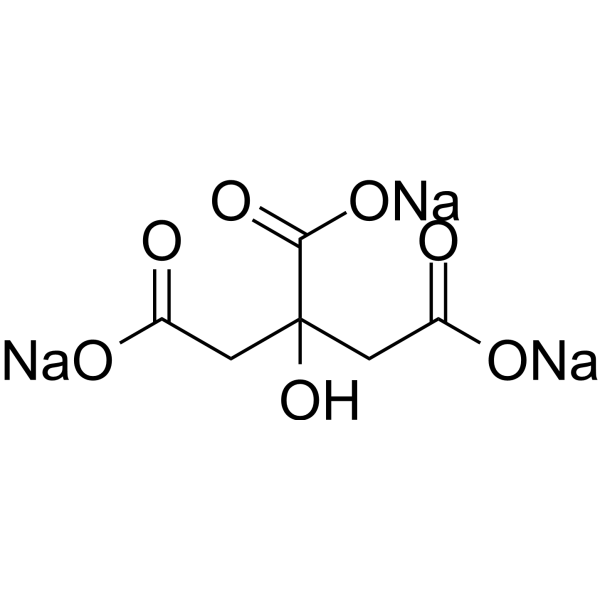
Sodium Citrate Buffer, 0.1M, pH 4.0 is an acidic, aqueous buffer solution. Sodium Citrate Buffer, 0.1M, pH 4.0 resists pH fluctuations, chelates metal ions, and regulates the redox potential of the system. Sodium Citrate Buffer, 0.1M, pH 4.0 is widely used in molecular biology, immunohistochemistry (IHC), and biochemistry .
|
-
-
- HY-Y1968A
-
|
Sterile 10 mM His-HCl, pH 5.5 buffer
|
Biochemical Assay Reagents
|
Others
|
|
Sterile 10 mM Histidine, pH 5.5 buffer is a sterile solution using 10 mM histidine as the solute with its pH adjusted to 5.5, possessing both buffering capacity and biocompatibility. Sterile 10 mM Histidine, pH 5.5 buffer is widely applied in laboratory research, pharmaceutical production, cosmetics and other fields .
|
-
-
- HY-Y1977
-
-
-
- HY-126399
-
|
BTP
|
Biochemical Assay Reagents
|
Others
|
|
Bis-tris propane (BTP) is a water-soluble buffer substance. Bis-tris propane can be used as a suitable buffer for polymerase chain reaction (PCR). Bis-tris propane can enhance the stability or activity of restriction enzymes .
|
-
-
- HY-D0858A
-
|
2-Morpholinoethanesulphonic acid monohydrate
|
Biochemical Assay Reagents
|
Others
|
|
MES (2-Morpholinoethanesulphonic acid) monohydrate is a kind of amphoteric ion buffer, the buffer capacity ranging pH 5.5-7.0. As a Good's buffer, MES monohydrate is widely used in biochemistry and molecular biology experiments, such as cell culture, enzyme activity determination, electrophoresis and protein studies .
|
-
-
- HY-W019883
-
-
-
- HY-Y0332K
-
-
-
- HY-171368
-
-
-
- HY-B1610M
-
|
|
Biochemical Assay Reagents
|
Others
|
|
Sodium Citrate Buffer, 0.5M, pH 6.5 is a commonly used buffer composed of citric acid and sodium citrate. Sodium Citrate Buffer, 0.5M, pH 6.5 is widely used in molecular biology, immunohistochemistry (IHC), and biochemistry .
|
-
-
- HY-B1610J
-
|
|
Biochemical Assay Reagents
|
Cancer
|
|
Sodium Citrate Buffer, 0.5M, pH 5.0 is a commonly used buffer composed of citric acid and sodium citrate. Sodium Citrate Buffer, 0.5M, pH 5.0 is widely used in molecular biology, immunohistochemistry (IHC), and biochemistry .
|
-
-
- HY-160113
-
|
|
Biochemical Assay Reagents
|
Others
|
|
Sodium phosphate buffer 0.02 M, pH 6.9 is a commonly used aqueous biological buffer that maintains a stable pH value. Sodium phosphate buffer 0.02 M, pH 6.9 is often used in enzyme activity assays, such as α-amylase assays. Sodium phosphate buffer 0.02 M, pH 6.9 is prepared by mixing disodium hydrogen phosphate (Na2HPO4) (HY-B2243) and sodium dihydrogen phosphate (NaH2PO4) (HY-Y0308) to a total concentration of 0.02 M .
|
-
-
- HY-W694629
-
|
|
Biochemical Assay Reagents
|
Others
|
|
Triethylammonium bicarbonate is a biochemical reagent that can be used to prepare buffer solutions that maintains the stable pH environment required for processes such as enzyme-catalyzed reactions .
|
-
-
- HY-150350
-
|
|
Biochemical Assay Reagents
|
Others
|
|
The 20 mM HEPES, 150 mM NaCl, 240 mM Sucrose, pH 7.2 buffer is a physiological buffer composed of 20 mM HEPES, 150 mM NaCl and 240 mM Sucrose, adjusted to pH 7.2, which is used to resuspend human erythrocyte ghost preparations .
|
-
-
- HY-D0858C
-
|
2-Morpholinoethanesulphonic acid hydrate
|
Biochemical Assay Reagents
|
Others
|
|
MES (2-Morpholinoethanesulphonic acid) hydrate is a kind of amphoteric ion buffer, the buffer capacity ranging pH 5.5-7.0. As a Good's buffer, MES hydrate is widely used in biochemistry and molecular biology experiments, such as cell culture, enzyme activity determination, electrophoresis and protein studies .
|
-
-
- HY-D0858E
-
|
2-Morpholinoethanesulphonic acid potassium
|
Biochemical Assay Reagents
|
Others
|
|
MES (2-Morpholinoethanesulphonic acid) potassium is a kind of amphoteric ion buffer, the buffer capacity ranging pH 5.5-7.0. As a Good's buffer, MES potassium is widely used in biochemistry and molecular biology experiments, such as cell culture, enzyme activity determination, electrophoresis and protein studies .
|
-
-
- HY-D0859A
-
|
|
Biochemical Assay Reagents
|
Others
|
|
MOPS sodium salt is a buffering agent used in biology. MOPS buffer maintains the pH of mammalian cell culture media. MOPS sodium salt significantly improves the thermal stability of BSA (HY-D0842) .
|
-
-
- HY-B1610L
-
|
|
Biochemical Assay Reagents
|
Others
|
|
Sodium citrate buffer, 0.5M, pH 6.0, is a commonly used buffer with main components are citric acid and sodium hydrogen phosphate. Sodium citrate buffer, 0.5M, pH 6.0 is used for RNA isolation and antigens detection in fixed tissue .
|
-
-
- HY-D0858B
-
|
2-Morpholinoethanesulphonic acid sodium salt
|
Biochemical Assay Reagents
|
Others
|
|
MES sodium salt (2-Morpholinoethanesulphonic acid) is a kind of amphoteric ion buffer, the buffer capacity ranging pH 5.5-7.0. As a Good's buffer, MES sodium salt is widely used in biochemistry and molecular biology experiments, such as cell culture, enzyme activity determination, electrophoresis and protein studies .
|
-
-
- HY-W105681
-
|
|
Biochemical Assay Reagents
|
Others
|
|
Bis-Tris hydrochloride is an amine buffer suitable for protein and nucleic acid systems with a pH buffer range of 5.8-7.2. Bis-Tris hydrochloride can also be mixed with HEPES and cacodylic acid buffer to create a pH 8 environment and monitor fluorescence emission intensity at 305 nm. Gels formulated with Bis-Tris also avoid protein degradation in samples prepared at higher pH (pH 8.5) .
|
-
-
- HY-W460471
-
|
|
Biochemical Assay Reagents
|
Others
|
|
Tris Buffered Saline is a common buffer reagent in molecular biology, consisting of Tris and NaCl. Tris Buffered Saline can adjust pH and ionic strength and is widely used in DNA/RNA extraction, PCR and protein electrophoresis. Tris Buffered Saline can purify and protect nucleic acid materials and improve reaction efficiency and concentration. In protein electrophoresis, Tris Buffered Saline stabilizes gels and maintains pH. Overall, Tris Buffered Saline offers versatility, good solubility, and low toxicity in molecular biology applications.
|
-
-
- HY-101850
-
|
|
Biochemical Assay Reagents
|
Others
|
|
MOPSO is a biological zwitterionic buffer with the useful pH range from 6.2 to 7.6. MOPSO has been employed as a buffer component of charcoal yeast extract medium .
|
-
-
- HY-W040088
-
|
H-Ala-Leu-OH
|
Aminopeptidase
|
Metabolic Disease
|
|
L-Alanyl-L-leucine is a competitive inhibitor of small intestinal glycyl-L-leucine hydrolase with Ki values of 0.53 mM (phosphate buffer) or 0.22 mM (Tris buffer). L-Alanyl-L-leucine can be used for research on Hartnup disease and cystinuria .
|
-
-
- HY-Y0332C
-
|
Sodium phosphate dihydrate,≥99.0%
|
Environmental Pollutants
Biochemical Assay Reagents
|
Others
|
|
Sodium dihydrogen phosphate dihydrate,≥99.0% (Sodium phosphate dihydrate,≥99.0%) is used as a buffer capacity reagent in molecular biology, biochemistry, and chromatography. Sodium dihydrogen phosphate dihydrate,≥99.0% is also used as a laxative and pH buffer when combined with other sodium phosphates and also used as fuel and detergent additives .
|
-
-
- HY-160114A
-
-
-
- HY-179669C
-
|
|
Biochemical Assay Reagents
|
Others
|
|
1M Tris-HCl Buffer, pH 7.6 is a buffer solution commonly used in various biochemical and molecular biological applications to maintain a stable pH environment. The pH value of Tris-HCl changes with temperature; generally, the pH decreases by 0.03 units for every degree Celsius increase in temperature. The pH values indicated on the product are the pH values of the Tris-HCl buffer solution at 25°C.
|
-
-
- HY-179669
-
|
|
Biochemical Assay Reagents
|
Others
|
|
1M Tris-HCl Buffer, pH 6.8 is a buffer solution commonly used in various biochemical and molecular biological applications to maintain a stable pH environment. The pH value of Tris-HCl changes with temperature; generally, the pH decreases by 0.03 units for every degree Celsius increase in temperature. The pH values indicated on the product are the pH values of the Tris-HCl buffer solution at 25°C.
|
-
-
- HY-160113B
-
|
|
Biochemical Assay Reagents
|
Others
|
|
Sodium phosphate buffer 0.1M, pH 6.8 is mainly composed of two phosphates, Na2HPO4 and NaH2PO4, with a total phosphate concentration of 0.1 M, which mainly acts as a buffer in the reaction.
|
-
-
- HY-179669I
-
|
|
Biochemical Assay Reagents
|
Others
|
|
1M Tris-HCl Buffer, pH 8.8 is a buffer solution commonly used in various biochemical and molecular biological applications to maintain a stable pH environment. The pH value of Tris-HCl changes with temperature; generally, the pH decreases by 0.03 units for every degree Celsius increase in temperature. The pH values indicated on the product are the pH values of the Tris-HCl buffer solution at 25°C.
|
-
-
- HY-W129509
-
-
-
- HY-160113E
-
|
|
Biochemical Assay Reagents
|
Others
|
|
Sodium phosphate buffer 0.1M, pH 8.0 is an aqueous sodium phosphate buffer with a concentration of 0.1M and a pH value of 8.0. Sodium phosphate buffer 0.1M, pH 8.0 can be used for the preparation of hydrated micellar membranes, the construction of pH-sensitive nanocarriers, and the maintenance of stable environmental conditions for pH-cleavable PEG-Hz-PE micelles. Sodium phosphate buffer 0.1M, pH 8.0 can also serve as a universal solvent, reaction medium and eluent, and is widely applied in experimental processes such as antibody thiolation, nanoparticle purification and cross-linking reactions .
|
-
-
- HY-D0866
-
|
N-(2-Acetamido)-2-aminoethanesulfonic acid
|
Biochemical Assay Reagents
|
Others
|
|
ACES (N-(2-Acetamido)-2-aminoethanesulfonic acid) is a zwitterionic buffer. The working pH range of ACES buffer is 6.8-7.2 .
|
-
-
- HY-D0858S
-
|
|
Isotope-Labeled Compounds
Biochemical Assay Reagents
|
Others
|
|
MES-d13 is the deuterium labeled MES. MES (2-Morpholinoethanesulphonic acid) is a kind of amphoteric ion buffer, the buffer capacity ranging pH 5.5-7.0. As a Good's buffer, MES is widely used in biochemistry and molecular biology experiments, such as cell culture, enzyme activity determination, electrophoresis and protein studies .
|
-
-
- HY-D0858AR
-
|
2-Morpholinoethanesulphonic acid monohydrate (Standard)
|
Biochemical Assay Reagents
Reference Standards
|
Others
|
|
MES (monohydrate) (Standard) is the analytical standard of MES (monohydrate). This product is intended for research and analytical applications. MES (2-Morpholinoethanesulphonic acid) is a kind of amphoteric ion buffer, the buffer capacity ranging pH 5.5-7.0. As a Good's buffer, MES is widely used in biochemistry and molecular biology experiments, such as cell culture, enzyme activity determination, electrophoresis and protein studies .
|
-
-
- HY-W011271
-
|
1,4-Piperazinediethanesulfonic acid monosodium
|
Biochemical Assay Reagents
|
Others
|
|
PIPES (1,4-Piperazinediethanesulfonic acid) monosodium is a pH buffer that can be mixed with another disodium salt form of PIPES. By changing the ratio and total amount of the PIPES monosodium and disodium buffers, the pH and ionic strength of the medium can be changed .
|
-
-
- HY-D0855
-
-
-
- HY-W127629
-
-
-
- HY-Y1977A
-
-
-
- HY-B1610K
-
|
|
Biochemical Assay Reagents
|
Others
|
|
Sodium citrate buffer, 0.5M, pH 5.5, is a commonly used buffer with main components are citric acid and sodium hydrogen phosphate. Sodium citrate buffer 0.5M pH 5.5 is used in heat induced epitope retrieval (HIER) methods to reverse the loss of antigenicity that occurs with some epitopes in formalin-fixed paraffin embedded tissues. Sodium citrate buffer 0.5M pH 5.5 is the preferred solution for most antibodies. .
|
-
-
- HY-179669A
-
|
|
Biochemical Assay Reagents
|
Others
|
|
1M Tris-HCl Buffer, pH 7.0 is a buffer solution commonly used in various biochemical and molecular biological applications to maintain a stable pH environment. The pH value of Tris-HCl changes with temperature; generally, the pH decreases by 0.03 units for every degree Celsius increase in temperature. The pH values indicated on the product are the pH values of the Tris-HCl buffer solution at 25°C.
|
-
-
- HY-179669E
-
|
|
Biochemical Assay Reagents
|
Others
|
|
1M Tris-HCl Buffer, pH 8.0 is a buffer solution commonly used in various biochemical and molecular biological applications to maintain a stable pH environment. The pH value of Tris-HCl changes with temperature; generally, the pH decreases by 0.03 units for every degree Celsius increase in temperature. The pH values indicated on the product are the pH values of the Tris-HCl buffer solution at 25°C.
|
-
-
- HY-179666
-
-
-
- HY-D0858D
-
|
2-Morpholinoethanesulphonic acid hemisodium
|
Biochemical Assay Reagents
|
Others
|
|
MES (2-Morpholinoethanesulphonic acid) hemisodium is a kind of amphoteric ion buffer, the buffer capacity ranging pH 5.5-7.0. As a Good's buffer, MES hemisodium is widely used in biochemistry and molecular biology experiments, such as cell culture, enzyme activity determination, electrophoresis and protein studies .
|
-
-
- HY-W327886
-
-
-
- HY-Y0332G
-
|
potassium phosphate monobasic, for molecular biology
|
Biochemical Assay Reagents
|
Others
|
|
Potassium dihydrogen phosphate (Potassium phosphate monobasic), for molecular biology, ≥ 99% is used as a buffer capacity reagent in molecular biology, biochemistry, and chromatography. For the preparation of biological buffers. It is also used to purify antibodies, and in combination with other sodium phosphates .
|
-
- HY-W040173
-
-
- HY-160114
-
-
- HY-179669H
-
|
|
Biochemical Assay Reagents
|
Others
|
|
1M Tris-HCl Buffer, pH 8.8 is a buffer solution commonly used in various biochemical and molecular biological applications to maintain a stable pH environment. The pH value of Tris-HCl changes with temperature; generally, the pH decreases by 0.03 units for every degree Celsius increase in temperature. The pH values indicated on the product are the pH values of the Tris-HCl buffer solution at 25°C.
|
-
- HY-160113D
-
|
|
Biochemical Assay Reagents
|
Others
|
|
Sodium phosphate buffer 0.1M, pH 7.5 is mainly composed of two phosphates, Na2HPO4 and NaH2PO4, with a total phosphate concentration of 0.1 M, which mainly acts as a buffer in the reaction.
|
-
- HY-179669J
-
|
|
Biochemical Assay Reagents
|
Others
|
|
1M Tris-HCl Buffer, pH 6.8 is a buffer solution commonly used in various biochemical and molecular biological applications to maintain a stable pH environment. The pH value of Tris-HCl changes with temperature; generally, the pH decreases by 0.03 units for every degree Celsius increase in temperature. The pH values ??indicated on the product are the pH values ??of the Tris-HCl buffer solution at 25°C.
|
-
- HY-179663B
-
|
|
Biochemical Assay Reagents
|
Others
|
|
3M NaAc pH 5.2 Buffer, RNase and DNase-free is a sterile, RNase- and DNase-free sodium acetate buffer with a concentration of 3 M and a pH of 5.2.
|
-
- HY-D0855A
-
|
|
Biochemical Assay Reagents
|
Others
|
|
ADA (disodium) is a buffer salt derived from ADA (adenosine deaminase) and is widely used in biochemical research, especially in the preparation of enzyme buffers.
|
-
- HY-Y0332BS
-
|
|
Isotope-Labeled Compounds
|
Others
|
|
Phosphate monobasic-d2 (potassium) is the deuterium labeled Potassium phosphate monobasic . Potassium phosphate monobasic (DiA) is a commonly used in biological assay buffers. Potassium phosphate monobasic is moderate to highly concentrated aqueous solutions of potassium phosphate monobasic for the production of phosphate buffers and other laboratory applications.
|
-
- HY-179667
-
-
- HY-160113A
-
|
|
Biochemical Assay Reagents
|
Others
|
|
Sodium phosphate buffer 0.1M, pH 6.0 is mainly composed of two phosphates, Na2HPO4 and NaH2PO4, with a total phosphate concentration of 0.1 M, which mainly acts as a buffer in the reaction.
|
-
- HY-160113C
-
|
|
Biochemical Assay Reagents
|
Others
|
|
Sodium phosphate buffer 0.1M, pH 7.2 is mainly composed of two phosphates, Na2HPO4 and NaH2PO4, with a total phosphate concentration of 0.1 M, which mainly acts as a buffer in the reaction.
|
-
- HY-W129499
-
-
- HY-W008865
-
|
|
Biochemical Assay Reagents
|
Others
|
|
PIPES sesquisodium is a pH buffer. PIPES refers to Piperazine N-N’-bis [2 ethanol sulphonic acid, an organic based buffer. PIPES can be used in the preparation of a variety of marine and mammalian tissues for electron microscopic study, with pH range of 6.1-7.5 .
|
-
- HY-179665
-
-
- HY-179665A
-
-
- HY-179663
-
-
- HY-179668A
-
|
|
Biochemical Assay Reagents
|
Others
|
|
10x TE buffer, pH 8.0 is weakly alkaline and protects the bases of DNA. DNA is relatively stable in TE and is not easily damaged in terms of integrity or prone to ring opening and breakage. 1x TE buffer, pH 8.0 composition concentration: 100 mM Tris-HCl, 10 mM EDTA, pH 8.0.
|
-
- HY-179666A
-
|
|
Biochemical Assay Reagents
|
Others
|
|
5 M Ammonium acetate Buffer, Sterile is a sterile molecular biology reagent, free of RNase and DNase, and can be used directly for RNA extraction experiments.
|
-
- HY-W329112
-
-
- HY-W414406
-
|
|
Biochemical Assay Reagents
|
Others
|
|
CABS is a zwitterionic piperazine buffer reagent, which can be used as a buffer reagent for wetting agents, pesticide emulsifiers, and dispersants, and has been used in fluorescent dyeing applications .
|
-
- HY-W803862
-
|
|
Biochemical Assay Reagents
|
|
|
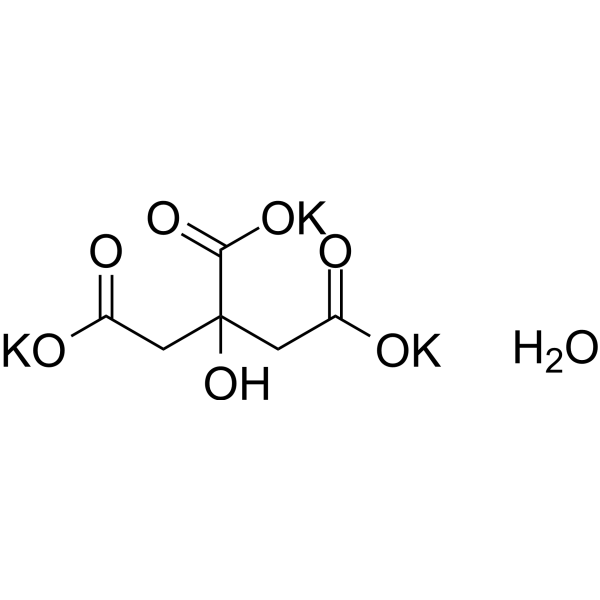
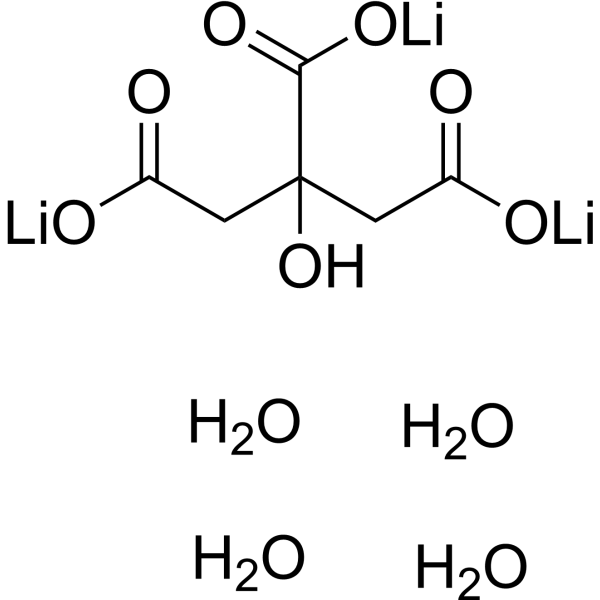
Tripotassium citrate is a compound containing potassium and citrate ions that has activity as a buffer, able to maintain a stable pH required for many enzymatic reactions and biochemical processes. Tripotassium citrate can be used as a buffer in enzyme assays to ensure the validity of experimental conditions.
|
-
- HY-W328408
-
-
- HY-W332454
-
-
- HY-W509915
-
-
- HY-D0856R
-
|
|
Biochemical Assay Reagents
Reference Standards
|
Others
|
|
Bis-Tris (Standard) is the analytical standard of Bis-Tris. This product is intended for research and analytical applications. Bis-Tris is an amine buffer suitable for protein and nucleic acid systems with a pH buffer range of 5.8-7.2. Bis-Tris can also be mixed with HEPES and cacodylic acid buffer to create a pH 8 environment and monitor fluorescence emission intensity at 305 nm. Gels formulated with Bis-Tris also avoid protein degradation in samples prepared at higher pH (pH 8.5) .
|
-
- HY-D0856S1
-
|
|
Isotope-Labeled Compounds
Biochemical Assay Reagents
|
Others
|
|
Bis-Tris-d14 is the deuterium labeled Bis-Tris (HY-D0856). Bis-Tris is an amine buffer suitable for protein and nucleic acid systems with a pH buffer range of 5.8-7.2. Bis-Tris can also be mixed with HEPES and cacodylic acid buffer to create a pH 8 environment and monitor fluorescence emission intensity at 305 nm. Gels formulated with Bis-Tris also avoid protein degradation in samples prepared at higher pH (pH 8.5) .
|
-
- HY-179667B
-
-
- HY-179667A
-
-
- HY-NP212
-
-
- HY-B1610Q
-
|
|
Biochemical Assay Reagents
|
Others
|
|
Sodium Citrate Buffer, 0.01 M, pH 6.0 is a commonly used buffer composed of citric acid and sodium citrate. Sodium Citrate Buffer, 0.01 M, pH 6.0 is widely used in?molecular biology, immunohistochemistry (IHC), and biochemistry
|
-
- HY-179663A
-
-
- HY-182590E
-
|
|
Biochemical Assay Reagents
|
Others
|
|
Boric Acid Buffer Solution, 0.05 M, pH 8.4 is a standard buffer solution, also known as borate buffer. It is mainly composed of boric acid and borax, with a pH of 8.4 and a final borate concentration of 0.05 M.
|
-
- HY-182590C
-
|
|
Biochemical Assay Reagents
|
Others
|
|
Boric Acid Buffer Solution, 0.05 M, pH 8.0 is a standard buffer solution, also known as borate buffer. It is mainly composed of boric acid and borax, with a pH of 8.0 and a final borate concentration of 0.05 M.
|
-
- HY-182590B
-
|
|
Biochemical Assay Reagents
|
Others
|
|
Boric Acid Buffer Solution, 0.05 M, pH 7.8 is a standard buffer solution, also known as borate buffer. It is mainly composed of boric acid and borax, with a pH of 7.8 and a final borate concentration of 0.05 M.
|
-
- HY-182590A
-
|
|
Biochemical Assay Reagents
|
Others
|
|
Boric Acid Buffer Solution, 0.05 M, pH 7.6 is a standard buffer solution, also known as borate buffer. It is mainly composed of boric acid and borax, with a pH of 7.6 and a final borate concentration of 0.05 M.
|
-
- HY-182590H
-
|
|
Biochemical Assay Reagents
|
Others
|
|
Boric Acid Buffer Solution, 0.05 M, pH 8.6 is a standard buffer solution, also known as borate buffer. It is mainly composed of boric acid and borax, with a pH of 8.6 and a final borate concentration of 0.05 M.
|
-
- HY-182590I
-
|
|
Biochemical Assay Reagents
|
Others
|
|
Boric Acid Buffer Solution, 0.05 M, pH 8.8 is a standard buffer solution, also known as borate buffer. It is mainly composed of boric acid and borax, with a pH of 8.8 and a final borate concentration of 0.05 M.
|
-
- HY-182590D
-
|
|
Biochemical Assay Reagents
|
Others
|
|
Boric Acid Buffer Solution, 0.05 M, pH 8.2 is a standard buffer solution, also known as borate buffer. It is mainly composed of boric acid and borax, with a pH of 8.2 and a final borate concentration of 0.05 M.
|
-
- HY-182590J
-
|
|
Biochemical Assay Reagents
|
Others
|
|
Boric Acid Buffer Solution, 0.05 M, pH 9.0 is a standard buffer solution, also known as borate buffer. It is mainly composed of boric acid and borax, with a pH of 9.0 and a final borate concentration of 0.05 M.
|
-
- HY-182590
-
|
|
Biochemical Assay Reagents
|
Others
|
|
Boric Acid Buffer Solution, 0.05 M, pH 7.4 is a standard buffer solution, also known as borate buffer. It is mainly composed of boric acid and borax, with a pH of 7.4 and a final borate concentration of 0.05 M.
|
-
- HY-179669D
-
|
|
Biochemical Assay Reagents
|
Others
|
|
1M Tris-HCl Buffer, pH 7.8 is a buffer solution commonly used in various biochemical and molecular biological applications to maintain a stable pH environment. The pH value of Tris-HCl changes with temperature; generally, the pH decreases by 0.03 units for every degree Celsius increase in temperature. The pH values indicated on the product are the pH values of the Tris-HCl buffer solution at 25°C.
|
-
- HY-179669B
-
|
|
Biochemical Assay Reagents
|
Others
|
|
1M Tris-HCl Buffer, pH 7.2 is a buffer solution commonly used in various biochemical and molecular biological applications to maintain a stable pH environment. The pH value of Tris-HCl changes with temperature; generally, the pH decreases by 0.03 units for every degree Celsius increase in temperature. The pH values indicated on the product are the pH values of the Tris-HCl buffer solution at 25°C.
|
-
- HY-Y1968C
-
|
Sterile 25 mM His-HCl, pH 5.5 buffer
|
Biochemical Assay Reagents
|
Others
|
|
Sterile 25 mM Histidine (Sterile 25 mM His-HCl), pH 5.5 buffer is a sterile solution using 25 mM histidine as the solute with its pH adjusted to 5.5, possessing both buffering capacity and biocompatibility. Sterile 25 mM Histidine, pH 5.5 buffer is widely applied in laboratory research, pharmaceutical production, cosmetics and other fields .
|
-
- HY-179669K
-
|
|
Biochemical Assay Reagents
|
Others
|
|
0.5M Tris-HCl Buffer, pH 8.0 is a buffer solution commonly used in various biochemical and molecular biological applications to maintain a stable pH environment. The pH value of Tris-HCl changes with temperature; generally, the pH decreases by 0.03 units for every degree Celsius increase in temperature. The pH values indicated on the product are the pH values of the Tris-HCl buffer solution at 25°C.
|
-
- HY-Y0287B
-
|
Calcium carbonate buffer Solution, 0.1 M, pH 9.2
|
Biochemical Assay Reagents
|
Others
|
|
Carbonate Buffer Solution, 0.1 M, pH 9.2, is mainly composed of sodium carbonate and sodium bicarbonate. Its carbonate content is 0.1 M and its pH value is 9.2. It is mainly used as a buffer for enzyme-antibody coupling or other routine applications.
|
-
- HY-179668
-
|
|
Biochemical Assay Reagents
|
Others
|
|
1x TE buffer, pH 8.0 is weakly alkaline and protects the bases of DNA. DNA is relatively stable in TE and is not easily damaged in terms of integrity or prone to ring opening and breakage. 1x TE buffer, pH 8.0 composition concentration: 10 mM Tris-HCl, 1 mM EDTA, pH 8.0.
|
-
- HY-182607
-
|
|
Biochemical Assay Reagents
|
Others
|
|
SA buffer, 1×, pH 7.4, is mainly composed of sodium chloride, calcium chloride, magnesium chloride, sodium bicarbonate, etc. It is the most commonly used reagent for diluting serum and other samples in immunotoxicology experiments, and is used for complement determination experiments, etc.
|
-
- HY-W713877
-
|
Montelukast AG
|
Drug Metabolite
|
Others
|
|
Montelukast acyl-b-D-glucuronide (Montelukast AG) is a acyl glucuronide metabolite of Montelukast (HY-13315A) .
|
-
- HY-D0858DR
-
|
2-Morpholinoethanesulphonic acid hemisodium (Standard)
|
Biochemical Assay Reagents
|
Others
|
|
MES (hemisodium) (Standard) is the analytical standard of MES (hemisodium). This product is intended for research and analytical applications. MES (2-Morpholinoethanesulphonic acid) hemisodium is a kind of amphoteric ion buffer, the buffer capacity ranging pH 5.5-7.0. As a Good's buffer, MES hemisodium is widely used in biochemistry and molecular biology experiments, such as cell culture, enzyme activity determination, electrophoresis and protein studies .
|
-
- HY-101850R
-
|
|
Biochemical Assay Reagents
Reference Standards
|
Others
|
|
MOPSO (Standard) is the analytical standard of MOPSO (HY-101850). This product is intended for research and analytical applications. MOPSO is a biological zwitterionic buffer with the useful pH range from 6.2 to 7.6. MOPSO has been employed as a buffer component of charcoal yeast extract medium .
|
-
- HY-D0859S
-
|
|
Isotope-Labeled Compounds
|
Others
|
|
MOPS-d15 is the deuterium labeled MOPS (HY-D0859). MOPS is a buffering agent used in biology. MOPS buffer maintains the pH of mammalian cell culture media. MOPS significantly improves the thermal stability of BSA (HY-D0842) .
|
-
- HY-W040088R
-
|
H-Ala-Leu-OH (Standard)
|
Reference Standards
Aminopeptidase
|
Metabolic Disease
|
|
L-Alanyl-L-leucine is an endogenous metabolite. This product is used for research and analytical applications. L-Alanyl-L-leucine is a competitive inhibitor of small intestinal glycyl-L-leucine hydrolase with Ki values of 0.53 mM (phosphate buffer) or 0.22 mM (Tris buffer). L-Alanyl-L-leucine can be used for research on Hartnup disease and cystinuria .
|
-
- HY-ER013C
-
-
- HY-W094497
-
-
- HY-Y0286A
-
-
- HY-D0870A
-
-
- HY-Y0537I
-
|
potassium chloride (Pharmaceutical primary standard, USP)
|
Biochemical Assay Reagents
|
Others
|
|
Potassium chloride, United States Pharmacopeia (USP) Reference Standard is an inorganic salt, which can be used for the buffer preparation .
|
-
- HY-W102585
-
|
|
Biochemical Assay Reagents
|
Others
|
|
HEPPSO (sodium) is a biological buffer. HEPPSO (sodium) is a biomaterial or organic compound that can be used in life science research .
|
-
- HY-D0870
-
-
- HY-ER013J
-
|
|
Biochemical Assay Reagents
|
Others
|
|
Sodium carbonate, anhydrous, meets analytical specification of Ep, BP, JP, NF is a biochemical reagent and a buffer component.
|
-
- HY-D0875
-
-
- HY-N0230
-
|
2-Carboxyethylamine; 3-Aminopropanoic acid
|
Endogenous Metabolite
|
Metabolic Disease
|
|
β-Alanine is a non-essential amino acid that is shown to be metabolized into carnosine, which functions as an intracellular buffer.
|
-
- HY-B1610E
-
-
- HY-W088069
-
|
|
Biochemical Assay Reagents
|
Others
|
|
Dipotassium hydrogen phosphate trihydrate, which is commonly used as a buffer and source of phosphorus and potassium in various applications, such as fertilizers, food processing, and pharmaceuticals, in biochemistry and molecular biology, Dipotassium hydrogen phosphate trihydrate is used in the preparation of cell culture media And reagent buffer system, in addition, it has been used in analytical chemistry as a reagent for the determination of calcium and magnesium ions in water samples.
|
-
- HY-W040147
-
-
- HY-182576
-
-
- HY-W014792
-
-
- HY-W342700
-
|
|
Biochemical Assay Reagents
|
Others
|
|
PIPPS is a kind of buffer commonly used in biological and biochemical research to maintain the acidity and alkalinity (pH value) of solutions .
|
-
- HY-W008600
-
-
- HY-Y1175A
-
|
|
Biochemical Assay Reagents
|
Others
|
|
Calcium acetate monohydrate, ACS, 99% is a monohydrate form of calcium acetate used to precipitate oxalates in solution; it also serves as a stabilizer, buffer, and chelating agent.
|
-
- HY-W102681
-
|
|
Biochemical Assay Reagents
|
Others
|
|
Caps sodium salt, a polyanion, is a surfactant. Caps sodium salt can be used as biological buffer (0.05 M, pH 11) for dialysis .
|
-
- HY-W016091
-
-
- HY-W013105
-
|
N-Cholylglycine sodium salt, 98%
|
Biochemical Assay Reagents
|
Others
|
|
Sodium glycocholate hydrate, 98% is a buffer commonly used in molecular biology and biochemical research, providing precise pH control in various experimental settings.
|
-
- HY-P5700
-
|
|
Bacterial
|
Infection
|
|
SAAP Fraction 3 is an antimicrobial peptide. SAAP Fraction 3 is active against P. haemolytica in Zn-saline buffer .
|
-
- HY-D0856S
-
-
- HY-D0869
-
|
N-Cyclohexyl-3-aminopropanesulfonic acid
|
Biochemical Assay Reagents
|
Others
Cancer
|
|
CAPS, cyclohexylaminopropane sulfonic acid, is a surfactant. CAPS can be used as biological buffer (0.05 M, pH 11) for dialysis .
|
-
- HY-W096988A
-
|
|
Biochemical Assay Reagents
|
Others
|
|
Sodium 1-hexanesulfonate (monohydrate) is an ion-pairing reagent and pH buffer used in the analysis of small organic compounds, pharmaceuticals, and metabolites by techniques such as HPLC.
|
-
- HY-W105686
-
|
|
Biochemical Assay Reagents
|
Others
|
|
MOPS hemisodium salt, 98% is a buffer commonly used in molecular biology and biochemical research, providing precise pH control in various experimental settings.
|
-
- HY-Z0290A
-
|
|
Biochemical Assay Reagents
|
Others
|
|
Sodium phenyl phosphate dihydrate can be used as a buffering agent in biochemical and pharmaceutical formulations. Sodium phenyl phosphate dehydrate also acts as a substrate for evaluating phosphataseactivity .
|
-
- HY-W094353
-
|
|
Biochemical Assay Reagents
|
Others
|
|
Calcium acetate hydrate is a type of calcium salt that can be used as a food additive, stabilizer, buffer and isolator. Calcium acetate hydrate can be combined with phosphate in the diet to reduce phosphate levels in the blood .
|
-
- HY-W643127
-
|
N-Tris(hydroxymethyl)methyl-4-aminobutanesulfonic acid
|
Biochemical Assay Reagents
|
Others
|
|
TABS (N-Tris(hydroxymethyl)methyl-4-aminobutanesulfonic acid) is a zwitterionic chemical buffering agent, is broadly applied in cell culture .
|
-
- HY-D0868
-
-
- HY-Y0308H
-
|
Disodium hydrogen phosphate, for molecular biology
|
Biochemical Assay Reagents
|
Others
|
|
Sodium phosphate dibasic (Disodium hydrogen phosphate), for molecular biology, is a type of phosphate salt that can be used in molecular biology research to prepare stable buffers free of RNase/DNase/protease .
|
-
- HY-E70899B
-
|
|
Topoisomerase
|
Metabolic Disease
|
|
Topoisomerase IV, Pseudomonas aeruginosa (EC 5.99.1.) is prepared by overexpressing the subunits in E. coli. Topoisomerase IV is supplied as a heterotetramer complex in Dilution buffer.
|
-
- HY-W105704
-
|
|
Biochemical Assay Reagents
|
Others
|
|
HEPBS is a zwitterionic buffering agent with a pH range (7.6-9.0) similar to that of biological systems. HEPBS can be used in the culture of cells .
|
-
- HY-E70899D
-
|
|
Topoisomerase
|
Others
|
|
Topoisomerase IV, Acinetobacter baumannii (EC 5.99.1.) is prepared by overexpressing the subunits in E. coli. Topoisomerase IV is supplied as a heterotetramer complex in Dilution buffer.
|
-
- HY-Y0308E
-
|
Disodium hydrogen phosphate, for cell culture
|
Environmental Pollutants
Biochemical Assay Reagents
|
Others
|
|
Sodium phosphate dibasic (Disodium hydrogen phosphate), for cell culture is a buffer and chelating agent. Sodium phosphate dibasic is used to adjust the pH of liquids. Sodium phosphate dibasic can be used in cell culture .
|
-
- HY-ER013I
-
|
Calcined soda meets analytical specification of Ph. Eur., BP, NF, FCC, E500
|
Biochemical Assay Reagents
|
Neurological Disease
|
|
Sodium carbonate anhydrous, meets analytical specification of Ph. Eur., BP, NF, FCC, E500 is a biochemical assay reagent suitable for buffer configuration .
|
-
- HY-Y0302
-
-
- HY-B2243D
-
|
Sodium phosphate monobasic, for cell culture; Monosodium dihydrogen orthophosphate, for cell culture; Monosodium phosphate, for cell culture
|
Environmental Pollutants
Biochemical Assay Reagents
|
Others
|
|
Anhydrous sodium dihydrogen phosphate, for cell culture is an inorganic salt compound that can be used as a buffer and nutritional supplement. Anhydrous sodium dihydrogen phosphate, for cell culture can be used in cell culture .
|
-
- HY-W094497B
-
|
Sodium phosphate monobasic monohydrate, for molecular biology
|
Biochemical Assay Reagents
|
Others
|
|
Sodium dihydrogen phosphate monohydrate, for molecular biology is an inorganic salt compound commonly used in industry and laboratories. It can be used as a buffer, and plays a role in certain metal processing, pharmaceutical and chemical industries.
|
-
- HY-D0875S
-
|
1,4-Piperazinediethanesulfonic acid-d18
|
Isotope-Labeled Compounds
|
Others
|
|
PIPES-d18 is the deuterium labeled PIPES . PIPES (1,4-Piperazinediethanesulfonic acid) is an important component of PIPES buffer agent used in biochemistry .
|
-
- HY-D0871
-
|
N-Cyclohexyltaurine
|
Biochemical Assay Reagents
Influenza Virus
|
Infection
|
|
CHES (N-Cyclohexyltaurine) is a biological buffer reagent that binds to influenza virus hemagglutinin (HA). CHES mimics the binding mode of sialic acid to the HA receptor-binding site .
|
-
- HY-E70898C
-
|
|
Topoisomerase
|
Metabolic Disease
|
|
Topoisomerase IV, E. coli (EC 5.99.1.) is prepared by overexpressing the parC and parE subunits in E. coli. Topoisomerase IV is supplied as a heterotetramer complex in Dilution buffer.
|
-
- HY-W094708C
-
|
Disodium hydrogen phosphate dihydrate, for molecular biology
|
Biochemical Assay Reagents
|
Others
|
|
Sodium phosphate dibasic dihydrate, for molecular biology is an inorganic salt compound. Sodium phosphate dibasic dihydrate, for molecular biology is commonly used in molecular biology experiments and can be used as a buffer, nutritional supplement, and detergent.
|
-
- HY-W099337
-
|
|
Biochemical Assay Reagents
|
|
|
N-Ethyl-D-glucamine is a glucose derivative with biological activity as a buffer and chelating agent. Therefore, it is widely used in biochemical research to regulate pH and bind metal ions.
|
-
- HY-B2243B
-
|
Sodium phosphate monobasic for molecular biology; Monosodium dihydrogen orthophosphate for molecular biology; Monosodium phosphate for molecular biology
|
Environmental Pollutants
Biochemical Assay Reagents
|
Others
|
|
Anhydrous sodium dihydrogen phosphate, for molecular biology is an inorganic salt compound that can be used as a buffer and nutritional supplement. Anhydrous sodium dihydrogen phosphate, for molecular biology can be used in molecular biology experiments .
|
-
- HY-Y0537C
-
|
potassium chloride, suitable for the extraction and solubilization of proteins
|
Environmental Pollutants
Biochemical Assay Reagents
|
Others
|
|
Potassium chloride, ≥99.99% trace metals basis (Potassium chloride, suitable for the extraction and solubilization of proteins), is an inorganic salt used in the preparation of phosphate buffers. With very low metal impurity content, it is suitable for protein extraction and dissolution.
|
-
- HY-D0867
-
|
|
Biochemical Assay Reagents
|
Others
|
|
BES is a secondary standard biochemical buffer with effective pH range of 6.4 to 7.8 (pKa: 7.15 at 20 °C). BES is used in the diagnostic testing area.
|
-
- HY-D0867A
-
|
|
Biochemical Assay Reagents
|
Others
|
|
BES sodium is a secondary standard biochemical buffer with effective pH range of 6.4 to 7.8 (pKa: 7.15 at 20 °C). BES sodium is used in the diagnostic testing area.
|
-
- HY-B1610I
-
|
Trisodium citrate dihydrate, for molecular biology
|
Biochemical Assay Reagents
|
Others
|
|
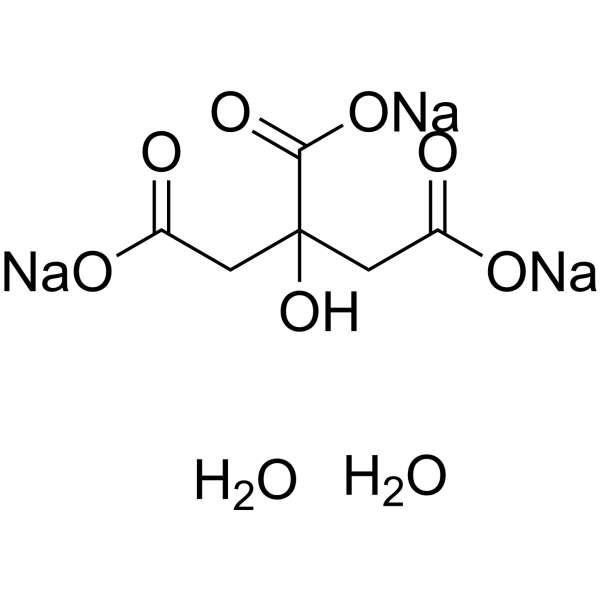
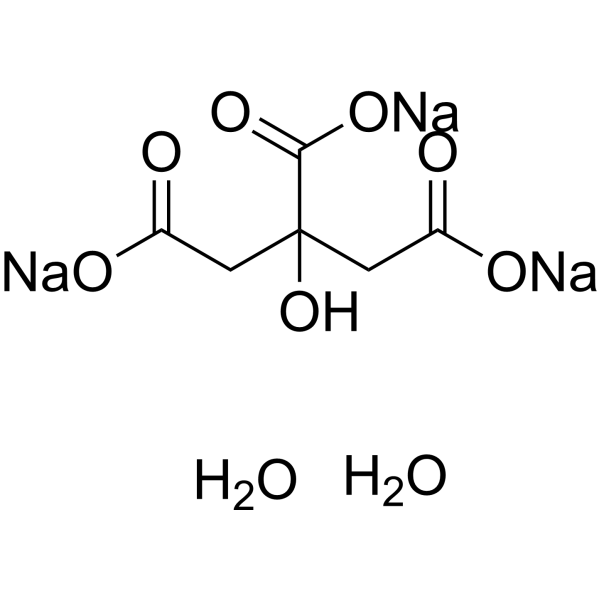
Sodium citrate dihydrate, for molecular biology is an antacid used in studies to neutralize gastric acid. Sodium citrate dehydrate is often used to prepare biological buffers and can be used in molecular biology research .
|
-
- HY-D0227
-
THAM
1 Publications Verification
Tris; Tris(hydroxymethyl)aminomethane
|
Biochemical Assay Reagents
|
Metabolic Disease
|
|
THAM (Tris) is a low-toxicity amino alcohol buffer, a specific CO2-consuming proton acceptor that buffers carbon dioxide and acid both in vitro and in vivo. THAM binds protons to form bicarbonate, reduces PaCO2, and induces intracellular alkalization, thereby ameliorating hypercapnia-induced elevation of pulmonary blood vessels and pulmonary arterial pressure. THAM may cause PaCO2 rebound, hypoglycemia, and respiratory depression. THAM removes amniotic epithelium and preserves the basement membrane, but depletes extracellular matrix and reduces the adhesion rate of limbal epithelial cells. THAM can act as a CO2 carrier to enhance the productivity and carbon utilization rate of Scenedesmus obliquus. THAM is a key component of buffer solutions used in various biological, cell culture, biochemical, and molecular biology applications .
|
-
- HY-D0227B
-
|
Tris acetate; Tris(hydroxymethyl)aminomethane acetate
|
Biochemical Assay Reagents
|
Metabolic Disease
|
|
THAM acetate is a low-toxicity amino alcohol buffer, a CO2-consuming proton acceptor that buffers carbon dioxide and acid both in vitro and in vivo. THAM acetate binds protons to form bicarbonate, reduces PaCO2, and induces intracellular alkalization, thereby ameliorating hypercapnia-induced elevation of pulmonary blood vessels and pulmonary arterial pressure. THAM acetate may cause PaCO2 rebound, hypoglycemia, and respiratory depression. THAM acetate removes amniotic epithelium and preserves the basement membrane, but depletes extracellular matrix and reduces the adhesion rate of limbal epithelial cells. THAM acetate can act as a CO2 carrier to enhance the productivity and carbon utilization rate of Scenedesmus obliquus. THAM acetate is a key component of buffer solutions used in various biological, cell culture, biochemical, and molecular biology applications .
|
-
- HY-Y0406E
-
|
Calcium dichloride anhydrous, for cell culture
|
Environmental Pollutants
Biochemical Assay Reagents
|
Infection
Cancer
|
|
Calcium chloride anhydrous, for cell culture is an inorganic salt for the preparation of various buffers . Calcium chloride anhydrous, for cell culture can be used for animal modeling, to construct abdominal aortic aneurysm models .
|
-
- HY-W393372
-
-
- HY-N0230S2
-
-
- HY-D1529
-
|
|
Fluorescent Dye
|
Others
|
|
4-Methylumbelliferyl phosphate (2-amino-2-methyl-1,3-propanediol) is a fluorescent substrate, can be used as substrate buffer of enzyme assay .
|
-
- HY-B1529
-
-
- HY-B2243H
-
|
Sodium phosphate monobasic (USP); Monosodium dihydrogen orthophosphate (USP); Monosodium phosphate (USP)
|
Biochemical Assay Reagents
|
Others
|
|
Anhydrous sodium dihydrogen phosphate, meets USP testing specifications is an inorganic salt. It is a chemical compound of sodium with a phosphate counter ion. Anhydrous sodium dihydrogen phosphate, meets USP testing specifications can be used as a pH buffer with other sodium phosphates .
|
-
- HY-D0227A
-
|
Tris HCl; Tris(hydroxymethyl)aminomethane hydrochloride
|
Biochemical Assay Reagents
|
Metabolic Disease
Cancer
|
|
THAM hydrochloride (Tris HCl) is a biologically inert amino alcohol of low toxicity, which buffers carbon dioxide and acids in vitro and in vivo. THAM hydrochloride is an effective amine compound for pH control in the physiological range .
|
-
- HY-N0230S1
-
|
2-Carboxyethylamine-15N; 3-Aminopropanoic acid-15N
|
Endogenous Metabolite
|
Metabolic Disease
|
|
β-Alanine- 15N is the 15N-labeled β-Alanine. β-Alanine is a non-essential amino acid that is shown to be metabolized into carnosine, which functions as an intracellular buffer.
|
-
- HY-D0857
-
|
|
Biochemical Assay Reagents
|
Others
|
|
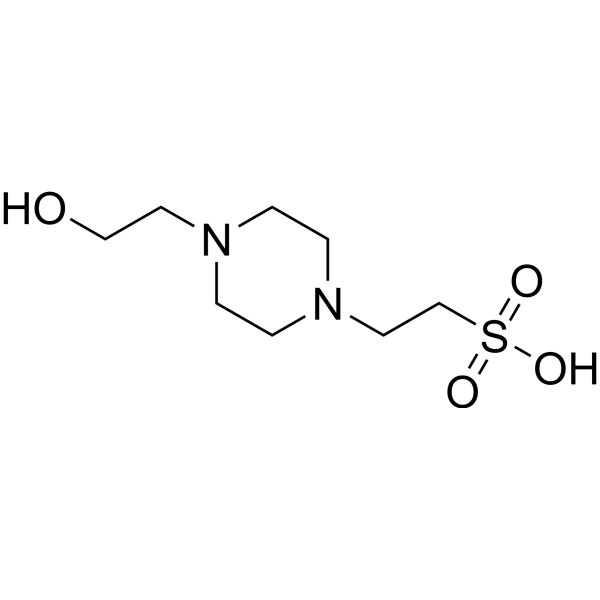
HEPES, a nonvolatile zwitterionic chemical buffering agent, is broadly applied in cell culture. HEPES is effective at pH 6.8 to 8.2. HEPES is also a potent inducer of lysosome biogenesis .
|
-
- HY-108535
-
|
|
Biochemical Assay Reagents
|
Others
|
|
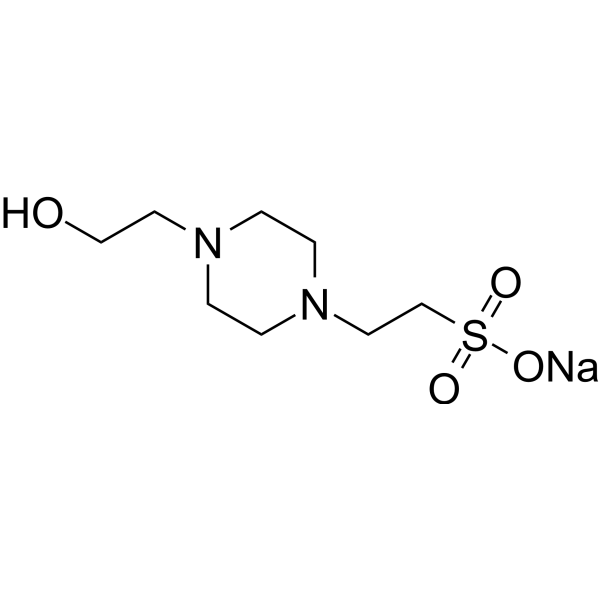
HEPES sodium, a nonvolatile zwitterionic chemical buffering agent, is broadly applied in cell culture. HEPES sodium is effective at pH 6.8 to 8.2. HEPES sodium is also a potent inducer of lysosome biogenesis .
|
-
- HY-Y1220J
-
|
|
Environmental Pollutants
Biochemical Assay Reagents
|
Others
|
|
Potassium carbonate, with a purity of 99%, is an inorganic compound. At low concentrations, potassium carbonate can be used as an alkaline treatment agent and feed buffer in pork processing, as well as to inhibit the synthesis of milk fat in dairy cows .
|
-
- HY-Y0649D
-
|
|
Environmental Pollutants
Biochemical Assay Reagents
|
Others
|
|
Lithium chloride, for molecular biology, 99% can be used in the preparation of wash buffers for chromatin immunoprecipitation. Lithium chloride, for molecular biology, 99% is a kind of biological materials or organic compounds that are widely used in life science research .
|
-
- HY-D0841
-
|
|
Endogenous Metabolite
|
Infection
Cancer
|
|
Guanidine thiocyanate is a strong protein denaturant and potent inhibitor of nucleases. Guanidinium thiocyanate is a nucleic acid protector in the extraction of DNA and RNA from cells. Guanidine thiocyanate is a common component of buffers used for nucleic acid extraction .
|
-
- HY-N0230R
-
|
2-Carboxyethylamine (Standard); 3-Aminopropanoic acid (Standard)
|
Endogenous Metabolite
Reference Standards
|
Metabolic Disease
|
|
β-Alanine (Standard) is the analytical standard of β-Alanine. This product is intended for research and analytical applications. β-Alanine is a non-essential amino acid that is shown to be metabolized into carnosine, which functions as an intracellular buffer.
|
-
- HY-W303135
-
|
|
Biochemical Assay Reagents
|
Others
|
|
EMPO is a free radical scavenger. EMPO is stable in phosphate buffers at physiological pH, its superoxide spin adducts are more durable and no hydroxyl adducts are produced when decaying. EMPO can be used in the study of free radicals .
|
-
- HY-W097000
-
|
|
Biochemical Assay Reagents
|
Others
|
|
1-Propanesulfonic acid (sodium hydrate) is a versatile biochemical reagent used in synthesis reagents, experimental buffer solutions, etc. 1-Propanesulfonic acid (sodium hydrate) is a kind of biological materials or organic compounds that are widely used in life science research .
|
-
- HY-W040263
-
|
TAPS Na
|
Biochemical Assay Reagents
|
Others
|
|
TAPS sodium is a biological buffer that protects the structural integrity of lysozyme bacteria and prevents them from thermal denaturation at high temperatures. A pKa of 8.1 for TAPS results in half-maximal connexin channel activity .
|
-
- HY-D0872
-
|
|
Biochemical Assay Reagents
|
Others
|
|
DIPSO is a biological zwitterionic buffer with the useful pH range from 7.0 to 8.2. DIPSO can interfere meiotic regulation in mouse oocytes. DIPSO also has surfactant activity at 10 mM .
|
-
- HY-D0227J
-
|
Tris HCl (≥99%, for cell culture); Tris hydrochloride (≥99%, for cell culture)
|
Biochemical Assay Reagents
|
Metabolic Disease
|
|
THAM hydrochloride (≥99%, for cell culture) is a low-toxicity amino alcohol buffer, a specific CO2-consuming proton acceptor that buffers carbon dioxide and acid both in vitro and in vivo. THAM hydrochloride (≥99%, for cell culture) binds protons to form bicarbonate, reduces PaCO2, and induces intracellular alkalization, thereby ameliorating hypercapnia-induced elevation of pulmonary blood vessels and pulmonary arterial pressure. THAM hydrochloride (≥99%, for cell culture) may cause PaCO2 rebound, hypoglycemia, and respiratory depression. THAM hydrochloride (≥99%, for cell culture) removes amniotic epithelium and preserves the basement membrane, but depletes extracellular matrix and reduces the adhesion rate of limbal epithelial cells. THAM hydrochloride (≥99%, for cell culture) can act as a CO2 carrier to enhance the productivity and carbon utilization rate of Scenedesmus obliquus. THAM hydrochloride (≥99%, for cell culture) is a key component of buffer solutions used in various biological, cell culture, biochemical, and molecular biology applications .
|
-
- HY-23430A
-
|
|
Biochemical Assay Reagents
|
Others
|
|
TES sodium is an excellent hydrogen ion buffer. TES sodium has characteristics such as an appropriate dissociation constant, a low metal-binding constant, and high water solubility. TES sodium can be used in the research of mammalian cell culture, viruses, and so on .
|
-
- HY-W923277
-
|
|
Biochemical Assay Reagents
|
|
|
Sodium sesquicarbonate hydrate is a kind of buffering agent that can stabilize pH value by neutralizing acidic substances without causing a sharp change in pH value. This property makes it widely used in many fields, especially in maintaining acid-base balance in organisms.
|
-
- HY-23430
-
|
|
Biochemical Assay Reagents
|
Others
|
|
TES is an excellent hydrogen ion buffer. TES has characteristics such as an appropriate dissociation constant, a low metal-binding constant, and high water solubility. TES can be used in the research of mammalian cell culture, viruses, and so on .
|
-
- HY-N0230S5
-
|
2-Carboxyethylamine-13C; 3-Aminopropanoic acid-13C
|
Isotope-Labeled Compounds
Endogenous Metabolite
|
Metabolic Disease
|
|
β-Alanine- 13C (2-Carboxyethylamine- 13C) is 13C labeled β-Alanine. β-Alanine is a non-essential amino acid that is shown to be metabolized into carnosine, which functions as an intracellular buffer.
|
-
- HY-W579346
-
|
|
Biochemical Assay Reagents
|
Others
|
|
POPSO sesquisodium is a water-soluble zwitterionic buffer. POPSO sesquisodium is commonly used in biological and biochemical studies to maintain the acidity or alkalinity (pH value) of solutions, especially within the physiological pH range of 7.0 to 8.5 .
|
-
- HY-137431
-
|
BAY-2433334
|
Factor Xa
|
Cardiovascular Disease
|
|
Asundexian (BAY 2433334) is an orally active coagulation factor Xia (FXIa) inhibitor. Asundexian binds directly, potently, and reversibly to the active site of FXIa and thereby inhibits its activity. Asundexian inhibits human FXIa in buffer with an IC50 of 1 nM .
|
-
- HY-N0230S
-
|
2-Carboxyethylamine-13C3,15N; 3-Aminopropanoic acid-13C3,15N
|
Isotope-Labeled Compounds
Endogenous Metabolite
|
Metabolic Disease
|
|
β-Alanine- 13C3, 15N is the 13C- and 15N-labeled β-Alanine. β-Alanine is a non-essential amino acid that is shown to be metabolized into carnosine, which functions as an intracellular buffer.
|
-
- HY-D0860
-
|
|
Biochemical Assay Reagents
|
Others
|
|
Tricine is widely used as a buffer in protein electrophoresis, nucleic acid analysis, and immunology, which can help adjust pH and stabilize chemical reactions. In addition, the compound can also be used in research in certain medical fields, such as in antibody detection and drug screening.
|
-
- HY-169288
-
|
|
α-synuclein
|
Neurological Disease
|
|
α-Synuclein modulator 1 (Compound 7k) is a modulator for α-synuclein. α-Synuclein modulator 1 exhibits a maximal absorption and emission wavelength of 386 and 603 nm in ACN/PBS (1:1) buffer .
|
-
- HY-148140
-
|
|
Biochemical Assay Reagents
|
Others
|
|
Cross-linked dextran G 25 is a dextran chromatography medium. Cross-linked dextran G 25 separates from 1 to 5 kD (spherical proteins) and can be used for the separation of peptides as well as for the desalting and buffer replacement of large molecule proteins .
|
-
- HY-W127630
-
|
|
Biochemical Assay Reagents
|
Others
|
|
AMPSO is an alkaline transfer buffer that can be used to transfer strongly basic proteins from gels into nitrocellulose without reducing the transfer efficiency of other proteins. AMPSO can be used for Western Blot analysis, PCR amplification and many other applications .
|
-
- HY-D0869S
-
|
|
Isotope-Labeled Compounds
|
Others
|
|
3-(Cyclohexylamino)-1-propanesulfonic Acid-d17 is the deuterium labeled CAPS . CAPS, cyclohexylaminopropane sulfonic acid, is a surfactant. CAPS can be used as biological buffer (0.05 M, pH 11) for dialysis .
|
-
- HY-Y0302S
-
|
|
Biochemical Assay Reagents
|
Others
|
|
Diammonium phosphate- 15N2 is 15N2 labeled Diammonium phosphate (HY-Y0302). Diammonium phosphate is a neutral and efficient catalyst in 1,8-Dioxo-octahydroxanthene derivatives synthesis, which can be used as an excipient, such as diuretic, buffer, effervescent .
|
-
- HY-D0873
-
|
EPPS
|
Amyloid-β
|
Neurological Disease
|
|
HEPPS (EPPS) is a buffering agent with the useful pH range from 7.3 ~ 8.7. HEPPS reduces Aβ-aggregate-induced memory deficits and rescues cognitive deficits in mice. EPPS is orally active and penetrates the blood-brain barrier .
|
-
- HY-Y0308
-
|
|
Environmental Pollutants
Biochemical Assay Reagents
|
Others
|
|
Disodium phosphate is commonly used as a food additive, buffer and laboratory reagent. Disodium phosphate has unique chemical properties that make it an important ingredient in the manufacture of fertilizers, detergents and water treatment products. Additionally, it is used in various medical applications such as osmotic laxatives and electrolyte replacement solutions.
|
-
- HY-Y1083H
-
|
Salt of lemery, 99%
|
Biochemical Assay Reagents
|
Others
|
|
Potassium sulfate, 99% (Salt of lemery, 99%) can be used in biochemical tests for serum proteins, the determination of blood potassium and other potassium salts, and the preparation of protein capillary electrophoresis buffers. Potassium sulfate, 99% is a kind of biological materials or organic compounds that are widely used in life science research .
|
-
- HY-Y0332L
-
|
potassium phosphate monobasic, meets analytical specification of Ph. Eur., NF, E340
|
Biochemical Assay Reagents
NF-κB
|
Others
|
|
Potassium dihydrogen phosphate (Potassium phosphate monobasic), meeting the analytical specifications of Ph. Eur., NF, E340, is a reagent with buffering capacity, used for preparing biological buffers. Potassium dihydrogen phosphate downregulates the expression of IκBα in the cytoplasm, increases the expression of p-P65 in the cytoplasm, and upregulates the expression of P65 in the nucleus, thereby activating the NF-κB pathway. Potassium dihydrogen phosphate promotes the proliferation of human periodontal ligament stem cells in the logarithmic growth phase. Potassium dihydrogen phosphate upregulates the expression of odontogenic/osteogenic markers (OCN, DSP/DSPP, OSX, RUNX2, ALP) in human periodontal ligament stem cells and enhances the mineralization capacity of these cells. Potassium dihydrogen phosphate can be used in the research of periodontal diseases .
|
-
- HY-D0878
-
|
|
Biochemical Assay Reagents
|
Others
|
|
TAPSO is a common biological buffer, a pH stabilization reagent, with effective pH ranging from 7-8, and pKa values ranging from 7.5–9.0. TAPSO contains Tris groups and exhibits quite reactive activity with zwitterionic glycine peptides .
|
-
- HY-W008600R
-
|
|
Reference Standards
Biochemical Assay Reagents
|
Others
|
|
Sodium octane-1-sulfonate (Standard) is the analytical standard of Sodium octane-1-sulfonate. This product is intended for research and analytical applications. Sodium octane-1-sulfonate is an ion-pairing agent that can be used as a buffer in biochemical research and HPLC .
|
-
- HY-P4579
-
|
|
Biochemical Assay Reagents
|
Others
|
|
Pyr-Phe-OH is an effective pyrene-based hydrogel. Pyr Phe OH can self-assemble into hydrogels in the range of pH=7.5-14.0, and also shows a very low gel concentration (0.037% (w/v)) in phosphate buffer .
|
-
- HY-B1610ER
-
|
Trisodium citrate dihydrate, meets USP testing specifications (Standard)
|
Reference Standards
Biochemical Assay Reagents
|
Cardiovascular Disease
|
|
Sodium citrate dihydrate, meets USP testing specifications (Standard) is the analytical standard of Sodium citrate dihydrate, meets USP testing specifications. This product is intended for research and analytical applications. Sodium citrate dihydrate, meets USP testing specifications is an anticoagulant and also used as a buffer and food preservatives .
|
-
- HY-P4389
-
|
|
GLP Receptor
|
Metabolic Disease
|
|
(Asp28)-Glucagon (1-29) (human, rat, porcine) is an optimized structure of glucagon, the 28th position is replaced by aspartic acid (Asp) which significantly increases the aqueous solubility of glucagon in a physiological pH buffer, has the same activity as glucagon .
|
-
- HY-W127738
-
|
Vitamin C stearate; Ascorbic acid 6-stearate; Ascorbyl stearate
|
Biochemical Assay Reagents
|
Others
|
|
6-O-Staroyl-L-ascorbic acid is an organic compound commonly used in cosmetics and skin care products. It can be used as an antioxidant and whitening agent, and is widely used in anti-aging, moisturizing and skin repairing. In addition, this compound is used as a catalyst or buffer in certain chemical reactions.
|
-
- HY-D0227R
-
|
Tris (Standard); Tris(hydroxymethyl)aminomethane (Standard)
|
Biochemical Assay Reagents
Reference Standards
|
Metabolic Disease
Cancer
|
|
THAM (Standard) is the analytical standard of THAM. This product is intended for research and analytical applications. THAM (Tris) is a biologically inert amino alcohol of low toxicity, which buffers carbon dioxide and acids in vitro and in vivo. THAM is an effective amine compound for pH control in the physiological range .
|
-
- HY-D0857S
-
|
|
Isotope-Labeled Compounds
|
Others
|
|
HEPES-d18 is the deuterium labeled HEPES . HEPES, a nonvolatile zwitterionic chemical buffering agent, is broadly applied in cell culture. HEPES is effective at pH 6.8 to 8.2. HEPES is also a potent inducer of lysosome biogenesis .
|
-
- HY-B1610H
-
|
Trisodium citrate dihydrate (Pharmaceutical primary standard, USP)
|
Biochemical Assay Reagents
|
Others
|
|
Sodium citrate dihydrate, United States Pharmacopeia (USP) Reference Standard is an antacid used in studies to neutralize gastric acid. Sodium citrate dehydrate can also be used to prepare biological buffers. Sodium citrate dehydrate is a reference standard grade of the United States Pharmacopeia (USP) and a first-class pharmaceutical standard .
|
-
- HY-Y1083C
-
|
Salt of lemery, for cell culture
|
Biochemical Assay Reagents
|
Others
|
|
Potassium sulfate, for cell culture (Salt of lemery, for cell culture) can be used in biochemical tests for serum proteins, the determination of blood potassium and other potassium salts, and the preparation of protein capillary electrophoresis buffers. Potassium sulfate, for cell culture is a kind of biological materials or organic compounds that are widely used in life science research .
|
-
- HY-D0227AR
-
|
Tris HCl (Standard); Tris(hydroxymethyl)aminomethane hydrochloride (Standard)
|
Biochemical Assay Reagents
Reference Standards
|
Metabolic Disease
Cancer
|
|
THAM (hydrochloride) (Standard) is the analytical standard of THAM (hydrochloride). This product is intended for research and analytical applications. THAM hydrochloride (Tris HCl) is a biologically inert amino alcohol of low toxicity, which buffers carbon dioxide and acids in vitro and in vivo. THAM hydrochloride is an effective amine compound for pH control in the physiological range .
|
-
- HY-D0784
-
5-ROX
1 Publications Verification
5-Carboxy-X-rhodamine
|
Fluorescent Dye
|
Others
|
|
5-ROX (5-Carboxy-X-rhodamine), a rhodamine dye, exhibits strong fluorescence property in aqueous buffer with the λexit of 580 nm (ε=3.6×10 4 M -1 cm -1), and λemit of 604 nm (=0.94) .
|
-
- HY-D1639
-
|
|
Fluorescent Dye
|
Others
|
|
5,5'-Dibromo BAPTA tetrapotassium is a calcium chelator, can be formulated into a buffer with a defined calcium ion concentration. 5,5'-Dibromo BAPTA tetrapotassium can control the concentration of calcium ions inside and outside the cell and can be used in studies of calcium physiological activity .
|
-
- HY-D0902
-
|
|
Biochemical Assay Reagents
|
Others
|
|
Triethanolamine borate is a compound belonging to the class of borates. It is commonly used in the manufacture of personal care and cosmetics as an emulsifier, pH adjuster and buffer. Triethanolamine borate helps stabilize and thicken products such as lotions and creams and can improve their overall texture. It is also used in industrial applications such as the production of lubricants and metalworking fluids.
|
-
- HY-D0841R
-
|
|
Endogenous Metabolite
Reference Standards
|
Infection
Cancer
|
|
Guanidine thiocyanate (Standard) is the analytical standard of Guanidine thiocyanate. This product is intended for research and analytical applications. Guanidine thiocyanate is a strong protein denaturant and potent inhibitor of nucleases. Guanidinium thiocyanate is a nucleic acid protector in the extraction of DNA and RNA from cells. Guanidine thiocyanate is a common component of buffers used for nucleic acid extraction .
|
-
- HY-D0876
-
|
|
Biochemical Assay Reagents
|
Others
|
|
POPSO is a zwitterionic buffer, increases osmolality and shows marked inhibition of anion uniport. POPSO inhibits chloride uniport with an IC50 value of 24 mM. POPSO enhances copper uptake and toxicity in alga, impairs mitochondrial inner membrane. The working pH range of POPSO sesquisodium salt is 7.2-8.5 .
|
-
- HY-14973
-
|
AMG 853
|
Prostaglandin Receptor
|
Inflammation/Immunology
|
|
Vidupiprant (AMG 853) is a phenylacetic acid derivative. Vidupiprant is a potent and orally active CRTH2 (DP2) and prostanoid D receptor (DP or DP1) dual antagonist with IC50s of 3 nM and 4 nM in buffer, and 8 nM and 35 nM in human plasma, respectively. Vidupiprant has the potential for asthma treatment .
|
-
- HY-Y0842
-
|
Methanamide; Formimidic acid
|
Biochemical Assay Reagents
|
Cardiovascular Disease
Cancer
|
|
Formamide is an effective DNA denaturant that significantly reduces the stability of DNA in buffer solutions. Formamide can also be used as a decalcifying agent for rat cardiac cells. Additionally, formamide is widely used as a solvent or chemical raw material for ion compounds, resins, and plasticizers.
|
-
- HY-B1610
-
|
Trisodium citrate dihydrate; Citric acid trisodium salt dihydrate
|
Environmental Pollutants
Endogenous Metabolite
Apoptosis
Bacterial
|
Infection
Cardiovascular Disease
Cancer
|
|
Sodium citrate dehydrate (Trisodium citrate dihydrate) is a natural product with oral activity that can be found in citrus fruits. Sodium citrate dehydrate can inhibit the proliferation of tumor cells and induce apoptosis. Sodium citrate dehydrate has antibacterial, anti-tumor and antioxidant activities. Sodium citrate dehydrate can be prepared as a cosolvent or buffer .
|
-
- HY-W127447
-
|
Maleic acid sodium
|
Biochemical Assay Reagents
|
Others
|
|
Maleate trihydrate sodiumIt is an organic compound belonging to the salt class. It is formed from the neutralization reaction between maleic acid and sodium hydroxide and has a slightly bitter taste. Maleate trihydrate sodiumIt has a variety of applications in industrial settings, especially as an intermediate in the synthesis of various chemicals and polymers. Additionally, it is used in the food and beverage industry as a buffer, flavor enhancer and preservative.
|
-
- HY-108535R
-
|
|
Biochemical Assay Reagents
Reference Standards
|
Others
|
|
HEPES sodium (Standard) is the analytical standard of HEPES (sodium) (HY-108535). This product is intended for research and analytical applications. HEPES sodium, a nonvolatile zwitterionic chemical buffering agent, is broadly applied in cell culture. HEPES sodium is effective at pH 6.8 to 8.2. HEPES sodium is also a potent inducer of lysosome biogenesis .
|
-
- HY-177326
-
|
Ro 44-9375
|
Renin
|
Cardiovascular Disease
|
|
Ciprokiren (Ro 44-9375) is a Renin inhibitor with IC50s of 0.07 and 0.65 nM for hRenin in buffer and plasma, respectively. Ciprokiren be applied transdermally with similar hemodynamic effects without decrease of plasma renin activity or plasma immunoreactive angiotensin II. Ciprokiren has antihypertensive efficacy and can be used for hypertension research .
|
-
- HY-137798
-
|
|
Fluorescent Dye
|
Others
|
|
Chromozym PL is a chromogenic substrate for plasmin, and the enzymatic reaction can be carried out in 0.1mL Tris-HCl buffer (50 mM, pH 7.8). 100 μM Chromozym PL was dissolved and prepared. After adding the hydrolase, the generation of p-nitroaniline (pNA) at 405 nm was continuously observed, and the hydrolysis products were calculated .
|
-
- HY-23430S
-
|
|
Isotope-Labeled Compounds
Biochemical Assay Reagents
|
Others
|
|
TES-d15 is the deuterium labeled TES (HY-23430). TES is an excellent hydrogen ion buffer. TES has characteristics such as an appropriate dissociation constant, a low metal-binding constant, and high water solubility. TES can be used in the research of mammalian cell culture, viruses, and so on .
|
-
- HY-W035903
-
|
2-Aminoethanol hydrochloride
|
Biochemical Assay Reagents
|
Others
|
|
Ethanolamine hydrochloride, is an organic compound used in various industrial applications. It is a white or colorless solid that is soluble in water and has a faint odor. One of the major uses of Ethanolamine hydrochloride is in the production of detergents and surfactants. Used as a raw material in the manufacture of compounds such as ethylenediaminetetraacetic acid (EDTA) and diethanolamine, which are commonly used in household and industrial cleaning products. Ethanolamine hydrochloride is also used in the synthesis of pharmaceuticals, agrochemicals and rubber processing agents. It acts as a buffer in certain chemical reactions, helping to adjust pH and maintain stability. Ethanolamine hydrochloride can be used for gas purification and metal corrosion inhibitor. Its ability to react with acid gases such as carbon dioxide and sulfur dioxide makes it useful for removing impurities from natural gas and other industrial gases. Overall, Ethanolamine hydrochloride is a multifunctional compound with many potential industrial applications. Its ability to act as a buffer, chelating agent, and corrosion inhibitor makes it an important tool in a variety of industries.
|
-
- HY-Y0537B
-
|
|
Environmental Pollutants
Biochemical Assay Reagents
Mitochondrial Metabolism
|
Metabolic Disease
|
|
Potassium chloride, for molecular biology is potassium chloride that can be used in molecular biology. Potassium chloride, for molecular biology affects the stability of biological membranes by disrupting the electrostatic interactions between proteins and lipids. Potassium chloride, for molecular biology affects the solubility of myofibrillar proteins and the integrity of mitochondria. Potassium chloride, for molecular biology is commonly used in homogenization buffers and protein extraction procedures .
|
-
- HY-W250110
-
|
|
Environmental Pollutants
Biochemical Assay Reagents
|
Infection
Others
|
|
Polyethylenimine (branched) (30% in water) is a organic macromolecule with high cationic-charge-density potential. Polyethylenimine (branched) (30% in water) can ensnare DNA as well as attach to cell membrane. Polyethylenimine (branched) (30% in water) also retains a substantial buffering capacity at virtually any pH. Polyethylenimine (branched) (30% in water) is widely used as transfection reagent .
|
-
- HY-W005507
-
|
2-imidazolidinone, 1-methyl-
|
Biochemical Assay Reagents
|
Others
|
|
1-Methylimidazolidin-2-one is an organic compound commonly used as a solvent and intermediate. It can play a buffering and stabilizing role in some organic synthesis reactions, and can be used as a solvent in some chemical reactions and industrial production processes. In addition, the compound also has good toxicity and biocompatibility, and is widely used in some medical fields.
|
-
- HY-B2243
-
|
Sodium phosphate monobasic; Monosodium dihydrogen orthophosphate; Monosodium phosphate
|
Environmental Pollutants
Biochemical Assay Reagents
|
Others
|
|
Dihydrogen monosodium phosphate (Monosodium phosphate) is an inorganic salt compound commonly used in industry and laboratories. It can be used as a buffer, nutritional supplement, cleaning agent, etc., and plays a role in certain metal processing, pharmaceutical and chemical industries. In addition, Dihydrogen monosodium phosphate can also be used in the field of water treatment and environmental protection, for example as a purifying agent or precipitating agent for solutions.
|
-
- HY-113354
-
|
|
Endogenous Metabolite
|
Neurological Disease
|
|
Anserine, a methylated form of Carnosine, is an orally active, natural Histidine-containing dipeptide found in skeletal muscle of vertebrates. Anserine is not cleaved by serum carnosinase and act as biochemical buffers, chelators, antioxidants, and anti-glycation agents. Anserine has blood-brain barrier permeability, and improves memory functions in Alzheimer's disease (AD)-model mice .
|
-
- HY-Y0842B
-
|
Methanamide (deionized); Formimidic acid (deionized)
|
Biochemical Assay Reagents
|
Cardiovascular Disease
Cancer
|
|
Formamide deionized (Methanamide deionizde) is an effective DNA denaturant that significantly reduces the stability of DNA in buffer solutions. Formamide deionized can also be used as a decalcifying agent for rat cardiac cells. Additionally, Formamide deionized is widely used as a solvent or chemical raw material for ion compounds, resins, and plasticizers .
|
-
- HY-D2984
-
|
SNAP-PEG-NH2
|
Fluorescent Dye
|
Others
|
|
BG-PEG-NH2 is an amine terminated phenylguanine derivative with a polyethylene glycol (PEG) chain. BG-PEG-NH2 is an important building block for synthesizing SNAP tag labeled probes. BG-PEG-NH2 is suitable for coupling reactions in aqueous or buffer solutions, coupling of markers, and labeling of intracellular or cell surface proteins .
|
-
- HY-W152363
-
|
1,2,3,4-Tetra-O-acetyl-α-L-fucopyranose
|
Biochemical Assay Reagents
|
Others
|
|
1,2,3,4-Tetra-O-acetyl-alpha-L-fucopyranoseIt is an organic compound commonly used as a substrate or reference standard in enzymology and sugar chemistry research. It can be used in the synthesis of polysaccharide analogs, drug development and biotechnology, and is widely used in the research of glycosyl chemistry and sugar metabolism pathways. In addition, this compound is used as a catalyst or buffer in certain biochemical reactions.
|
-
- HY-113354S
-
|
|
Endogenous Metabolite
|
Neurological Disease
|
|
Anserine-d4 is the deuterium labeled Anserine. Anserine, a methylated form of Carnosine, is an orally active, natural Histidine-containing dipeptide found in skeletal muscle of vertebrates. Anserine is not cleaved by serum carnosinase and act as biochemical buffers, chelators, antioxidants, and anti-glycation agents. Anserine improves memory functions in Alzheimer's disease (AD)-model mice .
|
-
- HY-13995B
-
|
|
Drug Derivative
|
Metabolic Disease
|
|
Sevelamer carbonate is an orally active and non-calcium-based phosphate binding agent and used for the hyperphosphatemia of chronic kidney disease (CKD)research. Sevelamer carbonate effectively lowers serum phosphorus levels hile having minimal effect on serum calcium or serum chloride levels in vivo. Sevelamer carbonate is considered as an improved, buffered form of sevelamer (HY-13995) .
|
-
- HY-D0227F
-
|
Tris HCl (≥99%, reagent grade); Tris hydrochloride (≥99%, reagent grade)
|
Biochemical Assay Reagents
|
Others
|
|
THAM hydrochloride (≥99%, reagent grade), also known as Tris-HCl, is a buffer commonly used in various biochemical and molecular biology applications to maintain a stable pH environment. Tris-HCl has unique chemical properties that allow it to resist changes in pH when acidic or basic substances are added, which makes it useful for stabilizing biological samples or reagents. It is commonly used in electrophoresis and protein purification procedures.
|
-
- HY-Y0537K
-
|
|
Biochemical Assay Reagents
|
Cardiovascular Disease
|
|
Potassium chloride, ACS, 99.0% is a metal halide salt composed of potassium and chlorine. Potassium chloride, ACS, 99.0% replenishes electrolytes, corrects water-electrolyte imbalance, and is used in hypokalemia research. Potassium chloride, ACS, 99.0% is also used to prepare buffer solutions and produce fertilizers, with applications in the fields of medicine, scientific research and food processing. Potassium chloride, ACS, 99.0% plays a key role in protein extraction and dissolution .
|
-
- HY-137431S
-
|
BAY-2433334-d3
|
Isotope-Labeled Compounds
Factor Xa
|
Cardiovascular Disease
|
|
Asundexian-d3 (BAY-2433334-d3) is the deuterium labeled Asundexian (HY-137431). Asundexian (BAY 2433334) is an orally active coagulation factor Xia (FXIa) inhibitor. Asundexian binds directly, potently, and reversibly to the active site of FXIa and thereby inhibits its activity. Asundexian inhibits human FXIa in buffer with an IC50 of 1 nM .
|
-
- HY-ER010
-
|
Imidazole hydrochloride
|
Biochemical Assay Reagents
|
Others
|
|
1H-Imidazole hydrochloride can be used as ligand, buffer and catalyst, etc., and also plays an important role in the process of drug synthesis and extraction of natural products. In addition, the compound is widely used in certain industrial fields, such as in the manufacturing process of plastics, coatings, textiles and electronic materials. Although the compound has no direct medical applications, it plays an important role in chemical research and laboratory studies.
|
-
- HY-N1428
-
-
- HY-W013027
-
-
- HY-Y0842S3
-
|
Methanamide-15N; Formimidic acid-15N
|
Isotope-Labeled Compounds
Biochemical Assay Reagents
Apoptosis
|
Cardiovascular Disease
Cancer
|
|
Formamide- 15N is the 15N labeled Formamide (HY-Y0842). Formamide is an effective DNA denaturant that significantly reduces the stability of DNA in buffer solutions. Formamide can also be used as a decalcifying agent for rat cardiac cells. Additionally, formamide is widely used as a solvent or chemical raw material for ion compounds, resins, and plasticizers.
|
-
- HY-Y0842S5
-
|
|
Isotope-Labeled Compounds
Biochemical Assay Reagents
Apoptosis
|
Cardiovascular Disease
Cancer
|
|
Formamide-d2 is the deuterium labeled Formamide (HY-Y0842). Formamide is an effective DNA denaturant that significantly reduces the stability of DNA in buffer solutions. Formamide can also be used as a decalcifying agent for rat cardiac cells. Additionally, formamide is widely used as a solvent or chemical raw material for ion compounds, resins, and plasticizers.
|
-
- HY-W008709
-
|
|
Biochemical Assay Reagents
|
Others
|
|
4-(4,5-Diphenyl-1H-imidazol-2-yl)phenol is an organic compound commonly used in fluorescent dyes and catalysts. It can be used to prepare some organic light-emitting diodes (OLEDs) and organic solar cells, and is widely used in chemical sensors and analytical instruments. In addition, this compound is used as a catalyst or buffer in certain chemical reactions.
|
-
- HY-Y0842S4
-
|
|
Isotope-Labeled Compounds
Biochemical Assay Reagents
Apoptosis
|
Cardiovascular Disease
Cancer
|
|
Formamide-d1 is the deuterium labeled Formamide (HY-Y0842). Formamide is an effective DNA denaturant that significantly reduces the stability of DNA in buffer solutions. Formamide can also be used as a decalcifying agent for rat cardiac cells. Additionally, formamide is widely used as a solvent or chemical raw material for ion compounds, resins, and plasticizers.
|
-
- HY-Y1110H
-
|
Magnogene, suitable for insect cell culture
|
Environmental Pollutants
Biochemical Assay Reagents
|
Others
|
|
Magnesium chloride anhydrous, suitable for insect cell culture is an inorganic salt and cell culture medium component that can be used to prepare Tris buffer. Magnesium chloride anhydrous, suitable for insect cell culture is a component of Hunter's Thrips medium, which supports the in vitro culture of western flower thrip embryonic cells, and promotes the adhesion of tissue fragments/cells as well as the growth of fibroblast-like and epithelial-like cells .
|
-
- HY-113354S1
-
|
|
Isotope-Labeled Compounds
|
Neurological Disease
|
|
Anserine-d4 hydrochloride is the deuterium labeled Anserine (HY-113354). Anserine, a methylated form of Carnosine, is an orally active, natural Histidine-containing dipeptide found in skeletal muscle of vertebrates. Anserine is not cleaved by serum carnosinase and act as biochemical buffers, chelators, antioxidants, and anti-glycation agents. Anserine improves memory functions in Alzheimer's disease (AD)-model mice .
|
-
- HY-Y0699
-
|
|
Environmental Pollutants
Fluorescent Dye
|
Others
|
|
Methyl red is a pH-sensitive acid-base indicator and colorimetric reagent with a pKa of 5.1. Methyl red achieves visual judgment of the titration endpoint through reversible structural changes of protonation (red, pH <4.4) and deprotonation (yellow, pH >6.2). Methyl red is widely used in acid-base titration in chemical analysis and buffer pH monitoring in biochemistry .
|
-
- HY-N1428A
-
-
- HY-D3200
-
|
|
Fluorescent Dye
Cuproptosis
|
Others
|
|
Dns-LLC is a cell-permeable Cu +-selective fluorescent probe that forms a 1:1 complex with Cu +. The thiol group of Dns-LLC plays a key binding role, while the sulfonamide and amide groups jointly contribute to the stabilization of the complex. Upon binding to Cu + in aqueous buffer solutions, Dns-LLC generates a turn-on fluorescence response, which can be used for the detection of Cu + in the Golgi apparatus .
|
-
- HY-D0897
-
|
N-(1-Naphthyl)-3-aminopropanesulfonic acid sodium
|
Biochemical Assay Reagents
|
Others
|
|
3-(1-naphthalenylamino)-1-Propanesulfonic acid sodium salt is a compound belonging to the class of sulfonic acids. It is commonly used in the pharmaceutical industry as a buffer and stabilizer for drugs and other medicines. 3-(1-naphthalenylamino)-1-Propanesulfonic acid sodium salt helps to maintain the pH and stability of the drug, thereby improving the efficacy and shelf life of the drug. It can also be used as a dispersant in the production of nanoparticles and other materials.
|
-
- HY-Y0842S1
-
|
Methanamide-d3; Formimidic acid-d3
|
Isotope-Labeled Compounds
Biochemical Assay Reagents
Apoptosis
|
Cardiovascular Disease
Cancer
|
|
Formamide-d3 is the deuterium labeled Formamide (HY-Y0842). Formamide is an effective DNA denaturant that significantly reduces the stability of DNA in buffer solutions. Formamide can also be used as a decalcifying agent for rat cardiac cells. Additionally, formamide is widely used as a solvent or chemical raw material for ion compounds, resins, and plasticizers.
|
-
- HY-W250303
-
|
Hydroxybutanedioic acid disodium salt; E 296 disodium salt
|
Biochemical Assay Reagents
|
Others
|
|
Sodium DL-Malate is an organic compound commonly used as a food additive, buffer and nutritional supplement. It contains sodium and malic acid. Malic acid disodium salt has several properties suitable for these applications, including the ability to enhance food flavor, improve texture and regulate acidity. Additionally, it can be used as a dietary supplement due to its potential health benefits, including improved energy production, reduced fatigue, and enhanced athletic performance.
|
-
- HY-113354R
-
|
|
Reference Standards
Endogenous Metabolite
|
Neurological Disease
|
|
Anserine (Standard) is the analytical standard of Anserine. This product is intended for research and analytical applications. Anserine, a methylated form of Carnosine, is an orally active, natural Histidine-containing dipeptide found in skeletal muscle of vertebrates. Anserine is not cleaved by serum carnosinase and act as biochemical buffers, chelators, antioxidants, and anti-glycation agents. Anserine improves memory functions in Alzheimer's disease (AD)-model mice[1][2].
|
-
- HY-D0077
-
|
Oregon green 488
|
Fluorescent Dye
|
Others
|
|
2',7'-Difluorofluorescein (Oregon green 488) is a fluorescein derivative and a pH-sensitive fluorescent probe (pKa ~4.7). Upon excitation at 488 nm, 2',7'-Difluorofluorescein exhibits pH-sensitive fluorescence intensity through the formation of dianions, while its pH sensitivity decreases under excitation at 450 nm, allowing its use in ratiometric pH analysis. 2',7'-Difluorofluorescein can be used for the quantitative analysis of pH values in the range of 2-7 in submicron aerosol particles. 2',7'-Difluorofluorescein undergoes buffer-mediated and buffer-free excited-state proton transfer between different protonated forms, and its cationic form undergoes rapid excited-state deprotonation. 2',7'-Difluorofluorescein is resistant to photodegradation, maintains stable absorption and fluorescence properties within the physiological pH range, and serves as a fluorescent protein label, a component of Ca 2+ indicators, a fluorescent imaging agent, and an anisotropy probe .
|
-
- HY-P1474
-
|
Amyloid β-Protein (22-35)
|
Amyloid-β
|
Neurological Disease
|
|
β-Amyloid 22-35 (Amyloid β-Protein 22-35), the residues 22-35 fragment ofβ-amyloid protein, has a cytotoxic effect on cultured neurons from the rat hippocampus in serum-free medium. β-Amyloid 22-35 forms aggregates and typical amyloid fibrils resembling those of the β-amyloid protein in neutral buffer solution) .
|
-
- HY-Y0842S
-
|
Methanamide-13C; Formimidic acid-13C
|
Isotope-Labeled Compounds
Biochemical Assay Reagents
Apoptosis
|
Cardiovascular Disease
Cancer
|
|
Formamide- 13C is the 13C-labeled Formamide (HY-Y0842). Formamide is an effective DNA denaturant that significantly reduces the stability of DNA in buffer solutions. Formamide can also be used as a decalcifying agent for rat cardiac cells. Additionally, formamide is widely used as a solvent or chemical raw material for ion compounds, resins, and plasticizers.
|
-
- HY-B1610R
-
|
Trisodium citrate dihydrate (Standard); Citric acid trisodium salt dihydrate (Standard)
|
Reference Standards
Bacterial
Endogenous Metabolite
Apoptosis
|
Infection
Cardiovascular Disease
Cancer
|
|
Sodium citrate (dihydrate) (Standard) is the analytical standard of Sodium citrate (dihydrate). This product is intended for research and analytical applications. Sodium citrate dehydrate (Trisodium citrate dihydrate) is a natural product with oral activity that can be found in citrus fruits. Sodium citrate dehydrate can inhibit the proliferation of tumor cells and induce apoptosis. Sodium citrate dehydrate has antibacterial, anti-tumor and antioxidant activities. Sodium citrate dehydrate can be prepared as a cosolvent or buffer .
|
-
- HY-137677
-
|
Guanosine 5'-[γ-thio]triphosphate
|
GLUT
|
Metabolic Disease
|
|
GTPγS (Guanosine 5'-[γ-thio]triphosphate) is a G-protein activator that protects proteins from proteolytic degradation, stimulates GLUT4 translocation in a tyrosine kinase-dependent manner, stimulate phospholipases and induce actin polymerization. GTPγS to couple with G- protein α, to study its effect on kinase activity. GTPγS acts as a component of lysis buffer .
|
-
- HY-D1636
-
|
|
Fluorescent Dye
|
Others
|
|
5-Nitro BAPTA is a calcium chelator, combinded with 2-Me-substituted TM ( as a fluorescent moiety), can be used to form a red fluorescent probe (CaTM-2 AM), for imaging of cytoplasmic Ca 2+ in cultured living cells. 5-Nitro BAPTA is a building block used in the synthesis of Ca 2+ specific chelators, Ca 2+ buffers, and fluorescent Ca 2+ indicators .
|
-
- HY-W250303A
-
|
Hydroxybutanedioic acid disodium hydrate; Disodium DL-malate hydrate; E 296 disodium hydrate
|
Biochemical Assay Reagents
|
Others
|
|
Malic acid disodium hydrate is an organic compound that is commonly used as a food additive, buffering agent, and nutritional supplement. It contains sodium and malic acid. Malic acid disodium hydrate has a variety of properties that make it suitable for these applications, including the ability to enhance food flavor, improve texture, and regulate acidity. In addition, due to its potential health benefits, including improved energy production, reduced fatigue, and enhanced athletic performance, Malic acid disodium hydrate can be used as a dietary supplement .
|
-
- HY-W009156
-
-
- HY-P1474A
-
|
Amyloid β-Protein (22-35) TFA
|
Amyloid-β
|
Neurological Disease
|
|
β-Amyloid 22-35 (Amyloid β-Protein 22-35) TFA, the residues 22-35 fragment ofβ-amyloid protein, has a cytotoxic effect on cultured neurons from the rat hippocampus in serum-free medium. β-Amyloid 22-35 TFA forms aggregates and typical amyloid fibrils resembling those of the β-amyloid protein in neutral buffer solution) .
|
-
- HY-D2189
-
|
IR 700DX NHS ester
|
Fluorescent Dye
|
Others
|
|
IR 700DX (IR 700DX NHS ester) is a near-infrared (NIR) phthalocyanine dye with extremely high photostability and fluorescence intensity. IR 700DX binds to biomolecules. IR 700DX has excellent water solubility, large extinction coefficient, high fluorescence quantum yield, and does not aggregate in high ionic strength buffers. IR 700DX can be used as a highly flexible photosensitizer .
|
-
- HY-167851
-
|
|
CXCR
|
Neurological Disease
Cancer
|
|
CCX662 is a selective CXCR7 inhibitor with human IC50 values of 9 nM (buffer) and 18 nM (100% human serum), and rat IC50 of 14 nM (100% rat serum). CCX662 blocks CXCL12 binding to CXCR7, inhibits CXCR4-directed trans-endothelial migration of CXCR4 +/CXCR7 + cells. CCX662 can be used for the research of glioblastoma multiforme .
|
-
- HY-137677B
-
|
Guanosine 5'-[γ-thio]triphosphate tetralithium
|
GLUT
|
Metabolic Disease
|
|
GTPγS (Guanosine 5'-[γ-thio]triphosphate) tetralithium is a G-protein activator that protects proteins from proteolytic degradation, stimulates GLUT4 translocation in a tyrosine kinase-dependent manner, stimulate phospholipases and induce actin polymerization. GTPγS tetralithium to couple with G- protein α, to study its effect on kinase activity. GTPγS tetralithium acts as a component of lysis buffer .
|
-
- HY-B2201
-
-
- HY-W154341
-
|
|
Biochemical Assay Reagents
|
Others
|
|
3-Indolyl-β-D-glucuronide cyclohexanamine is the glucose component of X-Gluc staining buffer. 3-Indolyl-β-D-glucuronide cyclohexanamine can be used to detect gene expression. The active ingredient of the stain, β-Glucuronidase (GUS), reacts with the enzyme, causing the target gene to appear blue-purple in tissues or cells, so that the expression level and tissue distribution of the gene can be visually observed .
|
-
- HY-D0202
-
|
|
Fluorescent Dye
|
Others
|
|
Arsenazo III is an azo derivative of chromotropic acid, a metal chrome dye, a chelating agent, and a cation complexing agent. Arsenazo III forms stable 1:1 complexes with Ca 2+, Mg 2+, Sr 2+, Ba 2+, K +, and Na +, and its binding affinity for Ca 2+ depends on pH, alkali metal cation concentration, and buffer parameters. Arsenazo III serves as a colorimetric indicator for micromolar ionized Ca 2+ in cells .
|
-
- HY-W008606
-
-
- HY-B1295
-
|
Litarex tetrahydrate
|
Apoptosis
Endogenous Metabolite
Bacterial
|
Infection
Cardiovascular Disease
Metabolic Disease
Inflammation/Immunology
Cancer
|
|
Lithium citrate (Litarex) tetrahydrate is a natural preservative and food tartness enhancer. Lithium citrate tetrahydrate induces apoptosis and cell cycle arrest at G2/M phase and S phase in HaCaT cells. Lithium citrate tetrahydrate cause oxidative damage of the liver by means of the decrease of antioxidative enzyme activities. Lithium citrate tetrahydrate is also an acidulant, emulsifier, sequestrant and buffering agent widely used across many industries .
|
-
- HY-E70569
-
|
|
Biochemical Assay Reagents
|
Others
|
|
α-N-acetylgalactosidase (EC 3.2.1.4) is a highly specific exoglycosidase that efficiently hydrolyzes α-N-acetylgalactosamine (GalNAc) linked to serine or threonine residues in glycoproteins (Tn antigen). α-N-acetylgalactosidase shows activity against α 1-3 linked terminal GalNAc . α-N-acetylgalactosidase is suitable for use in the pH range of 6.0-7.6 and does not require cofactors or special buffer systems.
|
-
- HY-W010800A
-
|
Cholesterol hydrogen succinate Tris salt; CHS-Tris
|
Biochemical Assay Reagents
Topoisomerase
DNA/RNA Synthesis
Apoptosis
Necroptosis
|
Inflammation/Immunology
Cancer
|
|
Cholesterol hemisuccinate (Cholesterol hydrogen succinate) Tris salt is a compound with hepatoprotective and anticancer activity. Cholesterol hemisuccinate Tris salt inhibits Acetaminophen (AAP) (HY-66005) hepatotoxicity, and prevents AAP-induced hepatic apoptosis and necrosis. Cholesterol hemisuccinate Tris salt inhibits DNA polymerase and DNA topoisomerase to inhibit DNA replication and repair and cell division. Cholesterol hemisuccinate Tris salt inhibits tumor growth. Cholesterol hemisuccinate Tris salt can be used for buffer preparation .
|
-
- HY-W014130
-
|
Ac-Arg-OH
|
Endogenous Metabolite
|
Others
|
|
N-Acetyl-L-arginine (Ac-Arg-OH) is one of the guanidino compounds found elevated in the serum of a hemodialyzed renal insufficient (uremic) pediatric population. N-Acetyl-L-arginine shows synergistic activity with glycine buffer. N-Acetyl-L-arginine suppresses the aggregation of intravenous immunoglobulins with a minimum decrease in transition temperature. N-Acetyl-L-arginine dramatically reduces IL-1 expression in the presence of silicone oil. N-Acetyl-L-arginine also demonstrates colloidal stability .
|
-
- HY-W014130R
-
|
Ac-Arg-OH (Standard)
|
Reference Standards
Endogenous Metabolite
|
Others
|
|
N-Acetyl-L-arginine (Ac-Arg-OH) is one of the guanidino compounds found elevated in the serum of a hemodialyzed renal insufficient (uremic) pediatric population. N-Acetyl-L-arginine shows synergistic activity with glycine buffer. N-Acetyl-L-arginine suppresses the aggregation of intravenous immunoglobulins with a minimum decrease in transition temperature. N-Acetyl-L-arginine dramatically reduces IL-1 expression in the presence of silicone oil. N-Acetyl-L-arginine also demonstrates colloidal stability .
|
-
- HY-N1428S2
-
-
- HY-N1428S3
-
-
- HY-N1428S
-
-
- HY-D0874
-
|
|
Biochemical Assay Reagents
|
Others
|
|
HEPPSO is a zwitterionic Good's buffer suitable for physiological pH conditions. HEPPSO forms high-order oligomers in aqueous solutions and can form a 1:1 complex with Cu 2+ via its hydroxyalkyl and tertiary amine groups. However, HEPPSO contains a structurally similar trace impurity lacking an alkanesulfonic acid side chain. The complex formed by this impurity and Cu 2+ has a very low Ka; therefore, HEPPSO may interfere with studies on copper speciation analysis in natural water bodies .
|
-
- HY-100168R
-
|
|
Reference Standards
Phospholipase
|
Others
|
|
BAPTA (Standard) is the analytical standard of BAPTA. This product is intended for research and analytical applications. BBAPTA is a selective and cell-impermeant chelator for calcium. BAPTA, as calcium indicator, has high selectivity against magnesium and calcium. BAPTA is widely used as an intracellular buffer for investigating the effects of Ca 2+ release from intracellular stores or influx via Ca 2+-permeable channels in the plasma membrane. BAPTA can also inhibit phospholipase C activity independently of their role as Ca 2+ chelators .
|
-
- HY-W587486
-
|
|
Endogenous Metabolite
Bacterial
|
Neurological Disease
|
|
N‑acetyltaurine is an orally active endogenous sulfonate that is synthesized from taurine and acetate in the renal cortex. N‑acetyltaurine supports bacterial growth as a sole fixed nitrogen or carbon source. N‑acetyltaurine buffers acetyl moieties of mitochondrial acetyl‑CoA in skeletal muscle. N‑acetyltaurine reduces food intake and body weight in obese and lean wild‑type mice in a GFRAL‑dependent manner. N‑acetyltaurine can be used for the research of diet‑induced obesity, hyperacetatemia and diabetes .
|
-
- HY-N1428R
-
-
- HY-Y0842R
-
|
Methanamide (Standard); Formimidic acid (Standard)
|
Reference Standards
Biochemical Assay Reagents
Apoptosis
|
Cancer
|
|
Formamide (Standard) is the analytical standard of Formamide. This product is intended for research and analytical applications. Formamide is an effective DNA denaturant that significantly reduces the stability of DNA in buffer solutions. It induces apoptosis by promoting the formation of cyclic nucleotides and the phosphorylation and dephosphorylation processes of nucleotides, making it useful in cancer research. Formamide can also be used as a decalcifying agent for rat cardiac cells. Additionally, formamide is widely used as a solvent or chemical raw material for ion compounds, resins, and plasticizers. [4]
|
-
- HY-N1428S1
-
-
- HY-N1428S6
-
-
- HY-136894
-
|
|
Fluorescent Dye
|
Others
|
|
Rhod-5N is a cell-impermeant calcium-binding fluorescent dye composed of a BAPTA chelating group and a rhodamine fluorophore. Rhod-5N is often added to MOPS buffer to complex and indicate cation content. The selectivity of Rhod-5N for Cd 2+ is higher than other interfering cations ((Na+, K+, Mg 2+, Ca 2+, Zn 2+) except Pb 2+), and the detection limit is 3.1 μg/L .
|
-
- HY-N1428AR
-
|
|
Reference Standards
Endogenous Metabolite
Apoptosis
Bacterial
|
Infection
Cardiovascular Disease
Metabolic Disease
Inflammation/Immunology
Cancer
|
|
Citric acid monohydrate (Standard) is the analytical standard of Citric acid monohydrate (HY-N1428A). This product is intended for research and analytical applications. Citric acid monohydrate is a natural preservative and food tartness enhancer. Citric acid monohydrate induces apoptosis and cell cycle arrest at G2/M phase and S phase in HaCaT cells. Citric acid monohydrate cause oxidative damage of the liver by means of the decrease of antioxidative enzyme activities. Citric acid monohydrate is also an acidulant, emulsifier, sequestrant and buffering agent widely used across many industries .
|
-
- HY-Y0842S2
-
|
|
Isotope-Labeled Compounds
Biochemical Assay Reagents
Apoptosis
|
Cardiovascular Disease
Cancer
|
|
Glycine- 13C, 15N is the 13C and 15N labeled Glycine (HY-Y0842). Formamide is an effective DNA denaturant that significantly reduces the stability of DNA in buffer solutions. It induces apoptosis by promoting the formation of cyclic nucleotides and the phosphorylation and dephosphorylation processes of nucleotides, making it useful in cancer research. Formamide can also be used as a decalcifying agent for rat cardiac cells. Additionally, formamide is widely used as a solvent or chemical raw material for ion compounds, resins, and plasticizers. .
|
-
- HY-123244
-
|
|
Bcl-2 Family
Apoptosis
|
Cancer
|
|
YC137 is a potent Bcl-2 antagonist with Kis of 1.3 μM and >100 μM for Bcl-2 and Bcl-xL when assayed in Bis-Tris buffer, respectively. YC137 inhibits the binding of the Bid BH3 peptide to Bcl-2, thus disrupting an interaction essential for the antiapoptotic activity of Bcl-2. YC137 selectively induces apoptosis of Bcl-2-dependent cells. YC137 has the potential for breast cancer research .
|
-
- HY-186083
-
|
|
mAChR
|
Cardiovascular Disease
|
|
Propylbenzilylcholine mustard (PrBCM) is an irreversible, covalently binding selective antagonist targeting rat cardiac muscarinic receptors, with a preference for muscarinic receptor subtypes that show low affinity for agonists. Propylbenzilylcholine mustard inactivates such receptors in a dose- and time-dependent manner in vitro, and its receptor selectivity remains stable across different ionic strengths and in GTP-containing buffer systems. Propylbenzilylcholine mustard can be applied to basic pharmacological studies on the structure and function of muscarinic receptors, especially focusing on the heterogeneity of cardiac muscarinic receptors and related cardiovascular pharmacological research .
|
-
- HY-N1428CA
-
|
|
Apoptosis
Endogenous Metabolite
Bacterial
|
Cardiovascular Disease
Infection
Metabolic Disease
Inflammation/Immunology
Cancer
|
|
Ferric citrate, suitable for cell culture is a natural preservative and food tartness enhancer. Ferric citrate, suitable for cell culture induces apoptosis and cell cycle arrest at G2/M phase and S phase in HaCaT cells. Ferric citrate, suitable for cell culture causes oxidative damage of the liver by means of the decrease of antioxidative enzyme activities. Ferric citrate, suitable for cell culture is also an acidulant, emulsifier, sequestrant and buffering agent widely used across many industries .
|
-
- HY-W127841
-
-
- HY-B1295R
-
|
Litarex tetrahydrate (Standard)
|
Apoptosis
Endogenous Metabolite
Bacterial
Reference Standards
|
Infection
Cardiovascular Disease
Metabolic Disease
Inflammation/Immunology
Cancer
|
|
Lithium citrate (tetrahydrate) (Standard) is the analytical standard of Lithium citrate (tetrahydrate). This product is intended for research and analytical applications. Lithium citrate (Litarex) tetrahydrate is a natural preservative and food tartness enhancer. Lithium citrate tetrahydrate induces apoptosis and cell cycle arrest at G2/M phase and S phase in HaCaT cells. Lithium citrate tetrahydrate cause oxidative damage of the liver by means of the decrease of antioxidative enzyme activities. Lithium citrate tetrahydrate is also an acidulant, emulsifier, sequestrant and buffering agent widely used across many industries .
|
-
- HY-100168AR
-
|
|
Reference Standards
Phospholipase
|
Others
|
|
BAPTA tetrasodium (Standard) is the analytical standard of BAPTA tetrasodium. This product is intended for research and analytical applications. BAPTA tetrasodium is a selective and cell-impermeant chelator for calcium. BAPTA tetrasodium, as calcium indicator, has high selectivity against magnesium and calcium. BAPTA tetrasodium is widely used as an intracellular buffer for investigating the effects of Ca 2+ release from intracellular stores or influx via Ca 2+-permeable channels in the plasma membrane. BAPTA tetrasodium can also inhibit phospholipase C activity independently of their role as Ca 2+ chelators .
|
-
- HY-W009156R
-
|
potassium citrate monohydrate (Standard)
|
Reference Standards
Apoptosis
Endogenous Metabolite
Bacterial
|
Infection
Cardiovascular Disease
Metabolic Disease
Inflammation/Immunology
Cancer
|
|
Citric acid tripotassium hydrate (Standard) (Potassium citrate monohydrate (Standard)) is the analytical standard of Citric acid tripotassium hydrate (HY-W009156). This product is intended for research and analytical applications. Citric acid tripotassium hydrate is a natural preservative and food tartness enhancer. Citric acid tripotassium hydrate induces apoptosis and cell cycle arrest at G2/M phase and S phase in HaCaT cells. Citric acid tripotassium hydrate cause oxidative damage of the liver by means of the decrease of antioxidative enzyme activities. Citric acid tripotassium hydrate is also an acidulant, emulsifier, sequestrant and buffering agent widely used across many industries .
|
-
- HY-164575B
-
|
|
Radionuclide-Drug Conjugates (RDCs)
PSMA
|
Cancer
|
|
NH2-NODAGA hydrochloride is a NODAGA-type metal chelator that can bind to radionuclides to prepare radionuclide conjugates (RDCs). NH2-NODAGA hydrochloride can react with diethyl squarate in 0.5M phosphate buffer to obtain NODAGA.SA. NODAGA.SA can target L-lysine urea-L-glutamate (KuE), which is a key structure of prostate-specific membrane antigen (PSMA). NODAGA.SA.KuE can bind [68]Ga and can be used for PET examination of NMRInu/nu nude mice bearing LNCaP tumors.
|
-
- HY-164575
-
|
|
Radionuclide-Drug Conjugates (RDCs)
PSMA
|
Cancer
|
|
NH2-NODAGA is a NODAGA-type metal chelator that can bind to radionuclides to prepare radionuclide conjugates (RDCs). NH2-NODAGA can react with diethyl squarate in 0.5M phosphate buffer to obtain NODAGA.SA. NODAGA.SA can target L-lysine urea-L-glutamate (KuE), which is a key structure of prostate-specific membrane antigen (PSMA). NODAGA.SA.KuE can bind [68]Ga and can be used for PET examination of NMRInu/nu nude mice bearing LNCaP tumors.
|
-
- HY-164575A
-
|
|
Radionuclide-Drug Conjugates (RDCs)
PSMA
|
Cancer
|
|
NH2-NODAGA TFA is a NODAGA-type metal chelator that can bind to radionuclides to prepare radionuclide conjugates (RDCs). NH2-NODAGA TFA can react with diethyl squarate in 0.5M phosphate buffer to obtain NODAGA.SA. NODAGA.SA can target L-lysine urea-L-glutamate (KuE), which is a key structure of prostate-specific membrane antigen (PSMA). NODAGA.SA.KuE can bind [68]Ga and can be used for PET examination of NMRInu/nu nude mice bearing LNCaP tumors.
|
-
- HY-W724319
-
|
Sodium citrate-d4; Trisodium citrate anhydrous-d4
|
Isotope-Labeled Compounds
Apoptosis
Bacterial
Endogenous Metabolite
|
Cardiovascular Disease
Infection
Metabolic Disease
Inflammation/Immunology
Cancer
|
|
Citric acid-d4 trisodium (Sodium citrate-d4) is the deuterium labeled Citric acid trisodium (HY-B2201). Citric acid trisodium (Sodium citrate) is a natural preservative and food tartness enhancer. Citric acid trisodium induces apoptosis and cell cycle arrest at G2/M phase and S phase in HaCaT cells. Citric acid trisodium cause oxidative damage of the liver by means of the decrease of antioxidative enzyme activities. Citric acid trisodium is also an acidulant, emulsifier, sequestrant and buffering agent widely used across many industries .
|
-
- HY-W017054
-
|
|
Biochemical Assay Reagents
|
Others
|
|
2-Amino-2-methyl-1,3-propanediol is a solid-solid phase change material with energy release and heat storage properties. 2-Amino-2-methyl-1,3-propanediol can crystallize from a supercooled solid state, release thermal energy during heating, and store thermal energy in the supercooled solid state. 2-Amino-2-methyl-1,3-propanediol can be used in the production of surfactants, vulcanization accelerators, and as a biological buffer .
|
-
- HY-W103773
-
|
|
Biochemical Assay Reagents
Fungal
Bacterial
|
Infection
|
|
2-Phenylphenol sodium is a phenolic disinfectant and toxic agent with bactericidal, fungicidal and growth-inhibiting activities. 2-Phenylphenol sodium serves as a post-harvest agricultural fungicide and food preservative. At specific concentrations, 2-Phenylphenol sodium inhibits the growth of E. coli strains, while at high concentrations, 2-Phenylphenol sodium completely blocks their proliferation. 2-Phenylphenol sodium acts as a substrate for biocatalytic conversion, and is converted to 3-phenylcatechol by 2-hydroxybiphenyl 3-monooxygenase in recombinant E. coli. 2-Phenylphenol sodium also undergoes electrochemical oxidation in phosphate buffer solution .
|
-
- HY-W251598B
-
|
Sodium hydrogen carbonate for molecular biology; Soda bicarbonate for molecular biology
|
Bacterial
NO Synthase
|
Inflammation/Immunology
Cancer
|
|
Sodium bicarbonate, for molecular biology (Sodium hydrogen carbonate for molecular biolog; Soda bicarbonate for molecular biolog) is an inorganic salt. Sodium bicarbonate can maintain the pH of the culture medium, thereby affecting the expression of inducible nitric oxide synthase (iNOS) and nitric oxide (NO) production in macrophages and reversing the acidosis of the tumor microenvironment. Sodium bicarbonate is widely used in the fields of food, cosmetics, etc. Its main uses include buffers, flavoring agents, disinfectants, pharmaceuticals, and proton gradient regulators. Sodium bicarbonate is also commonly used as an antacid to inhibit gastrointestinal diseases, neutralize gastric acid, and reduce gastric discomfort .
|
-
- HY-148150A
-
|
|
Creatine Kinase
|
Cardiovascular Disease
Inflammation/Immunology
Cancer
|
|
Cyclocreatine phosphate dilithium is a synthetic intracellular energy buffer. Cyclocreatine phosphate dilithium mediates antiproliferative activity in cells with high creatine kinase levels and inhibits solid tumor growth. Cyclocreatine phosphate dilithium maintains adenosine triphosphate (ATP) levels and protects tissues from hypoxia, cellular damage and inflammation during ischemic events. Cyclocreatine phosphate dilithium accumulates in skeletal muscle, reduces muscle phosphocreatine and total creatine levels, and acts both as a bioenergetic/anti-inflammatory agent and an experimental tool for the assessment of ischemic injury. Cyclocreatine phosphate dilithium can be used in studies related to solid tumors, heart failure and ischemia .
|
-
- HY-100168BR
-
|
|
Reference Standards
Phospholipase
|
Others
|
|
BAPTA tetrapotassium (Standard) is the analytical standard of BAPTA tetrapotassium (HY-100168B). This product is intended for research and analytical applications. BAPTA tetrapotassium is a selective and cell-impermeant chelator for calcium. BAPTA tetrapotassium, as calcium indicator, has high selectivity against magnesium and calcium. BAPTA tetrapotassium is widely used as an intracellular buffer for investigating the effects of Ca 2+ release from intracellular stores or influx via Ca 2+-permeable channels in the plasma membrane. BAPTA tetrapotassium can also inhibit phospholipase C activity independently of their role as Ca 2+ chelators .
|
-
- HY-W014837
-
|
3-(1-Pyridinio)-1-propanesulfonate
|
Biochemical Assay Reagents
|
Others
|
|
NDSB-201 consists of a pyridine group attached to a propane chain, which in turn is attached to a sulfonate group. This compound is commonly used as a buffer in biochemical and biological research, especially in electrophoretic applications. It maintains a stable pH in aqueous solutions and has low UV absorption, making it suitable for use in the UV spectrum. Furthermore, due to its ability to form stable complexes with DNA and other biomolecules, 3-(pyridin-1-ium-1-yl)propane-1-sulfonate has been investigated for its potential in drug delivery and genetic research.
|
-
- HY-W587486R
-
|
|
Reference Standards
Endogenous Metabolite
Bacterial
|
Neurological Disease
|
|
N-Acetyltaurine (Standard) is the analytical standard of N-Acetyltaurine (HY-W587486). This product is intended for research and analytical applications. N‑acetyltaurine is an orally active endogenous sulfonate that is synthesized from taurine and acetate in the renal cortex. N‑acetyltaurine supports bacterial growth as a sole fixed nitrogen or carbon source. N‑acetyltaurine buffers acetyl moieties of mitochondrial acetyl‑CoA in skeletal muscle. N‑acetyltaurine reduces food intake and body weight in obese and lean wild‑type mice in a GFRAL‑dependent manner. N‑acetyltaurine can be used for the research of diet‑induced obesity, hyperacetatemia and diabetes .
|
-
- HY-D1993
-
|
|
Fluorescent Dye
HIV
|
Infection
|
|
ATTO 647 NHS ester is a fluorescent label targeting free amino groups. ATTO 647 NHS ester can undergo a nucleophilic reaction with the free amino groups of EF-C peptide via its activated carboxylic acid group to form a stable covalent conjugate. ATTO 647 NHS ester-labeled nanofibers not only retain retroviral transduction-enhancing activity but also maintain stable fluorescent signals in both buffer and cell culture systems. ATTO 647 NHS ester is suitable for detection applications including fluorescence spectroscopy, microscopy and flow cytometry. ATTO 647 NHS ester has been used in studies related to HIV-1 infection .
|
-
- HY-138660
-
|
HM-JF526 NHS
|
Fluorescent Dye
|
Others
|
|
HM Janelia Fluor® 526, SE (HM-JF526 NHS) is a derivative of hydroxymethyl JF526 (HM-JF526). SMLM (single-molecule localization microscopy) imaging in standard phosphate-buffered saline (pH 7.4) revealed that the HM-JF526 label showed spontaneous blinking behavior throughout the imaging session and did not require short-wavelength activation light . Janelia Fluor® products are licensed under U.S. Pat. Nos. 9,933,417, 10,018,624 and 10,161,932 and other patents from Howard Hughes Medical Institute.
|
-
- HY-D2956
-
|
CLIP-GLA-NHS
|
Biochemical Assay Reagents
|
Others
|
|
BC-GLA-NHS (CLIP-GLA-NHS) is a NHS-labeled CLIP tag, which is an amine-reactive crosslinker and can achieve site-specific protein labeling. The NHS ester of BC-GLA-NHS reacts with the primary amine of the target molecule (such as antibodies, quantum dots) in a pH 7.5-8.5 buffer solution to form a stable amide bond. After coupling, the BC molecule undergoes a nucleophilic substitution reaction with the active site (Cys) of the CLIP-tagged fusion protein, releasing benzylcytosine and forming an irreversible thioether bond, achieving covalent labeling. BC-GLA-NHS can be used for click chemistry labeling .
|
-
- HY-16387
-
|
|
VEGFR
|
Others
|
|
PF-00337210 is a potent and selective inhibitor of VEGFRs, designed for treating age-related macular degeneration via intravitreal injection. The formulation strategy focused on developing an ophthalmic solution that would precipitate upon injection into the vitreous, ensuring sustained drug delivery. Challenges included maintaining low dosing volumes, selecting safe excipients for intravitreal use, and addressing the drug's unique physicochemical properties. The final formulation, an isotonic solution in a citrate-buffered vehicle with NaCl, demonstrated stability, potency, and recovery through intravitreal dosing syringes. It formed a depot upon injection into vitreous humor, representing a novel nonpolymeric in situ-forming depot formulation for intravitreal drug delivery .
|
-
- HY-W251598I
-
|
Sodium hydrogen carbonate, meets analytical specification of Ph. Eur., BP, USP, FCC, E500
|
Bacterial
NO Synthase
|
Inflammation/Immunology
Cancer
|
|
Sodium bicarbonate, meets analytical specification of Ph. Eur., BP, USP, FCC, E500 is an inorganic salt that is neutral to slightly alkaline and easily decomposes when exposed to moisture in the air. Sodium bicarbonate can maintain the pH of the culture medium, thereby affecting the expression of inducible nitric oxide synthase (iNOS) and nitric oxide (NO) production in macrophages and reversing the acidosis of the tumor microenvironment. Sodium bicarbonate is widely used in the fields of food, medicine, cosmetics, etc. Its main uses include buffers, flavoring agents, disinfectants, pharmaceuticals, and proton gradient regulators. Sodium bicarbonate is also commonly used as an antacid to inhibit gastrointestinal diseases, neutralize gastric acid, and reduce gastric discomfort .
|
-
- HY-111141
-
|
|
Free Fatty Acid Receptor
|
Metabolic Disease
|
|
AM-3189 is an orally active and selective GPR40 agonist with EC50 values in buffer solution and in 100% human serum of 33 nM and 10 μM respectively. AM-3189 shows no significant activity on GPR41 and GPR43, and no agonistic activity on PPAR-α, -δ, and -γ. AM-3189 enhances glucose-stimulated insulin secretion by activating GPR40 on pancreatic β cells. AM-3189 has extremely low penetration into the central nervous system and significantly reduces blood glucose levels in two humanized GPR40 mouse models. AM-3189 can be used for the study of type 2 diabetes .
|
-
- HY-151769
-
|
|
ADC Linker
|
Others
|
|
TCO-PEG2-Sulfo-NHS ester-EDC Urea is a click chemistry reagent containing an azide group. TCO-PEG2-Sulfo-NHS ester is a PEG linker containing a TCO moiety and a sulfo-NHS ester moiety. The sulfo group makes this molecule soluble in waqueous buffer. This reagent can be used to label antibodies, proteins and other primary amine-containing macromolecules with TCO moiety. Reagent grade, for research use only . TCO-PEG2-Sulfo-NHS ester-EDC Urea is a click chemistry reagent, it contains a TCO group that can undergo an inverse electron demand Diels-Alder reaction (iEDDA) with molecules containing Tetrazine groups.
|
-
- HY-W241345
-
|
|
Radionuclide-Drug Conjugates (RDCs)
|
Cancer
|
|
DOTA-bis(tert-butyl)ester is a DOTA-based metal chelator that can bind to radionuclides and is used to prepare radionuclide conjugates (RDCs). DOTA-bis(tert-butyl)ester can be conjugated with different salts to form different metal chelators, such as (HY-B1244) hydrochloride to obtain DOTA-MN2. DOTA-MN2 can be reacted with [67]Ga-citrate to obtain radiolabeling. When (67)Ga-DOTA-MN2 is incubated in phosphate buffer solution or mouse plasma for 24 hours, it does not undergo significant decomposition. In the biodistribution experiment of NFSa tumor mice, it has high tumor uptake and rapid plasma clearance, and is a good material for SPECT and PET studies.
|
-
- HY-W251598J
-
|
Sodium hydrogen carbonate (Pharmaceutical primary standard, USP); Soda bicarbonate (Pharmaceutical primary standard, USP)
|
Bacterial
NO Synthase
|
Inflammation/Immunology
Cancer
|
|
Sodium bicarbonate, United States Pharmacopeia (USP) Reference Standard is an inorganic salt. Sodium bicarbonate, United States Pharmacopeia (USP) Reference Standard can maintain the pH of the culture medium, thereby affecting the expression of inducible nitric oxide synthase (iNOS) and nitric oxide (NO) production in macrophages and reversing the acidosis of the tumor microenvironment. Sodium bicarbonate, United States Pharmacopeia (USP) Reference Standard is widely used in the fields of food, cosmetics, etc. Its main uses include buffers, flavoring agents, disinfectants, pharmaceuticals, and proton gradient regulators. Sodium bicarbonate, United States Pharmacopeia (USP) Reference Standard is also commonly used as an antacid to inhibit gastrointestinal diseases, neutralize gastric acid, and reduce gastric discomfort .
|
-
- HY-W251598S
-
|
|
Reference Standards
Bacterial
NO Synthase
|
Inflammation/Immunology
Cancer
|
|
Bicarbonate- 13C sodium is the 13C-labeled Sodium bicarbonate (HY-Y0756). Sodium bicarbonate is an inorganic salt that is neutral to slightly alkaline and easily decomposes when exposed to moisture in the air. Sodium bicarbonate can maintain the pH of the culture medium, thereby affecting the expression of inducible nitric oxide synthase (iNOS) and nitric oxide (NO) production in macrophages and reversing the acidosis of the tumor microenvironment. Sodium bicarbonate is widely used in the fields of food, medicine, cosmetics, etc. Its main uses include buffers, flavoring agents, disinfectants, pharmaceuticals, and proton gradient regulators. Sodium bicarbonate is also commonly used as an antacid to inhibit gastrointestinal diseases, neutralize gastric acid, and reduce gastric discomfort .
|
-
- HY-W251598C
-
|
Sodium hydrogen carbonate for cell culture; Soda bicarbonate for cell culture
|
Environmental Pollutants
Bacterial
|
Inflammation/Immunology
Cancer
|
|
Sodium bicarbonate, for cell culture (Sodium hydrogen carbonate for cell culture; Soda bicarbonate for cell culture) is an inorganic salt that is neutral to slightly alkaline and easily decomposes when exposed to moisture in the air. Sodium bicarbonate, for cell culture can maintain the pH of the culture medium, thereby affecting the expression of inducible nitric oxide synthase (iNOS) and nitric oxide (NO) production in macrophages and reversing the acidosis of the tumor microenvironment. Sodium bicarbonate is widely used in the fields of food, medicine, cosmetics, etc. Its main uses include buffers, flavoring agents, disinfectants, pharmaceuticals, and proton gradient regulators. Sodium bicarbonate is also commonly used as an antacid to inhibit gastrointestinal diseases, neutralize gastric acid, and reduce gastric discomfort .
|
-
- HY-164575C
-
|
|
Drug Isomer
|
Cancer
|
|
(S)-NH2-NODAGA hydrochloride is the S isomer of NH2-NODAGA hydrochloride (HY-164575B). NH2-NODAGA hydrochloride is a NODAGA-type metal chelator that can bind to radioactive nuclides to prepare nuclide conjugates (RDC). NH2-NODAGA hydrochloride can react with diethyl fumarate in 0.5M phosphoric acid buffer to obtain NODAGA.SA. NODAGA.SA can target L-lysine urea-L-glutamic acid (KuE), and KuE is a key structure of prostate-specific membrane antigen (PSMA). NODAGA.SA.KuE can bind [68]Ga and can be used for PET examination in NMRInu/nu nude mice carrying LNCaP tumors.
|
-
- HY-Y0308D
-
|
Disodium hydrogen phosphate, meets analytical specification of Ph. Eur. BP USP FCC E339
|
Biochemical Assay Reagents
|
Endocrinology
|
|
Sodium phosphate dibasic (Disodium hydrogen phosphate), meets analytical specification of Ph. Eur. BP USP FCC E339 is an inorganic dibasic phosphate that functions as an electrolyte supplement, a buffer carrier for injectable drugs, while also exhibiting nephrotoxicity. Sodium phosphate dibasic, meets analytical specification of Ph. Eur. BP USP FCC E339 induces extensive nephrotic syndrome-like changes, including systemic symptoms such as persistent proteinuria, lipemia, hypercholesterolemia, and anemia, and causes severe renal pathological alterations such as renal enlargement, glomerular calcification, podocyte injury, and tubulointerstitial lesions. Sodium phosphate dibasic, meets analytical specification of Ph. Eur. BP USP FCC E339 has the ability to induce phosphate-induced nephropathy and glomerular calcification, and can be widely used in studies on nephrotic syndrome and related renal pathological mechanisms .
|
-
- HY-Y0286
-
|
Hartshorn salt, 99%
|
Environmental Pollutants
Biochemical Assay Reagents
|
Others
|
|
Ammonium carbonate (Ammonium carbonate), 99% is a solid amino compound that functions as a buffer, pH regulator, pore-forming agent, and electrocatalytic oxidation substrate. Ammonium carbonate, 99% is a GRAS-grade direct food additive with no restricted daily intake specified by FAO/WHO, and it shows no acute skin toxicity, clinical signs of toxicity, or effects on body weight in rats. Ammonium carbonate, 99% undergoes electrocatalytic oxidation in alkaline solutions with a Pt/C catalyst (carbonate adsorption interferes with activity). Ammonium carbonate, 99% can serve as a fuel for low-temperature polymer fuel cells and anion exchange membrane fuel cells (with performance superior to pure ammonia), and can also form pores in the carrier-free Pt cathode catalyst layer after low-temperature decomposition, thereby enhancing catalyst activity under low-humidity conditions and the performance of proton exchange membrane fuel cells .
|
-
- HY-D0186R
-
|
|
Reference Standards
Endogenous Metabolite
Thymidylate Synthase
|
Infection
|
2'-Deoxyuridine (Standard) is the analytical standard of 2'-Deoxyuridine. This product is intended for research and analytical applications. 2’-deoxyuridine is a brain-penetrant pyrimidines nucleotide that is associated with nervous system diseases. 2'-Deoxyuridine could increase chromosome breakage and results in a decreased thymidylate synthetase activity. 2'-Deoxyuridine is a precursor in the synthesis of Edoxudine (HY-B1011) and also an analogue of 5-ethynyl-2'-deoxyuridine, EdU (HY-118411). 2’-deoxyuridine reduces microglial activation and improve oxidative stress damage by modulating glycolytic metabolism on the Aβ25-35-induced brain injury, which is promising for research of Alzheimer’s disease (AD) .
In Vitro:The interaction between the 2-deoxyuridine and the column increases the duration of retention of 2-deoxyuridine .
Gradient elution with sodium acetate buffer-ACN eluent on two ZIC-HILIC homemade columns separates 2-deoxyuridine in under 9 min .
In Vivo:2'-Deoxyuridine (34.42 ng/mL, gavage, 15 min) passes the blood-brain barrier (BBB) to enter the hippocampus of mice brain .
2'-Deoxyuridine (20 mg/kg, gavage, daily for 4 weeks) improves cognition and memory loss and attenuates the damage to the hippocampus in Aβ25-35-induced mice model .
|
-
| Cat. No. |
Product Name |
Type |
-
- HY-D1840
-
|
|
Fluorescent Dye
|
|
Tyramide Amplification Buffer is a ready-to-use buffer primarily intended for immunostaining of cells and tissues by the technique of tyramide signal amplification (TSA). Tyramide Amplification Buffer enables the reaction between tyramide-labeled antibodies and fluorescently labeled tyramide substitutes (tyramide) using peroxidase, resulting in a highly amplified fluorescent signal. Tyramide Amplification Buffer can be used for signal enhancement in detection methods such as immunofluorescence (IF), immunohistochemistry (IHC), or in situ hybridization (FISH) .
|
-
- HY-D2189
-
|
IR 700DX NHS ester
|
Fluorescent Dye
|
|
IR 700DX (IR 700DX NHS ester) is a near-infrared (NIR) phthalocyanine dye with extremely high photostability and fluorescence intensity. IR 700DX binds to biomolecules. IR 700DX has excellent water solubility, large extinction coefficient, high fluorescence quantum yield, and does not aggregate in high ionic strength buffers. IR 700DX can be used as a highly flexible photosensitizer .
|
-
- HY-D0784
-
5-ROX
1 Publications Verification
5-Carboxy-X-rhodamine
|
Fluorescent Dye
|
|
5-ROX (5-Carboxy-X-rhodamine), a rhodamine dye, exhibits strong fluorescence property in aqueous buffer with the λexit of 580 nm (ε=3.6×10 4 M -1 cm -1), and λemit of 604 nm (=0.94) .
|
-
- HY-D0202
-
|
|
Fluorescent Dye
|
|
Arsenazo III is an azo derivative of chromotropic acid, a metal chrome dye, a chelating agent, and a cation complexing agent. Arsenazo III forms stable 1:1 complexes with Ca 2+, Mg 2+, Sr 2+, Ba 2+, K +, and Na +, and its binding affinity for Ca 2+ depends on pH, alkali metal cation concentration, and buffer parameters. Arsenazo III serves as a colorimetric indicator for micromolar ionized Ca 2+ in cells .
|
-
- HY-D0871
-
|
N-Cyclohexyltaurine
|
Fluorescent Dye
|
|
CHES (N-Cyclohexyltaurine) is a biological buffer reagent that binds to influenza virus hemagglutinin (HA). CHES mimics the binding mode of sialic acid to the HA receptor-binding site .
|
-
- HY-D1993
-
|
|
Fluorescent Dye
|
|
ATTO 647 NHS ester is a fluorescent label targeting free amino groups. ATTO 647 NHS ester can undergo a nucleophilic reaction with the free amino groups of EF-C peptide via its activated carboxylic acid group to form a stable covalent conjugate. ATTO 647 NHS ester-labeled nanofibers not only retain retroviral transduction-enhancing activity but also maintain stable fluorescent signals in both buffer and cell culture systems. ATTO 647 NHS ester is suitable for detection applications including fluorescence spectroscopy, microscopy and flow cytometry. ATTO 647 NHS ester has been used in studies related to HIV-1 infection .
|
-
- HY-D2956
-
|
CLIP-GLA-NHS
|
Fluorescent Dye
|
|
BC-GLA-NHS (CLIP-GLA-NHS) is a NHS-labeled CLIP tag, which is an amine-reactive crosslinker and can achieve site-specific protein labeling. The NHS ester of BC-GLA-NHS reacts with the primary amine of the target molecule (such as antibodies, quantum dots) in a pH 7.5-8.5 buffer solution to form a stable amide bond. After coupling, the BC molecule undergoes a nucleophilic substitution reaction with the active site (Cys) of the CLIP-tagged fusion protein, releasing benzylcytosine and forming an irreversible thioether bond, achieving covalent labeling. BC-GLA-NHS can be used for click chemistry labeling .
|
-
- HY-136894
-
|
|
Fluorescent Dye
|
|
Rhod-5N is a cell-impermeant calcium-binding fluorescent dye composed of a BAPTA chelating group and a rhodamine fluorophore. Rhod-5N is often added to MOPS buffer to complex and indicate cation content. The selectivity of Rhod-5N for Cd 2+ is higher than other interfering cations ((Na+, K+, Mg 2+, Ca 2+, Zn 2+) except Pb 2+), and the detection limit is 3.1 μg/L .
|
-
- HY-D1529
-
|
|
Fluorescent Dye
|
|
4-Methylumbelliferyl phosphate (2-amino-2-methyl-1,3-propanediol) is a fluorescent substrate, can be used as substrate buffer of enzyme assay .
|
-
- HY-D1639
-
|
|
Fluorescent Dye
|
|
5,5'-Dibromo BAPTA tetrapotassium is a calcium chelator, can be formulated into a buffer with a defined calcium ion concentration. 5,5'-Dibromo BAPTA tetrapotassium can control the concentration of calcium ions inside and outside the cell and can be used in studies of calcium physiological activity .
|
-
- HY-D2984
-
|
SNAP-PEG-NH2
|
Fluorescent Dye
|
|
BG-PEG-NH2 is an amine terminated phenylguanine derivative with a polyethylene glycol (PEG) chain. BG-PEG-NH2 is an important building block for synthesizing SNAP tag labeled probes. BG-PEG-NH2 is suitable for coupling reactions in aqueous or buffer solutions, coupling of markers, and labeling of intracellular or cell surface proteins .
|
-
- HY-D3200
-
|
|
Fluorescent Dye
|
|
Dns-LLC is a cell-permeable Cu +-selective fluorescent probe that forms a 1:1 complex with Cu +. The thiol group of Dns-LLC plays a key binding role, while the sulfonamide and amide groups jointly contribute to the stabilization of the complex. Upon binding to Cu + in aqueous buffer solutions, Dns-LLC generates a turn-on fluorescence response, which can be used for the detection of Cu + in the Golgi apparatus .
|
| Cat. No. |
Product Name |
Type |
-
- HY-D0858
-
MES
4 Publications Verification
2-Morpholinoethanesulphonic acid
|
Biochemical Assay Reagents
|
|
MES (2-Morpholinoethanesulphonic acid) is a kind of amphoteric ion buffer, the buffer capacity ranging pH 5.5-7.0. As a Good's buffer, MES is widely used in biochemistry and molecular biology experiments, such as cell culture, enzyme activity determination, electrophoresis and protein studies .
|
-
- HY-D0856
-
|
|
Biochemical Assay Reagents
|
|
Bis-Tris is an amine buffer suitable for protein and nucleic acid systems with a pH buffer range of 5.8-7.2. Bis-Tris can also be mixed with HEPES and cacodylic acid buffer to create a pH 8 environment and monitor fluorescence emission intensity at 305 nm. Gels formulated with Bis-Tris also avoid protein degradation in samples prepared at higher pH (pH 8.5) .
|
-
- HY-Y0406H
-
|
Calcium dichloride anhydrous, powder, 97%
|
Biochemical Assay Reagents
|
|
Calcium chloride anhydrous, powder, 97% is an inorganic salt for the preparation of various buffers .
|
-
- HY-D0875
-
|
1,4-Piperazinediethanesulfonic acid
|
Biochemical Assay Reagents
|
|
PIPES (1,4-Piperazinediethanesulfonic acid) is an important component of PIPES buffer agent used in biochemistry .
|
-
- HY-B1610N
-
|
|
Biochemical Assay Reagents
|
|
Sodium Citrate Buffer, 0.1M, pH 4.0 is an acidic, aqueous buffer solution. Sodium Citrate Buffer, 0.1M, pH 4.0 resists pH fluctuations, chelates metal ions, and regulates the redox potential of the system. Sodium Citrate Buffer, 0.1M, pH 4.0 is widely used in molecular biology, immunohistochemistry (IHC), and biochemistry .
|
-
- HY-Y1968A
-
|
Sterile 10 mM His-HCl, pH 5.5 buffer
|
Biochemical Assay Reagents
|
|
Sterile 10 mM Histidine, pH 5.5 buffer is a sterile solution using 10 mM histidine as the solute with its pH adjusted to 5.5, possessing both buffering capacity and biocompatibility. Sterile 10 mM Histidine, pH 5.5 buffer is widely applied in laboratory research, pharmaceutical production, cosmetics and other fields .
|
-
- HY-Y1977
-
|
|
Biochemical Assay Reagents
|
|
100 mM Pro-Ac, 20 mM Arg, pH 5.0 buffer is a buffer solution and can be used as a reconstitution buffer for ADC products.
|
-
- HY-126399
-
|
BTP
|
Biochemical Assay Reagents
|
|
Bis-tris propane (BTP) is a water-soluble buffer substance. Bis-tris propane can be used as a suitable buffer for polymerase chain reaction (PCR). Bis-tris propane can enhance the stability or activity of restriction enzymes .
|
-
- HY-D0858A
-
|
2-Morpholinoethanesulphonic acid monohydrate
|
Biochemical Assay Reagents
|
|
MES (2-Morpholinoethanesulphonic acid) monohydrate is a kind of amphoteric ion buffer, the buffer capacity ranging pH 5.5-7.0. As a Good's buffer, MES monohydrate is widely used in biochemistry and molecular biology experiments, such as cell culture, enzyme activity determination, electrophoresis and protein studies .
|
-
- HY-W094497
-
|
Sodium phosphate monobasic monohydrate
|
Biochemical Assay Reagents
|
|
Sodium phosphate monobasic monohydrate (Sodium phosphate monobasic monohydrate) is an inorganic salt compound, and it is commonly used for buffer preparation .
|
-
- HY-ER013C
-
|
Calcined soda, 99.8%
|
Biochemical Assay Reagents
|
|
Sodium carbonate, SP is a biochemical reagent and a buffer component that can be used to remove peripheral membrane proteins.
|
-
- HY-Y0332K
-
|
potassium phosphate monobasic, for cell culture
|
Biochemical Assay Reagents
|
|
Potassium dihydrogen phosphate, for cell culture is a commonly used bioanalytical buffer.
|
-
- HY-B1610E
-
|
Trisodium citrate dihydrate, meets USP testing specifications
|
Biochemical Assay Reagents
|
|
Sodium citrate dihydrate, meets USP testing specifications is an anticoagulant and also used as a buffer and food preservatives .
|
-
- HY-171368
-
-
- HY-B1610M
-
|
|
Biochemical Assay Reagents
|
|
Sodium Citrate Buffer, 0.5M, pH 6.5 is a commonly used buffer composed of citric acid and sodium citrate. Sodium Citrate Buffer, 0.5M, pH 6.5 is widely used in molecular biology, immunohistochemistry (IHC), and biochemistry .
|
-
- HY-B1610J
-
|
|
Biochemical Assay Reagents
|
|
Sodium Citrate Buffer, 0.5M, pH 5.0 is a commonly used buffer composed of citric acid and sodium citrate. Sodium Citrate Buffer, 0.5M, pH 5.0 is widely used in molecular biology, immunohistochemistry (IHC), and biochemistry .
|
-
- HY-160113
-
|
|
Biochemical Assay Reagents
|
|
Sodium phosphate buffer 0.02 M, pH 6.9 is a commonly used aqueous biological buffer that maintains a stable pH value. Sodium phosphate buffer 0.02 M, pH 6.9 is often used in enzyme activity assays, such as α-amylase assays. Sodium phosphate buffer 0.02 M, pH 6.9 is prepared by mixing disodium hydrogen phosphate (Na2HPO4) (HY-B2243) and sodium dihydrogen phosphate (NaH2PO4) (HY-Y0308) to a total concentration of 0.02 M .
|
-
- HY-W694629
-
|
|
Biochemical Assay Reagents
|
|
Triethylammonium bicarbonate is a biochemical reagent that can be used to prepare buffer solutions that maintains the stable pH environment required for processes such as enzyme-catalyzed reactions .
|
-
- HY-150350
-
|
|
Biochemical Assay Reagents
|
|
The 20 mM HEPES, 150 mM NaCl, 240 mM Sucrose, pH 7.2 buffer is a physiological buffer composed of 20 mM HEPES, 150 mM NaCl and 240 mM Sucrose, adjusted to pH 7.2, which is used to resuspend human erythrocyte ghost preparations .
|
-
- HY-D0858C
-
|
2-Morpholinoethanesulphonic acid hydrate
|
Biochemical Assay Reagents
|
|
MES (2-Morpholinoethanesulphonic acid) hydrate is a kind of amphoteric ion buffer, the buffer capacity ranging pH 5.5-7.0. As a Good's buffer, MES hydrate is widely used in biochemistry and molecular biology experiments, such as cell culture, enzyme activity determination, electrophoresis and protein studies .
|
-
- HY-D0858E
-
|
2-Morpholinoethanesulphonic acid potassium
|
Biochemical Assay Reagents
|
|
MES (2-Morpholinoethanesulphonic acid) potassium is a kind of amphoteric ion buffer, the buffer capacity ranging pH 5.5-7.0. As a Good's buffer, MES potassium is widely used in biochemistry and molecular biology experiments, such as cell culture, enzyme activity determination, electrophoresis and protein studies .
|
-
- HY-D0859A
-
|
|
Biochemical Assay Reagents
|
|
MOPS sodium salt is a buffering agent used in biology. MOPS buffer maintains the pH of mammalian cell culture media. MOPS sodium salt significantly improves the thermal stability of BSA (HY-D0842) .
|
-
- HY-B1610L
-
|
|
Biochemical Assay Reagents
|
|
Sodium citrate buffer, 0.5M, pH 6.0, is a commonly used buffer with main components are citric acid and sodium hydrogen phosphate. Sodium citrate buffer, 0.5M, pH 6.0 is used for RNA isolation and antigens detection in fixed tissue .
|
-
- HY-D0858B
-
|
2-Morpholinoethanesulphonic acid sodium salt
|
Biochemical Assay Reagents
|
|
MES sodium salt (2-Morpholinoethanesulphonic acid) is a kind of amphoteric ion buffer, the buffer capacity ranging pH 5.5-7.0. As a Good's buffer, MES sodium salt is widely used in biochemistry and molecular biology experiments, such as cell culture, enzyme activity determination, electrophoresis and protein studies .
|
-
- HY-W105681
-
|
|
Biochemical Assay Reagents
|
|
Bis-Tris hydrochloride is an amine buffer suitable for protein and nucleic acid systems with a pH buffer range of 5.8-7.2. Bis-Tris hydrochloride can also be mixed with HEPES and cacodylic acid buffer to create a pH 8 environment and monitor fluorescence emission intensity at 305 nm. Gels formulated with Bis-Tris also avoid protein degradation in samples prepared at higher pH (pH 8.5) .
|
-
- HY-W460471
-
|
|
Biochemical Assay Reagents
|
|
Tris Buffered Saline is a common buffer reagent in molecular biology, consisting of Tris and NaCl. Tris Buffered Saline can adjust pH and ionic strength and is widely used in DNA/RNA extraction, PCR and protein electrophoresis. Tris Buffered Saline can purify and protect nucleic acid materials and improve reaction efficiency and concentration. In protein electrophoresis, Tris Buffered Saline stabilizes gels and maintains pH. Overall, Tris Buffered Saline offers versatility, good solubility, and low toxicity in molecular biology applications.
|
-
- HY-101850
-
|
|
Biochemical Assay Reagents
|
|
MOPSO is a biological zwitterionic buffer with the useful pH range from 6.2 to 7.6. MOPSO has been employed as a buffer component of charcoal yeast extract medium .
|
-
- HY-Y0332C
-
|
Sodium phosphate dihydrate,≥99.0%
|
Biochemical Assay Reagents
|
|
Sodium dihydrogen phosphate dihydrate,≥99.0% (Sodium phosphate dihydrate,≥99.0%) is used as a buffer capacity reagent in molecular biology, biochemistry, and chromatography. Sodium dihydrogen phosphate dihydrate,≥99.0% is also used as a laxative and pH buffer when combined with other sodium phosphates and also used as fuel and detergent additives .
|
-
- HY-Y0286A
-
|
Carbonic acid diammonium, 99.999% trace metals basis
|
Biochemical Assay Reagents
|
|
Diammonium carbonate, 99.999% trace metals basis is a biochemical reagent and a buffer component .
|
-
- HY-160114A
-
|
|
Biochemical Assay Reagents
|
|
Potassium phosphate buffer (0.1 M, pH 7.5) is a potassium phosphate buffer with a concentration of 0.1 M and a pH of 7.5.
|
-
- HY-179669C
-
|
|
Biochemical Assay Reagents
|
|
1M Tris-HCl Buffer, pH 7.6 is a buffer solution commonly used in various biochemical and molecular biological applications to maintain a stable pH environment. The pH value of Tris-HCl changes with temperature; generally, the pH decreases by 0.03 units for every degree Celsius increase in temperature. The pH values indicated on the product are the pH values of the Tris-HCl buffer solution at 25°C.
|
-
- HY-179669
-
|
|
Biochemical Assay Reagents
|
|
1M Tris-HCl Buffer, pH 6.8 is a buffer solution commonly used in various biochemical and molecular biological applications to maintain a stable pH environment. The pH value of Tris-HCl changes with temperature; generally, the pH decreases by 0.03 units for every degree Celsius increase in temperature. The pH values indicated on the product are the pH values of the Tris-HCl buffer solution at 25°C.
|
-
- HY-160113B
-
|
|
Biochemical Assay Reagents
|
|
Sodium phosphate buffer 0.1M, pH 6.8 is mainly composed of two phosphates, Na2HPO4 and NaH2PO4, with a total phosphate concentration of 0.1 M, which mainly acts as a buffer in the reaction.
|
-
- HY-179669I
-
|
|
Biochemical Assay Reagents
|
|
1M Tris-HCl Buffer, pH 8.8 is a buffer solution commonly used in various biochemical and molecular biological applications to maintain a stable pH environment. The pH value of Tris-HCl changes with temperature; generally, the pH decreases by 0.03 units for every degree Celsius increase in temperature. The pH values indicated on the product are the pH values of the Tris-HCl buffer solution at 25°C.
|
-
- HY-D0870
-
-
- HY-W014792
-
|
|
Biochemical Assay Reagents
|
|
Sodium heptane-1-sulfonate is an ion-pairing agent that can be used as a buffer in biochemical research and HPLC .
|
-
- HY-160113E
-
|
|
Biochemical Assay Reagents
|
|
Sodium phosphate buffer 0.1M, pH 8.0 is an aqueous sodium phosphate buffer with a concentration of 0.1M and a pH value of 8.0. Sodium phosphate buffer 0.1M, pH 8.0 can be used for the preparation of hydrated micellar membranes, the construction of pH-sensitive nanocarriers, and the maintenance of stable environmental conditions for pH-cleavable PEG-Hz-PE micelles. Sodium phosphate buffer 0.1M, pH 8.0 can also serve as a universal solvent, reaction medium and eluent, and is widely applied in experimental processes such as antibody thiolation, nanoparticle purification and cross-linking reactions .
|
-
- HY-D0858AR
-
|
2-Morpholinoethanesulphonic acid monohydrate (Standard)
|
Biochemical Assay Reagents
|
|
MES (monohydrate) (Standard) is the analytical standard of MES (monohydrate). This product is intended for research and analytical applications. MES (2-Morpholinoethanesulphonic acid) is a kind of amphoteric ion buffer, the buffer capacity ranging pH 5.5-7.0. As a Good's buffer, MES is widely used in biochemistry and molecular biology experiments, such as cell culture, enzyme activity determination, electrophoresis and protein studies .
|
-
- HY-W011271
-
|
1,4-Piperazinediethanesulfonic acid monosodium
|
Biochemical Assay Reagents
|
|
PIPES (1,4-Piperazinediethanesulfonic acid) monosodium is a pH buffer that can be mixed with another disodium salt form of PIPES. By changing the ratio and total amount of the PIPES monosodium and disodium buffers, the pH and ionic strength of the medium can be changed .
|
-
- HY-D0855
-
-
- HY-W127629
-
|
|
Biochemical Assay Reagents
|
|
MOBS is a zwitterionic compound and biological buffer. MOBS is compatible with common biological media .
|
-
- HY-ER013J
-
|
|
Biochemical Assay Reagents
|
|
Sodium carbonate, anhydrous, meets analytical specification of Ep, BP, JP, NF is a biochemical reagent and a buffer component.
|
-
- HY-W040147
-
|
1,4-Piperazinediethanesulfonic acid disodium
|
Biochemical Assay Reagents
|
|
PIPES (1,4-Piperazinediethanesulfonic acid) disodium is an important component of PIPES buffer agent used in biochemistry .
|
-
- HY-B1610K
-
|
|
Biochemical Assay Reagents
|
|
Sodium citrate buffer, 0.5M, pH 5.5, is a commonly used buffer with main components are citric acid and sodium hydrogen phosphate. Sodium citrate buffer 0.5M pH 5.5 is used in heat induced epitope retrieval (HIER) methods to reverse the loss of antigenicity that occurs with some epitopes in formalin-fixed paraffin embedded tissues. Sodium citrate buffer 0.5M pH 5.5 is the preferred solution for most antibodies. .
|
-
- HY-179669A
-
|
|
Biochemical Assay Reagents
|
|
1M Tris-HCl Buffer, pH 7.0 is a buffer solution commonly used in various biochemical and molecular biological applications to maintain a stable pH environment. The pH value of Tris-HCl changes with temperature; generally, the pH decreases by 0.03 units for every degree Celsius increase in temperature. The pH values indicated on the product are the pH values of the Tris-HCl buffer solution at 25°C.
|
-
- HY-179669E
-
|
|
Biochemical Assay Reagents
|
|
1M Tris-HCl Buffer, pH 8.0 is a buffer solution commonly used in various biochemical and molecular biological applications to maintain a stable pH environment. The pH value of Tris-HCl changes with temperature; generally, the pH decreases by 0.03 units for every degree Celsius increase in temperature. The pH values indicated on the product are the pH values of the Tris-HCl buffer solution at 25°C.
|
-
- HY-179666
-
|
|
Biochemical Assay Reagents
|
|
5 M Ammonium acetate Buffer, Sterile is a sterile molecular biology reagent used for DNA/RNA ethanol precipitation, etc.
|
-
- HY-D0858D
-
|
2-Morpholinoethanesulphonic acid hemisodium
|
Biochemical Assay Reagents
|
|
MES (2-Morpholinoethanesulphonic acid) hemisodium is a kind of amphoteric ion buffer, the buffer capacity ranging pH 5.5-7.0. As a Good's buffer, MES hemisodium is widely used in biochemistry and molecular biology experiments, such as cell culture, enzyme activity determination, electrophoresis and protein studies .
|
-
- HY-W327886
-
-
- HY-Y0332G
-
|
potassium phosphate monobasic, for molecular biology
|
Biochemical Assay Reagents
|
|
Potassium dihydrogen phosphate (Potassium phosphate monobasic), for molecular biology, ≥ 99% is used as a buffer capacity reagent in molecular biology, biochemistry, and chromatography. For the preparation of biological buffers. It is also used to purify antibodies, and in combination with other sodium phosphates .
|
- HY-W040173
-
|
|
Biochemical Assay Reagents
|
|
MOPSO sodium can be used for the preparation of buffer solution. MOPSO sodium is used as a biochemical reagent .
|
- HY-160114
-
- HY-179669H
-
|
|
Biochemical Assay Reagents
|
|
1M Tris-HCl Buffer, pH 8.8 is a buffer solution commonly used in various biochemical and molecular biological applications to maintain a stable pH environment. The pH value of Tris-HCl changes with temperature; generally, the pH decreases by 0.03 units for every degree Celsius increase in temperature. The pH values indicated on the product are the pH values of the Tris-HCl buffer solution at 25°C.
|
- HY-160113D
-
|
|
Biochemical Assay Reagents
|
|
Sodium phosphate buffer 0.1M, pH 7.5 is mainly composed of two phosphates, Na2HPO4 and NaH2PO4, with a total phosphate concentration of 0.1 M, which mainly acts as a buffer in the reaction.
|
- HY-179669J
-
|
|
Biochemical Assay Reagents
|
|
1M Tris-HCl Buffer, pH 6.8 is a buffer solution commonly used in various biochemical and molecular biological applications to maintain a stable pH environment. The pH value of Tris-HCl changes with temperature; generally, the pH decreases by 0.03 units for every degree Celsius increase in temperature. The pH values ??indicated on the product are the pH values ??of the Tris-HCl buffer solution at 25°C.
|
- HY-179663B
-
|
|
Biochemical Assay Reagents
|
|
3M NaAc pH 5.2 Buffer, RNase and DNase-free is a sterile, RNase- and DNase-free sodium acetate buffer with a concentration of 3 M and a pH of 5.2.
|
- HY-D0855A
-
|
|
Biochemical Assay Reagents
|
|
ADA (disodium) is a buffer salt derived from ADA (adenosine deaminase) and is widely used in biochemical research, especially in the preparation of enzyme buffers.
|
- HY-179667
-
- HY-160113A
-
|
|
Biochemical Assay Reagents
|
|
Sodium phosphate buffer 0.1M, pH 6.0 is mainly composed of two phosphates, Na2HPO4 and NaH2PO4, with a total phosphate concentration of 0.1 M, which mainly acts as a buffer in the reaction.
|
- HY-160113C
-
|
|
Biochemical Assay Reagents
|
|
Sodium phosphate buffer 0.1M, pH 7.2 is mainly composed of two phosphates, Na2HPO4 and NaH2PO4, with a total phosphate concentration of 0.1 M, which mainly acts as a buffer in the reaction.
|
- HY-W129499
-
- HY-W008865
-
|
|
Biochemical Assay Reagents
|
|
PIPES sesquisodium is a pH buffer. PIPES refers to Piperazine N-N’-bis [2 ethanol sulphonic acid, an organic based buffer. PIPES can be used in the preparation of a variety of marine and mammalian tissues for electron microscopic study, with pH range of 6.1-7.5 .
|
- HY-D0870A
-
- HY-179665
-
- HY-179665A
-
- HY-179663
-
|
|
Biochemical Assay Reagents
|
|
3M NaAc pH 4.7 Buffer, Sterile is a sterile sodium acetate buffer with a concentration of 3 M and a pH of 4.7.
|
- HY-179668A
-
|
|
Biochemical Assay Reagents
|
|
10x TE buffer, pH 8.0 is weakly alkaline and protects the bases of DNA. DNA is relatively stable in TE and is not easily damaged in terms of integrity or prone to ring opening and breakage. 1x TE buffer, pH 8.0 composition concentration: 100 mM Tris-HCl, 10 mM EDTA, pH 8.0.
|
- HY-179666A
-
|
|
Biochemical Assay Reagents
|
|
5 M Ammonium acetate Buffer, Sterile is a sterile molecular biology reagent, free of RNase and DNase, and can be used directly for RNA extraction experiments.
|
- HY-W329112
-
- HY-W414406
-
|
|
Biochemical Assay Reagents
|
|
CABS is a zwitterionic piperazine buffer reagent, which can be used as a buffer reagent for wetting agents, pesticide emulsifiers, and dispersants, and has been used in fluorescent dyeing applications .
|
- HY-W803862
-
|
|
Biochemical Assay Reagents
|
|
Tripotassium citrate is a compound containing potassium and citrate ions that has activity as a buffer, able to maintain a stable pH required for many enzymatic reactions and biochemical processes. Tripotassium citrate can be used as a buffer in enzyme assays to ensure the validity of experimental conditions.
|
- HY-W328408
-
- HY-W332454
-
- HY-D0856R
-
|
|
Biochemical Assay Reagents
|
|
Bis-Tris (Standard) is the analytical standard of Bis-Tris. This product is intended for research and analytical applications. Bis-Tris is an amine buffer suitable for protein and nucleic acid systems with a pH buffer range of 5.8-7.2. Bis-Tris can also be mixed with HEPES and cacodylic acid buffer to create a pH 8 environment and monitor fluorescence emission intensity at 305 nm. Gels formulated with Bis-Tris also avoid protein degradation in samples prepared at higher pH (pH 8.5) .
|
- HY-Y0537I
-
|
potassium chloride (Pharmaceutical primary standard, USP)
|
Biochemical Assay Reagents
|
|
Potassium chloride, United States Pharmacopeia (USP) Reference Standard is an inorganic salt, which can be used for the buffer preparation .
|
- HY-W102585
-
|
|
Biochemical Assay Reagents
|
|
HEPPSO (sodium) is a biological buffer. HEPPSO (sodium) is a biomaterial or organic compound that can be used in life science research .
|
- HY-179667B
-
- HY-179667A
-
- HY-NP212
-
|
|
Biochemical Assay Reagents
|
|
Collagen Solubilizing Buffer is a reagent used to convert insoluble collagen solids into a workable, homogeneous solution.
|
- HY-B1610Q
-
|
|
Biochemical Assay Reagents
|
|
Sodium Citrate Buffer, 0.01 M, pH 6.0 is a commonly used buffer composed of citric acid and sodium citrate. Sodium Citrate Buffer, 0.01 M, pH 6.0 is widely used in?molecular biology, immunohistochemistry (IHC), and biochemistry
|
- HY-179663A
-
|
|
Biochemical Assay Reagents
|
|
3M NaAc pH 5.2 Buffer, Sterile is a sterile sodium acetate buffer with a concentration of 3 M and a pH of 5.2.
|
- HY-182590E
-
|
|
Biochemical Assay Reagents
|
|
Boric Acid Buffer Solution, 0.05 M, pH 8.4 is a standard buffer solution, also known as borate buffer. It is mainly composed of boric acid and borax, with a pH of 8.4 and a final borate concentration of 0.05 M.
|
- HY-182590C
-
|
|
Biochemical Assay Reagents
|
|
Boric Acid Buffer Solution, 0.05 M, pH 8.0 is a standard buffer solution, also known as borate buffer. It is mainly composed of boric acid and borax, with a pH of 8.0 and a final borate concentration of 0.05 M.
|
- HY-182590B
-
|
|
Biochemical Assay Reagents
|
|
Boric Acid Buffer Solution, 0.05 M, pH 7.8 is a standard buffer solution, also known as borate buffer. It is mainly composed of boric acid and borax, with a pH of 7.8 and a final borate concentration of 0.05 M.
|
- HY-182590A
-
|
|
Biochemical Assay Reagents
|
|
Boric Acid Buffer Solution, 0.05 M, pH 7.6 is a standard buffer solution, also known as borate buffer. It is mainly composed of boric acid and borax, with a pH of 7.6 and a final borate concentration of 0.05 M.
|
- HY-182590H
-
|
|
Biochemical Assay Reagents
|
|
Boric Acid Buffer Solution, 0.05 M, pH 8.6 is a standard buffer solution, also known as borate buffer. It is mainly composed of boric acid and borax, with a pH of 8.6 and a final borate concentration of 0.05 M.
|
- HY-182590I
-
|
|
Biochemical Assay Reagents
|
|
Boric Acid Buffer Solution, 0.05 M, pH 8.8 is a standard buffer solution, also known as borate buffer. It is mainly composed of boric acid and borax, with a pH of 8.8 and a final borate concentration of 0.05 M.
|
- HY-182590D
-
|
|
Biochemical Assay Reagents
|
|
Boric Acid Buffer Solution, 0.05 M, pH 8.2 is a standard buffer solution, also known as borate buffer. It is mainly composed of boric acid and borax, with a pH of 8.2 and a final borate concentration of 0.05 M.
|
- HY-182590J
-
|
|
Biochemical Assay Reagents
|
|
Boric Acid Buffer Solution, 0.05 M, pH 9.0 is a standard buffer solution, also known as borate buffer. It is mainly composed of boric acid and borax, with a pH of 9.0 and a final borate concentration of 0.05 M.
|
- HY-182590
-
|
|
Biochemical Assay Reagents
|
|
Boric Acid Buffer Solution, 0.05 M, pH 7.4 is a standard buffer solution, also known as borate buffer. It is mainly composed of boric acid and borax, with a pH of 7.4 and a final borate concentration of 0.05 M.
|
- HY-179669D
-
|
|
Biochemical Assay Reagents
|
|
1M Tris-HCl Buffer, pH 7.8 is a buffer solution commonly used in various biochemical and molecular biological applications to maintain a stable pH environment. The pH value of Tris-HCl changes with temperature; generally, the pH decreases by 0.03 units for every degree Celsius increase in temperature. The pH values indicated on the product are the pH values of the Tris-HCl buffer solution at 25°C.
|
- HY-179669B
-
|
|
Biochemical Assay Reagents
|
|
1M Tris-HCl Buffer, pH 7.2 is a buffer solution commonly used in various biochemical and molecular biological applications to maintain a stable pH environment. The pH value of Tris-HCl changes with temperature; generally, the pH decreases by 0.03 units for every degree Celsius increase in temperature. The pH values indicated on the product are the pH values of the Tris-HCl buffer solution at 25°C.
|
- HY-Y1968C
-
|
Sterile 25 mM His-HCl, pH 5.5 buffer
|
Biochemical Assay Reagents
|
|
Sterile 25 mM Histidine (Sterile 25 mM His-HCl), pH 5.5 buffer is a sterile solution using 25 mM histidine as the solute with its pH adjusted to 5.5, possessing both buffering capacity and biocompatibility. Sterile 25 mM Histidine, pH 5.5 buffer is widely applied in laboratory research, pharmaceutical production, cosmetics and other fields .
|
- HY-179669K
-
|
|
Biochemical Assay Reagents
|
|
0.5M Tris-HCl Buffer, pH 8.0 is a buffer solution commonly used in various biochemical and molecular biological applications to maintain a stable pH environment. The pH value of Tris-HCl changes with temperature; generally, the pH decreases by 0.03 units for every degree Celsius increase in temperature. The pH values indicated on the product are the pH values of the Tris-HCl buffer solution at 25°C.
|
- HY-Y0287B
-
|
Calcium carbonate buffer Solution, 0.1 M, pH 9.2
|
Biochemical Assay Reagents
|
|
Carbonate Buffer Solution, 0.1 M, pH 9.2, is mainly composed of sodium carbonate and sodium bicarbonate. Its carbonate content is 0.1 M and its pH value is 9.2. It is mainly used as a buffer for enzyme-antibody coupling or other routine applications.
|
- HY-179668
-
|
|
Biochemical Assay Reagents
|
|
1x TE buffer, pH 8.0 is weakly alkaline and protects the bases of DNA. DNA is relatively stable in TE and is not easily damaged in terms of integrity or prone to ring opening and breakage. 1x TE buffer, pH 8.0 composition concentration: 10 mM Tris-HCl, 1 mM EDTA, pH 8.0.
|
- HY-182607
-
|
|
Biochemical Assay Reagents
|
|
SA buffer, 1×, pH 7.4, is mainly composed of sodium chloride, calcium chloride, magnesium chloride, sodium bicarbonate, etc. It is the most commonly used reagent for diluting serum and other samples in immunotoxicology experiments, and is used for complement determination experiments, etc.
|
- HY-D0858DR
-
|
2-Morpholinoethanesulphonic acid hemisodium (Standard)
|
Biochemical Assay Reagents
|
|
MES (hemisodium) (Standard) is the analytical standard of MES (hemisodium). This product is intended for research and analytical applications. MES (2-Morpholinoethanesulphonic acid) hemisodium is a kind of amphoteric ion buffer, the buffer capacity ranging pH 5.5-7.0. As a Good's buffer, MES hemisodium is widely used in biochemistry and molecular biology experiments, such as cell culture, enzyme activity determination, electrophoresis and protein studies .
|
- HY-101850R
-
|
|
Biochemical Assay Reagents
|
|
MOPSO (Standard) is the analytical standard of MOPSO (HY-101850). This product is intended for research and analytical applications. MOPSO is a biological zwitterionic buffer with the useful pH range from 6.2 to 7.6. MOPSO has been employed as a buffer component of charcoal yeast extract medium .
|
- HY-182576
-
- HY-W342700
-
|
|
Biochemical Assay Reagents
|
|
PIPPS is a kind of buffer commonly used in biological and biochemical research to maintain the acidity and alkalinity (pH value) of solutions .
|
- HY-W008600
-
|
|
Biochemical Assay Reagents
|
|
Sodium octane-1-sulfonate is an ion-pairing agent that can be used as a buffer in biochemical research and HPLC .
|
- HY-Y1175A
-
|
|
Biochemical Assay Reagents
|
|
Calcium acetate monohydrate, ACS, 99% is a monohydrate form of calcium acetate used to precipitate oxalates in solution; it also serves as a stabilizer, buffer, and chelating agent.
|
- HY-W016091
-
|
|
Biochemical Assay Reagents
|
|
Sodium heptane-1-sulfonate is an ion-pairing agent that can be used as a buffer in biochemical research and HPLC .
|
- HY-W013105
-
|
N-Cholylglycine sodium salt, 98%
|
Biochemical Assay Reagents
|
|
Sodium glycocholate hydrate, 98% is a buffer commonly used in molecular biology and biochemical research, providing precise pH control in various experimental settings.
|
- HY-D0869
-
|
N-Cyclohexyl-3-aminopropanesulfonic acid
|
Biochemical Assay Reagents
|
|
CAPS, cyclohexylaminopropane sulfonic acid, is a surfactant. CAPS can be used as biological buffer (0.05 M, pH 11) for dialysis .
|
- HY-W096988A
-
|
|
Biochemical Assay Reagents
|
|
Sodium 1-hexanesulfonate (monohydrate) is an ion-pairing reagent and pH buffer used in the analysis of small organic compounds, pharmaceuticals, and metabolites by techniques such as HPLC.
|
- HY-W105686
-
|
|
Biochemical Assay Reagents
|
|
MOPS hemisodium salt, 98% is a buffer commonly used in molecular biology and biochemical research, providing precise pH control in various experimental settings.
|
- HY-W094353
-
|
|
Biochemical Assay Reagents
|
|
Calcium acetate hydrate is a type of calcium salt that can be used as a food additive, stabilizer, buffer and isolator. Calcium acetate hydrate can be combined with phosphate in the diet to reduce phosphate levels in the blood .
|
- HY-W643127
-
|
N-Tris(hydroxymethyl)methyl-4-aminobutanesulfonic acid
|
Biochemical Assay Reagents
|
|
TABS (N-Tris(hydroxymethyl)methyl-4-aminobutanesulfonic acid) is a zwitterionic chemical buffering agent, is broadly applied in cell culture .
|
- HY-Y0308H
-
|
Disodium hydrogen phosphate, for molecular biology
|
Biochemical Assay Reagents
|
|
Sodium phosphate dibasic (Disodium hydrogen phosphate), for molecular biology, is a type of phosphate salt that can be used in molecular biology research to prepare stable buffers free of RNase/DNase/protease .
|
- HY-W105704
-
|
|
Biochemical Assay Reagents
|
|
HEPBS is a zwitterionic buffering agent with a pH range (7.6-9.0) similar to that of biological systems. HEPBS can be used in the culture of cells .
|
- HY-Y0308E
-
|
Disodium hydrogen phosphate, for cell culture
|
Biochemical Assay Reagents
|
|
Sodium phosphate dibasic (Disodium hydrogen phosphate), for cell culture is a buffer and chelating agent. Sodium phosphate dibasic is used to adjust the pH of liquids. Sodium phosphate dibasic can be used in cell culture .
|
- HY-ER013I
-
|
Calcined soda meets analytical specification of Ph. Eur., BP, NF, FCC, E500
|
Biochemical Assay Reagents
|
|
Sodium carbonate anhydrous, meets analytical specification of Ph. Eur., BP, NF, FCC, E500 is a biochemical assay reagent suitable for buffer configuration .
|
- HY-B2243D
-
|
Sodium phosphate monobasic, for cell culture; Monosodium dihydrogen orthophosphate, for cell culture; Monosodium phosphate, for cell culture
|
Biochemical Assay Reagents
|
|
Anhydrous sodium dihydrogen phosphate, for cell culture is an inorganic salt compound that can be used as a buffer and nutritional supplement. Anhydrous sodium dihydrogen phosphate, for cell culture can be used in cell culture .
|
- HY-W094497B
-
|
Sodium phosphate monobasic monohydrate, for molecular biology
|
Biochemical Assay Reagents
|
|
Sodium dihydrogen phosphate monohydrate, for molecular biology is an inorganic salt compound commonly used in industry and laboratories. It can be used as a buffer, and plays a role in certain metal processing, pharmaceutical and chemical industries.
|
- HY-D0871
-
|
N-Cyclohexyltaurine
|
Biochemical Assay Reagents
|
|
CHES (N-Cyclohexyltaurine) is a biological buffer reagent that binds to influenza virus hemagglutinin (HA). CHES mimics the binding mode of sialic acid to the HA receptor-binding site .
|
- HY-W094708C
-
|
Disodium hydrogen phosphate dihydrate, for molecular biology
|
Biochemical Assay Reagents
|
|
Sodium phosphate dibasic dihydrate, for molecular biology is an inorganic salt compound. Sodium phosphate dibasic dihydrate, for molecular biology is commonly used in molecular biology experiments and can be used as a buffer, nutritional supplement, and detergent.
|
- HY-W099337
-
|
|
Biochemical Assay Reagents
|
|
N-Ethyl-D-glucamine is a glucose derivative with biological activity as a buffer and chelating agent. Therefore, it is widely used in biochemical research to regulate pH and bind metal ions.
|
- HY-B2243B
-
|
Sodium phosphate monobasic for molecular biology; Monosodium dihydrogen orthophosphate for molecular biology; Monosodium phosphate for molecular biology
|
Biochemical Assay Reagents
|
|
Anhydrous sodium dihydrogen phosphate, for molecular biology is an inorganic salt compound that can be used as a buffer and nutritional supplement. Anhydrous sodium dihydrogen phosphate, for molecular biology can be used in molecular biology experiments .
|
- HY-Y0537C
-
|
potassium chloride, suitable for the extraction and solubilization of proteins
|
Biochemical Assay Reagents
|
|
Potassium chloride, ≥99.99% trace metals basis (Potassium chloride, suitable for the extraction and solubilization of proteins), is an inorganic salt used in the preparation of phosphate buffers. With very low metal impurity content, it is suitable for protein extraction and dissolution.
|
- HY-D0867
-
|
|
Biochemical Assay Reagents
|
|
BES is a secondary standard biochemical buffer with effective pH range of 6.4 to 7.8 (pKa: 7.15 at 20 °C). BES is used in the diagnostic testing area.
|
- HY-D0867A
-
|
|
Biochemical Assay Reagents
|
|
BES sodium is a secondary standard biochemical buffer with effective pH range of 6.4 to 7.8 (pKa: 7.15 at 20 °C). BES sodium is used in the diagnostic testing area.
|
- HY-B1610I
-
|
Trisodium citrate dihydrate, for molecular biology
|
Biochemical Assay Reagents
|
|
Sodium citrate dihydrate, for molecular biology is an antacid used in studies to neutralize gastric acid. Sodium citrate dehydrate is often used to prepare biological buffers and can be used in molecular biology research .
|
- HY-Y0406E
-
|
Calcium dichloride anhydrous, for cell culture
|
Biochemical Assay Reagents
|
|
Calcium chloride anhydrous, for cell culture is an inorganic salt for the preparation of various buffers . Calcium chloride anhydrous, for cell culture can be used for animal modeling, to construct abdominal aortic aneurysm models .
|
- HY-W393372
-
|
Tris maleate; Tris(hydroxymethyl)aminomethane maleate
|
Biochemical Assay Reagents
|
|
THAM (Tris) maleate is a biologically inert amino alcohol of low toxicity, which buffers carbon dioxide and acids in vitro and in vivo. THAM maleate is an effective amine compound for pH control in the physiological range .
|
- HY-B1529
-
|
Ammonium hydrogencitrate, 99%; Diammonium hydrogen citrate, 99%
|
Biochemical Assay Reagents
|
|
Ammonium citrate dibasic, 99% (Ammonium hydrogencitrate, 99%) can be used as the carbon source to prepare carbon quantum dots (CDs). Ammonium citrate dibasic, 99% is a buffering agent .
|
- HY-B2243H
-
|
Sodium phosphate monobasic (USP); Monosodium dihydrogen orthophosphate (USP); Monosodium phosphate (USP)
|
Biochemical Assay Reagents
|
|
Anhydrous sodium dihydrogen phosphate, meets USP testing specifications is an inorganic salt. It is a chemical compound of sodium with a phosphate counter ion. Anhydrous sodium dihydrogen phosphate, meets USP testing specifications can be used as a pH buffer with other sodium phosphates .
|
- HY-D0857
-
|
|
Biochemical Assay Reagents
|
|
HEPES, a nonvolatile zwitterionic chemical buffering agent, is broadly applied in cell culture. HEPES is effective at pH 6.8 to 8.2. HEPES is also a potent inducer of lysosome biogenesis .
|
- HY-108535
-
|
|
Biochemical Assay Reagents
|
|
HEPES sodium, a nonvolatile zwitterionic chemical buffering agent, is broadly applied in cell culture. HEPES sodium is effective at pH 6.8 to 8.2. HEPES sodium is also a potent inducer of lysosome biogenesis .
|
- HY-Y1220J
-
|
|
Biochemical Assay Reagents
|
|
Potassium carbonate, with a purity of 99%, is an inorganic compound. At low concentrations, potassium carbonate can be used as an alkaline treatment agent and feed buffer in pork processing, as well as to inhibit the synthesis of milk fat in dairy cows .
|
- HY-Y0649D
-
|
|
Biochemical Assay Reagents
|
|
Lithium chloride, for molecular biology, 99% can be used in the preparation of wash buffers for chromatin immunoprecipitation. Lithium chloride, for molecular biology, 99% is a kind of biological materials or organic compounds that are widely used in life science research .
|
- HY-D0841
-
|
|
Biochemical Assay Reagents
|
|
Guanidine thiocyanate is a strong protein denaturant and potent inhibitor of nucleases. Guanidinium thiocyanate is a nucleic acid protector in the extraction of DNA and RNA from cells. Guanidine thiocyanate is a common component of buffers used for nucleic acid extraction .
|
- HY-W097000
-
|
|
Biochemical Assay Reagents
|
|
1-Propanesulfonic acid (sodium hydrate) is a versatile biochemical reagent used in synthesis reagents, experimental buffer solutions, etc. 1-Propanesulfonic acid (sodium hydrate) is a kind of biological materials or organic compounds that are widely used in life science research .
|
- HY-W040263
-
|
TAPS Na
|
Biochemical Assay Reagents
|
|
TAPS sodium is a biological buffer that protects the structural integrity of lysozyme bacteria and prevents them from thermal denaturation at high temperatures. A pKa of 8.1 for TAPS results in half-maximal connexin channel activity .
|
- HY-D0872
-
|
|
Biochemical Assay Reagents
|
|
DIPSO is a biological zwitterionic buffer with the useful pH range from 7.0 to 8.2. DIPSO can interfere meiotic regulation in mouse oocytes. DIPSO also has surfactant activity at 10 mM .
|
- HY-D0227J
-
|
Tris HCl (≥99%, for cell culture); Tris hydrochloride (≥99%, for cell culture)
|
Biochemical Assay Reagents
|
|
THAM hydrochloride (≥99%, for cell culture) is a low-toxicity amino alcohol buffer, a specific CO2-consuming proton acceptor that buffers carbon dioxide and acid both in vitro and in vivo. THAM hydrochloride (≥99%, for cell culture) binds protons to form bicarbonate, reduces PaCO2, and induces intracellular alkalization, thereby ameliorating hypercapnia-induced elevation of pulmonary blood vessels and pulmonary arterial pressure. THAM hydrochloride (≥99%, for cell culture) may cause PaCO2 rebound, hypoglycemia, and respiratory depression. THAM hydrochloride (≥99%, for cell culture) removes amniotic epithelium and preserves the basement membrane, but depletes extracellular matrix and reduces the adhesion rate of limbal epithelial cells. THAM hydrochloride (≥99%, for cell culture) can act as a CO2 carrier to enhance the productivity and carbon utilization rate of Scenedesmus obliquus. THAM hydrochloride (≥99%, for cell culture) is a key component of buffer solutions used in various biological, cell culture, biochemical, and molecular biology applications .
|
- HY-23430A
-
|
|
Biochemical Assay Reagents
|
|
TES sodium is an excellent hydrogen ion buffer. TES sodium has characteristics such as an appropriate dissociation constant, a low metal-binding constant, and high water solubility. TES sodium can be used in the research of mammalian cell culture, viruses, and so on .
|
- HY-W923277
-
|
|
Biochemical Assay Reagents
|
|
Sodium sesquicarbonate hydrate is a kind of buffering agent that can stabilize pH value by neutralizing acidic substances without causing a sharp change in pH value. This property makes it widely used in many fields, especially in maintaining acid-base balance in organisms.
|
- HY-23430
-
|
|
Biochemical Assay Reagents
|
|
TES is an excellent hydrogen ion buffer. TES has characteristics such as an appropriate dissociation constant, a low metal-binding constant, and high water solubility. TES can be used in the research of mammalian cell culture, viruses, and so on .
|
- HY-W579346
-
|
|
Biochemical Assay Reagents
|
|
POPSO sesquisodium is a water-soluble zwitterionic buffer. POPSO sesquisodium is commonly used in biological and biochemical studies to maintain the acidity or alkalinity (pH value) of solutions, especially within the physiological pH range of 7.0 to 8.5 .
|
- HY-D0860
-
|
|
Biochemical Assay Reagents
|
|
Tricine is widely used as a buffer in protein electrophoresis, nucleic acid analysis, and immunology, which can help adjust pH and stabilize chemical reactions. In addition, the compound can also be used in research in certain medical fields, such as in antibody detection and drug screening.
|
- HY-W127630
-
|
|
Biochemical Assay Reagents
|
|
AMPSO is an alkaline transfer buffer that can be used to transfer strongly basic proteins from gels into nitrocellulose without reducing the transfer efficiency of other proteins. AMPSO can be used for Western Blot analysis, PCR amplification and many other applications .
|
- HY-D0873
-
|
EPPS
|
Biochemical Assay Reagents
|
|
HEPPS (EPPS) is a buffering agent with the useful pH range from 7.3 ~ 8.7. HEPPS reduces Aβ-aggregate-induced memory deficits and rescues cognitive deficits in mice. EPPS is orally active and penetrates the blood-brain barrier .
|
- HY-Y1083H
-
|
Salt of lemery, 99%
|
Biochemical Assay Reagents
|
|
Potassium sulfate, 99% (Salt of lemery, 99%) can be used in biochemical tests for serum proteins, the determination of blood potassium and other potassium salts, and the preparation of protein capillary electrophoresis buffers. Potassium sulfate, 99% is a kind of biological materials or organic compounds that are widely used in life science research .
|
- HY-Y0332L
-
|
potassium phosphate monobasic, meets analytical specification of Ph. Eur., NF, E340
|
Biochemical Assay Reagents
|
|
Potassium dihydrogen phosphate (Potassium phosphate monobasic), meeting the analytical specifications of Ph. Eur., NF, E340, is a reagent with buffering capacity, used for preparing biological buffers. Potassium dihydrogen phosphate downregulates the expression of IκBα in the cytoplasm, increases the expression of p-P65 in the cytoplasm, and upregulates the expression of P65 in the nucleus, thereby activating the NF-κB pathway. Potassium dihydrogen phosphate promotes the proliferation of human periodontal ligament stem cells in the logarithmic growth phase. Potassium dihydrogen phosphate upregulates the expression of odontogenic/osteogenic markers (OCN, DSP/DSPP, OSX, RUNX2, ALP) in human periodontal ligament stem cells and enhances the mineralization capacity of these cells. Potassium dihydrogen phosphate can be used in the research of periodontal diseases .
|
- HY-D0878
-
|
|
Biochemical Assay Reagents
|
|
TAPSO is a common biological buffer, a pH stabilization reagent, with effective pH ranging from 7-8, and pKa values ranging from 7.5–9.0. TAPSO contains Tris groups and exhibits quite reactive activity with zwitterionic glycine peptides .
|
- HY-W008600R
-
|
|
Biochemical Assay Reagents
|
|
Sodium octane-1-sulfonate (Standard) is the analytical standard of Sodium octane-1-sulfonate. This product is intended for research and analytical applications. Sodium octane-1-sulfonate is an ion-pairing agent that can be used as a buffer in biochemical research and HPLC .
|
- HY-B1610ER
-
|
Trisodium citrate dihydrate, meets USP testing specifications (Standard)
|
Biochemical Assay Reagents
|
|
Sodium citrate dihydrate, meets USP testing specifications (Standard) is the analytical standard of Sodium citrate dihydrate, meets USP testing specifications. This product is intended for research and analytical applications. Sodium citrate dihydrate, meets USP testing specifications is an anticoagulant and also used as a buffer and food preservatives .
|
- HY-W127738
-
|
Vitamin C stearate; Ascorbic acid 6-stearate; Ascorbyl stearate
|
Biochemical Assay Reagents
|
|
6-O-Staroyl-L-ascorbic acid is an organic compound commonly used in cosmetics and skin care products. It can be used as an antioxidant and whitening agent, and is widely used in anti-aging, moisturizing and skin repairing. In addition, this compound is used as a catalyst or buffer in certain chemical reactions.
|
- HY-B1610H
-
|
Trisodium citrate dihydrate (Pharmaceutical primary standard, USP)
|
Biochemical Assay Reagents
|
|
Sodium citrate dihydrate, United States Pharmacopeia (USP) Reference Standard is an antacid used in studies to neutralize gastric acid. Sodium citrate dehydrate can also be used to prepare biological buffers. Sodium citrate dehydrate is a reference standard grade of the United States Pharmacopeia (USP) and a first-class pharmaceutical standard .
|
- HY-Y1083C
-
|
Salt of lemery, for cell culture
|
Biochemical Assay Reagents
|
|
Potassium sulfate, for cell culture (Salt of lemery, for cell culture) can be used in biochemical tests for serum proteins, the determination of blood potassium and other potassium salts, and the preparation of protein capillary electrophoresis buffers. Potassium sulfate, for cell culture is a kind of biological materials or organic compounds that are widely used in life science research .
|
- HY-D0902
-
|
|
Biochemical Assay Reagents
|
|
Triethanolamine borate is a compound belonging to the class of borates. It is commonly used in the manufacture of personal care and cosmetics as an emulsifier, pH adjuster and buffer. Triethanolamine borate helps stabilize and thicken products such as lotions and creams and can improve their overall texture. It is also used in industrial applications such as the production of lubricants and metalworking fluids.
|
- HY-D0841R
-
|
|
Biochemical Assay Reagents
|
|
Guanidine thiocyanate (Standard) is the analytical standard of Guanidine thiocyanate. This product is intended for research and analytical applications. Guanidine thiocyanate is a strong protein denaturant and potent inhibitor of nucleases. Guanidinium thiocyanate is a nucleic acid protector in the extraction of DNA and RNA from cells. Guanidine thiocyanate is a common component of buffers used for nucleic acid extraction .
|
- HY-D0876
-
|
|
Biochemical Assay Reagents
|
|
POPSO is a zwitterionic buffer, increases osmolality and shows marked inhibition of anion uniport. POPSO inhibits chloride uniport with an IC50 value of 24 mM. POPSO enhances copper uptake and toxicity in alga, impairs mitochondrial inner membrane. The working pH range of POPSO sesquisodium salt is 7.2-8.5 .
|
- HY-Y0842
-
|
Methanamide; Formimidic acid
|
Biochemical Assay Reagents
|
|
Formamide is an effective DNA denaturant that significantly reduces the stability of DNA in buffer solutions. Formamide can also be used as a decalcifying agent for rat cardiac cells. Additionally, formamide is widely used as a solvent or chemical raw material for ion compounds, resins, and plasticizers.
|
- HY-W127447
-
|
Maleic acid sodium
|
Biochemical Assay Reagents
|
|
Maleate trihydrate sodiumIt is an organic compound belonging to the salt class. It is formed from the neutralization reaction between maleic acid and sodium hydroxide and has a slightly bitter taste. Maleate trihydrate sodiumIt has a variety of applications in industrial settings, especially as an intermediate in the synthesis of various chemicals and polymers. Additionally, it is used in the food and beverage industry as a buffer, flavor enhancer and preservative.
|
- HY-108535R
-
|
|
Biochemical Assay Reagents
|
|
HEPES sodium (Standard) is the analytical standard of HEPES (sodium) (HY-108535). This product is intended for research and analytical applications. HEPES sodium, a nonvolatile zwitterionic chemical buffering agent, is broadly applied in cell culture. HEPES sodium is effective at pH 6.8 to 8.2. HEPES sodium is also a potent inducer of lysosome biogenesis .
|
- HY-W035903
-
|
2-Aminoethanol hydrochloride
|
Biochemical Assay Reagents
|
|
Ethanolamine hydrochloride, is an organic compound used in various industrial applications. It is a white or colorless solid that is soluble in water and has a faint odor. One of the major uses of Ethanolamine hydrochloride is in the production of detergents and surfactants. Used as a raw material in the manufacture of compounds such as ethylenediaminetetraacetic acid (EDTA) and diethanolamine, which are commonly used in household and industrial cleaning products. Ethanolamine hydrochloride is also used in the synthesis of pharmaceuticals, agrochemicals and rubber processing agents. It acts as a buffer in certain chemical reactions, helping to adjust pH and maintain stability. Ethanolamine hydrochloride can be used for gas purification and metal corrosion inhibitor. Its ability to react with acid gases such as carbon dioxide and sulfur dioxide makes it useful for removing impurities from natural gas and other industrial gases. Overall, Ethanolamine hydrochloride is a multifunctional compound with many potential industrial applications. Its ability to act as a buffer, chelating agent, and corrosion inhibitor makes it an important tool in a variety of industries.
|
- HY-Y0537B
-
|
|
Biochemical Assay Reagents
|
|
Potassium chloride, for molecular biology is potassium chloride that can be used in molecular biology. Potassium chloride, for molecular biology affects the stability of biological membranes by disrupting the electrostatic interactions between proteins and lipids. Potassium chloride, for molecular biology affects the solubility of myofibrillar proteins and the integrity of mitochondria. Potassium chloride, for molecular biology is commonly used in homogenization buffers and protein extraction procedures .
|
- HY-W005507
-
|
2-imidazolidinone, 1-methyl-
|
Biochemical Assay Reagents
|
|
1-Methylimidazolidin-2-one is an organic compound commonly used as a solvent and intermediate. It can play a buffering and stabilizing role in some organic synthesis reactions, and can be used as a solvent in some chemical reactions and industrial production processes. In addition, the compound also has good toxicity and biocompatibility, and is widely used in some medical fields.
|
- HY-Y0842B
-
|
Methanamide (deionized); Formimidic acid (deionized)
|
Biochemical Assay Reagents
|
|
Formamide deionized (Methanamide deionizde) is an effective DNA denaturant that significantly reduces the stability of DNA in buffer solutions. Formamide deionized can also be used as a decalcifying agent for rat cardiac cells. Additionally, Formamide deionized is widely used as a solvent or chemical raw material for ion compounds, resins, and plasticizers .
|
- HY-W152363
-
|
1,2,3,4-Tetra-O-acetyl-α-L-fucopyranose
|
Biochemical Assay Reagents
|
|
1,2,3,4-Tetra-O-acetyl-alpha-L-fucopyranoseIt is an organic compound commonly used as a substrate or reference standard in enzymology and sugar chemistry research. It can be used in the synthesis of polysaccharide analogs, drug development and biotechnology, and is widely used in the research of glycosyl chemistry and sugar metabolism pathways. In addition, this compound is used as a catalyst or buffer in certain biochemical reactions.
|
- HY-D0227F
-
|
Tris HCl (≥99%, reagent grade); Tris hydrochloride (≥99%, reagent grade)
|
Biochemical Assay Reagents
|
|
THAM hydrochloride (≥99%, reagent grade), also known as Tris-HCl, is a buffer commonly used in various biochemical and molecular biology applications to maintain a stable pH environment. Tris-HCl has unique chemical properties that allow it to resist changes in pH when acidic or basic substances are added, which makes it useful for stabilizing biological samples or reagents. It is commonly used in electrophoresis and protein purification procedures.
|
- HY-Y0537K
-
|
|
Biochemical Assay Reagents
|
|
Potassium chloride, ACS, 99.0% is a metal halide salt composed of potassium and chlorine. Potassium chloride, ACS, 99.0% replenishes electrolytes, corrects water-electrolyte imbalance, and is used in hypokalemia research. Potassium chloride, ACS, 99.0% is also used to prepare buffer solutions and produce fertilizers, with applications in the fields of medicine, scientific research and food processing. Potassium chloride, ACS, 99.0% plays a key role in protein extraction and dissolution .
|
- HY-ER010
-
|
Imidazole hydrochloride
|
Biochemical Assay Reagents
|
|
1H-Imidazole hydrochloride can be used as ligand, buffer and catalyst, etc., and also plays an important role in the process of drug synthesis and extraction of natural products. In addition, the compound is widely used in certain industrial fields, such as in the manufacturing process of plastics, coatings, textiles and electronic materials. Although the compound has no direct medical applications, it plays an important role in chemical research and laboratory studies.
|
- HY-W008709
-
|
|
Biochemical Assay Reagents
|
|
4-(4,5-Diphenyl-1H-imidazol-2-yl)phenol is an organic compound commonly used in fluorescent dyes and catalysts. It can be used to prepare some organic light-emitting diodes (OLEDs) and organic solar cells, and is widely used in chemical sensors and analytical instruments. In addition, this compound is used as a catalyst or buffer in certain chemical reactions.
|
- HY-Y1110H
-
|
Magnogene, suitable for insect cell culture
|
Biochemical Assay Reagents
|
|
Magnesium chloride anhydrous, suitable for insect cell culture is an inorganic salt and cell culture medium component that can be used to prepare Tris buffer. Magnesium chloride anhydrous, suitable for insect cell culture is a component of Hunter's Thrips medium, which supports the in vitro culture of western flower thrip embryonic cells, and promotes the adhesion of tissue fragments/cells as well as the growth of fibroblast-like and epithelial-like cells .
|
- HY-Y0699
-
|
|
Biochemical Assay Reagents
|
|
Methyl red is a pH-sensitive acid-base indicator and colorimetric reagent with a pKa of 5.1. Methyl red achieves visual judgment of the titration endpoint through reversible structural changes of protonation (red, pH <4.4) and deprotonation (yellow, pH >6.2). Methyl red is widely used in acid-base titration in chemical analysis and buffer pH monitoring in biochemistry .
|
- HY-N1428A
-
|
|
Biochemical Assay Reagents
|
|
Citric acid monohydrate is a natural preservative and food tartness enhancer. Citric acid monohydrate induces apoptosis and cell cycle arrest at G2/M phase and S phase in HaCaT cells. Citric acid monohydrate cause oxidative damage of the liver by means of the decrease of antioxidative enzyme activities. Citric acid monohydrate is also an acidulant, emulsifier, sequestrant and buffering agent widely used across many industries .
|
- HY-W250303
-
|
Hydroxybutanedioic acid disodium salt; E 296 disodium salt
|
Biochemical Assay Reagents
|
|
Sodium DL-Malate is an organic compound commonly used as a food additive, buffer and nutritional supplement. It contains sodium and malic acid. Malic acid disodium salt has several properties suitable for these applications, including the ability to enhance food flavor, improve texture and regulate acidity. Additionally, it can be used as a dietary supplement due to its potential health benefits, including improved energy production, reduced fatigue, and enhanced athletic performance.
|
- HY-W250303A
-
|
Hydroxybutanedioic acid disodium hydrate; Disodium DL-malate hydrate; E 296 disodium hydrate
|
Biochemical Assay Reagents
|
|
Malic acid disodium hydrate is an organic compound that is commonly used as a food additive, buffering agent, and nutritional supplement. It contains sodium and malic acid. Malic acid disodium hydrate has a variety of properties that make it suitable for these applications, including the ability to enhance food flavor, improve texture, and regulate acidity. In addition, due to its potential health benefits, including improved energy production, reduced fatigue, and enhanced athletic performance, Malic acid disodium hydrate can be used as a dietary supplement .
|
- HY-B2201
-
|
Sodium citrate; Trisodium citrate anhydrous
|
Biochemical Assay Reagents
|
|
Citric acid trisodium (Sodium citrate) is a natural preservative and food tartness enhancer. Citric acid trisodium induces apoptosis and cell cycle arrest at G2/M phase and S phase in HaCaT cells. Citric acid trisodium cause oxidative damage of the liver by means of the decrease of antioxidative enzyme activities. Citric acid trisodium is also an acidulant, emulsifier, sequestrant and buffering agent widely used across many industries .
|
- HY-W008606
-
|
Citric acid monosodium salt
|
Biochemical Assay Reagents
|
|
Sodium citrate monobasic (Citric acid monosodium salt) is a natural preservative and food tartness enhancer. Sodium citrate monobasic induces apoptosis and cell cycle arrest at G2/M phase and S phase in HaCaT cells. Sodium citrate monobasic cause oxidative damage of the liver by means of the decrease of antioxidative enzyme activities. Sodium citrate monobasic is also an acidulant, emulsifier, sequestrant and buffering agent widely used across many industries .
|
- HY-B1295
-
|
Litarex tetrahydrate
|
Biochemical Assay Reagents
|
|
Lithium citrate (Litarex) tetrahydrate is a natural preservative and food tartness enhancer. Lithium citrate tetrahydrate induces apoptosis and cell cycle arrest at G2/M phase and S phase in HaCaT cells. Lithium citrate tetrahydrate cause oxidative damage of the liver by means of the decrease of antioxidative enzyme activities. Lithium citrate tetrahydrate is also an acidulant, emulsifier, sequestrant and buffering agent widely used across many industries .
|
- HY-D0874
-
|
|
Biochemical Assay Reagents
|
|
HEPPSO is a zwitterionic Good's buffer suitable for physiological pH conditions. HEPPSO forms high-order oligomers in aqueous solutions and can form a 1:1 complex with Cu 2+ via its hydroxyalkyl and tertiary amine groups. However, HEPPSO contains a structurally similar trace impurity lacking an alkanesulfonic acid side chain. The complex formed by this impurity and Cu 2+ has a very low Ka; therefore, HEPPSO may interfere with studies on copper speciation analysis in natural water bodies .
|
- HY-100168R
-
|
|
Biochemical Assay Reagents
|
|
BAPTA (Standard) is the analytical standard of BAPTA. This product is intended for research and analytical applications. BBAPTA is a selective and cell-impermeant chelator for calcium. BAPTA, as calcium indicator, has high selectivity against magnesium and calcium. BAPTA is widely used as an intracellular buffer for investigating the effects of Ca 2+ release from intracellular stores or influx via Ca 2+-permeable channels in the plasma membrane. BAPTA can also inhibit phospholipase C activity independently of their role as Ca 2+ chelators .
|
- HY-Y0842R
-
|
Methanamide (Standard); Formimidic acid (Standard)
|
Biochemical Assay Reagents
|
|
Formamide (Standard) is the analytical standard of Formamide. This product is intended for research and analytical applications. Formamide is an effective DNA denaturant that significantly reduces the stability of DNA in buffer solutions. It induces apoptosis by promoting the formation of cyclic nucleotides and the phosphorylation and dephosphorylation processes of nucleotides, making it useful in cancer research. Formamide can also be used as a decalcifying agent for rat cardiac cells. Additionally, formamide is widely used as a solvent or chemical raw material for ion compounds, resins, and plasticizers. [4]
|
- HY-N1428AR
-
|
|
Biochemical Assay Reagents
|
|
Citric acid monohydrate (Standard) is the analytical standard of Citric acid monohydrate (HY-N1428A). This product is intended for research and analytical applications. Citric acid monohydrate is a natural preservative and food tartness enhancer. Citric acid monohydrate induces apoptosis and cell cycle arrest at G2/M phase and S phase in HaCaT cells. Citric acid monohydrate cause oxidative damage of the liver by means of the decrease of antioxidative enzyme activities. Citric acid monohydrate is also an acidulant, emulsifier, sequestrant and buffering agent widely used across many industries .
|
- HY-N1428CA
-
|
|
Biochemical Assay Reagents
|
|
Ferric citrate, suitable for cell culture is a natural preservative and food tartness enhancer. Ferric citrate, suitable for cell culture induces apoptosis and cell cycle arrest at G2/M phase and S phase in HaCaT cells. Ferric citrate, suitable for cell culture causes oxidative damage of the liver by means of the decrease of antioxidative enzyme activities. Ferric citrate, suitable for cell culture is also an acidulant, emulsifier, sequestrant and buffering agent widely used across many industries .
|
- HY-W127841
-
|
|
Biochemical Assay Reagents
|
|
Citric acid-2,4- 13C2 is the 13C-labeled Citric acid (HY-N1428). Citric acid is a natural preservative and food tartness enhancer. Citric acid induces apoptosis and cell cycle arrest at G2/M phase and S phase in HaCaT cells. Citric acid cause oxidative damage of the liver by means of the decrease of antioxidative enzyme activities. Citric acid is also an acidulant, emulsifier, sequestrant and buffering agent widely used across many industries .
|
- HY-B1295R
-
|
Litarex tetrahydrate (Standard)
|
Biochemical Assay Reagents
|
|
Lithium citrate (tetrahydrate) (Standard) is the analytical standard of Lithium citrate (tetrahydrate). This product is intended for research and analytical applications. Lithium citrate (Litarex) tetrahydrate is a natural preservative and food tartness enhancer. Lithium citrate tetrahydrate induces apoptosis and cell cycle arrest at G2/M phase and S phase in HaCaT cells. Lithium citrate tetrahydrate cause oxidative damage of the liver by means of the decrease of antioxidative enzyme activities. Lithium citrate tetrahydrate is also an acidulant, emulsifier, sequestrant and buffering agent widely used across many industries .
|
- HY-W017054
-
|
|
Biochemical Assay Reagents
|
|
2-Amino-2-methyl-1,3-propanediol is a solid-solid phase change material with energy release and heat storage properties. 2-Amino-2-methyl-1,3-propanediol can crystallize from a supercooled solid state, release thermal energy during heating, and store thermal energy in the supercooled solid state. 2-Amino-2-methyl-1,3-propanediol can be used in the production of surfactants, vulcanization accelerators, and as a biological buffer .
|
- HY-W251598B
-
|
Sodium hydrogen carbonate for molecular biology; Soda bicarbonate for molecular biology
|
Biochemical Assay Reagents
|
|
Sodium bicarbonate, for molecular biology (Sodium hydrogen carbonate for molecular biolog; Soda bicarbonate for molecular biolog) is an inorganic salt. Sodium bicarbonate can maintain the pH of the culture medium, thereby affecting the expression of inducible nitric oxide synthase (iNOS) and nitric oxide (NO) production in macrophages and reversing the acidosis of the tumor microenvironment. Sodium bicarbonate is widely used in the fields of food, cosmetics, etc. Its main uses include buffers, flavoring agents, disinfectants, pharmaceuticals, and proton gradient regulators. Sodium bicarbonate is also commonly used as an antacid to inhibit gastrointestinal diseases, neutralize gastric acid, and reduce gastric discomfort .
|
- HY-100168BR
-
|
|
Biochemical Assay Reagents
|
|
BAPTA tetrapotassium (Standard) is the analytical standard of BAPTA tetrapotassium (HY-100168B). This product is intended for research and analytical applications. BAPTA tetrapotassium is a selective and cell-impermeant chelator for calcium. BAPTA tetrapotassium, as calcium indicator, has high selectivity against magnesium and calcium. BAPTA tetrapotassium is widely used as an intracellular buffer for investigating the effects of Ca 2+ release from intracellular stores or influx via Ca 2+-permeable channels in the plasma membrane. BAPTA tetrapotassium can also inhibit phospholipase C activity independently of their role as Ca 2+ chelators .
|
- HY-W014837
-
|
3-(1-Pyridinio)-1-propanesulfonate
|
Biochemical Assay Reagents
|
|
NDSB-201 consists of a pyridine group attached to a propane chain, which in turn is attached to a sulfonate group. This compound is commonly used as a buffer in biochemical and biological research, especially in electrophoretic applications. It maintains a stable pH in aqueous solutions and has low UV absorption, making it suitable for use in the UV spectrum. Furthermore, due to its ability to form stable complexes with DNA and other biomolecules, 3-(pyridin-1-ium-1-yl)propane-1-sulfonate has been investigated for its potential in drug delivery and genetic research.
|
- HY-W251598I
-
|
Sodium hydrogen carbonate, meets analytical specification of Ph. Eur., BP, USP, FCC, E500
|
Biochemical Assay Reagents
|
|
Sodium bicarbonate, meets analytical specification of Ph. Eur., BP, USP, FCC, E500 is an inorganic salt that is neutral to slightly alkaline and easily decomposes when exposed to moisture in the air. Sodium bicarbonate can maintain the pH of the culture medium, thereby affecting the expression of inducible nitric oxide synthase (iNOS) and nitric oxide (NO) production in macrophages and reversing the acidosis of the tumor microenvironment. Sodium bicarbonate is widely used in the fields of food, medicine, cosmetics, etc. Its main uses include buffers, flavoring agents, disinfectants, pharmaceuticals, and proton gradient regulators. Sodium bicarbonate is also commonly used as an antacid to inhibit gastrointestinal diseases, neutralize gastric acid, and reduce gastric discomfort .
|
- HY-W251598J
-
|
Sodium hydrogen carbonate (Pharmaceutical primary standard, USP); Soda bicarbonate (Pharmaceutical primary standard, USP)
|
Biochemical Assay Reagents
|
|
Sodium bicarbonate, United States Pharmacopeia (USP) Reference Standard is an inorganic salt. Sodium bicarbonate, United States Pharmacopeia (USP) Reference Standard can maintain the pH of the culture medium, thereby affecting the expression of inducible nitric oxide synthase (iNOS) and nitric oxide (NO) production in macrophages and reversing the acidosis of the tumor microenvironment. Sodium bicarbonate, United States Pharmacopeia (USP) Reference Standard is widely used in the fields of food, cosmetics, etc. Its main uses include buffers, flavoring agents, disinfectants, pharmaceuticals, and proton gradient regulators. Sodium bicarbonate, United States Pharmacopeia (USP) Reference Standard is also commonly used as an antacid to inhibit gastrointestinal diseases, neutralize gastric acid, and reduce gastric discomfort .
|
- HY-W251598C
-
|
Sodium hydrogen carbonate for cell culture; Soda bicarbonate for cell culture
|
Biochemical Assay Reagents
|
|
Sodium bicarbonate, for cell culture (Sodium hydrogen carbonate for cell culture; Soda bicarbonate for cell culture) is an inorganic salt that is neutral to slightly alkaline and easily decomposes when exposed to moisture in the air. Sodium bicarbonate, for cell culture can maintain the pH of the culture medium, thereby affecting the expression of inducible nitric oxide synthase (iNOS) and nitric oxide (NO) production in macrophages and reversing the acidosis of the tumor microenvironment. Sodium bicarbonate is widely used in the fields of food, medicine, cosmetics, etc. Its main uses include buffers, flavoring agents, disinfectants, pharmaceuticals, and proton gradient regulators. Sodium bicarbonate is also commonly used as an antacid to inhibit gastrointestinal diseases, neutralize gastric acid, and reduce gastric discomfort .
|
- HY-Y0308D
-
|
Disodium hydrogen phosphate, meets analytical specification of Ph. Eur. BP USP FCC E339
|
Biochemical Assay Reagents
|
|
Sodium phosphate dibasic (Disodium hydrogen phosphate), meets analytical specification of Ph. Eur. BP USP FCC E339 is an inorganic dibasic phosphate that functions as an electrolyte supplement, a buffer carrier for injectable drugs, while also exhibiting nephrotoxicity. Sodium phosphate dibasic, meets analytical specification of Ph. Eur. BP USP FCC E339 induces extensive nephrotic syndrome-like changes, including systemic symptoms such as persistent proteinuria, lipemia, hypercholesterolemia, and anemia, and causes severe renal pathological alterations such as renal enlargement, glomerular calcification, podocyte injury, and tubulointerstitial lesions. Sodium phosphate dibasic, meets analytical specification of Ph. Eur. BP USP FCC E339 has the ability to induce phosphate-induced nephropathy and glomerular calcification, and can be widely used in studies on nephrotic syndrome and related renal pathological mechanisms .
|
- HY-Y0286
-
|
Hartshorn salt, 99%
|
Biochemical Assay Reagents
|
|
Ammonium carbonate (Ammonium carbonate), 99% is a solid amino compound that functions as a buffer, pH regulator, pore-forming agent, and electrocatalytic oxidation substrate. Ammonium carbonate, 99% is a GRAS-grade direct food additive with no restricted daily intake specified by FAO/WHO, and it shows no acute skin toxicity, clinical signs of toxicity, or effects on body weight in rats. Ammonium carbonate, 99% undergoes electrocatalytic oxidation in alkaline solutions with a Pt/C catalyst (carbonate adsorption interferes with activity). Ammonium carbonate, 99% can serve as a fuel for low-temperature polymer fuel cells and anion exchange membrane fuel cells (with performance superior to pure ammonia), and can also form pores in the carrier-free Pt cathode catalyst layer after low-temperature decomposition, thereby enhancing catalyst activity under low-humidity conditions and the performance of proton exchange membrane fuel cells .
|
| Cat. No. |
Product Name |
Target |
Research Area |
-
- HY-P4389
-
|
|
GLP Receptor
|
Metabolic Disease
|
|
(Asp28)-Glucagon (1-29) (human, rat, porcine) is an optimized structure of glucagon, the 28th position is replaced by aspartic acid (Asp) which significantly increases the aqueous solubility of glucagon in a physiological pH buffer, has the same activity as glucagon .
|
-
- HY-P2435
-
|
|
Peptides
|
Others
|
|
Bz-Nle-Lys-Arg-Arg-AMC can be used for protease activity assay. In 0.1mL Tris-HCl buffer (50 mM, pH 7.8), Bz-Nle-Lys-Arg-Arg-AMC was hydrolyzed, and the release rate of AMC was observed .
|
-
- HY-137798
-
|
|
Fluorescent Dye
|
Others
|
|
Chromozym PL is a chromogenic substrate for plasmin, and the enzymatic reaction can be carried out in 0.1mL Tris-HCl buffer (50 mM, pH 7.8). 100 μM Chromozym PL was dissolved and prepared. After adding the hydrolase, the generation of p-nitroaniline (pNA) at 405 nm was continuously observed, and the hydrolysis products were calculated .
|
-
- HY-P5700
-
|
|
Bacterial
|
Infection
|
|
SAAP Fraction 3 is an antimicrobial peptide. SAAP Fraction 3 is active against P. haemolytica in Zn-saline buffer .
|
-
- HY-P4579
-
|
|
Biochemical Assay Reagents
|
Others
|
|
Pyr-Phe-OH is an effective pyrene-based hydrogel. Pyr Phe OH can self-assemble into hydrogels in the range of pH=7.5-14.0, and also shows a very low gel concentration (0.037% (w/v)) in phosphate buffer .
|
-
- HY-P1474
-
|
Amyloid β-Protein (22-35)
|
Amyloid-β
|
Neurological Disease
|
|
β-Amyloid 22-35 (Amyloid β-Protein 22-35), the residues 22-35 fragment ofβ-amyloid protein, has a cytotoxic effect on cultured neurons from the rat hippocampus in serum-free medium. β-Amyloid 22-35 forms aggregates and typical amyloid fibrils resembling those of the β-amyloid protein in neutral buffer solution) .
|
-
- HY-P1474A
-
|
Amyloid β-Protein (22-35) TFA
|
Amyloid-β
|
Neurological Disease
|
|
β-Amyloid 22-35 (Amyloid β-Protein 22-35) TFA, the residues 22-35 fragment ofβ-amyloid protein, has a cytotoxic effect on cultured neurons from the rat hippocampus in serum-free medium. β-Amyloid 22-35 TFA forms aggregates and typical amyloid fibrils resembling those of the β-amyloid protein in neutral buffer solution) .
|
-
- HY-K0003
-
|
|
|
MCE IP Elution Buffer is a ready-to-use elution system specifically designed for IP/Co-IP experiments. It consists of an elution buffer and a matched neutralization buffer, enabling efficient and controlled elution of target proteins and ensuring compatibility with downstream analytical applications.
|
-
- HY-K1001
-
Maximum Cited Publications
238 Publications Verification
|
|
MCE RIPA Lysis Buffer is one of the most reliable buffers used to lyse cells from both cultured cells and tissues.
|
-
- HY-K0001
-
2 Publications Verification
|
|
MCE Exosome Protein Lysis Buffer is a lysis buffer specifically designed for exosome samples, capable of efficiently lysing exosome proteins.
|
-
- HY-K1002
-
|
|
|
MCE NP-40 Lysis Buffer is a relatively mild reliable buffers used to lyse cells from animal, plant tissue and fungi, bacteria etc.
|
-
- HY-K1032
-
|
|
|
MCE 6× DNA Loading Buffer with SDS is a modified 6-fold buffer and mainly consists of glycerin, EDTA, SDS, Orange G and Xylene Cyanol FF. The 1 mL is defined as the base specification. All larger sizes correspond to incremental volumes of this base.
|
-
- HY-K1000
-
4 Publications Verification
|
|
MCE WB/IP Lysis Buffer is a lysis buffer used to lyse cell or tissue samples under non-denaturing conditions to prepare protein samples. The lysed cell or tissue samples can be used for PAGE, Western Blot, Immunoprecipitation (IP), Co-Immunoprecipitation (Co-IP), ELISA, and other assays.
|
-
- HY-K2008
-
|
|
|
MCE Antibody Dilution Buffer (for Immunohistochemistry, IHC) is specifically designed for the dilution and preparation of primary and secondary antibodies in IHC.
|
-
- HY-K2009
-
|
|
|
MCE Antibody Dilution Buffer (for Immunostaining) is specifically designed for the dilution and preparation of primary and secondary antibodies in Immunostaining applications.
|
-
- HY-K0005
-
|
|
|
MCE Mouse Tissue Lysis Buffer formulated with a highly efficient lysis buffer system, enabling rapid disruption of various mouse tissue samples (e.g., tail, ear, toe, muscle) and efficient release of genomic DNA. The lysate can be directly used as a template in PCR reactions without the need for additional extraction or purification steps, ensuring a simple and streamlined workflow.
|
-
- HY-K1069
-
|
|
|
MCE Lentivirus Solution Buffer can be uesd for resuspending lentiviral particles after ultracentrifugation, PEG precipitation, or ultrafiltration concentration.
|
-
- HY-K2007
-
|
|
|
MCE Antibody Dilution Buffer (for Western Blot) is specifically designed for the dilution and preparation of primary and secondary antibodies in Western blot applications.
|
-
- HY-K3119
-
|
|
|
MCE Exosome Preservation Solution (Chemically Defined) is a buffer specifically formulated for the storage of exosome samples, designed to maintain their morphological integrity and biological activity.
|
-
- HY-K0004
-
|
|
|
MCE PMSF (100×) is a ready-to-use protease inhibitor solution. It can be added directly to lysis buffers at a 1:100 dilution before use.
|
-
- HY-K0016
-
3 Publications Verification
|
|
MCE Kinase Assay Buffer can be used for assaying kinase protein. The 1 mL volume is defined as the base specification. All larger sizes correspond to incremental volumes of this base.
|
-
- HY-K1100
-
3 Publications Verification
|
|
SDS-PAGE Sample Loading Buffer (4×) is appropriate for loading protein samples on SDS-PAGE. The 1 mL is defined as the base specification. All larger sizes correspond to incremental volumes of this base.
|
-
- HY-K1027
-
|
|
|
MCE Rapid Blocking Buffer (TBS-T) Powder (100 mL of 1×) mainly consists of fish gelatin protein, and is widely used for the antibody blocking step in Western Blot or ELISA within 15 minutes.
|
-
- HY-K1108
-
|
|
|
MCE SDS-PAGE Protein Loading Buffer (non-Reducing, 5×) is appropriate for loading protein samples on SDS-PAGE. The 1 mL is defined as the base specification. All larger sizes correspond to incremental volumes of this base.
|
-
- HY-K1021
-
|
|
|
MCE Tris-Glycine Powder (1 L of 1×) consists of Tris and Glycine, and is widely used as an electrophoresis buffer for Native-PAGE. The 10 pouches are defined as the base specification. All larger sizes correspond to incremental volumes of this base.
|
-
- HY-K3005
-
|
|
|
Phosphate-Buffered Saline (PBS) is a balanced salt solution used for a variety of cell culture applications, such as washing cells, diluting cells and preparing reagents. The 500 mL is defined as the base specification. All larger sizes correspond to incremental volumes of this base.
|
-
- HY-K2111
-
1 Publications Verification
|
|
MCE HOLO Mouse Interferon-γ (IFN-γ) Detection Kit is a homogeneous luminescence-based assay used for the quantitative detection of mouse IFN-γ concentrations in biological samples such as buffer solutions, cell culture supernatants, or serum.
|
-
- HY-K3006
-
|
|
|
Phosphate-Buffered Saline (PBS) is a balanced salt solution used for a variety of cell culture applications, such as washing cells, diluting cells and preparing reagents. The 500 mL is defined as the base specification. All larger sizes correspond to incremental volumes of this base.
|
-
- HY-K2110
-
|
|
|
MCE HOLO Human Interferon-γ (IFN-γ) Detection Kit is a homogeneous luminescence-based assay used for the quantitative detection of human IFN-γ concentrations in biological samples such as buffer solutions, cell culture supernatants, or serum.
|
-
- HY-K0801
-
|
|
|
The 50 bp DNA Marker is provided in a solution of 1× DNA Loading Buffer, which can be directly used for nucleic acid electrophoresis analysis. The 250 μL is defined as the base specification. All larger sizes correspond to incremental volumes of this base.
|
-
- HY-K0802
-
|
|
|
The 100 bp DNA Marker is provided in a solution of 1× DNA Loading Buffer, which can be directly used for nucleic acid electrophoresis analysis. The 250 μL is defined as the base specification. All larger sizes correspond to incremental volumes of this base.
|
-
- HY-K0804
-
|
|
|
The 500 bp DNA Marker is provided in a solution of 1× DNA Loading Buffer, which can be directly used for nucleic acid electrophoresis analysis. The 250 μL is defined as the base specification. All larger sizes correspond to incremental volumes of this base.
|
-
- HY-K0805
-
|
|
|
The 1 kb DNA Marker is provided in a solution of 1× DNA Loading Buffer, which can be directly used for nucleic acid electrophoresis analysis. The 250 μL is defined as the base specification. All larger sizes correspond to incremental volumes of this base.
|
-
- HY-K0806
-
|
|
|
The 2 kb DNA Marker is provided in a solution of 1× DNA Loading Buffer, which can be directly used for nucleic acid electrophoresis analysis. The 250 μL is defined as the base specification. All larger sizes correspond to incremental volumes of this base.
|
-
- HY-K0807
-
|
|
|
The 5 kb DNA Marker is provided in a solution of 1× DNA Loading Buffer, which can be directly used for nucleic acid electrophoresis analysis.The 250 μL is defined as the base specification. All larger sizes correspond to incremental volumes of this base.
|
-
- HY-K0808
-
|
|
|
The 15 kb DNA Marker is provided in a solution of 1× DNA Loading Buffer, which can be directly used for nucleic acid electrophoresis analysis.The 250 μL is defined as the base specification. All larger sizes correspond to incremental volumes of this base.
|
-
- HY-K3008
-
|
|
|
Dulbecco's phosphate-buffered saline (DPBS) is a balanced salt solution used for a variety of cell culture applications, such as washing cells, diluting cells and preparing reagents. The 500 mL is defined as the base specification. All larger sizes correspond to incremental volumes of this base.
|
-
- HY-K1028
-
|
|
|
MCE Transfer Buffer (Semi Dry) Powder (1 L of 1×) consists of Tris, Glycine and SDS, and is suitable for Western Blot semi-dry electrophoresis. The 20 pouches are defined as the base specification. All larger sizes correspond to incremental volumes of this base.
|
-
- HY-K0803
-
|
|
|
The 100 bp plus DNA Marker is provided in a solution of 1× DNA Loading Buffer, which can be directly used for nucleic acid electrophoresis analysis. The 250 μL is defined as the base specification. All larger sizes correspond to incremental volumes of this base.
|
-
- HY-K2114
-
|
|
|
MCE HOLO Mouse Tumor Necrosis Factor-α (TNF-α) Detection Kit is a homogeneous luminescence-based assay used for the quantitative detection of mouse TNF-α concentrations in biological samples such as buffer solutions, cell culture supernatants, or serum.
|
-
- HY-K2112
-
|
|
|
MCE HOLO Human Tumor Necrosis Factor-α (TNF-α) Detection Kit is a homogeneous luminescence-based assay used for the quantitative detection of human TNF-α concentrations in biological samples such as buffer solutions, cell culture supernatants, or serum.
|
-
- HY-K2113
-
|
|
|
MCE HOLO Human Tumor Necrosis Factor-β (TNF-β) Detection Kit is a homogeneous luminescence-based assay used for the quantitative detection of human TNF-β concentrations in biological samples such as buffer solutions, cell culture supernatants, or serum.
|
-
- HY-K1020
-
|
|
|
MCE Tris-Glycine-SDS Powder (1 L of 1×) consists of Tris, Glycine and SDS, and is widely used as an electrophoresis buffer for SDS-PAGE and Western Blot. The 10 pouches are defined as the base specification. All larger sizes correspond to incremental volumes of this base.
|
-
- HY-K2101
-
|
|
|
MCE HOLO Human Interleukin-2 (IL-2) Detection Kit is a homogeneous luminescence-based assay used for the quantitative detection of human IL-2 concentrations in biological samples such as buffer solutions, cell culture supernatants, or serum.
|
-
- HY-K2103
-
|
|
|
MCE HOLO Human Interleukin-6 (IL-6) Detection Kit is a homogeneous luminescence-based assay used for the quantitative detection of human IL-6 concentrations in biological samples such as buffer solutions, cell culture supernatants, or serum.
|
-
- HY-K2104
-
|
|
|
MCE HOLO Human Interleukin-8 (IL-8) Detection Kit is a homogeneous luminescence-based assay used for the quantitative detection of human IL-8 concentrations in biological samples such as buffer solutions, cell culture supernatants, or serum.
|
-
- HY-K2105
-
|
|
|
MCE HOLO Human Interleukin-10 (IL-10) Detection Kit is a homogeneous luminescence-based assay used for the quantitative detection of human IL-10 concentrations in biological samples such as buffer solutions, cell culture supernatants, or serum.
|
-
- HY-K2117
-
|
|
|
MCE HOLO Mouse Interleukin-6 (IL-6) Detection Kit is a homogeneous luminescence-based assay used for the quantitative detection of Mouse IL-6 concentrations in biological samples such as buffer solutions, cell culture supernatants, or serum.
|
-
- HY-K2102
-
|
|
|
MCE HOLO Human Interleukin-5 (IL-5) Detection Kit is a homogeneous luminescence-based assay used for the quantitative detection of human IL-5 concentrations in biological samples such as buffer solutions, cell culture supernatants, or serum.
|
-
- HY-K2109
-
|
|
|
MCE HOLO Human Interleukin-22 (IL-22) Detection Kit is a homogeneous luminescence-based assay used for the quantitative detection of human IL-22 concentrations in biological samples such as buffer solutions, cell culture supernatants, or serum.
|
-
- HY-K2118
-
|
|
|
MCE HOLO Mouse Interleukin-2 (IL-2) Detection Kit is a homogeneous luminescence-based assay used for the quantitative detection of Mouse IL-2 concentrations in biological samples such as buffer solutions, cell culture supernatants, or serum.
|
-
- HY-K2107
-
|
|
|
MCE HOLO Human Interleukin-17A (IL-17A) Detection Kit is a homogeneous luminescence-based assay used for the quantitative detection of human IL-17A concentrations in biological samples such as buffer solutions, cell culture supernatants, or serum.
|
-
- HY-K1026
-
|
|
|
MCE TBS Powder (1 L of 1×) consists of NaCl, KCl and Tris, and is widely used as washing buffer in immunocytochemistry, FISH or ELISA, and can also be used for antibody dilution and preparation of blocking solution. The 20 pouches are defined as the base specification. All larger sizes correspond to incremental volumes of this base.
|
-
- HY-K2115
-
|
|
|
MCE HOLO Human Interleukin-2 Receptor (IL-2R) Detection Kit is a homogeneous luminescence-based assay used for the quantitative detection of human IL-2R concentrations in biological samples such as buffer solutions, cell culture supernatants, or serum.
|
-
- HY-K3010
-
1 Publications Verification
|
|
MCE Red Blood Cell Lysis Buffer (10×) primarily contains ammonium chloride and is a ready-to-use solution designed for rapid and effective lysis and removal of anucleated red blood cells from human or mouse blood and tissue samples without affecting white blood cells, normal tissues, or tumor cells.
|
-
- HY-K2116
-
|
|
|
MCE HOLO Human Interleukin-1β (IL-1β) Detection Kit is a homogeneous luminescence-based assay used for the quantitative detection of human IL-1β concentrations in biological samples such as buffer solutions, cell culture supernatants, or serum.
|
-
- HY-K2108
-
|
|
|
MCE HOLO Human Interleukin-17F (IL-17F) Detection Kit is a homogeneous luminescence-based assay used for the quantitative detection of human IL-17F concentrations in biological samples such as buffer solutions, cell culture supernatants, or serum.
|
- HY-K1041
-
|
|
|
MCE Seamless DNA Assembly Plus Kit contains an optimized mix of recombinase, reaction buffer, and additional cofactors that significantly improve the cloning efficiency and tolerance to impurities. This product can complete multiple DNA fragments recombination and takes only 5 minutes for single fragment, and the positive rate is more than 95%.
|
- HY-K1025
-
|
|
|
MCE TBS-T Powder (1 L of 1×) consists of NaCl, KCl, Tris and Tween 20, and is widely used as washing buffer in immunocytochemistry, FISH or ELISA, and can also be used for antibody dilution and preparation of blocking solution. The 20 pouches are defined as the base specification. All larger sizes correspond to incremental volumes of this base.
|
- HY-K2106
-
|
|
|
MCE HOLO Human Interleukin-12p70 (IL-12p70) Detection Kit is a homogeneous luminescence-based assay used for the quantitative detection of human IL-12p70 concentrations in biological samples such as buffer solutions, cell culture supernatants, or serum.
|
- HY-K0501A
-
|
|
|
MCE SYBR Green qPCR Master Mix (Universal) is compatible with all qPCR instruments. 2× ready-to-use formulations which consist of antibody-mediated hot start polymerase, MgCl2, dNTPs and a proprietary reaction buffer, produce optimal results in qPCR experiments. The 100 rxns is defined as the base specification. All larger sizes correspond to incremental volumes of this base.
|
- HY-K0524
-
1 Publications Verification
|
|
MCE 2-Color Tracking SYBR qPCR Master Mix (Universal) is a 2× concentration premixed reagent utilizing a special performance-enhanced Taq DNA polymerase protected via a hot-start activation technique, and optimized qPCR buffer system to perform SYBR Green I based quantitative PCR (qPCR). The 100 rxns is defined as the base specification. All larger sizes correspond to incremental volumes of this base.
|
| Cat. No. |
Product Name |
Category |
Target |
Chemical Structure |
-
- HY-N0230
-
-
-
- HY-Y0842
-
-
-
- HY-N1428
-
-
-
- HY-113354
-
-
-
- HY-B1610
-
-
-
- HY-W014130
-
-
-
- HY-W009156
-
-
-
- HY-B1295
-
-
-
- HY-W040088
-
-
-
- HY-D0841
-
-
-
- HY-N1428R
-
-
-
- HY-W017054
-
|
|
Source Classification
|
Biochemical Assay Reagents
|
|
2-Amino-2-methyl-1,3-propanediol is a solid-solid phase change material with energy release and heat storage properties. 2-Amino-2-methyl-1,3-propanediol can crystallize from a supercooled solid state, release thermal energy during heating, and store thermal energy in the supercooled solid state. 2-Amino-2-methyl-1,3-propanediol can be used in the production of surfactants, vulcanization accelerators, and as a biological buffer .
|
-
-
- HY-W040088R
-
-
-
- HY-D0186R
-
|
|
Structural Classification
Natural Products
Immune System Disorder
Microorganisms
Disease markers
Endogenous metabolite
Source Classification
|
Reference Standards
Endogenous Metabolite
Thymidylate Synthase
|
2'-Deoxyuridine (Standard) is the analytical standard of 2'-Deoxyuridine. This product is intended for research and analytical applications. 2’-deoxyuridine is a brain-penetrant pyrimidines nucleotide that is associated with nervous system diseases. 2'-Deoxyuridine could increase chromosome breakage and results in a decreased thymidylate synthetase activity. 2'-Deoxyuridine is a precursor in the synthesis of Edoxudine (HY-B1011) and also an analogue of 5-ethynyl-2'-deoxyuridine, EdU (HY-118411). 2’-deoxyuridine reduces microglial activation and improve oxidative stress damage by modulating glycolytic metabolism on the Aβ25-35-induced brain injury, which is promising for research of Alzheimer’s disease (AD) .
In Vitro:The interaction between the 2-deoxyuridine and the column increases the duration of retention of 2-deoxyuridine .
Gradient elution with sodium acetate buffer-ACN eluent on two ZIC-HILIC homemade columns separates 2-deoxyuridine in under 9 min .
In Vivo:2'-Deoxyuridine (34.42 ng/mL, gavage, 15 min) passes the blood-brain barrier (BBB) to enter the hippocampus of mice brain .
2'-Deoxyuridine (20 mg/kg, gavage, daily for 4 weeks) improves cognition and memory loss and attenuates the damage to the hippocampus in Aβ25-35-induced mice model .
|
-
-
- HY-D0841R
-
-
-
- HY-B1610R
-
|
Trisodium citrate dihydrate (Standard); Citric acid trisodium salt dihydrate (Standard)
|
Structural Classification
Ketones, Aldehydes, Acids
Endogenous metabolite
Source Classification
|
Reference Standards
Bacterial
Endogenous Metabolite
Apoptosis
|
|
Sodium citrate (dihydrate) (Standard) is the analytical standard of Sodium citrate (dihydrate). This product is intended for research and analytical applications. Sodium citrate dehydrate (Trisodium citrate dihydrate) is a natural product with oral activity that can be found in citrus fruits. Sodium citrate dehydrate can inhibit the proliferation of tumor cells and induce apoptosis. Sodium citrate dehydrate has antibacterial, anti-tumor and antioxidant activities. Sodium citrate dehydrate can be prepared as a cosolvent or buffer .
|
-
-
- HY-W014130R
-
-
-
- HY-P5700
-
-
-
- HY-N0230R
-
-
-
- HY-113354R
-
-
-
- HY-Y0842R
-
-
-
- HY-W009156R
-
|
potassium citrate monohydrate (Standard)
|
Structural Classification
Ketones, Aldehydes, Acids
Guttiferae
Plants
Garcinia cambogia
|
Reference Standards
Apoptosis
Endogenous Metabolite
Bacterial
|
|
Citric acid tripotassium hydrate (Standard) (Potassium citrate monohydrate (Standard)) is the analytical standard of Citric acid tripotassium hydrate (HY-W009156). This product is intended for research and analytical applications. Citric acid tripotassium hydrate is a natural preservative and food tartness enhancer. Citric acid tripotassium hydrate induces apoptosis and cell cycle arrest at G2/M phase and S phase in HaCaT cells. Citric acid tripotassium hydrate cause oxidative damage of the liver by means of the decrease of antioxidative enzyme activities. Citric acid tripotassium hydrate is also an acidulant, emulsifier, sequestrant and buffering agent widely used across many industries .
|
-
-
- HY-B1295R
-
|
Litarex tetrahydrate (Standard)
|
Structural Classification
Microorganisms
Ketones, Aldehydes, Acids
Source Classification
|
Apoptosis
Endogenous Metabolite
Bacterial
Reference Standards
|
|
Lithium citrate (tetrahydrate) (Standard) is the analytical standard of Lithium citrate (tetrahydrate). This product is intended for research and analytical applications. Lithium citrate (Litarex) tetrahydrate is a natural preservative and food tartness enhancer. Lithium citrate tetrahydrate induces apoptosis and cell cycle arrest at G2/M phase and S phase in HaCaT cells. Lithium citrate tetrahydrate cause oxidative damage of the liver by means of the decrease of antioxidative enzyme activities. Lithium citrate tetrahydrate is also an acidulant, emulsifier, sequestrant and buffering agent widely used across many industries .
|
-
| Cat. No. |
Compare |
Product Name |
Species |
Source |
Image |
Compare Products
|
| Products |
|
| Cat. No. |
|
| Species |
|
| Source |
|
| Tag |
|
| Accession |
|
| Gene ID |
|
| Molecular Weight |
|
| Purity |
|
| Endotoxin Level |
|
| Biological Activity |
|
| Appearance |
|
| Formulation |
|
| Storage & Stability |
|
| Shipping |
|
| Free Sample |
Yes
No
|
| Size |
* This product has been "discontinued".
Optimized version of product available:
|
| Cat. No. |
Product Name |
Chemical Structure |
-
- HY-N1428S1
-
|
|
|
Citric acid- 13C6 is the 13C-labeled Citric acid (HY-N1428). Citric acid is a natural preservative and food tartness enhancer. Citric acid induces apoptosis and cell cycle arrest at G2/M phase and S phase in HaCaT cells. Citric acid cause oxidative damage of the liver by means of the decrease of antioxidative enzyme activities. Citric acid is also an acidulant, emulsifier, sequestrant and buffering agent widely used across many industries .
|
-
-
- HY-N1428S
-
|
|
|
Citric acid-d4 is the deuterium labeled Citric acid (HY-N1428). Citric acid is a natural preservative and food tartness enhancer. Citric acid induces apoptosis and cell cycle arrest at G2/M phase and S phase in HaCaT cells. Citric acid cause oxidative damage of the liver by means of the decrease of antioxidative enzyme activities. Citric acid is also an acidulant, emulsifier, sequestrant and buffering agent widely used across many industries .
|
-
-
- HY-D0857S
-
1 Publications Verification
|
|
HEPES-d18 is the deuterium labeled HEPES . HEPES, a nonvolatile zwitterionic chemical buffering agent, is broadly applied in cell culture. HEPES is effective at pH 6.8 to 8.2. HEPES is also a potent inducer of lysosome biogenesis .
|
-
-
- HY-W251598S
-
|
|
|
Bicarbonate- 13C sodium is the 13C-labeled Sodium bicarbonate (HY-Y0756). Sodium bicarbonate is an inorganic salt that is neutral to slightly alkaline and easily decomposes when exposed to moisture in the air. Sodium bicarbonate can maintain the pH of the culture medium, thereby affecting the expression of inducible nitric oxide synthase (iNOS) and nitric oxide (NO) production in macrophages and reversing the acidosis of the tumor microenvironment. Sodium bicarbonate is widely used in the fields of food, medicine, cosmetics, etc. Its main uses include buffers, flavoring agents, disinfectants, pharmaceuticals, and proton gradient regulators. Sodium bicarbonate is also commonly used as an antacid to inhibit gastrointestinal diseases, neutralize gastric acid, and reduce gastric discomfort .
|
-
-
- HY-113354S
-
|
|
|
Anserine-d4 is the deuterium labeled Anserine. Anserine, a methylated form of Carnosine, is an orally active, natural Histidine-containing dipeptide found in skeletal muscle of vertebrates. Anserine is not cleaved by serum carnosinase and act as biochemical buffers, chelators, antioxidants, and anti-glycation agents. Anserine improves memory functions in Alzheimer's disease (AD)-model mice .
|
-
-
- HY-N1428S3
-
|
|
|
Citric acid- 13C3 is the 13C-labeled Citric acid (HY-N1428). Citric acid is a natural preservative and food tartness enhancer. Citric acid induces apoptosis and cell cycle arrest at G2/M phase and S phase in HaCaT cells. Citric acid cause oxidative damage of the liver by means of the decrease of antioxidative enzyme activities. Citric acid is also an acidulant, emulsifier, sequestrant and buffering agent widely used across many industries .
|
-
-
- HY-N0230S
-
|
|
|
β-Alanine- 13C3, 15N is the 13C- and 15N-labeled β-Alanine. β-Alanine is a non-essential amino acid that is shown to be metabolized into carnosine, which functions as an intracellular buffer.
|
-
-
- HY-Y0842S1
-
|
|
|
Formamide-d3 is the deuterium labeled Formamide (HY-Y0842). Formamide is an effective DNA denaturant that significantly reduces the stability of DNA in buffer solutions. Formamide can also be used as a decalcifying agent for rat cardiac cells. Additionally, formamide is widely used as a solvent or chemical raw material for ion compounds, resins, and plasticizers.
|
-
-
- HY-D0858S
-
|
|
|
MES-d13 is the deuterium labeled MES. MES (2-Morpholinoethanesulphonic acid) is a kind of amphoteric ion buffer, the buffer capacity ranging pH 5.5-7.0. As a Good's buffer, MES is widely used in biochemistry and molecular biology experiments, such as cell culture, enzyme activity determination, electrophoresis and protein studies .
|
-
-
- HY-N0230S2
-
|
|
|
β-Alanine-d4 is the deuterium labeled β-Alanine. β-Alanine is a non-essential amino acid that is shown to be metabolized into carnosine, which functions as an intracellular buffer.
|
-
-
- HY-Y0842S3
-
|
|
|
Formamide- 15N is the 15N labeled Formamide (HY-Y0842). Formamide is an effective DNA denaturant that significantly reduces the stability of DNA in buffer solutions. Formamide can also be used as a decalcifying agent for rat cardiac cells. Additionally, formamide is widely used as a solvent or chemical raw material for ion compounds, resins, and plasticizers.
|
-
-
- HY-N1428S2
-
|
|
|
Citric acid- 13C2 is the 13C-labeled Citric acid (HY-N1428). Citric acid is a natural preservative and food tartness enhancer. Citric acid induces apoptosis and cell cycle arrest at G2/M phase and S phase in HaCaT cells. Citric acid cause oxidative damage of the liver by means of the decrease of antioxidative enzyme activities. Citric acid is also an acidulant, emulsifier, sequestrant and buffering agent widely used across many industries .
|
-
-
- HY-N1428S6
-
|
|
|
Citric acid-d4-1 is deuterated labeled Citric acid (HY-N1428). Citric acid is a natural preservative and food tartness enhancer. Citric acid induces apoptosis and cell cycle arrest at G2/M phase and S phase in HaCaT cells. Citric acid cause oxidative damage of the liver by means of the decrease of antioxidative enzyme activities. Citric acid is also an acidulant, emulsifier, sequestrant and buffering agent widely used across many industries .
|
-
-
- HY-Y0332BS
-
|
|
|
Phosphate monobasic-d2 (potassium) is the deuterium labeled Potassium phosphate monobasic . Potassium phosphate monobasic (DiA) is a commonly used in biological assay buffers. Potassium phosphate monobasic is moderate to highly concentrated aqueous solutions of potassium phosphate monobasic for the production of phosphate buffers and other laboratory applications.
|
-
-
- HY-D0856S
-
|
|
|
Bis-Tris-d19 is the deuterium labeled Bis-Tris . Bis-Tris is a commonly used buffer .
|
-
-
- HY-N0230S1
-
|
|
|
β-Alanine- 15N is the 15N-labeled β-Alanine. β-Alanine is a non-essential amino acid that is shown to be metabolized into carnosine, which functions as an intracellular buffer.
|
-
-
- HY-W127841
-
|
|
|
Citric acid-2,4- 13C2 is the 13C-labeled Citric acid (HY-N1428). Citric acid is a natural preservative and food tartness enhancer. Citric acid induces apoptosis and cell cycle arrest at G2/M phase and S phase in HaCaT cells. Citric acid cause oxidative damage of the liver by means of the decrease of antioxidative enzyme activities. Citric acid is also an acidulant, emulsifier, sequestrant and buffering agent widely used across many industries .
|
-
-
- HY-D0856S1
-
|
|
|
Bis-Tris-d14 is the deuterium labeled Bis-Tris (HY-D0856). Bis-Tris is an amine buffer suitable for protein and nucleic acid systems with a pH buffer range of 5.8-7.2. Bis-Tris can also be mixed with HEPES and cacodylic acid buffer to create a pH 8 environment and monitor fluorescence emission intensity at 305 nm. Gels formulated with Bis-Tris also avoid protein degradation in samples prepared at higher pH (pH 8.5) .
|
-
-
- HY-D0859S
-
|
|
|
MOPS-d15 is the deuterium labeled MOPS (HY-D0859). MOPS is a buffering agent used in biology. MOPS buffer maintains the pH of mammalian cell culture media. MOPS significantly improves the thermal stability of BSA (HY-D0842) .
|
-
-
- HY-D0875S
-
|
|
|
PIPES-d18 is the deuterium labeled PIPES . PIPES (1,4-Piperazinediethanesulfonic acid) is an important component of PIPES buffer agent used in biochemistry .
|
-
-
- HY-N0230S5
-
|
|
|
β-Alanine- 13C (2-Carboxyethylamine- 13C) is 13C labeled β-Alanine. β-Alanine is a non-essential amino acid that is shown to be metabolized into carnosine, which functions as an intracellular buffer.
|
-
-
- HY-Y0302S
-
|
|
|
Diammonium phosphate- 15N2 is 15N2 labeled Diammonium phosphate (HY-Y0302). Diammonium phosphate is a neutral and efficient catalyst in 1,8-Dioxo-octahydroxanthene derivatives synthesis, which can be used as an excipient, such as diuretic, buffer, effervescent .
|
-
-
- HY-23430S
-
|
|
|
TES-d15 is the deuterium labeled TES (HY-23430). TES is an excellent hydrogen ion buffer. TES has characteristics such as an appropriate dissociation constant, a low metal-binding constant, and high water solubility. TES can be used in the research of mammalian cell culture, viruses, and so on .
|
-
-
- HY-137431S
-
|
|
|
Asundexian-d3 (BAY-2433334-d3) is the deuterium labeled Asundexian (HY-137431). Asundexian (BAY 2433334) is an orally active coagulation factor Xia (FXIa) inhibitor. Asundexian binds directly, potently, and reversibly to the active site of FXIa and thereby inhibits its activity. Asundexian inhibits human FXIa in buffer with an IC50 of 1 nM .
|
-
-
- HY-Y0842S5
-
|
|
|
Formamide-d2 is the deuterium labeled Formamide (HY-Y0842). Formamide is an effective DNA denaturant that significantly reduces the stability of DNA in buffer solutions. Formamide can also be used as a decalcifying agent for rat cardiac cells. Additionally, formamide is widely used as a solvent or chemical raw material for ion compounds, resins, and plasticizers.
|
-
-
- HY-Y0842S4
-
|
|
|
Formamide-d1 is the deuterium labeled Formamide (HY-Y0842). Formamide is an effective DNA denaturant that significantly reduces the stability of DNA in buffer solutions. Formamide can also be used as a decalcifying agent for rat cardiac cells. Additionally, formamide is widely used as a solvent or chemical raw material for ion compounds, resins, and plasticizers.
|
-
-
- HY-113354S1
-
|
|
|
Anserine-d4 hydrochloride is the deuterium labeled Anserine (HY-113354). Anserine, a methylated form of Carnosine, is an orally active, natural Histidine-containing dipeptide found in skeletal muscle of vertebrates. Anserine is not cleaved by serum carnosinase and act as biochemical buffers, chelators, antioxidants, and anti-glycation agents. Anserine improves memory functions in Alzheimer's disease (AD)-model mice .
|
-
-
- HY-Y0842S
-
|
|
|
Formamide- 13C is the 13C-labeled Formamide (HY-Y0842). Formamide is an effective DNA denaturant that significantly reduces the stability of DNA in buffer solutions. Formamide can also be used as a decalcifying agent for rat cardiac cells. Additionally, formamide is widely used as a solvent or chemical raw material for ion compounds, resins, and plasticizers.
|
-
-
- HY-Y0842S2
-
|
|
|
Glycine- 13C, 15N is the 13C and 15N labeled Glycine (HY-Y0842). Formamide is an effective DNA denaturant that significantly reduces the stability of DNA in buffer solutions. It induces apoptosis by promoting the formation of cyclic nucleotides and the phosphorylation and dephosphorylation processes of nucleotides, making it useful in cancer research. Formamide can also be used as a decalcifying agent for rat cardiac cells. Additionally, formamide is widely used as a solvent or chemical raw material for ion compounds, resins, and plasticizers. .
|
-
-
- HY-D0869S
-
|
|
|
3-(Cyclohexylamino)-1-propanesulfonic Acid-d17 is the deuterium labeled CAPS . CAPS, cyclohexylaminopropane sulfonic acid, is a surfactant. CAPS can be used as biological buffer (0.05 M, pH 11) for dialysis .
|
-
-
- HY-W724319
-
|
|
|
Citric acid-d4 trisodium (Sodium citrate-d4) is the deuterium labeled Citric acid trisodium (HY-B2201). Citric acid trisodium (Sodium citrate) is a natural preservative and food tartness enhancer. Citric acid trisodium induces apoptosis and cell cycle arrest at G2/M phase and S phase in HaCaT cells. Citric acid trisodium cause oxidative damage of the liver by means of the decrease of antioxidative enzyme activities. Citric acid trisodium is also an acidulant, emulsifier, sequestrant and buffering agent widely used across many industries .
|
-
| Cat. No. |
Product Name |
|
Classification |
-
- HY-151769
-
|
|
|
Labeling and Fluorescence Imaging
TCO
|
|
TCO-PEG2-Sulfo-NHS ester-EDC Urea is a click chemistry reagent containing an azide group. TCO-PEG2-Sulfo-NHS ester is a PEG linker containing a TCO moiety and a sulfo-NHS ester moiety. The sulfo group makes this molecule soluble in waqueous buffer. This reagent can be used to label antibodies, proteins and other primary amine-containing macromolecules with TCO moiety. Reagent grade, for research use only . TCO-PEG2-Sulfo-NHS ester-EDC Urea is a click chemistry reagent, it contains a TCO group that can undergo an inverse electron demand Diels-Alder reaction (iEDDA) with molecules containing Tetrazine groups.
|
| Cat. No. |
Product Name |
|
Classification |
-
- HY-Y0332B
-
|
|
|
pH Modifiers
|
|
Potassium phosphate monobasic (DiA) is a commonly used in biological assay buffers. Potassium phosphate monobasic is moderate to highly concentrated aqueous solutions of potassium phosphate monobasic for the production of phosphate buffers and other laboratory applications .
|
-
- HY-B2243
-
|
Sodium phosphate monobasic; Monosodium dihydrogen orthophosphate; Monosodium phosphate
|
|
Chelating Agents
pH Modifiers
|
|
Dihydrogen monosodium phosphate (Monosodium phosphate) is an inorganic salt compound commonly used in industry and laboratories. It can be used as a buffer, nutritional supplement, cleaning agent, etc., and plays a role in certain metal processing, pharmaceutical and chemical industries. In addition, Dihydrogen monosodium phosphate can also be used in the field of water treatment and environmental protection, for example as a purifying agent or precipitating agent for solutions.
|
-
- HY-W094497
-
|
Sodium phosphate monobasic monohydrate
|
|
pH Modifiers
|
|
Sodium phosphate monobasic monohydrate (Sodium phosphate monobasic monohydrate) is an inorganic salt compound, and it is commonly used for buffer preparation .
|
-
- HY-Y0308
-
|
|
|
Chelating Agents
pH Modifiers
|
|
Disodium phosphate is commonly used as a food additive, buffer and laboratory reagent. Disodium phosphate has unique chemical properties that make it an important ingredient in the manufacture of fertilizers, detergents and water treatment products. Additionally, it is used in various medical applications such as osmotic laxatives and electrolyte replacement solutions.
|
-
- HY-W019883
-
|
|
|
pH Modifiers
|
|
Dipotassium hydrogen phosphate is a salt. Dipotassium hydrogen phosphate can enhance the lipase production of Rhizopous oligosporous in neutral pH phosphate buffer. Dipotassium hydrogen phosphate can be used as a pharmaceutical excipient, such as a pH adjuster, a buffer .
|
-
- HY-B2243B
-
|
Sodium phosphate monobasic for molecular biology; Monosodium dihydrogen orthophosphate for molecular biology; Monosodium phosphate for molecular biology
|
|
Others
|
|
Anhydrous sodium dihydrogen phosphate, for molecular biology is an inorganic salt compound that can be used as a buffer and nutritional supplement. Anhydrous sodium dihydrogen phosphate, for molecular biology can be used in molecular biology experiments .
|
-
- HY-W088069
-
|
|
|
pH Modifiers
|
|
Dipotassium hydrogen phosphate trihydrate, which is commonly used as a buffer and source of phosphorus and potassium in various applications, such as fertilizers, food processing, and pharmaceuticals, in biochemistry and molecular biology, Dipotassium hydrogen phosphate trihydrate is used in the preparation of cell culture media And reagent buffer system, in addition, it has been used in analytical chemistry as a reagent for the determination of calcium and magnesium ions in water samples.
|
-
- HY-Y0302
-
|
|
|
pH Modifiers
|
|
Diammonium phosphate is a neutral and efficient catalyst in 1,8‐Dioxo‐octahydroxanthene derivatives synthesis. Diammonium phosphate can be used as an excipient, such as diuretic, buffer, effervescent .
|
Your information is safe with us. * Required Fields.
Inquiry Information
- Product Name:
- Cat. No.:
- Quantity:
- MCE Japan Authorized Agent:

