



1. Search Result
Search Result
Pathways Recommended: Stem Cell/Wnt Cell Cycle/DNA Damage
Results for "

proliferating T cells

" in MedChemExpress (MCE) Product Catalog:

42

Inhibitors & Agonists

7

Peptides

3

Inhibitory Antibodies

2

Natural
Products

1

Oligonucleotides

Cat. No. Product Name Target Research Areas Chemical Structure
  • HY-P1240
    MOG (35-55) mouse, rat
    Maximum Cited Publications
    9 Publications Verification

    Myelin Oligodendrocyte Glycoprotein Peptide (35-55), mouse, rat

    Endogenous Metabolite Neurological Disease Inflammation/Immunology
    MOG (35-55) mouse, rat (Myelin Oligodendrocyte Glycoprotein Peptide (35-55), mouse, rat) is a minor component of CNS myelin. MOG (35-55) mouse, rat has encephalitogenic activity and induces T cell proliferative. MOG (35-55) mouse, rat induces Th1 cytokine response as well as relatively high levels of IgG antibodies. MOG (35-55) mouse, rat produces a relapsing-remitting neurological disease with extensive plaque-like demyelination. MOG (35-55) mouse, rat (MOG (35-55)) can be used for experimental autoimmune encephalomyelitis (EAE) modeling .
    MOG (35-55)  mouse, rat
  • HY-156677
    STC-15
    4 Publications Verification

    METTL3 Cancer
    STC-15 is an orally active RNA methyltransferase METTL3 inhibitor with the activity of activating anti-tumor immunity and reshaping the tumor microenvironment. STC-15 inhibits tumor growth by activating anti-cancer immune responses associated with increased interferon signaling and synergizes with T-cell checkpoint blockade. STC-15 can be used in the study of proliferative diseases such as cancer and autoimmune diseases .
    STC-15
  • HY-110111
    T2AA
    2 Publications Verification

    DNA/RNA Synthesis Cancer
    T2AA is a monoubiquitinated proliferating cell nuclear antigen (PCNA) inhibitor that prevents DNA repair, increases double-strand break (DSB) formation and promotes necroptosis and cell cycle arrest in G1 phase .
    T2AA
  • HY-112296
    T025
    4 Publications Verification

    CDK Apoptosis DYRK Cancer
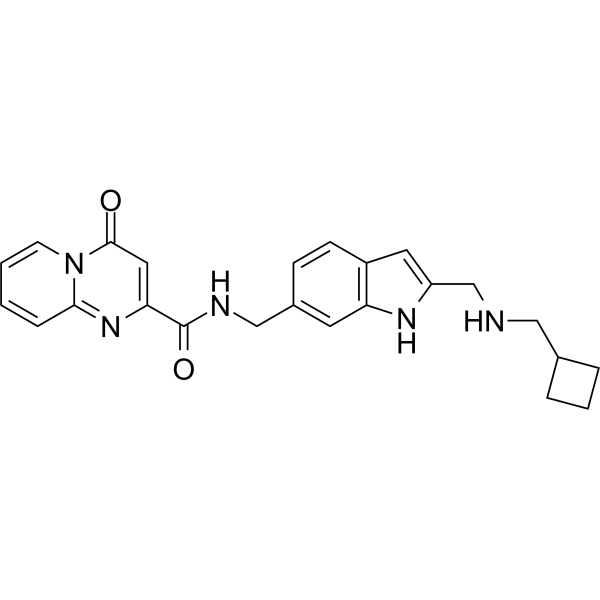
    T025 is an orally active and highly potent inhibitor of Cdc2-like kinase (CLKs), with Kd values of 4.8, 0.096, 6.5, 0.61, 0.074, 1.5 and 32 nM for CLK1, CLK2, CLK3, CLK4, DYRK1A, DYRK1B and DYRK2, respectively. T025 induces caspase-3/7-mediated cell apoptosis. T025 reduces CLK-dependent phosphorylation. T025 exerts anti-proliferative activities in both hematological and solid cancer cell lines (IC50 values: 30-300 nM). T025 has an anti-tumor efficiency, mainly for MYC-driven disease research .
    T025
  • HY-P1240A
    MOG (35-55) TFA
    Maximum Cited Publications
    9 Publications Verification

    Myelin Oligodendrocyte Glycoprotein Peptide (35-55), mouse, rat TFA

    Endogenous Metabolite Neurological Disease Inflammation/Immunology
    MOG (35-55) (MOG (35-55)) TFA is a minor component of CNS myelin. MOG (35-55) (TFA) has encephalitogenic activity and induces Tcell proliferative. MOG (35-55) (TFA) induces Th1 cytokine response as well as relatively high levels of IgG antibodies. MOG (35-55) (TFA) produces a relapsing-remitting neurological disease with extensive plaque-like demyelination. MOG (35-55) (MOG (35-55)) TFA can be used for experimental autoimmune encephalomyelitis (EAE) modeling .
    MOG (35-55) TFA
  • HY-175357

    YAP Cancer
    YAP/TEAD-IN-2 (Compound T-1) is a YAP/TEAD inhibitor. YAP/TEAD-IN-2 inhibits the luciferase activity driven by YAP/TEAD in 293T cells. YAP/TEAD-IN-2 exhibits strong anti-proliferative activity against human pleural mesothelioma NCI-H226 cells. YAP/TEAD-IN-2 can be used for the study of diseases associated with Hippo pathway dysregulation, particularly cancers .
    YAP/TEAD-IN-2
  • HY-123159

    Aurora Kinase Cancer
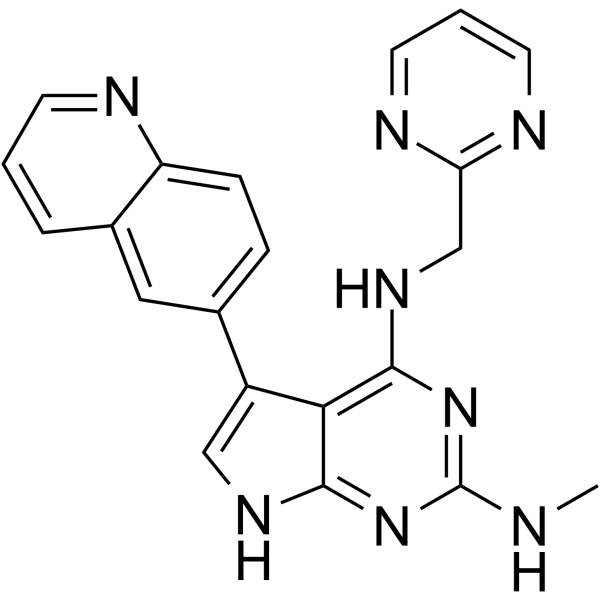
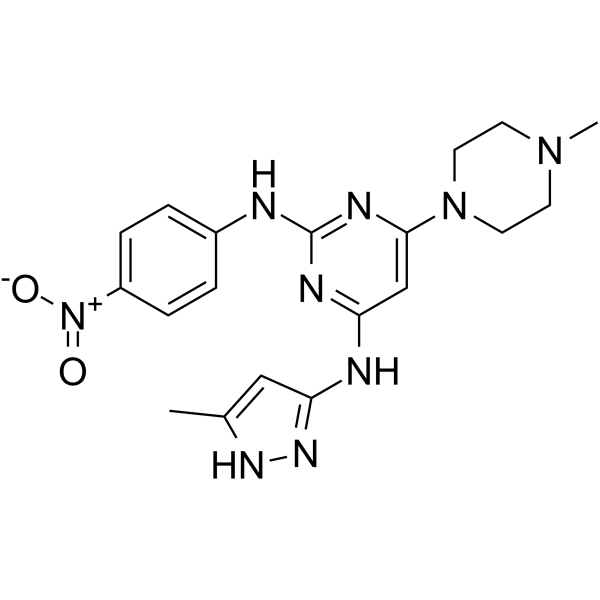
    AKI603 is an inhibitor of Aurora kinase A (AurA), with an IC50 of 12.3 nM. AKI603 is developed to overcome resistance mediated by BCR-ABL-T315I mutation. AKI603 exhibits strong anti-proliferative activity in leukemic cells .
    AKI603
  • HY-P99390

    MCLA 117

    CD3 Interleukin Related IFNAR TNF Receptor Inflammation/Immunology Cancer
    Tepoditamab (MCLA-117) is a full-length human IgG1 bispecific monoclonal antibody that binds to CLEC12A of myeloid cells and CD3 of cytotoxic T cells. Among others, CLEC12A is a myeloid differentiation antigen. Tepoditamab kills AML leukaemia mother cells and AML leukaemia stem cells, induces T cell-mediated proliferative lysis of AML cells. Tepoditamab induces upto 30-fold T-cell expansion. Tepoditamab results in moderate to strong cytokine (IFNγ, IL-6, IL-8, IL-10, and TNFα) and IFNγ release in human whole blood and PBMC, respectively. Tepoditamab can be used in acute myeloid leukaemia (AML) research .
    Tepoditamab
  • HY-139997

    PROTACs EGFR Cancer
    DDC-01-163 is an allosteric PROTAC degrader targeting EGFR. DDC-01-163 is dependent on the ubiquitin–proteasome system. DDC-01-163 can selectively inhibit the proliferation of L858R/T790M (L/T) mutant Ba/F3 cells. DDC-01-163 is effective against Osimertinib (HY-15772)-resistant cells with L/T/C797S and L/T/L718Q EGFR mutations. DDC-01-163 exhibits enhanced anti-proliferative activity against L858R/T790M EGFR-Ba/F3 cells when combined with the ATP-site EGFR inhibitor Osimertinib. DDC-01-163 can be used for the study of non-small cell lung cancer .
    DDC-01-163
  • HY-119944
    JND3229
    1 Publications Verification

    EGFR Cancer
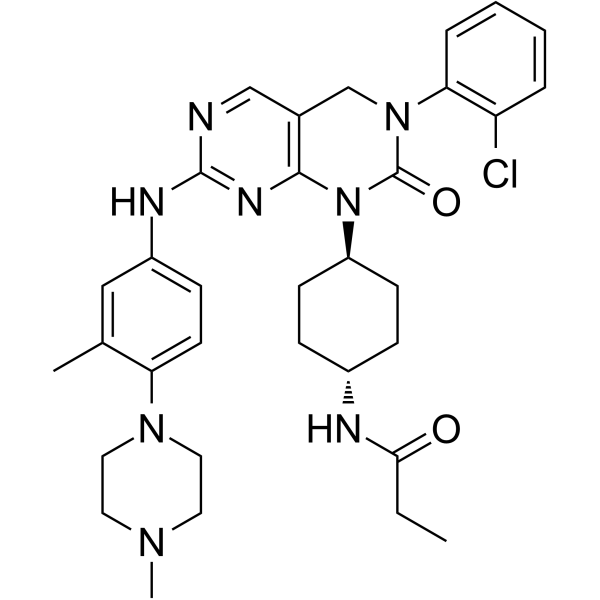
    JND3229 is a reversible EGFR C797S inhibitor with IC50 values of 5.8, 6.8 and 30.5 nM for EGFR L858R/T790M/C797S, EGFR WT and EGFR L858R/T790M, respectively. JND3229 has good anti-proliferative activity and can effectively inhibit tumour growth in vivo. JND3229 can be used in cancer research, especially in non-small cell carcinoma .
    JND3229
  • HY-107551

    Hedgehog Gli Cancer
    Hh Pathway-IN-1, a Hedgehog (Hh) pathway inhibitor, is a potent Gli antagonist. Hh Pathway-IN-1 inhibits Hh pathway functional with an IC50 value of 1.1 µM in C3H10T1/2 cells. Hh Pathway-IN-1 does not inhibit Wnt signaling. Hh Pathway-IN-1 shows anti-proliferative activity. Hh Pathway-IN-1 decreases the GLI1 mRNA expression. Hh Pathway-IN-1 inhibits colony formation in a dose-dependent manner .
    Hh Pathway-IN-1
  • HY-118858

    EAAT Neurological Disease Cancer
    UCPH-102 is a highly selective EAAT1 inhibitor with an IC50 of 0.43 µM. UCPH-102 exhibits a specific anti-proliferative effect on T-ALL cells. UCPH-102 also shows good blood-brain permeability, which can be used in studies of amyotrophic lateral sclerosis, Alzheimer’s disease, chronic pain and obsessive compulsive disorder .
    UCPH-102
  • HY-P5396A

    Amino Acid Decarboxylase Others
    GAD65 (524-543) acetate is a biological active peptide with amino acids 524 to 543 fragment of glutamic acid decarboxylase 65 (GAD65). GAD65 (524-543) acetate is one of the first fragments of the islet antigen to induce proliferative T cell responses in the non-obese diabetic (NOD) mouse model of spontaneous autoimmune diabetes. GAD65 (524-543) acetate is a specific, possibly low affinity, stimulus for the spontaneously arising diabetogenic T cell clone BDC2.5. Immunization with GAD65 (524-543) acetate increases the susceptibility of the NOD mice to type 1 diabetes induced by the adoptive transfer of BDC2.5 T cells .
    GAD65 (524-543) acetate
  • HY-P991543

    CD2 Inflammation/Immunology Cancer
    BTI-322 is a human IgG1κ antibody directed against the CD2 antigen on T cells and NK cells. BTI-322 can block primary and memory alloantigen proliferative responses in vitro. BTI-322 recognizes over 90% of E-rosette-forming peripheral blood lymphocytes and T-cell leukemias. BTI-322 has immunosuppressive activity. BTI-322 effectively inhibits T cell responses in vitro to allogeneic cells. BTI-322 can be used as a T-cell deplting agent. BTI-322 can be studied in research for renal allograft rejection and steroid-refractory acute graft-versus-host disease .
    BTI-322
  • HY-179148

    EGFR Apoptosis Cancer
    EGFR-IN-184 (compound 5p) is an EGFR inhibitor (IC50 = 65.6 nM). EGFR-IN-184 has anti proliferative activity against various tumor cells, such as T47D (IC50 = 15 μM), PC3 (IC50 = 55 μM), HCT116 (IC50 = 36 μM) cells. EGFR-IN-184 can significantly induce cell apoptosis and block the cell cycle. EGFR-IN-184 can be used for research on various types of cancer .
    EGFR-IN-184
  • HY-175874

    Microtubule/Tubulin PI3K Akt Apoptosis Cancer
    Tubulin-IN-55 is a tubulin inhibitor. Tubulin-IN-55 disrupts the PI3K/Akt signaling pathway in cancer cells. Tubulin-IN-55 exerts broad-spectrum anti-proliferative activity against multiple tumor cells (HeLa, HCT116, 4T1, A549, H1299, MDA-MB231). Tubulin-IN-55 induces G2/M phase arrest and apoptosis, and inhibits tumor cell migration/invasion in cancer cells. Tubulin-IN-55 demonstrates potent antitumor efficacy in orthotopic autologous transplantation mice. Tubulin-IN-55 can be used for the study of cancer .
    Tubulin-IN-55
  • HY-108161

    Interleukin Related Others
    LF 1695 is an immunomodulator. LF 1695 enhances the proliferative response of T cells by increasing the production of IL2 (interleukin-2) or the expression of the IL2 receptor. LF 1695 also increases CONA-induced inhibitory activity in human lymphocytes. LF 1695 can be used to study the proliferative and inhibitory activity of T cell subpopulations, as well as their role in immune regulation .
    LF 1695
  • HY-185206

    PROTACs Itk NF-κB Cancer
    BSJ-05-037 is an ITK PROTAC degrader that effectively targets and degrades ITK in T-cell lymphoma cell lines. BSJ-05-037 blocks the activation of the NF-κB/GATA-3 signaling pathway, inhibits PLCγ1 phosphorylation, and reduces the proliferative capacity of T-cell lymphoma cells. BSJ-05-037 enhances the sensitivity of T-cell lymphoma cells to chemotherapy. In mouse models of T-cell lymphoma, BSJ-05-037 induces ITK degradation, reduces GATA-3 expression, decreases tumor volume, and reverses chemotherapy resistance. BSJ-05-037 is applicable to research related to T-cell lymphoma .
    BSJ-05-037
  • HY-12926

    HIV HDAC DNA/RNA Synthesis Infection
    ST7612AA1 is a histone deacetylase (HDAC) inhibitor that controls chromatin condensation and DNA transcription by removing acetyl groups from histones. ST7612AA1 is also a potent HIV reactivation inducer, and its reactivation activity is exerted without activating or proliferating CD4+T cells, and can be used in the study of HIV reactivation strategies and elimination of viral reservoirs .
    ST7612AA1
  • HY-15990

    HSP Cancer
    CH5164840 (16) shows high binding affinity for N-terminal Hsp90a (Kd = 0.52 nM) and strong anti-proliferative activity against human cancer cell lines (HCT116 IC50 = 0.15 μM, NCI-N87 IC50 = 0.066 μM). CH5164840 (16) is orally active (t1/2 = 2.64 h) with potent antitumor efficacy .
    CH5164840
  • HY-163282

    HDAC Epigenetic Reader Domain Cancer
    NB512 (compound 39a) is a dual inhibitor for BET and HDAC, which exhibits a efficient binding affinity with BRD4 bromodomains and HDAC1/2, with EC50s of 100-400 nM. NB512 exhibits an anti-proliferative activity towards cancer cells PaTu8988T and NMC .
    NB512
  • HY-144044

    EGFR Cancer
    EGFR-IN-30 is a potent EGFR inhibitor with IC50s of 1-10 nM, <1 nM for EGFR (WT), EGFR (L858R/T790M/C797S), respectively. EGFR-IN-30 has potential for cell proliferative diseases, such as cancer research .
    EGFR-IN-30
  • HY-145289

    Apoptosis Cancer
    Antitumor agent-37 possesses potent anti-proliferative and anti-metastasis activities. Antitumor agent-37 induces serious DNA damage and further leads to high expression of γ-H2AX and p53. Antitumor agent-37 promotes apoptosis of tumor cells through mitochondrial apoptotic pathway Bcl-2/Bax/caspase3. Antitumor agent-37 significantly improves immune response through restraining the expression of PD-L1 to increase CD3+ and CD8+ T infiltrating cells in tumor tissues .
    Antitumor agent-37
  • HY-145288

    Apoptosis Cancer
    Antitumor agent-36 possesses potent anti-proliferative and anti-metastasis activities. Antitumor agent-36 induces serious DNA damage and further leads to high expression of γ-H2AX and p53. Antitumor agent-36 promotes apoptosis of tumor cells through mitochondrial apoptotic pathway Bcl-2/Bax/caspase3. Antitumor agent-36 significantly improves immune response through restraining the expression of PD-L1 to increase CD3+ and CD8+ T infiltrating cells in tumor tissues .
    Antitumor agent-36
  • HY-P11298

    Caspase Apoptosis JNK p38 MAPK Interleukin Related IFNAR Inflammation/Immunology Cancer
    d-T101 peptide, a human hormone-peptide, is a T1/ST2 receptor ligand. d-T101 peptide binds to the T1/ST2 receptor and activates caspases 8, 9 and 3 mediated apoptosis, together with activation of JNKinase and p38 MAPKinase. d-T101 peptide also changes Golgi structural with function loss and downregulation of the endoplasmic reticulum (ER) stress repair mechanism. d-T101 peptide has immunostimulatory and anticancer activity, selectively induces apoptosis in proliferating cancer cells and increases IL-2 and IFN-γ expression as well as the recruitment of NK cells and M1 macrophages to the tumor site .
    d-T101 peptide
  • HY-175292

    EGFR Microtubule/Tubulin Cancer
    EGFR WT/T790M-IN-3 is an irreversible covalent EGFR WT and EGFR T790M inhibitor with IC50s value of 28.1 and 24.6 nM. EGFR WT/T790M-IN-3 hampers tubulin polymerization through IC50 value of 5.1 μM. EGFR WT/T790M-IN-3 shows significant anti-proliferative effects on HCT116 and T47D cells, with IC50 values of 3.12 and 4.12 μM, respectively. EGFR WT/T790M-IN-3 can be used for the study of cancers such as non-small cell lung cancer, colon cancer and breast cancer .
    EGFR WT/T790M-IN-3
  • HY-N3523

    Others Cancer
    3-O-Beta-D-Glucopyranosylplatycodigenin is an oleanane-type triterpenoid isolated from roots of Platycodon grandiflorum. 3-O-Beta-D-Glucopyranosylplatycodigenin exhibits anti-proliferative activities against HSC-T6 cell line with an IC50 of 13.36 μM .
    3-O-Beta-D-Glucopyranosylplatycodigenin
  • HY-P5396

    Amino Acid Decarboxylase Others
    GAD65 (524-543) is a biological active peptide with amino acids 524 to 543 fragment of glutamic acid decarboxylase 65 (GAD65). GAD65 (524-543) is one of the first fragments of islet antigen to induce proliferative T cell responses in the non-obese diabetic (NOD) mouse model of spontaneous autoimmune diabetes. GAD65 (524-543) is a specific, possibly low affinity, stimulus for the spontaneously arising diabetogenic T cell clone BDC2.5. Immunization with GAD65 (524-543) increases the susceptibility of the NOD mice to type 1 diabetes induced by the adoptive transfer of BDC2.5 T cells .
    GAD65 (524-543)
  • HY-174513

    mRNA Inflammation/Immunology
    Human TNFRSF8 mRNA encodes the human TNF receptor superfamily member 8 (TNFRSF8) protein, a member of the TNF receptor superfamily. TNFRSF8 is a positive regulator of apoptosis, and also has been shown to limit the proliferative potential of autoreactive CD8 effector T cells and protect the body against autoimmunity.
    Human TNFRSF8 mRNA
  • HY-124099

    Leukotriene Receptor Inflammation/Immunology
    SCH 40120 is a potent leukotriene inhibitor with antiinflammatory effects. SCH 40120 suppresses T cell proliferative responses, antigen-specific and poly-clonally-induced in vitro antibody responses. SCH 40120 suppresses an edematous response and inhibits the recruitment of circulating neutrophils into sites of inflammation. SCH 40120 is proming for rasearch of anti-psoriatic agents .
    SCH 40120
  • HY-N12106

    Fumicycline

    Endogenous Metabolite Fungal Infection
    Neosartoricin (Fumicycline) (Compound 3), a prenylated anthracenone, is a microbial secondary metabolite. Neosartoricin can be isolated from Aspergillus fumigatus and Neosartorya fischeri. Neosartoricin has immunosuppressive activity, and significantly inhibits T-cell proliferative activity with an IC50 of 3 μM. Neosartoricin may be beneficial to fungal defense, facilitating infection through suppressing the host adaptive immunity without involvement of primary virulence .
    Neosartoricin
  • HY-150566

    Bcr-Abl Cancer
    BCR-ABL-IN-5 (compound II) is a Bcr-Abl kinase (Breakpoint cluster region-Abelson) inhibitor. BCR-ABL-IN-5 inhibits Bcr-Abl WT and Bcr-Abl T3151 with the IC50 value of 0.014 μM and 0.45 μM, respectively. BCR-ABL-IN-5 has some anti-proliferative activity against leukemic cells .
    BCR-ABL-IN-5
  • HY-149401

    EGFR Cancer
    EGFR-IN-82 (Cmpound 8a) is a potent and orally active EGFR inhibitor with IC50 values of 0.09 and 0.06 nM for EGFR L858R/T790M/C797S and EGFR Del19/T790M/C797S, respectively. EGFR-IN-82 has no significant effect on EGFR WT. EGFR-IN-82 has anti-proliferative activity and inhibits tumor formation in nude mice. EGFR-IN-82 can be used in non-small cell lung cancer research .
    EGFR-IN-82
  • HY-179045

    Estrogen Receptor/ERR Apoptosis Cancer
    ERα degrader 14 (Compound B7) is a potent ERα degrader. ERα degrader 14 exhibits significantly potent and selective anti-proliferative activity on two ERα-positive breast cancer cell lines (MCF-7 and T47D). ERα degrader 14 induces cell cycle arrest, inhibits cell migration, and induces cell apoptosis. ERα degrader 14 effectively inhibits tumor growth in mouse models. ERα degrader 14 can be used for the study of breast cancer .
    ERα degrader 14
  • HY-163396

    EGFR Apoptosis Cancer
    EGFR-IN-107 (compound 3r) is an orally active EGFR inhibitor with IC50 values of 0.4333 μM for EGFR WT and 0.0438 μM for EGFR L858R/T790M. EGFR-IN-107 has anti-proliferative activity and can inhibit the proliferation of H1975 cells and induce their apoptosis. EGFR-IN-107 can be used in cancer research .
    EGFR-IN-107
  • HY-146210

    EGFR Cancer
    EGFR-IN-50 (Compound 9h) is a potent EGFR inhibitor against L858R resistance mutation (TEL-EGFR-L858R-BaF3: GI50=8 nM, TEL-EGFR-T790M-L858R-BaF3: GI50=6.03 μM). EGFR-IN-50 shows anti-proliferative activity to cancer cells .
    EGFR-IN-50
  • HY-123034

    CDK Bcl-2 Family Apoptosis Cancer
    CDKI-83 is a potent CDK9 and CDK1 inhibitor with Ki values of 21 nM and 72 nM for CDK9/T1 and CDK1/B, respectively. CDKI-83 demonstrates effective anti-proliferative activity in human tumour cell lines with a GI50<1 μM. CDKI-83 effectively induces apoptosis in A2780 human ovarian cancer cells. CDKI-83 reduces phosphorylation at Ser-2 of RNA polymerase II (RNAPII) by inhibiting cellular CDK9 activity, and down-regulates Mcl-1 and Bcl-2. CDKI-83 has the potential for anti-cancer research .
    CDKI-83
  • HY-182374

    Dipeptidyl Peptidase Apoptosis Cancer
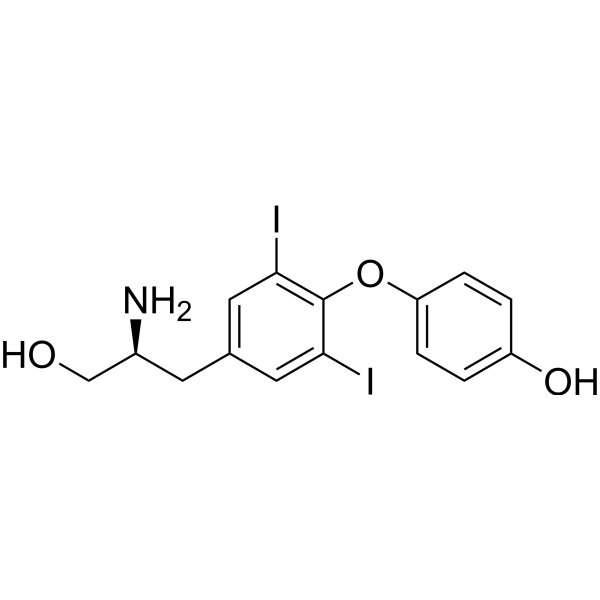
    AX8819 is a selective dipeptidyl peptidase II (DPP II) inhibitor with an IC50 of 0.88 nM. AX8819 induces caspase-dependent apoptosis. AX8819 exhibits low non-specific toxicity toward proliferating T cells. AX8819 can be used for the research of B cell chronic lymphocytic leukemia .
    AX8819
  • HY-133488

    Acyltransferase Cancer
    ST1072 is a dual inhibitor of CerS4 and CerS6. ST1072 significantly reduces the ability of murine T cells to proliferate and produce IFN-γ. ST1072 can be used for hematologic malignancies research .
    ST1072
  • HY-P992450

    TNF Receptor Cancer
    REGN6569 is a fully human IgG1 monoclonal antibody targeting glucocorticoid-induced tumor necrosis factor receptor-related protein (GITR) with high specificity for GITR. REGN6569 exerts stronger in vitro antibody-dependent cell-mediated cytotoxicity (ADCC) against regulatory T cells expressing GITR. REGN6569 selectively depletes regulatory T cells via antibody-dependent cell-mediated cytotoxicity and increases the proportion of proliferative natural killer (NK) cells in peripheral blood. REGN6569 is applicable for advanced solid malignancies. Isotype control: HY-P99001 .
    REGN6569
  • HY-180981

    PROTACs Bcr-Abl Cancer
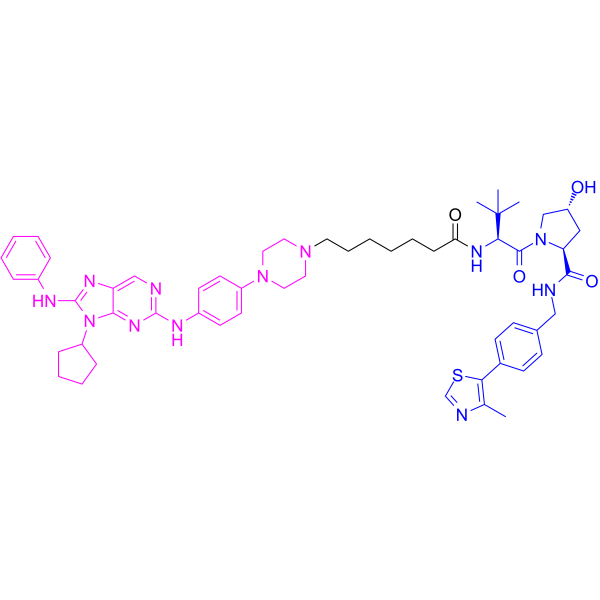
    P19As is a BCR-ABL PROTAC degrader based on Asciminib (HY-104010), with a DC50 value of approximately 200 nM for the wild-type BCR-ABL protein. P19As can degrade the T315I mutant and exhibits potent anti-proliferative activity in BaF3-BCR-ABL (T315I) cells. P19As can be used for the study of chronic myeloid leukemia and acute lymphoblastic leukemia .
    P19As
  • HY-180977

    PROTACs Bcr-Abl Cancer
    P19P is a BCR-ABL PROTAC degrader based on Ponatinib (HY-12047), with a DC50 value of approximately 20 nM for the wild-type BCR-ABL protein. P19P can effectively degrade various drug-resistant mutants such as T315I, E255K, H396R, and V468F, and exhibits potent anti-proliferative activity in BaF3-BCR-ABL (T315I) cells. P19P maintains strong inhibitory activity against ABL (T315I), with a IC50 of 13.1 nM. P19P does not inhibit the formation of vascular lumens in HUVEC. P19P can be used for research on chronic myeloid leukemia and acute lymphoblastic leukemia .
    P19P

Inquiry Online

Your information is safe with us. * Required Fields.

Salutation


Country or Region *

Applicant Name *


Organization Name *

Department *


Email Address *


Product Name *

Cat. No.


Requested quantity *

Phone Number *


Remarks

Inquiry Online

Inquiry Information

Product Name:
Cat. No.:
Quantity:
MCE Japan Authorized Agent:

