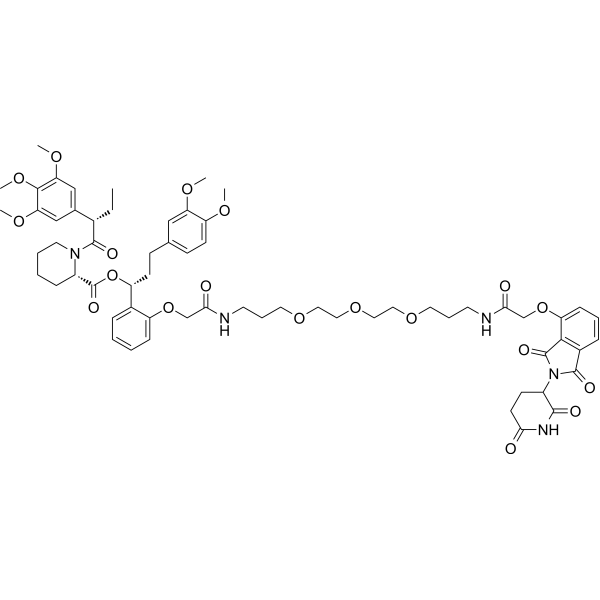
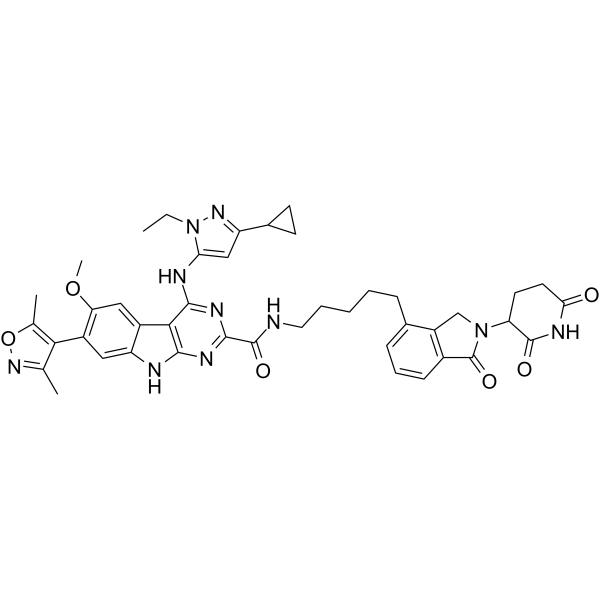
1. Search Result
Search Result
Results for "

proteasome complex

" in MedChemExpress (MCE) Product Catalog:

69

Inhibitors & Agonists

3

Screening Libraries

1

Fluorescent Dyes

2

Biochemical Assay Reagents

4

Peptides

4

Recombinant Proteins

1

Isotope-Labeled Compounds

9

Antibodies

1

Click Chemistry

1

GMP Molecules

Cat. No. Product Name Target Research Areas Chemical Structure
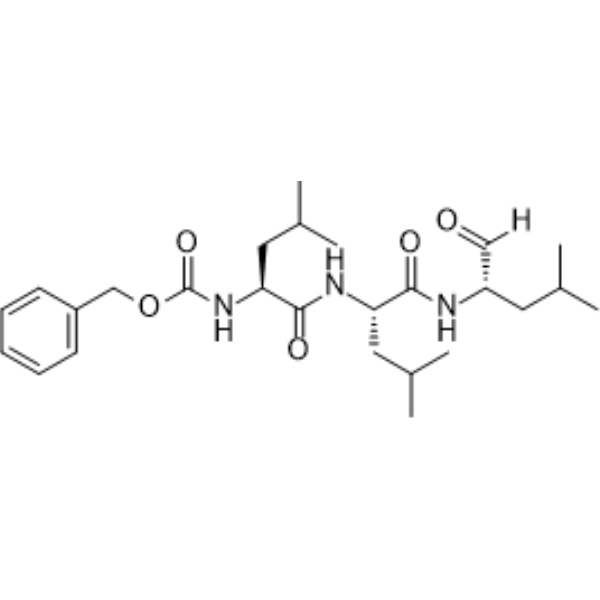
  • HY-13259
    MG-132
    Maximum Cited Publications
    1998 Publications Verification

    Z-Leu-Leu-Leu-al; MG132

    Proteasome Autophagy Apoptosis Cancer
    MG-132 (Z-Leu-Leu-Leu-al) is a potent proteasome and calpain inhibitor with IC50s of 100 nM and 1.2 μM, respectively. MG-132 effectively blocks the proteolytic activity of the 26S proteasome complex. MG-132, a peptide aldehyde, also is an autophagy activator. MG-132 also induces apoptosis .
    MG-132
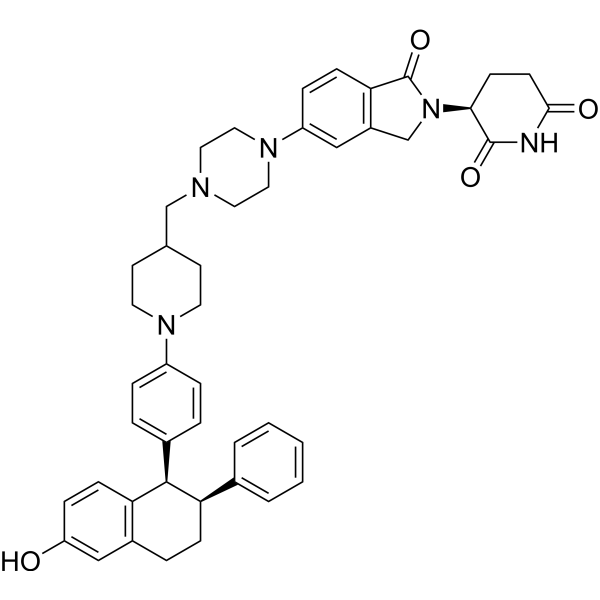
  • HY-138642
    Vepdegestrant
    5+ Cited Publications

    ARV-471

    PROTACs Estrogen Receptor/ERR Cancer
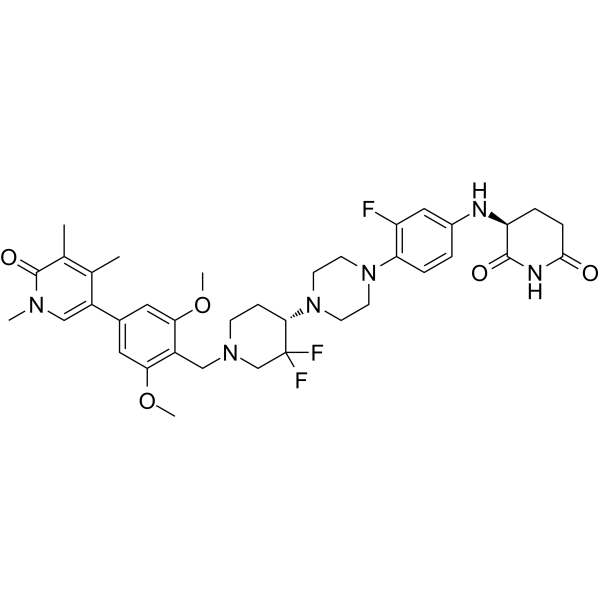
    Vepdegestrant (ARV-471) is an orally active PROTAC estrogen receptor degrader against breast cancer. Vepdegestrant is a hetero-bifunctional molecule that facilitates the interactions between estrogen receptor alpha and an intracellular E3 ligase complex. Vepdegestrant leads to the ubiquitylation and subsequent degradation of estrogen receptors via the proteasome. Vepdegestrant robustly degrades ER in ER-positive breast cancer cell lines with a half-maximal degradation concentration (DC50) of about 2 nM .
    Vepdegestrant
  • HY-158301
    MY-1B
    1 Publications Verification

    DNA Methyltransferase RNA MTase Others
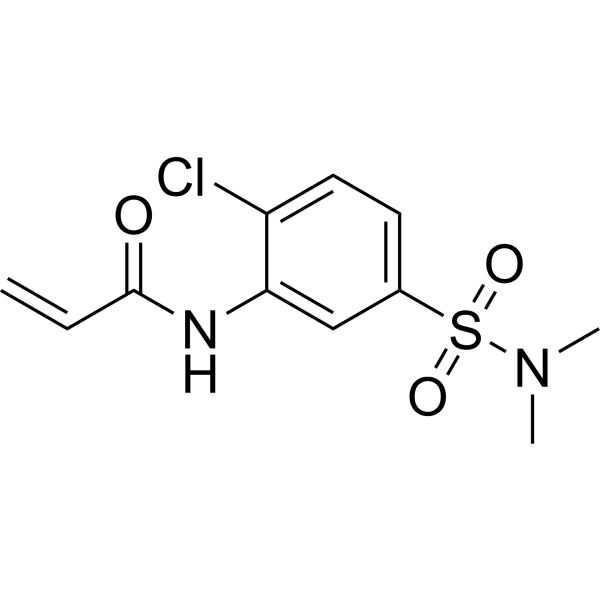
    MY-1B is a covalent inhibitor of the RNA Methyltransferase NSUN2 (IC50: 1.3 μM). MY-1B stereoselectively ligands active-site cysteine residues (C271) of NSUN2. MY-1B can stereoselectively and covalently bind to PSME1, disrupting the proteasome regulatory complex and downregulating the presentation of specific MHC-I subtypes .
    MY-1B
  • HY-13817
    IU1
    20+ Cited Publications

    Deubiquitinase Autophagy Apoptosis Cardiovascular Disease Neurological Disease Endocrinology Cancer
    IU1 is a selective, reversible USP14 inhibitor with an IC50 of 4-5 μM. IU1 binds USP14’s catalytic cleft to block deubiquitinase activity. IU1 induces calpain-dependent Tau cleavage, causes ATP deficits, reduces E1~Ub thioester levels and 26S proteasome assembly. IU1 enhances 26S proteasome chymotrypsin-like activity, modulates LC3B-dependent autophagy flux, reduces cancer cell proliferation and migration, and blocks G0/G1 to S phase cell cycle transition in follicular thyroid cancer cells. IU1 activates autophagy-lysosomal and ubiquitin-proteasome pathways, triggers apoptosis, and reduces cervical cancer cell growth. IU1 enhances degradation of proteasome substrates linked to neurodegenerative disease, accelerates oxidized protein degradation, and increases oxidative stress resistance. IU1 can be used for the research of Alzheimer’s disease, follicular thyroid cancer, ischemic stroke, cervical cancer, and neurodegenerative disease .
    IU1
  • HY-159607

    PROTACs SWI/SNF Complex Cancer
    PRT3789 is a selective SMARCA2 PROTAC degrader (DC50 in HeLa cell: 0.72 nM for SMARCA2, 14 nM for SMARCA4). PRT3789 forms a stable ternary complex with Von Hippel-Lindau (VHL) E3 ligase, induces polyubiquitination at SMARCA2-specific lysine residues, and drives proteasome-dependent SMARCA2 degradation. PRT3789 disrupts SWI/SNF chromatin remodeling complex integrity, induces dissociation of specific subunits, suppresses oncogenic gene expression, reduces chromatin accessibility, and upregulates antigen processing/presentation-related gene expression. PRT3789 induces synthetic lethality, inhibits proliferation and colony formation, and drives tumor growth inhibition and regression in SMARCA4-deficient contexts. PRT3789 can be used for the research of SMARCA4-mutated solid tumors, non-small cell lung cancer, endometrial cancer, colorectal cancer, bladder cancer, esophageal cancer, ovarian cancer, and gastric cancer .
    PRT3789
  • HY-152154

    PROTACs NAMPT Cancer
    Nampt degrader-2 is a fluorescent PROTAC, which efficiently degrades NAMPT with an IC50 of 41.9 nM. Nampt degrader-2 binds to NAMPT and VHL to form a ternary complex and subsequently induced NAMPT degradation via ubiquitin-proteasome system (UPS). Nampt degrader-2 leads to significant reduction of NAD + and exerts potent antitumor activities .
    Nampt degrader-2
  • HY-153278

    CDK7-IN-21

    CDK DNA/RNA Synthesis c-Myc Early 2 Factor (E2F) Topoisomerase Cancer
    Q901 (CDK7-IN-21) is a selective and potent CDK7 inhibitor with an IC50 of 10 nM. Q901 disrupts MYC and E2FTOP1-DPCs and sensitizes tumor to TOP1 inhibitors by suppressing RNAPII transition from initiation to elongation. Q901 can inhibit tumor growth and significantly enhances tumor growth inhibition combined with TOP1 inhibitors. Q901 can be used for the research of cancer, such as colon cancer and lung cancer .
    Q901
  • HY-155008
    PROTAC HK2 Degrader-1
    2 Publications Verification

    PROTACs Hexokinase Cancer
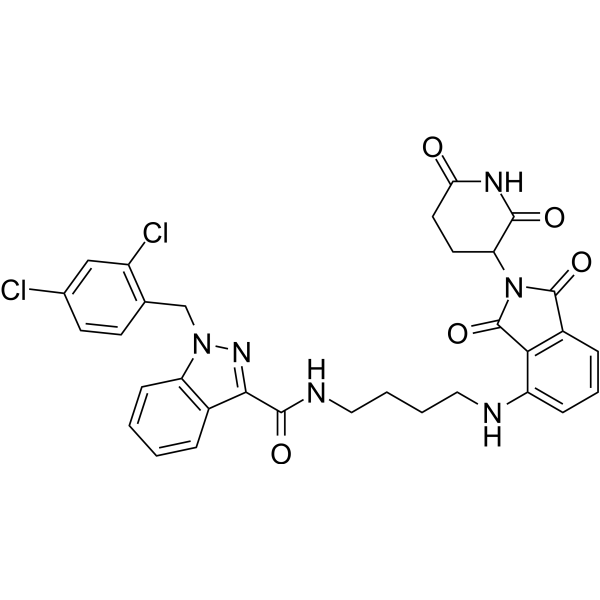
    PROTAC HK2 Degrader-1 is a PROTAC consisting of Lonidamine (HY-B0486) as a target protein Hexokinase 2 (HK2) inhibitor and Thalidomide (HY-14658) as a CRBN ligand-linked PROTAC. PROTAC HK2 Degrader-1 selectively inhibits the proliferation of breast cancer cells by forming a ternary complex through the ubiquitin-proteasome system to degrade Hexokinase 2 (HK2) protein leading to mitochondrial damage and cell death. PROTAC HK2 Degrader-1 effectively inhibits breast tumor growth and reduces the colonic side effects of cisplatin for breast cancer research .
    PROTAC HK2 Degrader-1
  • HY-172113

    PROTACs YAP c-Myc Apoptosis Cancer
    H122 is a PROTAC degrader for TEAD that degrades TEAD1 with a DC50 of 3 nM. H122 exhibits good affinity to TEAD2, TEAD3, and TEAD4 with Ki values of 2.0, 3.6 and 1.6 nM, respectively. H122 relies on binding to TEAD1 and CRBN, functional E3 ligase activity, and a functional proteasome for degradation.H122 induces degradation of TEAD3 and forms a ternary complex with TEAD4 and CRBN/DDB1 to mediate degradation.H122 downregulates expression of Myc target genes. H122 exhibits antitumor efficacy in MSTO-211H mouse xenograft models.H122 can be used for the research of malignant mesothelioma .
    H122
  • HY-159099

    Molecular Glues Histone Acetyltransferase Cardiovascular Disease
    WIZ degrader 9 is an orally active molecular glue degrader of the WIZ transcription factor. As a molecular glue, WIZ degrader 9 recruits WIZ to the cereblon E3 ubiquitin ligase complex via its ZF7 domain, driving proteasome-dependent degradation of WIZ. WIZ degrader 9 induces hemoglobin production, reduces the level of H3K9 dimethylation across the whole genome and at the β-globin locus, upregulates the transcription of γ-globin and BGLT3, and increases the level of histone H3K9 acetylation in the promoter region of HBG1/2. WIZ degrader 9 effectively induces fetal hemoglobin production in both mice and cynomolgus monkeys. WIZ degrader 9 can be used for research on sickle cell disease .
    WIZ degrader 9
  • HY-159098

    Molecular Glues PROTACs Histone Acetyltransferase Cardiovascular Disease
    dWIZ-1 is an orally active molecular glue and chemical probe targeting the WIZ transcription factor, which based on an IMiD backbone, binding to human WIZ with an affinity of 3.5 μM. dWIZ-1 recruits WIZ to the cereblon-DDB1 complex via its ZF7 domain, thereby triggering proteasome-dependent degradation of WIZ. dWIZ-1 significantly induces fetal hemoglobin expression in erythroblasts while reducing the level of inhibitory H3K9 dimethylation at WIZ binding sites such as the β-globin locus. Meanwhile, dWIZ-1 does not affect the proliferation and differentiation of erythroblasts, and no cytotoxicity is observed in in vitro cells or cynomolgus monkey models. dWIZ-1 serves as a critical tool molecule for investigating the mechanism and underlying pathways of sickle cell disease .
    dWIZ-1
  • HY-P11306

    Proteasome NF-κB Inflammation/Immunology
    Biotin-(Oaa)3-epoxomicin is a biotin-labeled form of Epoxomicin (HY-13821), prepared by conjugating Epoxomicin with biotin via three hydrophilic oxaacetyl amino acid (Oaa) linkers. Biotin-(Oaa)3-epoxomicin is primarily used in proteomic studies for the capture, identification and target validation of proteasome complexes, to determine the intracellular targets of epoxomicin. Epoxomicin acts as a proteasome inhibitor and NF-κB inhibitor, which effectively blocks inflammatory responses in mouse ear edema assays. It inhibits proteasome activity via covalent binding to catalytic subunits including LMP7, X, MECL1 and Z, with the strongest inhibitory effect on chymotrypsin-like activity, and does not interfere with non-proteasomal proteases such as trypsin and papain .
    Biotin-(Oaa)3-epoxomicin
  • HY-49444

    NF-κB Molecular Glues E1/E2/E3 Enzyme Cancer
    EN450 is a cysteine-reactive covalent molecular glue degrader targeting NF-κB. EN450 interacts with allosteric C111 in the E2 ubiquitin ligase UBE2D. EN450 induces the ternary complex formation between UBE2D and NFKB1. EN450 exerts its anti-proliferative effects through a Cullin E3 ligase and proteasome-dependent mechanism .
    EN450
  • HY-158684

    PROTACs MDM-2/p53 Apoptosis Cancer
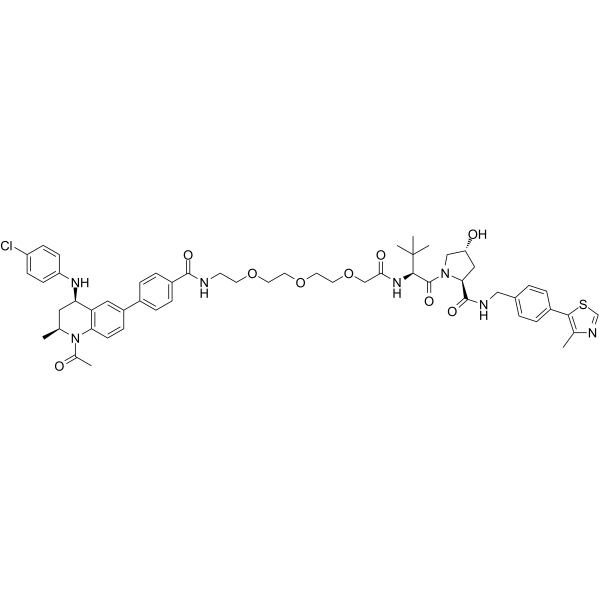
    YX-02-030 is a VHL-dependent MDM2 PROTAC degrader with a Kd of 35 nM. YX-02-030 recruits the VHL E3 ligase to form a ternary complex, leading to ubiquitination and proteasome-mediated degradation of MDM2. YX-02-030 inhibits MDM2-p53 and VHL-HIF1α binding with IC50 values of 63 and 1350 nM. YX-02-030 activates TAp73, upregulates p53 family target genes and induces apoptosis. YX-02-030 demonstrates on-target efficacy in TNBC xenograft-bearing mice, extending survival without normal cell toxicity .
    YX-02-030
  • HY-163944

    DNA/RNA Synthesis Molecular Glues CDK Apoptosis RAD51 ATM/ATR PARP Cancer
    LL-K12-18 is a CDK12 kinase inhibitor and a dual-site molecular glue. LL-K12-18 inhibits human CDK12 with an IC50 value of 283.9 nM, and selectively degrades cyclin K via the ubiquitin-proteasome system by stabilizing the CDK12-DDB1 complex. LL-K12-18 downregulates DNA damage response genes, reduces the phosphorylation level of CTD Ser2 in RNA polymerase II, and modulates biomarkers such as ATM, RAD51, γ-H2AX and cleaved PARP, thereby effectively inducing apoptosis and inhibiting proliferation of breast cancer cells. LL-K12-18 exhibits high target selectivity and serves as a research tool for studies on triple-negative breast cancer .
    LL-K12-18
  • HY-114402

    PROTACs Androgen Receptor Cancer
    ARD-69 is a PROTAC degrader based on the E3 ubiquitin ligase VHL and targeting the androgen receptor, which can induce androgen receptor (AR) protein degradation in AR-positive prostate cancer cells. ARD-69 inhibits AR-regulated gene expression, binds to the AR ligand binding domain at one end and binds to VHL at the other end, prompting AR to be recruited to the E3 ubiquitin ligase complex, triggering proteasome degradation, thereby inhibiting AR signaling pathways and downstream gene expression (such as PSA, TMPRSS2). ARD-69 can be used to study of castration-resistant prostate cancer (mCRPC) .
    ARD-69 is composed of a target protein ligand (pink part) AR antagonist 14 (HY-172624), a PROTAC linker (black part) tert-Butyl 4-ethynyl-[1,4'-bipiperidine]-1'-carboxylate (HY-W442074), and a VHL-type E3 ubiquitinase ligand (blue part) VH 101, acid (HY-47070); among them, the VHL ligand and the linker can form a conjugate VH 101-amide-piperidine-Pip-alkyne (HY-172625).
    ARD-69
  • HY-P4284

    Proteasome ClpP Bacterial Infection
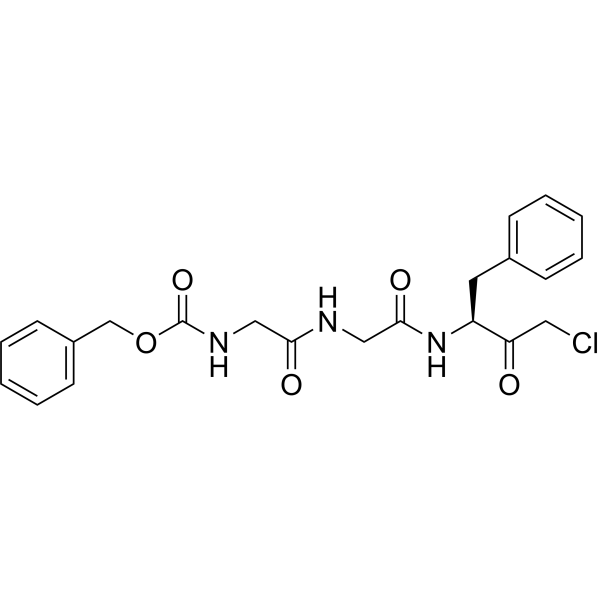
    Z-GGF-CMK is an Antibacterial agent, an inhibitor of the ClpP1P2 serine protease complex (with an IC50 of 50 μM against intracellular ClpP1P2 protease activity in Mycobacterium bovis BCG), and a selective inhibitor of the mycobacterial Proteasome (with an IC50 of 50 μM against the proteasome in M. bovis BCG). Z-GGF-CMK inhibits the growth of mycobacteria. Z-GGF-CMK exhibits cytotoxic activity against liver cancer cells. Z-GGF-CMK can be used in the research of tuberculosis .
    Z-GGF-CMK
  • HY-149127

    ASC-JM17; ALZ-003

    Keap1-Nrf2 Androgen Receptor HSP Mitophagy Ferroptosis Apoptosis Reactive Oxygen Species (ROS) Autophagy Metabolic Disease
    Rosolutamide (ASC-JM17) is an orally active Nrf1/Nrf2 activator. Rosolutamide activates Hsf1 pathways, upregulates proteasome subunits and antioxidant enzymes, induces proteasome complex structural rearrangement, and enhances ubiquitin-proteasome system-mediated degradation. Rosolutamide reduces mutant androgen receptor and ataxin-3 aggregates, restores mitochondrial function, attenuates reactive oxygen species (ROS) levels, induces apoptosis and ferroptosis, and inhibits cancer cell growth. Rosolutamide can be used for the research of spinal and bulbar muscular atrophy, Huntington’s disease, and temozolomide-resistant glioblastoma .
    Rosolutamide
  • HY-152134

    HDAC PROTACs Cancer
    HDAC6 degrader-3 is a potent and selective HDAC6 degrader via ternary complex formation and the ubiquitin-proteasome pathway with a DC50 value of 19.4 nM. HDAC6 degrader-3 has IC50s of 4.54 nM and 0.647 μM for HDAC6 and HDAC1, respectively. HDAC6 degrader-3 causes strong hyperacetylation of α-tubulin .
    HDAC6 degrader-3
  • HY-176792

    PROTACs Ras Cancer
    ACBI-4 is a selective GTP-loaded active state of KRAS (KRAS(on)) PROTAC degrader, with Kd values of 141 nM against KRAS G12R. ACBI-4 forms a stable ternary complex with VHL, triggering ubiquitination and KRAS degradation via the ubiquitin-proteasome system. ACBI-4 induces antiproliferative effects in KRAS mutant-driven cancer cells. ACBI-4 can be used for the research of KRAS mutant-driven cancer .
    ACBI-4
  • HY-173351

    Epigenetic Reader Domain Cancer
    G-6599 is a monovalent molecular glue-like degrader of SMARCA2/SMARCA4. G-6599 covalently binds to a specific cysteine residue of the E3 ligase FBXO22 in a biotransformation-independent manner, promotes the formation of a ternary complex with SMARCA2/A4, and achieves efficient and specific degradation of the two proteins via the ubiquitin-proteasome pathway. G-6599 is applicable to the research of androgen-dependent prostate cancer and mutant non-small cell lung cancer .
    G-6599
  • HY-159779

    PROTACs Nuclear Hormone Receptor 4A/NR4A Inflammation/Immunology Cancer
    NR-V04 is a selective NR4A1 PROTAC degrader. NR-V04 forms a ternary complex with NR4A1 and the VHL E3 ligase, mediates proteasome-dependent degradation of NR4A1. NR-V04 induces tumor-infiltrating B cells and effector memory CD8 + T cells and reduces monocytic myeloid-derived suppressor cells in tumor microenvironments. NR-V04 can be used for the research of melanoma and colon cancer .
    NR-V04
  • HY-172615

    Molecular Glues Epigenetic Reader Domain Cancer
    AMPTX-1 is a selective, orally active, covalent reversible BRD9 molecular glue degrader with a DC50 of 0.05 nM. AMPTX-1 selectively recruits BRD9 to the E3 ligase DCAF16. AMPTX-1 forms a ternary complex with BRD9 and a reversible covalent adduct with Cys58 on the surface of DCAF16. AMPTX-1 mediates BRD9 degradation via the proteasome and Cullin RING E3 ligase pathways. AMPTX-1 can be used in the research of solid tumors and hematological malignancies .
    AMPTX-1
  • HY-153385

    Molecular Glues Epigenetic Reader Domain Cancer
    TMX1 is a covalent, selective BRD4 molecular glue degrader. TMX1 binds to the JQ1-binding site of BRD4BD2, forms covalent bonds with Cys58 of DCAF16 and Cys87 of GAK in a BRD4BD2-dependent template-assisted manner, stabilizes the BRD4-TMX1-DCAF16 ternary complex, and promotes the ubiquitination of BRD4 via the CRL4DCAF16 ubiquitin ligase complex. TMX1 induces selective degradation of BRD4, mild degradation of BRD2 and BRD3, as well as DCAF16-dependent cytotoxicity .
    TMX1
  • HY-122822

    PROTACs Histone Acetyltransferase Interleukin Related CXCR TNF Receptor CD28 Inflammation/Immunology Cancer
    GSK699 is a KAT2A/B/PCAF/GCN5 PROTAC degrader . GSK699 induces proteasome-dependent degradation of KAT2A, KAT2B, PCAF and GCN5, regulates the histone acetyltransferase activity of the SAGA complex, and reduces the level of histone H3K9ac. GSK699 inhibits the growth of neuroblastoma, acute myeloid leukemia and small cell lung cancer cells. GSK699 reduces the production of inflammatory cytokines and chemokines, and impairs LPS-stimulated immune cell responses. GSK699 is applicable to research related to acute myeloid leukemia, small cell lung cancer, neuroblastoma and inflammatory diseases .
    GSK699
  • HY-173679

    PROTACs PARP Interleukin Related STAT Integrin HSV VSV Infection Cancer
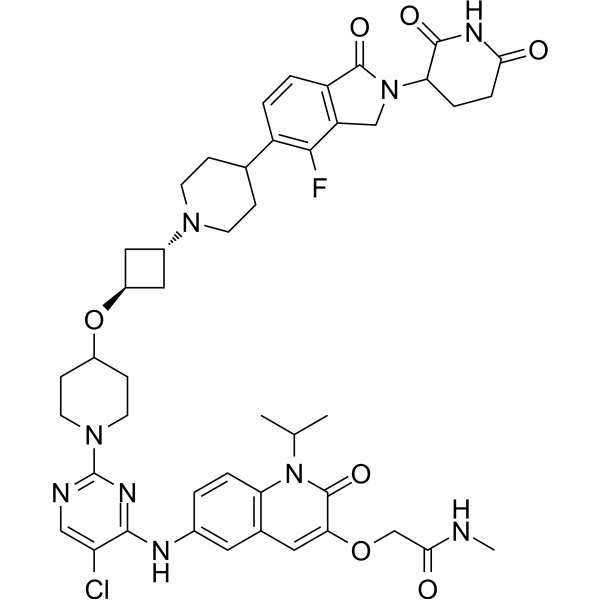
    RBN012811 is a highly selective PROTAC-based PARP14 degrader. RBN012811 forms a ternary complex with cereblon by binding to the NAD + site of PARP14, and mediates the specific degradation of PARP14 via the ubiquitin-proteasome pathway (IC50=10 nM). RBN012811 effectively depletes endogenous PARP14 in various cell lines and primary human macrophages, thereby downregulating IL-10 production and IFN-β mRNA levels, increasing phosphorylated STAT1 levels to enhance inflammatory signaling, and inhibiting interferon-induced ADPr condensate formation. RBN012811 also modulates viral replication, exhibiting increased HSV1 replication while reducing VSV replication. RBN012811 has important application value in research related to cancer and viral infections .
    RBN012811
  • HY-170859

    PROTACs Casein Kinase Cancer
    AH078 is a PROTAC-based CK1δ/ε degrader (DC50=0.55 μM, Dmax=70%) that lacks subtype selectivity between CK1δ and CK1ε. AH078 induces target protein degradation either by recruiting the CUL4-CRBN E3 ligase complex and proteasome, or via the VHL- and ubiquitin-dependent pathway. AH078 also exhibits selectivity for CK1α, and is widely applicable to research related to colon cancer, pancreatic cancer, breast cancer, ovarian cancer, chronic lymphocytic leukemia, acute myeloid leukemia, glioma, and metastatic breast adenocarcinoma .
    AH078
  • HY-154860

    PROTACs Btk Apoptosis Caspase Bcl-2 Family NF-κB Akt Inflammation/Immunology Cancer
    PTD10 is a selective and potent BTK PROTAC degrader (DC50 = 0.5 nM, KD = 2.28 nM). PTD10 can recruit cereblon (CRBN) E3 ligase and form a ternary complex with BTK, thereby mediating the ubiquitination and proteasome-dependent degradation of BTK. PTD10 inhibits cancer cells proliferation, and induces cell apoptosis via activation of the caspase-dependent pathway and mitochondrial pathway. PTD10 potently inhibits the BCR, AKT and NF-κB signaling pathway. PTD10 can be used for researches of B-cell malignancies and autoimmune disease .
    PTD10
  • HY-162749A

    PROTACs Histone Methyltransferase Apoptosis Cancer
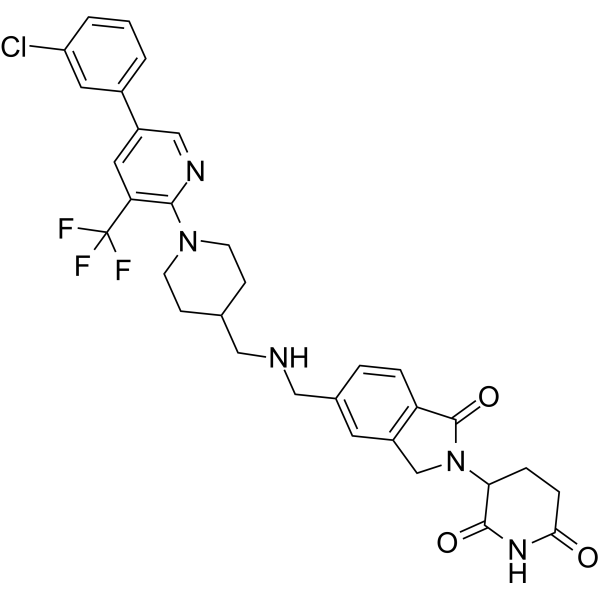
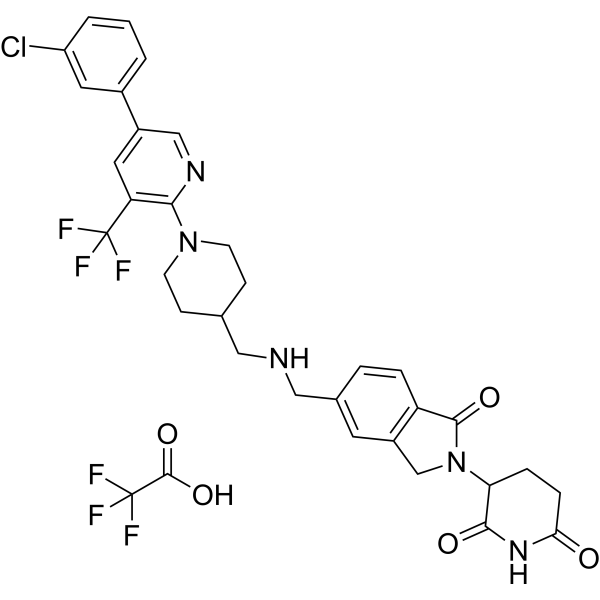
    G9D-4 TFA is a G9a PROTAC degrader. G9D-4 TFA induces G9a degradation, reduces H3K9me2 levels, and prevents GLP interference via the CRBN ternary complex, proteasome and ubiquitin-like modification-dependent pathways. G9D-4 TFA exerts antiproliferative activity and induces Apoptosis in pancreatic cancer cells. G9D-4 TFA can be used for research on pancreatic cancer .
    G9D-4 TFA
  • HY-175764

    PROTACs IRAK NF-κB p38 MAPK TNF Receptor Interleukin Related Inflammation/Immunology
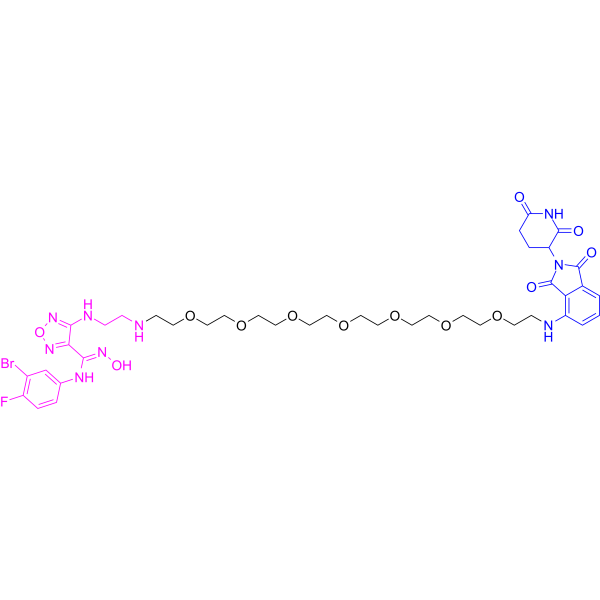
    FIP22 is a potent and selective IRAK4 PROTAC degrader (HEK293T cells: DC50 = 3.2 nM; THP-1 cells: DC50 = 10.6 nM). FIP22 induces the ubiquitin-proteasome system by forming an IRAK4-FIP22-CRBN ternary complex (EC50 = 12.63 nM), thereby potently blocking IRAK4-mediated NF-κB and MAPK signaling pathways. FIP22 can be used for the study of atopic dermatitis (Pink: IRAK4 ligand (HY-175765); Blue: CRBN ligand (HY-W087383); Black: Linker (HY-46871)) .
    FIP22
  • HY-162749

    PROTACs Histone Methyltransferase Apoptosis Cancer
    G9D-4 is a G9a PROTAC degrader. G9D-4 induces G9a degradation, reduces H3K9me2 levels, and prevents GLP interference via the CRBN ternary complex, proteasome and ubiquitin-like modification-dependent pathways. G9D-4 exerts antiproliferative activity and induces Apoptosis in pancreatic cancer cells. G9D-4 can be used for research on pancreatic cancer .
    G9D-4
  • HY-172767

    PROTACs STAT Apoptosis Cancer
    STAT3-D11-PROTAC-VHL (Compound D11-PROTAC) is a PROTAC degrader targeting Signal Transducer and Activator of Transcription 3 (STAT3). STAT3-D11-PROTAC-VHL exhibits anti-tumor activity with IC50 values of 1335 nM and 1973 nM against HeLa and MCF-7 cells, respectively. STAT3-D11-PROTAC-VHL binds to the DNA-binding domain of STAT3 and recruits the E3 ligase VHL to form a ternary complex, leading to the ubiquitination of STAT3 and subsequent degradation by the proteasome. STAT3-D11-PROTAC-VHL also inhibits tumor cell growth, induces cell cycle arrest and apoptosis, and suppresses tumor immune evasion .
    STAT3-D11-PROTAC-VHL
  • HY-175453

    Molecular Glues Neurological Disease Cancer
    MRT-23227 is a molecular glue degrader that targets cereblon (CRBN). MRT-23227 forms a ternary complex with CRBN and G3BP2, activating the ubiquitin-proteasome system, leading to G3BP2 degradation. MRT-23227 has potential applications in the research of G3BP2-related cancers (such as breast and lung cancer) and neurodegenerative diseases .
    MRT-23227
  • HY-W008168

    2-Quinolinecarboxaldehyde

    Drug Intermediate Others
    Quinoline-2-carboxaldehyde (2-Quinolinecarboxaldehyde) is a quinoline derivative that serves as a synthetic precursor for Schiff base copper complexes. Quinoline-2-carboxaldehyde is applicable to research related to the synthetic design of biomaterials or organic compounds, such as fluorescent sensors .
    Quinoline-2-carboxaldehyde
  • HY-174329

    Molecular Glues Neurological Disease Cancer
    MRT-5702D is a G3BP2 molecular glue degrader. MRT-5702D forms a CRBN-MRT-5702D-G3BP2 ternary complex to activate the ubiquitin-proteasome system for G3BP2 degradation. MRT-5702D can be used for research of G3BP2-related cancers and neurodegenerative diseases .
    MRT-5702D
  • HY-13259G

    Z-Leu-Leu-Leu-al

    Proteasome Autophagy Apoptosis Cancer
    MG-132 (GMP) (Z-Leu-Leu-Leu-al (GMP)) is MG-132 (HY-13259) produced by using GMP guidelines. GMP small molecules works appropriately as an auxiliary reagent for cell therapy manufacture. MG-132 (Z-Leu-Leu-Leu-al) is a potent proteasome and calpain inhibitor with IC50s of 100 nM and 1.2 μM, respectively. MG-132 effectively blocks the proteolytic activity of the 26S proteasome complex. MG-132, a peptide aldehyde, also is an autophagy activator. MG-132 also induces apoptosis .
    MG-132
  • HY-138642S

    ARV-471-d5

    Isotope-Labeled Compounds Cancer
    Vepdegestrant-d5 (ARV-471-d5) is the deuterium labeled Vepdegestrant (HY-138642). Vepdegestrant (ARV-471) is an orally active PROTAC estrogen receptor degrader against breast cancer. Vepdegestrant is a hetero-bifunctional molecule that facilitates the interactions between estrogen receptor alpha and an intracellular E3 ligase complex. Vepdegestrant leads to the ubiquitylation and subsequent degradation of estrogen receptors via the proteasome. Vepdegestrant robustly degrades ER in ER-positive breast cancer cell lines with a DC50 of about 2 nM .
    Vepdegestrant-d5
  • HY-162240

    PROTACs Epigenetic Reader Domain Cancer
    SJH1-51B is a SKP1-recruiting BRD4 PROTAC degrader. SJH1-51B binds to SKP1 in the SKP1-FBXO7-CUL1-RBX1 complex, but shows no or weak binding to monomeric SKP1. SJH1-51B induces proteasome- and SKP1-dependent degradation of BRD4, and this degradation process relies on the neddylation modification of Cullin-RING E3 ligase. SJH1-51B induces proteasome-mediated degradation of the short isoform of BRD4 in non-cancer cells, while it induces proteasome-mediated degradation of both the long and short isoforms of BRD4 in breast cancer cells. SJH1-51B can be used for breast cancer research .
    SJH1-51B
  • HY-174266

    MDM-2/p53 Cancer
    WB156 is a dual MDM2 and GSPT1 degrader. WB156 can recruit CRBN (Cereblon, a substrate receptor of the E3 ubiquitin-ligase complex) to induce the ubiquitination-proteasome pathway-mediated degradation of MDM2 and GSPT1. WB156 is promising for research of cancers, such as leukemia .
    WB156
  • HY-180907

    PROTACs Cancer
    PROTAC USP39 Degrader-1 (compound USP39_PROTAC_V1) is a potent and selective PROTAC USP39 degrader. PROTAC USP39 Degrader-1 induces degradation of USP39 by recruiting the VHL E3 ligase via a hydroxyl-proline-containing ligand, forming a ternary complex with a Kd of 232 nM. PROTAC USP39 Degrader-1 degrades USP39 in a VHL-, proteasome-, and the neddylation pathway-dependent manner .
    PROTAC USP39 Degrader-1
  • HY-138642A

    (Rac)-ARV-471

    Estrogen Receptor/ERR PROTACs Cancer
    (Rac)-Vepdegestrant is the isomer of Vepdegestrant (HY-138642). Vepdegestrant ((R)-Lavandulol) is an orally active PROTAC estrogen receptor degrader against breast cancer. Vepdegestrant is a hetero-bifunctional molecule that facilitates the interactions between estrogen receptor alpha and an intracellular E3 ligase complex. Vepdegestrant leads to the ubiquitylation and subsequent degradation of estrogen receptors via the proteasome. Vepdegestrant robustly degrades ER in ER-positive breast cancer cell lines with a half-maximal degradation concentration (DC50) of about 2 nM .
    (Rac)-Vepdegestrant
  • HY-174862

    PROTACs ASK1 Inflammation/Immunology
    dASK1 is a selective and cereblon (CRBN)-based PROTAC degrader of apoptosis signal-regulating kinase 1 (ASK1). dASK1 forms a stable ternary complex with ASK1, facilitating ASK1 rapid and sustained degradation via the ubiquitin-proteasome pathway. dASK1 demonstrates potent ASK1 degradation. dASK1 can be used for the research of steatohepatitis . (Structure Note: Pink: ASK1 ligand (HY-174860); Blue: CRBN ligand (HY-10984); Black: linker; E3-linker (HY-174863))
    dASK1
  • HY-156401

    PROTACs Epigenetic Reader Domain Cancer
    BRD9 c-1 (Compound 13-7) is a PROTAC BRD9 degrader . BRD9 Degrader-1 has a micromolar binding affinity for BRD9 and a nanomolar affinity for the BRD9-VCB ternary complex. BRD9 Degrader-1 induces BRD9 proteasome degradation in HEK293T cells, which can be reversed by MLN4924 (HY-70062). (Blue: VH032-cyclopropane-F (HY-125905); Black: linker (HY-W763939); Pink: HY-168695) .
    BRD9 Degrader-1
  • HY-179424

    PROTACs HIF/HIF Prolyl-Hydroxylase p38 MAPK Akt PI3K MEK Apoptosis Cancer
    PROTAC HIF-1α degrader-2 is a highly efficient and selective PROTAC degrader targeting HIF-1α. PROTAC HIF-1α degrader-2 promotes HIF-1α degradation via the ubiquitin-proteasome pathway by facilitating the formation of a HIF-1α/VHL ternary complex. PROTAC HIF-1α degrader-2 inhibits HeLa cell proliferation, migration, and colony formation, and induces apoptosis. PROTAC HIF-1α degrader-2 reduces p-MEK and p-AKT expression in the MAPK and PI3K/AKT pathways. PROTAC HIF-1α degrader-2 can be used for the study of cervical cancer .
    PROTAC HIF-1α degrader-2
  • HY-170820

    Molecular Glues Bcl-2 Family CDK EGFR HSP Androgen Receptor c-Myc Cancer
    XYD049 is a CRBN-based molecular glue degrader targeting GSPT1, with a DC50 of 19 nM. XYD049 mediates the formation of a ternary complex between CRBN and GSPT1, thereby triggering CRBN- and proteasome-dependent degradation of GSPT1. By degrading GSPT1, XYD049 downregulates castration-resistant prostate cancer (CRPC)-related oncogenes, including BCL2, CDK2, E2F3, EGFR, HSP90B1, TMPRSS2, AR, AR-V7, PSA and c-Myc. XYD049 inhibits cancer cell growth and suppresses tumor growth in mice. XYD049 can be used for research on castration-resistant prostate cancer. XYD049 consists of a linker (black part) NH2-C5-NH-Boc (HY-W004710), a CRBN-based E3 ligase ligand (blue part) Thalidomide 4-fluoride (HY-41547), and a target protein ligand (red part) GSPT1 ligand-1 (HY-170821), among which the E3 ligase ligand plus linker forms the conjugate E3 Ligase Ligand-linker Conjugate 158 (HY-170822) .
    XYD049
  • HY-P11028

    CDK Cancer
    M1-20 is a CDK1 inhibitor. M1-20 promotes CDK1 ubiquitination by CUL4-DDB1-DCAF1 complexes and degradation through the proteasome pathway. M1-20 abolishes the formation of CDK1/CCNB1 complexes. M1-20 has significant anticancer activity of spontaneous breast cancer in FVB/N MMTV-PyVT mice model .
    M1-20
  • HY-147373

    PROTACs Ligands for E3 Ligase Cancer
    DA-PROTAC is a potent PROTAC degrader of copper ion-transport proteins Atox1 and CCS. DA-PROTAC can bind both Atox1 and CCS proteins, and the complex can be bound to E3 ligase, leading to increased levels of ubiquitination of Atox1 and CCS and degradation of Atox1 and CCS proteins via the proteasome pathway. DA-PROTAC can be used for triple negative breast cancer research .
    DA-PROTAC
  • HY-181521

    Proteasome Cap Targeting Chimeras Histone Methyltransferase Proteasome Cancer
    RAPRMT5 is a PRMT5 CAP-TAC (proteinase complex-targeted chimeric agent) degrader. RAPRMT5 can induce PRMT5 to undergo proteasome-dependent, ubiquitin-independent degradation. RAPRMT5 can be used in the research of various cancers .
    RAPRMT5
  • HY-185230

    PROTACs YAP Cancer
    HC278 is a selective TEAD1/TEAD3 PROTAC degrader. HC278 induces proteasome-dependent degradation by forming a stable ternary complex with CRBN/DDB1. HC278 is applicable to the research of mesothelioma .
    HC278
  • HY-181498

    Proteasome Cap Targeting Chimeras FKBP Proteasome Others
    RAFKBP12 is a FKBP12 CAP-TAC (proteinase complex cap-targeted chimera) degrader. RAFKBP12 demonstrates the feasibility of the CAP-TAC strategy, which enables proteasome-dependent degradation of FKBP12 that is independent of E3 ubiquitin ligases and protein ubiquitination .
    RAFKBP12

Inquiry Online

Your information is safe with us. * Required Fields.

Salutation


Country or Region *

Applicant Name *


Organization Name *

Department *


Email Address *


Product Name *

Cat. No.


Requested quantity *

Phone Number *


Remarks

Inquiry Online

Inquiry Information

Product Name:
Cat. No.:
Quantity:
MCE Japan Authorized Agent:

