Search Result
Results for "
situ
" in MedChemExpress (MCE) Product Catalog:
1
Biochemical Assay Reagents
2
Isotope-Labeled Compounds
| Cat. No. |
Product Name |
Target |
Research Areas |
Chemical Structure |
-
- HY-125658
-
|
|
Fluorescent Dye
|
Others
|
|
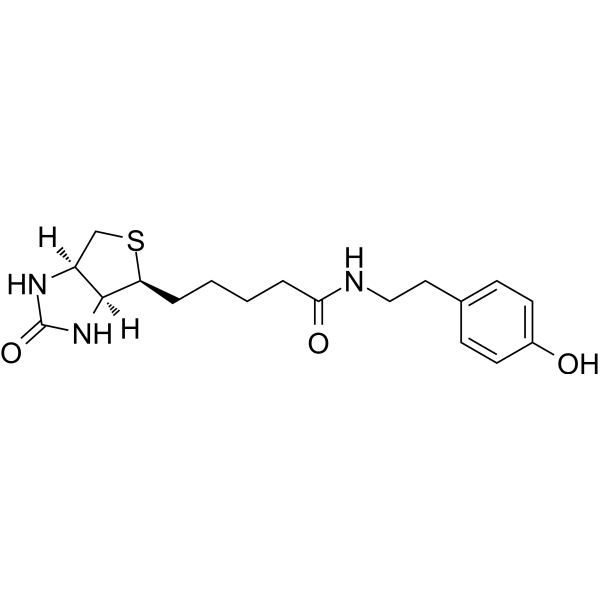
Biotinyl tyramide is a biotin derivative used for tyramide signal amplification (TSA), as a reagent to amplify both immunohistochemical signals and in situ hybridization protocols. Biotinyl tyramide can be used for the research of tyramide signal amplification .
|
-
-
- HY-66022
-
5-FAM
4 Publications Verification
5-Carboxyfluorescein
|
Fluorescent Dye
|
Others
|
|
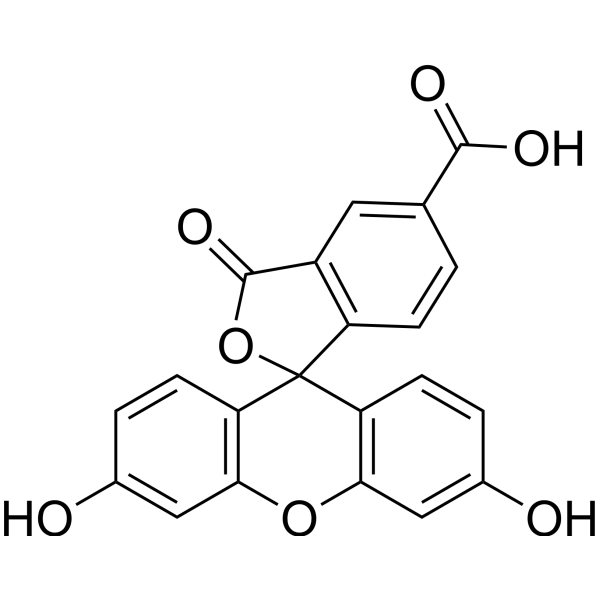
5-FAM (5-Carboxyfluorescein) is a green fluorescent reagent used for in situ labeling peptides, proteins and nucleotides. 5-FAM is a single isomer with Ex/Em of 490 nm/520 nm .
|
-
-
- HY-B1025
-
|
Lanadigenin
|
Fluorescent Dye
|
Inflammation/Immunology
|
|
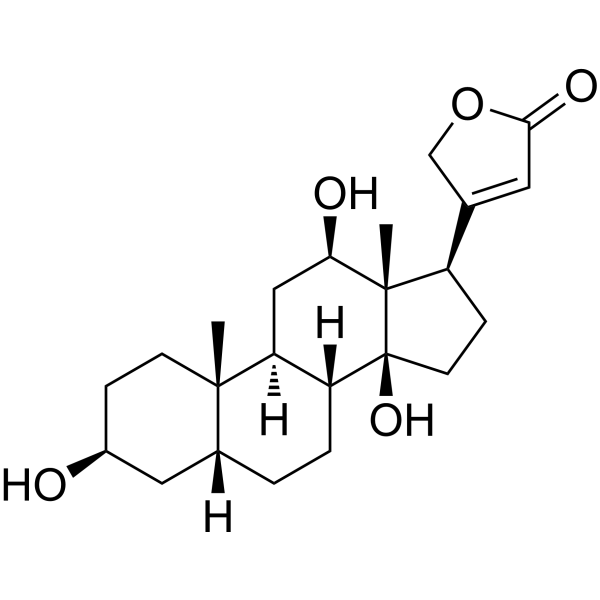
Digoxigenin (DIG) is a steroid. DIG is used for situ hybridization as a labeling molecule probe due to long shelf life and fast detection and high sensitivity of DIG-labeled riboprobes .
|
-
-
- HY-133821
-
|
|
G-quadruplex
|
Neurological Disease
|
|
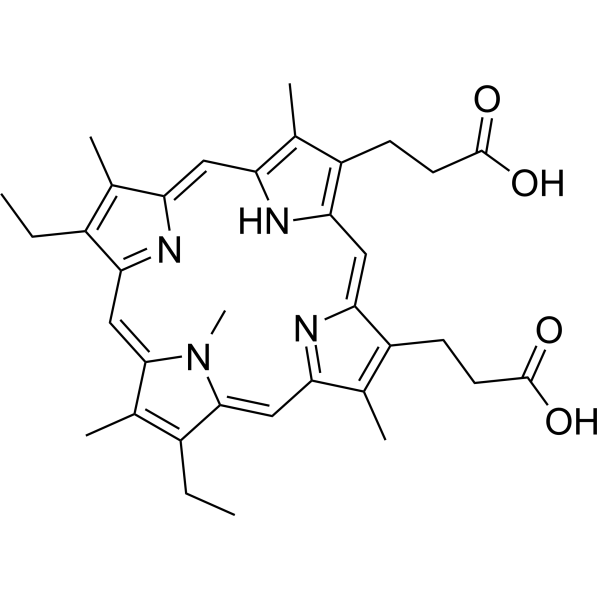
N-Methylmesoporphyrin IX (NMM), a widely used G-quadruplex DNA specific fluorescent binder, is an efficient probe for monitoring Aβ fibrillation. N-Methylmesoporphyrin IX is an in situ inhibitor and an ex situ monitor for Aβ amyloidogenesis both in vitro and in cells. N-Methylmesoporphyrin IX is sensitive to G-quadruplexes DNA but has no response to duplexes, triplexes and single-stranded forms DNA. N-Methylmesoporphyrin IX is nonfluorescent alone or in monomeric Aβ environments, but emits strong fluorescence through stacking with the Aβ assemblies .
|
-
-
- HY-131045
-
|
HCC-Amino-D-alanine hydrochloride
|
Bacterial
|
Infection
|
|
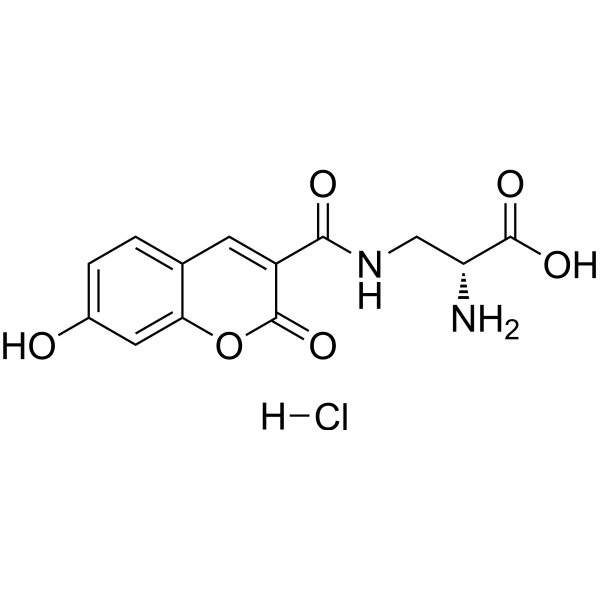
HADA hydrochloride (HCC-Amino-D-alanine hydrochloride) is a blue (λem~450 nm) fluorescent D-amino acid (FDAA). FDAAs are efficiently incorporated into the peptidoglycans (PGs) of diverse bacterial species at the sites of PG biosynthesis, allowing specific and covalent probing of bacterial growth with minimal perturbation .
|
-
-
- HY-D1840
-
|
|
Biochemical Assay Reagents
|
Others
|
|
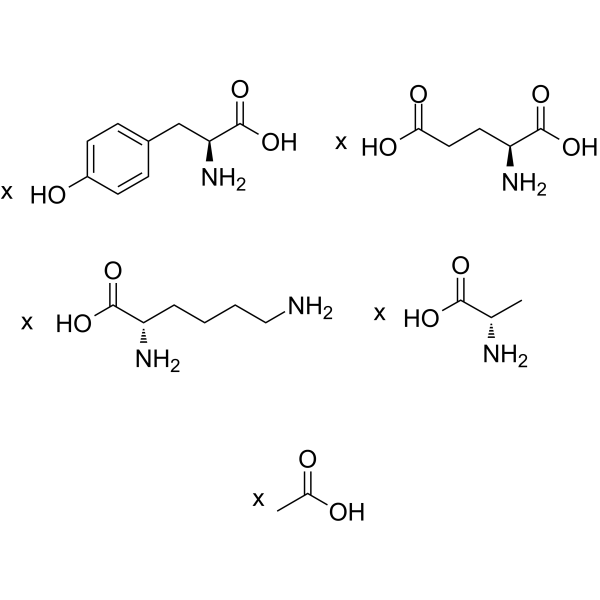
Tyramide Amplification Buffer is a ready-to-use buffer primarily intended for immunostaining of cells and tissues by the technique of tyramide signal amplification (TSA). Tyramide Amplification Buffer enables the reaction between tyramide-labeled antibodies and fluorescently labeled tyramide substitutes (tyramide) using peroxidase, resulting in a highly amplified fluorescent signal. Tyramide Amplification Buffer can be used for signal enhancement in detection methods such as immunofluorescence (IF), immunohistochemistry (IHC), or in situ hybridization (FISH) .
|
-
-
- HY-160523
-
|
|
Biochemical Assay Reagents
|
Others
|
|
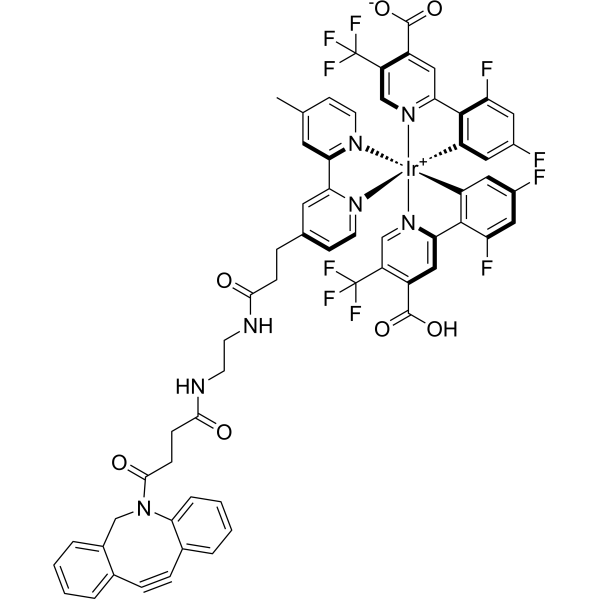
DBCO Ir catalyst is an iridium catalyst labeled with DBCO. DBCO Ir catalyst can be used for in situ labeling and imaging of biomolecules (e.g., proteins, nucleic acids) in living organisms or for constructing targeted drug delivery systems .
|
-
-
- HY-W075517
-
|
2-Methylimidazole zinc salt
|
MOFs
Caspase
Pyroptosis
|
Cancer
|
|
ZIF-8 (2-Methylimidazole zinc salt) is a pyroptosis inducer that activates the caspase-1/gasdermin D-dependent pyroptosis pathway. ZIF-8 induces pyroptotic cell death accompanied by necrosis and immunogenic cell death. ZIF-8 initiates in situ immunity, activates anti-tumor immunity, and reprograms the immunosuppressive tumor microenvironment to inhibit tumor growth. ZIF-8 acts as a pH-responsive and stimulus-responsive drug release inducer. ZIF-8 is applicable to cancer-related research .
|
-
-
- HY-154487
-
|
|
Biochemical Assay Reagents
|
Neurological Disease
|
|
Glycerol dioleate is a lipid capable of forming Lyotropic Liquid Crystal (LLC). When formulated with phosphatidylcholine and exposed to aqueous media, glycerol dioleate constructs an inverted hexagonal (HII) phase structure with sustained-release properties. The in-situ forming gel prepared by optimizing glycerol dioleate with phosphatidylcholine and N-methyl-2-pyrrolidone enables stable release of Risperidone (HY-11018) for up to 60 days in vitro and in vivo. Glycerol dioleate causes minimal side effects in rabbits, making it an ideal carrier component for the development of antischizophrenia agents .Note: Lyotropic liquid crystals (Lyotropic Liquid Crystal, LLC) are ordered fluid phases self-assembled by amphipathic molecules (e.g., lipids, surfactants) in solvents (usually water) at specific concentrations .
|
-
-
- HY-109520
-
|
|
MHC
|
Inflammation/Immunology
Cancer
|
|
Glatiramer acetate, a synthetic analogue of myelin basic protein and an immunomodulating agent, inhibits Experimental autoimmune encephalomyelitis (EAE), and can be used for the research of multiple sclerosis. Glatiramer acetate exhibits strong and promiscuous binding to MHC molecules and consequent competition with various myelin antigens for their presentation to T cells. A further aspect of its action is potent induction of specific suppressor cells of the T helper 2 (Th2) type that migrate to the brain and lead to in situ bystander suppression .
|
-
-
- HY-D1725
-
|
|
Fluorescent Dye
DNA Stain
|
Others
|
|
Cy3-dCTP is a directly fluorescently labeled deoxyribonucleotide, in which Cy3 is a cyanine fluorescent dye. Cy3-dCTP is used for direct enzymatic labeling of DNA and cDNA: with the aid of DNA polymerases, this modified nucleotide is incorporated into the extending DNA strand during processes such as reverse transcription, PCR, nick translation or random primer labeling .
|
-
-
- HY-D1808
-
|
|
Fluorescent Dye
|
Others
|
Vari Fluor 488-Streptavidin is a dye marker of Vari Fluor-streptavidin consisting of labeling streptavidin with a Vari Fluor series of fluorescent probes. Streptavidin is a high-affinity tetramer protein, each tetramer consisting of four identical streptavidin subunits. Streptavidin binds to biotin specifically via a reversible non-covalent effect. Streptavidin can achieve rapid and efficient detection of biotin markers, and is often used in immunofluorescence (IF), enzyme-linked immunosorbent assay (ELISA), immunohistochemical staining (IFH), in situ hybridization (ISH) and other experiments. Ex/Em=490 nm/515 nm. Product Concentration: 0.8 mg/mL
|
-
-
- HY-D1805
-
|
|
Fluorescent Dye
|
Others
|
Vari Fluor 647-Streptavidin is a dye marker of Vari Fluor-streptavidin consisting of labeling streptavidin with a Vari Fluor series of fluorescent probes. Streptavidin is a high-affinity tetramer protein, each tetramer consisting of four identical streptavidin subunits. Streptavidin binds to biotin specifically via a reversible non-covalent effect. Streptavidin can achieve rapid and efficient detection of biotin markers, and is often used in immunofluorescence (IF), enzyme-linked immunosorbent assay (ELISA), immunohistochemical staining (IFH), in situ hybridization (ISH) and other experiments. Ex/Em=650 nm/665 nm.
Product Concentration: 0.8 mg/mL
|
-
-
- HY-DY1044
-
|
|
Bacterial
|
Infection
|
HADA hydrochloride (HCC-Amino-D-alanine hydrochloride) is a blue (λem~450 nm) fluorescent D-amino acid (FDAA). FDAAs are efficiently incorporated into the peptidoglycans (PGs) of diverse bacterial species at the sites of PG biosynthesis, allowing specific and covalent probing of bacterial growth with minimal perturbation . Solvent and concentration: DMSO: 50 mM
|
-
-
- HY-148009
-
|
16:0-18:1 Cardiolipin sodium
|
Biochemical Assay Reagents
|
Others
|
|
Cardiolipin (16:0/18:1/16:0/18:1) (16:0-18:1 Cardiolipin) sodium is a di-saturated mitochondrial-specific anionic phospholipid sodium salt containing the long-chain fatty acid palmitic acid (HY-N0830) and the monounsaturated fatty acid oleic acid (HY-N1446). Cardiolipin (16:0/18:1/16:0/18:1) sodium undergoes in-source fragmentation via diglyceride (DG)-H2O fragment formation and (DG-H2O) fragment loss pathways. Cardiolipin (16:0/18:1/16:0/18:1) sodium can be used in the synthesis of lipid nanodiscs for application in in situ mass spectrometry .
|
-
-
- HY-D0219
-
|
Thymolsulphonephthalein
|
Fluorescent Dye
|
Others
|
|
Thymol blue is a reversible pH indicator that responds to the pH of the solution through structural changes of protonation and deprotonation. Thymol blue is red (HI - form) under acidic conditions and blue (I 2- form) under alkaline conditions. Quantitative detection is achieved through the absorption peak shift (435 nm/596 nm) of the UV-visible spectrum. Thymol blue selectively responds to pH changes, changing from red to yellow at pH 1.2-2.8 and from yellow to blue at pH 8.0-9.6. Thymol blue can be fixed in a silica gel matrix through sol-gel technology to form a solid-state sensor for in-situ pH measurement in the marine environment and acid-base monitoring in the biomedical field[1][2].
|
-
-
- HY-131008
-
|
|
Fluorescent Dye
|
Others
|
|
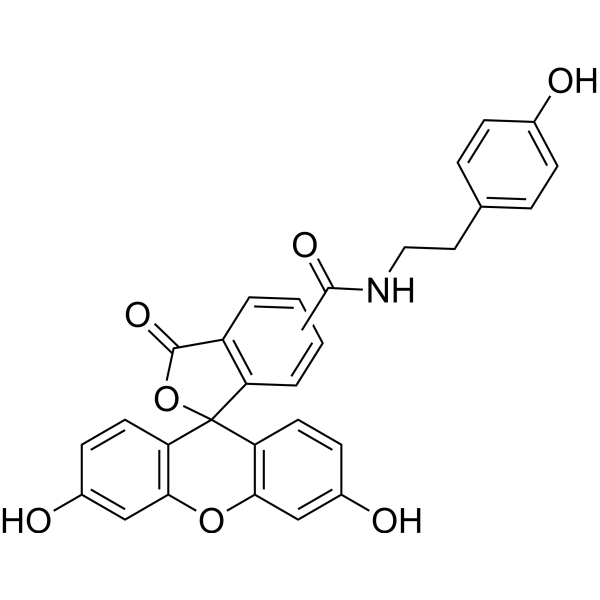
Fluorescein tyramide is a green fluorescent reagent (λabs: 494 nm; λem: 517 nm). Fluorescein tyramide is widely used for tyramide signal amplification (TSA) with a low-abundance in IHC, ICC, in situ hybridization (FISH) and flow cytometry (FCM) applications .
|
-
-
- HY-129121
-
|
|
MAGL
|
Neurological Disease
|
|
ML226 is a potent α/β hydrolase domain-containing protein 11 (ABHD11) inhibitor in vitro and in situ with IC50s of 15 and 0.68 nM, respectively .
|
-
-
- HY-136247
-
|
Tyramide-Cy5
|
DNA Stain
|
Others
|
|
Cyanine 5 Tyramide (Tyramide-Cy5), a red fluorescent dye, is utilized as reporter fluorescent substrate for horseradish peroxidase (HRP)-catalyzed deposition that is signal amplification technique in immunoassay and in situ hybridization of nucleic acids .
|
-
-
- HY-136248
-
|
Tyramide-Cy3
|
DNA Stain
Fluorescent Dye
|
Others
|
|
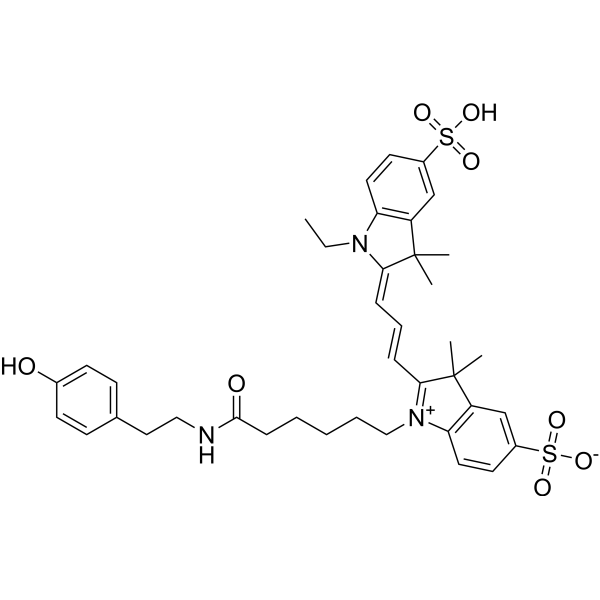
Cyanine 3 Tyramide (Tyramide-Cy3) is an orange fluorescent dye used as a reporter fluorescent substrate for horseradish peroxidase (HRP)-catalyzed deposition, which serves as a signal amplification technique in immunoassays and in situ nucleic acid hybridization .
|
-
-
- HY-D2000
-
|
|
Fluorescent Dye
|
Others
|
|
ATTO 488 is a hydrophilic rhodamine-based fluorescent dye with strong absorption and high fluorescence quantum yield. ATTO 488 is suitable for flow cytometry (FACS), fluorescence in situ hybridization (FISH) and most other labeling uses (Ex/Em: 500/520 nm) .
|
-
-
- HY-D1837
-
|
VF 488 Tyramide
|
Fluorescent Dye
|
Others
|
|
Vari Fluor 488 TSA(200×) (VF 488 Tyramide) is a fluorescent probe belonging to the Vari Fluor TSA series. Vari Fluor TSA series fluorescent probes can be used for high-density in situ labeling of target antigens using horseradish peroxidase (HRP) assays, which are widely used in ELISA, IF, IHC and other techniques with high detection sensitivity .
|
-
-
- HY-10294
-
|
SB-462795
|
Cathepsin
|
Metabolic Disease
Cancer
|
|
Relacatib (SB-462795) is a novel, potent, and orally active inhibitor of human cathepsins K, L, and V with Ki values of 41 pM, 68 pM, and 53 pM, respectively. Relacatib inhibits endogenous cathepsin K in situ in human osteoclasts and human osteoclast-mediated bone resorption with IC50 values of 45 nM and 70 nM, respectively. Relacatib inhibits bone resorption in vitro in human tissue as well as in cynomolgus monkeys in vivo .
|
-
-
- HY-D2186
-
|
|
Biochemical Assay Reagents
|
Others
|
|
BTD probe-1 is a benzothiazine-based chemoproteomic probe and selective protein S-sulfenic acid (Cys-SOH) labeling agent. BTD probe-1 labels protein S-sulfenic acids in vitro in cell and tissue samples, and in situ in intact cells, enabling detection or enrichment of modified proteins/peptides. BTD probe-1 exhibits no cytotoxicity in cells at concentrations ≤1 mM. BTD probe-1 enables global, site-specific mapping and quantification of cysteine S-sulfenylation in complex proteomes with lower input material .
|
-
-
- HY-D1807
-
|
|
Fluorescent Dye
|
Others
|
Vari Fluor 555-Streptavidin is a dye marker of Vari Fluor-streptavidin consisting of labeling streptavidin with a Vari Fluor series of fluorescent probes. Streptavidin is a high-affinity tetramer protein, each tetramer consisting of four identical streptavidin subunits. Streptavidin binds to biotin specifically via a reversible non-covalent effect. Streptavidin can achieve rapid and efficient detection of biotin markers, and is often used in immunofluorescence (IF), enzyme-linked immunosorbent assay (ELISA), immunohistochemical staining (IFH), in situ hybridization (ISH) and other experiments. Ex/Em=555 nm/565 nm. Product Concentration: 0.8 mg/mL
|
-
-
- HY-119309
-
|
|
Environmental Pollutants
Biochemical Assay Reagents
|
Others
|
|
Sucrose octaacetate is an acetylated derivative of sucrose with an intensely bitter tasting and can be used as bitter tasting surrogate. Sucrose octaacetate can be used as food additive and also used as an adhesive and plasticizer. Sucrose octaacetate also used in many pesticides, insecticides, and other toxic products as a deterrent to accidental poisoning. Sucrose octaacetate can also be used as an in situ seed and a soft template to synthesize polyaniline (PANI) nanofibers .
|
-
-
- HY-75070
-
|
|
Biochemical Assay Reagents
|
Others
|
|
(+)-1-(1-Naphthyl)ethylamine ((+)-1-(1-NEA)) is a chiral modifier used to introduce enantioselectivity in catalytic hydrogenation reactions. 1-NEA can undergo H-D exchange with D2 in solution to form N?D bonds. That is, 1-NEA can complete Pt surface adsorption and protonation through amine N atoms, indicating that NEA molecules have the potential to impart enantioselectivity to Pt hydrogenation catalysts .
|
-
-
- HY-D1690A
-
|
|
Fluorescent Dye
|
Others
|
|
sBADA is a potent green fluorescent dye. sBADA is a sulfonated BODIPY-FL 3-amino-D-alanine. sBADA is used to label peptidoglycans in bacterial cell walls in situ. (λex=490 nm, λem=510 nm) .
|
-
-
- HY-DY1075
-
|
|
G-quadruplex
|
Neurological Disease
|
N-Methylmesoporphyrin IX (NMM) (solution) , a widely used G-quadruplex DNA specific fluorescent binder, is an efficient probe for monitoring Aβ fibrillation. N-Methylmesoporphyrin IX is an in situ inhibitor and an ex situ monitor for Aβ amyloidogenesis both in vitro and in cells. N-Methylmesoporphyrin IX is sensitive to G-quadruplexes DNA but has no response to duplexes, triplexes and single-stranded forms DNA. N-Methylmesoporphyrin IX is nonfluorescent alone or in monomeric Aβ environments, but emits strong fluorescence through stacking with the Aβ assemblies . Solvent and concentration: DMSO: 2 mM
|
-
-
- HY-D1806
-
|
|
Fluorescent Dye
|
Others
|
Vari Fluor 594-Streptavidin is a dye marker of Vari Fluor-streptavidin consisting of labeling streptavidin with a Vari Fluor series of fluorescent probes. Streptavidin is a high-affinity tetramer protein, each tetramer consisting of four identical streptavidin subunits. Streptavidin binds to biotin specifically via a reversible non-covalent effect. Streptavidin can achieve rapid and efficient detection of biotin markers, and is often used in immunofluorescence (IF), enzyme-linked immunosorbent assay (ELISA), immunohistochemical staining (IFH), in situ hybridization (ISH) and other experiments. Ex/Em=590 nm/617 nm. Product Concentration: 0.8 mg/mL
|
-
-
- HY-120252
-
|
|
Ser/Thr Protease
|
Neurological Disease
|
|
ABC44 is a potent serine hydrolase inhibitor with IC50s of 0.1 μM and 6.5 μM for palmitoyl protein thioesterase 1 (PPT1) in situ and in vitro, respectively. ABC44 can be used for researching infantile neuronal ceroid lipofuscinosis .
|
-
-
- HY-D1835
-
|
VF 594 Tyramide
|
Fluorescent Dye
|
Others
|
|
Vari Fluor 594 TSA (200×) (VF 594 Tyramide) is a fluorescent probe belonging to the Vari Fluor TSA series. Vari Fluor TSA series fluorescent probes can be used for high-density in situ labeling of target antigens using horseradish peroxidase (HRP) assays, which are widely used in ELISA, IF, IHC and other techniques with high detection sensitivity .
|
-
-
- HY-D1836
-
|
VF 555 Tyramide
|
Fluorescent Dye
|
Others
|
|
Vari Fluor 555 TSA (200x) , also know as VF 555 Tyramide. Vari Fluor 555 TSA (200x) is one of Vari Fluor TSA series fluorescent probes, which can be used for high-density in situ labeling assays. Vari Fluor TSA series target antigens via horseradish peroxidase (HRP), which are widely used in ELISA, IF, IHC and other techniques with high detection sensitivity .
|
-
-
- HY-D1809
-
|
|
Fluorescent Dye
|
Others
|
Vari Fluor 405-Streptavidin is a dye marker of Vari Fluor-streptavidin consisting of labeling streptavidin with a Vari Fluor series of fluorescent probes. Streptavidin is a high-affinity tetramer protein, each tetramer consisting of four identical streptavidin subunits. Streptavidin binds to biotin specifically via a reversible non-covalent effect. Streptavidin can achieve rapid and efficient detection of biotin markers, and is often used in immunofluorescence (IF), enzyme-linked immunosorbent assay (ELISA), immunohistochemical staining (IFH), in situ hybridization (ISH) and other experiments. Ex/Em=405 nm/431 nm. Product Concentration: 0.8 mg/mL
|
-
-
- HY-D1804
-
|
|
Fluorescent Dye
|
Others
|
Vari Fluor 680-Streptavidin is a dye marker of Vari Fluor-streptavidin consisting of labeling streptavidin with a Vari Fluor series of fluorescent probes. Streptavidin is a high-affinity tetramer protein, each tetramer consisting of four identical streptavidin subunits. Streptavidin binds to biotin specifically via a reversible non-covalent effect. Streptavidin can achieve rapid and efficient detection of biotin markers, and is often used in immunofluorescence (IF), enzyme-linked immunosorbent assay (ELISA), immunohistochemical staining (IFH), in situ hybridization (ISH) and other experiments. Ex/Em=680 nm/701 nm. Product Concentration: 0.8 mg/mL
|
-
-
- HY-D2205
-
|
Cy7 TSA
|
Fluorescent Dye
|
Others
|
|
Cy7 tyramide, a red fluorescent dye, is utilized as reporter fluorescent substrate for horseradish peroxidase (HRP)-catalyzed deposition that is signal amplification technique in immunoassay and in situ hybridization of nucleic acids.
|
-
-
- HY-D1831
-
|
VF 620 Tyramide
|
Fluorescent Dye
|
Others
|
|
Vari Fluor 620 TSA (200×) (VF 620 Tyramide) is a fluorescent probe belonging to the Vari Fluor TSA series. Vari Fluor TSA series fluorescent probes can be used for high-density in situ labeling of target antigens using horseradish peroxidase (HRP) assays, which are widely used in ELISA, IF, IHC and other techniques with high detection sensitivity .
|
-
-
- HY-D1832
-
|
VF 532 Tyramide
|
Fluorescent Dye
|
Others
|
|
Vari Fluor 532 TSA (200×) (VF 532 Tyramide) is a fluorescent probe belonging to the Vari Fluor TSA series. Vari Fluor TSA series fluorescent probes can be used for high-density in situ labeling of target antigens using horseradish peroxidase (HRP) assays, which are widely used in ELISA, IF, IHC and other techniques with high detection sensitivity .
|
-
-
- HY-D1833
-
|
VF 680 Tyramide
|
Fluorescent Dye
|
Others
|
|
Vari Fluor 680 TSA (200×) (VF 680 Tyramide) is a fluorescent probe belonging to the Vari Fluor TSA series. Vari Fluor TSA series fluorescent probes can be used for high-density in situ labeling of target antigens using horseradish peroxidase (HRP) assays, which are widely used in ELISA, IF, IHC and other techniques with high detection sensitivity .
|
-
-
- HY-D1834
-
|
VF 640 Tyramide
|
Fluorescent Dye
|
Others
|
|
Vari Fluor 640 TSA(200×) (VF 640 Tyramide) is a fluorescent probe belonging to the Vari Fluor TSA series. Vari Fluor TSA series fluorescent probes can be used for high-density in situ labeling of target antigens using horseradish peroxidase (HRP) assays, which are widely used in ELISA, IF, IHC and other techniques with high detection sensitivity .
|
-
-
- HY-177764
-
|
|
Amino Acid Derivatives
|
Others
|
|
Tet-v2.0-ethyl is a tetrazine non-canonical amino acid. Tet-v2.0-ethyl can stably exist within living cells without being degraded, enabling in situ labeling of intracellular biomolecules. Tet-v2.0-ethyl is mainly used as a bioorthogonal labeling tool compound .
|
-
-
- HY-149085
-
|
|
RAR/RXR
|
Cancer
|
|
XS-060 is a potent anticancer agent and RXRα antagonist. XS-060 significantly induces RXRα-dependent mitotic arrest by inhibiting pRXRα-PLK1 interaction. XS-060 inhibits p-RXRα interaction with PLK1 but has no effect on RXRα heterodimerization with RARγ. XS-060 inhibits the in situ interaction between p-RXRα and PLK1 at the centrosome .
|
-
-
- HY-D0219A
-
|
|
Fluorescent Dye
|
Others
|
|
Thymol Blue sodium is an acid-base indicator used to indicate changes in pH. Thymol Blue sodium fades from red to yellow at pH 1.2 to 2.8 and from yellow to blue at pH 8.0 to 9.6. Quantitative detection is achieved through the absorption peak shift (435 nm/596 nm) of the UV-visible spectrum. Thymol blue sodium can be fixed in a silica gel matrix through sol-gel technology to form a solid-state sensor for in-situ pH measurement in the marine environment and acid-base monitoring in the biomedical field .
|
-
-
- HY-100987
-
|
|
Biochemical Assay Reagents
|
Others
|
|
Lauroylcarnitine chloride enhances the absorption of salmon calcitonin in rats. Also in determining in situ bioavailability, increased availability of Lucifer yellow and decreased expression of claudin-4 protein in the colon .
|
-
-
- HY-136247A
-
|
|
DNA Stain
|
Others
|
|
Cyanine 5 Tyramide (Tyramide-Cy5) methyl indole is a red fluorescent dye. Cyanine 5 Tyramide is utilized as reporter fluorescent substrate for horseradish peroxidase (HRP)-catalyzed deposition that is signal amplification technique in immunoassay and in situ hybridization of nucleic acids . Storage: protect from light.
|
-
-
- HY-W174556
-
|
3-mBSA
|
Drug Derivative
|
Others
|
|
2-(3-Methylbenzyl)succinic acid (3-mBSA) is a degradation product of anaerobic toluene and ethylbenzene/xylene. 2-(3-Methylbenzyl)succinic acid can serve as a qualitative in situ indicator of toluene and ethylbenzene/xylene in contaminated groundwater .
|
-
-
- HY-155684
-
|
|
PROTACs
VEGFR
PDGFR
Ephrin Receptor
|
Cancer
|
|
SA-PA is an intracellular self-assembled PROTAC based on azide and alkyne. SA-PA is able to selectively degrade VEGFR-2, PDGFR-β and EphB4 proteins in U87 cells. SA-PA can be converted to PROTAC in situ by click reaction with the help of endogenous copper in tumor tissues .
|
-
-
- HY-P11204
-
|
|
Peptide-Drug Conjugates (PDCs)
|
Others
|
|
DDDEEKC is a bioinspired peptide sequence that can selectively adsorb onto the enamel surface (mimicking the role of salivary acquired pellicle protein statherin), acting as a "target - guiding agent" for tooth enamel remineralization. DDDEEKC enhances the regeneration of hydroxyapatite (HAP). DDDEEKC is promising for research of in-situ remineralization repair of enamel demineralization damage (such as dental caries) .
|
-
-
- HY-165424
-
|
|
Fluorescent Dye
Glycosidase
|
Cardiovascular Disease
Cancer
|
|
NIR-BG2 is a near-infrared fluorescent probe targeting senescence-associated β-galactosidase (SA-β-Gal). NIR-BG2 is activated by SA-β-Gal and undergoes hydrolysis to release electrophilic quinone methide that covalently binds to surrounding proteins for in situ labeling, with a 16-fold enhancement of fluorescence signal at 709 nm . NIR-BG2 is promising for research of vivo imaging of cellular senescence .
|
-
-
- HY-16387
-
|
|
VEGFR
|
Others
|
|
PF-00337210 is a potent and selective inhibitor of VEGFRs, designed for treating age-related macular degeneration via intravitreal injection. The formulation strategy focused on developing an ophthalmic solution that would precipitate upon injection into the vitreous, ensuring sustained drug delivery. Challenges included maintaining low dosing volumes, selecting safe excipients for intravitreal use, and addressing the drug's unique physicochemical properties. The final formulation, an isotonic solution in a citrate-buffered vehicle with NaCl, demonstrated stability, potency, and recovery through intravitreal dosing syringes. It formed a depot upon injection into vitreous humor, representing a novel nonpolymeric in situ-forming depot formulation for intravitreal drug delivery .
|
-
- HY-B1025R
-
|
Lanadigenin (Standard)
|
Fluorescent Dye
Reference Standards
|
Inflammation/Immunology
|
|
Digoxigenin (Standard) is the analytical standard of Digoxigenin. This product is intended for research and analytical applications. Digoxigenin (DIG) is a steroid. DIG is used for situ hybridization as a labeling molecule probe due to long shelf life and fast detection and high sensitivity of DIG-labeled riboprobes .
|
-
- HY-D1690
-
|
|
Fluorescent Dye
|
Others
|
|
sBADA TFA is a potent green fluorescent dye. sBADA TFA is a sulfonated BODIPY-FL 3-amino-D-alanine. sBADA TFA is used to label peptidoglycans in bacterial cell walls in situ. (λex=490 nm, λem=510 nm) .
|
-
- HY-135641
-
|
|
Fluorescent Dye
|
Others
|
|
Biotin-probe 1 is a non-radiolabeled probe. Biotin-labeled probes can be applied to in situ hybridization .
|
-
- HY-123602
-
|
|
iGluR
|
Neurological Disease
|
|
CGP 55802A is a novel photoaffinity ligand for in situ labeling of NMDA receptors with high selectivity for the glutamate recognition site .
|
-
- HY-D1400
-
|
|
Fluorescent Dye
|
Others
|
|
HBTP-H2S (chloride) is a NIR fluorescent probe for in situ bioimaging of endogenous H2S in rice roots under Al 3+ and flooding stresses.
|
-
- HY-149835
-
|
|
Fluorescent Dye
|
Others
|
|
TTX-P is a fluorescent probe. TTX-P responds in situ to the overexpressed alkaline phosphatase (ALP) in liver, imaging of diabetic liver injury in the near-infrared second-window (NIR-II) region .
|
-
- HY-D2974
-
|
|
Fluorescent Dye
|
Others
|
|
DCI-Ac-HMPC is a near-infrared thiol probe. DCI-Ac-HMPC can trigger the intramolecular cascade reaction to in-situ generate NIR coumarin fluorophore. DCI-Ac-HMPC can be used to track the level of thiols .
|
-
- HY-D1839
-
|
Biotin Tyramide
|
Fluorescent Dye
|
Others
|
|
Biotin TSA (200×) (Biotin Tyramide) is a biotin derivative used for tyramide signal amplification (TSA), as a reagent to amplify both immunohistochemical signals and in situ hybridization protocols. Biotinyl tyramide can be used for the research of tyramide signal amplification .
|
-
- HY-136248A
-
|
|
Fluorescent Dye
DNA Stain
|
Others
|
|
Cyanine 3 Tyramide methyl indole is a derivative of Cyanine 3 Tyramide (HY-136248). Cyanine 3 Tyramide is an orange fluorescent dye, and is utilized as reporter fluorescent substrate for horseradish peroxidase (HRP)-catalyzed deposition that is signal amplification technique in immunoassay and in situ hybridization of nucleic acids .
|
-
- HY-W714529
-
|
Lanadigenin-d3
|
Isotope-Labeled Compounds
Fluorescent Dye
|
Inflammation/Immunology
|
|
Digoxigenin-d3 (Lanadigenin-d3) is the deuterium labeled Digoxigenin (HY-B1025). Digoxigenin (DIG) is a steroid. DIG is used for situ hybridization as a labeling molecule probe due to long shelf life and fast detection and high sensitivity of DIG-labeled riboprobes .
|
-
- HY-125658S
-
|
|
Isotope-Labeled Compounds
|
Others
|
|
Biotinyl tyramide-d4 is a deuterated labeled Biotinyl tyramide (HY-125658). Biotinyl tyramide is a biotin derivative used for tyramide signal amplification (TSA), as a reagent to amplify both immunohistochemical signals and in situ hybridization protocols. Biotinyl tyramide can be used for the research of tyramide signal amplification .
|
-
- HY-D2012
-
|
|
Fluorescent Dye
|
Others
|
|
ATTO 488 iodacetamid is a fluorescent dye suitable for single molecule detection applications and high-resolution microscopy for use in flow cytometry (FACS), fluorescence in situ hybridization (FISH) experiments. ATTO 488 iodacetamid has an effective excitation wavelength of 480-515 nm. When using an argon ion laser, the excitation wavelength is recommended to be 488 nm.
|
-
- HY-W154295
-
|
|
Fluorescent Dye
|
Others
|
|
Purple-β-D-Gal is a chromogenic β-galactosidase substrate. Intracellular enzymatic hydrolysis of Purple-β-D-Gal generates free indoxyl molecules, which undergo in situ oxidation and subsequent dimerization to produce chromogenic, water-insoluble, indigo precipitates. Purple-β-D-Gal can be used for the detection of β-galactosidase activity .
|
-
- HY-155685
-
|
|
PROTACs
VEGFR
Ephrin Receptor
Apoptosis
|
Cancer
|
|
SA-VA is an intracellular self-assembled PROTAC based on azide and alkyne. SA-VA is able to selectively degrade VEGFR-2 and EphB4 proteins in U87 cells. SA-VA can be converted to PROTAC in situ by click reaction with the help of endogenous copper in tumor tissues. SA-VA promotes apoptosis and blocks cells in S phase .
|
-
- HY-D1838
-
|
VF 350 Tyramide
|
Fluorescent Dye
|
Others
|
|
Vari Fluor 350 TSA(200×) (VF 350 Tyramide) is a fluorescent probe belonging to the Vari Fluor TSA series. Vari Fluor TSA series fluorescent probes can be used for high-density in situ labeling of target antigens using horseradish peroxidase (HRP) assays, which are widely used in ELISA, IF, IHC and other techniques with high detection sensitivity .
|
-
- HY-160281
-
|
|
GCGR
Adenosine Receptor
|
Metabolic Disease
|
|
CCD-2 is a conventional detergent and is readily degraded. CCD-2 can efficiently solubilize and stabilize diverse G protein-coupled receptors (GPCRs). CCD-2 is amenable to the β-barrel protein research. The chemical cleavage of CCD-2 is rapid, complete and biorthogonal and should facilitate a chemical methodology for in situ detergent replacement in diverse membrane proteins (MPs) studies .
|
-
- HY-119309R
-
|
|
Biochemical Assay Reagents
Reference Standards
|
Others
|
|
Sucrose octaacetate (Standard) is the analytical standard of Sucrose octaacetate. This product is intended for research and analytical applications. Sucrose octaacetate is an acetylated derivative of sucrose with an intensely bitter tasting and can be used as bitter tasting surrogate. Sucrose octaacetate can be used as food additive and also used as an adhesive and plasticizer. Sucrose octaacetate also used in many pesticides, insecticides, and other toxic products as a deterrent to accidental poisoning. Sucrose octaacetate can also be used as an in situ seed and a soft template to synthesize polyaniline (PANI) nanofibers .
|
-
- HY-159921
-
|
|
Microtubule/Tubulin
|
Cancer
|
|
Tubulin Polymerization-IN-1 prodrug (Compound 2b) is a palladium (Pd)-mediated tubulin polymerization inhibitor prodrug. Developed based on colchicine binding site inhibitors (CBSIs), it reduces toxicity and enhances targeted release properties. Compared to the parent compound, Tubulin Polymerization-IN-1 prodrug exhibited 68.3-fold lower cytotoxicity, which can be restored in situ in the presence of Pd resin. Mechanistic studies showed that its anticancer activity is consistent with CBSIs. In vivo, Tubulin Polymerization-IN-1 prodrug significantly inhibited tumor growth (63.2%) when activated by Pd resin. It holds promise for research in the field of anticancer therapy .
|
-
- HY-N9903
-
|
TDDC
|
Others
|
Others
|
|
Tetrahydrodehydrodiconiferyl alcohol (TDDC) is a reduction product of dihydrodehydrodiconiferyl alcohol catalyzed by phenylcoumaran benzylic ether reductase. Tetrahydrodehydrodiconiferyl alcohol can be isolated from a hydrogenolysis product of protolignin .
|
-
- HY-D2747
-
|
|
Fluorescent Dye
|
Others
|
|
BP Fluor 405 acid is a water-soluble, blue-fluorescent dye that is often used in multi-color applications, including flow cytometry and super-resolution microscopy using STORM. Its excitation is ideally suited for the 407 nm spectral line of the krypton laser or the 408 nm violet laser diode. BP Fluor 405 conjugates are pH-insensitive from pH 4 to pH 10.
The carboxylic acid of BP Fluor 405 is a reagent of choice for the preparation of custom activated esters that often are not commercially available. Examples of such activated esters include sulfo-NHS, TFP (2,3,5,6-Tetrafluorophenol), and STP (4-Sulfo-2,3,5,6-Tetrafluorophenol, Sodium Salt). Another common application for the non-activated carboxylic acid is peptide modification during solid phase synthesis, which usually requires in-situ activation with peptide coupling regents, e.g. HATU. BP Fluor 405 acid is also often used for control experiments, and for calibration.
|
-
- HY-W895360
-
|
|
Biochemical Assay Reagents
|
Others
|
|
pacFA is a bifunctional fatty acid with both photocrosslinking and click chemistry properties. pacFA can be metabolically incorporated into phospholipids by cells, enabling in-situ capture, identification and imaging of protein-lipid interactions in live cells and living organisms via ultraviolet crosslinking and click reactions .
|
-
- HY-178588
-
|
|
Nucleoside Antimetabolite/Analog
|
Cancer
|
|
Fluorescein-12-dUTP is a fluorescent labeling and detection reagent that can be used for nucleic acid synthesis. Fluorescein-12-dUTP can be used to synthesize labeled DNA probes for in situ hybridization, microarray or western blot analysis .
|
-
- HY-171784
-
|
|
Liposome
|
Cancer
|
|
Lipid PPz-2R1 is a lung-targeted lipid. Lipid PPz-2R1 is formulated into lipid nanoparticles (LNPs) for mRNA delivery. Lipid PPz-2R1 can be used for in situ lung cancer research .
|
-
- HY-177764A
-
|
|
Amino Acid Derivatives
|
Others
|
|
Tet-v2.0-ethyl hydrochloride is a tetrazine non-canonical amino acid. Tet-v2.0-ethyl hydrochloride can stably exist within living cells without being degraded, enabling in situ labeling of intracellular biomolecules. Tet-v2.0-ethyl hydrochloride is mainly used as a bioorthogonal labeling tool compound .
|
-
- HY-D3166
-
|
|
Fluorescent Dye
|
Others
|
|
CEMT is a carboxylesterase (CE) substrate and a ratiometric two-photon fluorescent reporter probe. CEMT can be hydrolyzed by CE to generate HMT, which is used for mitochondrial pH sensing. After activation by CE, CEMT exhibits ratiometric fluorescence changes in response to pH variations. CEMT targets and covalently binds to mitochondria, and can avoid leakage during acidification, thus enabling in situ imaging .
|
-
- HY-177696
-
|
|
Biochemical Assay Reagents
|
Others
|
|
3-[4-(2-Propyn-1-yloxy)phenyl]-2H-azirine (Compound AZ-9) is a reactive probe based on 3-phenyl-2H-azirine, enabling chemoselective bioconjugation of carboxyl residues in proteins with excellent labeling efficiency and specificity under both in vitro and in situ conditions in live cells .
|
-
- HY-D3169
-
|
|
Fluorescent Dye
Caspase
|
Inflammation/Immunology
|
|
IETDC is a caspase 8 probe substrate. IETDC is cleaved by activated caspase 8 to release D-cysteine. The D-cysteine released by IETDC binds to HCBT to generate firefly luciferin in situ, accompanied by a bioluminescent signal produced by H2O2-mediated release of 6-hydroxy-2-cyanobenzothiazole. IETDC is applicable to studies related to acute inflammation .
|
-
- HY-D2973
-
|
|
Fluorescent Dye
|
Others
|
|
YH-APN is a high-performance APN activated near-infrared fluorescent probe. YH-APN has high sensitivity, high selectivity, fast response, and can achieve extremely high tumor/normal tissue signal-to-noise ratio through in situ spraying. YH-APN can specifically distinguish cancer cells with high expression of APN from normal cells and monitor the migration of cancer cells .
|
-
- HY-D3225
-
|
|
Fluorescent Dye
|
Neurological Disease
|
|
MD-B is a •OH Fluorescent probe with blood-brain barrier permeability. MD-B undergoes single-electron oxidation by hydroxyl radicals (•OH), which triggers fluorescence enhancement and enables in-situ imaging of •OH. MD-B allows imaging analysis of hydroxyl radicals (•OH) in the mouse brain, revealing a positive correlation between elevated •OH levels and the severity of depressive phenotypes. MD-B can be used in depression-related research .
|
-
- HY-D3211
-
|
|
Fluorescent Dye
Apoptosis
Autophagy
|
Cancer
|
|
HJTA is a selective, pH/GSH dual-responsive Fluorescent probe and anticancer agent. HJTA selectively undergoes an enzymatic reaction with GSTπ. HJTA induces Apoptosis and Autophagy by regulating the expression of apoptotic and autophagic proteins. HJTA exhibits pH- and GSH-dual-responsive fluorescence in tumor cells. HJTA selectively illuminates tumor tissues, enabling precise in situ visualization of colon tumors. HJTA exerts anticancer effects against colon cancer. HJTA can be used for colon cancer research .
|
-
- HY-183866
-
|
Maleimide-KGDEVD-doxorubicin
|
HSP
IFNAR
|
Cancer
|
|
MPD-1 (Maleimide-KGDEVD-doxorubicin) is a peptide drug conjugate (PDC). MPD-1 enhances CD8 + T cell tumor infiltration, and activates antigen-presenting cells. MPD-1 enables dual-trigger payload release, amplifies cytotoxicity via in situ feedback, and selectively delivers payload to tumor microenvironments via enhanced albumin metabolism and macropinocytosis. MPD-1 exhibits antitumor efficacy in mouse colorectal cancer models. MPD-1 can be used for the research of colorectal cancer .
|
-
- HY-10294R
-
|
SB-462795 (Standard)
|
Reference Standards
Cathepsin
|
Metabolic Disease
Cancer
|
|
Relacatib (Standard) is the analytical standard of Relacatib (HY-10294). This product is intended for research and analytical applications. Relacatib (SB-462795) is a novel, potent, and orally active inhibitor of human cathepsins K, L, and V with Ki values of 41 pM, 68 pM, and 53 pM, respectively. Relacatib inhibits endogenous cathepsin K in situ in human osteoclasts and human osteoclast-mediated bone resorption with IC50 values of 45 nM and 70 nM, respectively. Relacatib inhibits bone resorption in vitro in human tissue as well as in cynomolgus monkeys in vivo .
|
-
- HY-D3188
-
|
|
Fluorescent Dye
|
Cancer
|
|
gGlu-2OMe SiR600 is a γ-glutamyl transpeptidase (GGT) responsive fluorescent probe. gGlu-2OMe SiR600 can be converted into a highly fluorescent molecule via reaction with GGT, and its initial fluorescence is quenched through a photoinduced electron transfer (PeT) mechanism. gGlu-2OMe SiR600 exhibits fluorescence activation in malignant breast cancer and benign breast fibroadenoma tissues, enabling lesion visualization. gGlu-2OMe SiR600 can be used for research related to breast cancer and fibroadenoma .
|
-
- HY-186072
-
|
|
NOD-like Receptor (NLR)
Interleukin Related
Cytochrome P450
|
Neurological Disease
Metabolic Disease
Inflammation/Immunology
|
|
NT-0527 is a selective, orally active, and brain-permeable NLRP3 inflammasome inhibitor. NT-0527 can specifically block the formation of the NLRP3 inflammasome, resulting in the reduction in the maturation and release of IL-1β, exhibit inhibition on CYP2C19. NT-0527 displays anti-inflammatory activity in the mouse LPS (HY-D1056) /ATP (HY-B2176)-induced peritonitis model. NT-0527 can be used for the research of neuroinflammatory disorders (Parkinson's disease, Alzheimer's disease, amyotrophic lateral sclerosis) and peripheral inflammatory disorders (type II diabetes, atherosclerosis, gout, etc.) associated with NLRP3 inflammasome .
|
-
| Cat. No. |
Product Name |
Type |
-
- HY-66022
-
5-FAM
4 Publications Verification
5-Carboxyfluorescein
|
Fluorescent Dye
|
|
5-FAM (5-Carboxyfluorescein) is a green fluorescent reagent used for in situ labeling peptides, proteins and nucleotides. 5-FAM is a single isomer with Ex/Em of 490 nm/520 nm .
|
-
- HY-B1025
-
|
Lanadigenin
|
Fluorescent Dye
|
|
Digoxigenin (DIG) is a steroid. DIG is used for situ hybridization as a labeling molecule probe due to long shelf life and fast detection and high sensitivity of DIG-labeled riboprobes .
|
-
- HY-133821
-
|
|
Fluorescent Dye
|
|
N-Methylmesoporphyrin IX (NMM), a widely used G-quadruplex DNA specific fluorescent binder, is an efficient probe for monitoring Aβ fibrillation. N-Methylmesoporphyrin IX is an in situ inhibitor and an ex situ monitor for Aβ amyloidogenesis both in vitro and in cells. N-Methylmesoporphyrin IX is sensitive to G-quadruplexes DNA but has no response to duplexes, triplexes and single-stranded forms DNA. N-Methylmesoporphyrin IX is nonfluorescent alone or in monomeric Aβ environments, but emits strong fluorescence through stacking with the Aβ assemblies .
|
-
- HY-131045
-
|
HCC-Amino-D-alanine hydrochloride
|
Fluorescent Dye
|
|
HADA hydrochloride (HCC-Amino-D-alanine hydrochloride) is a blue (λem~450 nm) fluorescent D-amino acid (FDAA). FDAAs are efficiently incorporated into the peptidoglycans (PGs) of diverse bacterial species at the sites of PG biosynthesis, allowing specific and covalent probing of bacterial growth with minimal perturbation .
|
-
- HY-D1840
-
|
|
Fluorescent Dye
|
|
Tyramide Amplification Buffer is a ready-to-use buffer primarily intended for immunostaining of cells and tissues by the technique of tyramide signal amplification (TSA). Tyramide Amplification Buffer enables the reaction between tyramide-labeled antibodies and fluorescently labeled tyramide substitutes (tyramide) using peroxidase, resulting in a highly amplified fluorescent signal. Tyramide Amplification Buffer can be used for signal enhancement in detection methods such as immunofluorescence (IF), immunohistochemistry (IHC), or in situ hybridization (FISH) .
|
-
- HY-D1725
-
|
|
Fluorescent Dye
|
|
Cy3-dCTP is a directly fluorescently labeled deoxyribonucleotide, in which Cy3 is a cyanine fluorescent dye. Cy3-dCTP is used for direct enzymatic labeling of DNA and cDNA: with the aid of DNA polymerases, this modified nucleotide is incorporated into the extending DNA strand during processes such as reverse transcription, PCR, nick translation or random primer labeling .
|
-
- HY-D1808
-
|
|
Fluorescent Dye
|
Vari Fluor 488-Streptavidin is a dye marker of Vari Fluor-streptavidin consisting of labeling streptavidin with a Vari Fluor series of fluorescent probes. Streptavidin is a high-affinity tetramer protein, each tetramer consisting of four identical streptavidin subunits. Streptavidin binds to biotin specifically via a reversible non-covalent effect. Streptavidin can achieve rapid and efficient detection of biotin markers, and is often used in immunofluorescence (IF), enzyme-linked immunosorbent assay (ELISA), immunohistochemical staining (IFH), in situ hybridization (ISH) and other experiments. Ex/Em=490 nm/515 nm. Product Concentration: 0.8 mg/mL
|
-
- HY-D1805
-
|
|
Fluorescent Dye
|
Vari Fluor 647-Streptavidin is a dye marker of Vari Fluor-streptavidin consisting of labeling streptavidin with a Vari Fluor series of fluorescent probes. Streptavidin is a high-affinity tetramer protein, each tetramer consisting of four identical streptavidin subunits. Streptavidin binds to biotin specifically via a reversible non-covalent effect. Streptavidin can achieve rapid and efficient detection of biotin markers, and is often used in immunofluorescence (IF), enzyme-linked immunosorbent assay (ELISA), immunohistochemical staining (IFH), in situ hybridization (ISH) and other experiments. Ex/Em=650 nm/665 nm.
Product Concentration: 0.8 mg/mL
|
-
- HY-DY1044
-
|
|
Fluorescent Dye
|
HADA hydrochloride (HCC-Amino-D-alanine hydrochloride) is a blue (λem~450 nm) fluorescent D-amino acid (FDAA). FDAAs are efficiently incorporated into the peptidoglycans (PGs) of diverse bacterial species at the sites of PG biosynthesis, allowing specific and covalent probing of bacterial growth with minimal perturbation . Solvent and concentration: DMSO: 50 mM
|
-
- HY-D0219
-
|
Thymolsulphonephthalein
|
Fluorescent Dye
|
|
Thymol blue is a reversible pH indicator that responds to the pH of the solution through structural changes of protonation and deprotonation. Thymol blue is red (HI - form) under acidic conditions and blue (I 2- form) under alkaline conditions. Quantitative detection is achieved through the absorption peak shift (435 nm/596 nm) of the UV-visible spectrum. Thymol blue selectively responds to pH changes, changing from red to yellow at pH 1.2-2.8 and from yellow to blue at pH 8.0-9.6. Thymol blue can be fixed in a silica gel matrix through sol-gel technology to form a solid-state sensor for in-situ pH measurement in the marine environment and acid-base monitoring in the biomedical field[1][2].
|
-
- HY-136247
-
|
Tyramide-Cy5
|
Fluorescent Dye
|
|
Cyanine 5 Tyramide (Tyramide-Cy5), a red fluorescent dye, is utilized as reporter fluorescent substrate for horseradish peroxidase (HRP)-catalyzed deposition that is signal amplification technique in immunoassay and in situ hybridization of nucleic acids .
|
-
- HY-136248
-
|
Tyramide-Cy3
|
Fluorescent Dye
|
|
Cyanine 3 Tyramide (Tyramide-Cy3) is an orange fluorescent dye used as a reporter fluorescent substrate for horseradish peroxidase (HRP)-catalyzed deposition, which serves as a signal amplification technique in immunoassays and in situ nucleic acid hybridization .
|
-
- HY-D2000
-
|
|
Fluorescent Dye
|
|
ATTO 488 is a hydrophilic rhodamine-based fluorescent dye with strong absorption and high fluorescence quantum yield. ATTO 488 is suitable for flow cytometry (FACS), fluorescence in situ hybridization (FISH) and most other labeling uses (Ex/Em: 500/520 nm) .
|
-
- HY-D1837
-
|
VF 488 Tyramide
|
Fluorescent Dye
|
|
Vari Fluor 488 TSA(200×) (VF 488 Tyramide) is a fluorescent probe belonging to the Vari Fluor TSA series. Vari Fluor TSA series fluorescent probes can be used for high-density in situ labeling of target antigens using horseradish peroxidase (HRP) assays, which are widely used in ELISA, IF, IHC and other techniques with high detection sensitivity .
|
-
- HY-D2186
-
|
|
Fluorescent Dye
|
|
BTD probe-1 is a benzothiazine-based chemoproteomic probe and selective protein S-sulfenic acid (Cys-SOH) labeling agent. BTD probe-1 labels protein S-sulfenic acids in vitro in cell and tissue samples, and in situ in intact cells, enabling detection or enrichment of modified proteins/peptides. BTD probe-1 exhibits no cytotoxicity in cells at concentrations ≤1 mM. BTD probe-1 enables global, site-specific mapping and quantification of cysteine S-sulfenylation in complex proteomes with lower input material .
|
-
- HY-D1807
-
|
|
Fluorescent Dye
|
Vari Fluor 555-Streptavidin is a dye marker of Vari Fluor-streptavidin consisting of labeling streptavidin with a Vari Fluor series of fluorescent probes. Streptavidin is a high-affinity tetramer protein, each tetramer consisting of four identical streptavidin subunits. Streptavidin binds to biotin specifically via a reversible non-covalent effect. Streptavidin can achieve rapid and efficient detection of biotin markers, and is often used in immunofluorescence (IF), enzyme-linked immunosorbent assay (ELISA), immunohistochemical staining (IFH), in situ hybridization (ISH) and other experiments. Ex/Em=555 nm/565 nm. Product Concentration: 0.8 mg/mL
|
-
- HY-DY1075
-
|
|
Fluorescent Dye
|
N-Methylmesoporphyrin IX (NMM) (solution) , a widely used G-quadruplex DNA specific fluorescent binder, is an efficient probe for monitoring Aβ fibrillation. N-Methylmesoporphyrin IX is an in situ inhibitor and an ex situ monitor for Aβ amyloidogenesis both in vitro and in cells. N-Methylmesoporphyrin IX is sensitive to G-quadruplexes DNA but has no response to duplexes, triplexes and single-stranded forms DNA. N-Methylmesoporphyrin IX is nonfluorescent alone or in monomeric Aβ environments, but emits strong fluorescence through stacking with the Aβ assemblies . Solvent and concentration: DMSO: 2 mM
|
-
- HY-D1806
-
|
|
Fluorescent Dye
|
Vari Fluor 594-Streptavidin is a dye marker of Vari Fluor-streptavidin consisting of labeling streptavidin with a Vari Fluor series of fluorescent probes. Streptavidin is a high-affinity tetramer protein, each tetramer consisting of four identical streptavidin subunits. Streptavidin binds to biotin specifically via a reversible non-covalent effect. Streptavidin can achieve rapid and efficient detection of biotin markers, and is often used in immunofluorescence (IF), enzyme-linked immunosorbent assay (ELISA), immunohistochemical staining (IFH), in situ hybridization (ISH) and other experiments. Ex/Em=590 nm/617 nm. Product Concentration: 0.8 mg/mL
|
-
- HY-D1835
-
|
VF 594 Tyramide
|
Fluorescent Dye
|
|
Vari Fluor 594 TSA (200×) (VF 594 Tyramide) is a fluorescent probe belonging to the Vari Fluor TSA series. Vari Fluor TSA series fluorescent probes can be used for high-density in situ labeling of target antigens using horseradish peroxidase (HRP) assays, which are widely used in ELISA, IF, IHC and other techniques with high detection sensitivity .
|
-
- HY-D1836
-
|
VF 555 Tyramide
|
Fluorescent Dye
|
|
Vari Fluor 555 TSA (200x) , also know as VF 555 Tyramide. Vari Fluor 555 TSA (200x) is one of Vari Fluor TSA series fluorescent probes, which can be used for high-density in situ labeling assays. Vari Fluor TSA series target antigens via horseradish peroxidase (HRP), which are widely used in ELISA, IF, IHC and other techniques with high detection sensitivity .
|
-
- HY-D1809
-
|
|
Fluorescent Dye
|
Vari Fluor 405-Streptavidin is a dye marker of Vari Fluor-streptavidin consisting of labeling streptavidin with a Vari Fluor series of fluorescent probes. Streptavidin is a high-affinity tetramer protein, each tetramer consisting of four identical streptavidin subunits. Streptavidin binds to biotin specifically via a reversible non-covalent effect. Streptavidin can achieve rapid and efficient detection of biotin markers, and is often used in immunofluorescence (IF), enzyme-linked immunosorbent assay (ELISA), immunohistochemical staining (IFH), in situ hybridization (ISH) and other experiments. Ex/Em=405 nm/431 nm. Product Concentration: 0.8 mg/mL
|
-
- HY-D1804
-
|
|
Fluorescent Dye
|
Vari Fluor 680-Streptavidin is a dye marker of Vari Fluor-streptavidin consisting of labeling streptavidin with a Vari Fluor series of fluorescent probes. Streptavidin is a high-affinity tetramer protein, each tetramer consisting of four identical streptavidin subunits. Streptavidin binds to biotin specifically via a reversible non-covalent effect. Streptavidin can achieve rapid and efficient detection of biotin markers, and is often used in immunofluorescence (IF), enzyme-linked immunosorbent assay (ELISA), immunohistochemical staining (IFH), in situ hybridization (ISH) and other experiments. Ex/Em=680 nm/701 nm. Product Concentration: 0.8 mg/mL
|
-
- HY-D2205
-
|
Cy7 TSA
|
Fluorescent Dye
|
|
Cy7 tyramide, a red fluorescent dye, is utilized as reporter fluorescent substrate for horseradish peroxidase (HRP)-catalyzed deposition that is signal amplification technique in immunoassay and in situ hybridization of nucleic acids.
|
-
- HY-D1831
-
|
VF 620 Tyramide
|
Fluorescent Dye
|
|
Vari Fluor 620 TSA (200×) (VF 620 Tyramide) is a fluorescent probe belonging to the Vari Fluor TSA series. Vari Fluor TSA series fluorescent probes can be used for high-density in situ labeling of target antigens using horseradish peroxidase (HRP) assays, which are widely used in ELISA, IF, IHC and other techniques with high detection sensitivity .
|
-
- HY-D1832
-
|
VF 532 Tyramide
|
Fluorescent Dye
|
|
Vari Fluor 532 TSA (200×) (VF 532 Tyramide) is a fluorescent probe belonging to the Vari Fluor TSA series. Vari Fluor TSA series fluorescent probes can be used for high-density in situ labeling of target antigens using horseradish peroxidase (HRP) assays, which are widely used in ELISA, IF, IHC and other techniques with high detection sensitivity .
|
-
- HY-D1833
-
|
VF 680 Tyramide
|
Fluorescent Dye
|
|
Vari Fluor 680 TSA (200×) (VF 680 Tyramide) is a fluorescent probe belonging to the Vari Fluor TSA series. Vari Fluor TSA series fluorescent probes can be used for high-density in situ labeling of target antigens using horseradish peroxidase (HRP) assays, which are widely used in ELISA, IF, IHC and other techniques with high detection sensitivity .
|
-
- HY-D1834
-
|
VF 640 Tyramide
|
Fluorescent Dye
|
|
Vari Fluor 640 TSA(200×) (VF 640 Tyramide) is a fluorescent probe belonging to the Vari Fluor TSA series. Vari Fluor TSA series fluorescent probes can be used for high-density in situ labeling of target antigens using horseradish peroxidase (HRP) assays, which are widely used in ELISA, IF, IHC and other techniques with high detection sensitivity .
|
-
- HY-D0219A
-
|
|
Fluorescent Dye
|
|
Thymol Blue sodium is an acid-base indicator used to indicate changes in pH. Thymol Blue sodium fades from red to yellow at pH 1.2 to 2.8 and from yellow to blue at pH 8.0 to 9.6. Quantitative detection is achieved through the absorption peak shift (435 nm/596 nm) of the UV-visible spectrum. Thymol blue sodium can be fixed in a silica gel matrix through sol-gel technology to form a solid-state sensor for in-situ pH measurement in the marine environment and acid-base monitoring in the biomedical field .
|
-
- HY-B1025R
-
|
Lanadigenin (Standard)
|
Fluorescent Dye
|
|
Digoxigenin (Standard) is the analytical standard of Digoxigenin. This product is intended for research and analytical applications. Digoxigenin (DIG) is a steroid. DIG is used for situ hybridization as a labeling molecule probe due to long shelf life and fast detection and high sensitivity of DIG-labeled riboprobes .
|
-
- HY-D1690
-
|
|
Fluorescent Dye
|
|
sBADA TFA is a potent green fluorescent dye. sBADA TFA is a sulfonated BODIPY-FL 3-amino-D-alanine. sBADA TFA is used to label peptidoglycans in bacterial cell walls in situ. (λex=490 nm, λem=510 nm) .
|
-
- HY-135641
-
|
|
Fluorescent Dye
|
|
Biotin-probe 1 is a non-radiolabeled probe. Biotin-labeled probes can be applied to in situ hybridization .
|
-
- HY-149835
-
|
|
Fluorescent Dye
|
|
TTX-P is a fluorescent probe. TTX-P responds in situ to the overexpressed alkaline phosphatase (ALP) in liver, imaging of diabetic liver injury in the near-infrared second-window (NIR-II) region .
|
-
- HY-D2974
-
|
|
Fluorescent Dye
|
|
DCI-Ac-HMPC is a near-infrared thiol probe. DCI-Ac-HMPC can trigger the intramolecular cascade reaction to in-situ generate NIR coumarin fluorophore. DCI-Ac-HMPC can be used to track the level of thiols .
|
-
- HY-D1839
-
|
Biotin Tyramide
|
Fluorescent Dye
|
|
Biotin TSA (200×) (Biotin Tyramide) is a biotin derivative used for tyramide signal amplification (TSA), as a reagent to amplify both immunohistochemical signals and in situ hybridization protocols. Biotinyl tyramide can be used for the research of tyramide signal amplification .
|
-
- HY-136248A
-
|
|
Fluorescent Dye
|
|
Cyanine 3 Tyramide methyl indole is a derivative of Cyanine 3 Tyramide (HY-136248). Cyanine 3 Tyramide is an orange fluorescent dye, and is utilized as reporter fluorescent substrate for horseradish peroxidase (HRP)-catalyzed deposition that is signal amplification technique in immunoassay and in situ hybridization of nucleic acids .
|
-
- HY-D2012
-
|
|
Fluorescent Dye
|
|
ATTO 488 iodacetamid is a fluorescent dye suitable for single molecule detection applications and high-resolution microscopy for use in flow cytometry (FACS), fluorescence in situ hybridization (FISH) experiments. ATTO 488 iodacetamid has an effective excitation wavelength of 480-515 nm. When using an argon ion laser, the excitation wavelength is recommended to be 488 nm.
|
-
- HY-W154295
-
|
|
Fluorescent Dye
|
|
Purple-β-D-Gal is a chromogenic β-galactosidase substrate. Intracellular enzymatic hydrolysis of Purple-β-D-Gal generates free indoxyl molecules, which undergo in situ oxidation and subsequent dimerization to produce chromogenic, water-insoluble, indigo precipitates. Purple-β-D-Gal can be used for the detection of β-galactosidase activity .
|
-
- HY-D1838
-
|
VF 350 Tyramide
|
Fluorescent Dye
|
|
Vari Fluor 350 TSA(200×) (VF 350 Tyramide) is a fluorescent probe belonging to the Vari Fluor TSA series. Vari Fluor TSA series fluorescent probes can be used for high-density in situ labeling of target antigens using horseradish peroxidase (HRP) assays, which are widely used in ELISA, IF, IHC and other techniques with high detection sensitivity .
|
-
- HY-D2747
-
|
|
Fluorescent Dye
|
|
BP Fluor 405 acid is a water-soluble, blue-fluorescent dye that is often used in multi-color applications, including flow cytometry and super-resolution microscopy using STORM. Its excitation is ideally suited for the 407 nm spectral line of the krypton laser or the 408 nm violet laser diode. BP Fluor 405 conjugates are pH-insensitive from pH 4 to pH 10.
The carboxylic acid of BP Fluor 405 is a reagent of choice for the preparation of custom activated esters that often are not commercially available. Examples of such activated esters include sulfo-NHS, TFP (2,3,5,6-Tetrafluorophenol), and STP (4-Sulfo-2,3,5,6-Tetrafluorophenol, Sodium Salt). Another common application for the non-activated carboxylic acid is peptide modification during solid phase synthesis, which usually requires in-situ activation with peptide coupling regents, e.g. HATU. BP Fluor 405 acid is also often used for control experiments, and for calibration.
|
-
- HY-D3166
-
|
|
Fluorescent Dye
|
|
CEMT is a carboxylesterase (CE) substrate and a ratiometric two-photon fluorescent reporter probe. CEMT can be hydrolyzed by CE to generate HMT, which is used for mitochondrial pH sensing. After activation by CE, CEMT exhibits ratiometric fluorescence changes in response to pH variations. CEMT targets and covalently binds to mitochondria, and can avoid leakage during acidification, thus enabling in situ imaging .
|
-
- HY-D3169
-
|
|
Fluorescent Dye
|
|
IETDC is a caspase 8 probe substrate. IETDC is cleaved by activated caspase 8 to release D-cysteine. The D-cysteine released by IETDC binds to HCBT to generate firefly luciferin in situ, accompanied by a bioluminescent signal produced by H2O2-mediated release of 6-hydroxy-2-cyanobenzothiazole. IETDC is applicable to studies related to acute inflammation .
|
-
- HY-D2973
-
|
|
Fluorescent Dye
|
|
YH-APN is a high-performance APN activated near-infrared fluorescent probe. YH-APN has high sensitivity, high selectivity, fast response, and can achieve extremely high tumor/normal tissue signal-to-noise ratio through in situ spraying. YH-APN can specifically distinguish cancer cells with high expression of APN from normal cells and monitor the migration of cancer cells .
|
-
- HY-D3225
-
|
|
Fluorescent Dye
|
|
MD-B is a •OH Fluorescent probe with blood-brain barrier permeability. MD-B undergoes single-electron oxidation by hydroxyl radicals (•OH), which triggers fluorescence enhancement and enables in-situ imaging of •OH. MD-B allows imaging analysis of hydroxyl radicals (•OH) in the mouse brain, revealing a positive correlation between elevated •OH levels and the severity of depressive phenotypes. MD-B can be used in depression-related research .
|
-
- HY-D3211
-
|
|
Fluorescent Dye
|
|
HJTA is a selective, pH/GSH dual-responsive Fluorescent probe and anticancer agent. HJTA selectively undergoes an enzymatic reaction with GSTπ. HJTA induces Apoptosis and Autophagy by regulating the expression of apoptotic and autophagic proteins. HJTA exhibits pH- and GSH-dual-responsive fluorescence in tumor cells. HJTA selectively illuminates tumor tissues, enabling precise in situ visualization of colon tumors. HJTA exerts anticancer effects against colon cancer. HJTA can be used for colon cancer research .
|
-
- HY-D3188
-
|
|
Fluorescent Dye
|
|
gGlu-2OMe SiR600 is a γ-glutamyl transpeptidase (GGT) responsive fluorescent probe. gGlu-2OMe SiR600 can be converted into a highly fluorescent molecule via reaction with GGT, and its initial fluorescence is quenched through a photoinduced electron transfer (PeT) mechanism. gGlu-2OMe SiR600 exhibits fluorescence activation in malignant breast cancer and benign breast fibroadenoma tissues, enabling lesion visualization. gGlu-2OMe SiR600 can be used for research related to breast cancer and fibroadenoma .
|
| Cat. No. |
Product Name |
Type |
-
- HY-75070
-
|
|
Biochemical Assay Reagents
|
|
(+)-1-(1-Naphthyl)ethylamine ((+)-1-(1-NEA)) is a chiral modifier used to introduce enantioselectivity in catalytic hydrogenation reactions. 1-NEA can undergo H-D exchange with D2 in solution to form N?D bonds. That is, 1-NEA can complete Pt surface adsorption and protonation through amine N atoms, indicating that NEA molecules have the potential to impart enantioselectivity to Pt hydrogenation catalysts .
|
| Cat. No. |
Product Name |
Target |
Research Area |
-
- HY-P2263
-
|
|
Peptides
|
Inflammation/Immunology
|
|
KLD-12 is a 12-residue self-assembling peptide that is used in tissue-engineering. KLD-12 combined with SDF-1 self-assembled polypeptide enhances chondrogenic differentiation of bone marrow stromal cells (BMSCs). KLD-12 hydrogel can fill full-thickness osteochondral defects in situ and improve cartilage repair .
|
-
- HY-P11204
-
|
|
Peptide-Drug Conjugates (PDCs)
|
Others
|
|
DDDEEKC is a bioinspired peptide sequence that can selectively adsorb onto the enamel surface (mimicking the role of salivary acquired pellicle protein statherin), acting as a "target - guiding agent" for tooth enamel remineralization. DDDEEKC enhances the regeneration of hydroxyapatite (HAP). DDDEEKC is promising for research of in-situ remineralization repair of enamel demineralization damage (such as dental caries) .
|
-
- HY-P2263A
-
|
|
Peptides
|
Inflammation/Immunology
|
|
KLD-12 TFA is the TFA salt form of KLD-12 (HY-P2263). KLD-12 TFA is a self a 12-residue self-assembling peptide that is used in tissue-engineering. KLD-12 TFA combined with SDF-1 self-assembled polypeptide enhances chondrogenic differentiation of bone marrow stromal cells (BMSCs). KLD-12 TFA hydrogel can fill full-thickness osteochondral defects in situ and improve cartilage repair .
|
-
- HY-D3169
-
|
|
Fluorescent Dye
Caspase
|
Inflammation/Immunology
|
|
IETDC is a caspase 8 probe substrate. IETDC is cleaved by activated caspase 8 to release D-cysteine. The D-cysteine released by IETDC binds to HCBT to generate firefly luciferin in situ, accompanied by a bioluminescent signal produced by H2O2-mediated release of 6-hydroxy-2-cyanobenzothiazole. IETDC is applicable to studies related to acute inflammation .
|
-
- HY-KD1004A
-
|
|
|
Multiplex immunohistochemistry is also known as Tyramide Signal Amplification (TSA, Tyramide dignal amplification). It has been used for more than 20 years as an enzymatic assay for high-density in situ labelling of target proteins or nucleic acids by horseradish peroxidase (HRP). The method is based on multiple cis-immunostaining with tyramide signal amplification, which allows the detection of multiple target sites in cell or tissue samples in situ, and elucidation of their interaction mechanism through the study of the combination and positional relationship of these target sites.
|
-
- HY-K1107
-
|
|
|
MCE DAB Peroxidase Substrate Kit (Purple-Blue Color) can be used for staining and color development detection in experiments such as immunohistochemistry of cells or tissues, in situ hybridization, Western blotting, and for visualizing endogenous HRP in cells or tissues.
|
| Cat. No. |
Product Name |
Category |
Target |
Chemical Structure |
| Cat. No. |
Product Name |
Chemical Structure |
-
- HY-W714529
-
|
|
|
Digoxigenin-d3 (Lanadigenin-d3) is the deuterium labeled Digoxigenin (HY-B1025). Digoxigenin (DIG) is a steroid. DIG is used for situ hybridization as a labeling molecule probe due to long shelf life and fast detection and high sensitivity of DIG-labeled riboprobes .
|
-
-
- HY-125658S
-
|
|
|
Biotinyl tyramide-d4 is a deuterated labeled Biotinyl tyramide (HY-125658). Biotinyl tyramide is a biotin derivative used for tyramide signal amplification (TSA), as a reagent to amplify both immunohistochemical signals and in situ hybridization protocols. Biotinyl tyramide can be used for the research of tyramide signal amplification .
|
-
| Cat. No. |
Product Name |
|
Classification |
-
- HY-160523
-
|
|
|
DBCO
|
|
DBCO Ir catalyst is an iridium catalyst labeled with DBCO. DBCO Ir catalyst can be used for in situ labeling and imaging of biomolecules (e.g., proteins, nucleic acids) in living organisms or for constructing targeted drug delivery systems .
|
-
- HY-D1725
-
|
|
|
Labeling and Fluorescence Imaging
|
|
Cy3-dCTP is a directly fluorescently labeled deoxyribonucleotide, in which Cy3 is a cyanine fluorescent dye. Cy3-dCTP is used for direct enzymatic labeling of DNA and cDNA: with the aid of DNA polymerases, this modified nucleotide is incorporated into the extending DNA strand during processes such as reverse transcription, PCR, nick translation or random primer labeling .
|
-
- HY-159921
-
|
|
|
Alkynes
|
|
Tubulin Polymerization-IN-1 prodrug (Compound 2b) is a palladium (Pd)-mediated tubulin polymerization inhibitor prodrug. Developed based on colchicine binding site inhibitors (CBSIs), it reduces toxicity and enhances targeted release properties. Compared to the parent compound, Tubulin Polymerization-IN-1 prodrug exhibited 68.3-fold lower cytotoxicity, which can be restored in situ in the presence of Pd resin. Mechanistic studies showed that its anticancer activity is consistent with CBSIs. In vivo, Tubulin Polymerization-IN-1 prodrug significantly inhibited tumor growth (63.2%) when activated by Pd resin. It holds promise for research in the field of anticancer therapy .
|
-
- HY-W895360
-
|
|
|
Alkynes
|
|
pacFA is a bifunctional fatty acid with both photocrosslinking and click chemistry properties. pacFA can be metabolically incorporated into phospholipids by cells, enabling in-situ capture, identification and imaging of protein-lipid interactions in live cells and living organisms via ultraviolet crosslinking and click reactions .
|
-
- HY-177696
-
|
|
|
Alkynes
|
|
3-[4-(2-Propyn-1-yloxy)phenyl]-2H-azirine (Compound AZ-9) is a reactive probe based on 3-phenyl-2H-azirine, enabling chemoselective bioconjugation of carboxyl residues in proteins with excellent labeling efficiency and specificity under both in vitro and in situ conditions in live cells .
|
| Cat. No. |
Product Name |
|
Classification |
-
- HY-154487
-
|
|
|
Solvents
|
|
Glycerol dioleate is a lipid capable of forming Lyotropic Liquid Crystal (LLC). When formulated with phosphatidylcholine and exposed to aqueous media, glycerol dioleate constructs an inverted hexagonal (HII) phase structure with sustained-release properties. The in-situ forming gel prepared by optimizing glycerol dioleate with phosphatidylcholine and N-methyl-2-pyrrolidone enables stable release of Risperidone (HY-11018) for up to 60 days in vitro and in vivo. Glycerol dioleate causes minimal side effects in rabbits, making it an ideal carrier component for the development of antischizophrenia agents .Note: Lyotropic liquid crystals (Lyotropic Liquid Crystal, LLC) are ordered fluid phases self-assembled by amphipathic molecules (e.g., lipids, surfactants) in solvents (usually water) at specific concentrations .
|
-
- HY-148009
-
|
16:0-18:1 Cardiolipin sodium
|
|
Phospholipids
|
|
Cardiolipin (16:0/18:1/16:0/18:1) (16:0-18:1 Cardiolipin) sodium is a di-saturated mitochondrial-specific anionic phospholipid sodium salt containing the long-chain fatty acid palmitic acid (HY-N0830) and the monounsaturated fatty acid oleic acid (HY-N1446). Cardiolipin (16:0/18:1/16:0/18:1) sodium undergoes in-source fragmentation via diglyceride (DG)-H2O fragment formation and (DG-H2O) fragment loss pathways. Cardiolipin (16:0/18:1/16:0/18:1) sodium can be used in the synthesis of lipid nanodiscs for application in in situ mass spectrometry .
|
-
- HY-178588
-
|
|
|
Nucleoside Analogs
Nucleotide Analogs
|
|
Fluorescein-12-dUTP is a fluorescent labeling and detection reagent that can be used for nucleic acid synthesis. Fluorescein-12-dUTP can be used to synthesize labeled DNA probes for in situ hybridization, microarray or western blot analysis .
|
Your information is safe with us. * Required Fields.
Inquiry Information
- Product Name:
- Cat. No.:
- Quantity:
- MCE Japan Authorized Agent:

