Search Result
Results for "
small intestinal
" in MedChemExpress (MCE) Product Catalog:
1
Biochemical Assay Reagents
11
Isotope-Labeled Compounds
| Cat. No. |
Product Name |
Target |
Research Areas |
Chemical Structure |
-
- HY-16569
-
|
|
Environmental Pollutants
Apoptosis
Autophagy
Microtubule/Tubulin
NOD-like Receptor (NLR)
|
Cancer
|
|
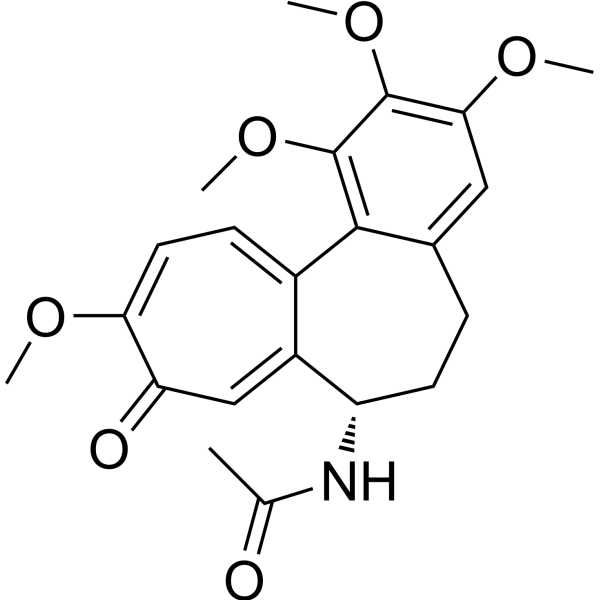
Colchicine, an orally active alkaloid, is a potent tubulin inhibitor and a microtubule disrupting agent. Colchicine inhibits microtubule polymerization with an IC50 of 3 nM. Colchicine is also a competitive antagonist of the α3 glycine receptors (GlyRs). Colchicine prevents non-steroidal anti-inflammatory drug (NSAID)-induced small intestinal injury by inhibiting activation of the NLRP3 inflammasome. Colchicine has extensive anti-inflammatory, immunosuppressive and strong anti-fibrosis effects and has the potential for gouty arthritis research .
|
-
-
- HY-114299
-
|
SNAC
|
Biochemical Assay Reagents
|
Others
|
|
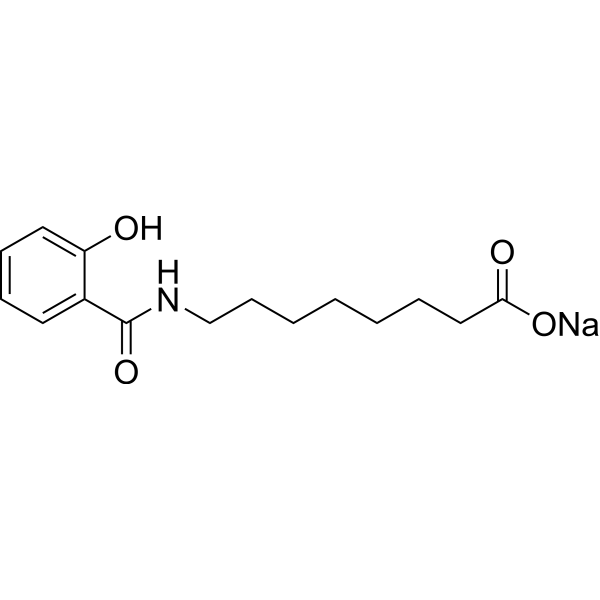
Salcaprozate sodium (SNAC), an oral absorption promoter, and has the potential as a delivery agent for oral forms of heparin and insulin. Salcaprozate sodium could increase passive transcellular permeation across small intestinal epithelia based on increased lipophilicity arising from non-covalent macromolecule complexation .
|
-
-
- HY-B0113
-
|
H 16868
|
Na+/K+ ATPase
Proton Pump
Bacterial
Cytochrome P450
Apoptosis
Autophagy
Atg8/LC3
TNF Receptor
Interleukin Related
|
Infection
Neurological Disease
Inflammation/Immunology
Cancer
|
|
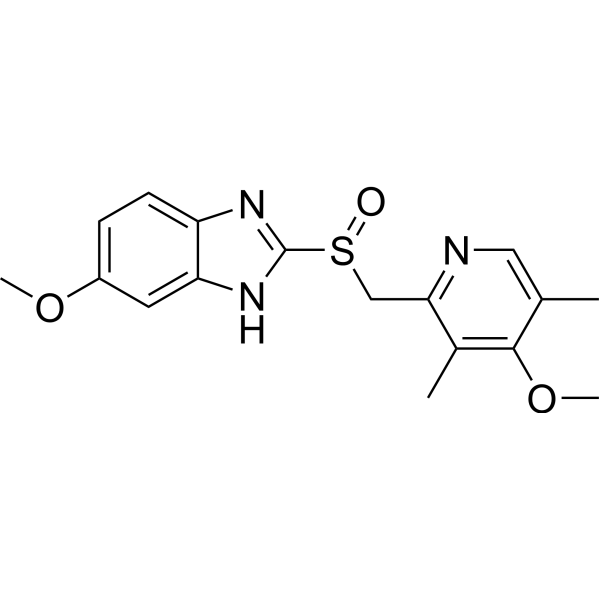
Omeprazole (H 16868) is an orally active H +,K +-ATPase inhibitor and a proton pump inhibitor. Omeprazole competitively inhibits CYP2C19, CYP3A4, and CYP2C9 activity. Omeprazole inhibits gastric acid secretion and can be used for acid-related gastrointestinal disorders. Omeprazole inhibits pancreatic cancer cell proliferation, induces apoptosis, autophagosome accumulation (elevated LC3-I and LC3-II levels), oxidative stress, and cytogenetic imbalance, modulates lysosomal transport, reduces inflammatory cytokines. Omeprazole alters small intestinal morphology and magnesium absorption, and induces gastric mucosa morphologic changes. Omeprazole aslo has neuroprotective and antibacterial effects .
|
-
-
- HY-B1190
-
|
BL-S 578
|
Bacterial
Antibiotic
EAAT
|
Infection
Neurological Disease
|
|
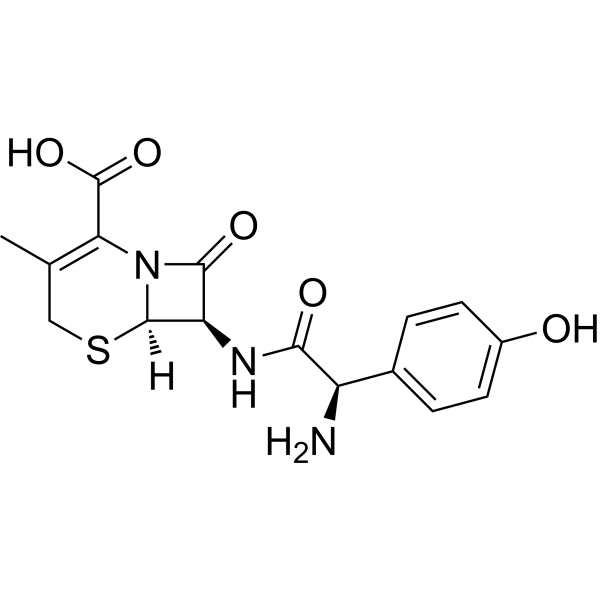
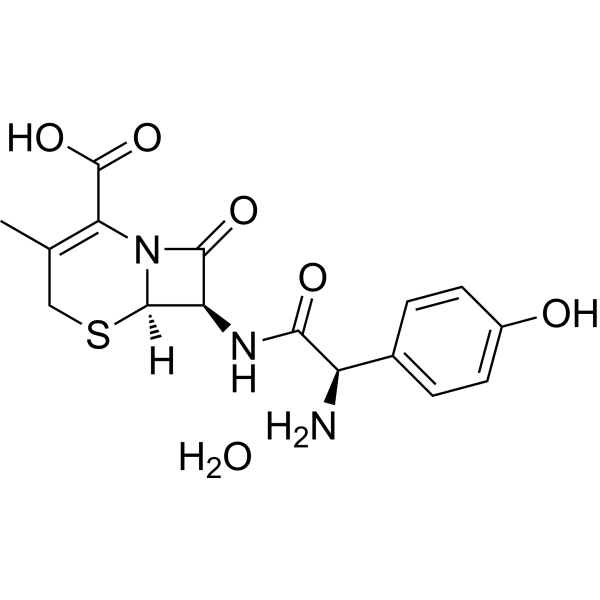
Cefadroxil is an orally active broad-spectrum cephalosporin antibiotic. Cefadroxil inhibits bacterial cell wall synthesis and enhances the expression of glutamate transporter-1. Cefadroxil is dependent on the intestinal peptide transporter PepT1 for small intestinal absorption. Cefadroxil has inhibitory and bactericidal activity against a variety of Gram-positive and Gram-negative bacteria and has analgesic effects on neuropathic pain .
|
-
-
- HY-D1736
-
|
|
Fluorescent Dye
|
Others
|
|
BODIPY FL-C16 is a BODIPY-labeled analog of Palmitic acid (HY-N0830), which serves as a fluorescent lipid tracer. BODIPY FL-C16 also acts as a ligand for liver fatty acid-binding protein (L-FABP) and intestinal fatty acid-binding protein (I-FABP) , with Kd values of 270 nM and 330 nM, respectively. BODIPY FL-C16 is rapidly taken up by cells, and after metabolic conversion to phospholipids, it is incorporated into the membrane structures of intracellular organelles and extracellular vesicles .
|
-
-
- HY-W008491
-
|
|
Phosphorylase
|
Inflammation/Immunology
Cancer
|
|
TK-112690 is a UPP1 inhibitor. TK-112690 inhibits murine small intestinal uridine phosphorylase (UPase) with an IC50 of 12.5 μM and human small intestinal UPase with an IC50 of 20.0 μM in vitro. TK-112690 increases plasma uridine concentration in mice. TK-112690 can be used for the study of cancer and pulmonary fibrosis .
|
-
-
- HY-B0113A
-
|
H 16868 sodium
|
Na+/K+ ATPase
Interleukin Related
Proton Pump
Cytochrome P450
Bacterial
Apoptosis
Autophagy
TNF Receptor
Atg8/LC3
|
Infection
Inflammation/Immunology
|
|
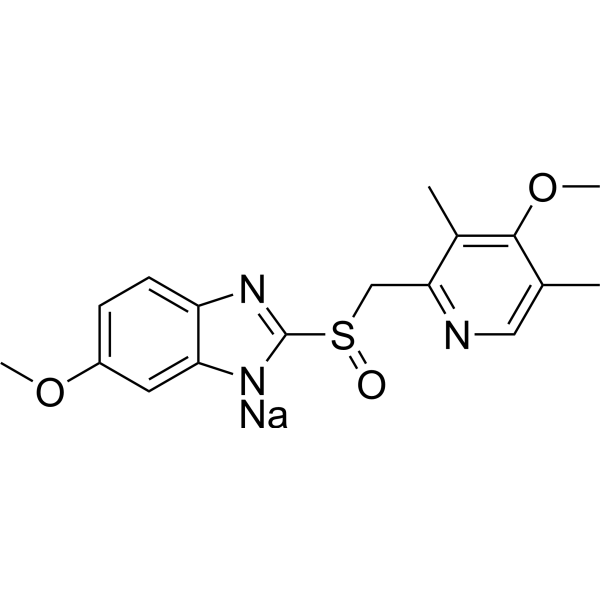
Omeprazole (H 16868) sodium is an orally active H +,K +-ATPase inhibitor and a proton pump inhibitor. Omeprazole sodium competitively inhibits CYP2C19, CYP3A4, and CYP2C9 activity. Omeprazole sodium inhibits gastric acid secretion and can be used for acid-related gastrointestinal disorders. Omeprazole sodium inhibits pancreatic cancer cell proliferation, induces apoptosis, autophagosome accumulation (elevated LC3-I and LC3-II levels), oxidative stress, and cytogenetic imbalance, modulates lysosomal transport, reduces inflammatory cytokines. Omeprazole sodium alters small intestinal morphology and magnesium absorption, and induces gastric mucosa morphologic changes. Omeprazole sodium aslo has neuroprotective and antibacterial effects .
|
-
-
- HY-112484
-
|
|
Organoid
|
Cancer
|
|
RS-246204 is a R-spondin-1 substitute compound that is able initiate small intestinal organoids without the use of the R-spondin-1 protein.
|
-
-
- HY-P2221
-
|
ZP1848
|
GCGR
|
Inflammation/Immunology
|
|
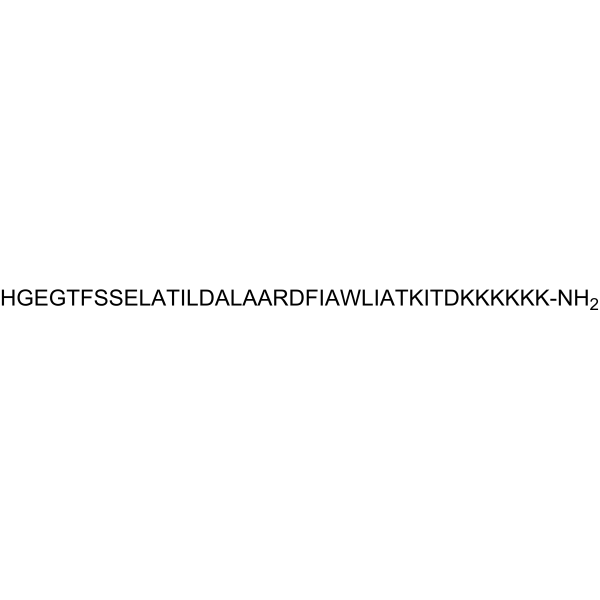
Glepaglutide (ZP1848), a long-acting GLP-2 analogue, is a potent GLP-2R agonist. Glepaglutide reduces faecal output and increases intestinal absorption. Glepaglutide alleviates small intestinal inflammation. Glepaglutide can be used in the research of inflammatory bowel disease (IBD) and Crohn’s disease .
|
-
-
- HY-111237
-
|
Olomoucin
|
CDK
NF-κB
PERK
Bcl-2 Family
Reactive Oxygen Species (ROS)
Apoptosis
|
Metabolic Disease
Inflammation/Immunology
Cancer
|
|
Butyrolactone I is an orally active and ATP-competitive inhibitor of CDK1. Butyrolactone I inhibits NF-κB, cdc2 kinase, Bax, ROS production, modulates the PERK/CHOP. Butyrolactone I mitigates heat-stress-induced Apoptosis. Butyrolactone I shows anti-inflammatory and intestinal protective activity. Butyrolactone I has antitumor effects against non-small cell lung, small cell lung, prostate cancer and leukemia. Butyrolactone I can be used in NASH research .
|
-
-
- HY-P1108A
-
|
|
CRFR
|
Neurological Disease
Inflammation/Immunology
|
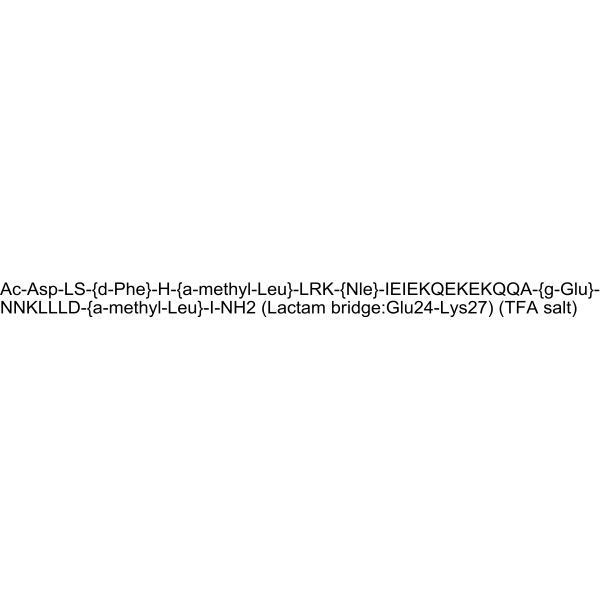
Astressin 2B TFA is a blood-brain barrier-impermeable, highly selective CRFR2 antagonist (rCRFR2, IC50=0.57 nM). Astressin 2B TFA blocks the protective effects mediated by CRFR2, thereby exacerbating indomethacin (HY-14397)-induced hemorrhagic intestinal injury in rats. Astressin 2B TFA reverses the protective effects of Urocortin 1 against intestinal hypermotility, bacterial invasion and upregulation of inflammatory mediators. Astressin 2B TFA also blocks the anxiogenic effect of Urocortin 2 and attenuates stress-induced anxiety-related behaviors. In the Clostridioides difficile toxin A (C. difficile toxin A)-mediated enteritis model, Astressin 2B TFA mimics the phenotype of CRFR2-deficient mice, significantly exacerbating intestinal epithelial damage, edema, neutrophil migration and the expression of multiple proinflammatory cytokines. Astressin 2B TFA is an important tool molecule for investigating the intestinal protective mechanisms of CRFR2 .
|
-
-
- HY-P5005
-
|
|
CMV
PD-1/PD-L1
|
Infection
Inflammation/Immunology
Cancer
|
|
VIPhyb is a vasoactive intestinal polypeptide (VIP) receptor antagonist. VIPhyb can inhibit VIP signaling, increase T-cell immunity and downregulate PD1. VIPhyb can inhibit cancer cell proliferation. VIPhyb can reduce inflammatory cytokine expression. VIPhyb can enhance viral clearance. VIPhyb can be used for the researches of cancer, infection and inflammation and immunology, such as non-small cell lung cancer (NSCLC), cytomegalovirus infection and colitis .
|
-
-
- HY-106449
-
|
DA-6034 free acid
|
NF-κB
COX
Apoptosis
ERK
Calcium Channel
|
Inflammation/Immunology
Cancer
|
|
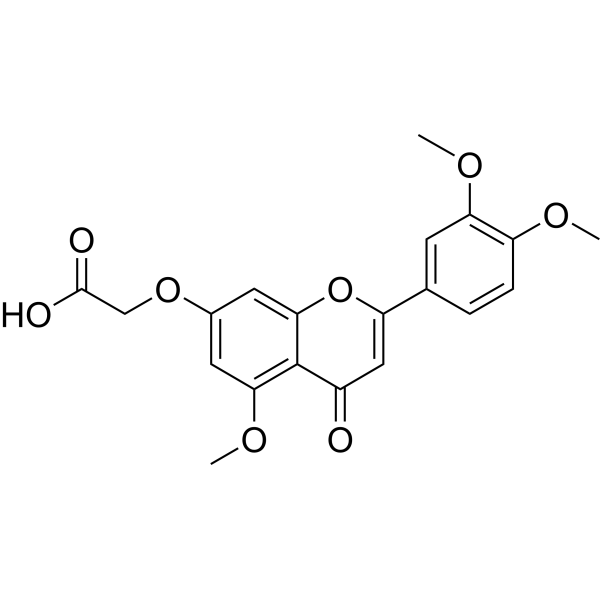
Recoflavone (DA-6034 (free acid)), a synthetic derivative of the flavonoid Eupatilin (HY-N0783), is orally active. Recoflavone can inhibit the NF-κB pathway and induce [Ca( 2+)]i increase in epithelial cells. Recoflavone exhibits activities such as anti-inflammation, anti-tumor effects, protection of gastric and intestinal mucosa, and promotion of secretion in the ocular surface and salivary glands. Recoflavone can be used for the research of diseases such as dry eye, gastric injury, and intestinal injury .
|
-
-
- HY-P1108
-
|
|
CRFR
|
Neurological Disease
Inflammation/Immunology
|
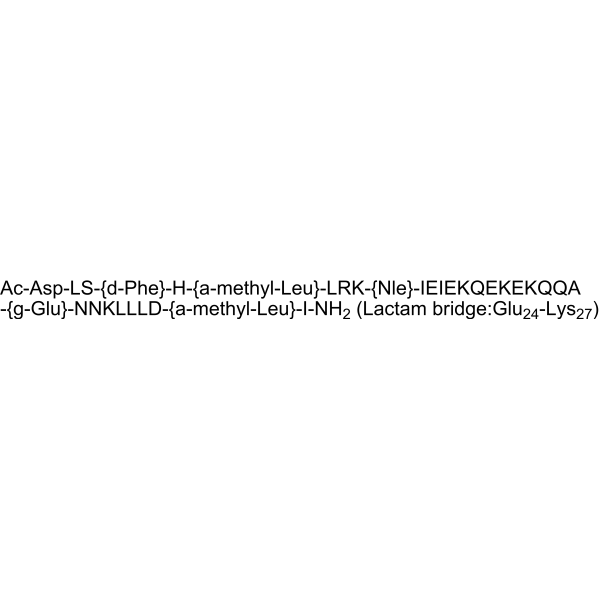
Astressin 2B is a blood-brain barrier-impermeable, highly selective CRFR2 antagonist (rCRFR2, IC50=0.57 nM). Astressin 2B blocks the protective effects mediated by CRFR2, thereby exacerbating indomethacin (HY-14397)-induced hemorrhagic intestinal injury in rats. Astressin 2B reverses the protective effects of Urocortin 1 against intestinal hypermotility, bacterial invasion and upregulation of inflammatory mediators. Astressin 2B also blocks the anxiogenic effect of Urocortin 2 and attenuates stress-induced anxiety-related behaviors. In the Clostridioides difficile toxin A (C. difficile toxin A)-mediated enteritis model, Astressin 2B mimics the phenotype of CRFR2-deficient mice, significantly exacerbating intestinal epithelial damage, edema, neutrophil migration and the expression of multiple proinflammatory cytokines. Astressin 2B is an important tool molecule for investigating the intestinal protective mechanisms of CRFR2 .
|
-
-
- HY-N15135
-
|
|
Interleukin Related
Toll-like Receptor (TLR)
Fungal
|
Metabolic Disease
|
|
Arabinoxylan Medium viscosity is an orally active Dectin-1 splice variant modulator, glucose absorption inhibitor, and chyme viscosity enhancer. Arabinoxylan Medium viscosity inhibits particulate β-glucan-induced Dectin-1A activation and mildly suppresses Dectin-1B activation. In human dendritic cells stimulated with particulate β-glucan, Arabinoxylan Medium viscosity reduces the production of IL-10 and TNF-α, and increases the production of IL-4 and IL-23. Arabinoxylan Medium viscosity also supports antifungal immune responses without activating TLR2, TLR4 or TLR5, and does not induce cytokine production when used to stimulate human dendritic cells alone. Arabinoxylan Medium viscosity increases small intestinal chyme viscosity, gets degraded in the large intestine to produce short-chain fatty acids, reduces glucose absorption and insulin response, and improves glucose homeostasis. Arabinoxylan Medium viscosity supports microbial fermentation and the growth of beneficial microbiota in the gastrointestinal tract, prevents bile acid reabsorption, and delays starch digestion. Arabinoxylan Medium viscosity can be used in research related to type 2 diabetes, impaired glucose tolerance, and metabolic syndrome .
|
-
-
- HY-126848
-
|
D-1-O-G
|
Drug Metabolite
SOD
COX
Reactive Oxygen Species (ROS)
OAT
|
Inflammation/Immunology
|
|
Diclofenac acyl glucuronide (D-1-O-G) is an orally active glucuronide metabolite of Diclofenac (HY-15036). Diclofenac acyl glucuronide exhibits SOD inhibitory activity, COX-1 inhibitory activity (IC50 = 0.620 μM), and COX-2 inhibitory activity (IC50 = 2.91 μM). Diclofenac acyl glucuronide induces reactive oxygen species (ROS) production and acts as a substrate of OATP2B1. Diclofenac acyl glucuronide induces small intestinal ulcers . Diclofenac acyl glucuronide can be used in research related to intestinal diseases and small intestinal ulcers .
|
-
-
- HY-W040088
-
|
H-Ala-Leu-OH
|
Aminopeptidase
|
Metabolic Disease
|
|
L-Alanyl-L-leucine is a competitive inhibitor of small intestinal glycyl-L-leucine hydrolase with Ki values of 0.53 mM (phosphate buffer) or 0.22 mM (Tris buffer). L-Alanyl-L-leucine can be used for research on Hartnup disease and cystinuria .
|
-
-
- HY-P2221B
-
|
ZP1848 acetate
|
GCGR
|
Inflammation/Immunology
|
|
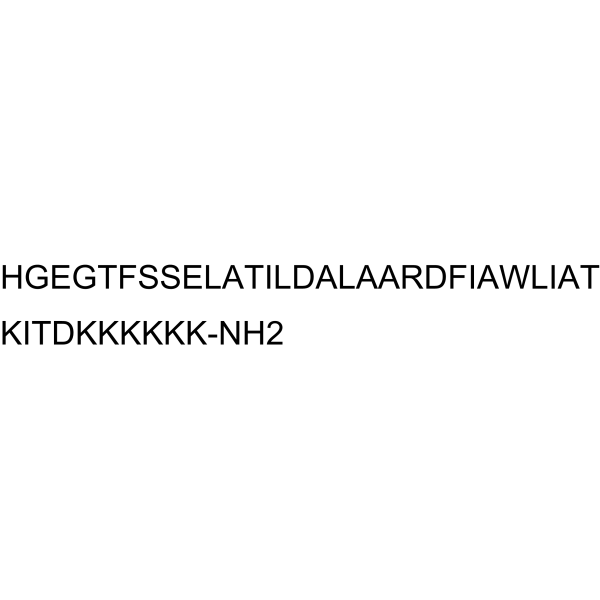
Glepaglutide (ZP1848) acetate, a long-acting GLP-2 analogue, is a potent GLP-2R agonist. Glepaglutide acetate reduces faecal output and increases intestinal absorption. Glepaglutide acetate alleviates small intestinal inflammation. Glepaglutide acetate can be used in the research of inflammatory bowel disease (IBD) and Crohn’s disease .
|
-
-
- HY-B1190A
-
|
BL-S 578 hydrate
|
Bacterial
Antibiotic
EAAT
|
Infection
Neurological Disease
|
|
Cefadroxil hydrate is an orally active broad-spectrum cephalosporin antibiotic. Cefadroxil hydrate inhibits bacterial cell wall synthesis and enhances the expression of glutamate transporter-1. Cefadroxil hydrate is dependent on the intestinal peptide transporter PepT1 for small intestinal absorption. Cefadroxil hydrate has inhibitory and bactericidal activity against a variety of Gram-positive and Gram-negative bacteria and has analgesic effects on neuropathic pain .
|
-
-
- HY-B1731
-
|
|
Bacterial
|
Neurological Disease
|
|
Phenyl salicylate (PS) has antibacterial activity when hydrolyzed in small intestine and is often used as nervous system inhibitor and intestinal preservative .
|
-
-
- HY-P2758
-
|
DAO
|
Biochemical Assay Reagents
|
Metabolic Disease
Inflammation/Immunology
Cancer
|
|
Diamine oxidase (DAO) is an orally active enzyme. Diamine oxidase catalyzes oxidative deamination of various polyamines. Diamine oxidase degrades histamine and polyamines to maintain the metabolic balance of amines in the body. Diamine oxidase is a key regulatory enzyme in rapidly proliferating tissues such as bone marrow and intestinal mucosa. Diamine oxidase can be used in research related to intestinal diseases, small bowel transplant rejection, histamine intolerance, and other conditions .
|
-
-
- HY-114299S
-
|
SNAC-d4 sodium
|
Isotope-Labeled Compounds
|
Others
|
|
Salcaprozate-d4 (sodium) is a deuterated labeled Salcaprozate (sodium) . Salcaprozate sodium (SNAC), an oral absorption promoter, and has the potential as a delivery agent for oral forms of heparin and insulin. Salcaprozate sodium could increase passive transcellular permeation across small intestinal epithelia based on increased lipophilicity arising from non-covalent macromolecule complexation .
|
-
-
- HY-128421
-
|
Brassylic Acid
|
Endogenous Metabolite
Parasite
|
Infection
Metabolic Disease
|
|
Tridecanedioic acid is an endogenous metabolite. Tridecanedioic acid is an endogenous metabolite. Tridecanedioic acid is related to the metabolic regulation of non-alcoholic fatty liver disease (NASH) and may be an important node molecule in the intestinal microbiota-host metabolism interaction network. Tridecanedioic acid is significantly accumulated in tolerant cabbage-type rapeseed varieties and has a lower content in sensitive varieties. It plays an important role in the defense response against the infection of the small cabbage moth (Plutella xylostella). Tridecanedioic acid can be used as a biomarker for plant insect resistance or a diagnostic marker for metabolic diseases .
|
-
-
- HY-B0113R
-
|
H 16868 (Standard)
|
Reference Standards
Na+/K+ ATPase
Interleukin Related
Proton Pump
Cytochrome P450
Bacterial
Apoptosis
Autophagy
TNF Receptor
Atg8/LC3
|
Infection
Metabolic Disease
Cancer
|
|
Omeprazole (Standard) is the analytical standard of Omeprazole. This product is intended for research and analytical applications. Omeprazole (H 16868) is an orally active H +,K +-ATPase inhibitor and a proton pump inhibitor. Omeprazole competitively inhibits CYP2C19, CYP3A4, and CYP2C9 activity. Omeprazole inhibits gastric acid secretion and can be used for acid-related gastrointestinal disorders. Omeprazole inhibits pancreatic cancer cell proliferation, induces apoptosis, autophagosome accumulation (elevated LC3-I and LC3-II levels), oxidative stress, and cytogenetic imbalance, modulates lysosomal transport, reduces inflammatory cytokines. Omeprazole alters small intestinal morphology and magnesium absorption, and induces gastric mucosa morphologic changes. Omeprazole aslo has neuroprotective and antibacterial effects .
|
-
-
- HY-B0113S
-
|
H 16868-d3
|
Na+/K+ ATPase
Interleukin Related
Proton Pump
Cytochrome P450
Bacterial
Apoptosis
Autophagy
TNF Receptor
Atg8/LC3
|
Infection
Metabolic Disease
Cancer
|
|
Omeprazole-d3 (H 16868-d3) is deuterium labeled Omeprazole. Omeprazole (H 16868) is an orally active H +,K +-ATPase inhibitor and a proton pump inhibitor. Omeprazole competitively inhibits CYP2C19, CYP3A4, and CYP2C9 activity. Omeprazole inhibits gastric acid secretion and can be used for acid-related gastrointestinal disorders. Omeprazole inhibits pancreatic cancer cell proliferation, induces apoptosis, autophagosome accumulation (elevated LC3-I and LC3-II levels), oxidative stress, and cytogenetic imbalance, modulates lysosomal transport, reduces inflammatory cytokines. Omeprazole alters small intestinal morphology and magnesium absorption, and induces gastric mucosa morphologic changes. Omeprazole aslo has neuroprotective and antibacterial effects .
|
-
-
- HY-121811
-
|
Lanceolatin C
|
Glycosidase
Phosphatase
Interleukin Related
TNF Receptor
COX
Beclin1
GLUT
FAK
Akt
mTOR
p38 MAPK
Keap1-Nrf2
Apoptosis
Amyloid-β
Tau Protein
Autophagy
|
Neurological Disease
Inflammation/Immunology
Cancer
|
|
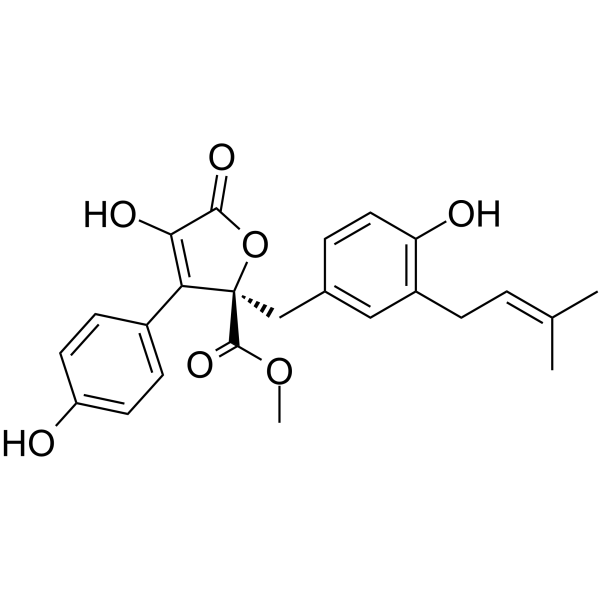
Pongamol is an orally active flavonoid with an IC50 of 75 μM and a Ki of 58 μM against PTPase-1B, and an IC50 of 103.5 μM against intestinal α-Glycosidase. Pongamol reduces the release of IL‑1β, TNF‑α, COX‑2 and iNOS in cells, reverses the nuclear translocation of NF‑κB, and upregulates the levels of Beclin 1 and LC3 Ⅱ/LC3 Ⅰ. Pongamol promotes glucose uptake by increasing the level of GLUT4 on the surface of skeletal muscle cells. Pongamol inhibits epithelial-mesenchymal transition by suppressing the FAK/Akt-mTOR signaling pathway. Pongamol inhibits neuronal cytotoxicity, suppresses cell apoptosis and extends the lifespan of Caenorhabditis elegans by activating the MAPKs/Nrf2 signaling pathway. Pongamol exerts hypoglycemic effects in diabetic mouse models. Pongamol alleviates oxidative stress, neuroinflammation, Aβ deposition and excessive phosphorylation of Tau Protein, and restores autophagy function in Alzheimer's disease mouse models by inhibiting the Akt/mTOR signaling pathway. Pongamol is applicable to research related to Alzheimer's disease, type 2 diabetes, non-small cell lung cancer and postprandial hyperglycemia .
|
-
-
- HY-154912
-
|
|
Chloride Channel
|
Inflammation/Immunology
|
|
PAT1inh-B01 is a selective SLC26A6 inhibitor. PAT1inh-B01 inhibits PAT1 (a Cl -/HCO3 - exchanger)-mediated anion exchange (IC50: 350 nM). PAT1inh-B01 blocks fluid absorption in small intestine. PAT1inh-B01 can be used for research of small intestinal hyposecretory disorders .
|
-
-
- HY-114299R
-
|
SNAC (Standard)
|
Biochemical Assay Reagents
Reference Standards
|
Others
|
|
Salcaprozate (sodium) (Standard) is the analytical standard of Salcaprozate (sodium). This product is intended for research and analytical applications. Salcaprozate sodium (SNAC), an oral absorption promoter, and has the potential as a delivery agent for oral forms of heparin and insulin. Salcaprozate sodium could increase passive transcellular permeation across small intestinal epithelia based on increased lipophilicity arising from non-covalent macromolecule complexation .
|
-
-
- HY-16569B
-
|
|
Biochemical Assay Reagents
Microtubule/Tubulin
|
Inflammation/Immunology
Cancer
|
|
Colchicine,suitable for plant cell culture, an orally active alkaloid, is a potent tubulin inhibitor and a microtubule disrupting agent. Colchicine inhibits microtubule polymerization with an IC50 of 3 nM. Colchicine is also a competitive antagonist of the α3 glycine receptors (GlyRs). Colchicine prevents non-steroidal anti-inflammatory drug (NSAID)-induced small intestinal injury by inhibiting activation of the NLRP3 inflammasome. Colchicine,suitable for plant cell culture can be used for plant cell culture .
|
-
-
- HY-119741
-
|
|
Glycosidase
Lipase
|
Metabolic Disease
|
|
Salacinol, compound found in Salacia reticulata, is an orally active α-glucosidase/lipase inhibitor. Salacinol inhibits enzymatic activity of intestinal maltase (IC50 = 3.2 μg/mL, Ki = 0.31 μg/mL), sucrase (IC50 = 0.84 μg/mL, Ki = 0.32 μg/mL), and isomaltase (IC50 = 0.59 μg/mL, Ki = 0.47 μg/mL), and inhibits increases in serum glucose levels in sucrose-loaded rats. Salacinol also inhibits pancreatic lipase and lipoprotein lipase. Salacinol can be used for the research of diabetes mellitus .
|
-
-
- HY-16569R
-
|
|
Reference Standards
Microtubule/Tubulin
NOD-like Receptor (NLR)
Autophagy
Apoptosis
|
Cancer
|
|
Colchicine (Standard) is the analytical standard of Colchicine. This product is intended for research and analytical applications. Colchicine, an orally active alkaloid, is a potent tubulin inhibitor and a microtubule disrupting agent. Colchicine inhibits microtubule polymerization with an IC50 of 3 nM. Colchicine is also a competitive antagonist of the α3 glycine receptors (GlyRs). Colchicine prevents non-steroidal anti-inflammatory drug (NSAID)-induced small intestinal injury by inhibiting activation of the NLRP3 inflammasome. Colchicine has extensive anti-inflammatory, immunosuppressive and strong anti-fibrosis effects and has the potential for gouty arthritis research .
|
-
-
- HY-109546
-
|
|
Na+/K+ ATPase
Interleukin Related
Proton Pump
Cytochrome P450
Bacterial
Apoptosis
Autophagy
TNF Receptor
Atg8/LC3
|
Infection
Metabolic Disease
Cancer
|
|
Omeprazole (H 16868) magnesium is an orally active H +,K +-ATPase inhibitor and a proton pump inhibitor. Omeprazole magnesium competitively inhibits CYP2C19, CYP3A4, and CYP2C9 activity. Omeprazole magnesium inhibits gastric acid secretion and can be used for acid-related gastrointestinal disorders. Omeprazole magnesium inhibits pancreatic cancer cell proliferation, induces apoptosis, autophagosome accumulation (elevated LC3-I and LC3-II levels), oxidative stress, and cytogenetic imbalance, modulates lysosomal transport, reduces inflammatory cytokines. Omeprazole magnesium alters small intestinal morphology and magnesium absorption, and induces gastric mucosa morphologic changes. Omeprazole magnesium aslo has neuroprotective and antibacterial effects .
|
-
-
- HY-B0113S3
-
|
H 16868-13C,d3
|
Isotope-Labeled Compounds
Na+/K+ ATPase
Interleukin Related
Proton Pump
Cytochrome P450
Bacterial
Apoptosis
Autophagy
TNF Receptor
Atg8/LC3
|
Infection
Metabolic Disease
Cancer
|
|
Omeprazole- 13C,d3 is a 13C-labeled and deuterium labeled Omeprazole. Omeprazole (H 16868) is an orally active H +,K +-ATPase inhibitor and a proton pump inhibitor. Omeprazole competitively inhibits CYP2C19, CYP3A4, and CYP2C9 activity. Omeprazole inhibits gastric acid secretion and can be used for acid-related gastrointestinal disorders. Omeprazole inhibits pancreatic cancer cell proliferation, induces apoptosis, autophagosome accumulation (elevated LC3-I and LC3-II levels), oxidative stress, and cytogenetic imbalance, modulates lysosomal transport, reduces inflammatory cytokines. Omeprazole alters small intestinal morphology and magnesium absorption, and induces gastric mucosa morphologic changes. Omeprazole aslo has neuroprotective and antibacterial effects .
|
-
-
- HY-135319
-
|
|
Bacterial
Antibiotic
ERK
JNK
NF-κB
ROR
Apoptosis
Caspase
GSK-3
Akt
PI3K
|
Infection
Metabolic Disease
Inflammation/Immunology
Cancer
|
|
Strictinin is an orally active phenolic compound. Strictinin reduces xanthine oxidase activity, uric acid production, and the activation of ERK1/2, JNK, NF-κB, and NLRP3 inflammasome components in hepatocytes treated with Xanthine (HY-W017389). Strictinin decreases elevated serum uric acid levels and enhanced xanthine oxidase activity in mice treated with potassium oxonate. Strictinin acts as a ROR1 inhibitor and exhibits anticancer activity against highly aggressive non-androgen-dependent prostate cancer. Strictinin induces cancer cell apoptosis (apoptosis), arrests cell cycle, and inhibits cancer cell migration, invasion, and epithelial-mesenchymal transition. Strictinin modulates gut microbiota, inhibits bacterial growth and biofilm formation, accelerates small intestinal transit, and blocks viral entry and replication. Strictinin can be used in research related to hyperuricemia, androgen receptor-negative non-androgen-dependent prostate cancer, triple-negative breast cancer, bacterial infections, constipation, coronavirus infections, dental caries, and infections caused by influenza A, influenza B, and human parainfluenza virus type 1 .
|
-
-
- HY-154912A
-
|
|
Chloride Channel
|
Inflammation/Immunology
|
|
PAT1inh-B01 hydrocholide is a selective SLC26A6 inhibitor. PAT1inh-B01 hydrocholide inhibits PAT1 (a Cl -/HCO3 - exchanger)-mediated anion exchange (IC50: 350 nM). PAT1inh-B01 hydrocholide blocks fluid absorption in small intestine. PAT1inh-B01 hydrocholide can be used for research of small intestinal hyposecretory disorders .
|
-
-
- HY-W040088R
-
|
H-Ala-Leu-OH (Standard)
|
Reference Standards
Aminopeptidase
|
Metabolic Disease
|
|
L-Alanyl-L-leucine is an endogenous metabolite. This product is used for research and analytical applications. L-Alanyl-L-leucine is a competitive inhibitor of small intestinal glycyl-L-leucine hydrolase with Ki values of 0.53 mM (phosphate buffer) or 0.22 mM (Tris buffer). L-Alanyl-L-leucine can be used for research on Hartnup disease and cystinuria .
|
-
-
- HY-W097994
-
|
2,3-Dihydroxy-4-methoxybenzaldehyde
|
Fungal
|
Infection
Inflammation/Immunology
|
|
DHMB (2,3-Dihydroxy-4-methoxybenzaldehyde) is a small organic molecule with anti-fungal and anti-inflammatory activity. DHMB has protective effect on intestinal epithelial cells .
|
-
-
- HY-B1190R
-
|
BL-S 578 (Standard)
|
Reference Standards
Bacterial
Antibiotic
EAAT
|
Infection
Neurological Disease
|
|
Cefadroxil (Standard) is the analytical standard of Cefadroxil (HY-B1190). This product is intended for research and analytical applications. Cefadroxil is an orally active broad-spectrum cephalosporin antibiotic. Cefadroxil inhibits bacterial cell wall synthesis and enhances the expression of glutamate transporter-1. Cefadroxil is dependent on the intestinal peptide transporter PepT1 for small intestinal absorption. Cefadroxil has inhibitory and bactericidal activity against a variety of Gram-positive and Gram-negative bacteria and has analgesic effects on neuropathic pain .
|
-
-
- HY-106327
-
|
|
Motilin Receptor
|
Metabolic Disease
|
|
EM-523 is a motilin agonist and an erythromycin derivative. EM-523 has pED50 values of 8.19 and 6.08 for promoting contractions in rabbit small intestinal tissue and human duodenal tissue, respectively. EM-523 can be used in the research of gastrointestinal diseases .
|
-
-
- HY-128421R
-
|
Brassylic Acid (Standard)
|
Reference Standards
Endogenous Metabolite
Parasite
|
Infection
Metabolic Disease
|
|
Tridecanedioic acid (Standard) is the analytical standard of Tridecanedioic acid (HY-128421). This product is intended for research and analytical applications. Tridecanedioic acid is an endogenous metabolite. Tridecanedioic acid is an endogenous metabolite. Tridecanedioic acid is related to the metabolic regulation of non-alcoholic fatty liver disease (NASH) and may be an important node molecule in the intestinal microbiota-host metabolism interaction network. Tridecanedioic acid is significantly accumulated in tolerant cabbage-type rapeseed varieties and has a lower content in sensitive varieties. It plays an important role in the defense response against the infection of the small cabbage moth (Plutella xylostella). Tridecanedioic acid can be used as a biomarker for plant insect resistance or a diagnostic marker for metabolic diseases.
|
-
-
- HY-W153897
-
|
|
Adrenergic Receptor
|
Metabolic Disease
|
|
N-Methyltyramine is a protoalkaloid that can be isolated from various plant species. N-Methyltyramine is an α2-adrenoreceptor antagonist. N-Methyltyramine enhances appetite and digestion of foods by stimulating gastrin and pancreatic secretions. N-Methyltyramine can relax mouse small intestinal smooth muscle and inhibits small intestinal propulsion .
|
-
-
- HY-B1190S
-
|
BL-S 578-d4 hydrate
|
Isotope-Labeled Compounds
Bacterial
Antibiotic
EAAT
|
Infection
Neurological Disease
|
|
Cefadroxil-d4 (hydrate) is the deuterium labeled Cefadroxil hydrate (HY-B1190A). Cefadroxil hydrate is an orally active broad-spectrum cephalosporin antibiotic. Cefadroxil hydrate inhibits bacterial cell wall synthesis and enhances the expression of glutamate transporter-1. Cefadroxil hydrate is dependent on the intestinal peptide transporter PepT1 for small intestinal absorption. Cefadroxil hydrate has inhibitory and bactericidal activity against a variety of Gram-positive and Gram-negative bacteria and has analgesic effects on neuropathic pain .
|
-
-
- HY-14495
-
|
EX-1314
|
GHSR
|
Metabolic Disease
|
|
BMS-604992 (EX-1314) is a selective, orally active small-molecule growth hormone secretagogue receptor (GHSR) agonist. BMS-604992 demonstrates high-affinity binding (Ki=2.3 nM) and potent functional activity (EC50=0.4 nM). BMS-604992 can stimulate food intake in rodents .
|
-
-
- HY-177878
-
|
|
Sirtuin
|
Inflammation/Immunology
|
|
IMU-856 is an orally active and systemic action SIRT6 small molecule regulator. IMU-856 effectively and selectively inhibits the deacetylase activity of SIRT6, while increasing the protein level of SIRT6. IMU-856 can restore intestinal barrier function and can be used for research on celiac disease .
|
-
-
- HY-129278
-
|
|
Parasite
|
Infection
Cardiovascular Disease
Neurological Disease
|
|
Lunarine is an alkaloid, which can be isolated from the seeds of kale (Lunaria annua). Lunarine lowers the blood pressure, stimulates small intestinal motility, inhibits spontaneous contractions of uterus and nervous system, and exhibits an acute toxicity with LD50 of 62.3 mg/kg in dogs and rabbits. Lunarine exhibits antiparasitic activity through a competitive inhibition of protozoan oxidoreductase trypanothione reductase (TryR) with Ki of 304 μM .
|
-
-
- HY-106981
-
|
OR 1384
|
NADPH Oxidase
Reactive Oxygen Species (ROS)
Apoptosis
NF-κB
NO Synthase
STAT
|
Inflammation/Immunology
|
|
Orazipone (OR 1384) is a small molecule immunomodulator with strong anti-inflammatory properties. Orazipone exerts its immunomodulatory effect by forming reversible thiol complexes, which bind to intracellular signaling proteins and the thiol groups of glutathione. Orazipone exhibits potent anti-eosinophilic activity by inducing apoptosis. Orazipone inhibits activation of inflammatory transcription factors NF-kB and STAT 1 and decreases inducible iNOS expression and NO production in response to inflammatory stimuli. Orazipone reduces NADPH oxidase activity and thereby decreases ROS production. Orazipone has a protective effect in intestinal radiation injury .
|
-
-
- HY-W153897R
-
|
|
Adrenergic Receptor
Reference Standards
|
Metabolic Disease
|
|
N-Methyltyramine (Standard) is the analytical standard of N-Methyltyramine. This product is intended for research and analytical applications. N-Methyltyramine is a protoalkaloid that can be isolated from various plant species. N-Methyltyramine is an α2-adrenoreceptor antagonist. N-Methyltyramine enhances appetite and digestion of foods by stimulating gastrin and pancreatic secretions. N-Methyltyramine can relax mouse small intestinal smooth muscle and inhibits small intestinal propulsion .
|
-
-
- HY-P1142
-
|
|
Apoptosis
|
Others
|
|
GLP-2(rat) is an intestinal growth factor. GLP-2(rat) stimulates cell proliferation and inhibits apoptosis. GLP-2(rat) enhances mucosal mass and function in residual small intestine after massive small bowel resection (MSBR) .
|
-
-
- HY-P1142A
-
|
|
Apoptosis
|
Others
|
|
GLP-2(rat) TFA is an intestinal growth factor. GLP-2(rat) TFA stimulates cell proliferation and inhibits apoptosis. GLP-2(rat) TFA enhances mucosal mass and function in residual small intestine after massive small bowel resection (MSBR) .
|
-
-
- HY-P1142S
-
|
|
Isotope-Labeled Compounds
|
Others
|
|
GLP-2(rat) (Ala- 13C3, 15N) is 13C and 15N labeled GLP-2(rat) (HY-P1142). GLP-2(rat) is an intestinal growth factor. GLP-2(rat) stimulates cell proliferation and inhibits apoptosis. GLP-2(rat) enhances mucosal mass and function in residual small intestine after massive small bowel resection (MSBR).
|
-
- HY-P1142S1
-
|
|
Isotope-Labeled Compounds
Apoptosis
|
Others
|
|
GLP-2(rat) (Ala- 13C3, 15N) TFA is 13C and 15N labeled GLP-2(rat) (HY-P1142). GLP-2(rat) is an intestinal growth factor. GLP-2(rat) stimulates cell proliferation and inhibits apoptosis. GLP-2(rat) enhances mucosal mass and function in residual small intestine after massive small bowel resection (MSBR).
|
-
- HY-124218
-
|
|
Antibiotic
|
Others
|
|
S 863390 is a compound with the ability to inhibit the intestinal uptake system, which can interact with the intestinal uptake system to inhibit the uptake of β-lactam antibiotics and small peptides while also being transported itself.
|
-
- HY-B1731R
-
|
|
Reference Standards
Bacterial
|
Neurological Disease
|
|
Phenyl salicylate (Standard) is the analytical standard of Phenyl salicylate. This product is intended for research and analytical applications. Phenyl salicylate (PS) has antibacterial activity when hydrolyzed in small intestine and is often used as nervous system inhibitor and intestinal preservative .
|
-
- HY-12824R
-
|
|
Reference Standards
Antibiotic
Bacterial
|
Infection
|
|
Phenyl salicylate (Standard) is the analytical standard of Phenyl salicylate. This product is intended for research and analytical applications. Phenyl salicylate (PS) has antibacterial activity when hydrolyzed in small intestine and is often used as nervous system inhibitor and intestinal preservative .
|
-
- HY-174300
-
|
|
Pregnane X Receptor (PXR)
|
Metabolic Disease
|
|
Cholic acid-Glu is a derivative of Cholic acid (HY-N0324). The abundance of Cholic acid-Glu is increased in Crohn’s disease. Cholic acid-Glu increases PXR activation and significantly increases the expression of the downstream PXR target gene Cyp3a11 in small intestinal organoid tissue .
|
-
- HY-14495A
-
|
EX-1314 free base
|
GHSR
|
Metabolic Disease
|
|
BMS-604992 (EX-1314) free base is a selective, orally active small-molecule growth hormone secretagogue receptor (GHSR) agonist. BMS-604992 free base demonstrates high-affinity binding (ki=2.3 nM) and potent functional activity (EC50=0.4 nM). BMS-604992 free base can stimulate food intake in rodents .
|
-
- HY-14495B
-
|
EX-1314 dihydrochloride
|
GHSR
|
Metabolic Disease
|
|
BMS-604992 (EX-1314) dihydrochloride is a selective, orally active small-molecule growth hormone secretagogue receptor (GHSR) agonist. BMS-604992 dihydrochloride demonstrates high-affinity binding (ki=2.3 nM) and potent functional activity (EC50=0.4 nM). BMS-604992 dihydrochloride can stimulate food intake in rodents .
|
-
- HY-B1190S2
-
|
BL-S 578-13C6
|
Isotope-Labeled Compounds
Bacterial
Antibiotic
EAAT
|
Infection
Neurological Disease
|
|
Cefadroxil- 13C6 (BL-S 578- 13C6) is 13C labeled Cefadroxil (HY-B1190). Cefadroxil is an orally active broad-spectrum cephalosporin antibiotic. Cefadroxil inhibits bacterial cell wall synthesis and enhances the expression of glutamate transporter-1. Cefadroxil is dependent on the intestinal peptide transporter PepT1 for small intestinal absorption. Cefadroxil has inhibitory and bactericidal activity against a variety of Gram-positive and Gram-negative bacteria and has analgesic effects on neuropathic pain .
|
-
- HY-178451
-
|
|
Apoptosis
|
Cancer
|
|
NQO1-responsive prodrug is a prodrug of Gemcitabine (dFdC) (HY-17026) with anti-cancer effect. NQO1-responsive prodrug remains stable in plasma and liver/intestinal S9 fractions, releasing dFdC in an NQO1-dependent manner. NQO1-responsive prodrug induces S-phase arrest and apoptosis. NQO1-responsive prodrug inhibits tumor growth in an A549 xenograft mouse model. NQO1-responsive prodrug can be used for breast and non-small cell lung cancer (NSCLC) research .
|
-
- HY-B0113AR
-
|
H 16868 sodium (Standard)
|
Reference Standards
Na+/K+ ATPase
Interleukin Related
Proton Pump
Cytochrome P450
Bacterial
Apoptosis
Autophagy
TNF Receptor
Atg8/LC3
|
Infection
Metabolic Disease
Cancer
|
|
Omeprazole (sodium) (Standard) is the analytical standard of Omeprazole (sodium). This product is intended for research and analytical applications. Omeprazole sodium (H 16868) is an orally active H +,K +-ATPase inhibitor and a proton pump inhibitor. Omeprazole sodium competitively inhibits CYP2C19, CYP3A4, and CYP2C9 activity. Omeprazole sodium inhibits gastric acid secretion and can be used for acid-related gastrointestinal disorders. Omeprazole sodium inhibits pancreatic cancer cell proliferation, induces apoptosis, autophagosome accumulation (elevated LC3-I and LC3-II levels), oxidative stress, and cytogenetic imbalance, modulates lysosomal transport, reduces inflammatory cytokines. Omeprazole sodium alters small intestinal morphology and magnesium absorption, and induces gastric mucosa morphologic changes. Omeprazole sodium aslo has neuroprotective and antibacterial effects .
|
-
- HY-B0113S4
-
|
H 16868-d3 sodium
|
Isotope-Labeled Compounds
Na+/K+ ATPase
Interleukin Related
Proton Pump
Cytochrome P450
Bacterial
Apoptosis
Autophagy
TNF Receptor
Atg8/LC3
|
Infection
Metabolic Disease
Cancer
|
|
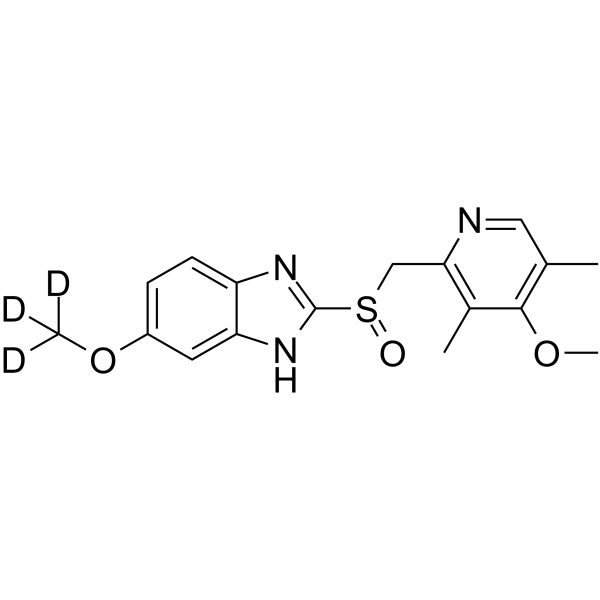
Omeprazole-d3 sodium is deuterated labeled Omeprazole (HY-B0113). Omeprazole sodium (H 16868) is an orally active H +,K +-ATPase inhibitor and a proton pump inhibitor. Omeprazole sodium competitively inhibits CYP2C19, CYP3A4, and CYP2C9 activity. Omeprazole sodium inhibits gastric acid secretion and can be used for acid-related gastrointestinal disorders. Omeprazole sodium inhibits pancreatic cancer cell proliferation, induces apoptosis, autophagosome accumulation (elevated LC3-I and LC3-II levels), oxidative stress, and cytogenetic imbalance, modulates lysosomal transport, reduces inflammatory cytokines. Omeprazole sodium alters small intestinal morphology and magnesium absorption, and induces gastric mucosa morphologic changes. Omeprazole sodium aslo has neuroprotective and antibacterial effects .
|
-
- HY-B0113S2
-
|
Omeprazole sulphone (methoxy-d3)
|
Isotope-Labeled Compounds
Na+/K+ ATPase
Interleukin Related
Proton Pump
Cytochrome P450
Bacterial
Apoptosis
Autophagy
TNF Receptor
Atg8/LC3
|
Infection
Cancer
|
|
Omeprazole sulfone (methoxy-d3) is the deuterium labeled Omeprazole sulfone. Omeprazole sulfone (H 16868) is an orally active H +,K +-ATPase inhibitor and a proton pump inhibitor. Omeprazole sulfone competitively inhibits CYP2C19, CYP3A4, and CYP2C9 activity. Omeprazole sulfone inhibits gastric acid secretion and can be used for acid-related gastrointestinal disorders. Omeprazole sulfone inhibits pancreatic cancer cell proliferation, induces apoptosis, autophagosome accumulation (elevated LC3-I and LC3-II levels), oxidative stress, and cytogenetic imbalance, modulates lysosomal transport, reduces inflammatory cytokines. Omeprazole sulfone alters small intestinal morphology and magnesium absorption, and induces gastric mucosa morphologic changes. Omeprazole sulfone aslo has neuroprotective and antibacterial effects .
|
-
- HY-B0113S5
-
|
H 16868-d6
|
Isotope-Labeled Compounds
Na+/K+ ATPase
Interleukin Related
Proton Pump
Cytochrome P450
Bacterial
Apoptosis
Autophagy
TNF Receptor
Atg8/LC3
|
Infection
Metabolic Disease
Cancer
|
|
Omeprazole-d6 (H 16868-d6) is deuterium labeled Omeprazole. Omeprazole (H 16868) is an orally active H +,K +-ATPase inhibitor and a proton pump inhibitor. Omeprazole competitively inhibits CYP2C19, CYP3A4, and CYP2C9 activity. Omeprazole inhibits gastric acid secretion and can be used for acid-related gastrointestinal disorders. Omeprazole inhibits pancreatic cancer cell proliferation, induces apoptosis, autophagosome accumulation (elevated LC3-I and LC3-II levels), oxidative stress, and cytogenetic imbalance, modulates lysosomal transport, reduces inflammatory cytokines. Omeprazole alters small intestinal morphology and magnesium absorption, and induces gastric mucosa morphologic changes. Omeprazole aslo has neuroprotective and antibacterial effects .
|
-
- HY-B0113S1
-
|
H 16868-d3-1
|
Na+/K+ ATPase
Interleukin Related
Proton Pump
Cytochrome P450
Bacterial
Apoptosis
Autophagy
TNF Receptor
Atg8/LC3
|
Infection
Metabolic Disease
Cancer
|
|
Omeprazole-d3-1 is the deuterium labeled Omeprazole. Omeprazole-1 (H 16868) is an orally active H +,K +-ATPase inhibitor and a proton pump inhibitor. Omeprazole-1 competitively inhibits CYP2C19, CYP3A4, and CYP2C9 activity. Omeprazole-1 inhibits gastric acid secretion and can be used for acid-related gastrointestinal disorders. Omeprazole-1 inhibits pancreatic cancer cell proliferation, induces apoptosis, autophagosome accumulation (elevated LC3-I and LC3-II levels), oxidative stress, and cytogenetic imbalance, modulates lysosomal transport, reduces inflammatory cytokines. Omeprazole-1 alters small intestinal morphology and magnesium absorption, and induces gastric mucosa morphologic changes. Omeprazole-1 aslo has neuroprotective and antibacterial effects .
|
-
- HY-182340
-
|
|
Adenosine Receptor
|
Endocrinology
|
|
KF20274 is an orally active adenosine A1 receptor antagonist. KF20274 increases the fecal pellet output in rats, and does not affect small intestinal propulsion or gastric emptying at defecation-increasing doses. KF20274 does not induce diarrhea at defecation-increasing doses. KF20274 can be used for the research of constipation .
|
-
- HY-N19827
-
|
|
Biochemical Assay Reagents
|
Inflammation/Immunology
|
|
Monodesmoside saponin C is an absorption enhancer. Monodesmoside saponin C promotes the absorption of poorly absorbable β-lactam antibiotics in the small intestine and rectum of rats. Monodesmoside saponin C has the ability to chelate Ca 2+. The absorption-enhancing activity of Monodesmoside saponin C is inhibited by coexisting Ca 2+ ions. Monodesmoside saponin C can be used in studies on absorption enhancement of β-lactam antibiotics .
|
-
- HY-W741136
-
|
|
Drug Isomer
Microtubule/Tubulin
NOD-like Receptor (NLR)
Autophagy
Apoptosis
|
Inflammation/Immunology
|
|
(R)-Colchicine is the R-isomer of Colchicine (HY-16569). Colchicine, an orally active alkaloid, is a potent tubulin inhibitor and a microtubule disrupting agent. Colchicine inhibits microtubule polymerization with an IC50 of 3 nM. Colchicine is also a competitive antagonist of the α3 glycine receptors (GlyRs). Colchicine prevents non-steroidal anti-inflammatory drug (NSAID)-induced small intestinal injury by inhibiting activation of the NLRP3 inflammasome. Colchicine has extensive anti-inflammatory, immunosuppressive and strong anti-fibrosis effects and has the potential for gouty arthritis research .
|
-
- HY-106449R
-
|
DA-6034 free acid (Standard)
|
Reference Standards
NF-κB
COX
Apoptosis
ERK
Calcium Channel
|
Inflammation/Immunology
Cancer
|
|
Recoflavone (Standard) is the analytical standard of Recoflavone (HY-106449). This product is intended for research and analytical applications. Recoflavone (DA-6034 (free acid)), a synthetic derivative of the flavonoid Eupatilin (HY-N0783), is orally active. Recoflavone can inhibit the NF-κB pathway and induce [Ca(2+)]i increase in epithelial cells. Recoflavone exhibits activities such as anti-inflammation, anti-tumor effects, protection of gastric and intestinal mucosa, and promotion of secretion in the ocular surface and salivary glands. Recoflavone can be used for the research of diseases such as dry eye, gastric injury, and intestinal injury .
|
-
| Cat. No. |
Product Name |
Type |
-
- HY-D1736
-
|
|
Fluorescent Dyes
|
|
BODIPY FL-C16 is a BODIPY-labeled analog of Palmitic acid (HY-N0830), which serves as a fluorescent lipid tracer. BODIPY FL-C16 also acts as a ligand for liver fatty acid-binding protein (L-FABP) and intestinal fatty acid-binding protein (I-FABP) , with Kd values of 270 nM and 330 nM, respectively. BODIPY FL-C16 is rapidly taken up by cells, and after metabolic conversion to phospholipids, it is incorporated into the membrane structures of intracellular organelles and extracellular vesicles .
|
| Cat. No. |
Product Name |
Type |
-
- HY-16569B
-
|
|
Biochemical Assay Reagents
|
|
Colchicine,suitable for plant cell culture, an orally active alkaloid, is a potent tubulin inhibitor and a microtubule disrupting agent. Colchicine inhibits microtubule polymerization with an IC50 of 3 nM. Colchicine is also a competitive antagonist of the α3 glycine receptors (GlyRs). Colchicine prevents non-steroidal anti-inflammatory drug (NSAID)-induced small intestinal injury by inhibiting activation of the NLRP3 inflammasome. Colchicine,suitable for plant cell culture can be used for plant cell culture .
|
| Cat. No. |
Product Name |
Target |
Research Area |
-
- HY-P2221
-
|
ZP1848
|
GCGR
|
Inflammation/Immunology
|
|
Glepaglutide (ZP1848), a long-acting GLP-2 analogue, is a potent GLP-2R agonist. Glepaglutide reduces faecal output and increases intestinal absorption. Glepaglutide alleviates small intestinal inflammation. Glepaglutide can be used in the research of inflammatory bowel disease (IBD) and Crohn’s disease .
|
-
- HY-P1108A
-
|
|
CRFR
|
Neurological Disease
Inflammation/Immunology
|
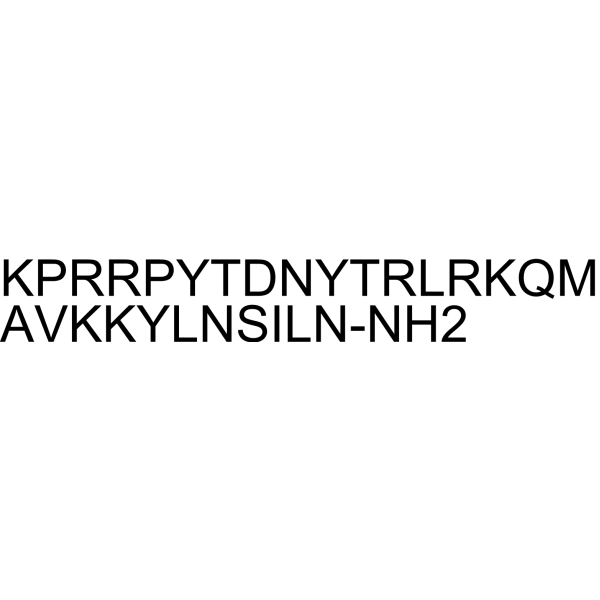
Astressin 2B TFA is a blood-brain barrier-impermeable, highly selective CRFR2 antagonist (rCRFR2, IC50=0.57 nM). Astressin 2B TFA blocks the protective effects mediated by CRFR2, thereby exacerbating indomethacin (HY-14397)-induced hemorrhagic intestinal injury in rats. Astressin 2B TFA reverses the protective effects of Urocortin 1 against intestinal hypermotility, bacterial invasion and upregulation of inflammatory mediators. Astressin 2B TFA also blocks the anxiogenic effect of Urocortin 2 and attenuates stress-induced anxiety-related behaviors. In the Clostridioides difficile toxin A (C. difficile toxin A)-mediated enteritis model, Astressin 2B TFA mimics the phenotype of CRFR2-deficient mice, significantly exacerbating intestinal epithelial damage, edema, neutrophil migration and the expression of multiple proinflammatory cytokines. Astressin 2B TFA is an important tool molecule for investigating the intestinal protective mechanisms of CRFR2 .
|
-
- HY-P5005
-
|
|
CMV
PD-1/PD-L1
|
Infection
Inflammation/Immunology
Cancer
|
|
VIPhyb is a vasoactive intestinal polypeptide (VIP) receptor antagonist. VIPhyb can inhibit VIP signaling, increase T-cell immunity and downregulate PD1. VIPhyb can inhibit cancer cell proliferation. VIPhyb can reduce inflammatory cytokine expression. VIPhyb can enhance viral clearance. VIPhyb can be used for the researches of cancer, infection and inflammation and immunology, such as non-small cell lung cancer (NSCLC), cytomegalovirus infection and colitis .
|
-
- HY-P1108
-
|
|
CRFR
|
Neurological Disease
Inflammation/Immunology
|
Astressin 2B is a blood-brain barrier-impermeable, highly selective CRFR2 antagonist (rCRFR2, IC50=0.57 nM). Astressin 2B blocks the protective effects mediated by CRFR2, thereby exacerbating indomethacin (HY-14397)-induced hemorrhagic intestinal injury in rats. Astressin 2B reverses the protective effects of Urocortin 1 against intestinal hypermotility, bacterial invasion and upregulation of inflammatory mediators. Astressin 2B also blocks the anxiogenic effect of Urocortin 2 and attenuates stress-induced anxiety-related behaviors. In the Clostridioides difficile toxin A (C. difficile toxin A)-mediated enteritis model, Astressin 2B mimics the phenotype of CRFR2-deficient mice, significantly exacerbating intestinal epithelial damage, edema, neutrophil migration and the expression of multiple proinflammatory cytokines. Astressin 2B is an important tool molecule for investigating the intestinal protective mechanisms of CRFR2 .
|
-
- HY-P2221B
-
|
ZP1848 acetate
|
GCGR
|
Inflammation/Immunology
|
|
Glepaglutide (ZP1848) acetate, a long-acting GLP-2 analogue, is a potent GLP-2R agonist. Glepaglutide acetate reduces faecal output and increases intestinal absorption. Glepaglutide acetate alleviates small intestinal inflammation. Glepaglutide acetate can be used in the research of inflammatory bowel disease (IBD) and Crohn’s disease .
|
-
- HY-P1142
-
|
|
Apoptosis
|
Others
|
|
GLP-2(rat) is an intestinal growth factor. GLP-2(rat) stimulates cell proliferation and inhibits apoptosis. GLP-2(rat) enhances mucosal mass and function in residual small intestine after massive small bowel resection (MSBR) .
|
-
- HY-P1142A
-
|
|
Apoptosis
|
Others
|
|
GLP-2(rat) TFA is an intestinal growth factor. GLP-2(rat) TFA stimulates cell proliferation and inhibits apoptosis. GLP-2(rat) TFA enhances mucosal mass and function in residual small intestine after massive small bowel resection (MSBR) .
|
-
- HY-P1142S
-
|
|
Isotope-Labeled Compounds
|
Others
|
|
GLP-2(rat) (Ala- 13C3, 15N) is 13C and 15N labeled GLP-2(rat) (HY-P1142). GLP-2(rat) is an intestinal growth factor. GLP-2(rat) stimulates cell proliferation and inhibits apoptosis. GLP-2(rat) enhances mucosal mass and function in residual small intestine after massive small bowel resection (MSBR).
|
-
- HY-P1142S1
-
|
|
Isotope-Labeled Compounds
Apoptosis
|
Others
|
|
GLP-2(rat) (Ala- 13C3, 15N) TFA is 13C and 15N labeled GLP-2(rat) (HY-P1142). GLP-2(rat) is an intestinal growth factor. GLP-2(rat) stimulates cell proliferation and inhibits apoptosis. GLP-2(rat) enhances mucosal mass and function in residual small intestine after massive small bowel resection (MSBR).
|
-
- HY-P11229
-
|
|
Peptides
|
Infection
Inflammation/Immunology
|
|
GGGGSGGGGS is a chimeric peptide composed of four peptides. GGGGSGGGGS can efficiently bind to small intestinal submucosa (SIS) membranes. GGGGSGGGGS can be used for research on infectious or inflammatory conditions .
|
-
- HY-K6119P
-
|
|
|
MCE Mouse Intestinal Organoid Plus Kit is an upgraded serum-free culture system developed based on the Mouse Small Intestinal Organoid Culture Kit (HY-K6119), designed for the establishment, expansion, and long-term maintenance of mouse small intestinal organoids. The kit contains basal culture medium and multiple essential supplements, and an optional Wnt ligand supplement is provided to enable modulation of Wnt signaling activity in the culture system.
|
| Cat. No. |
Product Name |
Category |
Target |
Chemical Structure |
-
- HY-16569
-
-
-
- HY-N15135
-
|
|
Structural Classification
Polysaccharides
Antibiotics
Leguminosae
Pisum sativum Linn
Plants
Saccharides
Other Antibiotics
Source Classification
|
Interleukin Related
Toll-like Receptor (TLR)
Fungal
|
|
Arabinoxylan Medium viscosity is an orally active Dectin-1 splice variant modulator, glucose absorption inhibitor, and chyme viscosity enhancer. Arabinoxylan Medium viscosity inhibits particulate β-glucan-induced Dectin-1A activation and mildly suppresses Dectin-1B activation. In human dendritic cells stimulated with particulate β-glucan, Arabinoxylan Medium viscosity reduces the production of IL-10 and TNF-α, and increases the production of IL-4 and IL-23. Arabinoxylan Medium viscosity also supports antifungal immune responses without activating TLR2, TLR4 or TLR5, and does not induce cytokine production when used to stimulate human dendritic cells alone. Arabinoxylan Medium viscosity increases small intestinal chyme viscosity, gets degraded in the large intestine to produce short-chain fatty acids, reduces glucose absorption and insulin response, and improves glucose homeostasis. Arabinoxylan Medium viscosity supports microbial fermentation and the growth of beneficial microbiota in the gastrointestinal tract, prevents bile acid reabsorption, and delays starch digestion. Arabinoxylan Medium viscosity can be used in research related to type 2 diabetes, impaired glucose tolerance, and metabolic syndrome .
|
-
-
- HY-126848
-
-
-
- HY-W040088
-
-
-
- HY-128421
-
|
Brassylic Acid
|
Classification of Application Fields
Ketones, Aldehydes, Acids
Metabolic Disease
Endogenous metabolite
Disease Research Fields
Source Classification
|
Endogenous Metabolite
Parasite
|
|
Tridecanedioic acid is an endogenous metabolite. Tridecanedioic acid is an endogenous metabolite. Tridecanedioic acid is related to the metabolic regulation of non-alcoholic fatty liver disease (NASH) and may be an important node molecule in the intestinal microbiota-host metabolism interaction network. Tridecanedioic acid is significantly accumulated in tolerant cabbage-type rapeseed varieties and has a lower content in sensitive varieties. It plays an important role in the defense response against the infection of the small cabbage moth (Plutella xylostella). Tridecanedioic acid can be used as a biomarker for plant insect resistance or a diagnostic marker for metabolic diseases .
|
-
-
- HY-121811
-
|
Lanceolatin C
|
Structural Classification
Pongamia pinnata (L.) Pierre
Leguminosae
Ketones, Aldehydes, Acids
Derris trifoliata Lour.
Plants
Source Classification
|
Glycosidase
Phosphatase
Interleukin Related
TNF Receptor
COX
Beclin1
GLUT
FAK
Akt
mTOR
p38 MAPK
Keap1-Nrf2
Apoptosis
Amyloid-β
Tau Protein
Autophagy
|
|
Pongamol is an orally active flavonoid with an IC50 of 75 μM and a Ki of 58 μM against PTPase-1B, and an IC50 of 103.5 μM against intestinal α-Glycosidase. Pongamol reduces the release of IL‑1β, TNF‑α, COX‑2 and iNOS in cells, reverses the nuclear translocation of NF‑κB, and upregulates the levels of Beclin 1 and LC3 Ⅱ/LC3 Ⅰ. Pongamol promotes glucose uptake by increasing the level of GLUT4 on the surface of skeletal muscle cells. Pongamol inhibits epithelial-mesenchymal transition by suppressing the FAK/Akt-mTOR signaling pathway. Pongamol inhibits neuronal cytotoxicity, suppresses cell apoptosis and extends the lifespan of Caenorhabditis elegans by activating the MAPKs/Nrf2 signaling pathway. Pongamol exerts hypoglycemic effects in diabetic mouse models. Pongamol alleviates oxidative stress, neuroinflammation, Aβ deposition and excessive phosphorylation of Tau Protein, and restores autophagy function in Alzheimer's disease mouse models by inhibiting the Akt/mTOR signaling pathway. Pongamol is applicable to research related to Alzheimer's disease, type 2 diabetes, non-small cell lung cancer and postprandial hyperglycemia .
|
-
-
- HY-119741
-
|
|
Structural Classification
Natural Products
Salacia reticulata Wight
Celastraceae
Plants
Source Classification
|
Glycosidase
Lipase
|
|
Salacinol, compound found in Salacia reticulata, is an orally active α-glucosidase/lipase inhibitor. Salacinol inhibits enzymatic activity of intestinal maltase (IC50 = 3.2 μg/mL, Ki = 0.31 μg/mL), sucrase (IC50 = 0.84 μg/mL, Ki = 0.32 μg/mL), and isomaltase (IC50 = 0.59 μg/mL, Ki = 0.47 μg/mL), and inhibits increases in serum glucose levels in sucrose-loaded rats. Salacinol also inhibits pancreatic lipase and lipoprotein lipase. Salacinol can be used for the research of diabetes mellitus .
|
-
-
- HY-16569R
-
|
|
Structural Classification
Natural Products
other families
Plants
Source Classification
|
Reference Standards
Microtubule/Tubulin
NOD-like Receptor (NLR)
Autophagy
Apoptosis
|
|
Colchicine (Standard) is the analytical standard of Colchicine. This product is intended for research and analytical applications. Colchicine, an orally active alkaloid, is a potent tubulin inhibitor and a microtubule disrupting agent. Colchicine inhibits microtubule polymerization with an IC50 of 3 nM. Colchicine is also a competitive antagonist of the α3 glycine receptors (GlyRs). Colchicine prevents non-steroidal anti-inflammatory drug (NSAID)-induced small intestinal injury by inhibiting activation of the NLRP3 inflammasome. Colchicine has extensive anti-inflammatory, immunosuppressive and strong anti-fibrosis effects and has the potential for gouty arthritis research .
|
-
-
- HY-135319
-
|
|
Structural Classification
Phenols
Polyphenols
Camellia sinensis (L.) O. Ktze.
Plants
Source Classification
Theaceae
|
Bacterial
Antibiotic
ERK
JNK
NF-κB
ROR
Apoptosis
Caspase
GSK-3
Akt
PI3K
|
|
Strictinin is an orally active phenolic compound. Strictinin reduces xanthine oxidase activity, uric acid production, and the activation of ERK1/2, JNK, NF-κB, and NLRP3 inflammasome components in hepatocytes treated with Xanthine (HY-W017389). Strictinin decreases elevated serum uric acid levels and enhanced xanthine oxidase activity in mice treated with potassium oxonate. Strictinin acts as a ROR1 inhibitor and exhibits anticancer activity against highly aggressive non-androgen-dependent prostate cancer. Strictinin induces cancer cell apoptosis (apoptosis), arrests cell cycle, and inhibits cancer cell migration, invasion, and epithelial-mesenchymal transition. Strictinin modulates gut microbiota, inhibits bacterial growth and biofilm formation, accelerates small intestinal transit, and blocks viral entry and replication. Strictinin can be used in research related to hyperuricemia, androgen receptor-negative non-androgen-dependent prostate cancer, triple-negative breast cancer, bacterial infections, constipation, coronavirus infections, dental caries, and infections caused by influenza A, influenza B, and human parainfluenza virus type 1 .
|
-
-
- HY-W040088R
-
-
-
- HY-128421R
-
|
Brassylic Acid (Standard)
|
Structural Classification
Ketones, Aldehydes, Acids
Endogenous metabolite
Source Classification
|
Reference Standards
Endogenous Metabolite
Parasite
|
|
Tridecanedioic acid (Standard) is the analytical standard of Tridecanedioic acid (HY-128421). This product is intended for research and analytical applications. Tridecanedioic acid is an endogenous metabolite. Tridecanedioic acid is an endogenous metabolite. Tridecanedioic acid is related to the metabolic regulation of non-alcoholic fatty liver disease (NASH) and may be an important node molecule in the intestinal microbiota-host metabolism interaction network. Tridecanedioic acid is significantly accumulated in tolerant cabbage-type rapeseed varieties and has a lower content in sensitive varieties. It plays an important role in the defense response against the infection of the small cabbage moth (Plutella xylostella). Tridecanedioic acid can be used as a biomarker for plant insect resistance or a diagnostic marker for metabolic diseases.
|
-
-
- HY-W153897
-
-
-
- HY-129278
-
|
|
Alkaloids
Lunaria annua L.
Other Alkaloids
Plants
Brassicaceae
Source Classification
|
Parasite
|
|
Lunarine is an alkaloid, which can be isolated from the seeds of kale (Lunaria annua). Lunarine lowers the blood pressure, stimulates small intestinal motility, inhibits spontaneous contractions of uterus and nervous system, and exhibits an acute toxicity with LD50 of 62.3 mg/kg in dogs and rabbits. Lunarine exhibits antiparasitic activity through a competitive inhibition of protozoan oxidoreductase trypanothione reductase (TryR) with Ki of 304 μM .
|
-
-
- HY-W153897R
-
-
-
- HY-N19827
-
-
| Cat. No. |
Product Name |
Chemical Structure |
-
- HY-114299S
-
|
|
|
Salcaprozate-d4 (sodium) is a deuterated labeled Salcaprozate (sodium) . Salcaprozate sodium (SNAC), an oral absorption promoter, and has the potential as a delivery agent for oral forms of heparin and insulin. Salcaprozate sodium could increase passive transcellular permeation across small intestinal epithelia based on increased lipophilicity arising from non-covalent macromolecule complexation .
|
-
-
- HY-B0113S
-
1 Publications Verification
|
|
Omeprazole-d3 (H 16868-d3) is deuterium labeled Omeprazole. Omeprazole (H 16868) is an orally active H +,K +-ATPase inhibitor and a proton pump inhibitor. Omeprazole competitively inhibits CYP2C19, CYP3A4, and CYP2C9 activity. Omeprazole inhibits gastric acid secretion and can be used for acid-related gastrointestinal disorders. Omeprazole inhibits pancreatic cancer cell proliferation, induces apoptosis, autophagosome accumulation (elevated LC3-I and LC3-II levels), oxidative stress, and cytogenetic imbalance, modulates lysosomal transport, reduces inflammatory cytokines. Omeprazole alters small intestinal morphology and magnesium absorption, and induces gastric mucosa morphologic changes. Omeprazole aslo has neuroprotective and antibacterial effects .
|
-
-
- HY-B0113S3
-
|
|
|
Omeprazole- 13C,d3 is a 13C-labeled and deuterium labeled Omeprazole. Omeprazole (H 16868) is an orally active H +,K +-ATPase inhibitor and a proton pump inhibitor. Omeprazole competitively inhibits CYP2C19, CYP3A4, and CYP2C9 activity. Omeprazole inhibits gastric acid secretion and can be used for acid-related gastrointestinal disorders. Omeprazole inhibits pancreatic cancer cell proliferation, induces apoptosis, autophagosome accumulation (elevated LC3-I and LC3-II levels), oxidative stress, and cytogenetic imbalance, modulates lysosomal transport, reduces inflammatory cytokines. Omeprazole alters small intestinal morphology and magnesium absorption, and induces gastric mucosa morphologic changes. Omeprazole aslo has neuroprotective and antibacterial effects .
|
-
-
- HY-B1190S
-
|
|
|
Cefadroxil-d4 (hydrate) is the deuterium labeled Cefadroxil hydrate (HY-B1190A). Cefadroxil hydrate is an orally active broad-spectrum cephalosporin antibiotic. Cefadroxil hydrate inhibits bacterial cell wall synthesis and enhances the expression of glutamate transporter-1. Cefadroxil hydrate is dependent on the intestinal peptide transporter PepT1 for small intestinal absorption. Cefadroxil hydrate has inhibitory and bactericidal activity against a variety of Gram-positive and Gram-negative bacteria and has analgesic effects on neuropathic pain .
|
-
-
- HY-P1142S
-
|
|
|
GLP-2(rat) (Ala- 13C3, 15N) is 13C and 15N labeled GLP-2(rat) (HY-P1142). GLP-2(rat) is an intestinal growth factor. GLP-2(rat) stimulates cell proliferation and inhibits apoptosis. GLP-2(rat) enhances mucosal mass and function in residual small intestine after massive small bowel resection (MSBR).
|
-
-
- HY-P1142S1
-
|
|
|
GLP-2(rat) (Ala- 13C3, 15N) TFA is 13C and 15N labeled GLP-2(rat) (HY-P1142). GLP-2(rat) is an intestinal growth factor. GLP-2(rat) stimulates cell proliferation and inhibits apoptosis. GLP-2(rat) enhances mucosal mass and function in residual small intestine after massive small bowel resection (MSBR).
|
-
-
- HY-B1190S2
-
|
|
|
Cefadroxil- 13C6 (BL-S 578- 13C6) is 13C labeled Cefadroxil (HY-B1190). Cefadroxil is an orally active broad-spectrum cephalosporin antibiotic. Cefadroxil inhibits bacterial cell wall synthesis and enhances the expression of glutamate transporter-1. Cefadroxil is dependent on the intestinal peptide transporter PepT1 for small intestinal absorption. Cefadroxil has inhibitory and bactericidal activity against a variety of Gram-positive and Gram-negative bacteria and has analgesic effects on neuropathic pain .
|
-
-
- HY-B0113S4
-
|
|
|
Omeprazole-d3 sodium is deuterated labeled Omeprazole (HY-B0113). Omeprazole sodium (H 16868) is an orally active H +,K +-ATPase inhibitor and a proton pump inhibitor. Omeprazole sodium competitively inhibits CYP2C19, CYP3A4, and CYP2C9 activity. Omeprazole sodium inhibits gastric acid secretion and can be used for acid-related gastrointestinal disorders. Omeprazole sodium inhibits pancreatic cancer cell proliferation, induces apoptosis, autophagosome accumulation (elevated LC3-I and LC3-II levels), oxidative stress, and cytogenetic imbalance, modulates lysosomal transport, reduces inflammatory cytokines. Omeprazole sodium alters small intestinal morphology and magnesium absorption, and induces gastric mucosa morphologic changes. Omeprazole sodium aslo has neuroprotective and antibacterial effects .
|
-
-
- HY-B0113S2
-
|
|
|
Omeprazole sulfone (methoxy-d3) is the deuterium labeled Omeprazole sulfone. Omeprazole sulfone (H 16868) is an orally active H +,K +-ATPase inhibitor and a proton pump inhibitor. Omeprazole sulfone competitively inhibits CYP2C19, CYP3A4, and CYP2C9 activity. Omeprazole sulfone inhibits gastric acid secretion and can be used for acid-related gastrointestinal disorders. Omeprazole sulfone inhibits pancreatic cancer cell proliferation, induces apoptosis, autophagosome accumulation (elevated LC3-I and LC3-II levels), oxidative stress, and cytogenetic imbalance, modulates lysosomal transport, reduces inflammatory cytokines. Omeprazole sulfone alters small intestinal morphology and magnesium absorption, and induces gastric mucosa morphologic changes. Omeprazole sulfone aslo has neuroprotective and antibacterial effects .
|
-
-
- HY-B0113S5
-
|
|
|
Omeprazole-d6 (H 16868-d6) is deuterium labeled Omeprazole. Omeprazole (H 16868) is an orally active H +,K +-ATPase inhibitor and a proton pump inhibitor. Omeprazole competitively inhibits CYP2C19, CYP3A4, and CYP2C9 activity. Omeprazole inhibits gastric acid secretion and can be used for acid-related gastrointestinal disorders. Omeprazole inhibits pancreatic cancer cell proliferation, induces apoptosis, autophagosome accumulation (elevated LC3-I and LC3-II levels), oxidative stress, and cytogenetic imbalance, modulates lysosomal transport, reduces inflammatory cytokines. Omeprazole alters small intestinal morphology and magnesium absorption, and induces gastric mucosa morphologic changes. Omeprazole aslo has neuroprotective and antibacterial effects .
|
-
-
- HY-B0113S1
-
|
|
|
Omeprazole-d3-1 is the deuterium labeled Omeprazole. Omeprazole-1 (H 16868) is an orally active H +,K +-ATPase inhibitor and a proton pump inhibitor. Omeprazole-1 competitively inhibits CYP2C19, CYP3A4, and CYP2C9 activity. Omeprazole-1 inhibits gastric acid secretion and can be used for acid-related gastrointestinal disorders. Omeprazole-1 inhibits pancreatic cancer cell proliferation, induces apoptosis, autophagosome accumulation (elevated LC3-I and LC3-II levels), oxidative stress, and cytogenetic imbalance, modulates lysosomal transport, reduces inflammatory cytokines. Omeprazole-1 alters small intestinal morphology and magnesium absorption, and induces gastric mucosa morphologic changes. Omeprazole-1 aslo has neuroprotective and antibacterial effects .
|
-
Your information is safe with us. * Required Fields.
Inquiry Information
- Product Name:
- Cat. No.:
- Quantity:
- MCE Japan Authorized Agent:

