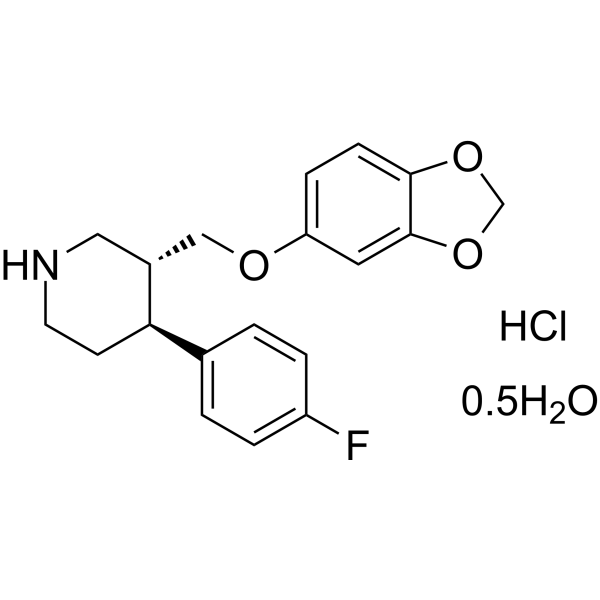
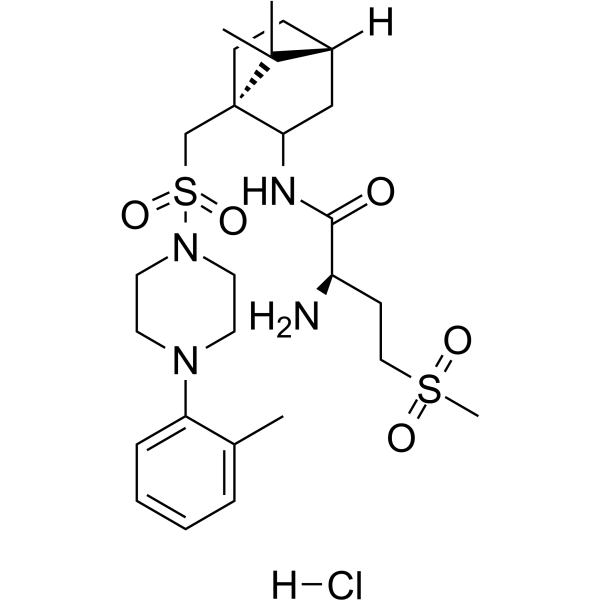
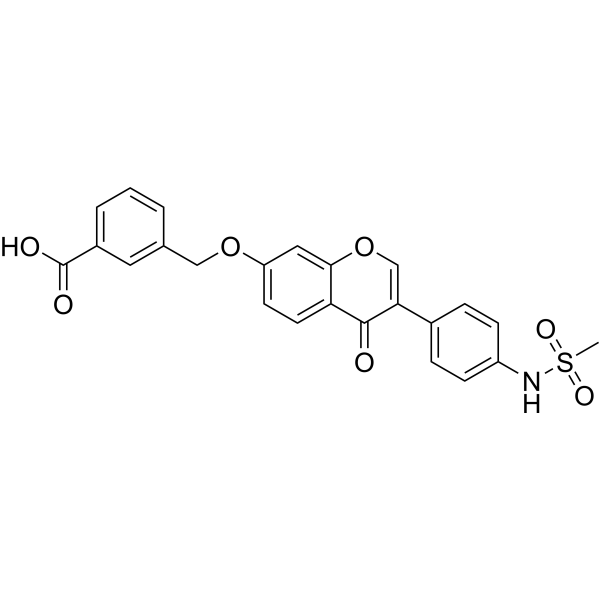
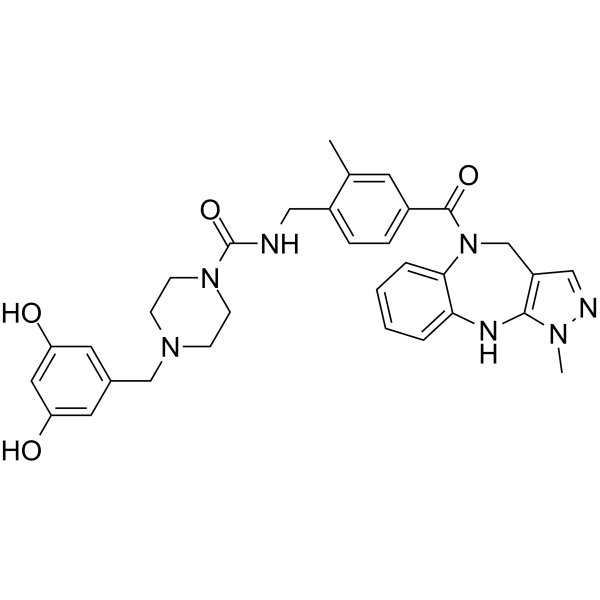
1. Search Result
Search Result
Results for "

social

" in MedChemExpress (MCE) Product Catalog:

75

Inhibitors & Agonists

1

Screening Libraries

8

Peptides

1

Inhibitory Antibodies

14

Natural
Products

10

Isotope-Labeled Compounds

1

Oligonucleotides

Cat. No. Product Name Target Research Areas Chemical Structure
  • HY-Y0966
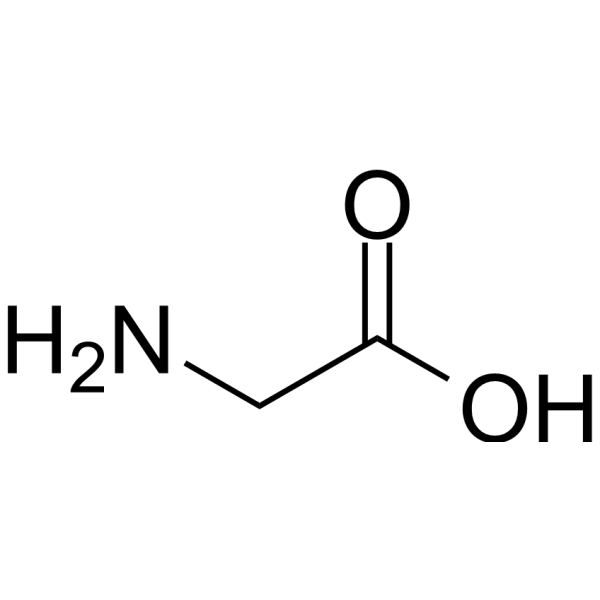
    Glycine
    10+ Cited Publications

    Environmental Pollutants Endogenous Metabolite iGluR VEGFR Ninjurin Infection Neurological Disease Inflammation/Immunology Cancer
    Glycine is an inhibitory neurotransmitter in the CNS and also acts as a co-agonist along with glutamate, facilitating an excitatory potential at the glutaminergic N-methyl-D-aspartic acid (NMDA) receptors. Glycine is orally active. Glycine inhibits the membrane aggregation of NINJ1 and prevents plasma membrane rupture during cell death. Glycine can be used to study cell protection, cancer, neurological diseases, and angiogenesis .
    Glycine
  • HY-108677
    L-368,899 hydrochloride
    5+ Cited Publications

    Oxytocin Receptor Endocrinology
    L-368,899 hydrochloride is a potent, selective, orally bioavailable, non-peptide oxytocin receptor antagonist, with IC50s of 8.9 nM and 26 nM for rat uterus and human uterus oxytocin receptor, respectively. L-368,899 hydrochloride used as a tocolytic agent .
    L-368,899 hydrochloride
  • HY-19801
    CVT-10216
    3 Publications Verification

    Aldehyde Dehydrogenase (ALDH) Neurological Disease
    CVT-10216 is a highly selective, reversible aldehyde dehydrogenase-2 (ALDH-2) inhibitor with an IC50 of 29 nM. CVT-10216 also has inhibitory effect of ALDH-1 with an IC50 of 1.3 μM. CVT-10216 can reduce excessive alcohol drinking in alcohol-preferring rats and exhibit anxiolytic effects .
    CVT-10216
  • HY-B0188A
    Mianserin hydrochloride
    1 Publications Verification

    Org GB 94

    Histamine Receptor Opioid Receptor ERK p38 MAPK Neurological Disease Metabolic Disease
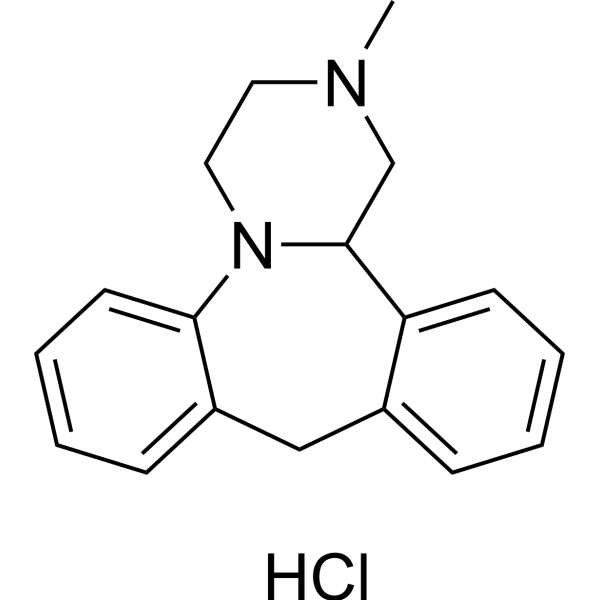
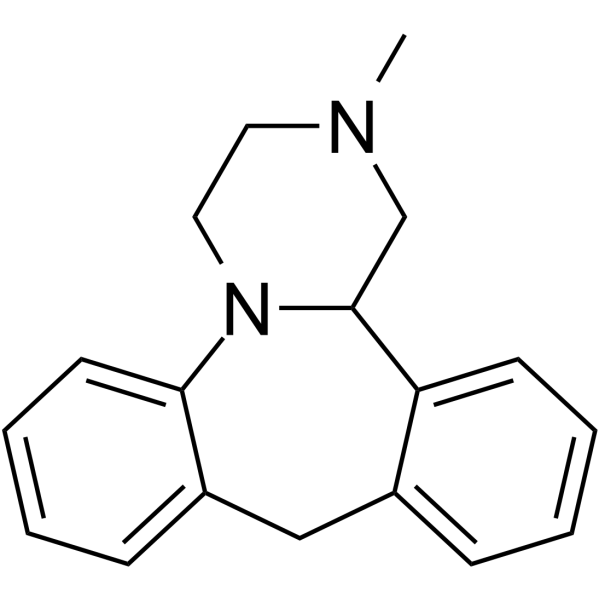
    Mianserin hydrochloride (Org GB 94) is an orally active H1 receptor antagonist. Mianserin hydrochloride can activate κ-opioid receptor and octopamine receptor. Mianserin hydrochloride increases ERK1/2 and CREB phosphorylation, and antagonizes full κ-opioid agonist and Dynorphin A (HY-P1333)-induced MAPK phosphorylation. Mianserin hydrochloride modulates social and exploratory behaviour, raises electroconvulsive thresholds. Mianserin hydrochloride can be used for the research of neurological disease, such as depression and epilepsy .
    Mianserin hydrochloride
  • HY-124733A

    Oxytocin Receptor Neurological Disease
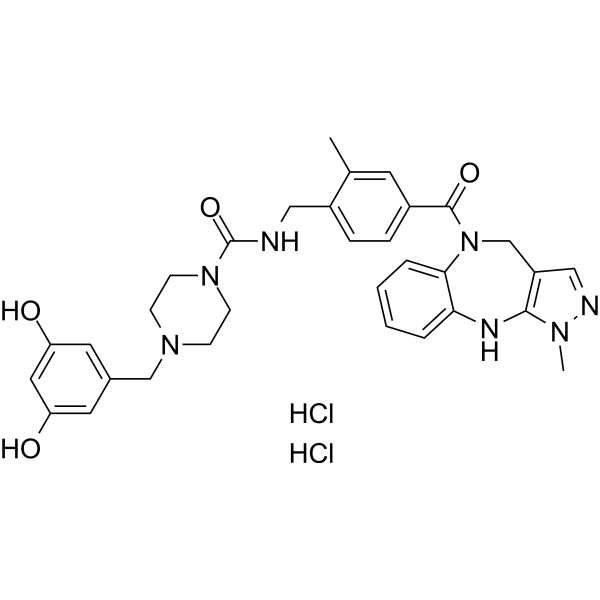
    LIT-001 is the first nonpeptide oxytocin receptor (OT-R) agonist (EC50=55 nM; Ki=226 nM). LIT-001 improves social interaction in a mouse model of autism .
    LIT-001
  • HY-13575
    Blonanserin
    1 Publications Verification

    AD-5423

    5-HT Receptor Dopamine Receptor Adrenergic Receptor Sigma Receptor Cardiovascular Disease Neurological Disease
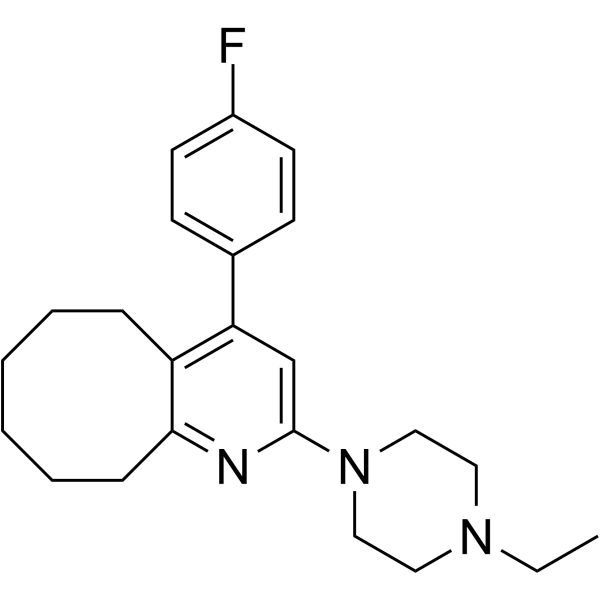
    Blonanserin (AD-5423) is a potent and orally active 5-HT2A (Ki=0.812 nM) and dopamine D2 receptor (Ki =0.142 nM) antagonist. Blonanserin is usually acts as an atypical antipsychotic agent and can be used for the research of extrapyramidal symptoms, excessive sedation, or hypotension .
    Blonanserin
  • HY-Y0966R
    Glycine (Standard)
    1 Publications Verification

    Reference Standards Endogenous Metabolite iGluR VEGFR Neurological Disease
    Glycine (Standard) is the analytical standard of Glycine. This product is intended for research and analytical applications. Glycine is an inhibitory neurotransmitter in the CNS and also acts as a co-agonist along with glutamate, facilitating an excitatory potential at the glutaminergic N-methyl-D-aspartic acid (NMDA) receptors. Glycine is orally active. Glycine can be used to study cell protection, cancer, neurological diseases, and angiogenesis .
    Glycine (Standard)
  • HY-100834
    5,7-Dichlorokynurenic acid
    1 Publications Verification

    5,7-DCKA

    iGluR Neurological Disease
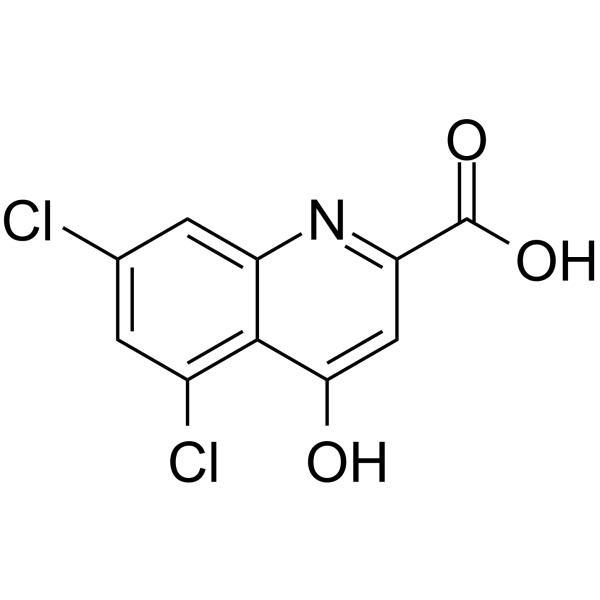
    5,7-Dichlorokynurenic acid (5,7-DCKA) is a selective and competitive antagonist of the glycine site on NMDA receptor with a KB of 65 nM. 5,7-Dichlorokynurenic acid reduces NMDA-induced neuron injury. 5,7-Dichlorokynurenic acid increases social interaction time, increases open arm exploration time, disinhibits suppressed conflict responding in rodent models. 5,7-Dichlorokynurenic acid exhibits anxiolytic-like activity in rodent models and supports exploration of glycine’s role in NMDA receptor-mediated synaptic transmission .
    5,7-Dichlorokynurenic acid
  • HY-W014901

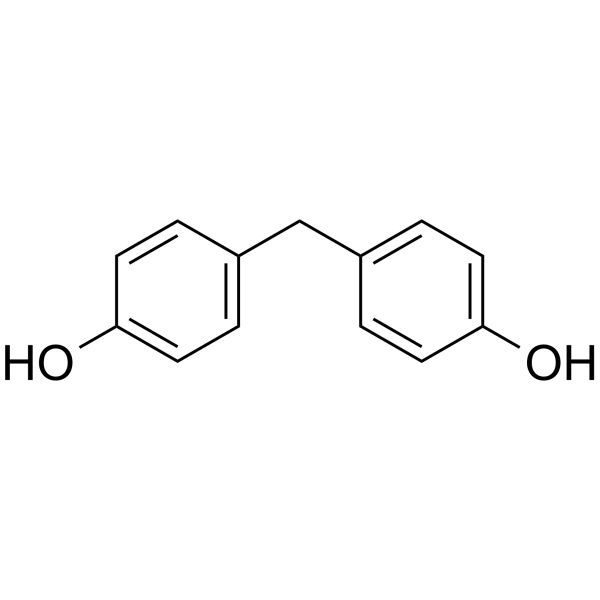
    BPF; 4,4'-Dihydroxydiphenylmethane

    Reactive Oxygen Species (ROS) Akt GSK-3 Apoptosis Cardiovascular Disease Neurological Disease Metabolic Disease Endocrinology
    Bisphenol F is an orally active endocrine disruptor. Bisphenol F promotes ROS generation, upregulates p-AKT/p-GSK3β, and induces Apoptosis. Bisphenol F interferes with glucose metabolism, affects neurodevelopment and reproductive function. Bisphenol F reduces social novelty preference in mouse offspring. Bisphenol F can be used in bone, blood, and fat-related studies. Bisphenol F is used as a substitute for Bisphenol A (HY-18260) .
    Bisphenol F
  • HY-15522
    WAY-267464
    2 Publications Verification

    Oxytocin Receptor Neurological Disease
    WAY-267464 is a non-peptide oxytocin receptor (OTR) agonist. WAY-267464 can impair social recognition memory in rats through a vasopressin 1A receptor antagonist action. WAY-267464 can be used for the research of psychiatric disorders, such disorders include autism spectrum disorder, schizophrenia, and social anxiety disorder .
    WAY-267464
  • HY-W004305

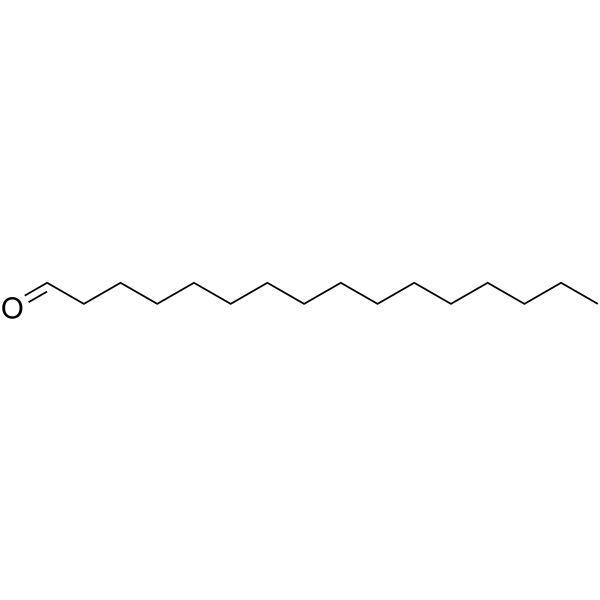
    Palmitaldehyde

    Environmental Pollutants Endogenous Metabolite Metabolic Disease
    Hexadecanal (Palmitaldehyde) , a volatile long-chain aliphatic aldehyde, is emitted from human feces, skin, and breath. The receptor for hexadecanal(OR37B) is highly conserved across mammals. Hexadecanal may exert its effects by modulating functional connectivity between the brain substrates of social appraisal and the brain substrates of aggressive execution. Also, Hexadecanal is confirmed to be highly deterrent to the ant Lasius niger. Hexadecanal is promising for the research of startle responses and aggression
    Hexadecanal
  • HY-B0188
    Mianserin
    1 Publications Verification

    Mianserine

    Histamine Receptor Opioid Receptor ERK p38 MAPK Neurological Disease
    Mianserin (Mianserine) is an orally active H1 receptor antagonist. Mianserin can activate κ-opioid receptor and octopamine receptor. Mianserin increases ERK1/2 and CREB phosphorylation, and antagonizes full κ-opioid agonist and Dynorphin A (HY-P1333)-induced MAPK phosphorylation. Mianserin modulates social and exploratory behaviour, raises electroconvulsive thresholds. Mianserin can be used for the research of neurological disease, such as depression and epilepsy .
    Mianserin
  • HY-172550

    HCN Channel Neurological Disease
    MS7710 is a hyperpolarization-activated cyclic nucleotide-gated (HCN) channel inhibitor with blood-brain barrier permeability and an excellent brain/plasma concentration ratio. MS7710 inhibits HCN channel-mediated Ih current, and reduces the firing frequency and burst activity of dopaminergic neurons in the ventral tegmental area. MS7710 ameliorates chronic social defeat stress-induced deficits in social interaction and impairments in reward-related cognitive flexibility in mice. MS7710 exerts only limited effects on ventral tegmental area dopaminergic neuron activity, social interaction, exploratory behavior, locomotor activity or sucrose preference in control mice. MS7710 is applicable to the research of major depressive disorder .
    MS7710
  • HY-109968

    CEP-26401

    Histamine Receptor Neurological Disease Metabolic Disease
    Irdabisant (CEP-26401) is a selective, orally active and blood-brain barrier (BBB) penetrant histamine H3 receptor (H3R) inverse agonist/inverse agonist with Ki values of 7.2 nM and 2.0 nM for rat H3R and human H3R, respectively. Irdabisant has relatively low inhibitory activity against hERG current with an IC50 of 13.8 μM. Irdabisant has cognition-enhancing and wake-promoting activities in the rat social recognition model. Irdabisant can be used to research schizophrenia or cognitive impairment .
    Irdabisant
  • HY-W089845
    Heneicosane
    1 Publications Verification

    Environmental Pollutants Fungal Sex Pheromone Infection Endocrinology
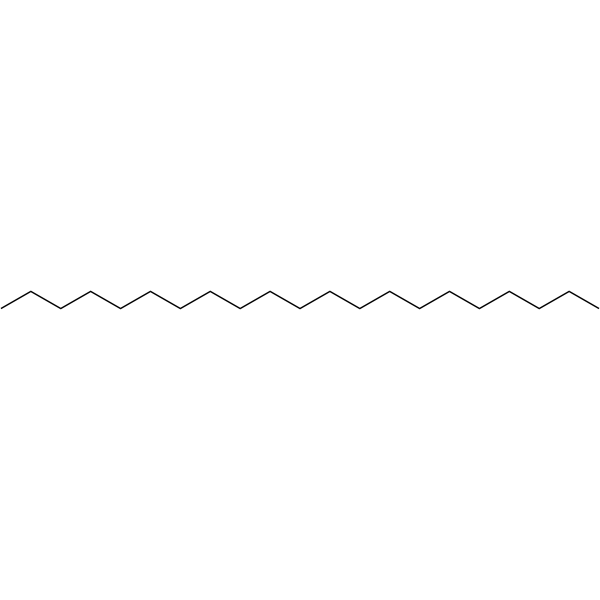
    Heneicosane is a royal-specific pheromone of insects (such as subterranean termites) and is an identification signal for queens and kings in termites. Heneicosane mediates royal recognition and the maintenance of social division of labor by being sensed by worker ants and triggering vibrations and antennal behaviors. Heneicosane can exert anti-inflammatory, analgesic and antipyretic activities by inhibiting the release of inflammatory mediators (such as prostaglandins and cytokines). At the same time, Heneicosane can also inhibit the mycelial growth of aflatoxin-producing fungi and inhibit the production of aflatoxin. Heneicosane can be used in insect chemical ecology research to analyze the regulatory mechanism of termite social behavior, and is also a potential target for new anti-inflammatory drugs .
    Heneicosane
  • HY-132228

    TAK-041; NBI-1065846

    GPR139 Neurological Disease
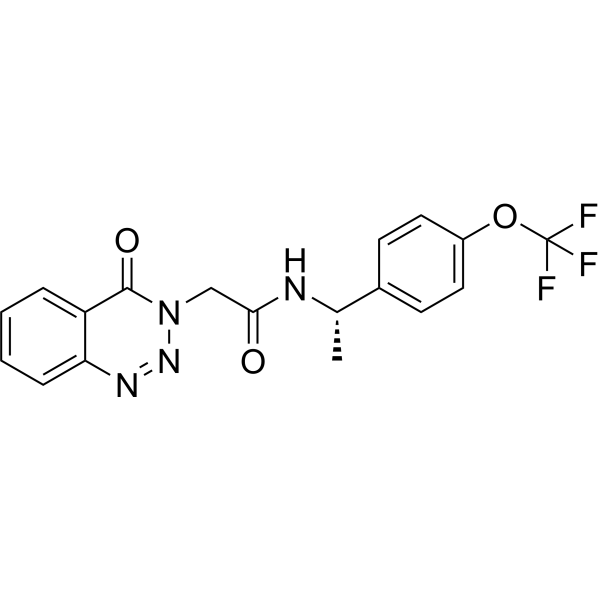
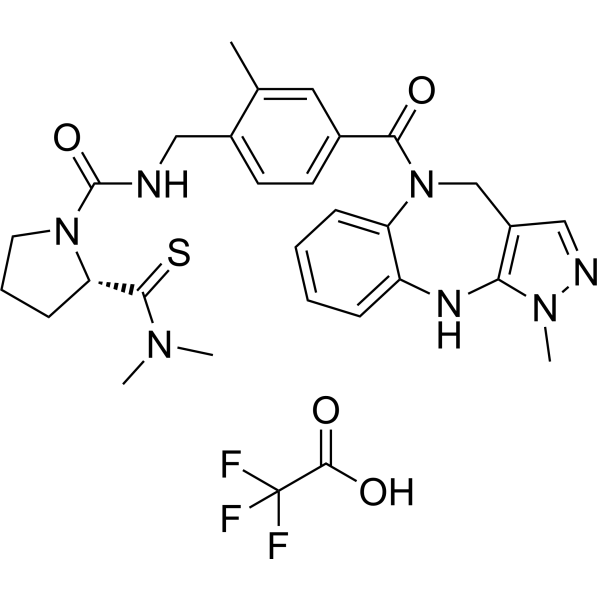
    Zelatriazin (TAK-041; NBI-1065846) is a potent and selective GPR139 agonist with an EC50 of 22 nM. Zelatriazin has the potential for the research of negative symptoms associated with schizophrenia .
    Zelatriazin
  • HY-P1858A

    CRFR Cardiovascular Disease Neurological Disease Endocrinology
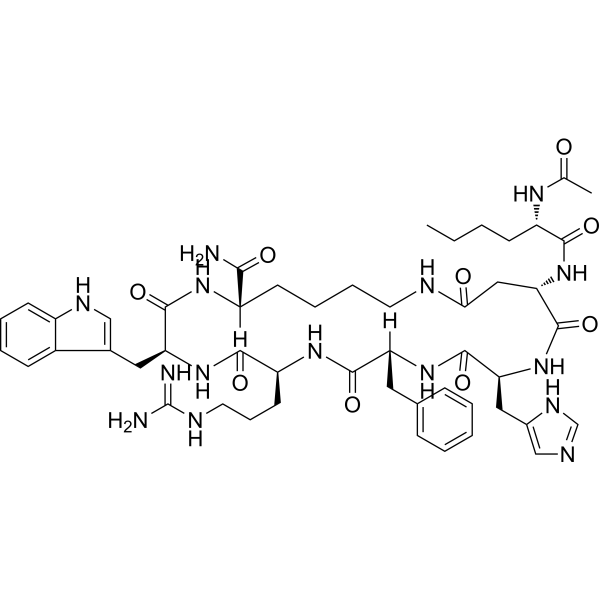
    Urocortin III, mouse TFA is a corticotropin-releasing factor (CRF)-related peptide. Urocortin III preferentially binds and activates CRF-R2 . Urocortin III (Ucn3) is a known component of the behavioral stress response system. Urocortin III and CRF-R2 in the medial amygdala regulate complex social dynamics .
    Urocortin III, mouse TFA
  • HY-110190

    ML396

    mGluR Neurological Disease
    VU0422288 (ML396) is a positive allosteric modulator of group III mGluRs. VU0422288 inhibits mGluRs with EC50s of 125 nM, 146 nM, and 108 nM for mGluR4, mGluR7, and mGluR8, respectively in calcium mobilization assays. VU0422288 reverses deficits in contextual fear memory, social recognition, and apneas in Rett syndrome (RTT) model mice .
    VU0422288
  • HY-W017424

    Drug Intermediate Caspase Apoptosis Neurological Disease Cancer
    2-Aminobenzothiazole acts as a caspase 3/7 activator, an anticancer cytotoxic agent, and also exhibits neurotoxicity. 2-Aminobenzothiazole drives the apoptotic pathway by activating caspase 3/7, induces mitochondrial inner membrane depolarization, and triggers both early and late apoptosis via a caspase-dependent pathway. In zebrafish models, 2-Aminobenzothiazole induces oxidative damage in brain tissues and inhibits genes related to GABA and 5-HT synthesis pathways. Long-term exposure to 2-Aminobenzothiazole impairs motor ability, social behavior, anxiety-like state and cognitive function. 2-Aminobenzothiazole can be used in studies of human laryngeal carcinoma and related neurotoxicity .
    2-Aminobenzothiazole
  • HY-N5025

    P2X Receptor Apoptosis ERK p38 MAPK c-Myc NF-κB Reactive Oxygen Species (ROS) Neurological Disease Inflammation/Immunology Cancer
    Bullatine A, a diterpenoid alkaloid, is a potent P2X7 antagonist. Bullatine A possesses anti-rheumatic, anti-inflammatory and anti-nociceptive effects. Bullatine A inhibits ATP-induced BV-2 cell death/apoptosis and P2X receptor-mediated inflammatory responses. Bullatine A suppresses glioma cell growth by targeting SIRT6. Bullatine A specifically attenuates pain hypersensitivity in rats. Bullatine A attenuates LPS (HY-D1056)-induced systemic inflammatory response by inhibiting the ROS/JNK/NF-κB pathway in mice. Bullatine A improves despair behavior in Chronic chronic social defeat stress (CSDS) mice. Bullatine A can be used for the study of inflammation, glioblastoma (GBM) and depression .
    Bullatine A
  • HY-120657

    CGRP Receptor NF-κB Neurological Disease Metabolic Disease Inflammation/Immunology
    9-PAHSA is an orally active endogenous GPR120 agonist (EC50=18 μM). 9-PAHSA significantly inhibits LPS-induced inflammatory responses by blocking the NF-κB pathway. 9-PAHSA induces adipocyte browning, enhances glucose uptake and reduces lipid accumulation, while improving mitochondrial function and the survival rate of steatotic hepatocytes. In terms of neuroprotection, 9-PAHSA regulates the expression of REST and BDNF in the prefrontal cortex of diabetic mice, and effectively prevents spatial working memory deficits and abnormal social behaviors. 9-PAHSA does not directly regulate insulin secretion or improve systemic insulin sensitivity, and possesses specific anti-inflammatory, metabolic regulatory and neuroprotective properties. 9-PAHSA can be used in the research of diabetes-related cognitive impairment, obesity and non-alcoholic fatty liver disease .
    9-PAHSA
  • HY-108679
    WAY-267464 hydrochloride
    2 Publications Verification

    Oxytocin Receptor Neurological Disease
    WAY-267464 (hydrochloride) is a non-peptide oxytocin receptor (OTR) agonist. WAY-267464 (hydrochloride) can impair social recognition memory in rats through a vasopressin 1A receptor antagonist action. WAY-267464 (hydrochloride) can be used for the research of psychiatric disorders, such disorders include autism spectrum disorder, schizophrenia, and social anxiety disorder .
    WAY-267464 hydrochloride
  • HY-136569

    Phosphodiesterase (PDE) Neurological Disease
    DSR-141562 is a novel, orally active, and selective brain-penetrant phosphodiesterase 1 (PDE1) inhibitor. DSR-141562 shows preferential selectivity for human PDE1B with an IC50 of 43.9 nM, and the IC50 values for human PDE1A and 1C are 97.6 and 431.8 nM, respectively. DSR-141562 can be used for the study of positive symptoms, negative symptoms and cognitive impairments associated with schizophrenia .
    DSR-141562
  • HY-P1858

    CRFR Cardiovascular Disease Neurological Disease Endocrinology
    Urocortin III, mouse is a corticotropin-releasing factor (CRF)-related peptide. Urocortin III preferentially binds and activates CRF-R2 . Urocortin III (Ucn3) is a known component of the behavioral stress response system. Urocortin III and CRF-R2 in the medial amygdala regulate complex social dynamics .
    Urocortin III, mouse
  • HY-103511

    GABA Receptor Neurological Disease
    TCS1105 is a benzodiazepine ligand with agonist for α2-subunit containing GABAA receptors and antagonist for α1-subunit containing GABAA receptors. TCS1105 reduces anxiety-like behavior in mice. TCS1105 enhances offensive behavior and social dominance. TCS1105 blocks Sema3A induced AGC (axonal growth cones) collapse in a concentration-dependent fashion .
    TCS1105
  • HY-P1480

    Neuropeptide Y (13-36), human

    Neuropeptide Y Receptor Neurological Disease Endocrinology
    Neuropeptide Y (13-36), amide, human is a selective neuropeptide Y2 receptor agonist .
    Neuropeptide Y (13-36), amide, human
  • HY-W009009

    GABA Receptor Neurological Disease
    L-838417 is a selective partial agonist at the α2, α3 and α5 subtypes of the GABAA receptor and an antagonist at the α1, with binding Ki values of 0.79 nM, 0.67 nM, 1.67 nM, 267 nM, 2.25 nM and 2183 nM for α1β3γ2, α2β3γ2, α3β3γ2, α4β3γ2, α5β3γ2 and α6β3γ2. L-838417 has anti-anxiety activity .
    L-838417
  • HY-161137

    Amino acid Transporter iGluR Neurological Disease
    LQFM215 is a proline transporter (PROT) inhibitor. LQFM215 inhibits proline transport by competitively binding to the active site of PROT. LQFM215 effectively reduces hyperlocomotion and enhances social interaction .
    LQFM215
  • HY-117820

    Vasopressin Receptor Cardiovascular Disease Neurological Disease
    TASP0390325 is a high affinity and orally active arginine vasopressin receptor 1B (V1B receptor) antagonist with antidepressant and anxiolytic activities .
    TASP0390325
  • HY-P3035

    G Protein-coupled Receptor Kinase (GRK) Neurological Disease
    Corazonin is a highly conserved neuropeptide hormone of wide-spread occurrence in insects, serves a central regulator of caste identity and behavior in social insects. Corazonin is also preferentially expressed in workers and/or foragers from other social insect species .
    Corazonin
  • HY-W039283

    MCHR1 (GPR24) Neurological Disease Cancer
    MCH-1 antagonist 2 (l-BROMO-2,4-DIFLUORO-5-NITROBEN-ZENE) is a melanin concentrating hormone-1 (MCH1) receptor-selective 4-aryl piperidine. MCH-1 antagonist 2 can be used for the research of depression, anxiety, obesity, urge incontinence, urinary incontinence, major depression, bipolar disorder, agoraphobia, specific phobia, social phobia, obsessive-compulsive disorder, post-traumatic stress disorder, acute stress disorder, urinary frequency, urinary urgency, nocturia, enuresis, bulimia, bulimia nervosa, anorexia nervosa, major depressive disorder, dysthymic disorder, bipolar 1 and 2 disorders, schizoaffective disorder, cognitive disorders with depressed mood, personality disorders, insomnia, hypersomnia, narcolepsy, circadian rhythm sleep disorder, nightmare disorder, sleep terror disorder, sleepwalking disorder, panic disorder, social anxiety disorder, generalized anxiety disorder, overactive bladder .
    MCH-1 antagonist 2
  • HY-P3216

    9-Deamidooxytocin

    Oxytocin Receptor Endocrinology
    Oxytocin free acid (9-Deamidooxytocin) is an analog of oxytocin in which the glycinamide residue at position 9 in oxytocin has been replaced by a glycine residue. Oxytocin is a pleiotropic, peptide hormone with broad implications for general health, adaptation, development, reproduction, and social behavior .
    Oxytocin free acid
  • HY-P3216B
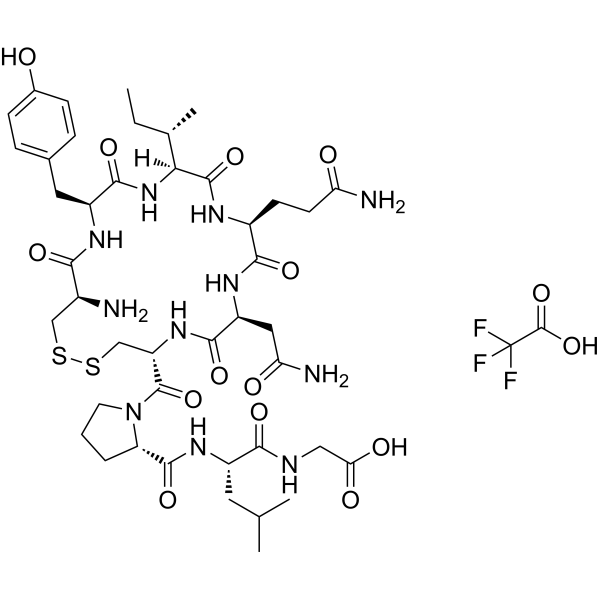
    Oxytocin free acid TFA
    10+ Cited Publications

    9-Deamidooxytocin TFA

    Oxytocin Receptor Endocrinology
    Oxytocin free acid (9-Deamidooxytocin) TFA is an analog of oxytocin in which the glycinamide residue at position 9 in oxytocin has been replaced by a glycine residue. Oxytocin is a pleiotropic, peptide hormone with broad implications for general health, adaptation, development, reproduction, and social behavior .
    Oxytocin free acid TFA
  • HY-149651

    GPR139 Neurological Disease
    GPR139 agonist-2 (compound 20a) is a potent GPR139 agonist with an EC50 of 24.7 nM. GPR139 agonist-2 rescues the social interaction deficits and alleviates cognitive deficits in murine schizophrenia models. GPR139 agonist-2 has the potential for antischizophrenia drug research .
    GPR139 agonist-2
  • HY-B0188AR

    Org GB 94 (Standard)

    Reference Standards Histamine Receptor Opioid Receptor ERK p38 MAPK Neurological Disease Metabolic Disease
    Mianserin hydrochloride (Org GB 94) (Standard) is the analytical standard of Mianserin hydrochloride. This product is intended for research and analytical applications. Mianserin hydrochloride is an orally active H1 receptor antagonist. Mianserin hydrochloride can activate κ-opioid receptor and octopamine receptor. Mianserin hydrochloride increases ERK1/2 and CREB phosphorylation, and antagonizes full κ-opioid agonist and Dynorphin A (HY-P1333)-induced MAPK phosphorylation. Mianserin hydrochloride modulates social and exploratory behaviour, raises electroconvulsive thresholds. Mianserin hydrochloride can be used for the research of neurological disease, such as depression and epilepsy .
    Mianserin hydrochloride (Standard)
  • HY-B0188S

    Mianserine-d3

    Histamine Receptor Isotope-Labeled Compounds Opioid Receptor ERK p38 MAPK Neurological Disease
    Mianserin-d3 is the deuterium labeled Mianserin (HY-B0188). Mianserin (Mianserine) is an orally active H1 receptor antagonist. Mianserin can activate κ-opioid receptor and octopamine receptor. Mianserin increases ERK1/2 and CREB phosphorylation, and antagonizes full κ-opioid agonist and Dynorphin A (HY-P1333)-induced MAPK phosphorylation. Mianserin modulates social and exploratory behaviour, raises electroconvulsive thresholds. Mianserin can be used for the research of neurological disease, such as depression and epilepsy .
    Mianserin-d3
  • HY-W014901S

    BPF-13C6; 4,4'-Dihydroxydiphenylmethane-13C6

    Isotope-Labeled Compounds Reactive Oxygen Species (ROS) Akt GSK-3 Apoptosis Cardiovascular Disease Neurological Disease Metabolic Disease Endocrinology
    Bisphenol F- 13C6 is the 13C labeled Bisphenol F (HY-W014901). Bisphenol F is an orally active endocrine disruptor. Bisphenol F promotes ROS generation, upregulates p-AKT/p-GSK3β, and induces Apoptosis. Bisphenol F interferes with glucose metabolism, affects neurodevelopment and reproductive function. Bisphenol F reduces social novelty preference in mouse offspring. Bisphenol F can be used in bone, blood, and fat-related studies. Bisphenol F is used as a substitute for Bisphenol A (HY-18260) .
    Bisphenol F-13C6
  • HY-W770410

    Isotope-Labeled Compounds CGRP Receptor NF-κB Others
    9-PAHSA- 13C4 is 13C-labeled 9-PAHSA. 9-PAHSAis an orally active endogenous GPR120 agonist (EC50=18 μM). 9-PAHSAsignificantly inhibits LPS-induced inflammatory responses by blocking the NF-κB pathway. 9-PAHSAinduces adipocyte browning, enhances glucose uptake and reduces lipid accumulation, while improving mitochondrial function and the survival rate of steatotic hepatocytes. In terms of neuroprotection, 9-PAHSAregulates the expression of REST and BDNF in the prefrontal cortex of diabetic mice, and effectively prevents spatial working memory deficits and abnormal social behaviors. 9-PAHSAdoes not directly regulate insulin secretion or improve systemic insulin sensitivity, and possesses specific anti-inflammatory, metabolic regulatory and neuroprotective properties. 9-PAHSAcan be used in the research of diabetes-related cognitive impairment, obesity and non-alcoholic fatty liver disease .
    9-PAHSA-13C4
  • HY-124733

    Oxytocin Receptor Neurological Disease
    LIT-001 free base is the first nonpeptide oxytocin receptor (OT-R) agonist (EC50=55 nM; Ki=226 nM). LIT-001 free base improves social interaction in a mouse model of autism .
    LIT-001 free base
  • HY-155484

    Sigma Receptor Neurological Disease
    SOMCL-668 is a selective and potent sigma-1 receptor allosteric modulator. ?SOMCL-668 shows positive modulation of improvement in social deficits and cognitive impairment induced by the selective sigma-1 agonist PRE084.?SOMCL-668 displays anti-seizure activities and can be used for psychotic illness research .
    SOMCL-668
  • HY-B0188AS

    Org GB 94-d3

    Isotope-Labeled Compounds Histamine Receptor Opioid Receptor ERK p38 MAPK Neurological Disease Metabolic Disease
    Mianserin-d3 hydrochloride is the deuterium labeled Mianserin. Mianserin (Mianserine) is an orally active H1 receptor antagonist. Mianserin can activate κ-opioid receptor and octopamine receptor. Mianserin increases ERK1/2 and CREB phosphorylation, and antagonizes full κ-opioid agonist and Dynorphin A (HY-P1333)-induced MAPK phosphorylation. Mianserin modulates social and exploratory behaviour, raises electroconvulsive thresholds. Mianserin can be used for the research of neurological disease, such as depression and epilepsy .
    Mianserin-d3 hydrochloride
  • HY-W014901S1

    BPF-13C12; 4,4'-Dihydroxydiphenylmethane-13C12

    Isotope-Labeled Compounds Reactive Oxygen Species (ROS) Akt GSK-3 Apoptosis Cardiovascular Disease Neurological Disease Metabolic Disease Endocrinology
    Bisphenol F- 13C12 is the 13C labeled Bisphenol F (HY-W014901). Bisphenol F is an orally active endocrine disruptor. Bisphenol F promotes ROS generation, upregulates p-AKT/p-GSK3β, and induces Apoptosis. Bisphenol F interferes with glucose metabolism, affects neurodevelopment and reproductive function. Bisphenol F reduces social novelty preference in mouse offspring. Bisphenol F can be used in bone, blood, and fat-related studies. Bisphenol F is used as a substitute for Bisphenol A (HY-18260) .
    Bisphenol F-13C12
  • HY-120657S

    Isotope-Labeled Compounds CGRP Receptor NF-κB Others
    9-PAHSA-d4 is the deuterium labeled 9-PAHSA. 9-PAHSA is an orally active endogenous GPR120 agonist (EC50=18 μM). 9-PAHSA significantly inhibits LPS-induced inflammatory responses by blocking the NF-κB pathway. 9-PAHSA induces adipocyte browning, enhances glucose uptake and reduces lipid accumulation, while improving mitochondrial function and the survival rate of steatotic hepatocytes. In terms of neuroprotection, 9-PAHSA regulates the expression of REST and BDNF in the prefrontal cortex of diabetic mice, and effectively prevents spatial working memory deficits and abnormal social behaviors. 9-PAHSA does not directly regulate insulin secretion or improve systemic insulin sensitivity, and possesses specific anti-inflammatory, metabolic regulatory and neuroprotective properties. 9-PAHSA can be used in the research of diabetes-related cognitive impairment, obesity and non-alcoholic fatty liver disease .
    9-PAHSA-d4
  • HY-W822786

    5-HT Receptor Neurological Disease
    GR125487 is a highly selective and potent 5-HT4 receptor (5-HT4 receptor) antagonist with a Kd value of 0.1 nM. GR125487 has an extremely low affinity for 5-HT3 receptors (Kd > 1 μM). GR125487 completely antagonizes the memory-promoting effect of BIMU1, and its administration alone has no significant effect on basic social memory. GR125487 can be used for the study of social olfactory memory .
    GR125487
  • HY-N5159

    iGluR Neurological Disease
    Ampullosporin A is a peptaibol-type polypeptide that can be isolated from the fungus Sepedonium ampullosporum HKI-0053, exhibiting neuroleptic-like activity. Ampullosporin A can inhibit hyperactivity induced by NMDA receptor antagonist MK-801 (HY-15084B) and ameliorate social behavior abnormalities caused by subchronic drug treatment. Ampullosporin A alters the activity of glutamate receptors without affecting dopamine D1 and D2 receptors .
    Ampullosporin A
  • HY-109968A

    CEP-26401 hydrochloride

    Histamine Receptor Neurological Disease
    Irdabisant (CEP-26401) hydrochloride is a selective, orally active and blood-brain barrier (BBB) penetrant histamine H3 receptor (H3R) inverse agonist/inverse agonist with Ki values of 7.2 nM and 2.0 nM for rat H3R and human H3R, respectively. Irdabisant hydrochloride has relatively low inhibitory activity against hERG current with an IC50 of 13.8 μM. Irdabisant hydrochloride has cognition-enhancing and wake-promoting activities in the rat social recognition model. Irdabisant hydrochloride can be used to research schizophrenia or cognitive impairment .
    Irdabisant hydrochloride
  • HY-100834A

    5,7-DCKA sodium

    iGluR Neurological Disease
    5,7-Dichlorokynurenic acid (5,7-DCKA) sodium is a selective and competitive antagonist of the glycine site on NMDA receptor with a KB of 65 nM. 5,7-Dichlorokynurenic acid sodium reduces NMDA-induced neuron injury. 5,7-Dichlorokynurenic acid sodium increases social interaction time, increases open arm exploration time, disinhibits suppressed conflict responding in rodent models. 5,7-Dichlorokynurenic acid sodium exhibits anxiolytic-like activity in rodent models and supports exploration of glycine’s role in NMDA receptor-mediated synaptic transmission .
    5,7-Dichlorokynurenic acid sodium
  • HY-105127

    CGP 11305A hydrochloride

    Monoamine Oxidase Neurological Disease
    Brofaromine (hydrochloride) is a monoamine oxidase A (MAO-A) inhibitor and a 5-HT uptake inhibitor. Brofaromine (hydrochloride) shows antidepressant-like activity in the social conflict test in rats .
    Brofaromine hydrochloride
  • HY-133171A

    Serotonin Transporter Neurological Disease
    (S)-Norfluoxetine, a S enantiomer of Norfluoxetine (HY-135556), is a selective serotonin reuptake inhibitor. (S)-Norfluoxetine can increase allopregnanolone levels and reduce aggression in socially isolated mice .
    (S)-Norfluoxetine
  • HY-W009009R

    Reference Standards GABA Receptor Neurological Disease
    L-838417 (Standard) is the analytical standard of L-838417 (HY-W009009). This product is intended for research and analytical applications. L-838417 is a selective partial agonist at the α2, α3 and α5 subtypes of the GABAA receptor and an antagonist at the α1, with binding Ki values of 0.79 nM, 0.67 nM, 1.67 nM, 267 nM, 2.25 nM and 2183 nM for α1β3γ2, α2β3γ2, α3β3γ2, α4β3γ2, α5β3γ2 and α6β3γ2. L-838417 has anti-anxiety activity .
    L-838417 (Standard)

Inquiry Online

Your information is safe with us. * Required Fields.

Salutation


Country or Region *

Applicant Name *


Organization Name *

Department *


Email Address *


Product Name *

Cat. No.


Requested quantity *

Phone Number *


Remarks

Inquiry Online

Inquiry Information

Product Name:
Cat. No.:
Quantity:
MCE Japan Authorized Agent:

