35 Results for "

systemic resistance

" in MedChemExpress (MCE) Product Catalog:
Products (35)

35 Results for "systemic resistance" in MCE Product Catalog:

8
8 Publications Verification
Cat. No.: HY-12717
CAS No.: 50-60-2
Purity:  99.94%
Target:  

Adrenergic Receptor

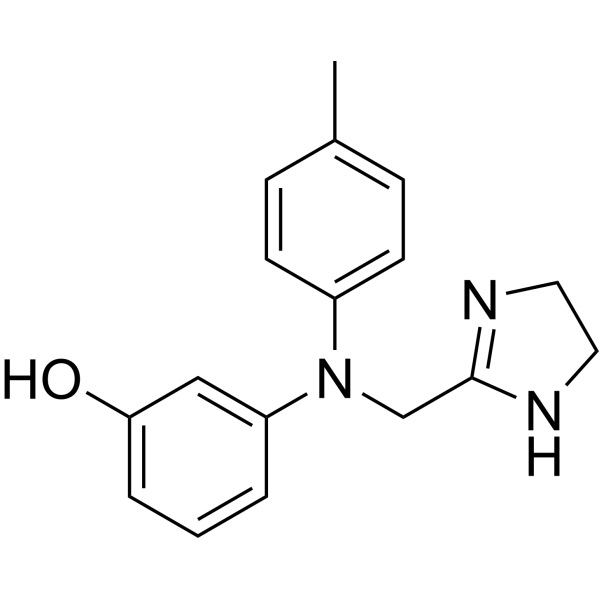
Phentolamine is an orally active, selective α1 and α2 Adrenergic receptor antagonist. Phentolamine antagonizes the vasodilatory effect of Cromakalim (HY-110011) on isolated circumflex coronary artery segments in dogs. Phentolamine reduces systemic vascular resistance and increases cardiac output. Phentolamine improves erectile dysfunction. Phentolamine can be used for the research of erectile dysfunction .
loading...
    loading...
8
8 Publications Verification
Cat. No.: HY-12717A
CAS No.: 73-05-2
Purity:  99.87%
Target:  

Adrenergic Receptor

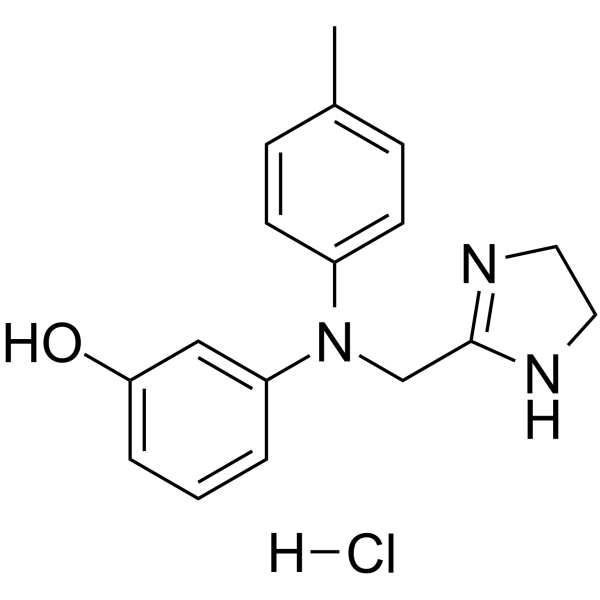
Phentolamine hydrochloride is an orally active, selective α1 and α2 Adrenergic receptor antagonist. Phentolamine hydrochloride antagonizes the vasodilatory effect of Cromakalim (HY-110011) on isolated circumflex coronary artery segments in dogs. Phentolamine hydrochloride reduces systemic vascular resistance and increases cardiac output. Phentolamine hydrochloride improves erectile dysfunction. Phentolamine hydrochloride can be used for the research of erectile dysfunction .
loading...
    loading...
6
6 Cited Publications
Cat. No.: HY-N7378
CAS No.: 115819-92-6
Synonyms: 1-Hydroxy-2-piperidinecarboxylic acid; NHP
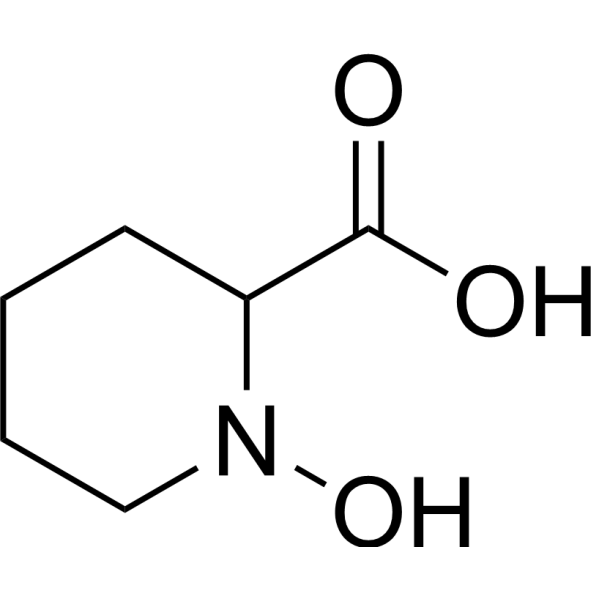
N-Hydroxypipecolic acid (1-Hydroxy-2-piperidinecarboxylic acid), a plant metabolite and a systemic acquired resistance (SAR) regulator, orchestrates SAR establishment in concert with the immune signal salicylic acid. N-Hydroxypipecolic acid accumulates systemically in the plant foliage in response to pathogen attack. N-Hydroxypipecolic acid induces SAR to bacterial and oomycete infection .
loading...
    loading...
1
1 Cited Publications
Cat. No.: HY-139567
CAS No.: 2171019-55-7
Purity:  99.37%
Synonyms: BMS-986256
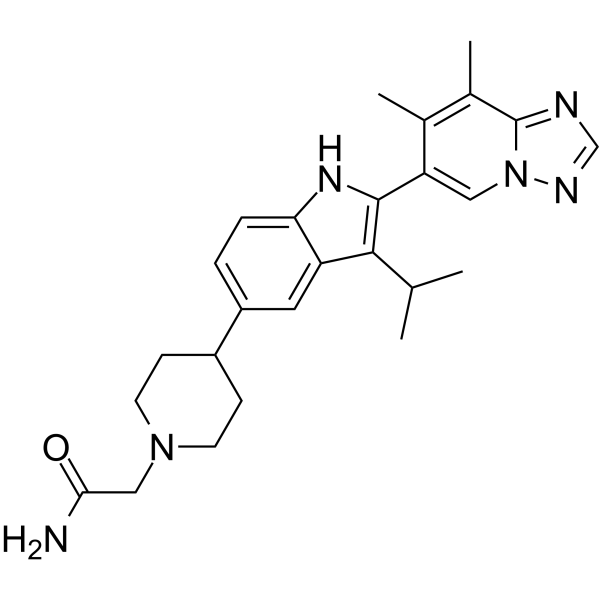
Afimetoran (BMS-986256) is an orally active, selective, and highly bioavailable TLR7/8 antagonist. Afimetoran (BMS-986256) can inhibit TLR7/8 activation of the NF-κB pathway and reverse TLR7 mediated resistance to steroid induced apoptosis in plasma cell like dendritic cells (pDCs). Afimetoran (BMS-986256) can be used for research on inflammation and autoimmune diseases (systemic lupus erythematosus) .
loading...
    loading...
Cat. No.: HY-Y0189
CAS No.: 119-36-8
Synonyms: Salicylic acid methyl ester
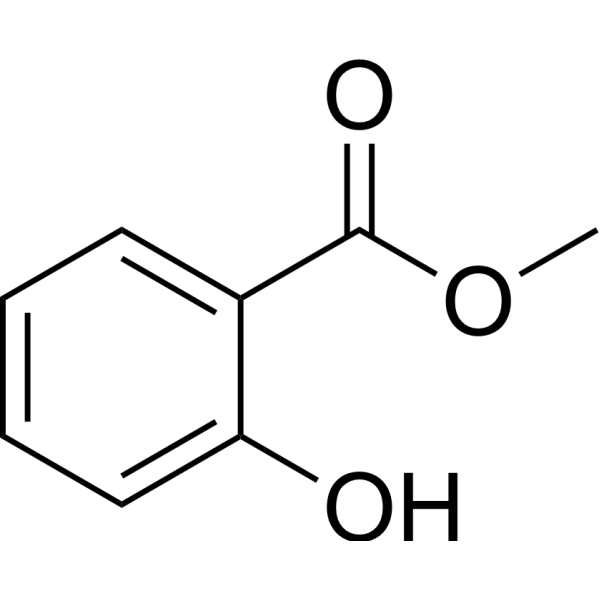
Methyl Salicylate (Wintergreen oil) is a topical analgesic and anti-inflammatory agent. Also used as a pesticide, a denaturant, a fragrance ingredient, and a flavoring agent in food and tobacco products . A systemic acquired resistance (SAR) signal in tobacco . A topical nonsteroidal anti-inflammatory agent (NSAID). Methyl salicylate lactoside is a COX inhibitor .
loading...
    loading...
Cat. No.: HY-N9497
CAS No.: 3687-64-7
Category:  

Natural Products

Target:  

Galectin Fungal

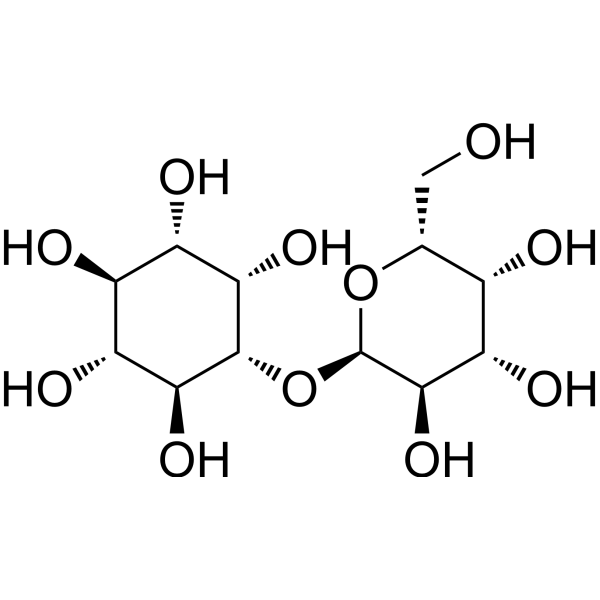
Galactinol is a disaccharide carbohydrate serving as a galactosyl donor, which belongs to the raffinose family oligosaccharide pathway and acts as an important osmoprotectant. Galactinol not only induces disease resistance in plants against fungal and bacterial pathogens, but also significantly enhances plant tolerance to abiotic stresses such as drought, high salinity, low temperature and oxidative damage. In addition, Galactinol has the ability to scavenge hydroxyl radicals, can act as a signaling component for root colonization-induced systemic resistance, and is positively correlated with seed longevity in various crops, making it a potential biomarker for evaluating seed vigor. Therefore, Galactinol can be used in the research of various plant diseases including fungal leaf spot, bacterial angular leaf spot, gray mold and soft rot .
loading...
    loading...
Cat. No.: HY-B1325
CAS No.: 64544-07-6
Target:  

Bacterial Antibiotic

Research Areas:  

Infection Inflammation/Immunology

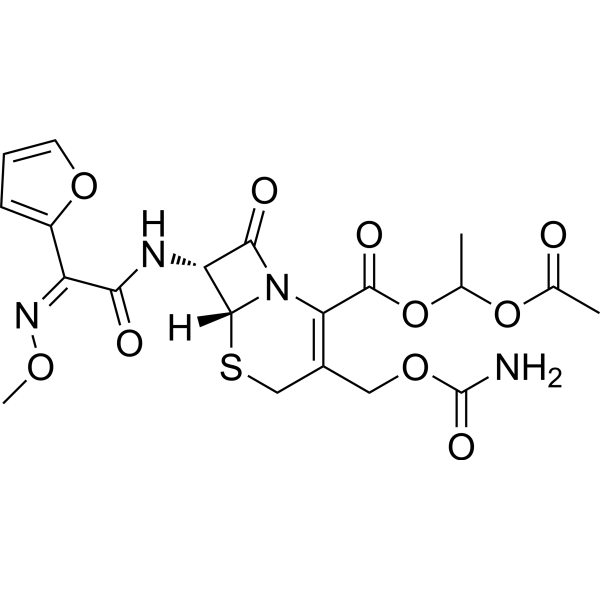
Cefuroxime axetil is an orally effective broad-spectrum β-lactam antibiotic that targets bacterial penicillin-binding proteins (PBPs, such as PBP3 and PBP1). Cefuroxime axetil inhibits cell wall synthesis, leading to bacterial lysis and death, with a minimum inhibitory concentration (MIC) of 0.12-4 mg/L for non-typeable Haemophilus influenzae (NTHi). Cefuroxime axetil is hydrolyzed by esterase to the active ingredient Cefuroxime (HY-B1256A) after oral absorption. Topical administration of Cefuroxime via bioadhesive nanoparticles (BNPs) can prolong the drug's retention time in the middle ear (≥7 days). Cefuroxime axetil can be used in the study of otitis media (especially NTHi infection). Cefuroxime axetil can achieve precise antibacterial effects through oral or topical nano-delivery systems, reducing systemic exposure and the risk of antibiotic resistance .
loading...
    loading...
Cat. No.: HY-W016477
CAS No.: 92-82-0
Phenazine is an electron shuttles, which modulates the redox state of cells and the downstream gene expression related to biofilm formation and bacterial survival. Phenazines is a biocontrol agents, which affects the growth of plants and induces the systemic resistance in plants. Phenazine maintains NAD+/NADH balance .
loading...
    loading...
Cat. No.: HY-N7065
CAS No.: 7327-87-9
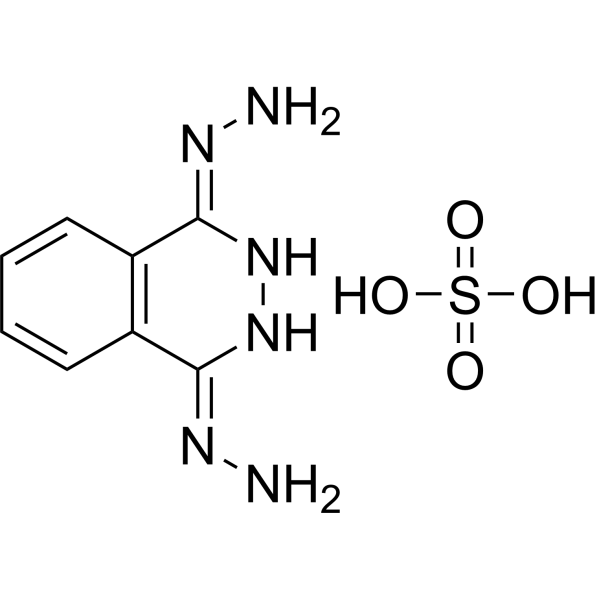
Dihydralazine sulfate is an antihypertensive hydrazine derivative and also a low-potency genotoxic agent. Dihydralazine sulfate is a direct-acting mutagen with a mixed gene mutation mechanism, which induces DNA fragmentation in the lung, kidney and spleen of mice, and induces sister chromatid exchange in mouse bone marrow cells. Dihydralazine sulfate specifically kills DNA repair-deficient bacteria. Dihydralazine sulfate is a vasodilator and antihypertensive agent that reduces systemic vascular resistance, increases cardiac output and heart rate, thereby lowering blood pressure. Dihydralazine sulfate can be used in research related to hypertension and severe early-onset preeclampsia .
loading...
    loading...
Cat. No.: HY-106690
CAS No.: 57961-90-7
Purity:  99.87%
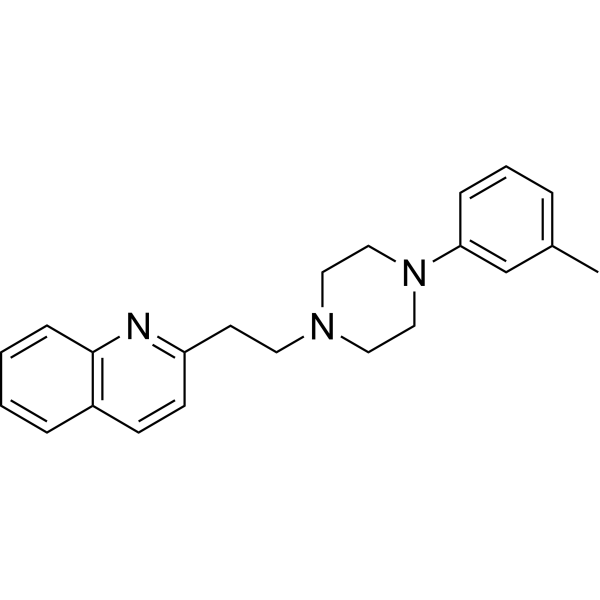
Synonyms: Centhaquine; PMZ-2010
Centhaquine (Centhaquin; PMZ-2010) is a novel agent has the potential for treatment of haemorrhagic shock. Centhaquine (Centhaquin; PMZ-2010) can augment cardiac output, reduce systemic vascular resistance in haemorrhagic models .
loading...
    loading...
Cat. No.: HY-116541
CAS No.: 135158-54-2
Purity:  99.77%
Synonyms: ASM
Research Areas:  

Infection

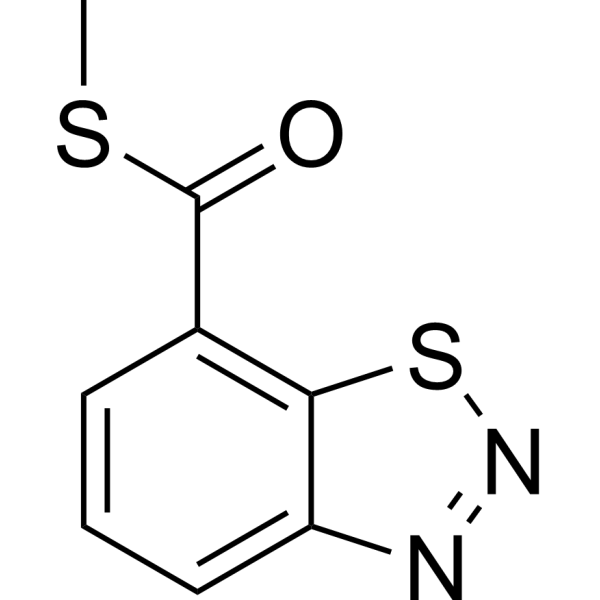
Acibenzolar-S-methyl (ASM) is a plant resistance inducer that mimics pathogen-host interactions and leads to systemic acquired resistance in plants. Acibenzolar-S-methyl helps reduce the use of pesticides and can be used in research to prevent plant diseases .
loading...
    loading...
Cat. No.: HY-165035
CAS No.: 85305-87-9
Synonyms: Glucocerebrosides; Gaucher cerebroside; GluCers (gaucher's spleen)
Glucosylceramide (Glucocerebrosides) (gaucher's spleen) is a glycosphingolipid and primary substrate of acid β-glycosidase, suppresses tyrosine phosphorylation of insulin receptor and IRS-1, disrupts insulin signaling cascade and triggers pancreatic β-cell dysfunction. Glucosylceramide (Gaucher's spleen) accumulates in rodents and induces obesity and insulin resistance, restores systemic glucose homeostasis and insulin sensitivity when synthesis is suppressed. Glucosylceramide (Gaucher's spleen) accumulates in the brain of chronic neuronopathic Gaucher disease mice with age and can be applied for research on insulin resistance, type 2 diabetes mellitus and chronic neuronopathic Gaucher disease .
loading...
    loading...
Cat. No.: HY-Y0189R
CAS No.: 119-36-8
Synonyms: Salicylic acid methyl ester (Standard)
Methyl Salicylate (Standard) is the analytical standard of Methyl Salicylate. This product is intended for research and analytical applications. Methyl Salicylate (Wintergreen oil) is a topical analgesic and anti-inflammatory agent. Also used as a pesticide, a denaturant, a fragrance ingredient, and a flavoring agent in food and tobacco products . A systemic acquired resistance (SAR) signal in tobacco . A topical nonsteroidal anti-inflammatory agent (NSAID). Methyl salicylate lactoside is a COX inhibitor .
loading...
    loading...
Cat. No.: HY-135258
CAS No.: 1217474-91-3
Purity:  ≥98.0%
Target:  

Galectin Fungal

Research Areas:  

Others

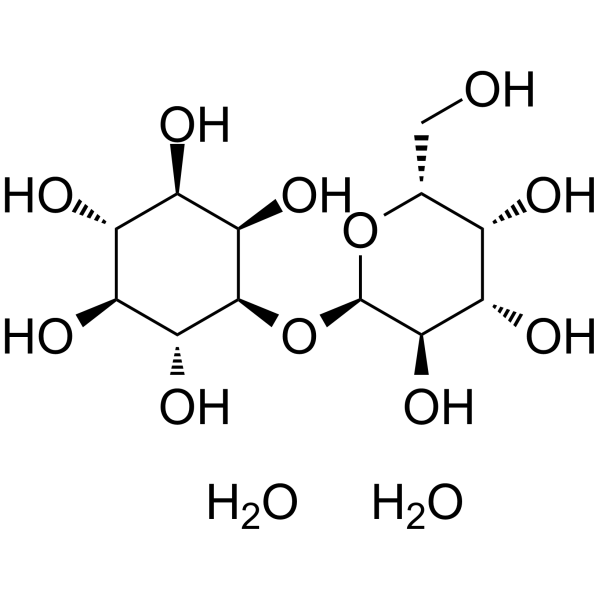
Galactinol dihydrate is a disaccharide carbohydrate serving as a galactosyl donor, which belongs to the raffinose family oligosaccharide pathway and acts as an important osmoprotectant. Galactinol dihydrate not only induces disease resistance in plants against fungal and bacterial pathogens, but also significantly enhances plant tolerance to abiotic stresses such as drought, high salinity, low temperature and oxidative damage. In addition, Galactinol dihydrate has the ability to scavenge hydroxyl radicals, can act as a signaling component for root colonization-induced systemic resistance, and is positively correlated with seed longevity in various crops, making it a potential biomarker for evaluating seed vigor. Therefore, Galactinol dihydrate can be used in the research of various plant diseases including fungal leaf spot, bacterial angular leaf spot, gray mold and soft rot .
loading...
    loading...
Cat. No.: HY-17517
CAS No.: 223580-51-6
Research Areas:  

Infection

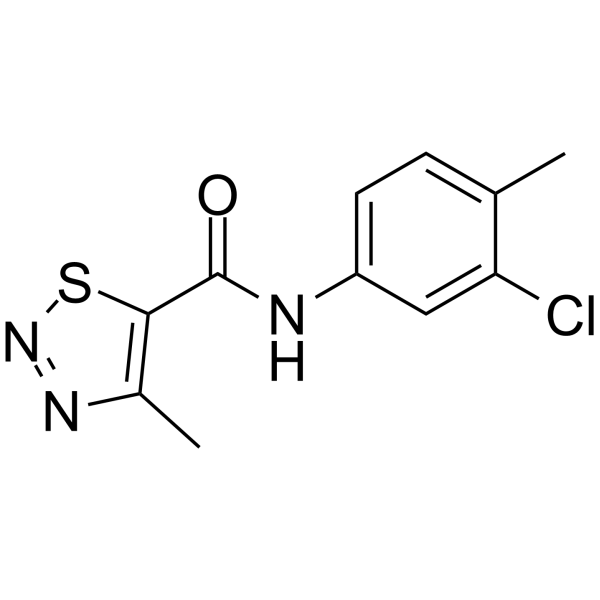
Tiadinil is a systemic acquired resistance (SAR) inducer, plant elicitor and antifungal agent. Tiadinil promotes the production of herbivore-induced plant volatiles in Camellia sinensis (tea plant). Tiadinil inhibits mycelial growth, spore germination and germ tube elongation of Stagonosporopsis citrulli in vitro. Tiadinil can be used in studies related to vine blight .
loading...
    loading...
Cat. No.: HY-116541R
CAS No.: 135158-54-2
Synonyms: ASM (Standard)
Research Areas:  

Infection

Acibenzolar-S-methyl (Standard) is the analytical standard of Acibenzolar-S-methyl. This product is intended for research and analytical applications. Acibenzolar-S-methyl (ASM) is a plant resistance inducer that mimics pathogen-host interactions and leads to systemic acquired resistance in plants. Acibenzolar-S-methyl helps reduce the use of pesticides and can be used in research to prevent plant diseases .
loading...
    loading...
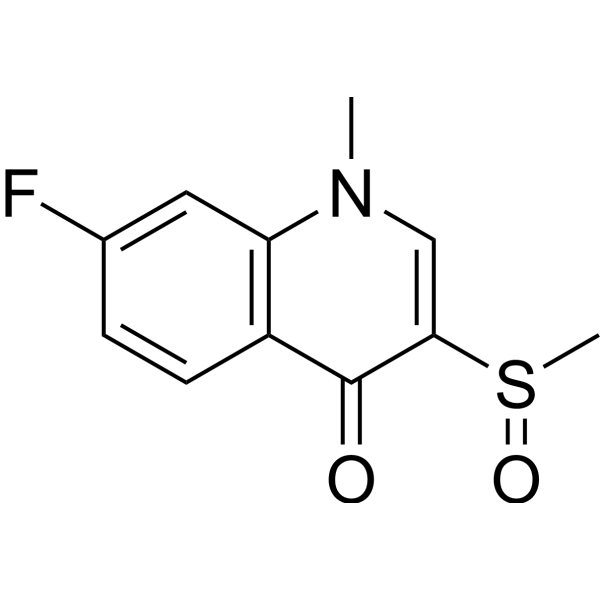
Cat. No.: HY-119817
CAS No.: 76568-02-0
Synonyms: BTS 49465; Flosequinon
Target:  

PKC

Research Areas:  

Cardiovascular Disease

Flosequinan is a balanced vasodilator. Flosequinan not only significantly reduces systemic vascular resistance, but also significantly reduces the beating component of left ventricular afterload, characteristic impedance and arterial wave reflection, which can be used in the research of acute heart failure .
loading...
    loading...
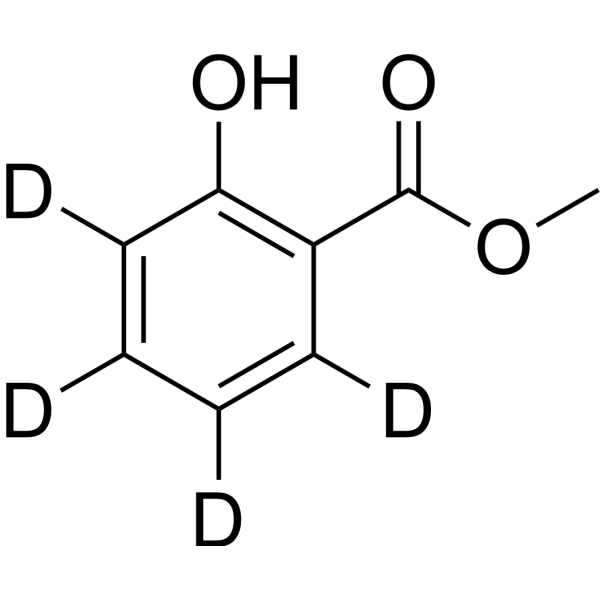
Cat. No.: HY-Y0189S
CAS No.: 1219802-12-6
Synonyms: Wintergreen oil-d4
Methyl Salicylate-d4 is the deuterium labeled Methyl Salicylate . Methyl Salicylate (Wintergreen oil) is a topical analgesic and anti-inflammatory agent. Also used as a pesticide, a denaturant, a fragrance ingredient, and a flavoring agent in food and tobacco products . A systemic acquired resistance (SAR) signal in tobacco . A topical nonsteroidal anti-inflammatory agent (NSAID). Methyl salicylate lactoside is a COX inhibitor .
loading...
    loading...
Cat. No.: HY-106690R
CAS No.: 57961-90-7
Target:  

Others

Centhaquin (Standard) is the analytical standard of Centhaquin. This product is intended for research and analytical applications. Centhaquine (Centhaquin; PMZ-2010) is a novel agent has the potential for treatment of haemorrhagic shock. Centhaquine (Centhaquin; PMZ-2010) can augment cardiac output, reduce systemic vascular resistance in haemorrhagic models .
loading...
    loading...
Cat. No.: HY-178476
CAS No.: 3096122-10-7
Research Areas:  

Infection

Anti-MRSA agent 36 (Compound III13) is an antibacterial agent with strong anti MRSA activity (MIC = 1 μg/mL). Anti-MRSA agent 36 targets phosphatidylglycerol (PG) on bacterial membranes, disrupting membrane integrity, leading to DNA leakage and increased ROS. Anti-MRSA agent 36 has advantages such as low cytotoxicity, low hemolysis, difficulty in inducing drug resistance, and good plasma stability. Anti-MRSA agent 36 can be used for the study of skin abscess and systemic infection models .
loading...
    loading...

