


From 11:00 pm to 12:00 pm EST ( 8:00 pm to 9:00 pm PST ) on January 6th, the website will be under maintenance. We are sorry for the inconvenience. Please arrange your schedule properly.
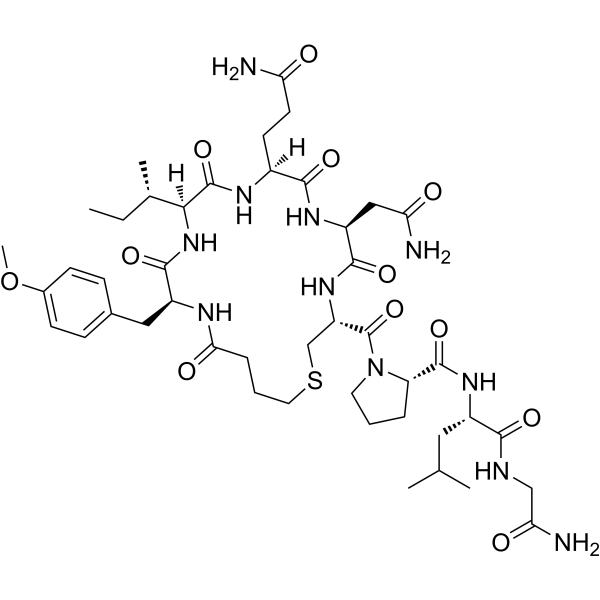
Carbetocin, an oxytocin (OT) analogue, is an oxytocin receptor agonist with a Ki of 7.1 nM. Carbetocin has high affinity to chimeric N-terminus (E1) of the oxytocin receptor (Ki=1.17 μM). Carbetocin has the potential for postpartum hemorrhage research. Carbetocin can crosse the blood-brain barrier and produces antidepressant-like activity via activation of oxytocin receptors in the CNS .
PolQi2 is a PolΘ inhibitor that targets and inhibits alt-EJ (alternative end-joining) repair by inhibiting the helicase domain at the N-terminus of PolΘ. PolQi2 enhances the precision and integration efficiency of gene editing at different loci and in various cell lines. Furthermore, the combined use of PolQi2 with DNA-PK inhibitors reduces the off-target effects of Cas9. PolQi2 can be used in gene editing research .
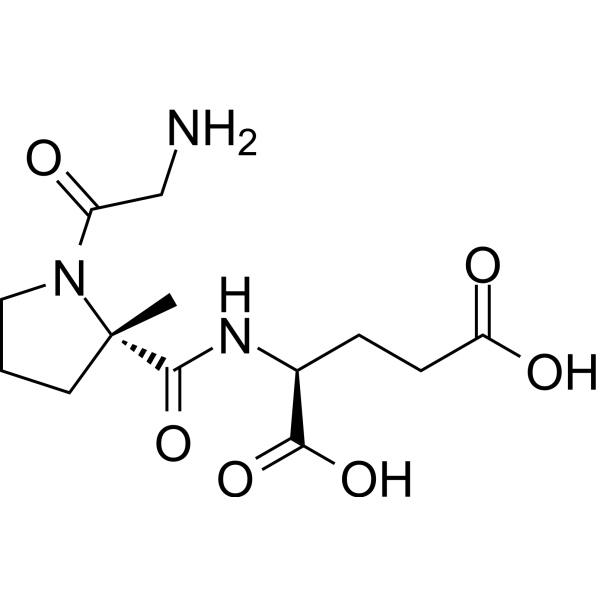
Trofinetide (NNZ-2566), a synthetic analogue of the endogenous N-terminus tripeptide, Glycine-Proline-Glutamate (GPE), has been shown to be neuroprotective in animal models of brain injury.
(±)-H3RESCA-TFP ((±)-H3L28) is a tetrafluorophenyl ester derivative of restrained complexing agent (RESCA). (±)-H3RESCA-TFP can be used to conjugate the chelator with a biomolecule via amine coupling (e.g., N terminus and/or the ε-amino groups of lysine) .
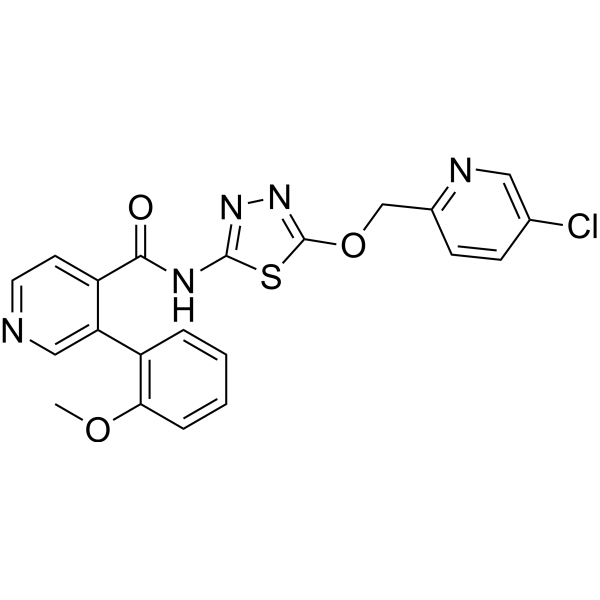
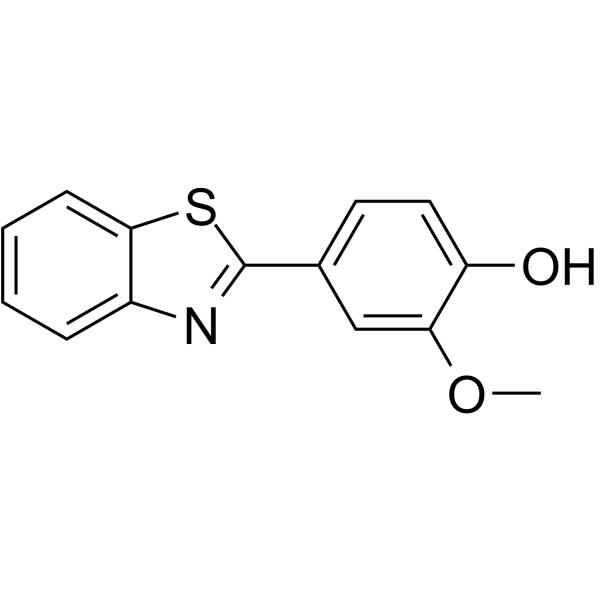
YL-109 is an antitumor agent that can induce carboxyl terminus of Hsp70-interacting protein (CHIP) expression through aryl hydrocarbon receptor (AhR) signaling. YL-109 has ability to inhibit breast cancer cell growth and invasiveness .
Ristomycin sulfate is an antibacterial antibiotic and platelet aggregation inducer. Ristomycin sulfate interacts with the D-alanyl-D-alanine terminus of bacterial cell wall precursors to regulate bacterial cell wall synthesis. Ristomycin sulfate induces platelet aggregation in vitro and inhibits the growth of Gram-positive bacteria. Ristomycin sulfate serves as an in vitro diagnostic compound for detecting von Willebrand factor activity. Ristomycin sulfate is applicable to research related to von Willebrand disease and Bernard-Soulier syndrome .
Ac-pSar12-OH is a water-soluble polymer of the polysarcosine class and can be used as a linker. Ac-pSar12-OH is a linear polypeptide derivative composed of 12 arginine units. Ac-pSar12-OH N-terminus is modified with an acetyl group, while the C-terminus retains a free hydroxyl group, which can help enhance the stability of the polypeptide .
D-Ala-D-Ala is a bacterialendogenous metabolite. D-Ala-D-Ala constitutes the terminus of the peptide part of the peptidoglycan monomer unit and is involved in the transpeptidation reaction as the substrate. D-Ala-D-Ala is catalyzed by D-Alanine-D-Alanine ligase .
Gap19, a peptide derived from nine amino acids of the Cx43 cytoplasmic loop (CL), is a potent and selective connexin 43 (Cx43) hemichannel blocker. Gap19 inhibits hemichannels caused by preventing intramolecular interactions of the C-terminus (CT) with the CL. Gap19 is not blocking GJ channels or Cx40/pannexin-1 hemichannels. Gap19 has protective effects against myocardial .
Transportan is an amphipathic cell-penetrating peptide containing 12 functional amino acids from the amino terminus of the neuropeptide galanin and mastoparan in the carboxyl terminus, connected via a lysine. Transportan interacts with galanin receptors and G-proteins, modulates GTPase activity, enters cells via direct translocation and endocytic pathways, accumulates in cytoplasmic, nuclear, and membranous structures, and delivers cargo including peptides, PNAs, proteins, siRNA, and liposomes [12].
Bapineuzumab is an anti-β-amyloid protein (APP) monoclonal antibody. Bapineuzumab is a humanized IgG1 that recognizes the N terminus of Aβ cleared plaques from the brains. Bapineuzumab can be used for the research of Alzheimer’s disease (AD) .
Fmoc-Sar-Sar-Sar-OH is a small molecule polypeptide composed of sarcosine residues, in which the N-terminus of the peptide chain is protected by Fmoc. Fmoc-Sar-Sar-Sar-OH can be used for peptide synthesis or synthesis of agent-peptide ligand conjugates .
VCP Activator 1 is a VCP activator that dose-dependently stimulates VCP ATPase activity. VCP Activator 1 binds an allosteric pocket near the C-terminus. In addition, VCP Activator 1 binding site can also be occupied by a phenylalanine residue in the VCP C-terminal tail .
Canvuparatide (MBX 2109) is a prodrug for parathyroid hormone (PTH) peptide that releases the bioactive PTH[1-32] peptide agonist that retains a fatty acylated lysine (Lys33) at the C-terminus, thereby extending the halflife of Canvuparatide. Canvuparatide can be used for the symptoms of hypoparathyroidism such as hypocalcemia and hyperphosphatemia .
DBM-GGFG-NH-O-CO-Exatecan (Example 4, Compound 14) is a conjugate of an ADC drug toxin molecule and a linker. DBM-GGFG-NH-O-CO-Exatecan is a complete antibody-drug conjugate intermediate that integrates a potent camptothecin-based toxin, a cleavable peptide linker (GGFG), and a reactive terminus that can directly conjugate to antibodies .
Casein Kinase 2 Substrate Peptide is a common CK2 substrate peptide. Casein Kinase 2 Substrate Peptide is synthesized with its C-terminus conjugated to 5-[(2-aminoethyl)amino]naphthalene-1-sulfonic acid (EDANS). Casein Kinase 2 Substrate Peptide can be used for protein kinase CK2 activity determination .
Tilavonemab (ABBV-8E12) is a humanized anti-tau monoclonal antibody that binds to amino acids 25-30 near the N-terminus of the tau protein. Tilavonemab can block the ability of human and mouse neurons to uptake tau aggregates. Tilavonemab can be used for research on Alzheimer’s disease and other tauopathies .
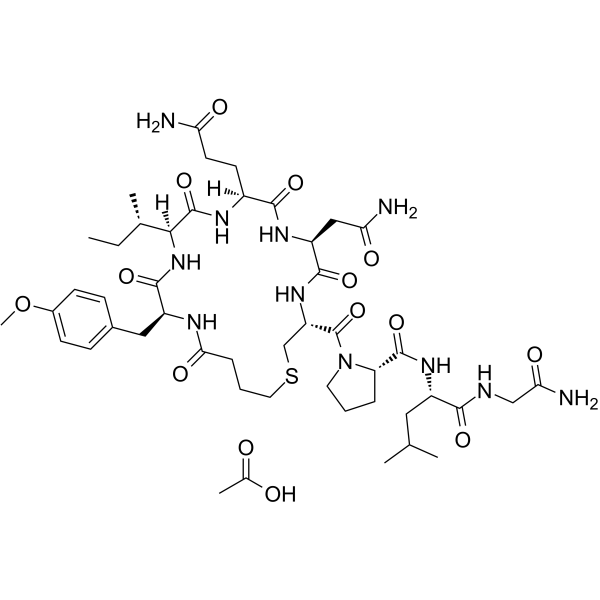
Carbetocin acetate, an oxytocin (OT) analogue, is an oxytocin receptor agonist with a Ki of 7.1 nM. Carbetocin acetate has high affinity to chimeric N-terminus (E1) of the oxytocin receptor (Ki=1.17 μM). Carbetocin acetate has the potential for postpartum hemorrhage research. Carbetocin acetate can crosse the blood-brain barrier and produces antidepressant-like activity via activation of oxytocin receptors in the CNS .
C5a Receptor agonist, W5Cha (Peptide 1) is a selective complement C5a receptor (C5aR) agonist (EC50=0.2 μM), a hexapeptide derived from the C-terminus of C5a with specific amino acid modifications. C5a Receptor agonist, W5Cha is able to interact with the Arg-206 site of the C5a receptor through its C-terminal arginine, thereby activating the receptor .
NQTrp, an aromatic naphthoquinone-tryptophan hybrid molecule, an inhibitor of the aggregation of the tau protein with generic anti-amyloidogenic effects. NQTrp inhibits the in vitro aggregation of hexapeptide ( 41GCWMLY 46 within the N-terminus of γD-crystallin) as well as full-length γD-crystallin .
Gap19 TFA, a peptide derived from nine amino acids of the Cx43 cytoplasmic loop (CL), is a potent and selective connexin 43 (Cx43) hemichannel blocker. Gap19 TFA inhibits hemichannels caused by preventing intramolecular interactions of the C-terminus (CT) with the CL. Gap19 TFA is not blocking GJ channels or Cx40/pannexin-1 hemichannels. Gap19 TFA has protective effects against myocardial .
LL-37, acetylated, amidated is a cathelicidin peptide LL-37 acetylated on the N-terminus and amidated on the C-terminus. The single human cathelicidin peptide LL-37 has antimicrobial and anti-biofilm activity against multiple Gram-positive and Gram-negative human pathogens, and has wound-healing effects on the host .
C3a (70-77) TFA (Complement 3a (70-77) TFA) is an octapeptide corresponding to the COOH terminus of C3a, exhibits the specificity and 1 to 2% biologic activities of C3a .
DOTAM-mono-acid is a chelator with DOTAM as its core. DOTAM-mono-acid contains a carboxylic acid group that can be activated to form an amide bond with the N-terminus of a peptide. DOTAM-mono-acid can form peptide conjugates for radiometal labeling .
Polynucleotide Kinase is a DNA repair enzyme. Polynucleotide Kinase possesses both a 5’-kinase activity that catalyzes the transfer of phosphate from ATP to a 5’-hydroxyl (OH) terminus and also a 3’-phosphatase activity that converts 3’-phosphate termini to 3’-OH termini .
Boc-β-Ala-ol (3-(Boc-amino)-1-propanol) is an alanine derivative with a Boc protecting group at the N-terminus, which can be used to synthesize bioactive peptide mimics, such as Nα-Benzoyl-α-azaornithine phenyl ester, which has trypsin inhibitory activity .
Transdermal Peptide Disulfide (TD 1 Disulfide(peptide)) is a 11-amino acid peptide, binds toNa +/K +-ATPase beta-subunit (ATP1B1), and mainly interacts with the C-terminus of ATP1B1. Transdermal Peptide Disulfide can enhance the transdermal delivery of many macromolecules .
Transdermal Peptide Disulfide TFA (TD 1 Disulfide(peptide) TFA) is a 11-amino acid peptide, binds to Na +/K +-ATPase beta-subunit (ATP1B1), and mainly interacts with the C-terminus of ATP1B1. Transdermal Peptide Disulfide TFA can enhance the transdermal delivery of many macromolecules .
Cenderitide is a potent agonist of particulate guanylyl cyclase receptor (pGC). Cenderitide is a natriuretic peptide (NP) composed of C-type natriuretic peptide (CNP) fused to the C-terminus of Dendroaspis natriuretic peptide (DNP). Cenderitide activates both pGC-A and pGC-B, activates the second messenger cGMP, suppresses aldosterone, and preserves GFR without reducing blood pressure. Cenderitide can be used for heart failure research .
3'-NH2-ATP, an ATP analogue, is a potent and competitive inhibitor of ATP, with a Ki of 2.3 μM. 3'-NH2-ATP can be used to synthesis of 3′-Amino-3′-deoxy transfer RNA by incorporation into the 3' terminus of tRNA-C-C .
Aspartyl-alanyl-diketopiperazine (DA-DKP) is an immunomodulatory molecule generated by cleavage and cyclization from the N-terminus of human albumin and can modulate the inflammatory immune response through a molecular pathway implicated in T- lymphocyte anergy .
Rilunermin alfa (SCB-313) is a recombinant fusion protein composed of the human C-propeptide of alpha1(I) collagen (Trimer-Tag) to the C-terminus of the mature human tumor necrosis factor (TNF)-related apoptosis-inducing ligand (TRAIL; Apo2L). Rilunermin alfa has potential pro-apoptotic and antineoplastic activities .
H-Leu-Ser-Lys-Leu-OH (LSYL) is a latency-associated peptide at the amino terminus of LAP, with inhibitory effect on TGF-β1 activation. H-Leu-Ser-Lys-Leu-OH, binding with KRFK (HY-P3970), can block the signal transduction of TGF-β1, and prevent the progression of hepatic damage and fibrosis .
PDZ1 Domain inhibitor peptide, a cyclic peptide, incorporates a β-Ala lactam side chain linker and targets the PDZ1 domains of the postsynaptic density protein 95 (PSD-95). PDZ1 Domain inhibitor peptide disrupts the GluR6/PSD-95 interaction and is very efficient in competing against the C terminus of GluR6 for the PDZ1 domain .
GLP-1(32-36)amide, a pentapeptide, derived from the C terminus of the glucoregulatory hormone GLP-1. GLP-1(32-36)amide could inhibit weight gain and modulate whole body glucose metabolism in diabetic mice .
PSMA-1 is a PSMA targeting peptide (GRFLTGGTGRLLRIS) and can be used for for targeted delivery of glucose-regulated protein (GRP)-silencing siRNAs in PCa cells. PSMA-1 is selected and polyarginine sequences R6 or R9 were added at the C terminus to generate the CTPs. FITC labeling of the peptide with an aminohexanoic acid (Ahx) linker at the N terminus produced FITC-PSMA-1,to track PSMA binding on PCa cells .
Eflumenibep alfa is a Kallikrein 5 inhibitor with anti-inflammatory activity. Eflumenibep alfa is a fusion protein that combines human SPINK2 with the human IgG1 Fc fragment at the C-terminus .
Efpixileukin alfa is a fusion protein that combines human IL-2 variant fused at the C-terminus to human immunoglobulin G1 (IgG1) Fc fragment. Efpixileukin alfa is an immunomodulator .
(tert-Butoxycarbonyl)glycyl-glycyl-glycyl-glycyl-glycine is an ADC linker with a Boc group on the N terminus, and it is used for the development of antibody-drug conjugates (ADCs). The Boc group can be deprotected under mild acidic conditions to form the free amine.
N3-PEG3400-NH2 (Azide-PEG3400-Amine) is a hetero-bifunctional PEG product with an azide and an amine group at the PEG terminus. N3-PEG3400-NH2 is an important cross-linker with PEG chains. The azide can be used for molecular conjugation through chemical reactions, and the amine can react with carboxylic acid or NHS ester .
Sudubrilimab (HS636) is an Ig G1-kappa monoclonal antibody against PDL1. Sudubrilimab is fused at the C terminus of the heavy chain to a TGF-β1 receptor Ⅱ ectodomain (TGFBR2-ECD), and which can sequester the PD-1/PD-L1 pathway and TGF-β bioactivity in the immunosuppressive tumor microenvironment .
3′-Azido-2′,3′-dideoxy-GTP (AZddGTP) is a selective telomerase inhibitor with a Ki value of 1.5 μM. 3′-Azido-2′,3′-dideoxy-GTP can be incorporated into the 3′-terminus of DNA by telomerase. 3′-Azido-2′,3′-dideoxy-GTP inhibits telomerase activity in HeLa cells in vitro .
Elipunercept is a fusion protein that combines human TNFRSF1B extracellular domain fragment (1-235) fused at the C-terminus to a human IgG1 Fc fragment. Elipunercept is an immunomodulator .
DPM-1003 is a PTP1B conformational inhibitor that targets the non-catalytic, disordered segment at the C-terminus of the PTP1B protein, showing improvement in lung inflammation in mice .
DSPE PEG2k-OH ammonium is a hydroxyl-terminated PEGylated phospholipid. The hydrophobic tail allows for the encapsulation and aggregation of other hydrophobic drugs, and the hydroxyl terminus is suitable for further reactions. DSPE PEG2k-OH ammonium can be used to prepare liposomes or lipid nanoparticles .
T100-Mut is a cell-permeable peptide whose N-terminus is conjugated with a myristoylated group to enable T100-Mut to penetrate and localize to the inner side of the plasma membrane, thus mimicking the topology of Tmem100-3Q. T100-Mut can alleviate TRPA1-mediated pain .
N3-PEG1000-NH2 (Azide-PEG1000-Amine) is a hetero-bifunctional PEG product with an azide and an amine group at the PEG terminus. N3-PEG1000-NH2 is an important cross-linker with PEG chains. The azide can be used for molecular conjugation through chemical reactions, and the amine can react with carboxylic acid or NHS ester .
GLP-1(32-36)amide TFA, a pentapeptide, derived from the C terminus of the glucoregulatory hormone GLP-1. GLP-1(32-36)amide TFA could inhibit weight gain and modulate whole body glucose metabolism in diabetic mice .
Arphamenine B hemisulfate is a Zn 2+-dependent exopeptidase that selectively removes arginine and/or lysine residues from the NH2-terminus of several peptide substrates. Arphamenine B hemisulfate is an inhibitor of aminopeptidase B that can be isolated from bacteria. Arphamenine B hemisulfate enhances the immune response and is used to characterize novel proteases .
Levitide is a neurohormone-like peptide, can be isolated from skin secretions of the South African frog Xenopus laevis. Levitide comes from preprolevitide, is 88 residues long and contains contains the levitide peptide at the C terminus (Glu-Gly-Met-Ile-Gly-Thr-Leu-Thr-Ser-Lys-Arg-Ile-Lys-Gln-NH2) and the putative signal sequence at the N terminus .
PLTX-II is a calcium channel blocker. PLTX-II has a 44-residue peptide containing ten Cys residues and an O-palmitoylated threonine amide at the carboxy-terminus .
Copeptin (human) is a diagnostic and prognostic biomarker for cardiovascular disease (CVD). Copeptin (human) is also the carboxyl terminus of the arginine vasopressin (AVP) precursor peptide. Copeptin (human) can be used in the study of cardiovascular disease .
mPEG-NPC (MW 20000) is an important PEG derivative whose reactive groups can be used to modify proteins, peptides or any other compounds with available amino groups at lysine residues or N-terminus .
mPEG10000-NPC is an important PEG derivative whose reactive groups can be used to modify proteins, peptides or any other compounds with available amino groups at lysine residues or N-terminus .
mPEG40000-NPC is an important PEG derivative whose reactive groups can be used to modify proteins, peptides or any other compounds with available amino groups at lysine residues or N-terminus .
mPEG1000-NPC is an important PEG derivative whose reactive groups can be used to modify proteins, peptides or any other compounds with available amino groups at lysine residues or N-terminus .
[Sar4] Substance P (4-11) is an analog of Substance P (4-11). Substance P (4-11), the C-terminus fragment of Substance P (HY-P0201), is a Substance P agonist .
DCA-RMR1 is a cross-linker. DCA-RMR1 elicits facile bicyclization of native peptides via N-terminus Cys-Cys cross-linking. DCA-RMR1 derivatizes RMR1 with 1,3-dichloroacetone (DCA) .
Protease (Fab Cleaving) is a serine protease expressed recombinantly in E.coli with a 6×His tag at the C-terminus. Protease (Fab Cleaving) specifically digests human IgG1 at a single site above the hinge, generating intact Fab and Fc fragments within two hours without reducing conditions.
Epsilon-V1-2, Cys-conjugated is a biological active peptide. (This peptide is the εPKC specific inhibitor. Its inhibitory activity is based on εPKC translocation and MARCKS phosphorylation. This peptide interferes with εPKC interaction with the anchoring protein εRACK. This peptide contains a cysteine residue added to the C-terminus for potential S-S bond formation with a carrier protein.Pyroglutamyl (pGlu) peptides may spontaneously form when either Glutamine (Q) or Glutamic acid (E) is located at the sequence N-terminus. The conversion of Q or E to pGlu is a natural occurrence and in general it is believed that the hydrophobic γ-lactam ring of pGlu may play a role in peptide stability against gastrointestinal proteases. Pyroglutamyl peptides are therefore considered a normal subset of such peptides and are included as part of the peptide purity during HPLC analysis.)
Ac-DMQD-pNA is a peptide substrate. Both of the recombinant CgCaspase-1 (rCgCaspase-1) and the C-terminus of CgCaspase-1 (rCgCaspase-1-C) exhibits similar caspase activity towards proteolytic substrate Ac-DMQD-pNA and Ac-DEVD-pNA (HY-P1006) .
ABri, 34 amino acids long, is an Amyloid subunit with certain degree of N- and C-terminal heterogeneity and no sequence identity to any known amyloid protein. ABri is devoid of glycine, methionine, proline, aspartic acid, tryptophane, tyrosine and glutamine, featuring pyroglutamate at its N-terminus. ABri can be used for cerebral hemorrhages, ischemic infarction and Alzheimer disease research .
Amyloid precursor C-terminal peptide is cleaved from the C-terminus of Amyloid Precursor Protein (APP). Amyloid precursor C-terminal peptide accumulation causes mitochondrial morphology alteration and basal mitophagy failure, which indicates that amyloid precursor protein C-terminal peptide may correspond to an etiological trigger of Alzheimer’s disease (AD) pathology .
Amino acid arylamidase, hog kidney is a metalloprotease that can hydrolyze proteins or peptides containing free α-amino or α-imino groups, playing a crucial role in amino acid metabolism and protein digestion. Its hydrolytic activity can be blocked by acetylation of the N-terminus. Amino acid arylamidase, hog kidney can be used in research on hepatic diseases, biliary diseases, and heart failure .
Oleoyl-Gly-Lys-(m-PEG11)-NH2 is a PEG-lipid molecule featuring an oleoyl amide linked to a Gly-Lys dipeptide and a methoxy PEG11 chain on the C-terminus of the lysine. The lysine primary amine may be used in a wide variety of reactions with carboxylic acids, NHS esters, and carbonyl groups. The PEG linker provides aqueous solubility.
D-Ala-D-Ala (Standard) is the analytical standard of D-Ala-D-Ala. This product is intended for research and analytical applications. D-Ala-D-Ala is a bacterialendogenous metabolite. D-Ala-D-Ala constitutes the terminus of the peptide part of the peptidoglycan monomer unit and is involved in the transpeptidation reaction as the substrate. D-Ala-D-Ala is catalyzed by D-Alanine-D-Alanine ligase .
N3-PEG2000-NH2 is a hetero-bifunctional PEG product with an azide and an amine group at the PEG terminus. N3-PEG2000-NH2 is an important cross-linker with PEG chains. The azide can be used for molecular conjugation through chemical reactions, and the amine can react with carboxylic acid or NHS ester .
PDZ1 Domain inhibitor peptide TFA, a cyclic peptide, incorporates a β-Ala lactam side chain linker and targets the PDZ1 domains of the postsynaptic density protein 95 (PSD-95). PDZ1 Domain inhibitor peptide TFA disrupts the GluR6/PSD-95 interaction and is very efficient in competing against the C terminus of GluR6 for the PDZ1 domain .
N3-PEG10000-NH2 (Azide-PEG10000-Amine) is a hetero-bifunctional PEG product with an azide and an amine group at the PEG terminus. N3-PEG10000-NH2 is an important cross-linker with PEG chains. The azide can be used for molecular conjugation through chemical reactions, and the amine can react with carboxylic acid or NHS ester .
N3-PEG20000-NH2 (Azide-PEG20000-Amine) is a hetero-bifunctional PEG product with an azide and an amine group at the PEG terminus. N3-PEG20000-NH2 is an important cross-linker with PEG chains. The azide can be used for molecular conjugation through chemical reactions, and the amine can react with carboxylic acid or NHS ester .
MEDI-1814 is a fully human IgG1 antibody that targets the C terminus of Aβ42. MEDI-1814 binds to and sweeps away the circulated Aβ peptides, hence, restricting them from aggregating into toxic oligomers. MEDI-1814 can be used for the study of Alzheimer's diseases. The isotype control for MEDI-1814 can refer to Human IgG1 kappa, Isotype Control (HY-P99001) .
Arphamenine B is a Zn 2+-dependent exopeptidase that selectively removes arginine and/or lysine residues from the NH2-terminus of several peptide substrates. Arphamenine B is an inhibitor of aminopeptidase B that can be isolated from bacteria. Arphamenine B enhances the immune response and is used to characterize novel proteases .
Leucine Aminopeptidase(microsomal), Porcine (EC 3.4.11.2) is an enzyme that preferentially catalyze the hydrolysis of leucine residues at the N-terminus of peptides and proteins.
YRLGRWC is a scrambled control of WYRGRLC (HY-P10739C), and it is synthesized by conjugating cysteine to the carboxyl (C-terminus) of YRLGRW (HY-P10739D) .
mPEG3400-NPC is an important PEG derivative whose reactive groups can be used to modify proteins, peptides or any other compounds with available amino groups at lysine residues or N-terminus .
mPEG5000-NPC is an important PEG derivative whose reactive groups can be used to modify proteins, peptides or any other compounds with available amino groups at lysine residues or N-terminus .
mPEG2000-NPC is an important PEG derivative whose reactive groups can be used to modify proteins, peptides or any other compounds with available amino groups at lysine residues or N-terminus .
TGN, Cys modified is a cysteine modified TGN (HY-P11284) on the C-terminus. TGN, a 12-amino acid ligand, is a BBB-penetrating peptide. TGN can be used as a drug delivery vehicle for Alzheimer's disease research .
Aldolase A, Human (EC 4.1.2.13) is a glycolytic enzyme that catalyzes the reversible conversion of fructose-1,6-bisphosphate to glyceraldehyde 3-phosphate and dihydroxyacetone phosphate. Aldolase A, Human (EC 4.1.2.13) , fused to His-tag at N-terminus, was expressed in E.coli.
NSC145366 monohydrochloride is a Hsp90 C-terminal inhibitor. NSC145366 monohydrochloride directly interacts with the C-terminus of Hsp90 and inhibits its chaperone activity. NSC145366 monohydrochloride strongly inhibits the growth of Saccharomyces cerevisiae cog7Δ and cog8Δ strains .
Alanine Racemase, Bacillus stearothermophilus (EC 5.1.1.1) is involved in alanine, aspartate and D-alanine metabolism. Alanine Racemase, Bacillus stearothermophilus (EC 5.1.1.1) monomer is composed of two domains, an eight-stranded α/β barrel at the N-terminus and a C-terminal domain.
Trypsin, Rat (EC 3.4.21.4) is a serine protease belonging to the PA superfamily. It is present in the digestive systems of many vertebrates and hydrolyzes proteins. Trypsin, Rat (EC 3.4.21.4) primarily cleaves peptide chains at the carboxyl terminus of lysine or arginine, but cleavage does not occur when lysine or arginine is followed by proline.
(Rac)-Aspartyl-alanyl-diketopiperazine ((Rac)-DA-DKP) is the racemic form of Aspartyl-alanyl-diketopiperazine (HY-107091). Aspartyl-alanyl-diketopiperazine is an immunomodulatory molecule generated by cleavage and cyclization from the N-terminus of human albumin and can modulate the inflammatory immune response through a molecular pathway implicated in T- lymphocyte anergy.
Fibrinopeptide B, human-(Val- 13C5, 15N, Arg- 13C6, 154) TFA is the 13C- and 15N-labeled Fibrinopeptide B, human (HY-P1493). Fibrinopeptide B, human is a 14-aa peptide, released from the amino-terminus of β-chains of fibrinogen by thrombin .
Terminal Transferase, Calf (EC 2.7.7.31) is a template independent polymerase that catalyzes the addition of deoxynucleotides to the 3' hydroxyl terminus of DNA molecules. Protruding, recessed or blunt-ended double or single-stranded DNA molecules serve as a substrate for Terminal Transferase. Terminal Transferase does not have 5' or 3' exonuclease activity. The addition of Co 2+ in the reacton makes tailing more efficient.
Etedesiran is a component of the AOC drug Delpacibart etedesiran (HY-177565), formed by the reaction of an siRNA that induces cleavage of mRNA encoding myotonic dystrophy protein kinase (MTPK or DMPK) with SMCC linker (HY-42360). Etedesiran carries a maleimide group at its terminus, which can react with cysteine or lysine and is used for the synthesis of AOC drugs. Etedesiran is applicable to research related to myotonic dystrophy type 1 .
N3-PEG5000-NH2 is a hetero-bifunctional PEG product with an azide and an amine group at the PEG terminus. N3-PEG5000-NH2 is an important cross-linker with PEG chains. The azide can be used for molecular conjugation through chemical reactions, and the amine can react with carboxylic acid or NHS ester .
N-Boc-N'-(PEG1-t-butyl ester)-L-Lysine-amido-Mal is the amino acid, lysine, with a maleimide at its C-terminus, a Boc-protecting group on its α-amine, and an amido-PEG1-t-butyl ester on its ε-amine. Maleimide is a thiol-reactive covalent group used to conjugate cysteine residues, while the Boc and the t-butyl ester can be later deprotected to perform further reactions.
Pep2m is a peptide receptor inhibitor. Pep2m inhibits the interaction between the C-terminus of the AMPA-type glutamate receptor (GluA2) subunit and N-ethylmaleimide-sensitive fusion protein (NSF). Pep2m prevents synaptic long-term depression (LTD). Pep2m can reduce postsynaptic currents in neurons, AMPA-mediated currents in cultured hippocampal neurons, and AMPA receptor surface expression [1] [2] [3] [4] [5].
N3-PEG40000-NH2 (Azide-PEG40000-Amine) is a hetero-bifunctional PEG product with an azide and an amine group at the PEG terminus. N3-PEG40000-NH2 is an important cross-linker with PEG chains. The azide can be used for molecular conjugation through chemical reactions, and the amine can react with carboxylic acid or NHS ester .
O-Glycoprotease is an O-glycoprotein-specific endoprotease that catalyzes the hydrolysis of peptide bonds directly adjacent to the O-polymer in native mucin-type O-glycosylated proteins. O-Glycoprotease sequence is from Akkermansia muciniphila, recombinantly expressed in E.coli, with a 6×His tag at the C-terminus.
The enzyme maintains high activity between pH 5.5-7.5 and is resistant to 1M NaCl, but is highly sensitive to EDTA (0.5 mM EDTA) and can be inhibited by Zn 2+.
DPPE-PEG550 is a PEG lipid functional end group used in the synthesis of liposomes (LPs) for the design of conjugated polymer nanoparticles. Through biotin modification and carboxyl terminus, lipid nanoparticles (LNPs) further coupling with other biomolecules can be achieved. Functionalized nanoparticles can be used for targeted labeling of specific cellular proteins. With streptavidin as a linker, biotinylated PEG lipid-conjugated polymer nanoparticles are able to bind to biotinylated antibodies on cell surface receptors, yielding the utility of fluorescence-based imaging and sensing.
18:0 mPEG550 PE (ammonium) is a PEG lipid functional end group used in the synthesis of liposomes (LPs) for the design of conjugated polymeric nanoparticles. Through biotin modification and carboxyl terminus, lipid nanoparticles (LNPs) further coupling with other biomolecules can be achieved. Functionalized nanoparticles can be used for targeted labeling of specific cellular proteins. With streptavidin as a linker, biotinylated PEG lipid-conjugated polymer nanoparticles are able to bind to biotinylated antibodies on cell surface receptors, yielding the utility of fluorescence-based imaging and sensing.
DPPE-PEG750 is a PEG lipid functional end group used in the synthesis of liposomes (LPs) for the design of conjugated polymer nanoparticles. Through biotin modification and carboxyl terminus, lipid nanoparticles (LNPs) further coupling with other biomolecules can be achieved. Functionalized nanoparticles can be used for targeted labeling of specific cellular proteins. With streptavidin as a linker, biotinylated PEG lipid-conjugated polymer nanoparticles are able to bind to biotinylated antibodies on cell surface receptors, yielding the utility of fluorescence-based imaging and sensing.
DPPE-PEG3000 is a PEG lipid functional end group used in the synthesis of liposomes (LPs) for the design of conjugated polymer nanoparticles. Through biotin modification and carboxyl terminus, lipid nanoparticles (LNPs) further coupling with other biomolecules can be achieved. Functionalized nanoparticles can be used for targeted labeling of specific cellular proteins. With streptavidin as a linker, biotinylated PEG lipid-conjugated polymer nanoparticles are able to bind to biotinylated antibodies on cell surface receptors, yielding the utility of fluorescence-based imaging and sensing.
18:0 mPEG350 PE (ammonium) is a PEG lipid functional end group used in the synthesis of liposomes (LPs) for the design of conjugated polymer nanoparticles. Through biotin modification and carboxyl terminus, lipid nanoparticles (LNPs) further coupling with other biomolecules can be achieved. Functionalized nanoparticles can be used for targeted labeling of specific cellular proteins. With streptavidin as a linker, biotinylated PEG lipid-conjugated polymer nanoparticles are able to bind to biotinylated antibodies on cell surface receptors, yielding the utility of fluorescence-based imaging and sensing.
WM-A1-3389 is an anti-human IGSF1monoclonal antibody and tumor growth inhibitor. WM-A1-3389 specifically binds to the C-terminus of IGSF1, increases secretion of Granzyme B, IFN−γ, and TNF−α, and inhibits growth of colon cancer or biliary tract cancer in xenogeneic or allogeneic mouse implantation models. WM-A1-3389 can be used for the research of colon cancer, biliary tract cancer, and head and neck cancer .
CT20p is an anticancer peptide based on the C hydrophobic terminus of Bax. CT20p has a unique cytotoxic effect independent of full-length Bax, and can act on mitochondria, leading to fusion-like aggregation and mitochondrial membrane hyperpolarization. CT20p can reduce α5β1integrin levels and inhibit F-actin polymerization, thereby destroying the cytoskeleton and preventing cell attachment. CT20p can be used in the study of breast cancer .
18:0 mPEG1000 PE (ammonium) is a PEG lipid functional end group used in the synthesis of liposomes (LPs) for the design of conjugated polymeric nanoparticles. Through biotin modification and carboxyl terminus, lipid nanoparticles (LNPs) further coupling with other biomolecules can be achieved. Functionalized nanoparticles can be used for targeted labeling of specific cellular proteins. With streptavidin as a linker, biotinylated PEG lipid-conjugated polymer nanoparticles are able to bind to biotinylated antibodies on cell surface receptors, yielding the utility of fluorescence-based imaging and sensing.
DPPE-PEG1000 is a PEG lipid functional end group used in the synthesis of liposomes (LPs) for the design of conjugated polymer nanoparticles. Through biotin modification and carboxyl terminus, lipid nanoparticles (LNPs) further coupling with other biomolecules can be achieved. Functionalized nanoparticles can be used for targeted labeling of specific cellular proteins. With streptavidin as a linker, biotinylated PEG lipid-conjugated polymer nanoparticles are able to bind to biotinylated antibodies on cell surface receptors, yielding the utility of fluorescence-based imaging and sensing.
GR231118, an analogue of the C-terminus of neuropeptide Y, is a potent , competitive and relative seletive antagonist at human neuropeptide Y Y receptor with a pKi of 10.4. GR231118 a potent agonist at the human neuropeptide Y Y4 receptor (pEC50=8.6; pKi=9.6) and a weak agonist at the human and rat neuropeptide YY2 and Y5 receptors. GR231118 also has high affinity for the mouse neuropeptide Y Y6 receptor (pKi= 8.8) .
Neuropeptide Y (3-36) (human, rat) is a neuropeptide Y fragment derived from humans or rats. Neuropeptide Y is an extremely abundant neurotransmitter in central and peripheral neurons, and it participates in the regulation of psychomotor activity, circadian rhythm, feeding behavior and cardiovascular function. Neuropeptide Y (3-36) (human, rat) can serve as a substrate to be sequentially degraded from its N-terminus by AfuS28, and it requires binding to AfuS28 and SedB to be decomposed into amino acids, dipeptides and tripeptides [1][2].
18:0 mPEG3000 PE (ammonium) is a PEG lipid functional end group used in the synthesis of liposomes (LPs) for the design of conjugated polymeric nanoparticles. Through biotin modification and carboxyl terminus, lipid nanoparticles (LNPs) further coupling with other biomolecules can be achieved. Functionalized nanoparticles can be used for targeted labeling of specific cellular proteins. With streptavidin as a linker, biotinylated PEG lipid-conjugated polymer nanoparticles are able to bind to biotinylated antibodies on cell surface receptors, yielding the utility of fluorescence-based imaging and sensing.
18:0 mPEG750 PE (ammonium) is a PEG lipid functional end group used in the synthesis of liposomes (LPs) for the design of conjugated polymeric nanoparticles. Through biotin modification and carboxyl terminus, lipid nanoparticles (LNPs) further coupling with other biomolecules can be achieved. Functionalized nanoparticles can be used for targeted labeling of specific cellular proteins. With streptavidin as a linker, biotinylated PEG lipid-conjugated polymer nanoparticles are able to bind to biotinylated antibodies on cell surface receptors, yielding the utility of fluorescence-based imaging and sensing.
GR231118 TFA, an analogue of the C-terminus of neuropeptide Y, is a potent , competitive and relative seletive antagonist at human neuropeptide YY receptor with a pKi of 10.4. GR231118 a potent agonist at the human neuropeptide YY4 receptor (pEC50=8.6; pKi=9.6) and a weak agonist at the human and rat neuropeptide Y Y2 and Y5 receptors. GR231118 also has high affinity for the mouse neuropeptide YY6 receptor (pKi= 8.8) .
CKS-17 (dimer) is the dimer of CKS-17 (HY-P3051). CKS-17 (dimer) can be prepared by introducing a naturally occurring cysteine at the carboxyl terminus and dimerizing via a cysteine-disulfide bond. CKS-17 is a synthetic retroviral envelope peptide. CKS-17 has a highly conserved amino acid sequence present in the transmembrane envelope proteins of numerous animal and human retroviruses. As an immunomodulatory epitope, CKS-17 exhibits inhibitory properties on a variety of immune functions .
CH0076989 is a specific CCR3 agonist. CH0076989 activates eosinophils and transfectants expressing both wild-type CCR3 and a CCR1:CCR3 chimaeric receptor lacking the CCR3 amino-terminus. CH0076989 has a direct interaction with the transmembrane helices of CCR3, supported by the complete loss of its activity due to mutations of the residues Y41, Y113 and E287. CH0076989 can be used for the study of inflammation and allergic diseases (such as asthma) .
2-Amino benzamidoxime (ABAO) acts as a bioconjugation reagent precursor and a fluorescent probe precursor. 2-Amino benzamidoxime contains an aniline group for imine activation of aldehydes, as well as a nucleophilic group (Nu:) located at the ortho position of the amine, which is responsible for intramolecular cyclization. 2-Amino benzamidoxime reacts with glyoxal at the N-terminus of phage-displayed peptide libraries. Derivatives of 2-Amino benzamidoxime can be used for protein bioconjugation. Derivatives of 2-Amino benzamidoxime serve as fluorescent probes .\n
DMPE-PEG750 ammonium (14:0 PEG750 PE ammonium) is a PEG lipid functional end group used in the synthesis of liposomes (LPs) for the design of conjugated polymeric nanoparticles. Through biotin modification and carboxyl terminus, lipid nanoparticles (LNPs) further coupling with other biomolecules can be achieved. Functionalized nanoparticles can be used for targeted labeling of specific cellular proteins. With streptavidin as a linker, biotinylated PEG lipid-conjugated polymer nanoparticles are able to bind to biotinylated antibodies on cell surface receptors, yielding the utility of fluorescence-based imaging and sensing.
18:1 PEG550 PE ammonium (DOPE-PEG550 ammonium) is a PEG lipid functional end group used in the synthesis of liposomes (LPs) for the design of conjugated polymer nanoparticles. Through biotin modification and carboxyl terminus, lipid nanoparticles (LNPs) further coupling with other biomolecules can be achieved. Functionalized nanoparticles can be used for targeted labeling of specific cellular proteins. With streptavidin as a linker, biotinylated PEG lipid-conjugated polymer nanoparticles are able to bind to biotinylated antibodies on cell surface receptors, yielding the utility of fluorescence-based imaging and sensing.
DMPE-PEG350 ammonium (14:0 PEG350 PE ammonium) is a PEG lipid functional end group used in the synthesis of liposomes (LPs) for the design of conjugated polymer nanoparticles. Through biotin modification and carboxyl terminus, lipid nanoparticles (LNPs) further coupling with other biomolecules can be achieved. Functionalized nanoparticles can be used for targeted labeling of specific cellular proteins. With streptavidin as a linker, biotinylated PEG lipid-conjugated polymer nanoparticles are able to bind to biotinylated antibodies on cell surface receptors, yielding the utility of fluorescence-based imaging and sensing.
DMPE-PEG1000 ammonium (14:0 PEG1000 PE ammonium) is a PEG lipid functional end group used in the synthesis of liposomes (LPs) for the design of conjugated polymer nanoparticles. Through biotin modification and carboxyl terminus, lipid nanoparticles (LNPs) further coupling with other biomolecules can be achieved. Functionalized nanoparticles can be used for targeted labeling of specific cellular proteins. With streptavidin as a linker, biotinylated PEG lipid-conjugated polymer nanoparticles are able to bind to biotinylated antibodies on cell surface receptors, yielding the utility of fluorescence-based imaging and sensing.
18:1 PEG5000 PE ammonium (DOPE-PEG5000 ammonium) is a PEG lipid functional end group used in the synthesis of liposomes (LPs) for the design of conjugated polymer nanoparticles. Through biotin modification and carboxyl terminus, lipid nanoparticles (LNPs) further coupling with other biomolecules can be achieved. Functionalized nanoparticles can be used for targeted labeling of specific cellular proteins. With streptavidin as a linker, biotinylated PEG lipid-conjugated polymer nanoparticles are able to bind to biotinylated antibodies on cell surface receptors, yielding the utility of fluorescence-based imaging and sensing.
18:1 PEG3000 PE ammonium (DOPE-PEG3000 ammonium) is a PEG lipid functional end group used in the synthesis of liposomes (LPs) for the design of conjugated polymer nanoparticles. Through biotin modification and carboxyl terminus, lipid nanoparticles (LNPs) further coupling with other biomolecules can be achieved. Functionalized nanoparticles can be used for targeted labeling of specific cellular proteins. With streptavidin as a linker, biotinylated PEG lipid-conjugated polymer nanoparticles are able to bind to biotinylated antibodies on cell surface receptors, yielding the utility of fluorescence-based imaging and sensing.
18:1 PEG1000 PE ammonium (DOPE-PEG1000 ammonium) is a PEG lipid functional end group used in the synthesis of liposomes (LPs) for the design of conjugated polymer nanoparticles. Through biotin modification and carboxyl terminus, lipid nanoparticles (LNPs) further coupling with other biomolecules can be achieved. Functionalized nanoparticles can be used for targeted labeling of specific cellular proteins. With streptavidin as a linker, biotinylated PEG lipid-conjugated polymer nanoparticles are able to bind to biotinylated antibodies on cell surface receptors, yielding the utility of fluorescence-based imaging and sensing.
Sotiburafusp alfa is a bispecific fusion protein, which is a humanized VEGFR-1 extracellular domain fragment (129-228, 1-100 in the current sequence) fused via the peptide linker 101GGSGGSGGSGGSGGS 115 to the N-terminus of the heavy chain (116-564) of a humanized IgG1-kappa anti-human PD-L1 heavy chain variant L352>A, L353>A. Sotiburafusp alfa also functions as a PD-L1 inhibitor and a VEGF inhibitor .
DMPE-PEG550 ammonium (14:0 PEG550 PE ammonium) is a PEG lipid functional end group used in the synthesis of liposomes (LPs) for the design of conjugated polymeric nanoparticles. Through biotin modification and carboxyl terminus, lipid nanoparticles (LNPs) further coupling with other biomolecules can be achieved. Functionalized nanoparticles can be used for targeted labeling of specific cellular proteins. With streptavidin as a linker, biotinylated PEG lipid-conjugated polymer nanoparticles are able to bind to biotinylated antibodies on cell surface receptors, yielding the utility of fluorescence-based imaging and sensing.
18:1 PEG350 PE ammonium (DOPE-PEG350 ammonium) is a PEG lipid functional end group used in the synthesis of liposomes (LPs) for the design of conjugated polymer nanoparticles. Through biotin modification and carboxyl terminus, lipid nanoparticles (LNPs) further coupling with other biomolecules can be achieved. Functionalized nanoparticles can be used for targeted labeling of specific cellular proteins. With streptavidin as a linker, biotinylated PEG lipid-conjugated polymer nanoparticles are able to bind to biotinylated antibodies on cell surface receptors, yielding the utility of fluorescence-based imaging and sensing.
DMPE-PEG5000 ammonium (14:0 PEG5000 PE ammonium) is a PEG lipid functional end group used in the synthesis of liposomes (LPs) for the design of conjugated polymer nanoparticles. Through biotin modification and carboxyl terminus, lipid nanoparticles (LNPs) further coupling with other biomolecules can be achieved. Functionalized nanoparticles can be used for targeted labeling of specific cellular proteins. With streptavidin as a linker, biotinylated PEG lipid-conjugated polymer nanoparticles are able to bind to biotinylated antibodies on cell surface receptors, yielding the utility of fluorescence-based imaging and sensing.
DMPE-PEG3000 ammonium (14:0 PEG3000 PE ammonium) is a PEG lipid functional end group used in the synthesis of liposomes (LPs) for the design of conjugated polymer nanoparticles. Through biotin modification and carboxyl terminus, lipid nanoparticles (LNPs) further coupling with other biomolecules can be achieved. Functionalized nanoparticles can be used for targeted labeling of specific cellular proteins. With streptavidin as a linker, biotinylated PEG lipid-conjugated polymer nanoparticles are able to bind to biotinylated antibodies on cell surface receptors, yielding the utility of fluorescence-based imaging and sensing.
IKVAVC is a derivative peptide of IKVAV with an artificially added cysteine (Cys) at its C-terminus. IKVAVC retains all the biological activities of the original IKVAV, mainly acting as a neural adhesion/differentiation signaling peptide, and is equipped with an engineered linker arm that enables covalent conjugation to molecular materials. IKVAV inhibits the migration and activation of fibroblasts, downregulates the TGF-β1 signaling pathway and endoplasmic reticulum stress, and promotes nerve repair. IKVAV regulates the phenotype of macrophages, shifting them from the pro-inflammatory M1 type to the pro-reparative M2 type .
Pep2-SVKE is an inactive control peptide for pep2-SVKI (HY-P1056). Pep2-SVKE is an inhibitory peptide corresponding to the last 10 amino acids of the C-terminus of the GluR2 AMPA receptor subunit. Pep2-SVKE does not block AMPA-mediated [ 3H]DA exocytosis. Pep2-SVKE does not bind to GRIP or PICK43 and does not block retention of PICK1 by GST-GluR2 and LTD [1] [2] [3] [4] [5].
1,4-Dihydroxy-2-naphthoate polyprenyltransferase (EC 2.5.1.74) catalyses a step in the synthesis of menaquinone, in which the prenyl chain synthesized by polyprenyl diphosphate synthase is transferred to 1,4-Dihydroxy-2-naphthoate (DHNA) . 1,4-Dihydroxy-2-naphthoate polyprenyltransferase (EC 2.5.1.74) is an inner membrane protein, with the C-terminus located in the periplasm. 1,4-Dihydroxy-2-naphthoate polyprenyltransferase (EC 2.5.1.74) is highly specific for DHNA but not for a specific length of the prenyl chain.
Protease (O-glycan Cleaving) is recombinantly expressed from E.coli and contains a His tag. Protease (O-glycan Cleaving) is an O-glycan-dependent protease that digests proteins carrying mucin-type O-glycans, including sialylated substrates, glycosylated Ser and Thr residues at the N terminus. Protease (O-glycan Cleaving) digests a variety of O-glycan structures, including sialylated glycosylated core 1 and core 2 structures and Tn antigen. Protease (O-glycan Cleaving) does not digest terminally modified serine or threonine residues, nor does it digest N-glycosylation sites on glycoproteins.
Cys-GE11 is an N-terminal modified GE11 (HY-P10128) with cysteine (Cys) added. Cys-GE11 can be coupled through the thiol group of Cys. Cys-GE11 can be linked to PEG-P (TMC-DTC) through the N-terminus of cysteine to form a targeted polymer. Cys-GE11 can target cells with high EGFR expression (such as SMMC-7721 cells). Cys-GE11 can significantly enhance drug enrichment at the tumor site and exhibit low toxicity .
And1-IN-1 is a potent And1 inhibitor with an IC50 of 2.08 μM. And1-IN-1 binds to the N-terminus of And-1 and induces a conformational change in And-1, which promotes the interaction of And-1 with E3 ligase CUL4B for ubiquitin-mediated degradation. And1-IN-1 suppresses the growth of a broad range of cancers and resensitizes platinum-resistant ovarian cancer cells to platinum agents. And1-IN-1 can be used for the studies of ovarian cancer and breast cancer .
PtdIns-(3,4,5)-P3-biotin sodium is a Biotin-labeled PtdIns-(3,4,5)-P3 (PI(3,4,5)P3). PI(3,4,5)P3 is a substrate of nuclear phosphatidylinositol 5-phosphatase (PIP5Pase). PI(3,4,5)P3 binds to the N-terminus of RAP1 (repressor activator protein 1) and controls its DNA binding activity .
GNA002 is a highly potent, specific and covalent EZH2 (Enhancer of zeste homolog 2) inhibitor with an IC50 of 1.1 μM. GNA002 can specifically and covalently bind to Cys668 within the EZH2-SET domain, triggering EZH2 degradation through COOH terminus of Hsp70-interacting protein (CHIP)-mediated ubiquitination. GNA002 efficiently reduces EZH2-mediated H3K27 trimethylation, reactivates polycomb repressor complex 2 (PRC2)-silenced tumor suppressor genes .
UBD1031 (SGC-UBD1031) is a selective USP16/HDAC6-UBD antagonist with a human USP16-UBD IC50 of 10.6 μM, KD value of 48 nM, and a human HDAC6-UBD KD of 16 nM. UBD1031 disrupts ISG15 C-terminus interactions with USP16-UBD and HDAC6-UBD, and exhibits cooperative inhibition of full-length USP16 deubiquitinase activity via USP16-UBD binding. UBD1031 can be used in research on cancer, autoimmune diseases, and Down syndrome .
Heneicosapentaenoic Acid (HPA) is a 21:5 omega-3 fatty acid found in trace amounts in the green alga B. pennata and in fish oils. Its chemical composition is similar to eicosapentaenoic acid (EPA), except that a carbon is extended at the carboxy terminus, placing the first double bond at the δ6 position. HPA can be used to study the importance of double bond position in omega-3 fatty acids. It incorporates phospholipids and triacylglycerols in vivo with the same efficiency as EPA and docosahexaenoic acid, and exhibits a strong inhibitory effect on the synthesis of arachidonic acid from linoleic acid. HPA is a poor substrate for prostaglandin H synthase (PGHS) (cyclooxygenase) and 5-lipoxygenase, but retains the ability to rapidly inactivate PGHS.
Poloxipan is a pan-specific polo-like kinase (PLK) inhibitor that can inhibit a non-catalytic region at the C-terminus called the Polo-box domain (PBD) found in kinases. The IC50 values for Poloxipan against the PBDs of PLK-1/2/3 are 3.2 μM, 1.7 μM, and 3.0 μM, respectively. Poloxipan also inhibits other phospho-tyrosine binding domains, such as the forkhead-associated (FHA) domain of CHK-2, the WW domain of peptidyl-prolyl cis/trans isomerase (PIN1), and the phospho-tyrosine binding domains of STAT1/3/5 and lymphocyte-specific protein tyrosine kinase's SH2 domain. Poloxipan can be used in cancer research .
Chimeric Rabies Virus Glycoprotein Fragment (RVG-9R) is a cell-penetrating peptide that is synthesized by adding nona-arginine motif to the carboxy terminus of RVG (rabies virus glycoprotein). Chimeric Rabies Virus Glycoprotein Fragment (RVG-9R) binds to nAChR on neuronal cells to mediate receptor-mediated endocytosis and targeted siRNA delivery.Chimeric Rabies Virus Glycoprotein Fragment (RVG-9R) protects complexed siRNA from degradation, enhances transcellular siRNA delivery in neuronal cells, and promotes efficient, pecific gene silencing.Chimeric Rabies Virus Glycoprotein Fragment (RVG-9R) can be used for the researches of neurological disease and cancer .
H-Gly-D-Ala-OH is a dipeptide containing D-amino acid. H-Gly-D-Ala-OH can be specifically hydrolyzed by renal dipeptidase, which acts on peptide segments with a D-amino acid at the carboxyl terminus. H-Gly-D-Ala-OH enables highly specific detection of renal dipeptidase activity without interference from other serum or urine aminopeptidases. When used in combination with low-dose Sodium nitrite (HY-N11218), H-Gly-D-Ala-OH inhibits the initial spore growth of Clostridium botulinum in pork homogenate, whereas it has no such effect on its own. H-Gly-D-Ala-OH can be used in research related to chronic renal failure, diabetes mellitus and botulism .
GPR110 peptide agonist P12 is a peptide that acts as a GPR110 agonist. GPR110 peptide agonist P12 can significantly enhance the initial rate of GPR110 stimulated G protein GTPγS binding. GPR110 peptide agonist P12 mimics the action of natural ligands, causing the extracellular domain (ECD) of the GPR110 to dissociate from the seven transmembrane domains (7TM), exposing the β-strand-13/stalk region at the N-terminus of the 7TM domain, which acts as an agonist to activate G protein signaling. GPR110 peptide agonist P12 can be used in the study of developmental disorders and cancers related to GPR110 .
Bid BH3 (80-99) is a biological active peptide. (BID is a pro-apoptotic member of the 'BH3-only' (BOPS) subset of the BCL-2 family of proteins that constitute a critical control point in apoptosis. Bid is the first of the BOPs reported to bind and activate Bcl-2, Bax, and Bak. Bid serves as a death-inducing ligand that moves from the cytosol to the mitochondrial membrane to inactivate Bcl-2 or to activate Bax.Pyroglutamyl (pGlu) peptides may spontaneously form when either Glutamine (Q) or Glutamic acid (E) is located at the sequence N-terminus. The conversion of Q or E to pGlu is a natural occurrence and in general it is believed that the hydrophobic γ-lactam ring of pGlu may play a role in peptide stability against gastrointestinal proteases. Pyroglutamyl peptides are therefore considered a normal subset of such peptides and are included as part of the peptide purity during HPLC analysis.)
Bid BH3 (80-99) acetate is a biological active peptide. (BID is a pro-apoptotic member of the 'BH3-only' (BOPS) subset of the BCL-2 family of proteins that constitute a critical control point in apoptosis. Bid is the first of the BOPs reported to bind and activate Bcl-2, Bax, and Bak. Bid serves as a death-inducing ligand that moves from the cytosol to the mitochondrial membrane to inactivate Bcl-2 or to activate Bax.Pyroglutamyl (pGlu) peptides may spontaneously form when either Glutamine (Q) or Glutamic acid (E) is located at the sequence N-terminus. The conversion of Q or E to pGlu is a natural occurrence and in general it is believed that the hydrophobic γ-lactam ring of pGlu may play a role in peptide stability against gastrointestinal proteases. Pyroglutamyl peptides are therefore considered a normal subset of such peptides and are included as part of the peptide purity during HPLC analysis.)
m-PEG2000-NHS ester (mPEG2000-SC) is a reagent with both cell adhesion inhibition and peptide conjugation functions. The NHS ester group of m-PEG2000-NHS ester forms stable amide bonds with primary amine-containing molecules (e.g., the N-terminus of MMP-2-cleavable octapeptide) to generate mPEG-peptide intermediates for liposome surface modification. When m-PEG2000-NHS ester is immobilized on a cystamine-modified gold surface, it can construct an in vitro model for cell adhesion kinetic studies, and higher PEG density and thicker layers correlate with lower cell adhesion rates. m-PEG2000-NHS ester can synthesize MMP-2-responsive PEGylated lipid conjugates to achieve MMP-triggered dePEGylation in the tumor microenvironment. m-PEG2000-NHS ester can be used in studies related to colon cancer and other conditions .
DOTAM-mono-acid is a chelator with DOTAM as its core. DOTAM-mono-acid contains a carboxylic acid group that can be activated to form an amide bond with the N-terminus of a peptide. DOTAM-mono-acid can form peptide conjugates for radiometal labeling .
Heneicosapentaenoic Acid (HPA) is a 21:5 omega-3 fatty acid found in trace amounts in the green alga B. pennata and in fish oils. Its chemical composition is similar to eicosapentaenoic acid (EPA), except that a carbon is extended at the carboxy terminus, placing the first double bond at the δ6 position. HPA can be used to study the importance of double bond position in omega-3 fatty acids. It incorporates phospholipids and triacylglycerols in vivo with the same efficiency as EPA and docosahexaenoic acid, and exhibits a strong inhibitory effect on the synthesis of arachidonic acid from linoleic acid. HPA is a poor substrate for prostaglandin H synthase (PGHS) (cyclooxygenase) and 5-lipoxygenase, but retains the ability to rapidly inactivate PGHS.
N3-PEG3400-NH2 (Azide-PEG3400-Amine) is a hetero-bifunctional PEG product with an azide and an amine group at the PEG terminus. N3-PEG3400-NH2 is an important cross-linker with PEG chains. The azide can be used for molecular conjugation through chemical reactions, and the amine can react with carboxylic acid or NHS ester .
18:0 mPEG550 PE (ammonium) is a PEG lipid functional end group used in the synthesis of liposomes (LPs) for the design of conjugated polymeric nanoparticles. Through biotin modification and carboxyl terminus, lipid nanoparticles (LNPs) further coupling with other biomolecules can be achieved. Functionalized nanoparticles can be used for targeted labeling of specific cellular proteins. With streptavidin as a linker, biotinylated PEG lipid-conjugated polymer nanoparticles are able to bind to biotinylated antibodies on cell surface receptors, yielding the utility of fluorescence-based imaging and sensing.
18:0 mPEG350 PE (ammonium) is a PEG lipid functional end group used in the synthesis of liposomes (LPs) for the design of conjugated polymer nanoparticles. Through biotin modification and carboxyl terminus, lipid nanoparticles (LNPs) further coupling with other biomolecules can be achieved. Functionalized nanoparticles can be used for targeted labeling of specific cellular proteins. With streptavidin as a linker, biotinylated PEG lipid-conjugated polymer nanoparticles are able to bind to biotinylated antibodies on cell surface receptors, yielding the utility of fluorescence-based imaging and sensing.
18:0 mPEG1000 PE (ammonium) is a PEG lipid functional end group used in the synthesis of liposomes (LPs) for the design of conjugated polymeric nanoparticles. Through biotin modification and carboxyl terminus, lipid nanoparticles (LNPs) further coupling with other biomolecules can be achieved. Functionalized nanoparticles can be used for targeted labeling of specific cellular proteins. With streptavidin as a linker, biotinylated PEG lipid-conjugated polymer nanoparticles are able to bind to biotinylated antibodies on cell surface receptors, yielding the utility of fluorescence-based imaging and sensing.
18:0 mPEG3000 PE (ammonium) is a PEG lipid functional end group used in the synthesis of liposomes (LPs) for the design of conjugated polymeric nanoparticles. Through biotin modification and carboxyl terminus, lipid nanoparticles (LNPs) further coupling with other biomolecules can be achieved. Functionalized nanoparticles can be used for targeted labeling of specific cellular proteins. With streptavidin as a linker, biotinylated PEG lipid-conjugated polymer nanoparticles are able to bind to biotinylated antibodies on cell surface receptors, yielding the utility of fluorescence-based imaging and sensing.
18:0 mPEG750 PE (ammonium) is a PEG lipid functional end group used in the synthesis of liposomes (LPs) for the design of conjugated polymeric nanoparticles. Through biotin modification and carboxyl terminus, lipid nanoparticles (LNPs) further coupling with other biomolecules can be achieved. Functionalized nanoparticles can be used for targeted labeling of specific cellular proteins. With streptavidin as a linker, biotinylated PEG lipid-conjugated polymer nanoparticles are able to bind to biotinylated antibodies on cell surface receptors, yielding the utility of fluorescence-based imaging and sensing.
18:1 PEG5000 PE ammonium (DOPE-PEG5000 ammonium) is a PEG lipid functional end group used in the synthesis of liposomes (LPs) for the design of conjugated polymer nanoparticles. Through biotin modification and carboxyl terminus, lipid nanoparticles (LNPs) further coupling with other biomolecules can be achieved. Functionalized nanoparticles can be used for targeted labeling of specific cellular proteins. With streptavidin as a linker, biotinylated PEG lipid-conjugated polymer nanoparticles are able to bind to biotinylated antibodies on cell surface receptors, yielding the utility of fluorescence-based imaging and sensing.
DMPE-PEG750 ammonium (14:0 PEG750 PE ammonium) is a PEG lipid functional end group used in the synthesis of liposomes (LPs) for the design of conjugated polymeric nanoparticles. Through biotin modification and carboxyl terminus, lipid nanoparticles (LNPs) further coupling with other biomolecules can be achieved. Functionalized nanoparticles can be used for targeted labeling of specific cellular proteins. With streptavidin as a linker, biotinylated PEG lipid-conjugated polymer nanoparticles are able to bind to biotinylated antibodies on cell surface receptors, yielding the utility of fluorescence-based imaging and sensing.
DMPE-PEG350 ammonium (14:0 PEG350 PE ammonium) is a PEG lipid functional end group used in the synthesis of liposomes (LPs) for the design of conjugated polymer nanoparticles. Through biotin modification and carboxyl terminus, lipid nanoparticles (LNPs) further coupling with other biomolecules can be achieved. Functionalized nanoparticles can be used for targeted labeling of specific cellular proteins. With streptavidin as a linker, biotinylated PEG lipid-conjugated polymer nanoparticles are able to bind to biotinylated antibodies on cell surface receptors, yielding the utility of fluorescence-based imaging and sensing.
DMPE-PEG1000 ammonium (14:0 PEG1000 PE ammonium) is a PEG lipid functional end group used in the synthesis of liposomes (LPs) for the design of conjugated polymer nanoparticles. Through biotin modification and carboxyl terminus, lipid nanoparticles (LNPs) further coupling with other biomolecules can be achieved. Functionalized nanoparticles can be used for targeted labeling of specific cellular proteins. With streptavidin as a linker, biotinylated PEG lipid-conjugated polymer nanoparticles are able to bind to biotinylated antibodies on cell surface receptors, yielding the utility of fluorescence-based imaging and sensing.
DMPE-PEG550 ammonium (14:0 PEG550 PE ammonium) is a PEG lipid functional end group used in the synthesis of liposomes (LPs) for the design of conjugated polymeric nanoparticles. Through biotin modification and carboxyl terminus, lipid nanoparticles (LNPs) further coupling with other biomolecules can be achieved. Functionalized nanoparticles can be used for targeted labeling of specific cellular proteins. With streptavidin as a linker, biotinylated PEG lipid-conjugated polymer nanoparticles are able to bind to biotinylated antibodies on cell surface receptors, yielding the utility of fluorescence-based imaging and sensing.
DMPE-PEG5000 ammonium (14:0 PEG5000 PE ammonium) is a PEG lipid functional end group used in the synthesis of liposomes (LPs) for the design of conjugated polymer nanoparticles. Through biotin modification and carboxyl terminus, lipid nanoparticles (LNPs) further coupling with other biomolecules can be achieved. Functionalized nanoparticles can be used for targeted labeling of specific cellular proteins. With streptavidin as a linker, biotinylated PEG lipid-conjugated polymer nanoparticles are able to bind to biotinylated antibodies on cell surface receptors, yielding the utility of fluorescence-based imaging and sensing.
DMPE-PEG3000 ammonium (14:0 PEG3000 PE ammonium) is a PEG lipid functional end group used in the synthesis of liposomes (LPs) for the design of conjugated polymer nanoparticles. Through biotin modification and carboxyl terminus, lipid nanoparticles (LNPs) further coupling with other biomolecules can be achieved. Functionalized nanoparticles can be used for targeted labeling of specific cellular proteins. With streptavidin as a linker, biotinylated PEG lipid-conjugated polymer nanoparticles are able to bind to biotinylated antibodies on cell surface receptors, yielding the utility of fluorescence-based imaging and sensing.
N3-PEG1000-NH2 (Azide-PEG1000-Amine) is a hetero-bifunctional PEG product with an azide and an amine group at the PEG terminus. N3-PEG1000-NH2 is an important cross-linker with PEG chains. The azide can be used for molecular conjugation through chemical reactions, and the amine can react with carboxylic acid or NHS ester .
DPPE-PEG550 is a PEG lipid functional end group used in the synthesis of liposomes (LPs) for the design of conjugated polymer nanoparticles. Through biotin modification and carboxyl terminus, lipid nanoparticles (LNPs) further coupling with other biomolecules can be achieved. Functionalized nanoparticles can be used for targeted labeling of specific cellular proteins. With streptavidin as a linker, biotinylated PEG lipid-conjugated polymer nanoparticles are able to bind to biotinylated antibodies on cell surface receptors, yielding the utility of fluorescence-based imaging and sensing.
DPPE-PEG750 is a PEG lipid functional end group used in the synthesis of liposomes (LPs) for the design of conjugated polymer nanoparticles. Through biotin modification and carboxyl terminus, lipid nanoparticles (LNPs) further coupling with other biomolecules can be achieved. Functionalized nanoparticles can be used for targeted labeling of specific cellular proteins. With streptavidin as a linker, biotinylated PEG lipid-conjugated polymer nanoparticles are able to bind to biotinylated antibodies on cell surface receptors, yielding the utility of fluorescence-based imaging and sensing.
DPPE-PEG3000 is a PEG lipid functional end group used in the synthesis of liposomes (LPs) for the design of conjugated polymer nanoparticles. Through biotin modification and carboxyl terminus, lipid nanoparticles (LNPs) further coupling with other biomolecules can be achieved. Functionalized nanoparticles can be used for targeted labeling of specific cellular proteins. With streptavidin as a linker, biotinylated PEG lipid-conjugated polymer nanoparticles are able to bind to biotinylated antibodies on cell surface receptors, yielding the utility of fluorescence-based imaging and sensing.
DPPE-PEG1000 is a PEG lipid functional end group used in the synthesis of liposomes (LPs) for the design of conjugated polymer nanoparticles. Through biotin modification and carboxyl terminus, lipid nanoparticles (LNPs) further coupling with other biomolecules can be achieved. Functionalized nanoparticles can be used for targeted labeling of specific cellular proteins. With streptavidin as a linker, biotinylated PEG lipid-conjugated polymer nanoparticles are able to bind to biotinylated antibodies on cell surface receptors, yielding the utility of fluorescence-based imaging and sensing.
18:1 PEG550 PE ammonium (DOPE-PEG550 ammonium) is a PEG lipid functional end group used in the synthesis of liposomes (LPs) for the design of conjugated polymer nanoparticles. Through biotin modification and carboxyl terminus, lipid nanoparticles (LNPs) further coupling with other biomolecules can be achieved. Functionalized nanoparticles can be used for targeted labeling of specific cellular proteins. With streptavidin as a linker, biotinylated PEG lipid-conjugated polymer nanoparticles are able to bind to biotinylated antibodies on cell surface receptors, yielding the utility of fluorescence-based imaging and sensing.
18:1 PEG3000 PE ammonium (DOPE-PEG3000 ammonium) is a PEG lipid functional end group used in the synthesis of liposomes (LPs) for the design of conjugated polymer nanoparticles. Through biotin modification and carboxyl terminus, lipid nanoparticles (LNPs) further coupling with other biomolecules can be achieved. Functionalized nanoparticles can be used for targeted labeling of specific cellular proteins. With streptavidin as a linker, biotinylated PEG lipid-conjugated polymer nanoparticles are able to bind to biotinylated antibodies on cell surface receptors, yielding the utility of fluorescence-based imaging and sensing.
18:1 PEG1000 PE ammonium (DOPE-PEG1000 ammonium) is a PEG lipid functional end group used in the synthesis of liposomes (LPs) for the design of conjugated polymer nanoparticles. Through biotin modification and carboxyl terminus, lipid nanoparticles (LNPs) further coupling with other biomolecules can be achieved. Functionalized nanoparticles can be used for targeted labeling of specific cellular proteins. With streptavidin as a linker, biotinylated PEG lipid-conjugated polymer nanoparticles are able to bind to biotinylated antibodies on cell surface receptors, yielding the utility of fluorescence-based imaging and sensing.
18:1 PEG350 PE ammonium (DOPE-PEG350 ammonium) is a PEG lipid functional end group used in the synthesis of liposomes (LPs) for the design of conjugated polymer nanoparticles. Through biotin modification and carboxyl terminus, lipid nanoparticles (LNPs) further coupling with other biomolecules can be achieved. Functionalized nanoparticles can be used for targeted labeling of specific cellular proteins. With streptavidin as a linker, biotinylated PEG lipid-conjugated polymer nanoparticles are able to bind to biotinylated antibodies on cell surface receptors, yielding the utility of fluorescence-based imaging and sensing.
mPEG-NPC (MW 20000) is an important PEG derivative whose reactive groups can be used to modify proteins, peptides or any other compounds with available amino groups at lysine residues or N-terminus .
mPEG10000-NPC is an important PEG derivative whose reactive groups can be used to modify proteins, peptides or any other compounds with available amino groups at lysine residues or N-terminus .
mPEG40000-NPC is an important PEG derivative whose reactive groups can be used to modify proteins, peptides or any other compounds with available amino groups at lysine residues or N-terminus .
mPEG1000-NPC is an important PEG derivative whose reactive groups can be used to modify proteins, peptides or any other compounds with available amino groups at lysine residues or N-terminus .
N3-PEG2000-NH2 is a hetero-bifunctional PEG product with an azide and an amine group at the PEG terminus. N3-PEG2000-NH2 is an important cross-linker with PEG chains. The azide can be used for molecular conjugation through chemical reactions, and the amine can react with carboxylic acid or NHS ester .
N3-PEG10000-NH2 (Azide-PEG10000-Amine) is a hetero-bifunctional PEG product with an azide and an amine group at the PEG terminus. N3-PEG10000-NH2 is an important cross-linker with PEG chains. The azide can be used for molecular conjugation through chemical reactions, and the amine can react with carboxylic acid or NHS ester .
N3-PEG20000-NH2 (Azide-PEG20000-Amine) is a hetero-bifunctional PEG product with an azide and an amine group at the PEG terminus. N3-PEG20000-NH2 is an important cross-linker with PEG chains. The azide can be used for molecular conjugation through chemical reactions, and the amine can react with carboxylic acid or NHS ester .
mPEG3400-NPC is an important PEG derivative whose reactive groups can be used to modify proteins, peptides or any other compounds with available amino groups at lysine residues or N-terminus .
mPEG5000-NPC is an important PEG derivative whose reactive groups can be used to modify proteins, peptides or any other compounds with available amino groups at lysine residues or N-terminus .
mPEG2000-NPC is an important PEG derivative whose reactive groups can be used to modify proteins, peptides or any other compounds with available amino groups at lysine residues or N-terminus .
N3-PEG5000-NH2 is a hetero-bifunctional PEG product with an azide and an amine group at the PEG terminus. N3-PEG5000-NH2 is an important cross-linker with PEG chains. The azide can be used for molecular conjugation through chemical reactions, and the amine can react with carboxylic acid or NHS ester .
N3-PEG40000-NH2 (Azide-PEG40000-Amine) is a hetero-bifunctional PEG product with an azide and an amine group at the PEG terminus. N3-PEG40000-NH2 is an important cross-linker with PEG chains. The azide can be used for molecular conjugation through chemical reactions, and the amine can react with carboxylic acid or NHS ester .
Carbetocin, an oxytocin (OT) analogue, is an oxytocin receptor agonist with a Ki of 7.1 nM. Carbetocin has high affinity to chimeric N-terminus (E1) of the oxytocin receptor (Ki=1.17 μM). Carbetocin has the potential for postpartum hemorrhage research. Carbetocin can crosse the blood-brain barrier and produces antidepressant-like activity via activation of oxytocin receptors in the CNS .
Trofinetide (NNZ-2566), a synthetic analogue of the endogenous N-terminus tripeptide, Glycine-Proline-Glutamate (GPE), has been shown to be neuroprotective in animal models of brain injury.
Ac-pSar12-OH is a water-soluble polymer of the polysarcosine class and can be used as a linker. Ac-pSar12-OH is a linear polypeptide derivative composed of 12 arginine units. Ac-pSar12-OH N-terminus is modified with an acetyl group, while the C-terminus retains a free hydroxyl group, which can help enhance the stability of the polypeptide .
D-Ala-D-Ala is a bacterialendogenous metabolite. D-Ala-D-Ala constitutes the terminus of the peptide part of the peptidoglycan monomer unit and is involved in the transpeptidation reaction as the substrate. D-Ala-D-Ala is catalyzed by D-Alanine-D-Alanine ligase .
Gap19, a peptide derived from nine amino acids of the Cx43 cytoplasmic loop (CL), is a potent and selective connexin 43 (Cx43) hemichannel blocker. Gap19 inhibits hemichannels caused by preventing intramolecular interactions of the C-terminus (CT) with the CL. Gap19 is not blocking GJ channels or Cx40/pannexin-1 hemichannels. Gap19 has protective effects against myocardial .
T7 Tag Peptide is a protein tag peptide composed of 11 residues from the N-terminus of gp10, the capsid protein of T7 bacteriophage. T7 Tag Peptide can be fused to the N-terminus or C-terminus of proteins such as enhanced green fluorescent protein (EGFP). T7 Tag Peptide is applicable for various immunoassays and affinity purification .
Transportan is an amphipathic cell-penetrating peptide containing 12 functional amino acids from the amino terminus of the neuropeptide galanin and mastoparan in the carboxyl terminus, connected via a lysine. Transportan interacts with galanin receptors and G-proteins, modulates GTPase activity, enters cells via direct translocation and endocytic pathways, accumulates in cytoplasmic, nuclear, and membranous structures, and delivers cargo including peptides, PNAs, proteins, siRNA, and liposomes [12].
Neuropeptide Y (3-36) (human, rat) is a neuropeptide Y fragment derived from humans or rats. Neuropeptide Y is an extremely abundant neurotransmitter in central and peripheral neurons, and it participates in the regulation of psychomotor activity, circadian rhythm, feeding behavior and cardiovascular function. Neuropeptide Y (3-36) (human, rat) can serve as a substrate to be sequentially degraded from its N-terminus by AfuS28, and it requires binding to AfuS28 and SedB to be decomposed into amino acids, dipeptides and tripeptides [1][2].
Cys-GE11 is an N-terminal modified GE11 (HY-P10128) with cysteine (Cys) added. Cys-GE11 can be coupled through the thiol group of Cys. Cys-GE11 can be linked to PEG-P (TMC-DTC) through the N-terminus of cysteine to form a targeted polymer. Cys-GE11 can target cells with high EGFR expression (such as SMMC-7721 cells). Cys-GE11 can significantly enhance drug enrichment at the tumor site and exhibit low toxicity .
ALFA-tag is a small and stable α-helical structure composed of 15 amino acids. ALFA-tag is highly hydrophilic and can be placed at the N-terminus, C-terminus, or between two independently folded domains of the target protein without affecting the function of the protein. ALFA-tag is widely used as an epitope tag and is used for the detection and manipulation of proteins in living cells .
Fmoc-Sar-Sar-Sar-OH is a small molecule polypeptide composed of sarcosine residues, in which the N-terminus of the peptide chain is protected by Fmoc. Fmoc-Sar-Sar-Sar-OH can be used for peptide synthesis or synthesis of agent-peptide ligand conjugates .
Canvuparatide (MBX 2109) is a prodrug for parathyroid hormone (PTH) peptide that releases the bioactive PTH[1-32] peptide agonist that retains a fatty acylated lysine (Lys33) at the C-terminus, thereby extending the halflife of Canvuparatide. Canvuparatide can be used for the symptoms of hypoparathyroidism such as hypocalcemia and hyperphosphatemia .
Casein Kinase 2 Substrate Peptide is a common CK2 substrate peptide. Casein Kinase 2 Substrate Peptide is synthesized with its C-terminus conjugated to 5-[(2-aminoethyl)amino]naphthalene-1-sulfonic acid (EDANS). Casein Kinase 2 Substrate Peptide can be used for protein kinase CK2 activity determination .
Carbetocin acetate, an oxytocin (OT) analogue, is an oxytocin receptor agonist with a Ki of 7.1 nM. Carbetocin acetate has high affinity to chimeric N-terminus (E1) of the oxytocin receptor (Ki=1.17 μM). Carbetocin acetate has the potential for postpartum hemorrhage research. Carbetocin acetate can crosse the blood-brain barrier and produces antidepressant-like activity via activation of oxytocin receptors in the CNS .
C5a Receptor agonist, W5Cha (Peptide 1) is a selective complement C5a receptor (C5aR) agonist (EC50=0.2 μM), a hexapeptide derived from the C-terminus of C5a with specific amino acid modifications. C5a Receptor agonist, W5Cha is able to interact with the Arg-206 site of the C5a receptor through its C-terminal arginine, thereby activating the receptor .
Chimeric Rabies Virus Glycoprotein Fragment (RVG-9R) is a cell-penetrating peptide that is synthesized by adding nona-arginine motif to the carboxy terminus of RVG (rabies virus glycoprotein). Chimeric Rabies Virus Glycoprotein Fragment (RVG-9R) binds to nAChR on neuronal cells to mediate receptor-mediated endocytosis and targeted siRNA delivery.Chimeric Rabies Virus Glycoprotein Fragment (RVG-9R) protects complexed siRNA from degradation, enhances transcellular siRNA delivery in neuronal cells, and promotes efficient, pecific gene silencing.Chimeric Rabies Virus Glycoprotein Fragment (RVG-9R) can be used for the researches of neurological disease and cancer .
Gap19 TFA, a peptide derived from nine amino acids of the Cx43 cytoplasmic loop (CL), is a potent and selective connexin 43 (Cx43) hemichannel blocker. Gap19 TFA inhibits hemichannels caused by preventing intramolecular interactions of the C-terminus (CT) with the CL. Gap19 TFA is not blocking GJ channels or Cx40/pannexin-1 hemichannels. Gap19 TFA has protective effects against myocardial .
GPR110 peptide agonist P12 acetate is the acetate salt form of GPR110 peptide agonist P12 (HY-P10495). GPR110 peptide agonist P12 acetateis a peptide that acts as a GPR110 agonist. GPR110 peptide agonist P12 acetate can significantly enhance the initial rate of GPR110 stimulated G protein GTPγS binding. GPR110 peptide agonist P12 acetate mimics the action of natural ligands, causing the extracellular domain (ECD) of the GPR110 to dissociate from the seven transmembrane domains (7TM), exposing the β-strand-13/stalk region at the N-terminus of the 7TM domain, which acts as an agonist to activate G protein signaling. GPR110 peptide agonist P12 acetate can be used in the study of developmental disorders and cancers related to GPR110 .
LL-37, acetylated, amidated is a cathelicidin peptide LL-37 acetylated on the N-terminus and amidated on the C-terminus. The single human cathelicidin peptide LL-37 has antimicrobial and anti-biofilm activity against multiple Gram-positive and Gram-negative human pathogens, and has wound-healing effects on the host .
C3a (70-77) TFA (Complement 3a (70-77) TFA) is an octapeptide corresponding to the COOH terminus of C3a, exhibits the specificity and 1 to 2% biologic activities of C3a .
Boc-β-Ala-ol (3-(Boc-amino)-1-propanol) is an alanine derivative with a Boc protecting group at the N-terminus, which can be used to synthesize bioactive peptide mimics, such as Nα-Benzoyl-α-azaornithine phenyl ester, which has trypsin inhibitory activity .
Transdermal Peptide Disulfide (TD 1 Disulfide(peptide)) is a 11-amino acid peptide, binds toNa +/K +-ATPase beta-subunit (ATP1B1), and mainly interacts with the C-terminus of ATP1B1. Transdermal Peptide Disulfide can enhance the transdermal delivery of many macromolecules .
Transdermal Peptide Disulfide TFA (TD 1 Disulfide(peptide) TFA) is a 11-amino acid peptide, binds to Na +/K +-ATPase beta-subunit (ATP1B1), and mainly interacts with the C-terminus of ATP1B1. Transdermal Peptide Disulfide TFA can enhance the transdermal delivery of many macromolecules .
Cenderitide is a potent agonist of particulate guanylyl cyclase receptor (pGC). Cenderitide is a natriuretic peptide (NP) composed of C-type natriuretic peptide (CNP) fused to the C-terminus of Dendroaspis natriuretic peptide (DNP). Cenderitide activates both pGC-A and pGC-B, activates the second messenger cGMP, suppresses aldosterone, and preserves GFR without reducing blood pressure. Cenderitide can be used for heart failure research .
Rilunermin alfa (SCB-313) is a recombinant fusion protein composed of the human C-propeptide of alpha1(I) collagen (Trimer-Tag) to the C-terminus of the mature human tumor necrosis factor (TNF)-related apoptosis-inducing ligand (TRAIL; Apo2L). Rilunermin alfa has potential pro-apoptotic and antineoplastic activities .
H-Leu-Ser-Lys-Leu-OH (LSYL) is a latency-associated peptide at the amino terminus of LAP, with inhibitory effect on TGF-β1 activation. H-Leu-Ser-Lys-Leu-OH, binding with KRFK (HY-P3970), can block the signal transduction of TGF-β1, and prevent the progression of hepatic damage and fibrosis .
PDZ1 Domain inhibitor peptide, a cyclic peptide, incorporates a β-Ala lactam side chain linker and targets the PDZ1 domains of the postsynaptic density protein 95 (PSD-95). PDZ1 Domain inhibitor peptide disrupts the GluR6/PSD-95 interaction and is very efficient in competing against the C terminus of GluR6 for the PDZ1 domain .
DNA-PK Substrate is a biological active peptide. (A substrate for DNA-dependent protein kinase (DNA-PK), phosphorylation. DNA-PK is essential for the repair of DNA double-strand breaks. This peptide corresponding to 11–24 amino acids of human p53 with threonine 18 and serine 20 changed to alanine is used as a substrate for the assay of DNA-PK activityPyroglutamyl (pGlu) peptides may spontaneously form when either Glutamine (Q) or Glutamic acid (E) is located at the sequence N-terminus. The conversion of Q or E to pGlu is a natural occurrence and in general it is believed that the hydrophobic γ-lactam ring of pGlu may play a role in peptide stability against gastrointestinal proteases. Pyroglutamyl peptides are therefore considered a normal subset of such peptides and are included as part of the peptide purity during HPLC analysis.)
GLP-1(32-36)amide, a pentapeptide, derived from the C terminus of the glucoregulatory hormone GLP-1. GLP-1(32-36)amide could inhibit weight gain and modulate whole body glucose metabolism in diabetic mice .
PSMA-1 is a PSMA targeting peptide (GRFLTGGTGRLLRIS) and can be used for for targeted delivery of glucose-regulated protein (GRP)-silencing siRNAs in PCa cells. PSMA-1 is selected and polyarginine sequences R6 or R9 were added at the C terminus to generate the CTPs. FITC labeling of the peptide with an aminohexanoic acid (Ahx) linker at the N terminus produced FITC-PSMA-1,to track PSMA binding on PCa cells .
GPR110 peptide agonist P12 is a peptide that acts as a GPR110 agonist. GPR110 peptide agonist P12 can significantly enhance the initial rate of GPR110 stimulated G protein GTPγS binding. GPR110 peptide agonist P12 mimics the action of natural ligands, causing the extracellular domain (ECD) of the GPR110 to dissociate from the seven transmembrane domains (7TM), exposing the β-strand-13/stalk region at the N-terminus of the 7TM domain, which acts as an agonist to activate G protein signaling. GPR110 peptide agonist P12 can be used in the study of developmental disorders and cancers related to GPR110 .
Bid BH3 (80-99) acetate is a biological active peptide. (BID is a pro-apoptotic member of the 'BH3-only' (BOPS) subset of the BCL-2 family of proteins that constitute a critical control point in apoptosis. Bid is the first of the BOPs reported to bind and activate Bcl-2, Bax, and Bak. Bid serves as a death-inducing ligand that moves from the cytosol to the mitochondrial membrane to inactivate Bcl-2 or to activate Bax.Pyroglutamyl (pGlu) peptides may spontaneously form when either Glutamine (Q) or Glutamic acid (E) is located at the sequence N-terminus. The conversion of Q or E to pGlu is a natural occurrence and in general it is believed that the hydrophobic γ-lactam ring of pGlu may play a role in peptide stability against gastrointestinal proteases. Pyroglutamyl peptides are therefore considered a normal subset of such peptides and are included as part of the peptide purity during HPLC analysis.)
Bid BH3 (80-99) is a biological active peptide. (BID is a pro-apoptotic member of the 'BH3-only' (BOPS) subset of the BCL-2 family of proteins that constitute a critical control point in apoptosis. Bid is the first of the BOPs reported to bind and activate Bcl-2, Bax, and Bak. Bid serves as a death-inducing ligand that moves from the cytosol to the mitochondrial membrane to inactivate Bcl-2 or to activate Bax.Pyroglutamyl (pGlu) peptides may spontaneously form when either Glutamine (Q) or Glutamic acid (E) is located at the sequence N-terminus. The conversion of Q or E to pGlu is a natural occurrence and in general it is believed that the hydrophobic γ-lactam ring of pGlu may play a role in peptide stability against gastrointestinal proteases. Pyroglutamyl peptides are therefore considered a normal subset of such peptides and are included as part of the peptide purity during HPLC analysis.)
Pheromone Biosynthesis Activating Neuropeptide (Helicoverpa assulta, Heliothis zea) (PBAN), a member of the PBAN/Pyrokinin neuropeptide family, characterized by a common amino acid sequence FXPRLamide motif in the C-terminus .
T100-Mut is a cell-permeable peptide whose N-terminus is conjugated with a myristoylated group to enable T100-Mut to penetrate and localize to the inner side of the plasma membrane, thus mimicking the topology of Tmem100-3Q. T100-Mut can alleviate TRPA1-mediated pain .
CT20p is an anticancer peptide based on the C hydrophobic terminus of Bax. CT20p has a unique cytotoxic effect independent of full-length Bax, and can act on mitochondria, leading to fusion-like aggregation and mitochondrial membrane hyperpolarization. CT20p can reduce α5β1integrin levels and inhibit F-actin polymerization, thereby destroying the cytoskeleton and preventing cell attachment. CT20p can be used in the study of breast cancer .
GR231118, an analogue of the C-terminus of neuropeptide Y, is a potent , competitive and relative seletive antagonist at human neuropeptide Y Y receptor with a pKi of 10.4. GR231118 a potent agonist at the human neuropeptide Y Y4 receptor (pEC50=8.6; pKi=9.6) and a weak agonist at the human and rat neuropeptide YY2 and Y5 receptors. GR231118 also has high affinity for the mouse neuropeptide Y Y6 receptor (pKi= 8.8) .
GLP-1(32-36)amide TFA, a pentapeptide, derived from the C terminus of the glucoregulatory hormone GLP-1. GLP-1(32-36)amide TFA could inhibit weight gain and modulate whole body glucose metabolism in diabetic mice .
T7 Tag Peptide TFA is a protein tag consisting of 11 residues from the N-terminus of the T7 bacteriophage capsid protein gp10. T7 Tag Peptide TFA can be fused to the N-terminus or C-terminus of proteins such as enhanced green fluorescent protein (EGFP). T7 Tag Peptide TFA can be used in various immunoassays and affinity purification .
Levitide is a neurohormone-like peptide, can be isolated from skin secretions of the South African frog Xenopus laevis. Levitide comes from preprolevitide, is 88 residues long and contains contains the levitide peptide at the C terminus (Glu-Gly-Met-Ile-Gly-Thr-Leu-Thr-Ser-Lys-Arg-Ile-Lys-Gln-NH2) and the putative signal sequence at the N terminus .
PLTX-II is a calcium channel blocker. PLTX-II has a 44-residue peptide containing ten Cys residues and an O-palmitoylated threonine amide at the carboxy-terminus .
Copeptin (human) is a diagnostic and prognostic biomarker for cardiovascular disease (CVD). Copeptin (human) is also the carboxyl terminus of the arginine vasopressin (AVP) precursor peptide. Copeptin (human) can be used in the study of cardiovascular disease .
[Sar4] Substance P (4-11) is an analog of Substance P (4-11). Substance P (4-11), the C-terminus fragment of Substance P (HY-P0201), is a Substance P agonist .
γ-bag cell peptide is a peptide. γ-bag cell peptide is located near the N-terminus of the egg laying prohormone, the vesicle is released upon insulin stimulation. γ-bag cell peptide can be used for the research of the central and peripheral nervous systems .
Epsilon-V1-2, Cys-conjugated is a biological active peptide. (This peptide is the εPKC specific inhibitor. Its inhibitory activity is based on εPKC translocation and MARCKS phosphorylation. This peptide interferes with εPKC interaction with the anchoring protein εRACK. This peptide contains a cysteine residue added to the C-terminus for potential S-S bond formation with a carrier protein.Pyroglutamyl (pGlu) peptides may spontaneously form when either Glutamine (Q) or Glutamic acid (E) is located at the sequence N-terminus. The conversion of Q or E to pGlu is a natural occurrence and in general it is believed that the hydrophobic γ-lactam ring of pGlu may play a role in peptide stability against gastrointestinal proteases. Pyroglutamyl peptides are therefore considered a normal subset of such peptides and are included as part of the peptide purity during HPLC analysis.)
Ac-DMQD-pNA is a peptide substrate. Both of the recombinant CgCaspase-1 (rCgCaspase-1) and the C-terminus of CgCaspase-1 (rCgCaspase-1-C) exhibits similar caspase activity towards proteolytic substrate Ac-DMQD-pNA and Ac-DEVD-pNA (HY-P1006) .
ABri, 34 amino acids long, is an Amyloid subunit with certain degree of N- and C-terminal heterogeneity and no sequence identity to any known amyloid protein. ABri is devoid of glycine, methionine, proline, aspartic acid, tryptophane, tyrosine and glutamine, featuring pyroglutamate at its N-terminus. ABri can be used for cerebral hemorrhages, ischemic infarction and Alzheimer disease research .
Amyloid precursor C-terminal peptide is cleaved from the C-terminus of Amyloid Precursor Protein (APP). Amyloid precursor C-terminal peptide accumulation causes mitochondrial morphology alteration and basal mitophagy failure, which indicates that amyloid precursor protein C-terminal peptide may correspond to an etiological trigger of Alzheimer’s disease (AD) pathology .
D-Ala-D-Ala (Standard) is the analytical standard of D-Ala-D-Ala. This product is intended for research and analytical applications. D-Ala-D-Ala is a bacterialendogenous metabolite. D-Ala-D-Ala constitutes the terminus of the peptide part of the peptidoglycan monomer unit and is involved in the transpeptidation reaction as the substrate. D-Ala-D-Ala is catalyzed by D-Alanine-D-Alanine ligase .
PDZ1 Domain inhibitor peptide TFA, a cyclic peptide, incorporates a β-Ala lactam side chain linker and targets the PDZ1 domains of the postsynaptic density protein 95 (PSD-95). PDZ1 Domain inhibitor peptide TFA disrupts the GluR6/PSD-95 interaction and is very efficient in competing against the C terminus of GluR6 for the PDZ1 domain .
C5aR1 antagonist peptide is a biological active peptide. (This linear peptide is derived from the C-terminus of the chemokine, complement fragment 5 anaphylatoxin (C5a). This peptide functions to inhibit C5a binding and function at human and rat C5a receptors. C5a is crucial to triggering cellular immune responses and its overexpression is involved in arthritis, Alzheimer’s disease, cystic fibrosis, systemic lupus erythematosus, and other immunoinflammatory diseases.)
GR231118 TFA, an analogue of the C-terminus of neuropeptide Y, is a potent , competitive and relative seletive antagonist at human neuropeptide YY receptor with a pKi of 10.4. GR231118 a potent agonist at the human neuropeptide YY4 receptor (pEC50=8.6; pKi=9.6) and a weak agonist at the human and rat neuropeptide Y Y2 and Y5 receptors. GR231118 also has high affinity for the mouse neuropeptide YY6 receptor (pKi= 8.8) .
Pep2-SVKE is an inactive control peptide for pep2-SVKI (HY-P1056). Pep2-SVKE is an inhibitory peptide corresponding to the last 10 amino acids of the C-terminus of the GluR2 AMPA receptor subunit. Pep2-SVKE does not block AMPA-mediated [ 3H]DA exocytosis. Pep2-SVKE does not bind to GRIP or PICK43 and does not block retention of PICK1 by GST-GluR2 and LTD [1] [2] [3] [4] [5].
EE epitope is a biological active peptide. (This peptide is a 314 to 319 amino acids fragment of the middle T antigen of mouse polymavirus. Glu-Glu epitope peptide is widely used as an epitope tag.Pyroglutamyl (pGlu) peptides may spontaneously form when either Glutamine (Q) or Glutamic acid (E) is located at the sequence N-terminus. The conversion of Q or E to pGlu is a natural occurrence and in general it is believed that the hydrophobic γ-lactam ring of pGlu may play a role in peptide stability against gastrointestinal proteases. Pyroglutamyl peptides are therefore considered a normal subset of such peptides and are included as part of the peptide purity during HPLC analysis.)
Melan-A/MART-1 analog ([Leu27]-Melan-A, MART-1 (26-35)) is a biological active peptide. (This Melan-A (26-35) analog, Leu substituted for Ala at position 27, shows better HLA-A*0201 binding properties as well as better immunogenicity and antigenicity than the natural Melan-A (26-35).Pyroglutamyl (pGlu) peptides may spontaneously form when either Glutamine (Q) or Glutamic acid (E) is located at the sequence N-terminus. The conversion of Q or E to pGlu is a natural occurrence and in general it is believed that the hydrophobic γ-lactam ring of pGlu may play a role in peptide stability against gastrointestinal proteases. Pyroglutamyl peptides are therefore considered a normal subset of such peptides and are included as part of the peptide purity during HPLC analysis.)
YRLGRWC is a scrambled control of WYRGRLC (HY-P10739C), and it is synthesized by conjugating cysteine to the carboxyl (C-terminus) of YRLGRW (HY-P10739D) .
Fibrinopeptide B, human-(Val- 13C5, 15N, Arg- 13C6, 154) TFA is the 13C- and 15N-labeled Fibrinopeptide B, human (HY-P1493). Fibrinopeptide B, human is a 14-aa peptide, released from the amino-terminus of β-chains of fibrinogen by thrombin .
NLS peptide is a nuclear localization signal peptide, a short amino acid sequence that can be recognized by nuclear transport machinery (such as the Importin protein complex). NLS peptide can directionally transport the molecules or nanoparticles linked to it into the nucleus, and the N-terminal Cys terminus can be used for subsequent coupling. NLS peptide can be used to construct nucleus-specific imaging probes and nucleus-targeted nanoparticles
Lys-Pro-Pro-Thr-Pro-Pro-Pro-Glu-Pro-Glu-Thr is a undecapeptide, corresponding to the carboxy terminus of simian virus 40 large T antigen. Lys-Pro-Pro-Thr-Pro-Pro-Pro-Glu-Pro-Glu-Thr can be targeted by antibodies secreted from three mouse hybridomas, designated KT1, KT3, and KT4, produced antibodies that immunoprecipitated large T antigen .
Pep2m is a peptide receptor inhibitor. Pep2m inhibits the interaction between the C-terminus of the AMPA-type glutamate receptor (GluA2) subunit and N-ethylmaleimide-sensitive fusion protein (NSF). Pep2m prevents synaptic long-term depression (LTD). Pep2m can reduce postsynaptic currents in neurons, AMPA-mediated currents in cultured hippocampal neurons, and AMPA receptor surface expression [1] [2] [3] [4] [5].
CKS-17 (dimer) is the dimer of CKS-17 (HY-P3051). CKS-17 (dimer) can be prepared by introducing a naturally occurring cysteine at the carboxyl terminus and dimerizing via a cysteine-disulfide bond. CKS-17 is a synthetic retroviral envelope peptide. CKS-17 has a highly conserved amino acid sequence present in the transmembrane envelope proteins of numerous animal and human retroviruses. As an immunomodulatory epitope, CKS-17 exhibits inhibitory properties on a variety of immune functions .
IKVAVC is a derivative peptide of IKVAV with an artificially added cysteine (Cys) at its C-terminus. IKVAVC retains all the biological activities of the original IKVAV, mainly acting as a neural adhesion/differentiation signaling peptide, and is equipped with an engineered linker arm that enables covalent conjugation to molecular materials. IKVAV inhibits the migration and activation of fibroblasts, downregulates the TGF-β1 signaling pathway and endoplasmic reticulum stress, and promotes nerve repair. IKVAV regulates the phenotype of macrophages, shifting them from the pro-inflammatory M1 type to the pro-reparative M2 type .
Bapineuzumab is an anti-β-amyloid protein (APP) monoclonal antibody. Bapineuzumab is a humanized IgG1 that recognizes the N terminus of Aβ cleared plaques from the brains. Bapineuzumab can be used for the research of Alzheimer’s disease (AD) .
Enibarcimab is a humanized, non-neutralizing monoclonal antibody targeting adrenomedullin (ADM). Enibarcimab binds to the N-terminus of ADM, retains ADM in the circulation, and mobilizes interstitial ADM to increase the level of active bio-ADM, ultimately stabilizing blood vessels. Enibarcimab can be used in research related to septic shock and acute heart failure .
Tilavonemab (ABBV-8E12) is a humanized anti-tau monoclonal antibody that binds to amino acids 25-30 near the N-terminus of the tau protein. Tilavonemab can block the ability of human and mouse neurons to uptake tau aggregates. Tilavonemab can be used for research on Alzheimer’s disease and other tauopathies .
Rilunermin alfa (SCB-313) is a recombinant fusion protein composed of the human C-propeptide of alpha1(I) collagen (Trimer-Tag) to the C-terminus of the mature human tumor necrosis factor (TNF)-related apoptosis-inducing ligand (TRAIL; Apo2L). Rilunermin alfa has potential pro-apoptotic and antineoplastic activities .
Sotiburafusp alfa is a bispecific fusion protein, which is a humanized VEGFR-1 extracellular domain fragment (129-228, 1-100 in the current sequence) fused via the peptide linker 101GGSGGSGGSGGSGGS 115 to the N-terminus of the heavy chain (116-564) of a humanized IgG1-kappa anti-human PD-L1 heavy chain variant L352>A, L353>A. Sotiburafusp alfa also functions as a PD-L1 inhibitor and a VEGF inhibitor .
Eflumenibep alfa is a Kallikrein 5 inhibitor with anti-inflammatory activity. Eflumenibep alfa is a fusion protein that combines human SPINK2 with the human IgG1 Fc fragment at the C-terminus .
Efpixileukin alfa is a fusion protein that combines human IL-2 variant fused at the C-terminus to human immunoglobulin G1 (IgG1) Fc fragment. Efpixileukin alfa is an immunomodulator .
Sudubrilimab (HS636) is an Ig G1-kappa monoclonal antibody against PDL1. Sudubrilimab is fused at the C terminus of the heavy chain to a TGF-β1 receptor Ⅱ ectodomain (TGFBR2-ECD), and which can sequester the PD-1/PD-L1 pathway and TGF-β bioactivity in the immunosuppressive tumor microenvironment .
Elipunercept is a fusion protein that combines human TNFRSF1B extracellular domain fragment (1-235) fused at the C-terminus to a human IgG1 Fc fragment. Elipunercept is an immunomodulator .
MEDI-1814 is a fully human IgG1 antibody that targets the C terminus of Aβ42. MEDI-1814 binds to and sweeps away the circulated Aβ peptides, hence, restricting them from aggregating into toxic oligomers. MEDI-1814 can be used for the study of Alzheimer's diseases. The isotype control for MEDI-1814 can refer to Human IgG1 kappa, Isotype Control (HY-P99001) .
WM-A1-3389 is an anti-human IGSF1monoclonal antibody and tumor growth inhibitor. WM-A1-3389 specifically binds to the C-terminus of IGSF1, increases secretion of Granzyme B, IFN−γ, and TNF−α, and inhibits growth of colon cancer or biliary tract cancer in xenogeneic or allogeneic mouse implantation models. WM-A1-3389 can be used for the research of colon cancer, biliary tract cancer, and head and neck cancer .
Ristomycin sulfate is an antibacterial antibiotic and platelet aggregation inducer. Ristomycin sulfate interacts with the D-alanyl-D-alanine terminus of bacterial cell wall precursors to regulate bacterial cell wall synthesis. Ristomycin sulfate induces platelet aggregation in vitro and inhibits the growth of Gram-positive bacteria. Ristomycin sulfate serves as an in vitro diagnostic compound for detecting von Willebrand factor activity. Ristomycin sulfate is applicable to research related to von Willebrand disease and Bernard-Soulier syndrome .
D-Ala-D-Ala is a bacterialendogenous metabolite. D-Ala-D-Ala constitutes the terminus of the peptide part of the peptidoglycan monomer unit and is involved in the transpeptidation reaction as the substrate. D-Ala-D-Ala is catalyzed by D-Alanine-D-Alanine ligase .
DSPE PEG2k-OH ammonium is a hydroxyl-terminated PEGylated phospholipid. The hydrophobic tail allows for the encapsulation and aggregation of other hydrophobic drugs, and the hydroxyl terminus is suitable for further reactions. DSPE PEG2k-OH ammonium can be used to prepare liposomes or lipid nanoparticles .
D-Ala-D-Ala (Standard) is the analytical standard of D-Ala-D-Ala. This product is intended for research and analytical applications. D-Ala-D-Ala is a bacterialendogenous metabolite. D-Ala-D-Ala constitutes the terminus of the peptide part of the peptidoglycan monomer unit and is involved in the transpeptidation reaction as the substrate. D-Ala-D-Ala is catalyzed by D-Alanine-D-Alanine ligase .
Arphamenine B is a Zn 2+-dependent exopeptidase that selectively removes arginine and/or lysine residues from the NH2-terminus of several peptide substrates. Arphamenine B is an inhibitor of aminopeptidase B that can be isolated from bacteria. Arphamenine B enhances the immune response and is used to characterize novel proteases .
STUB1 protein is an E3 ubiquitin protein ligase that cooperates with ATXN3 to regulate ubiquitin chain length on substrates and prevent chain extension. It ubiquitinates NOS1 through Hsp70/Hsp40 and regulates chaperone complexes (Hsp70, Hsc70, Hsp90). STUB1 Protein, Human is the recombinant human-derived STUB1 protein, expressed by E. coli , with tag free.
STUB1 protein is an E3 ubiquitin protein ligase that cooperates with ATXN3 to regulate ubiquitin chain length on substrates and prevent chain extension. It ubiquitinates NOS1 through Hsp70/Hsp40 and regulates chaperone complexes (Hsp70, Hsc70, Hsp90). STUB1 Protein, Human (His) is the recombinant human-derived STUB1 protein, expressed by E. coli , with His tag.
Fibrinopeptide B, human-(Val- 13C5, 15N, Arg- 13C6, 154) TFA is the 13C- and 15N-labeled Fibrinopeptide B, human (HY-P1493). Fibrinopeptide B, human is a 14-aa peptide, released from the amino-terminus of β-chains of fibrinogen by thrombin .
m-PEG2000-NHS ester (mPEG2000-SC) is a reagent with both cell adhesion inhibition and peptide conjugation functions. The NHS ester group of m-PEG2000-NHS ester forms stable amide bonds with primary amine-containing molecules (e.g., the N-terminus of MMP-2-cleavable octapeptide) to generate mPEG-peptide intermediates for liposome surface modification. When m-PEG2000-NHS ester is immobilized on a cystamine-modified gold surface, it can construct an in vitro model for cell adhesion kinetic studies, and higher PEG density and thicker layers correlate with lower cell adhesion rates. m-PEG2000-NHS ester can synthesize MMP-2-responsive PEGylated lipid conjugates to achieve MMP-triggered dePEGylation in the tumor microenvironment. m-PEG2000-NHS ester can be used in studies related to colon cancer and other conditions .
18:0 mPEG550 PE (ammonium) is a PEG lipid functional end group used in the synthesis of liposomes (LPs) for the design of conjugated polymeric nanoparticles. Through biotin modification and carboxyl terminus, lipid nanoparticles (LNPs) further coupling with other biomolecules can be achieved. Functionalized nanoparticles can be used for targeted labeling of specific cellular proteins. With streptavidin as a linker, biotinylated PEG lipid-conjugated polymer nanoparticles are able to bind to biotinylated antibodies on cell surface receptors, yielding the utility of fluorescence-based imaging and sensing.
18:0 mPEG350 PE (ammonium) is a PEG lipid functional end group used in the synthesis of liposomes (LPs) for the design of conjugated polymer nanoparticles. Through biotin modification and carboxyl terminus, lipid nanoparticles (LNPs) further coupling with other biomolecules can be achieved. Functionalized nanoparticles can be used for targeted labeling of specific cellular proteins. With streptavidin as a linker, biotinylated PEG lipid-conjugated polymer nanoparticles are able to bind to biotinylated antibodies on cell surface receptors, yielding the utility of fluorescence-based imaging and sensing.
18:0 mPEG1000 PE (ammonium) is a PEG lipid functional end group used in the synthesis of liposomes (LPs) for the design of conjugated polymeric nanoparticles. Through biotin modification and carboxyl terminus, lipid nanoparticles (LNPs) further coupling with other biomolecules can be achieved. Functionalized nanoparticles can be used for targeted labeling of specific cellular proteins. With streptavidin as a linker, biotinylated PEG lipid-conjugated polymer nanoparticles are able to bind to biotinylated antibodies on cell surface receptors, yielding the utility of fluorescence-based imaging and sensing.
18:0 mPEG3000 PE (ammonium) is a PEG lipid functional end group used in the synthesis of liposomes (LPs) for the design of conjugated polymeric nanoparticles. Through biotin modification and carboxyl terminus, lipid nanoparticles (LNPs) further coupling with other biomolecules can be achieved. Functionalized nanoparticles can be used for targeted labeling of specific cellular proteins. With streptavidin as a linker, biotinylated PEG lipid-conjugated polymer nanoparticles are able to bind to biotinylated antibodies on cell surface receptors, yielding the utility of fluorescence-based imaging and sensing.
18:0 mPEG750 PE (ammonium) is a PEG lipid functional end group used in the synthesis of liposomes (LPs) for the design of conjugated polymeric nanoparticles. Through biotin modification and carboxyl terminus, lipid nanoparticles (LNPs) further coupling with other biomolecules can be achieved. Functionalized nanoparticles can be used for targeted labeling of specific cellular proteins. With streptavidin as a linker, biotinylated PEG lipid-conjugated polymer nanoparticles are able to bind to biotinylated antibodies on cell surface receptors, yielding the utility of fluorescence-based imaging and sensing.
18:1 PEG5000 PE ammonium (DOPE-PEG5000 ammonium) is a PEG lipid functional end group used in the synthesis of liposomes (LPs) for the design of conjugated polymer nanoparticles. Through biotin modification and carboxyl terminus, lipid nanoparticles (LNPs) further coupling with other biomolecules can be achieved. Functionalized nanoparticles can be used for targeted labeling of specific cellular proteins. With streptavidin as a linker, biotinylated PEG lipid-conjugated polymer nanoparticles are able to bind to biotinylated antibodies on cell surface receptors, yielding the utility of fluorescence-based imaging and sensing.
DMPE-PEG750 ammonium (14:0 PEG750 PE ammonium) is a PEG lipid functional end group used in the synthesis of liposomes (LPs) for the design of conjugated polymeric nanoparticles. Through biotin modification and carboxyl terminus, lipid nanoparticles (LNPs) further coupling with other biomolecules can be achieved. Functionalized nanoparticles can be used for targeted labeling of specific cellular proteins. With streptavidin as a linker, biotinylated PEG lipid-conjugated polymer nanoparticles are able to bind to biotinylated antibodies on cell surface receptors, yielding the utility of fluorescence-based imaging and sensing.
DMPE-PEG350 ammonium (14:0 PEG350 PE ammonium) is a PEG lipid functional end group used in the synthesis of liposomes (LPs) for the design of conjugated polymer nanoparticles. Through biotin modification and carboxyl terminus, lipid nanoparticles (LNPs) further coupling with other biomolecules can be achieved. Functionalized nanoparticles can be used for targeted labeling of specific cellular proteins. With streptavidin as a linker, biotinylated PEG lipid-conjugated polymer nanoparticles are able to bind to biotinylated antibodies on cell surface receptors, yielding the utility of fluorescence-based imaging and sensing.
DMPE-PEG1000 ammonium (14:0 PEG1000 PE ammonium) is a PEG lipid functional end group used in the synthesis of liposomes (LPs) for the design of conjugated polymer nanoparticles. Through biotin modification and carboxyl terminus, lipid nanoparticles (LNPs) further coupling with other biomolecules can be achieved. Functionalized nanoparticles can be used for targeted labeling of specific cellular proteins. With streptavidin as a linker, biotinylated PEG lipid-conjugated polymer nanoparticles are able to bind to biotinylated antibodies on cell surface receptors, yielding the utility of fluorescence-based imaging and sensing.
DMPE-PEG550 ammonium (14:0 PEG550 PE ammonium) is a PEG lipid functional end group used in the synthesis of liposomes (LPs) for the design of conjugated polymeric nanoparticles. Through biotin modification and carboxyl terminus, lipid nanoparticles (LNPs) further coupling with other biomolecules can be achieved. Functionalized nanoparticles can be used for targeted labeling of specific cellular proteins. With streptavidin as a linker, biotinylated PEG lipid-conjugated polymer nanoparticles are able to bind to biotinylated antibodies on cell surface receptors, yielding the utility of fluorescence-based imaging and sensing.
DMPE-PEG5000 ammonium (14:0 PEG5000 PE ammonium) is a PEG lipid functional end group used in the synthesis of liposomes (LPs) for the design of conjugated polymer nanoparticles. Through biotin modification and carboxyl terminus, lipid nanoparticles (LNPs) further coupling with other biomolecules can be achieved. Functionalized nanoparticles can be used for targeted labeling of specific cellular proteins. With streptavidin as a linker, biotinylated PEG lipid-conjugated polymer nanoparticles are able to bind to biotinylated antibodies on cell surface receptors, yielding the utility of fluorescence-based imaging and sensing.
DMPE-PEG3000 ammonium (14:0 PEG3000 PE ammonium) is a PEG lipid functional end group used in the synthesis of liposomes (LPs) for the design of conjugated polymer nanoparticles. Through biotin modification and carboxyl terminus, lipid nanoparticles (LNPs) further coupling with other biomolecules can be achieved. Functionalized nanoparticles can be used for targeted labeling of specific cellular proteins. With streptavidin as a linker, biotinylated PEG lipid-conjugated polymer nanoparticles are able to bind to biotinylated antibodies on cell surface receptors, yielding the utility of fluorescence-based imaging and sensing.
3′-Azido-2′,3′-dideoxy-GTP (AZddGTP) is a selective telomerase inhibitor with a Ki value of 1.5 μM. 3′-Azido-2′,3′-dideoxy-GTP can be incorporated into the 3′-terminus of DNA by telomerase. 3′-Azido-2′,3′-dideoxy-GTP inhibits telomerase activity in HeLa cells in vitro .
DPPE-PEG550 is a PEG lipid functional end group used in the synthesis of liposomes (LPs) for the design of conjugated polymer nanoparticles. Through biotin modification and carboxyl terminus, lipid nanoparticles (LNPs) further coupling with other biomolecules can be achieved. Functionalized nanoparticles can be used for targeted labeling of specific cellular proteins. With streptavidin as a linker, biotinylated PEG lipid-conjugated polymer nanoparticles are able to bind to biotinylated antibodies on cell surface receptors, yielding the utility of fluorescence-based imaging and sensing.
DPPE-PEG750 is a PEG lipid functional end group used in the synthesis of liposomes (LPs) for the design of conjugated polymer nanoparticles. Through biotin modification and carboxyl terminus, lipid nanoparticles (LNPs) further coupling with other biomolecules can be achieved. Functionalized nanoparticles can be used for targeted labeling of specific cellular proteins. With streptavidin as a linker, biotinylated PEG lipid-conjugated polymer nanoparticles are able to bind to biotinylated antibodies on cell surface receptors, yielding the utility of fluorescence-based imaging and sensing.
DPPE-PEG3000 is a PEG lipid functional end group used in the synthesis of liposomes (LPs) for the design of conjugated polymer nanoparticles. Through biotin modification and carboxyl terminus, lipid nanoparticles (LNPs) further coupling with other biomolecules can be achieved. Functionalized nanoparticles can be used for targeted labeling of specific cellular proteins. With streptavidin as a linker, biotinylated PEG lipid-conjugated polymer nanoparticles are able to bind to biotinylated antibodies on cell surface receptors, yielding the utility of fluorescence-based imaging and sensing.
DPPE-PEG1000 is a PEG lipid functional end group used in the synthesis of liposomes (LPs) for the design of conjugated polymer nanoparticles. Through biotin modification and carboxyl terminus, lipid nanoparticles (LNPs) further coupling with other biomolecules can be achieved. Functionalized nanoparticles can be used for targeted labeling of specific cellular proteins. With streptavidin as a linker, biotinylated PEG lipid-conjugated polymer nanoparticles are able to bind to biotinylated antibodies on cell surface receptors, yielding the utility of fluorescence-based imaging and sensing.
18:1 PEG550 PE ammonium (DOPE-PEG550 ammonium) is a PEG lipid functional end group used in the synthesis of liposomes (LPs) for the design of conjugated polymer nanoparticles. Through biotin modification and carboxyl terminus, lipid nanoparticles (LNPs) further coupling with other biomolecules can be achieved. Functionalized nanoparticles can be used for targeted labeling of specific cellular proteins. With streptavidin as a linker, biotinylated PEG lipid-conjugated polymer nanoparticles are able to bind to biotinylated antibodies on cell surface receptors, yielding the utility of fluorescence-based imaging and sensing.
18:1 PEG3000 PE ammonium (DOPE-PEG3000 ammonium) is a PEG lipid functional end group used in the synthesis of liposomes (LPs) for the design of conjugated polymer nanoparticles. Through biotin modification and carboxyl terminus, lipid nanoparticles (LNPs) further coupling with other biomolecules can be achieved. Functionalized nanoparticles can be used for targeted labeling of specific cellular proteins. With streptavidin as a linker, biotinylated PEG lipid-conjugated polymer nanoparticles are able to bind to biotinylated antibodies on cell surface receptors, yielding the utility of fluorescence-based imaging and sensing.
18:1 PEG1000 PE ammonium (DOPE-PEG1000 ammonium) is a PEG lipid functional end group used in the synthesis of liposomes (LPs) for the design of conjugated polymer nanoparticles. Through biotin modification and carboxyl terminus, lipid nanoparticles (LNPs) further coupling with other biomolecules can be achieved. Functionalized nanoparticles can be used for targeted labeling of specific cellular proteins. With streptavidin as a linker, biotinylated PEG lipid-conjugated polymer nanoparticles are able to bind to biotinylated antibodies on cell surface receptors, yielding the utility of fluorescence-based imaging and sensing.
18:1 PEG350 PE ammonium (DOPE-PEG350 ammonium) is a PEG lipid functional end group used in the synthesis of liposomes (LPs) for the design of conjugated polymer nanoparticles. Through biotin modification and carboxyl terminus, lipid nanoparticles (LNPs) further coupling with other biomolecules can be achieved. Functionalized nanoparticles can be used for targeted labeling of specific cellular proteins. With streptavidin as a linker, biotinylated PEG lipid-conjugated polymer nanoparticles are able to bind to biotinylated antibodies on cell surface receptors, yielding the utility of fluorescence-based imaging and sensing.
Oleoyl-Gly-Lys-(m-PEG11)-NH2 is a PEG-lipid molecule featuring an oleoyl amide linked to a Gly-Lys dipeptide and a methoxy PEG11 chain on the C-terminus of the lysine. The lysine primary amine may be used in a wide variety of reactions with carboxylic acids, NHS esters, and carbonyl groups. The PEG linker provides aqueous solubility.
Etedesiran is a component of the AOC drug Delpacibart etedesiran (HY-177565), formed by the reaction of an siRNA that induces cleavage of mRNA encoding myotonic dystrophy protein kinase (MTPK or DMPK) with SMCC linker (HY-42360). Etedesiran carries a maleimide group at its terminus, which can react with cysteine or lysine and is used for the synthesis of AOC drugs. Etedesiran is applicable to research related to myotonic dystrophy type 1 .
Inquiry Online
Your information is safe with us. * Required Fields.
Western blot analysis of extracts from THP-1(lane 2(20μg), Jurkat (lane 3(20μg) and NIH3T3(lane 4(20μg) using FOXO1A (HY-P80132) Rabbit mAb. Proteins were transferred
to a PVDF membrane and blocked with 5% non-fat milk in TBST for 2 hour at room temperature. The primary antibody (1/1000) and Loading control antibody (Beta Actin, HY-P80438, 1/10000) was
used in 5% non-fat milk in TBST at 4°C overnight. Goat Anti-Mouse/Rabbit IgG-HRP Secondary Antibody (1/10000) was used for 1 hour at room temperature.
Western blot analysis of extracts from THP-1(lane 2(20μg), Jurkat (lane 3(20μg) and NIH3T3(lane 4(20μg) using FOXO1A (HY-P80132) Rabbit mAb. Proteins were transferred
to a PVDF membrane and blocked with 5% non-fat milk in TBST for 2 hour at room temperature. The primary antibody (1/1000) and Loading control antibody (Beta Actin, HY-P80438, 1/10000) was
used in 5% non-fat milk in TBST at 4°C overnight. Goat Anti-Mouse/Rabbit IgG-HRP Secondary Antibody (1/10000) was used for 1 hour at room temperature.
Western blot analysis of extracts from THP-1(lane 2(20μg), Jurkat (lane 3(20μg) and NIH3T3(lane 4(20μg) using FOXO1A (HY-P80132) Rabbit mAb. Proteins were transferred
to a PVDF membrane and blocked with 5% non-fat milk in TBST for 2 hour at room temperature. The primary antibody (1/1000) and Loading control antibody (Beta Actin, HY-P80438, 1/10000) was
used in 5% non-fat milk in TBST at 4°C overnight. Goat Anti-Mouse/Rabbit IgG-HRP Secondary Antibody (1/10000) was used for 1 hour at room temperature.
Western blot analysis of extracts from THP-1(lane 2(20μg), Jurkat (lane 3(20μg) and NIH3T3(lane 4(20μg) using FOXO1A (HY-P80132) Rabbit mAb. Proteins were transferred
to a PVDF membrane and blocked with 5% non-fat milk in TBST for 2 hour at room temperature. The primary antibody (1/1000) and Loading control antibody (Beta Actin, HY-P80438, 1/10000) was
MedchemExpress Validation 03
Western blot analysis of extracts from THP-1(lane 2(20μg), Jurkat (lane 3(20μg) and NIH3T3(lane 4(20μg) using FOXO1A (HY-P80132) Rabbit mAb. Proteins were transferred
MedchemExpress Validation 04
Western blot analysis of extracts from THP-1(lane 2(20μg), Jurkat (lane 3(20μg) and NIH3T3(lane 4(20μg) using FOXO1A (HY-P80132) Rabbit mAb. Proteins were transferred
to a PVDF membrane and blocked with 5% non-fat milk in TBST for 2 hour at room temperature. The primary antibody (1/1000) and Loading control antibody (Beta Actin, HY-P80438, 1/10000) was
used in 5% non-fat milk in TBST at 4°C overnight. Goat Anti-Mouse/Rabbit IgG-HRP Secondary Antibody (1/10000) was used for 1 hour at room temperature.
MedchemExpress Validation
Western blot analysis of extracts from THP-1(lane 2(20μg), Jurkat (lane 3(20μg) and NIH3T3(lane 4(20μg) using FOXO1A (HY-P80132) Rabbit mAb. Proteins were transferred
to a PVDF membrane and blocked with 5% non-fat milk in TBST for 2 hour at room temperature. The primary antibody (1/1000) and Loading control antibody (Beta Actin, HY-P80438, 1/10000) was
used in 5% non-fat milk in TBST at 4°C overnight. Goat Anti-Mouse/Rabbit IgG-HRP Secondary Antibody (1/10000) was used for 1 hour at room temperature.
Western blot analysis of extracts from THP-1(lane 2(20μg), Jurkat (lane 3(20μg) and NIH3T3(lane 4(20μg) using FOXO1A (HY-P80132) Rabbit mAb. Proteins were transferred
to a PVDF membrane and blocked with 5% non-fat milk in TBST for 2 hour at room temperature. The primary antibody (1/1000) and Loading control antibody (Beta Actin, HY-P80438, 1/10000) was
used in 5% non-fat milk in TBST at 4°C overnight. Goat Anti-Mouse/Rabbit IgG-HRP Secondary Antibody (1/10000) was used for 1 hour at room temperature.
MedchemExpress Validation
Western blot analysis of extracts from THP-1(lane 2(20μg), Jurkat (lane 3(20μg) and NIH3T3(lane 4(20μg) using FOXO1A (HY-P80132) Rabbit mAb. Proteins were transferred
to a PVDF membrane and blocked with 5% non-fat milk in TBST for 2 hour at room temperature. The primary antibody (1/1000) and Loading control antibody (Beta Actin, HY-P80438, 1/10000) was
used in 5% non-fat milk in TBST at 4°C overnight. Goat Anti-Mouse/Rabbit IgG-HRP Secondary Antibody (1/10000) was used for 1 hour at room temperature.
MedchemExpress Validation
Western blot analysis of extracts from THP-1(lane 2(20μg), Jurkat (lane 3(20μg) and NIH3T3(lane 4(20μg) using FOXO1A (HY-P80132) Rabbit mAb. Proteins were transferred
to a PVDF membrane and blocked with 5% non-fat milk in TBST for 2 hour at room temperature. The primary antibody (1/1000) and Loading control antibody (Beta Actin, HY-P80438, 1/10000) was
used in 5% non-fat milk in TBST at 4°C overnight. Goat Anti-Mouse/Rabbit IgG-HRP Secondary Antibody (1/10000) was used for 1 hour at room temperature.
MedchemExpress Validation
Western blot analysis of extracts from THP-1(lane 2(20μg), Jurkat (lane 3(20μg) and NIH3T3(lane 4(20μg) using FOXO1A (HY-P80132) Rabbit mAb. Proteins were transferred
to a PVDF membrane and blocked with 5% non-fat milk in TBST for 2 hour at room temperature. The primary antibody (1/1000) and Loading control antibody (Beta Actin, HY-P80438, 1/10000) was
used in 5% non-fat milk in TBST at 4°C overnight. Goat Anti-Mouse/Rabbit IgG-HRP Secondary Antibody (1/10000) was used for 1 hour at room temperature.
MedchemExpress Validation
Western blot analysis of extracts from THP-1(lane 2(20μg), Jurkat (lane 3(20μg) and NIH3T3(lane 4(20μg) using FOXO1A (HY-P80132) Rabbit mAb. Proteins were transferred
to a PVDF membrane and blocked with 5% non-fat milk in TBST for 2 hour at room temperature. The primary antibody (1/1000) and Loading control antibody (Beta Actin, HY-P80438, 1/10000) was
used in 5% non-fat milk in TBST at 4°C overnight. Goat Anti-Mouse/Rabbit IgG-HRP Secondary Antibody (1/10000) was used for 1 hour at room temperature.
MedchemExpress Validation
Western blot analysis of extracts from THP-1(lane 2(20μg), Jurkat (lane 3(20μg) and NIH3T3(lane 4(20μg) using FOXO1A (HY-P80132) Rabbit mAb. Proteins were transferred
to a PVDF membrane and blocked with 5% non-fat milk in TBST for 2 hour at room temperature. The primary antibody (1/1000) and Loading control antibody (Beta Actin, HY-P80438, 1/10000) was
used in 5% non-fat milk in TBST at 4°C overnight. Goat Anti-Mouse/Rabbit IgG-HRP Secondary Antibody (1/10000) was used for 1 hour at room temperature.
MedchemExpress Validation
Western blot analysis of extracts from THP-1(lane 2(20μg), Jurkat (lane 3(20μg) and NIH3T3(lane 4(20μg) using FOXO1A (HY-P80132) Rabbit mAb. Proteins were transferred
to a PVDF membrane and blocked with 5% non-fat milk in TBST for 2 hour at room temperature. The primary antibody (1/1000) and Loading control antibody (Beta Actin, HY-P80438, 1/10000) was
used in 5% non-fat milk in TBST at 4°C overnight. Goat Anti-Mouse/Rabbit IgG-HRP Secondary Antibody (1/10000) was used for 1 hour at room temperature.
MedChemExpress values your privacy and your trust is important to us. We use cookies to enhance your website experience. Some cookies are necessary to run the website.
Privacy and Cookie Policy

