1. Search Result
Search Result
Results for "

transformation

" in MedChemExpress (MCE) Product Catalog:

136

Inhibitors & Agonists

6

Screening Libraries

5

Fluorescent Dyes

10

Biochemical Assay Reagents

5

Peptides

1

Inhibitory Antibodies

28

Natural
Products

3

Recombinant Proteins

6

Isotope-Labeled Compounds

11

Antibodies

5

Oligonucleotides

3

GMP Molecules

Cat. No. Product Name Target Research Areas Chemical Structure
  • HY-12041
    SP600125
    Maximum Cited Publications
    584 Publications Verification

    JNK Autophagy Apoptosis Ferroptosis Cancer
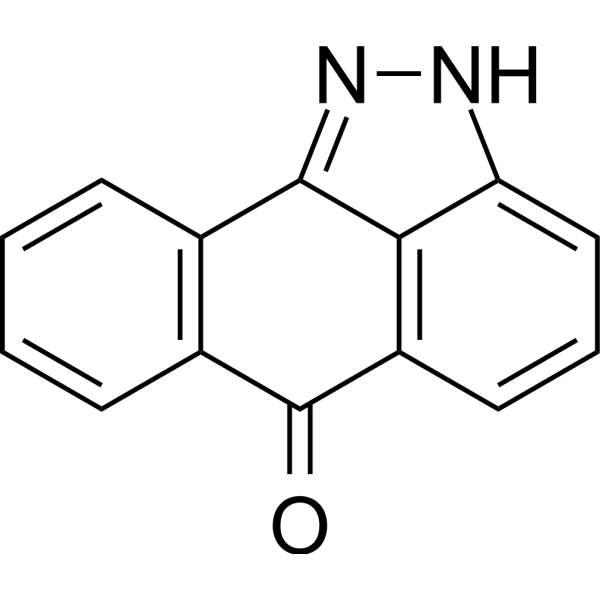
    SP600125 is an orally active, reversible, and ATP-competitive JNK inhibitor with IC50s of 40, 40 and 90 nM for JNK1, JNK2 and JNK3, respectively. SP600125 is a potent ferroptosis inhibitor. SP600125 induces the transformation of bladder cancer cells from autophagy to apoptosis .
    SP600125
  • HY-14650
    DHEA
    Maximum Cited Publications
    50 Publications Verification

    Prasterone; Dehydroisoandrosterone; Dehydroepiandrosterone

    Environmental Pollutants Endogenous Metabolite Androgen Receptor Cardiovascular Disease Endocrinology Cancer
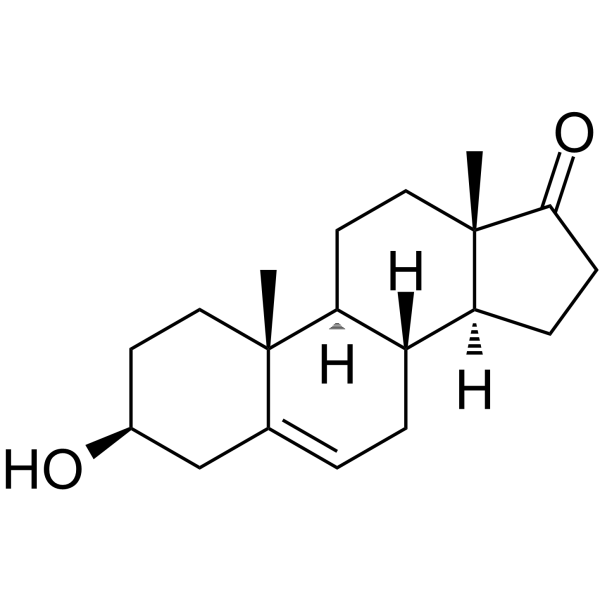
    DHEA (Prasterone) is one of the most abundant steroid hormones. DHEA (Prasterone) mediates its action via multiple signaling pathways involving specific membrane receptors and via transformation into androgen and estrogen derivatives (e.g., androgens, estrogens, 7α and 7β DHEA, and 7α and 7β epiandrosterone derivatives) acting through their specific receptors.
    DHEA
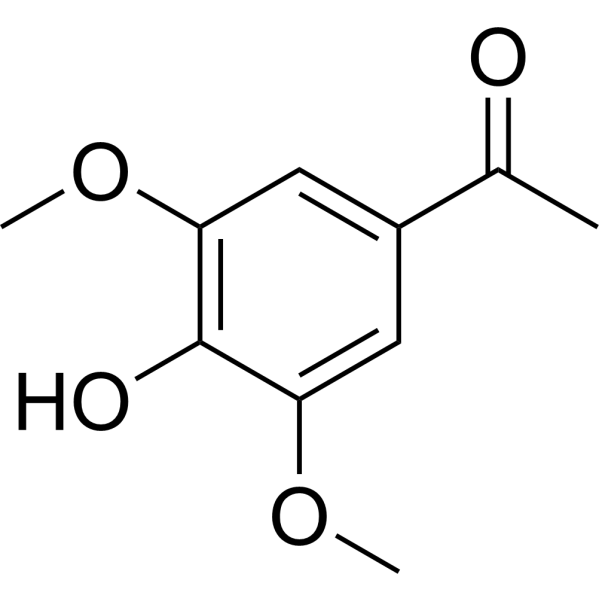
  • HY-W009884
    Acetosyringone
    2 Publications Verification

    Endogenous Metabolite Others
    Acetosyringone is a phenolic compound from wounded plant cells, enables virA gene which encodes a membrane-bound kinase to phosphorylate itself and activate the virG gene product, which stimulates the transcription of other vir genes and itself . Acetosyringone enhances efficient Dunaliella transformation of Agrobacterium strains .
    Acetosyringone
  • HY-N2329
    Piperlongumine
    10+ Cited Publications

    Piplartine

    ERK Reactive Oxygen Species (ROS) Autophagy Apoptosis Bacterial Ferroptosis Infection Cardiovascular Disease Cancer
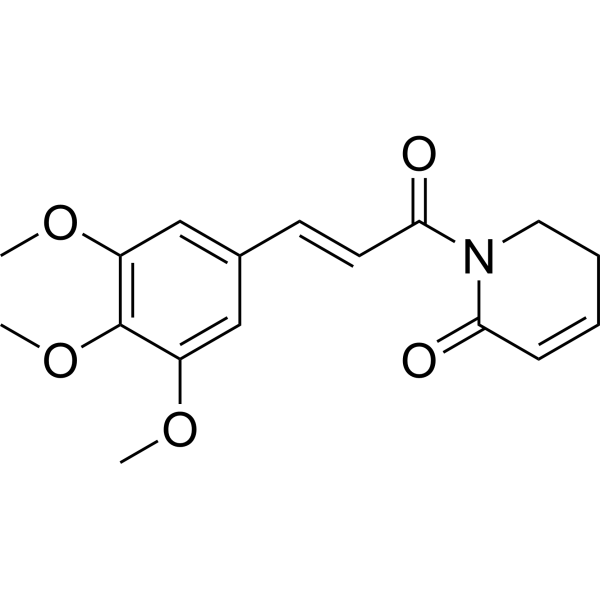
    Piperlongumine is a alkaloid , possesses ant-inflammatory, antibacterial, antiangiogenic, antioxidant, antitumor, and antidiabetic activities . Piperlongumine induces ROS, and induces apoptosis in cancer cell lines . Piperlongumine shows anti-cardiac fibrosis activity, suppresses myofibroblast transformation via suppression of the ERK1/2 signaling pathway. Piperlongumin could be used in the study of migrasome .
    Piperlongumine
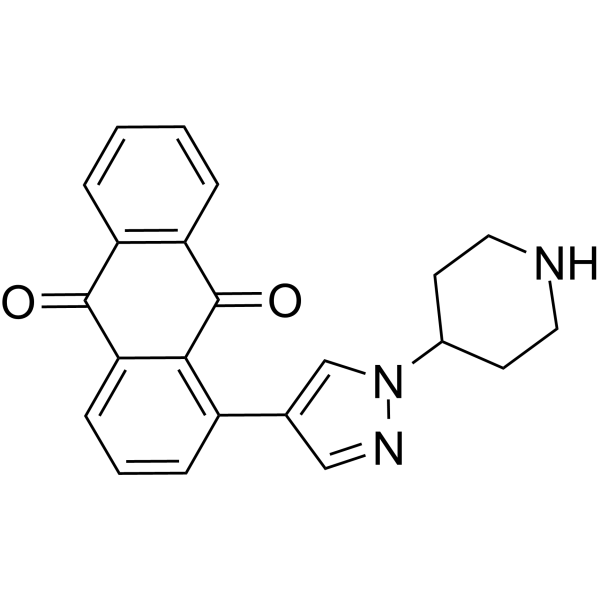
  • HY-135954A
    PDK4-IN-1 hydrochloride
    3 Publications Verification

    PDHK Apoptosis Metabolic Disease Inflammation/Immunology Cancer
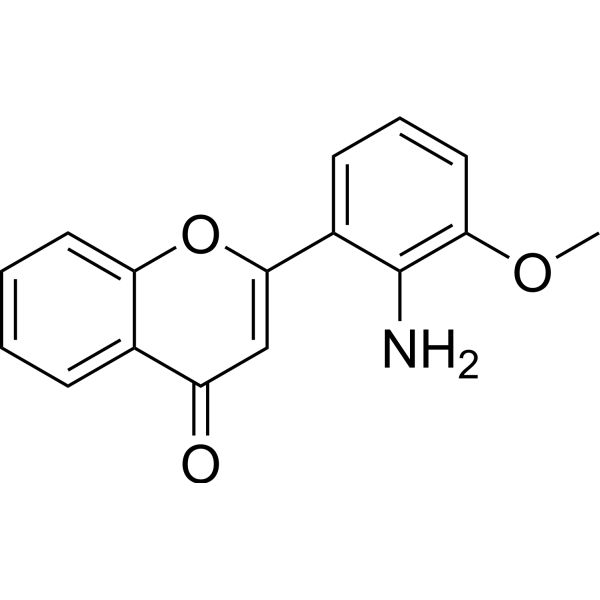
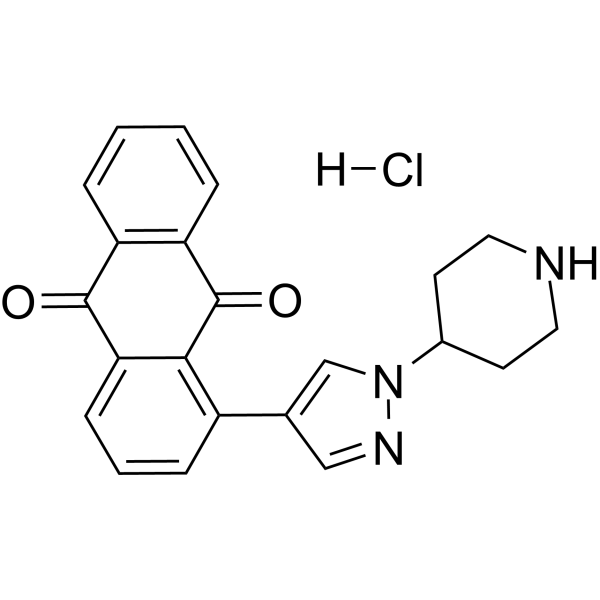
    PDK4-IN-1 hydrochloride is an anthraquinone derivative and a potent and orally active pyruvate dehydrogenase kinase 4 (PDK4) inhibitor with an IC50 value of 84 nM. PDK4-IN-1 hydrochloride potently represses cellular transformation and cellular proliferation and induces apoptosis. PDK4-IN-1 hydrochloride has antidiabetic, anticancer and anti-allergic activity .
    PDK4-IN-1 hydrochloride
  • HY-16659
    EHT 1864
    20+ Cited Publications

    Ras Neurological Disease Cancer
    EHT 1864 is an inhibitor of Rac family small GTPases. EHT 1864 directly binds and impairs the ability of this small GTPase to engage critical downstream effectors required for growth transformation. The Kd values are 40, 50, 60, and 230 nM for Rac1, Rac1b, Rac2 and Rac3, respectively. EHT 1864 also potently inhibits other Rac-dependent transformation processes, Tiam1- and Ras-mediated growth transformation. EHT 1864 prevents Aβ 40 and Aβ 42 production in vivo. EHT 1864 dependently suppresses the release of migrasomes from podocytes induced by LPS, PAN, or HG .
    EHT 1864
  • HY-100885
    Acelarin
    1 Publications Verification

    NUC-1031

    DNA/RNA Synthesis Cancer
    Acelarin (NUC-1031) is a ProTide transformation and enhancement of the widely-used nucleoside analogue, gemcitabine.
    Acelarin
  • HY-135954
    PDK4-IN-1
    3 Publications Verification

    PDHK Apoptosis Metabolic Disease Inflammation/Immunology Cancer
    PDK4-IN-1 is an anthraquinone derivative and a potent and orally active pyruvate dehydrogenase kinase 4 (PDK4) inhibitor with an IC50 value of 84 nM. PDK4-IN-1 potently represses cellular transformation and cellular proliferation and induces apoptosis. PDK4-IN-1 has antidiabetic, anticancer and anti-allergic activity .
    PDK4-IN-1
  • HY-126490
    Phleomycin
    2 Publications Verification

    Bacterial Antibiotic DNA/RNA Synthesis Infection Cancer
    Phleomycin is a copper-dependent DNA damaging agent and antibiotic with antitumor activity. Phleomycin binds to DNA and produces ROS in the presence of reducing agents (such as dithiothreitol and glutathione), inducing single-strand and double-strand breaks in DNA. Phleomycin can induce cell apoptosis or mutation and is widely used in cancer inhibition, microbial genetic transformation (as a screening marker to improve fungal transformation efficiency) and DNA repair mechanism research .
    Phleomycin
  • HY-13771A
    Ursodeoxycholic acid sodium
    25+ Cited Publications

    Ursodeoxycholate sodium; Ursodiol sodium; UCDA sodium

    G protein-coupled Bile Acid Receptor 1 FXR Endogenous Metabolite Metabolic Disease Inflammation/Immunology Cancer
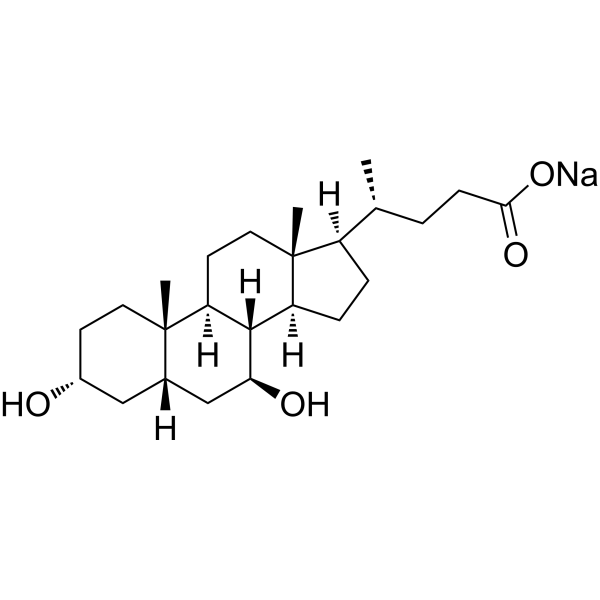
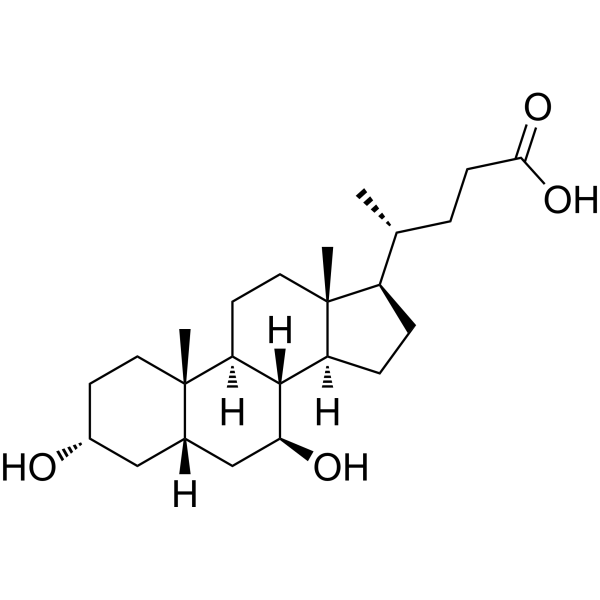
    Ursodeoxycholic acid (Ursodeoxycholate) sodium is a secondary bile acid issued from the transformation of (cheno)deoxycholic acid by intestinal bacteria, acting as a key regulator of the intestinal barrier integrity and essential for lipid metabolism. Ursodeoxycholic acid sodium acts as signaling molecule, exerting its effects by interacting with bile acid activated receptors, including G-protein coupled bile acid receptor 5 (TGR5, GPCR19) and the farnesoid X receptor (FXR). Ursodeoxycholic acid sodium can be used for the research of a variety of hepatic and gastrointestinal diseases. Orally active .
    Ursodeoxycholic acid sodium
  • HY-112023

    9β,10α-Cholesta-5,7-dien-3β-ol; Cholecalciferol EP Impurity C

    Endogenous Metabolite Metabolic Disease
    Lumisterol 3 (>90%) (9β,10α-Cholesta-5,7-dien-3β-ol) is a normal human secosterooid metabolite from the class of vitamin D3 photoisomer derivatives. Lumisterol 3 (>90%) is used in the preparation of vitamin D .
    Lumisterol 3 (purity>90%)
  • HY-122903
    TK216
    5+ Cited Publications

    DNA/RNA Synthesis Cancer
    TK216 is an orally active and potent E26 transformation specific (ETS) inhibitor . TK216 directly binds EWS-FLI1 and inhibits EWS-FLI1 protein interactions. TK216 blocks the binding between EWS-FLI1 and RNA helicase A. TK216 has anticancer activity .
    TK216
  • HY-B1916
    Acetylspiramycin
    2 Publications Verification

    Spiramycin B; Spiramycin II; Foromacidin B

    Antibiotic Bacterial Parasite Infection
    Acetylspiramycin (Spiramycin B) is an effective oral macrolide antibiotic produced by Streptomyces, It can inhibit the splenic lymphocyte transformation induced by phytohemagglutinin (PHA), LPS (HY-D1056) and antigen, reduce the procoagulant activity of macrophages, have good antibacterial effect on gram-positive bacteria, and is also an effective antigenic insect agent, which can be used to fight parasitic infection .
    Acetylspiramycin
  • HY-127034

    Ser/Thr Protease DNA/RNA Synthesis Metabolic Disease Cancer
    Antipain dihydrochloride is a protease inhibitor isolated from Actinomycetes. Antipain dihydrochloride inhibits N-methyl-N'-nitro-N-nitrosoguanidine (MNNG)-induced transformation and increases chromosomal aberrations. Antipain dihydrochloride restricts uterine DNA synthesis and function in mice .
    Antipain dihydrochloride
  • HY-N3097

    TRP Channel Amyloid-β Toll-like Receptor (TLR) Keap1-Nrf2 Heme Oxygenase (HO) Dihydroorotate Dehydrogenase Ferroptosis PAI-1 NF-κB ERK Proton Pump Glutathione Peroxidase Thrombin Insecticide Bacterial Infection Cardiovascular Disease Neurological Disease Inflammation/Immunology Cancer
    Pellitorine is a bioactive natural amide compound. Pellitorine can competitively antagonize the activation of TRPV1 by Capsaicin (HY-10448), thereby reducing pain signal transmission. Pellitorine improves cognitive dysfunction by upregulating the BDNF-ERK1/2-CREB and Nrf2-HO-1 pathways. Pellitorine exerts anti-inflammatory and anti-sepsis effects by inhibiting the release of high mobility group protein B1 (HMGB1) and the expression of RAGE/TLR4. Pellitorine exerts its antithrombotic effect by prolonging the clotting time, inhibiting the activity of clotting factors and thrombin. Pellitorine inhibits lipid peroxidation and resists ferroptosis by upregulating GPX4 and DHODH. Pellitorine kills Aedes aegypti mosquito larvae by inhibiting V-type H⁺-ATPase and aquaporin 4 (AaAQP4). Pellitorine exhibits anti-cancer activity (e.g., leukemia and breast cancer) and has inhibitory effects on certain bacteria .
    Pellitorine
  • HY-173591

    Formyl Peptide Receptor (FPR) Apoptosis Cardiovascular Disease Neurological Disease Inflammation/Immunology
    T0080 is a central nervous system-penetrant FPR1 inhibitor. By functionally blocking the FPR1 signaling pathway, T0080 effectively reduces neutrophil infiltration into ischemic brain tissue and maintains the integrity of the blood-brain barrier. T0080 alleviates tPA-associated hemorrhagic transformation, inhibits demyelination responses and the expression of NOX2. T0080 also possesses anti-apoptotic (apoptosis) and anti-inflammatory properties, thereby protecting myelin and reducing neurological deficits. T0080 is widely used in studies related to ischemic stroke complicated by hemorrhagic transformation after tPA thrombolysis, as well as multiple sclerosis .
    T0080
  • HY-121497
    3-Methoxybenzamide
    1 Publications Verification

    3-MBA

    PARP Bacterial Cancer
    3-Methoxybenzamide (3-MBA), an inhibitor of ADP-ribosyltransferase (ADPRTs) and PARP, inhibits cell division in Bacillus subtilis, leading to filamentation and eventually lysis of cells . 3-Methoxybenzamide (3-MBA) enhances in vitro plant growth, microtuberization, and transformation efficiency of blue potato (Solanum tuberosum L. subsp. andigenum) .
    3-Methoxybenzamide
  • HY-122866
    ZT-12-037-01
    1 Publications Verification

    Ras Cancer
    ZT-12-037-01 is a STK19-targeted inhibitor, has a high-affinity interaction with STK19 protein and inhibits oncogenic NRAS-driven melanocyte malignant transformation. ZT-12-037-01 is an ATP-competitive inhibitor, inhibiting phosphorylation of NRAS (major isoform of Ras family) with an IC50 of 24 nM .
    ZT-12-037-01
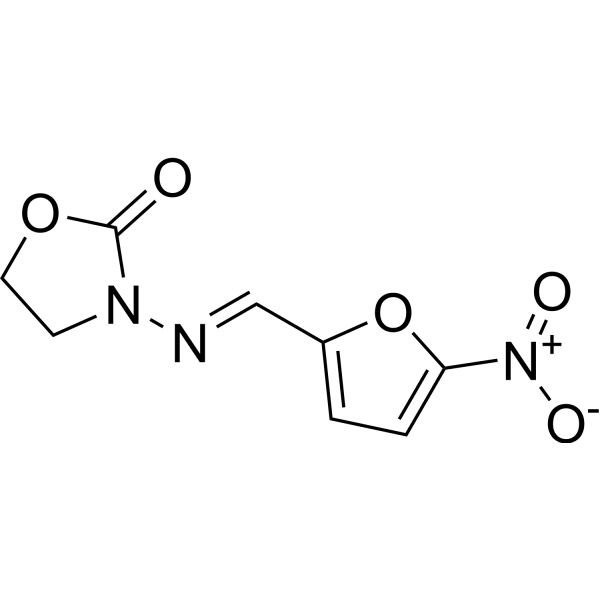
  • HY-B1336
    Furazolidone
    3 Publications Verification

    Environmental Pollutants Antibiotic Bacterial Apoptosis Parasite Infection Cancer
    Furazolidone is a monoamine oxidase (MAO) inhibitor with antiproliferative, apoptosis-inducing and differentiation-promoting activities. Furazolidone may inhibit leukemia fusion protein-mediated bone marrow transformation by upregulating the stability of the tumor suppressor protein p53. Furazolidone exhibits anti-leukemic activity in acute myeloid leukemia (AML) cell lines and can be used for anti-AML research [2].
    Furazolidone
  • HY-W016813

    Parasite Infection
    trans-Aconitic acid is an orally active aconitase inhibitor that non-competitively inhibits the conversion of citric acid to cis-aconitic acid and competitively inhibits the conversion of cis-aconitic acid to isocitric acid. trans-Aconitic acid inhibits the growth of Leishmania donovani promastigotes, the transformation of Leishmania donovani amastigotes to promastigotes, and the in vitro proliferation of Leishmania donovani amastigotes within macrophages in vitro. trans-Aconitic acid can be used in research related to visceral leishmaniasis (kala-azar) .
    trans-Aconitic acid
  • HY-15876

    Drug Metabolite P2Y Receptor Cardiovascular Disease
    Clopidogrel thiolactone is an important intermediate in the metabolism of Clopidogrel (HY-15283). Clopidogrel thiolactone has antiplatelet aggregatione effects. Clopidogrel is a P2Y12 receptor inhibitor that exerts antiplatelet effects .
    Clopidogrel thiolactone
  • HY-147008

    Epigenetic Reader Domain Cancer
    XP-524 is a potent BET and EP300 inhibitor. XP-524 shows great tumoricidal activity in vivo. XP-524 prevents KRAS-induced, neoplastic transformation in vivo and extends survival in two transgenic mouse models of aggressive PDAC. XP-524 also enhances the presentation of self-peptide and tumor recruitment of cytotoxic T lymphocytes. XP-524 has the potential for the research of pancreatic ductal adenocarcinoma (PDAC) .
    XP-524
  • HY-N0881

    Deacetylcinobufagin

    Others Others
    Desacetylcinobufagin is a natural compound used for microbial transformation.
    Desacetylcinobufagin
  • HY-17527

    Insecticide Others
    Cloxyfonac is a plant growth regulator and a chemical transformation product pesticide.
    Cloxyfonac
  • HY-W012218

    (±)-10-Camphorsulfonic acid

    Biochemical Assay Reagents Others
    (±)-Camphor-10-sulfonic acid is a racemate of Camphor-10-sulfonic acid. (±)-Camphor-10-sulfonic acid can be used as an organocatalyst in performing a huge array of organic transformations .
    (±)-Camphor-10-sulfonic acid
  • HY-P2454
    CSP1
    1 Publications Verification

    Bacterial Infection
    CSP1 is a potent and selective ComD1 receptor agonist, with an IC50 of 10.3 nM. CSP1 is a major variants of competence-stimulating peptide (CSP), and it can regulate genetic transformation of S. pneumonia by modulating quorum sensing (QS). CSP1 can act as an antibacterial agent .
    CSP1
  • HY-126979

    c-Myc Cancer
    Mycro2 is an inhibitor of c-Myc/Max dimer and DNA binding, with an IC50 value of 23 μM for the inhibition of Myc/Max DNA binding activity. Mycro2 can inhibit c-myc-dependent cell proliferation, gene transcription and oncogenic transformation .
    Mycro2
  • HY-W011579

    Biochemical Assay Reagents Others
    4-Benzoyl-3-methyl-1-phenyl-5-pyrazolone, is a heterocyclic compound with a five-membered ring structure, which can be used as a starting material for organic synthesis, a reagent for organic transformation, and a biological probe for studying biological processes. 4-Benzoyl-3-methyl-1-phenyl-5-pyrazolone is a biomaterial or organic compound that can be used as a research-related biomaterial or organic compound in life sciences .
    4-Benzoyl-3-methyl-1-phenyl-5-pyrazolone
  • HY-W278566

    Drug Metabolite Cardiovascular Disease Metabolic Disease
    Saluamine is an important N-dealkylated metabolite of Furosemide (HY-B0135) that is produced by microbial transformation and bile metabolism. Saluamine is a contaminant .
    Saluamine
  • HY-122903B

    DNA/RNA Synthesis Cancer
    (+)-TK216 is an enantiomer of TK216 (HY-122903). TK216 is an orally active and potent E26 transformation specific (ETS) inhibitor .
    (+)-TK216
  • HY-P2741

    E.C. 2.4.1.8

    Endogenous Metabolite Metabolic Disease
    Maltose phosphorylase is a dimerase which catalyzes the transformation of maltose and inorganic phosphate into β-D-glucose-1-phosphate and glucose. Maltose phosphorylases have been classified in family 65 of the glycoside hydrolases .
    Maltose phosphorylase
  • HY-107966A

    Nadroparin calcium (MW 3600-5000)

    Thrombin Factor Xa Autophagy Bacterial Cardiovascular Disease Cancer
    Heparin (Nadroparin) calcium (MW 3600-5000) is an anticoagulant which binds reversibly to antithrombin III (ATIII) to form a heparin-antithrombin III complex. The complex binds to and irreversibly inactivates thrombin and other activated clotting factors IX, X, XI, and XII and prevents the transformation of fibrinogen to fibrin .
    Heparin calcium (MW 3600-5000)
  • HY-P3182

    Endogenous Metabolite Cancer
    NADH oxidase is a cyanide-resistant oxidase located on the plasma membrane of animals and plants, which is regulated by growth factors and hormones. NADH oxidase catalyzes the electron transfer from NADH to oxygen, and its activity is closely related to cell growth. The hormone response of NADH oxidase is attenuated in tumor-transformed cells, and it can serve as an anti-tumor target .
    NADH oxidase
  • HY-113326

    trans-Phytoene

    Reactive Oxygen Species (ROS) Cancer
    Phytoene (trans-Phytoene) is a carotene pigment. Phytoene is the precursor of all carotenoids. Phytoene is the predominant PT isomer in most carotenogenic organisms. Phytoene can delay the skin tumors appearance and reduce their number in mice that are induced the tumors with UV-B light. Phytoene leads to protection against oxidative stress and malignant transformation. Phytoene inhibits the proliferation of breast cancer cells .
    Phytoene
  • HY-N13015
    Quercetin 5-O-β-D-glucopyranoside
    1 Publications Verification

    Endogenous Metabolite Endocrinology
    Quercetin 5-O-β-D-glucopyranoside is a glycosylated flavonoid metabolite and flavonoid compound. Quercetin 5-O-β-D-glucopyranoside can be produced by microbial transformation of Quercetin (HY-18085) via Mucor hiemalis. Quercetin 5-O-β-D-glucopyranoside can be used in studies related to benign prostatic hyperplasia .
    Quercetin 5-O-β-D-glucopyranoside
  • HY-W728151

    Drug Derivative Others
    3-O-Caffeoylshikimic acid is a caffeoylshikimic acid substance and phenolic acid that widely exists in the aerial parts of Equisetum arvense L. and Smilax glabra. During sulfur fumigation processing, 3-O-Caffeoylshikimic acid undergoes chemical transformation to produce 3-O-caffeoylshikimic acid sulfate and 3-O-caffeoylshikimic acid sulfite. At a high concentration (40 μM), 3-O-Caffeoylshikimic acid exhibits cytotoxic activity against human keratinocytes .
    3-O-Caffeoylshikimic acid
  • HY-162836

    4-O-(Carboxymethyl)-Rifamycin

    Antibiotic Bacterial Infection
    Rifamycin B (4-O-(Carboxymethyl)-Rifamycin) is a member of ansamycin antibiotics family with an anti-mycobacterial activity against tuberculosis, leprosy and AIDS-related mycobacterial infections. Rifamycin B is a metabolic product of Nocardia inediterranei, which can yield Rifamycin O and Rifamycin S (HY-125365) by microbial transformation .
    Rifamycin B
  • HY-N15194A

    Bacterial Apoptosis Infection Cancer
    Inostamycin A sodium is an inhibitor of cytidine-5'-diphosphate-1,2-diacyl-sn-glycerol (CDP-DG):inositol transferase. Inostamycin A sodium reduces phosphatidylinositol turnover, and inhibits cell proliferation and transformation. Inostamycin A sodium inhibits cancer cell proliferation, induces apoptosis, and prevents tumor recurrence. Inostamycin A sodium exhibits antibacterial activity. Inostamycin A sodium is applicable to research related to infection and cancer .
    Inostamycin A sodium
  • HY-12656
    SCH 51344
    1 Publications Verification

    Ras Cancer
    SCH 51344 inhibits Ras induced malignant transformation and prevents anchorage-independent growth of oncogene transformed fibroblasts .
    SCH 51344
  • HY-W059747

    Environmental Pollutants Others
    Chloroxynil is a Vir gene of Agrobacterium tumefaciens activator. Chloroxynil enhances T-DNA transfer efficiency by activating the expression of Agrobacterium Vir genes. Chloroxynil is promising for research of Agrobacterium-mediated transformation efficiency in legumes and rice .
    Chloroxynil
  • HY-122903S

    Isotope-Labeled Compounds DNA/RNA Synthesis Cancer
    TK216-d4 is the deuterium labeled TK216 (HY-122903). TK216 is an orally active and potent E26 transformation specific (ETS) inhibitor . TK216 directly binds EWS-FLI1 and inhibits EWS-FLI1 protein interactions. TK216 blocks the binding between EWS-FLI1 and RNA helicase A. TK216 has anticancer activity .
    TK216-d4
  • HY-N12167

    Others Others
    3-epi-Bufalin (compound 2a) is the microbial transformation product of bufadienolide .
    3-epi-Bufalin
  • HY-142129

    VD/VDR Endocrinology
    Pyrocholecalciferol, a vitamin D analogue, produced by photochemical transformation of 7-dehydrocholesterol (7-DHC) .
    Pyrocholecalciferol
  • HY-130465

    Deacetylspironolactone; Mercaptospironolactone

    Drug Metabolite Metabolic Disease
    7α-Thiospironolactone is the transformation product of spironolactone (HY-B0561), which can be obtained by the metabolism of Thermomyces lanuginosus .
    7α-Thiospironolactone
  • HY-127039

    Ser/Thr Protease DNA/RNA Synthesis Metabolic Disease Cancer
    Antipain is a protease inhibitor isolated from Actinomycetes. Antipain inhibits N-methyl-N'-nitro-N-nitrosoguanidine (MNNG)-induced transformation and increases chromosomal aberrations. Antipain restricts uterine DNA synthesis and function in mice .
    Antipain
  • HY-W583317

    Biochemical Assay Reagents Endogenous Metabolite
    sSPhos Pd G2 is a palladium catalyst with excellent cross-coupling reaction activity. sSPhos Pd G2 exhibits efficient catalytic ability in the synthesis of organic molecules and compounds. sSPhos Pd G2 can effectively promote the formation of CC bonds, optimize reaction conditions and increase yields. sSPhos Pd G2 is also used in a variety of transformation reactions, helping researchers develop new materials and compounds.
    sSPhos Pd G2
  • HY-W011788

    Trt-OH

    Biochemical Assay Reagents Cancer
    Triphenylmethanol is a specific clathrate host for methanol and dimethyl sulphoxide. Triphenylmethanol inhibits neoplastic transformation of cells .
    Triphenylmethanol
  • HY-N9507

    Apoptosis FGFR Cancer
    Picrasidine Q, an alkaloid component extracted from Angelica keiskei species, has the capacity of anti-cell transformation and anti-cancer. Picrasidine Q induces cell apoptosis and G1 phase arrest in human esophageal cancer cell lines, and directly inhibits FGFR2 kinase activity .
    Picrasidine Q
  • HY-125636

    c-Myc Cancer
    Mycro1 is an inhibitor of c-Myc/Max dimer and DNA binding, with an IC50 value of 30 μM for the inhibition of Myc/Max DNA binding activity. Mycro1 can inhibit c-myc-dependent cell proliferation, gene transcription and oncogenic transformation .
    Mycro1
  • HY-132271

    Endogenous Metabolite Others
    Chloramphenicol 1-acetate (Compound Ⅲ) is a microbial transformation product of Chloramphenicol (HY-B0239) by Streptomyces coelicolor. Chloramphenicol 1-acetate is the major product of Chloramphenicol acetyltransferase I (CATI) by regioselective acetylation of C21 hydroxy groups in steroids .
    Chloramphenicol 1-acetate

Inquiry Online

Your information is safe with us. * Required Fields.

Salutation


Country or Region *

Applicant Name *


Organization Name *

Department *


Email Address *


Product Name *

Cat. No.


Requested quantity *

Phone Number *


Remarks

Inquiry Online

Inquiry Information

Product Name:
Cat. No.:
Quantity:
MCE Japan Authorized Agent:

