1. Search Result
Search Result
Results for "

tripeptides

" in MedChemExpress (MCE) Product Catalog:

95

Inhibitors & Agonists

3

Biochemical Assay Reagents

93

Peptides

10

Natural
Products

1

Isotope-Labeled Compounds

Cat. No. Product Name Target Research Areas Chemical Structure
  • HY-P0063
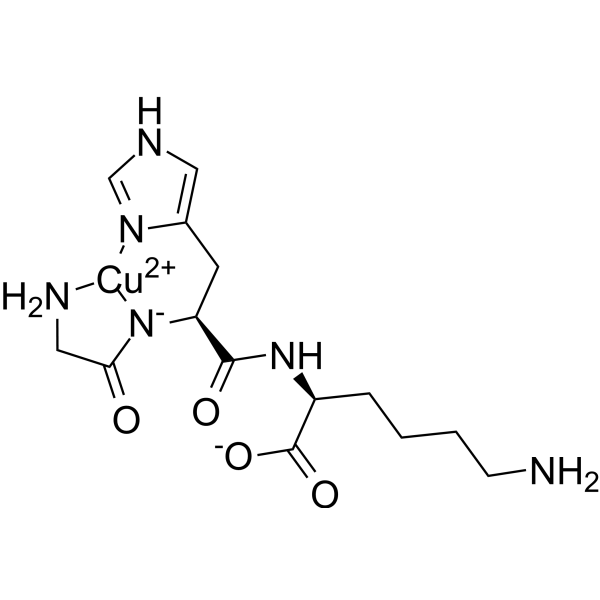
    Copper tripeptide
    1 Publications Verification

    GHK-Cu

    Biochemical Assay Reagents Inflammation/Immunology
    Copper tripeptide (GHK-Cu) is a tripeptide. During wound healing, Copper tripeptide may be freed from existing extracellular proteins via proteolysis and serves as a chemoattractant for inflammatory and endothelial cells. Copper tripeptide has been shown to increase messenger RNA production for collagen, elastin, proteoglycans, and glycosaminoglycans in fibroblasts. Copper tripeptide is a natural modulator of multiple cllular pathways in skin regeneration .
    Copper tripeptide
  • HY-P0278
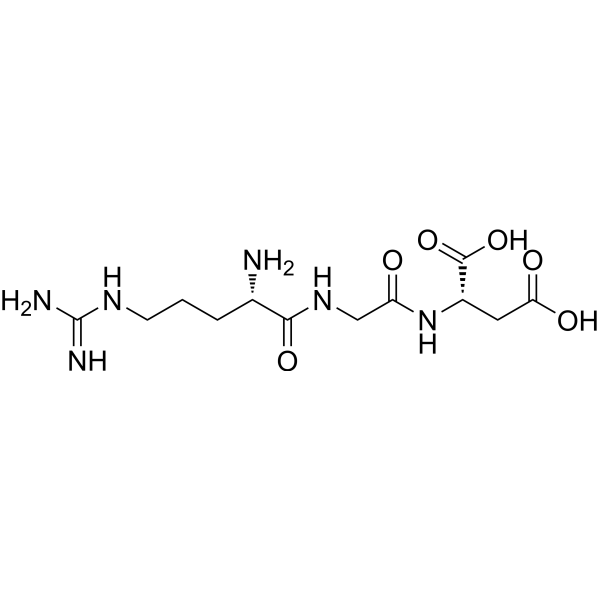
    RGD
    Maximum Cited Publications
    8 Publications Verification

    Integrin Cancer
    RGD is a tripeptide that effectively triggers cell adhesion, addresses certain cell lines and elicits specific cell responses; binds to integrins.
    RGD
  • HY-13634A
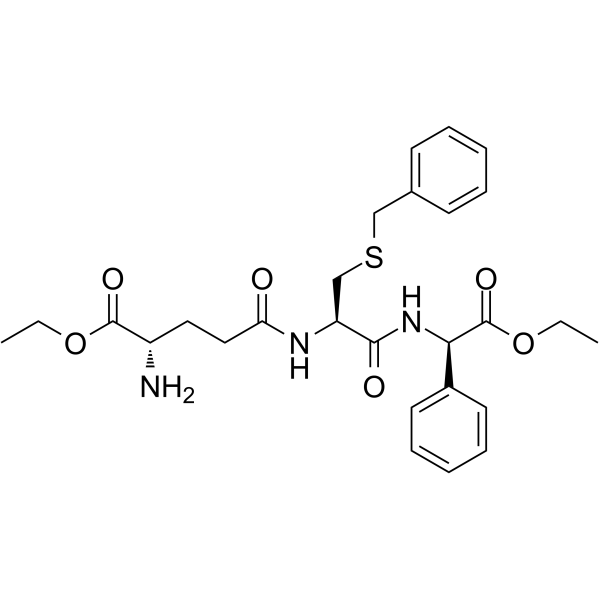
    Ezatiostat
    Maximum Cited Publications
    8 Publications Verification

    TER199free base; TLK199

    Glutathione S-transferase Apoptosis Cancer
    Ezatiostat (TER199 free base; TLK199) is a tripeptide analog of glutathione and is a selective and orally active glutathione S-transferase P1-1 (GSTP1) inhibitor. Ezatiostat leads to JNK activation by inhibiting GSTP1. Ezatiostat stimulates both lymphocyte production and bone marrow progenitor proliferation. Ezatiostat has the potential for myelodysplastic syndrome (MDS) treatment .
    Ezatiostat
  • HY-16757
    Trofinetide
    2 Publications Verification

    NNZ-2566

    iGluR Neurological Disease
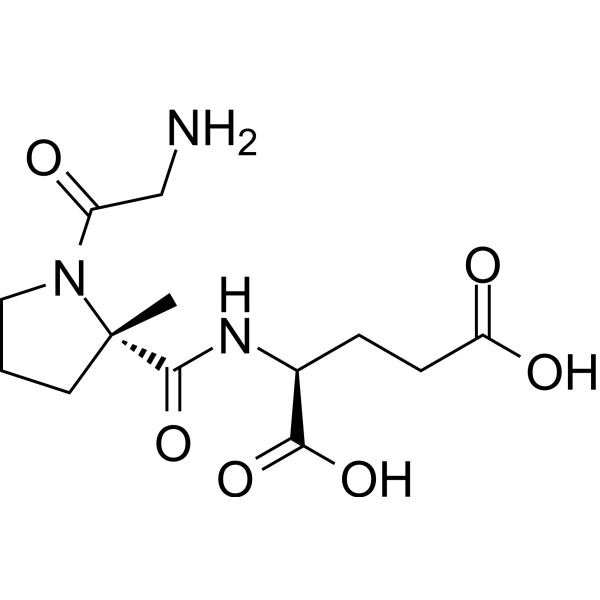
    Trofinetide (NNZ-2566), a synthetic analogue of the endogenous N-terminus tripeptide, Glycine-Proline-Glutamate (GPE), has been shown to be neuroprotective in animal models of brain injury.
    Trofinetide
  • HY-15584
    Taltobulin
    3 Publications Verification

    HTI-286; SPA-110

    Microtubule/Tubulin ADC Payload Apoptosis Cancer
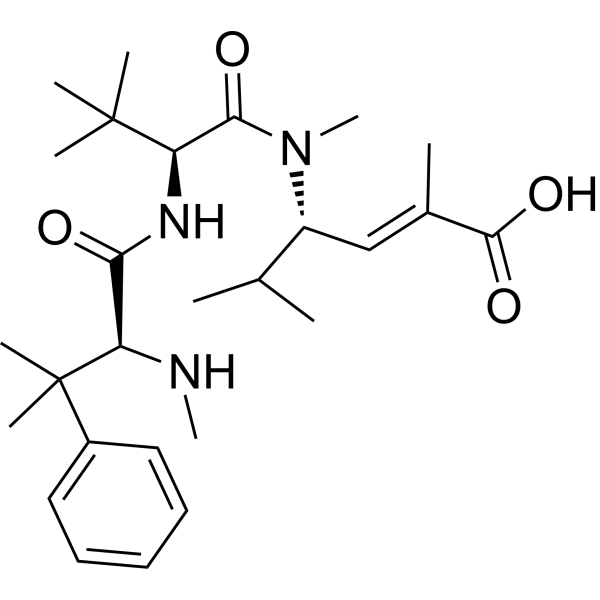
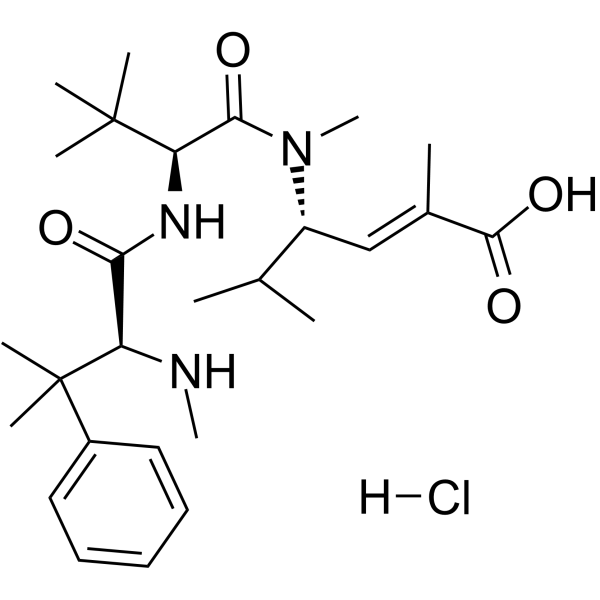
    Taltobulin (HTI-286), a synthetic analogue of the tripeptide hemiasterlin, is a potent antimicrotubule agent that circumvents P-glycoprotein-mediated resistance in vitro and in vivo. Taltobulin inhibits the polymerization of purified tubulin, disrupts microtubule organization in cells, and induces mitotic arrest, as well as apoptosis .
    Taltobulin
  • HY-108137
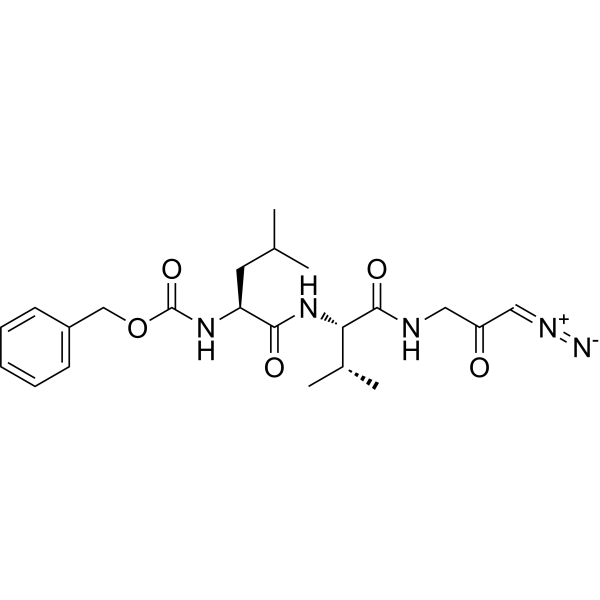
    Z-LVG-CHN2
    2 Publications Verification

    Cathepsin HSV SARS-CoV Infection Inflammation/Immunology
    Z-LVG-CHN2 is a cell-permeable and irreversible inhibitor of cysteine proteinase. Z-LVG-CHN2 is a tripeptide derivative and mimics part of the human cysteine proteinase-binding center. Z-LVG-CHN2 displays an inhibition on HSV whereas no significant effect on poliovirus replication. Z-LVG-CHN2 effectively blocks SARS-COV-2 replication (EC50=190 nM) via inhibition of SARS-COV-2 3CL pro protease .
    Z-LVG-CHN2
  • HY-W009004

    Lys-Lys-Lys; H-Lys-Lys-Lys-OH

    Biochemical Assay Reagents Others
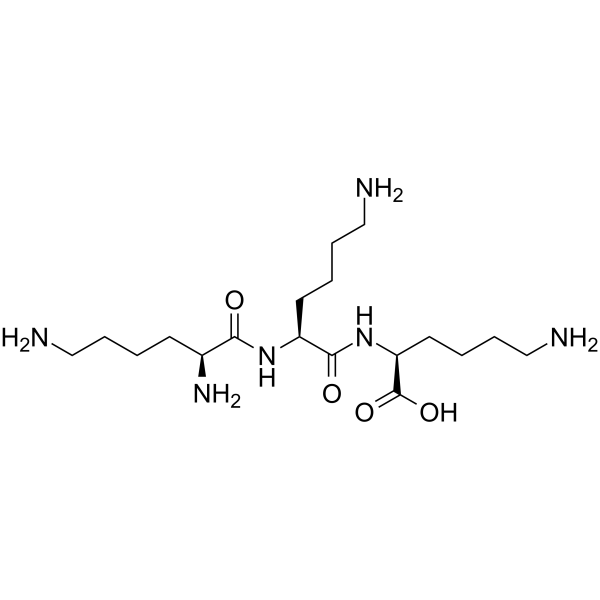
    Trilysine is a tripeptide and also a substrate for specific peptidases. Trilysine serves as a hydrolytic substrate for the tripeptide-specific aminopeptidase TP and the oligopeptidase OP .
    Trilysine
  • HY-125616

    Biotinyl-GHK; Bio-GHK

    Amyloid-β Reactive Oxygen Species (ROS) Neurological Disease
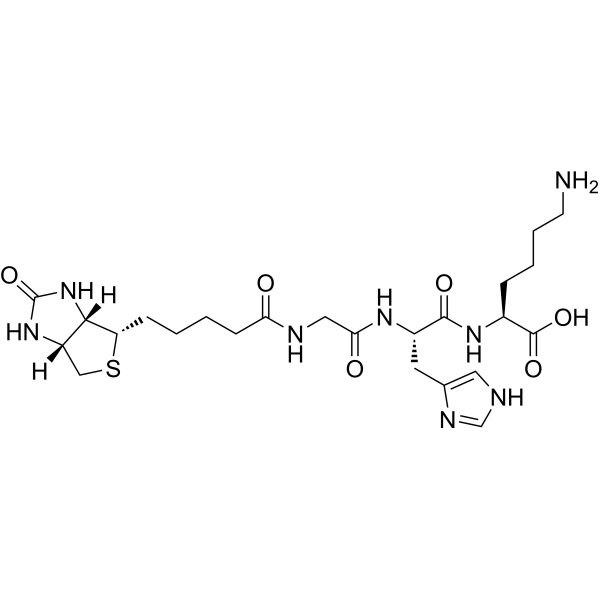
    Biotinoyl tripeptide-1 (Biotinyl-GHK) is a biotinylating reagent linked to a GHK (glycyl-L-histidyl-L-lysine) tripeptide. Biotin tripeptide-1 is a bioactive peptide with hair care (improves the appearance and feel of hair) and hair growth effects. Biotinoyl tripeptide-1 has a certain affinity for streptavidin. Biotinoyl tripeptide-1 inhibits the production of ROS and has antioxidant effects. Biotinoyl tripeptide-1 reduces the production of carbonylated amyloid-β (Aβ) and inhibits Aβ aggregation. Biotinoyl tripeptide-1 can be used in the study of neurodegenerative diseases .
    Biotinoyl tripeptide-1
  • HY-W090940

    ADC Linker Cancer
    H-Gly-Gly-Phe-OH is a tripeptide linker that may be used in the creation of antibody drug conjugates (ADCs). The N-terminal of the glycine tripeptide is free to perform a variety of reactions such as couplings with carboxylic acids or NHS esters.
    H-Gly-Gly-Phe-OH
  • HY-P4486

    Pro-Gly-Pro

    Drug Derivative Others
    H-Pro-Gly-Pro-OH is a collagen-derived matrikine that has classically been described as a neutrophil chemoattractant. H-Pro-Gly-Pro-OH is perfectly positioned to focus neutrophils on the site required and direct a localized repair response. H-Pro-Gly-Pro-OH activates the transcription of neurotrophins and their receptor genes after cerebral ischemia .
    H-Pro-Gly-Pro-OH
  • HY-W015236

    Triglycine

    Biochemical Assay Reagents Others
    H-Gly-Gly-Gly-OH, also known as Triglycine, is a tripeptide composed of glycine, glycine and glycine, which are linked by peptide bonds. Often used as a model compound in the study of protein structure and function. Glycylglycylglycine also acts as a neurotransmitter in the central nervous system and has been shown to have antioxidant properties. Furthermore, it may have potential research roles in various diseases such as cancer, diabetes and neurodegenerative diseases.
    H-Gly-Gly-Gly-OH
  • HY-P4648

    Trp-Trp-Trp

    Bacterial Infection
    H-Trp-Trp-Trp-OH (Trp-Trp-Trp) is a tripeptide consisting of tryptophan. H-Trp-Trp-Trp-OH has antibacterial activity. H-Trp-Trp-Trp-OH is a human bitter taste receptor hTAS2R14 agonist .
    H-Trp-Trp-Trp-OH
  • HY-P3752

    H-Gly-Ala-Tyr-OH

    Biochemical Assay Reagents Bacterial Others
    Gly-Ala-Tyr (H-Gly-Ala-Tyr-OH) is a tripeptide substrate composed of L-glycine, alanine, and L-tyrosine joined in sequence by peptide linkages. Gly-Ala-Tyr can be hydrolyzed at both extracellular and intracellular levels by Streptococcus thermophilus, Lactobacillus delbrueckii ssp. bulgaricus, Lactobacillus acidophilus, and Bifidobacterium spp. Ala-Gly-Tyr is functionally related to L-alanine, glycine and L-tyrosine. .
    Gly-Ala-Tyr
  • HY-P2267
    LDV
    1 Publications Verification

    Integrin Others
    LDV is a non-fluorescent analog of LDV-FITC. LDV is a α4β1 integrin (VLA-4) ligand, and binds α4β1 integrin in leukemia cells .
    LDV
  • HY-139441

    Drug-Linker Conjugates for ADC Microtubule/Tubulin Cancer
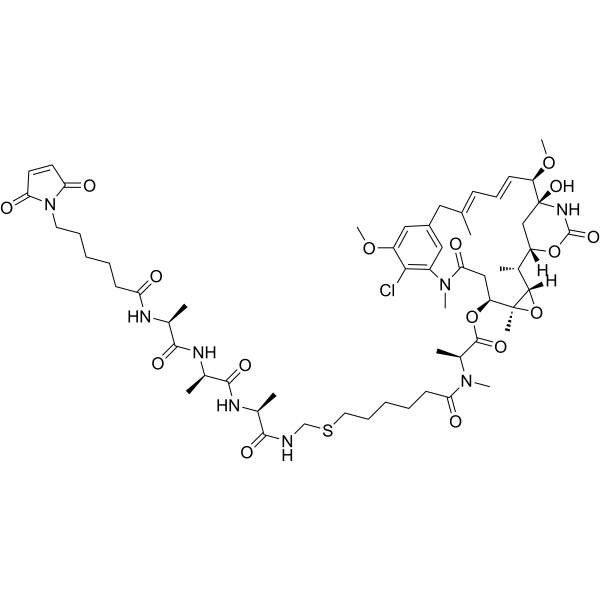
    DM21 is a next-generation linker-payload that combines a maytansinoid microtubule-disrupting payload with a stable tripeptide linker. DM21 is conjugated with a humanized antibody against ADAM9 to obtain IMGC936 .
    DM21
  • HY-P2543
    Neuropeptide Y (3-36) (human, rat)
    1 Publications Verification

    Neuropeptide Y Receptor Cardiovascular Disease Neurological Disease
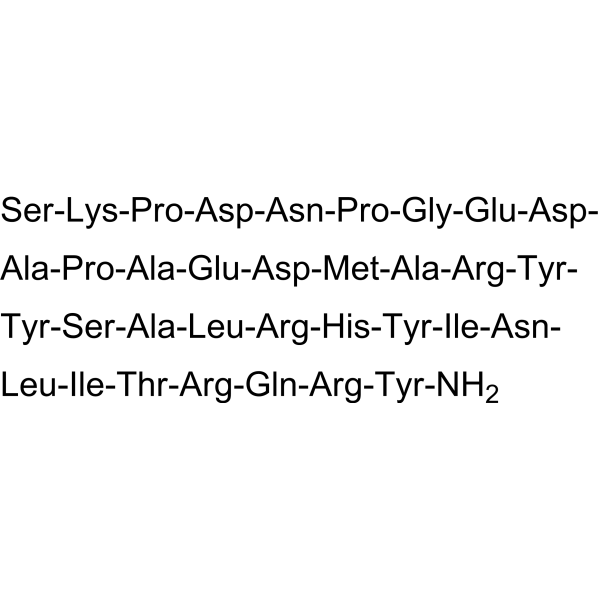
    Neuropeptide Y (3-36) (human, rat) is a neuropeptide Y fragment derived from humans or rats. Neuropeptide Y is an extremely abundant neurotransmitter in central and peripheral neurons, and it participates in the regulation of psychomotor activity, circadian rhythm, feeding behavior and cardiovascular function. Neuropeptide Y (3-36) (human, rat) can serve as a substrate to be sequentially degraded from its N-terminus by AfuS28, and it requires binding to AfuS28 and SedB to be decomposed into amino acids, dipeptides and tripeptides [1] [2].
    Neuropeptide Y (3-36) (human, rat)
  • HY-132828

    LT3001; DHDMIQK(KAP)

    P-selectin Cardiovascular Disease Metabolic Disease Inflammation/Immunology
    Odatroltide (LT3001; DHDMIQK(KAP)) is a P-selectin inhibitor. Odatroltide is a peptide molecule comprising a tripeptide Pro-Ala-Lys (PAK) and an (S)-6,7-dihydroxy-1,1-dimethyl-1,2,3,4-tetrahydro-isoquinoline-3-carboxylic acid domain. Odatroltide can restore cerebral blood flow, scavenge free radicals, and inhibit leukocyte migration. Odatroltide possesses thrombolytic and anti-thrombotic activities .
    Odatroltide
  • HY-129724A

    ACTH-(11-13) acetate; Lys-Pro-Val acetate; H-Lys-Pro-Val-OH acetate

    Melanocortin Receptor NF-κB Bacterial Interleukin Related Apoptosis Infection Neurological Disease Metabolic Disease Inflammation/Immunology
    α-MSH (11-13) (ACTH-(11-13)) acetate is a C-terminal tripeptide of α-MSH that can cross the blood-brain barrier. α-MSH (11-13) acetate exhibits antipyretic, anti-inflammatory, and antibacterial activities. α-MSH (11-13) acetate also exerts neuroprotective effects after traumatic brain injury by inhibiting excessive activation of microglia and reducing neuronal apoptosis. α-MSH (11-13) acetate can be used in research related to traumatic brain injury, fever, and bacterial infections .
    α-MSH (11-13) acetate
  • HY-W016012

    H-Glu-Glu-OH; Glutamyl-glutamic acid

    Amino Acid Derivatives Others
    Glu-Glu is a glutamic acid derivative containing amino and carboxyl groups. Glu-Glu is an analogs of acidic tripeptide and can contribute to calcium absorption .
    Glu-Glu
  • HY-117483

    iGluR Neurological Disease
    Gly-Pro-Glu is a neuroactive peptide with a potent action on acetylcholine release. Gly-Pro-Glu is the N-terminal tripeptide of insulin-like growth factor-I. Gly-Pro-Glu inhibits glutamate binds to N-methyl-D-aspartate (NMDA) receptor with an IC50 value of 14.7 μM. Gly-Pro-Glu can be used for the research of neuroprotection .
    Gly-Pro-Glu
  • HY-122487

    BHV-4157

    mGluR Neurological Disease Cancer
    Troriluzole, a third-generation, tripeptide proagent of Riluzole (HY-B0211), is an orally active glutamate modulator. Troriluzole reduces synaptic glutamate level and increases the synaptic glutamate absorption. Troriluzole has the potential for Alzheimer disease and generalized anxiety disorder (GAD) .
    Troriluzole
  • HY-123587

    Proteasome Apoptosis Cancer
    PR-924 is a selective tripeptide epoxyketone immunoproteasome subunit LMP-7 inhibitor with an IC50 of 22 nM. PR-924 covalently modifies proteasomal N-terminal threonine active sites. PR-924 inhibits growth and triggers apoptosis in multiple myeloma (MM) cells. PR-924 has antitumor activities .
    PR-924
  • HY-P5275

    CG-Lipoxyn

    NF-κB Histone Demethylase Metabolic Disease
    Tripeptide-41 (CG-Lipoxyn) is a signal peptide. Tripeptide-41 activates the NF-kB signaling pathway, inhibits the expression of C/EBP and increases cAMP. Tripeptide-41 is an important intracellular signaling factor that causes lipolysis by promoting the hydrolysis of lipids into triglycerides. Tripeptide-41 can be used in cosmetics that targets fat accumulation .
    Tripeptide-41
  • HY-P5243

    AHK-Cu

    Others Bcl-2 Family Others
    Copper tripeptide-3 (AHK-Cu) is a bioactive peptide with promotion of hair growth effect. Copper tripeptide-3 increases dermal cell proliferation and viability while increasing the deposition of collagen to renew the extracellular matrix. Copper tripeptide-3 stimulates the elongation of human hair follicles and proliferation of dermal papilla cells .
    Copper tripeptide-3
  • HY-P0104

    Collagen Metabolic Disease
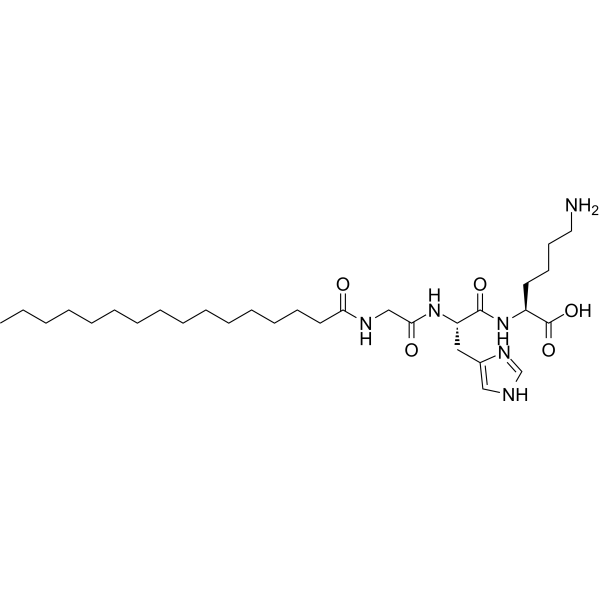
    Palmitoyl tripeptide-38 is a lipopeptide that increases the production of dermal and epidermal collagen, fibronectin, and hyaluronic acid. Palmitoyl tripeptide-38 is used in research related to skin aging (fine lines, wrinkles, reduced skin elasticity, decreased skin water content, uneven skin tone) .
    Palmitoyl tripeptide-38
  • HY-P5250

    MMP Others
    Palmitoyl tripeptide-5 is a bioactive peptide with anti-aging effect and has been reported used as a cosmetic ingredient .
    Palmitoyl tripeptide-5
  • HY-P0278A
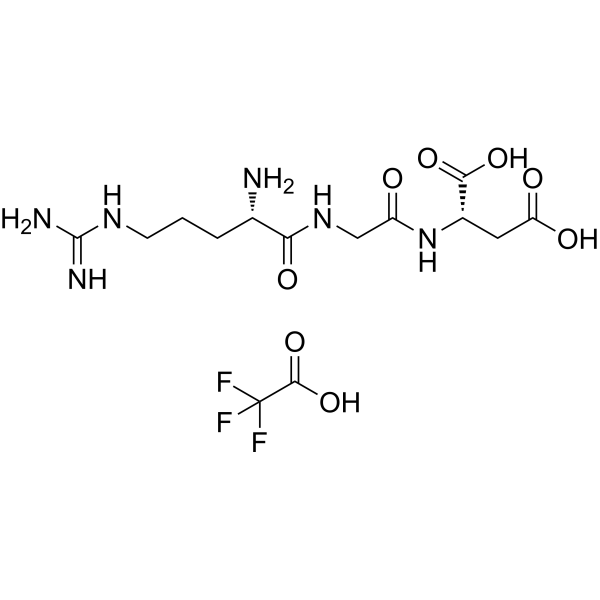
    RGD Trifluoroacetate
    Maximum Cited Publications
    8 Publications Verification

    Integrin Cancer
    RGD Trifluoroacetate is a tripeptide that effectively triggers cell adhesion, addresses certain cell lines and elicits specific cell responses; RGD Trifluoroacetate binds to integrins.
    RGD Trifluoroacetate
  • HY-W111226

    Amyloid-β Amino Acid Derivatives Cardiovascular Disease Neurological Disease
    Fmoc-His (3-Me)-OH is a histidine derivative with a methylated imidazole group. Fmoc-His (3-Me)-OH can be used for the synthesis of the chemically modified tripeptide His (3-methyl)-Arg-Trp (H (3-Me)-RW). Fmoc-His (3-Me)-OH serves as a resin in Fmoc solid-phase synthesis for the generation of the His-(3-Me)-Gly-Lys peptide. Fmoc-His (3-Me)-OH is a building block for the synthesis of NAHIS02-(p-Met). Fmoc-His (3-Me)-OH can be applied in research related to Alzheimer's disease .
    Fmoc-His(3-Me)-OH
  • HY-P3519

    Drug Intermediate Infection
    ACV Tripeptide, a tripeptide, is the first dedicated intermediate in the biosynthetic pathway leading to the penicillin and cephalosporin classes of β-lactam natural products in bacteria and fungi. ACV Tripeptide is is synthesized nonribosomally by the ACV synthetase (ACVS) enzyme, which is encoded by the 11 kb The pchAB gene encodes this enzyme. ACV Tripeptide can be used for the biosynthesis of β-lactam antibiotics .
    ACV Tripeptide
  • HY-125039
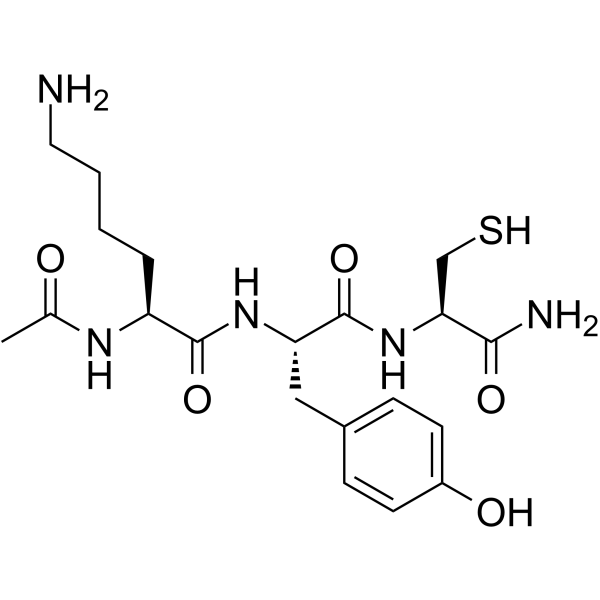
    N-Acetyl lysyltyrosylcysteine amide
    2 Publications Verification

    Glutathione Peroxidase Cardiovascular Disease Neurological Disease
    N-Acetyl lysyltyrosylcysteine amide is a potent, reversible, specific, and non-toxic tripeptide inhibitor of myeloperoxidase (MPO). N-Acetyl lysyltyrosylcysteine amide effectively inhibits MPO generation of toxic oxidants in vivo. N-Acetyl lysyltyrosylcysteine amide reduces neuronal damage and preserves brain tissue and neurological function in the stroked brain. N-Acetyl lysyltyrosylcysteine amide inhibits MPO-dependent hypochlorous acid (HOCl) generation, protein nitration, and LDL oxidation .
    N-Acetyl lysyltyrosylcysteine amide
  • HY-106263B

    PTEN PDK-1 MDM-2/p53 Apoptosis Akt Cancer
    Tyroserleutide hydrochloride is a tripeptide isolated from the degradation products of porcine spleen with antitumor activity. Tyroserleutide hydrochloride can upregulate the expression of the tumor suppressor gene PTEN and inhibit the activity of AKT and PDK1. Tyroserleutide hydrochloride inhibits tumor cell proliferation and MDM2 phosphorylation by inhibiting the PI3K/AKT pathway, and also upregulates P21, P27, P53, and induces mitochondrial damage and cell apoptosis .
    Tyroserleutide hydrochloride
  • HY-148666

    Biochemical Assay Reagents Others
    H-Gly-Oet can be coupled with Z-Pro-Leu-OEt for the synthesis of tripeptide Z-Pro-Leu-Gly-OEt by thermolysin and α-chymotrypsin catalysis .
    H-Gly-Oet
  • HY-P4294

    Gly-Pro-Gly

    Amino Acid Derivatives Others
    H-Gly-Pro-Gly-OH is a tripeptide containing glycine and proline. H-Gly-Pro-Gly-OH can be used for the synthesis of other polypeptides, such as (Pro Gly Gly)n .
    H-Gly-Pro-Gly-OH
  • HY-111173

    Dipeptidyl Peptidase Others
    Diprotin B is a dipeptidyl aminopeptidase IV (DPP IV) inhibitor. The apparent competitive inhibition of DPP-IV by the diprotins is a kinetic artifact, derived from the substrate-like nature of tripeptides containing a penultimate proline residue .
    Diprotin B
  • HY-139907B

    Aminopeptidase Inflammation/Immunology Cancer
    DG013A (formate) is a phosphinic acid tripeptide mimetic inhibitor. DG013A (formate) displays significantly weak affinity for both ERAP1 (IC50=33 nM) and ERAP2 (IC50=11 nM). DG013A (formate) can be used for the research of autoimmune disease and cancer .
    DG013A formate
  • HY-129724

    ACTH-(11-13); Lys-Pro-Val; H-Lys-Pro-Val-OH

    Melanocortin Receptor Bacterial NF-κB Apoptosis Interleukin Related Infection Neurological Disease Metabolic Disease Inflammation/Immunology
    α-MSH (11-13) (ACTH-(11-13)) is a C-terminal tripeptide of α-MSH that can cross the blood-brain barrier. α-MSH (11-13) exhibits antipyretic, anti-inflammatory, and antibacterial activities. α-MSH (11-13) also exerts neuroprotective effects after traumatic brain injury by inhibiting excessive activation of microglia and reducing neuronal apoptosis. α-MSH (11-13) can be used in research related to traumatic brain injury, fever, and bacterial infections .
    α-MSH (11-13)
  • HY-W010989

    Biochemical Assay Reagents Bacterial Infection Neurological Disease Inflammation/Immunology Cancer
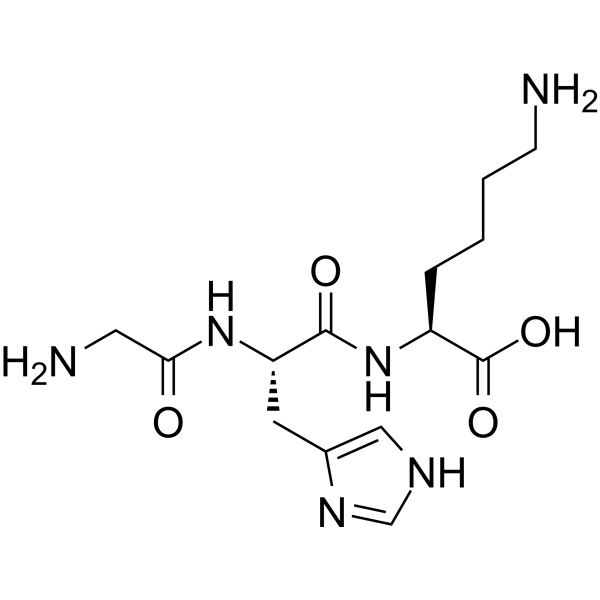
    Gly-His-Lys acetate is a natural, circulating regulatory and antimicrobial tripeptide derived from extracellular matrix proteins. Gly-His-Lys acetate binds Cu 2+ to support copper enzyme activation, antioxidant processes, cellular bioenergetics, and the synthesis of elastin, collagen and catecholamines. Gly-His-Lys acetate regulates cell growth, differentiation and tissue repair, and exerts regenerative, anxiolytic, anti-inflammatory, analgesic and immunosuppressive activities. Gly-His-Lys acetate induces liver degenerative changes. Gly-His-Lys acetate can be used for the research of infections, anxiety, pain-related behaviors and immune-associated liver diseases .
    Gly-His-Lys acetate
  • HY-114424A
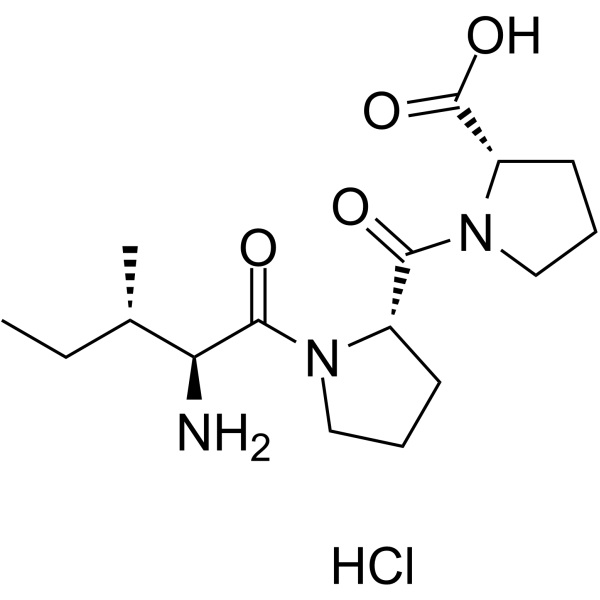
    H-Ile-Pro-Pro-OH hydrochloride
    1 Publications Verification

    Angiotensin-converting Enzyme (ACE) Cardiovascular Disease
    H-Ile-Pro-Pro-OH hydrochloride, a milk-derived peptide , inhibits angiotensin-converting enzyme (ACE) with an IC50 of 5 μM . Antihypertensive tripeptides .
    H-Ile-Pro-Pro-OH hydrochloride
  • HY-W097122

    Amino Acid Derivatives Others
    Fmoc-Gly-Gly-Gly-OH is a tripeptide that can be used in peptide synthesis.
    Fmoc-Gly-Gly-Gly-OH
  • HY-136479

    Sirtuin Cancer
    F0911-7667 is a SIRT1 activator that induces autophagic cell death in U87MG and T98G cells by activating the AMPK-mTOR-ULK complex. CWR tripeptide was also identified as a SIRT1 activator that reduced p53 acetylation in IMR32 neuroblastoma cells and protected cells from cell death induced by Aβ fragments .
    F0911-7667
  • HY-P11358

    Angiotensin-converting Enzyme (ACE) Acetyl-CoA Carboxylase Mitochondrial Metabolism Inflammation/Immunology
    IRW is an orally active tripeptide produced from egg white with angiotensin converting enzyme (ACE) inhibitory properties. IRW can prevent high-fat diet (HFD)-induced Non-alcoholic fatty liver disease (NAFLD) by modulating hepatic lipid metabolism and increasing mitochondrial content. IRW decreases hepatic triglyceride content and lipid droplet size. IRW increases the hepatic mitochondrial complexes and citrate synthase activity, phosphorylation of 5’-AMP-activated protein kinase and microsomal triglyceride transfer protein abundance. IRW increases phosphorylated acetyl CoA carboxylase and mitochondrial complexes, IRW can be used for the research of inflammation .
    IRW
  • HY-P5252

    Tyrosinase Metabolic Disease
    Diaminopropionoyl tripeptide-33isa bioactive peptide with protects skin cells from UVA-induced DNA damages and has been reported used as a cosmetic ingredient .
    Diaminopropionoyl tripeptide-33
  • HY-P3888

    Neurokinin Receptor Neurological Disease
    Gly-Leu-Met-NH2 is a C-terminal tripeptide of Substance P (HY-P0201). Substance P is a neuropeptide .
    Gly-Leu-Met-NH2
  • HY-W480799

    Gly-Gly-Tyr

    Biochemical Assay Reagents Others
    H-Gly-Gly-Tyr-OH is a tripeptide that plays an important role in various biochemical applications. H-Gly-Gly-Tyr-OH can be used in the fields of pharmaceuticals and biochemistry .
    H-Gly-Gly-Tyr-OH
  • HY-114707

    GnRH Receptor Endocrinology
    Threonyl-seryl-lysine, a bovine pineal antireproductive tripeptide, has antigonadotropic activity. Threonyl-seryl-lysine binds to luteinizing hormone-releasing hormone (LHRH) at a site comprised of LHRH 2-5 .
    Threonyl-seryl-lysine
  • HY-15584A
    Taltobulin trifluoroacetate
    3 Publications Verification

    HTI-286 trifluoroacetate; SPA-110 trifluoroacetate

    Microtubule/Tubulin ADC Payload Apoptosis Cancer
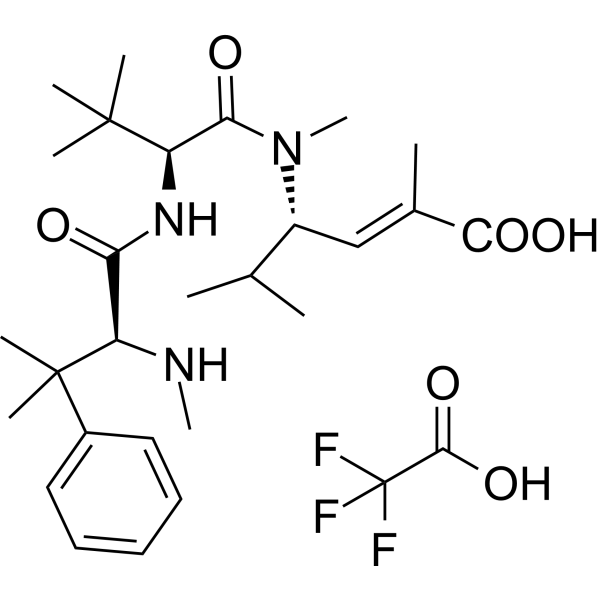
    Taltobulin trifluoroacetate (HTI-286 trifluoroacetate), a synthetic analogue of the tripeptide hemiasterlin, is a potent antimicrotubule agent that circumvents P-glycoprotein-mediated resistance in vitro and in vivo. Taltobulin trifluoroacetate inhibits the polymerization of purified tubulin, disrupts microtubule organization in cells, and induces mitotic arrest, as well as apoptosis .
    Taltobulin trifluoroacetate
  • HY-139907

    Aminopeptidase Inflammation/Immunology Cancer
    DG013A is a phosphinic acid tripeptide mimetic inhibitor. DG013A displays significantly weak affinity for both ERAP1 (IC50=33 nM) and ERAP2 (IC50=11 nM). DG013A can be used for the research of autoimmune disease and cancer .
    DG013A
  • HY-114424

    Angiotensin-converting Enzyme (ACE) Cardiovascular Disease
    H-Ile-Pro-Pro-OH, a milk-derived peptide , inhibits angiotensin-converting enzyme (ACE) with an IC50 of 5 μM . Antihypertensive tripeptides .
    H-Ile-Pro-Pro-OH
  • HY-13634

    TER199; TLK199 hydrochloride

    Glutathione S-transferase Apoptosis Cancer
    Ezatiostat hydrochloride (TER199; TLK199 hydrochloride) is a tripeptide analog of glutathione and is a selective and orally active glutathione S-transferase P1-1 (GSTP1) inhibitor. Ezatiostat hydrochloride leads to JNK activation by inhibiting GSTP1. Ezatiostat hydrochloride stimulates both lymphocyte production and bone marrow progenitor proliferation. Ezatiostat hydrochloride has the potential for myelodysplastic syndrome (MDS) treatment .
    Ezatiostat hydrochloride
  • HY-P0063A

    GHK-Cu acetate

    Biochemical Assay Reagents Inflammation/Immunology
    Copper tripeptide (GHK-Cu) acetate is a tripeptide. During wound healing, Copper tripeptide acetate may be freed from existing extracellular proteins via proteolysis and serves as a chemoattractant for inflammatory and endothelial cells. Copper tripeptide acetate has been shown to increase messenger RNA production for collagen, elastin, proteoglycans, and glycosaminoglycans in fibroblasts. Copper tripeptide acetate is a natural modulator of multiple cllular pathways in skin regeneration .
    Copper tripeptide acetate

Inquiry Online

Your information is safe with us. * Required Fields.

Salutation


Country or Region *

Applicant Name *


Organization Name *

Department *


Email Address *


Product Name *

Cat. No.


Requested quantity *

Phone Number *


Remarks

Inquiry Online

Inquiry Information

Product Name:
Cat. No.:
Quantity:
MCE Japan Authorized Agent:

