
Search Result
Results for "
turnover
" in MedChemExpress (MCE) Product Catalog:
2
Biochemical Assay Reagents
5
Isotope-Labeled Compounds
| Cat. No. |
Product Name |
Target |
Research Areas |
Chemical Structure |
-
- HY-70062
-
Pevonedistat
Maximum Cited Publications
212 Publications Verification
MLN4924
|
NEDD8-activating Enzyme
Apoptosis
|
Cancer
|
|
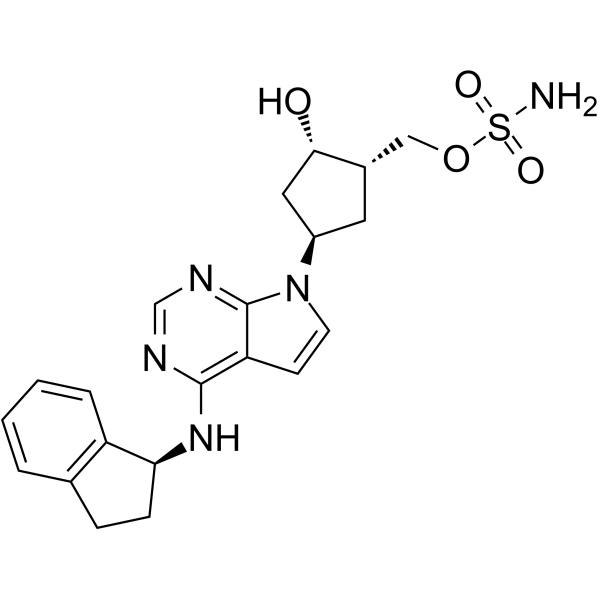
Pevonedistat (MLN4924) is a potent and selective NEDD8-activating enzyme (NAE) inhibitor with an IC50 of 4.7 nM. Pevonedistat induces the deregulation of S-phase DNA synthesis, thereby disrupting protein turnover mediated by cullin-RING ligase, leading to apoptosis of human tumor cells. Pevonedistat suppresses the growth of human tumour xenografts in mice .
|
-
-
- HY-B0590
-
|
Ro 1-9569
|
Monoamine Transporter
Dopamine Receptor
|
Neurological Disease
|
|
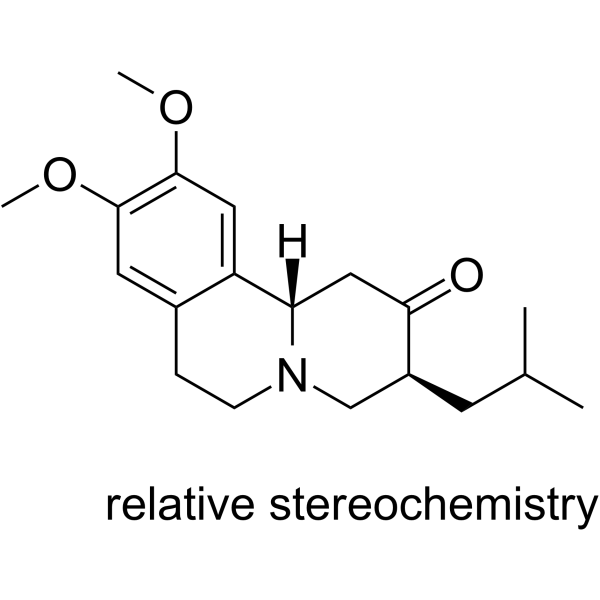
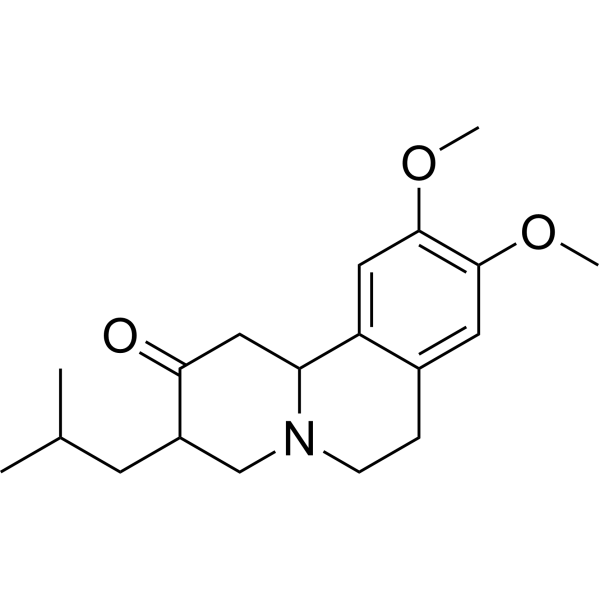
Tetrabenazine (Ro 1-9569) is a brain-penetrant and orally active VMAT2-selective ligand with human VMAT2 Ki 100 nM. Tetrabenazine binds VMAT2 to block monoamine uptake into synaptic vesicles, potentiates cytoplasmic monoamine degradation. Tetrabenazine weakly blocks dopamine D2 receptors, and increases dopamine turnover via elevated cerebrospinal fluid homovanillic acid. Tetrabenazine can be used for the research of Huntington’s disease, tardive dyskinesia, and Tourette’s syndrome .
|
-
-
- HY-B0590S
-
|
Ro 1-9569-d6
|
Monoamine Transporter
|
Neurological Disease
|
|
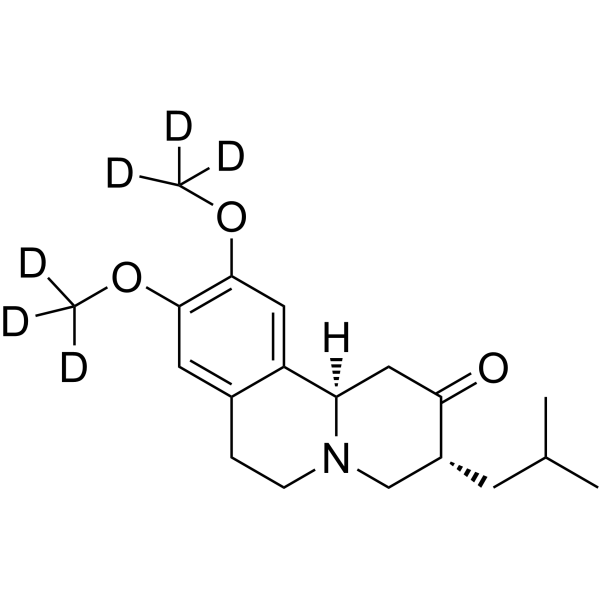
Tetrabenazine-d6 (Deutetrabenazine) is a deuterium-labled Tetrabenazine (HY-B0590). Tetrabenazine (Ro 1-9569) is a brain-penetrant and orally active VMAT2-selective ligand with human VMAT2 Ki 100 nM. Tetrabenazine binds VMAT2 to block monoamine uptake into synaptic vesicles, potentiates cytoplasmic monoamine degradation. Tetrabenazine weakly blocks dopamine D2 receptors, and increases dopamine turnover via elevated cerebrospinal fluid homovanillic acid. Tetrabenazine can be used for the research of Huntington’s disease, tardive dyskinesia, and Tourette’s syndrome .
|
-
-
- HY-126666
-
|
|
ADC Payload
|
Inflammation/Immunology
Cancer
|
|
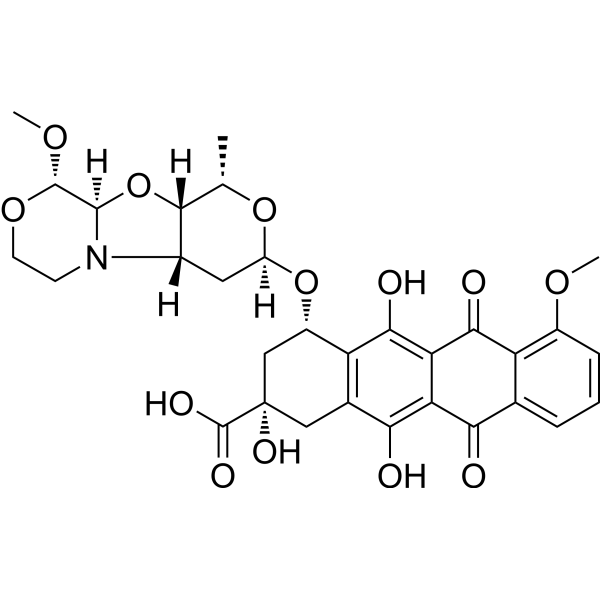
PNU-159682 carboxylic acid (Compound 53) is a potent ADCs cytotoxin and encodes a member of the C-type lectin/C-type lectin-like domain (CTL/CTLD) superfamily. PNU-159682 carboxylic acid has protein fold and diverse functions, such as cell adhesion, cell-cell signalling, glycoprotein turnover, and roles in inflammation and immune response .
|
-
-
- HY-B0926A
-
|
Diatrizoic acid sodium salt; Sodium amidotrizoate
|
Apoptosis
|
Inflammation/Immunology
|
|
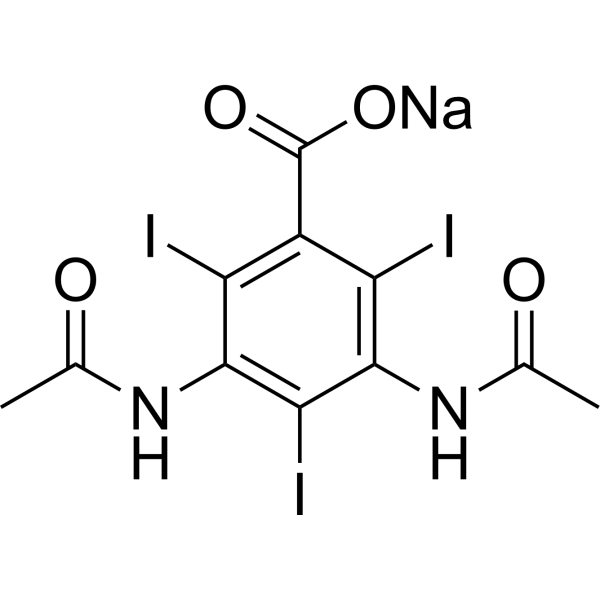
Sodium diatrizoate (Diatrizoic acid sodium salt) is an iodinated radiocontrast agent and has the potential for radiographic imaging of the airways. Sodium diatrizoate induces mitochondrial turnover and oxidative stress, and activating apoptosis by dysregulating calcium .
|
-
-
- HY-B0926
-
|
Diatrizoate; Amidotrizoic acid
|
Apoptosis
|
Inflammation/Immunology
|
|
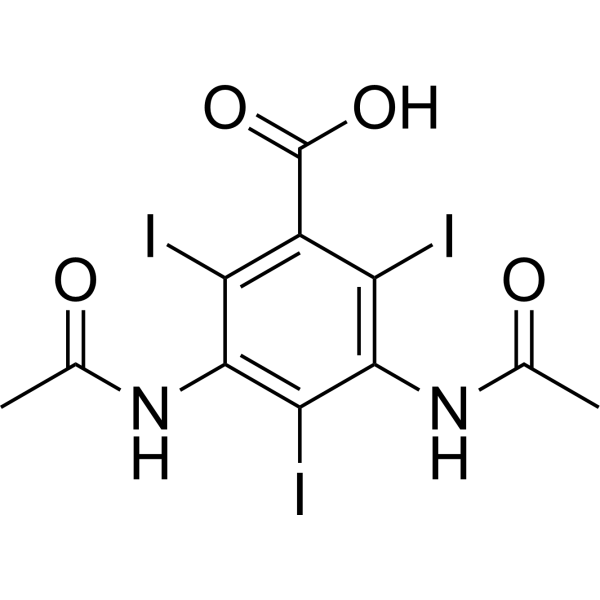
Diatrizoic acid (Diatrizoate) is an iodinated radiocontrast agent and has the potential for radiographic imaging of the airways. Diatrizoic acid induces mitochondrial turnover and oxidative stress, and activating apoptosis by dysregulating calcium .
|
-
-
- HY-10484
-
|
MLN4924 hydrochloride
|
NEDD8-activating Enzyme
Apoptosis
|
Cancer
|
|
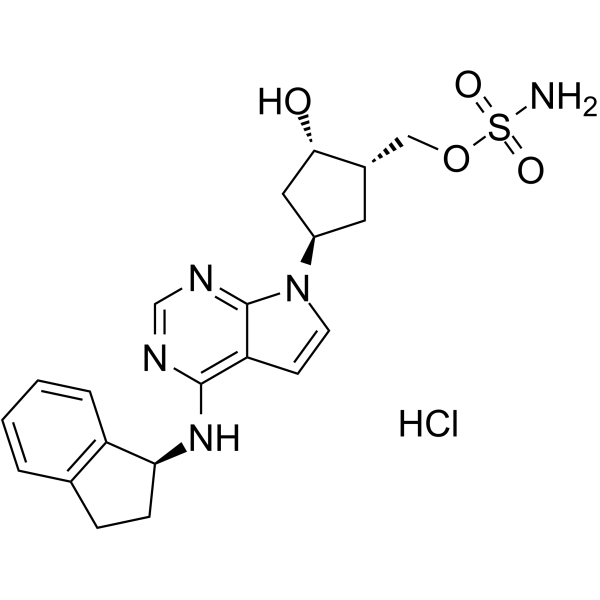
Pevonedistat (MLN4924) hydrochloride is a potent and selective NEDD8-activating enzyme (NAE) inhibitor, with an IC50 of 4.7 nM. Pevonedistat hydrochloride induces the deregulation of S-phase DNA synthesis, thereby disrupting protein turnover mediated by cullin-RING ligase, leading to apoptosis of human tumor cells. Pevonedistat hydrochloride suppresses the growth of human tumour xenografts in mice .
|
-
-
- HY-110143
-
|
|
Potassium Channel
|
Neurological Disease
|
|
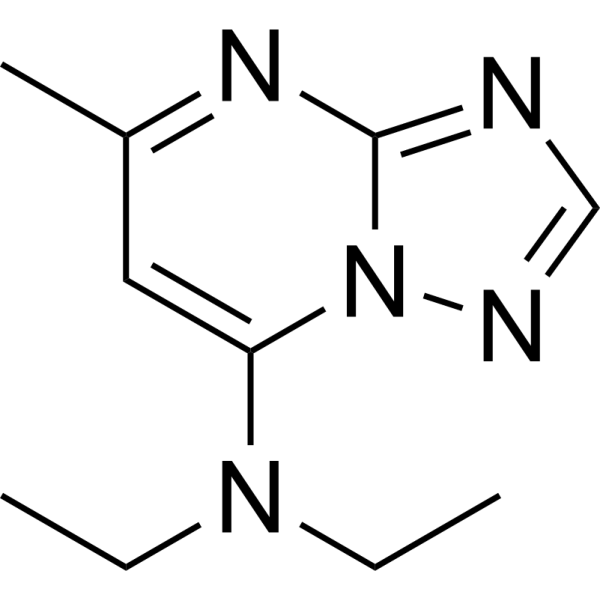
CLP257 is a selective K +-Cl cotransporter KCC2 activator with an EC50 of 616 nM. CLP257 is inactive against NKCC1, GABAA receptors, KCC1, KCC3 or KCC4. CLP257 restores impaired Cl transport in neurons with diminished KCC2 activity. CLP257 alleviates hypersensitivity in rats with neuropathic pain. CLP257 modulates plasmalemmal KCC2 protein turnover post-translationally .
|
-
-
- HY-B1018A
-
|
|
Monoamine Oxidase
GABA Receptor
Histone Demethylase
|
Cardiovascular Disease
Neurological Disease
Metabolic Disease
Inflammation/Immunology
Cancer
|
|
Phenelzine sulfate, an antidepressant agent, is an irreversible and orally active monoamine oxidase (MAO-A and MAO-B) inhibitor. Phenelzine sulfate inhibits GABA transaminase and primary amine oxidase (PrAO), and sequester reactive aldehydes. Phenelzine sulfate also inhibits LSD1 (Ki: 5.6 μM) and suppresses oxidative stress and lipogenesis. Phenelzine sulfate elevates neurotransmitters (serotonin, norepinephrine, dopamine). Phenelzine sulfate is studied in neurological, metabolic and cancer diseases for depression and anxiety disorders, stroke, spinal cord injury, traumatic brain injury, multiple sclerosis, Parkinson’s disease, Alzheimer’s disease, inflammatory pain, obesity and prostate cancer .
|
-
-
- HY-15100
-
|
AAE581
|
Cathepsin
|
Inflammation/Immunology
|
|
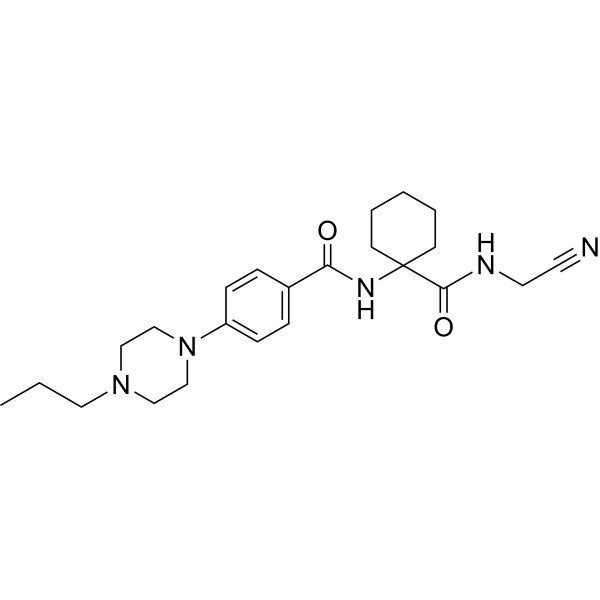
Balicatib (AAE581) is a potent, orally active and selective cathepsin K inhibitor with IC50 values of 22, 61, 48, 2900 nM for cathepsin K, cathepsin B, cathepsin L, cathepsin S, respectively. Balicatib inhibits bone turnover, decreases bone formation rates. Balicatib has the potential for the research of osteoporosis .
|
-
-
- HY-P2799
-
|
CPK
|
Endogenous Metabolite
|
Metabolic Disease
Cancer
|
|
Creatine phosphokinase, Rabbit muscle (CPK) catalyzes the reversible reaction of creatine and ATP to form phosphocreatine and ADP. Creatine phosphokinase is a key enzyme for maintaining a constant ATP/ADP ratio during rapid energy turnover .
|
-
-
- HY-145512
-
|
NLT
|
Dopamine Receptor
|
Neurological Disease
|
|
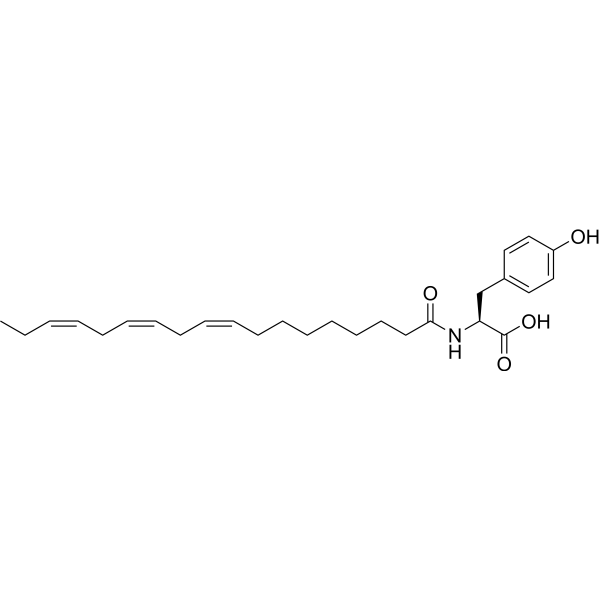
N-(α-Linolenoyl) tyrosine (NLT) is a dopaminergic agonist capable of crossing the blood-brain barrier. N-(α-Linolenoyl) tyrosine increases the level, turnover rate and release amount of dopamine in the striatum. N-(α-Linolenoyl) tyrosine modulates rotational behavior in a rat model with unilateral striatal injury and alleviates excessive blinking symptoms in models induced by dopamine-depleting agents. N-(α-Linolenoyl) tyrosine can be used for research on Parkinson's disease and idiopathic blepharospasm .
|
-
-
- HY-111790
-
M3258
5 Publications Verification
|
Proteasome
Apoptosis
|
Cancer
|
|
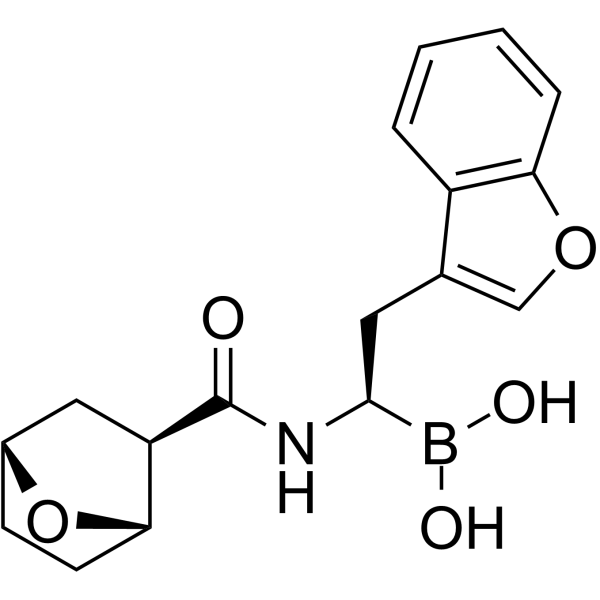
M3258 is an orally bioavailable, potent, reversible and highly selective immunoproteasome subunit LMP7 (β5i) inhibitor. M3258 exerts high biochemical (IC50=3.6 nM) and cellular (IC50=3.4 nM) potency against the LMP7 subunit. M3258 shows strong antitumor efficacy in multiple myeloma xenograft models. M3258 leads to a significant and prolonged suppression of tumor LMP7 activity and ubiquitinated protein turnover and the induction of apoptosis in multiple myeloma cells .
|
-
-
- HY-B1016
-
|
AR-12008
|
PDGFR
Phosphodiesterase (PDE)
Prostaglandin Receptor
|
Cardiovascular Disease
Neurological Disease
|
|
Trapidil (AR-12008) is an orally active vasodilator and antiplatelet agent. Trapidil antagonizes platelet-derived growth factor (PDGF), inhibits phosphodiesterase, thromboxane A2 synthesis and pro-inflammatory cytokine production. Trapidil promotes prostacyclin biosynthesis, reduces lipid peroxidation, regulates nitric oxide metabolism, and inhibits cell proliferation and migration. Trapidil exerts tissue-protective effects, regulates bone turnover, and inhibits pyroptosis via the GPX3/Nrf2 pathway. Trapidil is applicable to research related to renal ischemia-reperfusion injury, chronic stable angina, restenosis, meningioma, diabetic cardiomyopathy and peripheral nerve crush injury .
|
-
-
- HY-134640
-
AUTAC4
4 Publications Verification
|
AUTACs
Mitophagy
|
Neurological Disease
Cancer
|
|
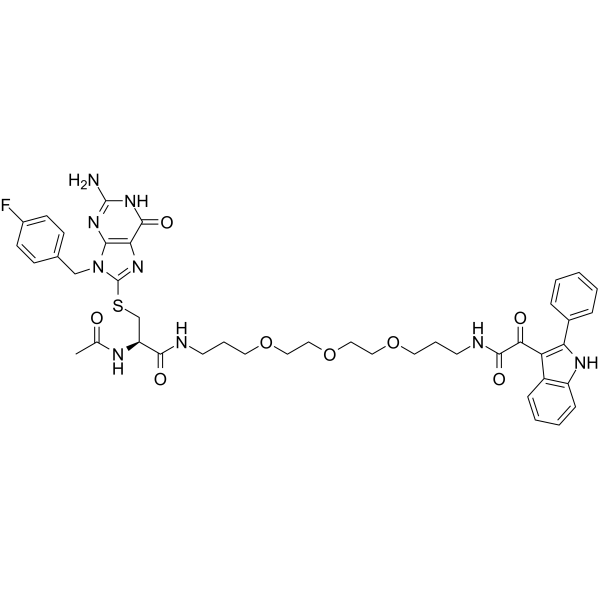
AUTAC4 is a mitochondria-targeting autophagy-targeting chimera (AUTAC). AUTAC4 downregulates cytosolic proteins and promotes targeted mitochondrial turnover via mitophagy .
|
-
-
- HY-10294
-
|
SB-462795
|
Cathepsin
|
Metabolic Disease
Cancer
|
|
Relacatib (SB-462795) is a novel, potent, and orally active inhibitor of human cathepsins K, L, and V with Ki values of 41 pM, 68 pM, and 53 pM, respectively. Relacatib inhibits endogenous cathepsin K in situ in human osteoclasts and human osteoclast-mediated bone resorption with IC50 values of 45 nM and 70 nM, respectively. Relacatib inhibits bone resorption in vitro in human tissue as well as in cynomolgus monkeys in vivo .
|
-
-
- HY-137940
-
|
Gentiobiose
|
Others
|
Others
|
|
β-Gentiobiose (Gentiobiose) is a natural oligosaccharide. β-Gentiobiose can promote ripening of tomato fruit .
|
-
-
- HY-122236
-
|
|
Mitosis
Kinesin
Microtubule/Tubulin
Aurora Kinase
|
Cancer
|
|
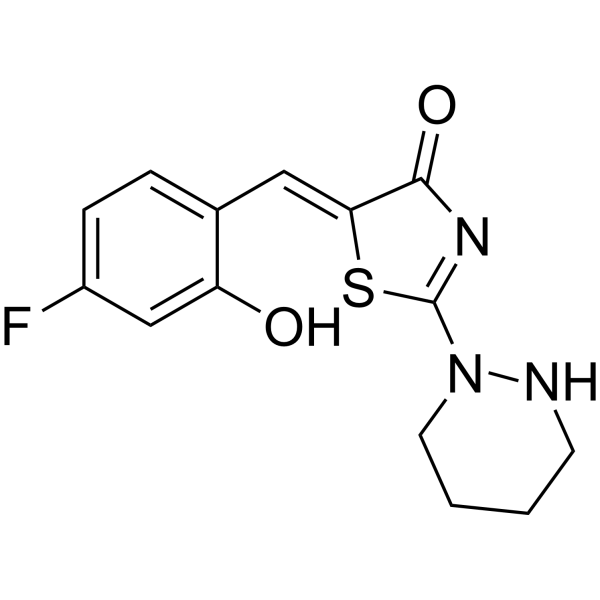
UMK57 is a MCAK activator and kinetochore-microtubule destabilizer. UMK57 enhances MCAK-dependent microtubule depolymerization, increases kinetochore-microtubule turnover, reduces chromosome mis-segregation and lagging chromosomes, and inhibits cancer cell proliferation. UMK57 triggers adaptive resistance in Aurora B cancer cells via reversible Aurora B signaling pathway alterations. UMK57 can be used for the research of solid tumors .
|
-
-
- HY-B0590A
-
|
Ro 1-9569 Racemate
|
Monoamine Transporter
Dopamine Receptor
|
Neurological Disease
|
|
Tetrabenazine (Ro 1-9569) Racemate is a brain-penetrant and orally active VMAT2-selective ligand with human VMAT2 Ki 100 nM. Tetrabenazine Racemate binds VMAT2 to block monoamine uptake into synaptic vesicles, potentiates cytoplasmic monoamine degradation. Tetrabenazine Racemate weakly blocks dopamine D2 receptors, and increases dopamine turnover via elevated cerebrospinal fluid homovanillic acid. Tetrabenazine Racemate can be used for the research of Huntington’s disease, tardive dyskinesia, and Tourette’s syndrome .
|
-
-
- HY-145086
-
R-PSOP
1 Publications Verification
|
Neuromedin U Receptor (NMUR)
|
Metabolic Disease
|
|
R-PSOP is highly potent and selective nonpeptidic NMUR2 antagonist. R-PSOP binds to NMUR2 with the Kis of 52 and 32 nM for the human and rat NMUR2, respectively. R-PSOP shows moderate CNS penetration. R-PSOP can be used for the research of the eating disorders, obesity, pain, and stress-related disorders .
|
-
-
- HY-103156
-
|
|
5-HT Receptor
|
Neurological Disease
|
|
NAS181 is a potent and selective antagonist of rat 5-HT1B receptor, with a Ki of 47 nM. NAS181 shows 13-fold selectivity for r5-HT1B over bovine 5-HT1B receptor (Ki=630 nM). NAS181 increases the 5-HT turnover and the synaptic concentration of 5-HT by inhibiting terminal r5-HT1B autoreceptors .
|
-
-
- HY-174066
-
|
|
mTOR
Autophagy
Interleukin Related
|
Neurological Disease
Inflammation/Immunology
|
|
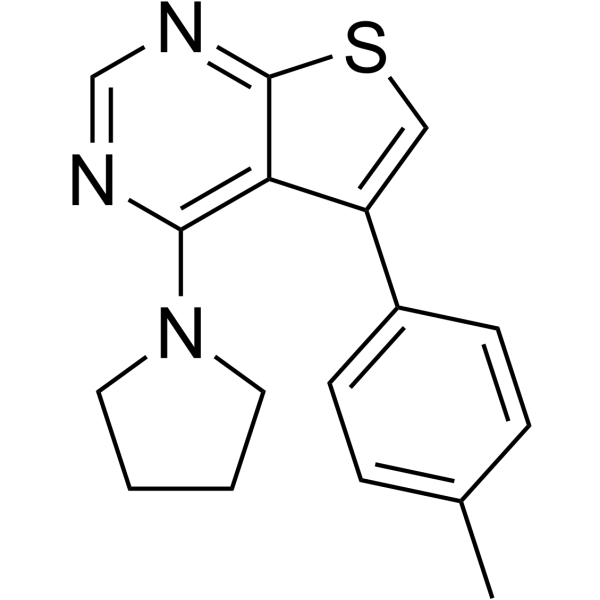
SI-W052 is an orally active, brain-penetrant and selective small-molecule inhibitor targeting mTOR and TEX264. SI-W052 activates autophagy by inhibiting mTOR phosphorylation and enhances TEX264 expression to promote ER turnover, suppressing LPS-induced release of inflammatory factors (TNF-α, IL-6). SI-W052 is promising for research of Alzheimer’s disease (AD)-associated neuroinflammation .
|
-
-
- HY-139098
-
|
m7Gp3G
|
DNA/RNA Synthesis
|
Others
|
|
7-Methyl-diguanosine triphosphate (m7Gp3G) is an mRNA cap structure analog that inhibits in vitro protein synthesis by binding to the translation initiation complex. 7-Methyl-diguanosine triphosphate binds to eIF4E, promotes cap-dependent translation initiation, stabilizes mRNA, and acts as a translation enhancer. 7-Methyl-diguanosine triphosphate can be used to prepare synthetic capped RNA transcripts for studies related to mRNA translation, splicing, turnover, and intracellular transport .
|
-
-
- HY-N15194A
-
|
|
Bacterial
Apoptosis
|
Infection
Cancer
|
|
Inostamycin A sodium is an inhibitor of cytidine-5'-diphosphate-1,2-diacyl-sn-glycerol (CDP-DG):inositol transferase. Inostamycin A sodium reduces phosphatidylinositol turnover, and inhibits cell proliferation and transformation. Inostamycin A sodium inhibits cancer cell proliferation, induces apoptosis, and prevents tumor recurrence. Inostamycin A sodium exhibits antibacterial activity. Inostamycin A sodium is applicable to research related to infection and cancer .
|
-
-
- HY-P991342
-
|
PCA062 antibody
|
Cadherin
|
Cancer
|
|
CQY684 (PCA062 antibody) is a monoclonal antibody targeting CDH3/P-cadherin, which locks P-cadherin in an X-dimer conformation and enhances the stability of this adhesion structure. CQY684 induces P-cadherin phosphorylation and promotes its dissociation from the cytoplasmic region of P-cadherin. As an endocytosis inducer and lysosome-targeting agent, CQY684 facilitates the internalization of the P-cadherin-CQY684 complex and improves the turnover efficiency of P-cadherin. CQY684 serves as a platform for the delivery of intracellular anticancer compounds, which is achieved through the targeted lysosomal transport of the antibody-P-cadherin complex. CQY684 is applicable to the research of breast cancer, esophageal cancer, and head and neck cancer .
|
-
-
- HY-160963
-
|
|
Drug Derivative
|
Others
|
|
S-Adenosyl-L-ethionine is S-Adenosyl-L-methione analog. S-Adenosyl-L-ethionine is able to replace S-Adenosyl-L-methione during HydG catalysis. HydG can utilize S-Adenosyl-L-ethionine as an effective alternative cosubstrate to S-Adenosyl-L-methione under normal enzymatic turnover conditions, producing the Ω intermediate and allowing efficient catalytic turnover of substrate L-tyrosine .
|
-
-
- HY-W276106
-
|
|
Others
|
Cancer
|
|
KM02894 is an inhibitor of glutamate release. Cancer cells release high levels of glutamate, which disrupts normal bone turnover and may lead to cancer-induced bone pain. KM02894 can be used for cancer related research .
|
-
-
- HY-170409
-
|
|
Trk Receptor
Apoptosis
|
Neurological Disease
Inflammation/Immunology
|
|
BNN27 is the agonist for TrkA receptor and p75NTR receptor, that exhibits neurotrophic and anti-apoptotic effects. BNN27 increases the levels of glutamate, GABA, and glutamine in the rat hippocampus and prefrontal cortex, improves glutamate turnover. BNN27 exhibits neuroprotective efficacy in mouse amyotrophic lateral sclerosis (ALS) model, exhibits anti-inflammatory efficacy in experimental autoimmune encephalomyelitis (EAE) model, exhibits retinal protective efficacy in rat diabete models. BNN27 is blood-brain barrier penetrable .
|
-
-
- HY-161774
-
|
|
CD73
|
Cancer
|
|
ST80 is an inhibitor for interaction of OTUD4 and CD73. ST80 decreases CD73 protein level, increases CD73 protein turnover, reduces immune evasion of tumor cells, and thus exhibits antitumor efficacy against immunosuppressive triple-negative breast cancer (TNBC) .
|
-
-
- HY-W420344
-
|
|
Potassium Channel
|
Others
|
|
Dehydroindapamide is the indole form of Indapamide (HY-B0259). Dehydroindapamide standard can be used to quantitatively measure the Indapamide turnover rate by CYP3A4, which was approximately 10-fold higher than that of Indoline (HY-Y0788), and slightly enhanced affinity for CYP3A4 .
|
-
-
- HY-70062R
-
|
MLN4924 (Standard)
|
NEDD8-activating Enzyme
Apoptosis
Reference Standards
|
Cancer
|
|
Pevonedistat (Standard) is the analytical standard of Pevonedistat. This product is intended for research and analytical applications. Pevonedistat (MLN4924) is a potent and selective NEDD8-activating enzyme (NAE) inhibitor with an IC50 of 4.7 nM. Pevonedistat induces the deregulation of S-phase DNA synthesis, thereby disrupting protein turnover mediated by cullin-RING ligase, leading to apoptosis of human tumor cells. Pevonedistat suppresses the growth of human tumour xenografts in mice .
|
-
-
- HY-177297
-
|
NVP-LCZ960
|
Glucokinase
|
Metabolic Disease
|
|
LCZ960 is an orally active glucokinase (GK) activator. LCZ960 stimulates GK activity in hepatocytes in vitro and stimulates glucose uptake in vivo through hepatic GK activation. LCZ960 lowers blood glucose in mice with diet-induced obesity (DIO). LCZ960 maintains normoglycemia and improves glucose tolerance in DIO mice and rats. LCZ960 stimulates glycogen synthase flux and increases hepatic glycogen turnover in rats. LCZ960 induces increased hepatic glycogen recycling. LCZ960 can be used to study high-fat diet-induced obesity and type 2 diabetes .
|
-
-
- HY-B1016R
-
|
AR-12008 (Standard)
|
Reference Standards
PDGFR
Phosphodiesterase (PDE)
Prostaglandin Receptor
|
Cardiovascular Disease
Cancer
|
|
Trapidil (Standard) (AR-12008 (Standard)) is the analytical standard of Trapidil (HY-B1016R). This product is intended for research and analytical applications. Trapidil (AR-12008) is an orally active vasodilator and antiplatelet agent. Trapidil antagonizes platelet-derived growth factor (PDGF), inhibits phosphodiesterase, thromboxane A2 synthesis and pro-inflammatory cytokine production. Trapidil promotes prostacyclin biosynthesis, reduces lipid peroxidation, regulates nitric oxide metabolism, and inhibits cell proliferation and migration. Trapidil exerts tissue-protective effects, regulates bone turnover, and inhibits pyroptosis via the GPX3/Nrf2 pathway. Trapidil is applicable to research related to renal ischemia-reperfusion injury, chronic stable angina, restenosis, meningioma, diabetic cardiomyopathy and peripheral nerve crush injury.
|
-
-
- HY-P5377
-
|
Cathepsin K substrate
|
Ser/Thr Protease
|
Others
|
|
Abz-HPGGPQ-EDDnp (Cathepsin K substrate) is a biological active peptide. (Cathepsins are a class of globular lysosomal proteases, playing a vital role in mammalian cellular turnover. They degrade polypeptides and are distinguished by their substrate specificities. Cathepsin K is the lysosomal cysteine protease involved in bone remodeling and resorption. It has potential as a drug target in autoimmune diseases and osteoporosis.This FRET peptide can be used to monitor selectively cathepsin K activity in physiological fluids and cell lysates. Abz-HPGGPQ-EDDnp [where Abz represents o-aminobenzoic acid and EDDnp represents N -(2, 4-dinitrophenyl)-ethylenediamine], a substrate initially developed for trypanosomal enzymes, is efficiently cleaved at the Gly-Gly bond by cathepsin K. This peptide is resistant to hydrolysis by cathepsins B, F, H, L, S and V, Ex/Em=340 nm/420 nm.)
|
-
-
- HY-W982195
-
|
|
Adrenergic Receptor
5-HT Receptor
|
Neurological Disease
|
|
Napamezole hydrochloride is an orally active α-2 adrenergic receptor antagonist and serotonin (5-HT Receptor) reuptake inhibitor, with Ki values of 28 nM and 93 nM for rat α-2 and α-1 adrenergic receptors, respectively. Napamezole hydrochloride can be used for the research of depression .
|
-
-
- HY-A0171A
-
|
Ba-30803
|
5-HT Receptor
|
Neurological Disease
|
|
Benzoctamine hydrochloride (Ba-30803) is a psychoactive agent with anti-anxiety effect. Benzoctamine hydrochloride blocks the central postsynaptic serotonin receptors and decreases 5-HT turnover in the brain .
|
-
-
- HY-120506
-
|
|
Bradykinin Receptor
|
Others
|
|
L-366811 is a compound with bradykinin agonist activity, with activity to stimulate phosphatidylinositol turnover and induce uterine contraction. L-366811 stimulates phosphatidylinositol turnover in rat uterine slices and induces rat uterine contraction in vitro, with moderate affinity for the [3H]BK binding site.
|
-
-
- HY-P3740
-
-
-
- HY-P4610
-
|
|
GLP Receptor
|
Metabolic Disease
|
|
H-Trp-Tyr-OH is an orally active tryptophan-tyrosine dipeptide with blood-brain barrier permeability. H-Trp-Tyr-OH exerts physiological regulatory effects by stimulating enteroendocrine cells to secrete glucagon-like peptide GLP-1. In mouse models of tauopathies, H-Trp-Tyr-OH inhibits tau phosphorylation, reduces the level of neurofibrillary tangles, increases dopamine turnover, upregulates synapsin expression, and elevates cecal short-chain fatty acid levels, thereby improving behavioral deficits and extending lifespan. H-Trp-Tyr-OH can be used in research related to impaired glucose tolerance and tauopathies .
|
-
-
- HY-111283
-
|
(+)-AJ 76; (1S,2R)-AJ 76
|
Dopamine Receptor
|
Neurological Disease
|
|
AJ-76 ((+)-AJ 76; (1S,2R)-AJ 76) is a dopamine autoreceptor antagonist. AJ-76 can increase the synthesis and turnover of dopamine in the rat brain, while having little effect on the synthesis and turnover of serotonin (5-HT) and norepinephrine. AJ-76 can also antagonize the sedative effects of low-dose apomorphine and has a weak antagonistic effect on postsynaptic dopamine receptor .
|
-
-
- HY-N13904
-
|
|
Proteasome
|
Cancer
|
|
Argyrin A, a cyclical peptide, is a potent antitumoral agent. Argyrin A exerts its effects through a potent inhibition of the proteasome. Argyrin A leads to increased endogenous p27 kip1 levels by preventing protein turnover .
|
-
-
- HY-153691
-
|
|
mGluR
|
Others
|
|
BTB01303 is a (glutamate release) inhibitor. Cancer cells release high levels of (glutamate), which disrupts normal bone turnover and may lead to cancer-induced bone pain. BTB01303 has the potential to improve cancer-induced bone pain .
|
-
-
- HY-B0926R
-
|
Diatrizoate (Standard); Amidotrizoic acid (Standard)
|
Reference Standards
Apoptosis
|
Inflammation/Immunology
|
|
Diatrizoic acid (Standard) is the analytical standard of Diatrizoic acid. This product is intended for research and analytical applications. Diatrizoic acid (Diatrizoate) is an iodinated radiocontrast agent and has the potential for radiographic imaging of the airways. Diatrizoic acid induces mitochondrial turnover and oxidative stress, and activating apoptosis by dysregulating calcium .
|
-
-
- HY-B0926AR
-
|
Diatrizoic acid sodium salt (Standard); Sodium amidotrizoate (Standard)
|
Reference Standards
Apoptosis
|
Inflammation/Immunology
|
|
Sodium diatrizoate (Standard) is the analytical standard of Sodium diatrizoate. This product is intended for research and analytical applications. Sodium diatrizoate (Diatrizoic acid sodium salt) is an iodinated radiocontrast agent and has the potential for radiographic imaging of the airways. Sodium diatrizoate induces mitochondrial turnover and oxidative stress, and activating apoptosis by dysregulating calcium .
|
-
-
- HY-A0171
-
|
Ba-30803 free base
|
5-HT Receptor
|
Neurological Disease
|
|
Benzoctamine is an orally active and potent psychoactive agent which possesses tranquillizing properties. Benzoctamine increases the turnover rate of catecholamines. Benzoctamine enhances the [3H]noradrenaline uptake in the rat heart. Benzoctamine also accelerated the disappearance of intracisternally injected [3H]noradrenaline .
|
-
-
- HY-B0926S
-
|
Diatrizoate-d6; Amidotrizoic acid-d6
|
Isotope-Labeled Compounds
Apoptosis
|
Inflammation/Immunology
|
|
Diatrizoic acid-d6 (Diatrizoate-d6; Amidotrizoic acid-d6) is the deuterium labeled Diatrizoic acid (HY-B0926). Diatrizoic acid (Diatrizoate) is an iodinated radiocontrast agent and has the potential for radiographic imaging of the airways. Diatrizoic acid induces mitochondrial turnover and oxidative stress, and activating apoptosis by dysregulating calcium .
|
-
-
- HY-14607
-
|
HP 749
|
Potassium Channel
|
Neurological Disease
|
Besipirdine (hydrochloride) is a potassium channel blocker with cholinergic and adrenergic activity. The cholinergic activity of Besipirdine (hydrochloride) involves stimulating phosphatidylinositol turnover and reducing potassium currents. The adrenergic activity of Besipirdine (hydrochloride) involves stimulating norepinephrine release, which is attributed to the inhibition of presynaptic α2-adrenergic receptors and the inhibition of norepinephrine uptake. Besipirdine (hydrochloride) may be used in research for Alzheimer's disease .
|
-
-
- HY-W704749
-
|
|
Drug Metabolite
Dopamine Receptor
|
Neurological Disease
|
|
7-Hydroxychlorpromazine hydrochloride is the active metabolite of Chlorpromazine (HY-12708). 7-Hydroxychlorpromazine hydrochloride can increase prolactin levels in rats. 7-Hydroxychlorpromazine hydrochloride can increase dopamine turnover and has a sedative effect. In addition, 7-Hydroxychlorpromazine hydrochloride can effectively inhibit amphetamine-induced stereotyped behavior in rats and is used in the study of psychosis .
|
-
-
- HY-W420344R
-
|
|
Potassium Channel
Reference Standards
|
Others
|
|
Dehydroindapamide (Standard) is the analytical standard of Dehydroindapamide. This product is intended for research and analytical applications. Dehydroindapamide is the indole form of Indapamide (HY-B0259). Dehydroindapamide standard can be used to quantitatively measure the Indapamide turnover rate by CYP3A4, which was approximately 10-fold higher than that of Indoline (HY-Y0788), and slightly enhanced affinity for CYP3A4 .
|
-
-
- HY-144470S
-
|
|
Isotope-Labeled Compounds
Potassium Channel
|
Others
|
|
Dehydroindapamide-d3 is the deuterium labeled Dehydroindapamide (HY-W420344). Dehydroindapamide is the indole form of Indapamide (HY-B0259). Dehydroindapamide standard can be used to quantitatively measure the Indapamide turnover rate by CYP3A4, which was approximately 10-fold higher than that of Indoline (HY-Y0788), and slightly enhanced affinity for CYP3A4 .
|
-
- HY-E70841
-
|
|
LIM Kinase (LIMK)
|
Cancer
|
|
LIM kinase 2 (LIMK2) is a serine/threonine and tyrosine kinases. LIMK2 plays a crucial role in the regulation of cytoskeleton dynamics by controlling actin filaments and microtubule turnover, especially through the phosphorylation of cofilin, an actin depolymerising factor. LIMK2 Recombinant Human Active Protein Kinase is a recombinant LIMK2 protein that can be used to study LIMK2-related functions .
|
-
- HY-144325
-
|
|
Cytochrome P450
|
Infection
|
|
CYP121A1-IN-1 is a potent CYP121A1 inhibitor with favorable activity against Mycobacterium tuberculosis (H37Rv MIC90~6.25 μM, ~2.2 μg/mL). CYP121A1-IN-1 can markedly reduce the production of mycocyclosin via inhibiting the CYP121A1 mediated turnover of cyclo(l-tyrosyl-l-tyrosyl) to mycocyclosin .
|
-
- HY-111537
-
|
|
c-Myc
CDK
Bcl-2 Family
|
Others
|
|
rel-AZ5576 is a selective CDK9 inhibitor with the activity of downregulating Mcl-1 and MYC mRNA transcription and protein expression in diffuse large B-cell lymphoma by inhibiting CDK9, promoting MYC protein turnover, reducing MYC phosphorylation on the stable Ser62 residue and downregulating MYC transcriptional targets, inhibiting the growth of diffuse large B-cell lymphoma cell lines in vitro and in vivo and independent of the cell origin.
|
-
- HY-125641A
-
|
|
5-HT Receptor
|
Neurological Disease
|
|
AL-34662 (formate) is a 5-HT2 receptor agonist (IC50: 0.8-1.5 nM). AL-34662 (formate) stimulates inositol phosphate turnover and Ca 2+ release in human ciliary muscle cells (h-CM) (E50: 289 nM) and human trabecular meshwork cells (h-TM) (E50: 254 nM). AL-34662 (formate) can be used in studies to lower intraocular pressure (IOP) .
|
-
- HY-W704752
-
|
|
Isotope-Labeled Compounds
Dopamine Receptor
Drug Metabolite
|
Neurological Disease
|
|
Z-Doxepin-d3 hydrochloride is the deuterium labeled 7-Hydroxychlorpromazine hydrochloride (HY-W704749). 7-Hydroxychlorpromazine hydrochloride is the active metabolite of Chlorpromazine (HY-12708). 7-Hydroxychlorpromazine hydrochloride can increase prolactin levels in rats. 7-Hydroxychlorpromazine hydrochloride can increase dopamine turnover and has a sedative effect. In addition, 7-Hydroxychlorpromazine hydrochloride can effectively inhibit amphetamine-induced stereotyped behavior in rats and is used in the study of psychosis .
|
-
- HY-B0590E
-
|
Ro 1-9569 mesylate
|
Monoamine Transporter
Dopamine Receptor
|
Neurological Disease
|
|
Tetrabenazine (Ro 1-9569) mesylate is a brain-penetrant and orally active VMAT2-selective ligand with human VMAT2 Ki 100 nM. Tetrabenazine mesylate binds VMAT2 to block monoamine uptake into synaptic vesicles, potentiates cytoplasmic monoamine degradation. Tetrabenazine mesylate weakly blocks dopamine D2 receptors, and increases dopamine turnover via elevated cerebrospinal fluid homovanillic acid. Tetrabenazine mesylate can be used for the research of Huntington’s disease, tardive dyskinesia, and Tourette’s syndrome .
|
-
- HY-B0590R
-
|
Ro 1-9569 (Standard)
|
Reference Standards
Monoamine Transporter
Dopamine Receptor
|
Neurological Disease
|
|
Tetrabenazine (Standard) is the analytical standard of Tetrabenazine (HY-B0590). This product is intended for research and analytical applications. Tetrabenazine (Ro 1-9569) is a brain-penetrant and orally active VMAT2-selective ligand with human VMAT2 Ki 100 nM. Tetrabenazine binds VMAT2 to block monoamine uptake into synaptic vesicles, potentiates cytoplasmic monoamine degradation. Tetrabenazine weakly blocks dopamine D2 receptors, and increases dopamine turnover via elevated cerebrospinal fluid homovanillic acid. Tetrabenazine can be used for the research of Huntington’s disease, tardive dyskinesia, and Tourette’s syndrome .
|
-
- HY-171328
-
|
|
Dopamine Receptor
|
Neurological Disease
|
|
RG-15 is the orally active antagonist for dopamine receptor that exhibits goof affinity to human D2 receptor and human D3 receptor with pKi of 8.23 and 10.49. RG-15 inhibits dopamine-stimulated [ 35S]GTPγS binding with IC50 of 21.2 nM (rat striatal membranes), 36.7 nM (mouse A9 cells expressing human D2L receptors) and 7.2 nM (CHO cells expressing human D3 receptors). RG-15 increases the turnover and biosynthesis of dopamine in mouse striatum and olfactory bulb, exhibiting antipsychotic activity .
|
-
- HY-135507A
-
|
|
5-HT Receptor
|
Neurological Disease
|
|
NAS181 free base is a potent and selective antagonist of rat 5-HT1B receptor, with a Ki of 47 nM. NAS181 free base shows 13-fold selectivity for r5-HT1B over bovine 5-HT1B receptor (Ki=630 nM). NAS181 free base increases the 5-HT turnover and the synaptic concentration of 5-HT by inhibiting terminal r5-HT1B autoreceptors .
|
-
- HY-B0590S3
-
|
TBZ-d7-d7; Ro 1-9569-d7
|
Isotope-Labeled Compounds
Monoamine Transporter
Dopamine Receptor
|
Neurological Disease
|
|
Tetrabenazine-d7 (TBZ-d7-d7) is deuterium labeled Tetrabenazine (HY-B0590). Tetrabenazine (Ro 1-9569) is a brain-penetrant and orally active VMAT2-selective ligand with human VMAT2 Ki 100 nM. Tetrabenazine binds VMAT2 to block monoamine uptake into synaptic vesicles, potentiates cytoplasmic monoamine degradation. Tetrabenazine weakly blocks dopamine D2 receptors, and increases dopamine turnover via elevated cerebrospinal fluid homovanillic acid. Tetrabenazine can be used for the research of Huntington’s disease, tardive dyskinesia, and Tourette’s syndrome .
|
-
- HY-136693
-
|
|
Adrenergic Receptor
|
Neurological Disease
|
|
L-654284 is an α2-adrenergic receptor antagonist with significant selectivity. L-654284 competes with the binding of 3H-clonidine and 3H-rauwolscine in vitro and shows Ki values of 0.8 nM and 1.1 nM, respectively. L-654284 can block the protrusion effect of clonidine in isolated vas deferens in rats, with a pA2 value of 9.1. L-654284 exhibits remarkable selectivity for α2 and α1 adrenergic receptors, and exhibits a Ki of 110 nM in inhibiting 3H-prazosin binding. L-654284 can significantly increase the turnover rate of norepinephrine in rat cerebral cortex in vivo, showing α2-adrenergic receptor blocking activity in the central nervous system .
|
-
- HY-181154
-
|
|
PROTACs
SARS-CoV
Virus Protease
|
Infection
|
|
PROTAC SARS-CoV-2 Mpro degrader-5 is a SARS-CoV-2 main protease (Mpro) PROTAC. PROTAC SARS-CoV-2 Mpro degrader-5 engages CRBN E3 ubiquitin ligase to form a ternary complex with SARS-CoV-2 Mpro, induces K48-linked polyubiquitination of SARS-CoV-2 Mpro, and drives proteasome-dependent turnover of SARS-CoV-2 Mpro with a high selectivity index (CC50/DC50 > 10) in human embryonic kidney cells.PROTAC SARS-CoV-2 Mpro degrader-5 can be used for the research of COVID-19 .
|
-
- HY-125094
-
|
|
Angiotensin Receptor
|
Cardiovascular Disease
|
|
L-162782 is a high affinity AT1 receptor ligand for rat and human wild-type AT1 with IC50 values of 28.5 and 24.6 nM, respectively. L-162782 acts as a partial agonist (EC50 ≈ 30 nM) and insurmountable antagonist (IC50 = 6.5 μM) on wild-type rat AT1 receptors in COS-7 cells. L-162782 reduces Angiotensin II (HY-13948)-induced phosphatidylinositol turnover. L-162782 can be used for hypertension research .
|
-
- HY-P2950L
-
|
|
Glycosidase
|
Metabolic Disease
|
|
α1-2,3 Mannosidase, Xanthomonas manihotis is an acid hydrolase which is located in plant vacuoles and is thought to be involved with the turnover of N-linked glycoproteins.
|
-
- HY-10294R
-
|
SB-462795 (Standard)
|
Reference Standards
Cathepsin
|
Metabolic Disease
Cancer
|
|
Relacatib (Standard) is the analytical standard of Relacatib (HY-10294). This product is intended for research and analytical applications. Relacatib (SB-462795) is a novel, potent, and orally active inhibitor of human cathepsins K, L, and V with Ki values of 41 pM, 68 pM, and 53 pM, respectively. Relacatib inhibits endogenous cathepsin K in situ in human osteoclasts and human osteoclast-mediated bone resorption with IC50 values of 45 nM and 70 nM, respectively. Relacatib inhibits bone resorption in vitro in human tissue as well as in cynomolgus monkeys in vivo .
|
-
- HY-E70911
-
|
|
Biochemical Assay Reagents
|
Others
|
|
Chlorophyllase (EC 3.1.1.14) is part of the chlorophyll degradation pathway and is believed to be involved in various plant chlorosis processes, such as fruit ripening, leaf senescence, and flowering, as well as chlorophyll turnover and homeostasis. Chlorophyllase (EC 3.1.1.14) preferentially acts on chlorophyll a, but can also use chlorophyll b and pheophytin as substrates.
|
-
- HY-W097839
-
|
|
Drug Metabolite
Dopamine Transporter
|
Neurological Disease
|
|
2,4,5-Trimethoxycinnamic acid is a metabolite. 2,4,5-Trimethoxycinnamic acid is detectable in plasma and urine after administration of the aqueous extract of P. frutescens. 2,4,5-Trimethoxycinnamic acid induces a stress-like significant increase in basal Dopamine turnover in the hippocampus. 2,4,5-Trimethoxycinnamic acid is applicable to depression research .\n
|
-
- HY-181702
-
|
|
Deubiquitinase
|
Cancer
|
|
USP1-IN-16 is a USP1 inhibitor with an USP1-UAF1 IC50 value of 0.002 μM. USP1-IN-16 can be used in the research of USP1-related malignancies .
|
-
- HY-E71087
-
|
|
Biochemical Assay Reagents
|
Others
|
|
(R)-2-Hydroxyglutaryl-CoA dehydratase (EC 4.2.1.167) from the bacteria Acidaminococcus fermentans and Clostridium symbiosum are involved in the fermentation of L-glutamate. (R)-2-Hydroxyglutaryl-CoA dehydratase (EC 4.2.1.167) contains [4F-4S] clusters, FMNH2 and riboflavin. It must be activated by an activator protein. Once activated, it can catalyse many turnovers.
|
-
- HY-10484R
-
|
MLN4924 hydrochloride (Standard)
|
Reference Standards
NEDD8-activating Enzyme
Apoptosis
|
Cancer
|
|
Pevonedistat hydrochloride (Standard) is the analytical standard of Pevonedistat hydrochloride (HY-10484). This product is intended for research and analytical applications. Pevonedistat (MLN4924) hydrochloride is a potent and selective NEDD8-activating enzyme (NAE) inhibitor, with an IC50 of 4.7 nM. Pevonedistat hydrochloride induces the deregulation of S-phase DNA synthesis, thereby disrupting protein turnover mediated by cullin-RING ligase, leading to apoptosis of human tumor cells. Pevonedistat hydrochloride suppresses the growth of human tumour xenografts in mice .
|
-
- HY-13777C
-
|
CGP 42446 disodium; CGP42446A disodium; ZOL 446 disodium
|
Apoptosis
|
Cancer
|
|
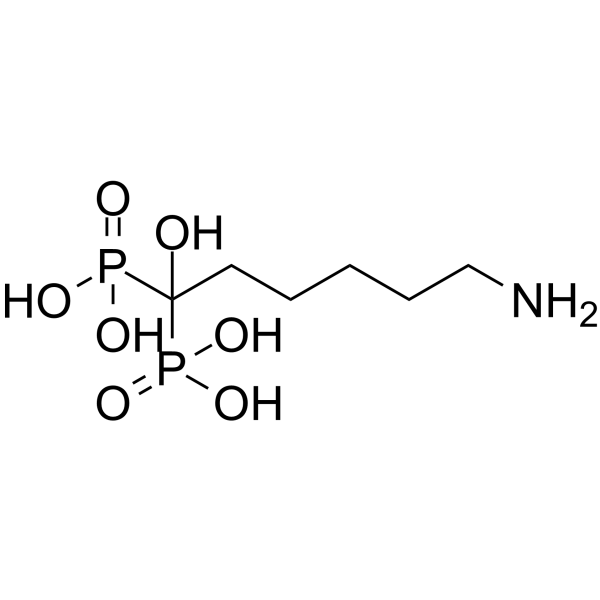
Zoledronate (CGP 42446) disodium is a potent bisphosphonate that effectively inhibits osteoclastogenesis, reducing bone turnover and stabilizing the bone matrix. Zoledronate disodium has demonstrated notable effectiveness in managing Paget's disease of bone by suppressing metabolic activity and alleviating bone pain. Zoledronate disodium is being investigated in the ongoing ZiPP trial for its potential to prevent disease progression in patients with Paget's disease. Zoledronate disodium also exhibits diverse anti-tumor effects in osteosarcoma, further highlighting its multifunctional therapeutic applications.
|
-
- HY-139098A
-
|
m7Gp3G ammonium
|
DNA/RNA Synthesis
|
Others
|
|
7-Methyl-diguanosine triphosphate (m7Gp3G) ammonium is an mRNA cap structure analog that inhibits in vitro protein synthesis by binding to the translation initiation complex. 7-Methyl-diguanosine triphosphate ammonium binds to eIF4E, promotes cap-dependent translation initiation, stabilizes mRNA, and acts as a translation enhancer. 7-Methyl-diguanosine triphosphate ammonium can be used to prepare synthetic capped RNA transcripts for studies related to mRNA translation, splicing, turnover, and intracellular transport .
|
-
- HY-103156R
-
|
|
Reference Standards
5-HT Receptor
|
Neurological Disease
|
|
NAS-181 dimesylate (Standard) is the analytical standard of NAS-181 dimesylate (HY-103156). This product is intended for research and analytical applications. NAS181 is a potent and selective antagonist of rat 5-HT1B receptor, with a Ki of 47 nM. NAS181 shows 13-fold selectivity for r5-HT1B over bovine 5-HT1B receptor (Ki=630 nM). NAS181 increases the 5-HT turnover and the synaptic concentration of 5-HT by inhibiting terminal r5-HT1B autoreceptors .
|
-
- HY-123599
-
|
|
DNA/RNA Synthesis
|
Cancer
|
|
IACS-4619 (compound 4) is a highly selective 2-aminopyrimidine-based MTH1 (MutT homolog 1) inhibitor (IC50=0.2 nM). IACS-4619 inhibits MTH1 by blocking its hydrolysis of oxidized purine nucleotides such as 8-oxo-dGTP, thereby preventing MTH1 from inhibiting the incorporation of oxidized nucleotides into DNA. IACS-4619 significantly inhibits endogenous MTH1 activity in MTH1-overexpressing U2OS cells, but without antiproliferative or cytotoxic effects on various human cancer and normal cell lines. IACS-4619 can be used in oncology research related to the MTH1 target .
|
-
| Cat. No. |
Product Name |
Type |
-
- HY-139098
-
|
m7Gp3G
|
Biochemical Assay Reagents
|
|
7-Methyl-diguanosine triphosphate (m7Gp3G) is an mRNA cap structure analog that inhibits in vitro protein synthesis by binding to the translation initiation complex. 7-Methyl-diguanosine triphosphate binds to eIF4E, promotes cap-dependent translation initiation, stabilizes mRNA, and acts as a translation enhancer. 7-Methyl-diguanosine triphosphate can be used to prepare synthetic capped RNA transcripts for studies related to mRNA translation, splicing, turnover, and intracellular transport .
|
-
- HY-139098A
-
|
m7Gp3G ammonium
|
Biochemical Assay Reagents
|
|
7-Methyl-diguanosine triphosphate (m7Gp3G) ammonium is an mRNA cap structure analog that inhibits in vitro protein synthesis by binding to the translation initiation complex. 7-Methyl-diguanosine triphosphate ammonium binds to eIF4E, promotes cap-dependent translation initiation, stabilizes mRNA, and acts as a translation enhancer. 7-Methyl-diguanosine triphosphate ammonium can be used to prepare synthetic capped RNA transcripts for studies related to mRNA translation, splicing, turnover, and intracellular transport .
|
| Cat. No. |
Product Name |
Target |
Research Area |
-
- HY-145512
-
|
NLT
|
Dopamine Receptor
|
Neurological Disease
|
|
N-(α-Linolenoyl) tyrosine (NLT) is a dopaminergic agonist capable of crossing the blood-brain barrier. N-(α-Linolenoyl) tyrosine increases the level, turnover rate and release amount of dopamine in the striatum. N-(α-Linolenoyl) tyrosine modulates rotational behavior in a rat model with unilateral striatal injury and alleviates excessive blinking symptoms in models induced by dopamine-depleting agents. N-(α-Linolenoyl) tyrosine can be used for research on Parkinson's disease and idiopathic blepharospasm .
|
-
- HY-P5377
-
|
Cathepsin K substrate
|
Ser/Thr Protease
|
Others
|
|
Abz-HPGGPQ-EDDnp (Cathepsin K substrate) is a biological active peptide. (Cathepsins are a class of globular lysosomal proteases, playing a vital role in mammalian cellular turnover. They degrade polypeptides and are distinguished by their substrate specificities. Cathepsin K is the lysosomal cysteine protease involved in bone remodeling and resorption. It has potential as a drug target in autoimmune diseases and osteoporosis.This FRET peptide can be used to monitor selectively cathepsin K activity in physiological fluids and cell lysates. Abz-HPGGPQ-EDDnp [where Abz represents o-aminobenzoic acid and EDDnp represents N -(2, 4-dinitrophenyl)-ethylenediamine], a substrate initially developed for trypanosomal enzymes, is efficiently cleaved at the Gly-Gly bond by cathepsin K. This peptide is resistant to hydrolysis by cathepsins B, F, H, L, S and V, Ex/Em=340 nm/420 nm.)
|
-
- HY-P3740
-
-
- HY-P4610
-
|
|
GLP Receptor
|
Metabolic Disease
|
|
H-Trp-Tyr-OH is an orally active tryptophan-tyrosine dipeptide with blood-brain barrier permeability. H-Trp-Tyr-OH exerts physiological regulatory effects by stimulating enteroendocrine cells to secrete glucagon-like peptide GLP-1. In mouse models of tauopathies, H-Trp-Tyr-OH inhibits tau phosphorylation, reduces the level of neurofibrillary tangles, increases dopamine turnover, upregulates synapsin expression, and elevates cecal short-chain fatty acid levels, thereby improving behavioral deficits and extending lifespan. H-Trp-Tyr-OH can be used in research related to impaired glucose tolerance and tauopathies .
|
| Cat. No. |
Product Name |
Target |
Research Area |
Image |
-
- HY-P991342
-
|
PCA062 antibody
|
Cadherin
|
Cancer
|
|
CQY684 (PCA062 antibody) is a monoclonal antibody targeting CDH3/P-cadherin, which locks P-cadherin in an X-dimer conformation and enhances the stability of this adhesion structure. CQY684 induces P-cadherin phosphorylation and promotes its dissociation from the cytoplasmic region of P-cadherin. As an endocytosis inducer and lysosome-targeting agent, CQY684 facilitates the internalization of the P-cadherin-CQY684 complex and improves the turnover efficiency of P-cadherin. CQY684 serves as a platform for the delivery of intracellular anticancer compounds, which is achieved through the targeted lysosomal transport of the antibody-P-cadherin complex. CQY684 is applicable to the research of breast cancer, esophageal cancer, and head and neck cancer .
|
-
(5)
| Cat. No. |
Product Name |
Category |
Target |
Chemical Structure |
| Cat. No. |
Compare |
Product Name |
Species |
Source |
Image |
Compare Products
|
| Products |
|
| Cat. No. |
|
| Species |
|
| Source |
|
| Tag |
|
| Accession |
|
| Gene ID |
|
| Molecular Weight |
|
| Purity |
|
| Endotoxin Level |
|
| Biological Activity |
|
| Appearance |
|
| Formulation |
|
| Storage & Stability |
|
| Shipping |
|
| Free Sample |
Yes
No
|
| Size |
* This product has been "discontinued".
Optimized version of product available:
|
| Cat. No. |
Product Name |
Chemical Structure |
-
- HY-B0590S
-
|
|
|
Tetrabenazine-d6 (Deutetrabenazine) is a deuterium-labled Tetrabenazine (HY-B0590). Tetrabenazine (Ro 1-9569) is a brain-penetrant and orally active VMAT2-selective ligand with human VMAT2 Ki 100 nM. Tetrabenazine binds VMAT2 to block monoamine uptake into synaptic vesicles, potentiates cytoplasmic monoamine degradation. Tetrabenazine weakly blocks dopamine D2 receptors, and increases dopamine turnover via elevated cerebrospinal fluid homovanillic acid. Tetrabenazine can be used for the research of Huntington’s disease, tardive dyskinesia, and Tourette’s syndrome .
|
-
-
- HY-B0926S
-
|
|
|
Diatrizoic acid-d6 (Diatrizoate-d6; Amidotrizoic acid-d6) is the deuterium labeled Diatrizoic acid (HY-B0926). Diatrizoic acid (Diatrizoate) is an iodinated radiocontrast agent and has the potential for radiographic imaging of the airways. Diatrizoic acid induces mitochondrial turnover and oxidative stress, and activating apoptosis by dysregulating calcium .
|
-
-
- HY-144470S
-
|
|
|
Dehydroindapamide-d3 is the deuterium labeled Dehydroindapamide (HY-W420344). Dehydroindapamide is the indole form of Indapamide (HY-B0259). Dehydroindapamide standard can be used to quantitatively measure the Indapamide turnover rate by CYP3A4, which was approximately 10-fold higher than that of Indoline (HY-Y0788), and slightly enhanced affinity for CYP3A4 .
|
-
-
- HY-W704752
-
|
|
|
Z-Doxepin-d3 hydrochloride is the deuterium labeled 7-Hydroxychlorpromazine hydrochloride (HY-W704749). 7-Hydroxychlorpromazine hydrochloride is the active metabolite of Chlorpromazine (HY-12708). 7-Hydroxychlorpromazine hydrochloride can increase prolactin levels in rats. 7-Hydroxychlorpromazine hydrochloride can increase dopamine turnover and has a sedative effect. In addition, 7-Hydroxychlorpromazine hydrochloride can effectively inhibit amphetamine-induced stereotyped behavior in rats and is used in the study of psychosis .
|
-
-
- HY-B0590S3
-
|
|
|
Tetrabenazine-d7 (TBZ-d7-d7) is deuterium labeled Tetrabenazine (HY-B0590). Tetrabenazine (Ro 1-9569) is a brain-penetrant and orally active VMAT2-selective ligand with human VMAT2 Ki 100 nM. Tetrabenazine binds VMAT2 to block monoamine uptake into synaptic vesicles, potentiates cytoplasmic monoamine degradation. Tetrabenazine weakly blocks dopamine D2 receptors, and increases dopamine turnover via elevated cerebrospinal fluid homovanillic acid. Tetrabenazine can be used for the research of Huntington’s disease, tardive dyskinesia, and Tourette’s syndrome .
|
-
| Cat. No. |
Product Name |
|
Classification |
-
- HY-139098
-
|
m7Gp3G
|
|
Cap Analogs
|
|
7-Methyl-diguanosine triphosphate (m7Gp3G) is an mRNA cap structure analog that inhibits in vitro protein synthesis by binding to the translation initiation complex. 7-Methyl-diguanosine triphosphate binds to eIF4E, promotes cap-dependent translation initiation, stabilizes mRNA, and acts as a translation enhancer. 7-Methyl-diguanosine triphosphate can be used to prepare synthetic capped RNA transcripts for studies related to mRNA translation, splicing, turnover, and intracellular transport .
|
Your information is safe with us. * Required Fields.
Inquiry Information
- Product Name:
- Cat. No.:
- Quantity:
- MCE Japan Authorized Agent:

