
1. Search Result
Search Result
Results for "

urinary excretion

" in MedChemExpress (MCE) Product Catalog:

50

Inhibitors & Agonists

1

Biochemical Assay Reagents

9

Natural
Products

3

Isotope-Labeled Compounds

1

Oligonucleotides

Cat. No. Product Name Target Research Areas Chemical Structure
  • HY-113409
    3-Hydroxyisovaleric acid
    1 Publications Verification

    Endogenous Metabolite Metabolic Disease
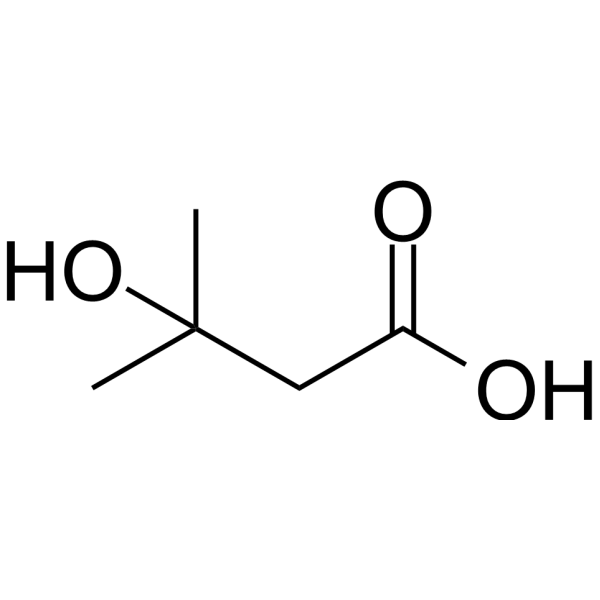
    3-Hydroxyisovaleric acid is a normal endogenous metabolite excreted in the urine. The urinary excretion of 3-hydroxyisovaleric acid is early and sensitive indicator of biotin deficiency .
    3-Hydroxyisovaleric acid
  • HY-A0080
    Aminohippurate sodium
    4 Publications Verification

    Sodium p-aminohippurate; p-Aminohippuric acid sodium salt

    Biochemical Assay Reagents
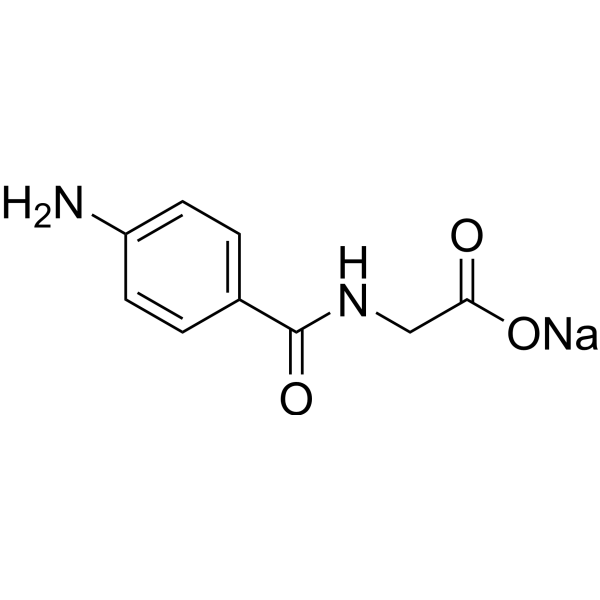
    Aminohippurate sodium is a renal tubular transport inhibitor and a substrate for organic anion transporters. Aminohippurate sodium inhibits renal tubular reabsorption of phosphate and promotes increased urinary phosphate excretion. Aminohippurate sodium inhibits renal tubular reabsorption of vitamin C as well as the transport of glucose .
    Aminohippurate sodium
  • HY-13995A
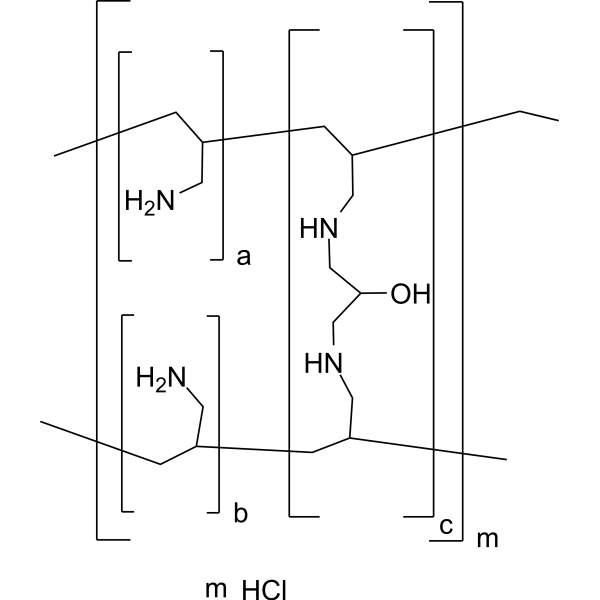
    Sevelamer (hydrochloride)
    1 Publications Verification

    FXR Autophagy Metabolic Disease Endocrinology
    Sevelamer hydrochloride is an orally active polymeric phosphate binder and bile acid sequestrant. Sevelamer hydrochloride binds dietary phosphate in the gastrointestinal tract, reducing phosphate absorption and serum phosphorus levels, and reduces urinary phosphate excretion. Sevelamer hydrochloride binds polyanion bile acids, increases bile acid faecal excretion, and reduces total cholesterol and LDL cholesterol levels. Sevelamer hydrochloride can be used for the research of hyperphosphataemia, hyperparathyroidism, chronic renal failure, kidney disease, and type 2 diabetes .
    Sevelamer (hydrochloride)
  • HY-14401

    CLTX-305; JTT-305; MK-5442

    CaSR Thyroid Hormone Receptor Metabolic Disease Inflammation/Immunology
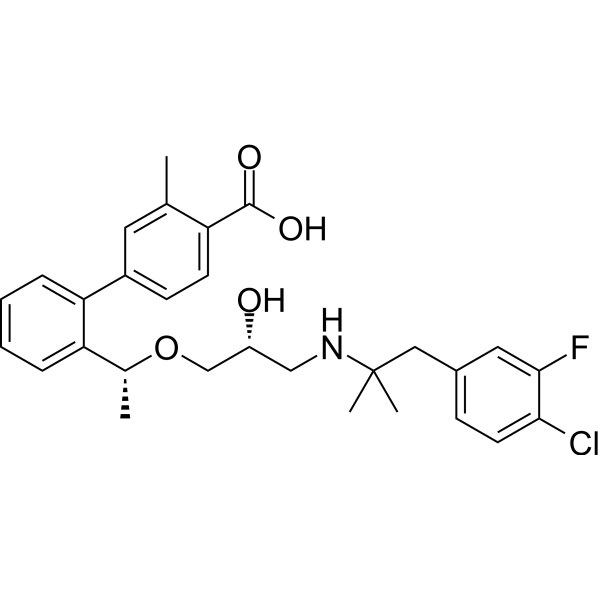
    Encaleret (CLTX-305) is an orally active antagonist of the calcium-sensing receptor (CaSR), with an IC50 of 12 nM. Encaleret exerts its effect by inhibiting the excessive activity of functional gain-of-function CaSR variants, and can restore blood calcium levels, promote the secretion of parathyroid hormone, improve magnesium and phosphorus metabolism, and increase urinary calcium excretion. Encaleret can be used in the research of diseases such as osteoporosis and autosomal dominant hypocalcemia type 1 .
    Encaleret
  • HY-132613

    Small Interfering RNA (siRNA) Glycolate Oxidase Metabolic Disease
    Lumasiran sodium, an investigational RNA interference (RNAi) therapeutic agent, reduces hepatic oxalate production by targeting glycolate oxidase. Lumasiran sodium reduces urinary oxalate excretion, the cause of progressive kidney failure in primary hyperoxaluria type 1 (PH1) .
    Lumasiran sodium
  • HY-13995B
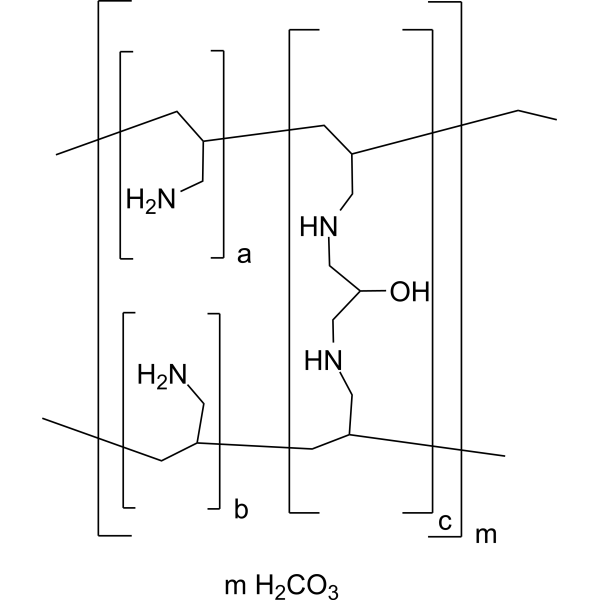
    Sevelamer carbonate
    1 Publications Verification

    FXR Metabolic Disease Endocrinology
    Sevelamer carbonate is an orally active polymeric phosphate binder and bile acid sequestrant. Sevelamer carbonate binds dietary phosphate in the gastrointestinal tract, reducing phosphate absorption and serum phosphorus levels, and reduces urinary phosphate excretion. Sevelamer carbonate binds polyanion bile acids, increases bile acid faecal excretion, and reduces total cholesterol and LDL cholesterol levels. Sevelamer carbonate can be used for the research of hyperphosphataemia, hyperparathyroidism, chronic renal failure, kidney disease, and type 2 diabetes .
    Sevelamer carbonate
  • HY-B1451

    TA-6366

    Angiotensin-converting Enzyme (ACE) MMP JNK Cardiovascular Disease Neurological Disease Metabolic Disease Inflammation/Immunology
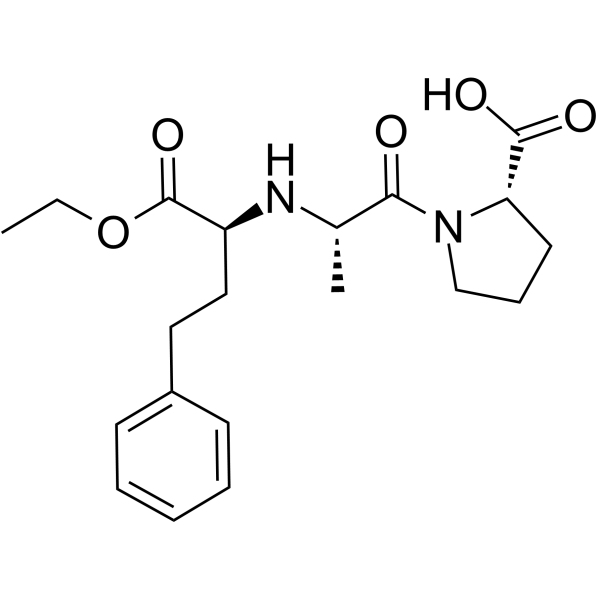
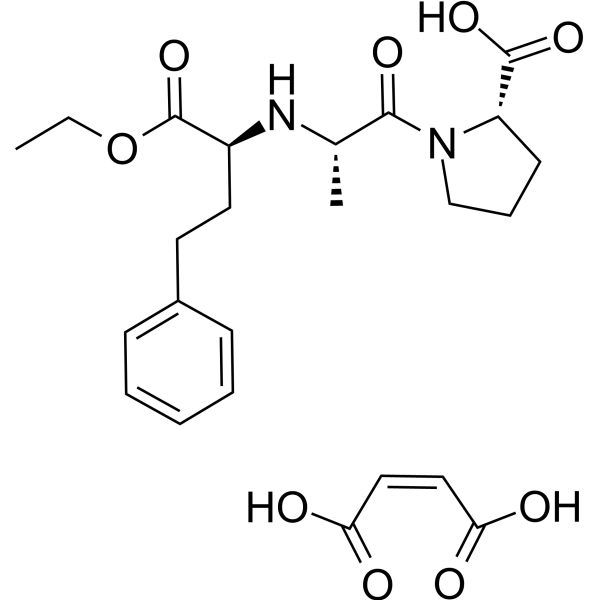
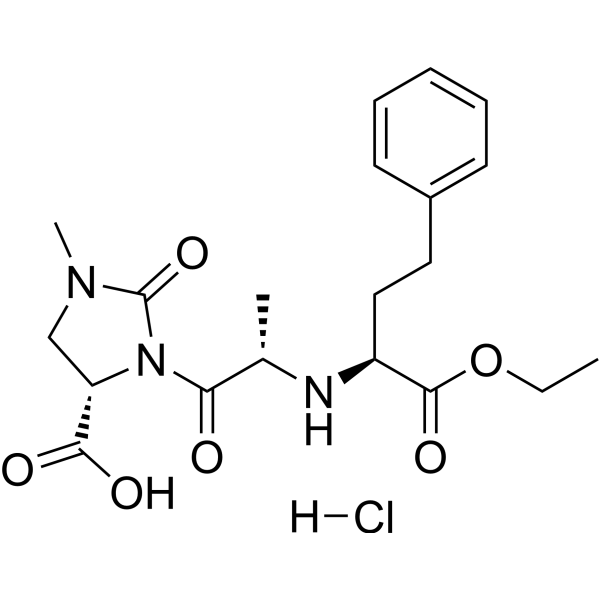
    Imidapril hydrochloride (TA-6366) is an orally active dual inhibitor of angiotensin-converting enzyme (ACE) and MMP-9. Imidapril hydrochloride inhibits lipopolysaccharide-induced phosphorylation of c-Jun, MKK4 and JNK in monocytes, and downregulates the production of specific inflammatory factors such as TNF-α and IP-10, thereby exerting anti-inflammatory activity. Imidapril hydrochloride also effectively ameliorates mesangial expansion and reduces urinary albumin excretion by inhibiting angiotensin AngII production, lowering glomerular pressure and oxidative stress, thus delaying disease progression. Imidapril hydrochloride can also directly bind to the active site of MMP-9 to inhibit gelatinase activity, and suppress the enlargement of cerebral aneurysms without altering systemic blood pressure. Imidapril hydrochloride is widely applicable to related studies on autoimmune glomerulonephritis, diabetic nephropathy, cerebral aneurysms and other conditions .
    Imidapril hydrochloride
  • HY-114557

    3,5-Diiodo-L-thyronine

    JNK NF-κB Sirtuin PGC-1α COX TGF-β Receptor Collagen Metabolic Disease Inflammation/Immunology Endocrinology
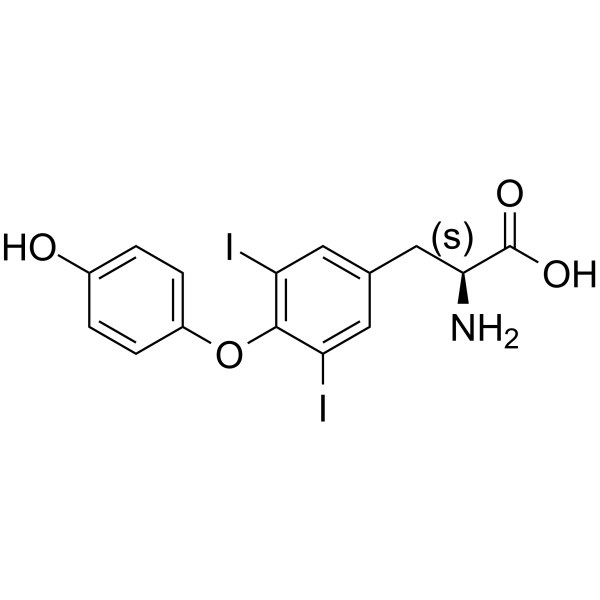
    NSC 90469 (3,5-Diiodo-L-thyronine) is an orally active thyroid hormone derivative. NSC 90469 inhibits JNK phosphorylation and NF-κB acetylation, blocks SIRT1 protein expression, induces elevated PGC-1α levels, and stimulates COX activity. NSC 90469 enhances UCP1-mediated thermogenesis, increases hepatic Dio1 activity, inhibits TSH levels and hypothalamic-pituitary-thyroid axis function, enhances lipid metabolism, and regulates energy metabolism via the mitochondrial pathway. NSC 90469 prevents blood glucose reduction, reduces urinary albumin excretion, inhibits renal matrix expansion, decreases TGF-β1 expression, and reduces renal fibronectin and type Ⅳ collagen deposition. NSC 90469 also increases energy expenditure and prevents diet-induced overweight. NSC 90469 can be used in studies related to diabetic nephropathy, hypothyroidism, non-alcoholic fatty liver disease, and diet-induced obesity .
    NSC 90469
  • HY-147422

    XNW3009

    URAT1 Metabolic Disease Inflammation/Immunology
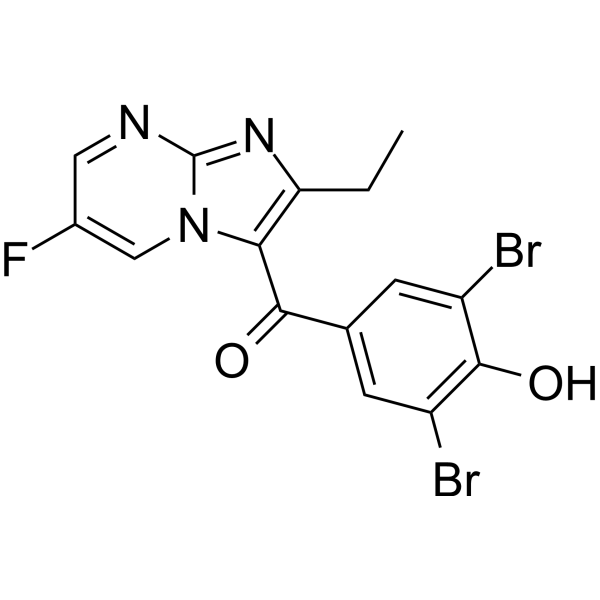
    Xininurad is a potent orally active URAT1 inhibitor with an IC50 of 7.17 nM. Xininurad inhibits URAT1 activity to reduce serum uric acid levels and increase urinary uric acid excretion. Xininurad can be used for the research of hyperuricemia and gout .
    Xininurad
  • HY-156836

    Tyramine sulfate

    Drug Metabolite Neurological Disease
    Tyramine O-sulfate (Tyramine sulfate) is a metabolite of Tyramine (HY-W007606) formed via sulfation, which serves as a biomarker for depression. Tyramine O-sulfate can be used in the research of depression .
    Tyramine O-sulfate
  • HY-B2153

    Cuproptosis Bacterial Infection
    Tetraethylenepentamine pentahydrochloride is an orally active copper chelator and copper mobilizer. Tetraethylenepentamine pentahydrochloride exhibits growth inhibitory and hypolipidemic properties. Tetraethylenepentamine pentahydrochloride significantly increases urinary copper excretion and reduces renal copper accumulation in copper overload models, but does not significantly alter hepatic copper levels. Tetraethylenepentamine pentahydrochloride exerts growth inhibitory effects on Candida albicans and Fluconazole (HY-B0101)-resistant strains, and can be widely used in studies related to Wilson's disease and Candida infections .
    Tetraethylenepentamine pentahydrochloride
  • HY-76199

    Bacterial PROTAC Linkers Metabolic Disease
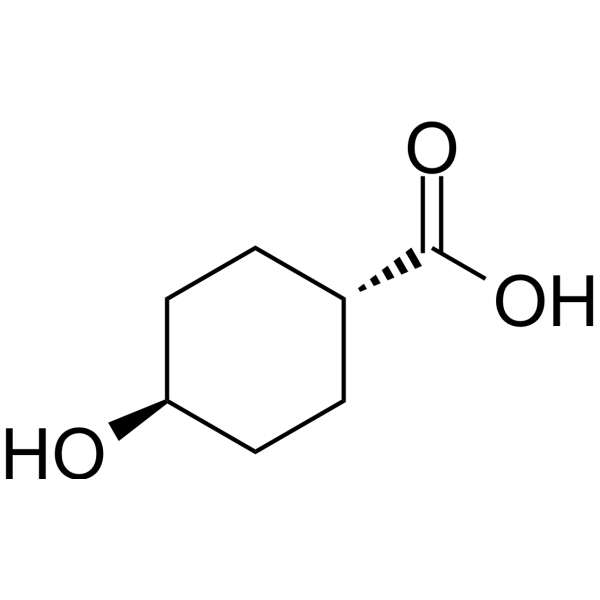
    trans-4-Hydroxycyclohexanecarboxylic acid is a substrate for cyclohexanecarboxylic acid production. trans-4-Hydroxycyclohexanecarboxylic acid is the by-product of intestinal bacterial metabolism via urinary excretion .
    trans-4-Hydroxycyclohexanecarboxylic acid
  • HY-113420

    Endogenous Metabolite Metabolic Disease
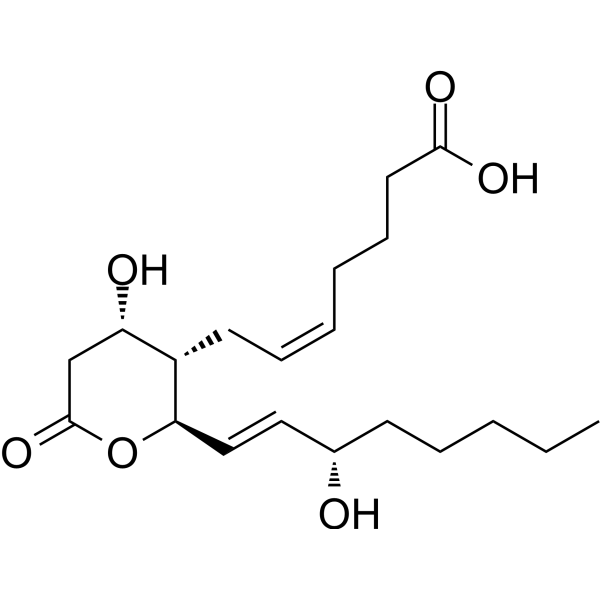
    11-Dehydro-thromboxane B2 is a platelet hemagglutinin. Thromboxane inhibition was assessed by urinary excretion levels of 11-Dehydro-thromboxane B2. 11-Dehydro-thromboxane B2 can be used in the study of atherosclerotic thrombosis .
    11-Dehydro-thromboxane B2
  • HY-113465
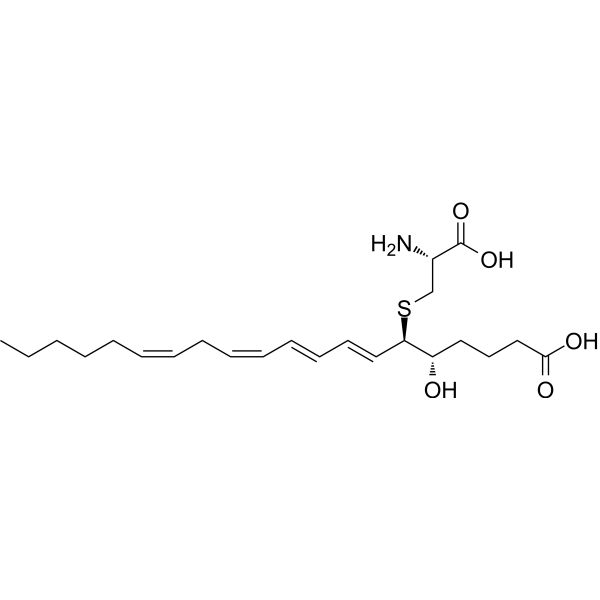
    Leukotriene E4
    1 Publications Verification

    LTE4

    Endogenous Metabolite Inflammation/Immunology
    Leukotriene E4 (LTE4) is produced by the action of dipeptidase on LTD4. Leukotriene E4 is one of the constituents of slow-reacting substance of anaphylaxis (SRS-A). Leukotriene E4 accumulates in both plasma and urine and urinary excretion of Leukotriene E4 is most often used as an indicator of asthma.
    Leukotriene E4
  • HY-136182A

    Na+/Ca2+ Exchanger Cardiovascular Disease Neurological Disease
    YM-244769 is a potent, selective and orally active Na +/Ca 2+ exchanger (NCX) inhibitor. YM-244769 preferentially inhibits NCX3 and suppresses the unidirectional outward NCX current (Ca 2+ entry mode), with IC50s of 18 nM and 50 nM, respectively. YM-244769 efficiently protects against hypoxia/reoxygenation-induced SH-SY5Y neuronal cell damage. YM-244769 can also increase urine volume and urinary excretion of electrolytes in mice .
    YM-244769
  • HY-B1451A

    TA-6366 free base

    Angiotensin-converting Enzyme (ACE) MMP JNK Cardiovascular Disease Metabolic Disease
    Imidapril (TA-6366 free base) is an orally active dual inhibitor of angiotensin-converting enzyme (ACE) and MMP-9. Imidapril inhibits lipopolysaccharide-induced phosphorylation of c-Jun, MKK4 and JNK in monocytes, and downregulates the production of specific inflammatory factors such as TNF-α and IP-10, thereby exerting anti-inflammatory activity. Imidapril also effectively ameliorates mesangial expansion and reduces urinary albumin excretion by inhibiting angiotensin AngII production, lowering glomerular pressure and oxidative stress, thus delaying disease progression. Imidapril can also directly bind to the active site of MMP-9 to inhibit gelatinase activity, and suppress the enlargement of cerebral aneurysms without altering systemic blood pressure. Imidapril is widely applicable to related studies on autoimmune glomerulonephritis, diabetic nephropathy, cerebral aneurysms and other conditions .
    Imidapril
  • HY-B1713A

    DL-(±)-Ornithine hydrochloride

    Endogenous Metabolite Metabolic Disease
    DL-Ornithine (DL-(±)-Ornithine) hydrochloride is an amino acid and also a urea cycle promoter. DL-Ornithine hydrochloride has the characteristics of low metabolic rate and rapid excretion, and only the L-enantiomer undergoes decarboxylation. In mice inoculated with L-1210 leukemia cells, DL-Ornithine hydrochloride is excreted in urine in its original form, and its conversion to carbon dioxide within 24 h is negligible. DL-Ornithine hydrochloride is mainly used in the urea cycle to eliminate excess nitrogen in the body and protect the kidneys .
    DL-Ornithine hydrochloride
  • HY-W509797

    Drug Metabolite Inflammation/Immunology
    5-(3',4'-Dihydroxyphenyl)-γ-valerolactone is a gut microbiota metabolite of (-)-Epicatechin (HY-N0001). 5-(3',4'-Dihydroxyphenyl)-γ-valerolactone exhibits antioxidant activity .
    5-(3',4'-Dihydroxyphenyl)-γ-valerolactone
  • HY-113409R

    Reference Standards Endogenous Metabolite Metabolic Disease
    3-Hydroxyisovaleric acid (Standard) is the analytical standard of 3-Hydroxyisovaleric acid. This product is used for research and analytical applications. 3-Hydroxyisovaleric acid is a normal endogenous metabolite excreted in urine. The urinary excretion of 3-Hydroxyisovaleric acid serves as an early and sensitive indicator of biotin deficiency .
    3-Hydroxyisovaleric acid (Standard)
  • HY-113377

    Endogenous Metabolite Metabolic Disease
    L-Glyceric acid is a mainly urinary metabolite accumulating in rare inherited metabolic disease L-glyceric aciduria. L-Glyceric acid can be used to diagnose primary hyperoxaluria type 2 (PH2). L-Glyceric acid excretion to distinguish PH1 from PH2 .
    L-Glyceric acid
  • HY-113465S

    LTE4-d5

    Endogenous Metabolite Inflammation/Immunology
    Leukotriene E4-d5 is the deuterium labeled Leukotriene E4. Leukotriene E4 (LTE4) is produced by the action of dipeptidase on LTD4. Leukotriene E4 is one of the constituents of slow-reacting substance of anaphylaxis (SRS-A). Leukotriene E4 accumulates in both plasma and urine and urinary excretion of Leukotriene E4 is most often used as an indicator of asthma.
    Leukotriene E4-d5
  • HY-136182

    Na+/Ca2+ Exchanger Cardiovascular Disease Neurological Disease
    YM-244769 dihydrochloride is a potent, selective and orally active Na +/Ca 2+ exchanger (NCX) inhibitor. YM-244769 dihydrochloride preferentially inhibits NCX3 and suppresses the unidirectional outward NCX current (Ca 2+ entry mode), with IC50s of 18 nM and 50 nM, respectively. YM-244769 dihydrochloride efficiently protects against hypoxia/reoxygenation-induced SH-SY5Y neuronal cell damage. YM-244769 dihydrochloride can also increase urine volume and urinary excretion of electrolytes in mice .
    YM-244769 dihydrochloride
  • HY-13995

    FXR Metabolic Disease Endocrinology
    Sevelamer is an orally active polymeric phosphate binder and bile acid sequestrant. Sevelamer binds dietary phosphate in the gastrointestinal tract, reducing phosphate absorption and serum phosphorus levels, and reduces urinary phosphate excretion. Sevelamer binds polyanion bile acids, increases bile acid faecal excretion, and reduces total cholesterol and LDL cholesterol levels. Sevelamer can be used for the research of hyperphosphataemia, hyperparathyroidism, chronic renal failure, kidney disease, and type 2 diabetes .
    Sevelamer
  • HY-122613

    SGLT Metabolic Disease
    YM543 free base is a potent and orally active sodium-glucose cotransporter (SGLT) 2 inhibitor. YM543 free base reduces blood glucose levels. YM543 free base can be used in research of diabetes .
    YM543 free base
  • HY-107659

    Na+/Ca2+ Exchanger Cardiovascular Disease Neurological Disease
    YM-244769 hydrochloride is a potent, selective and orally active Na +/Ca 2+ exchanger (NCX) inhibitor. YM-244769 hydrochloride preferentially inhibits NCX3 and suppresses the unidirectional outward NCX current (Ca 2+ entry mode), with IC50s of 18 nM and 50 nM, respectively. YM-244769 hydrochloride efficiently protects against hypoxia/reoxygenation-induced SH-SY5Y neuronal cell damage. YM-244769 hydrochloride can also increase urine volume and urinary excretion of electrolytes in mice .
    YM-244769 hydrochloride
  • HY-120321

    Mineralocorticoid Receptor Carbonic Anhydrase Cardiovascular Disease
    DSR-71167 is an orally active mineralocorticoid receptor (MR) antagonist with an IC50 of 0.26 μM. DSR-71167 exhibits weak carbonic anhydrase (CA) inhibitory activity with an IC50 of 19 μM. DSR-71167 can dose-dependently increase urinary sodium excretion in rat models and has a very low risk of hyperkalemia in potassium-loading rat models. DSR-71167 lowers systolic blood pressure in hypertensive rat models. DSR-71167 can be used for research on hypertension and heart failure .
    DSR-71167
  • HY-137339

    Drug Metabolite Others
    Amitriptyline N-β-D-glucuronide is an ammonium glucuronide and an urinary excretion metabolite of amitriptyline .
    Amitriptyline N-β-D-glucuronide
  • HY-Y1150

    Trimethylmethanecarboxylic acid; Versatic 5 acid; tert-Pentanoic acid

    Antibiotic Inflammation/Immunology
    Pivalic acid (Trimethylmethanecarboxylic acid) is a carboxylic acid. Pivalic acid induces Carnitine deficiency. Pivalic acid conjugated with Antibiotics, such as Pivmecillinam (HY-B0810) and Pivampicillin (HY-119011), are used in urinary tract infection. Pivalic acid can be used in physical exercise research .
    Pivalic acid
  • HY-126816

    Endogenous Metabolite Others
    Atrazine mercapturate is a metabolite of herbicide Atrazine (HY-N7091), which is detectable in urinary excretion. Atrazine mercapturate serve as an unambiguous confirmation of human exposure to Atrazine .
    Atrazine mercapturate
  • HY-113377A

    Endogenous Metabolite Metabolic Disease
    L-Glyceric acid sodium is a mainly urinary metabolite accumulating in rare inherited metabolic disease L-glyceric aciduria. L-Glyceric acid sodium can be used to diagnose primary hyperoxaluria type 2 (PH2). L-Glyceric acid sodium excretion to distinguish PH1 from PH2 .
    L-Glyceric acid sodium
  • HY-113420S2

    Endogenous Metabolite Isotope-Labeled Compounds Metabolic Disease
    11-Dehydro-thromboxane B2- 13C5 is 13C labeled 11-Dehydro-thromboxane B2 (HY-113420). 11-Dehydro-thromboxane B2 is a platelet hemagglutinin. Thromboxane inhibition was assessed by urinary excretion levels of 11-Dehydro-thromboxane B2. 11-Dehydro-thromboxane B2 can be used in the study of atherosclerotic thrombosis .
    11-Dehydro-thromboxane B2-13C5
  • HY-129254

    Adrenergic Receptor Metabolic Disease
    5-Hydroxy propranolol is a metabolite of Propranolol that can be used to study β-adrenergic receptor blockade .
    5-Hydroxy propranolol
  • HY-125327

    SGLT Metabolic Disease
    YM-543 is a selective SGLT2 inhibitor that effectively reduces hyperglycemia in type 2 diabetic mice through increased urinary glucose excretion. YM-543 demonstrates potent inhibition of both mouse and human SGLT2 activities at nanomolar concentrations. YM-543, when administered orally, significantly improves glucose tolerance in diabetic models and sustains its effects for over 12 hours. YM-543, in combination with other antidiabetic agents like rosiglitazone or metformin, enhances the therapeutic effects on diabetic symptoms. YM-543 does not affect blood glucose levels in normal mice, indicating its specificity for diabetic conditions.
    YM-543
  • HY-129397

    BPG; 2,3-Dinor-11β-PGF2α; 2,3-dinor-11-epi PGF2α

    Prostaglandin Receptor Endocrinology
    2,3-Dinor-11beta-prostaglandin F2alpha (2,3-Dinor-11β-PGF2α) is a metabolite of PGD2. Urinary excretion of 2,3-Dinor-11beta-prostaglandin F2alpha is increased in patients with mast cell activation disease (MCAD) and has been used as a marker of increased PGD2 levels. 2,3-Dinor-11beta-prostaglandin F2alpha levels are also increased in the urine of patients with asthma and are positively correlated with impaired lung function.
    2,3-Dinor-11beta-prostaglandin F2alpha
  • HY-B1451S

    Isotope-Labeled Compounds Angiotensin-converting Enzyme (ACE) MMP JNK Cardiovascular Disease
    Imidapril-d3 hydrochloride (TA-6366-d3) is the deuterium labeled Imidapril hydrochloride. Imidapril hydrochloride (TA-6366) is an orally active dual inhibitor of angiotensin-converting enzyme (ACE) and MMP-9. Imidapril hydrochloride inhibits lipopolysaccharide-induced phosphorylation of c-Jun, MKK4 and JNK in monocytes, and downregulates the production of specific inflammatory factors such as TNF-α and IP-10, thereby exerting anti-inflammatory activity. Imidapril hydrochloride also effectively ameliorates mesangial expansion and reduces urinary albumin excretion by inhibiting angiotensin AngII production, lowering glomerular pressure and oxidative stress, thus delaying disease progression. Imidapril hydrochloride can also directly bind to the active site of MMP-9 to inhibit gelatinase activity, and suppress the enlargement of cerebral aneurysms without altering systemic blood pressure. Imidapril hydrochloride is widely applicable to related studies on autoimmune glomerulonephritis, diabetic nephropathy, cerebral aneurysms and other conditions .
    Imidapril-d3 hydrochloride
  • HY-B1451R

    TA-6366 (Standard)

    Reference Standards Angiotensin-converting Enzyme (ACE) MMP JNK Cardiovascular Disease Metabolic Disease
    Imidapril (hydrochloride) (Standard) is the analytical standard of Imidapril (hydrochloride). This product is intended for research and analytical applications. Imidapril hydrochloride (TA-6366) is an orally active dual inhibitor of angiotensin-converting enzyme (ACE) and MMP-9. Imidapril hydrochloride inhibits lipopolysaccharide-induced phosphorylation of c-Jun, MKK4 and JNK in monocytes, and downregulates the production of specific inflammatory factors such as TNF-α and IP-10, thereby exerting anti-inflammatory activity. Imidapril hydrochloride also effectively ameliorates mesangial expansion and reduces urinary albumin excretion by inhibiting angiotensin AngII production, lowering glomerular pressure and oxidative stress, thus delaying disease progression. Imidapril hydrochloride can also directly bind to the active site of MMP-9 to inhibit gelatinase activity, and suppress the enlargement of cerebral aneurysms without altering systemic blood pressure. Imidapril hydrochloride is widely applicable to related studies on autoimmune glomerulonephritis, diabetic nephropathy, cerebral aneurysms and other conditions .
    Imidapril hydrochloride (Standard)
  • HY-114557R

    3,5-Diiodo-L-thyronine (Standard)

    Reference Standards Endogenous Metabolite Metabolic Disease
    NSC 90469 (Standard) is the analytical standard of NSC 90469. This product is intended for research and analytical applications. NSC 90469 (3,5-Diiodo-L-thyronine) is an orally active thyroid hormone derivative. NSC 90469 inhibits JNK phosphorylation and NF-κB acetylation, blocks SIRT1 protein expression, induces elevated PGC-1α levels, and stimulates COX activity. NSC 90469 enhances UCP1-mediated thermogenesis, increases hepatic Dio1 activity, inhibits TSH levels and hypothalamic-pituitary-thyroid axis function, enhances lipid metabolism, and regulates energy metabolism via the mitochondrial pathway. NSC 90469 prevents blood glucose reduction, reduces urinary albumin excretion, inhibits renal matrix expansion, decreases TGF-β1 expression, and reduces renal fibronectin and type Ⅳ collagen deposition. NSC 90469 also increases energy expenditure and prevents diet-induced overweight. NSC 90469 can be used in studies related to diabetic nephropathy, hypothyroidism, non-alcoholic fatty liver disease, and diet-induced obesity .
    NSC 90469 (Standard)
  • HY-N9440

    Drug Metabolite Inflammation/Immunology Cancer
    7-Hydroxycoumarin glucuronide is a transport substrate and main human coumarin metabolite. 7-Hydroxycoumarin glucuronide undergoes ATP-dependent efflux transport via MRP3 and MRP4. 7-Hydroxycoumarin glucuronide undergoes active transport processes for urinary excretion and is primarily excreted into urine in humans.
    7-Hydroxycoumarin glucuronide
  • HY-180992

    Lactate Dehydrogenase Metabolic Disease
    Dual GO/LDHA-IN-1 is an orally available dual inhibitor targeting glycolate oxidase (GO) and lactate dehydrogenase A (LDHA), with Ki values of 390 nM and 40 nM, respectively. Dual GO/LDHA-IN-1 reduces hepatic LDHA levels, urinary oxalate excretion, and renal calcium-oxalate crystal deposition. Dual GO/LDHA-IN-1 is applicable for research on primary hyperoxaluria type 1 .
    Dual GO/LDHA-IN-1
  • HY-178734

    SGLT Metabolic Disease
    Janagliflozin is orally active and highly selective sodium-glucose cotransporter 2 (SGLT2) inhibitor (IC50=0.0058 μM for SGLT2 and 4.802 μM for SGLT1). Janagliflozin inhibits SGLT2 in the proximal renal tubules, reducing glucose reabsorption and promoting urinary glucose excretion (UGE) to lower blood glucose levels. Janagliflozin is promising for research of type 2 diabetes mellitus .
    Janagliflozin
  • HY-14401B

    CLTX-305 sodium; JTT-305 sodium; MK-5442 sodium

    CaSR Thyroid Hormone Receptor Metabolic Disease
    Encaleret (CLTX-305) sodium is an orally active antagonist of the calcium-sensing receptor (CaSR), with an IC50 of 12 nM. Encaleret sodium exerts its effect by inhibiting the excessive activity of functional gain-of-function CaSR variants, and can restore blood calcium levels, promote the secretion of parathyroid hormone, improve magnesium and phosphorus metabolism, and increase urinary calcium excretion. Encaleret sodium can be used in the research of diseases such as osteoporosis and autosomal dominant hypocalcemia type 1 .
    Encaleret sodium
  • HY-183954

    Adrenergic Receptor Cardiovascular Disease
    MDL-19744A is an orally active and selective α1-adrenergic receptor antagonist, with rat α1-adrenergic receptor IC50 of 8 nM. MDL-19744A increases renal blood flow, dose-related decreases mean arterial blood pressure, increases urinary sodium excretion, and mediates renal vasodilation. MDL-19744A can be used for the research of hypertension .
    MDL-19744A
  • HY-119058

    CP-744809

    Aldose Reductase Metabolic Disease
    ARI-809 (CP-744809) is a highly selective, orally active aldose reductase inhibitor with an IC50 of 1 nM. ARI-809 blocks excessive glucose flux through the polyol pathway. ARI-809 normalizes elevated sorbitol and fructose levels in sciatic nerve tissues of diabetic rat models, inhibits sorbitol accumulation in lens tissues, and brings elevated urinary albumin excretion close to normal. ARI-809 can be used in diabetes research .
    ARI-809
  • HY-179581

    Amino acid Transporter Metabolic Disease
    SLC6A19-IN-4 is an allosteric-competitive and orally active B 0AT1 inhibitor. SLC6A19-IN-4 inhibits both human and mouse B 0AT1 with IC50 values of 513 nM and 295 nM, respectively. SLC6A19-IN-4 exhibits excellent metabolic stability. SLC6A19-IN-4 significantly increases urinary phenylalanine (Phe) excretion and reduces plasma Phe levels through dual inhibition of B 0AT1 in both the intestine (reducing absorption) and kidney (promoting excretion) in vivo. SLC6A19-IN-4 can be used for phenylketonuria (PKU) and other disorders involving SLC6-family transporters research .
    SLC6A19-IN-4
  • HY-159978

    Sodium Phosphate Cotransporter Metabolic Disease Inflammation/Immunology
    EOS789 is an orally active sodium-dependent phosphate transporter inhibitor, with IC50 values of 6.8, 1.5, and 1.7 μM against human NaPi-IIb, PiT-1, PiT-2, respectively; and IC50 values of 3.9, 1.9, and 1.7 μM against rat NaPi-IIb, PiT-1, PiT-2, respectively. EOS789 inhibits intestinal phosphate absorption, increases fecal phosphate excretion, reduces urinary phosphate excretion, and decreases the levels of serum phosphate, FGF23, and adult parathyroid hormone. EOS789 ameliorates ectopic thoracic aortic calcification, renal injury and hyperphosphatemia, and inhibits the expression of fibrosis markers. EOS789 can be used for the research of hyperphosphatemia and chronic kidney disease-mineral and bone disorder (CKD-MBD) .
    EOS789
  • HY-153506

    VAP-1 Inflammation/Immunology
    VAP-1-IN-2 is an orally active VAP-1 inhibitor with an IC50 value of 0.025 μM against human VAP-1 and 0.015 μM against rat VAP-1. VAP-1-IN-2 inhibits urinary protein excretion and the progression of proteinuria in diabetic rats. VAP-1-IN-2 inhibits VAP-1 activity in rats . VAP-1-IN-2 can be used in research related to diabetes and nephropathy .
    VAP-1-IN-2
  • HY-17604
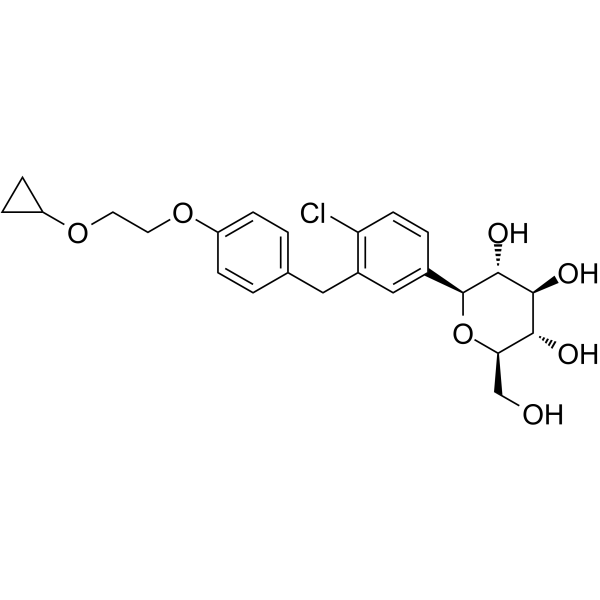
    Bexagliflozin
    1 Publications Verification

    EGT1442; EGT0001442; THR-1442

    SGLT Cardiovascular Disease Metabolic Disease
    Bexagliflozin (EGT1442) is an orally active and selective SGLT2 inhibitor with IC50 values of 0.002 μM and 5.6 μM for SGLT2 and SGLT1, respectively. Bexagliflozin selectively inhibits SGLT2-mediated sodium-dependent glucose uptake. Bexagliflozin induces saturable urinary glucose excretion in normal rats and dogs. Bexagliflozin reduces blood glucose and HbA1c levels in db/db mice without affecting body mass or insulin level. Bexagliflozin can be used for the research of type 2 diabetes mellitus, hypertensive stroke .
    Bexagliflozin
  • HY-180528

    SGLT Dipeptidyl Peptidase Metabolic Disease
    SGLT2-IN-6 (Compound 101) is an orally active SGLT2 inhibitor with IC₅₀ values for SGLT2, SGLT1, and DPP4 of 0.8, 6.7, and 72 nM respectively. SGLT2-IN-6 controls blood sugar levels in diabetic rat models and increases the levels of active GLP-1. SGLT2-IN-6 can be used for the study of type 2 diabetes .
    SGLT2-IN-6
  • HY-107659R

    Reference Standards Na+/Ca2+ Exchanger Cardiovascular Disease Neurological Disease
    YM-244769 hydrochloride (Standard) is the analytical standard of YM-244769 (hydrochloride) (HY-107659). This product is intended for research and analytical applications. YM-244769 hydrochloride is a potent, selective and orally active Na+/Ca2+ exchanger (NCX) inhibitor. YM-244769 hydrochloride preferentially inhibits NCX3 and suppresses the unidirectional outward NCX current (Ca2+ entry mode), with IC50s of 18 nM and 50 nM, respectively. YM-244769 hydrochloride efficiently protects against hypoxia/reoxygenation-induced SH-SY5Y neuronal cell damage. YM-244769 hydrochloride can also increase urine volume and urinary excretion of electrolytes in mice .
    YM-244769 hydrochloride (Standard)
  • HY-113281

    Endogenous Metabolite Metabolic Disease
    5-Hydroxyhexanoic acid is a normal monohydroxy carboxylic acid degradation product of
    fatty acids with medium chain lengths (particularly hexanoic acid). 5-Hydroxyhexanoic acid functions as a predictor of early renal functional decline in type 2 diabetes with microalbuminuria .
    5-Hydroxyhexanoic acid

Inquiry Online

Your information is safe with us. * Required Fields.

Salutation


Country or Region *

Applicant Name *


Organization Name *

Department *


Email Address *


Product Name *

Cat. No.


Requested quantity *

Phone Number *


Remarks

Inquiry Online

Inquiry Information

Product Name:
Cat. No.:
Quantity:
MCE Japan Authorized Agent:

