Search Result
Results for "
versus
" in MedChemExpress (MCE) Product Catalog:
1
Biochemical Assay Reagents
6
Isotope-Labeled Compounds
| Cat. No. |
Product Name |
Target |
Research Areas |
Chemical Structure |
-
- HY-15150
-
|
R428; BGB324
|
TAM Receptor
|
Cancer
|
|
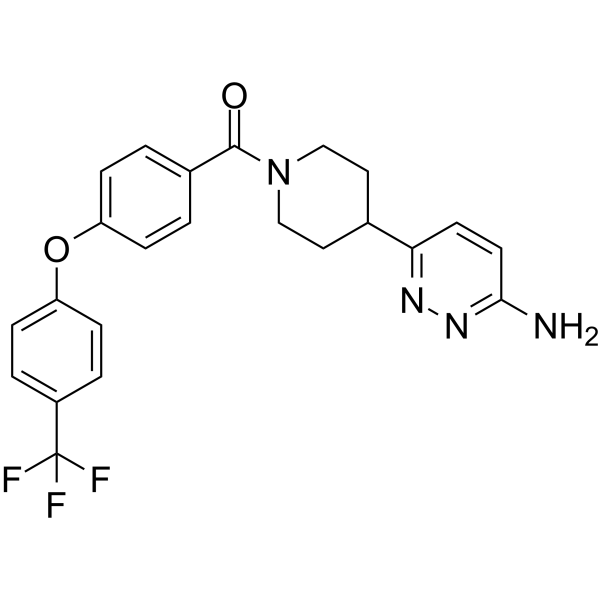
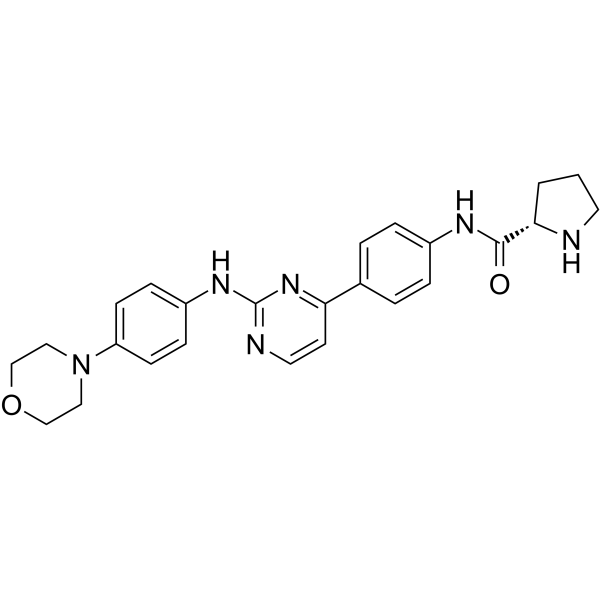
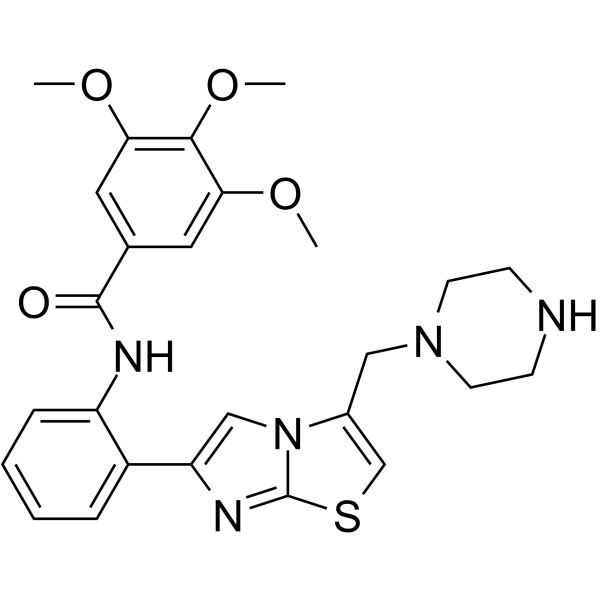
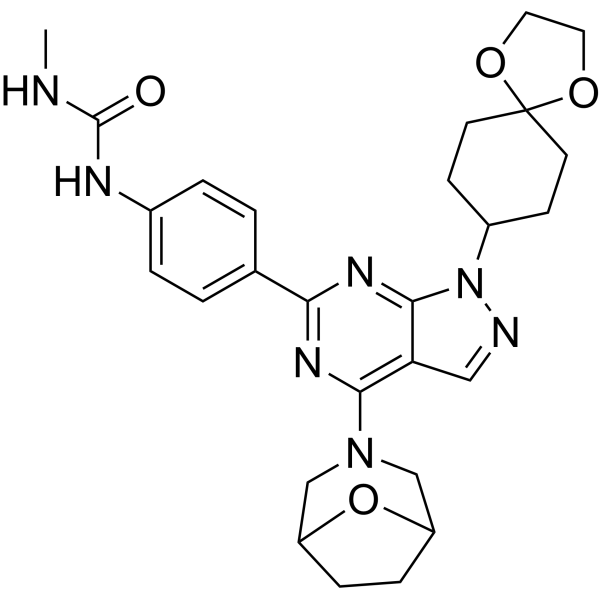
Bemcentinib (R428) is a selective and orally active Axl inhibitor with an IC50 of 14 nM. Bemcentinib retards cancer cell migration and invasion. Bemcentinib exhibits >100-fold selectivity for Axl versus Abl and 50- and >100-fold selectivity over TAM family kinases Mer and Tyro3, respectively, in cells. Bemcentinib blocks tumor spread and prolongs survival in models of metastatic breast cancer .
|
-
-
- HY-111372
-
|
BAY 94-8862
|
Mineralocorticoid Receptor
|
Cardiovascular Disease
|
|
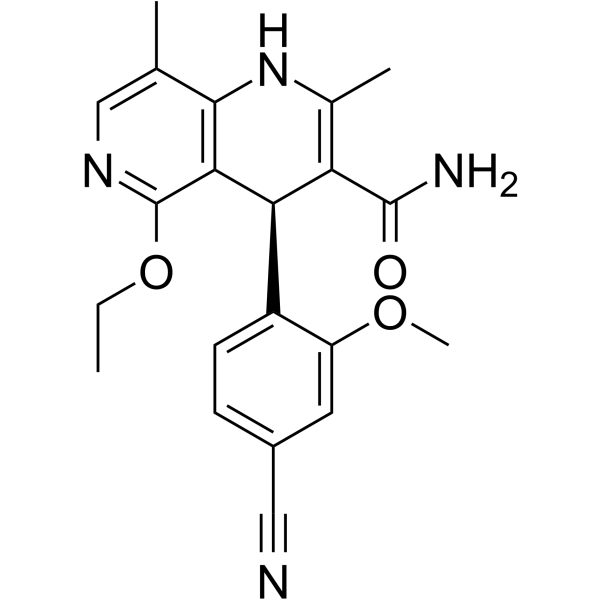
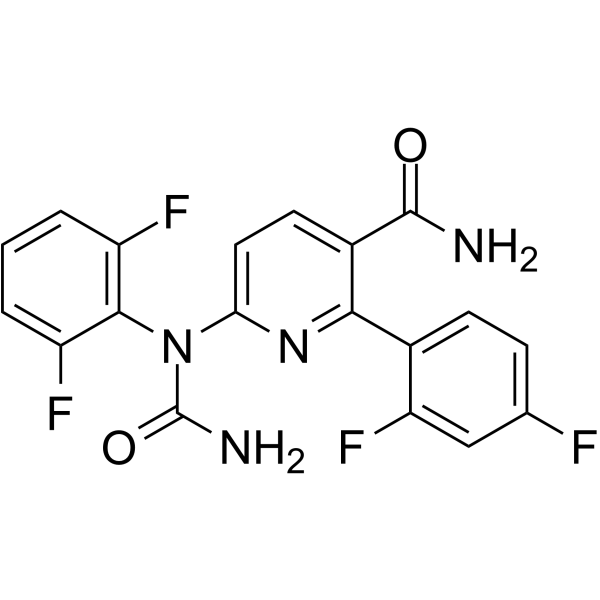
Finerenone (BAY 94-8862) is a third-generation, selective, and orally available nonsteroidal mineralocorticoid receptor (MR) antagonist (IC50=18 nM). Finerenone displays excellent selectivity versus glucocorticoid receptor (GR), androgen receptor (AR), and progesterone receptor (>500-fold). Finerenone has the potential for cardiorenal diseases research, such as type 2 diabetes mellitus and chronic kidney disease .
|
-
-
- HY-10260
-
-
-
- HY-131328
-
|
LOXO-305
|
Btk
|
Cancer
|
|
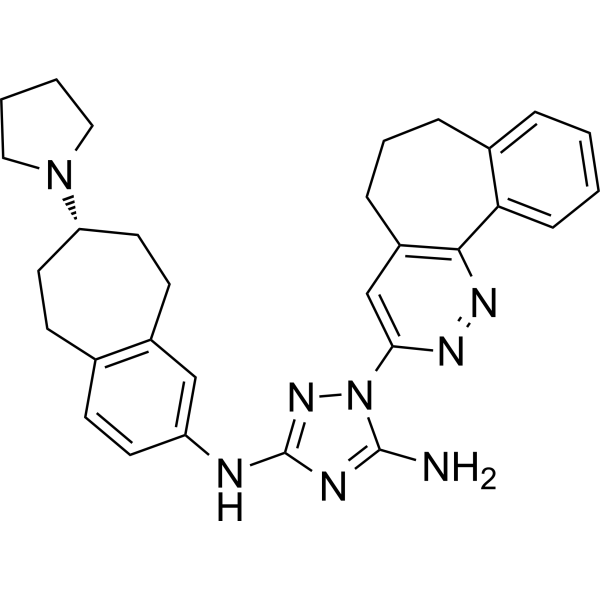
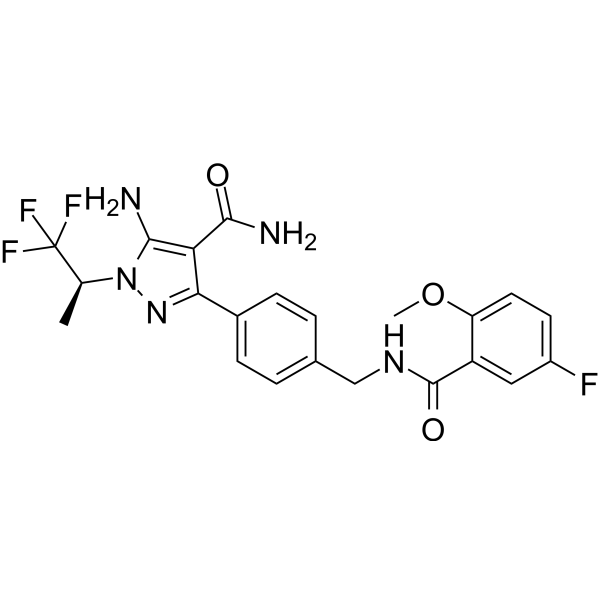
Pirtobrutinib (LOXO-305), a highly selective and non-covalent next generation BTK inhibitor, inhibits diverse BTK C481 substitution mutations. Pirtobrutinib causes regression of BTK-dependent lymphoma tumors in mouse xenograft models. Pirtobrutinib is also more than 300-fold selective for BTK versus 370 other kinases tested and shows no significant inhibition of non-kinase off-targets at 1 μM .
|
-
-
- HY-19414
-
|
|
Angiotensin-converting Enzyme (ACE)
|
Cardiovascular Disease
|
|
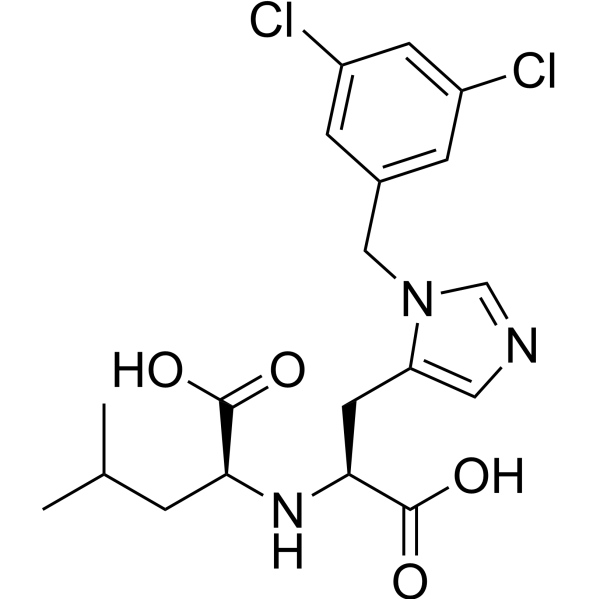
MLN-4760 is a potent and selective human ACE2 inhibitor (IC50, 0.44 nM), with excellent selectivity (>5000-fold) versus related enzymes including human testicular ACE (IC50, >100 μM) and bovine carboxypeptidase A (CPDA; IC50, 27 μM).
|
-
-
- HY-13643
-
|
|
Environmental Pollutants
Histone Demethylase
|
Cancer
|
|
Daminozide, a plant growth regulator, is a selective inhibitor of the human KDM2/7 histone demethylases, with IC50s of 0.55, 1.5 and 2.1 μM for PHF8, KDM2A, and KIAA1718, respectively. Daminozide has >100-fold selectivity for KDM2/7 subfamily versus other demethylase subfamily members tested .
|
-
-
- HY-15610
-
|
RG 7421; MEK inhibitor 1
|
MEK
Apoptosis
|
Cancer
|
|
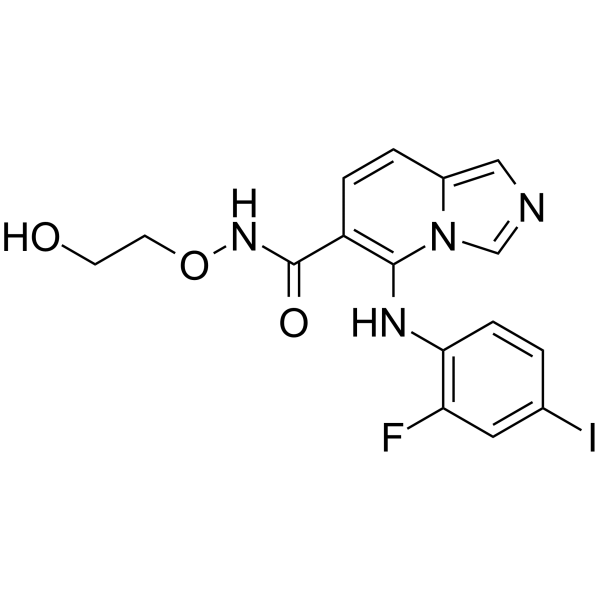
GDC-0623 (RG 7421) is a potent, ATP-uncompetitive inhibitor of MEK1 (Ki=0.13 nM, +ATP), and displays 6-fold weaker potency against HCT116 (KRAS (G13D), EC50=42 nM) versus A375 (BRAF V600E, EC50=7 nM).
|
-
-
- HY-101588
-
|
MK-7264; AF-219
|
P2X Receptor
|
Inflammation/Immunology
|
|
Gefapixant is an orally active and potent purinergic P2X3 receptor (P2X3R) antagonist, with IC50 values of ~30 nM versus recombinant hP2X3 homotrimers and 100-250 nM at hP2X2/3 heterotrimeric receptors. Gefapixant can be used for the research of chronic cough and knee osteoarthritis .
|
-
-
- HY-111925
-
|
|
TRP Channel
|
Cardiovascular Disease
|
|
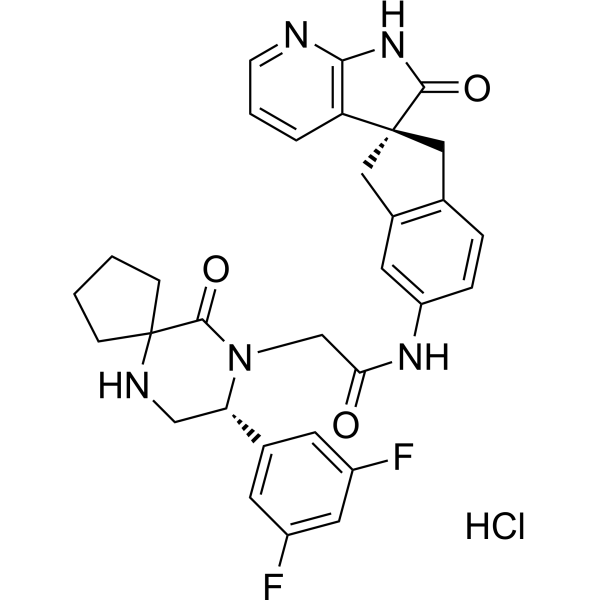
BI-749327 is a potent, high selectivity and orally bioavailable TRPC6 antagonist, with IC50s of 13 nM, 19 nM and 15 nM for mouse, human and guinea pig TRPC6, respectively. BI-749327 is 85-fold more selective for mouse TRPC6 than TRPC3 and 42-fold versus TRPC7 .
|
-
-
- HY-P990864
-
|
|
CD3
|
Inflammation/Immunology
|
|
Anti-CD3 Antibody (OKT-3) is a kind of mouse IgG2a κ antibody inhibitor, targeting to human CD3. Anti-CD3 Antibody (OKT-3) decreases T cells. Anti-CD3 Antibody (OKT-3) can be used for the research of immunology, such as graft-versus-host disease .
|
-
-
- HY-12076
-
|
BMS 817378
|
c-Met/HGFR
TAM Receptor
|
Cancer
|
|
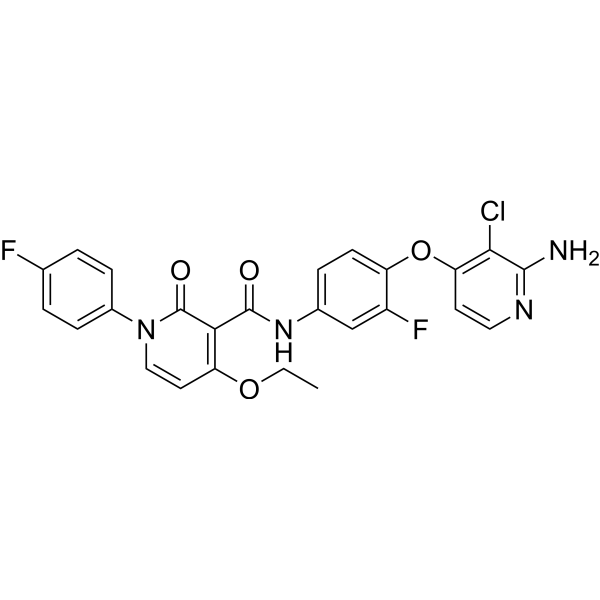
BMS 777607 (BMS 817378) is a Met-related inhibitor for c-Met, Axl, Ron and Tyro3 with IC50s of 3.9 nM, 1.1 nM, 1.8 nM and 4.3 nM, respectively, and 40-fold more selective for Met-related targets than Lck, VEGFR-2, and TrkA/B, with more than 500-fold greater selectivity versus all other receptor and non receptor kinases .
|
-
-
- HY-10401
-
-
-
- HY-12019
-
|
|
c-Met/HGFR
|
Cancer
|
|
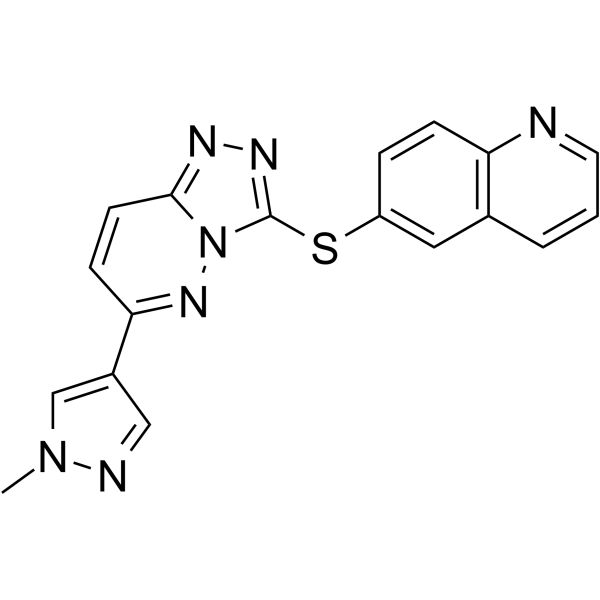
SGX523 is a exquisitely selective and ATP-competitive MET inhibitor. SGX523 potently inhibits MET with an IC50 of 4 nM and is >1,000-fold selective versus other protein kinases. Antitumor activity .
|
-
-
- HY-116830
-
BRD0705
1 Publications Verification
|
GSK-3
|
Cancer
|
|
BRD0705 is a potent, paralog selective and orally active GSK3α inhibitor with an IC50 of 66 nM and a Kd of 4.8 μM. BRD0705 displays increased selectivity for GSK3α (8-fold) versus GSK3β (IC50 of 515 nM). BRD0705 can be used for acute myeloid leukemia (AML) research .
|
-
-
- HY-101588A
-
|
MK-7264 citrate; AF-219 citrate
|
P2X Receptor
|
Inflammation/Immunology
|
|
Gefapixant citrate is an orally active and potent purinergic P2X3 receptor (P2X3R) antagonist, with IC50 values of ~30 nM versus recombinant hP2X3 homotrimers and 100-250 nM at hP2X2/3 heterotrimeric receptors. Gefapixant citrate can be used for the research of chronic cough and knee osteoarthritis .
|
-
-
- HY-P99452
-
|
SNDX-6352
|
c-Fms
|
Inflammation/Immunology
Cancer
|
|
Axatilimab (SNDX-6352) is a humanized IgG4 antibody with high affinity to CSF-1R. Axatilimab can be used for the research of chronic graft versus host disease (cGVHD) and neoplastic diseases .
|
-
-
- HY-116770
-
PFM01
5 Publications Verification
|
Endonuclease
|
Cancer
|
|
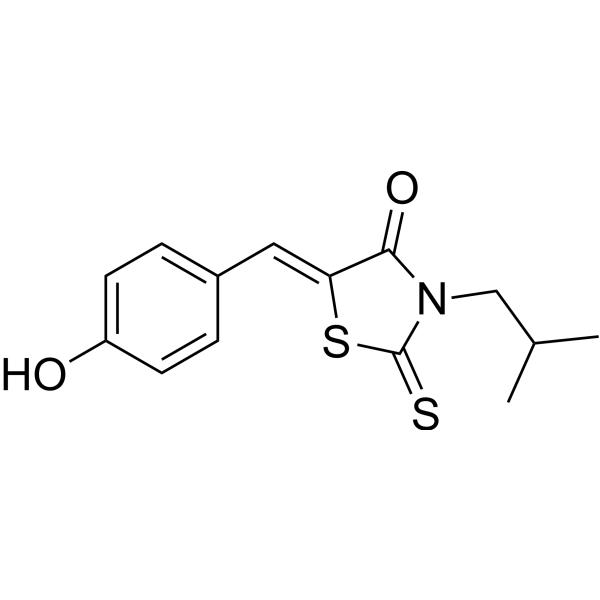
PFM01, N-alkylated Mirin derivative, is a MRE11 endonuclease inhibitor. PFM01 can regulate double-strand break repair (DSBR) by nonhomologous end-joining (NHEJ) versus homologous recombination (HR) .
|
-
-
- HY-10044
-
WYE-132
4 Publications Verification
WYE-125132
|
mTOR
Apoptosis
|
Cancer
|
|
WYE-132 (WYE-125132) is a highly potent, ATP-competitive, and specific mTOR kinase inhibitor (IC50: 0.19±0.07 nM; >5,000-fold selective versus PI3Ks). WYE-132 (WYE-125132) inhibits mTORC1 and mTORC2.
|
-
-
- HY-124037
-
|
|
Sirtuin
|
Cancer
|
|
SRT 1460, a potent Sirtuin-1 (SIRT1) activator with an EC1.5 value of 2.9 μM, shows good selectivity for activation of SIRT1 versus SIRT2 and SIRT3 (EC1.5>300 μM), and is more potent than Resveratrol and the closest sirtuin homologues .
|
-
-
- HY-107004A
-
|
S-59
|
DNA/RNA Synthesis
Parasite
|
Inflammation/Immunology
|
|
Amotosalen hydrochloride (S-59) is a light-activated, DNA-, RNA-crosslinking psoralen compound, which is used to neutralise pathogens. Light-activated Amotosalen binds and permanently crosslinks DNA, preventing replication and thus stopping proliferation of donor T cells. Amotosalen can be used for the study of blood system pathogen reduction technology and graft-versus-host disease (GVHD) .
|
-
-
- HY-16689
-
|
|
Potassium Channel
|
Others
|
|
VU 0240551 is a potent neuronal K-Cl cotransporter KCC2 inhibitor (IC50=560 nM) and is selective versus NKCC1. VU 0240551 also inhibits hERG and L-type Ca 2+ channels. VU 0240551 attenuates GABA-induced hyperpolarization of P cells, produces a positive shift in the P cell GABA reversal potential and enhances P cell synaptic transmission .
|
-
-
- HY-10962
-
|
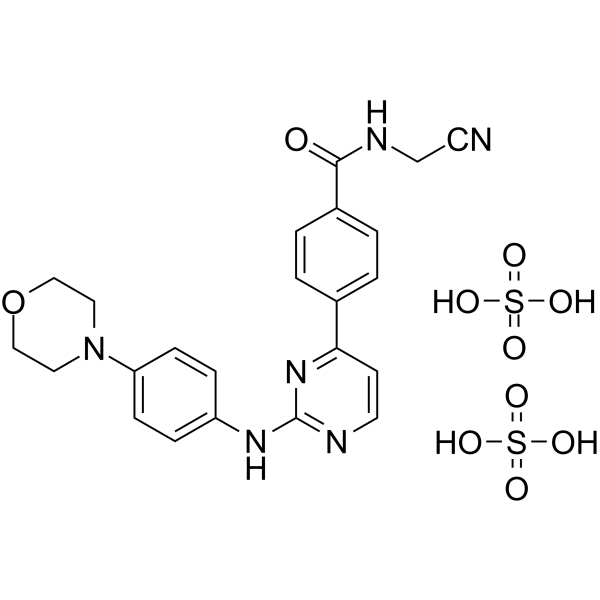
CYT387 sulfate salt
|
JAK
Autophagy
Apoptosis
|
Cancer
|
|
Momelotinib sulfate (CYT387 sulfate salt) is an ATP-competitive inhibitor of JAK1/JAK2 with IC50 of 11 nM/18 nM, 10-fold selectivity versus JAK3 (IC50=155 nM).
|
-
-
- HY-P99378
-
|
ALTB-168; Anti-PSGL1/CD162 Reference Antibody (neihulizumab)
|
Apoptosis
|
Inflammation/Immunology
|
|
Neihulizumab (ALTB-168) is an immune checkpoint agonistic antibody that binds to human CD162 (PSGL-1), leading to downregulation of activated T-cells. Neihulizumab can be uesd for steroid-refractory acute graft-versus-host-disease (SR-aGVHD), psoriasis, psoriatic arthritis and ulcerative colitis research .
|
-
-
- HY-145363
-
|
|
Integrin
|
Cancer
|
|
αvβ5 integrin-IN-1 (Compound 12) is a selective αvβ5 inhibitor (pIC50 = 8.2). αvβ5 integrin-IN-1 exhibits 800-fold selectivity for αvβ5 versus αvβ3 .
|
-
-
- HY-124179
-
IT-901
1 Publications Verification
|
NF-κB
|
Cancer
|
|
IT-901 is an orally active and potent NF-κB subunit c-Rel inhibitor with an IC50 of 0.1 μM, 3 μM for NF-κB DNA binding and c-Rel DNA binding, respectively. IT-901, a bioactive naphthalenethiobarbiturate derivative, has the potential for human lymphoid tumors and ameliorate graft-versus-host disease (GVHD) .
|
-
-
- HY-P99445
-
|
APG101; CAN008
|
TNF Receptor
|
Inflammation/Immunology
Cancer
|
|
Asunercept (APG101; CAN008) is a soluble CD95-Fc fusion protein (hIgG1) targeting CD95L. Asunercept disrupts CD95/CD95L signaling by selectively binding to CD95L. Asunercept can be used in the research of glioblastoma multiforme (GBM), myelodysplastic syndrome (MDS), and graft-versus-host disease (GvHD) .
|
-
-
- HY-P99123
-
|
|
CD28
|
Inflammation/Immunology
|
|
Anti-Mouse CD28 Antibody (37.51) is an agonistic agonistic CD28-specific antibody derived from the host Syrian Hamster. Anti-Mouse CD28 Antibody (37.51) partially prevents lethal graft-versus-hostdisease (GVHD) by selective depletion of alloreactive T cells in mice .
|
-
-
- HY-105064D
-
|
CP-597396 hydrochloride hydrate
|
Na+/H+ Exchanger (NHE)
|
Cardiovascular Disease
|
|
Zoniporide (CP-597396) hydrochloride hydrate is a potent and selective inhibitor of sodium-hydrogen exchanger type 1 (NHE-1). Zoniporide hydrochloride hydrate inhibits human NHE-1 (IC50=14 nM), and has >150-fold selectivity versus other NHE isoforms. Zoniporide hydrochloride hydrate potently inhibits ex vivo NHE-1-dependent swelling of human platelets (IC50=59 nM) .
|
-
-
- HY-10302
-
|
|
CGRP Receptor
|
Neurological Disease
|
|
MK-3207 (Hydrochloride) is a potent and orally bioavailable CGRP receptor antagonist with IC50 of 0.12 nM and Ki of 0.024 nM, and is highly selective versus human AM1, AM2, CTR, and AMY3.
|
-
-
- HY-106278
-
|
|
PPAR
|
Metabolic Disease
|
|
GW 590735 is a potent and selective PPARα agonist. GW 590735 showsEC50=4 nM on PPARα and at least 500-fold selectivity versus PPARδ and PPARγ. GW 590735 can be used for the research of dyslipidemia .
|
-
-
- HY-119934
-
|
|
Sodium Channel
|
Neurological Disease
|
|
NaV1.7 inhibitor-1 is an efficacious voltage-gated sodium channel (NaV) 1.7 inhibitor with an IC50 of 0.6 nM for hNaV1.7, exhibits 80-fold selectivity versus hNaV1.5 .
|
-
-
- HY-162618
-
|
|
Cannabinoid Receptor
|
Neurological Disease
|
|
PSB-KK1445 is a potent and selective GPR18 agonist with EC50s of 45.4 nM and 124 nM for human and mouse GPR18, respectively. PSB-KK1445 displays >200-fold selectivity versus both CB receptor subtypes, GPR55, and GPR183 .
|
-
-
- HY-12439
-
ML380
1 Publications Verification
|
mAChR
|
Neurological Disease
|
|
ML380 is a potent, subtype-selective, and brain-penetrant positive allosteric modulator (PAM) of M5 mAChR, with EC50s of 190 and 610 nM for human and rat M5, respectively. ML380 exhibits moderate selectivity versus the M1 and M3 mAChR subtypes. ML380 could increase the affinity of ACh for the M5 mAChR .
|
-
-
- HY-18173
-
|
|
11β-HSD
|
Metabolic Disease
|
|
AZD8329 is a potent 11β-Hydroxysteroid dehydrogenase type 1 (11β-HSD1) inhibitor with an IC50 of 9 nM for human 11β-HSD1, displays excellent selectivity versus 11β-HSD2, 17β-HSD1 and 17β-HSD3 .
|
-
-
- HY-155193
-
|
|
Interleukin Related
|
Inflammation/Immunology
|
|
XY-52 (Compound 32) is a Stimulation-2 (ST2) inhibitor, with an IC50 value of 5.68 μM in AlphaLISA assay, and 4.59 μM in HEK-Blue assay. XY-52 increases proinflammatory T-cell proliferation. XY-52 reduces the plasma sST2 and IFNγ biomarkers in the graft versus host disease (GVHD) mice model .
|
-
-
- HY-122001
-
|
|
Sodium Channel
|
Neurological Disease
|
|
PF-05186462 is a potent and selective inhibitor of human Nav1.7 voltage-dependent sodium channel, with an IC50 of 21 nM. PF-05186462 shows significant selectivity for Nav1.7 versus other sodium channels (Nav 1.1, 1.2, 1.3, 1.4, 1.5, 1.6, and 1.8). PF-05186462 can be used for the research of acute or chronic pain .
|
-
-
- HY-18172
-
-
-
- HY-172182
-
|
VU6011887
|
Potassium Channel
|
Neurological Disease
|
|
ONO-2920632 is an orally active and central nervous system (CNS)-penetrant TREK activator, with EC50 values of 0.3 µM and 2.8 μM for TREK-1 and TREK-2, respectively. ONO-2920632 exhibits selectivity for other K2P channels (>91-fold selective versus TASK1, TASK2, TASK3, TRAAK, and TWIK2; 31-fold selective versus TRESK). ONO-2920632 possesses analgesic effects and can be used in research on pain, migraine, and neurological disorders.
|
-
-
- HY-161060
-
|
|
RIP kinase
STAT
|
Inflammation/Immunology
Cancer
|
|
Zharp1-211 is a RIPK1 kinase inhibitor with an EC50 of 53 nM and a Kd of 8.7 nM. Zharp1-211 reduces IFN-γ-induced STAT1 activation. Zharp1-211 can be used in the research of graft-versus-host disease and colon cancer .
|
-
-
- HY-P10868
-
|
RLS-0071
|
Reactive Oxygen Species (ROS)
|
Infection
Inflammation/Immunology
|
|
Pegtarazimod (RLS-0071) is a dual-target anti-inflammatory peptide that exerts its effects by simultaneously regulating the complement system and neutrophil-associated inflammatory pathways. Pegtarazimod reduces ROS production both in vitro and in vivo, and decreases the level of neutrophil elastase, a marker of neutrophil extracellular traps (NETs), in vivo, thereby alleviating inflammatory responses. Pegtarazimod significantly improves the survival rate of mice in multiple in vivo models of acute graft-versus-host disease (aGVHD). Pegtarazimod inhibits the activation of the C1 complex, reduces the herpes zoster-like spread of herpes simplex virus type 1 skin infection, and improves the survival rate of infected mice . Pegtarazimod can be used in research related to acute graft-versus-host disease, acute pulmonary diseases, and skin herpes simplex virus type 1 infection .
|
-
-
- HY-13465
-
VCH-916
1 Publications Verification
|
HCV
|
Infection
|
|
VCH-916 is a thiophene derivative and non-nucleoside inhibitor of HCV NS5B polymerase with sub-micromolar IC50 values versus genotype 1a and 1b replicons. VCH-916 binds to Thumb Site II. VCH-916 can be used for the research of hepatitis c virus (hcv) infection .
|
-
-
- HY-W007524
-
|
2-Quinolinamine
|
NO Synthase
Orthopoxvirus
|
Infection
Neurological Disease
|
|
2-Aminoquinoline (2-Quinolinamine) is a promising compound as bioavailable nNOS inhibitor but suffers from low human nNOS inhibition, low selectivity versus human eNOS, and significant binding to other CNS targets. 2-Aminoquinoline exhibits antiviral activity against the vaccinia virus. 2-Aminoquinoline has the potential for the research of antineurodegenerative agents .
|
-
-
- HY-106345
-
|
|
FKBP
Calcium Channel
|
Neurological Disease
Inflammation/Immunology
|
|
ILS-920 is a nonimmunosuppressive Rapamycin analog with reduced immunosuppressive activity and potent neuroprotective activity. ILS-920 binds selectively to the immunophilin FKBP52 and to the β1-subunit of L-type voltage-gated calcium channels (VGCC). ILS-920 shows 200-fold selectivity for FKBP52 versus FKBP12 .
|
-
-
- HY-119996A
-
|
|
Monocarboxylate Transporter
|
Inflammation/Immunology
|
|
AR-C141990 hydrochloride is a potent lactate transporters (monocarboxylate transporters; MCTs) inhibitor with pKi values of 7.6, 6.6 for MCT-1 and MCT-2, respectively . AR-C141990 hydrochloride has immunosuppressive properties and inhibits graft versus host response .
|
-
-
- HY-P990262
-
|
|
Transmembrane Glycoprotein
|
Metabolic Disease
Inflammation/Immunology
Cancer
|
|
Anti-Mouse CD8 Antibody (HB-129) is a mouse-derived IgG2a κ type antibody inhibitor, targeting to mouse CD8. Anti-Mouse CD8 Antibody (HB-129) can deplete CD8 + T cells. Anti-Mouse CD8 Antibody (HB-129) can be used for the researches of cancer, inflammation, immunology and metabolic disease, such as P815 tumor, experimental autoimmune thyroiditis (EAT) and graft versus host disease (GVHD) .
|
-
-
- HY-103407A
-
|
|
Dopamine Receptor
|
Neurological Disease
Cancer
|
|
PD 168568 dihydrochloride is a orally active and potent dopamine receptor D4 (DRD4) antagonist. PD 168568 dihydrochloride contains an isoindolinone and is selective for the D4 receptor versus D2 and D3, with Ki values of 8.8, 1842, and 2682 nM, respectively. PD 168568 dihydrochloride can be used for glioblastoma (GBM) research .
|
-
-
- HY-117554
-
|
|
HDAC
|
Cancer
|
|
BRD9757 is a potent, capless and selective HDAC6 inhibitor with an IC50 of 30 nM. BRD9757 shows excellent selectivity toward HDAC6 versus the class I (>20-fold) and class II (>400-fold) HDACs .
|
-
-
- HY-171883
-
|
|
Cannabinoid Receptor
CETP
MHC
|
Metabolic Disease
Inflammation/Immunology
Cancer
|
|
BI-5756 is a CETP inhibitor and cannabinoid receptor 1 (CB1) agonist. BI-5756 can significantly increase HDL-C levels and reduce LDL-C levels. BI-5756 can also enhance the function of regulatory T cells while maintaining T cell-mediated anti-tumor activity. BI-5756 can directly inhibit the growth of tumor cells and upregulate the expression of MHC I, MHC II, and CD80 on tumor cells. BI-5756 has a protective effect in graft-versus-host disease models. BI-5756 can be used in research on tumors, graft-versus-host disease, and metabolic diseases .
|
-
-
- HY-50859
-
|
INCB018424 sulfate
|
JAK
Autophagy
|
Cancer
|
|
Ruxolitinib sulfate (INCB018424 sulfate) is the first potent, selective JAK1/2 inhibitor to enter the clinic with IC50s of 3.3 nM/2.8 nM, and has > 130-fold selectivity for JAK1/2 versus JAK3.
|
-
-
- HY-W027631
-
|
|
Fluorescent Dye
|
Infection
|
|
cis-2-Butene-1,4-diol, an industrial product, can be used for the synthesis of antiviral product oxetanocin A. cis-2-Butene-1,4-diol is a probe for studying isomerization versus hydrogenation and hydrogenolysis reactions .
|
-
- HY-10401R
-
-
- HY-111372A
-
|
(Rac)-BAY 94-8862
|
Mineralocorticoid Receptor
|
Cardiovascular Disease
|
|
(Rac)-Finerenone ((Rac)-BAY 94-8862) is the racemate of Finerenone. Finerenone is a third-generation, selective, and orally available nonsteroidal mineralocorticoid receptor (MR) antagonist (IC50=18 nM). Finerenone displays excellent selectivity versus glucocorticoid receptor (GR), androgen receptor (AR), and progesterone receptor (>500-fold) .
|
-
- HY-10260B
-
|
ZD6474 hydrochloride
|
VEGFR
Autophagy
Apoptosis
|
Cancer
|
|
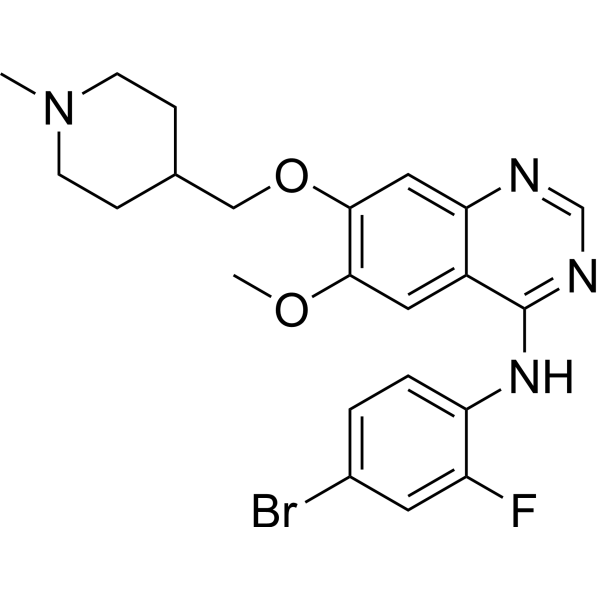
Vandetanib hydrochloride (D6474 hydrochloride) is a potent, orally active inhibitor of VEGFR2/KDR tyrosine kinase activity (IC50=40 nM). Vandetanib hydrochloride also has activity versus the tyrosine kinase activity of VEGFR3/FLT4 (IC50=110 nM) and EGFR/HER1 (IC50=500 nM) .
|
-
- HY-174132
-
|
|
CRM1
|
Inflammation/Immunology
|
|
CW8001 is a covalent XPO1 (Exportin-1) inhibitor with an EC50 value of 1 nM for inhibiting T cell activation. CW8001 prevents nuclear localization of NFAT transcription factors, suppressing expression of inflammatory cytokines like IL-2. CW8001 is promising for research of T cell-driven immune diseases such as graft-versus-host disease (GVHD) .
|
-
- HY-100971
-
|
AMI-193
|
5-HT Receptor
Dopamine Receptor
|
Neurological Disease
|
|
Spiramide (AMI-193) is a potent and selective antagonist of 5-HT2 and dopamine D2 receptor, with Kis of 2 nM and 3 nM, respectively. Spiramide has >2000-fold selectivity for 5-HT2 versus 5-HT1C (Ki=4300 nM) receptors. Spiramide exhibits antipsychotic activity .
|
-
- HY-P990298
-
|
|
CD28
|
Inflammation/Immunology
Cancer
|
|
Anti-Mouse BTLA/CD272 Antibody (6A6) is an Armenian hamster-derived anti-mouse BTLA/CD272 IgG κ type antibody inhibitor. Anti-Mouse BTLA/CD272 Antibody (6A6) can be used for the researches of cancer and immunology, such as graft versus host disease (GVHD) and WF-3/Luc tumor .
|
-
- HY-18172A
-
|
|
Potassium Channel
|
Neurological Disease
|
|
(+)-KCC2 blocker 1 is a selective K +-Cl - cotransporter KCC2 blocker with an IC50 of 0.4 μM. (+)-KCC2 blocker 1 is a benzyl prolinate and a enantiomer of KCC2 blocker 1 .
|
-
- HY-W060417
-
|
|
Interleukin Related
|
Inflammation/Immunology
Cancer
|
|
iST2-1 is an Stimulation-2 (ST2) inhibitor with an IC50 value of 46.65 μM, blocks interaction between ST2 and IL-33, inhibits downstream signaling. iST2-1 functions as an immunomodulator, reduces proliferation of CD4 + and CD8 + T cells, increases regulatory T cell populations, reduces IFN-γ +CD4 + T cell populations, increases Foxp3 +CD4 + regulatory T cell populations in the gastrointestinal tract. iST2-1 reduces plasma soluble ST2 and IFN-γ levels, reduces graft-versus-host disease scores, improves survival in graft-versus-host disease animal models, preserves graft-versus-tumor effect. iST2-1 can be used for the research of graft-versus-host disease .
|
-
- HY-14873
-
|
BG 9928
|
Adenosine Receptor
|
Cardiovascular Disease
Metabolic Disease
|
|
Tonapofylline (BG 9928) is an orally active and selective adenosine A1 receptor antagonist with a Ki of 7.4 nM for human adenosine A1 receptor (hA1), which displays 915-fold selectivity versus human adenosine A2A receptor and 12-fold selectivity versus human adenosine A2B receptor and is used in development for the treatment of heart failure .
|
-
- HY-145995
-
|
|
JAK
IKK
|
Others
|
|
CS12192 is a compound improving survival and weight gain. CS12192 has the potential for the research of graft-versus-host disease (GVHD) (extracted from the patent CN112773802A) .
|
-
- HY-10963
-
|
CYT387 mesylate
|
JAK
Autophagy
|
Cancer
|
|
Momelotinib mesylate (CYT387 mesylate) is an ATP-competitive inhibitor of JAK1/JAK2 with IC50 of 11 nM/18 nM, appr 10-fold selectivity versus JAK3.
|
-
- HY-100397
-
|
|
Elastase
|
Inflammation/Immunology
|
|
Elastatinal is a potent and competitive inhibitor of elastase, with a Ki of 0.21 μM. Elastatinal more potently inhibits pancreatic elastase versus leucocyte elastase. Elastatinal shows no activity on human leucocyte chymotrypsin-like protease .
|
-
- HY-177415
-
|
|
Aldose Reductase
|
Endocrinology
|
|
JSD26 is a selective and orally active SCoR2 (AKR1A1) inhibitor with an IC50 of 93 nM. JSD26 has 10-fold selectivity for SCoR2 versus AKR1B1. JSD26 can be used for the study acute kidney injury (AKI) .
|
-
- HY-103407
-
|
|
Dopamine Receptor
|
Neurological Disease
Cancer
|
|
PD 168568 is a orally active and potent dopamine receptor D4 (DRD4) antagonist. PD 168568 contains an isoindolinone and is selective for the D4 receptor versus D2 and D3, with Ki values of 8.8, 1842, and 2682 nM, respectively. PD 168568 can be used for glioblastoma (GBM) research .
|
-
- HY-P99837
-
|
SPV-T3a
|
CD3
|
Infection
|
|
Dafsolimab (SPV-T3a) is a Mouse IgG2b monoclonal antibody (anti-CD3). Dafsolimab can induce cell death through modulation and activation of the CD3/T cell receptor complex. Dafsolimab can be used for the research of graft-versus-host disease (GVHD) .
|
-
- HY-P991842
-
|
|
CD3
|
Inflammation/Immunology
|
|
Anti-CD3 Antibody (UCHT-1) reacts with human CD3ε. Anti-CD3 Antibody (UCHT-1) can be used for the study of graft-versus-host disease (GVHD). Recommend Isotype Controls: Mouse IgG1 kappa, Isotype Control (HY-P99977) .
|
-
- HY-110092
-
|
|
P2Y Receptor
|
Metabolic Disease
|
|
PSB-1114 tetrasodium is a potent, enzymatically stable, and subtype-selective P2Y2 receptor agonist with an EC50 of 134 nM. PSB-1114 tetrasodium displays >50-fold selectivity versus the P2Y4 (EC50 of 9.3 μM) and P2Y6 (EC50 of 7.0 μM) receptors .
|
-
- HY-W007524R
-
|
2-Quinolinamine (Standard)
|
Reference Standards
NO Synthase
Orthopoxvirus
|
Infection
Neurological Disease
|
|
2-Aminoquinoline (2-Quinolinamine) is a promising compound as bioavailable nNOS inhibitor but suffers from low human nNOS inhibition, low selectivity versus human eNOS, and significant binding to other CNS targets. 2-Aminoquinoline exhibits antiviral activity against the vaccinia virus. 2-Aminoquinoline has the potential for the research of antineurodegenerative agents .
|
-
- HY-158014
-
|
|
Dopamine Transporter
|
Neurological Disease
|
|
JJC8-089 is a dopamine transporter (DAT) inhibitor that may improve motivational dysfunction and increase effortful behavior in goal-directed activities. JJC8-089 significantly reversed the low-effort effects induced by the VMAT-2 inhibitor Tetrabenazine (HY-B0590) in rats and increased the choice of high-effort fixed-ratio 5-bar presses versus food intake. .
|
-
- HY-144648
-
|
|
SARS-CoV
|
Infection
|
|
Mpro/PLpro-IN-1 (Compound 29) is a potent inhibitor of M pro/PL pro. Mpro/PLpro-IN-1 is a dual acting SARS-CoV-2 proteases inhibitor featuring micromolar inhibitory potency versus M pro (IC50 = 1.72 μM) and submicromolar potency versus PL pro (IC50 = 0.67 μM) .
|
-
- HY-156414
-
-
- HY-106851
-
|
FG 10571; PNU 78875
|
GABA Receptor
|
Neurological Disease
|
|
Panadiplon (FG 10571; PNU 78875), a benzodiazepine receptor, is a 5GABAA partial agonist. Panadiplon exhibits selectivity for 5GABAA receptors versus 1GABAA receptors .
|
-
- HY-116097
-
|
|
Monoamine Oxidase
|
Neurological Disease
|
|
PSB-1491 is a selective and competitive monoamine oxidase B (MAO-B) inhibitor with an IC50 of 0.386 nM for hMAO-B. PSB-1491 shows >25000-fold selective versus MAO-A .
|
-
- HY-P99664
-
|
|
Interleukin Related
|
Inflammation/Immunology
|
|
Inolimomab is an anti-interleukin-2 receptor (IL-2R) α chain monoclonal antibody. Inolimomab improves the survival rate in the early research of treating acute graft-versus-host disease (aGVHD) .
|
-
- HY-153398
-
|
|
Phosphodiesterase (PDE)
|
Infection
Cancer
|
|
Enpp-1-IN-17 (example 274) is a potent ENPP1 inhibitor, with the inhibition constants (Ki values) toward cGAMP and ATP hydrolysis of 100 nM-1 μM and > 1 μM, respectively. The selectivity ratio for inhibition of cGAMP hydrolysis versus ATP hydrolysis is >6.4 .
|
-
- HY-12217
-
|
|
Neurotensin Receptor
|
Neurological Disease
|
|
NTRC-739 is a selective nonpeptide partial neurotensin receptor type 2 (NTS2) agonist with an EC50 of 12 nM and a Ki of 153 nM. NTRC-739 is 161-fold selective for NTS2 versus NTS1. NTRC-739 can be used for the study of chronic pain research .
|
-
- HY-132932
-
|
|
Calcium Channel
|
Others
|
|
Cavα2δ-IN-1 shows high selectivity for voltage-gated calcium channels Cavα2δ-1 (Ki 6 nM) versus Cavα2δ-2 (Ki > 10000 nM).
|
-
- HY-10962R
-
|
CYT387 sulfate salt (Standard)
|
JAK
Autophagy
Apoptosis
Reference Standards
|
Cancer
|
|
Momelotinib (sulfate) (Standard) is the analytical standard of Momelotinib (sulfate). This product is intended for research and analytical applications. Momelotinib sulfate (CYT387 sulfate salt) is an ATP-competitive inhibitor of JAK1/JAK2 with IC50 of 11 nM/18 nM, 10-fold selectivity versus JAK3 (IC50=155 nM).
|
-
- HY-W484263
-
|
|
NO Synthase
|
Neurological Disease
|
|
hnNOS-IN-3 (compound 39) is a selective nNOS inhibitor, with a Ki of 0.32 μM. The nNOS binding of hnNOS-IN-3 is competitive with L-arginine. The selectivity of hnNOS-IN-3 for nNOS versus iNOS (Ki=37 μM) and eNOS (Ki=9.4 μM) is 115-fold and 29-fold, respectively .
|
-
- HY-110092A
-
|
|
P2Y Receptor
|
Cancer
|
|
PSB-1114 triethylamine is a potent, enzymatically stable, and subtype-selective P2Y2 receptor agonist with an EC50 of 134 nM. PSB-1114 triethylamine displays >50-fold selectivity versus the P2Y4 (EC50 of 9.3 μM) and P2Y6 (EC50 of 7.0 μM) receptors .
|
-
- HY-10260A
-
|
ZD6474 trifluoroacetate
|
VEGFR
Autophagy
Apoptosis
|
Cancer
|
|
Vandetanib trifluoroacetate (D6474 trifluoroacetate) is a potent, orally active inhibitor of VEGFR2/KDR tyrosine kinase activity (IC50=40 nM). Vandetanib trifluoroacetate also has activity versus the tyrosine kinase activity of VEGFR3/FLT4 (IC50=110 nM) and EGFR/HER1 (IC50=500 nM) .
|
-
- HY-101517
-
|
|
PI3K
|
Cancer
|
|
PI3K-IN-2 (compound 10) is a potent and orally active PI3Kβ/δ (IC50=7.1/8.6 nM) inhibitor with excellent selectivity versus PI3Kσ and PI3Kγ (IC50=13/190 nM, respectively) .
|
-
- HY-107004
-
|
S-59 free base
|
DNA/RNA Synthesis
Parasite
|
Inflammation/Immunology
|
|
Amotosalen (S-59 (free base)) is a light-activated, DNA and RNA-crosslinking psoralen compound, which is used to neutralise pathogens. Light-activated Amotosalen binds and permanently crosslinks DNA, preventing replication and thus stopping proliferation of donor T cells. Amotosalen can be used for the study of blood system pathogen reduction technology and graft-versus-host disease (GVHD) .
|
-
- HY-116830A
-
|
|
GSK-3
|
Cancer
|
|
(Rac)-BRD0705 is a less active racemate of BRD0705. BRD0705 is a potent, paralog selective and orally active GSK3α inhibitor with an IC50 of 66 nM and a Kd of 4.8 μM. BRD0705 displays increased selectivity for GSK3α (8-fold) versus GSK3β (IC50 of 515 nM). BRD0705 can be used for acute myeloid leukemia (AML) .
|
-
- HY-114015
-
|
|
Ser/Thr Protease
|
Cancer
|
|
APC-6860 is a trypsin-like serine proteases inhibitor with ki values of 0.21 and 0.44 μM for uPA and trypsin, respectively. APC-6860 has a selectivity ratio for tPA versus uPA of 80. APC-6860 has ki values of 0.1 and 0.082 μM for human and murine urokinases, respectively. APC-6860 can be used for the research of cancer .
|
-
- HY-116830B
-
|
(R)-BRD0705
|
GSK-3
|
Cancer
|
|
BRD5648 ((R)-BRD0705) is a negative control of BRD0705. BRD0705 is a potent, paralog selective and orally active GSK3α inhibitor with an IC50 of 66 nM and a Kd of 4.8 μM. BRD0705 displays increased selectivity for GSK3α (8-fold) versus GSK3β (IC50 of 515 nM). BRD0705 can be used for acute myeloid leukemia (AML) .
|
-
- HY-105064B
-
|
CP-597396 hydrochloride
|
Na+/H+ Exchanger (NHE)
|
Cardiovascular Disease
|
|
Zoniporide (CP-597396) hydrochloride is a potent and selective inhibitor of sodium-hydrogen exchanger type 1 (NHE-1). Zoniporide hydrochloride inhibits human NHE-1 (IC50=14 nM), and has >150-fold selectivity versus other NHE isoforms. Zoniporide hydrochloride potently inhibits ex vivo NHE-1-dependent swelling of human platelets (IC50=59 nM) .
|
-
- HY-10260S
-
|
ZD6474-d6
|
Isotope-Labeled Compounds
VEGFR
Autophagy
Apoptosis
|
Cancer
|
|
Vandetanib-d6 is the deuterium labeled Vandetanib. Vandetanib (D6474) is a potent, orally active inhibitor of VEGFR2/KDR tyrosine kinase activity (IC50=40 nM). Vandetanib also has activity versus the tyrosine kinase activity of VEGFR3/FLT4 (IC50=110 nM) and EGFR/HER1 (IC50=500 nM) .
|
-
- HY-10260S1
-
|
|
Isotope-Labeled Compounds
VEGFR
Autophagy
Apoptosis
|
Cancer
|
|
Vandetanib-d4 is the deuterium labeled Vandetanib. Vandetanib (ZD6474) is a potent, orally active inhibitor of VEGFR2/KDR tyrosine kinase activity (IC50=40 nM). Vandetanib also has activity versus the tyrosine kinase activity of VEGFR3/FLT4 (IC50=110 nM) and EGFR/HER1 (IC50=500 nM) .
|
-
- HY-164455
-
|
|
STAT
JAK
Aurora Kinase
Mitosis
|
Inflammation/Immunology
|
|
AJI-214 is a dual-target inhibitor of Aurora kinase A and JAK2. AJI-214 directly blocks Aurora kinase A to inhibit T cell mitotic progression and cell polarity, and inhibits JAK2 activation to inhibit STAT3 phosphorylation, thereby reducing the differentiation of TH1 and TH17 cells. AJI-214 can be used in studies on regulating immune responses and preventing graft-versus-host disease (GVHD) .
|
-
- HY-P11699
-
|
|
|
Inflammation/Immunology
|
|
AAPDNRETF is a dominant minor histocompatibility antigen presented by H-2D b, which antigen is expressed in C57BL/6 mice and can be recognized by T cells from C3H.SW mice, thereby inducing a strong immune response. AAPDNRETF can induce graft-versus-host disease in irradiated C57BL/6 recipient mice via transfer of sensitized T lymphocytes. AAPDNRETF is applicable to the research of graft-versus-host disease .
|
-
- HY-P992088
-
|
|
Transmembrane Glycoprotein
|
Inflammation/Immunology
|
|
Zolimomab is an anti-human monoclonal antibody targeting-CD5. Zolimomab binds to the CD5 antigen found on mature T-cells. Zolimomab can be used for the research of graft-versus-host disease (GVHD) .
|
-
- HY-183074
-
|
|
CDK
Interleukin Related
|
Inflammation/Immunology
|
|
RO8323 is an orally active, selective CDK8/CDK19 inhibitor, with an IC50 of 2 nM against CDK8 and 3 nM against CDK19. RO8323 promotes regulatory T cell differentiation, inhibits effector T cell generation, reverses the Teff/Treg ratio, upregulates IL-10 production in myeloid cells, and suppresses the production of TNF-α, IL-6 and IL-12. RO8323 enhances immune reconstitution and prolongs cardiac allograft survival in a dose-dependent manner. RO8323 can be used in the research of chronic graft-versus-host disease, cardiac allograft rejection, acute graft-versus-host disease and experimental autoimmune encephalomyelitis .
|
-
- HY-160430
-
|
|
HSP
|
Cancer
|
|
HSP90-IN-28 (compound 12 h) is a potent and selective Hsp90 inhibitor with an IC50 of 0.46 μM for Hsp90α. HSP90-IN-28 exhibits ~48 fold selectivity versus other Hsp90β (IC50 = 22.28 μM) .
|
-
- HY-P991876
-
|
|
ADC Antibody
CD3
|
Cancer
|
|
MEDI-2228 Antibody is an anti-human BCMA antibody that preferentially binds to membrane-bound BCMA versus soluble BCMA. MEDI-2228 Antibody can generate antibody drug conjugate (ADC) (MEDI 2228) with a pyrrolobenzodiazepine (PBD) dimer. MEDI-2228 Antibody can be used for the study of multiple myeloma .
|
-
- HY-10302R
-
|
|
Reference Standards
CGRP Receptor
|
Neurological Disease
|
|
MK-3207 hydrochloride (Standard) is the analytical standard of MK-3207 hydrochloride (HY-10302). This product is intended for research and analytical applications. MK-3207 hydrochloride is a potent and orally bioavailable CGRP receptor antagonist with IC50 of 0.12 nM and Ki of 0.024 nM, and is highly selective versus human AM1, AM2, CTR, and AMY3.
|
-
- HY-180423
-
|
|
Adenosine Receptor
|
Neurological Disease
|
|
IRFI-165 is a potent and selective A1 adenosine receptor antagonist with a Ki of 7.9 nM for rat A1 AR. IRFI-165 exhibies high selectivity versus A2A and A3 receptors. IRFI-165 induces antidepressant activity in vivo. IRFI-165 can be used for the research of psychiatric and neurological disorders .
|
-
- HY-106278R
-
|
|
Reference Standards
PPAR
|
Metabolic Disease
|
|
GW 590735 (Standard) is the analytical standard of GW 590735 (HY-106278). This product is intended for research and analytical applications. GW 590735 is a potent and selective PPARα agonist. GW 590735 showsEC50=4 nM on PPARα and at least 500-fold selectivity versus PPARδ and PPARγ. GW 590735 can be used for the research of dyslipidemia .
|
-
- HY-138983
-
|
|
Potassium Channel
|
Neurological Disease
|
|
A-278637 is a selective KATP channel opening agent with an EC50 of 102 nM. A-278637 does not interact with other ion channels, including L-type calcium channels or other neurotransmitter receptor systems. A-278637 possesses a greater functional selectivity for urinary bladder versus vascular smooth muscle in vivo. A-278637 can be used for the study of overactive bladder .
|
-
- HY-P992435
-
|
|
TNF Receptor
|
Cancer
|
|
OX118 is a fully human, ADCC-enhanced monoclonal antibody targeting OX40L, the recommended isotype control is HY-P99001. OX118 blocks OX40L, suppresses effector T-cell proliferation, expands regulatory T-cell populations, and reduces bystander activation across natural killer cells, B cells, and CD14+ monocytes. OX118 can be used for the research of graft-versus-host disease .
|
-
- HY-177139
-
|
|
Epigenetic Reader Domain
|
Endocrinology
|
|
CDD-1349 (Compound 15) is a BRDT-BD2/BRD4-BD2 selective inhibitor. CDD-1349is an analog with sixfold selectivity for BRDT-BD2 versus BRD4-BD2. CDD-1349 has an IC50 of 22 nM against BRDT. CDD-1349 can be studied in research on nonhormonal contraceptive agent .
|
-
- HY-P990819
-
|
|
CD28
|
Neurological Disease
Inflammation/Immunology
|
|
Anti-Rat CD28 Antibody (JJ316) is a mouse-derived agonistic IgG1 κ type antibody, targeting to rat CD28. Anti-Rat CD28 Antibody (JJ316) can induce T cell proliferation. Anti-Rat CD28 Antibody (JJ316) can be used for the researches of inflammation, immunology and neurological disease, such as experimental autoimmune encephalomyelitis (EAE) and graft-versus-host disease (GvHD) .
|
-
- HY-W989139
-
|
|
Apoptosis
|
Inflammation/Immunology
Cancer
|
|
Perforin-IN-3 is a specific perforin inhibitor that blocks perforin-mediated lytic pore formation and subsequent cell lysis. Perforin-IN-3 potently inhibits the killing effect of NK cells on target cells such as leukemia cells, without interfering with FasL- or TRAIL-mediated cell death pathways. Perforin-IN-3 has no effect on pneumolysin and can be used to study autoimmune diseases, allograft rejection, graft-versus-host disease, and familial hemophagocytic lymphohistiocytosis .
|
-
- HY-P990793
-
|
|
CD28
|
Neurological Disease
Inflammation/Immunology
Cancer
|
|
Anti-Mouse CD28 Antibody (D665) is a mouse-derived agonistic IgG1 κ type antibody, targeting to mouse CD28. Anti-Mouse CD28 Antibody (D665) induces the activation of T cells. Anti-Mouse CD28 Antibody (D665) can be used for the researches of neurological disease, inflammation, immunology and cancer, such as Parkinson disease (PD), arthritis and graft-versus-host disease (GVHD) .
|
-
- HY-10260R
-
|
ZD6474 (Standard)
|
Reference Standards
VEGFR
Autophagy
Apoptosis
|
Cancer
|
|
Vandetanib (Standard) is the analytical standard of Vandetanib. This product is intended for research and analytical applications. Vandetanib (D6474) is a potent, orally active inhibitor of VEGFR2/KDR tyrosine kinase activity (IC50=40 nM). Vandetanib also has activity versus the tyrosine kinase activity of VEGFR3/FLT4 (IC50=110 nM) and EGFR/HER1 (IC50=500 nM) .
|
-
- HY-121508
-
|
|
NF-κB
|
Inflammation/Immunology
Cancer
|
|
(E/Z)-IT-603 is a mixture of E-IT-603 and Z-IT-603 (IT-603). (E/Z)-IT-603 is also an IĸBα/c-Rel inhibitor. IT-603 is a c-Rel inhibitor with an IC50 of 3 μM. IT-603 has anti-tumor activity. (E/Z)-IT-603 is a promising modulator of T-cell responses in the context of graft-versus-host disease (GVHD) and malignant diseases .
|
-
- HY-10260S2
-
|
ZD6474-13C6
|
Isotope-Labeled Compounds
VEGFR
Autophagy
Apoptosis
|
Cancer
|
|
Vandetanib- 13C6 is a 13C labeled Vandetanib (HY-10260) . Vandetanib (D6474) is a potent, orally active inhibitor of VEGFR2/KDR tyrosine kinase activity (IC50=40 nM). Vandetanib also has activity versus the tyrosine kinase activity of VEGFR3/FLT4 (IC50=110 nM) and EGFR/HER1 (IC50=500 nM) .
|
-
- HY-107479
-
|
|
Neuropeptide Y Receptor
|
Neurological Disease
|
|
(R)-JNJ-31020028 is a high affinity, selective brain penetrant neuropeptide Y Y2 receptor antagonist, with pIC50 values of 8.07, 8.22 and 8.21 for human, rat, and mouse Y2 receptor, respectively. (R)-JNJ-31020028 shows >100-fold selective versus human Y1, Y4, and Y5 receptors. (R)-JNJ-31020028 has antidepressant like effects .
|
-
- HY-P99928
-
|
MK 7110; CD24 Fc
|
Transmembrane Glycoprotein
|
Cancer
|
|
Efprezimod alfa (MK 7110; CD24 Fc) is a humanized CD24-Fc fusion protein. Efprezimod alfa enhances the interaction between CD24 and Siglec-10, thereby regulating the response of innate immune cells to damage-associated molecular patterns, inhibiting the activation of antigen-presenting cells and subsequent inflammatory responses. Efprezimod alfa is applicable to the research of acute graft-versus-host disease and acquired immunodeficiency syndrome .
|
-
- HY-101562
-
|
GDC-0077; RG6114
|
PI3K
Apoptosis
|
Cancer
|
|
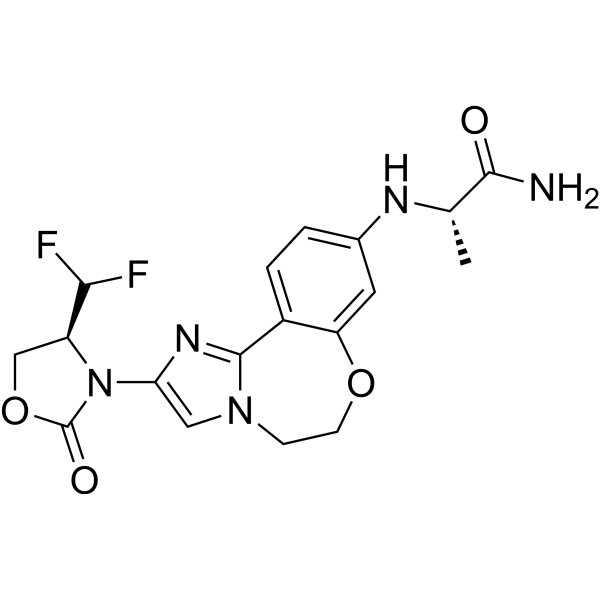
Inavolisib (GDC-0077) is a potent, orally active, and selective PI3Kα inhibitor (IC50=0.038 nM). Inavolisib exerts its activity by binding to the ATP binding site of PI3K, thereby inhibiting the phosphorylation of PIP2 to PIP3. Inavolisib is more selective for mutant versus wild-type PI3Kα. Inavolisib can be used for the study of breast cancer .
|
-
- HY-18642
-
|
PF-4981517
|
Cytochrome P450
|
Others
|
|
CYP3cide (PF-4981517) is a potent, selective and time-dependent inhibitor of cytochrome P4503A4 (CYP3A4). The IC50 values for Midazolam 1’-hydroxylase activity are 0.03 μM, 17 μM, and 71 μM for CYP3A4, CYP3A5, and CYP3A7, respectively. CYP3cide can be used to distinguish the contributions of CYP3A4 versus CYP3A5 on agent metabolism .
|
-
- HY-111372R
-
|
BAY 94-8862 (Standard)
|
Reference Standards
Mineralocorticoid Receptor
|
Cardiovascular Disease
|
|
Finerenone (Standard) is the analytical standard of Finerenone. This product is intended for research and analytical applications. Finerenone (BAY 94-8862) is a third-generation, selective, and orally available nonsteroidal mineralocorticoid receptor (MR) antagonist (IC50=18 nM). Finerenone displays excellent selectivity versus glucocorticoid receptor (GR), androgen receptor (AR), and progesterone receptor (>500-fold). Finerenone has the potential for cardiorenal diseases research, such as type 2 diabetes mellitus and chronic kidney disease .
|
-
- HY-10044R
-
|
WYE-125132 (Standard)
|
mTOR
Reference Standards
Apoptosis
|
Cancer
|
|
WYE-132 (Standard) is the analytical standard of WYE-132 (HY-10044). This product is intended for research and analytical applications. WYE-132 (WYE-125132) is a highly potent, ATP-competitive, and specific mTOR kinase inhibitor (IC50: 0.19±0.07 nM; >5,000-fold selective versus PI3Ks). WYE-132 (WYE-125132) inhibits mTORC1 and mTORC2.
|
-
- HY-13643R
-
|
|
Reference Standards
Histone Demethylase
|
Cancer
|
|
Daminozide (Standard) is the analytical standard of Daminozide. This product is intended for research and analytical applications. Daminozide, a plant growth regulator, is a selective inhibitor of the human KDM2/7 histone demethylases, with IC50s of 0.55, 1.5 and 2.1 μM for PHF8, KDM2A, and KIAA1718, respectively. Daminozide has >100-fold selectivity for KDM2/7 subfamily versus other demethylase subfamily members tested .
|
-
- HY-101588R
-
|
MK-7264 (Standard); AF-219 (Standard)
|
Reference Standards
P2X Receptor
|
Inflammation/Immunology
|
|
Gefapixant (Standard) is the analytical standard of Gefapixant. This product is intended for research and analytical applications. Gefapixant is an orally active and potent purinergic P2X3 receptor (P2X3R) antagonist, with IC50 values of ~30 nM versus recombinant hP2X3 homotrimers and 100-250 nM at hP2X2/3 heterotrimeric receptors. Gefapixant can be used for the research of chronic cough and knee osteoarthritis .
|
-
- HY-111372S
-
|
BAY 94-8862-d3
|
Mineralocorticoid Receptor
|
Others
|
|
Finerenone-d3 is the deuterium labeled finerenone (HY-111372). Finerenone is a third-generation, selective, and orally available nonsteroidal mineralocorticoid receptor (MR) antagonist (IC50=18 nM). Finerenone displays excellent selectivity versus glucocorticoid receptor (GR), androgen receptor (AR), and progesterone receptor (>500-fold). Finerenone has the potential for cardiorenal diseases research, such as type 2 diabetes mellitus and chronic kidney disease .
|
-
- HY-107732
-
|
|
Neuropeptide Y Receptor
|
Neurological Disease
|
|
JNJ-5207787 is a nonpeptidic, selective and penetrate the blood-brain barrier neuropeptide Y Y2 receptor (Y2) antagonist. JNJ-5207787 inhibits the binding of peptide YY (PYY) with pIC50s of 7.0 and 7.1 for human Y2 receptor and rat Y2 receptor, respectively. JNJ-5207787 is >100-fold selective versus human Y1, Y4, and Y5 receptors .
|
-
- HY-173396
-
|
VU319
|
mAChR
|
Neurological Disease
|
|
VU0467319 (Compound VU319) is a highly selective and blood-brain-permeable, orally active M1 positive allosteric modulator (PAM) (EC50: 492 nM). VU0467319 is selective (EC50 > 30 μM) versus M2-5 for both human and rat. VU0467319 improves cognitive impairment in Alzheimer's disease (AD) through central M1 muscarinic receptors. VU0467319 does not induce cholinergic adverse reactions and has potential in AD research .
|
-
- HY-105064DR
-
|
CP-597396 hydrochloride hydrate (Standard)
|
Reference Standards
Na+/H+ Exchanger (NHE)
|
Cardiovascular Disease
|
|
Zoniporide (hydrochloride hydrate) (Standard) is the analytical standard of Zoniporide (hydrochloride hydrate). This product is intended for research and analytical applications. Zoniporide (CP-597396) hydrochloride hydrate is a potent and selective inhibitor of sodium-hydrogen exchanger type 1 (NHE-1). Zoniporide hydrochloride hydrate inhibits human NHE-1 (IC50=14 nM), and has >150-fold selectivity versus other NHE isoforms. Zoniporide hydrochloride hydrate potently inhibits ex vivo NHE-1-dependent swelling of human platelets (IC50=59 nM) .
|
-
- HY-164454
-
|
|
Aurora Kinase
STAT
JAK
Mitosis
|
Inflammation/Immunology
|
|
AJI-100 is a dual-target inhibitor of Aurora kinase A and JAK2 with IC50 values of 12.7 nM and 18.5 nM, respectively. AJI-100 directly blocks Aurora kinase A to inhibit T cell mitosis and cell polarity, and inhibits JAK2 activation to inhibit STAT3 phosphorylation, thereby reducing the differentiation of TH1 and TH17 cells. AJI-100 can be used in studies on regulating immune responses and preventing graft-versus-host disease (GVHD) .
|
-
- HY-176736
-
|
|
CDK
Apoptosis
|
Cancer
|
|
CDK9-IN-40 is a potent and orally active CDK9 inhibitor with an IC50 of 5.5 nM. CDK9-IN-40 shows high selectivity for CDK9 versus CDK1, CDK2, CDK4, and CDK6, respectively. CDK9-IN-40 can arrest cell cycle, induce cell apoptosis and inhibit tumor growth. CDK9-IN-40 exhibits strong anti-cancer activity .
|
-
- HY-173596
-
|
|
VAP-1
Glutathione Peroxidase
|
Inflammation/Immunology
|
|
SNT-8370 is an orally active inhibitor of VAP-1 (IC50: 10 nM) and myeloperoxidase (MPO) (IC50: 17 nM), with >100-1000 fold more potency for VAP-1 and MPO versus other mammalian (per)oxidases. SNT-8370 inhibits MPO-mediated LDL lipid peroxidation. SNT-8370 inhibits leukocyte infiltration in lung injury models of acute inflammation. SNT-8370 is an anti-inflammatory agent, and can be used for research of inflammatory disorders .
|
-
- HY-111372S1
-
|
BAY 94-8862-d5
|
Isotope-Labeled Compounds
Mineralocorticoid Receptor
|
Cardiovascular Disease
|
|
Finerenone-d5 (BAY 94-8862-d5) is deuterium labeled Finerenone. Finerenone (BAY 94-8862) is a third-generation, selective, and orally available nonsteroidal mineralocorticoid receptor (MR) antagonist (IC50=18 nM). Finerenone displays excellent selectivity versus glucocorticoid receptor (GR), androgen receptor (AR), and progesterone receptor (>500-fold). Finerenone has the potential for cardiorenal diseases research, such as type 2 diabetes mellitus and chronic kidney disease .
|
-
- HY-P99124
-
|
|
CD3
|
Inflammation/Immunology
|
|
Anti-Mouse CD3 Antibody (17A2) is an anti-mouse CD3 IgG2b antibody inhibitor derived from the host Rat. Anti-Mouse CD3 Antibody (17A2) enhances T-cell proliferation and activation and stimulate IFN-γ or IL-17 production in splenic T cells. Anti-Mouse CD3 Antibody (17A2) significantly suppresses mortality in Graft-versus-host disease (GVHD) mice models .
|
-
- HY-107004AR
-
|
S-59 (Standard)
|
Reference Standards
DNA/RNA Synthesis
Parasite
|
Inflammation/Immunology
|
|
Amotosalen hydrochloride (Standard) (S-59 (Standard)) is the analytical standard of Amotosalen (hydrochloride) (HY-107004A). This product is intended for research and analytical applications. Amotosalen hydrochloride (S-59) is a light-activated, DNA-, RNA-crosslinKing psoralen compound, which is used to neutralise pathogens. Light-activated Amotosalen binds and permanently crosslinks DNA, preventing replication and thus stopping proliferation of donor T cells. Amotosalen can be used for the study of blood system pathogen reduction technology and graft-versus-host disease (GVHD) .
|
-
- HY-161305
-
|
|
HDAC
|
Metabolic Disease
Cancer
|
|
SE-7552, a 2-(difluoromethyl)-1,3,4-oxadiazole (DFMO) derivative, is an orally active, highly selective, non-hydroxamate HDAC6 inhibitor with an IC50 of 33 nM. SE-7552 is greater than 850-fold selectivity versus all other known HDAC isozymes. SE-7552 is capable of blocking multiple myeloma growth in vivo. SE-7552 acts as an anti-obesity agent in diet-induced obese mice .
|
-
- HY-15150R
-
|
R428 (Standard); BGB324 (Standard)
|
TAM Receptor
Reference Standards
|
Cancer
|
|
Bemcentinib (Standard) is the analytical standard of Bemcentinib. This product is intended for research and analytical applications. Bemcentinib (R428) is a selective and orally active Axl inhibitor with an IC50 of 14 nM. Bemcentinib retards cancer cell migration and invasion. Bemcentinib exhibits >100-fold selectivity for Axl versus Abl and 50- and >100-fold selectivity over TAM family kinases Mer and Tyro3, respectively, in cells. Bemcentinib blocks tumor spread and prolongs survival in models of metastatic breast cancer .
|
-
- HY-101588AR
-
|
MK-7264 citrate (Standard); AF-219 citrate (Standard)
|
P2X Receptor
Reference Standards
|
Inflammation/Immunology
|
|
Gefapixant (citrate) (Standard) is the analytical standard of Gefapixant (citrate) (HY-101588A). This product is intended for research and analytical applications. Gefapixant citrate is an orally active and potent purinergic P2X3 receptor (P2X3R) antagonist, with IC50 values of ~30 nM versus recombinant hP2X3 homotrimers and 100-250 nM at hP2X2/3 heterotrimeric receptors. Gefapixant citrate can be used for the research of chronic cough and knee osteoarthritis .
|
-
- HY-170973
-
|
|
Opioid Receptor
|
|
|
KOR agonist 4 (compound 39) is an agonist of Kappa Opioid Receptor. KOR agonist 4 is an activator of G-protein signaling. KOR agonist 4 binds with GTPγS with an EC50 of 14 nM and with an Emax of 83 %. KOR agonist 4 demonstrates moderate to high intrinsic clearance in human hepatocytes. KOR agonist 4 exhibits 60- and 810-fold selectivities versus the related mu (MOR) and delta (DOR) opioid receptors. KOR agonist 4 is potential for central nervous system (CNS) disorders research .
|
-
- HY-P990164
-
|
|
Transmembrane Glycoprotein
|
Inflammation/Immunology
Cancer
|
|
Anti-Mouse RGMb Antibody (307.9D1) is a rat-derived IgG2a κ type antibody inhibitor, targeting to mouse RGMb. Anti-Mouse RGMb Antibody (307.9D1) blocks RGMb binding to PD-L2. Anti-Mouse RGMb Antibody (307.9D1) can be used for the researches of cancer inflammation and immunology, such as acute myeloid leukemia (AML) and graft versus-host disease (GVHD) .
|
-
- HY-150298
-
|
CPI-818
|
Itk
|
Inflammation/Immunology
Cancer
|
|
Soquelitinib (CPI-818) is an orally active and highly selective covalent interleukin-2-inducible kinase (ITK) inhibitor. Soquelitinib is active in six different models of T cell-mediated inflammatory and immune disease, including acute and chronic asthma, pulmonary fibrosis, systemic sclerosis (scleroderma), psoriasis, and acute graft versus host disease with Th2 cytokine product inhibition. Soquelitinib increases tumor infiltration of normal CD8 + cells that possess enhanced T effector function .
|
-
- HY-103637
-
|
VTP-43742
|
ROR
|
Inflammation/Immunology
|
|
Vimirogant (VTP-43742) is a potent, selective, and orally active RORγt inhibitor (Ki=3.5 nM; IC50=17 nM). Vimirogant exhibits >1000-fold selectivity versus the RORα and RORβ isotypes. Vimirogant inhibits Th17 differentiation and IL-17A secretion from mouse splenocytes (IC50=57 nM) without affecting Th1, Th2, or Treg cell differentiation. Vimirogant has the potential for autoimmune disorders research .
|
-
- HY-111310
-
ML351
2 Publications Verification
|
Lipoxygenase
|
Neurological Disease
Metabolic Disease
|
|
ML351 is a potent and highly specific 15-LOX-1 inhibitor with an IC50 of 200 nM. ML351 shows excellent selectivity (>250-fold) versus the related isozymes, 5-LOX, platelet 12-LOX, 15-LOX-2, ovine COX-1, and human COX-2 . ML351 prevents dysglycemia and reduces β-cell oxidative stress in nonobese diabetic mouse model of T1D .
|
-
- HY-178236
-
|
|
TRP Channel
|
Metabolic Disease
|
|
TRPM5 agonist-1 is an orally active TRPM5 agonist with a pEC50 of 8.1. TRPM5 agonist-1 shows excellent selectivity (> 100-fold) versus related cation channels (TRPM8, TRPV1, TRPV4, TRPA1, TRPM4). TRPM5 agonist-1 exhibits locally acting stimulatory effect on gastrointestinal transit in mice. TRPM5 agonist-1 can be used for research on promoting gastric motility .
|
-
- HY-126247
-
|
|
Ras
|
Cancer
|
|
BI-2852 is a KRAS inhibitor for the switch I/II pocket (SI/II-pocket) by structure-based agent design with nanomolar affinity. BI-2852 is mechanistically distinct from covalent KRASG12C inhibitor (binds to switch II pocket) and binds ten-fold more strongly to active KRASG12D versus KRASwt (740 nM vs 7.5 μM). BI-2852 blocks GEF, GAP, and effector interactions with KRAS, leading to inhibition of downstream signaling and an antiproliferative effect in KRAS mutant cells.
|
-
- HY-126077
-
MTI-31
1 Publications Verification
LXI-15029
|
mTOR
|
Inflammation/Immunology
Cancer
|
|
MTI-31 (LXI-15029) is a potent, orally active and highly selective inhibitor of mTORC1 and mTORC2. MTI-31 is selective for mTOR (Kd: 0.20 nM) versus PIK3CA, PIK3CB and PIK3G with >5,000 fold selectivity in mTOR binding assays. MTI-31 shows an IC50 of 39 nM for mTOR in LANCE assay of mTOR substrate phosphorylation with 100 μM ATP. MTI-31 can be used for the research of breast cancer .
|
-
- HY-186074
-
|
|
Estrogen Receptor/ERR
|
Cardiovascular Disease
Infection
Neurological Disease
Inflammation/Immunology
|
|
ERβ agonist-2 (Page 72) is a selective ERβ agonist with an EC50 of 800 nM or lower. ERβ agonist-2 selectively inhibits T cell activation and/or proliferation, thereby reducing circulating T cell levels in subjects, without exerting significant effects on circulating neutrophil, monocyte or B cell levels. ERβ agonist-2 is applicable to studies of chronic heart failure after myocardial infarction, as well as graft-versus-host disease, multiple sclerosis and experimental autoimmune encephalomyelitis .
|
-
- HY-179277
-
|
|
Adenosine Receptor
|
Cardiovascular Disease
|
|
MIPS3526 is a potent and selective A2B adenosine receptor (A2BR) agonist with a pEC50 of 10.17 (EC50 of 58 pM). MIPS3526 shows highly receptor subtype selective versus the A1R, A2AR, and A3R. MIPS3526 ameliorates angiotensin II stimulating effects in both cardiac myocytes and fibroblasts. MIPS3526 can be used for the study of cardiovascular disease including heart failure where cardiac remodeling is a major driver .
|
-
- HY-158106
-
AZD8421
1 Publications Verification
|
CDK
|
Cancer
|
|
AZD8421 is a selective CDK2 inhibitor (IC50 = 9 nM) as well as achieving CDK family selectivity in cells versus key off-targets (CDK1, CDK4/6, CDK9), AZD8421 had no significant kinase inhibition outside the CDK family. AZD8421 inhibits cancer cell proliferation by inhibiting pRB phosphorylation, inducing cell cycle arrest in G1/S phase and senescence. AZD8421 can be studied in research for breast cancer and ovarian cancer .
|
-
- HY-103637A
-
|
VTP-43742 hydrochloride
|
ROR
|
Inflammation/Immunology
|
|
Vimirogant (VTP-43742) hydrochloride is a potent, selective, and orally active RORγt inhibitor (Ki=3.5 nM; IC50=17 nM). Vimirogant hydrochloride exhibits >1000-fold selectivity versus the RORα and RORβ isotypes. Vimirogant hydrochloride inhibits Th17 differentiation and IL-17A secretion from mouse splenocytes (IC50=57 nM) without affecting Th1, Th2, or Treg cell differentiation. Vimirogant hydrochloride has the potential for autoimmune disorders research .
|
-
- HY-101562R
-
|
GDC-0077 (Standard); RG6114 (Standard)
|
PI3K
Reference Standards
Apoptosis
|
Cancer
|
|
Inavolisib (Standard) is the analytical standard of Inavolisib (HY-101562). This product is intended for research and analytical applications. Inavolisib (GDC-0077) is a potent, orally active, and selective PI3Kα inhibitor (IC50=0.038 nM). Inavolisib exerts its activity by binding to the ATP binding site of PI3K, thereby inhibiting the phosphorylation of PIP2 to PIP3. Inavolisib is more selective for mutant versus wild-type PI3Kα. Inavolisib can be used for the study of breast cancer .
|
-
- HY-15150G
-
|
R428 (GMP); BGB324 (GMP)
|
TAM Receptor
|
Cancer
|
|
Bemcentinib (R428) GMP is Bemcentinib (HY-15150) in GMP grade. GMP-grade small molecules can be used as auxiliary reagents in cell therapy.Bemcentinib (R428) is a selective and orally active Axl inhibitor with an IC50 of 14 nM. Bemcentinib retards cancer cell migration and invasion. Bemcentinib exhibits >100-fold selectivity for Axl versus Abl and 50- and >100-fold selectivity over TAM family kinases Mer and Tyro3, respectively, in cells. Bemcentinib blocks tumor spread and prolongs survival in models of metastatic breast cancer .
|
-
- HY-P99884
-
|
PF-06801591
|
PD-1/PD-L1
|
Inflammation/Immunology
Cancer
|
|
Sasanlimab is a humanized IgG4 isotype anti-PD-1 antibody. Sasanlimab blocks PD-1 interaction with PD-L1/PD-L2, reverses PD-1-mediated inhibitory T-cell signaling, augments T-cell proliferation and cytokine production. Sasanlimab inhibits colon adenocarcinoma tumor growth, and accelerates graft-versus-host disease incidence via enhanced T-cell activity. Sasanlimab can be used for the research of cancer, such as bladder cancer and colon adenocarcinoma .
|
-
- HY-15150S
-
|
R428-d8; BGB324-d8
|
Isotope-Labeled Compounds
TAM Receptor
|
Cancer
|
|
Bemcentinib-d8 (R428-d8) is the deuterium labeled Bemcentinib (HY-15150). Bemcentinib (R428) is a selective and orally active Axl inhibitor with an IC50 of 14 nM. Bemcentinib retards cancer cell migration and invasion. Bemcentinib exhibits >100-fold selectivity for Axl versus Abl and 50- and >100-fold selectivity over TAM family kinases Mer and Tyro3, respectively, in cells. Bemcentinib blocks tumor spread and prolongs survival in models of metastatic breast cancer .
|
-
- HY-P991561
-
|
|
CD47
|
Cancer
|
|
AO-176 is a humanized anti-CD47 IgG2 monoclonal antibody. AO-176 induces tumor phagocytosis through blocking the CD47-SIRPα interaction. AO-176 preferentially binds to tumor versus normal cells and directly kills tumor by a cell autonomous mechanism not ADCC (antibody-dependent cell-mediated cytotoxicity). AO-176 demonstrates dose-dependent antitumor activity in tumor xenograft models. AO-176 can be used for the researches of cancer, such as lymphoma .
|
-
- HY-124750
-
-
- HY-180888
-
|
|
Src
CD3
|
Inflammation/Immunology
|
|
Lck-IN-5 (example C10) is a potent and selective lymphocyte-specific protein tyrosine kinase (LCK) inhibitor. Lck-IN-5 selectively disrupts the interaction between the SH3 domain of LCK and the RK motif of CD3ε, thereby impairing LCK recruitment to the TCR. Lck-IN-5 modulates the activity of CD3ε-containing CAR and TRuC T cells, attenuating cytokine production and promoting a central-memory-like phenotype associated with enhanced persistence. Lck-IN-5 can be used for autoimmune diseases and graft-versus-host disease research .
|
-
- HY-13775
-
XL019
5 Publications Verification
|
JAK
Apoptosis
|
Cancer
|
|
XL019?is a potent, orally active, and selective JAK2 inhibitor, with IC50s of 2.2, 134.3, and 214.2 nM for JAK2, JAK1 and JAK3, respectively. XL019 shows 50-fold or greater selectivity for JAK2, versus a panel of over 100 serine/threonine and tyrosine kinases, including other members of the JAK family. XL019 potently inhibits STAT3 and STAT5 phosphorylation in cells harboring either JAK2V617F or wild-type JAK2 .
|
-
- HY-16362
-
|
PG 490-88Na
|
Apoptosis
TGF-β Receptor
NF-κB
Interleukin Related
IFNAR
TNF Receptor
|
Inflammation/Immunology
|
|
Omtriptolide sodium (PG490-88Na) is a derivative of Triptolide (HY-32735). Omtriptolide sodium exhibits significant immunosuppressive, anti-fibrotic and anti-inflammatory properties. The mechanism of action of Omtriptolide sodium is diverse, including inhibiting T cell activation and proliferation, inducing T cell apoptosis (apoptosis), blocking fibroblast maturation/proliferation, inhibiting TGF-β mRNA expression, and suppressing pro-inflammatory cytokines (such as IL-2, IFN-γ, TNF-α) by blocking transcription factors such as NF-κB. Omtriptolide sodium can be used for research on obstructive airway diseases, pulmonary fibrosis and graft-versus-host disease .
|
-
- HY-109041A
-
|
AKB-9778 sodium
|
Phosphatase
Tie
|
Inflammation/Immunology
|
|
Razuprotafib (AKB-9778) sodium is a potent and selective inhibitor of the catalytic activity of VE-PTP (vascular endothelial protein tyrosine phosphatase) with an IC50of 17 pM. Razuprotafib sodium promotes TIE2 activation, enhances ANG1-induced TIE2 activation, and stimulates phosphorylation of signaling molecules in the TIE2 pathway, including AKT, eNOS, and ERK. Razuprotafib sodium inhibits the structurally related phosphatase PTP1B with an IC50 of 780 nM. Razuprotafib sodium shows excellent selectivity for VE-PTP versus a variety of phosphatases, with the exception of HPTPη (IC50=36 pM) and HPTPγ (100 pM) .
|
-
- HY-P99116
-
|
RG7716; RO-6867461
|
VEGFR
|
Cardiovascular Disease
Metabolic Disease
Inflammation/Immunology
|
|
Faricimab, an overall good safety and tolerability profile, is a bispecific antibody targeting Angiopoietin-2 (Ang-2) and vascular endothelial growth factor-A (VEGF-A). Faricimab prevents retinal vascular leakage, cell death and inflammation in retinal ischemia/reperfusion (I/R) injury and sCNV mouse models. Faricimab demonstrates statistically superior visual acuity gains versus Ranibizumab (HY-P9951). Faricimab can be used for retinal diseases, such as age-related macular degeneration (w-AMD), diabetic macular edema (DME) and macular edema following retinal vein occlusion (RVO) .
|
-
- HY-109041
-
|
AKB-9778
|
Phosphatase
Tie
|
Inflammation/Immunology
|
|
Razuprotafib (AKB-9778) is a potent and selective inhibitor of the catalytic activity of VE-PTP (vascular endothelial protein tyrosine phosphatase) with an IC50of 17 pM. Razuprotafib promotes TIE2 activation, enhances ANG1-induced TIE2 activation, and stimulates phosphorylation of signaling molecules in the TIE2 pathway, including AKT, eNOS, and ERK. Razuprotafib inhibits the structurally related phosphatase PTP1B with an IC50 of 780 nM. Razuprotafib shows excellent selectivity for VE-PTP versus a variety of phosphatases, with the exception of HPTPη (IC50=36 pM) and HPTPγ (100 pM) .
|
-
- HY-112825
-
|
|
Platelet-activating Factor Receptor (PAFR)
|
Inflammation/Immunology
|
|
TSI-01 is a pro-inflammatory phospholipid mediator that is rapidly synthesized by lyso-PAF acetyltransferase (lyso-PAFAT) in response to extracellular stimuli. Two types of lyso-PAFAT have been identified: lysophosphatidylcholine acyltransferase (LPCAT)1, which is mostly expressed in the lungs, and LPCAT2, which is expressed in inflammatory cells. TSI-01 is a selective inhibitor of LPCAT2 (IC50s=0.47 versus 3.02 μM for human LPCAT2 and LPCAT1, respectively). 60 μM it is shown to suppress PAF biosynthesis in mouse peritoneal macrophages stimulated with a calcium ionophore.
|
-
- HY-P99152
-
|
Muromanab-CD3
|
CD3
Interleukin Related
IFNAR
|
Inflammation/Immunology
Cancer
|
|
Muromonab (Muromonab-CD3; OKT3) is a mouse monoclonal antibody targeting the CD3 antigen. Muromonab specifically binds to the CD3 antigen on the surface of human and higher primate T cells. Muromonab blocks the function of T cell receptors to recognize foreign antigens and inhibits T cell-mediated immune responses, including cell-mediated lymphocyte lysis and T cell proliferation responses. Muromonab can be used to study acute kidney, liver, heart and combined kidney-pancreas transplant rejection, and can also be used to study graft-versus-host disease in bone marrow transplant patients .
|
-
- HY-126247B
-
|
|
Drug Derivative
Ras
|
Cancer
|
|
(R)-BI-2852 is the isomer of BI-2852 (HY-126247), and can be used as an experimental control. BI-2852 is a KRAS inhibitor for the switch I/II pocket (SI/II-pocket) by structure-based agent design with nanomolar affinity. BI-2852 is mechanistically distinct from covalent KRASG12C inhibitor (binds to switch II pocket) and binds ten-fold more strongly to active KRASG12D versus KRASwt (740 nM vs 7.5 μM). BI-2852 blocks GEF, GAP, and effector interactions with KRAS, leading to inhibition of downstream signaling and an antiproliferative effect in KRAS mutant cells.
|
-
- HY-172728
-
|
|
Fluorescent Dye
|
Others
|
|
Difluorocarboxyfluorescein NHS Ester, 6-isomer is an amine-reactive fluorinated analog of fluorescein that overcomes some of the key limitations of fluorescein, including greater photostability and a lower pKa (pKa ~ 4.7 versus 6.4 for fluorescein), making its fluorescence essentially pH insensitive in the physiological pH range. Although the mixed isomers of Difluorocarboxyfluorescein NHS Ester, is a preferred, routinely used fluorescent dye for labeling proteins, peptides and nucleotides, purification of peptide and nucleotides labeled with 5(6) isomers might be troublesome due to significant signal broadening in HPLC purification. Peptides and nucleotides labeled with a single isomer usually give better resolution in HPLC purification that is often required in the conjugation processes.
|
-
- HY-P991543
-
|
|
CD2
|
Inflammation/Immunology
Cancer
|
|
BTI-322 is a human IgG1κ antibody directed against the CD2 antigen on T cells and NK cells. BTI-322 can block primary and memory alloantigen proliferative responses in vitro. BTI-322 recognizes over 90% of E-rosette-forming peripheral blood lymphocytes and T-cell leukemias. BTI-322 has immunosuppressive activity. BTI-322 effectively inhibits T cell responses in vitro to allogeneic cells. BTI-322 can be used as a T-cell deplting agent. BTI-322 can be studied in research for renal allograft rejection and steroid-refractory acute graft-versus-host disease .
|
-
- HY-P99123A
-
|
|
CD28
|
Neurological Disease
Inflammation/Immunology
Cancer
|
|
Anti-Mouse CD28 (LALA-PG) Antibody (D665) is an anti-mouse CD28 IgG2a monoclonal antibody. Anti-Mouse CD28 (LALA-PG) Antibody (D665) is a chimeric antibody of the original D665 antibody (HY-P990793). Anti-Mouse CD28 (LALA-PG) Antibody (D665) contains the LALA-PG mutation region. Anti-Mouse CD28 Antibody (D665) induces the activation of T cells. Anti-Mouse CD28 Antibody (D665) can be used for research on neurological conditions, inflammation, immunology and cancer, such as Parkinson disease (PD), arthritis and graft-versus-host disease (GVHD).
|
-
- HY-120427
-
|
NSC 658586
|
CCR
CXCR
HIV
HSV
|
Infection
Inflammation/Immunology
|
|
Cosalane (NSC 658586) is a CCR7 (IC50 = 2.43 μM) and CXCR2 antagonist (IC50 = 0.66 μM). Cosalane is an inhibitor of HIV replication with a wide range of activity against HIV-1 isolates, HIV-2, Rauscher murine leukemia virus, HSV-1, HSV-2 and human cytomegalovirus. Cosalane inhibits both attachment of gp120 to CD4. Cosalane inhibits human and murine CCR7 in response to both CCL19 and CCL21 agonists. Cosalane can be studied in research for HIV or attenuating acute graft-versus-host disease (aGVHD) in allogeneic hematopoietic stem cell transplantation (HSCT) .
|
-
- HY-P990822
-
|
|
Transmembrane Glycoprotein
|
Cardiovascular Disease
Inflammation/Immunology
|
|
Anti-Mouse TIM-1/CD365 Antibody (3D10) is a rat-derived IgG1 κ type antibody inhibitor, targeting to mouse TIM-1/CD365. Anti-Mouse TIM-1/CD365 Antibody (3D10) can block mouse T cell immunoglobulin and mucin domain 1 (TIM-1) also known as CD365. Anti-Mouse TIM-1/CD365 Antibody (3D10) can be used for the researches of inflammation, immunology and cardiovascular disease, such as graft-versus-host disease (GVHD), airway inflammation and atherosclerosis .
|
-
- HY-P990175
-
|
|
Orexin Receptor (OX Receptor)
|
Inflammation/Immunology
Cancer
|
|
Anti-Mouse OX40L/CD134L Antibody (RM134L) is an anti-mouse OX40L/CD134L IgG2b monoclonal antibody. Anti-Mouse OX40L/CD134L Antibody (RM134L) reduces immune response by inhibiting the OX40/OX40L signaling pathway. Anti-Mouse OX40L/CD134L Antibody (RM134L) can inhibit plasma cell differentiation and antibody secretion. Anti-Mouse OX40L/CD134L Antibody (RM134L) can prolong the survival time of cell transplantation by inhibiting CD4 + T cells. Anti-Mouse OX40L/CD134L Antibody (RM134L) can be used for researches on inflammation and cancer such as graft versus host disease (GVHD), allergic reaction, lupus nephritis and hepatocellular carcinoma (HCC) .
|
-
| Cat. No. |
Product Name |
Type |
-
- HY-15150G
-
|
R428 (GMP); BGB324 (GMP)
|
Fluorescent Dye
|
|
Bemcentinib (R428) GMP is Bemcentinib (HY-15150) in GMP grade. GMP-grade small molecules can be used as auxiliary reagents in cell therapy.Bemcentinib (R428) is a selective and orally active Axl inhibitor with an IC50 of 14 nM. Bemcentinib retards cancer cell migration and invasion. Bemcentinib exhibits >100-fold selectivity for Axl versus Abl and 50- and >100-fold selectivity over TAM family kinases Mer and Tyro3, respectively, in cells. Bemcentinib blocks tumor spread and prolongs survival in models of metastatic breast cancer .
|
| Cat. No. |
Product Name |
Type |
-
- HY-15150G
-
|
R428 (GMP); BGB324 (GMP)
|
Biochemical Assay Reagents
|
|
Bemcentinib (R428) GMP is Bemcentinib (HY-15150) in GMP grade. GMP-grade small molecules can be used as auxiliary reagents in cell therapy.Bemcentinib (R428) is a selective and orally active Axl inhibitor with an IC50 of 14 nM. Bemcentinib retards cancer cell migration and invasion. Bemcentinib exhibits >100-fold selectivity for Axl versus Abl and 50- and >100-fold selectivity over TAM family kinases Mer and Tyro3, respectively, in cells. Bemcentinib blocks tumor spread and prolongs survival in models of metastatic breast cancer .
|
| Cat. No. |
Product Name |
Target |
Research Area |
-
- HY-P10868
-
|
RLS-0071
|
Reactive Oxygen Species (ROS)
|
Infection
Inflammation/Immunology
|
|
Pegtarazimod (RLS-0071) is a dual-target anti-inflammatory peptide that exerts its effects by simultaneously regulating the complement system and neutrophil-associated inflammatory pathways. Pegtarazimod reduces ROS production both in vitro and in vivo, and decreases the level of neutrophil elastase, a marker of neutrophil extracellular traps (NETs), in vivo, thereby alleviating inflammatory responses. Pegtarazimod significantly improves the survival rate of mice in multiple in vivo models of acute graft-versus-host disease (aGVHD). Pegtarazimod inhibits the activation of the C1 complex, reduces the herpes zoster-like spread of herpes simplex virus type 1 skin infection, and improves the survival rate of infected mice . Pegtarazimod can be used in research related to acute graft-versus-host disease, acute pulmonary diseases, and skin herpes simplex virus type 1 infection .
|
-
- HY-P4667
-
|
|
Peptides
|
Metabolic Disease
|
|
VLHDDLLEA is a peptide that can be isolated from the MHC complex HLA-A*0201 molecule. VLHDDLLEA can be recognized by HLA-A*0201-restricted cytotoxic T cells (CTLs). VLHDDLLEA can be used for research on graft versus host disease (GvHD) .
|
-
- HY-P11699
-
|
|
|
Inflammation/Immunology
|
|
AAPDNRETF is a dominant minor histocompatibility antigen presented by H-2D b, which antigen is expressed in C57BL/6 mice and can be recognized by T cells from C3H.SW mice, thereby inducing a strong immune response. AAPDNRETF can induce graft-versus-host disease in irradiated C57BL/6 recipient mice via transfer of sensitized T lymphocytes. AAPDNRETF is applicable to the research of graft-versus-host disease .
|
| Cat. No. |
Product Name |
Target |
Research Area |
Image |
-
- HY-P990864
-
|
|
CD3
|
Inflammation/Immunology
|
|
Anti-CD3 Antibody (OKT-3) is a kind of mouse IgG2a κ antibody inhibitor, targeting to human CD3. Anti-CD3 Antibody (OKT-3) decreases T cells. Anti-CD3 Antibody (OKT-3) can be used for the research of immunology, such as graft-versus-host disease .
|
-
(5)
-
- HY-P99116
-
|
RG7716; RO-6867461
|
VEGFR
|
Cardiovascular Disease
Metabolic Disease
Inflammation/Immunology
|
|
Faricimab, an overall good safety and tolerability profile, is a bispecific antibody targeting Angiopoietin-2 (Ang-2) and vascular endothelial growth factor-A (VEGF-A). Faricimab prevents retinal vascular leakage, cell death and inflammation in retinal ischemia/reperfusion (I/R) injury and sCNV mouse models. Faricimab demonstrates statistically superior visual acuity gains versus Ranibizumab (HY-P9951). Faricimab can be used for retinal diseases, such as age-related macular degeneration (w-AMD), diabetic macular edema (DME) and macular edema following retinal vein occlusion (RVO) .
|
-
(5)
-
- HY-P99452
-
|
SNDX-6352
|
c-Fms
|
Inflammation/Immunology
Cancer
|
|
Axatilimab (SNDX-6352) is a humanized IgG4 antibody with high affinity to CSF-1R. Axatilimab can be used for the research of chronic graft versus host disease (cGVHD) and neoplastic diseases .
|
-
(5)
-
- HY-P99152
-
|
Muromanab-CD3
|
CD3
Interleukin Related
IFNAR
|
Inflammation/Immunology
Cancer
|
|
Muromonab (Muromonab-CD3; OKT3) is a mouse monoclonal antibody targeting the CD3 antigen. Muromonab specifically binds to the CD3 antigen on the surface of human and higher primate T cells. Muromonab blocks the function of T cell receptors to recognize foreign antigens and inhibits T cell-mediated immune responses, including cell-mediated lymphocyte lysis and T cell proliferation responses. Muromonab can be used to study acute kidney, liver, heart and combined kidney-pancreas transplant rejection, and can also be used to study graft-versus-host disease in bone marrow transplant patients .
|
-
(5)
-
- HY-P99378
-
|
ALTB-168; Anti-PSGL1/CD162 Reference Antibody (neihulizumab)
|
Apoptosis
|
Inflammation/Immunology
|
|
Neihulizumab (ALTB-168) is an immune checkpoint agonistic antibody that binds to human CD162 (PSGL-1), leading to downregulation of activated T-cells. Neihulizumab can be uesd for steroid-refractory acute graft-versus-host-disease (SR-aGVHD), psoriasis, psoriatic arthritis and ulcerative colitis research .
|
-
(5)
-
- HY-P99445
-
|
APG101; CAN008
|
TNF Receptor
|
Inflammation/Immunology
Cancer
|
|
Asunercept (APG101; CAN008) is a soluble CD95-Fc fusion protein (hIgG1) targeting CD95L. Asunercept disrupts CD95/CD95L signaling by selectively binding to CD95L. Asunercept can be used in the research of glioblastoma multiforme (GBM), myelodysplastic syndrome (MDS), and graft-versus-host disease (GvHD) .
|
-
(5)
-
- HY-P99123
-
|
|
CD28
|
Inflammation/Immunology
|
|
Anti-Mouse CD28 Antibody (37.51) is an agonistic agonistic CD28-specific antibody derived from the host Syrian Hamster. Anti-Mouse CD28 Antibody (37.51) partially prevents lethal graft-versus-hostdisease (GVHD) by selective depletion of alloreactive T cells in mice .
|
-
(5)
-
- HY-P99124
-
|
|
CD3
|
Inflammation/Immunology
|
|
Anti-Mouse CD3 Antibody (17A2) is an anti-mouse CD3 IgG2b antibody inhibitor derived from the host Rat. Anti-Mouse CD3 Antibody (17A2) enhances T-cell proliferation and activation and stimulate IFN-γ or IL-17 production in splenic T cells. Anti-Mouse CD3 Antibody (17A2) significantly suppresses mortality in Graft-versus-host disease (GVHD) mice models .
|
-
(5)
-
- HY-P99884
-
|
PF-06801591
|
PD-1/PD-L1
|
Inflammation/Immunology
Cancer
|
|
Sasanlimab is a humanized IgG4 isotype anti-PD-1 antibody. Sasanlimab blocks PD-1 interaction with PD-L1/PD-L2, reverses PD-1-mediated inhibitory T-cell signaling, augments T-cell proliferation and cytokine production. Sasanlimab inhibits colon adenocarcinoma tumor growth, and accelerates graft-versus-host disease incidence via enhanced T-cell activity. Sasanlimab can be used for the research of cancer, such as bladder cancer and colon adenocarcinoma .
|
-
(5)
-
- HY-P99928
-
|
MK 7110; CD24 Fc
|
Transmembrane Glycoprotein
|
Cancer
|
|
Efprezimod alfa (MK 7110; CD24 Fc) is a humanized CD24-Fc fusion protein. Efprezimod alfa enhances the interaction between CD24 and Siglec-10, thereby regulating the response of innate immune cells to damage-associated molecular patterns, inhibiting the activation of antigen-presenting cells and subsequent inflammatory responses. Efprezimod alfa is applicable to the research of acute graft-versus-host disease and acquired immunodeficiency syndrome .
|
-
(5)
-
- HY-P990175
-
|
|
Orexin Receptor (OX Receptor)
|
Inflammation/Immunology
Cancer
|
|
Anti-Mouse OX40L/CD134L Antibody (RM134L) is an anti-mouse OX40L/CD134L IgG2b monoclonal antibody. Anti-Mouse OX40L/CD134L Antibody (RM134L) reduces immune response by inhibiting the OX40/OX40L signaling pathway. Anti-Mouse OX40L/CD134L Antibody (RM134L) can inhibit plasma cell differentiation and antibody secretion. Anti-Mouse OX40L/CD134L Antibody (RM134L) can prolong the survival time of cell transplantation by inhibiting CD4 + T cells. Anti-Mouse OX40L/CD134L Antibody (RM134L) can be used for researches on inflammation and cancer such as graft versus host disease (GVHD), allergic reaction, lupus nephritis and hepatocellular carcinoma (HCC) .
|
-
(5)
-
- HY-P990262
-
|
|
Transmembrane Glycoprotein
|
Metabolic Disease
Inflammation/Immunology
Cancer
|
|
Anti-Mouse CD8 Antibody (HB-129) is a mouse-derived IgG2a κ type antibody inhibitor, targeting to mouse CD8. Anti-Mouse CD8 Antibody (HB-129) can deplete CD8 + T cells. Anti-Mouse CD8 Antibody (HB-129) can be used for the researches of cancer, inflammation, immunology and metabolic disease, such as P815 tumor, experimental autoimmune thyroiditis (EAT) and graft versus host disease (GVHD) .
|
-
(5)
-
- HY-P990298
-
|
|
CD28
|
Inflammation/Immunology
Cancer
|
|
Anti-Mouse BTLA/CD272 Antibody (6A6) is an Armenian hamster-derived anti-mouse BTLA/CD272 IgG κ type antibody inhibitor. Anti-Mouse BTLA/CD272 Antibody (6A6) can be used for the researches of cancer and immunology, such as graft versus host disease (GVHD) and WF-3/Luc tumor .
|
-
(5)
-
- HY-P991543
-
|
|
CD2
|
Inflammation/Immunology
Cancer
|
|
BTI-322 is a human IgG1κ antibody directed against the CD2 antigen on T cells and NK cells. BTI-322 can block primary and memory alloantigen proliferative responses in vitro. BTI-322 recognizes over 90% of E-rosette-forming peripheral blood lymphocytes and T-cell leukemias. BTI-322 has immunosuppressive activity. BTI-322 effectively inhibits T cell responses in vitro to allogeneic cells. BTI-322 can be used as a T-cell deplting agent. BTI-322 can be studied in research for renal allograft rejection and steroid-refractory acute graft-versus-host disease .
|
-
(5)
-
- HY-P99837
-
|
SPV-T3a
|
CD3
|
Infection
|
|
Dafsolimab (SPV-T3a) is a Mouse IgG2b monoclonal antibody (anti-CD3). Dafsolimab can induce cell death through modulation and activation of the CD3/T cell receptor complex. Dafsolimab can be used for the research of graft-versus-host disease (GVHD) .
|
-
(5)
-
- HY-P991842
-
|
|
CD3
|
Inflammation/Immunology
|
|
Anti-CD3 Antibody (UCHT-1) reacts with human CD3ε. Anti-CD3 Antibody (UCHT-1) can be used for the study of graft-versus-host disease (GVHD). Recommend Isotype Controls: Mouse IgG1 kappa, Isotype Control (HY-P99977) .
|
-
(5)
-
- HY-P990164
-
|
|
Transmembrane Glycoprotein
|
Inflammation/Immunology
Cancer
|
|
Anti-Mouse RGMb Antibody (307.9D1) is a rat-derived IgG2a κ type antibody inhibitor, targeting to mouse RGMb. Anti-Mouse RGMb Antibody (307.9D1) blocks RGMb binding to PD-L2. Anti-Mouse RGMb Antibody (307.9D1) can be used for the researches of cancer inflammation and immunology, such as acute myeloid leukemia (AML) and graft versus-host disease (GVHD) .
|
-
(5)
-
- HY-P991561
-
|
|
CD47
|
Cancer
|
|
AO-176 is a humanized anti-CD47 IgG2 monoclonal antibody. AO-176 induces tumor phagocytosis through blocking the CD47-SIRPα interaction. AO-176 preferentially binds to tumor versus normal cells and directly kills tumor by a cell autonomous mechanism not ADCC (antibody-dependent cell-mediated cytotoxicity). AO-176 demonstrates dose-dependent antitumor activity in tumor xenograft models. AO-176 can be used for the researches of cancer, such as lymphoma .
|
-
(5)
-
- HY-P99664
-
|
|
Interleukin Related
|
Inflammation/Immunology
|
|
Inolimomab is an anti-interleukin-2 receptor (IL-2R) α chain monoclonal antibody. Inolimomab improves the survival rate in the early research of treating acute graft-versus-host disease (aGVHD) .
|
-
(5)
-
- HY-P990819
-
|
|
CD28
|
Neurological Disease
Inflammation/Immunology
|
|
Anti-Rat CD28 Antibody (JJ316) is a mouse-derived agonistic IgG1 κ type antibody, targeting to rat CD28. Anti-Rat CD28 Antibody (JJ316) can induce T cell proliferation. Anti-Rat CD28 Antibody (JJ316) can be used for the researches of inflammation, immunology and neurological disease, such as experimental autoimmune encephalomyelitis (EAE) and graft-versus-host disease (GvHD) .
|
-
(5)
-
- HY-P990793
-
|
|
CD28
|
Neurological Disease
Inflammation/Immunology
Cancer
|
|
Anti-Mouse CD28 Antibody (D665) is a mouse-derived agonistic IgG1 κ type antibody, targeting to mouse CD28. Anti-Mouse CD28 Antibody (D665) induces the activation of T cells. Anti-Mouse CD28 Antibody (D665) can be used for the researches of neurological disease, inflammation, immunology and cancer, such as Parkinson disease (PD), arthritis and graft-versus-host disease (GVHD) .
|
-
(5)
-
- HY-P99123A
-
|
|
CD28
|
Neurological Disease
Inflammation/Immunology
Cancer
|
|
Anti-Mouse CD28 (LALA-PG) Antibody (D665) is an anti-mouse CD28 IgG2a monoclonal antibody. Anti-Mouse CD28 (LALA-PG) Antibody (D665) is a chimeric antibody of the original D665 antibody (HY-P990793). Anti-Mouse CD28 (LALA-PG) Antibody (D665) contains the LALA-PG mutation region. Anti-Mouse CD28 Antibody (D665) induces the activation of T cells. Anti-Mouse CD28 Antibody (D665) can be used for research on neurological conditions, inflammation, immunology and cancer, such as Parkinson disease (PD), arthritis and graft-versus-host disease (GVHD).
|
-
(5)
-
- HY-P990822
-
|
|
Transmembrane Glycoprotein
|
Cardiovascular Disease
Inflammation/Immunology
|
|
Anti-Mouse TIM-1/CD365 Antibody (3D10) is a rat-derived IgG1 κ type antibody inhibitor, targeting to mouse TIM-1/CD365. Anti-Mouse TIM-1/CD365 Antibody (3D10) can block mouse T cell immunoglobulin and mucin domain 1 (TIM-1) also known as CD365. Anti-Mouse TIM-1/CD365 Antibody (3D10) can be used for the researches of inflammation, immunology and cardiovascular disease, such as graft-versus-host disease (GVHD), airway inflammation and atherosclerosis .
|
-
(5)
-
- HY-P992088
-
|
|
Transmembrane Glycoprotein
|
Inflammation/Immunology
|
|
Zolimomab is an anti-human monoclonal antibody targeting-CD5. Zolimomab binds to the CD5 antigen found on mature T-cells. Zolimomab can be used for the research of graft-versus-host disease (GVHD) .
|
-
(5)
-
- HY-P991876
-
|
|
ADC Antibody
CD3
|
Cancer
|
|
MEDI-2228 Antibody is an anti-human BCMA antibody that preferentially binds to membrane-bound BCMA versus soluble BCMA. MEDI-2228 Antibody can generate antibody drug conjugate (ADC) (MEDI 2228) with a pyrrolobenzodiazepine (PBD) dimer. MEDI-2228 Antibody can be used for the study of multiple myeloma .
|
-
(5)
-
- HY-P992435
-
|
|
TNF Receptor
|
Cancer
|
|
OX118 is a fully human, ADCC-enhanced monoclonal antibody targeting OX40L, the recommended isotype control is HY-P99001. OX118 blocks OX40L, suppresses effector T-cell proliferation, expands regulatory T-cell populations, and reduces bystander activation across natural killer cells, B cells, and CD14+ monocytes. OX118 can be used for the research of graft-versus-host disease .
|
-
(5)
| Cat. No. |
Product Name |
Category |
Target |
Chemical Structure |
| Cat. No. |
Product Name |
Chemical Structure |
-
- HY-111372S
-
|
|
|
Finerenone-d3 is the deuterium labeled finerenone (HY-111372). Finerenone is a third-generation, selective, and orally available nonsteroidal mineralocorticoid receptor (MR) antagonist (IC50=18 nM). Finerenone displays excellent selectivity versus glucocorticoid receptor (GR), androgen receptor (AR), and progesterone receptor (>500-fold). Finerenone has the potential for cardiorenal diseases research, such as type 2 diabetes mellitus and chronic kidney disease .
|
-
-
- HY-111372S1
-
1 Publications Verification
|
|
Finerenone-d5 (BAY 94-8862-d5) is deuterium labeled Finerenone. Finerenone (BAY 94-8862) is a third-generation, selective, and orally available nonsteroidal mineralocorticoid receptor (MR) antagonist (IC50=18 nM). Finerenone displays excellent selectivity versus glucocorticoid receptor (GR), androgen receptor (AR), and progesterone receptor (>500-fold). Finerenone has the potential for cardiorenal diseases research, such as type 2 diabetes mellitus and chronic kidney disease .
|
-
-
- HY-10260S
-
|
|
|
Vandetanib-d6 is the deuterium labeled Vandetanib. Vandetanib (D6474) is a potent, orally active inhibitor of VEGFR2/KDR tyrosine kinase activity (IC50=40 nM). Vandetanib also has activity versus the tyrosine kinase activity of VEGFR3/FLT4 (IC50=110 nM) and EGFR/HER1 (IC50=500 nM) .
|
-
-
- HY-10260S1
-
|
|
|
Vandetanib-d4 is the deuterium labeled Vandetanib. Vandetanib (ZD6474) is a potent, orally active inhibitor of VEGFR2/KDR tyrosine kinase activity (IC50=40 nM). Vandetanib also has activity versus the tyrosine kinase activity of VEGFR3/FLT4 (IC50=110 nM) and EGFR/HER1 (IC50=500 nM) .
|
-
-
- HY-10260S2
-
|
|
|
Vandetanib- 13C6 is a 13C labeled Vandetanib (HY-10260) . Vandetanib (D6474) is a potent, orally active inhibitor of VEGFR2/KDR tyrosine kinase activity (IC50=40 nM). Vandetanib also has activity versus the tyrosine kinase activity of VEGFR3/FLT4 (IC50=110 nM) and EGFR/HER1 (IC50=500 nM) .
|
-
-
- HY-15150S
-
|
|
|
Bemcentinib-d8 (R428-d8) is the deuterium labeled Bemcentinib (HY-15150). Bemcentinib (R428) is a selective and orally active Axl inhibitor with an IC50 of 14 nM. Bemcentinib retards cancer cell migration and invasion. Bemcentinib exhibits >100-fold selectivity for Axl versus Abl and 50- and >100-fold selectivity over TAM family kinases Mer and Tyro3, respectively, in cells. Bemcentinib blocks tumor spread and prolongs survival in models of metastatic breast cancer .
|
-
Your information is safe with us. * Required Fields.
Inquiry Information
- Product Name:
- Cat. No.:
- Quantity:
- MCE Japan Authorized Agent:

