1. Search Result
Search Result
Results for "

whole-cell

" in MedChemExpress (MCE) Product Catalog:

39

Inhibitors & Agonists

2

Fluorescent Dyes

1

Biochemical Assay Reagents

1

Natural
Products

2

Isotope-Labeled Compounds

Cat. No. Nom du produit Target Áreas de investigación Chemical Structure
  • HY-W134422

    Polyoxyethylene octylphenol ether

    Environmental Pollutants Biochemical Assay Reagents Others
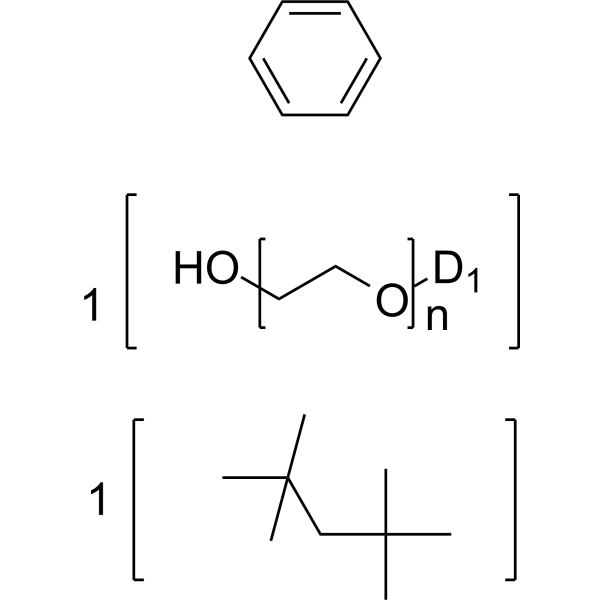
    (1,1,3,3-Tetramethylbutyl)phenyl-polyethylene glycol X-114 is a surfactant. (1,1,3,3-Tetramethylbutyl)phenyl-polyethylene glycol X-114 is used to solubilize membranes and whole cells. A solution of (1,1,3,3-Tetramethylbutyl)phenyl-polyethylene glycol X-114 is homogeneous at 0 degrees C but separates in an aqueous phase and a detergent phase above 20 degrees C. (1,1,3,3-Tetramethylbutyl)phenyl-polyethylene glycol X-114 can be used in phase separation studies .
    (1,1,3,3-Tetramethylbutyl)phenyl-polyethylene glycol X-114
  • HY-B0753
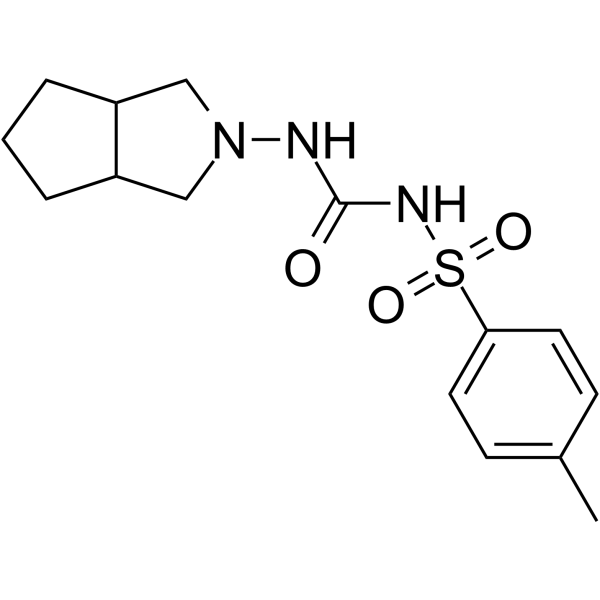
    Gliclazide
    4 Publications Verification

    S1702; SE1702

    Potassium Channel Cardiovascular Disease
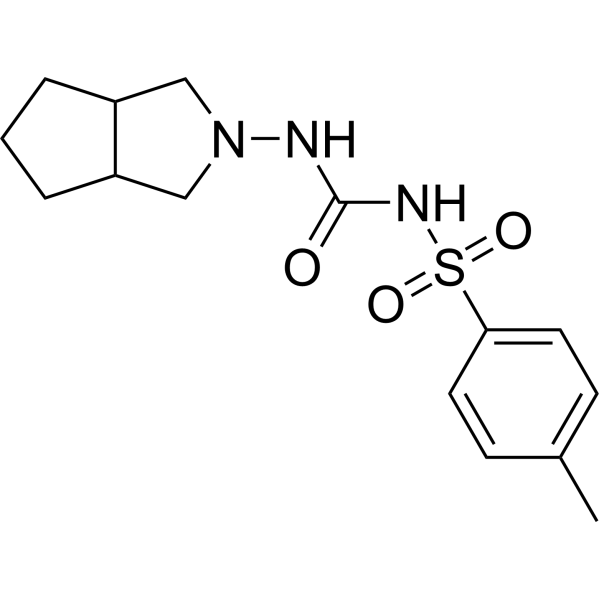
    Gliclazide (S1702) is a whole-cell beta-cell ATP-sensitive potassium currents blocker with an IC50 of 184 nM. Gliclazide is used as an antidiabetic .
    Gliclazide
  • HY-146248B

    Poly(ADP-ribose) Glycohydrolase (PARG) SARS-CoV Protease Activated Receptor (PAR) Metabolic Disease
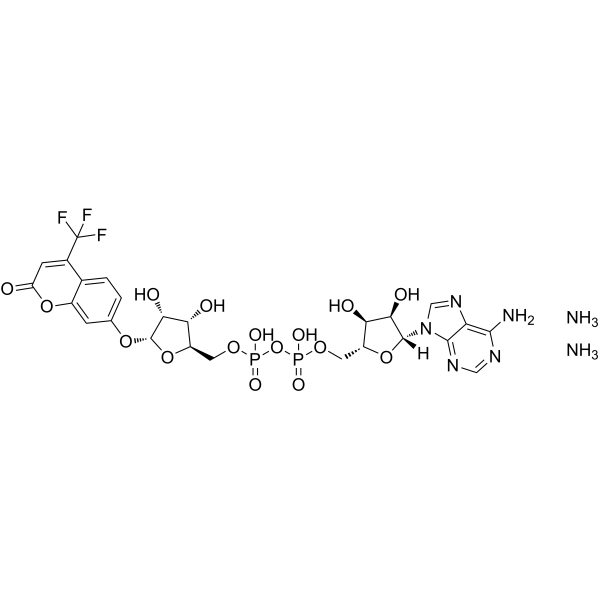
    TFMU-ADPr diammonium is a selective reporter substrate of SARS-CoV-2 Macro1 (IC50=0.59 μM), with an excitation wavelength (λEx) of 385 nm, and an emission wavelength (λEm) of 502 nm (or 495 nm). TFMU-ADPr diammonium can also undergo enzymatic hydrolysis with Poly(ADP-ribose) Glycohydrolase (PARG) sourced from human, Tetrahymena thermophila and ADP-ribosylhydrolase 3 from human to release fluorophores, thereby directly reporting total poly (ADP-ribose) hydrolase activity. TFMU-ADPr diammonium binds to the ADPr-binding site of SARS-CoV-2 Macro1, and its TFMU moiety inserts into the narrow hydrophobic groove of this protein. TFMU-ADPr diammonium can thus be used to evaluate small-molecule inhibitors targeting PAR hydrolases under in vitro conditions, to investigate the regulatory mechanisms of ADP-ribosyl catabolic enzymes, or to detect PAR hydrolase activity in whole-cell lysate assays. TFMU-ADPr diammonium is also applicable to COVID-19-related research .
    TFMU-ADPr diammonium
  • HY-B0952
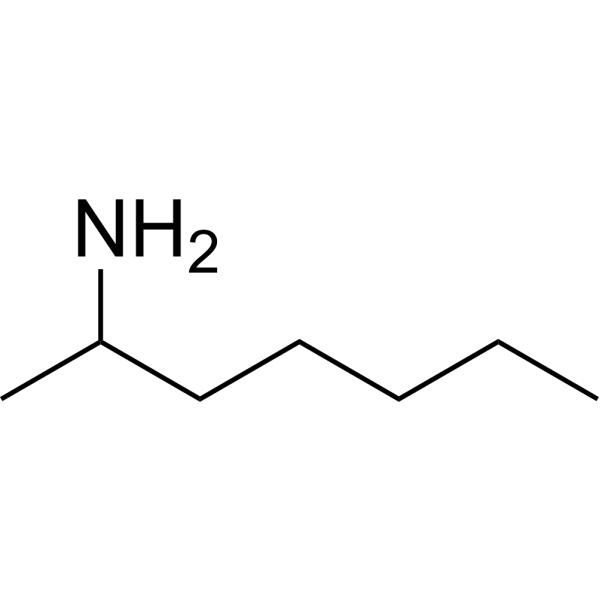
    2-Aminoheptane
    1 Publications Verification

    Tuaminoheptane

    Adrenergic Receptor Neurological Disease
    2-Aminoheptane (Tuaminoheptane) is a norepinephrine transporter inhibitor. 2-Aminoheptane binds to norepinephrine transporter via ionic and hydrophobic interactions to block norepinephrine uptake. 2-Aminoheptane deactivates ω-TAmla enzyme, reduces recombinant whole cell stability, and acts as an amino group donor substrate for ω-TA and ω-TAmla enzymes. 2-Aminoheptane can be used in research on depression and Alzheimer's disease .
    2-Aminoheptane
  • HY-70068

    Orexin Receptor (OX Receptor) Neurological Disease Endocrinology
    SB-408124 is a non-peptide OX1 receptor antagonist with Kis of 57 nM and 27 nM in whole cell and membrane, respectively. SB-408124 exhibits 50-fold selectivity over OX2 receptor .
    SB-408124
  • HY-122560A
    VU0134992 hydrochloride
    4 Publications Verification

    Potassium Channel Cardiovascular Disease
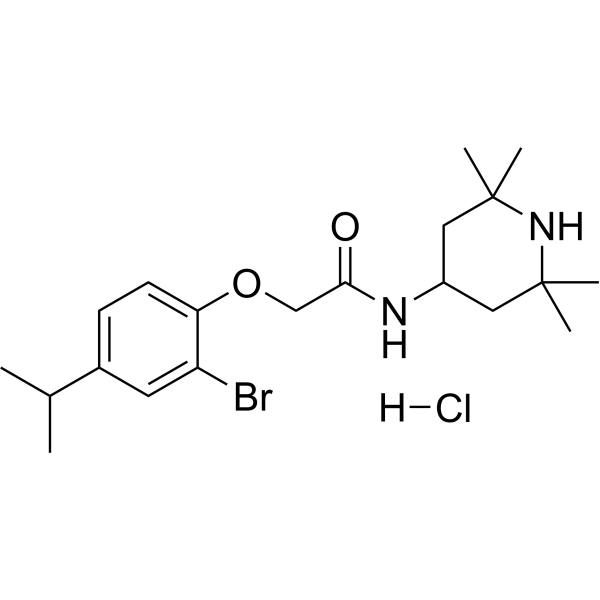
    VU0134992 hydrochloride is the first subtype-preferring, orally active and selective Kir4.1 potassium channel pore blocker, with an IC50 of 0.97 µM. VU0134992 hydrochloride is 9-fold selective for homomeric Kir4.1 over Kir4.1/5.1 concatemeric channels (IC50=9 µM) at -120 mV .
    VU0134992 hydrochloride
  • HY-122560
    VU0134992
    4 Publications Verification

    Potassium Channel Cardiovascular Disease
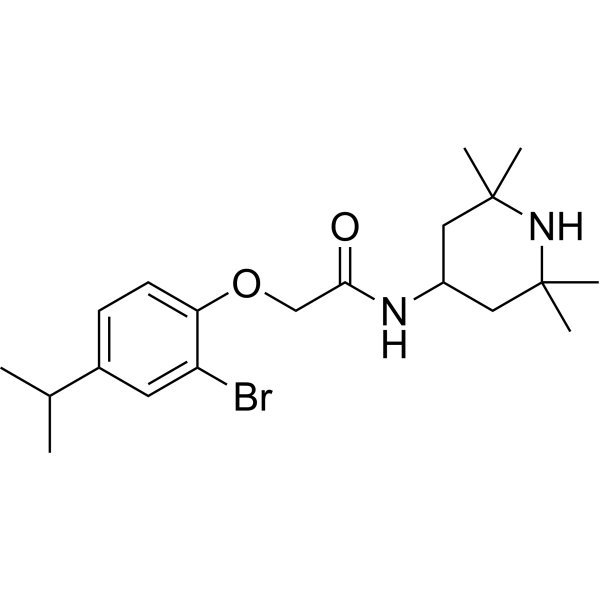
    VU0134992 is the first subtype-preferring, orally active and selective Kir4.1 potassium channel pore blocker, with an IC50 of 0.97 µM. VU0134992 is 9-fold selective for homomeric Kir4.1 over Kir4.1/5.1 concatemeric channels (IC50=9 µM) at -120 mV .
    VU0134992
  • HY-145301

    Bacterial Infection
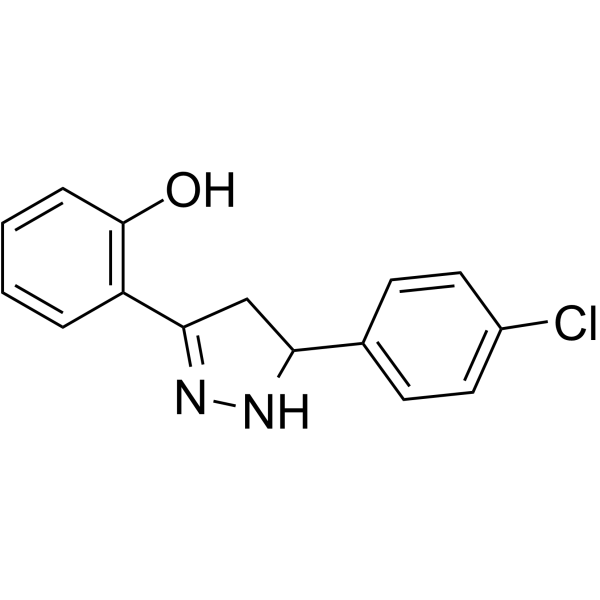
    Mycobactin-IN-1, a pyrazoline analogue, is a mycobactin biosynthesis inhibitor against mycobacteria. Mycobactin-IN-1 binds to salicyl-AMP ligase (MbtA), a key enzyme in the mycobactin biosynthetic pathway. Mycobactin-IN-1 inhibits whole-cell drug efflux pumps in M. smegmatis. Mycobactin-IN-1 eradicates intracellularly surviving mycobacteria. Mycobactin-IN-1 shows an excellent in vivo pharmacokinetic profile. Mycobactin-IN-1 can be used for the research of tuberculosis .
    Mycobactin-IN-1
  • HY-109066
    Olinciguat
    1 Publications Verification

    IW-1701

    Guanylate Cyclase Cardiovascular Disease
    Olinciguat (IW-1701) is an oral guanylate cyclase (sGC) stimulator with concentration-dependent stimulation of sGC in purified rat and human enzyme assays and a whole cell assay .
    Olinciguat
  • HY-146248

    SARS-CoV Poly(ADP-ribose) Glycohydrolase (PARG) Protease Activated Receptor (PAR) Infection
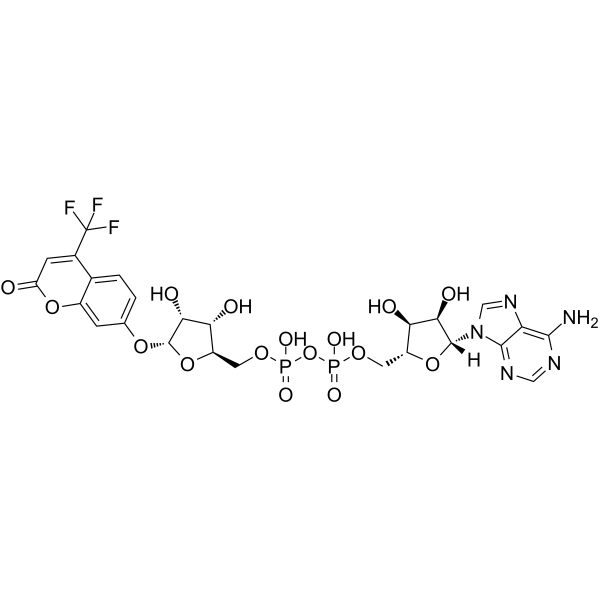
    TFMU-ADPr is a selective reporter substrate of SARS-CoV-2 Macro1 (IC50=0.59 μM), with an excitation wavelength (λEx) of 385 nm, and an emission wavelength (λEm) of 502 nm (or 495 nm). TFMU-ADPr can also undergo enzymatic hydrolysis with Poly(ADP-ribose) Glycohydrolase (PARG) sourced from human, Tetrahymena thermophila and ADP-ribosylhydrolase 3 from human to release fluorophores, thereby directly reporting total poly (ADP-ribose) hydrolase activity. TFMU-ADPr binds to the ADPr-binding site of SARS-CoV-2 Macro1, and its TFMU moiety inserts into the narrow hydrophobic groove of this protein. TFMU-ADPr can thus be used to evaluate small-molecule inhibitors targeting PAR hydrolases under in vitro conditions, to investigate the regulatory mechanisms of ADP-ribosyl catabolic enzymes, or to detect PAR hydrolase activity in whole-cell lysate assays. TFMU-ADPr is also applicable to COVID-19-related research .
    TFMU-ADPr
  • HY-137896

    Fluorescent Dye Others
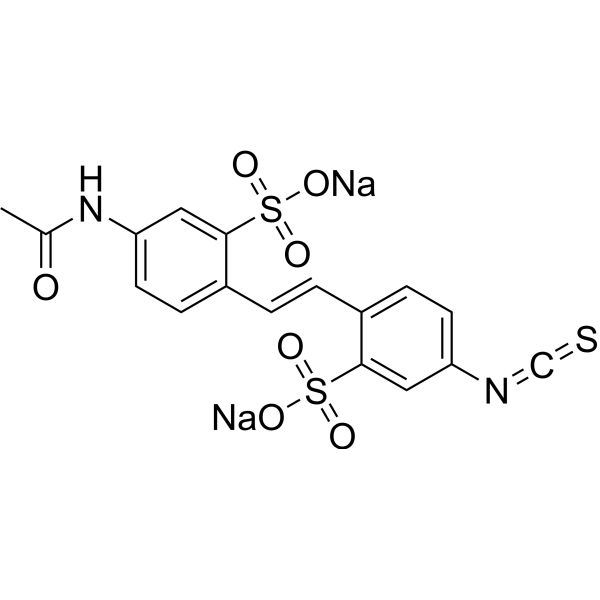
    4-Acetamido-4'-isothiocyanatostilbene-2,2'-disulfonic acid disodium is a fluorescent dye. 4-Acetamido-4'-isothiocyanatostilbene-2,2'-disulfonic acid disodium can be used to demonstrate retrograde axonal transport to label secondary antibodies and as a fluorescent whole cell stain .
    4-Acetamido-4'-isothiocyanatostilbene-2,2'-disulfonic acid disodium
  • HY-A0236

    Sodium Channel Potassium Channel Calcium Channel Calmodulin Cardiovascular Disease
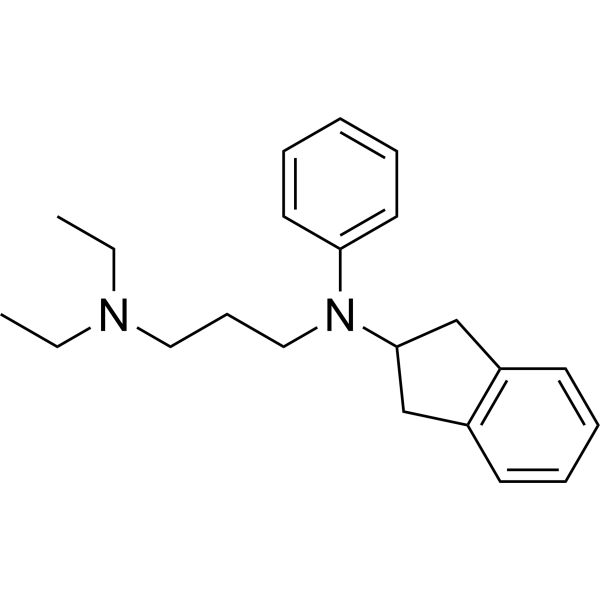
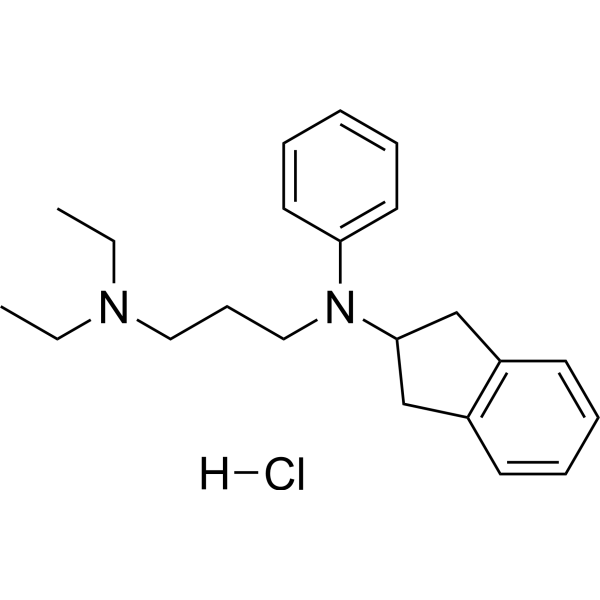
    Aprindine is an Ib-class anti-arrhythmic agent. Aprindine mainly exerts its effect by blocking sodium channels (INa), thereby reducing the excitability and conduction velocity of cardiac muscle cells. Aprindine significantly inhibits delayed potassium currents, which helps to prolong the atrial effective refractory period (AERP) and inhibit the occurrence of atrial fibrillation. Aprindine can also regulate intracellular calcium ion concentration by inhibiting Na +/Ca 2+ exchange current (INCX), thereby further stabilizing cardiac electrical activity. Aprindine can be used for the study of atrial fibrillation (AF) and ventricular arrhythmias .
    Aprindine
  • HY-111996

    Potassium Channel Neurological Disease Inflammation/Immunology
    Kv3 activator-1 is a Kv3 family voltage-gated potassium channel activator. Kv3 activator-1 reverses mechanical hyperalgesia in rat models of neuropathic and inflammatory pain, with rapid onset and long-lasting, dose-related effects. Kv3 activator-1 can be used for the research of pain .
    Kv3 activator-1
  • HY-B0753R
    Gliclazide (Standard)
    4 Publications Verification

    S1702 (Standard); SE1702 (Standard)

    Reference Standards Potassium Channel Cardiovascular Disease
    Gliclazide (Standard) is the analytical standard of Gliclazide. This product is intended for research and analytical applications. Gliclazide (S1702) is a whole-cell beta-cell ATP-sensitive potassium currents blocker with an IC50 of 184 nM. Gliclazide is used as an antidiabetic .
    Gliclazide (Standard)
  • HY-117931

    Potassium Channel Neurological Disease
    NS004 is a potassium (BK) channel activator that increases Iberiotoxin (HY-P0190) or Tetraethylammonium (HY-B1793)-sensitive whole-cell efflux currents. NS004 also significantly increased the activity of individual GH3 cell BK channels and rat brain BK channels reorganized into planar lipid bilayers, causing an increase in channel mean open time, a decrease in intermittent time, and an increase in channel voltage/calcium sensitivity .
    NS004
  • HY-A0236A

    Sodium Channel Potassium Channel Calcium Channel Calmodulin Cardiovascular Disease
    Aprindine hydrochloride is an Ib-class anti-arrhythmic agent. Aprindine hydrochloride mainly exerts its effect by blocking sodium channels (INa), thereby reducing the excitability and conduction velocity of cardiac muscle cells. Aprindine hydrochloride significantly inhibits delayed potassium currents, which helps to prolong the atrial effective refractory period (AERP) and inhibit the occurrence of atrial fibrillation. Aprindine hydrochloride can also regulate intracellular calcium ion concentration by inhibiting Na +/Ca 2+ exchange current (INCX), thereby further stabilizing cardiac electrical activity. Aprindine hydrochloride can be used for the study of atrial fibrillation (AF) and ventricular arrhythmias .
    Aprindine hydrochloride
  • HY-100686

    GABA Receptor Neurological Disease
    U93631 is a GABAA receptor ligand of novel chemical structure with IC50 of 100 nM,and has been shown to induce a rapid, time-dependent decay of GABA-induced whole-cell Cl-currents in recombinant GABAA receptors.
    U93631
  • HY-B0753S

    Potassium Channel Cardiovascular Disease
    Gliclazide-d4 (S1702 D4) is the deuterium labeled Gliclazide. Gliclazide (S1702) is a whole-cell beta-cell ATP-sensitive potassium currents blocker with an IC50 of 184 nM. Gliclazide is used as an antidiabetic .
    Gliclazide-d4
  • HY-146248A

    Poly(ADP-ribose) Glycohydrolase (PARG) SARS-CoV Protease Activated Receptor (PAR) Others
    TFMU-ADPr triethylamine is a selective reporter substrate of SARS-CoV-2 Macro1 (IC50=0.59 μM), with an excitation wavelength (λEx) of 385 nm, and an emission wavelength (λEm) of 502 nm (or 495 nm). TFMU-ADPr triethylamine can also undergo enzymatic hydrolysis with Poly(ADP-ribose) Glycohydrolase (PARG) sourced from human, Tetrahymena thermophila and ADP-ribosylhydrolase 3 from human to release fluorophores, thereby directly reporting total poly (ADP-ribose) hydrolase activity. TFMU-ADPr triethylamine binds to the ADPr-binding site of SARS-CoV-2 Macro1, and its TFMU moiety inserts into the narrow hydrophobic groove of this protein. TFMU-ADPr triethylamine can thus be used to evaluate small-molecule inhibitors targeting PAR hydrolases under in vitro conditions, to investigate the regulatory mechanisms of ADP-ribosyl catabolic enzymes, or to detect PAR hydrolase activity in whole-cell lysate assays. TFMU-ADPr triethylamine is also applicable to COVID-19-related research .
    TFMU-ADPr triethylamine
  • HY-125965

    Bacterial Infection
    BioA-IN-13 is a potent, cell permeable and whole-cell active inhibitor of Mycobacterium tuberculosis BioA enzyme .
    BioA-IN-13
  • HY-132240

    Neuropeptide Y Receptor Neurological Disease
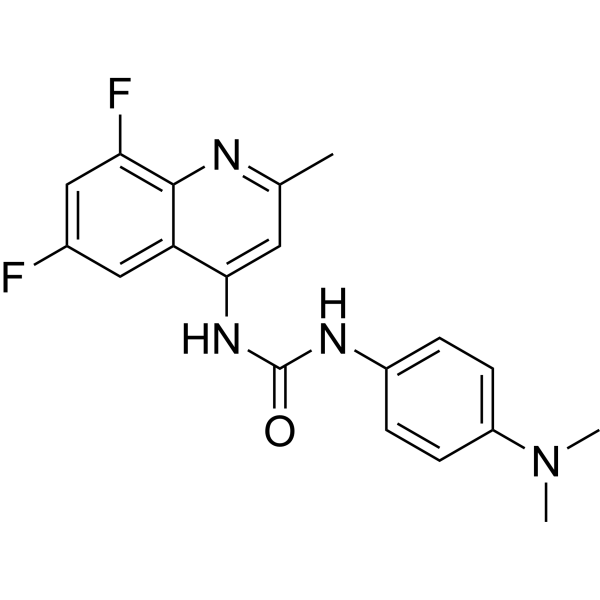
    SF-22 is a potent and brain-penetrant antagonist of neuropeptide Y receptor (Y2R), with the IC50 value of 750 nM. SF-22 plays an important role in neurological disease .
    SF-22
  • HY-76612

    Orexin Receptor (OX Receptor) Neurological Disease Endocrinology
    SB-408124 Hydrochloride is a selective non-peptide orexin receptor 1 (OX1) receptor antagonist with Kis of 57 nM and 27 nM in whole cell and membrane, respectively. SB-408124 Hydrochloride exhibits 50-fold selectivity over OX2 receptor .
    SB-408124 Hydrochloride
  • HY-10885

    ABT-472

    PARP Cancer
    A-620223 succinate (ABT-472) is an orally available poly(ADP-ribose) polymerase (PARP) inhibitor. A-620223 succinate (ABT-472) exhibits very good potency against the PARP-1 enzyme with a Ki value of 8 nM and an EC50 value of 3 nM in whole cell assay, making it useful in cancer research .
    A-620223 succinate
  • HY-10615
    A-620223
    1 Publications Verification

    PARP Cancer
    A-620223 is a PARP-1 inhibitor with a Ki of 8 nM against PARP-1 and EC50 of 3 nM in a whole cell assay. A-620223 demonstrates good in vivo efficacy in a B16F10 subcutaneous murine melanoma model in combination with Temozolomide (TMZ) (HY-17364) and in an MX-1 breast xenograph model in combination with Cisplatin (HY-17394). A-620223 can be used for the studies of melanoma and breast cancer .
    A-620223
  • HY-126336

    Calcium Channel Cardiovascular Disease Neurological Disease
    HM12 is a covalent inhibitor of L-/T-type calcium channels. HM12 can strongly inhibit the Cav1.2 (L-type) and Cav3.2 (T-type) calcium channels, and has selectivity for the N-type channels. HM12 produces an irreversible inhibition that persisted after washout. HM12 can be used to study diseases such as hypertension, pain, epilepsy, etc .
    HM12
  • HY-135337

    Potassium Channel Metabolic Disease
    Ethyl tosylcarbamate is an intermediate in the synthesis of Gliclazide (G409877) . Gliclazide is a whole-cell beta-cell ATP-sensitive potassium currents blocker with an IC50 of 184 nM .
    Ethyl tosylcarbamate
  • HY-133614

    Potassium Channel Others
    Dihydroisopimaric acid activates large conductance Ca 2+ activated K + (BK) channels alphabeta1 in the direct measurement of BKalphabeta1 opening under whole-cell voltage clamp .
    Dihydroisopimaric acid
  • HY-116205

    iGluR Others
    UBP684 is a novel positive allosteric modulator of NMDA receptors (NMDARs) that enhances receptor function by stabilizing the ligand-binding domains in a closed conformation, resulting in potentiated whole-cell currents and increased mean open time.
    UBP684
  • HY-W723322

    Isotope-Labeled Compounds Potassium Channel Metabolic Disease
    Ethyl tosylcarbamate-d7 is the deuterium labeled Ethyl tosylcarbamate (HY-135337). Ethyl tosylcarbamate is an intermediate in the synthesis of Gliclazide (G409877) . Gliclazide is a whole-cell beta-cell ATP-sensitive potassium currents blocker with an IC50 of 184 nM .
    Ethyl tosylcarbamate-d7
  • HY-B1328R

    Pyridoxol (Standard)

    Reference Standards Endogenous Metabolite Keap1-Nrf2 Neurological Disease Cancer
    Pyridoxine (Standard) is the analytical standard of Pyridoxine. This product is intended for research and analytical applications. Pyridoxine (Pyridoxol) is a pyridine derivative. Pyridoxine exerts antioxidant effects in cell model of Alzheimer's disease via the Nrf-2/HO-1 pathway. In Vitro: Pyridoxine exerts a protective potential against AD, attenuates ROS levels, decreases the expressions of cytoplasmic Nrf2, and upregulates whole-cell HO-1 expression .
    Pyridoxine (Standard)
  • HY-120059

    Potassium Channel Neurological Disease
    NS4591 is a modulator of calcium-activated potassium channels with activity that enhances small (SK) and intermediate (IK) conductivity. NS4591 doubled IK-mediated currents in whole-cell patch-clamp experiments at a concentration of 45 +/- 6 nM, and doubled SK3-mediated currents at a concentration of 530 +/- 100 nM. NS4591 inhibits the number of action potentials generated by suprathreshold depolarizing pulses in acutely isolated bladder primary afferent neurons. NS4591 also reduced carbakol-induced detrusor ring contraction in the rat bladder, demonstrating sensitivity to apamin .
    NS4591
  • HY-120865

    NO Synthase Inflammation/Immunology
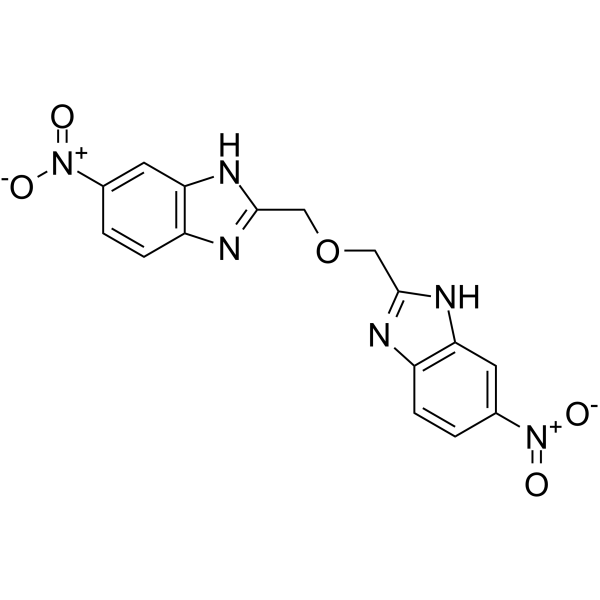
    1,3-PBIT is a potent inhibitor of iNOS with a Ki of 47 nM compared to Ki values for eNOS and nNOS are 9 and 0.25 μM, respectively, for the purified human enzymes. Its inhibition in whole cells is greatly diminished, presumably to poor membrane permeability.
    1,3-PBIT dihydrobromide
  • HY-123812

    Histamine Receptor Neurological Disease Inflammation/Immunology
    PF-03654764 is an orally active, selective histamine H3 receptor antagonist with Ki values of 1.2 nM and 7.9 nM for human H3 and rat H3 in whole cell assay, respectively. The combination of PF-03654764 and Fexofenadine (HY-B0801A) has the potential for allergic rhinitis research .
    PF-03654764
  • HY-70068R

    Orexin Receptor (OX Receptor) Neurological Disease Endocrinology
    SB-408124 (Standard) is the analytical standard of SB-408124. This product is intended for research and analytical applications. SB-408124 is a non-peptide OX1 receptor antagonist with Kis of 57 nM and 27 nM in whole cell and membrane, respectively. SB-408124 exhibits 50-fold selectivity over OX2 receptor .
    SB-408124 (Standard)
  • HY-76612R

    Orexin Receptor (OX Receptor) Neurological Disease Endocrinology
    SB-408124 (Hydrochloride) (Standard) is the analytical standard of SB-408124 (Hydrochloride). This product is intended for research and analytical applications. SB-408124 Hydrochloride is a selective non-peptide orexin receptor 1 (OX1) receptor antagonist with Kis of 57 nM and 27 nM in whole cell and membrane, respectively. SB-408124 Hydrochloride exhibits 50-fold selectivity over OX2 receptor .
    SB-408124 Hydrochloride (Standard)
  • HY-116153

    Cholinesterase (ChE) Neurological Disease
    HUHS2002 is a free fatty acid derivative with the ability to enhance α7 cholinergic receptor activity. HUHS2002 enhances whole-cell membrane currents of α7 ACh receptors expressed in Xenopus oocytes in a concentration-dependent manner. The effects of HUHS2002 were blocked in the presence of the Ca2 /calmodulin-dependent protein kinase II (CaMKII) inhibitor KN-93. HUHS2002 activated CaMKII in cultured rodent hippocampal neurons, and this activation was abolished by KN-93. HUHS2002 also partially inhibited the activity of protein phosphatase 1 (PP1) in a cell-free PP1 activity assay .
    HUHS2002
  • HY-112744

    17β-HSD Cancer
    BMS-856 is a 17β-HSD3 inhibitor. BMS-856 inhibits enzymatic activity of 17β-HSD3, with IC50s of 60 and 300 nM respectively in the enzyme and whole cell assays .
    BMS-856
  • HY-109066R

    IW-1701 (Standard)

    Reference Standards Guanylate Cyclase Cardiovascular Disease
    Olinciguat (Standard) is the analytical standard of Olinciguat (HY-109066). This product is intended for research and analytical applications. Olinciguat (IW-1701) is an oral guanylate cyclase (sGC) stimulator with concentration-dependent stimulation of sGC in purified rat and human enzyme assays and a whole cell assay .
    Olinciguat (Standard)
  • HY-183056

    P2X Receptor Others Neurological Disease Inflammation/Immunology
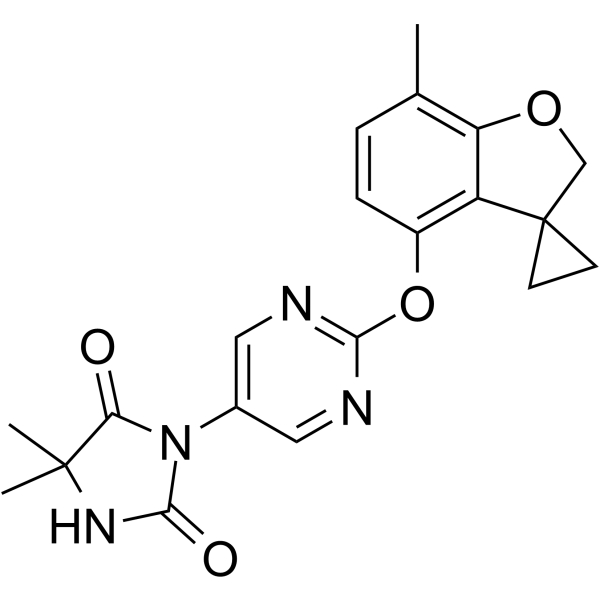
    P2X3 antagonist 40 is a P2X3 antagonist with a human P2X3 receptor pIC50 < 4.52. P2X3 antagonist 40 can be used for research on ATP-mediated proinflammatory fingerprint, including overactive bladder, pain, and chronic cough .
    P2X3 antagonist 40

Demande en ligne

Your information is safe with us. * Required Fields.

Civilité


Country or Region *

Nom du demandeur *


Nom de l'organisation *

Department *


Adresse e-mail *


Nom du produit *

Cat. No.


Requested quantity *

Numéro de téléphone *


Remarques

Demande en ligne

Inquiry Information

Nom du produit:
Cat. No.:
Quantité:
MCE Japan Authorized Agent:

