

Search Result
Results for "
wine
" in MedChemExpress (MCE) Product Catalog:
5
Biochemical Assay Reagents
15
Isotope-Labeled Compounds
| Cat. No. |
Product Name |
Target |
Research Areas |
Chemical Structure |
-
- HY-N2409
-
|
|
Apoptosis
EGFR
JAK
STAT
|
Cardiovascular Disease
Cancer
|
|
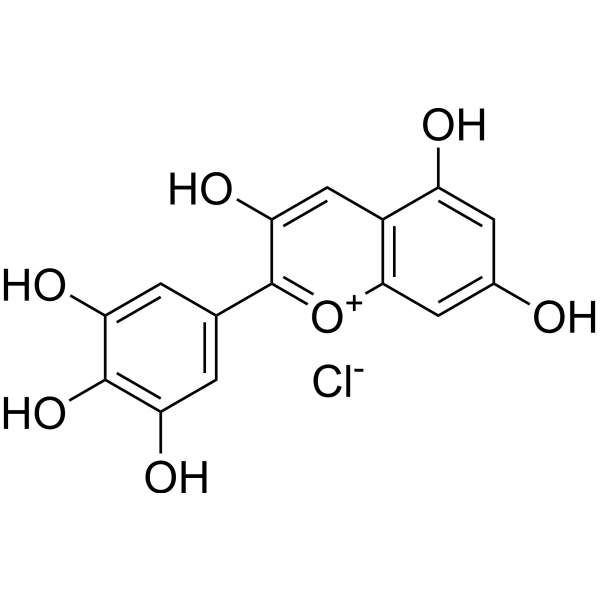
Delphinidin chloride is an anthocyanin isolated from berries and red wine. Delphinidin chloride exhibits endothelium-dependent vasodilation and anticancer activity. Delphinidin chloride also modulates JAK/STAT3 and MAPK signaling, thereby inducing apoptosis in HCT116 cells. Delphinidin chloride is also a potent inhibitor of EGFR (IC50: 1.3 μM), shutting down downstream signaling cascades .
|
-
-
- HY-N1467
-
|
(S)-α-Terpineol
|
Environmental Pollutants
|
Others
|
|
(-)-α-Terpineol ((S)-α-Terpineol), a monoterpene compound, is one of compounds in Melaleuca alternifolia. (-)-α-Terpineol has antioxidant and anti-inflammatory activities .
|
-
-
- HY-34487
-
|
Resorcinol dimethyl ether
|
Environmental Pollutants
Drug Intermediate
|
Others
|
|
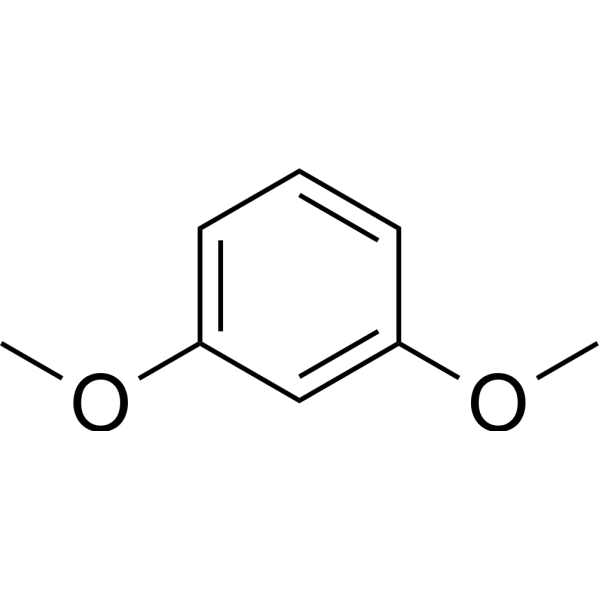
1,3-Dimethoxybenzene (Resorcinol dimethyl ether) is a volatile compound with a sweet medicinal odour carrying hazelnut, resinous, and woody notes. 1,3-Dimethoxybenzene is identified as a new volatile component of Douro region grape musts and port wines .
|
-
-
- HY-N7093
-
-
-
- HY-Y0190
-
-
-
- HY-W005288
-
|
4-Hydroxystyrene
|
Apoptosis
Endogenous Metabolite
|
Cancer
|
|
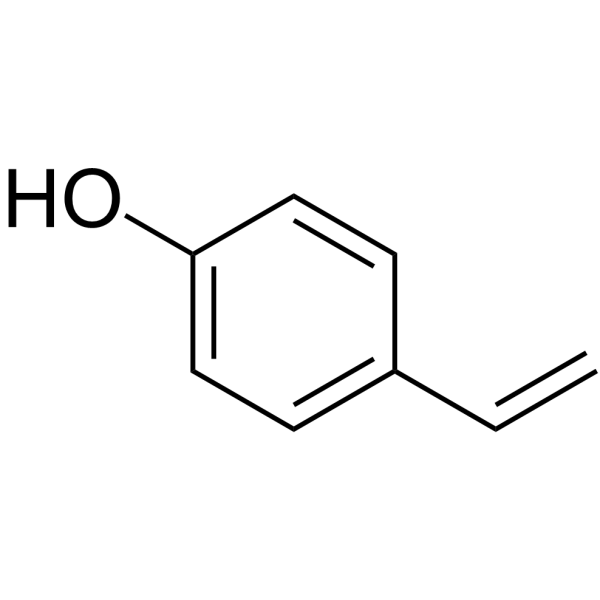
4-Vinylphenol is found in the medicinal herb Hedyotis diffusa Willd, wild rice and is also the metabolite of p-coumaric and ferulic acid by lactic acid bacteria in wine. 4-Vinylphenol induces apoptosis and inhibits blood vessels formation and suppresses invasive breast tumor growth in vivo .
|
-
-
- HY-W012836
-
|
|
Environmental Pollutants
Endogenous Metabolite
|
Neurological Disease
|
|
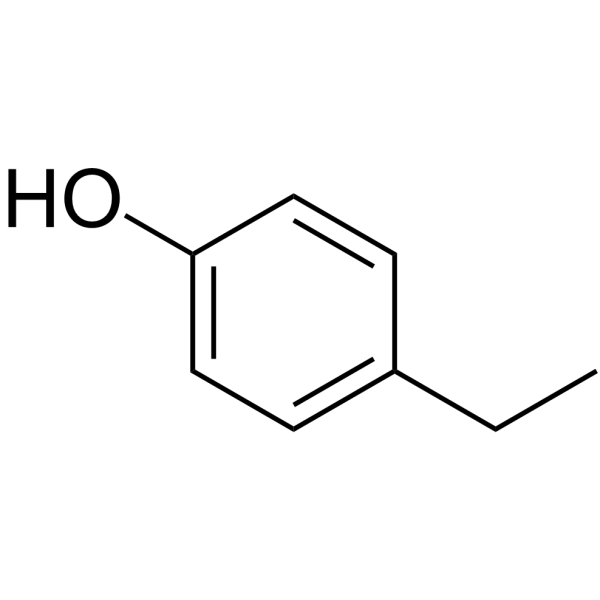
4-Ethylphenol is a volatile phenolic compound associated with off-odour in wine. 4-Ethylphenol is a phenolic compound that can be synthesized by intestinal flora. 4-Ethylphenol will be converted to 4-ethylphenyl sulfate (HY-W674241) by Lactobacillus plantarum .
|
-
-
- HY-N0120
-
|
(E/Z)-Piceid
|
Drug Isomer
|
Cardiovascular Disease
Metabolic Disease
Inflammation/Immunology
Cancer
|
|
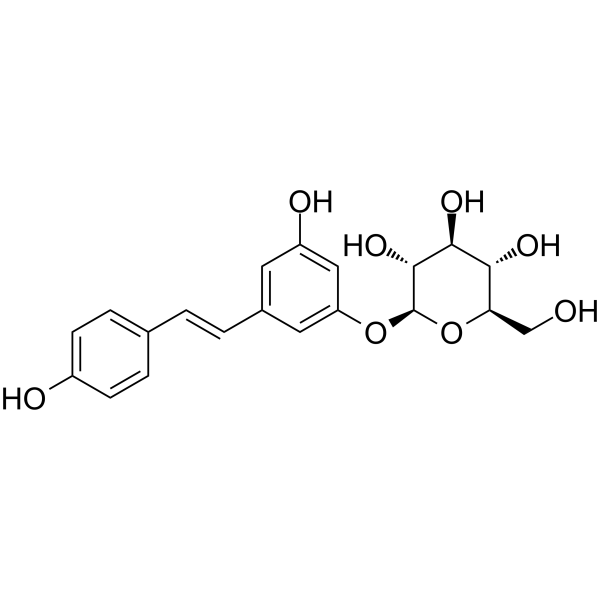
(E/Z)-Polydatin ((E/Z)-Piceid) is a mixture of the E/Z configurations of Polydatin (HY-N0120A). Polydatin can be isolated from Polygonum cuspidatum, grapes, peanuts, red wine, hop pellets, cocoa-containing products and chocolate products. Polydatin exhibits multiple biological properties, such as anti-platelet aggregation, anti-low-density lipoprotein oxidation, cardioprotective activity, anti-inflammatory and immunomodulatory functions. Polydatin shows favorable cytotoxic effects against various tumor cell lines, including cervical cancer cells, liver cancer cells, and nasopharyngeal carcinoma cells .
|
-
-
- HY-W012701
-
-
-
- HY-W012708
-
|
|
Endogenous Metabolite
|
Others
|
|
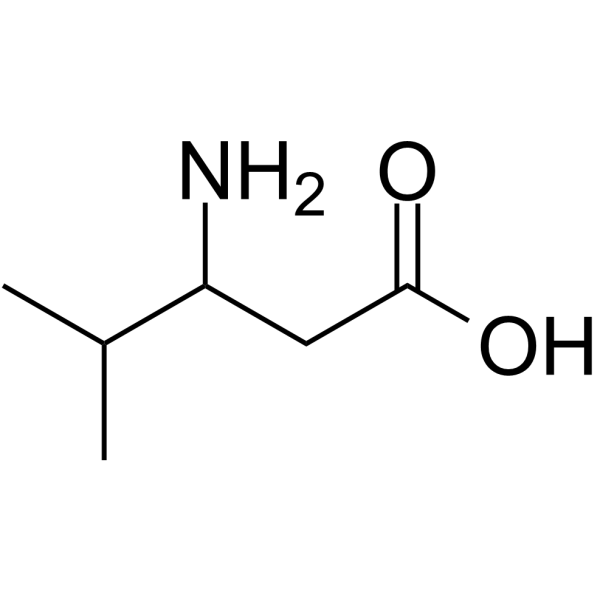
3-Amino-4-methylpentanoic acid is a β amino acid and positional isomer of L-leucine which is naturally produced in humans via the metabolism of L-leucine by the enzyme leucine 2,3-aminomutase. 3-Amino-4-methylpentanoic acid is also a metabolite produced by Torulaspora delbrueckii and can be used in the research of wine fermentation .
|
-
-
- HY-125740
-
|
Malvidin-3-O-glucoside chloride; Oenin chloride
|
NF-κB
TNF Receptor
NO Synthase
Interleukin Related
|
Inflammation/Immunology
|
|
Malvidin-3-glucoside (Malvidin-3-O-glucoside; Oenin) chloride is an orally active inhibitor of the NF-κB pathway, which blocks inflammatory responses induced by TNF-α, reduces IκB-α degradation and p65 nuclear translocation, and upregulates endothelial nitric oxide synthase eNOS to increase NO production. Malvidin-3-glucoside chloride exerts anti-inflammatory and antioxidant effects by inhibiting pro-inflammatory molecules such as MCP-1, ICAM-1, and IL-6, and regulating intestinal microorganisms and metabolites, while protecting endothelial cells and improving intestinal microecological dysbiosis under inflammatory conditions. Malvidin-3-glucoside chloride can be used to study chronic inflammatory-related diseases such as atherosclerosis and inflammatory bowel disease, and has the potential to prevent vascular inflammation and improve intestinal health .
|
-
-
- HY-P2877
-
|
|
Endogenous Metabolite
|
Others
|
|
Tannase is a tannin acyl hydrolase. Tannase catalyzes the hydrolysis of ester bonds in gallotannins, complex tannins and gallic acid esters to release gallic acid. Tannase plays a role in industrial production, including the manufacture of instant tea, beer, fruit juice, some wines, and the production of gallic acid .
|
-
-
- HY-113085
-
|
|
Endogenous Metabolite
|
Others
|
|
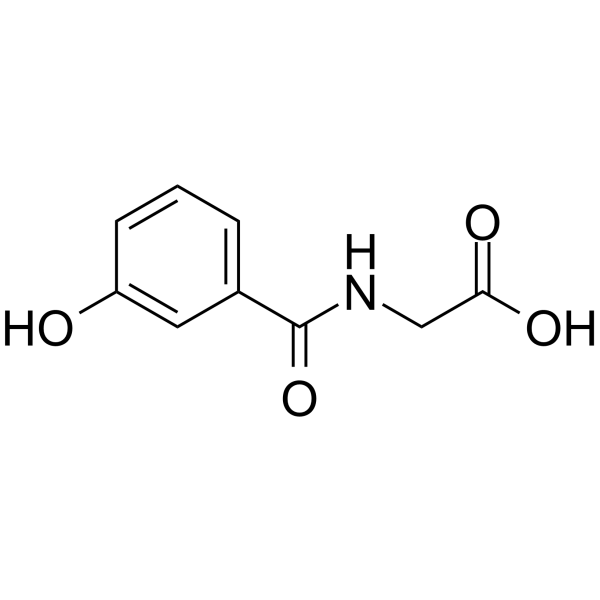
3-Hydroxyhippuric acid is an acyl glycine. 3-Hydroxyhippuric acid inhibits kynureninase (Ki = 60 μM). 3-Hydroxyhippuric acid is found in higher concentrations in autistic group than in the controls. 3-Hydroxyhippuric acid is a marker of Clostridium species, and has a positive correlation with the level of Clostridia. 3-Hydroxyhippuric acid is one of the main metabolites formed from the catechin diet and wine polyphenol diets .
|
-
-
- HY-W016153
-
|
|
Biochemical Assay Reagents
Bacterial
Fungal
|
Infection
|
|
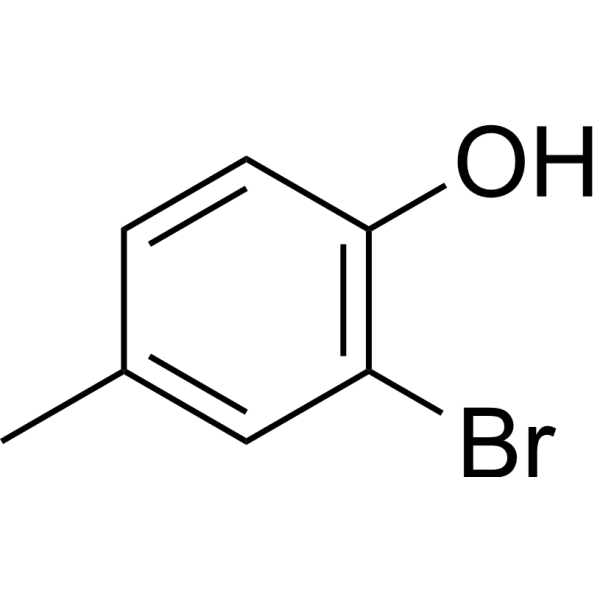
2-Bromo-4-methylphenol is a versatile compound. 2-Bromo-4-methylphenol produces an iodine-like odor in reverse osmosis water and red wine matrices. 2-Bromo-4-methylphenol exhibits antibacterial properties and effectively inhibits the growth of bacteria and fungal. 2-Bromo-4-methylphenol is an important intermediate for a variety of organic compounds .
|
-
-
- HY-P2973
-
|
Aspergillus acid protease
|
Proteasome
|
Others
|
|
Aspergillopepsin I (Aspergillus acid protease) is a metal-containing aspartic protease that catalyzes the hydrolysis of peptide bonds in soybean 7S globulin, soybean 11S globulin and various proteins, with broad specificity. Aspergillopepsin I is intended for use in wine production, where it hydrolyzes haze-forming proteins into small peptides to prevent turbidity during storage. Aspergillopepsin I can be used in studies related to soybean protein hydrolysis and wine production .
|
-
-
- HY-138638
-
|
|
Biochemical Assay Reagents
|
Others
|
|
Cross-linked dextran LH 20 could be used for the isolation and purification of natural compounds and foods, such as red wine, pigments, and flavonoids .
|
-
-
- HY-N7513
-
|
|
TNF Receptor
Drug Metabolite
|
Cardiovascular Disease
|
|
Homovanillyl alcohol is a biological metabolite of Hydroxytyrosol. Hydroxytyrosol is a phenolic compound that is present in virgin olive oil (VOO) and wine. Homovanillyl alcohol protects red blood cells (RBCs) from oxidative injury and has protective effect on cardiovascular disease .
|
-
-
- HY-W012998
-
|
|
Drug Intermediate
|
Neurological Disease
Inflammation/Immunology
|
|
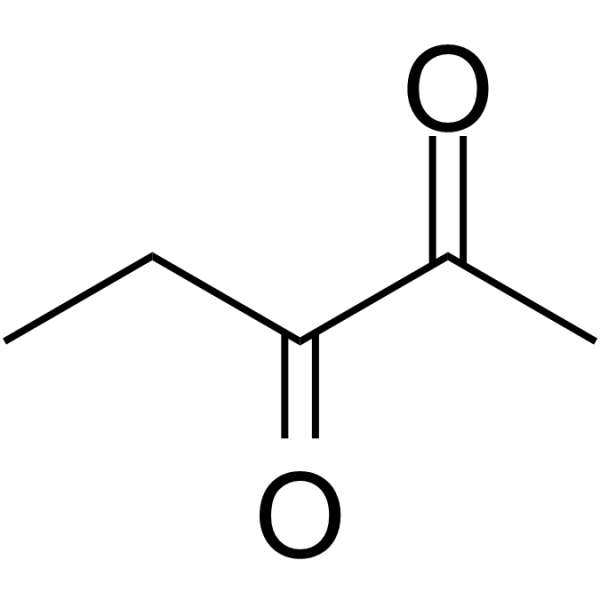
2,3-Pentanedione is a common constituent of synthetic flavorings and is used to impart a butter, strawberry, caramel, fruit, rum, or cheese flavor in beverages, ice cream, candy, baked goods, gelatins, and puddings. 2,3-Pentanedione also occurs naturally as a fermentation product in beer, wine, and yogurt and is releasedduring roasting of coffee beans .
|
-
-
- HY-W007511
-
|
Isohexanol; Isohexyl alcohol
|
Drug Derivative
|
Neurological Disease
|
|
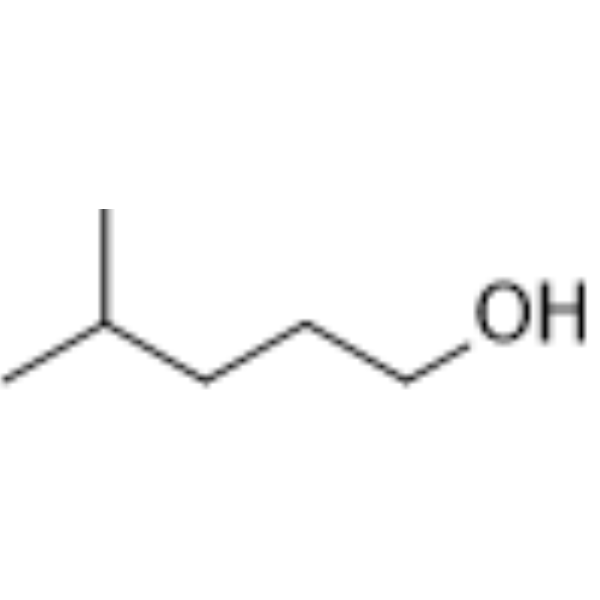
4-Methyl-1-pentanol is a volatile aroma component of red wine, which is often used in the production and blending of wine. 4-Methyl-1-pentanol can also be used as an alcohol antagonist to antagonize the effects of ethanol and 1-butanol on cell-cell adhesion, and is used in the study of fetal alcohol syndrome .
|
-
-
- HY-W010254
-
|
|
Parasite
|
Infection
|
|
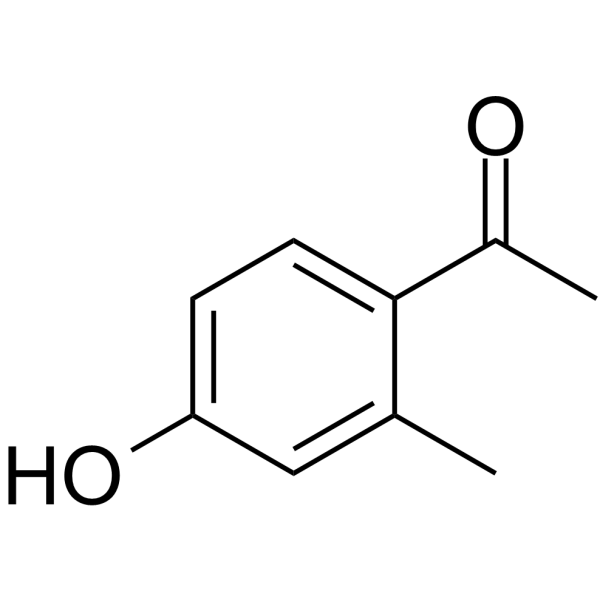
4′-Hydroxy-2′-methylacetophenone, an aroma compound of red wines, is isolated from cv. Bobal grape variety. 4′-Hydroxy-2′-methylacetophenone has ciliate toxicity. 4′-Hydroxy-2′-methylacetophenone inhibits the growth of T. pyriformis, with an IC50 of 0.65 mM .
|
-
-
- HY-W005288S
-
|
4-Hydroxystyrene-d4
|
Apoptosis
Endogenous Metabolite
Isotope-Labeled Compounds
|
Cancer
|
|
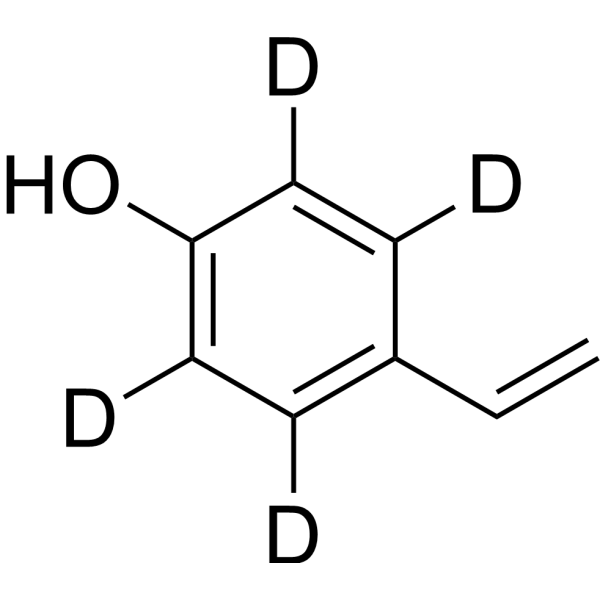
4-Vinylphenol-d4 is deuterated labeled 4-Vinylphenol (HY-W005288). 4-Vinylphenol is found in the medicinal herb Hedyotis diffusa Willd, wild rice and is also the metabolite of p-coumaric and ferulic acid by lactic acid bacteria in wine. 4-Vinylphenol induces apoptosis and inhibits blood vessels formation and suppresses invasive breast tumor growth in vivo .
|
-
-
- HY-W012998R
-
|
|
Reference Standards
Biochemical Assay Reagents
|
Neurological Disease
Inflammation/Immunology
|
|
2,3-Pentanedione (Standard) is the analytical standard of 2,3-Pentanedione. This product is intended for research and analytical applications. 2,3-Pentanedione is a common constituent of synthetic flavorings and is used to impart a butter, strawberry, caramel, fruit, rum, or cheese flavor in beverages, ice cream, candy, baked goods, gelatins, and puddings. 2,3-Pentanedione also occurs naturally as a fermentation product in beer, wine, and yogurt and is releasedduring roasting of coffee beans .
|
-
-
- HY-125740R
-
|
Malvidin-3-O-glucoside chloride (Standard); Oenin chloride (Standard)
|
Reference Standards
Interleukin Related
NO Synthase
NF-κB
TNF Receptor
|
Metabolic Disease
Inflammation/Immunology
|
|
Malvidin-3-glucoside (Malvidin-3-O-glucoside; Oenin) chloride (Standard) is the analytical standard of Malvidin-3-glucoside chloride (HY-125740). This product is intended for research and analytical applications. Malvidin-3-glucoside chloride is an orally active inhibitor of the NF-κB pathway, which blocks inflammatory responses induced by TNF-α, reduces IκB-α degradation and p65 nuclear translocation, and upregulates endothelial nitric oxide synthase eNOS to increase NO production. Malvidin-3-glucoside chloride exerts anti-inflammatory and antioxidant effects by inhibiting pro-inflammatory molecules such as MCP-1, ICAM-1, and IL-6, and regulating intestinal microorganisms and metabolites, while protecting endothelial cells and improving intestinal microecological dysbiosis under inflammatory conditions. Malvidin-3-glucoside chloride can be used to study chronic inflammatory-related diseases such as atherosclerosis and inflammatory bowel disease, and has the potential to prevent vascular inflammation and improve intestinal health .
|
-
-
- HY-W097929
-
|
2,4,6-Trichloroanisole
|
Olfactory Receptor
|
Others
|
|
Tyrene (2,4,6-Trichloroanisole) is a the detoxification product of toxic 2,4,6-Trichlorophenol by filamentous fungi. Tyrene is the key substance that causes "cork taint" in wine. Tyrene can be used for the researches on food quality control and detoxification of environmental pollutants .
|
-
-
- HY-W087943
-
|
|
Environmental Pollutants
Fungal
|
Infection
|
|
Methyl octanoate is an ester volatile compound with an odor activity value greater than 1. Methyl octanoate helps impart brandy-like and fruity characteristics to persimmon wine. Methyl octanoate has a strong odor of citrus holly, camphor and menthol. Methyl octanoate can serve as an early marker for grape infection by *Coniella vitis*. Methyl octanoate can be used in studies related to grape white rot .
|
-
-
- HY-W012836S1
-
|
|
Isotope-Labeled Compounds
Endogenous Metabolite
|
Neurological Disease
|
|
4-Ethylphenol-d10 is the deuterium labeled 4-Ethylphenol (HY-W012836). 4-Ethylphenol is a volatile phenolic compound associated with off-odour in wine. 4-Ethylphenol is a phenolic compound that can be synthesized by intestinal flora. 4-Ethylphenol will be converted to 4-ethylphenyl sulfate (HY-W674241) by Lactobacillus plantarum .
|
-
-
- HY-W012836S
-
|
|
Isotope-Labeled Compounds
Endogenous Metabolite
|
Neurological Disease
|
|
4-Ethylphenol-d5 is the deuterium labeled 4-Ethylphenol (HY-W012836). 4-Ethylphenol is a volatile phenolic compound associated with off-odour in wine. 4-Ethylphenol is a phenolic compound that can be synthesized by intestinal flora. 4-Ethylphenol will be converted to 4-ethylphenyl sulfate (HY-W674241) by Lactobacillus plantarum .
|
-
-
- HY-W012836R
-
|
|
Reference Standards
Endogenous Metabolite
|
Neurological Disease
|
|
4-Ethylphenol (Standard) is the analytical standard of 4-Ethylphenol (HY-W012836). This product is intended for research and analytical applications. 4-Ethylphenol is a volatile phenolic compound associated with off-odour in wine. 4-Ethylphenol is a phenolic compound that can be synthesized by intestinal flora. 4-Ethylphenol will be converted to 4-ethylphenyl sulfate (HY-W674241) by Lactobacillus plantarum .
|
-
-
- HY-113085R
-
|
|
Reference Standards
Endogenous Metabolite
|
Others
|
|
3-Hydroxyhippuric acid (Standard) is the analytical standard of 3-Hydroxyhippuric acid. This product is intended for research and analytical applications. 3-Hydroxyhippuric acid is an acyl glycine. 3-Hydroxyhippuric acid inhibits kynureninase (Ki = 60 μM). 3-Hydroxyhippuric acid is found in higher concentrations in autistic group than in the controls. 3-Hydroxyhippuric acid is a marker of Clostridium species, and has a positive correlation with the level of Clostridia. 3-Hydroxyhippuric acid is one of the main metabolites formed from the catechin diet and wine polyphenol diets .
|
-
-
- HY-N15533
-
|
|
Drug Metabolite
|
Others
|
|
(S)-Menthiafolic acid is a component found in wines and grape juices. (S)-Menthiafolic acid can be generated from the grape-derived (S)-menthiafolic acid glucose ester during alcoholic and malolactic fermentation, thereby influencing the aroma components of wine .
|
-
-
- HY-N2409R
-
|
|
Apoptosis
EGFR
JAK
STAT
Reference Standards
|
Cardiovascular Disease
Cancer
|
|
Delphinidin (chloride) (Standard) is the analytical standard of Delphinidin (chloride). This product is intended for research and analytical applications. Delphinidin chloride is an anthocyanin isolated from berries and red wine. Delphinidin chloride exhibits endothelium-dependent vasodilation and anticancer activity. Delphinidin chloride also modulates JAK/STAT3 and MAPK signaling, thereby inducing apoptosis in HCT116 cells. Delphinidin chloride is also a potent inhibitor of EGFR (IC50: 1.3 μM), shutting down downstream signaling cascades .
|
-
-
- HY-W611834
-
|
2-Propiovanillone; Methyl vanillyl ketone
|
Biochemical Assay Reagents
|
Others
|
|
Guaiacylacetone (2-Propiovanillone; Methyl vanillyl ketone) (Compound 20) is a volatile aromatic compound released from hardwoods. Guaiacylacetone helps to impart a unique flavor to wine .
|
-
-
- HY-122785
-
|
|
Fungal
|
Infection
|
|
Fusapyrone is a broad-spectrum antifungal metabolite first isolated from Fusarium species. It has been investigated for use in the control of postharvest crop diseases such as inhibiting the growth of ochratoxin-producing strains of Aspergillus section Nigri in wine grapes.
|
-
-
- HY-N7093R
-
|
Strawberry furanone (Standard)
|
Reference Standards
Bacterial
Fungal
Quinone Reductase
|
Infection
|
|
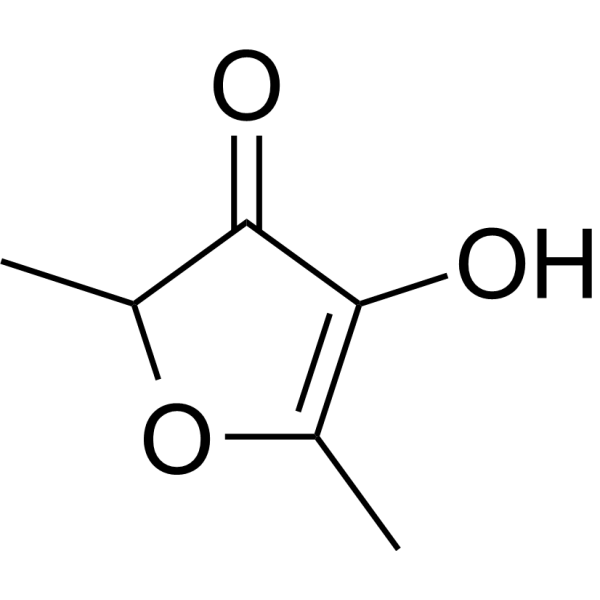
Furaneol (Standard) is the analytical standard of Furaneol. This product is intended for research and analytical applications. Furaneol is mainly isolated from American grape (Vitis labrusca) and its hybrid grape. Furaneol is an important aroma compound in fruits and contribute to the strawberry-like note in some wines .
|
-
-
- HY-121766
-
|
Fencaramid; SZX-0722
|
Fungal
|
Infection
|
|
Iprovalicarb (Fencaramid; SZX-0722) is a fungicide that can be used for the study of fungal diseases in the wine sector .
|
-
-
- HY-W012701R
-
|
|
Reference Standards
Others
|
Cancer
|
|
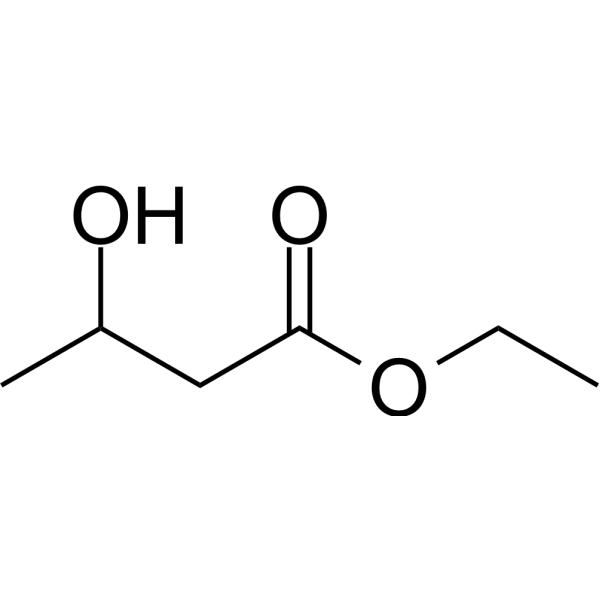
Ethyl 3-hydroxybutyrate (Standard) is the analytical standard of Ethyl 3-hydroxybutyrate. This product is intended for research and analytical applications. Ethyl 3-hydroxybutyrate is a fragrance found in wine and Tribolium castaneum .
|
-
-
- HY-W007511R
-
|
Isohexanol (Standard); Isohexyl alcohol (Standard)
|
Biochemical Assay Reagents
Reference Standards
|
Neurological Disease
|
|
4-Methyl-1-pentanol is a volatile aroma component of red wine, which is often used in the production and blending of wine. 4-Methyl-1-pentanol can also be used as an alcohol antagonist to antagonize the effects of ethanol and 1-butanol on cell-cell adhesion, and is used in the study of fetal alcohol syndrome .
|
-
-
- HY-W012708R
-
|
|
Reference Standards
Endogenous Metabolite
|
Others
|
|
3-Amino-4-methylpentanoic acid is a β amino acid and positional isomer of L-leucine which is naturally produced in humans via the metabolism of L-leucine by the enzyme leucine 2,3-aminomutase. 3-Amino-4-methylpentanoic acid is also a metabolite produced by Torulaspora delbrueckii and can be used in the research of wine fermentation .
|
-
-
- HY-149751
-
|
|
Biochemical Assay Reagents
|
Others
|
|
Methylthiomcresol-C5-COOH (Compound F4) is a hapten that can be conjugated to carrier proteins for antigen design. Methylthiomcresol-C5-COOH designed antigen can be applied in ELISA to detect the residual amount of fenthion in white wine samples .
|
-
-
- HY-149749
-
|
|
Biochemical Assay Reagents
|
Others
|
|
Methylthiomcresol-C3-COOH (Compound F2) is a hapten that can be conjugated to carrier proteins for antigen design. Methylthiomcresol-C3-COOH designed antigen can be applied in ELISA to detect the residual amount of fenthion in white wine samples .
|
-
-
- HY-W585933
-
|
Fru-Ala
|
Others
|
Others
|
|
Fructose-alanine, an amadori compound, is an aroma precursor that formed in the initial phase of the Maillard reaction (MR). Fructose-alanine can be isolated from tobacco, miso and white wine. Fructose-alanine significantly induces oxidative browning and correlates with Maillard product (furfuryl alcohol) with a roasted and sweet aroma. Fructose-alanine can be used for food industry and tobacco processing research .
|
-
-
- HY-W585933S
-
|
Fru-Ala-13C6
|
Isotope-Labeled Compounds
|
Others
|
|
Fructose-alanine- 13C6 is 13C labeled Fructose-alanine. Fructose-alanine, an amadori compound, is an aroma precursor that formed in the initial phase of the Maillard reaction (MR). Fructose-alanine can be isolated from tobacco, miso and white wine. Fructose-alanine significantly induces oxidative browning and correlates with Maillard product (furfuryl alcohol) with a roasted and sweet aroma. Fructose-alanine can be used for food industry and tobacco processing research .
|
-
-
- HY-W087943S
-
|
|
Isotope-Labeled Compounds
|
Others
|
|
Methyl octanoate-d15 is the deuterium labeled Methyl octanoate. Methyl octanoate, a volatile compound, is an aroma component persimmon wine .
|
-
-
- HY-W039849
-
|
Ethyl α-thioglucopyranoside
|
Biochemical Assay Reagents
|
Others
|
|
Ethyl-α-D-thioglucopyranoside (Ethyl α-Thioglucopyranoside) is a glycoside present in sake, Japanese rice wine. Ethyl-α-D-thioglucopyranoside is a glycosyl donor .
|
-
-
- HY-W087943R
-
|
|
Reference Standards
Others
|
Others
|
|
Methyl octanoate (Standard) is the analytical standard of Methyl octanoate. This product is intended for research and analytical applications. Methyl octanoate, a volatile compound, is an aroma component persimmon wine .
|
-
-
- HY-W749483
-
|
|
Isotope-Labeled Compounds
Fungal
|
Infection
|
|
Iprovalicarb-d8 is the deuterium labeled Iprovalicarb (HY-121766). Iprovalicarb (Fencaramid; SZX-0722) is a fungicide that can be used for the study of?fungal?diseases in the wine sector .
|
-
-
- HY-W012701S
-
|
|
Isotope-Labeled Compounds
|
Cancer
|
|
Ethyl 3-hydroxybutyrate-d5 is the deuterium labeled Ethyl 3-hydroxybutyrate (HY-W012701). Ethyl 3-hydroxybutyrate is a fragrance found in wine and Tribolium castaneum .
|
-
-
- HY-W040156
-
|
|
Fungal
|
Infection
|
|
Oxadixyl is a fungicide with activity that inhibits the growth of fungi. Oxadixyl was tested during the malic fermentation of red wine, where its concentration may be affected. The biological activity of Oxadixyl helps to evaluate its effect on microorganisms during the winemaking process .
|
-
-
- HY-W740977
-
|
Isohexanol-d7
|
Isotope-Labeled Compounds
Biochemical Assay Reagents
|
Neurological Disease
|
|
4-Methyl-1-pentanol-d7 (Isohexanol-d7) is the deuterium labeled 4-Methyl-1-pentanol (HY-W007511). 4-Methyl-1-pentanol is a volatile aroma component of red wine, which is often used in the production and blending of wine. 4-Methyl-1-pentanol can also be used as an alcohol antagonist to antagonize the effects of ethanol and 1-butanol on cell-cell adhesion, and is used in the study of fetal alcohol syndrome .
|
-
-
- HY-N3363
-
|
20(29)-Lupene-2α,3β-diol; 2α,3β-Dihydroxylup-20(29)-ene
|
Others
|
Others
|
|
Lup-20(29)-ene-2alpha,3beta-diol (20(29)-Lupene-2α,3β-diol) is a phenol product that can be isolated from Chinese bog bilberry wines .
|
-
- HY-W127787
-
|
L-(+)-Tartaric acid sodium hydrate
|
Endogenous Metabolite
|
Others
|
|
L-Tartaric acid (L-(+)-Tartaric acid) sodium hydrate is the enantiomer of D-tartaric acid. L-Tartaric acid (HY-Y0293) is a white crystalline dicarboxylic acid found in many plants, such as grapes, and is one of the main organic acids in wine. L-Tartaric acid sodium hydrate which acts as a flour bulking agent and as a food additive can interact with sodium bicarbonate to produce carbon dioxide .
|
-
- HY-W040156R
-
|
|
Fungal
Reference Standards
|
Infection
|
|
Oxadixyl (Standard) is the analytical standard of Oxadixyl. This product is intended for research and analytical applications. Oxadixyl is a fungicide with activity that inhibits the growth of fungi. Oxadixyl was tested during the malic fermentation of red wine, where its concentration may be affected. The biological activity of Oxadixyl helps to evaluate its effect on microorganisms during the winemaking process .
|
-
- HY-101040R
-
|
Q203 (Standard); IAP6 (Standard)
|
Reference Standards
Bacterial
Antibiotic
|
Infection
|
|
Oxadixyl (Standard) is the analytical standard of Oxadixyl. This product is intended for research and analytical applications. Oxadixyl is a fungicide with activity that inhibits the growth of fungi. Oxadixyl was tested during the malic fermentation of red wine, where its concentration may be affected. The biological activity of Oxadixyl helps to evaluate its effect on microorganisms during the winemaking process .
|
-
- HY-N7539
-
|
|
Others
|
Metabolic Disease
|
|
Cognac oil, mainly found in wine lees, has unique fatty acid profiles, including Palmitic acid (59.26%), Linoleic acid (11.92%), Myristic acid (8.97%), Oleic acid (8.3%) and other fatty acids. Cognac oil leads to a general increase in the permeation of R6G (Rhodamine 6G) across all the membranes .
|
-
- HY-N10757
-
|
|
Others
|
Others
|
|
Petunidin-3-O-(6-O-p-coumaryl)-5-O-diglucoside is a natural product that can be isolated from grapes .
|
-
- HY-W753473
-
|
|
Isotope-Labeled Compounds
Endogenous Metabolite
|
Neurological Disease
|
|
4-Ethylphenol-d9 is the deuterium labeled 4-Ethylphenol (HY-W012836). 4-Ethylphenol is a volatile phenolic compound associated with off-odour in wine. 4-Ethylphenol is a phenolic compound that can be synthesized by intestinal flora. 4-Ethylphenol will be converted to 4-ethylphenyl sulfate (HY-W674241) by Lactobacillus plantarum .
|
-
- HY-W012836S2
-
|
|
Isotope-Labeled Compounds
Endogenous Metabolite
|
Neurological Disease
|
|
4-Ethylphenol-d2 is deuterated labeled 4-Ethylphenol (HY-W012836). 4-Ethylphenol is a volatile phenolic compound associated with off-odour in wine. 4-Ethylphenol is a phenolic compound that can be synthesized by intestinal flora. 4-Ethylphenol will be converted to 4-ethylphenyl sulfate (HY-W674241) by Lactobacillus plantarum .
|
-
- HY-W012998S2
-
|
|
Isotope-Labeled Compounds
Biochemical Assay Reagents
|
Neurological Disease
Inflammation/Immunology
|
|
2,3-Pentanedione-d3 is deuterated labeled 2,3-Pentanedione (HY-W012998). 2,3-Pentanedione is a common constituent of synthetic flavorings and is used to impart a butter, strawberry, caramel, fruit, rum, or cheese flavor in beverages, ice cream, candy, baked goods, gelatins, and puddings. 2,3-Pentanedione also occurs naturally as a fermentation product in beer, wine, and yogurt and is releasedduring roasting of coffee beans .
|
-
- HY-N6745S
-
|
|
Na+/K+ ATPase
Apoptosis
Isotope-Labeled Compounds
|
Infection
|
|
Citreoviridin- 13C23 is 13C labeled 2,3-Pentanedione (HY-W012998). 2,3-Pentanedione is a common constituent of synthetic flavorings and is used to impart a butter, strawberry, caramel, fruit, rum, or cheese flavor in beverages, ice cream, candy, baked goods, gelatins, and puddings. 2,3-Pentanedione also occurs naturally as a fermentation product in beer, wine, and yogurt and is releasedduring roasting of coffee beans .
|
-
- HY-W012998S1
-
|
|
Isotope-Labeled Compounds
Biochemical Assay Reagents
|
Neurological Disease
Inflammation/Immunology
|
|
2,3-Pentanedione- 13C2 is 13C labeled 2,3-Pentanedione (HY-W012998). 2,3-Pentanedione is a common constituent of synthetic flavorings and is used to impart a butter, strawberry, caramel, fruit, rum, or cheese flavor in beverages, ice cream, candy, baked goods, gelatins, and puddings. 2,3-Pentanedione also occurs naturally as a fermentation product in beer, wine, and yogurt and is releasedduring roasting of coffee beans .
|
-
- HY-N7818
-
|
|
Drug Derivative
|
Others
|
|
3-(Methylthio)propyl acetate is a heavy volatile sulfur compound with mushroom, onion, garlic odour. 3-(Methylthio)propyl acetate can be found in Vinhos Verdes wines. 3-(Methylthio)propyl acetate occurs in high content in Trajadura wines and low content in Azal Branco wines .
|
-
- HY-W010254R
-
|
|
Parasite
Reference Standards
|
Infection
|
|
4′-Hydroxy-2′-methylacetophenone (Standard) is the analytical standard of 4′-Hydroxy-2′-methylacetophenone (HY-W010254). This product is intended for research and analytical applications. 4′-Hydroxy-2′-methylacetophenone, an aroma compound of red wines, is isolated from cv. Bobal grape variety. 4′-Hydroxy-2′-methylacetophenone has ciliate toxicity. 4′-Hydroxy-2′-methylacetophenone inhibits the growth of T. pyriformis, with an IC50 of 0.65 mM .
|
-
- HY-W587473
-
|
TDN
|
Drug Derivative
|
Others
|
|
1,1,6-Trimethyl-1,2-dihydronaphthalene (TDN) is an aroma compound responsible for the kerosene/petrol notes in Riesling wines.
|
-
- HY-W100947
-
|
|
Drug Derivative
|
Others
|
|
2,4,5-Trimethyloxazole is a heterocyclic compound with a distinct odor. 2,4,5-Trimethyloxazole may influence the flavor of wine .
|
-
- HY-N7715A
-
|
(E)-Ferulic acid glucoside; (E)-Feruloyl glucose ester
|
Others
|
Others
|
|
(E)-Ferulic acid acyl-β-D-glucoside ((E)-Ferulic acid glucoside) (compoun 4C) is an acyl-β-D-glucoside that can be isolated from Riesling Wine. (E)-Ferulic acid acyl-β-D-glucoside exhibits antioxidant activity .
|
-
- HY-W127787R
-
|
L-(+)-Tartaric acid sodium hydrate (Standard)
|
Endogenous Metabolite
Reference Standards
|
Others
|
|
Tartaric acid (sodium hydrate) (Standard) is the analytical standard of Tartaric acid (sodium hydrate) (HY-W127787). This product is intended for research and analytical applications. L-Tartaric acid (L-(+)-Tartaric acid) sodium hydrate is the enantiomer of D-tartaric acid. L-Tartaric acid (HY-Y0293) is a white crystalline dicarboxylic acid found in many plants, such as grapes, and is one of the main organic acids in wine. L-Tartaric acid sodium hydrate which acts as a flour bulking agent and as a food additive can interact with sodium bicarbonate to produce carbon dioxide .
|
-
- HY-W585888
-
|
|
Reactive Oxygen Species (ROS)
|
Others
|
|
Fructose-isoleucine, an amadori compound, is an aroma precursor that formed in the initial phase of the Maillard reaction (MR). Fructose-isoleucine can be isolated from tobacco. Fructose-isoleucine can be isolated from tobacco, miso and white wine. Fructose-isoleucine significantly induces oxidative browning and correlates Maillard product (such as Maltol, furaneol and 5-methyl furfural) with a roasted and sweet aroma. Fructose-isoleucine can be used for food industry and tobacco processing research .
|
-
- HY-W012998S
-
|
|
Isotope-Labeled Compounds
Biochemical Assay Reagents
|
Neurological Disease
Inflammation/Immunology
|
|
2,3-Pentanedione-d5 is the deuterium labeled 2,3-Pentanedione (HY-W012998). 2,3-Pentanedione is a common constituent of synthetic flavorings and is used to impart a butter, strawberry, caramel, fruit, rum, or cheese flavor in beverages, ice cream, candy, baked goods, gelatins, and puddings. 2,3-Pentanedione also occurs naturally as a fermentation product in beer, wine, and yogurt and is releasedduring roasting of coffee beans .
|
-
- HY-178381S
-
|
|
Isotope-Labeled Compounds
Endogenous Metabolite
|
Others
|
|
3-Hydroxyhippuric acid-d4 is the deuterium labeled 3-Hydroxyhippuric acid (HY-113085). 3-Hydroxyhippuric acid is an acyl glycine. 3-Hydroxyhippuric acid inhibits kynureninase (Ki = 60 μM). 3-Hydroxyhippuric acid is found in higher concentrations in autistic group than in the controls. 3-Hydroxyhippuric acid is a marker of Clostridium species, and has a positive correlation with the level of Clostridia. 3-Hydroxyhippuric acid is one of the main metabolites formed from the catechin diet and wine polyphenol diets .
|
-
| Cat. No. |
Product Name |
Type |
-
- HY-Y0190
-
|
Diethyl tartrate
|
Biochemical Assay Reagents
|
|
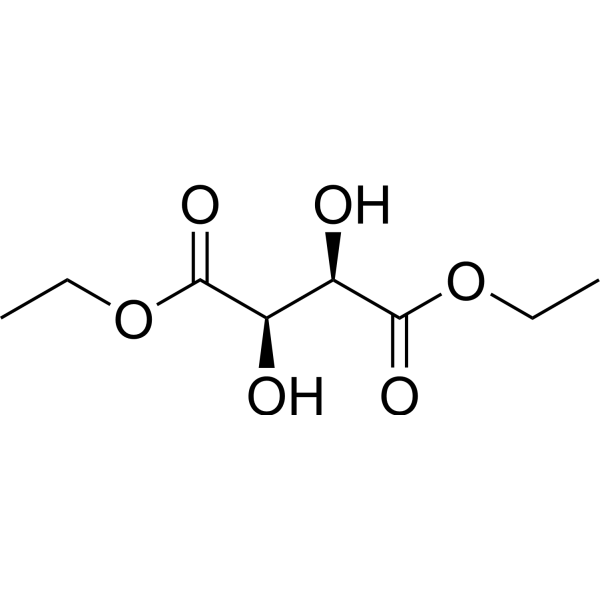
(2R,3R)-Diethyl 2,3-dihydroxysuccinate (Diethyl tartrate) is utilized in food industry as a flavoring agent and acidity regulator and for this purpose is also used in wines .
|
-
- HY-W016153
-
|
|
Biochemical Assay Reagents
|
|
2-Bromo-4-methylphenol is a versatile compound. 2-Bromo-4-methylphenol produces an iodine-like odor in reverse osmosis water and red wine matrices. 2-Bromo-4-methylphenol exhibits antibacterial properties and effectively inhibits the growth of bacteria and fungal. 2-Bromo-4-methylphenol is an important intermediate for a variety of organic compounds .
|
-
- HY-W039849
-
|
Ethyl α-thioglucopyranoside
|
Biochemical Assay Reagents
|
|
Ethyl-α-D-thioglucopyranoside (Ethyl α-Thioglucopyranoside) is a glycoside present in sake, Japanese rice wine. Ethyl-α-D-thioglucopyranoside is a glycosyl donor .
|
-
- HY-W127787
-
|
L-(+)-Tartaric acid sodium hydrate
|
Biochemical Assay Reagents
|
|
L-Tartaric acid (L-(+)-Tartaric acid) sodium hydrate is the enantiomer of D-tartaric acid. L-Tartaric acid (HY-Y0293) is a white crystalline dicarboxylic acid found in many plants, such as grapes, and is one of the main organic acids in wine. L-Tartaric acid sodium hydrate which acts as a flour bulking agent and as a food additive can interact with sodium bicarbonate to produce carbon dioxide .
|
-
- HY-W127787R
-
|
L-(+)-Tartaric acid sodium hydrate (Standard)
|
Biochemical Assay Reagents
|
|
Tartaric acid (sodium hydrate) (Standard) is the analytical standard of Tartaric acid (sodium hydrate) (HY-W127787). This product is intended for research and analytical applications. L-Tartaric acid (L-(+)-Tartaric acid) sodium hydrate is the enantiomer of D-tartaric acid. L-Tartaric acid (HY-Y0293) is a white crystalline dicarboxylic acid found in many plants, such as grapes, and is one of the main organic acids in wine. L-Tartaric acid sodium hydrate which acts as a flour bulking agent and as a food additive can interact with sodium bicarbonate to produce carbon dioxide .
|
| Cat. No. |
Product Name |
Category |
Target |
Chemical Structure |
-
- HY-N2409
-
-
-
- HY-N1467
-
-
-
- HY-N7093
-
-
-
- HY-W005288
-
-
-
- HY-W012836
-
-
-
- HY-N0120
-
|
(E/Z)-Piceid
|
Structural Classification
Stilbenes
Classification of Application Fields
Polygonaceae
Reynoutria japonica Houtt.
Phenols
Polyphenols
Plants
Inflammation/Immunology
Disease Research Fields
Source Classification
|
Drug Isomer
|
|
(E/Z)-Polydatin ((E/Z)-Piceid) is a mixture of the E/Z configurations of Polydatin (HY-N0120A). Polydatin can be isolated from Polygonum cuspidatum, grapes, peanuts, red wine, hop pellets, cocoa-containing products and chocolate products. Polydatin exhibits multiple biological properties, such as anti-platelet aggregation, anti-low-density lipoprotein oxidation, cardioprotective activity, anti-inflammatory and immunomodulatory functions. Polydatin shows favorable cytotoxic effects against various tumor cell lines, including cervical cancer cells, liver cancer cells, and nasopharyngeal carcinoma cells .
|
-
-
- HY-W012701
-
-
-
- HY-W012708
-
-
-
- HY-125740
-
-
-
- HY-113085
-
-
-
- HY-N7513
-
-
-
- HY-W012998
-
|
|
Structural Classification
other families
Classification of Application Fields
Ketones, Aldehydes, Acids
Other Diseases
Plants
Disease Research Fields
Source Classification
|
Drug Intermediate
|
|
2,3-Pentanedione is a common constituent of synthetic flavorings and is used to impart a butter, strawberry, caramel, fruit, rum, or cheese flavor in beverages, ice cream, candy, baked goods, gelatins, and puddings. 2,3-Pentanedione also occurs naturally as a fermentation product in beer, wine, and yogurt and is releasedduring roasting of coffee beans .
|
-
-
- HY-W007511
-
-
-
- HY-W010254
-
-
-
- HY-W012998R
-
|
|
Structural Classification
Microorganisms
other families
Ketones, Aldehydes, Acids
Plants
Source Classification
|
Reference Standards
Biochemical Assay Reagents
|
|
2,3-Pentanedione (Standard) is the analytical standard of 2,3-Pentanedione. This product is intended for research and analytical applications. 2,3-Pentanedione is a common constituent of synthetic flavorings and is used to impart a butter, strawberry, caramel, fruit, rum, or cheese flavor in beverages, ice cream, candy, baked goods, gelatins, and puddings. 2,3-Pentanedione also occurs naturally as a fermentation product in beer, wine, and yogurt and is releasedduring roasting of coffee beans .
|
-
-
- HY-125740R
-
|
Malvidin-3-O-glucoside chloride (Standard); Oenin chloride (Standard)
|
Structural Classification
Anthocyans
Flavonoids
Vitis vinifera cv. Zalema
Phenols
Polyphenols
Plants
Vitaceae
Source Classification
|
Reference Standards
Interleukin Related
NO Synthase
NF-κB
TNF Receptor
|
|
Malvidin-3-glucoside (Malvidin-3-O-glucoside; Oenin) chloride (Standard) is the analytical standard of Malvidin-3-glucoside chloride (HY-125740). This product is intended for research and analytical applications. Malvidin-3-glucoside chloride is an orally active inhibitor of the NF-κB pathway, which blocks inflammatory responses induced by TNF-α, reduces IκB-α degradation and p65 nuclear translocation, and upregulates endothelial nitric oxide synthase eNOS to increase NO production. Malvidin-3-glucoside chloride exerts anti-inflammatory and antioxidant effects by inhibiting pro-inflammatory molecules such as MCP-1, ICAM-1, and IL-6, and regulating intestinal microorganisms and metabolites, while protecting endothelial cells and improving intestinal microecological dysbiosis under inflammatory conditions. Malvidin-3-glucoside chloride can be used to study chronic inflammatory-related diseases such as atherosclerosis and inflammatory bowel disease, and has the potential to prevent vascular inflammation and improve intestinal health .
|
-
-
- HY-W087943
-
-
-
- HY-W012836R
-
-
-
- HY-113085R
-
-
-
- HY-N15533
-
-
-
- HY-N2409R
-
-
-
- HY-N7093R
-
-
-
- HY-W012701R
-
-
-
- HY-W007511R
-
-
-
- HY-W012708R
-
-
-
- HY-W087943R
-
-
-
- HY-W040156
-
|
|
Natural Products
Microorganisms
Source Classification
|
Fungal
|
|
Oxadixyl is a fungicide with activity that inhibits the growth of fungi. Oxadixyl was tested during the malic fermentation of red wine, where its concentration may be affected. The biological activity of Oxadixyl helps to evaluate its effect on microorganisms during the winemaking process .
|
-
-
- HY-N3363
-
-
-
- HY-W127787
-
-
-
- HY-W040156R
-
|
|
Structural Classification
Natural Products
Microorganisms
Source Classification
|
Fungal
Reference Standards
|
|
Oxadixyl (Standard) is the analytical standard of Oxadixyl. This product is intended for research and analytical applications. Oxadixyl is a fungicide with activity that inhibits the growth of fungi. Oxadixyl was tested during the malic fermentation of red wine, where its concentration may be affected. The biological activity of Oxadixyl helps to evaluate its effect on microorganisms during the winemaking process .
|
-
-
- HY-N7539
-
-
-
- HY-N10757
-
-
-
- HY-W010254R
-
-
-
- HY-N7715A
-
-
-
- HY-W127787R
-
|
L-(+)-Tartaric acid sodium hydrate (Standard)
|
Structural Classification
Ketones, Aldehydes, Acids
Endogenous metabolite
Source Classification
|
Endogenous Metabolite
Reference Standards
|
|
Tartaric acid (sodium hydrate) (Standard) is the analytical standard of Tartaric acid (sodium hydrate) (HY-W127787). This product is intended for research and analytical applications. L-Tartaric acid (L-(+)-Tartaric acid) sodium hydrate is the enantiomer of D-tartaric acid. L-Tartaric acid (HY-Y0293) is a white crystalline dicarboxylic acid found in many plants, such as grapes, and is one of the main organic acids in wine. L-Tartaric acid sodium hydrate which acts as a flour bulking agent and as a food additive can interact with sodium bicarbonate to produce carbon dioxide .
|
-
| Cat. No. |
Product Name |
Chemical Structure |
-
- HY-W005288S
-
|
|
|
4-Vinylphenol-d4 is deuterated labeled 4-Vinylphenol (HY-W005288). 4-Vinylphenol is found in the medicinal herb Hedyotis diffusa Willd, wild rice and is also the metabolite of p-coumaric and ferulic acid by lactic acid bacteria in wine. 4-Vinylphenol induces apoptosis and inhibits blood vessels formation and suppresses invasive breast tumor growth in vivo .
|
-
-
- HY-W012836S1
-
|
|
|
4-Ethylphenol-d10 is the deuterium labeled 4-Ethylphenol (HY-W012836). 4-Ethylphenol is a volatile phenolic compound associated with off-odour in wine. 4-Ethylphenol is a phenolic compound that can be synthesized by intestinal flora. 4-Ethylphenol will be converted to 4-ethylphenyl sulfate (HY-W674241) by Lactobacillus plantarum .
|
-
-
- HY-W012836S
-
|
|
|
4-Ethylphenol-d5 is the deuterium labeled 4-Ethylphenol (HY-W012836). 4-Ethylphenol is a volatile phenolic compound associated with off-odour in wine. 4-Ethylphenol is a phenolic compound that can be synthesized by intestinal flora. 4-Ethylphenol will be converted to 4-ethylphenyl sulfate (HY-W674241) by Lactobacillus plantarum .
|
-
-
- HY-W585933S
-
|
|
|
Fructose-alanine- 13C6 is 13C labeled Fructose-alanine. Fructose-alanine, an amadori compound, is an aroma precursor that formed in the initial phase of the Maillard reaction (MR). Fructose-alanine can be isolated from tobacco, miso and white wine. Fructose-alanine significantly induces oxidative browning and correlates with Maillard product (furfuryl alcohol) with a roasted and sweet aroma. Fructose-alanine can be used for food industry and tobacco processing research .
|
-
-
- HY-W087943S
-
|
|
|
Methyl octanoate-d15 is the deuterium labeled Methyl octanoate. Methyl octanoate, a volatile compound, is an aroma component persimmon wine .
|
-
-
- HY-W749483
-
|
|
|
Iprovalicarb-d8 is the deuterium labeled Iprovalicarb (HY-121766). Iprovalicarb (Fencaramid; SZX-0722) is a fungicide that can be used for the study of?fungal?diseases in the wine sector .
|
-
-
- HY-W012701S
-
|
|
|
Ethyl 3-hydroxybutyrate-d5 is the deuterium labeled Ethyl 3-hydroxybutyrate (HY-W012701). Ethyl 3-hydroxybutyrate is a fragrance found in wine and Tribolium castaneum .
|
-
-
- HY-W740977
-
|
|
|
4-Methyl-1-pentanol-d7 (Isohexanol-d7) is the deuterium labeled 4-Methyl-1-pentanol (HY-W007511). 4-Methyl-1-pentanol is a volatile aroma component of red wine, which is often used in the production and blending of wine. 4-Methyl-1-pentanol can also be used as an alcohol antagonist to antagonize the effects of ethanol and 1-butanol on cell-cell adhesion, and is used in the study of fetal alcohol syndrome .
|
-
-
- HY-W753473
-
|
|
|
4-Ethylphenol-d9 is the deuterium labeled 4-Ethylphenol (HY-W012836). 4-Ethylphenol is a volatile phenolic compound associated with off-odour in wine. 4-Ethylphenol is a phenolic compound that can be synthesized by intestinal flora. 4-Ethylphenol will be converted to 4-ethylphenyl sulfate (HY-W674241) by Lactobacillus plantarum .
|
-
-
- HY-W012836S2
-
|
|
|
4-Ethylphenol-d2 is deuterated labeled 4-Ethylphenol (HY-W012836). 4-Ethylphenol is a volatile phenolic compound associated with off-odour in wine. 4-Ethylphenol is a phenolic compound that can be synthesized by intestinal flora. 4-Ethylphenol will be converted to 4-ethylphenyl sulfate (HY-W674241) by Lactobacillus plantarum .
|
-
-
- HY-W012998S2
-
|
|
|
2,3-Pentanedione-d3 is deuterated labeled 2,3-Pentanedione (HY-W012998). 2,3-Pentanedione is a common constituent of synthetic flavorings and is used to impart a butter, strawberry, caramel, fruit, rum, or cheese flavor in beverages, ice cream, candy, baked goods, gelatins, and puddings. 2,3-Pentanedione also occurs naturally as a fermentation product in beer, wine, and yogurt and is releasedduring roasting of coffee beans .
|
-
-
- HY-N6745S
-
|
|
|
Citreoviridin- 13C23 is 13C labeled 2,3-Pentanedione (HY-W012998). 2,3-Pentanedione is a common constituent of synthetic flavorings and is used to impart a butter, strawberry, caramel, fruit, rum, or cheese flavor in beverages, ice cream, candy, baked goods, gelatins, and puddings. 2,3-Pentanedione also occurs naturally as a fermentation product in beer, wine, and yogurt and is releasedduring roasting of coffee beans .
|
-
-
- HY-W012998S1
-
|
|
|
2,3-Pentanedione- 13C2 is 13C labeled 2,3-Pentanedione (HY-W012998). 2,3-Pentanedione is a common constituent of synthetic flavorings and is used to impart a butter, strawberry, caramel, fruit, rum, or cheese flavor in beverages, ice cream, candy, baked goods, gelatins, and puddings. 2,3-Pentanedione also occurs naturally as a fermentation product in beer, wine, and yogurt and is releasedduring roasting of coffee beans .
|
-
-
- HY-W012998S
-
|
|
|
2,3-Pentanedione-d5 is the deuterium labeled 2,3-Pentanedione (HY-W012998). 2,3-Pentanedione is a common constituent of synthetic flavorings and is used to impart a butter, strawberry, caramel, fruit, rum, or cheese flavor in beverages, ice cream, candy, baked goods, gelatins, and puddings. 2,3-Pentanedione also occurs naturally as a fermentation product in beer, wine, and yogurt and is releasedduring roasting of coffee beans .
|
-
-
- HY-178381S
-
|
|
|
3-Hydroxyhippuric acid-d4 is the deuterium labeled 3-Hydroxyhippuric acid (HY-113085). 3-Hydroxyhippuric acid is an acyl glycine. 3-Hydroxyhippuric acid inhibits kynureninase (Ki = 60 μM). 3-Hydroxyhippuric acid is found in higher concentrations in autistic group than in the controls. 3-Hydroxyhippuric acid is a marker of Clostridium species, and has a positive correlation with the level of Clostridia. 3-Hydroxyhippuric acid is one of the main metabolites formed from the catechin diet and wine polyphenol diets .
|
-
Your information is safe with us. * Required Fields.
Inquiry Information
- Product Name:
- Cat. No.:
- Quantity:
- MCE Japan Authorized Agent:

