105 Results for "

Chitosan

" in MedChemExpress (MCE) Product Catalog:
Products (105)

105 Results for "Chitosan" in MCE Product Catalog:

8
8 Publications Verification
Cat. No.: HY-Y0623
CAS No.: 6066-82-6
Synonyms: HOSu; 1-Hydroxy-2,5-pyrrolidinedione
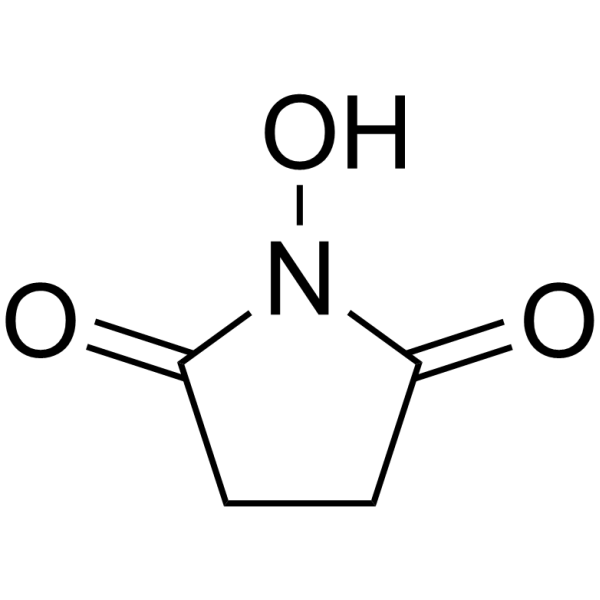
N-Hydroxysuccinimide (HOSu; 1-Hydroxy-2,5-pyrrolidinedione) is a covalent crosslinker commonly used in bioconjugation technology with a primary amine group. N-Hydroxysuccinimide reacts with amino groups (-NH2) to form a stable amide bond, which can modify amino-containing biomolecules. N-Hydroxysuccinimide can be used, for example, for protein labeling with fluorescent dyes and enzymes, surface activation of chromatography supports, microbeads, nanoparticles and microarray slides, and chemical synthesis of peptides. N-Hydroxysuccinimide has a wide range of applications in biomaterial synthesis (such as collagen, chitosan crosslinking), drug delivery systems (such as hydrogel preparation) and tissue engineering .
loading...
    loading...
5
5 Cited Publications
Cat. No.: HY-112108
CAS No.: 148411-57-8
Purity:  ≥91.0%
Synonyms: COS
Chitosan oligosaccharide (COS) is an oligomer of β-(1→4)-linked D-glucosamine. Chitosan oligosaccharide (COS) activates AMPK and inhibits inflammatory signaling pathways including NF-κB and MAPK pathways.
loading...
    loading...
4
4 Cited Publications
Cat. No.: HY-B2144A
CAS No.: 9012-76-4
Synonyms: Deacetylated chitin (MW 150000) (≥85% deacetylated); Poly(D-glucosamine) (MW 150000) (≥85% deacetylated)
Research Areas:  

Infection Cancer

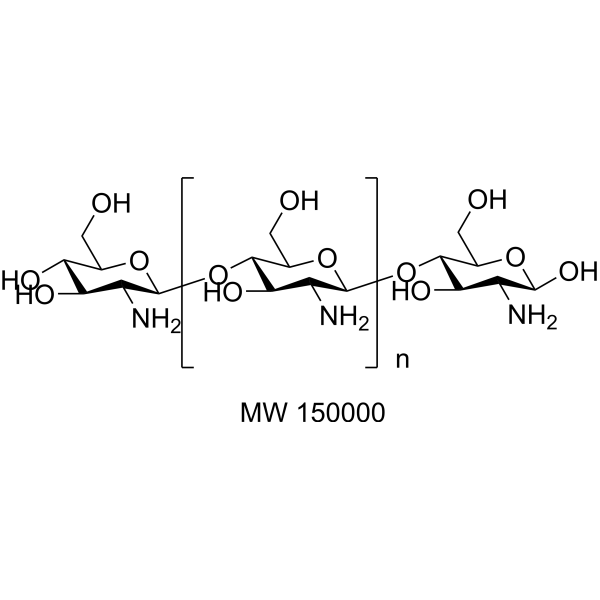
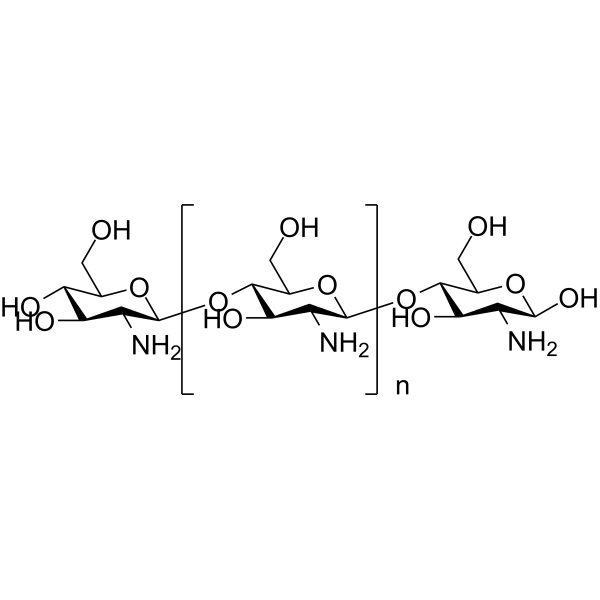
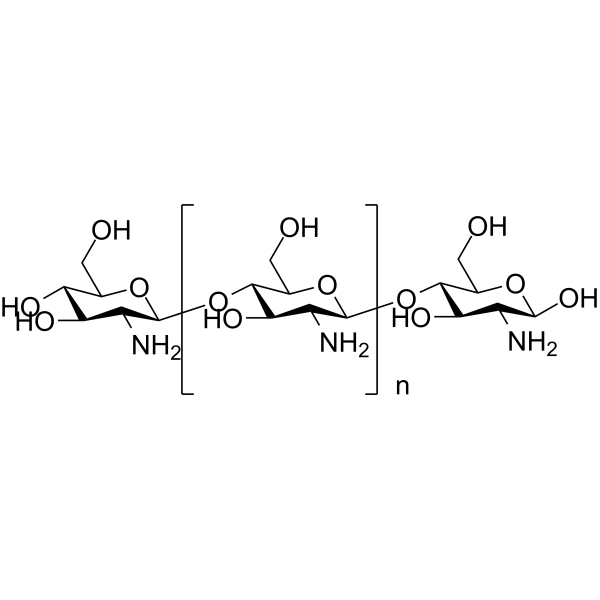
Chitosan (MW 150000) (Deacetylated chitin (MW 150000)) is a polycationic linear polysaccharide derived from chitin with the molecular weight of 150000. Chitosan is an versatile biomaterial because of its non-toxicity, low allergenicity, biocompatibility and biodegradability. Chitosan also has antitumor, antibacterial, antifungal, and antioxidant activities .
loading...
    loading...
3
3 Cited Publications
Cat. No.: HY-135969
CAS No.: 123938-86-3
Purity:  61.22%
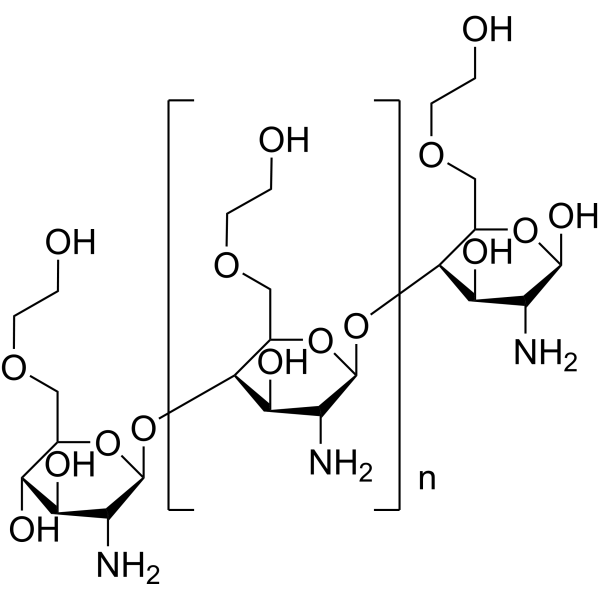
Glycol chitosan is a chitosan derivative with ethylene glycol branches. Glycol chitosan enhances membrane permeability and leadkage in Glycine max Harosoy 63W cells. Glycol chitosan is biocompatible and biodegradable . Glycol chitosan inhibits E. coli, S. aureus and S. enteritidis growths with MIC values of 4 μg/mL, 32 μg/mL and <0.5 μg/mL, respectively .
loading...
    loading...
3
3 Cited Publications
Cat. No.: HY-Y0850O
CAS No.: 9002-89-5
Synonyms: PVA (Mw 31000-50000, 87-89% hydrolyzed); Poly(Ethenol) (Mw 31000-50000, 87-89% hydrolyzed)
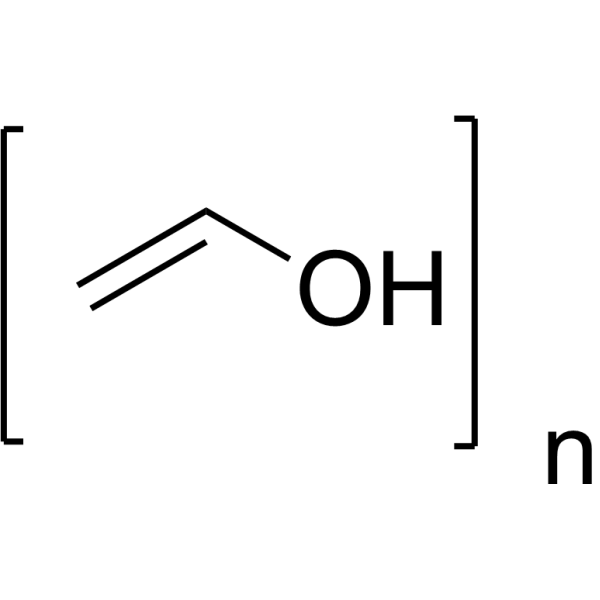
Polyvinyl alcohol (PVA; Poly (Ethenol)) (Mw 31000-50000, 87-89% hydrolyzed) is a polymer with emulsifying and stabilizing properties, with a degree of hydrolysis of 87-89%. Polyvinyl alcohol (Mw 31000-50000, 87-89% hydrolyzed) mainly acts as a stabilizer in the preparation of nanomedicines; it not only maintains the structural integrity of PEGylated PLGA nanoparticles during double emulsion synthesis, but also facilitates the preparation of chitosan/matrine-PLGA nanoparticle aqueous solutions and lipid-polymer nanoparticles. Polyvinyl alcohol (Mw 31000-50000, 87-89% hydrolyzed) can be widely used in research related to fields such as breast cancer .
loading...
    loading...
1
1 Cited Publications
Cat. No.: HY-B2144B
CAS No.: 9012-76-4
Synonyms: Deacetylated chitin (MW 30000) (≥85% deacetylated); Poly(D-glucosamine) (MW 30000) (≥85% deacetylated)
Research Areas:  

Infection Cancer

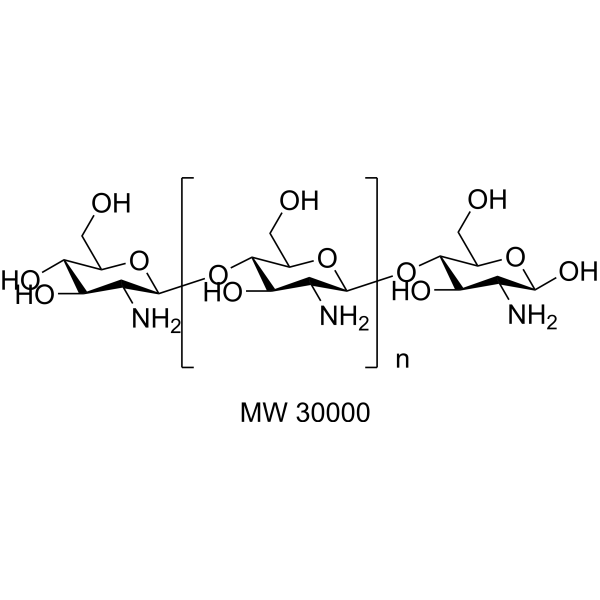
Chitosan (MW 30000) (Deacetylated chitin (MW 30000)) is a polycationic linear polysaccharide derived from chitin with the molecular weight of 30000. Chitosan is an versatile biomaterial because of its non-toxicity, low allergenicity, biocompatibility and biodegradability. Chitosan also has antitumor, antibacterial, antifungal, and antioxidant activities .
loading...
    loading...
1
1 Cited Publications
Cat. No.: HY-W127512
CAS No.: 546-18-9
Target:  

Drug Intermediate

Research Areas:  

Others

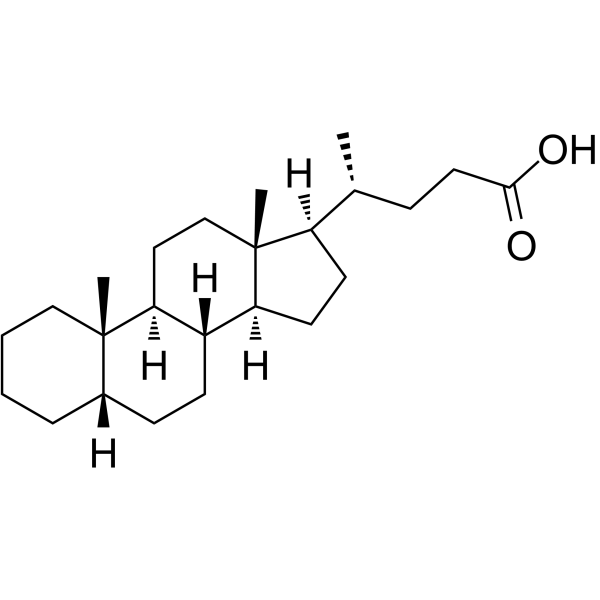
5β-Cholanic acid is a hydrophobic modifier used to modify polymer carriers. 5β-Cholanic acid can improve the acid stability, cell penetration efficiency and drug sustained release ability of nanocarriers, and optimize the oral effectiveness of delivered molecules. 5β-Cholanic acid can covalently bind to Glycol chitosan (GC) to form a GC-CA conjugate, which optimizes the hydrophobic anchoring ability of nanoparticles and enables them to be stably adsorbed on the surface of PLGA nanoparticles. Such nanoparticles can resist dissociation in the gastric acid environment and maintain positive charge to enhance endocytic uptake by intestinal epithelial cells (such as Caco-2 cells). 5β-Cholanic acid can be used in the development of drug delivery systems .
loading...
    loading...
Cat. No.: HY-Y1703
CAS No.: 148893-10-1
Research Areas:  

Others

HATU is a third-generation uronium salt peptide coupling reagent. HATU increases the rate of peptide coupling reactions, activates amino acids, promotes peptide bond formation in both solution-phase and solid-phase synthesis, and also facilitates peptide assembly, fragment coupling, and linear peptide cyclization. HATU can promote the N-acylation of chitosan to generate amide-linked cationic derivatives with a controllable degree of substitution. HATU is commonly used in amine acylation reactions .
loading...
    loading...
Cat. No.: HY-148033
CAS No.: 52349-26-5
Synonyms: N,N,N-TrimethylChitosan
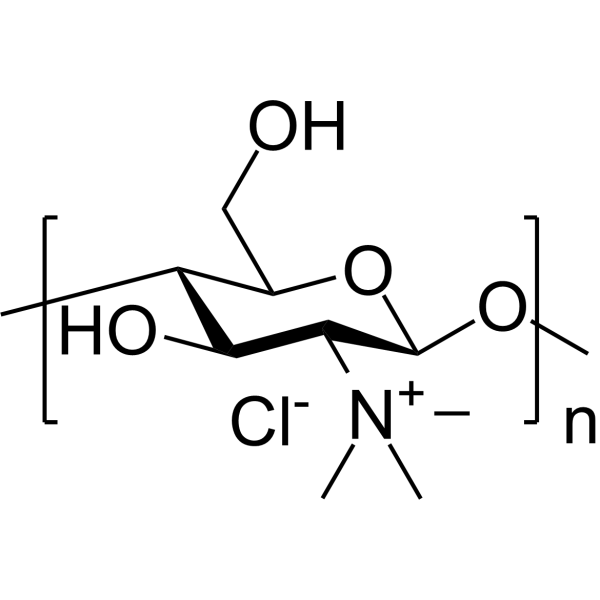
Trimethyl chitosan (N,N,N-Trimethylchitosan) is a multifunctional polymer and a derivative of Chitosan (HY-B2144A). Trimethyl chitosan targets the absorption enhancing proteins of tight junctions of intestinal and mucosal epithelial cells, induces tight junction protein rearrangement, and increases intercellular permeability. Trimethyl chitosan can stimulate the activity of promoting transmembrane transport of hydrophilic drugs (such as peptides and proteins) and can be used for drug delivery and synthesis of nanoparticles .
loading...
    loading...
Cat. No.: HY-W250111
CAS No.: 83512-85-0
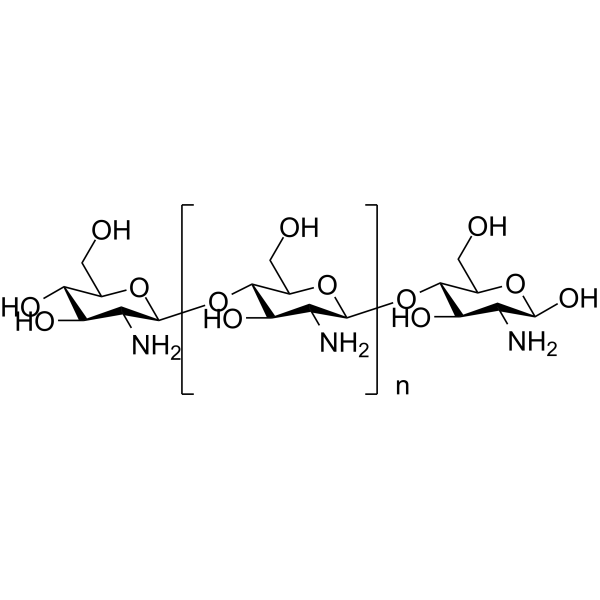
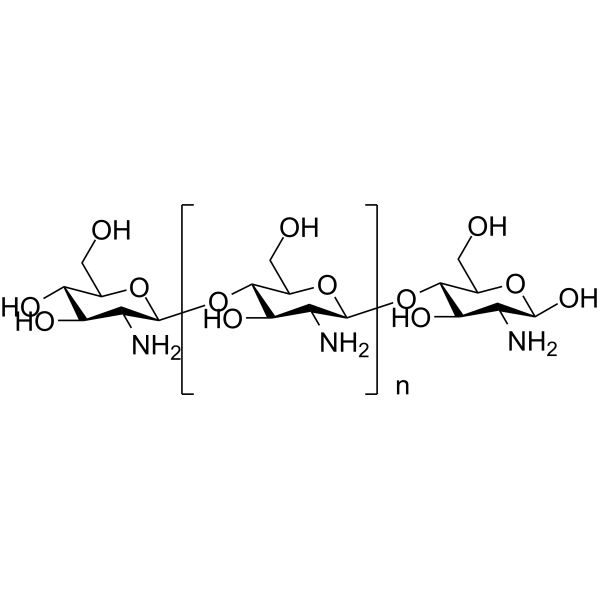
Carboxymethyl chitosan is a derivative of chitosan. Carboxymethyl chitosan inhibits Apoptosis and ROS. Carboxymethyl chitosan increases the expression of Bcl-2 and reduces the expression of Bax, cytochrome c and caspase-3. Carboxymethyl chitosan inhibits the migration of various cells. Carboxymethyl chitosan exerts antitumor effects on Lewis tumors and hepatocarcinoma .
loading...
    loading...
Cat. No.: HY-B2144C
CAS No.: 9012-76-4
Synonyms: Deacetylated chitin (≥95% deacetylated,viscosity 100-200 mPa.s); Poly(D-glucosamine) (≥95% deacetylated,viscosity 100-200 mPa.s)
Chitosan (Deacetylated chitin) (≥95% deacetylated,viscosity 100-200 mPa.s) is a polysaccharide obtained by deacetylating chitin, and exhibits antimicrobial activity against various bacteria and fungi .
loading...
    loading...
Cat. No.: HY-Y1353
CAS No.: 24424-99-5
Research Areas:  

Others Metabolic Disease

Di-tert-butyl dicarbonate (tBOC) is a covalent modification agent for hydroxyl groups (-OH) on the chitosan molecular chain. Di-tert-butyl dicarbonate selectively modifies chitosan and stabilizes the material structure through hydrophobic encapsulation. Di-tert-butyl dicarbonate reacts with the -OH groups of chitosan to form a hydrophobic layer, and in conjunction with triethylamine (TEA), removes trifluoroacetic acid (TFA) salts produced during the electrospinning process, preserving the nanofiber structure and high porosity of the membrane, and improving the material's cytocompatibility and mineralization-promoting ability. Di-tert-butyl dicarbonate can be used in research in the field of guided bone regeneration (GBR) .
loading...
    loading...
Cat. No.: HY-B2144E
CAS No.: 9012-76-4
Synonyms: Deacetylated chitin (≥90% deacetylated, Low viscosity,<200mPa.s); Poly(D-glucosamine) (≥90% deacetylated, Low viscosity,<200mPa.s)
Chitosan (Deacetylated chitin) (≥90% deacetylated, Low viscosity,<200mPa.s) is a polysaccharide obtained by deacetylating chitin, and exhibits antimicrobial activity against various bacteria and fungi .
loading...
    loading...
Cat. No.: HY-B2144J
CAS No.: 9012-76-4
Synonyms: Deacetylated chitin (≥90% deacetylated,viscosity 650-700 mPa.s); Poly(D-glucosamine) (≥90% deacetylated,viscosity 650-700 mPa.s)
Chitosan (Deacetylated chitin) (≥90% deacetylated, viscosity 650-700 mPa.s) is a polysaccharide obtained by deacetylating chitin, and exhibits antimicrobial activity against various bacteria and fungi. Chitosan (≥90% deacetylated, viscosity 650-700 mPa.s) can be used as a versatile biomaterial in drug delivery, tissue engineering, and wound healing .
loading...
    loading...
Cat. No.: HY-B2144K
CAS No.: 9012-76-4
Synonyms: Deacetylated chitin (≥85% deacetylated, viscosity>90 mPa.s, MW 15000); Poly(D-glucosamine) (≥85% deacetylated, viscosity>90 mPa.s, MW 15000)
Chitosan (Deacetylated chitin) (≥85% deacetylated, viscosity>90 mPa.s, MW 15000) is a polysaccharide obtained by deacetylating chitin, and exhibits antimicrobial activity against various bacteria and fungi .
loading...
    loading...
Cat. No.: HY-W004761
CAS No.: 13675-18-8
Synonyms: Hypodiboric acid
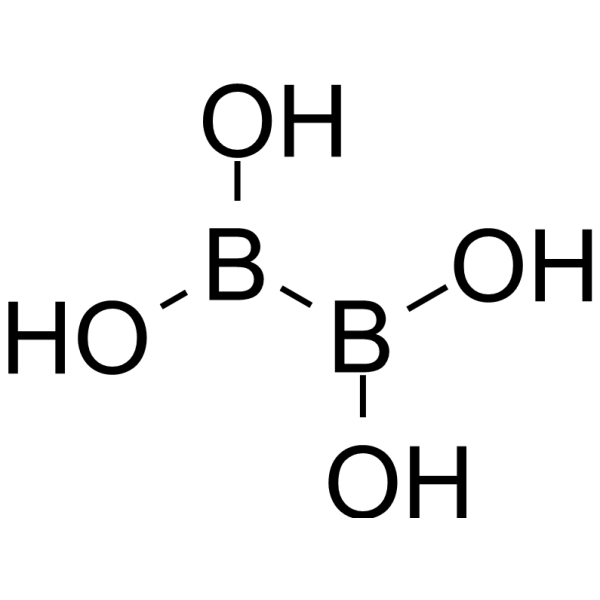
Tetrahydroxydiboron (Hypodiboric acid) acts as a hydrogel initiator and bioadhesion promoter, with broad-spectrum antibacterial activity, ROS scavenging capacity, and osteogenic induction properties. Tetrahydroxydiboron initiates rapid gelation by generating free radicals through reactions with vinyl monomers and dissolved oxygen, overcoming oxygen inhibition without deoxygenation or external triggers. Tetrahydroxydiboron achieves strong bioadhesion via interaction with carboxymethyl chitosan. Tetrahydroxydiboron can be used in the research of periodontitis and related inflammatory diseases .
loading...
    loading...
Cat. No.: HY-B2144G
CAS No.: 9012-76-4
Synonyms: Deacetylated chitin (≥80% deacetylated, High viscosity,>400mPa.s); Poly(D-glucosamine) (≥80% deacetylated, High viscosity,>400mPa.s)
Chitosan (Deacetylated chitin; Poly(D-glucosamine)) (≥80% deacetylated, High viscosity,>400mPa.s) is a polysaccharide obtained by deacetylating chitin, and exhibits antimicrobial activity against various bacteria and fungi .
loading...
    loading...
Cat. No.: HY-B2144F
CAS No.: 9012-76-4
Synonyms: Deacetylated chitin (≥80% deacetylated, Medium viscosity,200-400mPa.s); Poly(D-glucosamine) (≥80% deacetylated, Medium viscosity,200-400mPa.s)
Chitosan (Deacetylated chitin; Poly(D-glucosamine)) (≥80% deacetylated, Medium viscosity,200-400mPa.s) is a polysaccharide obtained by deacetylating chitin, and exhibits antimicrobial activity against various bacteria and fungi .
loading...
    loading...
Cat. No.: HY-W019885A
CAS No.: 7758-29-4
Synonyms: Sodium triphosphate pentabasic, 98%
Sodium tripolyphosphate (STPP), 98% is an inorganic, non-toxic polyphosphate crosslinker, inducer and enhancer. Sodium tripolyphosphate (STPP), 98% induces the formation of unique needle-like microcrystals in sodium alginate-chitosan composite films. Sodium tripolyphosphate (STPP), 98% enhances the DPPH free radical scavenging activity of sodium alginate-chitosan composite films .
loading...
    loading...
Cat. No.: HY-B2144H
CAS No.: 70694-72-3
Synonyms: Chitosan HCl (80%-90% deacetylated)
Chitosan hydrochloride 80%-90% deacetylated (Chitosan HCl 80%-90% deacetylated) is the deacetylated, hydrocholoride form of chitosan. Chitosan hydrochloride 80%-90% deacetylated is a polysaccharide obtained by deacetylating chitin, and exhibits antimicrobial activity against various bacteria and fungi. Chitosan hydrochloride 80%-90% deacetylated is utilized in agriculture, water treatment and pharmaceutical aspects .
loading...
    loading...

