



FKBP
FK506-binding protein
FKBPs (FK506-binding proteins) belong to a distinct class of immunophilins that interact with immunosuppressants, such as FK506 and Rapamycin. FKBPs use their peptidyl-prolyl isomerase (PPIase) activity to catalyze the cis-trans conversion of prolyl bonds in proteins during protein-folding events. FKBPs also act as a unique group of chaperones. FKBPs are involved in several biochemical processes including protein folding, receptor signaling, protein trafficking and transcription. FKBP family proteins play important functional roles in the T-cell activation, when complexed with their ligands.
FKBPs, through interactions with steroid hormone receptors, kinases, or other cellular factors, play important roles in various physiological processes and, more interestingly, in pathological processes in mammals. Mammalian FKBPs can be divided into four groups: cytoplasmic, TPR domain, endoplasmic reticulum (ER) or secretory pathway and nuclear. The cytoplasmic FKBP isoforms FKBP12 and 12.6 and the nuclear FKBP25 and 133 contain a single PPIase domain. FKBP36, 38, 51 and 52 contain multiple TPR domains. The ER FKBPs: FKBP13, 19, 22, 23, 60 and 65 all contain an N-terminal ER signal peptide.
All Product Categories
-
FKBP Inhibitors
(18)
View all products
-
FKBP Agonists
(3)
View all products
-
FKBP Antagonist
(1)
View all products
-
FKBP Activators
(2)
View all products
-
FKBP Modulators
(6)
View all products
-
FKBP Degraders
(17)
View all products
-
FKBP Controls
(3)
View all products
-
FKBP Substrate
(1)
View all products
-
FKBP Ligands
(7)
View all products
-
FKBP Related Products (91)
Related Products (91)

-
Antibodies (5)
-
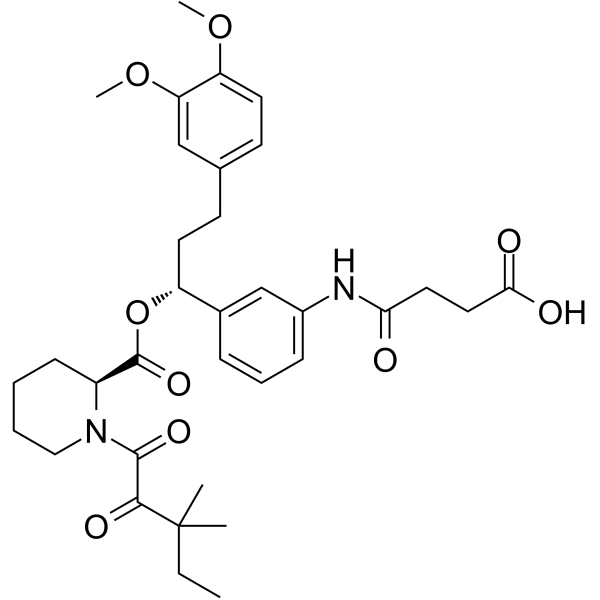
AP1867-2-(carboxymethoxy)
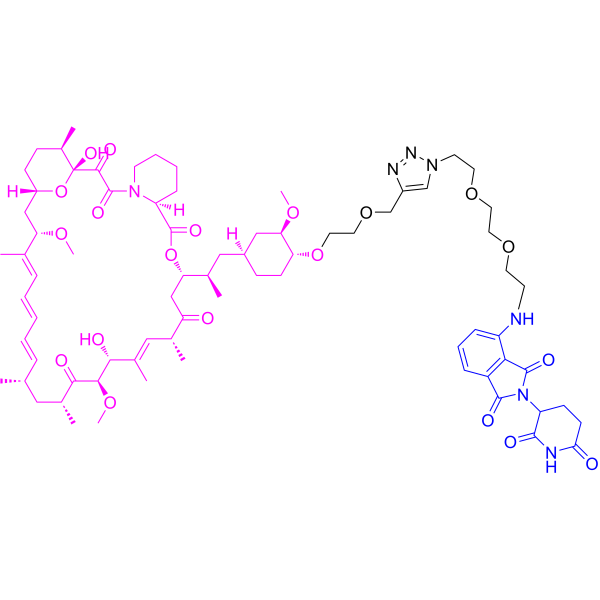
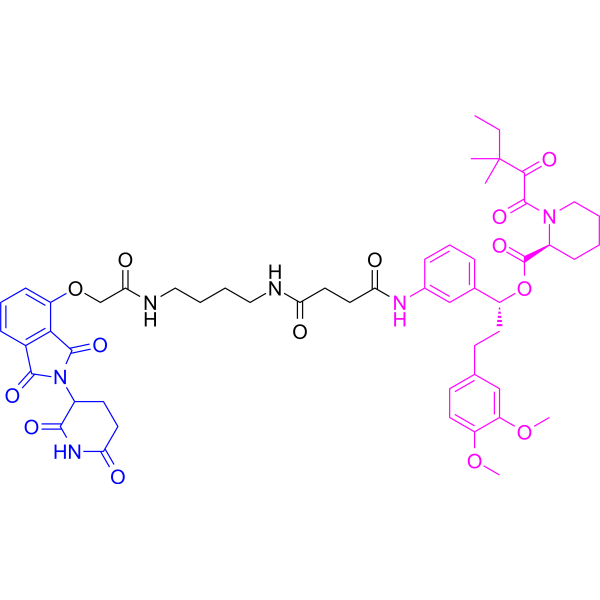
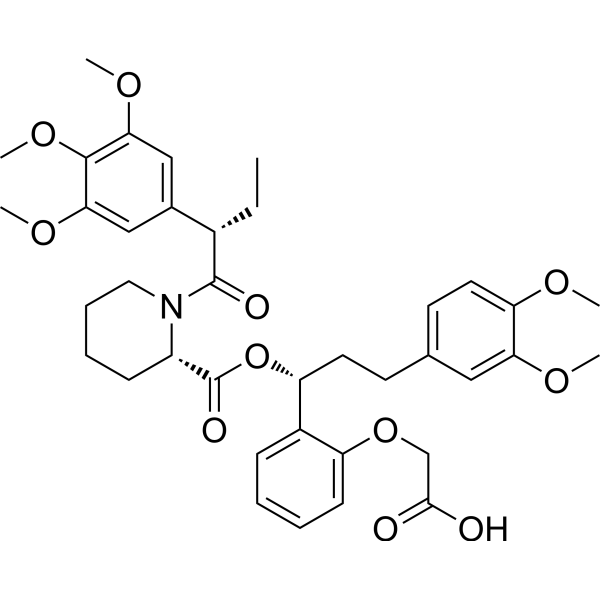 0 ImagesSynonyms: PROTAC FKBP12-binding moiety 2AP1867-2-(carboxymethoxy), the AP1867 (a synthetic FKBP12F36V-directed ligand) based moiety, binds to CRBN ligand via a linker to form dTAG molecules.
-
Tacrolimus-13C,d2
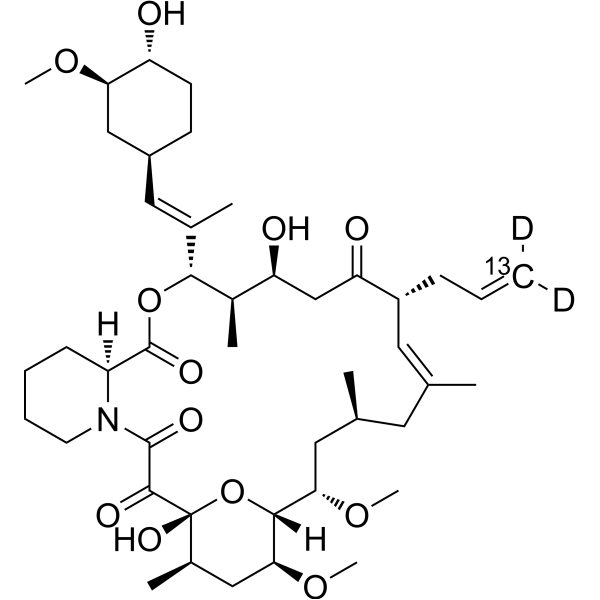 0 ImagesSynonyms: FK506-13C,d2; Fujimycin-13C,d2; FR900506-13C,d2Tacrolimus-13C,d2 (FK506-13C,d2) is the 13C, deuterated-labeled Tacrolimus (HY-13756). Tacrolimus (FK506), a molecular glue, a macrocyclic lactone, binds to FK506 binding protein (FKBP) to form a complex. Tacrolimus inhibits calcineurin phosphatase, which inhibits T-lymphocyte signal transduction and IL-2 transcription. Immunosuppressive properties.
-
Tacrolimus (Standard)
 0 ImagesSynonyms: FK506 (Standard); Fujimycin (Standard); FR900506 (Standard)Tacrolimus (Standard) (FK506 (Standard); Fujimycin (Standard); FR900506 (Standard)) is the analytical standard of Tacrolimus (HY-13756). This product is intended for research and analytical applications. Tacrolimus (FK506), a molecular glue, a macrocyclic lactone, binds to FK506 binding protein (FKBP) to form a complex. Tacrolimus inhibits calcineurin phosphatase, which inhibits T-lymphocyte signal transduction and IL-2 transcription. Immunosuppressive properties.
-
Etonogestrel
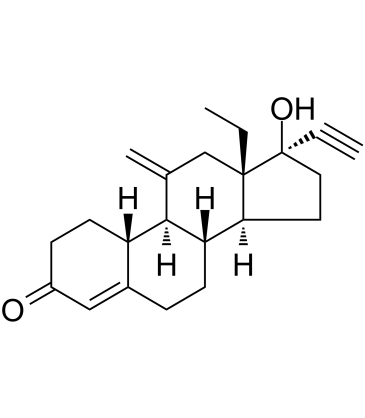 0 ImagesSynonyms: 3-Oxodesogestrel; 3-keto-DesogestrelEtonogestrel (3-Oxodesogestrel), a biologically active metabolite of progestin Desogestrel, binds with high affinity to progesterone receptors and estrogen receptors in the target organs. Etonogestrel induce FKBP51 mRNA and protein expression in cultured human endometrial stromal cells (HESCs).
-
SAFit1
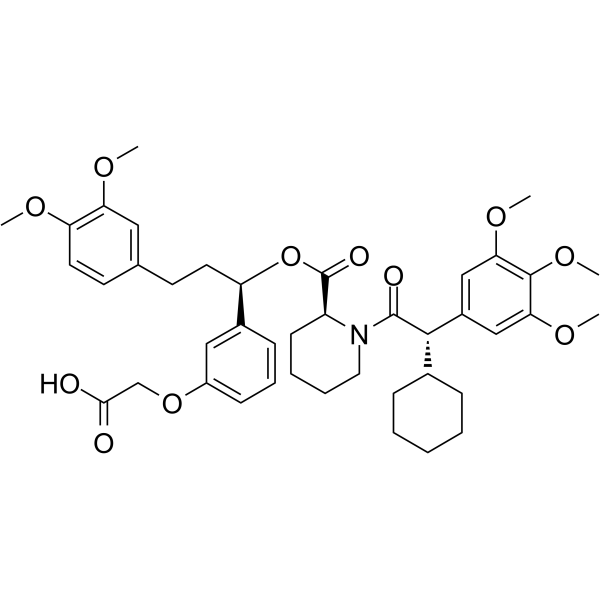 0 ImagesSAFit1 is a FK506 binding protein 51 (FKBP51)-specific inhibitor with a Ki of 4±0.3 nM.
-
dTAG-47-NEG
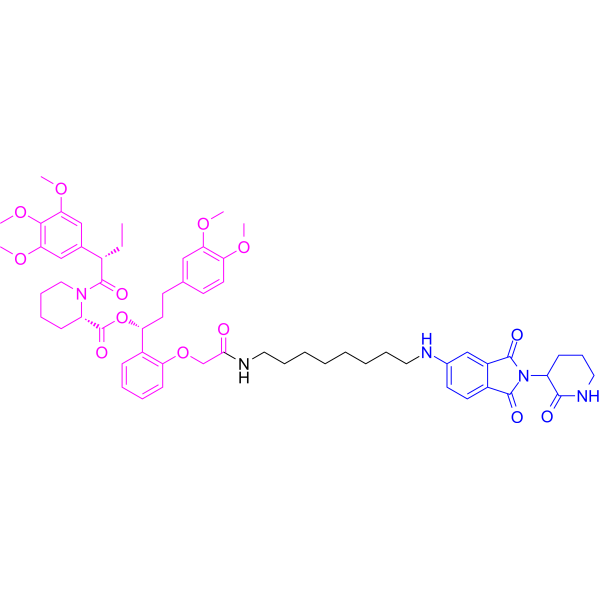 0 ImagesCat. No.: HY-147099Purity: 98.93%dTAG-47-NEG is an inactive bifunctional negative control PROTAC and also the diastereomer of dTAGV-1 (HY-145514D). dTAG-47-NEG does not reduce the level of BCL11A-FKBP12F36V, nor does it induce the degradation of BCL11A-FKBP12F36V, proteins tagged with FKBP12F36V, wild-type FKBP12, FKBP12F36V-KRASG12V or FKBP12F36V-EWS/FLI. dTAG-47-NEG exerts no antiproliferative effect in cancer cells.
-
Rapamycin (GMP)
 0 ImagesCat. No.: HY-10219GCAS No.: 53123-88-9Synonyms: Sirolimus (GMP); AY-22989 (GMP); NSC 226080 (GMP)Rapamycin (Sirolimus) (GMP) is Rapamycin (HY-10219) produced by using GMP guidelines. GMP small molecules works appropriately as an auxiliary reagent for cell therapy manufacture. Rapamycin (Sirolimus; AY 22989) is a potent and specific blood-brain barrier-transmissible mTOR inhibitor with an IC50 of 0.1 nM in HEK293 cells. Rapamycin is a molecular glue that binds FKBP12 and mTOR proteins together, thereby inhibiting mTOR kinase activity. Rapamycin binds to FKBP12 and specifically acts as an allosteric inhibitor of mTORC1. Rapamycin is an autophagy activator, an immunosuppressant.
-
KB02-SLF
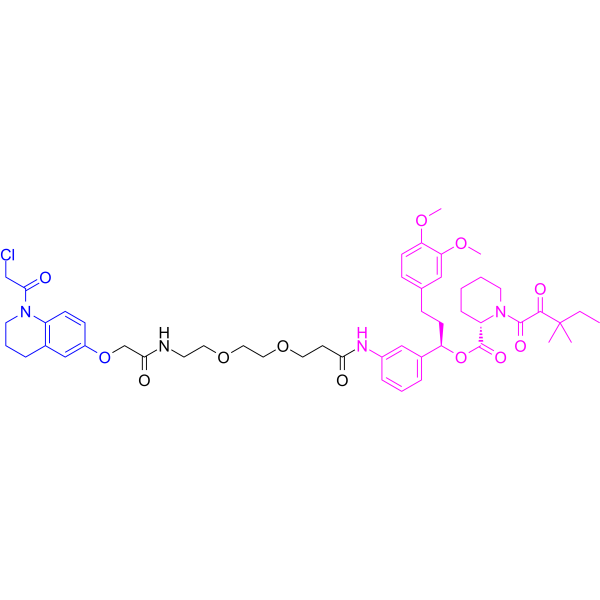 0 ImagesKB02-SLF is a nuclear FKBP12 covalent PROTAC degrader. KB02-SLF covalently modifies cysteine residues in DCAF16, forms a ternary complex with nuclear FKBP12, and mediates degradation via the CUL4-DDB1 E3 ubiquitin ligase pathway. KB02-SLF promotes polyubiquitination and proteasomal degradation of nucleus-localized FKBP12. KB02-SLF can be used in breast cancer research.
-
Suc-Ala-Leu-Pro-Phe-pNA
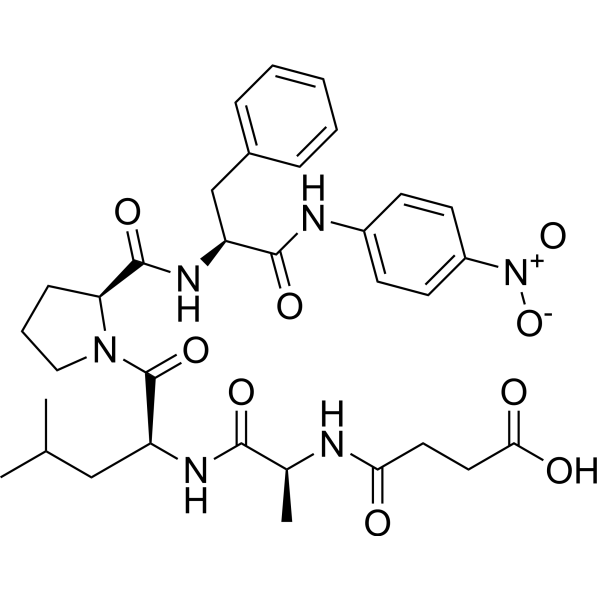 0 ImagesSynonyms: Suc-ALPF-pNASuc-Ala-Leu-Pro-Phe-pNA (Suc-ALPF-pNA) is a synthetic polypeptide substrate that targets FK506-binding protein (FKBP). Suc-Ala-Leu-Pro-Phe-pNA can be used to determine peptidyl-prolyl cis-trans isomerase activity via the chymotrypsin-coupled assay. Suc-Ala-Leu-Pro-Phe-pNA serves as a substrate for human FK506-binding protein hFKBP-12 in the chymotrypsin-FKBP coupled PPIase assay. Suc-Ala-Leu-Pro-Phe-pNA is applicable for the detection and research of PPIase activity.
-
Everolimus (Standard)
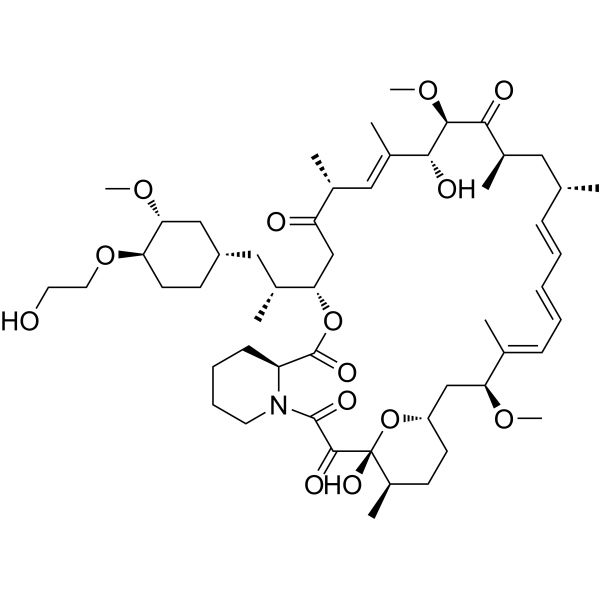 0 ImagesSynonyms: RAD001 (Standard); SDZ-RAD (Standard)Everolimus (Standard) is the analytical standard of Everolimus. This product is intended for research and analytical applications. Everolimus (RAD001) is a Rapamycin (HY-10219) derivative and a potent, selective and orally active mTOR1 inhibitor. Everolimus binds to FKBP-12 to generate an immunosuppressive complex. Everolimus inhibits tumor cells proliferation and induces cell apoptosis and autophagy. Everolimus has potent immunosuppressive and anticancer activities.
-
PROTAC FKBP Degrader-3
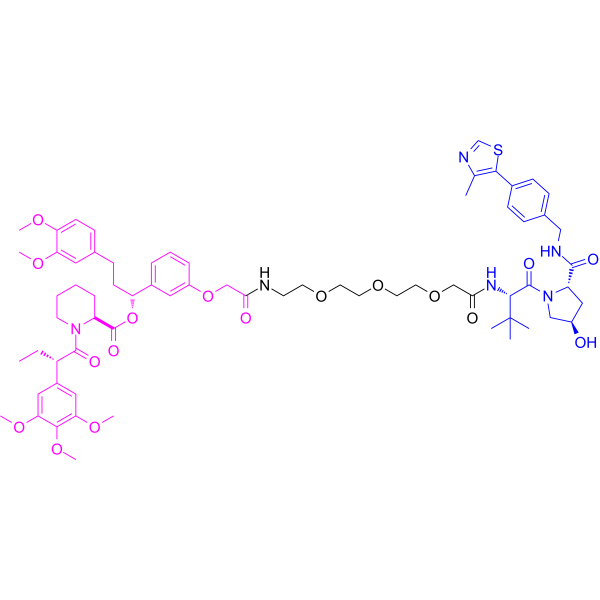 0 ImagesPROTAC FKBP Degrader-3 is a selective FKBP PROTAC degrader with an IC50 of 1.8 nM. PROTAC FKBP Degrader-3 targets and degrades the FKBP protein by recruiting the VHL E3 ligase, and this degradation process is primarily mediated by K11 and K48 ubiquitin chain linkages. PROTAC FKBP Degrader-3 can be applied in cancer research.
-
22-SLF
 0 ImagesCat. No.: HY-163807CAS No.: 3079209-82-522-SLF is a PROTAC degrader, that degrades FK506-binding protein 12 (FKBP12) with a DC50 of 0.5 µM. 22-SLF interacts with C227 and C228 in FBXO22 to induce a ternary complex between FKBP12 and FBXO22, and degrades FKBP12 in a FBXO22-dependent manner. 22-SLF can be used for fundamental cancer research as a probe to study the FBXO22 degradation pathway.
-
Rapamycin-d3
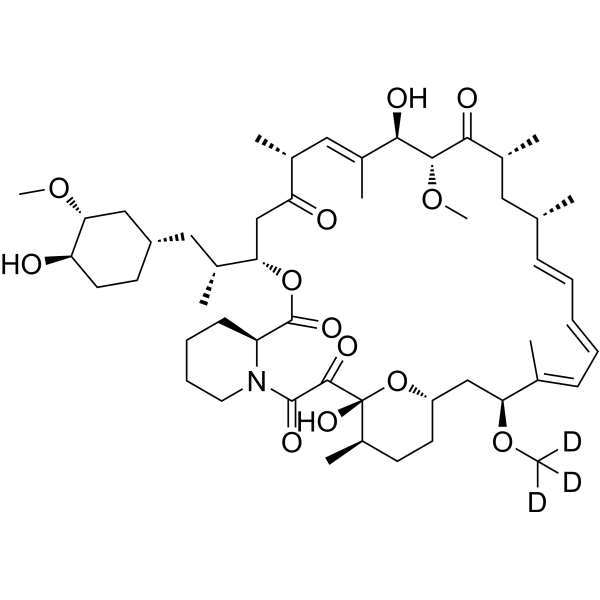 0 ImagesCat. No.: HY-10219SCAS No.: 392711-19-2Synonyms: Sirolimus-d3; AY-22989-d3; NSC 226080-d3Rapamycin-d3 (Sirolimus-d3; AY-22989-d3; NSC 226080-d3) is the deuterated-labeled Rapamycin (HY-10219). Rapamycin (Sirolimus; AY 22989) is a potent and specific blood-brain barrier-transmissible mTOR inhibitor with an IC50 of 0.1 nM in HEK293 cells. Rapamycin is a molecular glue that binds FKBP12 and mTOR proteins together, thereby inhibiting mTOR kinase activity. Rapamycin binds to FKBP12 and specifically acts as an allosteric inhibitor of mTORC1. Rapamycin is an autophagy activator, an immunosuppressant.
-
SP3N hydrochloride
 0 ImagesCat. No.: HY-161794APurity: 99.84%SP3N hydrochloride is a specific degrader of the prolyl isomerase FKBP12. As a prodrug, SP3N hydrochloride is metabolized by Diamine oxidase into the active aldehyde metabolite SP3CHO (HY-161795). SP3N hydrochloride induces the proximity of FKBP12 to the SCFFBXO22 E3 ligase complex, thereby triggering the polyubiquitination and proteasomal degradation of FKBP12. SP3N hydrochloride can be used in cancer research.
-
Everolimus-d4
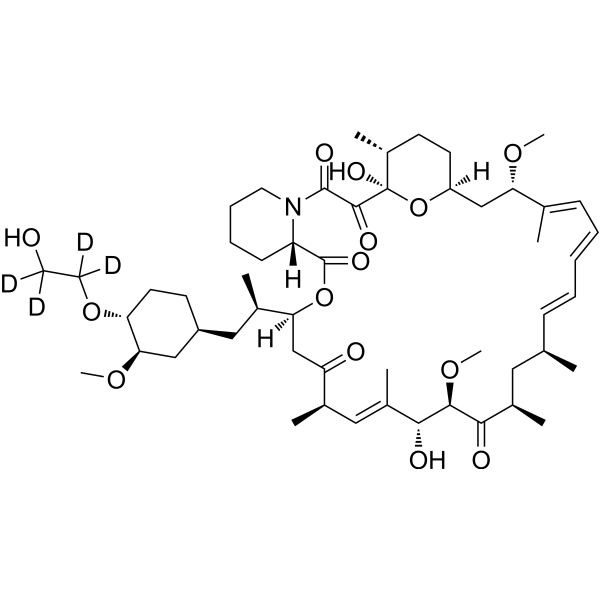 0 ImagesSynonyms: RAD001-d4; SDZ-RAD-d4Everolimus-d4 is the deuterium labeled Everolimus. Everolimus (RAD001) is a Rapamycin derivative and a potent, selective and orally active mTOR1 inhibitor. Everolimus binds to FKBP-12 to generate an immunosuppressive complex. Everolimus inhibits tumor cells proliferation and induces cell apoptosis and autophagy. Everolimus has potent immunosuppressive and anticancer activities.
-
Rapamycin (GMP Like)
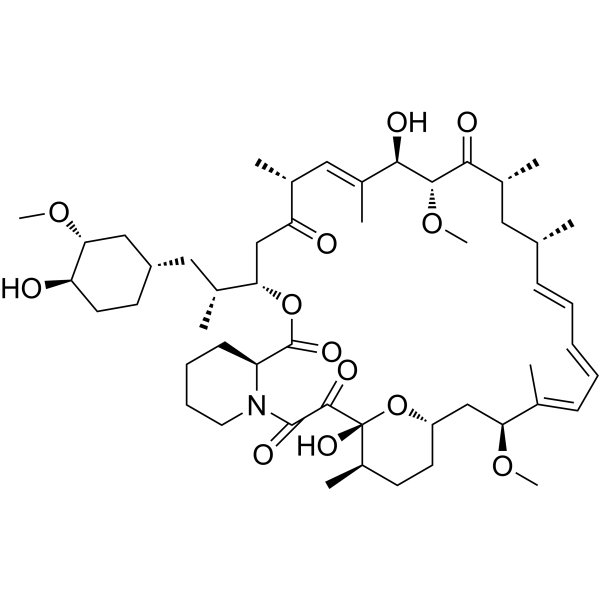 0 ImagesSynonyms: Sirolimus (GMP Like); AY-22989 (GMP Like); NSC 226080 (GMP Like)Rapamycin (Sirolimus) GMP Like is Rapamycin (HY-10219) produced by using GMP like guidelines. GMP Like small molecules works appropriately as an auxiliary reagent for cell therapy manufacture. Rapamycin (Sirolimus; AY 22989) is a potent and specific blood-brain barrier-transmissible mTOR inhibitor with an IC50 of 0.1 nM in HEK293 cells. Rapamycin is a molecular glue that binds FKBP12 and mTOR proteins together, thereby inhibiting mTOR kinase activity. Rapamycin binds to FKBP12 and specifically acts as an allosteric inhibitor of mTORC1. Rapamycin is an autophagy activator, an immunosuppressant.
-
Zapalog
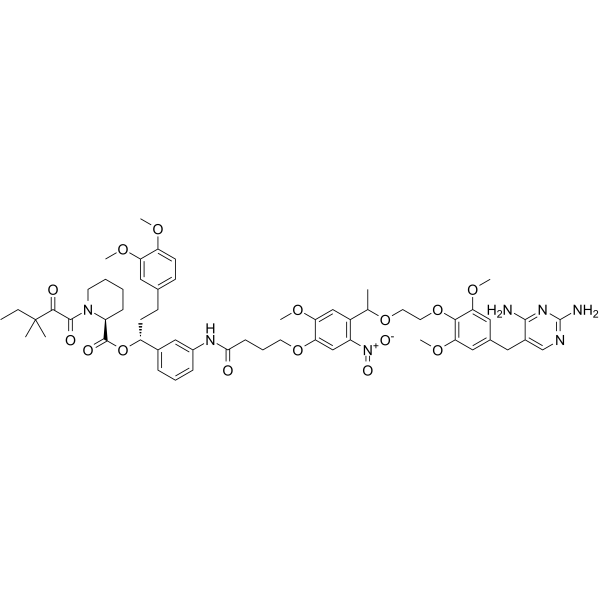 0 ImagesZapalog is a photocleavable small-molecule heterodimerizer that can be used to repeatedly initiate, and instantaneously terminate, a physical interaction between two target proteins. Zapalog dimerizes any two proteins tagged with the FKBP and DHFR domains until exposure to light causes its photolysis.




