



NMDA Receptor
NMDA receptor (NMDAR) ionotropic glutamate receptors support synaptogenesis, synaptic maturation, long-term plasticity, neuronal network activity, and cognition[1]. Mechanistically, NMDARs act as glutamate-gated, calcium-permeable ion channels that mediate synaptic transmission and underpin learning and memory[2]. Their activation requires coordinated agonist binding, with glutamate binding GluN2 and glycine or D-serine binding GluN1[3]. In disease contexts, abnormal NMDAR-mediated signaling is associated with neurological and psychiatric disorders, while NMDAR dysfunction is implicated in seizure and ischemia models[1][2]. Anti-NMDA receptor encephalitis further links receptor-targeting antibodies with rapidly progressive neuropsychiatric disease mechanisms and experimental models[4]. Compared with related NMDA receptor isoforms, subunit composition creates receptor subtypes with distinct biophysical, pharmacological, and signaling properties[5]. Therefore, GluN2A, GluN2B, GluN2C, GluN2D, and GluN3-containing receptors should be separated in experimental design when subtype-specific function, synaptic plasticity, or disease signaling is tested[5]. For experimental applications, agonists and inhibitors provide mechanistic tools because agonists stabilize ligand-binding-domain gating arrangements, whereas competitive antagonists disrupt receptor activation[2]. D-serine also provides a useful ligand model because it binds GluN1, interacts with GluN2A, and can inhibit NMDAR current at high concentration[3].
References:
- [1]. Dupuis JP, et al. NMDA receptor functions in health and disease: Old actor, new dimensions. Neuron. 2023 Aug 2;111(15):2312-2328. [Content Brief]
- [2]. Zhu S, et al. Mechanism of NMDA Receptor Inhibition and Activation. Cell. 2016 Apr 21;165(3):704-14. [Content Brief]
- [3]. Yovanno RA, et al. Excitatory and inhibitory D-serine binding to the NMDA receptor. Elife. 2022 Oct 27;11:e77645. [Content Brief]
- [4]. Dalmau J, et al. An update on anti-NMDA receptor encephalitis for neurologists and psychiatrists: mechanisms and models. Lancet Neurol. 2019 Nov;18(11):1045-1057. [Content Brief]
- [5]. Paoletti P, et al. NMDA receptor subunit diversity: impact on receptor properties, synaptic plasticity and disease. Nat Rev Neurosci. 2013 Jun;14(6):383-400. [Content Brief]
All Product Categories
-
NMDA Receptor Inhibitors
(28)
View all products
-
NMDA Receptor Agonists
(45)
View all products
-
NMDA Receptor Antagonists
(121)
View all products
-
NMDA Receptor Activators
(5)
View all products
-
NMDA Receptor Modulators
(14)
View all products
-
NMDA Receptor MDM2 Inhibitor
(1)
View all products
-
NMDA Receptor Control
(1)
View all products
-
NMDA Receptor Ligands
(2)
View all products
-
NMDA Receptor Related Products (242)
Related Products (242)

-
L-Aspartic acid-13C4,15N
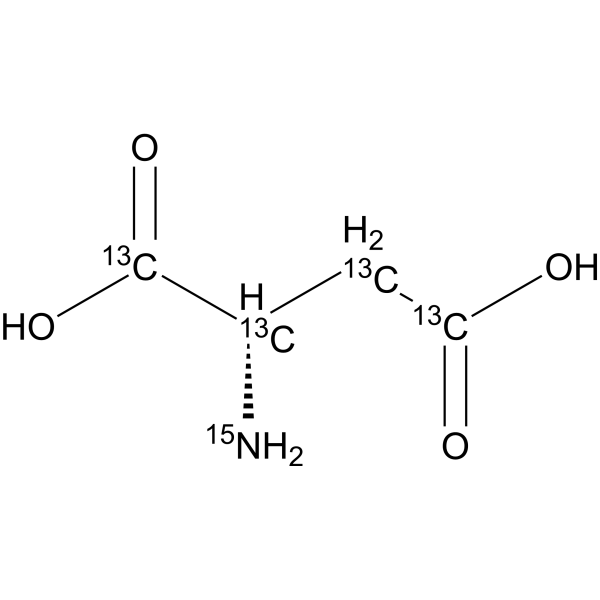 0 ImagesL-Aspartic acid-13C4,15N is the 15N, 13C-labeled L-Aspartic acid (HY-N0666). L-Aspartic acid is a NMDA receptor agonist and acidic amino acid. L-Aspartic acid has no independent analgesic activity. L-Aspartic acid can antagonize the analgesic effects of D-Aspartic acid and Morphine. L-Aspartic acid regulates polymorph transformation, crystal growth/aggregation and nucleation processes of calcium carbonate, and can serve as a biomineralization template. L-Aspartic acid promotes burst firing of central neurons. L-Aspartic acid can be used in studies related to cerebral ischemia and epilepsy.
-
CIQ
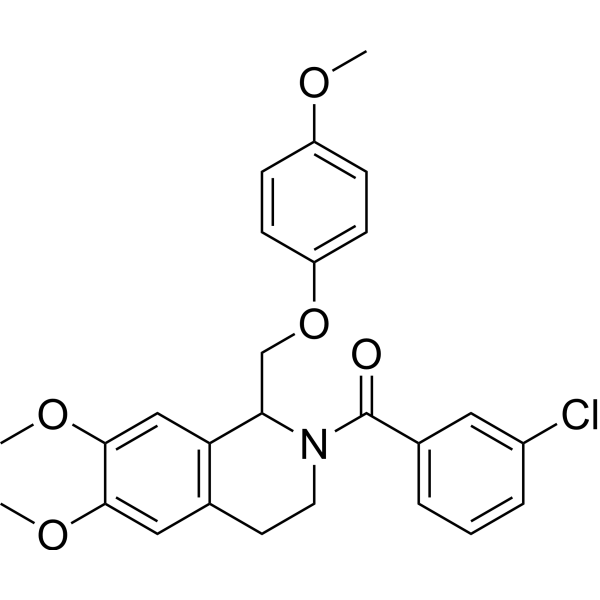 0 ImagesCIQ is a subunit-selective potentiator of NMDA receptors containing the NR2C or NR2D subunit.
-
Rapastinel Trifluoroacetate
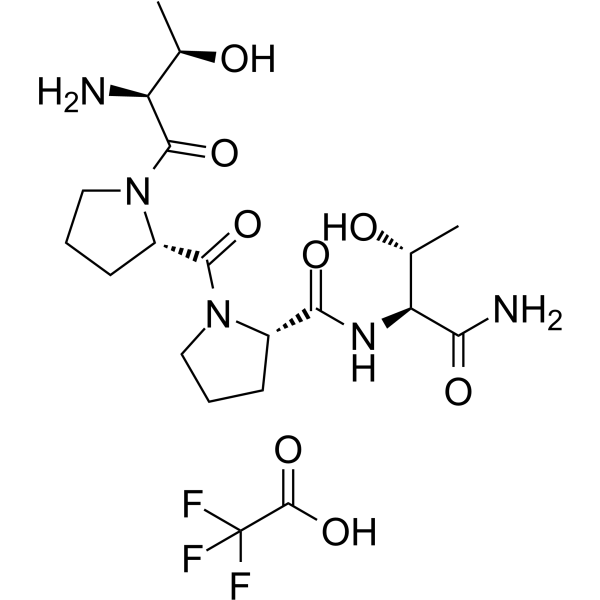 0 ImagesSynonyms: GLYX-13 TrifluoroacetateRapastinel (GLYX-13) Trifluoroacetate is a potent NMDAR modulator capable of crossing the blood-brain barrier, and it exhibits extremely high affinity for human NMDAR (EC50=0.0017-9.9 nM). Rapastinel Trifluoroacetate enhances ERK signaling and activates the mTOR pathway, thereby upregulating the expression of BDNF and VGF, and inducing significant neuroplastic changes such as enhanced LTP and increased mature dendritic spine density in the hippocampus. Rapastinel Trifluoroacetate moderately elevates the efflux of dopamine, norepinephrine and 5-HT in the prefrontal cortex, and uniquely avoids side effects of traditional antidepressants such as dissociation, addiction or sedation. Rapastinel Trifluoroacetate is applicable to the research of major depressive disorder and hepatocellular carcinoma.
-
Glycine-13C2,15N
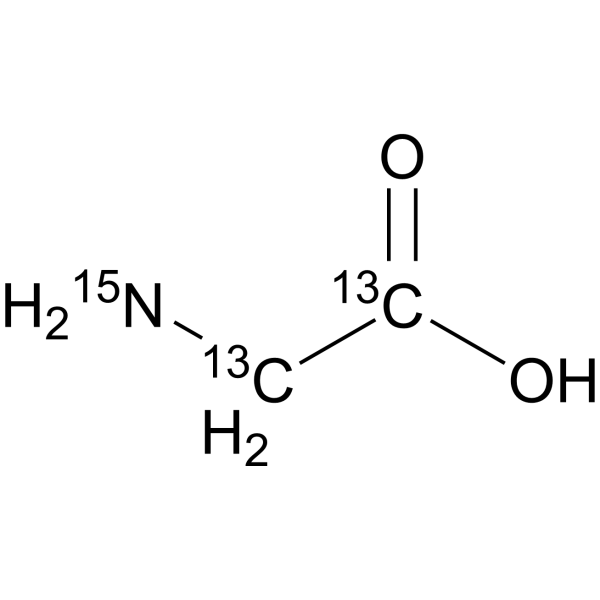 0 ImagesGlycine-13C2,15N is the 13C- and 15N-labeled Glycine. Glycine is an inhibitory neurotransmitter in the CNS and also acts as a co-agonist along with glutamate, facilitating an excitatory potential at the glutaminergic N-methyl-D-aspartic acid (NMDA) receptors.
-
IC87201
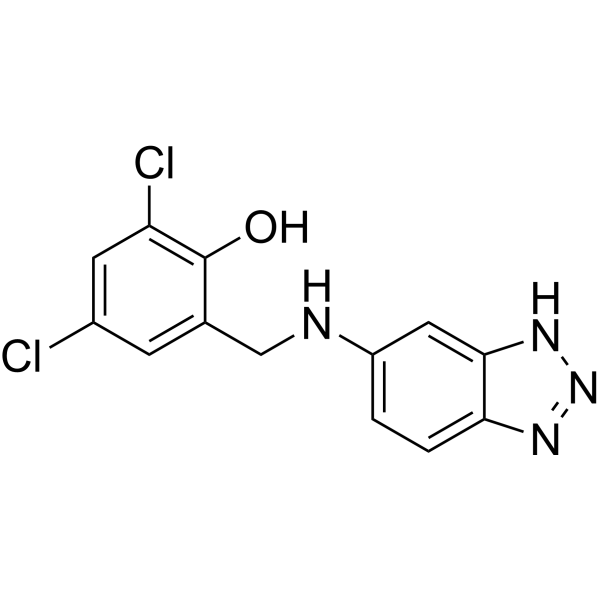 0 ImagesCat. No.: HY-100457CAS No.: 866927-10-8IC87201, an inhibitor of PSD95-nNOS protein-protein interactions, suppresses NMDAR-dependent NO and cGMP formation.
-
L-Phenylalanine-3-13C
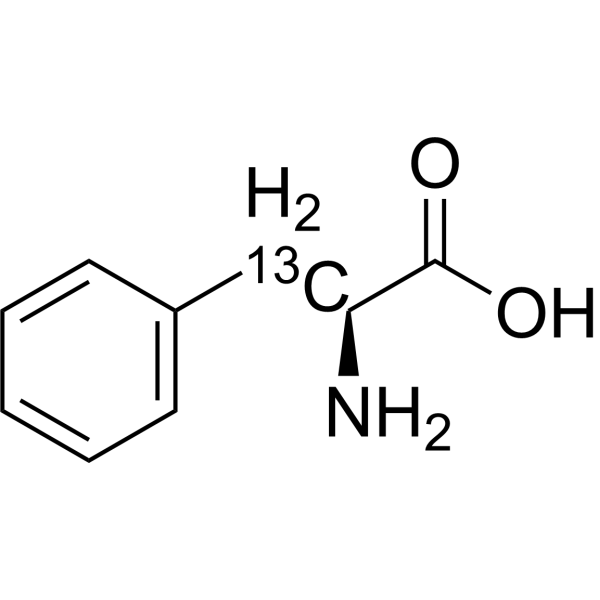 0 ImagesSynonyms: (S)-2-Amino-3-phenylpropionic acid-3-13CL-Phenylalanine-3-13C is the 13C-labeled L-Phenylalanine. L-Phenylalanine ((S)-2-Amino-3-phenylpropionic acid) is an essential amino acid isolated from Escherichia coli. L-Phenylalanine is a α2δ subunit of voltage-dependent Ca+ channels antagonist with a Ki of 980 nM. L-phenylalanine is a competitive antagonist for the glycine- and glutamate-binding sites of N-methyl-D-aspartate receptors (NMDARs) (KB of 573 μM ) and non-NMDARs, respectively. L-Phenylalanine is widely used in the production of food flavors and pharmaceuticals.
-
Fluoroethylnormemantine
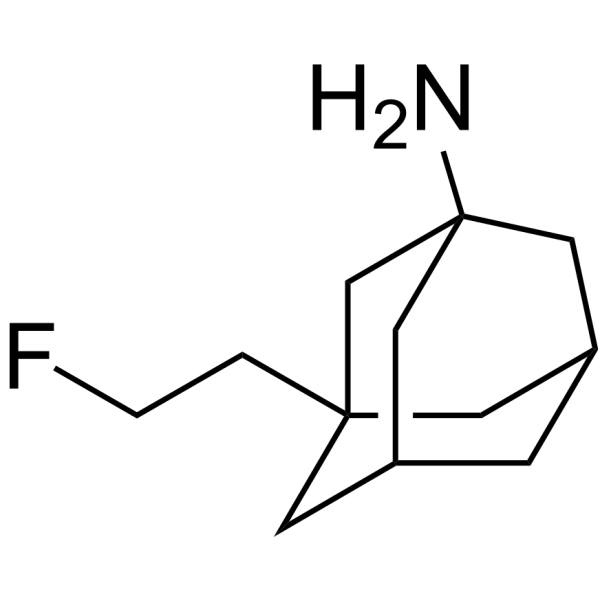 0 ImagesFluoroethylnormemantine, a derivative of Memantine, is an antagonist of the N-methyl-D-aspartate (NMDA) receptor. [18F]-Fluoroethylnormemantine can be used as a positron emission tomography (PET) tracer. Fluoroethylnormemantine exhibits anti-amnesic, neuroprotective, antidepressant-like and fear-attenuating effects.
-
Linalool (Standard)
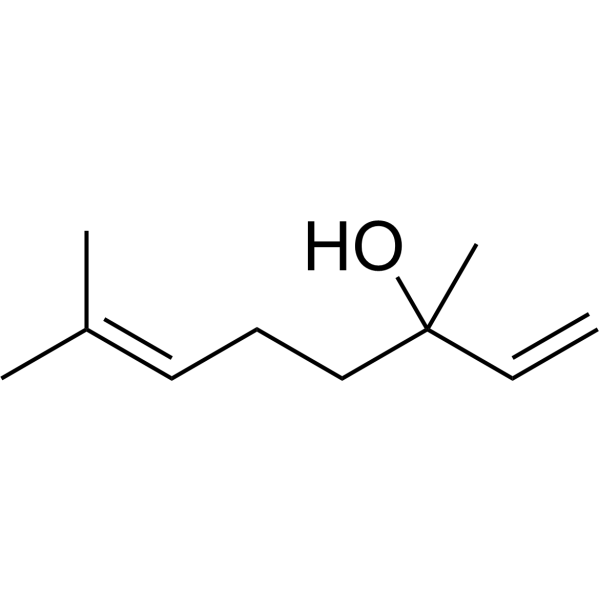 0 ImagesLinalool (Standard) is the analytical standard of Linalool. This product is intended for research and analytical applications. Linalool is natural monoterpene in essential olis of coriander, acts as a competitive antagonist of Nmethyl d-aspartate (NMDA) receptor, with anti-tumor, anti-cardiotoxicity activity.Linalool is a PPARα ligand that reduces plasma TG levels and rewires the hepatic transcriptome and plasma metabolome.
-
L-Phenylalanine-d2
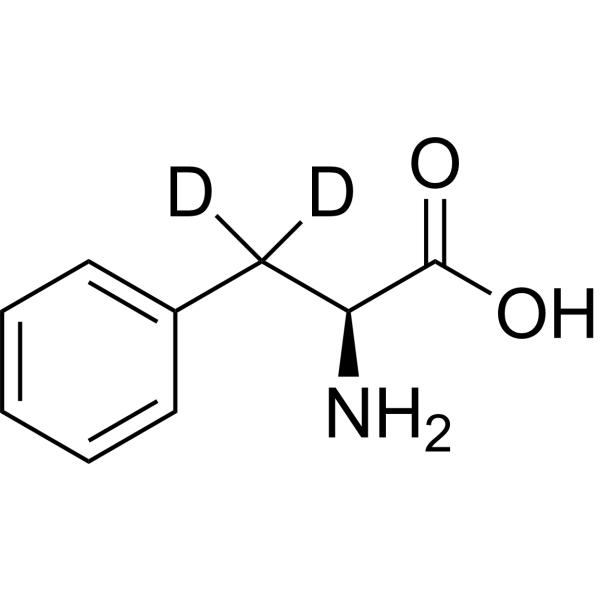 0 ImagesSynonyms: (S)-2-Amino-3-phenylpropionic acid-d2L-Phenylalanine-d2 is the deuterium labeled L-Phenylalanine. L-Phenylalanine ((S)-2-Amino-3-phenylpropionic acid) is an essential amino acid isolated from Escherichia coli. L-Phenylalanine is a α2δ subunit of voltage-dependent Ca+ channels antagonist with a Ki of 980 nM. L-phenylalanine is a competitive antagonist for the glycine- and glutamate-binding sites of N-methyl-D-aspartate receptors (NMDARs) (KB of 573 μM ) and non-NMDARs, respectively. L-Phenylalanine is widely used in the production of food flavors and pharmaceuticals.
-
GluN1/3A-IN-2
 0 ImagesGluN1/3A-IN-2 (Compound DD-1) is a selective GluN1/GluN3A NMDA receptor inhibitor with an IC50 of 1.26 μM for GluN1/GluN3A NMDA receptor. GluN1/3A-IN-2 can be used for neurological and psychiatric disorders research.
-
Eliprodil
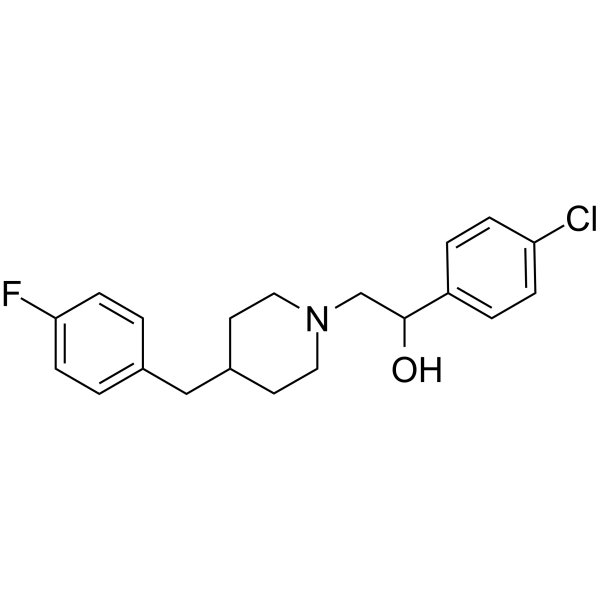 0 ImagesSynonyms: SL-820715Eliprodil(SL-820715) is a non-competitive NR2B-NMDA receptor antagonist(IC50=1 uM), less potent for NR2A- and NR2C-containing receptors(IC50> 100 uM).
-
Tat-NR2B9c TFA
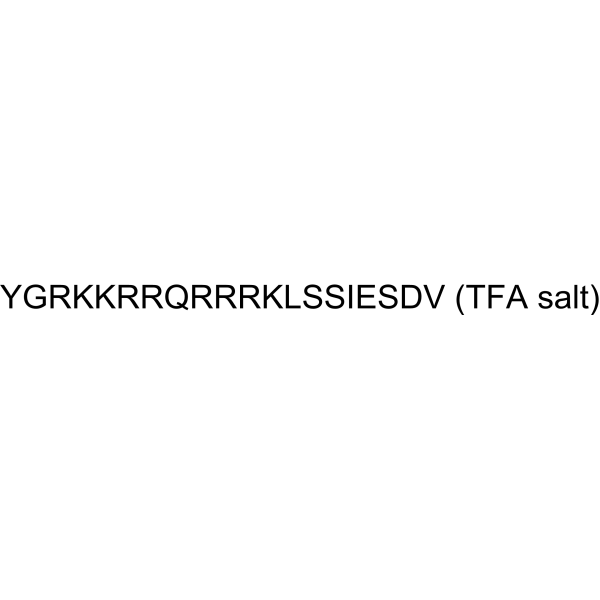 0 ImagesSynonyms: Tat-NR2Bct TFA; NA-1 TFATat-NR2B9c TFA (Tat-NR2Bct TFA) is a postsynaptic density-95 (PSD-95) inhibitor, with EC50 values of 6.7 nM and 670 nM for PSD-95d2 (PSD-95 PDZ domain 2) and PSD-95d1, respectively. Tat-NR2B9c TFA disrupts the PSD-95/NMDAR interaction, inhibiting NR2A and NR2B binding to PSD-95 with IC50 values of 0.5 μM and 8 μM, respectively. Tat-NR2B9c TFA also inhibits neuronal nitric oxide synthase (nNOS)/PSD-95 interaction, and possesses neuroprotective efficacy.
-
Isoxsuprine hydrochloride
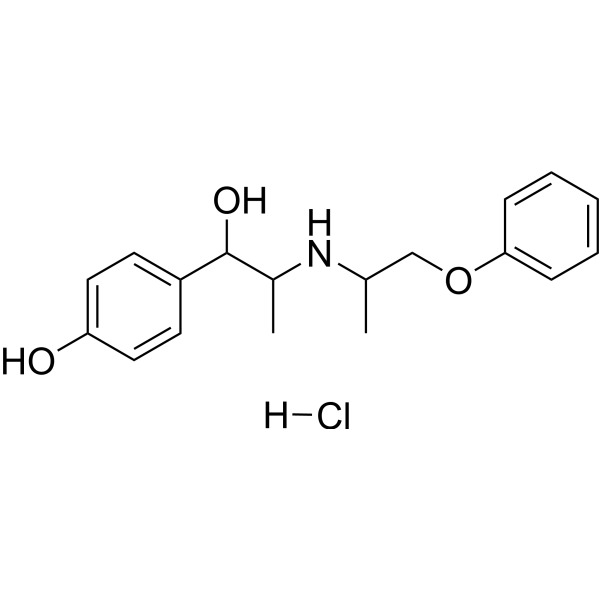 0 ImagesIsoxsuprine hydrochloride is a beta-adrenergic receptor agonist with Kis of 13.65 μΜ and 3.48 μΜ for myometrial and placcntal beta-adrenergic receptor, respectively. Isoxsuprine hydrochloride is also a NMDA receptor antagonist.
-
L-Phenylalanine-13C
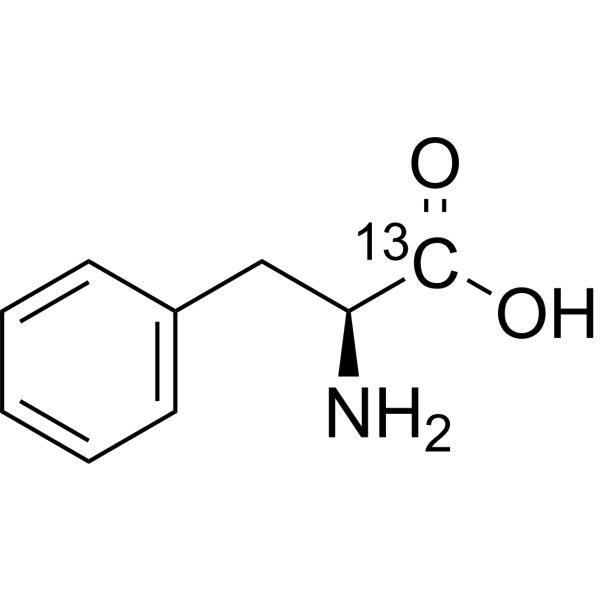 0 ImagesSynonyms: (S)-2-Amino-3-phenylpropionic acid-13CL-Phenylalanine-13C is the 13C-labeled L-Phenylalanine. L-Phenylalanine ((S)-2-Amino-3-phenylpropionic acid) is an essential amino acid isolated from Escherichia coli. L-Phenylalanine is a α2δ subunit of voltage-dependent Ca+ channels antagonist with a Ki of 980 nM. L-phenylalanine is a competitive antagonist for the glycine- and glutamate-binding sites of N-methyl-D-aspartate receptors (NMDARs) (KB of 573 μM ) and non-NMDARs, respectively. L-Phenylalanine is widely used in the production of food flavors and pharmaceuticals.
-
Bupivacaine-d9
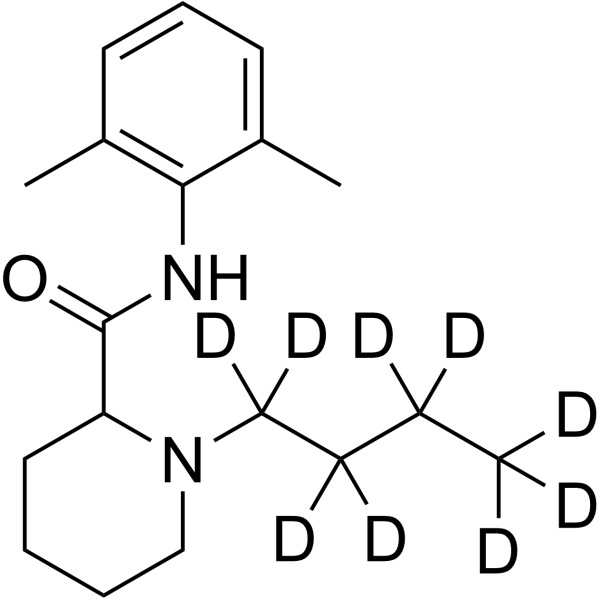 0 ImagesBupivacaine-d99 is a deuterium labeled Bupivacaine. Bupivacaine is a NMDA receptor inhibitor.Bupivacaine can block sodium, L-calcium, and potassium channels.Bupivacaine potently blocks SCN5A channels with the IC50 of 69.5 μM. Bupivacaine can be used for the research of chronic pain.
-
QNZ46
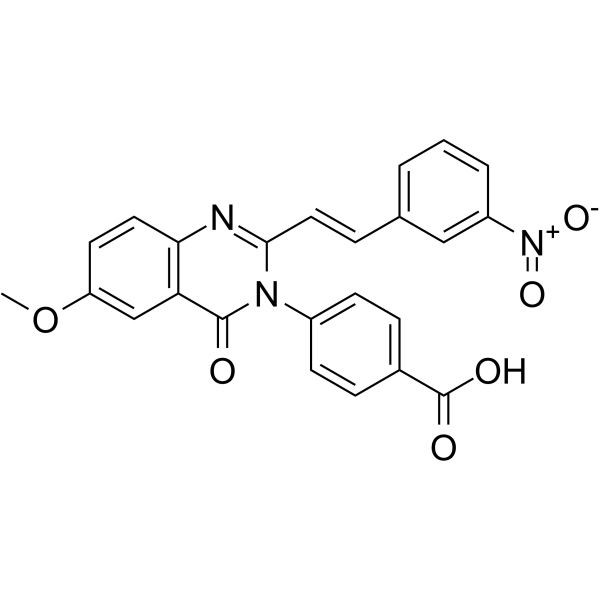 0 ImagesQNZ46 is a highly selective noncompetitive NMDA receptor antagonist targeting GluN2C/D (IC50=3.9 μM), GluN1/GluN2C (IC50=7.1 μM), and GluN1/GluN2D (IC50=182 μM) subunits. QNZ46 inhibits glutamate-mediated calcium influx, thereby blocking excitotoxicity. QNZ46 is membrane permeable and can cross the blood-brain barrier, where it inhibits myelin damage and axonal degeneration.
-
Crocetin disodium
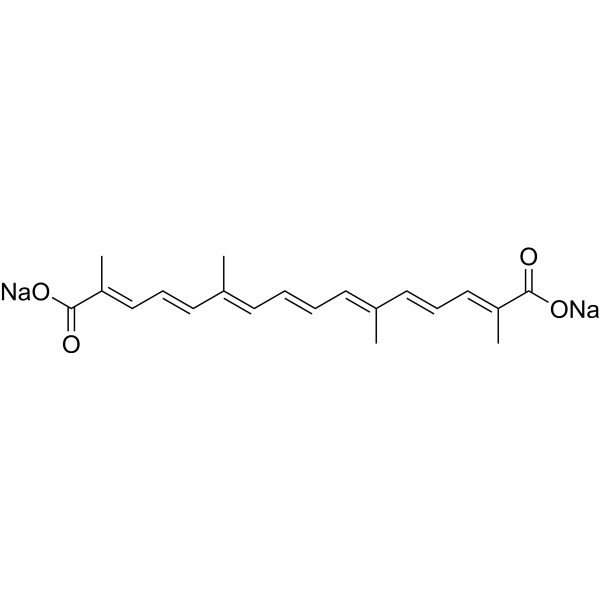 0 ImagesSynonyms: Transcrocetin disodium; trans-Crocetin disodiumCrocetin (Transcrocetin) disodium, extracted from saffron (Crocus sativus L.), acts as an NMDA receptor antagonist with high affinity.
-
(±)-Huperzine A
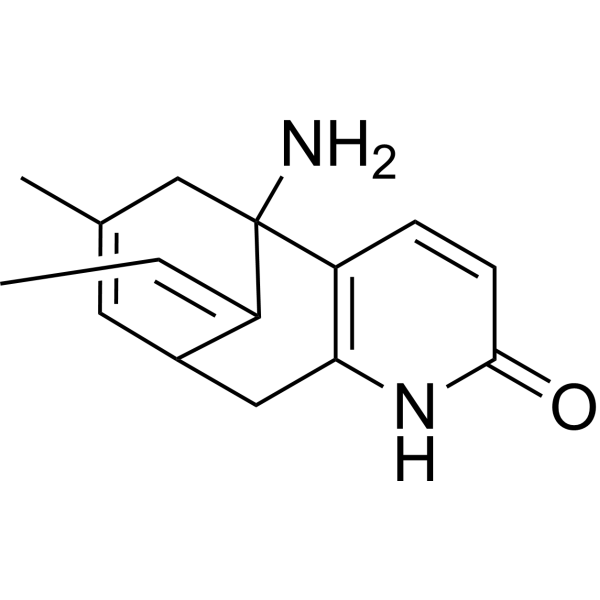 0 Images(±)-Huperzine A is the racemate of (-)-Huperzine A (HY-17387). (-)-Huperzine A is an alkaloid isolated from Huperzia serrata, with neuroprotective activity. (-)-Huperzine A is a potent, highly specific, reversible and blood-brain barrier penetrant inhibitor of acetylcholinesterase (AChE), with an IC50 of 82 nM. (-)-Huperzine A also is non-competitive antagonist of N-methyl-D-aspartate glutamate (NMDA) receptor. (-)-Huperzine A is developed for the research of neurodegenerative diseases, including Alzheimer’s disease.
-
L-Glutamic acid-5-13C
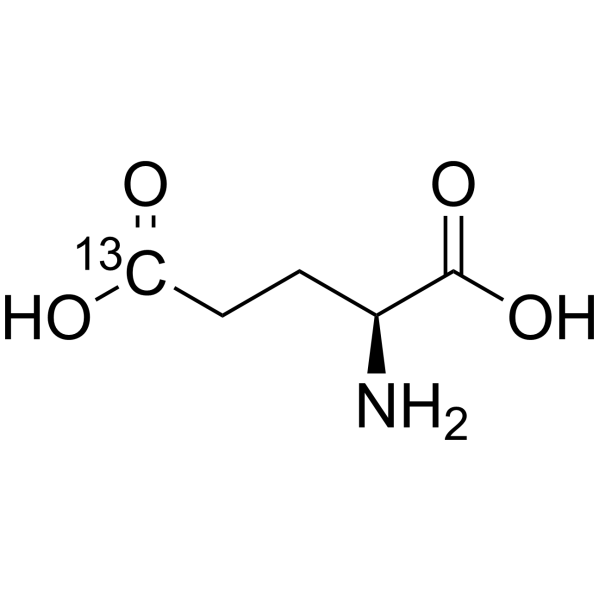 0 ImagesL-Glutamic acid-5-13C is the 13C-labeled L-Glutamic acid. L-Glutamic acid acts as an excitatory transmitter and an agonist at all subtypes of glutamate receptors (metabotropic, kainate, NMDA, and AMPA). L-Glutamic acid shows a direct activating effect on the release of DA from dopaminergic terminals.
-
Withanone
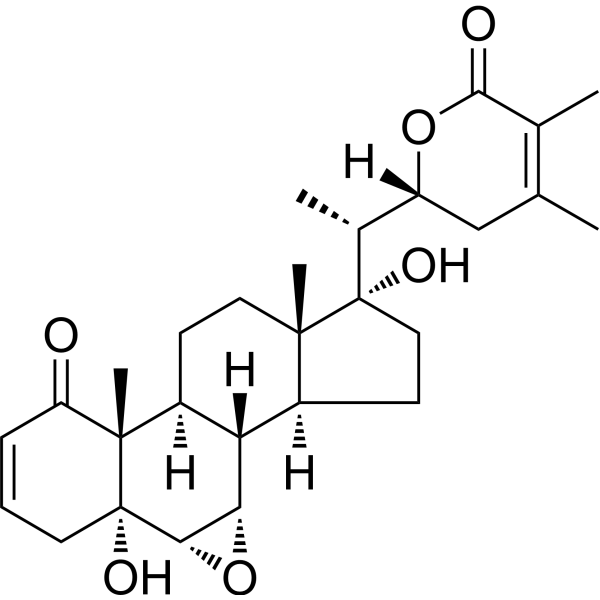 0 ImagesCat. No.: HY-129692CAS No.: 27570-38-3Withanone is an active ingredient from the roots of Withania somnifera and a GRP75 inhibitor. Withanone has multifunctional neuroprotective effects in alleviating cognitive dysfunction. In neuron-like cells, Withanone can inhibit NMDA-induced excitotoxicity. Withanone can inhibit white adipose tissue browning by blocking the formation of the GRP75-ANT2-UCP1 complex, thereby alleviating cancer-related cachexia. Withanone can be used in the research of tumors and nervous system diseases.



