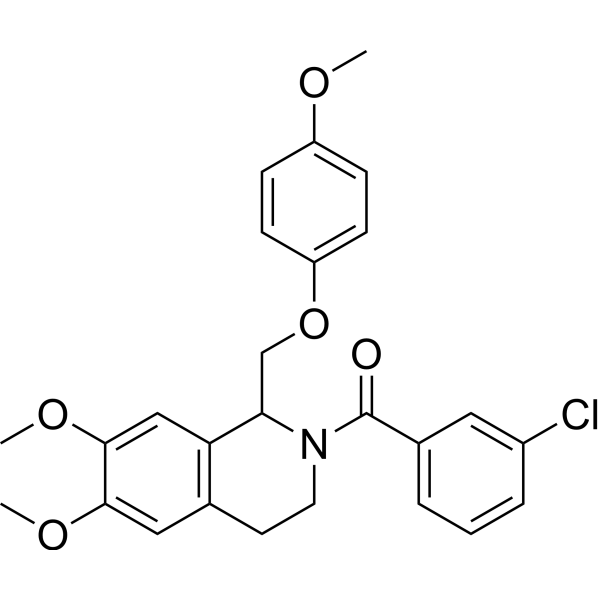
NMDA Receptor
NMDA receptor (NMDAR) ionotropic glutamate receptors support synaptogenesis, synaptic maturation, long-term plasticity, neuronal network activity, and cognition[1]. Mechanistically, NMDARs act as glutamate-gated, calcium-permeable ion channels that mediate synaptic transmission and underpin learning and memory[2]. Their activation requires coordinated agonist binding, with glutamate binding GluN2 and glycine or D-serine binding GluN1[3]. In disease contexts, abnormal NMDAR-mediated signaling is associated with neurological and psychiatric disorders, while NMDAR dysfunction is implicated in seizure and ischemia models[1][2]. Anti-NMDA receptor encephalitis further links receptor-targeting antibodies with rapidly progressive neuropsychiatric disease mechanisms and experimental models[4]. Compared with related NMDA receptor isoforms, subunit composition creates receptor subtypes with distinct biophysical, pharmacological, and signaling properties[5]. Therefore, GluN2A, GluN2B, GluN2C, GluN2D, and GluN3-containing receptors should be separated in experimental design when subtype-specific function, synaptic plasticity, or disease signaling is tested[5]. For experimental applications, agonists and inhibitors provide mechanistic tools because agonists stabilize ligand-binding-domain gating arrangements, whereas competitive antagonists disrupt receptor activation[2]. D-serine also provides a useful ligand model because it binds GluN1, interacts with GluN2A, and can inhibit NMDAR current at high concentration[3].
References:
- [1]. Dupuis JP, et al. NMDA receptor functions in health and disease: Old actor, new dimensions. Neuron. 2023 Aug 2;111(15):2312-2328. [Content Brief]
- [2]. Zhu S, et al. Mechanism of NMDA Receptor Inhibition and Activation. Cell. 2016 Apr 21;165(3):704-14. [Content Brief]
- [3]. Yovanno RA, et al. Excitatory and inhibitory D-serine binding to the NMDA receptor. Elife. 2022 Oct 27;11:e77645. [Content Brief]
- [4]. Dalmau J, et al. An update on anti-NMDA receptor encephalitis for neurologists and psychiatrists: mechanisms and models. Lancet Neurol. 2019 Nov;18(11):1045-1057. [Content Brief]
- [5]. Paoletti P, et al. NMDA receptor subunit diversity: impact on receptor properties, synaptic plasticity and disease. Nat Rev Neurosci. 2013 Jun;14(6):383-400. [Content Brief]
All Product Categories
-
NMDA Receptor Inhibitors
(28)
View all products
-
NMDA Receptor Agonists
(45)
View all products
-
NMDA Receptor Antagonists
(121)
View all products
-
NMDA Receptor Activators
(5)
View all products
-
NMDA Receptor Modulators
(14)
View all products
-
NMDA Receptor MDM2 Inhibitor
(1)
View all products
-
NMDA Receptor Control
(1)
View all products
-
NMDA Receptor Ligands
(2)
View all products
-
NMDA Receptor Related Products (242)
Related Products (242)

-
L-Aspartic acid-15N
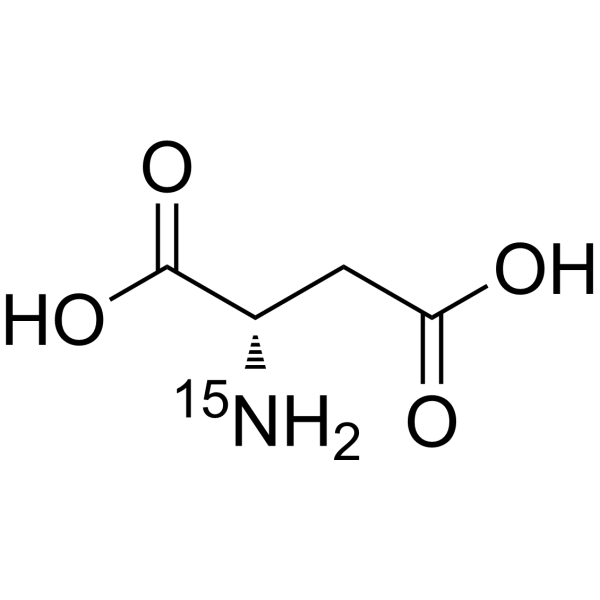 0 ImagesL-Aspartic acid-15N is the 15N-labeled L-Aspartic acid (HY-N0666). L-Aspartic acid is a NMDA receptor agonist and acidic amino acid. L-Aspartic acid has no independent analgesic activity. L-Aspartic acid can antagonize the analgesic effects of D-Aspartic acid and Morphine. L-Aspartic acid regulates polymorph transformation, crystal growth/aggregation and nucleation processes of calcium carbonate, and can serve as a biomineralization template. L-Aspartic acid promotes burst firing of central neurons. L-Aspartic acid can be used in studies related to cerebral ischemia and epilepsy.
-
Orphenadrine citrate
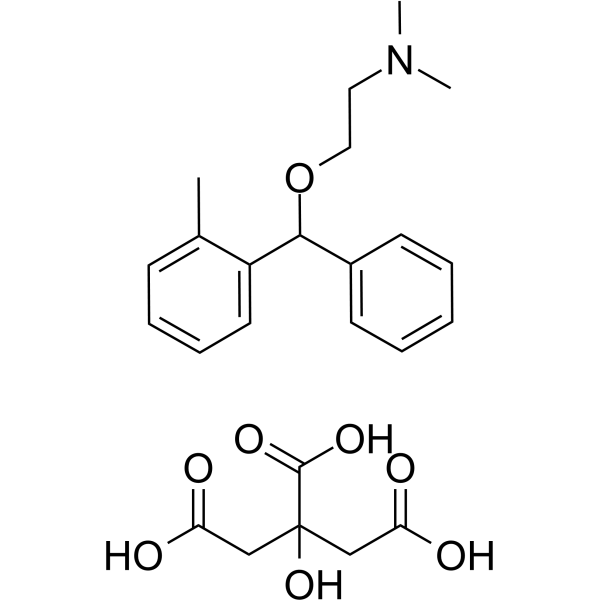 0 ImagesOrphenadrine citrate is an orally active and non-competitive NMDA receptor antagonist (crosses the blood-brain barrier) with a Ki of 6.0 μM. Orphenadrine citrate relieves stiffness, pain and discomfort due to muscle strains, sprains or other injuries. Orphenadrine citrate is also used to relieve tremors associated with parkinson's disease. Orphenadrine citrate has good neuroprotective properties, can be used in studies of neurodegenerative diseases.
-
Nefiracetam
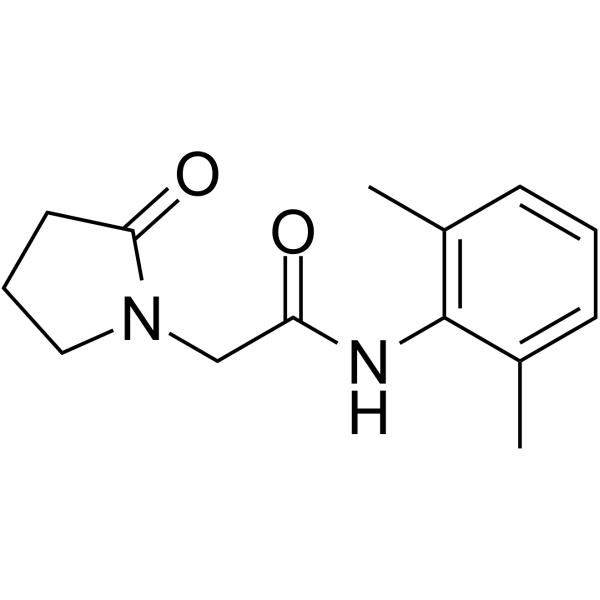 0 ImagesSynonyms: DM9384; DZL-221Nefiracetam is a cognition-enhancing agent. Nefiracetam is an activator of nAChR, N-methyl-D-aspartate receptor (NMDAR), mGluR5, PKC, gamma-aminobutyric acid (GABA), and N/L-type Ca2+ channels. Nefiracetam promotes neuroplasticity and enhances neuroprotection. Nefiracetam can be used in Alzheimer's disease, epilepsy, and cerebral ischemia research.
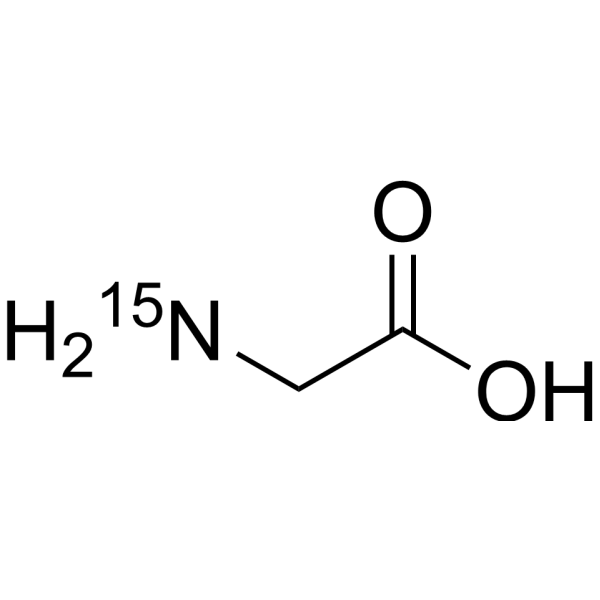
-
ZL006
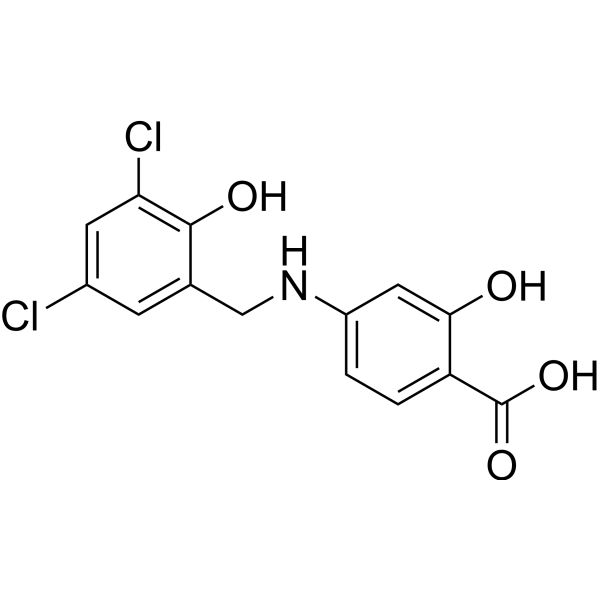 0 ImagesZL006 is a potent inhibitor of nNOS/PSD-95 interaction, and inhibits NMDA receptor-mediated NO synthesis.
-
Glycine-2-13C
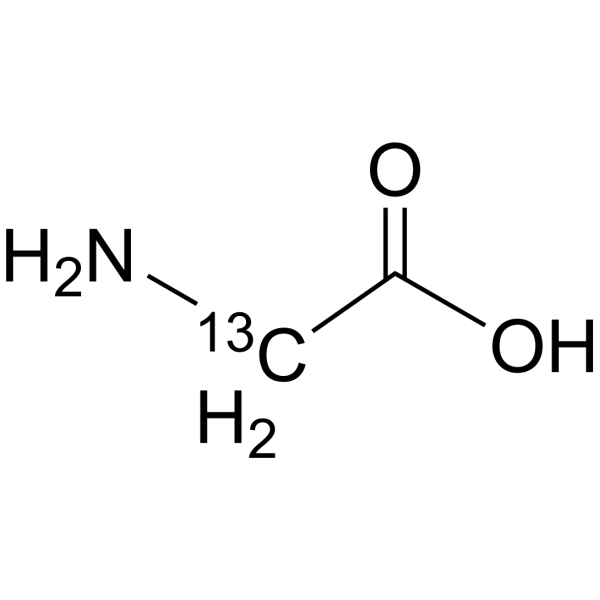 0 ImagesGlycine-2-13C is the 13C-labeled Glycine. Glycine is an inhibitory neurotransmitter in the CNS and also acts as a co-agonist along with glutamate, facilitating an excitatory potential at the glutaminergic N-methyl-D-aspartic acid (NMDA) receptors.
-
Procyclidine hydrochloride
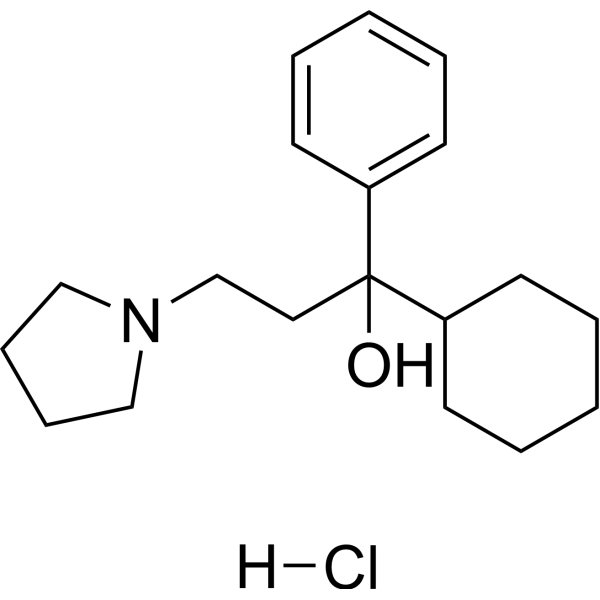 0 ImagesSynonyms: Tricyclamol hydrochloride; (±)-Procyclidine hydrochlorideProcyclidine (Tricyclamol, (±)-Procyclidine) hydrochloride , an anticholinergic agent, is a muscarinic receptor antagonist that also has the properties of an N-methyl-D-aspartate (NMDA) antagonist. Procyclidine hydrochloride can be used in studies of Parkinson's disease and related psychiatric disorders such as Soman-induced epilepsy.
-
CGP 78608 hydrochloride
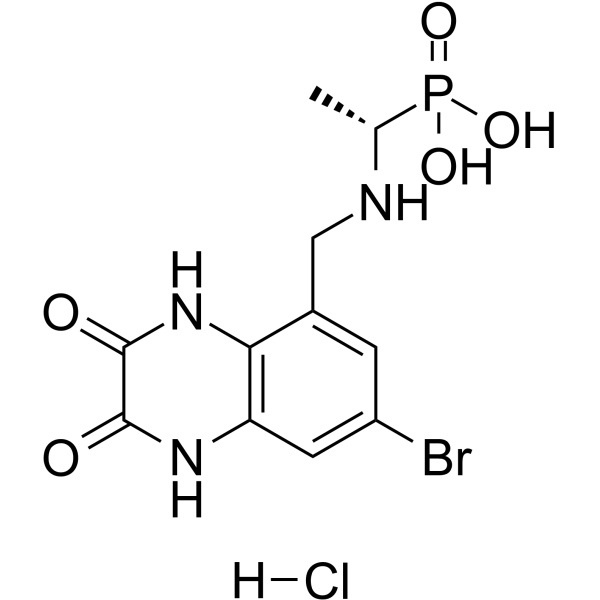 0 ImagesCGP 78608 hydrochloride is a highly potent and selective antagonist at the glycine-binding site of the NMDA receptor, with an IC50 of 6 nM. CGP 78608 hydrochloride acts as a potentiator of GluN1/GluN3A-mediated glycine currents, with an estimated EC50 in the low nM range (26.3 nM). Anticonvulsant activity.
-
Glycine-1-13C
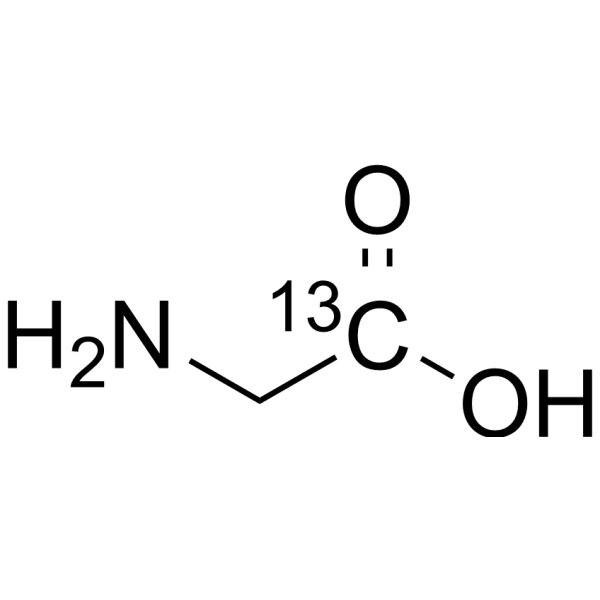 0 ImagesGlycine-1-13C is the 13C-labeled Glycine. Glycine is an inhibitory neurotransmitter in the CNS and also acts as a co-agonist along with glutamate, facilitating an excitatory potential at the glutaminergic N-methyl-D-aspartic acid (NMDA) receptors.
-
L-Homocysteic acid
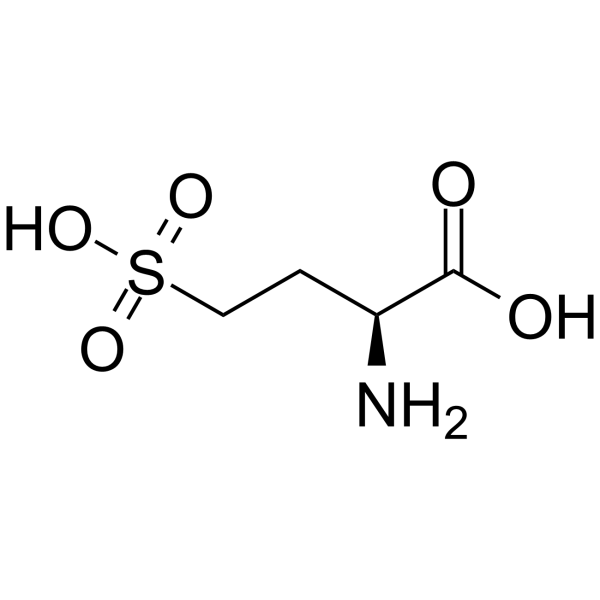 0 ImagesSynonyms: L-HCAL-Homocysteic acid (L-HCA) is an endogenous excitatory amino acid that acts as a NMDA receptor agonist (EC50: 14 μM). L-Homocysteic acid is neurotoxic, and can be used in the research of neurological disorders.
-
L-Aspartic acid potassium
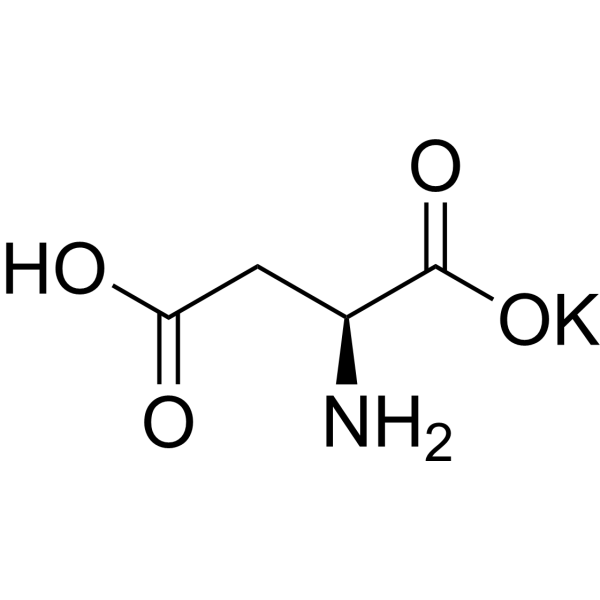 0 ImagesL-Aspartic acid potassium (potassium L-aspartate) is a NMDA receptor agonist and acidic amino acid. L-Aspartic acid potassium has no independent analgesic activity. L-Aspartic acid potassium can antagonize the analgesic effects of D-Aspartic acid and Morphine. L-Aspartic acid potassium regulates polymorph transformation, crystal growth/aggregation and nucleation processes of calcium carbonate, and can serve as a biomineralization template. L-Aspartic acid potassium promotes burst firing of central neurons. L-Aspartic acid potassium can be used in studies related to cerebral ischemia and epilepsy.
-
Dimethyl L-glutamate hydrochloride
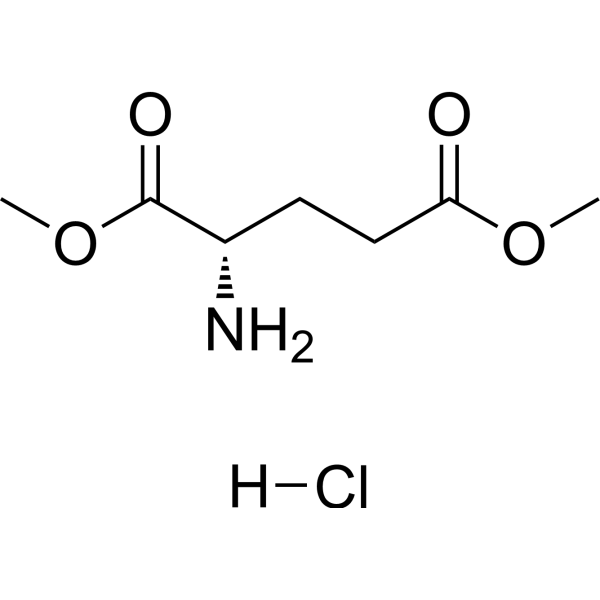 0 ImagesCat. No.: HY-Y0749CAS No.: 23150-65-4Synonyms: Dimethyl glutamate hydrochlorideDimethyl L-glutamate hydrochloride (Dimethyl glutamate hydrochloride) is a NMDA receptor ligand and a cell membrane-permeable glutamate precursor. Dimethyl L-glutamate hydrochloride binds to NMDA receptors to regulate osteoblast maturation, and promotes osteoblast proliferation, adhesion, extracellular calcium deposition, and alkaline phosphatase activity. Dimethyl L-glutamate hydrochloride replenishes the glutamate pool in insulin-secreting β cells. Dimethyl L-glutamate hydrochloride can be used in research related to bone defects and non-insulin-dependent diabetes mellitus.
-
Plazinemdor
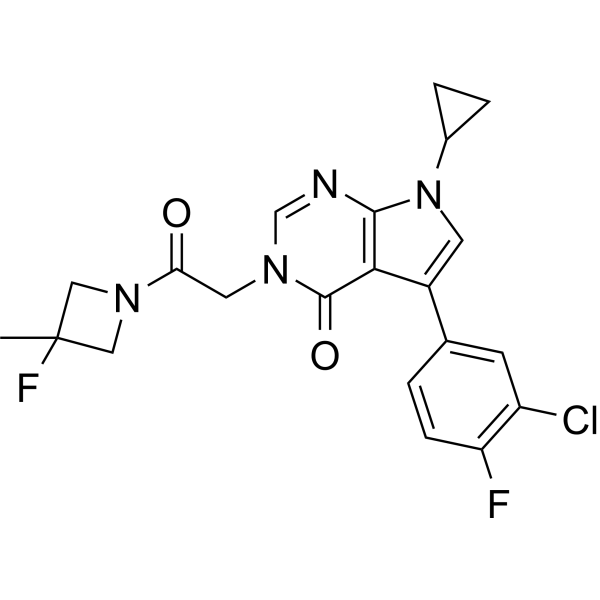 0 ImagesCat. No.: HY-139580CAS No.: 2378285-59-5Synonyms: CAD-9303Plazinemdor (CAD-9303) is a positive allosteric modulator of N-methyl-D-aspartate (NMDA) receptors, which is used in the research of neurological diseases.
-
L-Phenylalanine-13C9,15N
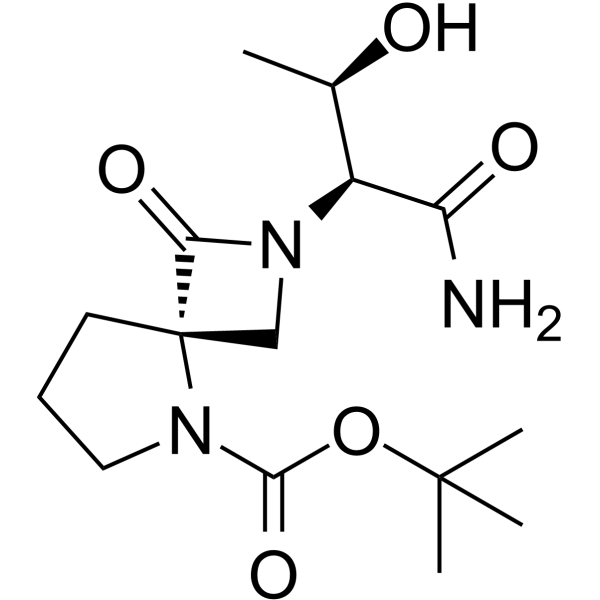
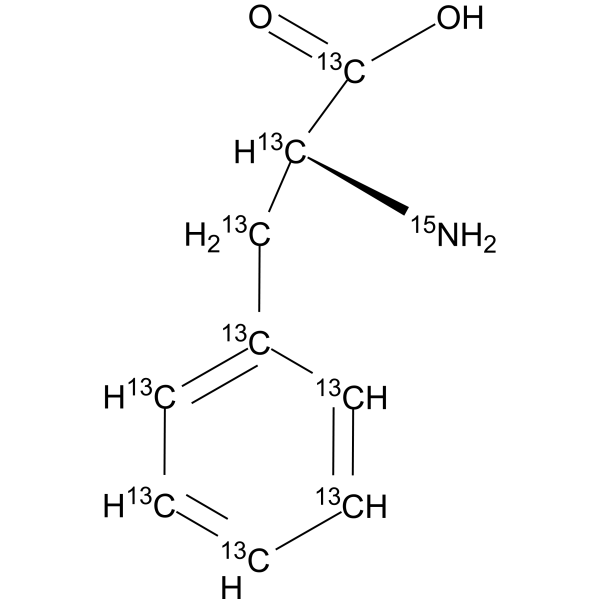 0 ImagesSynonyms: (S)-2-Amino-3-phenylpropionic acid-13C9,15NL-Phenylalanine-13C9,15N is the 13C- and 15N-labeled L-Phenylalanine. L-Phenylalanine ((S)-2-Amino-3-phenylpropionic acid) is an essential amino acid isolated from Escherichia coli. L-Phenylalanine is a α2δ subunit of voltage-dependent Ca+ channels antagonist with a Ki of 980 nM. L-phenylalanine is a competitive antagonist for the glycine- and glutamate-binding sites of N-methyl-D-aspartate receptors (NMDARs) (KB of 573 μM ) and non-NMDARs, respectively. L-Phenylalanine is widely used in the production of food flavors and pharmaceuticals.
-
7-Chlorokynurenic acid
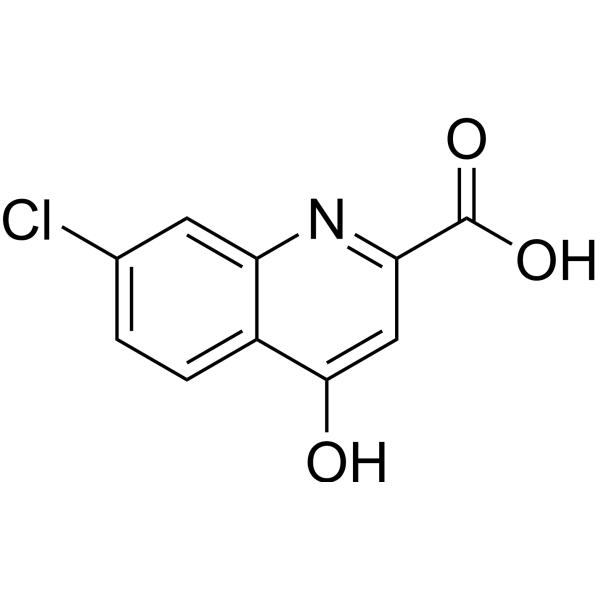 0 ImagesSynonyms: 7-CKA7-Chlorokynurenic acid (7-CKA) is a potent and selective antagonist of the glycine B coagonist site of the N-methyl-D-aspartate (NMDA) receptor (IC50=0.56 μM). 7-Chlorokynurenic acid is also a potent inhibitor of the reuptake of glutamate into synaptic vesicles with a Ki of 0.59 μM. 7-Chlorokynurenic acid has potent antinociceptive actions after neuraxial delivery.
-
L-Glutamic acid-1-13C
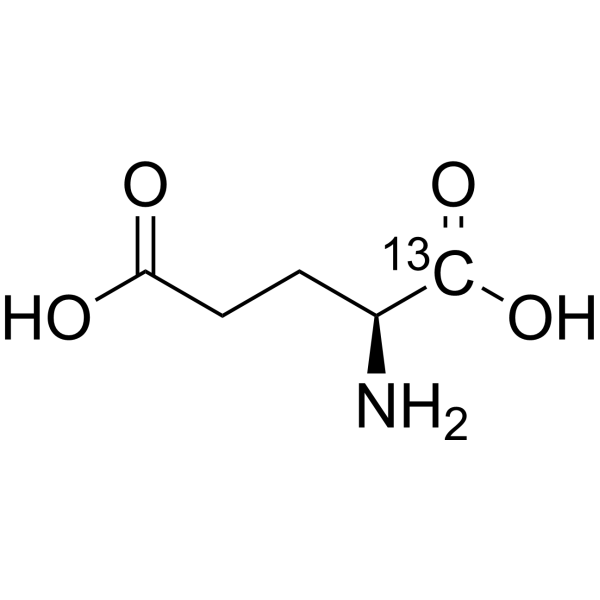 0 ImagesL-Glutamic acid-1-13C is the 13C-labeled L-Glutamic acid. L-Glutamic acid acts as an excitatory transmitter and an agonist at all subtypes of glutamate receptors (metabotropic, kainate, NMDA, and AMPA). L-Glutamic acid shows a direct activating effect on the release of DA from dopaminergic terminals.
-
L-Aspartic acid-13C4,15N
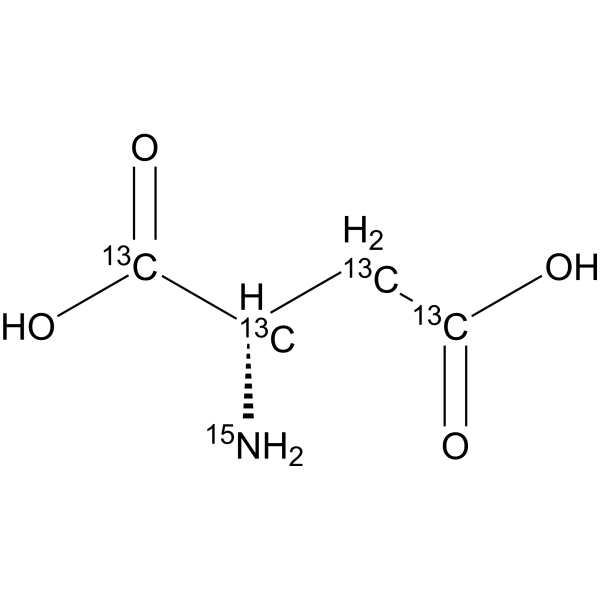 0 ImagesL-Aspartic acid-13C4,15N is the 15N, 13C-labeled L-Aspartic acid (HY-N0666). L-Aspartic acid is a NMDA receptor agonist and acidic amino acid. L-Aspartic acid has no independent analgesic activity. L-Aspartic acid can antagonize the analgesic effects of D-Aspartic acid and Morphine. L-Aspartic acid regulates polymorph transformation, crystal growth/aggregation and nucleation processes of calcium carbonate, and can serve as a biomineralization template. L-Aspartic acid promotes burst firing of central neurons. L-Aspartic acid can be used in studies related to cerebral ischemia and epilepsy.