



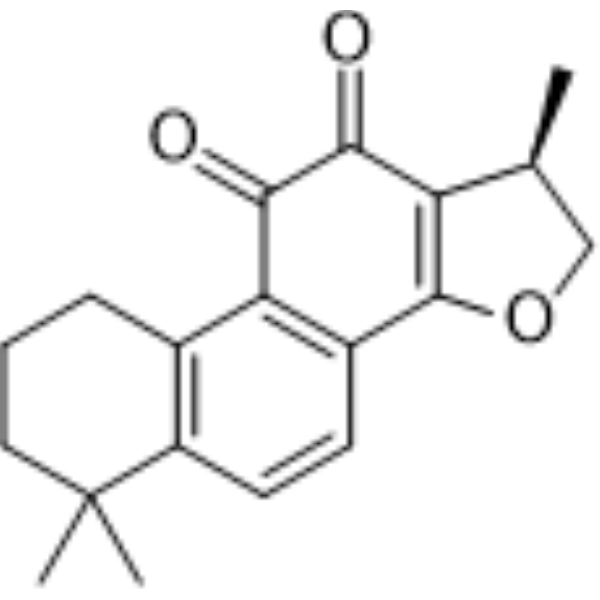
Cryptotanshinone
Based on 47 publication(s) in Google Scholar
Cryptotanshinone is a natural compound extracted from the root of Salvia miltiorrhiza Bunge that shows antitumor activities. Cryptotanshinone inhibits STAT3 with an IC50 of 4.6 μM.
For research use only. We do not sell to patients.
- Purity : 99.07%
- CAS No.: 35825-57-1
- Formula: C19H20O3
- Molecular Weight:296.36
-
Storage:Powder -20°C, 3 years , 4°C, 2 years ; In solvent -80°C, 1 year , -20°C, 6 months

To place orders, for customer services and technical support, please contact: MedChemExpress USA
Tel: 609-228-6898 E-mail: [email protected] [email protected]


-
 Biological Activity
-
Chemical Information
-
Solvent & Solubility
- Purity & Documentation
- References
-
 Help & FAQs


-
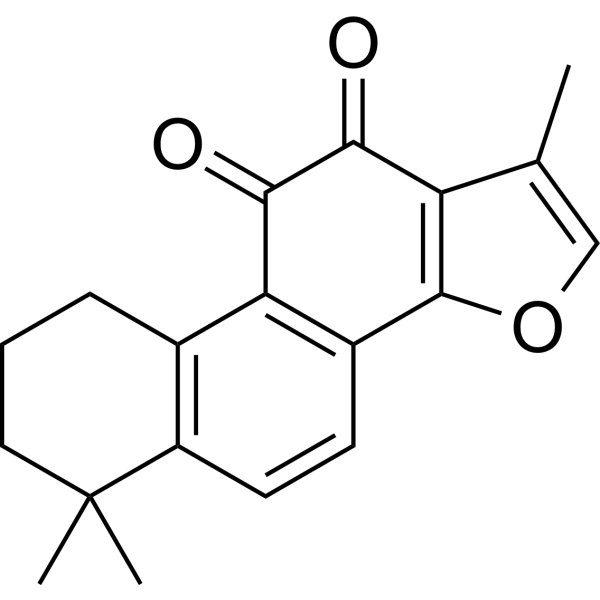
HY-N0135
Tanshinone IIAVEGFR Inhibitor -
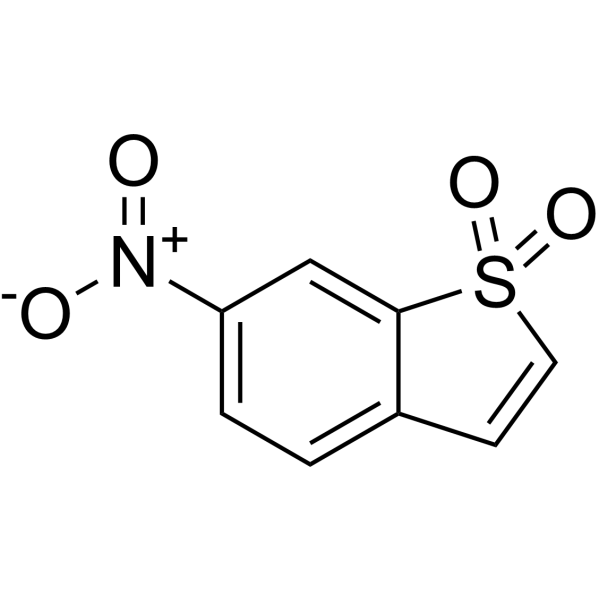
HY-13818
StatticSTAT3 Inhibitor -
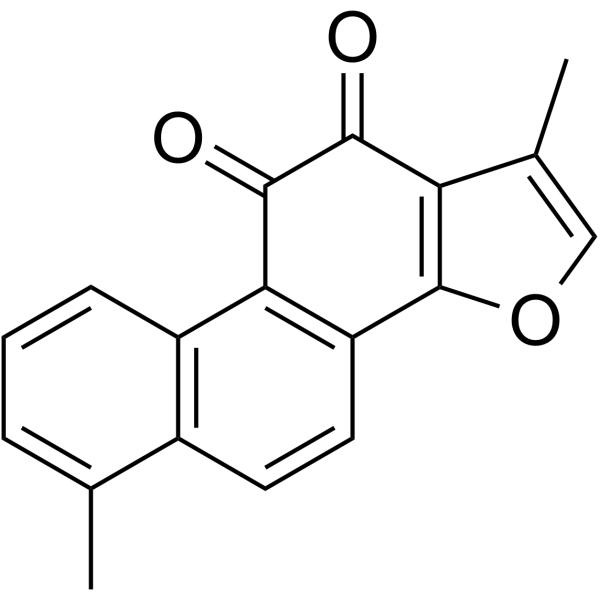
HY-N0134
Tanshinone IPhospholipase Inhibitor -
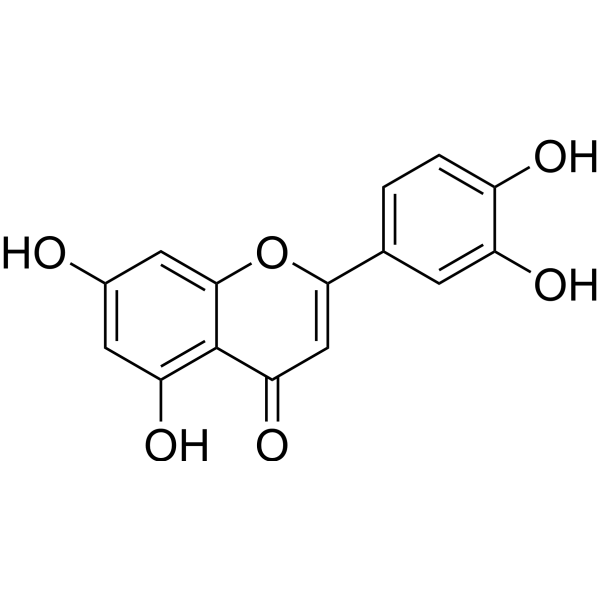
HY-N0162
LuteolinNrf2 Inhibitor -
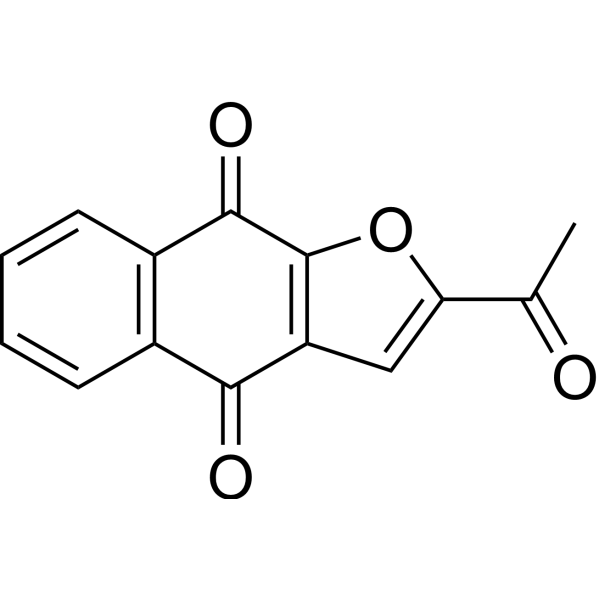
HY-13919
NapabucasinSTAT3 Inhibitor -
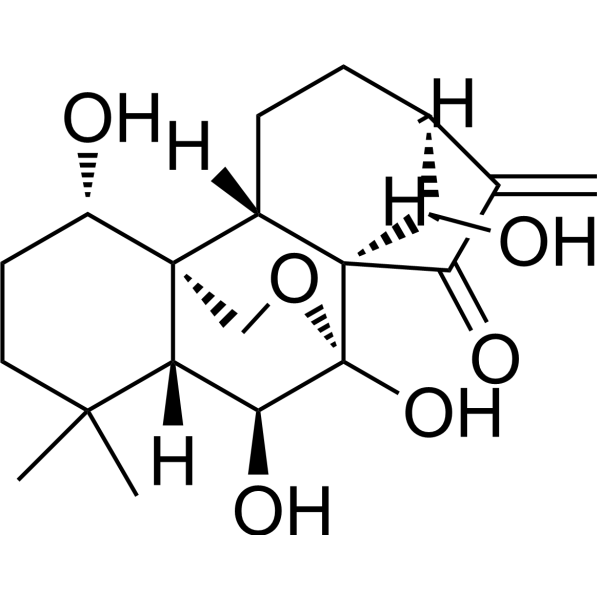
HY-N0004
OridoninBacterial Inhibitor -
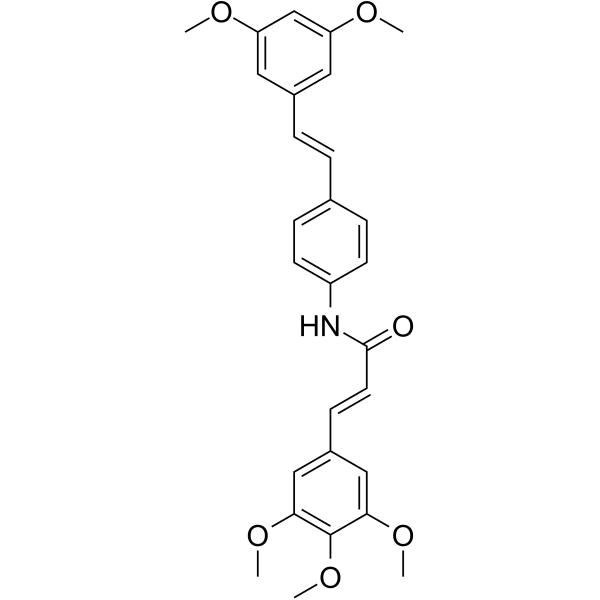
HY-100753
STAT3-IN-1STAT3 Inhibitor -
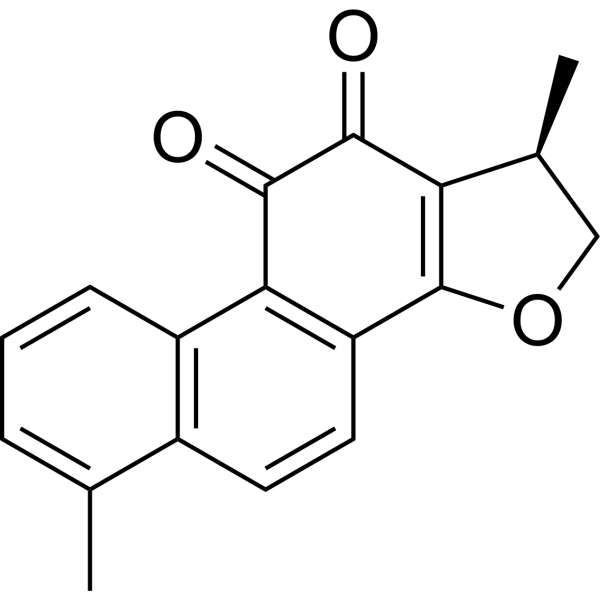
HY-N0360
Dihydrotanshinone ISARS-CoV Inhibitor -
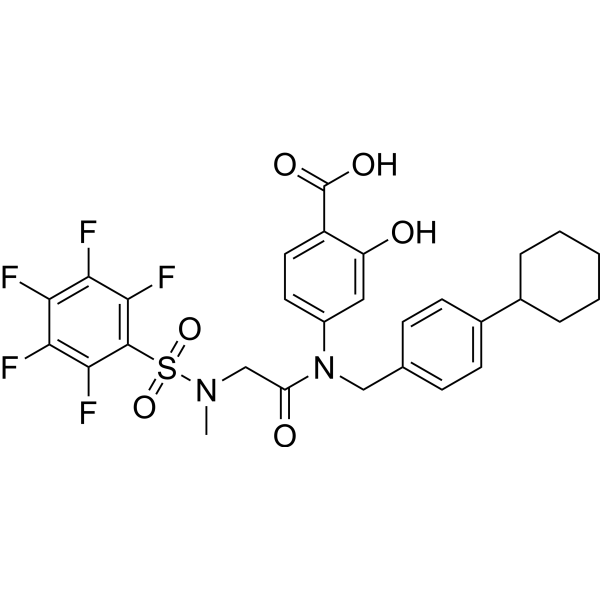
HY-100493
BP-1-102STAT3 Inhibitor -
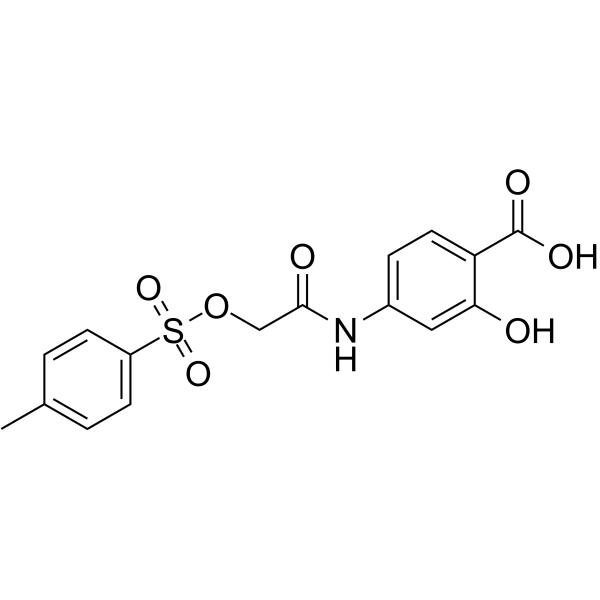
HY-15146
NSC 74859STAT3 Inhibitor -
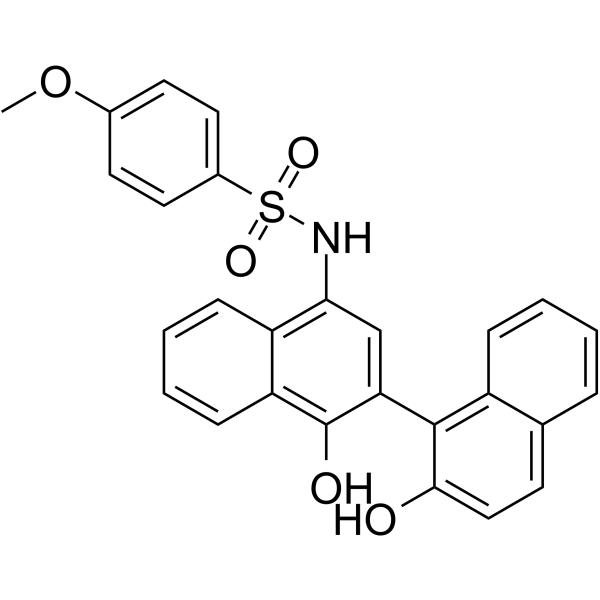
HY-112288
C188-9STAT3 Inhibitor -
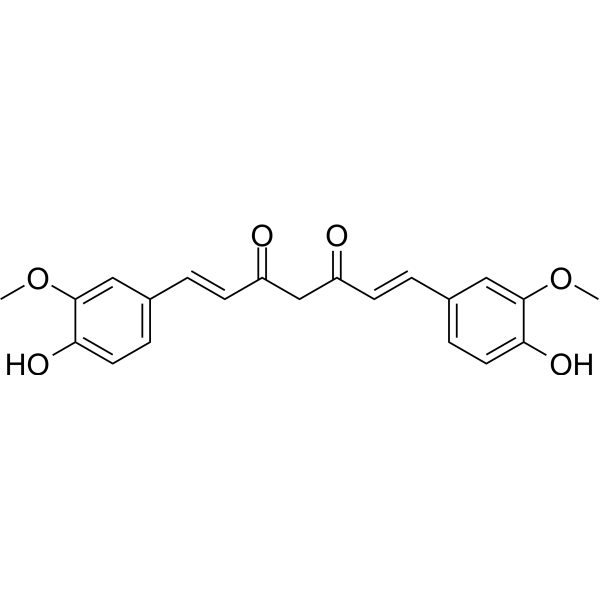
HY-N0005
Curcuminp300 Histone Acetylatransferase Inhibitor
Publications Citing Use of MedChemExpress (MCE) Cryptotanshinone
More- Cancer Res. 2022 Nov 2;82(21):3987-4000. [Abstract]
- Autophagy. 2026 Jun 6:1-20. [Abstract]
- Nat Commun. 2022 Nov 29;13(1):7345. [Abstract]
- Exp Mol Med. 2023 Jul;55(7):1348-1356. [Abstract]
- J Exp Clin Cancer Res. 2022 Jun 11;41(1):200. [Abstract]
- Adv Sci (Weinh). 2023 Dec;10(34):e2303298. [Abstract]
- Chem Eng J. 2026 Feb 12.
- Pharmacol Res. 2021 Jan:163:105232. [Abstract]
- Cell Death Dis. 2020 May 1;11(5):304. [Abstract]
- Cancer Lett. 2024 Jul 1:593:216963. [Abstract]
- Phytomedicine. 2025 Sep:145:157021. [Abstract]
- Phytomedicine. 2025 May:140:156484. [Abstract]
- World J Gastroenterol. 2023 May 7;29(17):2616-2627. [Abstract]
- J Pineal Res. 2019 Apr;66(3):e12552. [Abstract]
- J Ethnopharmacol. 2025 Jun 26:350:119943. [Abstract]
- Mech Ageing Dev. 2021 Jun:196:111475. [Abstract]
- Life Sci. 2020 Apr 1:246:117366. [Abstract]
- OncoImmunology. 2022 Feb 1;11(1):2032918. [Abstract]
- Commun Biol. 2024 Oct 5;7(1):1266. [Abstract]
- Eur J Pharmacol. 2023 Jan 5:938:175434. [Abstract]
- Int Immunopharmacol. 2026 Feb 1:170:116115. [Abstract]
- Front Pharmacol. 2023 Jul 25:14:1192370. [Abstract]
- Front Cell Dev Biol. 2021 Sep 3:9:729293. [Abstract]
- ACS Omega. 2025 Apr 29;10(18):19019-19032. [Abstract]
- Mol Med Rep. 2021 Jun;23(6):424. [Abstract]
- Sci Rep. 2023 Dec 9;13(1):21835. [Abstract]
- Sci Rep. 2016 Dec 6:6:38408. [Abstract]
- Cell Signal. 2020 Feb:66:109445. [Abstract]
- J Cell Mol Med. 2017 Sep;21(9):2172-2183. [Abstract]
- Int J Chron Obstruct Pulmon Dis. 2023 May 6:18:797-809. [Abstract]
- J Virol. 2020 Feb 14;94(5):e01384-19. [Abstract]
- PLoS Genet. 2015 Mar 27;11(3):e1005120. [Abstract]
- J Radiat Res Appl Sci. 2026 Mar 2.
- Exp Cell Res. 2022 Feb 15;411(2):113001. [Abstract]
- Exp Cell Res. 2021 Feb 1;399(1):112424. [Abstract]
- Life Sci Alliance. 2022 Nov 1;6(1):e202201667. [Abstract]
- Cell Biochem Biophys. 2021 Mar;79(1):103-111. [Abstract]
- Biomed Res Int. 2022 Sep 13;2022:3816258. [Abstract]
- Biomed Res Int. 2022 Jul 23:2022:8080679. [Abstract]
- Eur J Histochem. 2026 Jan 26;70(1). [Abstract]
- Am J Transl Res. 2020 Apr 15;12(4):1443-1458. [Abstract]
- Am J Transl Res. 2016 Sep 15;8(9):3848-3860. [Abstract]
- Acta Mater Med. 2025 Mar 24.
- Asian Pac J Cancer Prev. 2021 Nov 1;22(11):3671-3678. [Abstract]
- University of North Carolina. 2021.
- Aging (Albany NY). 2020 May 26;12(10):9585-9603. [Abstract]
- Research Square Print. 2020 Jan.
 Customer Validation & Images

-
Cell Imaging/Staining
-
WB
-
Flow Cytometry
-
WB
-
WB


Biological Activity
Description
IC50 & Target
[1]|
STAT3 4.6 μM (IC50) |
Cellular Effect
|
Cell Line

|
Type | Value | Description | References |
|---|---|---|---|---|
| AGS | IC50 |
1.58 μM
Compound: 3, cryptotanshinone
|
Inhibition of HIF1 activation in human AGS cells assessed as inhibition of hypoxia-induced luciferase expression after 16 hrs by reporter assay
Inhibition of HIF1 activation in human AGS cells assessed as inhibition of hypoxia-induced luciferase expression after 16 hrs by reporter assay
|
[PMID: 17583950] |
| AGS | IC50 |
10.2 μM
Compound: 3, cryptotanshinone
|
Viability of human AGS cells under hypoxic conditions after 24 hrs by MTT assay
Viability of human AGS cells under hypoxic conditions after 24 hrs by MTT assay
|
[PMID: 17583950] |
| AGS | IC50 |
13.5 μM
Compound: 3, cryptotanshinone
|
Viability of human AGS cells under normoxic conditions after 24 hrs by MTT assay
Viability of human AGS cells under normoxic conditions after 24 hrs by MTT assay
|
[PMID: 17583950] |
| BaF3 | IC50 |
17.22 μM
Compound: Cryptotanshinone
|
Growth inhibition of IL3-stimulated mouse BA/F3 cells after 48 hrs by CellTiter 96 assay
Growth inhibition of IL3-stimulated mouse BA/F3 cells after 48 hrs by CellTiter 96 assay
|
[PMID: 23957426] |
| ECa-109 cell line | IC50 |
5.01 μM
Compound: 8
|
Antitumor activity against human EC109 cells assessed as reduction in cell viability incubated for 72 hrs by MTT assay
Antitumor activity against human EC109 cells assessed as reduction in cell viability incubated for 72 hrs by MTT assay
|
[PMID: 35504209] |
| HCT-116 | IC50 |
4.6 μM
Compound: 47
|
Inhibition of STAT3 expressed in human HCT116 cells after 24 hrs by luciferase reporter gene assay
Inhibition of STAT3 expressed in human HCT116 cells after 24 hrs by luciferase reporter gene assay
|
[PMID: 22650325] |
| Hep 3B2 | IC50 |
>30 μM
Compound: 3, cryptotanshinone
|
Viability of human Hep3B cells under hypoxic conditions after 24 hrs by MTT assay
Viability of human Hep3B cells under hypoxic conditions after 24 hrs by MTT assay
|
[PMID: 17583950] |
| Hep 3B2 | IC50 |
>30 μM
Compound: 3, cryptotanshinone
|
Viability of human Hep3B cells under normoxic conditions after 24 hrs by MTT assay
Viability of human Hep3B cells under normoxic conditions after 24 hrs by MTT assay
|
[PMID: 17583950] |
| Hep 3B2 | IC50 |
1.36 μM
Compound: 3, cryptotanshinone
|
Inhibition of HIF1 activation in human Hep3B cells assessed as inhibition of hypoxia-induced luciferase expression after 16 hrs by reporter assay
Inhibition of HIF1 activation in human Hep3B cells assessed as inhibition of hypoxia-induced luciferase expression after 16 hrs by reporter assay
|
[PMID: 17583950] |
| HepG2 | IC50 |
29.2 μM
Compound: 8
|
Antitumor activity against human HepG2 cells assessed as reduction in cell viability incubated for 72 hrs by MTT assay
Antitumor activity against human HepG2 cells assessed as reduction in cell viability incubated for 72 hrs by MTT assay
|
[PMID: 35504209] |
| KB 3-1 | IC50 |
6.9 μM
Compound: 1
|
Cytotoxicity against drug-sensitive human KB-3-1 cells after 48 hrs by MTS/PMS assay
Cytotoxicity against drug-sensitive human KB-3-1 cells after 48 hrs by MTS/PMS assay
|
[PMID: 11720520] |
| KB-V1 | IC50 |
7.5 μM
Compound: 1
|
Cytotoxicity against multidrug-resistant human KBV1 cells after 48 hrs by MTS/PMS assay
Cytotoxicity against multidrug-resistant human KBV1 cells after 48 hrs by MTS/PMS assay
|
[PMID: 11720520] |
| L02 | IC50 |
>20 μM
Compound: CTS
|
Antiproliferative activity against human L02 cells assessed as cell viability incubated for 48 hrs measured after additional incubation with MTT
Antiproliferative activity against human L02 cells assessed as cell viability incubated for 48 hrs measured after additional incubation with MTT
|
[PMID: 39226127] |
| MCF-10A | IC50 |
>20 μM
Compound: CTS
|
Antiproliferative activity against human MCF-10A cells assessed as cell viability incubated for 48 hrs measured after additional incubation with MTT
Antiproliferative activity against human MCF-10A cells assessed as cell viability incubated for 48 hrs measured after additional incubation with MTT
|
[PMID: 39226127] |
| MCF7 | ED50 |
0.41 μg/mL
Compound: cryptotanshinone
|
Dose required for reduction in cell growth of human breast cancer MCF-7 cell line
Dose required for reduction in cell growth of human breast cancer MCF-7 cell line
|
[PMID: 15509181] |
| MDA-MB-231 | ED50 |
0.16 μg/mL
Compound: cryptotanshinone
|
Dose required for reduction in cell growth of human breast cancer MDA-MB-231 cell line
Dose required for reduction in cell growth of human breast cancer MDA-MB-231 cell line
|
[PMID: 15509181] |
| MDA-MB-231 | IC50 |
>20 μM
Compound: CTS
|
Antiproliferative activity against human MDA-MB-231 cells assessed as cell viability incubated for 48 hrs measured after additional incubation with MTT
Antiproliferative activity against human MDA-MB-231 cells assessed as cell viability incubated for 48 hrs measured after additional incubation with MTT
|
[PMID: 39226127] |
| MDA-MB-468 | IC50 |
>20 μM
Compound: CTS
|
Antiproliferative activity against human MDA-MB-468 cells assessed as cell viability incubated for 48 hrs measured after additional incubation with MTT
Antiproliferative activity against human MDA-MB-468 cells assessed as cell viability incubated for 48 hrs measured after additional incubation with MTT
|
[PMID: 39226127] |
| MIA PaCa-2 | IC50 |
5.8 μM
Compound: 14
|
Cytotoxicity against human MIAPaCa2 cells after 24 hrs by MTT assay
Cytotoxicity against human MIAPaCa2 cells after 24 hrs by MTT assay
|
[PMID: 21775156] |
| PBMC | IC50 |
37.4 μM
Compound: 1
|
Inhibition of phytohemagglutininin A-stimulated human PBMC proliferation assessed as decrease in [14C]thymidine incorporation
Inhibition of phytohemagglutininin A-stimulated human PBMC proliferation assessed as decrease in [14C]thymidine incorporation
|
[PMID: 11720520] |
| Vero C1008 | CC50 |
>300 μM
Compound: 28
|
Cytotoxicity against African green monkey Vero E6 cells assessed as cell viability treated for 24 hrs by CCK8 assay
Cytotoxicity against African green monkey Vero E6 cells assessed as cell viability treated for 24 hrs by CCK8 assay
|
[PMID: 35620927] |
In Vitro
Cryptotanshinone significantly inhibits STAT3-dependent luciferase activity, the STAT3 Tyr705 phosphorylation and the dimerization of STAT3, compared to tanshinone IIA which exhibits no activity. Cryptotanshinone (7 μM) dramatically blocks STAT3 Tyr705 phosphorylation but not STAT3 Ser727 phosphorylation in DU145 cells, and significantly inhibits JAK2 phosphorylation with IC50 of appr 5 μM without affecting the phosphorylation of upstream kinases c-Src and EGFR, suggesting the inhibition of STAT3 Tyr705 phosphorylation might due to a direct mechanism probably by binding to the SH2 domain of STAT3. Cryptotanshinone significantly inhibits the proliferation of DU145 prostate cancer cells harboring constitutively active STAT3 with GI50 of 7 μM by blocking STAT3 activity, which leads to the down-regulation of cyclin D1, Bcl-xL, and survivin, subsequently the accumulation in the G0-G1 phase. Cryptotanshinone exhibits less growth inhibitory effect on PC3, LNCaP and MDA-MB-468 cells[1]. Cryptotanshinone significantly attenuates the in vitro hormonal effects of DEX on ovaries, as indicated by a significant decrease in T and an increase in P levels in the culture medium. Cryptotanshinone significantly increases the levels of phosphorylated AKT2 and GSK3β in the DEX-treated ovaries[2]. Cotreatment with imatinib and Cryptotanshinone shows a significant synergistic killing effect in both imatinib sensitive and resistant CML cell lines, as well as primary CML cells[3].
MedChemExpress (MCE) has not independently confirmed the accuracy of these methods. They are for reference only.
In Vivo
MedChemExpress (MCE) has not independently confirmed the accuracy of these methods. They are for reference only.


Chemical Information
-
CAS No. 35825-57-1
-
Appearance Solid
-
Molecular Weight 296.36
-
Formula C19H20O3
-
Color Pink to red
-
SMILES
O=C(C1=C2C=CC3=C1CCCC3(C)C)C(C4=C2OC[C@@H]4C)=O
-
Synonyms
Cryptotanshinon; Tanshinone c
-
Structure Classification
-
Shipping
Room temperature in continental US; may vary elsewhere.
-
Storage
Powder -20°C 3 years 4°C 2 years In solvent -80°C 1 year -20°C 6 months


Publications (47)
-
Journal Impact Factor
-
Most Recent
-
Cancer Res
Asialoglycoprotein receptor 1 functions as a tumor suppressor in liver cancer via inhibition of STAT3. [Abstract]2022 Nov 2;82(21):3987-4000. PMID: 36043912
Cryptotanshinone purchased from MedChemExpress. Usage Cited in: Cancer Res. 2022 Nov 2;82(21):3987-4000. [Abstract]
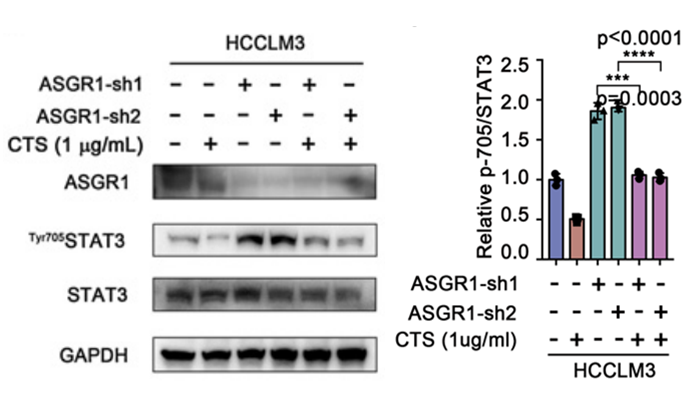
Cryptotanshinone (CTS) (1 μg/mL) treatment effectively rescued the increased Tyr705STAT3 expression caused by ASGR1 knockdown in HCCLM3 cells.
Cryptotanshinone purchased from MedChemExpress. Usage Cited in: Cancer Res. 2022 Nov 2;82(21):3987-4000. [Abstract]
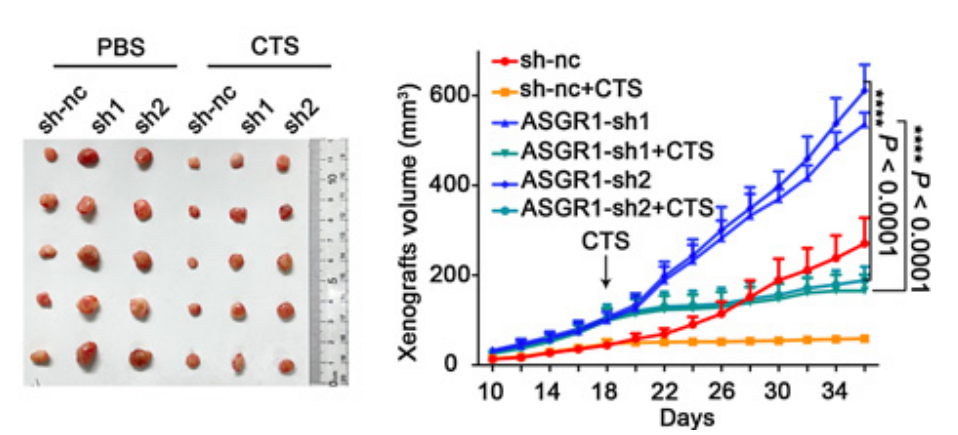
HCCLM3 cells were injected subcutaneously in 6-week-old nude mice to form xenograft tumors. One week after xenograft tumor formation, mice were intraperitoneally injected with PBS or Cryptotanshinone (CTS) (50 mg/kg, 0.1 mL/10g) every two days. The volume of the xenograft tumor of the mice was measured every two days (means ± SD, unpaired Student t test). ns, nonsignificant.
-
Autophagy
Organelle contact reorganization drives calcium-dependent autophagy under proteostatic stress. [Abstract]2026 Jun 6:1-20. PMID: 42152515 -
Nat Commun
2022 Nov 29;13(1):7345. PMID: 36446858 -
Exp Mol Med
TXNIP: A key protein in the cellular stress response pathway and a potential therapeutic target. [Abstract]2023 Jul;55(7):1348-1356. PMID: 37394581
Cryptotanshinone purchased from MedChemExpress. Usage Cited in: Exp Mol Med. 2023 Jul;55(7):1348-1356. [Abstract]
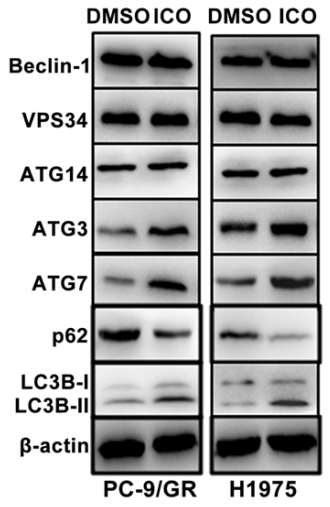
Detection of protein changes in STAT3 activity, FOXM1 and ATG7 levels, induced by icotinib in indicated cells with or without the treatments of IL-6 (10 ng/mL; 24 h) or Cryptotanshinone (CNT) (7 μM; 24 h). The results showed that Cryptotanshinone (CNT) remarkably inhibited the activation of STAT3 and abrogated the levels of FOXM1 and ATG7 during icotinib treatment.
Cryptotanshinone purchased from MedChemExpress. Usage Cited in: Exp Mol Med. 2023 Jul;55(7):1348-1356. [Abstract]
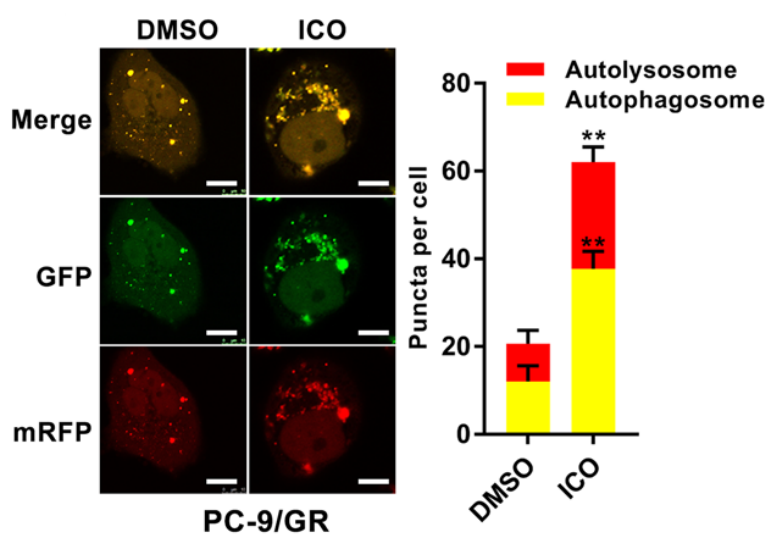
Detection of protein changes in STAT3 activity, autophagic flux with the mRFP-GFP-LC3 reporter, induced by icotinib in indicated cells with or without the treatments of IL-6 (10 ng/mL; 24 h) or Cryptotanshinone (CTN) (7 μM; 24 h).
-
J Exp Clin Cancer Res
Essential role for STAT3/FOXM1/ATG7 signaling-dependent autophagy in resistance to Icotinib. [Abstract]2022 Jun 11;41(1):200. PMID: 35690866 -
Adv Sci (Weinh)
Reshaping Intratumoral Mononuclear Phagocytes with Antibody-Opsonized Immunometabolic Nanoparticles. [Abstract]2023 Dec;10(34):e2303298. PMID: 37867225 -
-
Pharmacol Res
Cryptotanshinone alleviates chemotherapy-induced colitis in mice with colon cancer via regulating fecal-bacteria-related lipid metabolism. [Abstract]2021 Jan:163:105232. PMID: 33027716 -
Cell Death Dis
The autophagy-independent role of BECN1 in colorectal cancer metastasis through regulating STAT3 signaling pathway activation. [Abstract]2020 May 1;11(5):304. PMID: 32358527 -
Cancer Lett
Preoperative neoadjuvant targeted therapy remodels intra-tumoral heterogeneity of clear-cell renal cell carcinoma and ferroptosis inhibition induces resistance progression. [Abstract]2024 Jul 1:593:216963. PMID: 38768682 -
Phytomedicine
Cryptotanshinone attenuates lactate-induced nucleus pulposus cells injury by modulating the STAT3/SIRT3 signaling axis. [Abstract]2025 Sep:145:157021. PMID: 40609385 -
Phytomedicine
Fangchinoline suppresses nasopharyngeal carcinoma progression by inhibiting SQLE to regulate the PI3K/AKT pathway dysregulation. [Abstract]2025 May:140:156484. PMID: 40090046 -
World J Gastroenterol
Cryptotanshinone induces apoptosis of activated hepatic stellate cells via modulating endoplasmic reticulum stress. [Abstract]2023 May 7;29(17):2616-2627. PMID: 37213406 -
J Pineal Res
MicroRNA-7 inhibits melatonin synthesis by acting as a linking molecule between leptin and norepinephrine signaling pathways in pig pineal gland. [Abstract]2019 Apr;66(3):e12552. PMID: 30618087 -
J Ethnopharmacol
Enhancement of endometrial receptivity by Bushen Zhuyun Decoction via cryptotanshinone-mediated TRIM28 induction and HIF-1α suppression. [Abstract]2025 Jun 26:350:119943. PMID: 40449692 -
Mech Ageing Dev
2021 Jun:196:111475. PMID: 33781783 -
Life Sci
Hydroxychloroquine suppresses lung tumorigenesis via inducing FoxO3a nuclear translocation through STAT3 inactivation. [Abstract]2020 Apr 1:246:117366. PMID: 32001266 -
OncoImmunology
TNFSF15 facilitates differentiation and polarization of macrophages toward M1 phenotype to inhibit tumor growth. [Abstract]2022 Feb 1;11(1):2032918. PMID: 35127254 -
Commun Biol
Visible light accelerates skin wound healing and alleviates scar formation in mice by adjusting STAT3 signaling. [Abstract]2024 Oct 5;7(1):1266. PMID: 39367154 -
Eur J Pharmacol
Cryptotanshinone modulates proliferation, apoptosis, and fibrosis through inhibiting AR and EGFR/STAT3 axis to ameliorate benign prostatic hyperplasia progression. [Abstract]2023 Jan 5:938:175434. PMID: 36462735
Cryptotanshinone purchased from MedChemExpress. Usage Cited in: Eur J Pharmacol. 2023 Jan 5:938:175434. [Abstract]
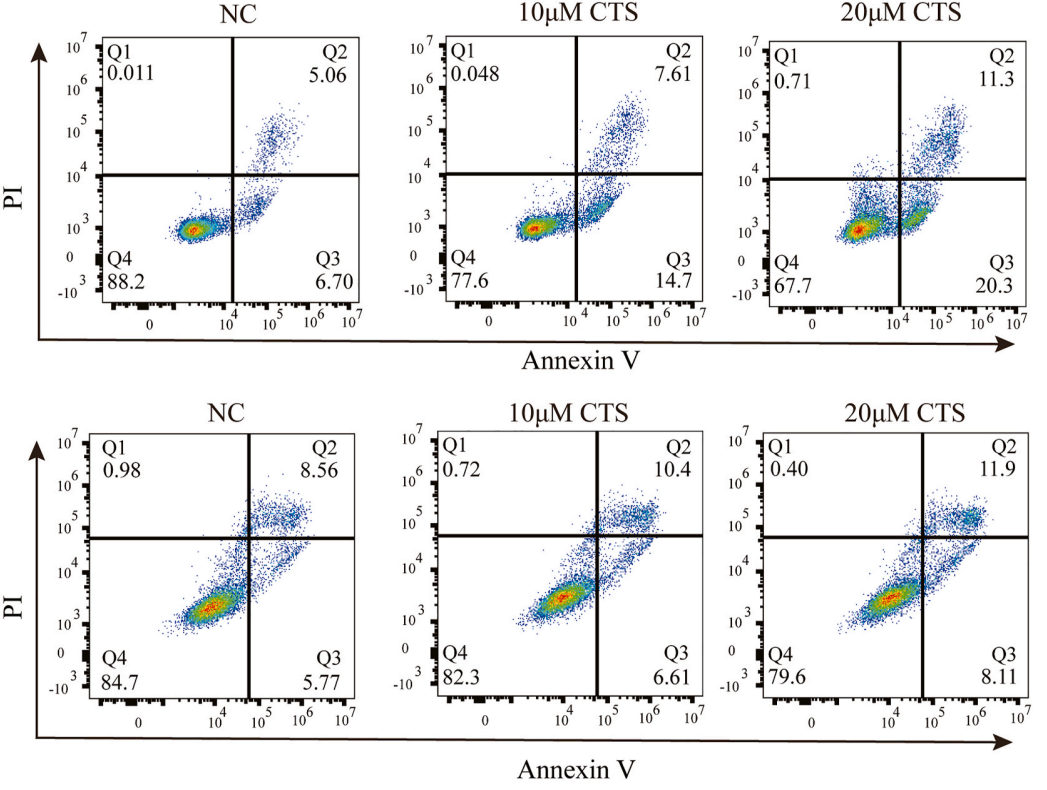
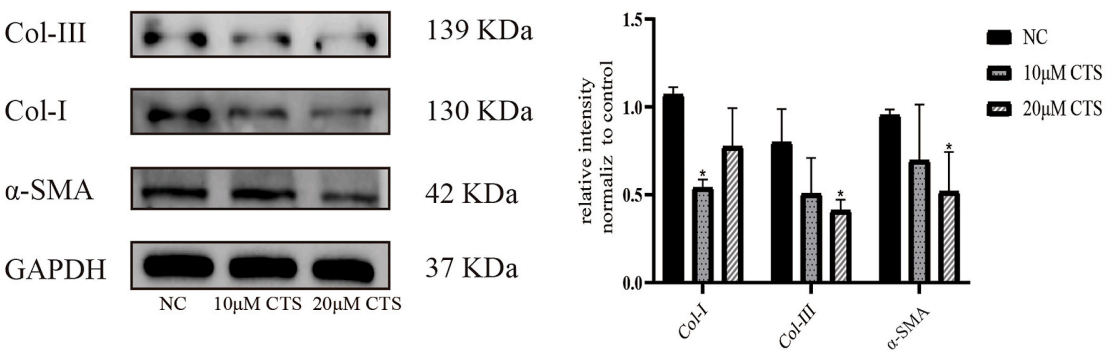
Cryptotanshinone (CTS; 10, 20 μМ; 24 h) promotes apoptosis of BPH-1 (fig A) and WPMY-1 (fig B) cells.
Cryptotanshinone purchased from MedChemExpress. Usage Cited in: Eur J Pharmacol. 2023 Jan 5:938:175434. [Abstract]
Cryptotanshinone (CTS; 0, 10, 20 μМ; 24 h) significantly decreases the expression of Col-I and (when at 20 μМ) Col-III, α-SMA in WPMY-1 cells.
-
Int Immunopharmacol
Cryptotanshinone inhibits osteoclast differentiation by targeting LCP1 to suppress diabetic osteoporosis. [Abstract]2026 Feb 1:170:116115. PMID: 41455366 -
Front Pharmacol
Cryptotanshinone affects HFL-1 cells proliferation by inhibiting cytokines secretion in RAW264.7 cells and ameliorates inflammation and fibrosis in newborn rats with hyperoxia induced lung injury. [Abstract]2023 Jul 25:14:1192370. PMID: 37560477 -
Front Cell Dev Biol
Irradiation Haematopoiesis Recovery Orchestrated by IL-12/IL-12Rβ1/TYK2/STAT3-Initiated Osteogenic Differentiation of Mouse Bone Marrow-Derived Mesenchymal Stem Cells. [Abstract]2021 Sep 3:9:729293. PMID: 34540843 -
ACS Omega
Investigating the Mechanism of the Fuzheng Huayu Formula in Treating Cirrhosis through Network Pharmacology, Molecular Docking, and Experimental Verification. [Abstract]2025 Apr 29;10(18):19019-19032. PMID: 40385224 -
Mol Med Rep
Cryptotanshinone interferes with chondrocyte apoptosis in osteoarthritis by inhibiting the expression of miR‑574‑5p. [Abstract]2021 Jun;23(6):424. PMID: 33878859 -
Sci Rep
Synergistic effect of cryptotanshinone and temozolomide treatment against human glioblastoma cells. [Abstract]2023 Dec 9;13(1):21835. PMID: 38071213 -
Sci Rep
Cancer-associated fibroblasts treated with cisplatin facilitates chemoresistance of lung adenocarcinoma through IL-11/IL-11R/STAT3 signaling pathway. [Abstract]2016 Dec 6:6:38408. PMID: 27922075 -
Cell Signal
Interleukin-10 induces senescence of activated hepatic stellate cells via STAT3-p53 pathway to attenuate liver fibrosis. [Abstract]2020 Feb:66:109445. PMID: 31730896 -
J Cell Mol Med
Tetrandrine, an agonist of aryl hydrocarbon receptor, reciprocally modulates the activities of STAT3 and STAT5 to suppress Th17 cell differentiation. [Abstract]2017 Sep;21(9):2172-2183. PMID: 28332288 -
Int J Chron Obstruct Pulmon Dis
Cryptotanshinone Reverses Corticosteroid Insensitivity by Inhibition of Phosphoinositide-3-Kinase-δ in Chronic Obstructive Pulmonary Disease. [Abstract]2023 May 6:18:797-809. PMID: 37180749 -
J Virol
Kaposi's Sarcoma-Associated Herpesvirus Viral Interleukin-6 Signaling Upregulates Integrin β3 Levels and Is Dependent on STAT3. [Abstract]2020 Feb 14;94(5):e01384-19. PMID: 31801855 -
PLoS Genet
Systems biology of tissue-specific response to Anaplasma phagocytophilum reveals differentiated apoptosis in the tick vector Ixodes scapularis. [Abstract]2015 Mar 27;11(3):e1005120. PMID: 25815810 -
-
Exp Cell Res
Interleukin 10 inhibits oxidative stress-induced autophagosome formation in hepatic stellate cells by activating the mTOR-STAT3 pathway. [Abstract]2022 Feb 15;411(2):113001. PMID: 34973945 -
Exp Cell Res
HPRT promotes proliferation and metastasis in head and neck squamous cell carcinoma through direct interaction with STAT3. [Abstract]2021 Feb 1;399(1):112424. PMID: 33340493 -
Life Sci Alliance
Tanshinone functions as a coenzyme that confers gain of function of NQO1 to suppress ferroptosis. [Abstract]2022 Nov 1;6(1):e202201667. PMID: 36319062 -
Cell Biochem Biophys
Downregulation of N-myc Interactor Promotes Cervical Cancer Cells Growth by Activating Stat3 Signaling. [Abstract]2021 Mar;79(1):103-111. PMID: 33106998 -
Biomed Res Int
Radix Salvia miltiorrhiza for Ankylosing Spondylitis: Determining Potential Inflammatory Molecular Targets and Mechanism Using Network Pharmacology. [Abstract]2022 Sep 13;2022:3816258. PMID: 36147634 -
Biomed Res Int
Network-Based Pharmacology and Bioinformatics Study on the Mechanism of Action of Gujiansan in the Treatment of Steroid-Induced Avascular Necrosis of the Femoral Head. [Abstract]2022 Jul 23:2022:8080679. PMID: 35915795 -
Eur J Histochem
Cryptotanshinone alleviates DSS-induced colitis in mouse by regulating the balance of Treg/Th17 cells and M1 macrophage activation. [Abstract]2026 Jan 26;70(1). PMID: 41711159 -
Am J Transl Res
pSTAT3 Y705 is a prognostic biomarker identified from time-series gene expression profiles of a chemically induced mouse model of hepatocellular carcinoma. [Abstract]2020 Apr 15;12(4):1443-1458. PMID: 32355553 -
Am J Transl Res
2016 Sep 15;8(9):3848-3860. PMID: 27725864 -
-
Asian Pac J Cancer Prev
LIN28B Enhanced STAT3 Signaling Regulates Inflammatory Response and Chemotherapeutic Resistance in Cholangiocytes. [Abstract]2021 Nov 1;22(11):3671-3678. PMID: 34837926 -
-
Aging (Albany NY)
Attenuation of doxorubicin-induced cardiotoxicity by cryptotanshinone detected through association analysis of transcriptomic profiling and KEGG pathway. [Abstract]2020 May 26;12(10):9585-9603. PMID: 32457254 -


Solvent & Solubility
In Vitro:
DMSO : 5 mg/mL (16.87 mM; ultrasonic and warming and heat to 60°C; Hygroscopic DMSO has a significant impact on the solubility of product, please use newly opened DMSO)
H2O : < 0.1 mg/mL (insoluble)
Please refer to the solubility information to select the appropriate solvent. Once prepared, please aliquot and store the solution to prevent product inactivation from repeated freeze-thaw cycles.
Storage method and period of stock solution: -80°C, 1 year; -20°C, 6 months. When stored at -80°C, please use it within 1 year. When stored at -20°C, please use it within 6 months.
Please refer to the solubility information to select the appropriate solvent. Once prepared, please aliquot and store the solution to prevent product inactivation from repeated freeze-thaw cycles.
Storage method and period of stock solution: -80°C, 1 year; -20°C, 6 months. When stored at -80°C, please use it within 1 year. When stored at -20°C, please use it within 6 months.
Concentration (start) × Volume (start) = Concentration (final) × Volume (final)
In Vivo:
Select the appropriate dissolution method based on your experimental animal and administration route.
- For the following dissolution methods, please ensure to first prepare a clear stock solution using an In Vitro approach and then sequentially add co-solvents:
- To ensure reliable experimental results, the clarified stock solution can be appropriately stored based on storage conditions. As for the working solution for In Vivo experiments, it is recommended to prepare freshly and use it on the same day.
- The percentages shown for the solvents indicate their volumetric ratio in the final prepared solution. If precipitation or phase separation occurs during preparation, heat and/or sonication can be used to aid dissolution.
Add each solvent one by one: 10% DMSO 40% PEG300 5% Tween-80 45% Saline
Solubility: 0.83 mg/mL (2.80 mM); Suspended solution; Need ultrasonic
This protocol yields a suspended solution of 0.83 mg/mL. Suspended solution can be used for oral and intraperitoneal injection.
Taking 1 mL working solution as an example, add 100 μL DMSO stock solution (8.3 mg/mL) to 400 μL PEG300, and mix evenly; then add 50 μL Tween-80 and mix evenly; then add 450 μL Saline to adjust the volume to 1 mL.
Preparation of Saline: Dissolve 0.9 g sodium chloride in ddH₂O and dilute to 100 mL to obtain a clear Saline solution.
Add each solvent one by one: 10% DMSO 90% (20% SBE-β-CD in Saline)
Solubility: ≥ 0.83 mg/mL (2.80 mM); Clear solution
This protocol yields a clear solution of ≥ 0.83 mg/mL (saturation unknown).
Taking 1 mL working solution as an example, add 100 μL DMSO stock solution (8.3 mg/mL) to 900 μL 20% SBE-β-CD in Saline, and mix evenly.
Preparation of 20% SBE-β-CD in Saline (4°C, storage for one week): 2 g SBE-β-CD powder is dissolved in 10 mL Saline, completely dissolve until clear.
For the following dissolution methods, please prepare the working solution directly:
It is recommended to prepare fresh solutions and use them promptly within a short period of time.
The percentages shown for the solvents indicate their volumetric ratio in the final prepared solution. If precipitation or phase separation occurs during preparation, heat and/or sonication can be used to aid dissolution.
Add each solvent one by one: Corn Oil
Solubility: 8 mg/mL (26.99 mM); Suspended solution; Need ultrasonic
In Vivo Dissolution Calculator
Please enter the basic information of animal experiments:
-
-
-
-
Recommended: Prepare an additional quantity of animals to account for potential losses during experiments.
Please enter your animal formula composition:
-
%DMSO +
Recommended: Keep the proportion of DMSO in working solution below 2% if your animal is weak.
-
%+
-
+%Tween-80 + +
-
%Saline +
The co-solvents required include: DMSO, . All of co-solvents are available by MedChemExpress (MCE). , Tween 80. All of co-solvents are available by MedChemExpress (MCE).
Working solution concentration: 0.22 mg/mL
Method for preparing stock solution: mg drug dissolved in μL DMSO. Stock solution concentration: mg/mL.
1. Take μL DMSO stock solution;
2. Add μL .
μL , mix evenly;
3. Then add μL Tween 80, mix evenly;
4. Then add μL
Please ensure that the stock solution in the first step is dissolved to a clear state, and add co-solvents in sequence. You can use ultrasonic heating (ultrasonic cleaner, recommended frequency 20-40 kHz), vortexing, etc. to assist dissolution.


Purity & Documentation
-
Data Sheet (287 KB)
-
SDS (624 KB)
- English - EN (624 KB)
- Français - FR (624 KB)
- Deutsch - DE (624 KB)
- Norwegian - NO (624 KB)
- Español - ES (624 KB)
- Swedish - SV (624 KB)
- Italian - IT (624 KB)
- Korean - KR (624 KB)
- Portuguese - PT (624 KB)
-
Handling Instructions (2659 KB)
References
[1]. Shin DS, et al. Cryptotanshinone inhibits constitutive signal transducer and activator of transcription 3 function through blocking the dimerization in DU145 prostate cancer cells. Cancer Res. 2009 Jan 1;69(1):193-202. [Content Brief]
[2]. Huang Y, et al. Cryptotanshinone reverses ovarian insulin resistance in mice through activation of insulin signaling and the regulation of glucose transporters and hormone synthesizing enzymes. Fertil Steril. 2014 Aug;102(2):589-596.e4. [Content Brief]
[3]. Ge Y, et al. Cryptotanshinone acts synergistically with imatinib to induce apoptosis of human chronic myeloid leukemia cells. Leuk Lymphoma. 2014 Jun 25:1-9. [Content Brief]
[4]. Kim EJ, et al. Antidiabetes and antiobesity effect of cryptotanshinone via activation of AMP-activated protein kinase. Mol Pharmacol. 2007 Jul;72(1):62-72. Epub 2007 Apr 11. [Content Brief]


Complete Stock Solution Preparation Table
Please refer to the solubility information to select the appropriate solvent. Once prepared, please aliquot and store the solution to prevent product inactivation from repeated freeze-thaw cycles.
Storage method and period of stock solution: -80°C, 1 year; -20°C, 6 months. When stored at -80°C, please use it within 1 year. When stored at -20°C, please use it within 6 months.
| Optional Solvent | Concentration Solvent Mass | 1 mg | 5 mg | 10 mg | 25 mg |
|---|---|---|---|---|---|
| DMSO | 1 mM | 3.3743 mL | 16.8714 mL | 33.7427 mL | 84.3569 mL |
| 5 mM | 0.6749 mL | 3.3743 mL | 6.7485 mL | 16.8714 mL | |
| 10 mM | 0.3374 mL | 1.6871 mL | 3.3743 mL | 8.4357 mL | |
| 15 mM | 0.2250 mL | 1.1248 mL | 2.2495 mL | 5.6238 mL |


Cryptotanshinone Related Classifications
HY-N0174 Related Classifications
 Powered by Bioz