



レボドパ
Based on 37 publication(s) in Google Scholar
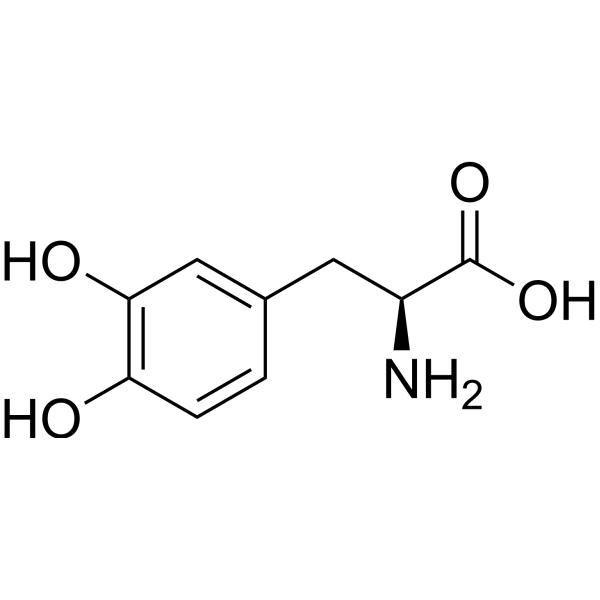
L-DOPA (Levodopa) is an orally active metabolic precursor of neurotransmitters dopamine. L-DOPA can cross the blood-brain barrier and is converted into dopamine in the brain. L-DOPA has anti-allodynic effects and the potential for Parkinson's disease.
商品は「研究用試薬」です。人や動物の医療用・臨床診断用・食品用の製品ではありません。
研究用途以外に使用した場合、当社は一切の責任を負いかねます。
- 純度 : 99.98%
- CAS 番号: 59-92-7
- 分子式: C9H11NO4
- 分子量:197.19
-
保管条件:
4°C, stored under nitrogen
* The compound is unstable in solutions, freshly prepared is recommended.

To place orders, for customer services and technical support, please contact: MedChemExpress USA
Tel: 609-228-6898 E-mail: [email protected] [email protected]


-
 生物活性
生物活性
-
化学情報
-
溶剤 & 溶解度
- 純度とドキュメンテーション
- 参考文献
-
 Help & FAQs


-
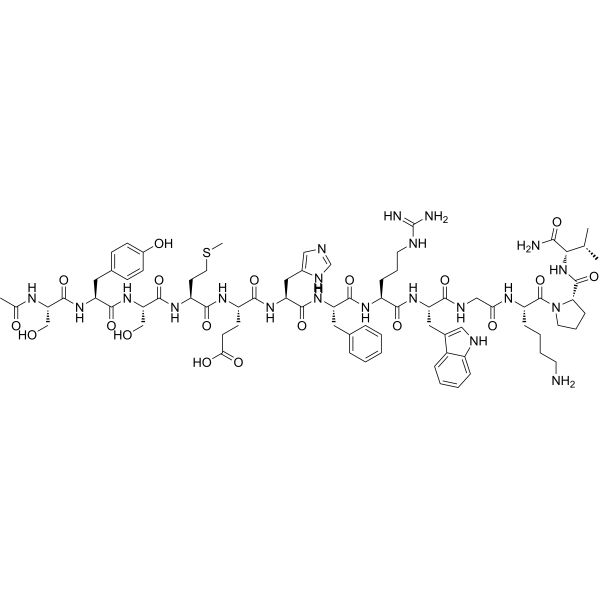
HY-P0252
α-MSHMC4R Agonist -
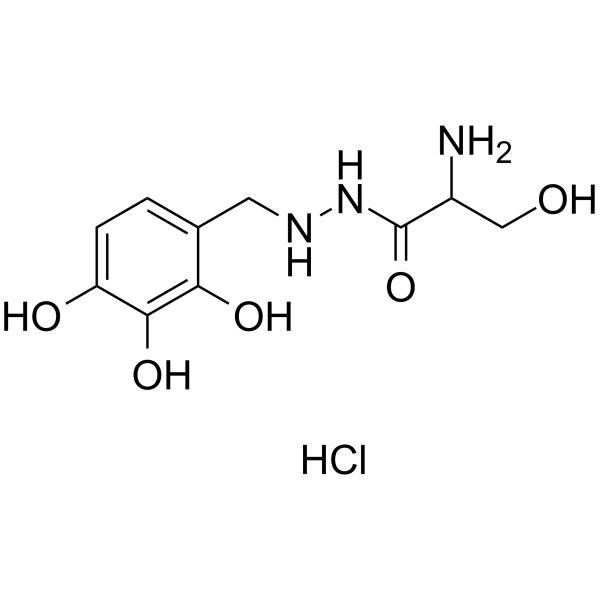
HY-B0404A
Benserazide hydrochlorideAADC/PKM2 Inhibitor -
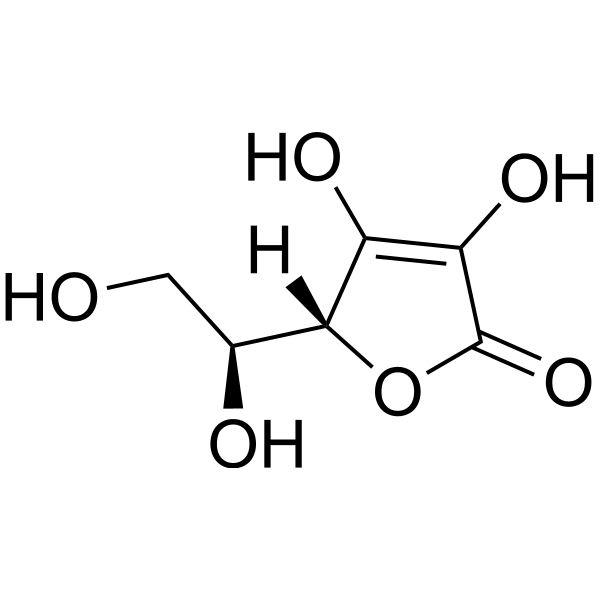
HY-B0166
L-Ascorbic acidAntioxidant -
HY-N0304R
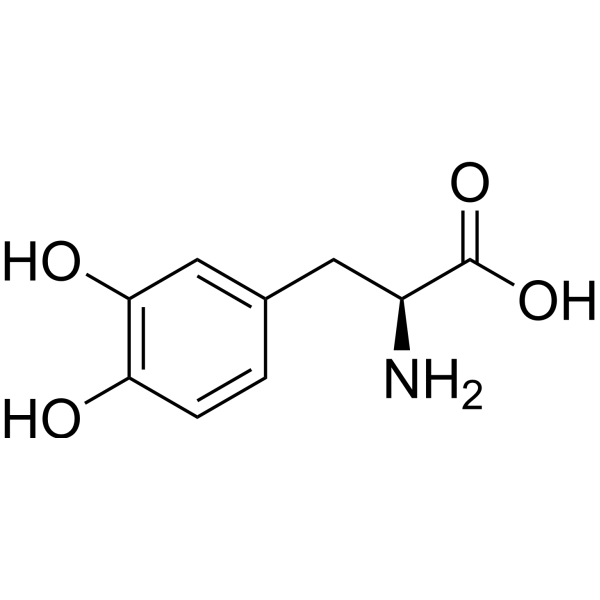
L-DOPA (Standard)Dopamine Precursor -
HY-15608
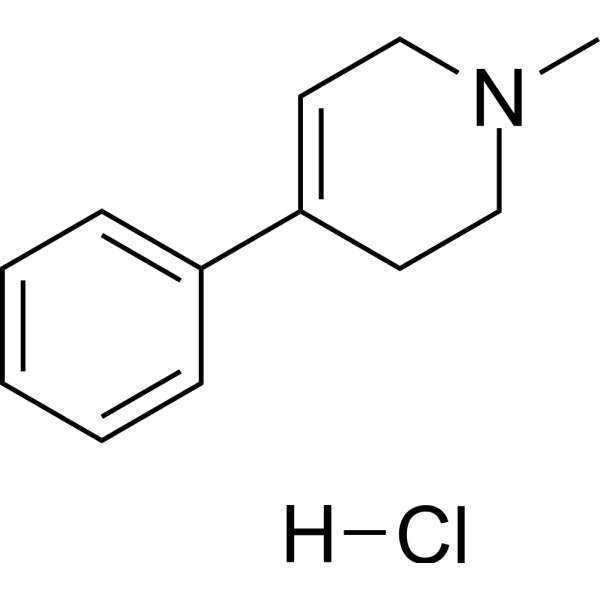
MPTP hydrochlorideDopaminergic Neurotoxin -
HY-125860
Tyrosinase, MushroomMelanin-regulating Enzyme -
HY-N0473
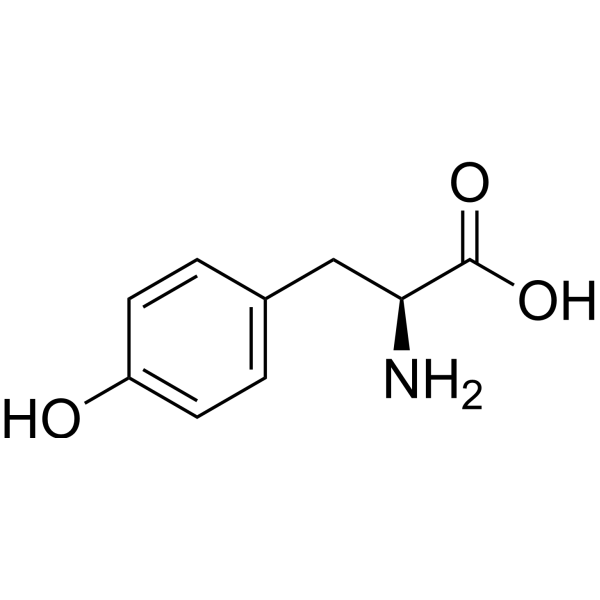
L-TyrosineCitrate Synthase Inhibitor -
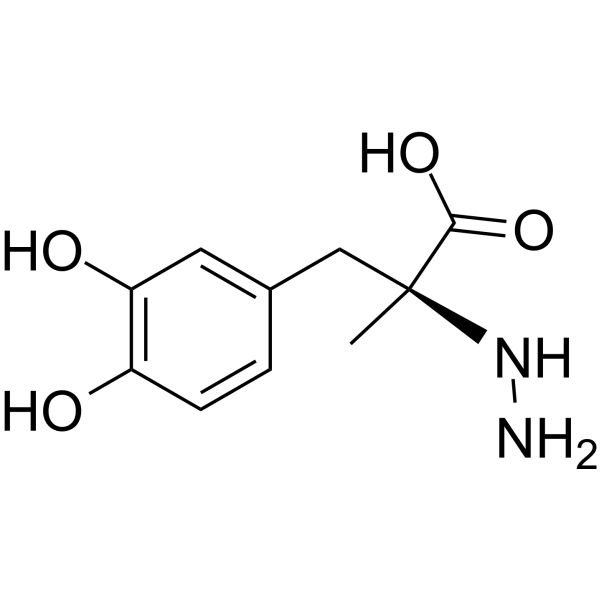
HY-B0311
CarbidopaDecarboxylase Inhibitor -
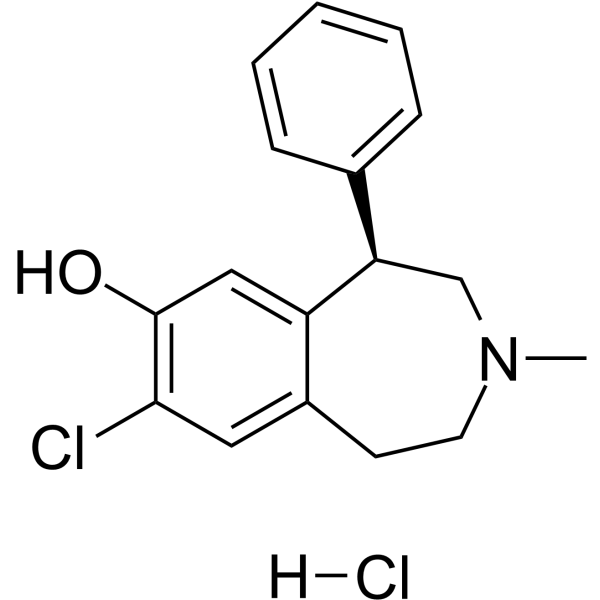
HY-19545A
SCH-23390 hydrochlorideDopamine D1 Receptor Antagonist -
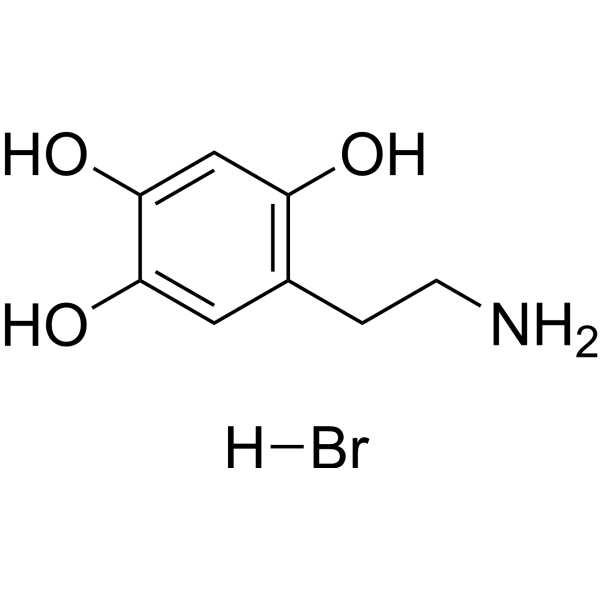
HY-B1081A
Oxidopamine hydrobromideNeurotoxin -
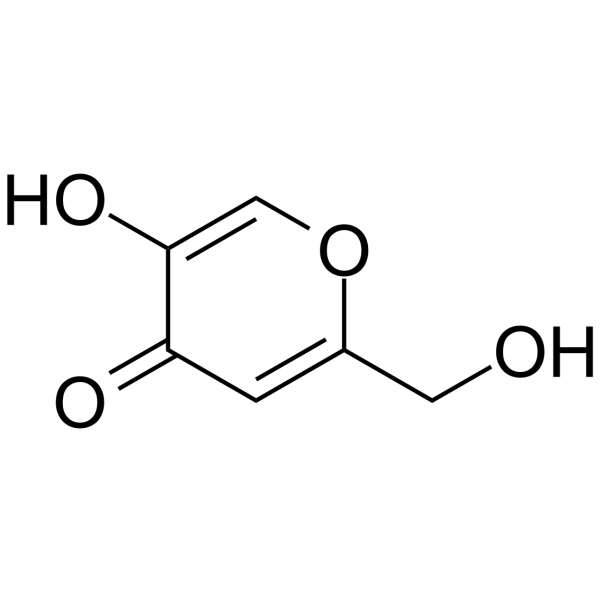
HY-W050154
Kojic acidTyrosinase Inhibitor -
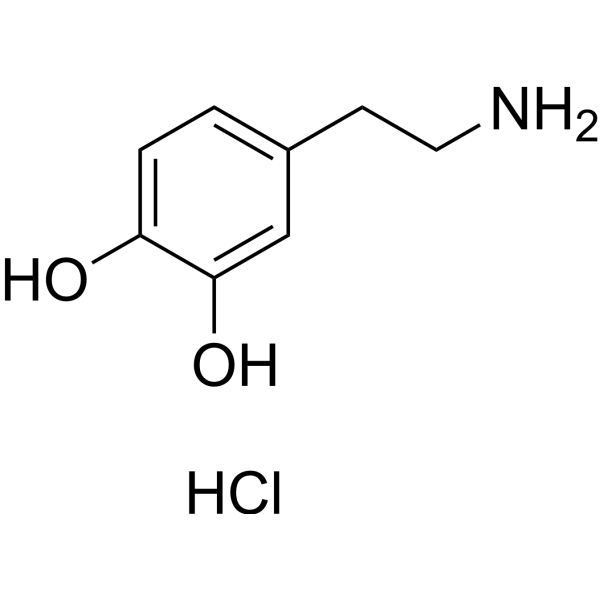
HY-B0451A
Dopamine hydrochlorideCatecholamine Neurotransmitter
MedChemExpress(MCE)の使用を引用している文献 L-DOPA
More- Adv Sci (Weinh). 2025 May;12(20):e2413376. [Abstract]
- Adv Sci (Weinh). 2024 Oct;11(39):e2403058. [Abstract]
- Carbohydr Polym. 2026 Jan 1:371:124492. [Abstract]
- Phytomedicine. 2026 Apr:153:157963. [Abstract]
- Ultrason Sonochem. 2025 Nov:122:107636. [Abstract]
- Int J Biol Macromol. 2024 Aug 26;279(Pt 1):134952. [Abstract]
- Int J Biol Macromol. 2020 Jun 15:153:88-99. [Abstract]
- Antioxidants (Basel). 2022 Jul 2;11(7):1317. [Abstract]
- Free Radic Biol Med. 2024 Aug 1:220:167-178. [Abstract]
- Anal Chem. 2026 Jul 21;98(28):20926-20935. [Abstract]
- J Agric Food Chem. 2025 Oct 15;73(41):25991-25997. [Abstract]
- CNS Neurosci Ther. 2023 Oct;29(10):2925-2939. [Abstract]
- Food Biosci. 2025 Jul.
- Int J Pharm. 2025 Sep 15:682:125938. [Abstract]
- Gene Ther. 2024 Nov;31(11-12):614-624. [Abstract]
- Nutrients. 2022 Nov 4;14(21):4678. [Abstract]
- ACS Omega. 2025 Jul 14;10(28):30397-30410. [Abstract]
- Bioorg Chem. 2026 Sep 15:180:110209.
- Mol Med Rep. 2020 Aug;22(2):733-738. [Abstract]
- PLoS Pathog. 2026 Mar 10;22(3):e1014040. [Abstract]
- Exp Neurol. 2025 Jul:389:115232. [Abstract]
- J Inflamm Res. 2025 Oct 11:18:14185-14201. [Abstract]
- Comp Biochem Physiol C Toxicol Pharmacol. 2026 Jul:305:110517. [Abstract]
- J Cosmet Dermatol. 2025 Nov;24(11):e70510. [Abstract]
- Med Mycol. 2022 Nov 7;60(11):myac083. [Abstract]
- FEMS Yeast Res. 2021 Mar 4;21(1):foab001. [Abstract]
- J Solid State Electrochem. 2025 Jan 17.
- Genes (Basel). 2023 May 2;14(5):1035. [Abstract]
- IBRO Neurosci Rep. 2021 Nov 27:12:1-11. [Abstract]
- Skin Res Technol. 2026 Mar;32(3):e70334. [Abstract]
- Neurol Sci. 2025 May;46(5):2137-2148. [Abstract]
- J Stroke Cerebrovasc Dis. 2025 Jan;34(1):108101. [Abstract]
- Chem Rev. 2022 Apr;39(2):327-335. [Abstract]
- CHIANG MAI J SCI. 2023 Jul 11.
- Biomed Pharmacother. 2024 Jun:175:116664. [Abstract]
- SSRN. 2024 Apr 19.
- Mater Express. 2021 Dec.
 Customer Validation & Images

-
In Vivo Efficacy Study
-
In Vivo Efficacy Study
-
IHC
-
In Vivo Efficacy Study
-
WB
Dopamine Receptor アイソフォーム固有の製品をすべて表示
MoreEndogenous Metabolite アイソフォーム固有の製品をすべて表示
More

生物活性
製品説明
IC50 & Target
|
Human Endogenous Metabolite |
Cellular Effect
|
Cell Line

|
Type | Value | Description | References |
|---|---|---|---|---|
| CHO | IC50 |
141200 μM
Compound: L-dopa
|
TP_TRANSPORTER: inhibition of Gly-Sar uptake (Gly-Sar: 20 uM) in PEPT1-expressing CHO cells
TP_TRANSPORTER: inhibition of Gly-Sar uptake (Gly-Sar: 20 uM) in PEPT1-expressing CHO cells
|
[PMID: 10052994] |
体内実験
-
Animal Model:7-week-old C57BL/6J mice[3]
-
Dosage:20 mg/kg
-
Administration:Orally
-
Result:Reduced Rotenone-induced motor dysfunction.
-
Animal Model:Sprague-Dawley rats (male 100-150 g)[4]
-
Dosage:10, 30, 50, 70, and 100 mg/kg
-
Administration:Orally
-
Result:Reverses tactile, cold and heat allodynia in neuropathic rat without any side effect.
Induced Disease Models
Please do not refer to only one article to determine the experimental conditions. It is recommended to determine the optimal experimental conditions (animal strain, age, dosage, frequency and cycle, detection time and indicators, etc.) through preliminary experiments before the formal experiment.
L-DOPA can be used to create movement disorder models. In adult common marmosets, after oral administration of L-DOPA (20 mg/kg, 5 mg/kg), the Tmax in plasma is 30 minutes, and the Tmax in striatal extracellular fluid (ECF) is 60-90 minutes. The mean Cmax of L-DOPA in plasma is 20.3 μM, while the mean Cmax in striatal ECF is 442.9 nM, representing about 2.2% of the plasma level[6].
Administration: 20 mg/kg • ip • once daily for 21 days
(2) Injection volume is 10mL/kg body weight.
MedChemExpress (MCE) has not independently confirmed the accuracy of these methods. They are for reference only.


化学情報
-
CAS 番号 59-92-7
-
性状 Solid
-
分子量 197.19
-
分子式 C9H11NO4
-
Color White to off-white
-
SMILES
N[C@@H](CC1=CC(O)=C(C=C1)O)C(O)=O
-
別名
L-DOPA; Levodopa
-
Structure Classification
-
輸送条件
Room temperature in continental US; may vary elsewhere.
-
保管条件
4°C, stored under nitrogen
* The compound is unstable in solutions, freshly prepared is recommended.


Publications (37)
-
Journal Impact Factor
-
Most Recent
-
Adv Sci (Weinh)
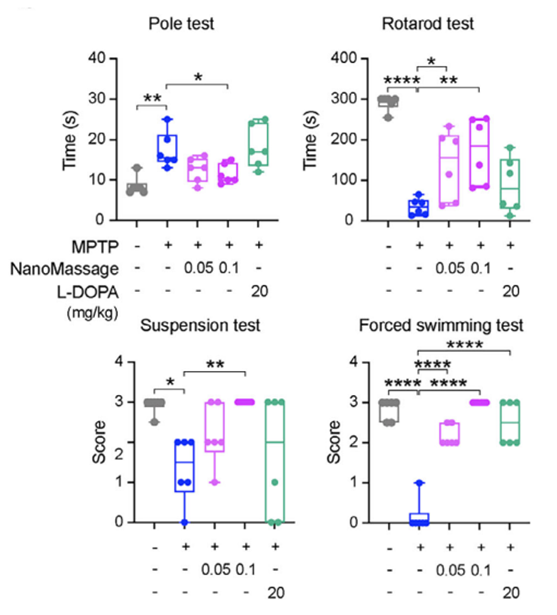
Massage-Mimicking Nanosheets Mechanically Reorganize Inter-organelle Contacts to Restore Mitochondrial Functions in Parkinson's Disease. [Abstract]2025 May;12(20):e2413376. PMID: 40223359
L-DOPA purchased from MedChemExpress. Usage Cited in: Adv Sci (Weinh). 2025 May;12(20):e2413376. [Abstract]
Behavior analysis of pole test, rotarod test, suspension test, and forced swimming test after administration of L-DOPA, NanoMassage or saline. Mice were given an oral administration of 20 mg/kg L-DOPA on 4th day of MPTP administration and sacrificed on the 8th day.
-
Adv Sci (Weinh)
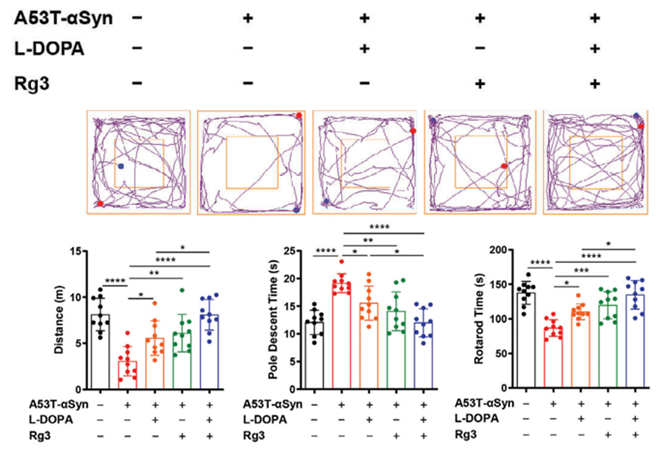
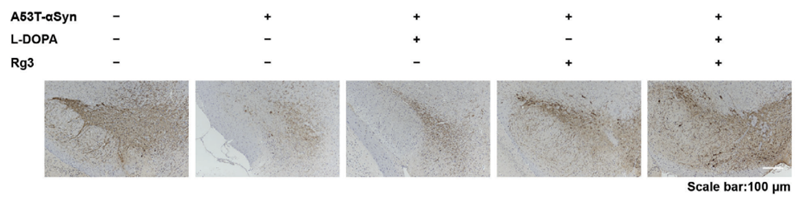
Ginsenoside Rg3 Restores Mitochondrial Cardiolipin Homeostasis via GRB2 to Prevent Parkinson's Disease. [Abstract]2024 Oct;11(39):e2403058. PMID: 39159293
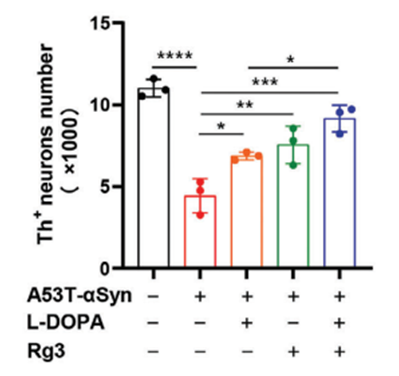
L-DOPA purchased from MedChemExpress. Usage Cited in: Adv Sci (Weinh). 2024 Oct;11(39):e2403058. [Abstract]
Movement track and total distance travelled in the open field test, descent time in the pole test and time-to-fall in the rotarod test. Mice in the treatment groups intragastrically (i.g.) administered 20 mg/kg/d L-DOPA for 27 days.
L-DOPA purchased from MedChemExpress. Usage Cited in: Adv Sci (Weinh). 2024 Oct;11(39):e2403058. [Abstract]
Immunohistochemical staining of TH+ neurons. Mice in the treatment groups intragastrically (i.g.) administered 20 mg/kg/d L-DOPA for 27 days.
L-DOPA purchased from MedChemExpress. Usage Cited in: Adv Sci (Weinh). 2024 Oct;11(39):e2403058. [Abstract]
Quantification of TH+ neurons. Mice in the treatment groups intragastrically (i.g.) administered 20 mg/kg/d L-DOPA for 27 days.
-
Carbohydr Polym
Oral efficacy of structurally defined chondroitin sulfate Co-administered with SNAC in Parkinson's disease. [Abstract]2026 Jan 1:371:124492. PMID: 41198308 -
Phytomedicine
Clematis Tangutica (Maxim.) Korsh. extracts promote melanogenesis via PKA/CREB activation and multi-cytokine inhibition: A novel dual targeting strategy for vitiligo therapy. [Abstract]2026 Apr:153:157963. PMID: 41720011 -
Ultrason Sonochem
Ultrasound-assisted enzyme extraction of Citri Exocarpium Rubrum (Juhong) polysaccharides and its structural characteristics and evaluation of improving Parkinson's disease through HDAC6/NLRP3 pathway. [Abstract]2025 Nov:122:107636. PMID: 41135205 -
Int J Biol Macromol
Schisandra chinensis (Turcz.) Baill neutral polysaccharides alleviate Parkinson's disease via effectively activating MCL-1 expression regulation of autophagy signaling. [Abstract]2024 Aug 26;279(Pt 1):134952. PMID: 39197630 -
Int J Biol Macromol
Contribution of phenoloxidase activation mechanism to Bt insecticidal protein resistance in Asian corn borer. [Abstract]2020 Jun 15:153:88-99. PMID: 32135253 -
Antioxidants (Basel)
Antioxidative Role of Hygrophila erecta (Brum. F.) Hochr. on UV-Induced Photoaging of Dermal Fibroblasts and Melanoma Cells. [Abstract]2022 Jul 2;11(7):1317. PMID: 35883808 -
Free Radic Biol Med
Dopamine and its precursor levodopa inactivate SARS-CoV-2 main protease by forming a quinoprotein. [Abstract]2024 Aug 1:220:167-178. PMID: 38718952 -
Anal Chem
DARibo-Q: RNA Allosteric Transduction for Fluorescence Imaging of Dopamine Modulation in Living Systems. [Abstract]2026 Jul 21;98(28):20926-20935. PMID: 42406918 -
J Agric Food Chem
Validation of Insect Dopa Decarboxylase as a Potential Insecticide Target and Discovery of Selective Lead Compounds. [Abstract]2025 Oct 15;73(41):25991-25997. PMID: 41042682 -
CNS Neurosci Ther
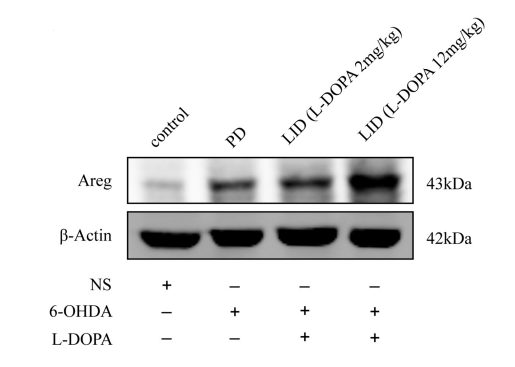
Amphiregulin blockade decreases the levodopa-induced dyskinesia in a 6-hydroxydopamine Parkinson's disease mouse model. [Abstract]2023 Oct;29(10):2925-2939. PMID: 37101388
L-DOPA purchased from MedChemExpress. Usage Cited in: CNS Neurosci Ther. 2023 Oct;29(10):2925-2939. [Abstract]
Amphiregulin (Areg) is highly expressed in the levodopa‐induced dyskinesia 6‐OHDA (4 μg; 4 weeks) Parkinson's disease mouse model. The Parkinson's disease group treated with a daily 12 mg/kg of levodopa for 15 days developed dyskinetic movement. On western blotting, this group further showed a significant increase of Amphiregulin protein expression relative to the Parkinson's disease group injected with normal saline only .
-
-
Int J Pharm
Methylcobalamin-loaded ultra-flexible liposomes: a nanocarrier approach for modulating melanocyte homeostasis and addressing pigmentation imbalances. [Abstract]2025 Sep 15:682:125938. PMID: 40623604 -
Gene Ther
Targeting serum response factor (SRF) deactivates ΔFosB and mitigates Levodopa-induced dyskinesia in a mouse model of Parkinson's disease. [Abstract]2024 Nov;31(11-12):614-624. PMID: 39384937 -
Nutrients
Neuroprotective Effects of Bifidobacterium breve CCFM1067 in MPTP-Induced Mouse Models of Parkinson's Disease. [Abstract]2022 Nov 4;14(21):4678. PMID: 36364939 -
ACS Omega
Dopamine Alleviated Diabetic Retinal Neurodegeneration through Protecting Retinal Ganglion Cells from Ferroptosis via the Nrf2/HO‑1 Signaling Pathway. [Abstract]2025 Jul 14;10(28):30397-30410. PMID: 40727724 -
-
Mol Med Rep
2020 Aug;22(2):733-738. PMID: 32626944 -
PLoS Pathog
PDE4B deficiency aids macrophage differentiation and contributes to Cryptococcus neoformans brain infection. [Abstract]2026 Mar 10;22(3):e1014040. PMID: 41805786 -
Exp Neurol
Narirutin reduces microglia-mediated neuroinflammation by inhibiting the JAK2/STAT3 pathway in MPP+/MPTP-induced Parkinson's disease models. [Abstract]2025 Jul:389:115232. PMID: 40169108 -
J Inflamm Res
2025 Oct 11:18:14185-14201. PMID: 41103279 -
Comp Biochem Physiol C Toxicol Pharmacol
Inactivation of the AMPKα/CncC/GPX4 axis mediates rotenone-induced ferroptosis in the silkworm (Bombyx mori) model. [Abstract]2026 Jul:305:110517. PMID: 41887387 -
J Cosmet Dermatol
KT-939: A Next-Generation Human Tyrosinase Inhibitor With Superior Efficacy for the Safe Management of Hyperpigmentation. [Abstract]2025 Nov;24(11):e70510. PMID: 41159291 -
Med Mycol
The RNA Helicase Ski2 in the Fungal Pathogen Cryptococcus neoformans Highlights Key Roles in Azoles Resistance and Stress Tolerance. [Abstract]2022 Nov 7;60(11):myac083. PMID: 36240494 -
FEMS Yeast Res
Epigenetic regulation of virulence and the transcription of ribosomal protein genes involves a YEATS family protein in Cryptococcus deneoformans. [Abstract]2021 Mar 4;21(1):foab001. PMID: 33440003 -
-
Genes (Basel)
2023 May 2;14(5):1035. PMID: 37239395 -
IBRO Neurosci Rep
Selenium reduces nociceptive response in acute 1-methyl-4-phenyl-1, 2, 3, 6-tetrahydropyridine (MPTP)-induced neurotoxicity. [Abstract]2021 Nov 27:12:1-11. PMID: 34927129 -
Skin Res Technol
Enhanced Whitening Effect of the Formulations via Inhibition of Tyrosinase Activity by Combination of 4-n-Butylresorcinol, Licochalcone A and Glabridin at an Optimal Ratio. [Abstract]2026 Mar;32(3):e70334. PMID: 41853874 -
Neurol Sci
Levodopa-synergistic CBT intervention improves Parkinson's disease with anxiety disorder by regulating the BDNF/PI3K/AKT pathway. [Abstract]2025 May;46(5):2137-2148. PMID: 39937424 -
J Stroke Cerebrovasc Dis
Dopamine receptor agonist pramipexole exerts neuroprotection on global cerebral ischemia/reperfusion injury by inhibiting ferroptosis. [Abstract]2025 Jan;34(1):108101. PMID: 39490461 -
Chem Rev
Effects of tea polyphenols on UVA-induced melanogenesis via inhibition of α-MSH-MC1R signalling pathway. [Abstract]2022 Apr;39(2):327-335. PMID: 35645678 -
-
Biomed Pharmacother
L-DOPA ameliorates hippocampus-based mitochondria respiratory dysfunction caused by GCI/R injury. [Abstract]2024 Jun:175:116664. PMID: 38678966 -
-


溶剤 & 溶解度
体外:
0.1 M HCl : 20 mg/mL (101.43 mM; ultrasonic and warming and adjust pH to 2 with HCl and heat to 60°C)
DMSO : 2 mg/mL (10.14 mM; ultrasonic and warming and heat to 60°C; Hygroscopic DMSO has a significant impact on the solubility of product, please use newly opened DMSO)
H2O : 1 mg/mL (5.07 mM; Need ultrasonic)
Please refer to the solubility information to select the appropriate solvent. The compound is unstable in solutions, freshly prepared is recommended.
* Note: If you choose water as the stock solution, please dilute it to the working solution, then filter and sterilize it with a 0.22 μm filter before use.
Please refer to the solubility information to select the appropriate solvent. The compound is unstable in solutions, freshly prepared is recommended.
* Note: If you choose water as the stock solution, please dilute it to the working solution, then filter and sterilize it with a 0.22 μm filter before use.
濃度 (開始) × 体積 (開始) = 濃度 (終了) × 体積 (終了)
体内:
For the following dissolution methods, please prepare the working solution directly:
It is recommended to prepare fresh solutions and use them promptly within a short period of time.
The percentages shown for the solvents indicate their volumetric ratio in the final prepared solution. If precipitation or phase separation occurs during preparation, heat and/or sonication can be used to aid dissolution.
Add each solvent one by one: PBS
Solubility: 3.33 mg/mL (16.89 mM); Clear solution; Need ultrasonic and warming and heat to 60°C


純度とドキュメンテーション
-
データシート (280 KB)
-
SDS (394 KB)
- English - EN (394 KB)
- Français - FR (394 KB)
- Deutsch - DE (394 KB)
- Norwegian - NO (394 KB)
- Español - ES (394 KB)
- Swedish - SV (394 KB)
- Italian - IT (394 KB)
- Korean - KR (394 KB)
- Portuguese - PT (394 KB)
-
取扱説明書 (2659 KB)
参考文献
[1]. Hyland K, et al. Aromatic L-amino acid decarboxylase deficiency: diagnostic methodology. Clin Chem. 1992 Dec;38(12):2405-10. [Content Brief]
[2]. Merims D, et al. Dopamine dysregulation syndrome, addiction and behavioral changes in Parkinson's disease. Parkinsonism Relat Disord. 2008;14(4):273-80. Epub 2007 Nov 7. [Content Brief]
[3]. Perez-Pardo P, et al. Additive Effects of Levodopa and a Neurorestorative Diet in a Mouse Model of Parkinson's Disease. Front Aging Neurosci. 2018 Aug 3;10:237. [Content Brief]
[4]. Park HJ, et al. Anti-allodynic effects of levodopa in neuropathic rats. Yonsei Med J. 2013 Mar 1;54(2):330-5. [Content Brief]
[5]. M Lundblad, et al. Pharmacological validation of a mouse model of l-DOPA-induced dyskinesia. Exp Neurol. 2005 Jul;194(1):66-75. [Content Brief]
[6]. Jie Zhang, et al. Pharmacokinetics of L-dopa in plasma and extracellular fluid of striatum in common marmosets. Brain Res. 2003 Dec 12;993(1-2):54-8. [Content Brief]


Complete Stock Solution Preparation Table
Please refer to the solubility information to select the appropriate solvent. The compound is unstable in solutions, freshly prepared is recommended.
| Optional Solvent | Concentration Solvent Mass | 1 mg | 5 mg | 10 mg | 25 mg |
|---|---|---|---|---|---|
| H2O / DMSO / 0.1 M HCl | 1 mM | 5.0713 mL | 25.3563 mL | 50.7125 mL | 126.7813 mL |
| 5 mM | 1.0143 mL | 5.0713 mL | 10.1425 mL | 25.3563 mL | |
| DMSO / 0.1 M HCl | 10 mM | 0.5071 mL | 2.5356 mL | 5.0713 mL | 12.6781 mL |
| 0.1 M HCl | 15 mM | 0.3381 mL | 1.6904 mL | 3.3808 mL | 8.4521 mL |
| 20 mM | 0.2536 mL | 1.2678 mL | 2.5356 mL | 6.3391 mL | |
| 25 mM | 0.2029 mL | 1.0143 mL | 2.0285 mL | 5.0713 mL | |
| 30 mM | 0.1690 mL | 0.8452 mL | 1.6904 mL | 4.2260 mL | |
| 40 mM | 0.1268 mL | 0.6339 mL | 1.2678 mL | 3.1695 mL | |
| 50 mM | 0.1014 mL | 0.5071 mL | 1.0143 mL | 2.5356 mL | |
| 60 mM | 0.0845 mL | 0.4226 mL | 0.8452 mL | 2.1130 mL | |
| 80 mM | 0.0634 mL | 0.3170 mL | 0.6339 mL | 1.5848 mL | |
| 100 mM | 0.0507 mL | 0.2536 mL | 0.5071 mL | 1.2678 mL |
* Note: If you choose water as the stock solution, please dilute it to the working solution, then filter and sterilize it with a 0.22 μm filter before use.


L-DOPA 関連分類
HY-N0304 関連分類
 Powered by Bioz