



p38 MAPK-IN-1
Based on 17 publication(s) in Google Scholar
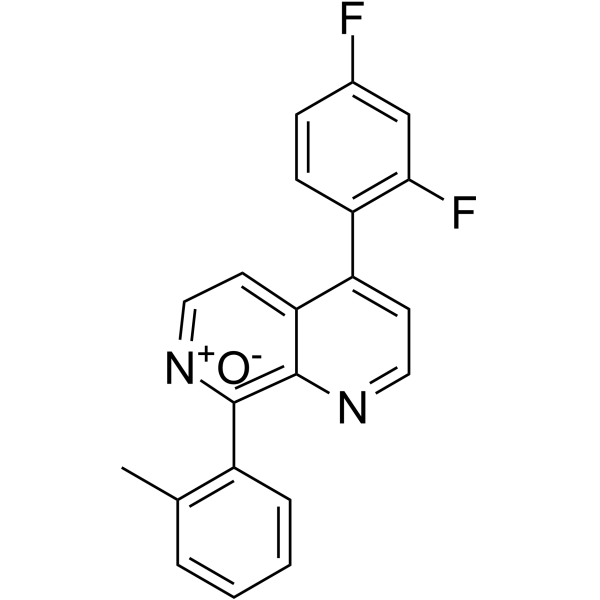
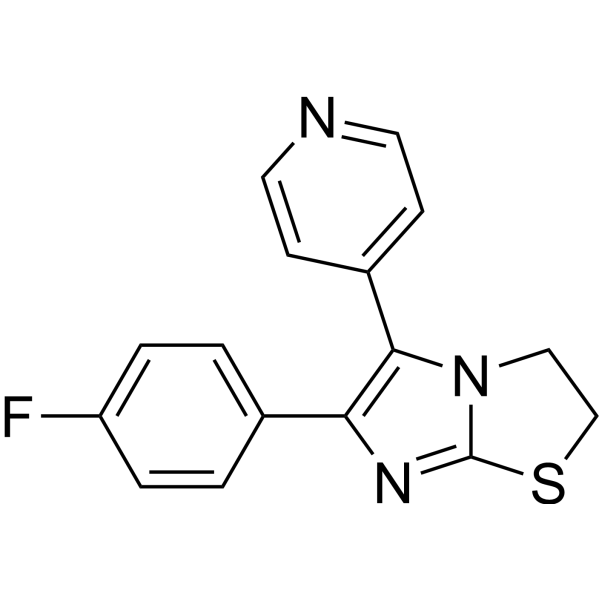
p38 MAPK-IN-1 (Compound 4) is a novel potent and selective inhibitor of p38 MAPK with IC50 of 68 nM. p38 MAPK-IN-1 shows sustained levels, low clearance and good bioavailability.
For research use only. We do not sell to patients.
- Purity : 99.71%
- CAS No.: 1006378-90-0
- Formula: C21H15F2N2O
- Molecular Weight:349.35
-
Storage:Powder -20°C, 3 years , 4°C, 2 years ; In solvent -80°C, 2 years , -20°C, 1 year

To place orders, for customer services and technical support, please contact: MedChemExpress USA
Tel: 609-228-6898 E-mail: [email protected] [email protected]


-
 Biological Activity
-
Chemical Information
-
Solvent & Solubility
- Protocols
- Purity & Documentation
- References
-
 Help & FAQs


-
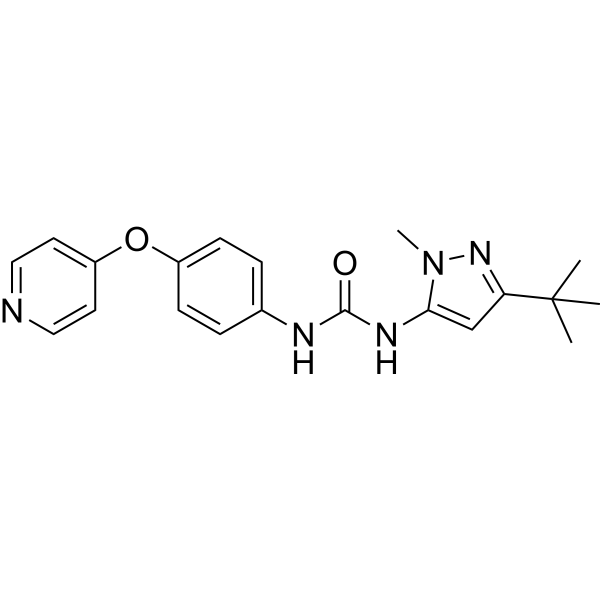
HY-18850
MAPK13-IN-1MPAK13 Inhibitor -
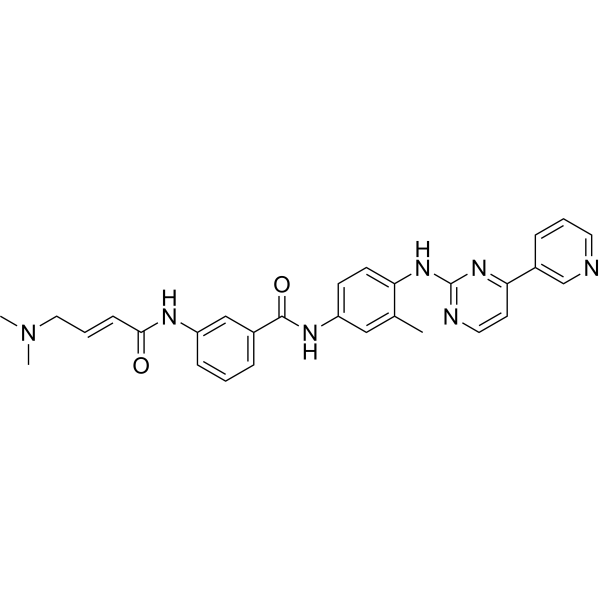
HY-13319
JNK-IN-8JNK Inhibitor -
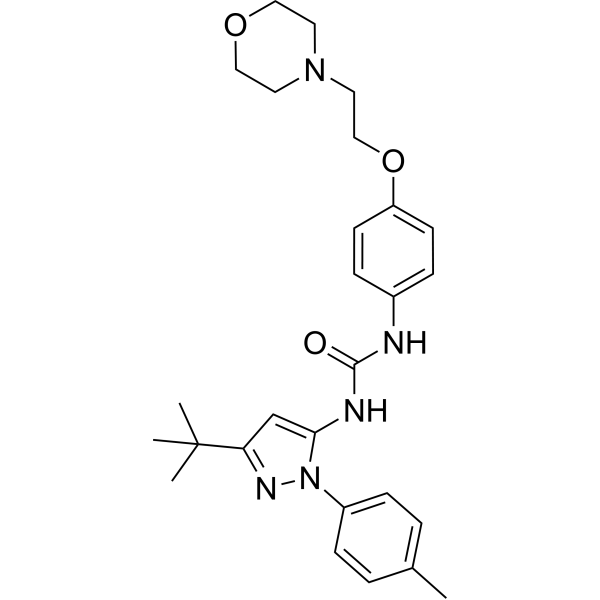
HY-18874
p38-α MAPK-IN-1p38 MAPK Inhibitor -
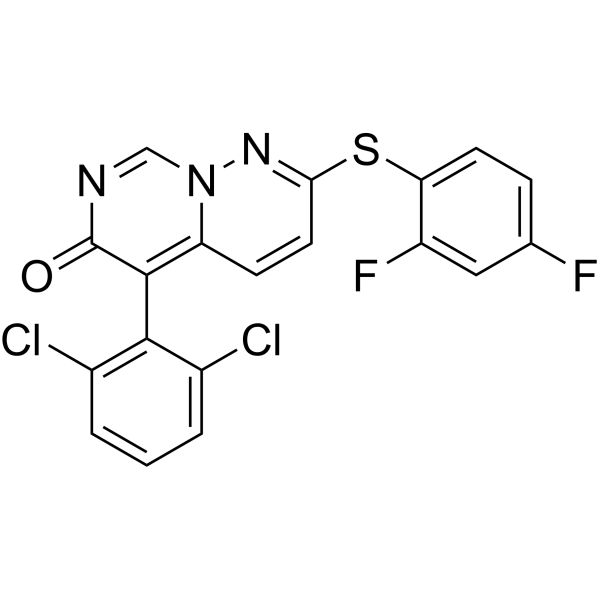
HY-10328
Neflamapimodp38α Inhibitor -
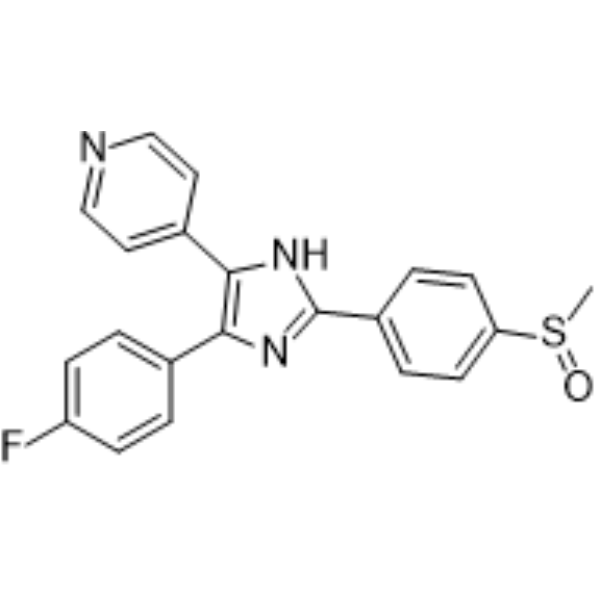
HY-10256
Adezmapimodp38 MAPK Inhibitor -
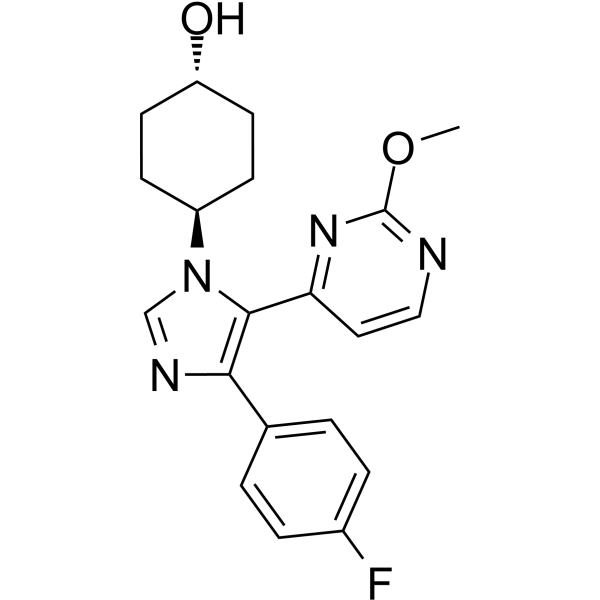
HY-11068
SB 239063p38 MAPK Inhibitor -
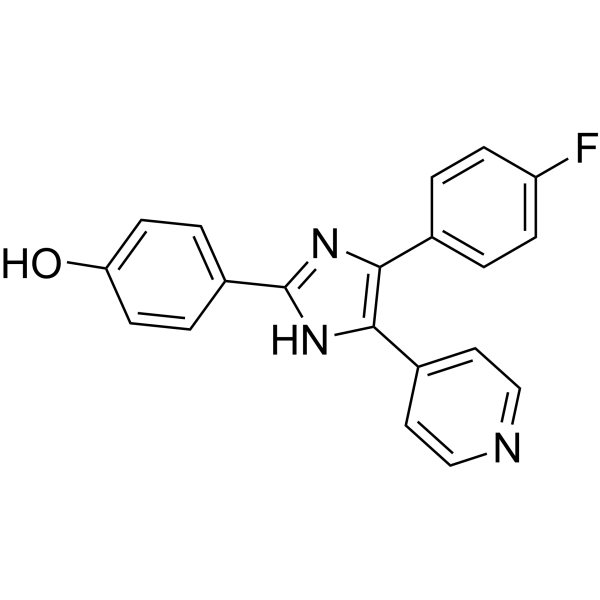
HY-10295
SB 202190p38 MAPK Inhibitor -
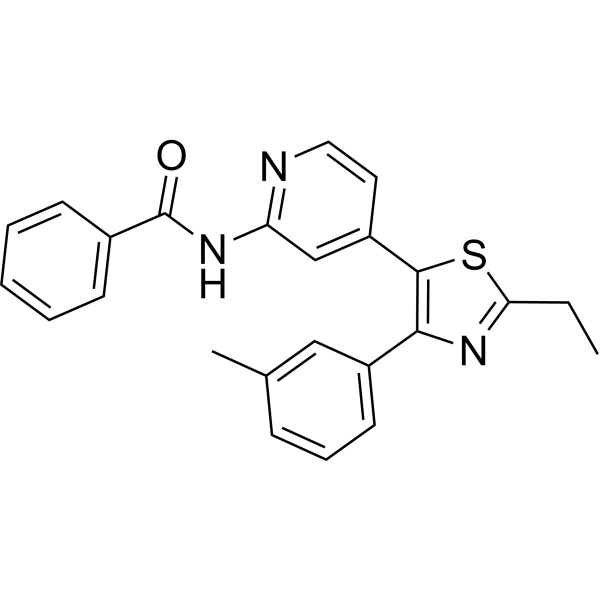
HY-10456
TAK-715p38 MAPK Inhibitor -
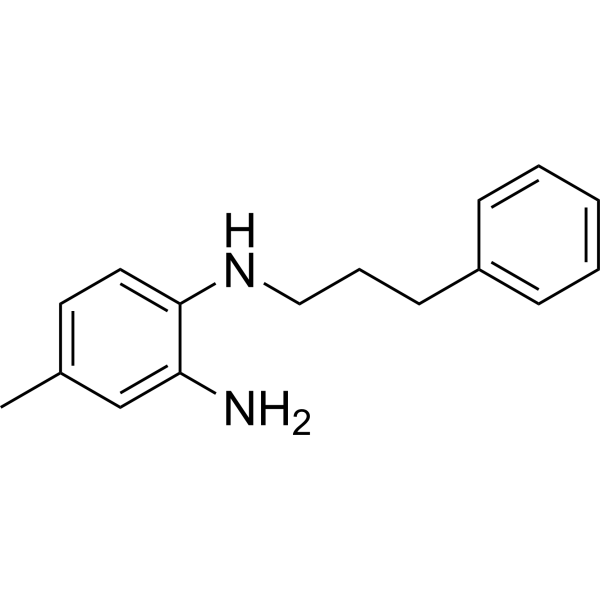
HY-13982
JSH-23NF-κB Inhibitor -
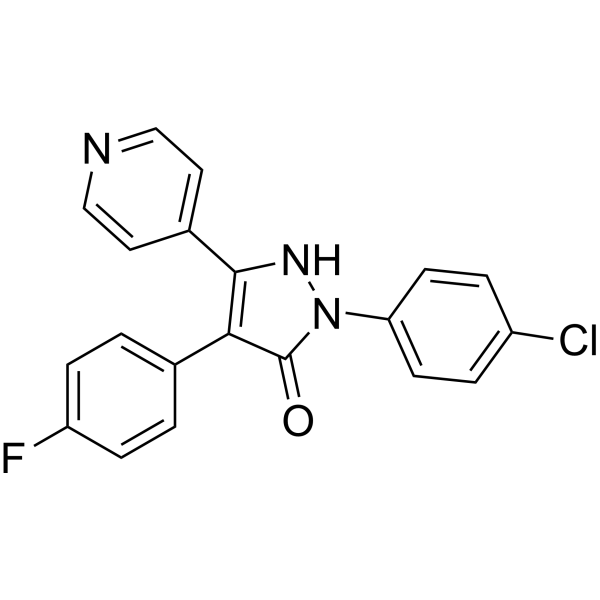
HY-112466
p38 MAPK-IN-4p38 MAPK Inhibitor -
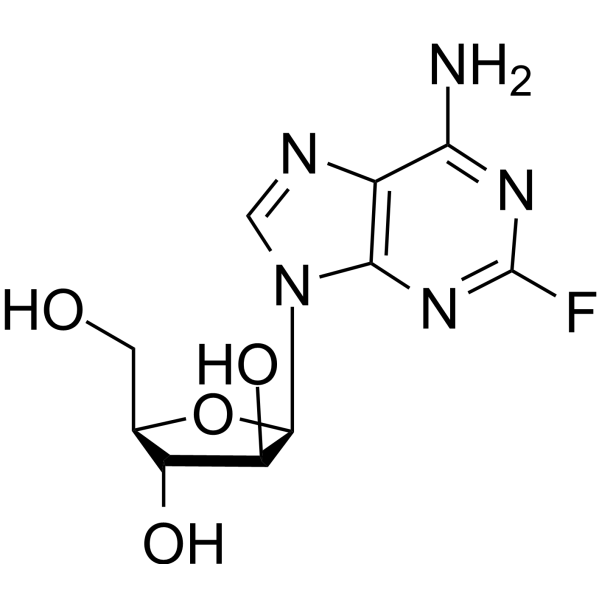
HY-B0069
FludarabineDNA Synthesis Inhibitor -
HY-12511
SKF-86002p38 MAPK Inhibitor
Publications Citing Use of MedChemExpress (MCE) p38 MAPK-IN-1
More- Nat Aging. 2026 Jul;6(7):1395-1416.
- Gut. 2026 Jul 16:gutjnl-2025-337720.
- Cell Commun Signal. 2023 May 1;21(1):86. [Abstract]
- Int J Biol Macromol. 2024 Nov;281(Pt 1):136178. [Abstract]
- J Agric Food Chem. 2022 Feb 16;70(6):1996-2009. [Abstract]
- Int Immunopharmacol. 2025 Mar 6:149:114225. [Abstract]
- Transl Oncol. 2025 Aug:58:102436. [Abstract]
- Stem Cell Rev Rep. 2023 Oct;19(7):2329-2340. [Abstract]
- Brain Res Bull. 2024 Oct 1:216:111055. [Abstract]
- Front Oncol. 2021 Aug 23;11:733763. [Abstract]
- Adv Biol (Weinh). 2025 Sep;9(9):e00761. [Abstract]
- Vet Microbiol. 2024 Aug:295:110137. [Abstract]
- Res Sq. 2026 May 22.
- Oxid Med Cell Longev. 2022 Jun 16:2022:9674221. [Abstract]
- Research Square Preprint. 2022 Jan.
- Research Square Preprint. 2021 Feb.
- Research Square Preprint. 2020 Dec.
 Customer Validation & Images

-
Flow Cytometry
-
WB
-
WB
-
In Vivo Imaging
-
In Vivo Efficacy Study


Biological Activity
Description
IC50 & Target
[1]|
p38 MAPK 68 nM (IC50) |
Cellular Effect
|
Cell Line

|
Type | Value | Description | References |
|---|---|---|---|---|
| THP-1 | IC50 |
187 nM
Compound: 4
|
Antiinflammatory activity in human THP1 cells assessed as inhibition of LPS-induced TNFalpha production after 5 hrs by ELISA method
Antiinflammatory activity in human THP1 cells assessed as inhibition of LPS-induced TNFalpha production after 5 hrs by ELISA method
|
[PMID: 21999461] |
In Vivo
p38 MAPK-IN-1 dose-dependently inhibits TNFα production with an ED50 of 0.5 mg/kg[1].
MedChemExpress (MCE) has not independently confirmed the accuracy of these methods. They are for reference only.
-
Animal Model:Male wistar rats[1]
-
Dosage:10 mg/kg for po and 1 mg/kg for iv (Pharmacokinetic Analysis)
-
Administration:Po and iv
-
Result:Had a t1/2 of 7.4 hours and CL of 2.7 mL/min/kg for iv, and a Cmax of 5.3 μM for po.


Chemical Information
-
CAS No. 1006378-90-0
-
Appearance Solid
-
Molecular Weight 349.35
-
Formula C21H15F2N2O
-
Color Off-white to yellow
-
SMILES
FC1=CC(F)=C(C2=CC=NC(C2=CC=[NH+]3[O-])=C3C4=C(C)C=CC=C4)C=C1
-
Shipping
Room temperature in continental US; may vary elsewhere.
-
Storage
Powder -20°C 3 years 4°C 2 years In solvent -80°C 2 years -20°C 1 year


Publications (17)
-
Journal Impact Factor
-
Most Recent
-
-
-
Cell Commun Signal
Neutrophil extracellular traps induced by the hypoxic microenvironment in gastric cancer augment tumour growth. [Abstract]2023 May 1;21(1):86. PMID: 37127629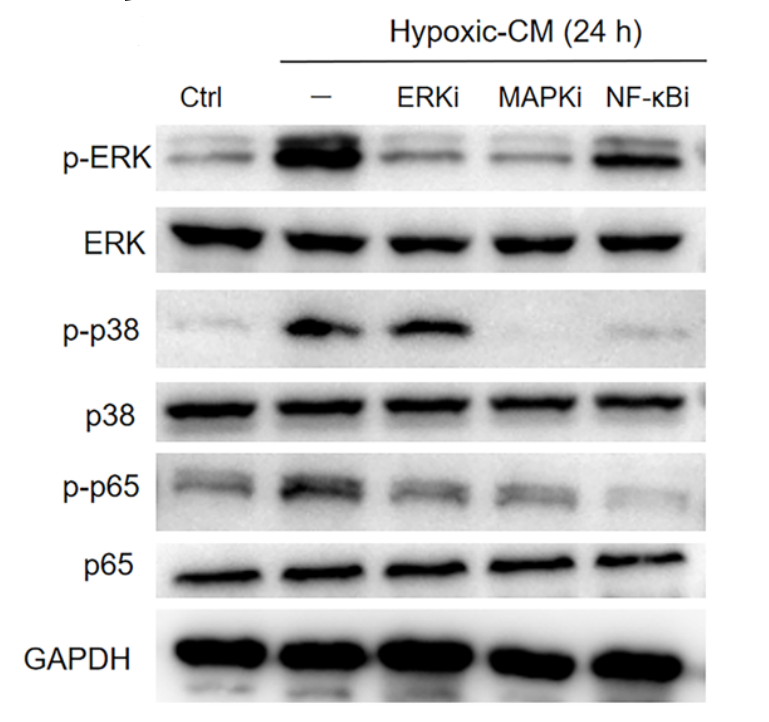
p38 MAPK-IN-1 purchased from MedChemExpress. Usage Cited in: Cell Commun Signal. 2023 May 1;21(1):86. [Abstract]
Neutrophils were pretreated with inhibitors of the ERK (HY-112287;ERK1/2 inhibitor 1), p38 MAPK (HY-12839; p38 MAPK-IN-1), and p65 NF-кB (HY-138537; NF-κB-IN-1) pathways prior to incubation with hypoxic-CM from GC cells. The protein levels of p-ERK, p-p38, and p-p65 in neutrophils were measured by western blotting.
p38 MAPK-IN-1 purchased from MedChemExpress. Usage Cited in: Cell Commun Signal. 2023 May 1;21(1):86. [Abstract]
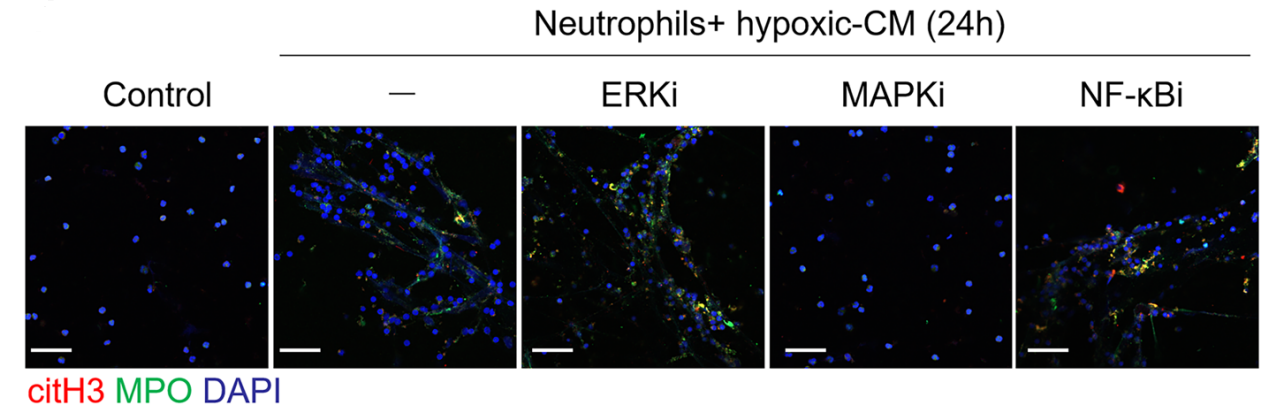
Neutrophils were pretreated with inhibitors of the ERK (HY-112287;ERK1/2 inhibitor 1), p38 MAPK (HY-12839; p38 MAPK-IN-1), and p65 NF-кB (HY-138537; NF-κB-IN-1) pathways prior to incubation with hypoxic-CM from GC cells. The NET formation by neutrophils was evaluated with MPO and citH3 staining. Magnification: 20 × . Scale bars: 50 μm.
p38 MAPK-IN-1 purchased from MedChemExpress. Usage Cited in: Cell Commun Signal. 2023 May 1;21(1):86. [Abstract]
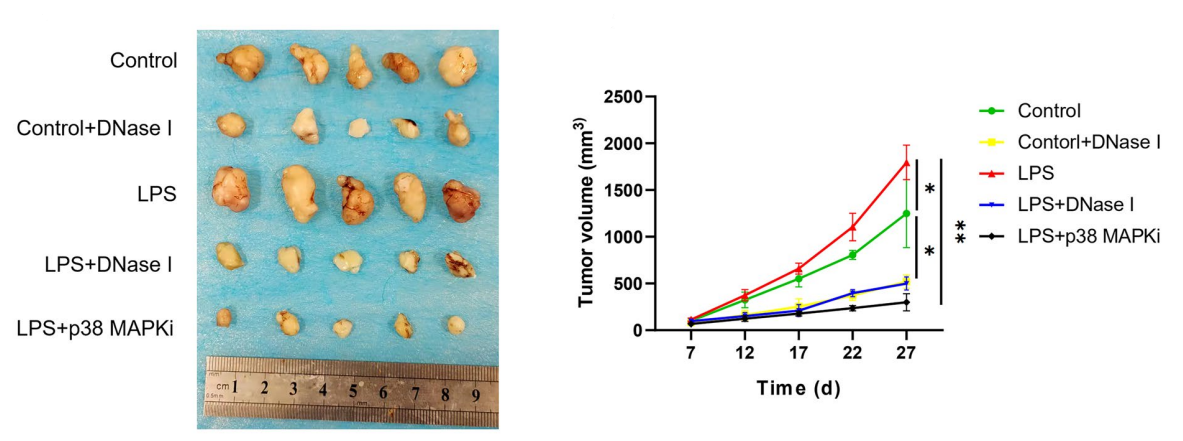
NETs accelerate tumour growth in vivo via angiogenesis. Subcutaneous AGS tumour growth was increased in the presence of NET-producing neutrophils from LPS-treated mice in vivo (n = 5 each group). LPS (10 μg/mouse) was intraperitoneally injected to induce systemic inflammation in BALB/c nude mice. Deoxyribonuclease I (DNase I, 100 U/mouse) or a p38 MAPK signalling pathway inhibitor (HY-12839; p38 MAPK-IN-1; 1 mg/kg) was injected intraperitoneally 24 h before injection of LPS as the NET inhibitor.
p38 MAPK-IN-1 purchased from MedChemExpress. Usage Cited in: Cell Commun Signal. 2023 May 1;21(1):86. [Abstract]
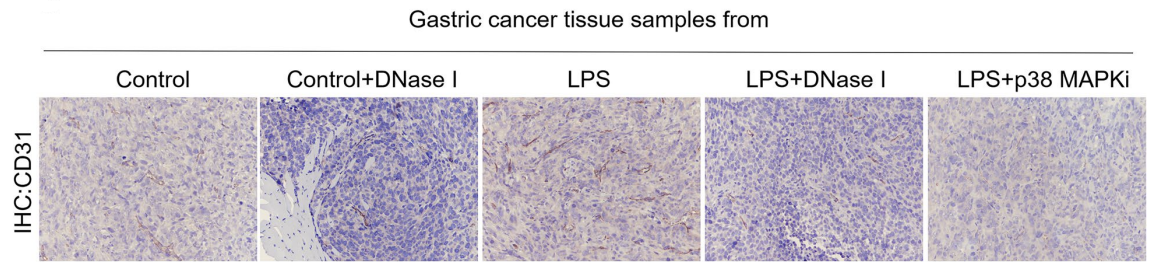
NETs accelerate tumour growth in vivo via angiogenesis. LPS (10 μg/mouse) was intraperitoneally injected to induce systemic inflammation in BALB/c nude mice. Deoxyribonuclease I (DNase I, 100 U/mouse) or a p38 MAPK signalling pathway inhibitor (HY-12839; p38 MAPK-IN-1; 1 mg/kg) was injected intraperitoneally 24 h before injection of LPS as the NET inhibitor. Increased angiogenesis in tumours of LPS-treated mice compared to control mice. Representative images of CD31 staining are shown. Magnification: 20 × . Scale bars: 50 μm. All values are the means ± SDs. *P < 0.05, **P < 0.01.
-
Int J Biol Macromol
S100A9 promotes renal calcium oxalate stone formation via activating the TLR4-p38/MAPK-LCN2 signaling pathway. [Abstract]2024 Nov;281(Pt 1):136178. PMID: 39357728
p38 MAPK-IN-1 purchased from MedChemExpress. Usage Cited in: Int J Biol Macromol. 2024 Nov;281(Pt 1):136178. [Abstract]
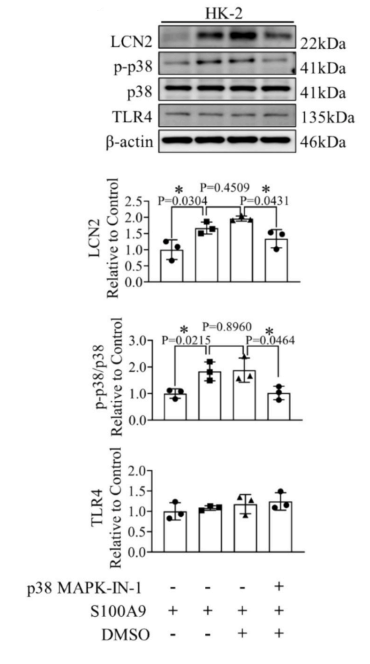
S100A9 upregulated the expression of LCN2 in HK-2 cells via activating the TLR4-p38/MAPK signaling pathway. Supplementing p38 MAPK-IN-1 kept S100A9 from enhancing LCN2 expression in HK-2 cells.
p38 MAPK-IN-1 purchased from MedChemExpress. Usage Cited in: Int J Biol Macromol. 2024 Nov;281(Pt 1):136178. [Abstract]
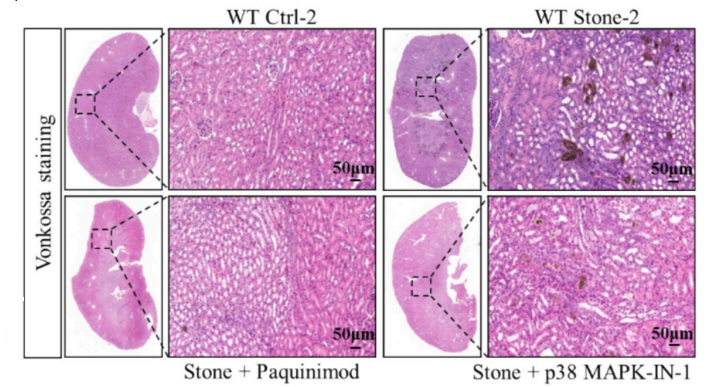
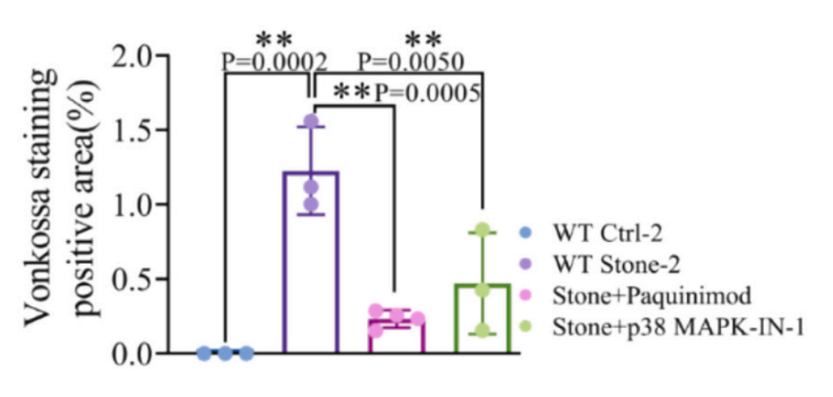
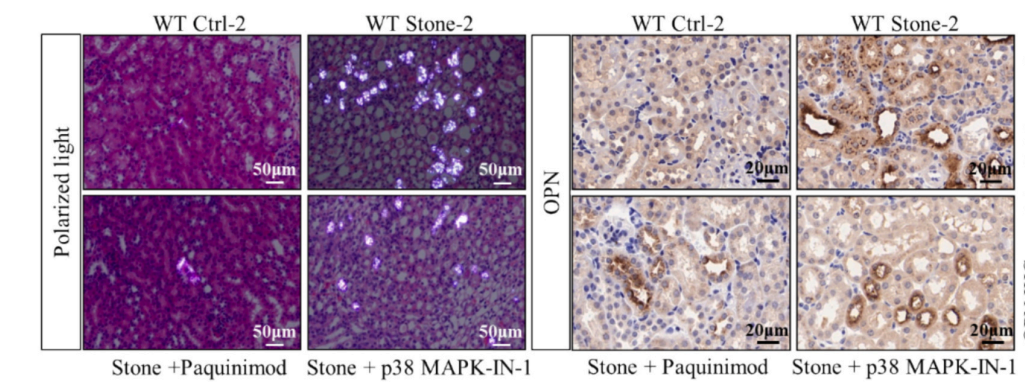
Paquinimod (HY-100442;ip; 15 mg/kg/d for seven days) and p38 MAPK-IN-1 (HY-12839; ip; 1 mg/kg/d for seven days ) both reduced the renal deposition of calcium in nephrocalcinosis mice.
p38 MAPK-IN-1 purchased from MedChemExpress. Usage Cited in: Int J Biol Macromol. 2024 Nov;281(Pt 1):136178. [Abstract]
Paquinimod (HY-100442;ip; 15 mg/kg/d for seven days) and p38 MAPK-IN-1 (HY-12839; ip; 1 mg/kg/d for seven days ) both reduced the renal deposition of calcium in nephrocalcinosis mice.
p38 MAPK-IN-1 purchased from MedChemExpress. Usage Cited in: Int J Biol Macromol. 2024 Nov;281(Pt 1):136178. [Abstract]
Paquinimod (HY-100442;ip; 15 mg/kg/d for seven days) and p38 MAPK-IN-1 (HY-12839; ip; 1 mg/kg/d for seven days ) both reduced the renal deposition of CaOx crystals in nephrocalcinosis mice.
-
J Agric Food Chem
Glycyrrhizic Acid against Mycoplasma gallisepticum-Induced Inflammation and Apoptosis Through Suppressing the MAPK Pathway in Chickens. [Abstract]2022 Feb 16;70(6):1996-2009. PMID: 35128924 -
Int Immunopharmacol
Targeting the S100A9/P38 MAPK/HSPB1 axis as a novel approach for aortic dissection therapy. [Abstract]2025 Mar 6:149:114225. PMID: 39904041 -
Transl Oncol
KAT5 promotes tumor growth in androgen-independent prostate cancer by facilitating aerobic glycolysis. [Abstract]2025 Aug:58:102436. PMID: 40483992 -
Stem Cell Rev Rep
Metformin Promotes Proliferation of Mouse Female Germline Stem Cells by Histone Acetylation Modification of Traf2. [Abstract]2023 Oct;19(7):2329-2340. PMID: 37354386 -
Brain Res Bull
PD-1 mediates microglia polarization via the MAPK signaling pathway to protect blood-brain barrier function during cerebral ischemia/reperfusion. [Abstract]2024 Oct 1:216:111055. PMID: 39173779 -
Front Oncol
tRNA-Derived Fragment tRF-Glu-TTC-027 Regulates the Progression of Gastric Carcinoma via MAPK Signaling Pathway. [Abstract]2021 Aug 23;11:733763. PMID: 34497772 -
Adv Biol (Weinh)
HMGB1 Derived from the Pyroptotic Microenvironment Promotes Macrophage Extracellular Traps in Hirschsprung-Associated Enterocolitis. [Abstract]2025 Sep;9(9):e00761. PMID: 40464207
p38 MAPK-IN-1 purchased from MedChemExpress. Usage Cited in: Adv Biol (Weinh). 2025 Sep;9(9):e00761. [Abstract]
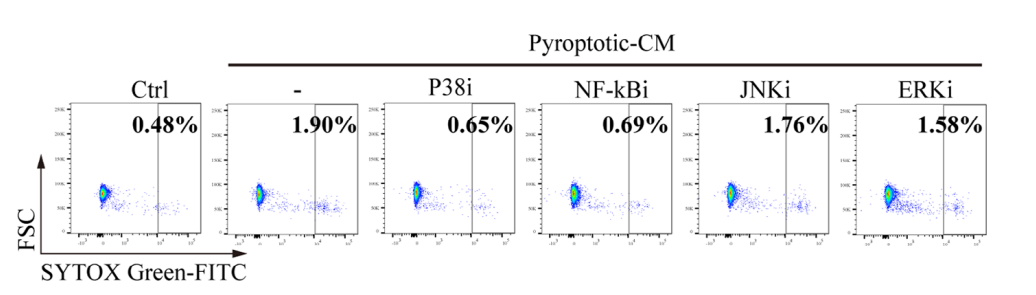
Macrophages were pretreated with inhibitors of the ERK (HY‐112287; ERK1/2 inhibitor 1), JNK (HY‐12041; SP600125), p38 MAPK (HY‐12839; p38 MAPK-IN-1), and p65 NF‐kB (HY‐138537; NF-κB-IN-1) pathways prior to incubation with pyroptotic‐CM for 4 h.The MET formation by macrophages was evaluated with SYTOX Green staining and detected by flow cytometry.
p38 MAPK-IN-1 purchased from MedChemExpress. Usage Cited in: Adv Biol (Weinh). 2025 Sep;9(9):e00761. [Abstract]
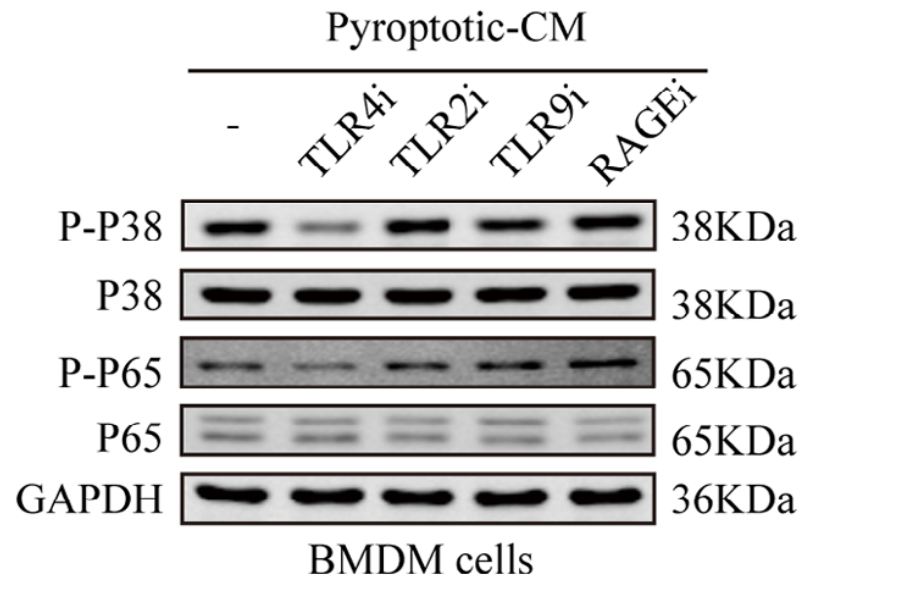
Macrophages were pretreated with inhibitors of the ERK (HY‐112287; ERK1/2 inhibitor 1), JNK (HY‐12041; SP600125), p38 MAPK (HY‐12839; p38 MAPK-IN-1), and p65 NF‐kB (HY‐138537; NF-κB-IN-1) pathways prior to incubation with pyroptotic‐CM for 4 h. The p‐p38 and p‐p65 levels in macrophages were measured by western blotting.
-
Vet Microbiol
Nonstructural protein 14 of PDCoV promotes complement C3 expression via the activation of p38-MAPK-C/EBP pathway. [Abstract]2024 Aug:295:110137. PMID: 38851153 -
-
Oxid Med Cell Longev
SEMA6D, Negatively Regulated by miR-7, Contributes to C28/I2 chondrocyte's Catabolic and Anabolic Activities via p38 Signaling Pathway. [Abstract]2022 Jun 16:2022:9674221. PMID: 35757507 -
-
-


Solvent & Solubility
In Vitro:
DMSO : 33.33 mg/mL (95.41 mM; ultrasonic and warming and heat to 60°C; Hygroscopic DMSO has a significant impact on the solubility of product, please use newly opened DMSO)
Please refer to the solubility information to select the appropriate solvent. Once prepared, please aliquot and store the solution to prevent product inactivation from repeated freeze-thaw cycles.
Storage method and period of stock solution: -80°C, 2 years; -20°C, 1 year. When stored at -80°C, please use it within 2 years. When stored at -20°C, please use it within 1 year.
Please refer to the solubility information to select the appropriate solvent. Once prepared, please aliquot and store the solution to prevent product inactivation from repeated freeze-thaw cycles.
Storage method and period of stock solution: -80°C, 2 years; -20°C, 1 year. When stored at -80°C, please use it within 2 years. When stored at -20°C, please use it within 1 year.
Concentration (start) × Volume (start) = Concentration (final) × Volume (final)
In Vivo:
Select the appropriate dissolution method based on your experimental animal and administration route.
- For the following dissolution methods, please ensure to first prepare a clear stock solution using an In Vitro approach and then sequentially add co-solvents:
- To ensure reliable experimental results, the clarified stock solution can be appropriately stored based on storage conditions. As for the working solution for In Vivo experiments, it is recommended to prepare freshly and use it on the same day.
- The percentages shown for the solvents indicate their volumetric ratio in the final prepared solution. If precipitation or phase separation occurs during preparation, heat and/or sonication can be used to aid dissolution.
Add each solvent one by one: 10% DMSO 40% PEG300 5% Tween-80 45% Saline
Solubility: ≥ 0.83 mg/mL (2.38 mM); Clear solution
This protocol yields a clear solution of ≥ 0.83 mg/mL (saturation unknown).
Taking 1 mL working solution as an example, add 100 μL DMSO stock solution (8.3 mg/mL) to 400 μL PEG300, and mix evenly; then add 50 μL Tween-80 and mix evenly; then add 450 μL Saline to adjust the volume to 1 mL.
Preparation of Saline: Dissolve 0.9 g sodium chloride in ddH₂O and dilute to 100 mL to obtain a clear Saline solution.
Add each solvent one by one: 10% DMSO 90% (20% SBE-β-CD in Saline)
Solubility: ≥ 0.83 mg/mL (2.38 mM); Clear solution
This protocol yields a clear solution of ≥ 0.83 mg/mL (saturation unknown).
Taking 1 mL working solution as an example, add 100 μL DMSO stock solution (8.3 mg/mL) to 900 μL 20% SBE-β-CD in Saline, and mix evenly.
Preparation of 20% SBE-β-CD in Saline (4°C, storage for one week): 2 g SBE-β-CD powder is dissolved in 10 mL Saline, completely dissolve until clear.
In Vivo Dissolution Calculator
Please enter the basic information of animal experiments:
-
-
-
-
Recommended: Prepare an additional quantity of animals to account for potential losses during experiments.
Please enter your animal formula composition:
-
%DMSO +
Recommended: Keep the proportion of DMSO in working solution below 2% if your animal is weak.
-
%+
-
+%Tween-80 + +
-
%Saline +
The co-solvents required include: DMSO, . All of co-solvents are available by MedChemExpress (MCE). , Tween 80. All of co-solvents are available by MedChemExpress (MCE).
Working solution concentration: 0.22 mg/mL
Method for preparing stock solution: mg drug dissolved in μL DMSO. Stock solution concentration: mg/mL.
1. Take μL DMSO stock solution;
2. Add μL .
μL , mix evenly;
3. Then add μL Tween 80, mix evenly;
4. Then add μL
Please ensure that the stock solution in the first step is dissolved to a clear state, and add co-solvents in sequence. You can use ultrasonic heating (ultrasonic cleaner, recommended frequency 20-40 kHz), vortexing, etc. to assist dissolution.

Protocols
-
Cell Cytotoxicity Assay
Cytotoxicity assays are usually based on the assessment of cell membrane damage, which can also be indirectly detected by measuring cell viability. Detection methods include MTT assay, CKK-8 assay, LDH assay and ATP assay, etc.
-
Protocol for Pharmacokinetic Study
Pharmacokinetic studies quantify how an organism handles a drug over time through absorption, distribution, metabolism, and excretion, and the core experimental readout is the concentration-time profile of parent drug and, when relevant, metabolites in biological matrices such as plasma, whole blood, urine, bile, or tissue. Pharmacokinetic analysis links dose, route, exposure, clearance, half-life, distribution, bioavailability, and systemic exposure to drug efficacy and toxicity hypotheses rather than measuring a signaling pathway directly. The literature links pharmacokinetics to drug-development phenotypes by showing that drug metabolism and pharmacokinetics influence compound progression, exposure-response interpretation, safety margins, dosing strategy, and failure risk during discovery and development. DMPK science contributes to compound optimization by integrating physicochemical properties, in vitro metabolism, transporter behavior, in vivo exposure, and pharmacodynamic contex


Purity & Documentation
-
Data Sheet (275 KB)
-
SDS (393 KB)
- English - EN (393 KB)
- Français - FR (393 KB)
- Deutsch - DE (393 KB)
- Norwegian - NO (393 KB)
- Español - ES (393 KB)
- Swedish - SV (393 KB)
- Italian - IT (393 KB)
- Korean - KR (393 KB)
- Portuguese - PT (393 KB)
-
Handling Instructions (2659 KB)
References


Complete Stock Solution Preparation Table
Please refer to the solubility information to select the appropriate solvent. Once prepared, please aliquot and store the solution to prevent product inactivation from repeated freeze-thaw cycles.
Storage method and period of stock solution: -80°C, 2 years; -20°C, 1 year. When stored at -80°C, please use it within 2 years. When stored at -20°C, please use it within 1 year.
| Optional Solvent | Concentration Solvent Mass | 1 mg | 5 mg | 10 mg | 25 mg |
|---|---|---|---|---|---|
| DMSO | 1 mM | 2.8625 mL | 14.3123 mL | 28.6246 mL | 71.5615 mL |
| 5 mM | 0.5725 mL | 2.8625 mL | 5.7249 mL | 14.3123 mL | |
| 10 mM | 0.2862 mL | 1.4312 mL | 2.8625 mL | 7.1561 mL | |
| 15 mM | 0.1908 mL | 0.9542 mL | 1.9083 mL | 4.7708 mL | |
| 20 mM | 0.1431 mL | 0.7156 mL | 1.4312 mL | 3.5781 mL | |
| 25 mM | 0.1145 mL | 0.5725 mL | 1.1450 mL | 2.8625 mL | |
| 30 mM | 0.0954 mL | 0.4771 mL | 0.9542 mL | 2.3854 mL | |
| 40 mM | 0.0716 mL | 0.3578 mL | 0.7156 mL | 1.7890 mL | |
| 50 mM | 0.0572 mL | 0.2862 mL | 0.5725 mL | 1.4312 mL | |
| 60 mM | 0.0477 mL | 0.2385 mL | 0.4771 mL | 1.1927 mL | |
| 80 mM | 0.0358 mL | 0.1789 mL | 0.3578 mL | 0.8945 mL |


p38 MAPK-IN-1 Related Classifications
HY-12839 Related Classifications
 Powered by Bioz