From 11:00 pm to 12:00 pm EST ( 8:00 pm to 9:00 pm PST ) on January 6th, the website will be under maintenance. We are sorry for the inconvenience. Please arrange your schedule properly.
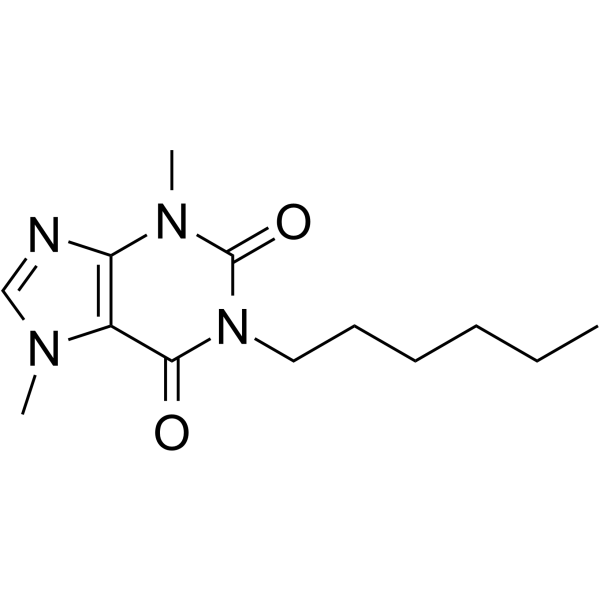
Pentoxifylline (BL-191), a haemorheological agent, is an orally active non-selective phosphodiesterase (PDE) inhibitor, with immune modulation, anti-inflammatory, hemorheological, anti-fibrinolytic and anti-proliferation effects. Pentoxifylline can be used for the research of peripheral vascular disease, cerebrovascular disease and a number of other conditions involving a defective regional microcirculation .
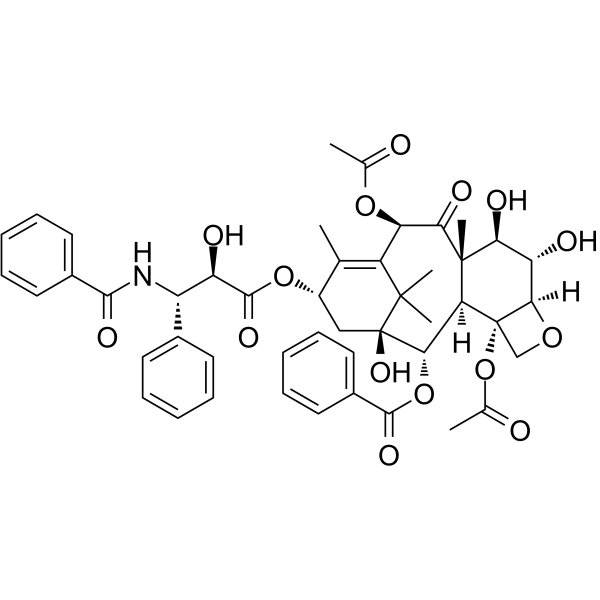
6α-Hydroxy paclitaxel is one of the main metabolites of Paclitaxel (PTX) (HY-B0015), and it is generated by the liver cytochrome P450 enzyme CYP2C8. 6α-Hydroxy paclitaxel has bone marrow toxicity, but it can enhance the cytotoxicity of PTX against leukemia cells without causing cell toxicity. 6α-Hydroxy paclitaxel can be used in leukemia research .
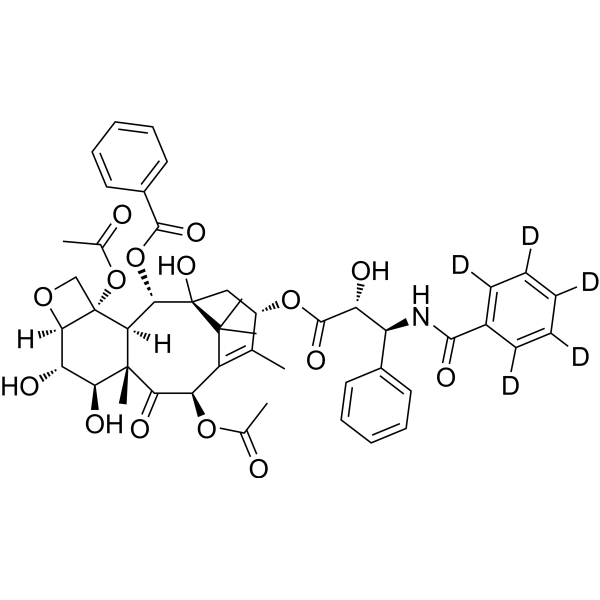
6α-Hydroxy Paclitaxel-d5 is the deuterium labeled 6α-Hydroxy paclitaxel. 6α-Hydroxy paclitaxel is one of the main metabolites of Paclitaxel (PTX) (HY-B0015), and it is generated by the liver cytochrome P450 enzyme CYP2C8. 6α-Hydroxy paclitaxel has bone marrow toxicity, but it can enhance the cytotoxicity of PTX against leukemia cells without causing cell toxicity. 6α-Hydroxy paclitaxel can be used in leukemia research.
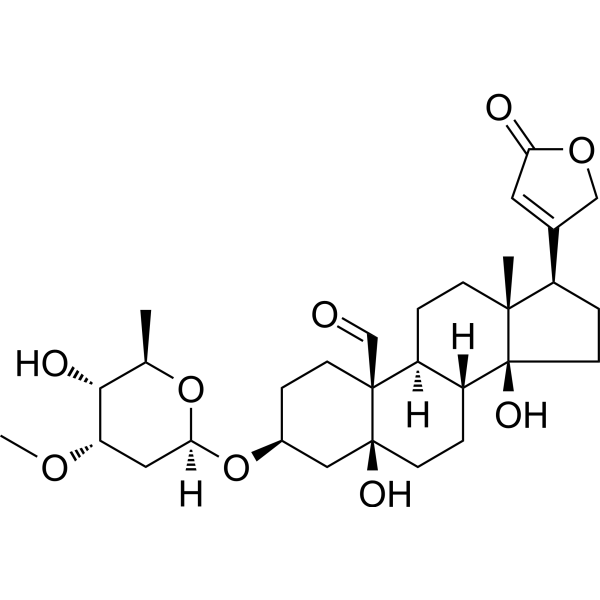
Cymarin, a cardiac glycoside, potently inhibits the Palytoxin (PTX)-induced K + release (IC50=0.42 μM). Cymarin reveals an antitumor activity against breast cancer and pancreatic cancer. Cymarin exhibits antifeedant and growth inhibitory effects as crop protectant .
WS-898 is a highly effective ABCB1 inhibitor capable of reversing paclitaxel (PTX) resistance in drug-resistant SW620/Ad300, KB-C2, and HEK293/ABCB1 cells (IC50 = 5.0, 3.67, and 3.68 nM, respectively).
NOD1/2 antagonist-1 (compound 36b) is a potent NOD1/2 (nucleotide-binding
oligomerization domain-like receptor 1/2) dual antagonist, with IC50 values of 1.13 (NOD1) and 0.77 μM (NOD2), respectively. NOD1/2 antagonist-1 has a acceptable T1/2 (67.6 min). NOD1/2 antagonist-1 (compound 36b) can improve the antitumor efficacy of Paclitaxel (PTX) .
PTX-35 is a human IgG monoclonal antibody (mAb) targeting TNFRSF25. PTX-35 reduces the suppressive activity of regulatory T cells and enhances CD4+ T cell effector responses in a mouse melanoma model. PTX-35 can be used in Islet cell transplant rejection and Solid tumours research. Recommended isotype control: Human IgG1 lambda2, Isotype Control (HY-P990096) .
PTX-SS-COOH is the proform that can be grafted to the sulfhydryl modified gelatin to form the redox sensitive amphiphilic polymer. The nanoparticle (BSA/Gel-SS-PTX/PTX-SS-COOH NPs) demonstrates an excellent anticancer efficiency. PTX-SS-COOH can be applied in the research of targeted delivery for solid tumors (such as breast cancer and melanoma) by utilizing the unique characteristics of the tumor microenvironment (high GSH level) .
Pentoxifylline-d5 is the deuterium labeled Pentoxifylline. Pentoxifylline (BL-191), a haemorheological agent, is an orally active non-selective phosphodiesterase (PDE) inhibitor, with immune modulation, anti-inflammatory, hemorheological, anti-fibrinolytic and anti-proliferation effects. Pentoxifylline can be used for the research of peripheral vascular disease, cerebrovascular disease and a number of other conditions involving a defective regional microcirculation .
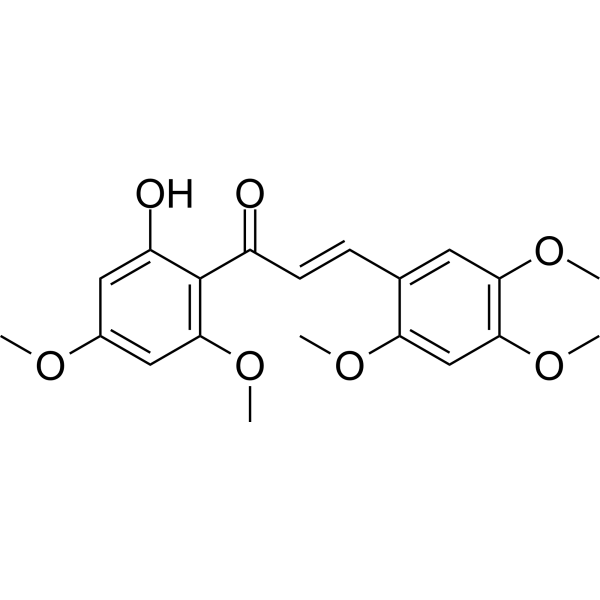
Rubone, a chalcone analog, is a modulator of miR-34a. Rubone upregulates miR-34a expression in a p53 dependent manner, downregulates the downstream target Bcl-2 and Cyclin D1 expression, and suppresses hepatocellular carcinoma (HCC) growth in vivo. Rubone enhances the anticancer effect of Paclitaxel (PTX; HY-B0015) in PTX-resistant prostate cancer cell lines by reversing the expression of miR-34a downstream targets .
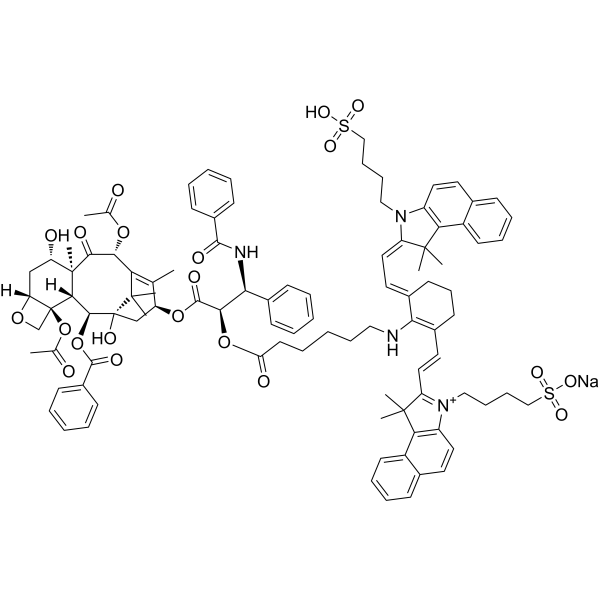
IR820-PTX, an IR-820 (HY-136886)-Paclitaxel (HY-B0015) conjugate, is an amphipathic small molecule prodrug. IR820-PTX effectively inhibits tumor growth via combined photothermal therapy (PTT) and chemotherapy .
PTX-PEG-Cy3 (Paclitaxel-PEG-Cy3) is a Cy3 (HY-D0822) labeled PTX-PEG conjugate. The Cy3 fluorophore is commonly used in applications such as immunolabeling, nucleic acid labeling, fluorescence microscopy, and flow cytometry. Cy3 has an emission maximum around 562-570 nm. PTX stabilizes tubulin polymerization. PTX can cause both mitotic arrest and apoptotic cell death. PTX also induces autophagy .
(123B9)2-L2-PTX is an EphA2-agonistic peptide-drug conjugate (PDC). (123B9)2-L2-PTX consists of a dimeric 123B9 (HY-P10579) and Paclitaxel (HY-B0015). (123B9)2-L2-PTX significantly reduces circulating tumor cells and inhibits lung tumor metastasis in breast-cancer-Metastasis mice model. (123B9)2-L2-PTX can be used for cancers research, such as melanomas and ovarian and breast cancers .
PTX-BD10-2 (BD10-2) is an orally active TrkB/C modulator. PTX-BD10-2 ameliorates BFCN degeneration. PTX-BD10-2 restores cholinergic neurite integrity, alleviates cholinergic neurite atrophy. PTX-BD10-2 can be used in the research of Alzheimer's disease .
Pentoxifylline (Standard) is the analytical standard of Pentoxifylline. This product is intended for research and analytical applications. Pentoxifylline (BL-191), a haemorheological agent, is an orally active non-selective phosphodiesterase (PDE) inhibitor, with immune modulation, anti-inflammatory, hemorheological, anti-fibrinolytic and anti-proliferation effects. Pentoxifylline can be used for the research of peripheral vascular disease, cerebrovascular disease and a number of other conditions involving a defective regional microcirculation .
Pentoxifylline-d6 is the deuterium labeled Pentoxifylline. Pentoxifylline (BL-191), a haemorheological agent, is an orally active non-selective phosphodiesterase (PDE) inhibitor, with immune modulation, anti-inflammatory, hemorheological, anti-fibrinolytic and anti-proliferation effects. Pentoxifylline can be used for the research of peripheral vascular disease, cerebrovascular disease and a number of other conditions involving a defective regional microcirculation .
Pro-PTX is a Pd-sensitive Paclitaxel (HY-B0015) prodrug with anticancer activity 200 to 700-fold lower than that of the parent compound. Pro-PTX triggers intramolecular cyclization via Pd-catalyzed depropargylation to release active Paclitaxel (HY-B0015) and a non-toxic byproduct. Pro-PTX diffuses efficiently through porous agarose and alginate hydrogel networks, reacts with embedded Pd nanosheets and gets activated. Pro-PTX exhibits significantly reduced cytotoxicity and antiproliferative activity in cancer cells and non-cancerous human cerebrovascular pericytes. Pro-PTX is applicable for research related to non-small cell lung cancer, glioblastoma and lung cancer .
PTX4 Human Pre-designed siRNA Set A contains three designed siRNAs for PTX4 gene (Human), as well as a negative control, a positive control, and a FAM-labeled negative control.
Ptx3 Rat Pre-designed siRNA Set A contains three designed siRNAs for Ptx3 gene (Rat), as well as a negative control, a positive control, and a FAM-labeled negative control.
PTX-M is an oxidized metabolite of Pentoxifylline (HY-B0715). Pentoxifylline is a phosphodiesterase inhibitor that can be used for the study of peripheral vascular, inflammatory, and immune diseases .
ABCB1-IN-2 (compound 16q) is a functional inhibitor that can directly bind to the ABCB1 protein and stabilize its structure without affecting the expression and subcellular localization of ABCB1. ABCB1-IN-2 can increase the sensitivity of MCF-7/ADR cells to paclitaxel (PTX), increase the accumulation of PTX, and prevent the accumulation and excretion of luciferin Rh123 mediated by ABCB1. ABCB1-IN-2, as an ABCB1-mediated multidrug resistance (MDR) reversal agent, shows a strong ability to reverse MDR .
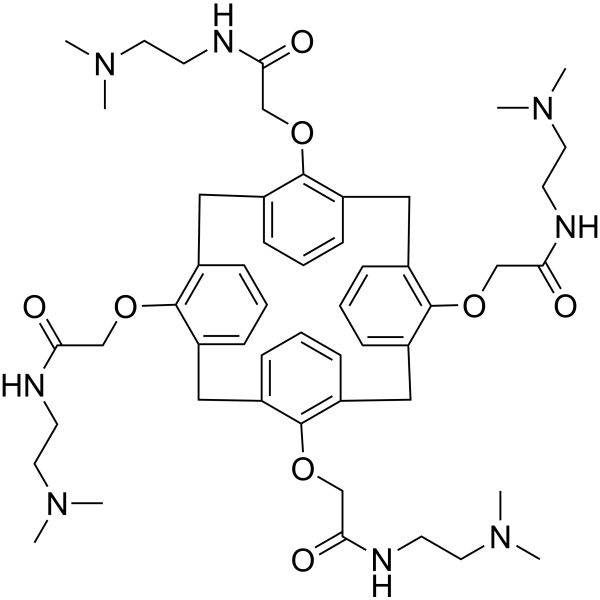
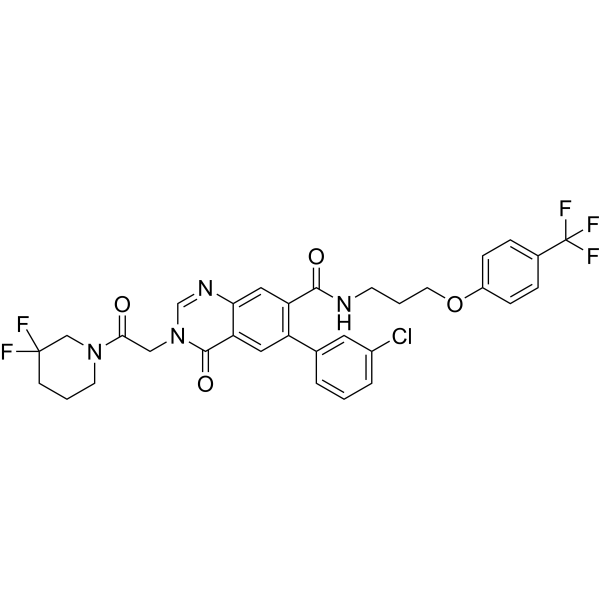
P-gp/BCRP-IN-1 (compound 19) is a potential, relatively safe, orally active and efficient efflux transporter (P-gp and BCRP) inhibitor. P-gp/BCRP-IN-1 exerts resistance reversal by inhibiting the efflux function of P-gp and BCRP. P-gp/BCRP-IN-1 can overcome the resistance and improve the oral bioavailability of PTX (Paclitaxel) .
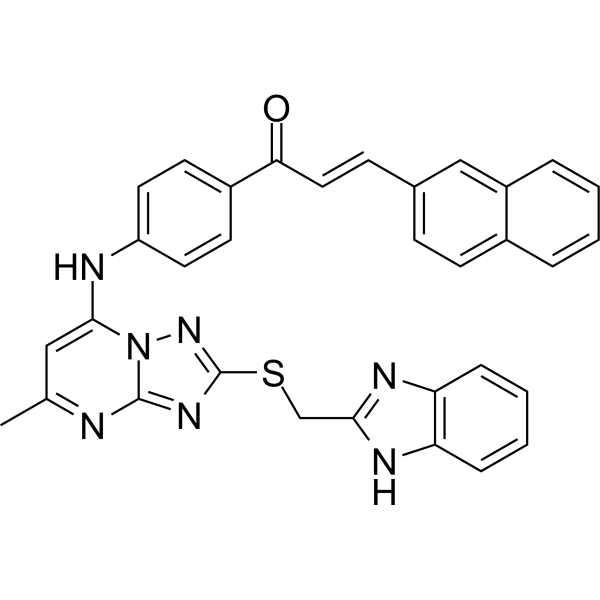
VEGFR-2/DHFR-IN-1 (compound 8b) is an inhibitor of VEGFR-2 and DHFR with IC50s of 0.384 and 7.881 μM, respectively. VEGFR-2/DHFR-IN-1 shows good antibacterial activities against Escherichia coli, Streptococcus faecalis, Salmonella enterica, MSSA and MRSA with MIC values of 16, 16, 16, 8, and 16 μg/mL, respectively. VEGFR-2/DHFR-IN-1 exhibits good cytotoxic activities against C26, HepG2, and MCF7 cancer cell lines with IC50 values of 2.97-7.12 μM. VEGFR-2/DHFR-IN-1 can be used for the research of cancer .
VEGFR-2/DHFR-IN-2 (compound 5b) is an inhibitor of VEGFR-2 and DHFR with IC50s of 0.623 and 9.085 μM, respectively. VEGFR-2/DHFR-IN-2 exhibits good cytotoxic activities against C26, HepG2, and MCF7 cancer cell lines with IC50 values of 3.59-8.38 μM. VEGFR-2/DHFR-IN-2 can be used for the research of cancer .
Paclitaxel octadecanedioate (compound PTX-FA18) is comprised of Paclitaxel (HY-B0015) conjugated to 1,18-octadecanedioic acid (HY-W005178). Paclitaxel octadecanedioate mixed with human serum albumin (HAS) is cytotoxic to HT-1080, PANC-1, HT-29 and Hela cells (IC50s = 12, 2.48, 8.62, and 64.42 nM, respectively) .
Pentoxifylline-d3 (BL-191-d3) is deuterium labeled Pentoxifylline. Pentoxifylline (BL-191), a haemorheological agent, is an orally active non-selective phosphodiesterase (PDE) inhibitor, with immune modulation, anti-inflammatory, hemorheological, anti-fibrinolytic and anti-proliferation effects. Pentoxifylline can be used for the research of peripheral vascular disease, cerebrovascular disease and a number of other conditions involving a defective regional microcirculation .
ABCB1-IN-3 (Compound K27) is an orally active inhibitor of ABCB1, and induces apoptosis. ABCB1-IN-3 directly binds to ABCB1 to inhibit efflux function, ensuring stable intracellular concentration of Paclitaxel (PTX) (HY-B0015) without affecting ABCB1 normal expression. ABCB1-IN-3 significantly increases the sensitivity of ABCB1-mediated multidrug resistance (MDR) to Paclitaxel in vitro, enhances cell cycle arrest, and inhibits proliferation. BCB1-IN-3 combined with Paclitaxel exhibits potent tumor suppression in vivo without generating toxicity .
2'-Deoxy-PTX is a Paclitaxel (HY-B0015) derivative and microtubule assembly inducer. 2'-Deoxy-PTX binds to GMPcPP-stabilized microtubules, with a Kaapp of 0.50 × 10 6 M -1. 2′-Deoxy-PTX induces Tubulin to assemble into normal microtubules. 2'-Deoxy-PTX can be used for the research of prostate cancer .
PTX3 Human Pre-designed siRNA Set A contains three designed siRNAs for PTX3 gene (Human), as well as a negative control, a positive control, and a FAM-labeled negative control.
Ptx3 Mouse Pre-designed siRNA Set A contains three designed siRNAs for Ptx3 gene (Mouse), as well as a negative control, a positive control, and a FAM-labeled negative control.
Ptx4 Rat Pre-designed siRNA Set A contains three designed siRNAs for Ptx4 gene (Rat), as well as a negative control, a positive control, and a FAM-labeled negative control.
Ptx4 Mouse Pre-designed siRNA Set A contains three designed siRNAs for Ptx4 gene (Mouse), as well as a negative control, a positive control, and a FAM-labeled negative control.
PTX-PEG-Cy3 (Paclitaxel-PEG-Cy3) is a Cy3 (HY-D0822) labeled PTX-PEG conjugate. The Cy3 fluorophore is commonly used in applications such as immunolabeling, nucleic acid labeling, fluorescence microscopy, and flow cytometry. Cy3 has an emission maximum around 562-570 nm. PTX stabilizes tubulin polymerization. PTX can cause both mitotic arrest and apoptotic cell death. PTX also induces autophagy .
(123B9)2-L2-PTX is an EphA2-agonistic peptide-drug conjugate (PDC). (123B9)2-L2-PTX consists of a dimeric 123B9 (HY-P10579) and Paclitaxel (HY-B0015). (123B9)2-L2-PTX significantly reduces circulating tumor cells and inhibits lung tumor metastasis in breast-cancer-Metastasis mice model. (123B9)2-L2-PTX can be used for cancers research, such as melanomas and ovarian and breast cancers .
LH2 peptide is a pH-responsive cell-penetrating peptide dimer with the amino acid sequence LHHLCHLLHHLCHLAG. It can increase its uptake in tumor cells under weakly acidic conditions (such as the tumor microenvironment) through the protonation of histidine residues (pKa approximately 6). When conjugated with the anticancer drug Paclitaxel (HY-B0015), the PTX-LH2 conjugate showed superior tumor suppression effects compared to paclitaxel alone in a subcutaneous breast tumor model. The LH2 peptide holds potential as a drug delivery vehicle in cancer research .
PTX-35 is a human IgG monoclonal antibody (mAb) targeting TNFRSF25. PTX-35 reduces the suppressive activity of regulatory T cells and enhances CD4+ T cell effector responses in a mouse melanoma model. PTX-35 can be used in Islet cell transplant rejection and Solid tumours research. Recommended isotype control: Human IgG1 lambda2, Isotype Control (HY-P990096) .
Pentoxifylline (BL-191), a haemorheological agent, is an orally active non-selective phosphodiesterase (PDE) inhibitor, with immune modulation, anti-inflammatory, hemorheological, anti-fibrinolytic and anti-proliferation effects. Pentoxifylline can be used for the research of peripheral vascular disease, cerebrovascular disease and a number of other conditions involving a defective regional microcirculation .
Cymarin, a cardiac glycoside, potently inhibits the Palytoxin (PTX)-induced K + release (IC50=0.42 μM). Cymarin reveals an antitumor activity against breast cancer and pancreatic cancer. Cymarin exhibits antifeedant and growth inhibitory effects as crop protectant .
Rubone, a chalcone analog, is a modulator of miR-34a. Rubone upregulates miR-34a expression in a p53 dependent manner, downregulates the downstream target Bcl-2 and Cyclin D1 expression, and suppresses hepatocellular carcinoma (HCC) growth in vivo. Rubone enhances the anticancer effect of Paclitaxel (PTX; HY-B0015) in PTX-resistant prostate cancer cell lines by reversing the expression of miR-34a downstream targets .
The Pentraxin 3/TSG-14 protein is a member of the pentameric protein family. It is a multifunctional protein that plays a regulatory role in inflammation. It can play the role of heart protection and anti atherosclerosis by regulating inflammation. Pentraxin 3/TSG-14 Protein, Human (HEK293, His) is the recombinant human-derived Pentraxin 3/TSG-14 protein, expressed by HEK293 , with C-10*His labeled tag and with natural variants A48D mutation.
C-Reactive Protein, an acute-phase protein, is a marker of inflammation and is produced by the liver. It is used as a diagnostic tool to assess the presence and severity of inflammation in various diseases. C-Reactive Protein's role in inflammation detection and its clinical significance in disease management make it a subject of interest in medical research. C-Reactive Protein, Human (HEK293, His) is the recombinant human-derived C-Reactive protein, expressed by HEK293 , with N-His labeled tag.
Reactive protein (CRP) performs multiple functions of host defense, including promoting agglutination, bacterial capsule swelling, phagocytosis, and complement fixation. These activities are promoted by its calcium-dependent binding to phosphocholine, suggesting its role in orchestrating immune responses against pathogens. C-Reactive Protein, Cynomolgus (HEK293, His) is the recombinant cynomolgus-derived C-Reactive protein, expressed by HEK293 , with C-His labeled tag.
C-Reactive Protein, an acute-phase protein, is a marker of inflammation and is produced by the liver. It is used as a diagnostic tool to assess the presence and severity of inflammation in various diseases. C-Reactive Protein's role in inflammation detection and its clinical significance in disease management make it a subject of interest in medical research. C-Reactive Protein, Human (HEK293) is the recombinant human-derived C-Reactive protein, expressed by HEK293 , with tag free.
Reactive protein (CRP) performs multiple functions of host defense, including promoting agglutination, bacterial capsule swelling, phagocytosis, and complement fixation.These activities are promoted by its calcium-dependent binding to phosphocholine, suggesting its role in orchestrating immune responses against pathogens.C-Reactive Protein, Rat (HEK293, His) is the recombinant rat-derived C-Reactive protein, expressed by HEK293 , with C-His labeled tag.
C-reactive protein (CRP) has cholesterol-binding, complement C1q complex-binding, and low-density lipoprotein particle-binding activities, and plays a role in complement activation, gene expression regulation, and superoxide anion generation. It is located in filopodia and growth cones and is expressed in embryos and liver. C-Reactive Protein, Mouse (HEK293, His) is the recombinant mouse-derived C-Reactive protein, expressed by HEK293 , with C-His labeled tag.
C-Reactive Protein, an acute-phase protein, is a marker of inflammatory cytokines that assists in complement binding and phagocytosis by macrophages, originated from the liver. C-Reactive Protein is also the first pattern recognition receptor (PRR) to be identified. C-Reactive Protein is significantly associated with the risk of having a first ischemic stroke, especially for small-vessel disease. C-Reactive Protein (Human, solution) is a recombinant protein with tag free and is expressed in HEK293.
C-Reactive Protein, an acute-phase protein, is a marker of inflammation and is produced by the liver. It is used as a diagnostic tool to assess the presence and severity of inflammation in various diseases. C-Reactive Protein's role in inflammation detection and its clinical significance in disease management make it a subject of interest in medical research. C-Reactive Protein, Human (Biotinylated, HEK293) is the recombinant human-derived C-Reactive protein, expressed by HEK293 , with tag free.
Pentraxin 2/SAP Protein is a discoid homopentamer composed of five non-covalently bound subunits.Pentraxin 2/SAP Protein, Mouse (HEK293, His) is the recombinant mouse-derived Pentraxin 2/SAP protein, expressed by HEK293 , with C-6*His labeled tag.
PTX3 Protein, pivotal in innate pathogen resistance and inflammation regulation, may contribute to self-component clearance and female fertility.As a homooctamer with disulfide-linked structures, PTX3's multifaceted nature maintains immune homeostasis.Interaction with C1q underscores its significance in innate immune responses, positioning PTX3 as a key player in pathogen defense and inflammatory modulation.PTX3 Protein, Mouse (HEK293, His) is the recombinant mouse-derived PTX3 protein, expressed by HEK293 , with N-6*His labeled tag.
C-Reactive Protein, an acute-phase protein, is a marker of inflammation and is produced by the liver. It is used as a diagnostic tool to assess the presence and severity of inflammation in various diseases. C-Reactive Protein's role in inflammation detection and its clinical significance in disease management make it a subject of interest in medical research. C-Reactive Protein, Human (His) is the recombinant human-derived C-Reactive protein, expressed by E. coli , with C-6*His labeled tag.
Pentraxin 2/SAP Protein forms a discoid arrangement of five non-covalently bound subunits as a homopentamer. Pentraxin 2/SAP Protein, Rat (HEK293, His) is the recombinant rat-derived Pentraxin 2/SAP protein, expressed by HEK293 , with C-His labeled tag.
Pentraxin 2/SAP Protein is a discoid homopentamer composed of five non-covalently bound subunits.Pentraxin 2/SAP Protein, Mouse (HEK293, Fc) is the recombinant mouse-derived Pentraxin 2/SAP protein, expressed by HEK293 , with C-hFc labeled tag.
Pentraxin 2/SAP protein, a member of the pentraxin family, promotes innate immunity by recognizing pathogens and promoting their clearance. This soluble pattern recognition receptor is involved in multiple inflammatory processes, including complement activation, opsonization, and immune response regulation. Pentraxin 2/SAP Protein, Human (HEK293, His) is the recombinant human-derived Pentraxin 2/SAP protein, expressed by HEK293 , with C-6*His labeled tag.
Peroxiredoxin-2 (PRDX2) is a thiol-specific peroxidase that catalyzes the reduction of hydrogen peroxide and organic hydroperoxides, which is essential for cellular protection against oxidative stress. It detoxifies peroxide, senses hydrogen peroxide-mediated signaling events, and may participate in signaling cascades initiated by growth factors and tumor necrosis factor-alpha. Peroxiredoxin-2/PRDX2 Protein, Human (His) is the recombinant human-derived Peroxiredoxin-2/PRDX2 protein, expressed by E. coli , with N-His labeled tag.
6α-Hydroxy Paclitaxel-d5 is the deuterium labeled 6α-Hydroxy paclitaxel. 6α-Hydroxy paclitaxel is one of the main metabolites of Paclitaxel (PTX) (HY-B0015), and it is generated by the liver cytochrome P450 enzyme CYP2C8. 6α-Hydroxy paclitaxel has bone marrow toxicity, but it can enhance the cytotoxicity of PTX against leukemia cells without causing cell toxicity. 6α-Hydroxy paclitaxel can be used in leukemia research.
Pentoxifylline-d5 is the deuterium labeled Pentoxifylline. Pentoxifylline (BL-191), a haemorheological agent, is an orally active non-selective phosphodiesterase (PDE) inhibitor, with immune modulation, anti-inflammatory, hemorheological, anti-fibrinolytic and anti-proliferation effects. Pentoxifylline can be used for the research of peripheral vascular disease, cerebrovascular disease and a number of other conditions involving a defective regional microcirculation .
Pentoxifylline-d6 is the deuterium labeled Pentoxifylline. Pentoxifylline (BL-191), a haemorheological agent, is an orally active non-selective phosphodiesterase (PDE) inhibitor, with immune modulation, anti-inflammatory, hemorheological, anti-fibrinolytic and anti-proliferation effects. Pentoxifylline can be used for the research of peripheral vascular disease, cerebrovascular disease and a number of other conditions involving a defective regional microcirculation .
Pentoxifylline-d3 (BL-191-d3) is deuterium labeled Pentoxifylline. Pentoxifylline (BL-191), a haemorheological agent, is an orally active non-selective phosphodiesterase (PDE) inhibitor, with immune modulation, anti-inflammatory, hemorheological, anti-fibrinolytic and anti-proliferation effects. Pentoxifylline can be used for the research of peripheral vascular disease, cerebrovascular disease and a number of other conditions involving a defective regional microcirculation .
PTX4 Human Pre-designed siRNA Set A contains three designed siRNAs for PTX4 gene (Human), as well as a negative control, a positive control, and a FAM-labeled negative control.
Ptx3 Rat Pre-designed siRNA Set A contains three designed siRNAs for Ptx3 gene (Rat), as well as a negative control, a positive control, and a FAM-labeled negative control.
PTX3 Human Pre-designed siRNA Set A contains three designed siRNAs for PTX3 gene (Human), as well as a negative control, a positive control, and a FAM-labeled negative control.
Ptx3 Mouse Pre-designed siRNA Set A contains three designed siRNAs for Ptx3 gene (Mouse), as well as a negative control, a positive control, and a FAM-labeled negative control.
Ptx4 Rat Pre-designed siRNA Set A contains three designed siRNAs for Ptx4 gene (Rat), as well as a negative control, a positive control, and a FAM-labeled negative control.
Ptx4 Mouse Pre-designed siRNA Set A contains three designed siRNAs for Ptx4 gene (Mouse), as well as a negative control, a positive control, and a FAM-labeled negative control.
Inquiry Online
Your information is safe with us. * Required Fields.
Western blot analysis of extracts from THP-1(lane 2(20μg), Jurkat (lane 3(20μg) and NIH3T3(lane 4(20μg) using FOXO1A (HY-P80132) Rabbit mAb. Proteins were transferred
to a PVDF membrane and blocked with 5% non-fat milk in TBST for 2 hour at room temperature. The primary antibody (1/1000) and Loading control antibody (Beta Actin, HY-P80438, 1/10000) was
used in 5% non-fat milk in TBST at 4°C overnight. Goat Anti-Mouse/Rabbit IgG-HRP Secondary Antibody (1/10000) was used for 1 hour at room temperature.
Western blot analysis of extracts from THP-1(lane 2(20μg), Jurkat (lane 3(20μg) and NIH3T3(lane 4(20μg) using FOXO1A (HY-P80132) Rabbit mAb. Proteins were transferred
to a PVDF membrane and blocked with 5% non-fat milk in TBST for 2 hour at room temperature. The primary antibody (1/1000) and Loading control antibody (Beta Actin, HY-P80438, 1/10000) was
used in 5% non-fat milk in TBST at 4°C overnight. Goat Anti-Mouse/Rabbit IgG-HRP Secondary Antibody (1/10000) was used for 1 hour at room temperature.
Western blot analysis of extracts from THP-1(lane 2(20μg), Jurkat (lane 3(20μg) and NIH3T3(lane 4(20μg) using FOXO1A (HY-P80132) Rabbit mAb. Proteins were transferred
to a PVDF membrane and blocked with 5% non-fat milk in TBST for 2 hour at room temperature. The primary antibody (1/1000) and Loading control antibody (Beta Actin, HY-P80438, 1/10000) was
used in 5% non-fat milk in TBST at 4°C overnight. Goat Anti-Mouse/Rabbit IgG-HRP Secondary Antibody (1/10000) was used for 1 hour at room temperature.
Western blot analysis of extracts from THP-1(lane 2(20μg), Jurkat (lane 3(20μg) and NIH3T3(lane 4(20μg) using FOXO1A (HY-P80132) Rabbit mAb. Proteins were transferred
to a PVDF membrane and blocked with 5% non-fat milk in TBST for 2 hour at room temperature. The primary antibody (1/1000) and Loading control antibody (Beta Actin, HY-P80438, 1/10000) was
MedchemExpress Validation 03
Western blot analysis of extracts from THP-1(lane 2(20μg), Jurkat (lane 3(20μg) and NIH3T3(lane 4(20μg) using FOXO1A (HY-P80132) Rabbit mAb. Proteins were transferred
MedchemExpress Validation 04
Western blot analysis of extracts from THP-1(lane 2(20μg), Jurkat (lane 3(20μg) and NIH3T3(lane 4(20μg) using FOXO1A (HY-P80132) Rabbit mAb. Proteins were transferred
to a PVDF membrane and blocked with 5% non-fat milk in TBST for 2 hour at room temperature. The primary antibody (1/1000) and Loading control antibody (Beta Actin, HY-P80438, 1/10000) was
used in 5% non-fat milk in TBST at 4°C overnight. Goat Anti-Mouse/Rabbit IgG-HRP Secondary Antibody (1/10000) was used for 1 hour at room temperature.
MedchemExpress Validation
Western blot analysis of extracts from THP-1(lane 2(20μg), Jurkat (lane 3(20μg) and NIH3T3(lane 4(20μg) using FOXO1A (HY-P80132) Rabbit mAb. Proteins were transferred
to a PVDF membrane and blocked with 5% non-fat milk in TBST for 2 hour at room temperature. The primary antibody (1/1000) and Loading control antibody (Beta Actin, HY-P80438, 1/10000) was
used in 5% non-fat milk in TBST at 4°C overnight. Goat Anti-Mouse/Rabbit IgG-HRP Secondary Antibody (1/10000) was used for 1 hour at room temperature.
Western blot analysis of extracts from THP-1(lane 2(20μg), Jurkat (lane 3(20μg) and NIH3T3(lane 4(20μg) using FOXO1A (HY-P80132) Rabbit mAb. Proteins were transferred
to a PVDF membrane and blocked with 5% non-fat milk in TBST for 2 hour at room temperature. The primary antibody (1/1000) and Loading control antibody (Beta Actin, HY-P80438, 1/10000) was
used in 5% non-fat milk in TBST at 4°C overnight. Goat Anti-Mouse/Rabbit IgG-HRP Secondary Antibody (1/10000) was used for 1 hour at room temperature.
MedchemExpress Validation
Western blot analysis of extracts from THP-1(lane 2(20μg), Jurkat (lane 3(20μg) and NIH3T3(lane 4(20μg) using FOXO1A (HY-P80132) Rabbit mAb. Proteins were transferred
to a PVDF membrane and blocked with 5% non-fat milk in TBST for 2 hour at room temperature. The primary antibody (1/1000) and Loading control antibody (Beta Actin, HY-P80438, 1/10000) was
used in 5% non-fat milk in TBST at 4°C overnight. Goat Anti-Mouse/Rabbit IgG-HRP Secondary Antibody (1/10000) was used for 1 hour at room temperature.
MedchemExpress Validation
Western blot analysis of extracts from THP-1(lane 2(20μg), Jurkat (lane 3(20μg) and NIH3T3(lane 4(20μg) using FOXO1A (HY-P80132) Rabbit mAb. Proteins were transferred
to a PVDF membrane and blocked with 5% non-fat milk in TBST for 2 hour at room temperature. The primary antibody (1/1000) and Loading control antibody (Beta Actin, HY-P80438, 1/10000) was
used in 5% non-fat milk in TBST at 4°C overnight. Goat Anti-Mouse/Rabbit IgG-HRP Secondary Antibody (1/10000) was used for 1 hour at room temperature.
MedchemExpress Validation
Western blot analysis of extracts from THP-1(lane 2(20μg), Jurkat (lane 3(20μg) and NIH3T3(lane 4(20μg) using FOXO1A (HY-P80132) Rabbit mAb. Proteins were transferred
to a PVDF membrane and blocked with 5% non-fat milk in TBST for 2 hour at room temperature. The primary antibody (1/1000) and Loading control antibody (Beta Actin, HY-P80438, 1/10000) was
used in 5% non-fat milk in TBST at 4°C overnight. Goat Anti-Mouse/Rabbit IgG-HRP Secondary Antibody (1/10000) was used for 1 hour at room temperature.
MedchemExpress Validation
Western blot analysis of extracts from THP-1(lane 2(20μg), Jurkat (lane 3(20μg) and NIH3T3(lane 4(20μg) using FOXO1A (HY-P80132) Rabbit mAb. Proteins were transferred
to a PVDF membrane and blocked with 5% non-fat milk in TBST for 2 hour at room temperature. The primary antibody (1/1000) and Loading control antibody (Beta Actin, HY-P80438, 1/10000) was
used in 5% non-fat milk in TBST at 4°C overnight. Goat Anti-Mouse/Rabbit IgG-HRP Secondary Antibody (1/10000) was used for 1 hour at room temperature.
MedchemExpress Validation
Western blot analysis of extracts from THP-1(lane 2(20μg), Jurkat (lane 3(20μg) and NIH3T3(lane 4(20μg) using FOXO1A (HY-P80132) Rabbit mAb. Proteins were transferred
to a PVDF membrane and blocked with 5% non-fat milk in TBST for 2 hour at room temperature. The primary antibody (1/1000) and Loading control antibody (Beta Actin, HY-P80438, 1/10000) was
used in 5% non-fat milk in TBST at 4°C overnight. Goat Anti-Mouse/Rabbit IgG-HRP Secondary Antibody (1/10000) was used for 1 hour at room temperature.
MedchemExpress Validation
Western blot analysis of extracts from THP-1(lane 2(20μg), Jurkat (lane 3(20μg) and NIH3T3(lane 4(20μg) using FOXO1A (HY-P80132) Rabbit mAb. Proteins were transferred
to a PVDF membrane and blocked with 5% non-fat milk in TBST for 2 hour at room temperature. The primary antibody (1/1000) and Loading control antibody (Beta Actin, HY-P80438, 1/10000) was
used in 5% non-fat milk in TBST at 4°C overnight. Goat Anti-Mouse/Rabbit IgG-HRP Secondary Antibody (1/10000) was used for 1 hour at room temperature.
MedChemExpress values your privacy and your trust is important to us. We use cookies to enhance your website experience. Some cookies are necessary to run the website.
Privacy and Cookie Policy

