Search Result
Results for "
293T
" in MedChemExpress (MCE) Product Catalog:
3
Biochemical Assay Reagents
1
Isotope-Labeled Compounds
| Cat. No. |
Product Name |
Target |
Research Areas |
Chemical Structure |
-
- HY-15592
-
|
GSK-1265744; S/GSK1265744
|
OAT
HIV
HIV Integrase
|
Infection
|
|
Cabotegravir (GSK-1265744) is a orally active and long-acting HIV integrase strand transfer inhibitor and organic anion transporter 1/3 (OAT1/OAT3) inhibitor with IC50 values of 2.5 nM, 0.41 μM and 0.81 μM for HIVADA, OAT3 and OAT1, respectively. Cabotegravir is primarily metabolized by uridine diphosphate glucuronosyltransferase (UGT) 1A1, with low potential to interact with other antiretroviral agents (ARVs). Cabotegravir can be used to research AIDS .
|
-
-
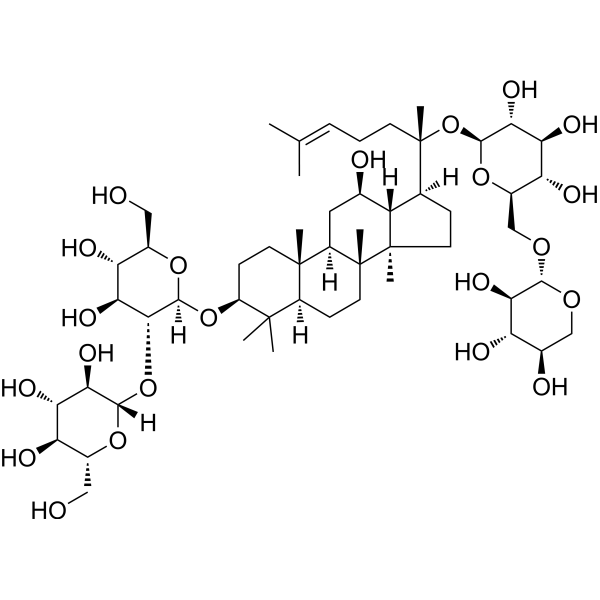
- HY-N0041
-
|
Gypenoside IV
|
NF-κB
COX
NO Synthase
|
Inflammation/Immunology
Cancer
|
|
Ginsenoside Rb3 is extracted from steamed Panax ginseng C. A. Meyer. Ginsenoside Rb3 exhibits inhibitory effect on TNFα-induced NF-κB transcriptional activity with an IC50 of 8.2 μM in 293T cell lines. Ginsenoside Rb3 also inhibits the induction of COX-2 and iNOS mRNA.
|
-
-
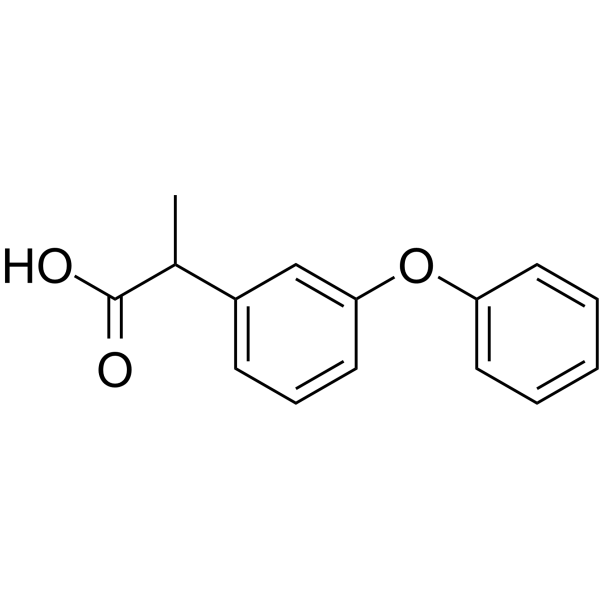
- HY-B1456A
-
|
LILLY-53858
|
COX
Melanocortin Receptor
ERK
|
Inflammation/Immunology
|
|
Fenoprofen (LILLY-53858) is a nonsteroidal anti-inflammatory agent (NSAID) and inhibits cyclooxygenase (COX). Fenoprofen is a melanocortin receptors (MCRs) positive allosteric modulator (PAM). Fenoprofen also increases ERK1/2 activation in HEK293T cells. Fenoprofen has anti-arthritic activities and can be used for the study of rheumatoid arthritis and osteoarthritis .
|
-
-
- HY-15888
-
|
|
BMI1
Autophagy
|
Cancer
|
|
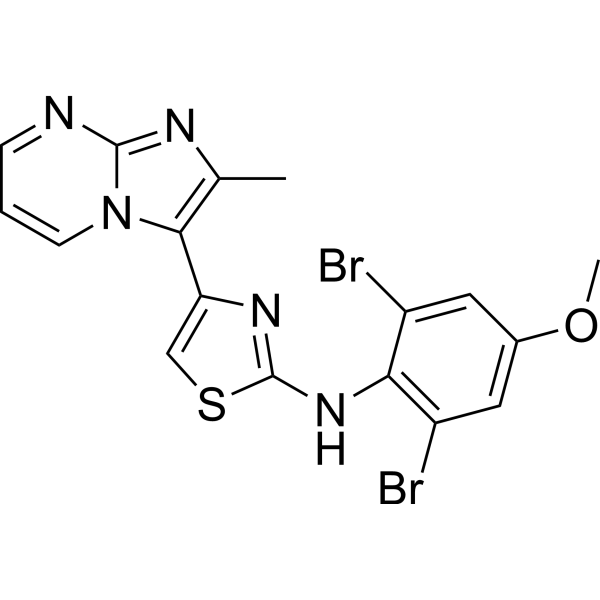
PTC-209 is a specific BMI-1 inhibitor with an IC50 of 0.5 μM in HEK293T cell line. PTC-209 irreversibly impairs colorectal cancer-initiating cells (CICs). PTC-209 shows potent anti-myeloma activity and impairs the tumor microenvironment .
|
-
-
- HY-108317
-
|
|
Phosphatase
|
Cancer
|
|
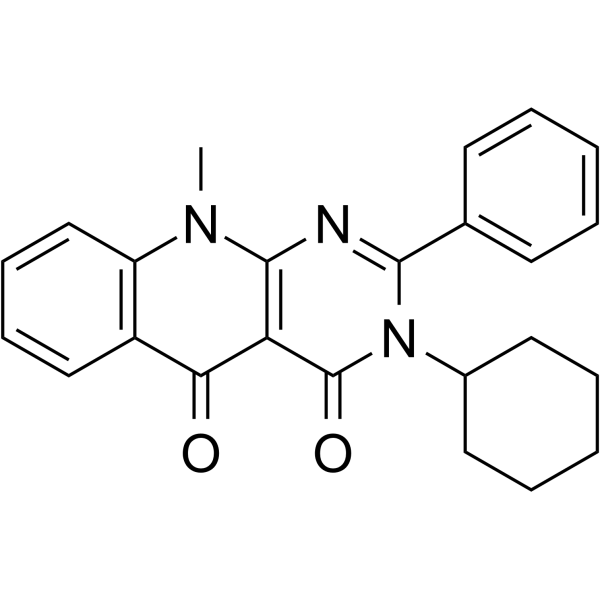
ABL127 is a selective and covalent inhibitor of protein methylesterase 1 (PME-1) with IC50s of 6.4 nM and 4.2 nM in HEK293T and MDA-MB-231 cells, respectively.
|
-
-
- HY-175357
-
|
|
YAP
|
Cancer
|
|
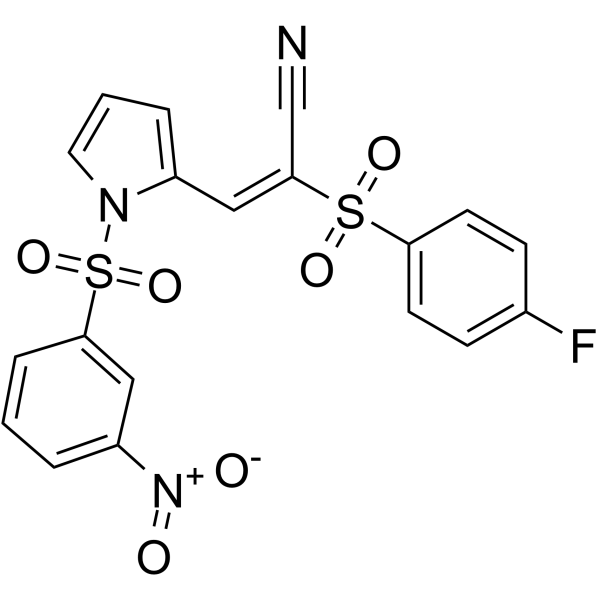
YAP/TEAD-IN-2 (Compound T-1) is a YAP/TEAD inhibitor. YAP/TEAD-IN-2 inhibits the luciferase activity driven by YAP/TEAD in 293T cells. YAP/TEAD-IN-2 exhibits strong anti-proliferative activity against human pleural mesothelioma NCI-H226 cells. YAP/TEAD-IN-2 can be used for the study of diseases associated with Hippo pathway dysregulation, particularly cancers .
|
-
-
- HY-19744
-
|
|
MyD88
|
Inflammation/Immunology
|
|
T6167923 is a selective inhibitor of MyD88-dependent signaling pathways. T6167923 directly binds to Toll/IL1 receptor (TIR) domain of MyD88 and disrupts MyD88 homodimeric formation. T6167923 inhibits NF-κB driven Staphylococcus enterotoxin AP (SEAP) activity, and improves anti-inflammatory activity with IC50s of 2.7 μM, 2.9 μM, 2.66 μM and 2.66 μM for IFN-γ, IL-1β, IL-6 and TNF-α, respectively .
|
-
-
- HY-126047A
-
-
-
- HY-12833
-
AMZ30
1 Publications Verification
|
Phosphatase
Akt
ERK
|
Others
|
|
AMZ30 is selective protein phosphatase methylesterase-1(PME-1) inhibitor with IC50s of 600 nM and 3.5 µM in human cell lysates and in HEK 293T cells, respectively. AMZ30 shows >100-fold selectivity relative to other serine hydrolases. AMZ30 reduces the demethylated form of PP2A in living cells. AMZ30 attenuates muscle cell differentiation. AMZ30 increases the resistance of U87MG and U251MG glioblastoma cells to t-BHP-induced oxidative stress. AMZ30can be used for the study of glioblastoma .
|
-
-
- HY-128426
-
|
Dihydromuconic acid; trans-β-Hydromuconic acid
|
Endogenous Metabolite
|
Metabolic Disease
|
|
Trans-2-butene-1,4-dicarboxylic acid (Dihydromuconic acid; trans-β-Hydromuconic acid) is an endogenous metabolite .
|
-
-
- HY-137458
-
|
ARQ 751
|
Akt
Ser/Thr Protease
|
Cancer
|
|
Vevorisertib (ARQ 751) is an orally active, potent and selective pan-AKT serine/threonine kinase inhibitor against AKT1 (IC50=0.55 nM), AKT2 (IC50=0.81 nM), and AKT3 (IC50=1.31 nM). Vevorisertib, as a single agent or in combination with other anti-cancer agents, can be used for the research of solid tumors with PIK3CA / AKT / PTEN mutations .
|
-
-
- HY-120210
-
|
|
ROR
|
Inflammation/Immunology
Cancer
|
|
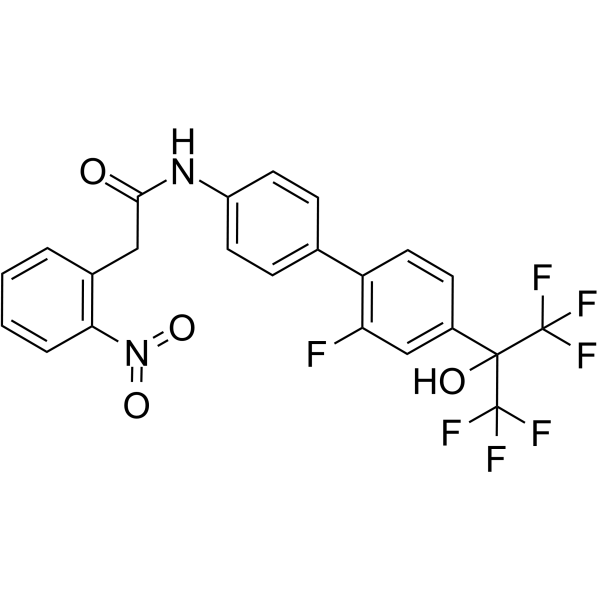
XY018 is a potent ROR-γ-selective antagonist. XY018 inhibits ROR-γ constitutive activity in 293T cells with high potency (EC50, 190 nM). XY018 binds to the ROR-γ hydrophobic ligand binding domain (LBD) .
|
-
-
- HY-159493
-
|
|
Polo-like Kinase (PLK)
|
Cancer
|
|
BI2536-PEG2-Halo is a bifunctional molecule containing a ligand for Halo tag and a Polo-like kinase 1 (PLK1) inhibitor BI-2536 (HY-50698). BI2536-PEG2-Halo inhibits the proliferation of 293T cells with Halo-p53R273H(FL)-mCherry tag (IC50=23 nM), exhibits selective toxicity against p53 mutant cancer cells .
|
-
-
- HY-150089
-
|
|
CFTR
|
Inflammation/Immunology
|
|
SRI-37240 is a potent premature termination codons (PTCs) inhibitor. SRI-37240 suppresses CFTR nonsense mutations. SRI-37240 alters cellular translation termination at PTCs in HEK293T cells. SRI-37240 can also restore CFTR function in primary bronchial epithelial cells when combination with G418 .
|
-
-
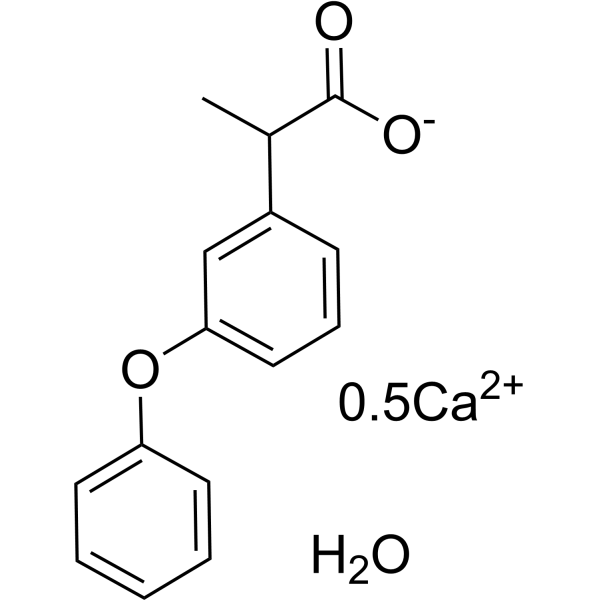
- HY-B0288B
-
|
LILLY-53858 Calcium hydrate
|
COX
Melanocortin Receptor
ERK
|
Inflammation/Immunology
|
|
Fenoprofen (LILLY-53858) Calcium hydrate is a nonsteroidal anti-inflammatory agent (NSAID) and inhibits cyclooxygenase (COX). Fenoprofen Calcium hydrate is a melanocortin receptors (MCRs) positive allosteric modulator (PAM). Fenoprofen Calcium hydrate also increases ERK1/2 activation in HEK293T cells. Fenoprofen Calcium hydrate has anti-arthritic activities and can be used for the study of rheumatoid arthritis and osteoarthritis .
|
-
-
- HY-145879
-
|
|
Keap1-Nrf2
|
Cancer
|
|
Nrf2 activator-2 (compound O15), a Osthole derivative, is a potent Nrf2 agonist with an EC50 of 2.9 μM in 293 T cells. Nrf2 activator-2 effectively inhibits the interaction between Keap1 and Nrf2, thus showing the activation effect on Nrf2. Nrf2 activator-2 shows a marked decrease in the level of ubiquitinated Nrf2 in cells .
|
-
-
- HY-126037
-
|
|
ROR
|
Inflammation/Immunology
|
|
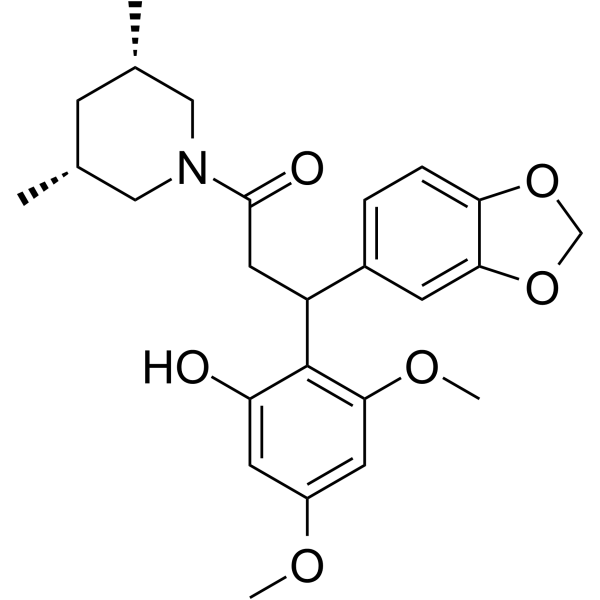
(±)-ML 209 (compound 4n), a diphenylpropanamide, is a retinoic acid-related orphan receptor RORγ antagonist with an IC50 of 1.1 μM. (±)-ML 209 inhibits RORγt transcriptional activity with an IC50 of 300 nM in HEK293t cells. (±)-ML 209 inhibits the transcriptional activity of RORγt, but not RORα in cells. (±)-ML 209 selectively inhibits murine Th17 cell differentiation without affecting the differentiation of naïve CD4 + T cells into other lineages, including Th1 and regulatory T cells .
|
-
-
- HY-17605A
-
|
GS-9883 sodium
|
HIV Integrase
HIV
|
Infection
|
|
Bictegravir sodium is a potent inhibitor of HIV-1 integrase, with an IC50 of 7.5 nM. Bictegravir sodium exhibits potent and selective anti-HIV activity and low cytotoxicity .
|
-
-
- HY-W585876
-
|
|
FXR
|
Metabolic Disease
|
|
Chenodeoxycholic acid 3-glucuronide is a metabolite of Chenodeoxycholic acid that can activate the key nuclear receptor (FXR), with an EC50 of 8 μM, and in HEK293T cells, the EC50 for activating FXR is 11 μM .
|
-
-
- HY-160496
-
|
|
STAT
|
Cancer
|
|
STAT3-IN-25 (Compound 2p) is a potent STAT3 inhibitor with a p-trifluoroethoxy benzyl substituent. STAT3-IN-25 shows STAT3 luciferase inhibition activity using HEK293T cells with an IC50 of 22.3 nM and ATP production inhibition activity using BxPC-3 cells with an IC50 of 32.5 nM. STAT3-IN-25 has the potential for pancreatic cancer research .
|
-
-
- HY-155938
-
|
|
Acyltransferase
|
Neurological Disease
Inflammation/Immunology
Cancer
|
|
Cyano-myracrylamide is an inhibitor of zinc finger DHHC domain-containing palmitoyltransferase 20 (zDHHC20) with an IC50 value of 1.35 µM. Cyano-myracrylamide also inhibits the S-Acylation of EGFR and CD36. Cyano-myracrylamide also inhibits S-acylation of Legionella E3 ligase GobX, MyD88, and Ras, which are substrates of zDHHC20, zDHHC9, and zDHHC6, respectively, in HEK293T cells expressing recombinant Legionella GobX, recombinant human MyD88, or endogenous Ras .
|
-
-
- HY-158432
-
|
|
Histone Demethylase
PROTACs
|
Cancer
|
|
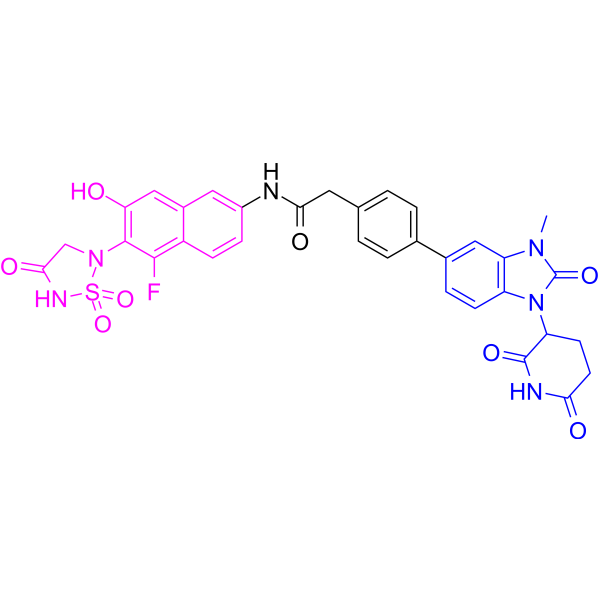
GT-653 is a PROTAC degrader for lysine-specific demethylase 5B (KDM5B). GT-653 degrades 68.35% KDM5B at 10 μM in a ubiquitin proteasome-dependent manner, upregulates H3K4me3 levels, and activates the type-I interferon signaling pathway in prostate cancer cells 22RV1. (Pink: KDM5B ligand (HY-158433); Black: Linker (HY-W004896); Blue: E3 ligase ligand (HY-103596))
|
-
-
- HY-175764
-
|
|
PROTACs
IRAK
NF-κB
p38 MAPK
TNF Receptor
Interleukin Related
|
Inflammation/Immunology
|
|
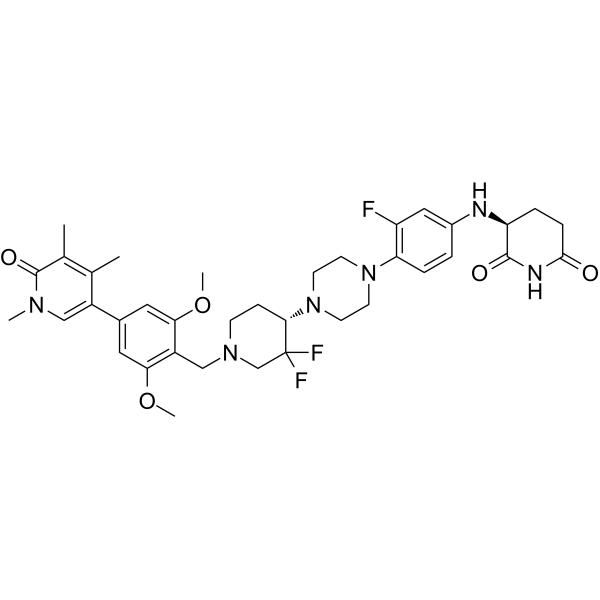
FIP22 is a potent and selective IRAK4 PROTAC degrader (HEK293T cells: DC50 = 3.2 nM; THP-1 cells: DC50 = 10.6 nM). FIP22 induces the ubiquitin-proteasome system by forming an IRAK4-FIP22-CRBN ternary complex (EC50 = 12.63 nM), thereby potently blocking IRAK4-mediated NF-κB and MAPK signaling pathways. FIP22 can be used for the study of atopic dermatitis (Pink: IRAK4 ligand (HY-175765); Blue: CRBN ligand (HY-W087383); Black: Linker (HY-46871)) .
|
-
-
- HY-107404
-
|
|
Orphan Nuclear Receptor
|
Endocrinology
|
|
SID 7969543 is a selective SF-1 (steroidogenic factor 1, NR5A1) inhibitor with an IC50 of 760 nM. SID 7969543 inhibits SF-1-triggered luciferase expression with IC50 of 30 nM. SF-1 is a transcription factor belonging to the nuclear receptor superfamily .
|
-
-
- HY-138102
-
|
|
SARS-CoV
|
Infection
|
|
SSAA09E3 is a SARS-CoV entry inhibitor that inhibits SARS/HIV pseudotyped virus entry with an EC50 of 9.7 μM in 293T cells and inhibits SARS-CoV infection of Vero cells with an EC50 of 0.15 μM .
|
-
-
- HY-101775A
-
|
|
Topoisomerase
|
Cardiovascular Disease
Cancer
|
|
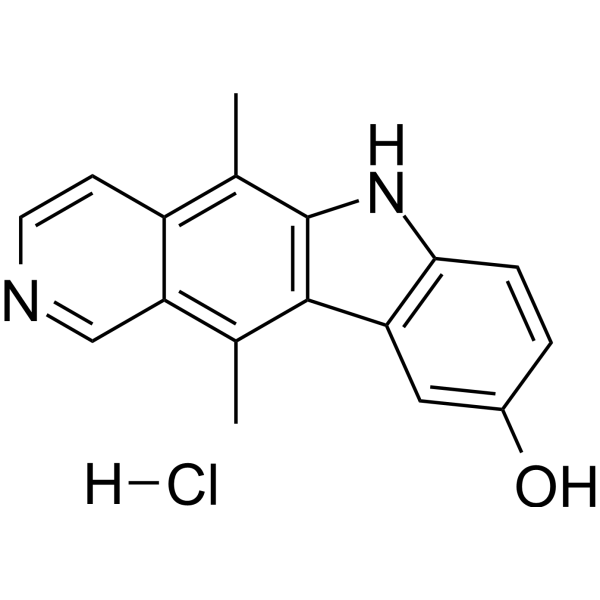
9-Hydroxyellipticine hydrochloride is a inhibitor of Topo II and RyR. 9-Hydroxyellipticine hydrochloride exhibits antitumor, antioxidant and catecholamine-releasing activities. 9-Hydroxyellipticine hydrochloride exhibits IC50 values of 1.6 μM and 1.2μM in Hela S-3 and 293T cells, respectively .
|
-
-
- HY-118368
-
-
-
- HY-122716
-
|
|
PPAR
|
Others
|
|
PTGR2-IN-1 is a potent PTGR2 inhibitor with an IC50 of ~0.7 μM. PTGR2-IN-1 increases 15-keto-PGE2-dependent PPARγ transcriptional activity in PTGR2-transfected HEK293T cells .
|
-
-
- HY-15888A
-
|
|
BMI1
Autophagy
|
Cancer
|
|
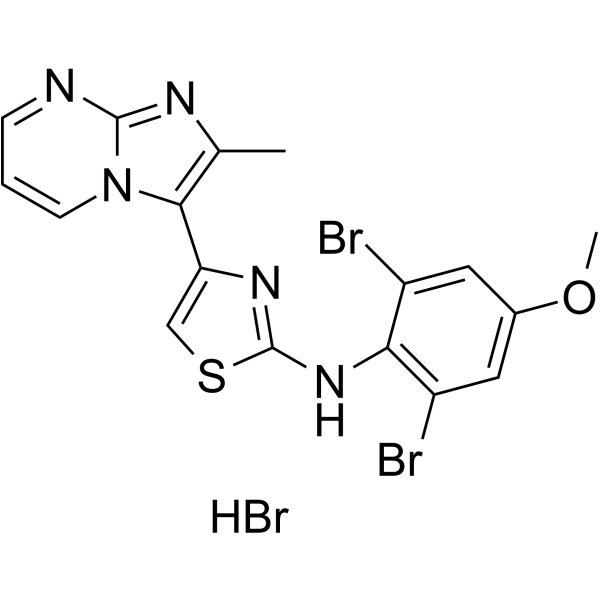
PTC-209 hydrobromide is a specific BMI-1 inhibitor with an IC50 of 0.5 μM in HEK293T cell line. PTC-209 hydrobromide irreversibly impairs colorectal cancer-initiating cells (CICs). PTC-209 hydrobromide shows potent anti-myeloma activity and impairs the tumor microenvironment .
|
-
-
- HY-151465
-
|
|
HIF/HIF Prolyl-Hydroxylase
|
Cancer
|
|
HIF-1α-IN-4 is a HIF-1α inhibitor with an IC50 value of 24 nM (in HEK293T cell). HIF-1α-IN-4 downregulates VEGF and PDK1 mRNA expressions under hypoxia. HIF-1α-IN-4 can be used in the research of cancer .
|
-
-
- HY-168593
-
|
|
β-catenin
PROTACs
Wnt
Histone Demethylase
|
Cancer
|
|
PROTAC KDM3 degrader-1 (Compound 4) is a CRBN-recruiting PROTAC designed based on the IOX1 (HY-12304) scaffold. PROTAC KDM3 degrader-1 selectively degrades the KDM3A and KDM3B proteins, thereby inhibiting the Wnt/β-catenin signaling pathway. PROTAC KDM3 degrader-1 significantly suppresses the self-renewal capacity of colorectal cancer stem cells and inhibits the growth of colorectal cancer tumors. PROTAC KDM3 degrader-1 is suitable for research on colorectal cancer (Target protein ligand (Pink): HY-12304; linker (Black): HY-22335; Conjugate of E3 ligase ligand and linker: HY-112599; E3 ligase (Blue): HY-41547) .
|
-
-
- HY-116895
-
|
|
Androgen Receptor
MAGL
|
Metabolic Disease
|
|
JJH260 is AIG1inhibitor, and inhibit the fluorophosphonate reactivity and fatty acid esters of hydroxy fatty acid (FAHFA) hydrolysis activity of AIG1in HEK293T cells, with IC50 values of 0.50 μM and 0.57 μM, respectively .
|
-
-
- HY-B0288A
-
|
LILLY-53858 Calcium
|
COX
Melanocortin Receptor
ERK
|
Inflammation/Immunology
|
|
Fenoprofen (LILLY-53858) Calcium is a nonsteroidal anti-inflammatory agent (NSAID) and inhibits cyclooxygenase (COX). Fenoprofen Calcium is a melanocortin receptors (MCRs) positive allosteric modulator (PAM). Fenoprofen Calcium also increases ERK1/2 activation in HEK293T cells. Fenoprofen Calcium has anti-arthritic activities and can be used for the study of rheumatoid arthritis and osteoarthritis .
|
-
-
- HY-161740
-
|
|
AUTOTACs
Estrogen Receptor/ERR
Autophagy
|
Cancer
|
|
PHTPP-1304 is a PHTPP-based autophagy targeting chimera (AUTOTAC). PHTPP-1304 induces the degradation of estrogen receptor ERβ through the autophagy pathway, rather than ubiquitination (DC50 ≈ 2 nM, in HEK293T cells; < 100 nM in ACHN renal carcinoma and MCF-7 breast cancer cells). PHTPP-1304 can induce the self-oligomerization of p62. PHTPP-1304 can be used to study various cancers mediated by ERβ .
|
-
-
- HY-132866
-
|
|
P-glycoprotein
|
Cancer
|
|
YS-370 (compound 44) is a potent, high selective, and orally active inhibitor of P-glycoprotein (P-gp). YS-370 stimulates the P-gp ATPase activity and has moderate inhibition against CYP3A4. YS-370 effectively reverses multidrug resistance (MDR) to paclitaxel and colchicine in SW620/AD300 and HEK293T-ABCB1 cells. YS-370 in combination with paclitaxel achieves much stronger antitumor activity .
|
-
-
- HY-147219A
-
|
|
PROTACs
Anaplastic lymphoma kinase (ALK)
EGFR
Apoptosis
|
Cancer
|
|
SIAIS164018 hydrochloride is a PROTAC-based ALK and EGFR degrader, with IC50 value of 2.5 nM and 6.6 nM for ALK and ALK G1202R, respectively. SIAIS164018 hydrochloride strongly inhibits cancer cells migration and invasion, causes G1 cell cycle arrest and induces apoptosis. SIAIS164018 hydrochloride exhibits better property than Brigatinib (HY-12857) .
|
-
-
- HY-110315
-
|
|
Apoptosis
MDM-2/p53
Epigenetic Reader Domain
|
Cardiovascular Disease
|
|
Ischemin sodium is a CBP bromodomain inhibitor that inhibits p53 interaction with CBP and transcriptional activity in cells. Ischemin sodium salt inhibits p53-induced p21 activation with an IC50 value of 5 µM. Ischemin sodium salt also prevents apoptosis in ischemic cardiomyocytes. Ischemin sodium salt can be used in the study of cardiovascular diseases (such as myocardial ischemia) .
|
-
-
- HY-P11322
-
|
|
Amino Acid Derivatives
|
Neurological Disease
|
|
NHIP peptide is a peptide segment containing 20 amino acids located in the nucleus of the cell. NHIP is highly expressed in neuronal derived cells such as LUHMES cells. NHIP peptide can promote the proliferation of 293T cells. NHIP peptide regulates gene networks related to neural development and autism spectrum disorder (ASD) .
|
-
-
- HY-158058
-
|
|
Toll-like Receptor (TLR)
Pyroptosis
|
Inflammation/Immunology
Cancer
|
|
WYJ-2 is a selective agonist for toll-like receptor 2/1 (TLR2/1) with EC50 of 18.57 nM in human TLR2 and TLR1 transient-cotransfected HEK 293T cells. WYJ-2 induces pyroptosis and exhibits anticancer activity against non-small cell lung cancer (NSCLC) .
|
-
-
- HY-153132
-
|
|
mGluR
|
Metabolic Disease
|
|
mGluR3 modulator-1 (compound 3) is a mGluR3 modulator, with an EC50 of 1-10 μM in HEK293T-mGluR-Gqi5 Calcium Mobilization Assay .
|
-
-
- HY-179475
-
|
|
CaSR
|
Endocrinology
|
|
KP-2067 is a form of the CaSR agonist peptide. KP-2067 can result in dose-dependent activation of CaSR in HEK293T overexpressing hCaSR cell line, with an EC50 of 18.4 μM. KP-2067 significantly reduces plasma parathyroid hormone in rat model .
|
-
-
- HY-164144
-
|
|
Histone Methyltransferase
|
Cancer
|
|
EPZ033294 is an inhibitor of SYMD2 (IC50 is 3.9 nM). SYMD2 itself has catalytic activity and can methylate the lysine residue of BTF3 to BTF3me1, which was experimentally demonstrated by detecting an IC50 of 2.9 nM for inhibition of BTF3ME1 by SYMD2, indicating an active inhibition of SYMD2 by EPZ033294. EPZ033294 (0-50 µM) has an inhibitory effect on SYMD2 and a concentration-dependent inhibitory effect in 293T .
|
-
-
- HY-151466
-
|
|
HIF/HIF Prolyl-Hydroxylase
Monoamine Oxidase
|
Cancer
|
|
HIF-1α-IN-5 is a HIF-1α inhibitor with an IC50 value of 24 nM (in HEK293T cell). HIF-1α-IN-5 also inhibits MAO-A activity. HIF-1α-IN-5 downregulates VEGF and PDK1 mRNA expressions under hypoxia. HIF-1α-IN-5 can be used in the research of cancer .
|
-
-
- HY-174427
-
|
|
LRRK2
|
Neurological Disease
|
|
RN341 is a specific type II kinase inhibitor of LRRK2 (IC50: 296 nM). RN341 inhibits LRRK2 phosphorylation and avoids S935 dephosphorylation by stabilizing the open conformation. RN341 rescues LRRK2-mediated kinesin motility block by preventing microtubule binding. RN341 effectively inhibits LRRK2 wild-type and G2019S mutant at the cellular level. RN341 provides a new direction for Parkinson's disease research.
|
-
-
- HY-178803
-
|
|
PROTACs
BCL6
|
Cancer
|
|
PROTAC BCL6 Degrader-2 (Compound A19) is an orally active, selective BCL6 PROTAC degrader (DC50s: 34 pM in OCI-LY1 cells and 0.45 nM in HEK293T cells). PROTAC BCL6 Degrader-2 promotes the ubiquitination and degradation of BCL6. PROTAC BCL6 Degrader-2 exhibits anticancer activity against BCL6-dependent diffuse large B-cell lymphoma (Pink: BCL6 ligand (HY-178804); Blue: E3 ligase ligand (HY-W087383); E3 ligase ligand + linker (HY-W998306)) .
|
-
-
- HY-176545
-
|
|
HDAC
Sirtuin
|
Others
|
|
Z-MAL is a highly efficient and broad-spectrum HDAC substrate. Z-MAL exhibits high conversion activity for class I, II histone deacetylases, and class III SIRT1. Z-MAL can be used in studies on the structure-activity relationship, subtype selectivity, and inhibitor screening of HDAC .
|
-
-
- HY-147219
-
|
|
PROTACs
Anaplastic lymphoma kinase (ALK)
EGFR
Apoptosis
|
Cancer
|
|
SIAIS164018 is a PROTAC-based ALK and EGFR degrader, with IC50 value of 2.5 nM and 6.6 nM for ALK and ALK G1202R, respectively. SIAIS164018 strongly inhibits cancer cells migration and invasion, causes G1 cell cycle arrest and induces apoptosis. SIAIS164018 exhibits better property than Brigatinib (HY-12857) .
|
-
-
- HY-149359
-
|
|
Isocitrate Dehydrogenase (IDH)
|
Cancer
|
|
IHMT-IDH1-053 (compound 16) is a highly selectivity and irreversible IDH1-mutant inhibitor with an IC50 of 4.7 nM for IDH1 R132H. IHMT-IDH1-053 displays high selectivity against IDH1 mutants over IDH1 wt and IDH2 wt/mutants. IHMT-IDH1-053 inhibits 2-hydroxyglutarate (2-HG) production in IDH1 R132H mutant transfected 293T cells (IC50=28 nM). IHMT-IDH1-053 binds to the IDH1 R132H protein in the allosteric pocket adjacent to the NAPDH binding pocket through a covalent bond with residue Cys269. IHMT-IDH1-053 inhibits the proliferation of HT1080 cell line and primary AML cells which both bear IDH1 R132 mutants .
|
-
-
- HY-17605AR
-
|
GS-9883 sodium (Standard)
|
Reference Standards
HIV Integrase
HIV
|
Infection
|
|
Bictegravir (sodium) (Standard) is the analytical standard of Bictegravir (sodium). This product is intended for research and analytical applications. Bictegravir sodium is a potent inhibitor of HIV-1 integrase, with an IC50 of 7.5 nM. Bictegravir sodium exhibits potent and selective anti-HIV activity and low cytotoxicity .
|
-
-
- HY-29866
-
|
|
Microtubule/Tubulin
|
Cancer
|
|
Tubulin polymerization-IN-75 (Compound 6) is an inhibitor for tubulin polymerization with an IC50 of 30 μM. Tubulin polymerization-IN-75 inhibits the proliferation of cancer cell Huh7 and 293T with IC50 of 14.3 μM and 13.8 μM .
|
-
- HY-162464
-
|
|
PROTACs
SARS-CoV
|
Infection
|
|
MPD2 is a Cereblon-binding ligand-based PROTAC that degrades MPro, the main protease of SARS-CoV-2. MPD2 effectively reduced MPro protein levels in 293T cells in a time-dependent manner (DC50=296 nM). MPD2 exhibited potent antiviral activity against multiple SARS-CoV-2 strains and had enhanced potency against Nirmatrelvir (HY-138687) resistant strains. MPD2 provides a new direction for antiviral drug development against SARS-CoV-2 and other emerging coronavirus pathogens (Sturcture Note:(Blue: Cereblon ligand (HY-14658), Black: linker (HY-W275882);Red: SARS-CoV-2 MPro Inhibitor MP18 (HY-158763)) .
|
-
- HY-139111
-
|
|
Cathepsin
SARS-CoV
|
Infection
|
|
Oxocarbazate is an inhibitor of human cathepsin L with the IC50 values of 6.9 nM (human Cathepsin L,0 h) 0.4 nM ((human Cathepsin L,4 h) and 5.07 μM (human cathepsin B), respectively. Oxocarbazate blockes both SARS-CoV (IC50 = 273 nM) and Ebola virus (IC50 = 193 nM) entry into 293T cells .
|
-
- HY-163822
-
|
|
Histone Acetyltransferase
|
Others
|
|
WIZ degrader 5 (compound 41) is a WIZ degrader and induces the degradation of WIZ with maximum degradation of 88.6% in 293T cells. WIZ degrader 5 can be used for study of sickle cell disease
.
|
-
- HY-177071
-
|
|
HIV
|
Infection
|
|
Asuptegravir (Compound 1) is an inhibitor of HIV integrase activity. Asuptegravir inhibits HIV in HEK293T cells (EC50 = 1.08 nM). Asuptegravir can be studied in anti-AIDs/HIV research .
|
-
- HY-101775
-
|
|
Topoisomerase
|
Cardiovascular Disease
Cancer
|
|
9-hydroxyellipticine is an inhibitor of Topo II and RyR, exhibiting high affinity for DNA with a Pka value of 9.8 at pH 7.4. It has antitumor, antioxidant, and catecholamine-releasing activities, with IC50 values of 1.6 μM and 1.2 μM for Hela S-3 and 293T cells, respectively. It also demonstrates anticancer effects in L1210 leukemia mice .
|
-
- HY-101775AR
-
|
|
Reference Standards
Topoisomerase
|
Cardiovascular Disease
Cancer
|
|
9-Hydroxyellipticine (hydrochloride) (Standard) is the analytical standard of 9-Hydroxyellipticine (hydrochloride). This product is intended for research and analytical applications. 9-Hydroxyellipticine hydrochloride is a inhibitor of Topo II and RyR. 9-Hydroxyellipticine hydrochloride exhibits antitumor, antioxidant and catecholamine-releasing activities. 9-Hydroxyellipticine hydrochloride exhibits IC50 values of 1.6 μM and 1.2μM in Hela S-3 and 293T cells, respectively .
|
-
- HY-N0041R
-
|
Gypenoside IV (Standard)
|
Reference Standards
NF-κB
COX
NO Synthase
|
Inflammation/Immunology
Cancer
|
|
Ginsenoside Rb3 (Standard) is the analytical standard of Ginsenoside Rb3. This product is intended for research and analytical applications. Ginsenoside Rb3 is extracted from steamed Panax ginseng C. A. Meyer. Ginsenoside Rb3 exhibits inhibitory effect on TNFα-induced NF-κB transcriptional activity with an IC50 of 8.2 μM in 293T cell lines. Ginsenoside Rb3 also inhibits the induction of COX-2 and iNOS mRNA.
|
-
- HY-173431
-
|
|
Dopamine Receptor
Reactive Oxygen Species (ROS)
|
Cancer
|
|
Dopamine D4 receptor ligand 3 (Compound 16) is a dopamine D4 receptor (D4R) antagonist (pKi: 8.86). Dopamine D4 receptor ligand 3 has pIC50 values of 5.78, 5.55, and 6.17 for Go, Gi, and βArr2 sensors in HEK-293T cells, respectively. Dopamine D4 receptor ligand 3 inhibits the viability of three human glioma cell lines, U87 MG, T98G, and U251 MG. Dopamine D4 receptor ligand 3 induces ROS production and mitochondrial dysfunction in glioma cells .
|
-
- HY-158400
-
-
- HY-156401
-
|
|
PROTACs
Epigenetic Reader Domain
|
Cancer
|
|
BRD9 c-1 (Compound 13-7) is a PROTAC BRD9 degrader . BRD9 Degrader-1 has a micromolar binding affinity for BRD9 and a nanomolar affinity for the BRD9-VCB ternary complex. BRD9 Degrader-1 induces BRD9 proteasome degradation in HEK293T cells, which can be reversed by MLN4924 (HY-70062). (Blue: VH032-cyclopropane-F (HY-125905); Black: linker (HY-W763939); Pink: HY-168695) .
|
-
- HY-164445
-
|
|
STAT
|
Cancer
|
|
STAT3-IN-32 (compound 2p) is an orally active, potent STAT3 dual phosphorylation inhibitor with an indole-containing tetra-aromatic heterocycle scaffold. STAT3-IN-32 exhibits STAT3 luciferase inhibition activity using HEK293T cells with an IC50 of 5.3 nM and ATP production inhibition activity using BxPC-3 cells with an IC50 of 4.2 nM. STAT3-IN-32 significantly blocks p-Tyr705 and p-Ser727 and causes the abrogation of the corresponding nuclear transcription and mitochondrial oxidative phosphorylation functions of STAT3 by targeting the STAT3 SH2 domain (KD=21.3 nM). STAT3-IN-32 exhibits significant suppressive effects in a pancreatic cancer xenograft model .
|
-
- HY-15592R
-
|
GSK-1265744 (Standard); S/GSK1265744 (Standard)
|
OAT
Reference Standards
HIV
HIV Integrase
|
Infection
|
|
Cabotegravir (Standard) is the analytical standard of Cabotegravir. This product is intended for research and analytical applications. Cabotegravir (GSK-1265744) is a orally active and long-acting HIV integrase strand transfer inhibitor and organic anion transporter 1/3 (OAT1/OAT3) inhibitor with IC50 values of 2.5 nM, 0.41 μM and 0.81 μM for HIVADA, OAT3 and OAT1, respectively. Cabotegravir is primarily metabolized by uridine diphosphate glucuronosyltransferase (UGT) 1A1, with low potential to interact with other antiretroviral agents (ARVs). Cabotegravir can be used to research AIDS .
|
-
- HY-110315A
-
|
|
Epigenetic Reader Domain
Apoptosis
MDM-2/p53
|
Cardiovascular Disease
|
|
Ischemin is a CBP bromodomain inhibitor that inhibits p53 interaction with CBP and transcriptional activity in cells. Ischemin inhibits p53-induced p21 activation with an IC50 value of 5 µM. Ischemin also prevents apoptosis in ischemic cardiomyocytes. Ischemin can be used in the study of cardiovascular diseases (such as myocardial ischemia) .
|
-
- HY-157136
-
|
|
CRM1
COX
c-Myc
Survivin
|
Cancer
|
|
LFS-1107 is a reversible CRM1 inhibitor (Kd: 12.5 pM). LFS-1107 can selectively eliminate extranodal natural killer/T cell lymphoma (ENKTL) cells and can be used for cancer research .
|
-
- HY-129808
-
|
|
LPL Receptor
|
Cardiovascular Disease
Cancer
|
|
VPC12249 is a competitive dual LPA1/LPA3 antagonist with Ki values of 137nM and 428 nM, respectively. VPC12249 inhibits calcium mobilization in HEK293T cells with a Ki value of ~130 nM. VPC12249 is promising for research of ovarian cancer and hypertensive diseases .
|
-
- HY-171942A
-
|
C24:1-GM2 ammonium
|
Endogenous Metabolite
|
Neurological Disease
|
|
C24:1 Ganglioside GM2 (d18:1/24:1) (ammonium) is an endogenous monosialylated ganglioside. C24:1 Ganglioside GM2 (d18:1/24:1) (ammonium) is a self-lipid that can bind to CD1d in HEK293T cells .
|
-
- HY-175136
-
|
GAh acetate
|
Adrenergic Receptor
|
Infection
Neurological Disease
|
|
Chloroguanabenz (acetate) is an antiprion agent and a derivative of the α2-adrenergic receptor agonist guanabenz. Chloroguanabenz (acetate) can inhibit the formation of prion in yeast and mammalian in vitro assays. Chloroguanabenz (acetate) can reduce the levels of truncated Huntingtin derivative Htt48 in HEK293T cells. Chloroguanabenz (acetate) can be studied in research on Huntington’s disease .
|
-
- HY-172541
-
|
|
CXCR
|
Cardiovascular Disease
|
|
LN6023 (hydrochloride) (Compound 27) is a CXCR7 agonist. LN6023 (hydrochloride) induces the recruitment of β-arrestin in HEK293T cells expressing human CXCR7 (EC50 = 3.5 µM). LN6023 (hydrochloride) reduces the surface level of P-selectin in isolated and washed human platelets. LN6023 (hydrochloride) can be used to study platelet-mediated thrombosis .
|
-
- HY-P1432A
-
|
|
GHSR
|
Cancer
|
|
K-(D-1-Nal)-FwLL-NH2 TFA is a high affinity and potent ghrelin receptor inverse agonist (Ki values are 4.9 and 31 nM in COS7 and HEK293T cells, respectively). K-(D-1-Nal)-FwLL-NH2 blocks ghrelin receptor-mediated Gq- and G13-dependent signaling pathways.
|
-
- HY-138997
-
|
|
PPAR
|
Metabolic Disease
|
|
MBX-102 acid is a selective partial PPAR-γ agonist. MBX-102 acid binds highly to plasma proteins, mainly serum albumin. MBX-102 acid can be used to study type 2 diabetes .
|
-
- HY-174466
-
|
|
5-HT Receptor
Arrestin
|
Neurological Disease
|
|
5-HT2AR ligand 1 (Compound 2 cis) is a 5-HT2AR ligand with nanomolar affinity for 5-HT2AR (Ki: 32 nM). 5-HT2AR ligand 1 is capable of inducing β-arrestin 2 recruitment. 5-HT2AR ligand 1 can be used in the research of neurological diseases .
|
-
- HY-B1456AR
-
|
LILLY-53858 (Standard)
|
Reference Standards
COX
Melanocortin Receptor
ERK
|
Inflammation/Immunology
|
|
Fenoprofen (Standard) (LILLY-53858 (Standard)) is the analytical standard of Fenoprofen (HY-B1456A). This product is intended for research and analytical applications. Fenoprofenc is a nonsteroidal anti-inflammatory agent (NSAID) and inhibits cyclooxygenase (COX). Fenoprofen is a melanocortin receptors (MCRs) positive allosteric modulator (PAM). Fenoprofen also increases ERK1/2 activation in HEK293T cells. Fenoprofen has anti-arthritic activities and can be used for the study of rheumatoid arthritis and osteoarthritis.
|
-
- HY-176051
-
|
RgE
|
GLUT
|
Cancer
|
|
Rapaglutin E (RgE) is a glucose transporter (GLUT) inhibitor. Rapaglutin E exhibits dose-dependent inhibition of [ 3H]-2DG uptake in A549, Jurkat T, PANC10.05, and RBC, with IC50 values 8.9 nM, 3.1 nM, 35.5 nM, 74.2 nM. Rapaglutin E inhibits cell proliferation in A549, PANC10.05, HeLa, Jurkat T, and HEK293T cells .
|
-
- HY-168384
-
|
|
STING
TNF Receptor
Interleukin Related
CD28
|
Inflammation/Immunology
|
|
M04 is an agonist of STING. It induces the expression of the IFN reporter gene in HEK293T cells expressing wild-type human STING, but does not induce this expression in HEK293T cells expressing the R71H-G230A-R293Q (HAQ) STING variant or in mouse RAW 264.7 cells, indicating that its activity is dependent on allelic and species variations. M04 induces the production of TNF-α, IL-10, IL-1β, and IL-12p70 in human peripheral blood mononuclear cells (PBMCs). At a concentration of 50 µM, M04 stimulates dendritic cells isolated from PBMCs to express the MHC class II cell surface receptor HLA-DR and co-stimulatory molecules CD40, CD80, and CD86, and also enhances their ability to activate T cells in an ex vivo assay. M04 can be used in research on inflammatory immune diseases .
|
-
- HY-B0288BR
-
|
LILLY-53858 Calcium hydrate (Standard)
|
Reference Standards
COX
Melanocortin Receptor
ERK
|
Inflammation/Immunology
|
|
Fenoprofen (LILLY-53858 (Standard)) (Standard) Calcium hydrate is the analytical standard of Fenoprofen Calcium hydrate (HY-B0288B). This product is intended for research and analytical applications. Fenoprofen is a nonsteroidal anti-inflammatory agent (NSAID) and inhibits cyclooxygenase (COX). Fenoprofen is a melanocortin receptors (MCRs) positive allosteric modulator (PAM). Fenoprofen also increases ERK1/2 activation in HEK293T cells. Fenoprofen has anti-arthritic activities and can be used for the study of rheumatoid arthritis and osteoarthritis.
|
-
- HY-126489
-
|
|
Parasite
|
Infection
|
|
Tetromycin B is a cysteine protease inhibitor with Ki values of 0.62, 1.42, 32.5, and 1.59 μM for rhodesain, falcipain-2, cathepsin L, and cathepsin B, respectively. It inhibits the growth of T. brucei in vitro (IC50=30.87 μM). Tetromycin B is also cytotoxic to HEK293T kidney cells and J774.1 macrophages (IC50s=71.77 and 20.2 μM, respectively).
|
-
- HY-B1456AS
-
|
LILLY-53858-13C6 sodium hydrate
|
Isotope-Labeled Compounds
COX
Melanocortin Receptor
ERK
|
Inflammation/Immunology
|
|
Fenoprofen- 13C6 (LILLY-53858- 13C6) sodium hydrate is the 13C labeled Fenoprofen (HY-B1456A).Fenoprofen (LILLY-53858) is a nonsteroidal anti-inflammatory agent (NSAID) and inhibits cyclooxygenase (COX). Fenoprofen is a melanocortin receptors (MCRs) positive allosteric modulator (PAM). Fenoprofen also increases ERK1/2 activation in HEK293T cells. Fenoprofen has anti-arthritic activities and can be used for the study of rheumatoid arthritis and osteoarthritis .
|
-
- HY-162885
-
|
|
Proteasome
JAK
STAT
Interleukin Related
|
Cancer
|
|
YSY01A is a proteasome inhibitor that can suppress cancer cell survival by inducing apoptosis (Apoptosis). Its IC50 values are 51.0 nM for HEK293T, 9.2 nM for A549, 5.2 nM for MCF-7, 8.9 nM for MGC-803, and 35.4 nM for PC-3M cells. Additionally, YSY01A eliminates constitutive STAT3 signaling by downregulating gp130 and JAK2 in human A549 lung cancer cells. YSY01A holds promise for research in the field of cancer therapy .
|
-
- HY-178439
-
|
|
SARS-CoV
|
Infection
|
|
SARS-CoV-2 3CLpro-IN-33 (Compound 16) is an orally active SARS-CoV-2 3CL protease inhibitor, with an IC50 value of 1.5 nM. SARS-CoV-2 3CLpro-IN-33 shows excellent anti-SARS-CoV-2 viral activity in the HEK293T-AT cell model with an EC50 of 0.017 μM. SARS-CoV-2 3CLpro-IN-33 can be used for the study of COVID-19 infetction .
|
-
- HY-158343
-
|
|
E3 Ligase Ligand-Linker Conjugates
|
Cancer
|
|
Thalidomide-NH-PEG2-C2-CH2 is a conjugate of E3 ligase ligand and linker. Thalidomide-NH-PEG2-C2-CH2 is utilized for synthesis of PROTAC TEAD degrader-1 (HY-158342) .
|
-
- HY-158433
-
-
- HY-162714
-
|
|
P-glycoprotein
|
Cancer
|
|
C3N-Dbn-Trp2 is an inhibitor for ATP-binding cassette transporter ABCB1. C3N-Dbn-Trp2 inhibits the ABCB1-mediated Rhodamine 123 (HY-D0816) efflux in cells HEK293T and HCT-15 with IC50 of 5.9 µM and 2.2 µM. C3N-Dbn-Trp2 inhibits the Doxorubicin (HY-15142A) efflux, enhances the cytotoxicity of Doxorubicin in ABCB1-expressing cells .
|
-
- HY-169166
-
|
|
HIV Protease
|
Infection
|
|
HIV-1 protease-IN-14 (compound 5ae) is a potent HIV-1 protease inhibitor with Ki values of 0.28, 56.9 nM for WT HIV-1 PR, R41T HIV-1 PR, respectively. HIV-1 protease-IN-14 shows low cytotoxicity .
|
-
- HY-162492
-
|
|
Influenza Virus
|
Infection
|
|
Influenza A virus-IN-14 (Compound 37) is an inhibitor for influenza virus type A (IAV), which inhibits H1N1 with an EC50 of 23 nM. Influenza A virus-IN-14 exhibits low cytotoxicity with CC50 of more than 100 μM. Influenza A virus-IN-14 inhibits cytopathic effect and improves the survival rates of cell Calu3. Influenza A virus-IN-14 exhibits synergistic activity with the neuraminidase inhibitor Oseltamivir (HY-13317). Influenza A virus-IN-14 exhibits poor pharmacokinetic properties in CD-1 mouse .
|
-
- HY-172965
-
|
|
SARS-CoV
Virus Protease
|
Infection
Inflammation/Immunology
|
|
SARS-CoV-2 Mpro-IN-43 (Compound 1) is a coronavirus main protease (Mpro) inhibitor (IC50: 72 μM). SARS-CoV-2 Mpro-IN-43 interacts with key residues in the active site of Mpro via non-covalent binding, exerting its anti-coronavirus effect. SARS-CoV-2 Mpro-IN-43 exhibits moderate to low cytotoxicity, with CC50 values of 13.24, 41.02, and 42.26 µM in HaCaT, HEK293T, and HepG2 cells, respectively. SARS-CoV-2 Mpro-IN-43 can be used in anti-SARS-CoV-2 research .
|
-
- HY-128426R
-
|
Dihydromuconic acid (Standard); trans-β-Hydromuconic acid (Standard)
|
Reference Standards
Endogenous Metabolite
|
Metabolic Disease
|
|
Trans-2-butene-1,4-dicarboxylic acid (Standard) is the analytical standard of Trans-2-butene-1,4-dicarboxylic acid. This product is intended for research and analytical applications. Trans-2-butene-1,4-dicarboxylic acid (Dihydromuconic acid; trans-β-Hydromuconic acid) is an endogenous metabolite[1][2].
|
-
- HY-175047
-
|
|
Phosphodiesterase (PDE)
|
Cancer
|
|
Enpp-1-IN-26 (Compound 4e) is an ENPP1 inhibitor with an IC50 of 0.188 μM. Enpp-1-IN-26 enhances IFN-β expression in vivo by preventing ENPP1 from hydrolyzing cGAMP. Enpp-1-IN-26 can be used in the research of metastatic breast cancer .
|
-
- HY-171249
-
|
|
TGF-β Receptor
|
Cardiovascular Disease
Endocrinology
|
|
CDD-1431 is a low-nanomolar selective kinase inhibitors of BMPR2, with Kiapp value of 20.6 nM. CDD-1431 suppresses BRE-reporter activity, with an IC50 of 4.87 μM. BMP controls cellular processes across many tissue types, including the kidney, skeletal muscle, heart, and reproductive organs. BMP induces ectopic bone formation .
|
-
- HY-170793
-
|
|
PD-1/PD-L1
VISTA
|
Cancer
|
|
PD-L1/VISTA-IN-1 (Compound P17) is an orally active dual-target inhibitor of PD-L1 and VISTA. PD-L1/VISTA-IN-1 can block the PD-1/PD-L1 interaction (IC50: 0.1492 μM) and the VISTA pathway (KD: 0.2723 μM), thereby reactivating T cells. PD-L1/VISTA-IN-1 has anti-tumor activity .
|
-
- HY-170492
-
|
|
Epoxide Hydrolase
Interleukin Related
TNF Receptor
|
Inflammation/Immunology
|
|
sEH inhibitor-19 (Compound (R)-14i) is an orally active inhibitor for soluble epoxide hydrolase (sEH) with an IC50 of 1.2 nM. sEH inhibitor-19 inhibits the expression of TNF-α and IL-6, exhibits anti-inflammatory activity in mouse acute pancreatitis or Carrageenan (HY-125474)-induced edema models .
|
-
- HY-161342
-
|
|
Cathepsin
SARS-CoV
|
Infection
Inflammation/Immunology
|
|
CTSL/CAPN1-IN-2 (Compound 14b) is an orally active inhibitor of both CTSL and CAPN1, with IC50 values of 6.88 nM and 347.6 nM, respectively. CTSL/CAPN1-IN-2 possesses anti-inflammatory properties and favorable pharmacokinetic characteristics. CTSL/CAPN1-IN-2 exhibits broad-spectrum antiviral activity against coronaviruses by blocking viral entry .
|
-
- HY-170688
-
|
|
Bacterial
Reactive Oxygen Species (ROS)
|
Infection
|
|
Antibacterial agent 119 (Compound 21 g) is an antibacterial candidate against Methicillin (HY-121544)-resistant Staphylococcus aureus (MICs less than 1 μg/mL against tested strains). Antibacterial agent 119 induces ROS production. Antibacterial agent 119 also acts on the bacterial cell membrane to cause membrane breakage. Antibacterial agent 119 exhibits potent antibacterial activity with low cytotoxicity, rapid bactericidal ability, and good in vivo antibacterial activity .
|
-
- HY-174429
-
|
|
HSV
|
Infection
|
|
HSV-1-IN-3 (Compound A50) is a HSV inhibitor. HSV-1-IN-3 shows good antiviral efficacy against both Acyclovir (HY-17422) -sensitive and -resistant HSV strains .
|
-
- HY-114366
-
|
|
CXCR
|
Others
|
|
BC-1485 is a small molecule inhibitor of Fibrosis-inducing E3 ligase 1 (FIEL1). BC-1485 protects PIAS4 from ubiquitin-mediated degradation. BC-1485 decreases α-SMA, BAL and CXCL1. BC-1485 ameliorates fibrotic lung injury in murine models .
|
-
- HY-P5157
-
|
|
Potassium Channel
|
Neurological Disease
|
|
BmP02 is a selective Kv1.3 channel blocker and a highly-selective Kv4.2 modulator, which can be isolated from Chinese scorpion (Buthus martensi Karsch) venom. BmP02 also delays the inactivation of Kv4.2 in HEK293T cells, with an EC50 value of ~850 nM. BmP02 inhibits the transient outward potassium currents (Ito) in ventricular muscle cells .
|
-
- HY-180781
-
|
|
ADAMTS
|
Inflammation/Immunology
Cancer
|
|
ADAMTS-5-IN-4 (Compound 4b) is a selective ADAMTS5 inhibitor with an IC₅₀ of 9.4 μM. ADAMTS-5-IN-4 significantly inhibits the degradation of Aggrecan in the implants of the osteoarthritis model. ADAMTS-5-IN-4 effectively inhibits the pseudopod elongation and directional migration of ovarian cancer cells. ADAMTS-5-IN-4 shows significant cytotoxicity to HEK293T cells, human chondrocytes, and porcine chondrocyte implants. ADAMTS-5-IN-4 can be used for the study of osteoarthritis and ovarian cancer .
|
-
- HY-177903
-
|
|
Drug Derivative
GLUT
DNA/RNA Synthesis
|
Cancer
|
|
Triptolide-6-succinate-β-D-glucose (Compound 2) is a glucose-conjugated derivative of Triptolide (HY-32735). Triptolide-6-succinate-β-D-glucose is a tumor-selective prodrug targeting glucose transporters ( GLUT). Triptolide-6-succinate-β-D-glucose can induce the degradation of the RPB subunit of RNA polymerase II. Triptolide-6-succinate-β-D-glucose inhibits the proliferation of HEK293T cells with an IC50 value of 268 nM. Triptolide-6-succinate-β-D-glucose can be used for the research of cancer, such as prostatic cancer .
|
-
- HY-107404R
-
|
|
Reference Standards
Orphan Nuclear Receptor
|
Endocrinology
|
|
SID 7969543 (Standard) is the analytical standard of SID 7969543 (HY-107404). This product is intended for research and analytical applications. SID 7969543 is a selective SF-1 (steroidogenic factor 1, NR5A1) inhibitor with an IC50 of 760 nM. SID 7969543 inhibits SF-1-triggered luciferase expression with IC50 of 30 nM. SF-1 is a transcription factor belonging to the nuclear receptor superfamily .
|
-
- HY-N8003A
-
-
- HY-179723
-
|
|
GSK-3
Tau Protein
|
Neurological Disease
|
|
GSK3β-IN-4 is a selective, potent, orally active and brain-penetrant ATP-competitive GSK3β inhibitor with an IC50 of 0.37 nM. GSK3β-IN-4 shows an IC50 of 2.75 nM and SI of 7.4 for GSK3α. GSK3β-IN-4 reduces tau phosphorylation at Ser396 by inhibiting GSK3β and imoroves cognitive deficits in Alzheimer's disease models. GSK3β-IN-4 can be used for the research of Alzheimer's disease .
|
-
- HY-137458A
-
|
ARQ 751 trihydrochloride
|
Akt
|
Cancer
|
|
Vevorisertib (ARQ 751) trihydrochloride is a selective, allosteric, pan-AKT and AKT1-E17K mutant inhibitors. Vevorisertib trihydrochloride potently inhibit phosphorylation of AKT. Vevorisertib trihydrochloride has Kd values of 1.2 nM and 8.6 nM for AKT1 and AKT1-E17K, respectively. Vevorisertib trihydrochloride has IC50 values of 0.55, 0.81, and 1.3 nM for AKT1, AKT2, and AKT3, respectively. Vevorisertib trihydrochloride can be used for the research of cancer .
|
-
- HY-163818
-
|
|
Histone Methyltransferase
|
Others
|
|
WIZ degrader 2 (Compound 142) is a degrader for widely interspaced zinc finger motifs with an AC50 of 0.011 μM. WIZ degrader 2 induces the expression of fetal hemoglobin (HbF) with an EC50 of 0.038 μM. WIZ degrader 2 can be used in research about inherited blood disorders .
|
-
- HY-149696
-
|
|
NF-κB
|
Cancer
|
|
IR-Crizotinib is a NF-κB-inducing kinase (NIK) inhibitor that crosses the blood-brain barrier and fluorescently localizes intracranial glioblastoma (GBM) in mice (IC50=3.381 μM). IR-Crizotinib is conjugated from the near-infrared dye IR-786 and the NF-κB-inducing kinase (NIK) inhibitor Crizotinib. IR-Crizotinib can effectively inhibit the growth and invasion of glioma in vitro and in vivo and can be used in cancer research .
|
-
- HY-141831
-
|
|
Phosphodiesterase (PDE)
|
Cancer
|
|
STF-1084 is a specific, cell-impermeable, competitive inhibitor of ENPP1 (Ki = 33 nM). STF-1084 increases extracellular cGAMP concentrations by preventing its degradation by ENPP1, thereby enhancing immune infiltration. STF-1084 acts synergistically with ionizing radiation (IR) and cGAMP to delay tumor progression. STF-1084 can be used to study cancers with low immunogenicity .
|
-
- HY-N0565B
-
|
Doxycycline hydrochloride hemiethanolate hemihydrate; WC2031
|
Antibiotic
MMP
Bacterial
Parasite
|
Infection
Neurological Disease
Inflammation/Immunology
Cancer
|
|
Doxycycline hyclate, an antibiotic, is an orally active and broad-spectrum metalloproteinase (MMP) inhibitor. Doxycycline hyclate shows antibacterial activity and anti-cancer cell proliferation activity. Doxycycline hyclate can be used to construct gene expression regulation models .
|
-
- HY-N0565
-
-
- HY-144316
-
|
|
Cholinesterase (ChE)
GSK-3
|
Neurological Disease
|
|
ZLWH-23 is a selective AChE inhibitor (IC50=0.27 μM) with GSK-3β inhibitory property (IC50=6.78 μM). ZLWH-23 possesses selectivity for AChE over BChE (IC50=20.82 μM) and for GSK-3β over multi-kinases. ZLWH-23 has the potential for the research of Alzheimer's disease .
|
-
- HY-N0565A
-
-
- HY-N0565C
-
|
|
MMP
Bacterial
Antibiotic
Parasite
|
Infection
Cancer
|
|
Doxycycline calcium, an antibiotic, is an orally active and broad-spectrum metalloproteinase (MMP) inhibitor . Doxycycline calcium shows antibacterial activity and anti-cancer cell proliferation activity. Doxycycline calcium can be used to construct gene expression regulation models .
|
-
- HY-N19756
-
|
|
RAR/RXR
|
Cancer
|
|
Cochinchinone P is a retinoid X receptor-α (RXRα) inhibitor that inhibits 9-cis-retinoic acid (HY-15128)-induced transcriptional activity of RXRα in vitro. Cochinchinone P can be used in cancer research .
|
-
- HY-N0565AR
-
|
|
Reference Standards
MMP
Bacterial
Antibiotic
Parasite
|
Infection
Cancer
|
|
Doxycycline (hydrochloride) (Standard) is the analytical standard of Doxycycline (hydrochloride). This product is intended for research and analytical applications. Doxycycline hydrochloride, an antibiotic, is an orally active and broad-spectrum metalloproteinase (MMP) inhibitor . Doxycycline hydrochloride shows antibacterial activity and anti-cancer cell proliferation activity [4] .
|
-
- HY-N0565R
-
|
|
Reference Standards
MMP
Bacterial
Antibiotic
Parasite
|
Infection
Cancer
|
|
Doxycycline (Standard) is the analytical standard of Doxycycline. This product is intended for research and analytical applications. Doxycycline, an antibiotic, is an orally active and broad-spectrum metalloproteinase (MMP) inhibitor . Doxycycline shows antibacterial activity and anti-cancer cell proliferation activity [4] .
|
-
- HY-D3219
-
|
|
Fluorescent Dye
|
Others
|
|
Ctrl-CPF1 is a control dye for Copper Phosphorus Fluor 1 (CPF1), which exhibits no metal-dependent fluorescence response and shows no reactivity toward Cu + .
|
-
- HY-144318
-
|
|
Epigenetic Reader Domain
|
Cancer
|
|
CREB-IN-1 TFA is a potent, orally active CREB inhibitor (IC50=0.18 µM). CREB-IN-1 TFA inhibits breast cancer cell growth .
|
-
- HY-N0565BR
-
|
Doxycycline hydrochloride hemiethanolate hemihydrate (Standard); WC2031 (Standard)
|
Reference Standards
Antibiotic
MMP
Bacterial
Parasite
|
Infection
Cancer
|
|
Doxycycline hyclate (Standard) is the analytical standard of Doxycycline hyclate. This product is intended for research and analytical applications. Doxycycline hyclate, an antibiotic, is an orally active and broad-spectrum metalloproteinase (MMP) inhibitor . Doxycycline hyclate shows antibacterial activity and anti-cancer cell proliferation activity .
|
-
- HY-150221
-
|
|
PARP
|
Cancer
|
|
DB008 is potent and selective PARP16 inhibitor with an IC50 value of 0.27 μM, containing an acrylamide electrophilic reagent. DB008 is membrane-permeable and marks PARP16 selectively . DB008 is a click chemistry reagent, it contains an Alkyne group and can undergo copper-catalyzed azide-alkyne cycloaddition (CuAAc) with molecules containing Azide groups.
|
-
- HY-W009066
-
|
EHDPP; Octicizer
|
PPAR
Progesterone Receptor
Estrogen Receptor/ERR
|
Endocrinology
|
|
2-Ethylhexyl diphenyl phosphate is an organophosphate flame retardants (OPFRs) and a PPARG agonist (EC20: 2.04 µM). 2-Ethylhexyl diphenyl phosphate also inhibits ERRγ transcriptional activity (IC50: 1.3 µM). 2-Ethylhexyl diphenyl phosphate upregulates 3β-HSD1, human chorionic gonadotropin (hCG) and progesterone secretion. 2-Ethylhexyl diphenyl phosphate can be used in studies of female reproduction and fetal development .
|
-
- HY-D3284
-
|
|
Fluorescent Dye
|
Others
|
|
CSF1 is a silicon-rhodamine-based, fluorescence-activatable probe with selectivity for Cu +. CSF1 colocalizes with the endoplasmic reticulum in live cells .
|
-
- HY-174402
-
|
|
SARS-CoV
|
Infection
|
|
PLpro-IN-9 (Compound 14e) is a SARS-CoV-2 PLpro inhibitor with an IC50 of 12.0 μM and a KD of 1.86 μM. PLpro-IN-9 has low cytotoxicity but poor metabolic stability. PLpro-IN-9 can be used in the research of SARS-CoV-2 .
|
-
- HY-P5107A
-
|
LMWP acetate; TDSP5 acetate
|
VEGFR
|
Cancer
|
|
Low molecular weight protamine (LMWP) is a truncated arginine-rich protamine peptide, which also acts as an antidote for heparin/low molecular weight heparin and a cell-penetrating delivery vector. Low molecular weight protamine neutralizes heparin-induced anticoagulant activities, including aPTT, anti-Xa and anti-IIa activities. Low molecular weight protamine translocates across mammalian cell membranes, delivers conjugated impermeable molecules through tumor tissues, enhances the skin permeability of conjugated epidermal growth factor, and accelerates wound healing when conjugated with epidermal growth factor. Low molecular weight protamine retains the in vitro cell proliferation activity of conjugated EGF, and also enables site-specific conjugation with peptides or proteins via genetic recombination. Low molecular weight protamine can be used in studies related to colon cancer, skin wounds and diabetic skin wounds .
|
-
- HY-150687
-
|
|
ERK
|
Metabolic Disease
|
|
ZINC12409120 is a high selective ERK inhibitor. ZINC12409120 acts on disrupting FGF23:α-Klotho interaction to inhibit ERK activity with an IC50 of 5.0 μM .
|
-
- HY-112764
-
|
|
Liposome
|
Metabolic Disease
|
|
DMG-PEG 2000 is used for the preparation of liposome for siRNA delivery with improved transfection efficiency in vitro. DMG-PEG 2000 is also used for the lipid nanoparticle for an oral plasmid DNA delivery approach in vivo through a facile surface modification to improve the mucus permeability and delivery efficiency of the nanoparticles .
|
-
- HY-170872
-
|
|
PROTACs
DNA/RNA Synthesis
|
Cancer
|
|
PT-129 is a G3BP1/G3BP2 PROTAC degrader. PT-129 inhibits the formation of stress granules, disassembles pre-existing stress granules, disrupts stress granule-mediated ATF4 trafficking via migratory exocytosis, and suppresses cancer cell proliferation. PT-129 is applicable to the research of lung cancer and melanoma .
|
-
- HY-P991200
-
|
|
HCV
Claudin
|
Infection
|
|
OM-7D3-B3 is an antibody-based antiviral agent targeting the tight junction protein CLDN1 (Kd=4 nM). By binding to the first extracellular domain of CLDN1, OM-7D3-B3 disrupts the formation of the CLDN1-CD81 co-receptor complex, thereby effectively inhibiting the entry of hepatitis C virus (HCV). OM-7D3-B3 not only prevents de novo and chronic HCV infections in humanized liver chimeric mice and uPA-SCID mice transplanted with human livers, but also exhibits favorable safety with no toxic effects observed. OM-7D3-B3 serves as a critical tool for research on HCV infection mechanisms and antiviral drug development .
|
-
- HY-132941
-
|
|
PROTACs
Epigenetic Reader Domain
c-Myc
Apoptosis
|
Cancer
|
|
CFT-2718 is a selective CRBN-dependent BRD4 PROTAC degrader. CFT-2718 mediates rapid, selective BRD4 degradation, reduces total and phosphorylated Ser2 RPB1 levels, and reduces MYC protein levels. CFT-2718 can inhibit cancer cells proliferation and induce apoptosis. CFT-2718 reduces growth of lung cancer and pancreatic patient-derived xenograft models. CFT-2718 can be used for the research of cancer, such as small-cell lung cancer and pancreatic cancer .
|
-
- HY-17663
-
|
|
PARP
STAT
STING
IFNAR
|
Cancer
|
|
KMR-206 is a PARP7 inhibitor with an IC50 of 13.7 nM. KMR-206 relieves AHR-mediated transcriptional repression and enhances CYP1A1 expression in the presence of TCDD. KMR-206 induces the STING-dependent IFN-β signaling pathway and increases the levels of STAT1, pSTAT1 and nuclear PARP7 in cancer cells. KMR-206 reduces the viability of lung adenocarcinoma cells, enhances radiation-induced immunogenic signals, and induces the production of immunogenic signals in glioblastoma cancer stem cells. KMR-206 destabilizes FRA1 to increase IRF1 levels and promotes the IRF3-CBP/p300 interaction. KMR-206 can be used in studies related to lung adenocarcinoma and glioblastoma .
|
-
- HY-120565
-
|
|
G protein-coupled Bile Acid Receptor 1
|
Metabolic Disease
|
|
WB403 is an orally active TGR5 activator with an EC50 of 5.5 μM against human TGR5. WB403 activates TGR5 to stimulate downstream signaling pathways, promote GLP-1 secretion, improve glucose tolerance in mice with type 2 diabetes, and reduce levels of fasting blood glucose, postprandial blood glucose and HbA1c. WB403 increases pancreatic β-cell mass and restores the distribution of α-cells and β-cells in islets. WB403 is applicable to the research of type 2 diabetes .
|
-
- HY-158342
-
|
|
PROTACs
YAP
|
Cancer
|
|
PROTAC TEAD degrader-1 is a TEAD2 degrader and antiproliferative agent with selective activity toward TEAD2 relative to other TEAD family members. PROTAC TEAD degrader-1 relies on CRBN and the proteasome system for TEAD2 degradation; disruption of CRBN binding attenuates this activity. PROTAC TEAD degrader-1 decreases expression of YAP target genes CYR61 and CTGF. PROTAC TEAD degrader-1 can be used for the research of NF2-deficient cancer .
|
-
- HY-D3243
-
|
|
Fluorescent Dye
|
Others
|
|
Mn1 (M1) is a BODIPY-based Mn 2+-selective "turn-on" Fluorescent sensor and fluorescence modulator. In the absence of Mn 2+, Mn1 undergoes fluorescence quenching via photoinduced electron transfer; binding to Mn 2+ inhibits this mechanism, thereby generating a fluorescence "turn-on" response. Mn1 exhibits Mn 2+-specific cellular fluorescence response .
|
-
- HY-182577
-
|
|
PROTACs
Epigenetic Reader Domain
|
Cancer
|
|
CFT-743, a PROTAC-based heterobifunctional degrader and BET inhibtor, is a degrader of BRD4 bromodomain 1 (BD1) with a DC50 of 4.3 nM. CFT-743's antitumor activitiy is dependent on BET degradation and can be attenuated by Pomalidomide (HY-10984), which is a CRBN binding molecule. CFT-743 induces ubiquitination of BRD4 BD1. CFT-743 can be used for cancer research .
|
-
- HY-P11581
-
|
|
NOD-like Receptor (NLR)
Interleukin Related
Caspase
Amyloid-β
Tau Protein
α-synuclein
Pyroptosis
|
Neurological Disease
|
|
MNP2 is a NLRP3-ASC interaction inhibitor. MNP2 selectively binds to the PYD domain of ASC (Ka=149 nM) and blocks ASC-PYM binding (Ka=58 nM), thereby inhibiting the interaction between ASC and NLRP3 and suppressing the formation of the NLRP3 inflammasome. MNP2 inhibits IL-1β release and caspase-1 maturation, and reduces the efflux of potassium and chloride ions. MNP2 prevents mitochondrial damage and reactive oxygen species production, and significantly decreases NLRP3 inflammasome formation in neurodegenerative pathologies induced by β-amyloid, Tau protein and α-synuclein. MNP2 is applicable for the research of neurodegenerative diseases .
|
-
- HY-P11228
-
|
|
PROTACs
Apoptosis
DNA/RNA Synthesis
|
Cancer
|
|
FPP29 is a potent peptide-based FOXM1 PROTAC degrader. FPP29 induces ubiquitination and degradation of FOXM1. FPP29 inhibits FOXM1 via the ubiquitin-proteasome degradation pathway. FPP29 induces Apoptosis. FPP29 suppresses tumor growth in hepatocellular carcinoma xenograft models. FPP29 can be used in the research of hepatocellular carcinoma (cell-penetrating peptide: (HY-P0133); VHL ligase ligand: (HY-P11493); linker: (HY-W013664); FOXM1 ligand: (HY-P11494)) .
|
-
- HY-126773
-
|
|
Biochemical Assay Reagents
|
Infection
|
|
Dp2mT is a non-cytotoxic control compound, with an IC50 of >3 μM for HIV-1 transcription inhibition and an IC50 of >10 μM for cytotoxicity. Dp2mT does not bind to intracellular iron pools. Dp2mT does not inhibit CDK9 activity .
|
-
- HY-164535
-
|
AMG 133
|
Antibody-Drug Conjugates (ADCs)
GLP Receptor
Insulin Receptor
|
Metabolic Disease
|
|
Maridebart cafraglutide (AMG 133) is a long-acting peptide-antibody conjugate that combines GLP-1 receptor agonist with glucose-dependent insulinotropic polypeptide (GIP) receptor antagonism. Maridebart cafraglutide shows antagonist activity against human, cynomolgus monkey and rat GIPR with IC50 values of 46.4 nM, 26.5 nM, 822.3 nM, respectively. Maridebart cafraglutide shows agonist activity against human, cynomolgus monkey, rat and mouse GLP-1R with EC50 values of 24.4 pM, 5.7 pM, 2.4 pM and 123 pM, respectively. Maridebart cafraglutide can be used for the study of obesity and type 2 diabetes .
|
-
- HY-183547
-
|
|
Wee1
CDK
|
Cancer
|
|
WEE1/PKMYT1-IN-4 is a selective WEE1/PKMYT1 inhibitor, with IC50 values of 0.185 μM and 2.2 nM for human WEE1 and PKMYT1, respectively. WEE1/PKMYT1-IN-4 inhibits phosphorylation of CDK1 at T14 and Y15, disrupting the G2/M cell cycle checkpoint. WEE1/PKMYT1-IN-4 can be used for the research of colorectal cancer and amplified breast cancer .
|
-
- HY-182514
-
|
|
HIV
hnRNP
|
Infection
Cancer
|
|
BMMP is an anti-HIV-1 agent and hnRNP M modulator. BMMP modulates hnRNP M function to suppress CD44 mRNA expression. BMMP induces abnormal uncoating of the HIV viral core at the post-entry step. BMMP suppresses migration of TGF-β-stimulated lung carcinoma cells. BMMP suppresses HIV-1 reverse transcription and replication without inhibiting virion release. BMMP exerts anti-HIV-1 activity via a mechanism distinct from CA protein-binding heterocyclic compounds. BMMP can be used for the research of human immunodeficiency virus infection and non-small cell lung cancer .
|
-
- HY-100428
-
|
MCC-555; Isaglitazone
|
PPAR
|
Metabolic Disease
|
|
Netoglitazone (MCC-555) is an orally active PPARγ ligand with an EC50 of 8 μM. Netoglitazone mediates cell type-specific functional regulation, and modulates the transcriptional activity of PPARγ as a full agonist, partial agonist or antagonist. Netoglitazone induces adipogenesis, inhibits osteoblastogenesis, alters the weight of extramedullary fat depots and enhances insulin sensitivity. Netoglitazone reduces blood glucose levels. Netoglitazone can be used in research related to type 2 diabetes and non-insulin-dependent diabetes mellitus .
|
-
- HY-D3241
-
|
|
Fluorescent Dye
|
Others
|
|
CD649.2 is a red-emitting copper-targeted acylimidazole-reactive Fluorescent probe and a highly specific Cu 2+ detection reagent. CD649.2 enables visualization of labile Cu 2+ pools and their dynamic changes in living cells .
|
-
- HY-D3283
-
|
|
Fluorescent Dye
|
Others
|
|
Ctrl-CCF1 is a control probe for CCF1. Ctrl-CCF1 can be used to distinguish copper-dependent responses from potential dye-dependent variations, such as cellular uptake, retention, subcellular accumulation, and changes in pH, redox or hydrophobic/hydrophilic environments .
|
-
- HY-136855
-
|
|
Sirtuin
AMPK
PGC-1α
Apoptosis
Reactive Oxygen Species (ROS)
|
Metabolic Disease
|
|
MitoPBN is a AMPK/SIRT3/PGC-1α axis modulator, reactive oxygen species scavenger and mitochondrial function enhancer. MitoPBN increases the phosphorylation level of AMPK, restores SIRT3 expression and reverses the down-regulation of PGC-1α, thereby promoting mitochondrial biogenesis. MitoPBN regulates glucose metabolism, reduces blood glucose by inhibiting hepatic gluconeogenesis and increasing hepatic glucose uptake, while scavenging mitochondrial superoxide anion/hydrogen peroxide, maintaining membrane potential and increasing ATP production. MitoPBN also reduces cell apoptosis, improves sperm motility, survival rate and membrane integrity, but may induce reductive stress in cryopreserved sperm at high concentrations. MitoPBN is widely applicable to research related to diabetes and type 2 diabetes .
|
-
- HY-P11594
-
|
|
Neurotensin Receptor
|
Cancer
|
|
JMV 7490 is a highly potent and highly hydrophilic neurotensin receptor NTS1 probe that can be successfully labeled with 68Ga and 111In. JMV 7490 acts as an efflux inhibitor to reduce its efflux in NTS1-positive cancer cells; it also serves as an internalization inducer and is efficiently and continuously internalized by NTS1-positive cancer cells. 111In-radiolabeled JMV 7490 shows persistent uptake in NTS1-positive xenografts in nude mice, but no significant uptake in NTS1-negative xenografts. JMV 7490 can be used for in vivo tracer applications of NTS1-positive tumors and supports related research on colorectal cancer .
|
-
- HY-D3282
-
|
|
Fluorescent Dye
|
Metabolic Disease
|
|
CCF1 is a carbon-rhodol-based turn-on fluorescent copper sensor with high selectivity for Cu + over other biologically relevant metal ions. CCF1 detects changes in labile copper pools in living cells upon copper supplementation and/or depletion. CCF1 identifies elevations in labile copper pools in Atp7a -/ - fibroblast cell models. CCF1 can be used for the research of Menkes disease .
|
-
- HY-183638
-
-
- HY-159828
-
|
VH-499; VH4011499
|
HIV
|
Infection
|
|
Dezecapavir (VH-499) is a HIV-1 capsid protein inhibitor. Dezecapavir exhibits picomolar-level antiviral activity against a variety of HIV-1 laboratory strains and clinical isolates in vitro. Dezecapavir inhibits the early and late stages of the HIV-1 life cycle, blocking nuclear import, reverse transcript production, virion assembly, maturation, and post-nuclear import/pre-integration replication processes. Dezecapavir can be used in studies related to HIV-1 infection .
|
-
- HY-125258
-
|
|
Phosphatase
Filovirus
|
Infection
|
|
EBOV-IN-11 is a protein phosphatase 1 (PP1) inhibitor, with Kd values of 1.88 nM and 8.01 nM against wild-type and quadruple-mutant PP1, respectively. EBOV-IN-11 potently inhibits the replication and transcription of EBOV-eGFP virus. EBOV-IN-11 can be used in studies related to Ebola virus infection .
|
-
- HY-P2853
-
|
|
p38 MAPK
Reactive Oxygen Species (ROS)
Bacterial
Fungal
|
Infection
Inflammation/Immunology
Cancer
|
|
Hemocyanin is an extracellular giant copper-containing glycoprotein. Hemocyanin can be found in the hemolymph of both mollusk and arthropod. Hemocyanin is responsible for oxygen transport. Hemocyanin is also involved in several physiological processes, such as energy storage, osmoregulation, molt cycle and exoskeleton formation. Hemocyanin in shrimp can enhance its immune response by modulating the p38 MAPK pathway. Hemocyanin from Penaeus monodon could act as an antiviral agent against a variety of viruses including DNA and RNA viruses. Hemocyanin from horseshoe crab Carcinoscorpius rotundicauda could possess a strong antimicrobial defense by the production of ROS activated with microbial proteases. Hemocyanin from L. vannamei would be effective against cervical cancer cell growth .
|
-
- HY-183644
-
|
|
Lysyl Oxidase
|
Cardiovascular Disease
|
|
LNO 9 is an orally active LOXL2 inhibitor and NO donor, with an IC50 of 0.17 μM against human LOXL2. LNO 9 competitively binds to the LTQ cofactor of LOXL2 to form an irreversible complex, thereby inhibiting collagen oxidation and abnormal cross-linking. LNO 9 releases nitric oxide (NO) to increase cGMP levels in pulmonary artery smooth muscle cells. LNO 9 inhibits hypoxia-induced collagen modification and possesses vasodilatory activity. LNO 9 ameliorates right ventricular hypertrophy and pulmonary artery medial thickness in rat models induced by hypoxia and Monocrotaline (HY-N0750), and can be used for research on pulmonary hypertension .
|
-
- HY-N0857
-
|
|
GLUT
HDAC
Virus Protease
PI3K
AMPK
Akt
Histone Demethylase
MDM-2/p53
IFNAR
Reactive Oxygen Species (ROS)
|
Infection
Metabolic Disease
Inflammation/Immunology
|
|
Deoxyandrographolide is an orally active lactone found in the Andrographis paniculata Nees. Deoxyandrographolide shows a KD of 38.4 μM of HDAC1. Deoxyandrographolide enhances GLUT4 plasma membrane translocation, activates PI3K and AMPK-dependent signaling pathways, suppresses fasting blood glucose, serum insulin, triglycerides, and LDL-cholesterol levels. Deoxyandrographolide enhances HDAC1 expression via inhibited ubiquitination degradation, represses H3K4me3, improves chromosome stability, and restrains aging biomarkers p16, p21, γH2A.X, p53 and ROS production. Deoxyandrographolide interacts with Foot-and-Mouth Disease Virus 3Cpro active site, inhibits protease and IFN-antagonist activity, derepresses ISG expression, and inhibits viral replication. Deoxyandrographolide can be used for the researches of type 2 diabetes mellitus, vascular senescence and virus infection .
|
-
- HY-107903
-
|
Thyroglobulin from bovine
|
Biochemical Assay Reagents
|
Cancer
|
|
Thyroglobulin is a 660 kDa, dimeric glycoprotein produced by the follicular cells of the thyroid and used entirely within the thyroid gland. Thyroglobulin acts as a substrate for the synthesis of the thyroid hormones thyroxine (T4) and triiodothyronine (T3), as well as the storage of the inactive forms of thyroid hormone and iodine within the follicular lumen of a thyroid follicle. Thyroglobulin activates Akt kinase activity in FRTL-5 thyroid cell .
|
-
- HY-183361
-
|
|
Bacterial
Elastase
|
Infection
|
|
Antibiofilm agent-22 is an FpvA receptor-targeting antibacterial agent. Antibiofilm agent-22 chelates iron, disrupts las, pqs, and rhl pathways, reduces elastase, pyocyanin, and rhamnolipid production, and induces bacterial iron starvation. Antibiofilm agent-22 can be used for the research of Pseudomonas aeruginosa infection .
|
-
- HY-P990688
-
|
AMG-509
|
CD3
|
Cancer
|
|
Xaluritamig (AMG-509) is a bispecific T cell engager and cytolytic agent with a Kd of 27.6 nM for human CD3ε. Xaluritamig binds to CD3ε via an anti-CD3 single-chain variable fragment (scFv) domain, and to STEAP1 via a bispecific anti-STEAP1 antigen-binding fragment (Fab) domain, thereby recruiting and activating T cells and forming a bridge between T cells and STEAP1-expressing cancer cells. Xaluritamig induces T cell-mediated redirected cytotoxicity, tumor cell lysis, cytokine release, CD8 + T cell activation and expansion, as well as tumor stasis or regression. Xaluritamig contains an Fc domain with no effector function, which prolongs serum half-life, exhibits only minimal activity against cells with low STEAP1 expression and normal cells, and shows extremely low target-related off-tumor toxicity in cynomolgus monkeys. Xaluritamig is used in STEAP1×CD3 XmAb 2+1 immunotherapy and in research on metastatic castration-resistant prostate cancer and Ewing sarcoma .
|
-
- HY-148640
-
|
|
BCL6
MDM-2/p53
Histone Methyltransferase
CXCR
Apoptosis
|
Cancer
|
|
WK500B is a potent and orally active BCL6 inhibitor with a KD of 1.61 μM. WK500B engages intracellular BCL6 and disrupts BCL6‑corepressor interactions to reactivate BCL6 target genes. WK500B exerts cytotoxicity against diffuse large B‑cell lymphoma cells and induces apoptosis and cell cycle arrest. WK500B suppresses germinal center formation in C57BL/6 mice and DLBCL tumor growth in SCID xenograft models without observable toxicity. WK500B can be used for the study of diffuse large B‑cell lymphoma (DLBCL) .
|
-
- HY-182510
-
|
|
STAT
Interleukin Related
Apoptosis
|
Cancer
|
|
NTZ-24 is a selective STAT3 pathway inhibitor. NTZ-24 suppresses STAT3 phosphorylation at Tyr705, blocks STAT3-DNA interaction, and downregulates the levels of STAT3 downstream target proteins. NTZ-24 induces cell-cycle arrest and promotes apoptosis in cancer cells. NTZ-24 exerts significant antiproliferative activity against HeLa cells (IC50 = 3.3 μM). NTZ-24 can be used for the research of cervical cancer .
|
-
- HY-P992080
-
|
|
Influenza Virus
|
Infection
|
|
Anti-Flu A (H7N9) HA/Hemagglutinin Antibody (m826) is a humanized monoclonal antibody targeting H7N9. Anti-Flu A (H7N9) HA/Hemagglutinin Antibody (m826) induces antibody-dependent cellular cytotoxicity (ADCC) against cells expressing H7N9 HA. Anti-Flu A (H7N9) HA/Hemagglutinin Antibody (m826) is applicable to studies related to H7N9 avian influenza virus infection .
|
-
- HY-183925
-
|
|
HIV
Dihydroorotate Dehydrogenase
|
Infection
|
|
Redoxal is a dihydroorotate dehydrogenase (DHODH) inhibitor and anti-HIV-1 agent. Redoxal induces intracellular pyrimidine depletion by inhibiting the de novo pyrimidine biosynthesis pathway, enhances the protein stability of APOBEC3G (A3G), upregulates the abundance of A3G protein in cells and progeny viral particles, thereby strengthening the host endogenous antiviral restriction mediated by A3G . Redoxal selectively targets DHOdehase at the mitochondrial level, with an IC50 of 430 nM for inhibiting DHO oxidation in human mitochondria and an IC50 of 910 nM in rat mitochondria . Redoxal can be used in studies related to HIV-1 infection .
|
-
- HY-150270A
-
|
|
P2X Receptor
Prostaglandin Receptor
NOD-like Receptor (NLR)
Caspase
Interleukin Related
|
Inflammation/Immunology
|
|
NP-1815-PX sodium is an orally active dual inhibitor of P2X4 and prostaglandin TP receptors, with an IC50 of 0.26 μM against human P2X4 receptors. NP-1815-PX sodium specifically inhibits ATP-mediated prostaglandin production, TP receptor-induced calcium elevation, and the canonical/non-canonical NLRP3 inflammasome signaling pathway. NP-1815-PX sodium selectively blocks smooth muscle contractions induced by ATP, U46619 (HY-108566) and prostaglandin F2α. NP-1815-PX sodium not only produces anti-allodynic effects in vivo, but also significantly alleviates symptoms of DNBS (HY-W324435)-induced colitis (such as weight loss and tissue damage). NP-1815-PX sodium exerts anti-inflammatory effects by downregulating IL-1β levels and Caspase-1 activity. NP-1815-PX sodium is used in studies related to asthma and inflammatory bowel disease (colitis) .
|
-
- HY-W783351
-
|
Coppersensor 790 acetoxymethyl ester
|
Fluorescent Dye
|
Metabolic Disease
|
|
CS790AM (Coppersensor 790 acetoxymethyl ester) is a cell-permeable, Cu +-targeted near-infrared fluorescent probe (λabs=760 nm, λem=790 nm) applicable to live cells. CS790AM can cross lipophilic cell membranes, and is converted into negatively charged CS790 under the action of intracellular esterases to be retained, thus enabling highly sensitive, reversible "turn-on" detection of labile Cu + pools in live cells and mice. CS790AM possesses excellent biocompatibility and selectivity, avoids interference from other metal ions, shows no obvious toxicity, and can be rapidly cleared. CS790AM allows long-term longitudinal monitoring of individual mice, visualizes copper levels in internal organs and isolated livers, and effectively evaluates abnormal copper accumulation in Wilson's disease models (Atp7b -/-) as well as dynamic changes after chelator treatment. CS790AM can be used for research on Wilson's disease and related copper metabolic disorders .
|
-
- HY-D2062
-
|
|
Fluorescent Dye
Integrin
|
Cancer
|
|
ATTO 740 NHS ester is a near-infrared fluorescent dye and a multimodal fluorescence/photoacoustic contrast agent with excellent near-infrared emission properties and extremely high photostability. The photoacoustic signal of ATTO 740 NHS ester shows no significant decrease after continuous irradiation with a 750 nm laser for 30 min, making it suitable for in vivo fluorescence imaging and photoacoustic contrast imaging. When conjugated with the cystine knot peptide R01, ATTO 740 NHS ester enables precise detection of integrin αvβ6-positive cells and tumors in nude mouse xenograft models .
|
-
- HY-147255
-
|
ZM-H1505R
|
HBV
|
Infection
|
Canocapavir (ZM-H1505R) is an orally active HBV core protein-targeting antiviral agent. Canocapavir binds to the hydrophobic pocket at the dimer-dimer interface of HBV core protein (HBc), stimulating intracellular accumulation of nonfunctional HBV capsids, disrupting viral replication. Canocapavir interferes with the interaction between HBc and HBV large surface protein, resulting in diminished production of empty virionsis. Canocapavir can be used for the research of hepatitis B virus (HBV) infection .
|
-
- HY-P991061
-
|
CHS-114; SRF-114
|
CCR
|
Cancer
|
|
Tagmokitug (CHS-114; SRF-114) is a fully human IgG1 antibody targeting CCR8. Tagmokitug selectively binds to human CCR8 (Kd = 502 pM) and mediates the death of CCR8-expressing cells via antibody-dependent cellular cytotoxicity and antibody-dependent cellular phagocytosis. Tagmokitug selectively eliminates intratumoral regulatory T cells, induces tumor growth inhibition, remodels the tumor immune microenvironment, and promotes the differentiation of cytotoxic CD8 + T cell subsets. Tagmokitug can be used for the research of solid tumors .
|
-
- HY-D3231
-
|
|
Fluorescent Dye
|
Others
|
|
Ratio-Coppersensor-1 is a selective ratiometric copper ion Fluorescent reporter (excitation wavelength: 480 nm; emission peak central wavelengths at 505 nm and 570 nm, respectively). Ratio-Coppersensor-1 exhibits extremely high selectivity for Cu + at cellular concentrations, outperforming other competing metal ions, and shows an approximately 20-fold change in fluorescence ratio upon Cu + binding. Ratio-Coppersensor-1 is capable of reflecting changes in Cu levels .
|
-
- HY-182374
-
|
|
Dipeptidyl Peptidase
Apoptosis
|
Cancer
|
|
AX8819 is a selective dipeptidyl peptidase II (DPP II) inhibitor with an IC50 of 0.88 nM. AX8819 induces caspase-dependent apoptosis. AX8819 exhibits low non-specific toxicity toward proliferating T cells. AX8819 can be used for the research of B cell chronic lymphocytic leukemia .
|
-
- HY-185207
-
|
|
Pyroptosis
|
Infection
Cancer
|
|
CQ80 is a PEPD/XPNPEP1 inhibitor and selective CARD8 inflammasome activator. CQ80 has IC50 values of 0.91 μM for PEPD, 43 μM for XPNPEP1. CQ80 promotes the accumulation of Xaa-Pro peptides by inhibiting PEPD and XPNPEP1, releases the fragment of CARD8 for inflammasome formation, and induces pyroptosis via GSDMD cleavage. CQ80 can be used for research on inflammasome, CARD8-expressing cancer cells, HIV-1-infected cell clearance, acute myeloid leukemia (AML) .
|
-
| Cat. No. |
Product Name |
Type |
-
- HY-164535
-
|
AMG 133
|
Fluorescent Dye
|
|
Maridebart cafraglutide (AMG 133) is a long-acting peptide-antibody conjugate that combines GLP-1 receptor agonist with glucose-dependent insulinotropic polypeptide (GIP) receptor antagonism. Maridebart cafraglutide shows antagonist activity against human, cynomolgus monkey and rat GIPR with IC50 values of 46.4 nM, 26.5 nM, 822.3 nM, respectively. Maridebart cafraglutide shows agonist activity against human, cynomolgus monkey, rat and mouse GLP-1R with EC50 values of 24.4 pM, 5.7 pM, 2.4 pM and 123 pM, respectively. Maridebart cafraglutide can be used for the study of obesity and type 2 diabetes .
|
-
- HY-D2062
-
|
|
Fluorescent Dye
|
|
ATTO 740 NHS ester is a near-infrared fluorescent dye and a multimodal fluorescence/photoacoustic contrast agent with excellent near-infrared emission properties and extremely high photostability. The photoacoustic signal of ATTO 740 NHS ester shows no significant decrease after continuous irradiation with a 750 nm laser for 30 min, making it suitable for in vivo fluorescence imaging and photoacoustic contrast imaging. When conjugated with the cystine knot peptide R01, ATTO 740 NHS ester enables precise detection of integrin αvβ6-positive cells and tumors in nude mouse xenograft models .
|
-
- HY-149696
-
|
|
Fluorescent Dye
|
|
IR-Crizotinib is a NF-κB-inducing kinase (NIK) inhibitor that crosses the blood-brain barrier and fluorescently localizes intracranial glioblastoma (GBM) in mice (IC50=3.381 μM). IR-Crizotinib is conjugated from the near-infrared dye IR-786 and the NF-κB-inducing kinase (NIK) inhibitor Crizotinib. IR-Crizotinib can effectively inhibit the growth and invasion of glioma in vitro and in vivo and can be used in cancer research .
|
-
- HY-D3219
-
|
|
Fluorescent Dye
|
|
Ctrl-CPF1 is a control dye for Copper Phosphorus Fluor 1 (CPF1), which exhibits no metal-dependent fluorescence response and shows no reactivity toward Cu + .
|
-
- HY-D3284
-
|
|
Fluorescent Dye
|
|
CSF1 is a silicon-rhodamine-based, fluorescence-activatable probe with selectivity for Cu +. CSF1 colocalizes with the endoplasmic reticulum in live cells .
|
-
- HY-D3243
-
|
|
Fluorescent Dye
|
|
Mn1 (M1) is a BODIPY-based Mn 2+-selective "turn-on" Fluorescent sensor and fluorescence modulator. In the absence of Mn 2+, Mn1 undergoes fluorescence quenching via photoinduced electron transfer; binding to Mn 2+ inhibits this mechanism, thereby generating a fluorescence "turn-on" response. Mn1 exhibits Mn 2+-specific cellular fluorescence response .
|
-
- HY-D3241
-
|
|
Fluorescent Dye
|
|
CD649.2 is a red-emitting copper-targeted acylimidazole-reactive Fluorescent probe and a highly specific Cu 2+ detection reagent. CD649.2 enables visualization of labile Cu 2+ pools and their dynamic changes in living cells .
|
-
- HY-D3283
-
|
|
Fluorescent Dye
|
|
Ctrl-CCF1 is a control probe for CCF1. Ctrl-CCF1 can be used to distinguish copper-dependent responses from potential dye-dependent variations, such as cellular uptake, retention, subcellular accumulation, and changes in pH, redox or hydrophobic/hydrophilic environments .
|
-
- HY-D3282
-
|
|
Fluorescent Dye
|
|
CCF1 is a carbon-rhodol-based turn-on fluorescent copper sensor with high selectivity for Cu + over other biologically relevant metal ions. CCF1 detects changes in labile copper pools in living cells upon copper supplementation and/or depletion. CCF1 identifies elevations in labile copper pools in Atp7a -/ - fibroblast cell models. CCF1 can be used for the research of Menkes disease .
|
-
- HY-D3231
-
|
|
Fluorescent Dye
|
|
Ratio-Coppersensor-1 is a selective ratiometric copper ion Fluorescent reporter (excitation wavelength: 480 nm; emission peak central wavelengths at 505 nm and 570 nm, respectively). Ratio-Coppersensor-1 exhibits extremely high selectivity for Cu + at cellular concentrations, outperforming other competing metal ions, and shows an approximately 20-fold change in fluorescence ratio upon Cu + binding. Ratio-Coppersensor-1 is capable of reflecting changes in Cu levels .
|
| Cat. No. |
Product Name |
Type |
-
- HY-112764
-
|
|
Biochemical Assay Reagents
|
|
DMG-PEG 2000 is used for the preparation of liposome for siRNA delivery with improved transfection efficiency in vitro. DMG-PEG 2000 is also used for the lipid nanoparticle for an oral plasmid DNA delivery approach in vivo through a facile surface modification to improve the mucus permeability and delivery efficiency of the nanoparticles .
|
-
- HY-107903
-
|
Thyroglobulin from bovine
|
Biochemical Assay Reagents
|
|
Thyroglobulin is a 660 kDa, dimeric glycoprotein produced by the follicular cells of the thyroid and used entirely within the thyroid gland. Thyroglobulin acts as a substrate for the synthesis of the thyroid hormones thyroxine (T4) and triiodothyronine (T3), as well as the storage of the inactive forms of thyroid hormone and iodine within the follicular lumen of a thyroid follicle. Thyroglobulin activates Akt kinase activity in FRTL-5 thyroid cell .
|
-
- HY-P2853
-
|
|
Biochemical Assay Reagents
|
|
Hemocyanin is an extracellular giant copper-containing glycoprotein. Hemocyanin can be found in the hemolymph of both mollusk and arthropod. Hemocyanin is responsible for oxygen transport. Hemocyanin is also involved in several physiological processes, such as energy storage, osmoregulation, molt cycle and exoskeleton formation. Hemocyanin in shrimp can enhance its immune response by modulating the p38 MAPK pathway. Hemocyanin from Penaeus monodon could act as an antiviral agent against a variety of viruses including DNA and RNA viruses. Hemocyanin from horseshoe crab Carcinoscorpius rotundicauda could possess a strong antimicrobial defense by the production of ROS activated with microbial proteases. Hemocyanin from L. vannamei would be effective against cervical cancer cell growth .
|
| Cat. No. |
Product Name |
Target |
Research Area |
-
- HY-P11228
-
|
|
PROTACs
Apoptosis
DNA/RNA Synthesis
|
Cancer
|
|
FPP29 is a potent peptide-based FOXM1 PROTAC degrader. FPP29 induces ubiquitination and degradation of FOXM1. FPP29 inhibits FOXM1 via the ubiquitin-proteasome degradation pathway. FPP29 induces Apoptosis. FPP29 suppresses tumor growth in hepatocellular carcinoma xenograft models. FPP29 can be used in the research of hepatocellular carcinoma (cell-penetrating peptide: (HY-P0133); VHL ligase ligand: (HY-P11493); linker: (HY-W013664); FOXM1 ligand: (HY-P11494)) .
|
-
- HY-P11322
-
|
|
Amino Acid Derivatives
|
Neurological Disease
|
|
NHIP peptide is a peptide segment containing 20 amino acids located in the nucleus of the cell. NHIP is highly expressed in neuronal derived cells such as LUHMES cells. NHIP peptide can promote the proliferation of 293T cells. NHIP peptide regulates gene networks related to neural development and autism spectrum disorder (ASD) .
|
-
- HY-179475
-
|
|
CaSR
|
Endocrinology
|
|
KP-2067 is a form of the CaSR agonist peptide. KP-2067 can result in dose-dependent activation of CaSR in HEK293T overexpressing hCaSR cell line, with an EC50 of 18.4 μM. KP-2067 significantly reduces plasma parathyroid hormone in rat model .
|
-
- HY-P5107A
-
|
LMWP acetate; TDSP5 acetate
|
VEGFR
|
Cancer
|
|
Low molecular weight protamine (LMWP) is a truncated arginine-rich protamine peptide, which also acts as an antidote for heparin/low molecular weight heparin and a cell-penetrating delivery vector. Low molecular weight protamine neutralizes heparin-induced anticoagulant activities, including aPTT, anti-Xa and anti-IIa activities. Low molecular weight protamine translocates across mammalian cell membranes, delivers conjugated impermeable molecules through tumor tissues, enhances the skin permeability of conjugated epidermal growth factor, and accelerates wound healing when conjugated with epidermal growth factor. Low molecular weight protamine retains the in vitro cell proliferation activity of conjugated EGF, and also enables site-specific conjugation with peptides or proteins via genetic recombination. Low molecular weight protamine can be used in studies related to colon cancer, skin wounds and diabetic skin wounds .
|
-
- HY-P1432A
-
|
|
GHSR
|
Cancer
|
|
K-(D-1-Nal)-FwLL-NH2 TFA is a high affinity and potent ghrelin receptor inverse agonist (Ki values are 4.9 and 31 nM in COS7 and HEK293T cells, respectively). K-(D-1-Nal)-FwLL-NH2 blocks ghrelin receptor-mediated Gq- and G13-dependent signaling pathways.
|
-
- HY-P5157
-
|
|
Potassium Channel
|
Neurological Disease
|
|
BmP02 is a selective Kv1.3 channel blocker and a highly-selective Kv4.2 modulator, which can be isolated from Chinese scorpion (Buthus martensi Karsch) venom. BmP02 also delays the inactivation of Kv4.2 in HEK293T cells, with an EC50 value of ~850 nM. BmP02 inhibits the transient outward potassium currents (Ito) in ventricular muscle cells .
|
-
- HY-P11581
-
|
|
NOD-like Receptor (NLR)
Interleukin Related
Caspase
Amyloid-β
Tau Protein
α-synuclein
Pyroptosis
|
Neurological Disease
|
|
MNP2 is a NLRP3-ASC interaction inhibitor. MNP2 selectively binds to the PYD domain of ASC (Ka=149 nM) and blocks ASC-PYM binding (Ka=58 nM), thereby inhibiting the interaction between ASC and NLRP3 and suppressing the formation of the NLRP3 inflammasome. MNP2 inhibits IL-1β release and caspase-1 maturation, and reduces the efflux of potassium and chloride ions. MNP2 prevents mitochondrial damage and reactive oxygen species production, and significantly decreases NLRP3 inflammasome formation in neurodegenerative pathologies induced by β-amyloid, Tau protein and α-synuclein. MNP2 is applicable for the research of neurodegenerative diseases .
|
-
- HY-P11594
-
|
|
Neurotensin Receptor
|
Cancer
|
|
JMV 7490 is a highly potent and highly hydrophilic neurotensin receptor NTS1 probe that can be successfully labeled with 68Ga and 111In. JMV 7490 acts as an efflux inhibitor to reduce its efflux in NTS1-positive cancer cells; it also serves as an internalization inducer and is efficiently and continuously internalized by NTS1-positive cancer cells. 111In-radiolabeled JMV 7490 shows persistent uptake in NTS1-positive xenografts in nude mice, but no significant uptake in NTS1-negative xenografts. JMV 7490 can be used for in vivo tracer applications of NTS1-positive tumors and supports related research on colorectal cancer .
|
-
- HY-K2014
-
|
|
|
MCE PEI Transfection Reagent is designed based on 25 kDa PEI. It has high-efficiency, low-toxicity, strong-stability, and is suitable for many cell types, such as HEK-293、HEK-293T、CHO-K1、COS-1、COS-7、NIH/3T3、Sf9、HepG2 and HeLa et, even some hard-to-transfect cells. It can also be applied to large-scale recombinant protein expression and virus production. The 1 mL is defined as the base specification. All larger sizes correspond to incremental volumes of this base.
|
| Cat. No. |
Product Name |
Target |
Research Area |
Image |
-
- HY-P990688
-
|
AMG-509
|
CD3
|
Cancer
|
|
Xaluritamig (AMG-509) is a bispecific T cell engager and cytolytic agent with a Kd of 27.6 nM for human CD3ε. Xaluritamig binds to CD3ε via an anti-CD3 single-chain variable fragment (scFv) domain, and to STEAP1 via a bispecific anti-STEAP1 antigen-binding fragment (Fab) domain, thereby recruiting and activating T cells and forming a bridge between T cells and STEAP1-expressing cancer cells. Xaluritamig induces T cell-mediated redirected cytotoxicity, tumor cell lysis, cytokine release, CD8 + T cell activation and expansion, as well as tumor stasis or regression. Xaluritamig contains an Fc domain with no effector function, which prolongs serum half-life, exhibits only minimal activity against cells with low STEAP1 expression and normal cells, and shows extremely low target-related off-tumor toxicity in cynomolgus monkeys. Xaluritamig is used in STEAP1×CD3 XmAb 2+1 immunotherapy and in research on metastatic castration-resistant prostate cancer and Ewing sarcoma .
|
-
(5)
-
- HY-P991200
-
|
|
HCV
Claudin
|
Infection
|
|
OM-7D3-B3 is an antibody-based antiviral agent targeting the tight junction protein CLDN1 (Kd=4 nM). By binding to the first extracellular domain of CLDN1, OM-7D3-B3 disrupts the formation of the CLDN1-CD81 co-receptor complex, thereby effectively inhibiting the entry of hepatitis C virus (HCV). OM-7D3-B3 not only prevents de novo and chronic HCV infections in humanized liver chimeric mice and uPA-SCID mice transplanted with human livers, but also exhibits favorable safety with no toxic effects observed. OM-7D3-B3 serves as a critical tool for research on HCV infection mechanisms and antiviral drug development .
|
-
(5)
-
- HY-P991061
-
|
CHS-114; SRF-114
|
CCR
|
Cancer
|
|
Tagmokitug (CHS-114; SRF-114) is a fully human IgG1 antibody targeting CCR8. Tagmokitug selectively binds to human CCR8 (Kd = 502 pM) and mediates the death of CCR8-expressing cells via antibody-dependent cellular cytotoxicity and antibody-dependent cellular phagocytosis. Tagmokitug selectively eliminates intratumoral regulatory T cells, induces tumor growth inhibition, remodels the tumor immune microenvironment, and promotes the differentiation of cytotoxic CD8 + T cell subsets. Tagmokitug can be used for the research of solid tumors .
|
-
(5)
-
- HY-P992080
-
|
|
Influenza Virus
|
Infection
|
|
Anti-Flu A (H7N9) HA/Hemagglutinin Antibody (m826) is a humanized monoclonal antibody targeting H7N9. Anti-Flu A (H7N9) HA/Hemagglutinin Antibody (m826) induces antibody-dependent cellular cytotoxicity (ADCC) against cells expressing H7N9 HA. Anti-Flu A (H7N9) HA/Hemagglutinin Antibody (m826) is applicable to studies related to H7N9 avian influenza virus infection .
|
-
(5)
| Cat. No. |
Product Name |
Category |
Target |
Chemical Structure |
-
- HY-N0041
-
-
-
- HY-P2853
-
|
|
Structural Classification
Natural Products
Animals
Source Classification
|
p38 MAPK
Reactive Oxygen Species (ROS)
Bacterial
Fungal
|
|
Hemocyanin is an extracellular giant copper-containing glycoprotein. Hemocyanin can be found in the hemolymph of both mollusk and arthropod. Hemocyanin is responsible for oxygen transport. Hemocyanin is also involved in several physiological processes, such as energy storage, osmoregulation, molt cycle and exoskeleton formation. Hemocyanin in shrimp can enhance its immune response by modulating the p38 MAPK pathway. Hemocyanin from Penaeus monodon could act as an antiviral agent against a variety of viruses including DNA and RNA viruses. Hemocyanin from horseshoe crab Carcinoscorpius rotundicauda could possess a strong antimicrobial defense by the production of ROS activated with microbial proteases. Hemocyanin from L. vannamei would be effective against cervical cancer cell growth .
|
-
-
- HY-128426
-
-
-
- HY-N0857
-
|
|
Structural Classification
Acanthaceae
Simsia foetida (Cav.) S.F.Blake
Terpenoids
Diterpenoids
Plants
Source Classification
|
GLUT
HDAC
Virus Protease
PI3K
AMPK
Akt
Histone Demethylase
MDM-2/p53
IFNAR
Reactive Oxygen Species (ROS)
|
|
Deoxyandrographolide is an orally active lactone found in the Andrographis paniculata Nees. Deoxyandrographolide shows a KD of 38.4 μM of HDAC1. Deoxyandrographolide enhances GLUT4 plasma membrane translocation, activates PI3K and AMPK-dependent signaling pathways, suppresses fasting blood glucose, serum insulin, triglycerides, and LDL-cholesterol levels. Deoxyandrographolide enhances HDAC1 expression via inhibited ubiquitination degradation, represses H3K4me3, improves chromosome stability, and restrains aging biomarkers p16, p21, γH2A.X, p53 and ROS production. Deoxyandrographolide interacts with Foot-and-Mouth Disease Virus 3Cpro active site, inhibits protease and IFN-antagonist activity, derepresses ISG expression, and inhibits viral replication. Deoxyandrographolide can be used for the researches of type 2 diabetes mellitus, vascular senescence and virus infection .
|
-
-
- HY-101775A
-
|
|
Alkaloids
Carbazole Alkaloids
|
Topoisomerase
|
|
9-Hydroxyellipticine hydrochloride is a inhibitor of Topo II and RyR. 9-Hydroxyellipticine hydrochloride exhibits antitumor, antioxidant and catecholamine-releasing activities. 9-Hydroxyellipticine hydrochloride exhibits IC50 values of 1.6 μM and 1.2μM in Hela S-3 and 293T cells, respectively .
|
-
-
- HY-101775AR
-
|
|
Alkaloids
Carbazole Alkaloids
|
Reference Standards
Topoisomerase
|
|
9-Hydroxyellipticine (hydrochloride) (Standard) is the analytical standard of 9-Hydroxyellipticine (hydrochloride). This product is intended for research and analytical applications. 9-Hydroxyellipticine hydrochloride is a inhibitor of Topo II and RyR. 9-Hydroxyellipticine hydrochloride exhibits antitumor, antioxidant and catecholamine-releasing activities. 9-Hydroxyellipticine hydrochloride exhibits IC50 values of 1.6 μM and 1.2μM in Hela S-3 and 293T cells, respectively .
|
-
-
- HY-N0041R
-
-
-
- HY-128426R
-
-
-
- HY-N8003A
-
-
-
- HY-N19756
-
-
| Cat. No. |
Product Name |
Chemical Structure |
-
- HY-B1456AS
-
|
|
|
Fenoprofen- 13C6 (LILLY-53858- 13C6) sodium hydrate is the 13C labeled Fenoprofen (HY-B1456A).Fenoprofen (LILLY-53858) is a nonsteroidal anti-inflammatory agent (NSAID) and inhibits cyclooxygenase (COX). Fenoprofen is a melanocortin receptors (MCRs) positive allosteric modulator (PAM). Fenoprofen also increases ERK1/2 activation in HEK293T cells. Fenoprofen has anti-arthritic activities and can be used for the study of rheumatoid arthritis and osteoarthritis .
|
-
| Cat. No. |
Product Name |
|
Classification |
-
- HY-159493
-
|
|
|
Azide
|
|
BI2536-PEG2-Halo is a bifunctional molecule containing a ligand for Halo tag and a Polo-like kinase 1 (PLK1) inhibitor BI-2536 (HY-50698). BI2536-PEG2-Halo inhibits the proliferation of 293T cells with Halo-p53R273H(FL)-mCherry tag (IC50=23 nM), exhibits selective toxicity against p53 mutant cancer cells .
|
-
- HY-150221
-
|
|
|
Alkynes
|
|
DB008 is potent and selective PARP16 inhibitor with an IC50 value of 0.27 μM, containing an acrylamide electrophilic reagent. DB008 is membrane-permeable and marks PARP16 selectively . DB008 is a click chemistry reagent, it contains an Alkyne group and can undergo copper-catalyzed azide-alkyne cycloaddition (CuAAc) with molecules containing Azide groups.
|
| Cat. No. |
Product Name |
|
Classification |
-
- HY-112764
-
|
|
|
Pegylated Lipids
|
|
DMG-PEG 2000 is used for the preparation of liposome for siRNA delivery with improved transfection efficiency in vitro. DMG-PEG 2000 is also used for the lipid nanoparticle for an oral plasmid DNA delivery approach in vivo through a facile surface modification to improve the mucus permeability and delivery efficiency of the nanoparticles .
|
-
- HY-160050
-
|
|
|
Aptamers
|
|
CD63-1 aptamer sodium is a high-affinity and specific DNA aptamer targeting the CD63 protein (Kd: 38.71 nM). CD63-1 aptamer sodium efficiently binds to CD63-positive cells, including breast cancer MDA-MB-231 cells and CD63-overexpressing HEK293T cells, with moderate binding affinity (Kd~100 nM) as assessed by flow cytometry .
|
-
- HY-160051
-
|
|
|
Aptamers
|
|
CD63-2 aptamer sodium is a high-affinity and specific DNA aptamer targeting the CD63 protein (Kd: 78.43 nM). CD63-1 aptamer sodium efficiently binds to CD63-positive cells, including breast cancer MDA-MB-231 cells and CD63-overexpressing HEK293T cells, with moderate binding affinity (Kd~100 nM) as assessed by flow cytometry .
|
Your information is safe with us. * Required Fields.
Inquiry Information
- Product Name:
- Cat. No.:
- Quantity:
- MCE Japan Authorized Agent:

