



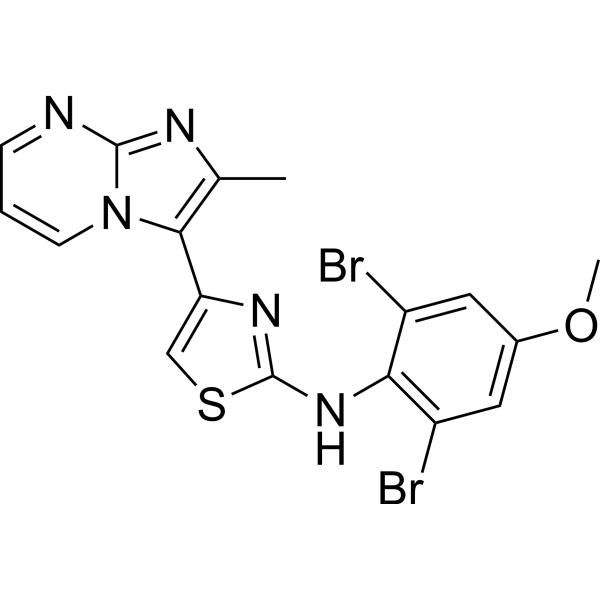
PTC-209
Based on 16 publication(s) in Google Scholar
PTC-209 is a specific BMI-1 inhibitor with an IC50 of 0.5 μM in HEK293T cell line. PTC-209 irreversibly impairs colorectal cancer-initiating cells (CICs). PTC-209 shows potent anti-myeloma activity and impairs the tumor microenvironment.
Nur für Forschungszwecke. Wir verkaufen nicht an Patienten.
- Reinheit : 99.76%
- CAS. Nr.: 315704-66-6
- Formel: C17H13Br2N5OS
- Molecular Weight:495.19
-
Speicherung:Powder -20°C, 3 years , 4°C, 2 years ; In solvent -80°C, 6 months , -20°C, 1 month

To place orders, for customer services and technical support, please contact: MedChemExpress USA
Tel: 609-228-6898 E-mail: [email protected] [email protected]


-
 Biologische Aktivität
-
Chemical Information
-
Lösungsmittel & Löslichkeit
- Protokoll
- Reinheit & Dokumentation
- Verweise
-
 Help & FAQs


-
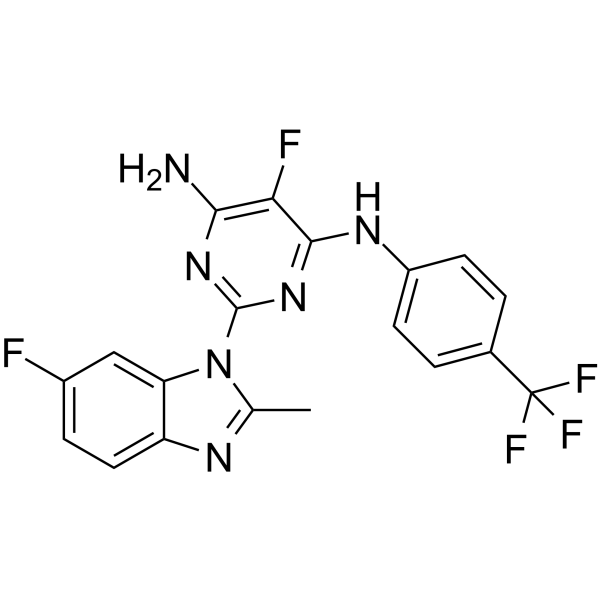
HY-112041
UnesbulinBMI-1 Inhibitor -
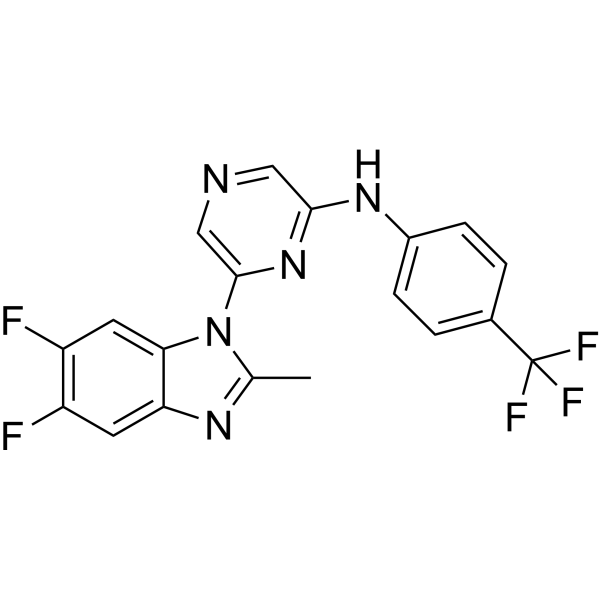
HY-103696
PTC-028BMI-1 Inhibitor -
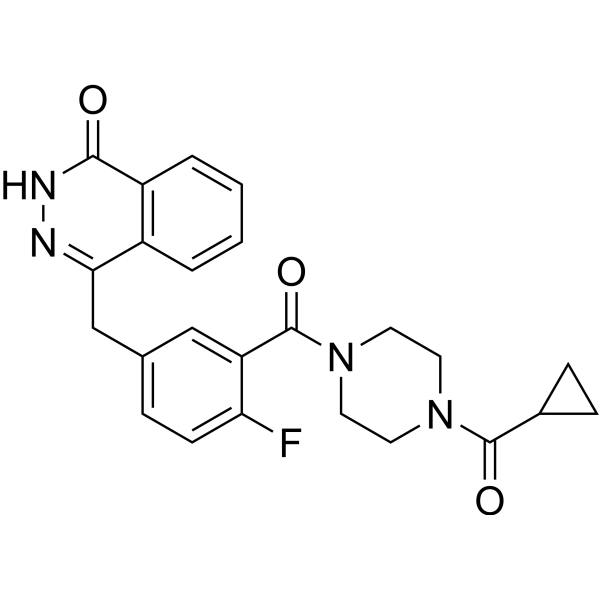
HY-10162
OlaparibPARP Inhibitor -
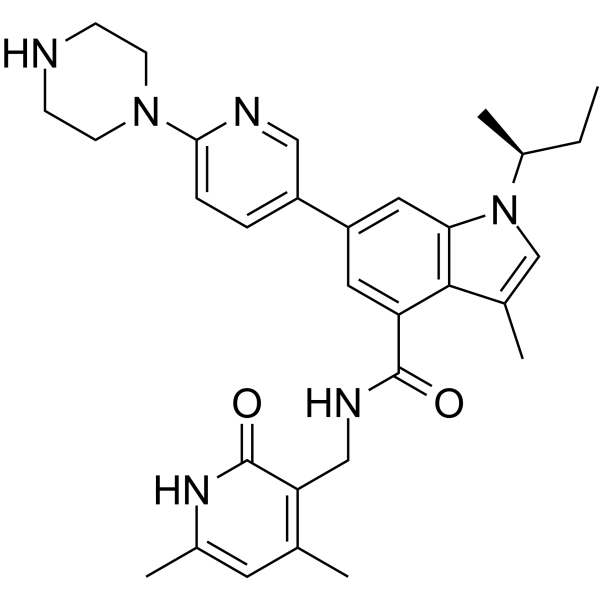
HY-13470
GSK126EZH2 Inhibitor -
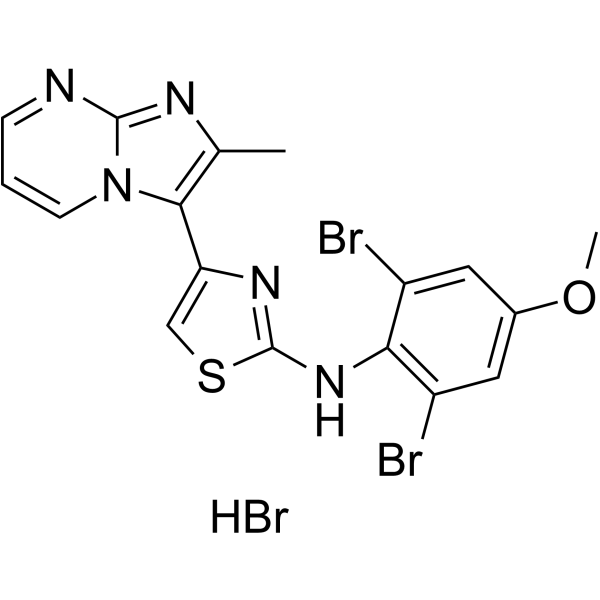
HY-15888A
PTC-209 hydrobromideBMI1 Inhibitor -
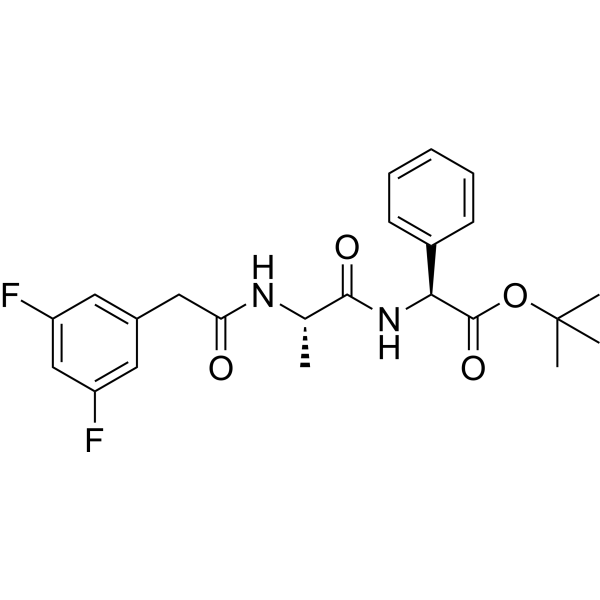
HY-13027
DAPTγ-secretase Inhibitor -
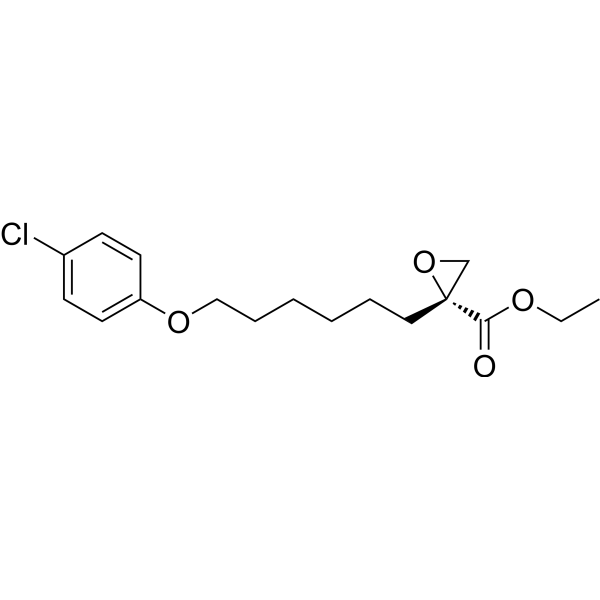
HY-50202
EtomoxirCPT1a Inhibitor -
HY-15202
BinimetinibMEK1/2 Inhibitor -
HY-112288
C188-9STAT3 Inhibitor -
HY-18300
FilgotinibJAK1 Inhibitor -
HY-10992
AZD-7762Chk Inhibitor -

HY-103696R
PTC-028 (Standard)Reference Standard
Publications Citing Use of MedChemExpress (MCE) PTC-209
More- Cell Stem Cell. 2017 May 4;20(5):621-634.e6. [Abstract]
- Adv Funct Mater. 2024 Oct 04.
- Nat Commun. 2018 Feb 5;9(1):500. [Abstract]
- ACS Nano. 2025 Apr 1;19(12):12237-12252. [Abstract]
- Cell Rep Med. 2025 May 20;6(5):102077. [Abstract]
- Pharmacol Res. 2021 Feb:164:105365. [Abstract]
- Mater Today Bio. 2025 Mar 29:32:101721. [Abstract]
- Acta Biomater. 2023 Oct 15:170:273-287. [Abstract]
- Oncogene. 2020 Jan;39(1):17-29. [Abstract]
- Apoptosis. 2015 Jan;20(1):75-82. [Abstract]
- Cancers (Basel). 2022 Dec 1;14(23):5947. [Abstract]
- J Biomed Mater Res A. 2025 Apr;113(4):e37909. [Abstract]
- Stem Cells Int. 2020 Aug 20:2020:8877577. [Abstract]
- Front Oncol. 2021 Mar 22:11:620295. [Abstract]
- Anticancer Res. 2024 Dec;44(12):5283-5292. [Abstract]
- University of Glasgow. 2022.
 Customer Validation & Images

-
WB
-
WB
-
WB


Biologische Aktivität
Beschreibung
IC50 & Target
IC50: 0.5 μM (BMI-1, in HT1080 tumor cells)[1]
Cellular Effect
|
Cell Line

|
Type | Value | Description | References |
|---|---|---|---|---|
| HCT-116 | IC50 |
0.65 nM
Compound: PTC-209
|
Antiproliferative activity against human HCT116 cells after 72 hrs by SRB assay
Antiproliferative activity against human HCT116 cells after 72 hrs by SRB assay
|
[PMID: 30429953] |
| HCT-116 | IC50 |
0.7 μM
Compound: PTC-209
|
Inhibition of Bmi1 protein expression in human HCT116 cells after 8 hrs by Western blot analysis
Inhibition of Bmi1 protein expression in human HCT116 cells after 8 hrs by Western blot analysis
|
[PMID: 30429953] |
| HCT-8 | IC50 |
0.59 μM
Compound: PTC-209
|
Antiproliferative activity against human HCT8 cells after 72 hrs by SRB assay
Antiproliferative activity against human HCT8 cells after 72 hrs by SRB assay
|
[PMID: 30429953] |
| HT-29 | IC50 |
0.61 μM
Compound: PTC-209
|
Antiproliferative activity against human HT-29 cells after 72 hrs by SRB assay
Antiproliferative activity against human HT-29 cells after 72 hrs by SRB assay
|
[PMID: 30429953] |
In Vitro
PTC-209 (0.01-10 μM; 24-72 hours) induces a concentration- and time-dependent decrease in the cellular viability of all cell lines tested[2].
PTC-209 (1-2.5 μM) inhibits STAT3 phosphorylation in A549 lung cancer cells and MDA-MB-231 breast cancer cells[2].
MedChemExpress (MCE) has not independently confirmed the accuracy of these methods. They are for reference only. Further protocols information, click here.
-
Cell Line:Lung (LNM35, A549 cells), breast (MDA-MB-231 and T47D cells), and colon (HT-29, HCT-116, and HCT8/S11 cells)
-
Concentration:0.01-10 µM
-
Incubation Time:24, 48, and 72 hour
-
Result:Induced a concentration- and time-dependent decrease in the cellular viability of all cell lines tested.
In Vivo
MedChemExpress (MCE) has not independently confirmed the accuracy of these methods. They are for reference only.
-
Animal Model:Nude mice (male, aged 8-10 weeks, HCT1116 cell-derived tumor)[1]
-
Dosage:60 mg/kg body weight
-
Administration:Subcutaneously; once a day for 11 days
-
Result:Significantly reduced tumor volume


Chemical Information
-
CAS. Nr. 315704-66-6
-
Appearance Solid
-
Molecular Weight 495.19
-
Formel C17H13Br2N5OS
-
Color Light yellow to green yellow
-
SMILES
CC1=C(C2=CSC(NC3=C(Br)C=C(OC)C=C3Br)=N2)N4C=CC=NC4=N1
-
Versand
Room temperature in continental US; may vary elsewhere.
-
Speicherung
Powder -20°C 3 years 4°C 2 years In solvent -80°C 6 months -20°C 1 month


Publications (16)
-
Journal Impact Factor
-
Most Recent
-
Cell Stem Cell
Targeting BMI1+ Cancer Stem Cells Overcomes Chemoresistance and Inhibits Metastases in Squamous Cell Carcinoma. [Abstract]2017 May 4;20(5):621-634.e6. PMID: 28285905
PTC-209 purchased from MedChemExpress. Usage Cited in: Cell Stem Cell. 2017 May 4;20(5):621-634.e6. [Abstract]
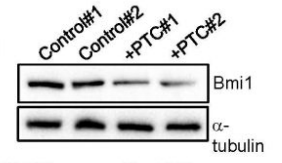
The Combination Therapy of Cisplatin Plus PTC-209 Potently Eradicates Bmi1+ CSCs and Inhibits Tumor Progression by Lineage Tracing. Western blots show that Bmi1 is reduced in tumors treated with PTC-209.
-
-
Nat Commun
BMI1 regulates androgen receptor in prostate cancer independently of the polycomb repressive complex 1. [Abstract]2018 Feb 5;9(1):500. PMID: 29402932
PTC-209 purchased from MedChemExpress. Usage Cited in: Nat Commun. 2018 Feb 5;9(1):500. [Abstract]
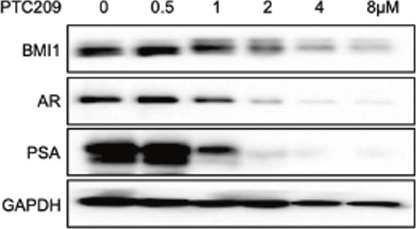
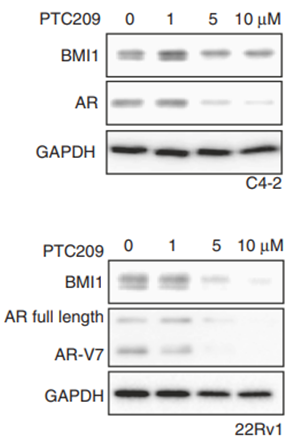
BMI1-specific antagonist inhibits androgen receptor (AR)-signaling pathway. C4-2 or 22Rv1 is treated with PTC209 in indicated concentration for 48 h, BMI1 and AR are tested by western blot, and GAPDH served as loading control.
-
ACS Nano
A Hybrid Manganese Nanoparticle Simultaneously Eliminates Cancer Stem Cells and Activates STING Pathway to Potentiate Cancer Immunotherapy. [Abstract]2025 Apr 1;19(12):12237-12252. PMID: 40116158 -
Cell Rep Med
2025 May 20;6(5):102077. PMID: 40239645 -
Pharmacol Res
Bmi1 drives the formation and development of intrahepatic cholangiocarcinoma independent of Ink4A/Arf repression. [Abstract]2021 Feb:164:105365. PMID: 33307220 -
Mater Today Bio
CD44-targeted virus-mimicking nanomedicine eliminates cancer stem cells and mitigates chemoresistance in head and neck squamous cell carcinoma. [Abstract]2025 Mar 29:32:101721. PMID: 40242481 -
Acta Biomater
Core-Shell Cisplatin/SiO2 Nanocapsules Combined with PTC-209 Overcome Chemotherapy-Acquired and Intrinsic Resistance in Hepatocellular Carcinoma. [Abstract]2023 Oct 15:170:273-287. PMID: 37597681 -
Oncogene
BMI1 is directly regulated by androgen receptor to promote castration-resistance in prostate cancer. [Abstract]2020 Jan;39(1):17-29. PMID: 31462713
PTC-209 purchased from MedChemExpress. Usage Cited in: Oncogene. 2020 Jan;39(1):17-29. [Abstract]
BMI1 inhibitor delays CRPC progression in vivo. C4-2 cells are treated with PTC209.
-
Apoptosis
MiR-218-targeting-Bmi-1 mediates the suppressive effect of 1,6,7-trihydroxyxanthone on liver cancer cells. [Abstract]2015 Jan;20(1):75-82. PMID: 25416134 -
Cancers (Basel)
Glucose and Cell Context-Dependent Impact of BMI-1 Inhibitor PTC-209 on AKT Pathway in Endometrial Cancer Cells. [Abstract]2022 Dec 1;14(23):5947. PMID: 36497428 -
J Biomed Mater Res A
Targeting Dysregulated Epigenetic Modifiers With Kidney-Targeted Nanotherapeutics for Polycystic Kidney Disease. [Abstract]2025 Apr;113(4):e37909. PMID: 40200735 -
Stem Cells Int
Bmi1 Severs as a Potential Tumor-Initiating Cell Marker and Therapeutic Target in Esophageal Squamous Cell Carcinoma. [Abstract]2020 Aug 20:2020:8877577. PMID: 32884573 -
Front Oncol
2021 Mar 22:11:620295. PMID: 33828977 -
Anticancer Res
Resveratrol Can Differentiate Human Melanoma Stem-like Cells from Spheroids Treated With All-trans Retinoic Acid. [Abstract]2024 Dec;44(12):5283-5292. PMID: 39626925 -


Lösungsmittel & Löslichkeit
In Vitro:
DMSO : ≥ 32 mg/mL (64.62 mM; Hygroscopic DMSO has a significant impact on the solubility of product, please use newly opened DMSO)
* "≥" means soluble, but saturation unknown.
Please refer to the solubility information to select the appropriate solvent. Once prepared, please aliquot and store the solution to prevent product inactivation from repeated freeze-thaw cycles.
Storage method and period of stock solution: -80°C, 6 months; -20°C, 1 month. When stored at -80°C, please use it within 6 months. When stored at -20°C, please use it within 1 month.
Please refer to the solubility information to select the appropriate solvent. Once prepared, please aliquot and store the solution to prevent product inactivation from repeated freeze-thaw cycles.
Storage method and period of stock solution: -80°C, 6 months; -20°C, 1 month. When stored at -80°C, please use it within 6 months. When stored at -20°C, please use it within 1 month.
Konzentration (Stammlösung) × Volumen (Stammlösung) = Konzentration (Ziellösung) × Volumen (Ziellösung)
In Vivo:
Select the appropriate dissolution method based on your experimental animal and administration route.
- For the following dissolution methods, please ensure to first prepare a clear stock solution using an In Vitro approach and then sequentially add co-solvents:
- To ensure reliable experimental results, the clarified stock solution can be appropriately stored based on storage conditions. As for the working solution for In Vivo experiments, it is recommended to prepare freshly and use it on the same day.
- The percentages shown for the solvents indicate their volumetric ratio in the final prepared solution. If precipitation or phase separation occurs during preparation, heat and/or sonication can be used to aid dissolution.
Add each solvent one by one: 10% DMSO 40% PEG300 5% Tween-80 45% Saline
Solubility: 2.5 mg/mL (5.05 mM); Suspended solution; Need ultrasonic
This protocol yields a suspended solution of 2.5 mg/mL. Suspended solution can be used for oral and intraperitoneal injection.
Taking 1 mL working solution as an example, add 100 μL DMSO stock solution (25.0 mg/mL) to 400 μL PEG300, and mix evenly; then add 50 μL Tween-80 and mix evenly; then add 450 μL Saline to adjust the volume to 1 mL.
Preparation of Saline: Dissolve 0.9 g sodium chloride in ddH₂O and dilute to 100 mL to obtain a clear Saline solution.
In Vivo Dissolution Calculator
Please enter the basic information of animal experiments:
-
-
-
-
Recommended: Prepare an additional quantity of animals to account for potential losses during experiments.
Please enter your animal formula composition:
-
%DMSO +
Recommended: Keep the proportion of DMSO in working solution below 2% if your animal is weak.
-
%+
-
+%Tween-80 + +
-
%Saline +
The co-solvents required include: DMSO, . All of co-solvents are available by MedChemExpress (MCE). , Tween 80. All of co-solvents are available by MedChemExpress (MCE).
Working solution concentration: 0.22 mg/mL
Method for preparing stock solution: mg drug dissolved in μL DMSO. Stock solution concentration: mg/mL.
1. Take μL DMSO stock solution;
2. Add μL .
μL , mix evenly;
3. Then add μL Tween 80, mix evenly;
4. Then add μL
Please ensure that the stock solution in the first step is dissolved to a clear state, and add co-solvents in sequence. You can use ultrasonic heating (ultrasonic cleaner, recommended frequency 20-40 kHz), vortexing, etc. to assist dissolution.

Protokoll
-
Multiplex immunofluorescence IHC
Multiplex immunofluorescence IHC detects multiple protein biomarkers in one tissue section by sequential antibody staining, HRP-mediated tyramide fluorophore deposition, heat-mediated antibody stripping, nuclear counterstaining, multispectral imaging, spectral unmixing, and digital cell phenotyping; TSA deposits fluorophore near the antigen so the fluorescence signal remains after primary and secondary antibodies are removed, enabling repeated staining cycles, including with antibodies from the same host species. Classic FFPE tumor immune-profiling applications use panels such as CD3, CD8, CD68/CD163, FOXP3, PD-1, PD-L1, pancytokeratin, Ki67, and DAPI to identify tumor cells, immune-cell subsets, checkpoint-marker expression, co-expression phenotypes, cell density, and spatial relationships in the tumor microenvironment.
-
Multiplex immunohistochemistry
Multiplex immunohistochemistry (mIHC), also known as tyramide dignal amplification (TSA), is an enzymatic detection method that uses horseradish peroxidase (HRP) to perform high-density in-situ labeling of target proteins or nucleic acids.
-
Research Protocol for Cancer Immunology
Cancer immunology studies how the immune system recognizes, suppresses, edits, or fails to eliminate malignant cells through tumor antigen release, antigen presentation, T-cell priming, immune trafficking, tumor-cell killing, and feedback inhibition in the tumor microenvironment. The cancer-immunity cycle links tumor antigenicity, dendritic-cell priming, CD8+ T-cell infiltration, cytotoxic function, and immune-checkpoint regulation to tumor rejection or immune escape. Immune-checkpoint pathways such as PD-1/PD-L1 and CTLA-4 suppress antitumor T-cell activity and can be therapeutically blocked, but many tumors remain resistant because of poor antigen presentation, weak T-cell infiltration, suppressive myeloid cells, regulatory T cells, and tumor-intrinsic immune-exclusion programs. Unresolved questions include which immune-cell states predict response, how tumor-intrinsic pathways exclude immune cells, how myeloid suppression limits checkpoint blockade, and which combination strategies


Reinheit & Dokumentation
-
Data Sheet (279 KB)
-
SDS (393 KB)
- English - EN (393 KB)
- Français - FR (393 KB)
- Deutsch - DE (393 KB)
- Norwegian - NO (393 KB)
- Español - ES (393 KB)
- Swedish - SV (393 KB)
- Italian - IT (393 KB)
- Korean - KR (393 KB)
- Portuguese - PT (393 KB)
-
Handling Instructions (2659 KB)
Verweise
[1]. Kreso A, et al. Self-renewal as a therapeutic target in human colorectal cancer. Nat Med. 2014 Jan;20(1):29-36. [Content Brief]
[2]. Sulaiman S, et al. PTC-209 Anti-Cancer Effects Involved the Inhibition of STAT3 Phosphorylation. Front Pharmacol. 2019;10:1199. Published 2019 Oct 21. [Content Brief]
[3]. Chen D, et al. Targeting BMI1+ Cancer Stem Cells Overcomes Chemoresistance and Inhibits Metastases in Squamous Cell Carcinoma. Cell Stem Cell. 2017 May 4;20(5):621-634.e6. [Content Brief]


Complete Stock Solution Preparation Table
Please refer to the solubility information to select the appropriate solvent. Once prepared, please aliquot and store the solution to prevent product inactivation from repeated freeze-thaw cycles.
Storage method and period of stock solution: -80°C, 6 months; -20°C, 1 month. When stored at -80°C, please use it within 6 months. When stored at -20°C, please use it within 1 month.
| Optional Solvent | Concentration Solvent Mass | 1 mg | 5 mg | 10 mg | 25 mg |
|---|---|---|---|---|---|
| DMSO | 1 mM | 2.0194 mL | 10.0971 mL | 20.1943 mL | 50.4857 mL |
| 5 mM | 0.4039 mL | 2.0194 mL | 4.0389 mL | 10.0971 mL | |
| 10 mM | 0.2019 mL | 1.0097 mL | 2.0194 mL | 5.0486 mL | |
| 15 mM | 0.1346 mL | 0.6731 mL | 1.3463 mL | 3.3657 mL | |
| 20 mM | 0.1010 mL | 0.5049 mL | 1.0097 mL | 2.5243 mL | |
| 25 mM | 0.0808 mL | 0.4039 mL | 0.8078 mL | 2.0194 mL | |
| 30 mM | 0.0673 mL | 0.3366 mL | 0.6731 mL | 1.6829 mL | |
| 40 mM | 0.0505 mL | 0.2524 mL | 0.5049 mL | 1.2621 mL | |
| 50 mM | 0.0404 mL | 0.2019 mL | 0.4039 mL | 1.0097 mL | |
| 60 mM | 0.0337 mL | 0.1683 mL | 0.3366 mL | 0.8414 mL |


PTC-209 Related Classifications
HY-15888 Related Classifications
 Powered by Bioz