58 Results for "

ASNS Inhibitors

" in MedChemExpress (MCE) Product Catalog:
Products (58)

58 Results for "ASNS Inhibitors" in MCE Product Catalog:

10
10 Publications Verification
Cat. No.: HY-128923
CAS No.: 320386-54-7
Purity:  96.35%
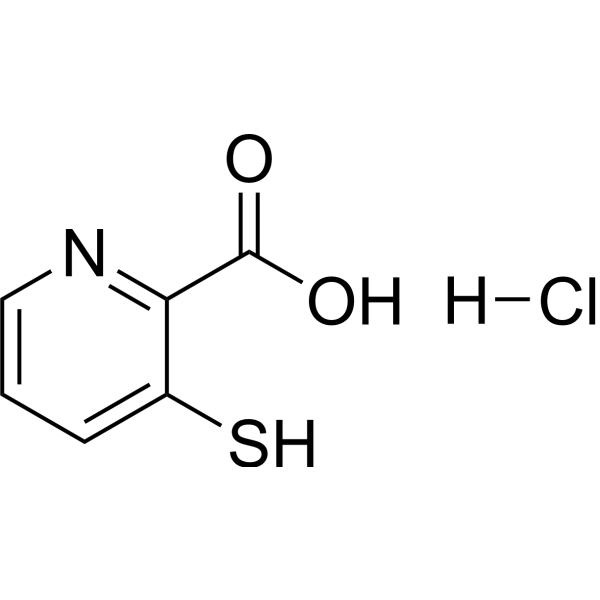
Synonyms: 3-Mercaptopicolinic acid hydrochloride; 3-MPA hydrochloride
Target:  

PEPCK

Research Areas:  

Metabolic Disease

SKF-34288 (3-Mercaptopicolinic acid) hydrochloride is an orally active phosphoenolpyruvate carboxykinase (PEPCK) inhibitor (Ki: 2-9 μM). SKF-34288 hydrochloride is a potent hypoglycemic agent by inhibiting glucose synthesis. SKF-34288 hydrochloride also inhibits Asn metabolism and increases amino acids and amides .
loading...
    loading...
8
8 Cited Publications
Cat. No.: HY-112205A
CAS No.: 685543-66-2
Purity:  98.52%
Target:  

Parasite Legumain

Research Areas:  

Infection

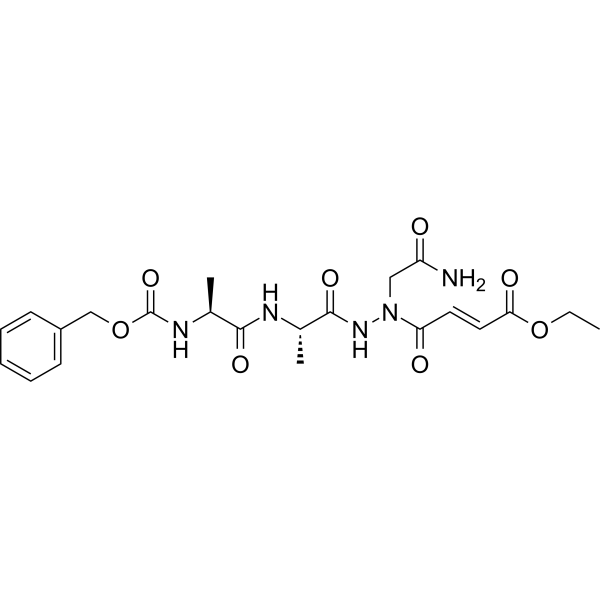
RR-11a analog is a potent and irreversible inhibitor of Schistosoma mansoni legumain, with an IC50 of 31 nM. RR-11a analog is an aza-Asn derivative and aza-peptide Michael acceptor .
loading...
    loading...
7
7 Cited Publications
Cat. No.: HY-128946
CAS No.: 1279680-68-0
Purity:  99.07%
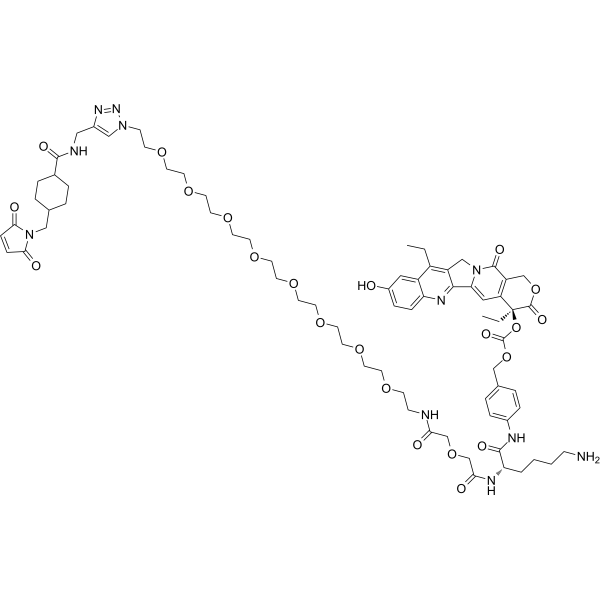
CL2A-SN-38 is a agent-linker conjugate composed of a potent a DNA Topoisomerase I inhibitor SN-38 and a linker CL2A to make antibody agent conjugate (ADC). CL2A-SN-38 provides significant and specific antitumor effects against a range of human solid tumor types. CL2A-SN-38 uses hydrolyzable linker to deliver active agents within tumor cells and in the tumor microenvironment, resulting in bystander effects .
loading...
    loading...
7
7 Cited Publications
Cat. No.: HY-136579
CAS No.: 2055597-12-9
Purity:  99.70%
Synonyms: ERK-IN-3
Target:  

ERK

Research Areas:  

Cancer

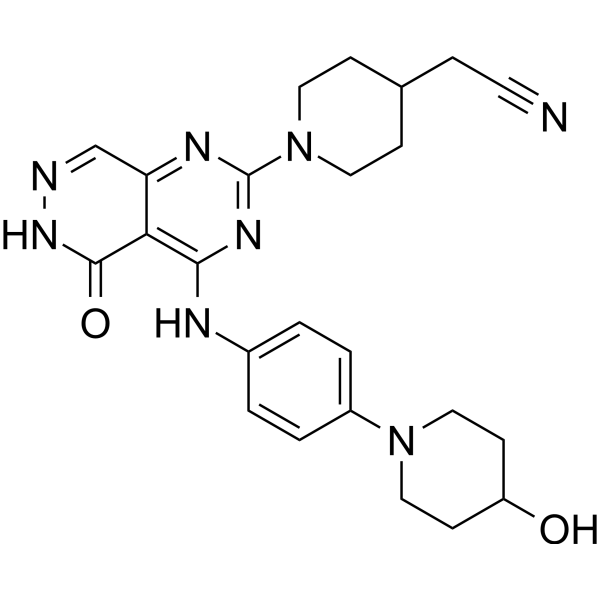
ASN007 (ERK-IN-3) is a potent and orally active inhibitor of ERK. ASN007 inhibits ERK1/2 with low single-digit nM IC50 values. ASN007 exhibits significant anti proliferative activity against various tumor cells. ASN007 can be used for the research of cancers driven by RAS mutations .
loading...
    loading...
7
7 Cited Publications
Cat. No.: HY-136579A
CAS No.: 2055597-39-0
Purity:  99.72%
Synonyms: ERK-IN-3 benzenesulfonate
Target:  

ERK

Research Areas:  

Cancer

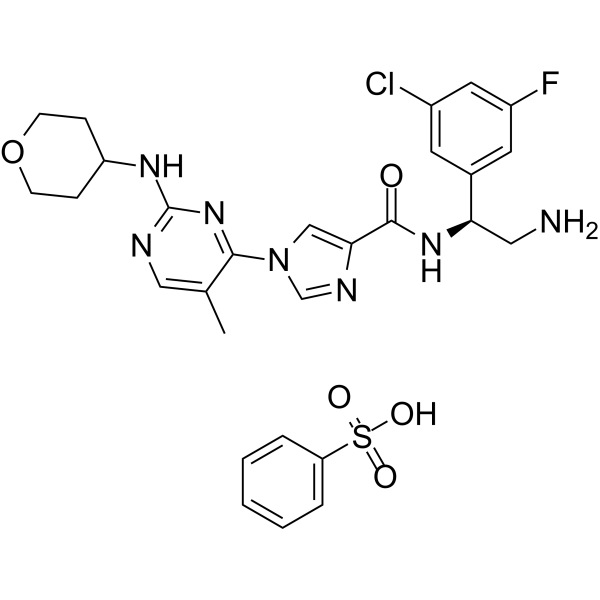
ASN007 (ERK-IN-3) benzenesulfonate is a potent and orally active inhibitor of ERK. ASN007 benzenesulfonate inhibits ERK1/2 with low single-digit nM IC50 values. ASN007 benzenesulfonate exhibits significant anti proliferative activity against various tumor cells. ASN007 benzenesulfonate can be used for the research of cancers driven by RAS mutations .
loading...
    loading...
5
5 Cited Publications
Cat. No.: HY-N0667
CAS No.: 70-47-3
Synonyms: (-)-Asparagine; Asn; Asparamide
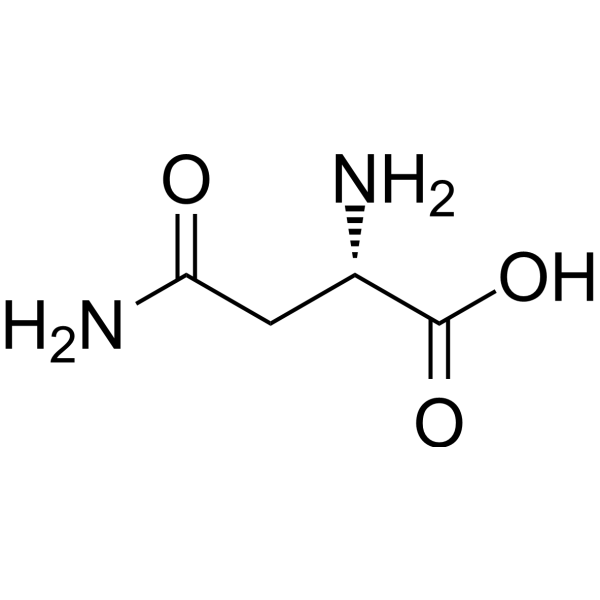
L-Asparagine is an essential amino acid for leukemic cells and a substrate for L-Asparaginase. L-Asparaginase is a potent anti-leukemic enzyme that promotes asparagine (Asn) and glutamine (Gln) depletion and inhibits protein biosynthesis in lymphoblasts. Removal of L-asparagine from plasma by L-Asparaginase results in inhibition of RNA and DNA synthesis and subsequent apoptosis. L-Asparaginase has cell-killing ability in vitro and in vivo, and selectively inhibits the growth of cancer cells with low asparagine synthetase (AASNS) expression. L-Asparagine can be used as a biomarker and sensor for the study of childhood acute lymphoblastic leukemia .
loading...
    loading...
5
5 Cited Publications
Cat. No.: HY-W017443
CAS No.: 5794-13-8
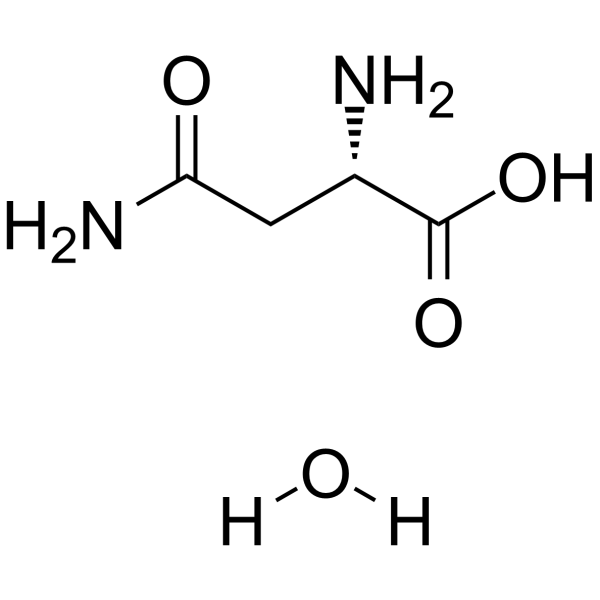
L-Asparagine monohydrate is an essential amino acid for leukemic cells and a substrate for L-Asparaginase. L-Asparaginase is a potent anti-leukemic enzyme that promotes asparagine (Asn) and glutamine (Gln) depletion and inhibits protein biosynthesis in lymphoblasts. Removal of L-asparagine from plasma by L-Asparaginase results in inhibition of RNA and DNA synthesis and subsequent apoptosis. L-Asparaginase has cell-killing ability in vitro and in vivo, and selectively inhibits the growth of cancer cells with low asparagine synthetase (AASNS) expression. L-Asparagine monohydrate can be used as a biomarker and sensor for the study of childhood acute lymphoblastic leukemia .
loading...
    loading...
3
3 Cited Publications
Cat. No.: HY-114174
CAS No.: 220701-06-4
Purity:  99.13%
Target:  

Amyloid-β

Research Areas:  

Neurological Disease

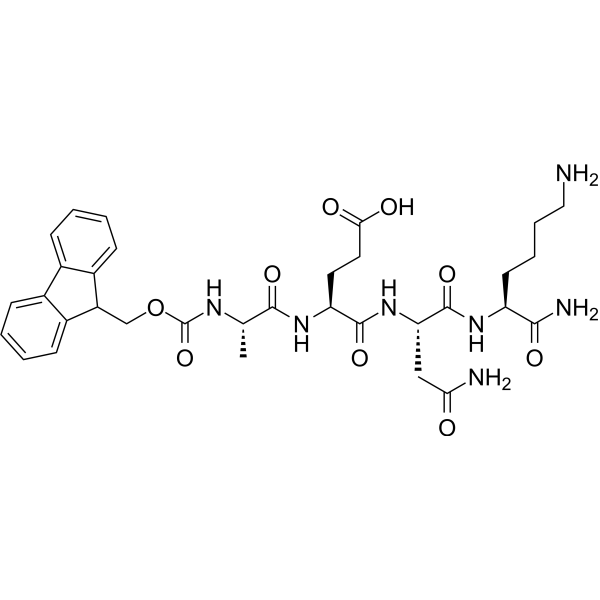
Fmoc-Ala-Glu-Asn-Lys-NH2 is a selective asparagine endopeptidase (AEP) inhibitor peptide and suppresses amyloid precursor protein (APP) cleavage. AEP, a pH-controlled cysteine proteinase, is activated during ageing and mediates APP proteolytic processing .
loading...
    loading...
1
1 Cited Publications
Cat. No.: HY-103018
CAS No.: 1425381-60-7
Purity:  99.41%
Synonyms: ASN-002
Target:  

JAK Syk

Research Areas:  

Inflammation/Immunology Cancer

Gusacitinib (ASN-002) is an orally active dual SYK/JAK kinase inhibitor with IC50 values of 5, 46, 4, 11 and 8 nM for SYK, JAK1, JAK2, JAK3 and TYK2, respectively. Gusacitinib rapidly and significantly suppressed key inflammatory pathways implicated in atopic dermatitis pathogenesis. Gusacitinib can be used in the research of chronic hand eczema and cancers such as basal cell carcinoma .
loading...
    loading...
1
1 Cited Publications
Cat. No.: HY-N0667S2
CAS No.: 287484-32-6
Synonyms: (-)-Asparagine-15N2 monohydrate; Asn-15N2 monohydrate; Asparamide-15N2 monohydrate
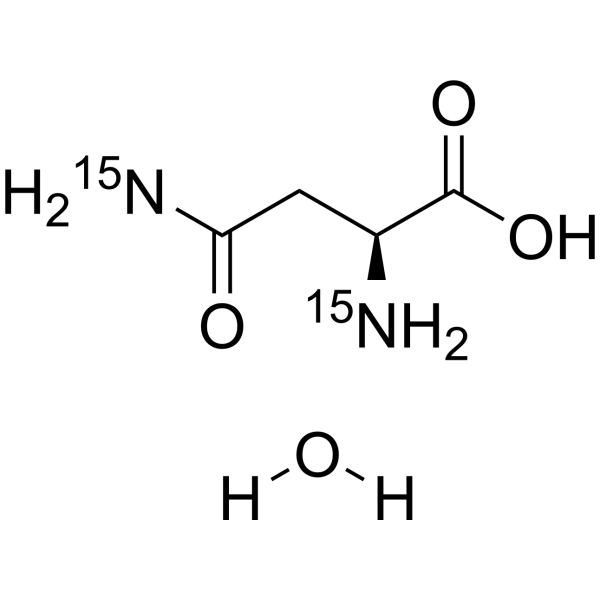
L-Asparagine- 15N2 monohydrate is the 15N-labeled L-Asparagine monohydrate (HY-W017443). L-Asparagine monohydrate is an essential amino acid for leukemic cells and a substrate for L-Asparaginase. L-Asparaginase is a potent anti-leukemic enzyme that promotes asparagine (Asn) and glutamine (Gln) depletion and inhibits protein biosynthesis in lymphoblasts. Removal of L-asparagine from plasma by L-Asparaginase results in inhibition of RNA and DNA synthesis and subsequent apoptosis. L-Asparaginase has cell-killing ability in vitro and in vivo, and selectively inhibits the growth of cancer cells with low asparagine synthetase (AASNS) expression. L-Asparagine monohydrate can be used as a biomarker and sensor for the study of childhood acute lymphoblastic leukemia .
loading...
    loading...
1
1 Cited Publications
Cat. No.: HY-N0667S5
CAS No.: 2483831-59-8
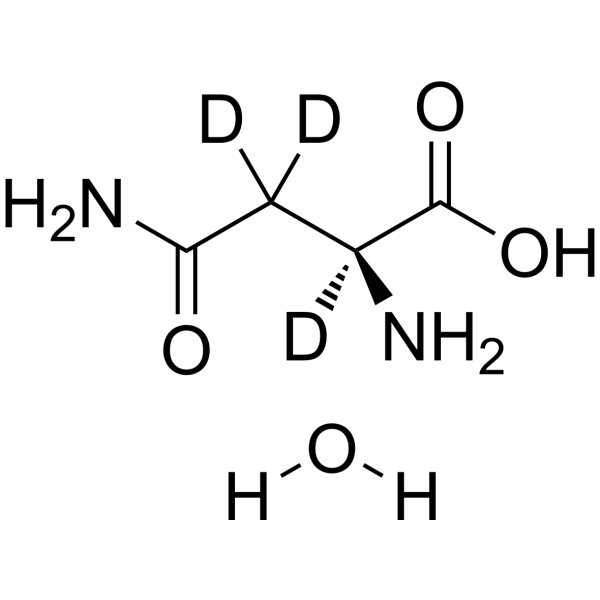
L-Asparagine-d3 hydrate is the deuterium labeled L-Asparagine (HY-N0667). L-Asparagine is an essential amino acid for leukemic cells and a substrate for L-Asparaginase. L-Asparaginase is a potent anti-leukemic enzyme that promotes asparagine (Asn) and glutamine (Gln) depletion and inhibits protein biosynthesis in lymphoblasts. Removal of L-asparagine from plasma by L-Asparaginase results in inhibition of RNA and DNA synthesis and subsequent apoptosis. L-Asparaginase has cell-killing ability in vitro and in vivo, and selectively inhibits the growth of cancer cells with low asparagine synthetase (AASNS) expression. L-Asparagine can be used as a biomarker and sensor for the study of childhood acute lymphoblastic leukemia .
loading...
    loading...
1
1 Cited Publications
Cat. No.: HY-125028
CAS No.: 1473404-51-1
Purity:  98.53%
Target:  

Src HIV

Research Areas:  

Infection

Hck-IN-1 (compound B9), a diphenylpyrazolo compound, is a selective Nef-dependent Hck inhibitor with IC50s of 2.8 μM, >20 μM for Nef:Hck complex and Hck, respectively. Hck-IN-1 is a direct and wide HIV-1 Nef antagonists with an IC50 of 100-300 nM for wild-type HIV-1 replication. Hck-IN-1 binds pocket residue Asn126 and has anti-retroviral activity .
loading...
    loading...
Cat. No.: HY-175282
CAS No.: 2748800-08-8
Research Areas:  

Cancer

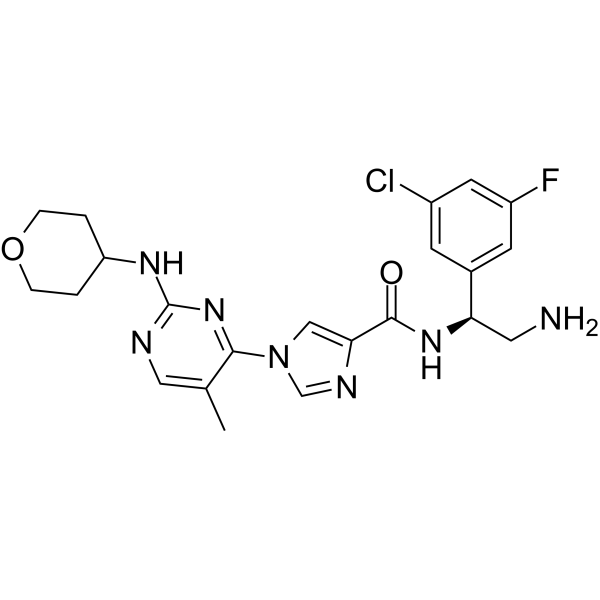
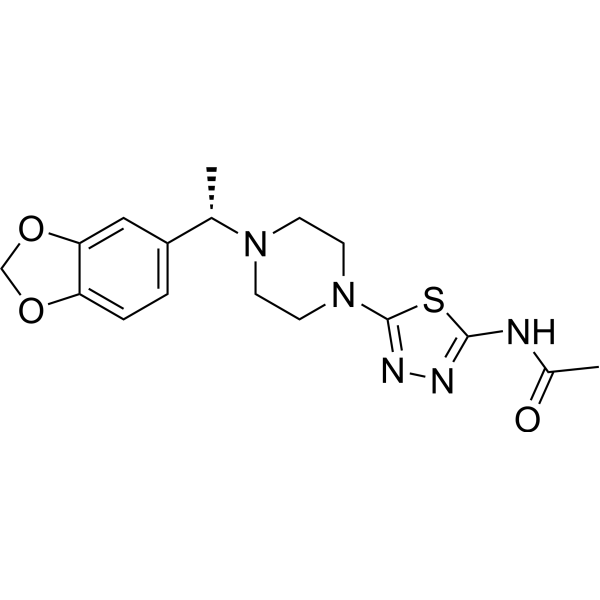
ASX-173 is an orally active inhibitor of asparagine synthetase (ASNS) (IC50 = 0.113 μM, Ki = 0.4 nM). ASX-173 enhances the anticancer activity of L-asparaginase (ASNase) (HY-P1923). ASX-173 disrupts nucleotide synthesis and induces leukemia cell cycle arrest, apoptosis and autophagy in leukemia cells in combination with ASNase. ASX-173 slows the growth of OCI-AML2 xenografts in combination with ASNase. ASX-173 is indicated for the study of acute lymphoblastic leukemia, acute myeloid leukemia, colorectal cancer, and other cancers .
loading...
    loading...
Cat. No.: HY-W010378
CAS No.: 2058-58-4
Synonyms: H-D-Asn-OH
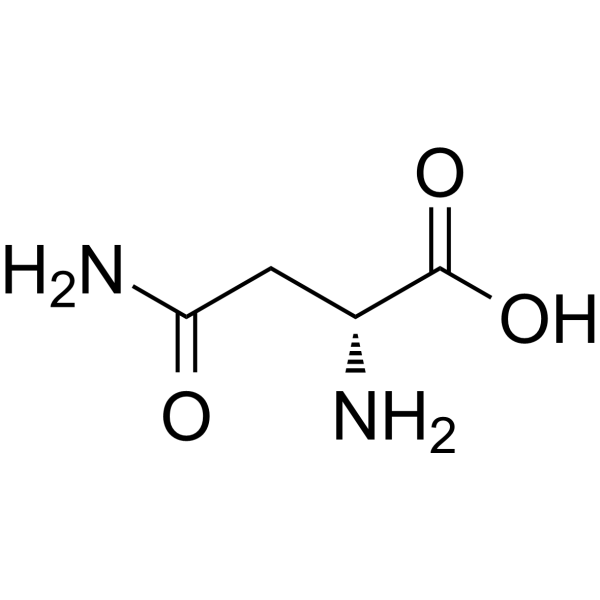
D-Asparagine (H-D-Asn-OH) acts as a competitive inhibitor of L-asparagine hydrolysis, with a Ki value of 0.24 mM. D-Asparagine serves as a nitrogen source for yeast strains. D-Asparagine is a good substrate for external yeast asparaginase but a poor substrate for internal yeast asparaginase .
loading...
    loading...
Cat. No.: HY-156586
CAS No.: 1884154-02-2
Purity:  99.63%
Synonyms: ASN90
Target:  

OGA Tau Protein

Research Areas:  

Neurological Disease

Egalognastat (ASN90) is a selective, brain-penetrant and orally active O-GlcNAcase (OGA) enzyme inhibitor with an IC50 value of 10.2 nM. Egalognastat increases O-GlcNAcylation of intracellular proteins like tau and α-synuclein, preventing their aggregation and toxicity. Egalognastat does not inhibit hexosaminidase (Hex). Egalognastat can be used for the research of neurodegenerative diseases, such as tauopathies and α-synucleinopathies (e.g., Alzheimer’s disease and Parkinson’s disease) .
loading...
    loading...
Cat. No.: HY-P1962
CAS No.: 350228-37-4
Synonyms: [Asn670, Sta671, Val672]-Amyloid β Peptide (662-675)
Target:  

Beta-secretase

Research Areas:  

Neurological Disease

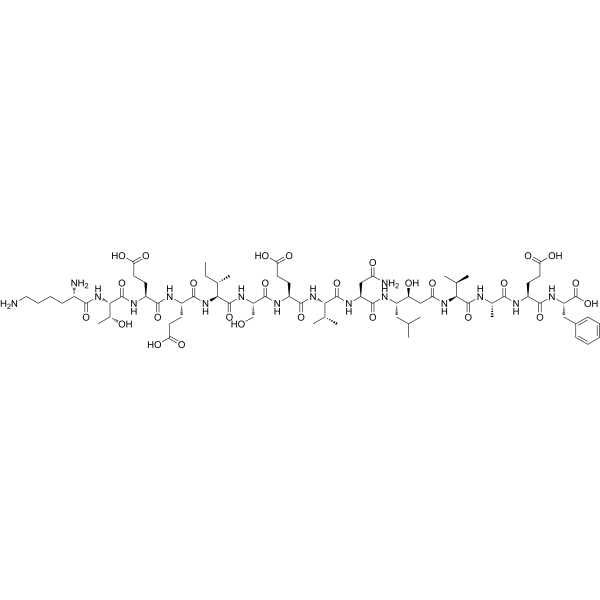
β-Secretase inhibitor ([Asn670, Sta671, Val672]-Amyloid β Peptide (662-675)) is a β-secretase and BACE1 inhibitor (IC50: 25 nM for β-secretase) .
loading...
    loading...
Cat. No.: HY-139147
CAS No.: 516478-09-4
Purity:  99.52%
Synonyms: ASN05260065
Target:  

Src

Research Areas:  

Infection Cancer

iHCK-37 (ASN05260065) is a potent and specific Hck inhibitor with a Ki value of 0.22 μM. iHCK-37 blocks HIV-1 viral replication with an EC50 value of 12.9 μM. iHCK-37 is used for chronic myeloid leukemia (CML) research .
loading...
    loading...
Cat. No.: HY-108585A
CAS No.: 1222810-74-3
Purity:  98.81%
Target:  

Potassium Channel

Research Areas:  

Neurological Disease

VU591 is a selective inhibitor of the renal outer medullary potassium channel (ROMK, Kir1.1). VU591 inhibits ROMK via binding to the intracellular pore region near residues Val168 and Asn171, with IC50 of 240 nM in Tl + flux assay and 300 nM in whole cell patch clamp electrophysiology, suppresses native ROMK mediated K + secretion in isolated perfused rat collecting ducts, and exerts antidepressive effects in the mouse tail suspension test (TST). VU591 can be used for the study of ROMK channel function, renal potassium handling, antidepressant mechanisms, and diuretic drug discovery .
loading...
    loading...
Cat. No.: HY-N0667R
CAS No.: 70-47-3
Synonyms: (-)-Asparagine (Standard); Asn (Standard); Asparamide (Standard)
L-Asparagine (Standard) is the analytical standard of L-Asparagine (HY-N0667). This product is intended for research and analytical applications. L-Asparagine is an essential amino acid for leukemic cells and a substrate for L-Asparaginase. L-Asparaginase is a potent anti-leukemic enzyme that promotes asparagine (Asn) and glutamine (Gln) depletion and inhibits protein biosynthesis in lymphoblasts. Removal of L-asparagine from plasma by L-Asparaginase results in inhibition of RNA and DNA synthesis and subsequent apoptosis. L-Asparaginase has cell-killing ability in vitro and in vivo, and selectively inhibits the growth of cancer cells with low asparagine synthetase (AASNS) expression. L-Asparagine can be used as a biomarker and sensor for the study of childhood acute lymphoblastic leukemia .
loading...
    loading...
Cat. No.: HY-W017443S
CAS No.: 202406-87-9
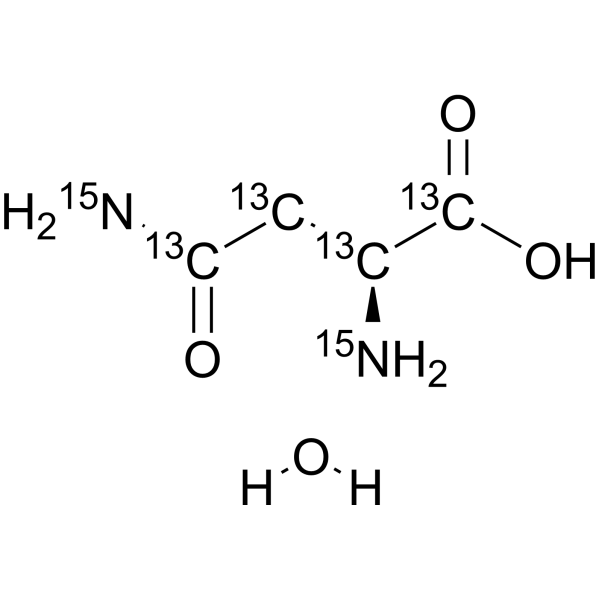
L-Asparagine- 13C4, 15N2 monohydrateis the 13C-labeled and 15N-labeled L-Asparagine monohydrate (HY-W017443). L-Asparagine monohydrate is an essential amino acid for leukemic cells and a substrate for L-Asparaginase. L-Asparaginase is a potent anti-leukemic enzyme that promotes asparagine (Asn) and glutamine (Gln) depletion and inhibits protein biosynthesis in lymphoblasts. Removal of L-asparagine from plasma by L-Asparaginase results in inhibition of RNA and DNA synthesis and subsequent apoptosis. L-Asparaginase has cell-killing ability in vitro and in vivo, and selectively inhibits the growth of cancer cells with low asparagine synthetase (AASNS) expression. L-Asparagine monohydrate can be used as a biomarker and sensor for the study of childhood acute lymphoblastic leukemia .
loading...
    loading...

