1. Search Result
Search Result
Results for "

ATP binding

" in MedChemExpress (MCE) Product Catalog:

272

Inhibitors & Agonists

3

Screening Libraries

10

Fluorescent Dyes

6

Biochemical Assay Reagents

5

Peptides

26

Natural
Products

14

Recombinant Proteins

5

Isotope-Labeled Compounds

38

Antibodies

Cat. No. Product Name Target Research Areas Chemical Structure
  • HY-15463
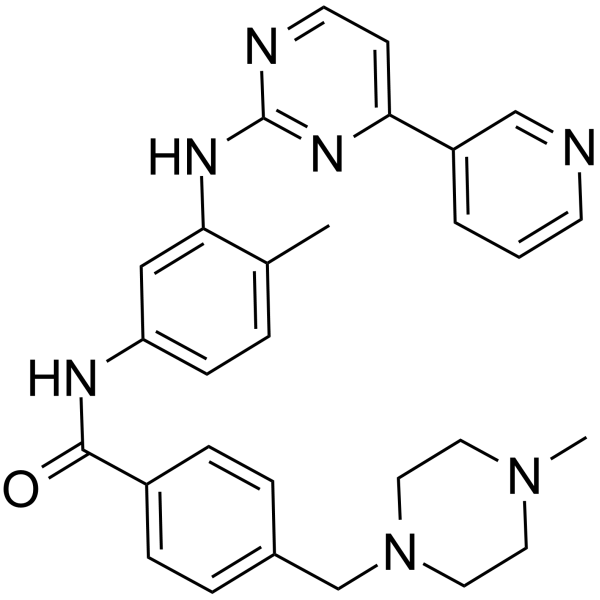
    Imatinib
    Maximum Cited Publications
    120 Publications Verification

    STI571; CGP-57148B

    Bcr-Abl PDGFR c-Kit SARS-CoV Autophagy Cancer
    Imatinib (STI571) is an orally bioavailable tyrosine kinases inhibitor that selectively inhibits BCR/ABL, v-Abl, PDGFR and c-kit kinase activity. Imatinib (STI571) works by binding close to the ATP binding site, locking it in a closed or self-inhibited conformation, therefore inhibiting the enzyme activity of the protein semicompetitively . Imatinib also is an inhibitor of SARS-CoV and MERS-CoV .
    Imatinib
  • HY-10010
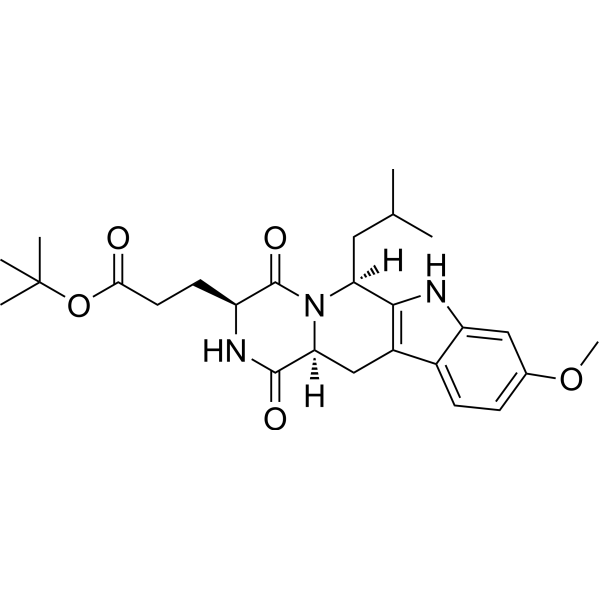
    Ko 143
    45+ Cited Publications

    BCRP Cancer
    Ko 143 is a potent and selective ATP-binding cassette subfamily G member 2 (ABCG2/BCRP) inhibitor. Ko 143 displays >200-fold selectivity over P-gp and MRP-1 transporters .
    Ko 143
  • HY-101562
    Inavolisib
    5+ Cited Publications

    GDC-0077; RG6114

    PI3K Apoptosis Cancer
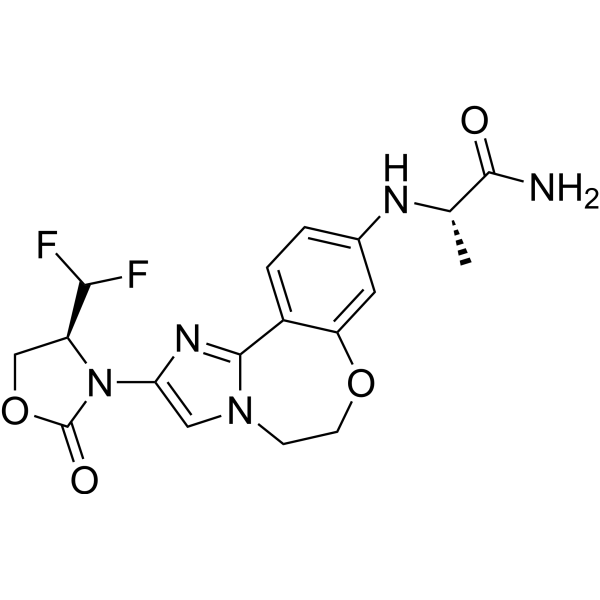
    Inavolisib (GDC-0077) is a potent, orally active, and selective PI3Kα inhibitor (IC50=0.038 nM). Inavolisib exerts its activity by binding to the ATP binding site of PI3K, thereby inhibiting the phosphorylation of PIP2 to PIP3. Inavolisib is more selective for mutant versus wild-type PI3Kα. Inavolisib can be used for the study of breast cancer .
    Inavolisib
  • HY-U00451
    ATP-Red 1
    Maximum Cited Publications
    9 Publications Verification

    Fluorescent Dye Others
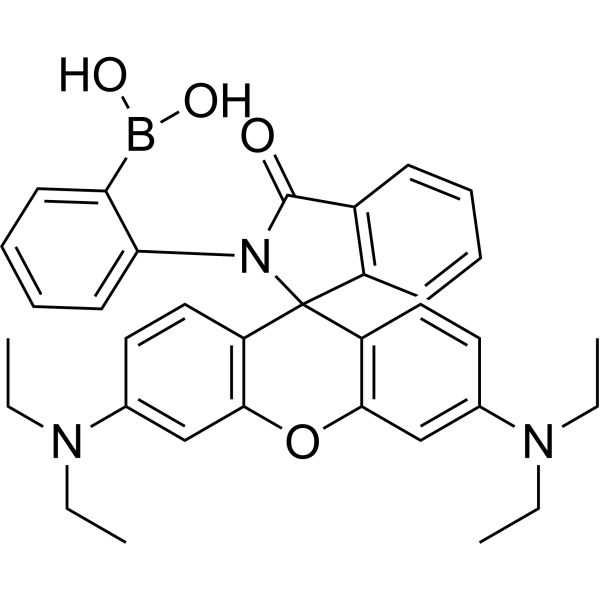
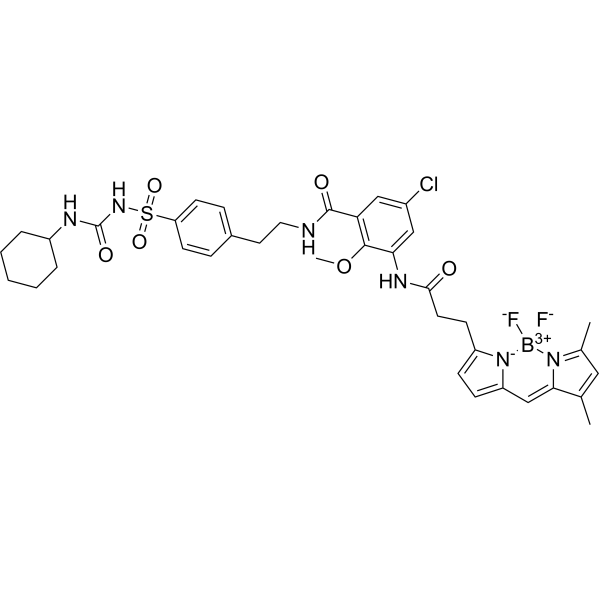
    ATP-Red 1 is a multisite-binding switchable fluorescent probe, and can selectively and rapidly responds to intracellular concentrations of ATP in living cells (Ex/Em = 510/590 nm).
    ATP-Red 1
  • HY-12067
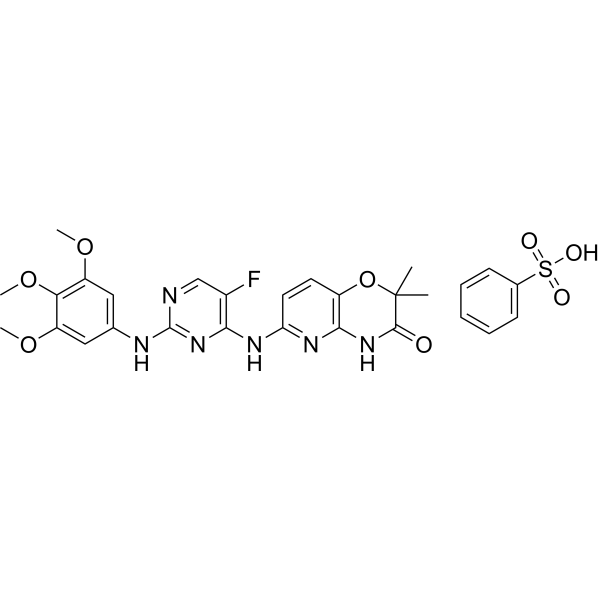
    R406
    35+ Cited Publications

    Syk FLT3 Apoptosis Inflammation/Immunology Cancer
    R406 is an orally available and competitive Syk/FLT3 inhibitor for ATP binding with a Ki of 30 nM, potently inhibits Syk kinase activity in vitro with an IC50 of 41 nM, measured at an ATP concentration corresponding to its Km value. R406 reduces immune complex-mediated inflammation . R406 also inhibits Lyn (IC50=63 nM) and Lck (IC50=37 nM) .
    R406
  • HY-10917
    GW2580
    10+ Cited Publications

    c-Fms Inflammation/Immunology Cancer
    GW2580 is an orally bioavailable and selective inhibitor of c-Fms kinase which completely inhibits human cFMS kinase in vitro at 0.06 μM. GW2580 acts as a competitive inhibitor of ATP binding to the cFMS kinase and inhibits colony-stimulating-factor-1 signaling .
    GW2580
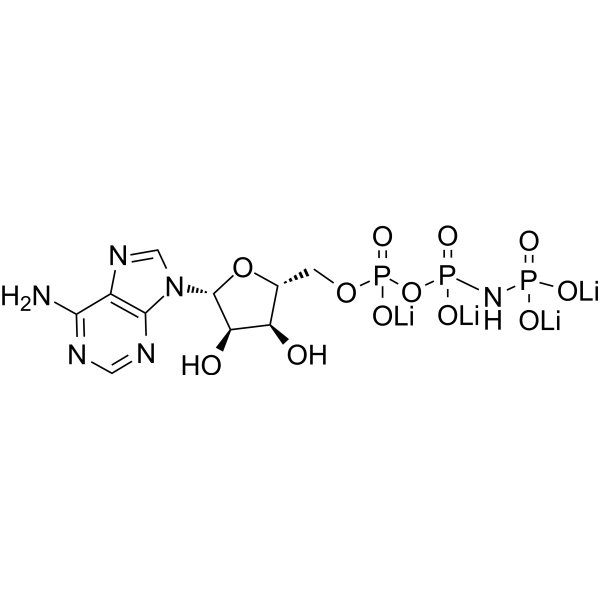
  • HY-128933
    AMP-PNP tetralithium
    3 Publications Verification

    Adenylyl-imidodiphosphate tetralithium

    Potassium Channel Metabolic Disease
    AMP-PNP (Adenylyl-imidodiphosphate) tetralithium is a non-hydrolyzable ATP analog. AMP-PNP tetralithium binds to ATP binding sites competely but is not hydrolyzed by enzymes, providing stable experimental conditions for studying ATP-dependent processes. AMP-PNP tetralithium can also be used to study enzyme activity, kinase regulation, DNA/RNA metabolism, ion channel function, and protein complex assembly .
    AMP-PNP tetralithium
  • HY-125017
    Bozitinib
    1 Publications Verification

    PLB-1001; CBT-101; Vebreltinib

    c-Met/HGFR Cancer
    Bozitinib (PLB-1001) is a highly selective c-MET kinase inhibitor with blood-brain barrier permeability. Bozitinib (PLB-1001) is a ATP-competitive small-molecule inhibitor, binds to the conventional ATP-binding pocket of the tyrosine kinase superfamily .
    Bozitinib
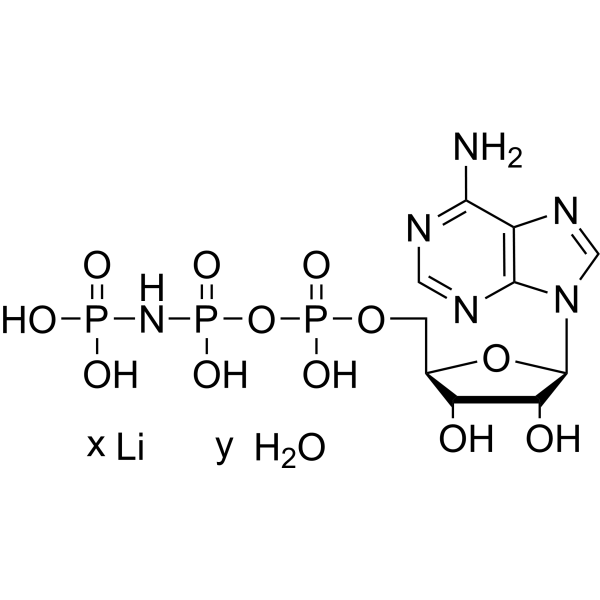
  • HY-130777A
    AMP-PNP lithium hydrate
    3 Publications Verification

    Adenylyl imidodiphosphate lithium hydrate

    Drug Derivative Metabolic Disease
    AMP-PNP (Adenylyl imidodiphosphate) lithium hydrate is a non-hydrolyzable ATP analog. AMP-PNP lithium hydrate binds to ATP binding sites competely but is not hydrolyzed by enzymes, providing stable experimental conditions for studying ATP-dependent processes. AMP-PNP lithium hydrate can also be used to study enzyme activity, kinase regulation, DNA/RNA metabolism, ion channel function, and protein complex assembly .
    AMP-PNP lithium hydrate
  • HY-109019

    CM082; X-82

    VEGFR PDGFR Cardiovascular Disease Cancer
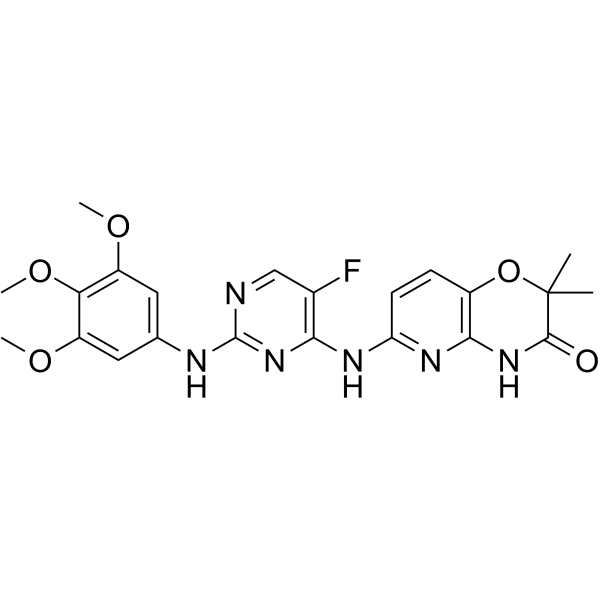
    Vorolanib (CM082) is an orally active, potent multikinase VEGFR/PDGFR inhibitor. Vorolanib is a potent ATP-binding cassette (ABC) transporter inhibitor. Vorolanib is an angiogenesis inhibitor and has antitumor activity combined with ZD1839 (HY-50895) .
    Vorolanib
  • HY-N2524

    EGFR Cancer
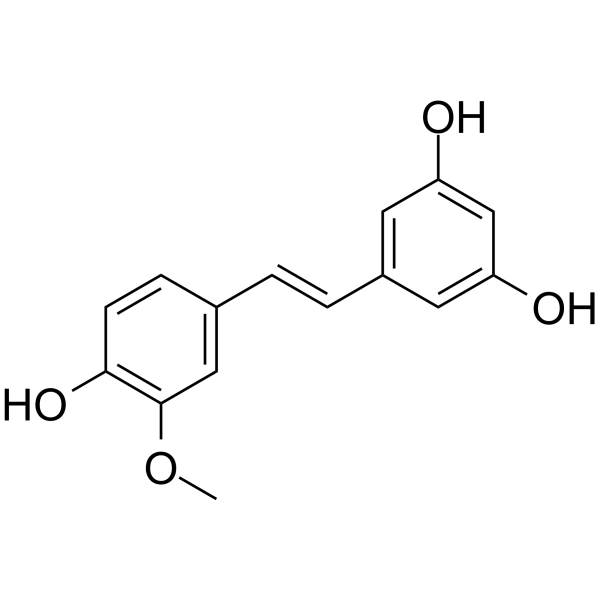
    Camelliaside A is a phytochemical and also a HER2 ligand. Camelliaside A shows no inhibitory effect on mycelial growth of Rhizoctonia solani, indicating no antifungal activity against this pathogen. Camelliaside A is applicable to breast cancer-related research .
    Camelliaside A
  • HY-112299
    Zipalertinib
    3 Publications Verification

    TAS6417; CLN-081

    EGFR Apoptosis Cancer
    Zipalertinib (TAS6417; CLN-081) is a highly effective, orally active and pan-mutation-selective EGFR tyrosine kinase inhibitor with a unique scaffold fitting into the ATP-binding site of the EGFR hinge region, with IC50 values ranging from 1.1-8.0 nM .
    Zipalertinib
  • HY-106723A
    AMP-PCP disodium
    2 Publications Verification

    HSP Cancer
    AMP-PCP disodium is an ATP analogue and can bind to Hsp90 N-terminal domain with a Kd value of 3.8 μM. AMP-PCP disodium binding favors the formation of the active homodimer of Hsp90 .
    AMP-PCP disodium
  • HY-103666
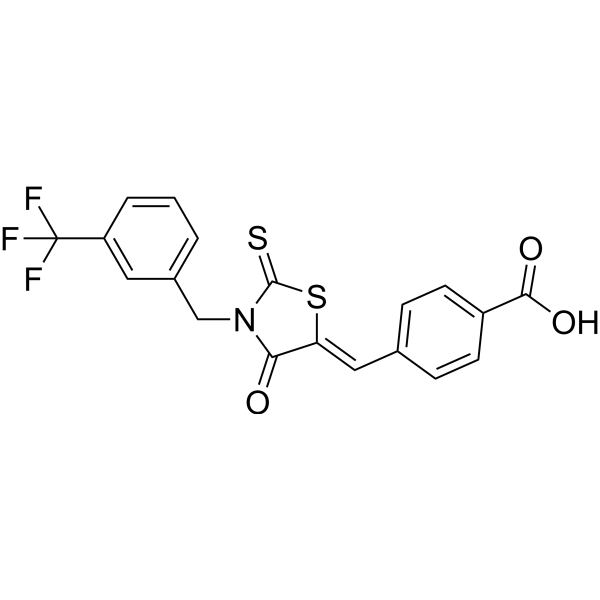
    CY-09
    45+ Cited Publications

    NOD-like Receptor (NLR) Inflammation/Immunology
    CY-09 is a selective and direct NLRP3 inhibitor. CY-09 directly binds to the ATP-binding motif of NLRP3 NACHT domain and inhibits NLRP3 ATPase activity, resulting in the suppression of NLRP3 inflammasome assembly and activation .
    CY-09
  • HY-Y0095

    2-Hydroxyethanesulfonic acid

    Environmental Pollutants Mitochondrial Metabolism Parasite Metabolic Disease
    Isethionic acid is a calcium binder and anionic detergent that enhances mitochondrial calcium binding capacity by competitively binding to calcium binding sites on the outer mitochondrial membrane. Isethionic acid can inhibit calcium-activated mitochondrial respiration. Isethionic acid inhibits barnacle (Balanus amphitrite) larvae with LC50s of 23 μg/mL (24 h) and 17 μg/mL (48 h), respectively. Isethionic acid can inhibit the attachment of barnacle larvae (complete inhibition at 10 μg/mL) and regulate mitochondrial calcium transport, and can enhance ATP-dependent calcium uptake at high calcium concentrations. Isethionic acid can be used to study the mechanism of mitochondrial calcium metabolism.
    Isethionic acid (80% in water)
  • HY-127111
    NDI-091143
    2 Publications Verification

    ATP Citrate Lyase Cancer
    NDI-091143 is a potent and high-affinity human ATP-citrate lyase (ACLY) inhibitor with an IC50 of 2.1 nM (ADP-Glo assay), a Ki of 7.0 nM and a Kd of 2.2 nM. NDI-091143 inhibits ACLY catalysis allosterically, by stabilizing large conformational changes in the citrate domain that indirectly block the binding and recognition of citrate .
    NDI-091143
  • HY-17537
    APY29
    10+ Cited Publications

    IRE1 Cancer
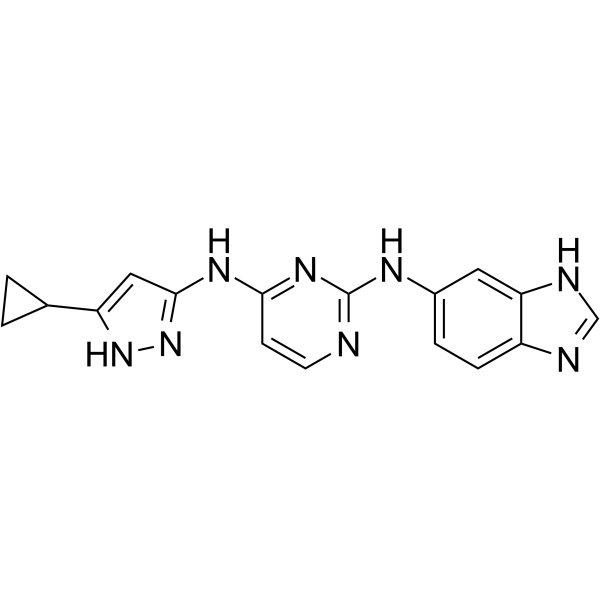
    APY29, an ATP-competitive inhibitor, is an allosteric modulator of IRE1α which inhibits IRE1α autophosphorylation by binding to the ATP-binding pocket with IC50 of 280 nM. APY29 acts as a ligand that allosterically activates IRE1α adjacent RNase domain .
    APY29
  • HY-151545
    WNK1-IN-1
    1 Publications Verification

    Ser/Thr Protease Cardiovascular Disease Cancer
    WNK1-IN-1 is a selective inhibitor of WNK1 with an IC50 value of 1.6 μM. WNK1-IN-1 inhibits OSR1 phosphorylation with an IC50 value of 4.3 μM. WNK1-IN-1 can be used for the research of blood pressure regulation and cancer .
    WNK1-IN-1
  • HY-10261B

    (E/Z)-BIBW 2992

    EGFR Apoptosis c-Met/HGFR Akt p38 MAPK Autophagy Others Cancer
    (E/Z)-Afatinib ((E/Z)-BIBW 2992) is the mixture of (E)-Afatinib and (Z)-Afatinib. Afatinib (HY-10261) is an irreversible inhibitor of EGFR, by irreversibly binding to their ATP binding site to block activation of EGFR, HER2, HER4, and EGFRvIII. Afatinib used in co-administration with Temozolomide (HY-17364), potently targeting to EGFRvIII-cMet signaling in glioblastoma cells .
    (E/Z)-Afatinib
  • HY-11108
    R406 free base
    35+ Cited Publications

    Syk FLT3 Apoptosis Inflammation/Immunology Cancer
    R406 free base is an orally available and competitive Syk/FLT3 inhibitor for ATP binding with a Ki of 30 nM, potently inhibits Syk kinase activity in vitro with an IC50 of 41 nM, measured at an ATP concentration corresponding to its Km value. R406 free base reduces immune complex-mediated inflammation . R406 free base also inhibits Lyn (IC50=63 nM) and Lck (IC50=37 nM) .
    R406 free base
  • HY-17547
    NMS-E973
    2 Publications Verification

    HSP Cancer
    NMS-E973 is a potent and selective inhibitor of HSP90. NMS-E973 binds to the ATP binding site of Hsp90α with a DC50 of <10 nM. NMS-E973 is able to cross the blood-brain barrier (BBB). Antitumor efficacy .
    NMS-E973
  • HY-175750

    DNA/RNA Synthesis Cancer
    MOMA-341 is a selective Werner RecQ like helicase (WRN) inhibitor. MOMA-341 binds to WRN at cysteine 727 through an allosteric and ATP-competitive binding mechanism. MOMA-341 has antitumor activity and can be used for advanced and metastatic solid tumors research .
    MOMA-341
  • HY-125176
    G907
    1 Publications Verification

    Bacterial Infection
    G907 is a selective antagonist of ATP-binding cassette (ABC) transporter MsbA with anti-microbial activity. G907 inhibits E. coli MsbA with an IC50 value of 18 nM. G907 traps MsbA in an inward-facing, lipopolysaccharide-bound conformation by wedging into an architecturally conserved transmembrane pocket .
    G907
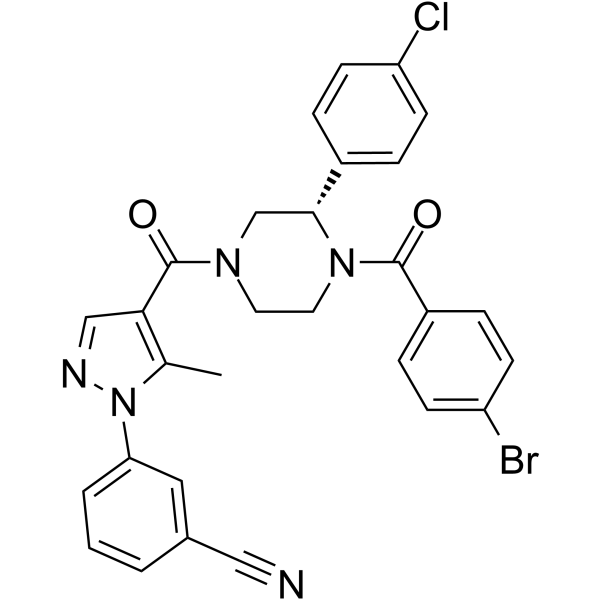
  • HY-115719

    Ser/Thr Kinase Neurological Disease
    NR162 is a selective CASK (Ca 2+/calmodulin-dependent Ser/Thr kinase) inhibitor with an IC50 of 80 nM and a Kd of 22 nM. NR162 shows about 50-fold selectivity for CASK than TYRO3. NR162 targets the unique GFG motif of CASK and has excellent shape complementarity to the CASK ATP binding pocket. NR162 can be used for the research of neurological diseases .
    NR162
  • HY-12062
    PD318088
    1 Publications Verification

    MEK Cancer
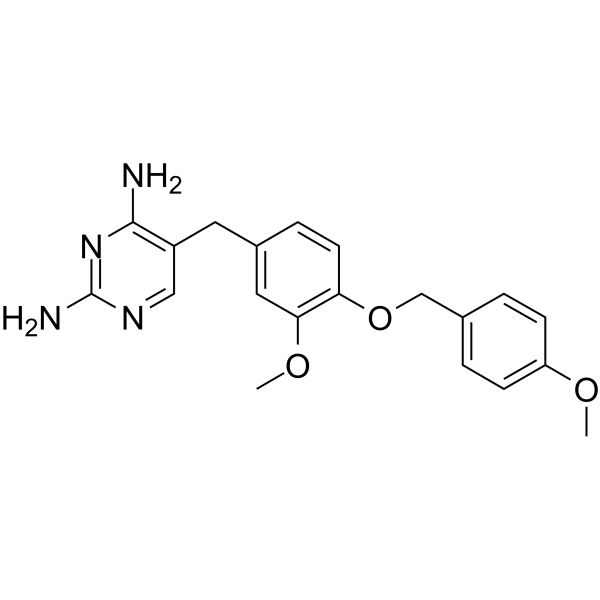
    PD318088 is a potent, allosteric and non-ATP competitive MEK1/2 inhibitor, an analog of PD184352 (HY-50295). PD318088 binds simultaneously with ATP in a region of the MEK1 active site that is adjacent to the ATP-binding site. PD318088 can be used for cancer research .
    PD318088
  • HY-112589

    Bacterial Infection Cancer
    BRITE-338733 is an inhibitor of E. coli RecA ATPase activity (IC50: 4.7 μM). BRITE-338733 also inhibits the ATP hydrolysis activity of RSC chromatin remodeling enzyme by binding to its ATP-binding pocket and DNA (IC50: 0.316 μM). BRITE-338733 exhibits cytotoxicity against MCF-7 and MDA-MB-231 breast cancer cells. BRITE-338733 can be used in studies on antibacterial adjuvants and anticancer research .
    BRITE-338733
  • HY-122616

    Trk Receptor Neurological Disease
    PF-06273340 is a peripherally restricted pan-Trk inhibitor with IC50 values of 6, 4, 3 nM for TrkA, TrkB, and TrkC receptors. PF-06273340 binds in a DFG-out conformation, targeting less conserved kinase ligand binding domain regions outside the ATP binding pocket. PF-06273340 exhibits anti-hyperalgesic and analgesic effects. PF-06273340 can be used for the research of pain .
    PF-06273340
  • HY-155583

    DNA/RNA Synthesis Others
    RNase L-IN-1 is a RNase L inhibitor with an IC50 of 15.9 μM. RNase L-IN-1 binds to the ATP-binding pocket of RNase L, and inhibits ribosomal RNA cleavage. RNase L-IN-1 can be used for the research of RNase L-associated cellular processes .
    RNase L-IN-1
  • HY-108605

    Pim Cancer
    PIM1-IN-2 is a potent and ATP competitive Pim-1 inhibitor with a Ki of 91 nM. PIM1-IN-2 targets the ATP-binding kinase hinge region not by forming classical hydrogen bonds .
    PIM1-IN-2
  • HY-157508
    VCP Activator 1
    2 Publications Verification

    p97 Others
    VCP Activator 1 is a VCP activator that dose-dependently stimulates VCP ATPase activity. VCP Activator 1 binds an allosteric pocket near the C-terminus. In addition, VCP Activator 1 binding site can also be occupied by a phenylalanine residue in the VCP C-terminal tail .
    VCP Activator 1
  • HY-108667

    P2X Receptor Interleukin Related Fluorescent Dye Neurological Disease
    TNP-ATP triethylammonium is a P2X receptor antagonist with an IC50 of 0.010 μM for P2X3 and an IC50 of 0.062 μM for P2X2/3. TNP-ATP triethylammonium acts as an inhibitor of CheA autophosphorylation, with a Ki of 0.7 µM. TNP-ATP triethylammonium blocks the functional activation of P2X1-7 receptors. TNP-ATP triethylammonium attenuates hypoxia-induced IL-1β expression and release. TNP-ATP triethylammonium alleviates visceral pain, and improves hypoxia-induced cognitive impairment, insufficient myelination and neuroinflammation. Binding of TNP-ATP triethylammonium to CheA enhances the fluorescence of the TNP group. TNP-ATP triethylammonium can be used in studies related to visceral pain. NP-ATP triethylammonium can be used in studies related to hypoxia-induced insufficient myelination and cognitive decline .
    TNP-ATP triethylammonium
  • HY-120097

    LIM Kinase (LIMK) Reverse Transcriptase Infection
    R-10015, a broad-spectrum antiviral compound for HIV infection, acts as a potent and selective inhibitor of LIM domain kinase (LIMK) and binds to the ATP-binding pocket, with an IC50 of 38 nM for human LIMK1 .
    R-10015
  • HY-124793
    GAK inhibitor 49
    1 Publications Verification

    Cyclin G-associated Kinase (GAK) Infection
    GAK inhibitor 49 is a potent, ATP-competitive and highly selective cyclin G associated kinase (GAK) inhibitor with a Ki of 0.54 nM and a cell IC50 of 56 nM. GAK inhibitor 49 also shows binding to RIPK2 .
    GAK inhibitor 49
  • HY-DY1014

    Fluorescent Dye Others
    ATP-Red 1 (solution) is a multisite-binding switchable fluorescent probe, and can selectively and rapidly responds to intracellular concentrations of ATP in living cells (Ex/Em = 510/590 nm).
    Solvent and concentration: DMSO: 1 mM
    ATP-Red 1 (solution)
  • HY-112373

    Aurora Kinase Others
    Aurora kinase inhibitor-3 is a strong and selective Aurora A kinase inhibitor with an IC50 of 42 nM, and weakly inhibits EGFR with an IC50 of >10 μM. Aurora kinase inhibitor-3 has a binding mode with the cyclopropanecarboxylic acid moiety directed towards the solvent exposed region of the ATP-binding pocket .
    Aurora kinase inhibitor-3
  • HY-108589

    PNU 37883A

    Potassium Channel Neurological Disease
    PNU 37883 hydrochloride (PNU 37883A) is a selective vascular ATP-sensitive potassium (Kir6, KATP) channels blocker. PNU 37883 hydrochloride has diuretic effects with specific binding in kidney and vascular smooth muscle rather than in brain or pancreatic beta cells .
    PNU 37883 hydrochloride
  • HY-19628

    RIP kinase TGF-β Receptor Inflammation/Immunology
    OD36 is a RIPK2 inhibitor with an IC50 of 5.3 nM. OD36 is a macrocyclic inhibitor with potent binding to the ALK2 kinase ATP pocket. OD36 shows ALK2-directed activity with KDs of 37 nM .
    OD36
  • HY-134393

    N6-Methyl-ATP

    GSK-3 Neurological Disease
    6-Me-ATP (N6-Methyl-ATP) is an N 6-modified ATP derivative. 6-Me-ATP exhibits excellent binding affinity for GSK3 and acts as a phosphate group donor for GSK3β-catalyzed phosphorylation of its substrate peptides. 6-Me-ATP is applicable to research related to Alzheimer's disease .
    6-Me-ATP
  • HY-134393B

    N6-Methyl-ATP trisodium solution (100 mM)

    GSK-3 Others
    6-Me-ATP (N6-Methyl-ATP) trisodium solution (100 mM) is a N 6-modified ATP derivative. 6-Me-ATP trisodium shows excellent binding affinity to GSK3, serving as the phosphate group donor for GSK3β-catalyzed phosphorylation of its substrate peptide .
    6-Me-ATP trisodium solution (100 mM)
  • HY-100214

    EGFR Cancer
    EAI001 is a potent, selective mutant epidermal growth factor receptor (EGFR) allosteric inhibitor with an IC50 value of 24 nM for EGFR L858R/T790M. EAI001 can be used for research of cancer .
    EAI001
  • HY-160519

    Bacterial Antibiotic Infection
    Targocil-II (Compound 2) is an ABC transporter inhibitor with a IC50 value of 137 nM. Targocil-II prevents ATP hydrolysis by binding to allosteric sites of the TM domain. Targocil-II has (antibacterial) activity .
    Targocil-II
  • HY-122184

    HSP Apoptosis Cancer
    PET-16 is a selective HSP70 inhibitor that binds to an allosteric pocket of the substrate-binding domain. PET-16 inhibits the ability of HSP70 to cycle between ATP-bound and ADP-bound states. PET-16 induces apoptosis in multiple myeloma .
    PET-16
  • HY-155583A

    DNA/RNA Synthesis Others
    RNase L-IN-1 trihydrochloride is a RNase L inhibitor with an IC50 of 15.9 μM. RNase L-IN-1 trihydrochloride binds to the ATP-binding pocket of RNase L, and inhibits ribosomal RNA cleavage. RNase L-IN-1 trihydrochloride can be used for the research of RNase L-associated cellular processes .
    RNase L-IN-1 (trihydrochloride)
  • HY-100933
    MY-5445
    1 Publications Verification

    Phosphodiesterase (PDE) Cardiovascular Disease Inflammation/Immunology Cancer
    MY-5445 is a specific inhibitor of the cyclic GMP phosphodiesterase, phosphodiesterase type 5 (PDE5), with a Ki of 1.3 μM. MY-5445 inhibits human platelet aggregation. MY-5445 is a selective modulator of ATP-binding cassette (ABC) transporter ABCG2, with anti-proliferative effect .
    MY-5445
  • HY-115741

    Nucleoside Antimetabolite/Analog Neurological Disease Cancer
    3BrB-PP1 is an ATP-competitive analog. 3BrB-PP1 can specifically inhibit the activity of protein kinase with mutations in the ATP-binding pocket (mutation of Thr97 within Sty1’s ATP-binding pocket) .
    3BrB-PP1
  • HY-106723

    HSP Cancer
    AMP-PCP is an ATP analogue and can bind to Hsp90 N-terminal domain with a Kd value of 3.8 μM. AMP-PCP binding favors the formation of the active homodimer of Hsp90 .
    AMP-PCP
  • HY-17640

    Fatty Acid Synthase (FASN) Autophagy Metabolic Disease
    Nicodicosapent is a fatty acid niacin conjugate that is also an inhibitor of the sterol regulatory element binding protein (SREBP), a key regulator of cholesterol metabolism proteins such as PCSK9, HMG-CoA reductase, ATP citrate lyase, and NPC1L1.
    Nicodicosapent
  • HY-155941

    Potassium Channel Neurological Disease
    5-Hydroxydecanoic acid (5-HD) is a KATP channel antagonist,which has the effect of blocking the K KATP channel only during ischaemia by competing with the ATP binding site and does not affect pancreatic KATP channels .
    5-Hydroxydecanoic acid
  • HY-111678

    CID44640177; SID 88095709

    BCRP Cancer
    ML230 (CID44640177; SID 88095709) is a selective inhibitor of ATP-binding cassette (ABC) transporter ABCG2, and 36-fold selective for ABCG2 over ABCB1 with EC50s values of 0.13 μM and 4.65 μM, respectively .
    ML230
  • HY-161681

    Guanylate Cyclase Metabolic Disease
    Formycin triphosphate is a fluorescent analogue of ATP which on binding to enzyme active sites exhibits enhanced fluorescence. Formycin triphosphate is an ATP-competitive chicken liver pyruvate carboxylase inhibitor. Formycin triphosphate potentiates atrial natriuretic factor (ANF)-stimulated guanylate cyclase activity with an EC50 at about 90 μM and inhibits ATP-stimulated guanylate cyclase activity with an IC50 at about 100 μM .
    Formycin triphosphate

Inquiry Online

Your information is safe with us. * Required Fields.

Salutation


Country or Region *

Applicant Name *


Organization Name *

Department *


Email Address *


Product Name *

Cat. No.


Requested quantity *

Phone Number *


Remarks

Inquiry Online

Inquiry Information

Product Name:
Cat. No.:
Quantity:
MCE Japan Authorized Agent:

