1. Search Result
Search Result
Results for "

Antidepressant Agent

" in MedChemExpress (MCE) Product Catalog:

92

Inhibitors & Agonists

1

Screening Libraries

6

Natural
Products

7

Isotope-Labeled Compounds

Cat. No. Product Name Target Research Areas Chemical Structure
  • HY-B0352
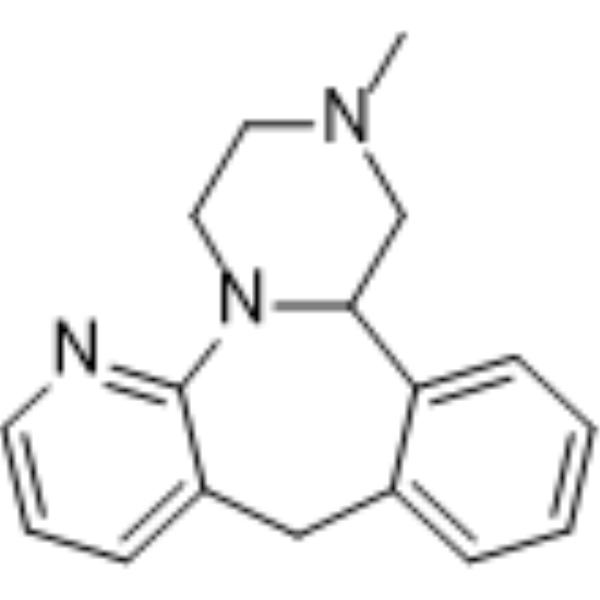
    Mirtazapine
    1 Publications Verification

    Org3770; 6-Azamianserin

    5-HT Receptor Histamine Receptor Adrenergic Receptor Neurological Disease Inflammation/Immunology Cancer
    Mirtazapine (Org3770) is a potent and orally active noradrenergic and specific serotonergic antidepressant (NaSSA) agent. Mirtazapine is also a 5-HT2, 5-HT3, histamine H1 receptor and α2-adrenoceptor antagonist with pKi values of 8.05, 8.1, 9.3 and 6.95, respectively .
    Mirtazapine
  • HY-B0725
    Doxepin Hydrochloride
    Maximum Cited Publications
    7 Publications Verification

    Histamine Receptor Cytochrome P450 Neurological Disease Cancer
    Doxepin hydrochloride is an orally active tricyclic antidepressant agent. Doxepin hydrochloride is a potent and selective histamine receptor H1 antagonist. Doxepin hydrochloride is also a potent CYP450 inhibitor and significantly inhibits CYP450 2C19 and 1A2 . Doxepin inhibits reuptake of serotonin and norepinephrine as a tricyclic antidepressant .
    . Doxepin has therapeutic effects in atopic dermatitis,chronic urticarial,can improve cognitive processes, protect central nervous system .
    . Doxepin has also been proposed as a protective factor against oxidative stress .
    .
    Doxepin Hydrochloride
  • HY-119209
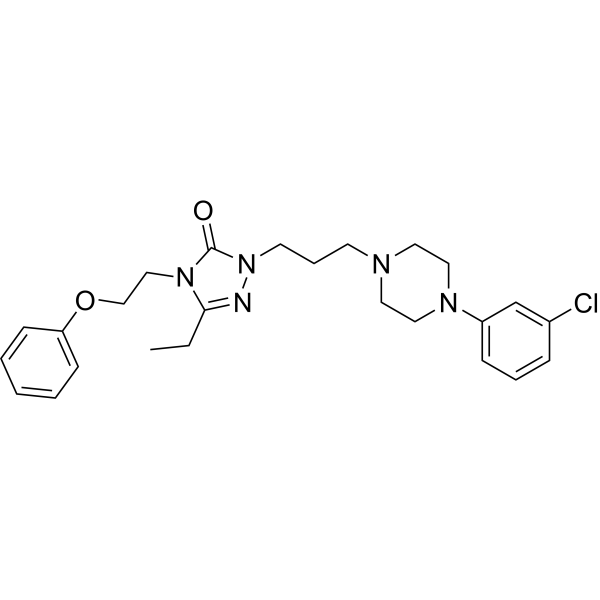
    Nefazodone
    4 Publications Verification

    5-HT Receptor Cytochrome P450 Neurological Disease Inflammation/Immunology
    Nefazodone is an orally active phenylpiperazine antidepressant. Nefazodone can potently and selectively block postsynaptic 5-HT2A receptors, and moderately inhibit 5-HT and noradrenaline reuptake. Nefazodone can also relieve the adverse effects of stress on the the immune system of mice. Nefazodone has a high affinity for CYP3A4 isoenzyme, which indicates that it has certain risk of agent-agent interaction .
    Nefazodone
  • HY-W094474
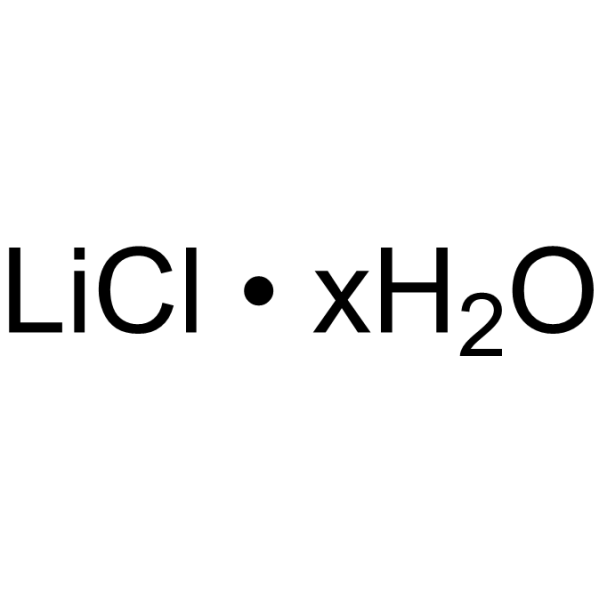
    Lithium chloride hydrate
    5+ Cited Publications

    hydrate/monohydrateortrihydrate

    GSK-3 Apoptosis Infection Neurological Disease
    Lithium chloride hydrate, an orally active mood stabilizer, is a potent virus inhibitor and effective immunomodulatory agent. Lithium chloride hydrate has antidepressant activity by inhibiting GSK3β and promoting neurogenesis. Lithium chloride hydrate alleviates cognition dysfunction and the symptoms of acute mania and depression. Lithium chloride hydrate can also be used for research of virus infection and Alzheimer's disease .
    Lithium chloride hydrate
  • HY-122422

    5-HT Receptor Others
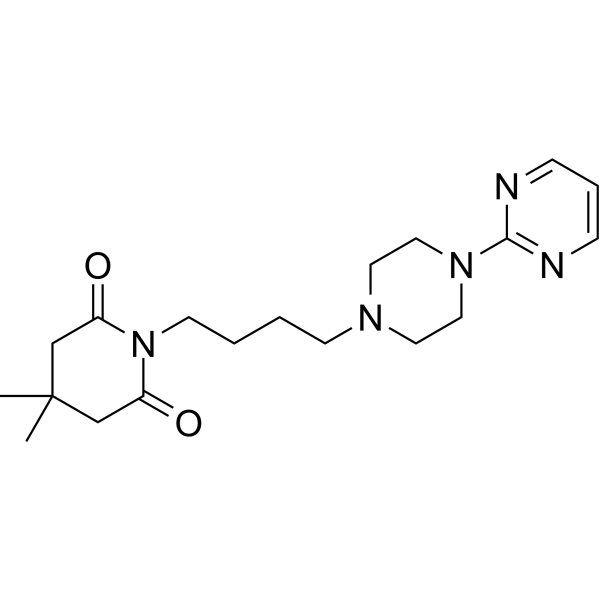
    Gepirone is a selective and affinitive 5-HT1A agonist. Gepirone binds selectively to 5-HT1A receptor binding site. Gepirone acts as an antidepressant agent can be used for anxiety and major depressive disorder research .
    Gepirone
  • HY-100637
    Hydroxybupropion
    1 Publications Verification

    Drug Metabolite Adrenergic Receptor nAChR Neurological Disease
    Hydroxybupropion is the major active metabolite of Bupropion. Hydroxybupropion is metabolized by CYP2B6. Bupropion is an atypical antidepressant and smoking-cessation agent. Hydroxybupropion inhibits norepinephrine uptake with an IC50 value of 1.7 μM. Hydroxybupropion is also a nACh receptor antagonist .
    Hydroxybupropion
  • HY-148417

    Serotonin Transporter Neurological Disease
    ZZL-7 is a fast-onset antidepressant agent. ZZL-7 works by disrupting the interaction between the serotonin transporter (SERT) and neuronal nitric oxide synthase (nNOS) in the dorsal raphe nucleus (DRN). ZZL-7 can cross the blood-brain barrier readily. ZZL-7 can be used for the research of major depressive disorder (MDD) .
    ZZL-7
  • HY-B1018A
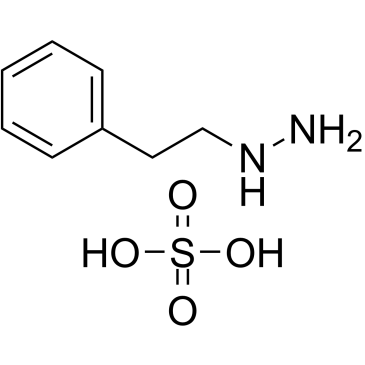
    Phenelzine sulfate
    5+ Cited Publications

    Monoamine Oxidase GABA Receptor Histone Demethylase Cardiovascular Disease Neurological Disease Metabolic Disease Inflammation/Immunology Cancer
    Phenelzine sulfate, an antidepressant agent, is an irreversible and orally active monoamine oxidase (MAO-A and MAO-B) inhibitor. Phenelzine sulfate inhibits GABA transaminase and primary amine oxidase (PrAO), and sequester reactive aldehydes. Phenelzine sulfate also inhibits LSD1 (Ki: 5.6 μM) and suppresses oxidative stress and lipogenesis. Phenelzine sulfate elevates neurotransmitters (serotonin, norepinephrine, dopamine). Phenelzine sulfate is studied in neurological, metabolic and cancer diseases for depression and anxiety disorders, stroke, spinal cord injury, traumatic brain injury, multiple sclerosis, Parkinson’s disease, Alzheimer’s disease, inflammatory pain, obesity and prostate cancer .
    Phenelzine sulfate
  • HY-108256

    5-HT Receptor Neurological Disease
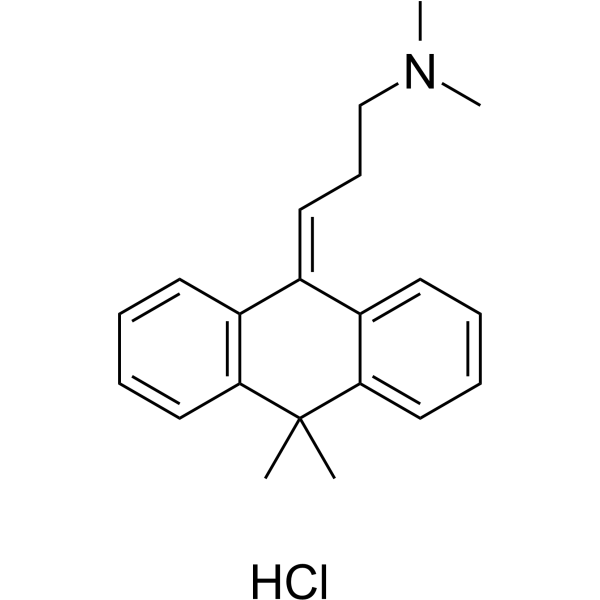
    Melitracen hydrochloride is an orally active biphasic antidepressant and antianxiety agent. Melitracen hydrochloride can inhibit the uptake of Norepinephrine and 5-HT (serotonin) through the presynaptic membrane inducing the increase of monoamine transmitters in synaptic space .
    Melitracen hydrochloride
  • HY-N7085

    5,7-Dimethoxycoumarin; Limettin

    Environmental Pollutants ERK p38 MAPK JNK Neurological Disease Inflammation/Immunology Cancer
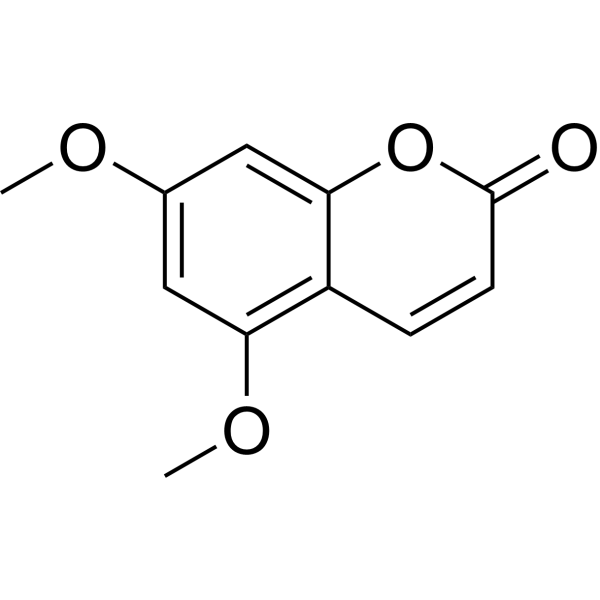
    Citropten (5, 7-dimethoxycoumarin) is one of the coumarin derivatives. Citropten is an effective oral anticancer agent. Citropten has anti-proliferative activity against A2058 and B16 melanoma cells. Citropten exerts anti-inflammatory effects through the NFκB and MAPK signaling pathways. Citropten acts as an antidepressant through heat shock protein-70, monoamine oxidase-A and inhibition of apoptosis .
    Citropten
  • HY-139584

    Tetramethylglycoluril

    GABA Receptor Neurological Disease Inflammation/Immunology
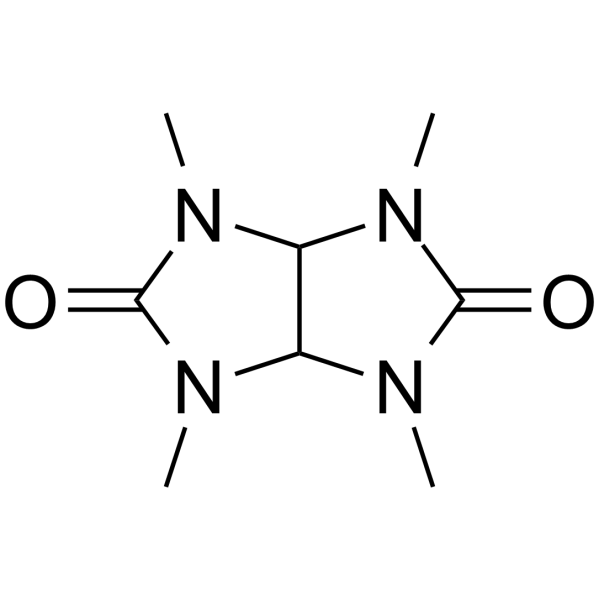
    Temgicoluril (Tetramethylglycoluril) is an orally active antianxiety and antidepressant. Temgicoluril acts on GABA receptors to enhance GABA neurotransmission .
    Temgicoluril
  • HY-105856

    Dopamine Receptor Neurological Disease
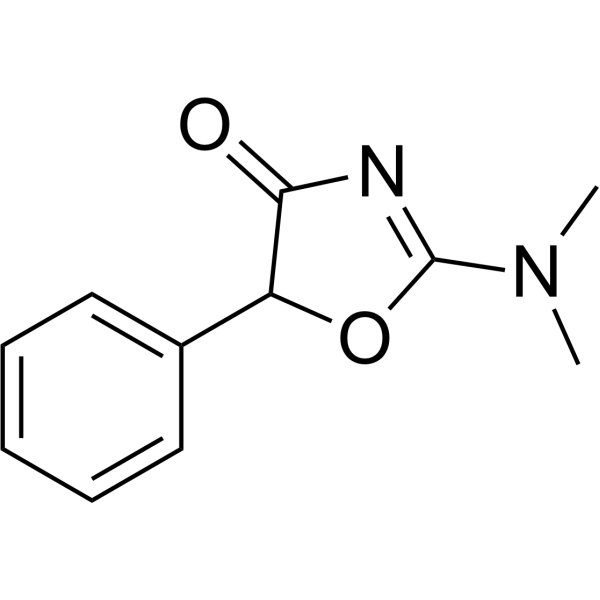
    Thozalinone is an orally active antidepressant agent. Thozalinone induces the release of Norepinephrine (HY-13715) and dopamine .
    Thozalinone
  • HY-203894

    Defekton

    Dopamine Receptor Adrenergic Receptor 5-HT Receptor Neurological Disease
    Carpipramine (Defekton) is an antipsychotic agent that belongs to the iminodibenzyl class. Carpipramine is a potent dopamine antagonist which blocks alpha 1- and alpha 2-adrenoceptors. Carpipramine also has antagonist properties with respect to serotonin (5-ΗΤ2) receptors. Carpipramine exhibits antipsychotic and anti-depressant effects. Carpipramine can be used for the research of neurological disease, such as post-traumatic stress disorder (PTSD) and depression .
    Carpipramine
  • HY-W009754

    5-HT Receptor Neurological Disease
    Antidepressant agent 10 (Compound 4) is an orally active compound. Antidepressant agent 10 has IC50 values of 190 nM and 110 nM for 5-HT1A and 5-HT2, respectively. Antidepressant agent 10 can be used in the research of mental disorders .
    Antidepressant agent 10
  • HY-100769
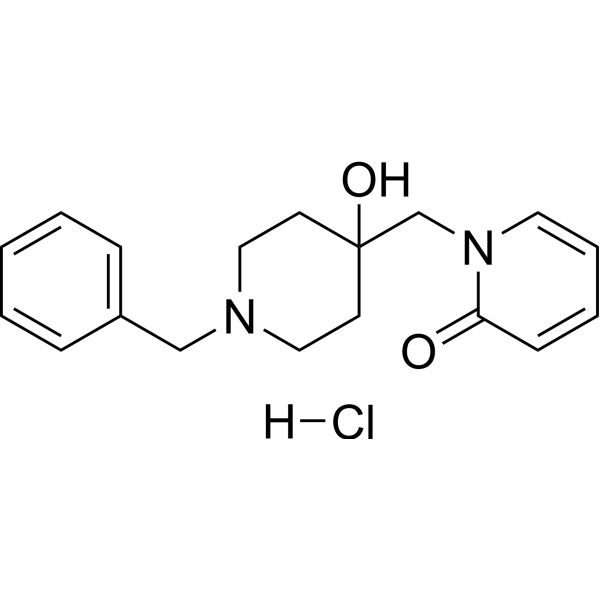
    Hypidone hydrochloride
    2 Publications Verification

    YL0919

    5-HT Receptor Neurological Disease
    Hypidone hydrochloride (YL0919) is an orally active antidepressant agent with dual activity as a highly seletive 5-HT uptake blocker and an effective 5-HT1A receptor agonist (Ki=0.19 nM). Hypidone hydrochloride inhibits the uptake of [ 3H]-5-HT into rat cerebral cortical synaptosomes and HEK293 cells with IC50s of 1.78 nM and 1.93 nM, respectively. Hypidone hydrochloride shows remarkable antidepressant effects in animal models and has the poential for the investigation of depressive disorder .
    Hypidone hydrochloride
  • HY-12394

    Dosulepin; Dothep

    Histamine Receptor 5-HT Receptor Neurological Disease
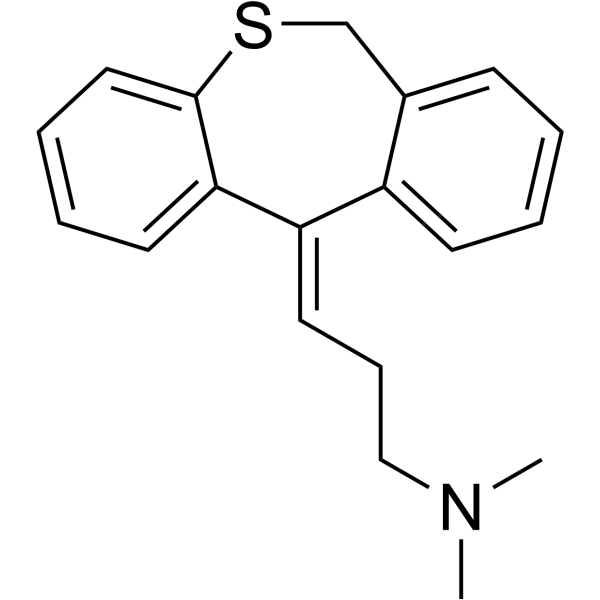
    Dothiepin (Dosulepin; Dothep) is an antidepressant agent with sedative/anxiolytic activity. Dothiepin is an inhibitor preferring of noradrenaline uptake than serotonin uptake. Dothiepin facilitates noradrenergic neurotransmission via inhibiting the neuronal uptake. Dothiepin is also an antagonist of histamine H1-receptor without cardiotoxicity. Dothiepin exhibits significant analgesic activity in psychogenic facial pain,idiopathic fibromyalgia syndrome or rheumatoid arthritis .
    Dothiepin
  • HY-W077477

    5-HT Receptor Neurological Disease
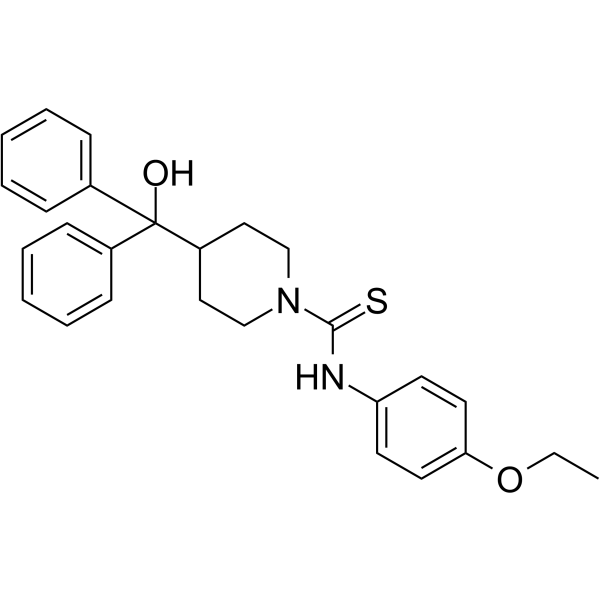
    IHCH-7113 (Compound 166) is an agonist of 5-HT2A serotonin receptor with antidepressant activity. IHCH-7113 is promising for research of antipsychotic agent .
    IHCH-7113
  • HY-N2169

    Bacterial Inflammation/Immunology
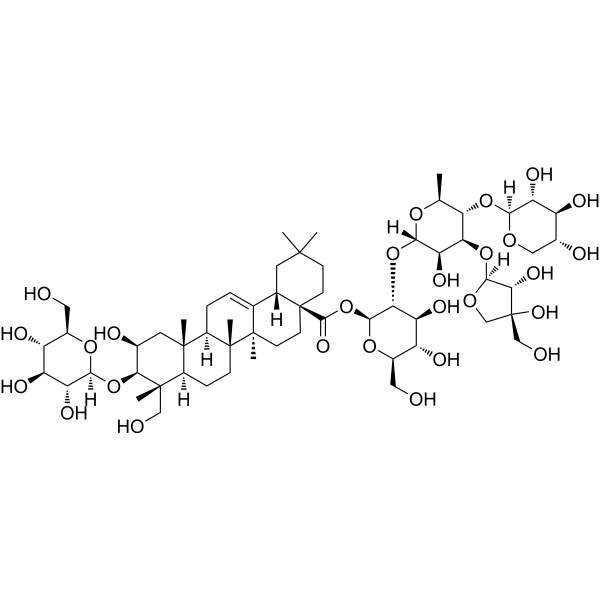
    Polygalasaponin V is a triterpenoid saponin isolated from the aerial parts of Polygala japonica. Polygala japonica has been a folk medicine herb used as expectorant, anti-inflammatory, antibacterial and antidepressant agents in the south of China .
    Polygalasaponin V
  • HY-107731

    Neuropeptide Y Receptor Neurological Disease
    SF 11 is a potent and brain penetrant neuropeptide Y Y2 receptor antagonist (IC50=199 nM). Antidepressant-like activity .
    SF 11
  • HY-101332
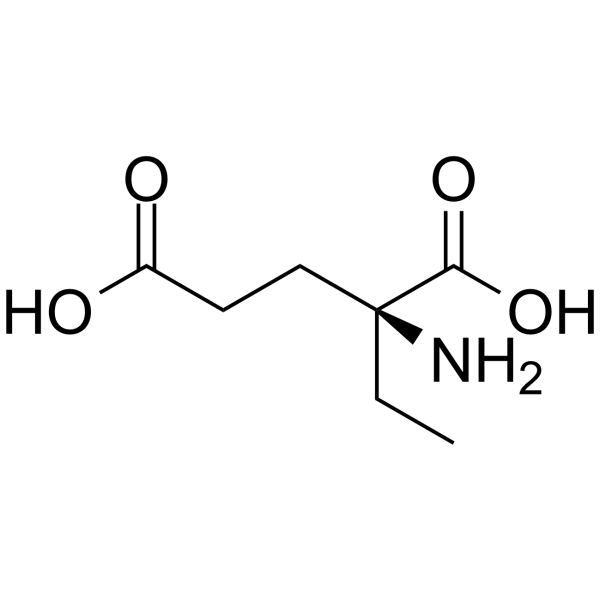
    EGLU
    1 Publications Verification

    (2S)-α-Ethylglutamic acid; (2S)-α-EGLU

    mGluR Neurological Disease
    EGLU ((2S)-α-Ethylglutamic acid; (2S)-α-EGLU) is a potent and competitive mGluR-2 receptor antagonist. EGLU interacts with (lS,3S)-ACPD-sensitive site with a Kd value of 66 μM. EGLU is an antidepressant agent .
    EGLU
  • HY-106769

    GR50360

    Adrenergic Receptor Neurological Disease
    Fluparoxan is an orally active, selective and competitive alpha 2-adrenoceptor antagonist. Fluparoxan is an anti-depressant agent .
    Fluparoxan
  • HY-N0453S

    Isotope-Labeled Compounds Apoptosis Influenza Virus Cancer
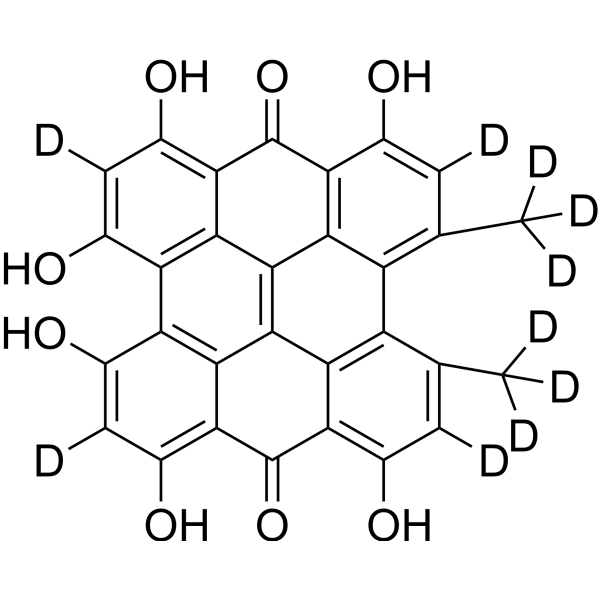
    Hypericin-d10 is the deuterium labeled Hypericin. Hypericin is a photosensitive antiviral with anticancer and antidepressant agent derived from Hypericum perforatum. It can inhibit tyrosine kinases with IC50 of 7.5 μM.
    Hypericin-d10
  • HY-119468

    Dopamine Transporter Neurological Disease
    Medifoxamine is an orally active monoamine reuptake inhibitor and antidepressant. Medifoxamine preferentially inhibits presynaptic dopamine reuptake. Medifoxamine acts as an intraocular pressure-lowering agent to reduce intraocular pressure, and also functions as a miotic agent to decrease pupil diameter. Medifoxamine exhibits characteristic properties of antidepressant compounds, including preventing hypothermia induced by Reserpine (HY-N0480) or Apomorphine (HY-12723), potentiating the toxic effects of Yohimbine (HY-N0127) in mice, and reducing immobility behavior in mice and rats in the "behavioral despair" model. Medifoxamine has no anticholinergic activity. Medifoxamine can be used in research related to depression .
    Medifoxamine
  • HY-W012618

    Drug Intermediate Neurological Disease
    1-Phenyl-1-propanol is used as a chiral building block and synthetic intermediate in the pharmaceutical industries. 1-Phenyl-1-propanol is an intermediate of anti-depressant agent Fluoxetine (HY-B0102) .
    1-Phenyl-1-propanol
  • HY-121653

    5-HT Receptor Neurological Disease
    Flesinoxan is a hypotensive agent and a potent, high affinity and selective 5-hydroxytryptamine1A (5-HT1A) receptor agonist with an EC50 value of 24 nM. Flesinoxan also has effective anxiolytic/antidepressant effects .
    Flesinoxan
  • HY-N7085R

    5,7-Dimethoxycoumarin (Standard); Limettin (Standard)

    ERK JNK p38 MAPK Reference Standards Neurological Disease Inflammation/Immunology Cancer
    Citropten (Standard) is the analytical standard of Citropten. This product is intended for research and analytical applications. Citropten (5, 7-dimethoxycoumarin) is one of the coumarin derivatives. Citropten is an effective oral anticancer agent. Citropten has anti-proliferative activity against A2058 and B16 melanoma cells. Citropten exerts anti-inflammatory effects through the NFκB and MAPK signaling pathways. Citropten acts as an antidepressant through heat shock protein-70, monoamine oxidase-A and inhibition of apoptosis .
    Citropten (Standard)
  • HY-125784A

    5-HT Receptor Neurological Disease
    (R)-Viloxazine hydrochloride is a less active R-isomer of Viloxazine hydrochloride. Viloxazine hydrochloride is an effective antidepressant agent .
    (R)-Viloxazine hydrochloride
  • HY-A0175

    Butriptylene

    5-HT Receptor Neurological Disease
    Butriptyline (Butriptylene) is an orally active tricyclic antidepressant that slightly enhances central 5-HT effects. Butriptyline does not inhibit brain norepinephrine uptake. Butriptyline can be used for depression research .
    Butriptyline
  • HY-B0352S

    Org3770 d3; 6-Azamianserin d3

    5-HT Receptor Neurological Disease
    Mirtazapine-d3 is a deuterium labeled Mirtazapine. Mirtazapine is a 5-HT receptor inhibitor. Mirtazapine is a potent and orally active noradrenergic and specific serotonergic antidepressant (NaSSA) agent by blocking 5-HT2 and 5-HT3 receptors .
    Mirtazapine-d3
  • HY-19496

    Buagafuran; Buagarofuran

    5-HT Receptor Neurological Disease
    4-Butyl-alpha-agarofuran (AF 5) is an anxiolytic and antidepressant agent. 4-Butyl-alpha-agarofuran a α-agarofuran derivative that can be isolated from Gharu-wood. 4-Butyl-alpha-agarofuran can be used for the research of neurological disease research .
    4-Butyl-alpha-agarofuran
  • HY-146202

    Phosphodiesterase (PDE) Others
    5-HT1A/5-HT7 receptor antagonist (5-HT1A Ki = 8 nM, Kb = 0.04 nM; 5-HT7 Ki = 451 nM, Kb = 460 nM) with PDE4B/PDE7A inhibitory activity (PDE4B IC50 = 80.4 μM; PDE7A IC50 = 151.3 μM) , its antidepressant like effect is stronger than that of escitalopram as a reference agent.
    PDE4B/7A-IN-2
  • HY-B1018AS

    Isotope-Labeled Compounds Monoamine Oxidase GABA Receptor Histone Demethylase Cardiovascular Disease Neurological Disease Metabolic Disease Inflammation/Immunology Cancer
    Phenelzine-d5 sulfate is the deuterium labeled Phenelzine sulfate (HY-B1018A). Phenelzine sulfate, an antidepressant agent, is an irreversible and orally active monoamine oxidase (MAO-A and MAO-B) inhibitor. Phenelzine sulfate inhibits GABA transaminase and primary amine oxidase (PrAO), and sequester reactive aldehydes. Phenelzine sulfate also inhibits LSD1 (Ki: 5.6 μM) and suppresses oxidative stress and lipogenesis. Phenelzine sulfate elevates neurotransmitters (serotonin, norepinephrine, dopamine). Phenelzine sulfate is studied in neurological, metabolic and cancer diseases for depression and anxiety disorders, stroke, spinal cord injury, traumatic brain injury, multiple sclerosis, Parkinson’s disease, Alzheimer’s disease, inflammatory pain, obesity and prostate cancer .
    Phenelzine-d5 sulfate
  • HY-151951

    GABA Receptor Melatonin Receptor Sigma Receptor Neurological Disease
    Antidepressant agent 4 is an orally active antidepressant agent. Antidepressant agent 4 exhibits antidepressant, anxiolytic, performance enhancing and nootropic activities .
    Antidepressant agent 4
  • HY-151950

    GABA Receptor Melatonin Receptor Sigma Receptor Neurological Disease
    Antidepressant agent 3 is an orally active antidepressant agent. Antidepressant agent 3 exhibits antidepressant, anxiolytic, performance enhancing and nootropic activities .
    Antidepressant agent 3
  • HY-136171

    Drug Derivative Neurological Disease
    Antidepressant agent 1 is a pyrazidole-halogeno-derivative with antidepressant effects. Antidepressant agent 1 also can be used to increase body temperature .
    Antidepressant agent 1
  • HY-119426

    (+)-Tetramisole; Dextramisole

    Adrenergic Receptor Neurological Disease
    Dexamisole has R configuration that has a role as an antidepressant .
    Dexamisole
  • HY-157792

    mAChR Neurological Disease
    Antidepressant agent 6 (S-3a) is a lead compound with potent and sustained antidepressant effects. Antidepressant agent 6 (S-3a) displays high cognitive safety margin.Antidepressant agent 6 (S-3a) antagonizes M1 receptors and elevates BDNF levels, suggesting its potential as an antidepressant for further exploration .
    Antidepressant agent 6
  • HY-156079

    Monoamine Oxidase Neurological Disease
    Antidepressant agent 5 (Compound 3i) is a 7-substituted tetrahydroisoquinolines derivatives. Antidepressant agent 5 exhibits almost equal antidepressant activity compared with magnoflorine. ntidepressant agent 5 can be used for depressive disorder research .
    Antidepressant agent 5
  • HY-170945

    iGluR Serotonin Transporter Neurological Disease
    Antidepressant agent 9 (Compound 24) is an orally active and BBB-penetrable NMDAR and SERT inhibitor with IC50 values of 3.50 μM and 1044 nM, respectively. Antidepressant agent 9 has good metabolic stability and plasma exposure. Antidepressant agent 9 can exert antidepressant-like activity in the mouse forced swim test .
    Antidepressant agent 9
  • HY-170898

    iGluR Neurological Disease
    Antidepressant agent 8 (Compound 1f) is a selective antagonist for the NMDA receptor GluN1/2A with an IC50 of 2.94 μmol/L. Antidepressant agent 8 exhibits antidepressant-like effects in Hydrocortisone (HY-N0583)-induced zebrafish depression model. Antidepressant agent 8 can cross blood-brain barrier .
    Antidepressant agent 8
  • HY-139723

    Others Neurological Disease
    Antidepressant agent 2 exerts pronounced antidepressant activity (MED 0.1 mg/kg).
    Antidepressant agent 2
  • HY-W009754R

    Reference Standards 5-HT Receptor Neurological Disease
    Antidepressant agent 1 is the analytical standard of Antidepressant agent 10. This product is intended for research and analytical applications.
    Antidepressant agent 10 (Standard)
  • HY-B0196B

    Serotonin Transporter Cancer
    (S)-Venlafaxine is the (S)-configuration of Venlafaxine. Venlafaxine is an orally active, potent serotonin (5-HT)/norepinephrine (NE) reuptake dual inhibitor. Venlafaxine is an antidepressant agent .
    (S)-Venlafaxine
  • HY-122422A

    5-HT Receptor Neurological Disease
    Gepirone is a selective 5-HT1A agonist. Gepirone binds selectively to 5-HT1A receptor binding site. Gepirone acts as an antidepressant agent can be used for anxiety and major depressive disorder research .
    Gepirone hydrochloride
  • HY-168824

    nAChR Neurological Disease
    Cypenamine hydrochloride is an antidepressant agent. Cypenamine binds to the human nAchR subtypes, α2β4, α3β4 and α4β4, with Ki values of 4.65 μM, 2.69 and 4.11 μM, respectively .
    Cypenamine hydrochloride
  • HY-W665208

    Biochemical Assay Reagents Fungal Reactive Oxygen Species (ROS) Infection Neurological Disease Metabolic Disease Cancer
    Zapotin is a member of the polymethoxyflavones, which are natural polyphenols from the group of flavonoid. Zapotin exhibits antidepressant, anticancer, antifungal, and antioxidant activity. Zapotin is a chemopreventive and chemotherapeutic agent. Zapotin can result in a reduction of large aberrant crypt foci in CF-1 mouse model. Zapotin inhibits autophagosome formation. Zapotin has inhibitory activity in mouse mammary organ culture with an IC50 of 50 µg/mL .
    Zapotin
  • HY-B0352R
    Mirtazapine (Standard)
    1 Publications Verification

    Org3770 (Standard); 6-Azamianserin (Standard)

    Reference Standards 5-HT Receptor Histamine Receptor Adrenergic Receptor Neurological Disease Inflammation/Immunology Cancer
    Mirtazapine (Standard) is the analytical standard of Mirtazapine. This product is intended for research and analytical applications. Mirtazapine (Org3770) is a potent and orally active noradrenergic and specific serotonergic antidepressant (NaSSA) agent. Mirtazapine is also a 5-HT2, 5-HT3, histamine H1 receptor and α2-adrenoceptor antagonist with pKi values of 8.05, 8.1, 9.3 and 6.95, respectively .
    Mirtazapine (Standard)
  • HY-B0352S3

    5-HT Receptor Histamine Receptor Adrenergic Receptor Isotope-Labeled Compounds Neurological Disease Inflammation/Immunology Cancer
    Mirtazapine-d4 hydrochloride is deuterated labeled Mirtazapine (HY-B0352). Mirtazapine (Org3770) is a potent and orally active noradrenergic and specific serotonergic antidepressant (NaSSA) agent. Mirtazapine is also a 5-HT2, 5-HT3, histamine H1 receptor and α2-adrenoceptor antagonist with pKi values of 8.05, 8.1, 9.3 and 6.95, respectively .
    Mirtazapine-d4 hydrochloride
  • HY-125784B

    (S)-Viloxazin hydrochloride; (S)-Emovit hydrochloride

    Drug Isomer Adrenergic Receptor Neurological Disease
    (S)-Viloxazine hydrochloride is the isomer of Viloxazine hydrochloride (HY-125784). Viloxazine hydrochloride is the hydrochloride salt form of Viloxazine (HY-W380450). Viloxazine (Viloxazin) hydrochloride is a norepinephrine reuptake inhibitor and a potent 5-HT2C agonist agent and 5-HT2B antagonist,EC50 for 5-HT2C b> is 32 μM,and the IC50 for 5-HT2B is 27 μM. Viloxazine hydrochloride's mechanism of action primarily involves serotonergic and noradrenergic pathways. Viloxazine hydrochloride is used in antidepressant research .
    (S)-Viloxazine hydrochloride
  • HY-W052508R

    N-Desalkylquetiapine (Standard)

    5-HT Receptor Reference Standards Neurological Disease
    Norquetiapine is an antidepressant and neuroprotective agent and is the active metabolic component of Quetiapine (HY-14544). Norquetiapine is also a partial 5-HT1A receptor agonist, and a presynaptic α2, 5-HT2C and 5-HT7 b> Receptor antagonist. Norquetiapine can also selectively inhibit norepinephrine transporter (NET), inhibit norepinephrine reuptake, and has potential inhibitory effects on bipolar depression, major depressive disorder, and generalized anxiety disorder. Norquetiapine demonstrated in vivo activity in forced swimming in mice and learned helplessness tests in rats .
    Norquetiapine (Standard)

Inquiry Online

Your information is safe with us. * Required Fields.

Salutation


Country or Region *

Applicant Name *


Organization Name *

Department *


Email Address *


Product Name *

Cat. No.


Requested quantity *

Phone Number *


Remarks

Inquiry Online

Inquiry Information

Product Name:
Cat. No.:
Quantity:
MCE Japan Authorized Agent:

