
1. Search Result
Search Result
Results for "

BCG

" in MedChemExpress (MCE) Product Catalog:

24

Inhibitors & Agonists

1

Fluorescent Dye

2

Peptides

2

Inhibitory Antibodies

5

Natural
Products

1

Antibodies

2

Oligonucleotides

Cat. No. Product Name Target Research Areas Chemical Structure
  • HY-12028
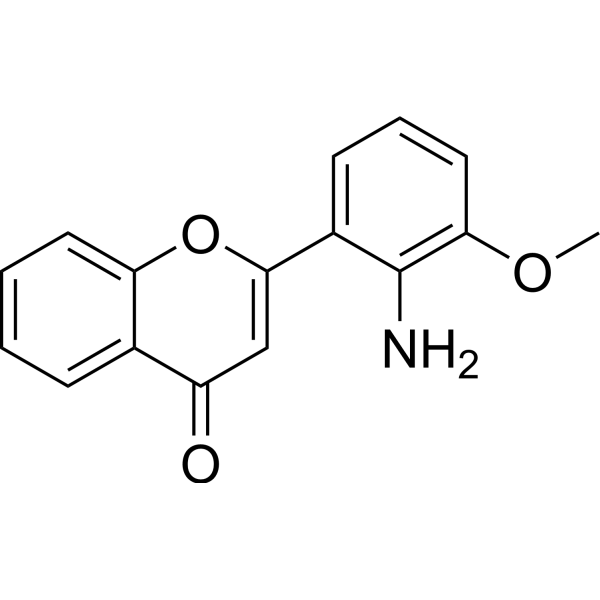
    PD98059
    390+ Cited Publications

    MEK ERK Aryl Hydrocarbon Receptor Autophagy Cancer
    PD98059 is a potent and selective MEK inhibitor with an IC50 of 5 µM. PD98059 binds to the inactive form of MEK, thereby preventing the activation of MEK1 (IC50 of 2-7 µM) and MEK2 (IC50 of 50 µM) by upstream kinases. PD98059 is a ERK1/2 signaling inhibitor. PD98059 is a ligand for the aryl hydrocarbon receptor (AHR), and suppresses TCDD binding (IC50 of 4 μM) and AHR transformation (IC50 of 1 μM). PD98059 also inhibits Mycobacterium bovis Bacillus CalmetteGuerin (BCG)-induced autophagy .
    PD98059
  • HY-W013272

    HFT

    Androgen Receptor Drug Metabolite Akt PI3K Gap Junction Protein Integrin Cancer
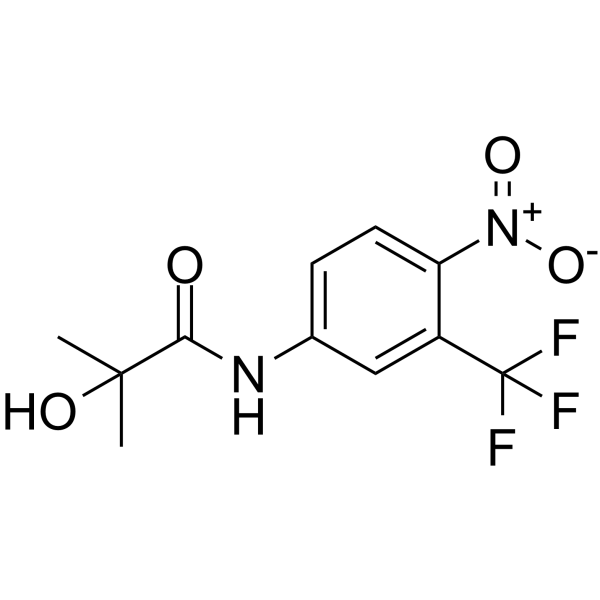
    Hydroxyflutamide (HFT) is the active metabolite of Flutamide (HY-B0022) and exhibits oral activity. Hydroxyflutamide is a potent androgen receptor antagonist with an IC50 of 700 nM. Hydroxyflutamide can affect embryonic development and reproductive tract development in mice. Additionally, Hydroxyflutamide can enhance the efficacy of Bacillus Calmette-Guérin (BCG) to better inhibit the progression of bladder cancer. Hydroxyflutamide can be used in research related to tumors and reproductive diseases .
    Hydroxyflutamide
  • HY-D2919

    Fluorescent Dye Infection
    DMN-Tre is a conjugate of a solvatochromic fluorescent dye and trehalose. DMN-Tre takes advantage of the substrate promiscuity of the endogenous antigen 85 protein complex in mycobacteria to be metabolically integrated into the hydrophobic mycobacterial membrane. Once entering this hydrophobic environment, the linked DMN dye fluorescence is "turned on", enabling specific labeling . DMN-Tre can be used to reflect bacterial metabolic activity and support physiological studies of Mycobacterium tuberculosis .
    DMN-Tre
  • HY-N6624
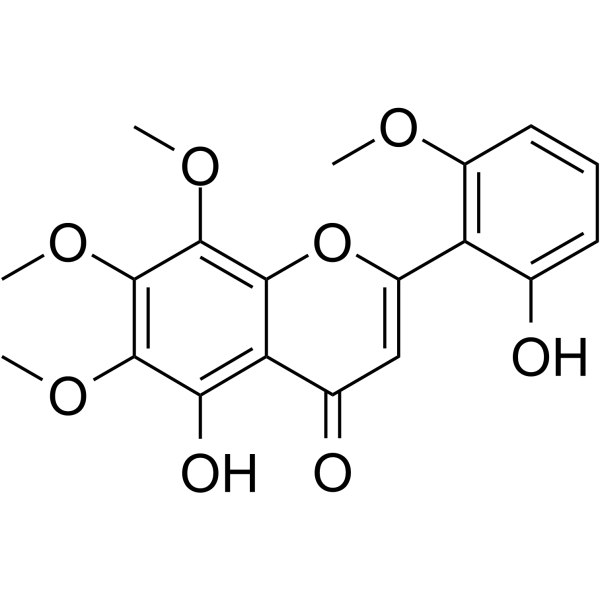
    Skullcapflavone II
    2 Publications Verification

    Bacterial Inflammation/Immunology
    Skullcapflavone II, a flavonoid derived from Scutellaria baicalensis, has anti-inflammatory, anti-microbial activities. Skullcapflavone II regulates osteoclast differentiation, survival, and function. Skullcapflavone II exerts potent antimicrobial activity against M. aurum and M. bovis BCG .
    Skullcapflavone II
  • HY-P6312

    MHC Inflammation/Immunology
    ESAT6 Epitope is a ESAT6 CD4 + T cell epitope. ESAT6 Epitope binds to MHC class I molecules with an IC50 value of approximately 180 nM. ESAT6 Epitope has weak immunogenicity. ESAT6 Epitope can be used in studies related to pulmonary tuberculosis .
    ESAT6 Epitope
  • HY-P4284

    Proteasome ClpP Bacterial Infection
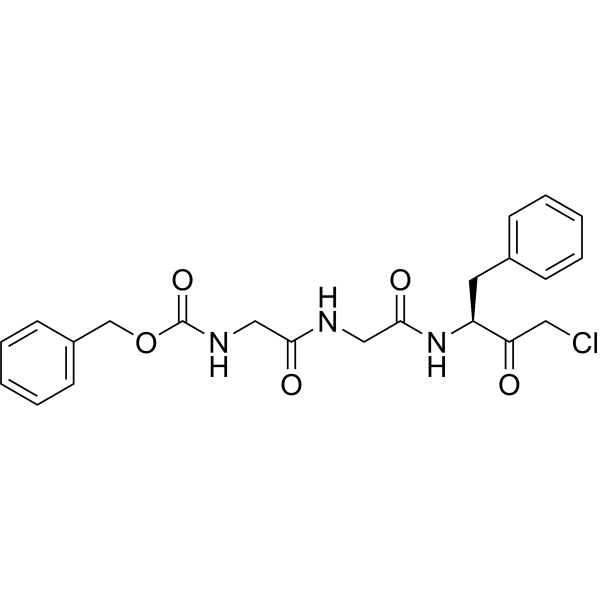
    Z-GGF-CMK is an Antibacterial agent, an inhibitor of the ClpP1P2 serine protease complex (with an IC50 of 50 μM against intracellular ClpP1P2 protease activity in Mycobacterium bovis BCG), and a selective inhibitor of the mycobacterial Proteasome (with an IC50 of 50 μM against the proteasome in M. bovis BCG). Z-GGF-CMK inhibits the growth of mycobacteria. Z-GGF-CMK exhibits cytotoxic activity against liver cancer cells. Z-GGF-CMK can be used in the research of tuberculosis .
    Z-GGF-CMK
  • HY-P99884

    PF-06801591

    PD-1/PD-L1 Inflammation/Immunology Cancer
    Sasanlimab is a humanized IgG4 isotype anti-PD-1 antibody. Sasanlimab blocks PD-1 interaction with PD-L1/PD-L2, reverses PD-1-mediated inhibitory T-cell signaling, augments T-cell proliferation and cytokine production. Sasanlimab inhibits colon adenocarcinoma tumor growth, and accelerates graft-versus-host disease incidence via enhanced T-cell activity. Sasanlimab can be used for the research of cancer, such as bladder cancer and colon adenocarcinoma .
    Sasanlimab
  • HY-177585

    BLD1102

    ADC Payload Topoisomerase Cancer
    BCPT02 (BLD1102) is a Topoisomerase-I inhibitor and ADC payload (ADC Payload). BCPT02 can form the ADC BCG041. BCPT02 is applicable to cancer-related research .
    BCPT02
  • HY-12028R

    MEK ERK Aryl Hydrocarbon Receptor Autophagy Cancer
    PD98059 (Standard) is the analytical standard of PD98059. This product is intended for research and analytical applications. PD98059 is a potent and selective MEK inhibitor with an IC50 of 5 µM. PD98059 binds to the inactive form of MEK, thereby preventing the activation of MEK1 (IC50 of 2-7 µM) and MEK2 (IC50 of 50 µM) by upstream kinases. PD98059 is a ERK1/2 signaling inhibitor. PD98059 is a ligand for the aryl hydrocarbon receptor (AHR), and suppresses TCDD binding (IC50 of 4 μM) and AHR transformation (IC50 of 1 μM). PD98059 also inhibits Mycobacterium bovis Bacillus CalmetteGuerin (BCG)-induced autophagy .
    PD98059 (Standard)
  • HY-P991525

    TNF Receptor Cancer
    2141-V11 is an anti-CD40 agonist antibody with enhanced binding to FcγRIIB. 2141-V11 results in effective tumor-specific T-cell responses in vivo. 2141-V11 can be used for the study of BCG-unresponsive non-muscle invasive bladder cancer .
    2141-V11
  • HY-N15644

    Bacterial Infection
    Mycolic acid IIa is a structural lipid component of mycobacterial cell wall. Mycolic acid IIa can be isolated from Mycobacterium bovis BCG. Mycolic acid IIa significantly modulates membrane permeability and stability, promising for mycobacterium tuberculosis infection research .
    Mycolic acid IIa
  • HY-N11048

    Bacterial Infection Cancer
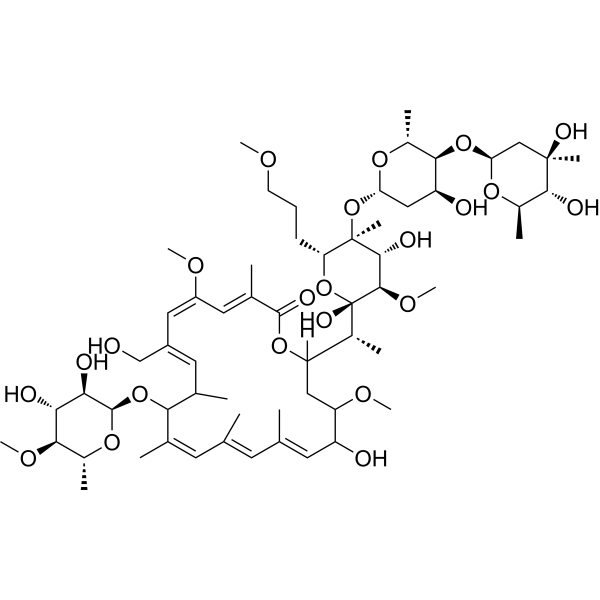
    Amycolatopsin A is a 20-membered macrolide, that can be isolated from a strain of the rare actinomycete Amycolatopsis sp. MST‐108494. Amycolatopsin A shows antimycobacterial activity against Mycobacterium bovis (BCG) and M. tuberculosis (H37Rv) with IC50 values of 0.4 µM and 4.4 µM, respectively .
    Amycolatopsin A
  • HY-173355

    Bacterial Infection
    RCB18350 is an antituberculosis agent that belongs to the class of isoxazole derivatives. RCB18350 has bacteriostatic activity and inhibits the growth of Mycobacterium tuberculosis with an MIC of 1.25 μg/mL. RCB18350 is effective against multidrug-resistant Mycobacterium tuberculosis (MDR-TB) clinical isolates, slow-growing mycobacteria such as Mycobacterium bovis BCG and Mycobacterium avium .
    RCB18350
  • HY-N12600

    Bacterial Infection
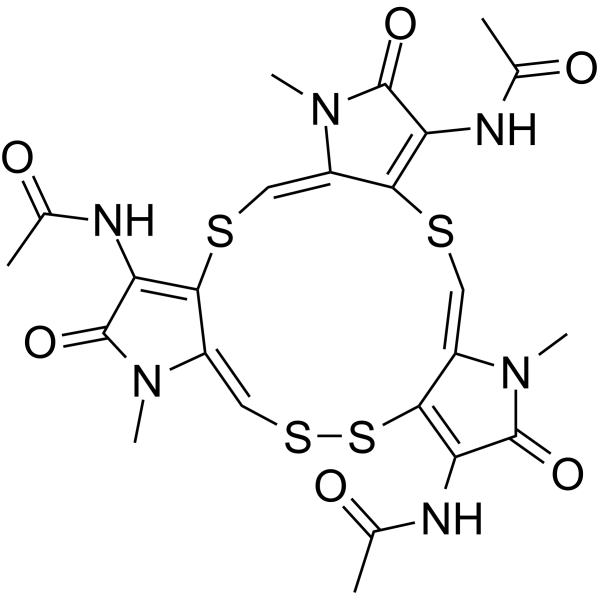
    Thiolopyrrolone A (compound 1) exhibits antibacterial activities against BCG, M. tuberculosis and S. aureus with minimum inhibitory concentrations (MIC) of 10, 10 and 100 μg/mL, respectively .
    Thiolopyrrolone A
  • HY-173617

    SAM002706100

    Bacterial Infection Inflammation/Immunology
    GDI-5755 (SAM002706100), an antibacterial agent by inhibiting ClpP1P2, inhibits the growth of Mtb and M. bovis BCG, the model organism of mycobacteria. GDI-5755 can be used in the research for tuberculosis (TB) .
    GDI-5755
  • HY-175427

    Bacterial Antibiotic Infection
    Amycolatopsin C is a glycosylated macrolactone with antibacterial activity. Amycolatopsin C selectively inhibits the growth of Mycobacterium bovis (BCG) and Mycobacterium tuberculosis (H37Rv) compared to other Gram-positive and Gram-negative bacteria. Amycolatopsin C demonstrates low levels of cytotoxicity toward mammalian cells and can be utilized in antibacterial research .
    Amycolatopsin C
  • HY-172462

    Bacterial Infection
    Mtb-IN-11 (Compound 1e) is an inhibitor of Mycobacterium tuberculosis salicylate synthase (MbtI), with an IC50 of 11.2 μM. Mtb-IN-11 exhibits good in vitro anti-tuberculosis activity, with a MIC99 of 32 μM against M. bovis BCG. Mtb-IN-11 can be used for the research of tuberculosis .
    Mtb-IN-11
  • HY-146098

    Bacterial Antibiotic Infection
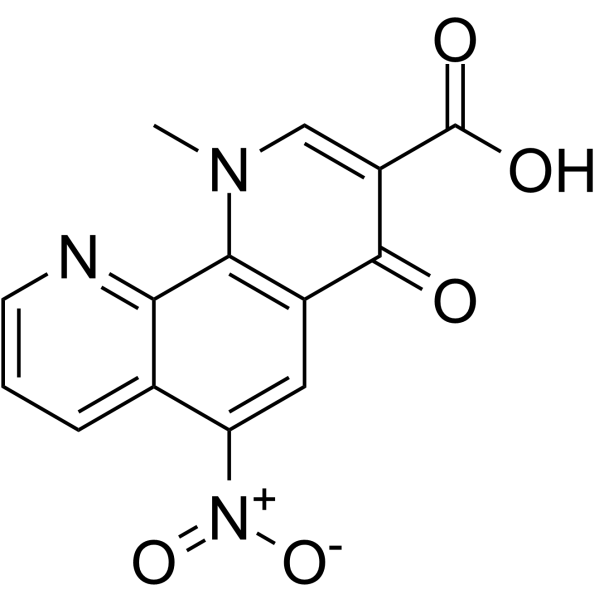
    Antibacterial agent 105 (Compound 17) is a phenanthrolinic analog of quinolones show antibacterial activity against M. tuberculosis with antibacterial activity (MIC90=2.64 μM). Antibacterial agent 105 exhibits antibacterial activities against different bacterial species with MIC90s of 11.18, 11.18, 0.70, 1.40, 44.70, and 22.35 μM for M. smegmatis, M. aurum, M. marinum, BCG, E. aerogenes and S. aureus, respectively .
    Antibacterial agent 105
  • HY-W013272R

    HFT (Standard)

    Reference Standards Androgen Receptor Drug Metabolite Akt PI3K Gap Junction Protein Integrin Cancer
    Hydroxyflutamide (Standard) (HFT (Standard)) is the analytical standard of Hydroxyflutamide (HY-W013272). This product is intended for research and analytical applications. Hydroxyflutamide (HFT) is the active metabolite of Flutamide (HY-B0022) and exhibits oral activity. Hydroxyflutamide is a potent androgen receptor antagonist with an IC50 of 700 nM. Hydroxyflutamide can affect embryonic development and reproductive tract development in mice. Additionally, Hydroxyflutamide can enhance the efficacy of Bacillus Calmette-Guérin (BCG) to better inhibit the progression of bladder cancer. Hydroxyflutamide can be used in research related to tumors and reproductive diseases .
    Hydroxyflutamide (Standard)
  • HY-RS26047

    Small Interfering RNA (siRNA) Others

    Slc11a1 Rat Pre-designed siRNA Set A contains three designed siRNAs for Slc11a1 gene (Rat), as well as a negative control, a positive control, and a FAM-labeled negative control.

    Slc11a1 Rat Pre-designed siRNA Set A
    Slc11a1 Rat Pre-designed siRNA Set A
  • HY-RS19551

    Small Interfering RNA (siRNA) Others

    Slc11a1 Mouse Pre-designed siRNA Set A contains three designed siRNAs for Slc11a1 gene (Mouse), as well as a negative control, a positive control, and a FAM-labeled negative control.

    Slc11a1 Mouse Pre-designed siRNA Set A
    Slc11a1 Mouse Pre-designed siRNA Set A
  • HY-180810

    Antibiotic Bacterial Infection
    T504 is an oxazolidinone antibiotic. T504 exhibits significant growth inhibitory effects on Mycobacterium tuberculosis H37Rv, Mycobacterium bovis BCG, and Mycobacterium abscessus, and the MIC value for the reference strain Mycobacterium tuberculosis H37Rv is 0.5-1.0 μg/mL. T504 effectively inhibits the growth of Mycobacterium tuberculosis within macrophages and does not show obvious cytotoxicity. T504 can be used in the research of mycobacterial infections .
    T504
  • HY-181286

    Cytochrome P450 Infection
    ETX1975-3 is an orally active inhibitor and bactericide targeting the bd cytochrome oxidase of Mycobacterium tuberculosis. ETX1975-3 disrupts electron transfer between the b-heme centers of the target enzyme, and in combination with Q203 (HY-101040), exerts bactericidal activity against both replicating and non-replicating Mycobacterium tuberculosis, and reduces bacterial loads in acute mouse models. ETX1975-3 retains activity against clinical isolates of multidrug-resistant/extensively drug-resistant Mycobacterium tuberculosis and non-tuberculous mycobacteria, while possessing favorable preclinical ADMET properties. ETX1975-3 can be used in studies related to tuberculosis and non-tuberculous mycobacterial infections .
    ETX1975-3
  • HY-182711

    Bacterial Parasite Infection
    SCR0911 is an inhibitor of mycobacterial cytochrome bcc oxidase and Plasmodium falciparum cytochrome bc1. SCR0911 disrupts oxidative phosphorylation by binding to mycobacterial cytochrome bcc, binds to the Qi site of Plasmodium falciparum cytochrome bc1, inhibits mycobacterial cell growth and ATP synthesis, and exhibits broad-spectrum anti-mycobacterial and anti-malarial activities. SCR0911 can be used in research related to tuberculosis, malaria, and isolated persistent hypermethioninemia (iph) .
    SCR0911

Inquiry Online

Your information is safe with us. * Required Fields.

Salutation


Country or Region *

Applicant Name *


Organization Name *

Department *


Email Address *


Product Name *

Cat. No.


Requested quantity *

Phone Number *


Remarks

Inquiry Online

Inquiry Information

Product Name:
Cat. No.:
Quantity:
MCE Japan Authorized Agent:

