1. Search Result
Search Result
Results for "

BIR3

" in MedChemExpress (MCE) Product Catalog:

20

Inhibitors & Agonists

1

Peptides

2

Natural
Products

1

Click Chemistry

Cat. No. Product Name Target Research Areas Chemical Structure
  • HY-15989
    SM-164
    Maximum Cited Publications
    54 Publications Verification

    IAP Apoptosis Cancer
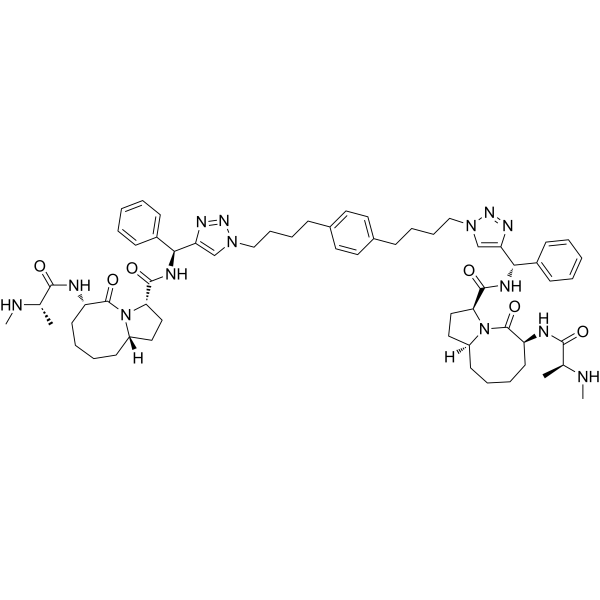
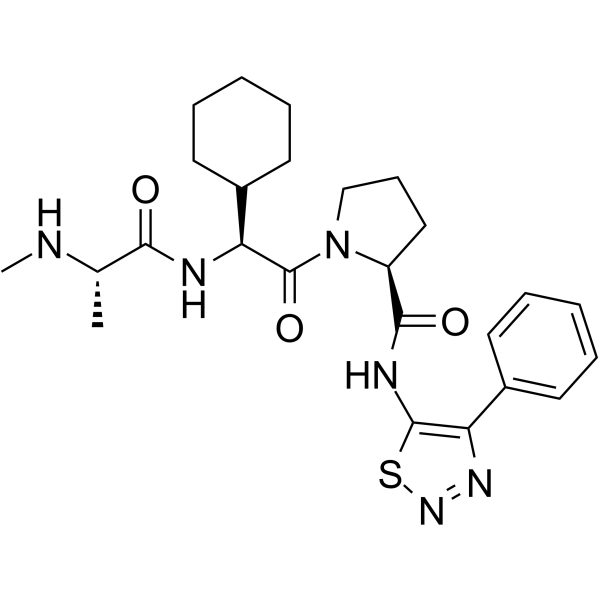
    SM-164 is a cell-permeable Smac mimetic compound. SM-164 binds to XIAP protein containing both the BIR2 and BIR3 domains with an IC50 value of 1.39 nM and functions as an extremely potent antagonist of XIAP.
    SM-164
  • HY-12600
    AZD5582
    15+ Cited Publications

    IAP Apoptosis Cancer
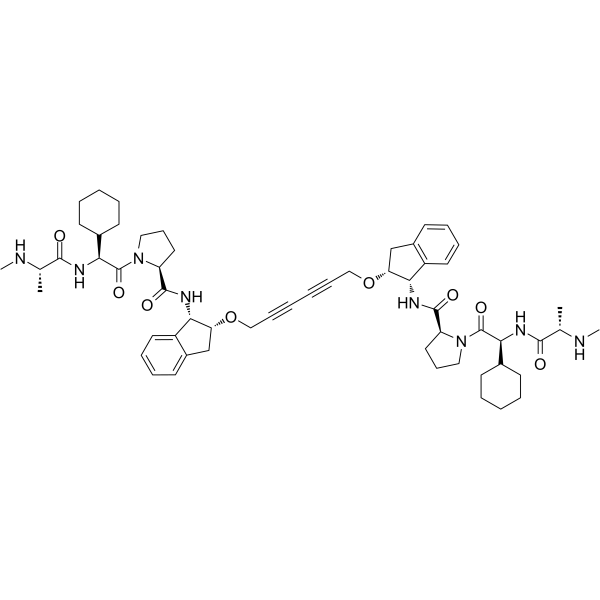
    AZD5582 is an antagonist of the inhibitor of apoptosis proteins (IAPs), which binds to the BIR3 domains cIAP1, cIAP2, and XIAP with IC50s of 15, 21, and 15 nM, respectively. AZD5582 induces apoptosis .
    AZD5582
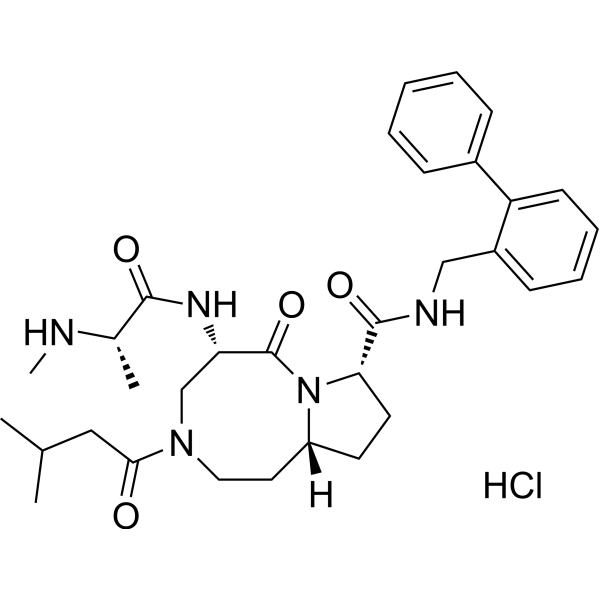
  • HY-13208
    Xevinapant hydrochloride
    10+ Cited Publications

    AT-406 hydrochloride; Debio 1143 hydrochloride; SM-406 hydrochloride

    IAP Apoptosis Cancer
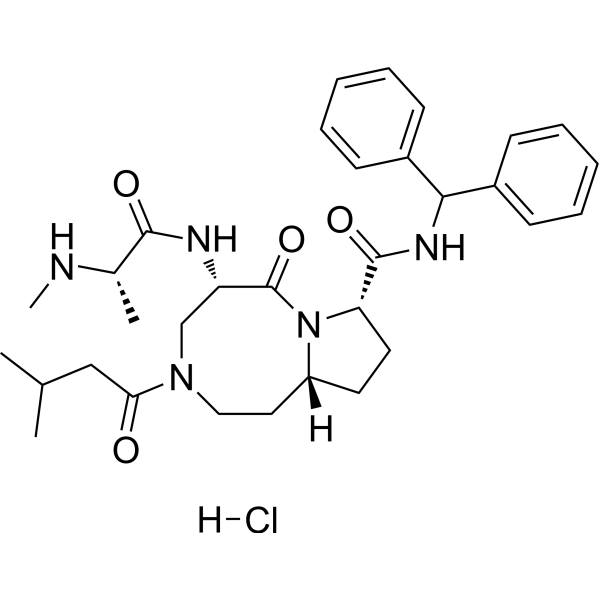
    Xevinapant (AT-406) hydrochloride is a potent and orally bioavailable Smac mimetic and an antagonist of the inhibitor of apoptosis proteins (IAPs). Xevinapant hydrochloride binds to XIAP, cIAP1, and cIAP2 proteins with Kis of 66.4, 1.9, and 5.1 nM, respectively. Xevinapant hydrochloride effectively antagonizes XIAP BIR3 protein in a cell-free functional assay, induces rapid degradation of cellular cIAP1 protein, and inhibits cancer cell growth in various human cancer cell lines. Xevinapant hydrochloride is highly effective in induction of apoptosis in xenograft tumors .
    Xevinapant hydrochloride
  • HY-13638
    GDC-0152
    10+ Cited Publications

    IAP Cancer
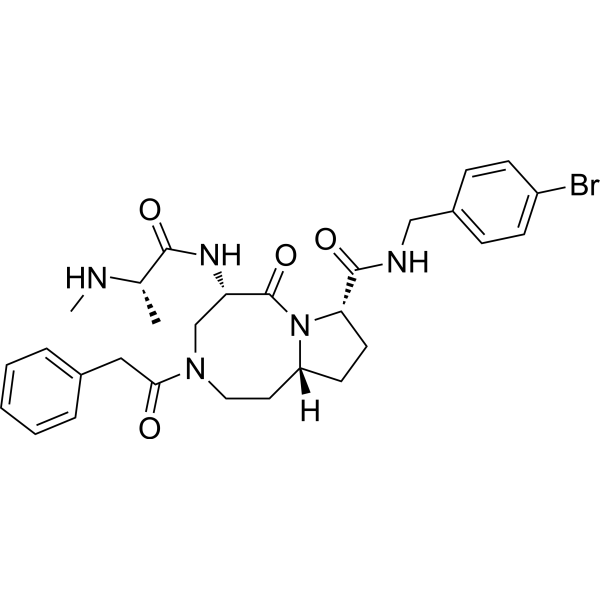
    GDC-0152 is a potent IAPs inhibitor, and binds to the BIR3 domains of XIAP, cIAP1, cIAP2 and the BIR domain of ML-IAP with Ki values of 28 nM, 17 nM, 43 nM and 14 nM, respectively.
    GDC-0152
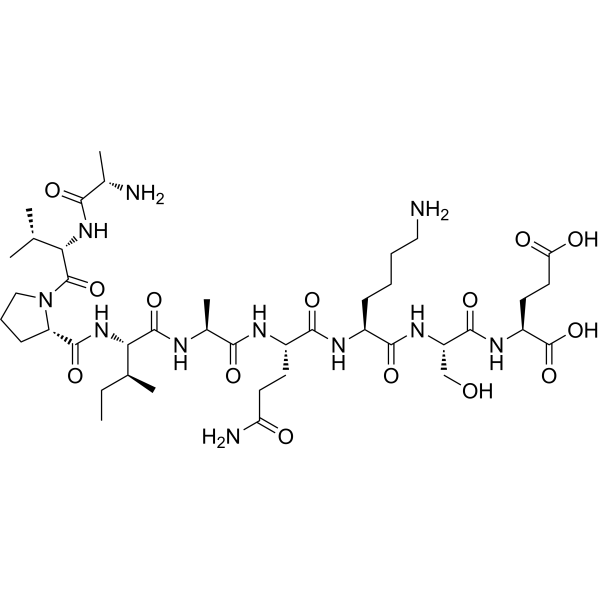
  • HY-W008235

    Amino Acid Derivatives Drug Intermediate Cancer
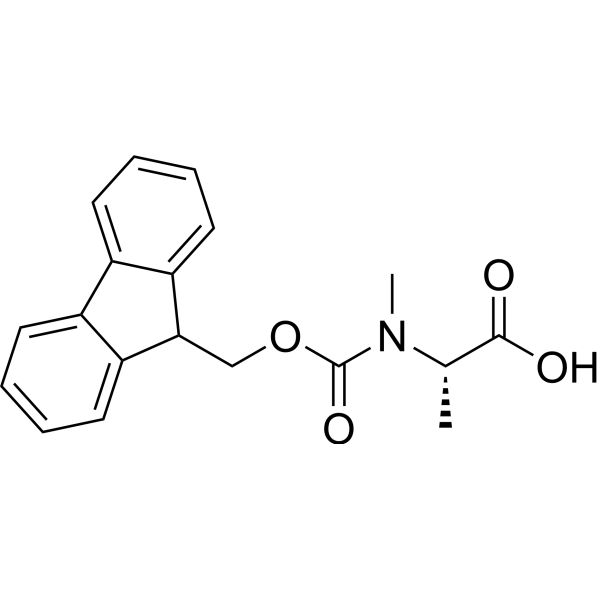
    Fmoc-N-Me-Ala-OH is an Fmoc-protected N-methyl-L-alanine and also a building block for solid-phase peptide synthesis. As a building block, Fmoc-N-Me-Ala-OH is used to synthesize peptidomimetic antagonists of XIAP BIR3 derived from Smac/DIABLO [3].
    Fmoc-N-Me-Ala-OH
  • HY-124181

    IAP Apoptosis Cancer
    SM-1295 is an inhibitor of apoptosis protein (IAP) antagonist, with Kd values of 3077 nM, 3.2 nM and 9.5 nM for XIAP-BIR3, c-IAP1-BIR3 and c-IAP2-BIR3, respectively .
    SM-1295
  • HY-15989A
    SM-164 hydrochloride
    Maximum Cited Publications
    54 Publications Verification

    IAP Apoptosis Cancer
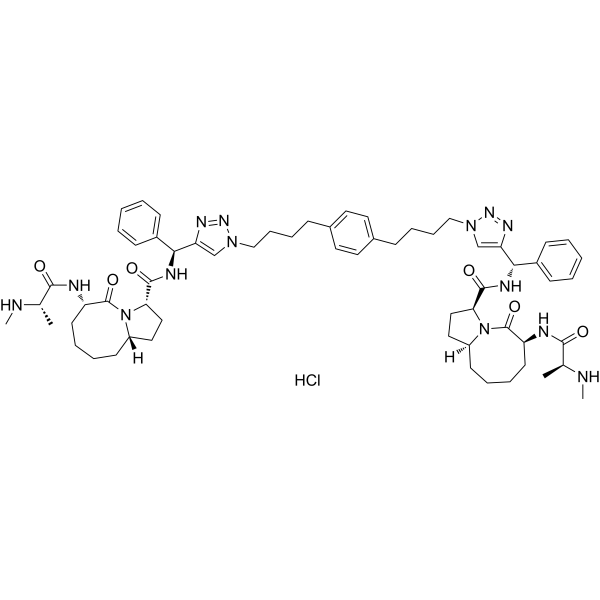
    SM-164 hydrochloride is a cell-permeable Smac mimetic compound. SM-164 binds to XIAP protein containing both the BIR2 and BIR3 domains with an IC50 value of 1.39 nM and functions as an extremely potent antagonist of XIAP.
    SM-164 hydrochloride
  • HY-110346
    AZD5582 dihydrochloride
    15+ Cited Publications

    IAP Apoptosis Cancer
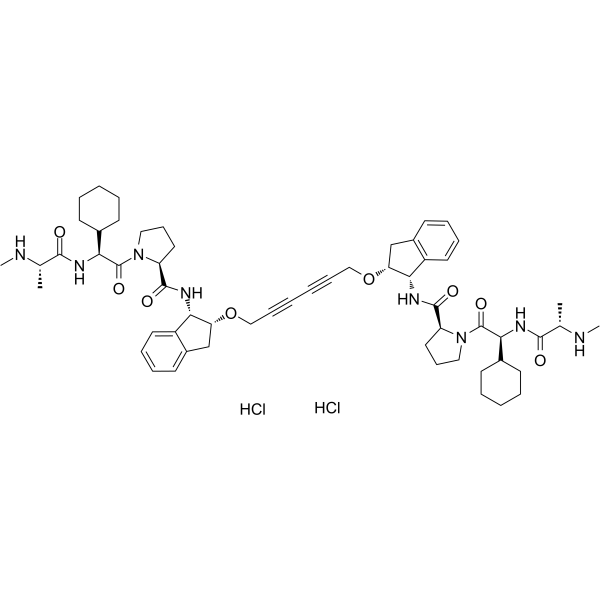
    AZD5582 dihydrochloride is an antagonist of the inhibitor of apoptosis proteins (IAPs), which binds to the BIR3 domains cIAP1, cIAP2, and XIAP with IC50s of 15, 21, and 15 nM, respectively. AZD5582 induces apoptosis .
    AZD5582 dihydrochloride
  • HY-12372

    IAP Caspase Cancer
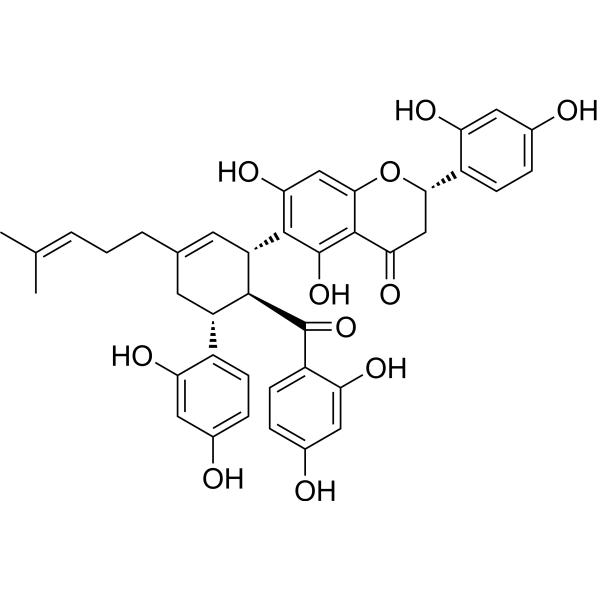
    Sanggenon G is a cell-permeable and potent inhibitor of X-linked inhibitor of apoptosis protein (XIAP). Sanggenon G binds specifically to the BIR3 domain of XIAP with a binding affinity of 34.26 μM. Sanggenon G enhances caspase activation .
    Sanggenon G
  • HY-150825

    IAP Ligands for E3 Ligase Cancer
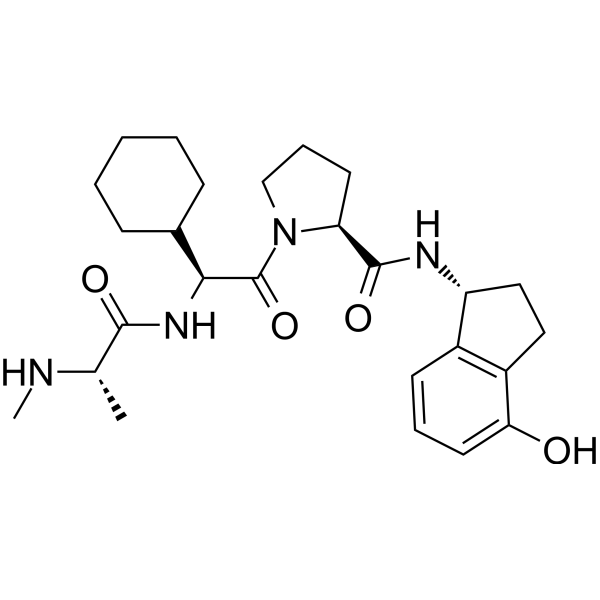
    CST530 is an inhibitor of apoptosis protein (IAP) antagonist. CST530 is an IAP-type Ligands for E3 Ligase. CST530 binds to the BIR3 domain of IAP and interferes with its function, thereby promoting the ubiquitination and degradation of cIAP1. CST530 can be used to prepare PROTACs .
    CST530
  • HY-155019

    IAP Cancer
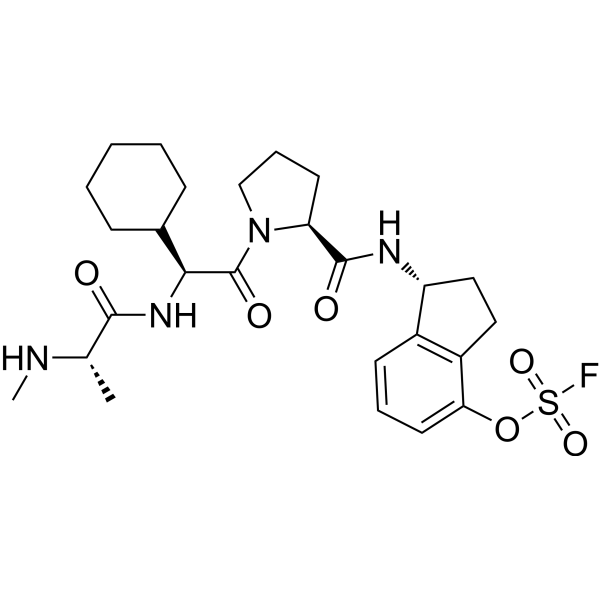
    Anticancer agent 128 (compound 1) is an IAP inhibitor that covalently targets the BIR3 domains of XIAP, cIAP1, and cIAP2. Anticancer agent 128 targets the BIR3 domains of XIAP, cIAP1, and cIAP2 with IC50s of 24.9 nM, 19.3 nM, and 10.3 nM, respectively .
    Anticancer agent 128
  • HY-155018

    IAP Cancer
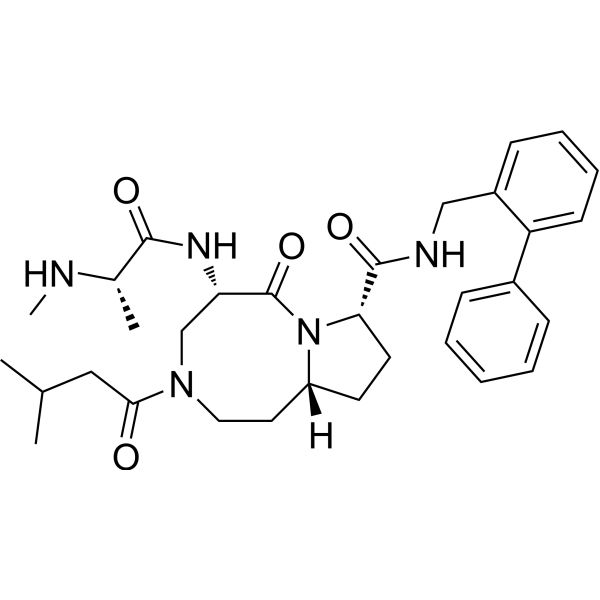
    Anticancer agent 127 (142D6) is an IAP inhibitor that covalently targets the BIR3 domains of XIAP, cIAP1, and cIAP2. Anticancer agent 127 targets the BIR3 domains of XIAP, cIAP1, and cIAP2 with IC50s of 12 nM, 14 nM, and 9 nM, respectively. Anticancer agent 127 has anticancer effects .
    Anticancer agent 127
  • HY-138059

    IAP Apoptosis Cancer
    SM-433, a Smac mimetic, function as inhibitor of inhibitor of apoptosis proteins (IAPs). SM-433 exhibits strong binding affinity XIAP BIR3 protein with an IC50<1 μM (patent WO2008128171A2) .
    SM-433
  • HY-161473

    Apoptosis Cancer
    Apoptosis inducer 16 (Compound 3) is a bivalent Smac mimic that can effectively bind to BIR2 and BIR3, and exhibits cancer cell (apoptosis) inducing activity .
    Apoptosis inducer 16
  • HY-138059A

    IAP Apoptosis Cancer
    SM-433 hydrochlorid, a Smac mimetic, function as inhibitor of inhibitor of apoptosis proteins (IAPs). SM-433 hydrochlorid exhibits strong binding affinity XIAP BIR3 protein with an IC50<1 μM (patent WO2008128171A2) .
    SM-433 hydrochloride
  • HY-181530

    IAP Cancer
    IAP ligand 6 (A250) is an IAP ligand with a Ka value of 0.1 μM for the human XIAP BIR3 domain. IAP ligand 6 binds to the XIAP BIR3 domain and serves as an alkynylpyridine scaffold for the preparation of TEAD degraders that recruit IAP. IAP ligand 6 is applicable to research related to mesothelioma .
    IAP ligand 6
  • HY-N15378

    IAP Bcl-2 Family COX TNF Receptor Caspase Apoptosis Inflammation/Immunology Cancer
    β-carotene-15,15ʹ-epoxide is a XIAP antagonist with apoptosis-inducing and antitumor activity, found in the leaves of Spondias mombin. In a DMBA (HY-W011845)-induced rat model of breast cancer, β-carotene-15,15ʹ-epoxide binds to the BIR3 domain of the anti-apoptotic protein XIAP, blocking its interaction with caspase-9 and thereby promoting tumor cell apoptosis. In addition, β-carotene-15,15ʹ-epoxide significantly downregulates the expression of BCL-2, COX-2, and TNF-α in tumor tissues, reduces MDA levels, increases catalase activity, and modulates serum levels of LDH, ALP, and ALT, demonstrating strong antioxidant, anti-inflammatory, and metabolic protective effects. β-carotene-15,15ʹ-epoxide may be used in research on inflammation-related conditions and cancers such as breast cancer .
    β-Carotene-15,15'-epoxide
  • HY-181533

    Ligands for E3 Ligase IAP Cancer
    IAP ligand 9 is an ASX-series, non-peptidic SMAC mimetic and IAP binder with high cell permeability. IAP ligand 9 selectively targets cIAP1-BIR3, XIAP-BIR3, exhibits extremely weak binding affinity for XIAP-BIR2, with a KD of 100 nM for cIAP1-BIR3 and 10 nM for XIAP-BIR2. IAP ligand 9 can be used to synthesize IAP-recruiting protein degraders (IPD), and can calibrate the cell permeability and cellular-level target binding assays of the IPD molecule SNIPER (TEAD)-1 (HY-181607). IAP ligand 9 and its series of degraders can be used in the research of solid tumors such as malignant pleural mesothelioma associated with abnormal activation of the Hippo pathway .
    IAP ligand 9
  • HY-181532

    Ligands for E3 Ligase IAP Cancer
    IAP ligand 8 is an ASX-series, non-peptidic SMAC mimetic and IAP binder with high cell permeability. IAP ligand 8 selectively targets cIAP1-BIR3, XIAP-BIR2 (with a KD of 15.8 nM for both). IAP ligand 8 serves as an IAP ligand moiety to synthesize IAP-recruiting protein degrader (IPD) (HY-181590). This IPD simultaneously forms two ternary complexes, cIAP1-A538-TEAD1 and XIAP-A538-TEAD1, and efficiently degrades TEAD1 via a dual E3 recruitment mechanism, while inducing the autodegradation of cIAP1. IAP ligand 8 and its series of degraders are applicable to targeted research on Hippo pathway-dysregulated cancers such as NF2-mutant mesothelioma .
    IAP ligand 8
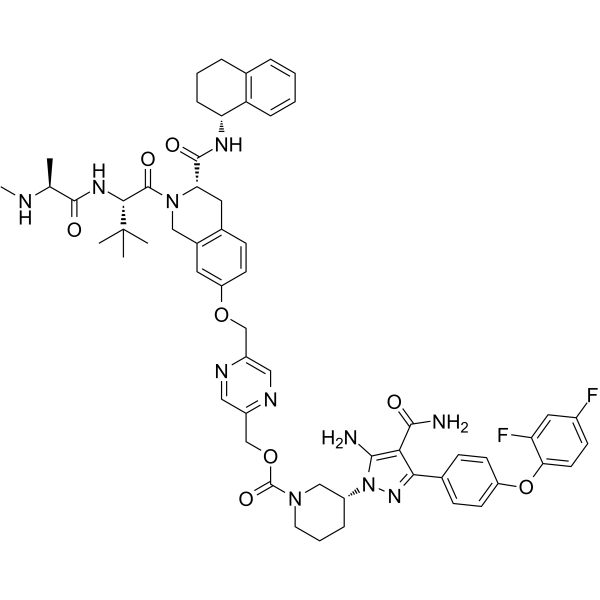
  • HY-181607

    YAP Others
    TEAD ligand-Linker Conjugate 3 (the blue structure + black structure of A536 in the literature) is a conjugate of a TEAD1-targeting ligand and a linker. TEAD ligand-Linker Conjugate 3 can be coupled with an IAP ligand (HY-181531) to form an IAP-recruiting bifunctional protein degrader (IPD) (HY-181594), also known as a SNIPER degrader. This TEAD SNIPER simultaneously binds to the TEAD1 palmitoylation pocket and the BIR3 domain of cIAP1 to form a ternary complex, efficiently inducing the ubiquitination and degradation of both TEAD1 and cIAP1 (DC50=110 nM, Dmax=51%; IC50=122 nM for cIAP1). TEAD ligand-Linker Conjugate 3 and its synthesized SENIPER molecule can be utilized in research on Hippo pathway dysregulation-related diseases, such as NF2-mutant tumors .
    TEAD ligand-Linker Conjugate 3

Inquiry Online

Your information is safe with us. * Required Fields.

Salutation


Country or Region *

Applicant Name *


Organization Name *

Department *


Email Address *


Product Name *

Cat. No.


Requested quantity *

Phone Number *


Remarks

Inquiry Online

Inquiry Information

Product Name:
Cat. No.:
Quantity:
MCE Japan Authorized Agent:

