

From 11:00 pm to 12:00 pm EST ( 8:00 pm to 9:00 pm PST ) on January 6th, the website will be under maintenance. We are sorry for the inconvenience. Please arrange your schedule properly.
Neomycin sulfate, an aminoglycoside antibiotic, exerts antibacterial activity through irreversible binding of the nuclear 30S ribosomal subunit, thereby blocking bacterial protein synthesis. Neomycin sulfate is a known phospholipase C (PLC) inhibitor. Neomycin sulfate potently inhibits both the nuclear translocation of angiogenin and angiogenin-induced cell proliferation and angiogenesis. Neomycin sulfate inhibits IP3-mediated Ca 2+ release, MgATP-dependent Ca 2+ uptake, and electrical excitation-evoked skeletal muscle Ca 2+ transients. Neomycin sulfate depletes gut microbiota in specific mouse models, causes hearing impairment, and kidney damage with prolonged exposure. Neomycin sulfate can be used for the research of cancer .
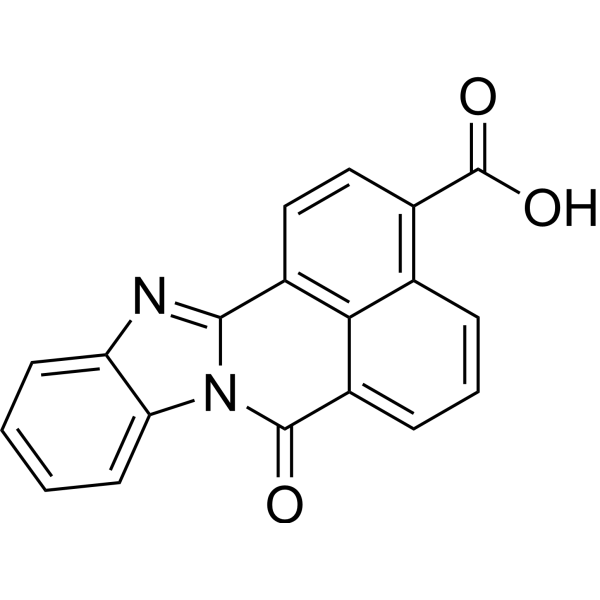
STO-609 is a selective and cell-permeable inhibitor of the Ca 2+/calmodulin-dependent protein kinase kinase (CaM-KK), with Ki values of 80 and 15 ng/mL for recombinant CaM-KKα and CaM-KKβ, respectively. STO-609 inhibits AMP-activated protein kinase kinase (AMPKK) activity in HeLa cell lysates with an IC50 ~0.02 g/ml.
Stains-All, a cationic carbocyanine dye, is a convenient probe to study the structural features of the individual calcium-binding sites of calmodulin (CaM) and related calcium-binding proteins (CaBP) .
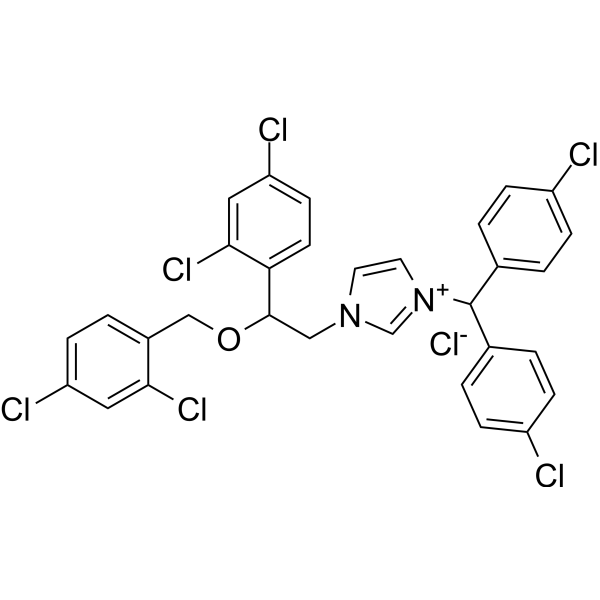
Calmidazolium chloride (R 24571) is a calmodulin antagonist, antagonizing CaM-dependent phosphodiesterase and calmodulin-induced activation of erythrocyte Ca2+-transporting ATPase with IC50s of 0.15 and 0.35 μM, respectively . Also in anti-cancer research . Calmidazolium binds to calmodulin with a Kd of 3 nM.
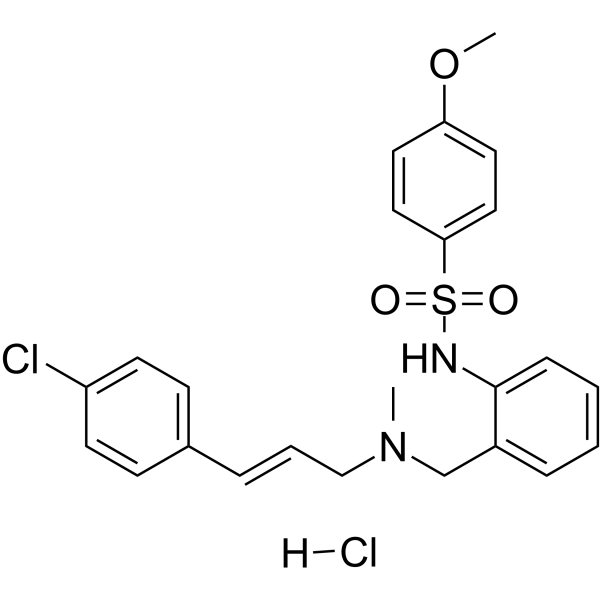
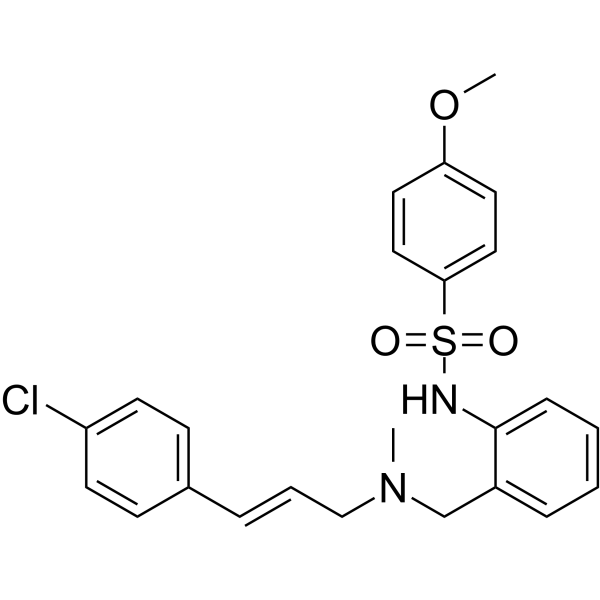
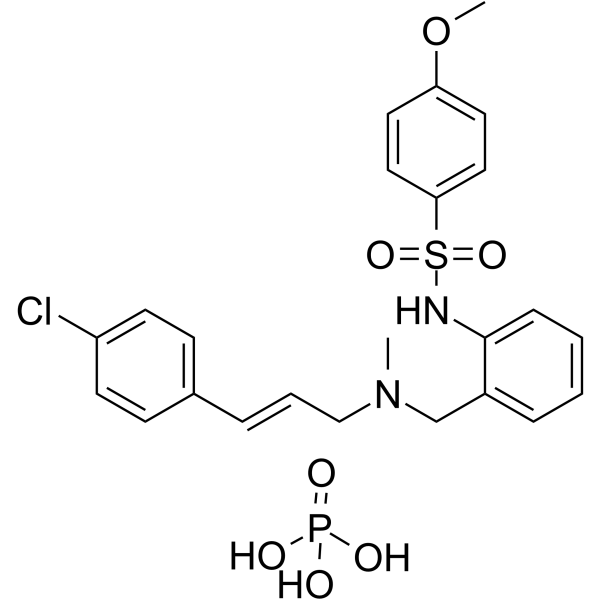
KN-92 is an inactive derivative of KN-93, without CaM kinase inhibitory activity. KN-92 is intended to be used as a control compound in studies designed to elucidate the antagonist activities of KN-93. KN-93 is a cell-permeable, reversible and competitive CaMKII inhibitor .
CAM833 is a potent orthosteric inhibitor of the interaction between BRCA2 and RAD51 with a Kd of 366 nM against the ChimRAD51 protein. CAM833 also inhibits RAD51 oligomerization. CAM833 increases the progression of G2/M-arrested cells into apoptosis .
Neomycin, an aminoglycoside antibiotic, exerts antibacterial activity through irreversible binding of the nuclear 30S ribosomal subunit, thereby blocking bacterial protein synthesis. Neomycin is a known phospholipase C (PLC) inhibitor. Neomycin potently inhibits both the nuclear translocation of angiogenin and angiogenin-induced cell proliferation and angiogenesis. Neomycin inhibits IP3-mediated Ca 2+ release, MgATP-dependent Ca 2+ uptake, and electrical excitation-evoked skeletal muscle Ca 2+ transients. Neomycin depletes gut microbiota in specific mouse models, causes hearing impairment, and kidney damage with prolonged exposure. Neomycin can be used for the research of cancer .
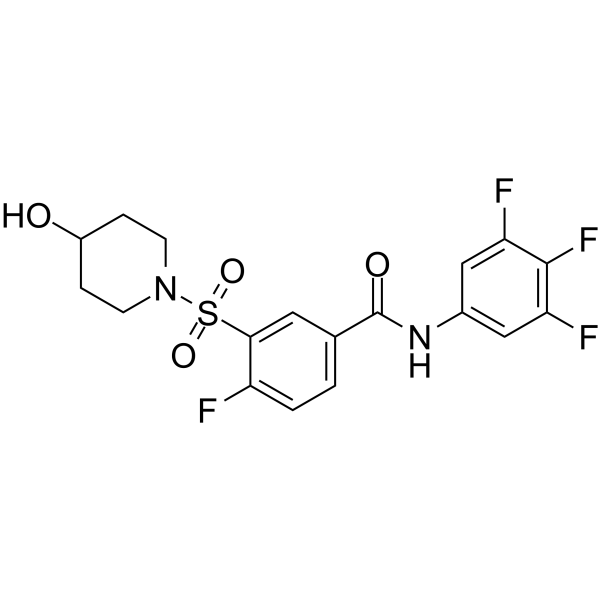
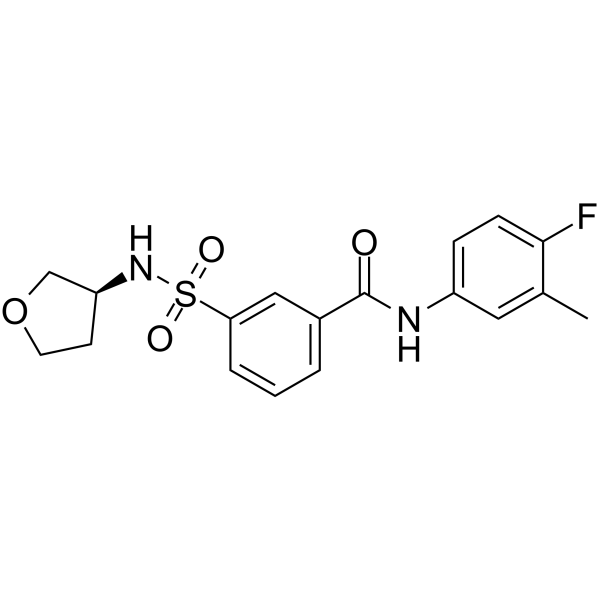
NVR 3-778 is a first-in-Class and oral bioavailable HBV CAM (capsid assembly modulator) belonging to the SBA (sulfamoylbenzamide) class, with anti-HBV activity .
KN-92 hydrochloride is an inactive derivative of KN-93, without CaM kinase inhibitory activity. KN-92 hydrochloride is intended to be used as a control compound in studies designed to elucidate the antagonist activities of KN-93 .
ALG-001075, a capsid assembly modulator (CAM), is an orally active HBV inhibitor. ALG-001075 effectively blocks not only HBV DNA production but also extracellular HBsAg/HBeAg and intracellular HBV RNA in primary human hepatocytes. ALG-001075 shows pronounced reductions of circulating HBV DNA in the AAV-HBV mouse model. ALG-001075 can be used for the study of Chronic hepatitis B (CHB) .
Neridronate is an aminobisphosphonate. Neridronate induces osteoblast differentiation, enhances alkaline phosphatase activity and mineralized nodule formation. Neridronate inhibits endothelial cell proliferation, fibroblast growth factor-2-induced capillary-like tube formation, and angiogenesis. Neridronate can be used for osteogenesis imperfecta and Paget’s disease of bone .
Mavrilimumab (CAM 3001) is a monoclonal antibody that binds to the α subunit of the granulocyte-macrophage colony stimulating factor (GM-CSF) receptor and blocks intracellular signalling downstream of GM-CSF. GM-CSF might be a mediator of the hyperactive inflammatory response associated with respiratory failure and death .
CALP1 is a calmodulin (CaM) agonist (Kd of 88 µM) with binding to the CaM EF-hand/Ca 2+-binding site. CALP1 blocks calcium influx and apoptosis (IC50 of 44.78 µM) through inhibition of calcium channel opening. CALP1 blocks glutamate receptor channels and blocks a store-operated nonselective cation channel. CALP1 activates CaM-dependent phosphodiesterase activity .
KN-92 phosphate is an inactive derivative of KN-93, without CaM kinase inhibitory activity. KN-92 phosphate is intended to be used as a control compound in studies designed to elucidate the antagonist activities of KN-93. KN-93 is a cell-permeable, reversible and competitive CaMKII inhibitor .
Verosudil (AR-12286) is a ROCK inhibitor. Verosudil has equal inhibitory activity against ROCK1 and ROCK2 (Ki: 2 nM). Verosudil is less selective for PKA, PKCT, MRCKA, and CAM2A (Ki: 69 nM, 9322 nM, 28 nM, 5855 nM, respectively). Verosudil increases trabecular outflow capacity to reduce intraocular pressure. Verosudil is useful in the study of glaucoma and ocular hypertension .
Zaldaride maleate (CGS-9343B) is a potent, orally active and selective inhibitor of calmodulin. Zaldaride maleate inhibits CaM (calmodulin)-stimulated cAMP phosphodiesterase activity, with an IC50 of 3.3 nM . Zaldaride maleate prevents estrogen-induced transcription activation by ER, reversibly blocks voltage-activated Na +, Ca 2+ and K + currents in PC12 cells and inhibits nAChR .
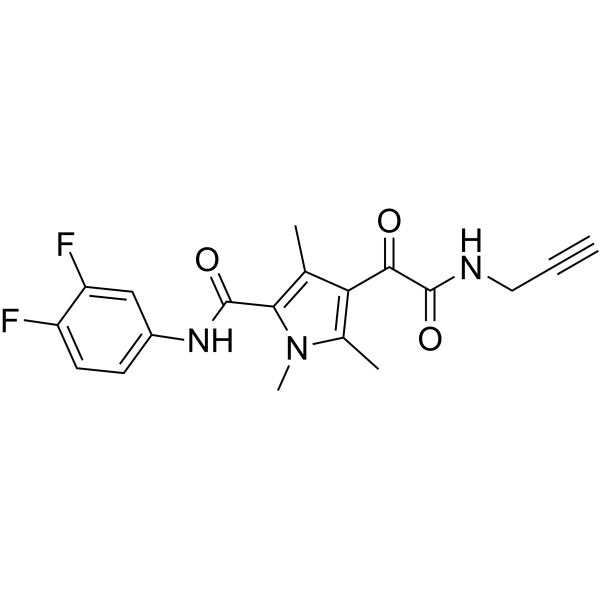
GLP-26 is a HBV capsid assembly modulators (CAM), inhibits HBV DNA replication in Hep AD38 system (IC50=3 nM), and reduces cccDNA by >90% at 1 μM.
GLP-26 disrupts the encapsidation of pre-genomic RNA, causes nucleocapsid disassembly and reduces cccDNA pools . GLP-26 is a click chemistry reagent, it contains an Alkyne group and can undergo copper-catalyzed azide-alkyne cycloaddition (CuAAc) with molecules containing Azide groups.
Calmodulin Binding Peptide 1 is a high-affinity (pM) CaM-binding peptide derived from smooth muscle myosin light chain kinase (MLCK peptide). The interface of the complex formed by Calmodulin Binding Peptide 1 and Ca 2+-CaM can be specifically bound by small-molecule inhibitors, serving as a key target for selective regulation of smooth muscle contraction and development of anti-CaM drugs .
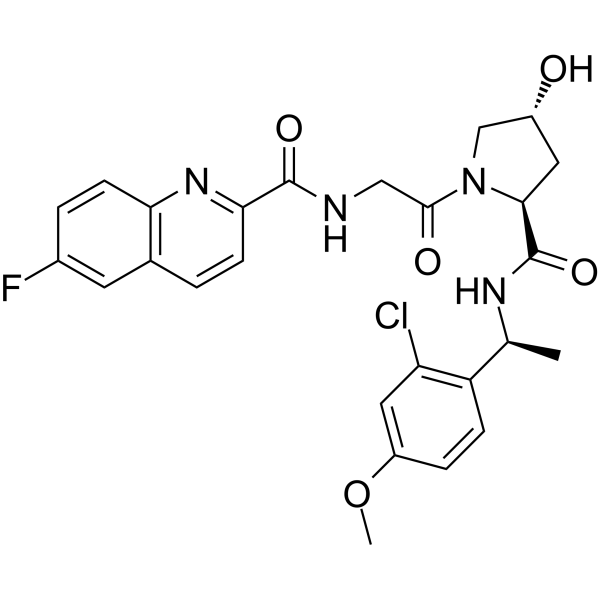
CAM2602 is an orally active Aurora A-TPX2 protein−protein interaction inhibitor with a human Kd of 19 nM for Aurora A. CAM2602 increases the proportion of PH3 positive cells while reducing P-T288 Aurora A levels. CAM2602 arrests tumor xenograft growth in mice. CAM2602 can be used for the research of cancer, such as acute T cell leukemia .
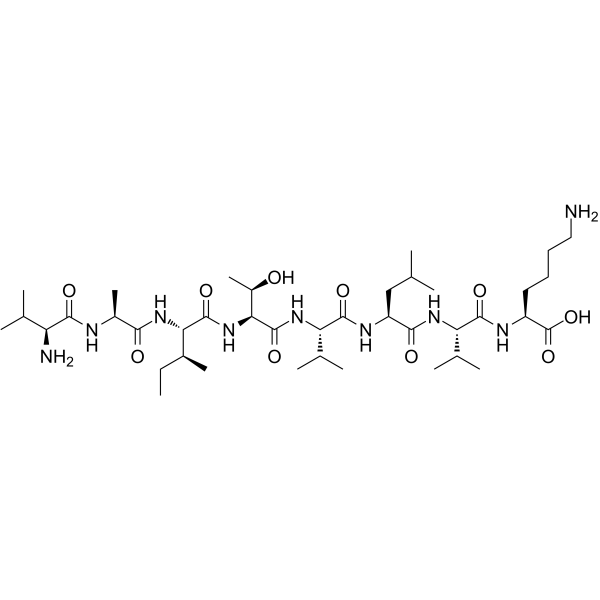
CALP3, a Ca 2+-like peptide, is a potent Ca 2+ channel blocker that activates EF hand motifs of Ca 2+-binding proteins. CALP3 can functionally mimic increased [Ca 2+]i by modulating the activity of Calmodulin (CaM), Ca 2+ channels and pumps. CALP3 has the potential in controlling apoptosis in diseases such as AIDS or neuronal loss due to ischemia .
CALP1 TFA is a calmodulin (CaM) agonist (Kd of 88 µM) with binding to the CaM EF-hand/Ca 2+-binding site. CALP1 TFA blocks calcium influx and apoptosis (IC50 of 44.78 µM) through inhibition of calcium channel opening. CALP1 TFA blocks glutamate receptor channels and blocks a store-operated nonselective cation channel. CALP1 TFA activates CaM-dependent phosphodiesterase activity .
MLCK inhibitor peptide 18 is a myosin light chain kinase (MLCK) inhibitor with an IC50 of 50 nM, and inhibits CaM kinase II only at 4000-fold higher concentrations.
Idramantone (Kemantane, 5-Hydroxy-2-adamantanone) is an Adamantane derivative. Idramantone is an immunostimulant. Idramantone is a versatile starting material for the synthesis of various adamantine deivatives. Idramantone can be produced using P450cam monooxygenase coupled with NADH regeneration as an oxidation biocatalyst. Idramantone can be studied in research on bronchial pathology .
E6 Berbamine (Berbamine p-nitrobenzoate) is a potent calmodulin (CaM) antagonist. E6 Berbamine inhibits the activities of calmodulin-dependent myosin light chain kinase (MLCK) and phosphodiesterase (PDE). E6 Berbamine exhibits anti-leukemic activity. E6 Berbamine can be used in research related to cardiovascular abnormalities and chronic myeloid leukemia .
CALP2 TFA is a calmodulin (CaM) antagonist (Kd of 7.9 µM) with high affinity for binding to the CaM EF-hand/Ca 2+-binding site. CALP2 TFA inhibits CaM-dependent phosphodiesterase activity and increases intracellular Ca 2+ concentrations. CALP2 TFA potently inhibits of adhesion and degranulation. CALP2 TFA is also a strong activator of alveolar macrophages .
ING-1 (heMab) is a high-affinity humanized monoclonal antibody against epithelial cell adhesion molecule(Ep-CAM). ING-1 is a transmembrane glycoprotein mediating Ca 2+. ING-1 binds to Ep-CAM on tumor cells and exhibits potent in vitro activity, targeting and inhibiting tumor growth and metastasis in mouse cancer models. ING-1 is useful in the research of breast, colorectal, and lung cancers, among other cancers .
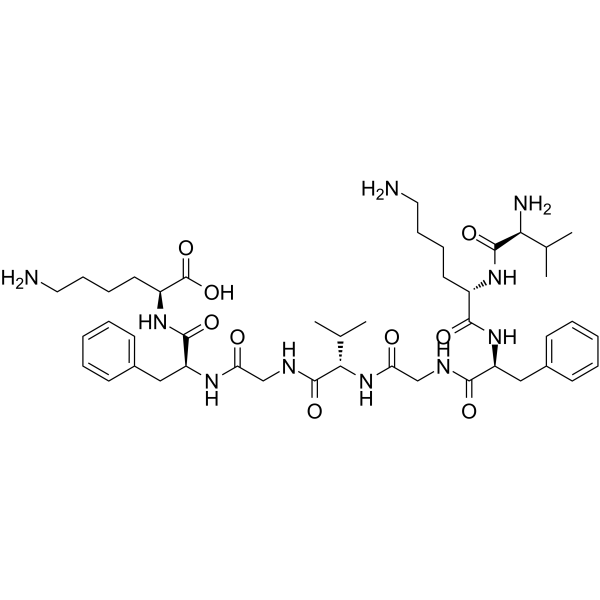
Syntide 2 (TFA), a Ca 2+- and calmodulin (CaM)-dependent protein kinase II (CaMKII) substrate peptide, selectively inhibits the gibberellin (GA) response, leaving constitutive and abscisic acid-regulated events unaffected .
STO-609 acetate is a selective and cell-permeable inhibitor of the Ca 2+/calmodulin-dependent protein kinase kinase (CaM-KK), with Ki values of 80 and 15 ng/mL for recombinant CaM-KKα and CaM-KKβ, respectively. STO-609 acetate inhibits AMP-activated protein kinase kinase (AMPKK) activity in HeLa cell lysates with an IC50 ~0.02 g/ml.
DY-9760e is a calmodulin (CaM) inhibitor. DY-9760e selectively inhibits the activity of various calmodulin-dependent enzymes by antagonizing the Ca²⁺/CaM complex, exhibiting the strongest inhibitory activity against nNOS, CaM kinase II, and calcineurin (Ki: 0.9, 1.4, and 2.0 μM, respectively). DY-9760e inhibits excessive nitric oxide production and protein tyrosine nitration, as well as the activation of calpain and caspase-3. DY-9760e reduces infarct size, improves cardiac function, and inhibits oxidative stress and cell death. DY-9760e can be used in research on the treatment of myocardial infarction, cerebral ischemia, and other diseases .
Nardoguaianone K, a guaiane-type compound, can be isolated from Nardostachys chinensis roots. Nardoguaianone K cam be used in the research of pancreatic cancer .
CAM4066 is a potent CK2α inhibitor, with an IC50 value of 300 nM. CAM4066 exhibits high selectivity, with IC50 values of 22.35, 43.55, and > 50 μM for HIPK3, DAPK3, and CLK2, respectively. CAM4066 shows no cell activity. CAM4066 can be used for the development of highly potent CK2 inhibitors .
CaMKI (299-320) refers to a peptide consisting of residues 299-320 of Calcium/calmodulin-dependent protein kinase I (CaMKI). CaMKI (299-320), as a protein kinase, has a high affinity interaction with Ca 2+-CAM (Kd≤1 nM≤1 nM), which can phosphorylate specific substrate proteins, thereby regulating their activity. CaMKI (299-320) contains the CAM-binding domain and the self-inhibition domain, and CaMKI (299-320) can be used to study cell physiological processes, including cell proliferation, differentiation, and apoptosis .
VNRX-9945 is a potent, broadly and orally active HBV CAM (capsid assembly modulator) with an EC50 of 2.6 nM. VNRX-9945 exhibits excellent and broad antiviral activity against multiple HBV genotypes in vitro, along with favorable pharmacokinetic profiles across multiple species. VNRX-9945 demonstrates robust antiviral efficacy in the adeno-associated virus mice models of HBV (AAV-HBV) infection .
Methocinnamox (M-CAM) a selective and long-acting μ-opioid receptor (MOR) antagonist with a Ki of 0.6 nM. Methocinnamox binds to the orthosteric site of the MOR in a pseudo-irreversible, non-covalent manner, resulting in prolonged receptor blockade that persists until new receptors are synthesized. Methocinnamox acts as a reversible antagonist at both the kappa-opioid receptor (KOR) (Ki = 4.9 nM) and delta-opioid receptor (DOR) (Ki = 2.2 nM), and it exhibits no intrinsic agonist activity at these receptors. Methocinnamox can be used to reverse and prevent opioid overdose and addiction .
TI-16 is a peptide that targets β-amyloid (Aβ) protein. TI-16 can cross the blood-brain barrier. TI-16 can increase the concentration of intracellular free CaM, thereby restoring calcium ion homeostasis and reducing Aβ toxicity. TI-16 can reduce the deposition of Aβ in the brain, improve neuronal pathology, inhibit cell apoptosis, and improve cognitive function in mice. TI-16 is commonly used in the study of Alzheimer's disease .
Prenylamine lactate is a calcium-modulating protein (CaM) antagonist that inhibits CaM-dependent enzymes and can slowly relax smooth muscle preparations. The effect of Prenylamine lactate on smooth muscle is not inhibited by the calcium agonist Bay K 8644 (HY-10588). Reports suggest that under low heart rate conditions, Prenylamine seems to enhance voltage-dependent transmembrane calcium currents .
Compound 19A8.8 is a cyclic peptide derived from a CD36 protein fragment. Compound 19A8.8 inhibits the TGF-β/Smad3 signaling pathway by suppressing the interaction between TSP1 and CD36. Compound 19A8.8 has no obvious cytotoxicity. Compound 19A8.8 can be used for research on colon injury and fibrosis .
Syntide 2, a Ca 2+- and calmodulin (CaM)-dependent protein kinase II (CaMKII) substrate peptide, selectively inhibits the gibberellin (GA) response, leaving constitutive and abscisic acid-regulated events unaffected .
Calmodulin antagonist-1 (A-5) is a calmodulin (CaM) antagonist. Calmodulin antagonist-1 inhibits calmodulin-activated Ca 2+-phosphodiesterase (PDE) (IC50=66 μM). Calmodulin antagonist-1 also inhibits trypsin-treated Ca 2+-PDE (IC50=560 μM) in a competitive fashion with respect to cyclic GMP .
HDAC-IN-92 is a pan-HDAC inhibitor with an IC50 of 12.58 µM in A2780 cells. HDAC-IN-92 demonstrates broad-spectrum, notable cytotoxic activity against a range of human cancer cell lines, including ovarian, liver, and breast carcinomas. HDAC-IN-92 causes apoptosis and demonstrates a notable decrease in tumor cell colony formation. HDAC-IN-92 inhibits the formation of blood vessels in the chick chorioallantoic membrane (CAM). HDAC-IN-92 exhibits anti-tumor effect in a 4T1 tumor-bearing mouse model. HDAC-IN-92 can be used for research targeting solid tumor .
Beauverolide Ja, a cyclotetradepsipeptide, is a potent calmodulin (CaM) inhibitor with a Kd of 0.078 μM and a Ki of 0.39 μM for Ca 2+-CaM. Beauverolide Ja is a secondary metabolite of Isaria fumosorosea .
D-CAM-14 is a potent HBV capsid assembly modulator with potent anti-HBV activity (EC50 = 0.1 nM, EC90 = 9 nM in HepAD38 cells). D-CAM-14 suppresses HBeAg, and HBcAg in HBV-infected HepG2-NTCP cells, with EC50 values of 98 and 67 nM, respectively. D-CAM-14 has distinct impacts on capsid radii and the morphology of preassembled capsids. D-CAM-14 can be used for HBV infection disease research .
L1cam Mouse Pre-designed siRNA Set A contains three designed siRNAs for L1cam gene (Mouse), as well as a negative control, a positive control, and a FAM-labeled negative control.
L1CAM Human Pre-designed siRNA Set A contains three designed siRNAs for L1CAM gene (Human), as well as a negative control, a positive control, and a FAM-labeled negative control.
L1cam Rat Pre-designed siRNA Set A contains three designed siRNAs for L1cam gene (Rat), as well as a negative control, a positive control, and a FAM-labeled negative control.
PD 136450 (CAM 1189) is an antagonist for cholecystokinin 2 (CCK2). PD 136450 exhibits anti-secretory, anxiolytic and anti-ulcer activities, inhibits gastric acid secretion (IC50=1 mg/kg), and ameliorates the haemorrhagic lesions (IC50=4.7 mg/kg) in rats .
NVR 3-778 (Standard) is the analytical standard of NVR 3-778. This product is intended for research and analytical applications. NVR 3-778 is a first-in-Class and oral bioavailable HBV CAM (capsid assembly modulator) belonging to the SBA (sulfamoylbenzamide) class, with anti-HBV activity .
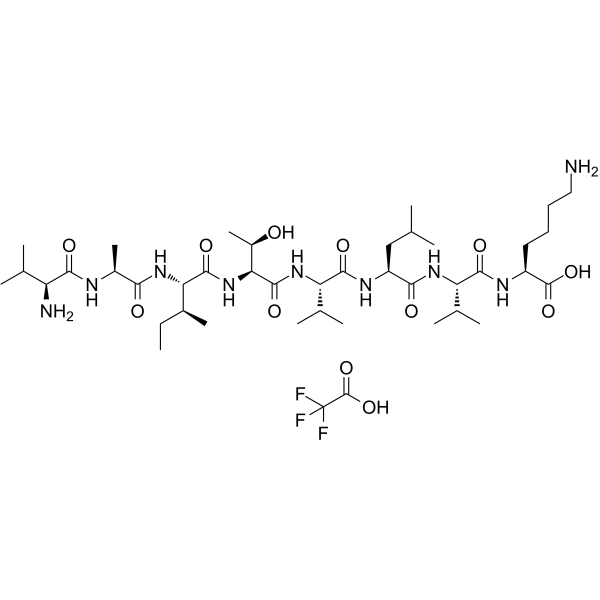
CALP3 TFA, a Ca 2+-like peptide, is a potent Ca 2+ channel blocker that activates EF hand motifs of Ca 2+-binding proteins. CALP3 TFA can functionally mimic increased [Ca 2+]i by modulating the activity of Calmodulin (CaM), Ca 2+ channels and pumps. CALP3 TFA has the potential in controlling apoptosis in diseases such as AIDS or neuronal loss due to ischemia .
KRIT1 Human Pre-designed siRNA Set A contains three designed siRNAs for KRIT1 gene (Human), as well as a negative control, a positive control, and a FAM-labeled negative control.
Calm1 Mouse Pre-designed siRNA Set A contains three designed siRNAs for Calm1 gene (Mouse), as well as a negative control, a positive control, and a FAM-labeled negative control.
CALP2 is a calmodulin (CaM) antagonist ( (Kd of 7.9 µM)) with high affinity for binding to the CaM EF-hand/Ca 2+-binding site. CALP2 inhibits CaM-dependent phosphodiesterase activity and increases intracellular Ca 2+ concentrations. CALP2 potently inhibits of adhesion and degranulation. CALP2 is also a strong activator of alveolar macrophages .
Neurogranin (48-76), mouse is a peptide corresponding to residues 48-76 of Neurogranin. Neurogranin, a calmodulin-binding protein, is exclusively expressed in the post-synapse, and mediates NMDAR driven synaptic plasticity by regulating the calcium-calmodulin (Ca 2+-CaM) pathway .
Calm2 Rat Pre-designed siRNA Set A contains three designed siRNAs for Calm2 gene (Rat), as well as a negative control, a positive control, and a FAM-labeled negative control.
CAMKMT Human Pre-designed siRNA Set A contains three designed siRNAs for CAMKMT gene (Human), as well as a negative control, a positive control, and a FAM-labeled negative control.
Cloxacepride is an orally active and potent antiallergic agent. Cloxacepride is a CaM (calmodulin) antagonist. Cloxacepride has anti-PCA (passive cutaneous anaphylaxis) activity .
Prenylamine (lactate) (Standard) is the analytical standard of Prenylamine (lactate). This product is intended for research and analytical applications. Prenylamine lactate is a calcium-modulating protein (CaM) antagonist that inhibits CaM-dependent enzymes and can slowly relax smooth muscle preparations. The effect of Prenylamine lactate on smooth muscle is not inhibited by the calcium agonist Bay K 8644 (HY-10588). Reports suggest that under low heart rate conditions, Prenylamine seems to enhance voltage-dependent transmembrane calcium currents .
Acremonidin A is a potent calmodulin (CaM) inhibitor found in Purpureocillium lilacinum. Acremonidin A binds to the human calmodulin (hCaM) biosensor hCaM M124C-mBBr, with Kd of 19.40 nM .
Calmodulin Dependent Protein Kinase Substrate is a Ca 2+- and calmodulin (CaM)-dependent protein kinase (CaMK) substrate peptide. Calmodulin Dependent Protein Kinase Substrate is a synthetic peptide substrate for protein kinases .
Calmodulin Dependent Protein Kinase Substrate Analog is a Ca 2+- and calmodulin (CaM)-dependent protein kinase (CaMK) substrate peptide. Calmodulin Dependent Protein Kinase Substrate Analog is a synthetic peptide substrate for protein kinases .
ERα17p (ERα 295-311) is the epitope of the CaM binding site on the estrogen receptor α (ER), which interacts with calmodulin (CaM) in a calcium-dependent manner. ERα17p regulates the migration of cancer cells MCF-7, SK-BR-3, T47D, and MDA-MB-231 through Rho/ROCK and PI3K/Akt signaling pathways. ERα17p inhibits proliferations of breast cancer cells, induces apoptosis, and inhibits tumor growth in mouse models .
CALM2 Human Pre-designed siRNA Set A contains three designed siRNAs for CALM2 gene (Human), as well as a negative control, a positive control, and a FAM-labeled negative control.
CALM3 Human Pre-designed siRNA Set A contains three designed siRNAs for CALM3 gene (Human), as well as a negative control, a positive control, and a FAM-labeled negative control.
CALM1 Human Pre-designed siRNA Set A contains three designed siRNAs for CALM1 gene (Human), as well as a negative control, a positive control, and a FAM-labeled negative control.
15-Deoxy-Δ12,14-prostaglandin A1 is a deoxyanalog of prostaglandins that inhibits NF-κB signaling and induces apoptosis. 15-Deoxy-Δ12,14-prostaglandin A1 inhibits TNF-α-induced upregulation of inflammatory endothelial cell adhesion molecule (CAM) and avoids monocyte arrest .
Zaldaride (CGS-9343B free base) is a potent, orally active and selective inhibitor of calmodulin. Zaldaride inhibits CaM (calmodulin)-stimulated cAMP phosphodiesterase activity, with an IC50 of 3.3 nM . Zaldaride prevents estrogen-induced transcription activation by ER, reversibly blocks voltage-activated Na +, Ca 2+ and K + currents in PC12 cells and inhibits nAChR .
Verosudil (AR-12286) hydrochloride is the hydrochloride form of Verosudil (HY-16758). Verosudil hydrochloride is a ROCK inhibitor. Verosudil hydrochloride has equal inhibitory activity against ROCK1 and ROCK2 (Ki: 2 nM). Verosudil hydrochloride is less selective for PKA, PKCT, MRCKA, and CAM2A (Ki: 69 nM, 9322 nM, 28 nM, 5855 nM, respectively). Verosudil hydrochloride increases trabecular outflow capacity to reduce intraocular pressure. Verosudil hydrochloride is useful in the study of glaucoma and ocular hypertension .
p53 Activator 14 (Compound 7A) is a derivative of Neratinib (HY-32721), that induces DNA damage, activates p53, and inhibits the proliferation of multi cancer cells (IC50=7.21 μM for HCT116 cell). p53 Activator 14 inhibits the adhesion, migration and invasion of HCT116, arrests the cell cycle, and induces apoptosis. p53 Activator 14 inhibits angiogenesis and exhibits antitumor efficacy in chick chorioallantoic membrane (CAM) model .
HJ-4 is a Piperine (HY-N0144) derivative. HJ-4 potently inhibits the proliferation of CRC cells by dose-dependently reducing colony formation and DNA synthesis. HJ-4 markedly suppresses the adhesion, migration, invasion and induces apoptosis of CRC cells. HJ-4 demonstrates anti-tumor efficacy in chicken embryo chorioallantoic membrane (CAM) model implanted with HCT116/SW480 tumor spheroids. HJ-4 can be used for the study of colorectal cancer (CRC) .
BA6b9 is an allosteric inhibitor of SK4 channels that targets the CaM–PIP2-binding domain with a IC50 value of 8.6 µM (WT SK4). BA6b9 inhibits SK4 channels by interacting with two specific residues, Arg191 and His192 in the S4–S5 linker. BA6b9 significantly prolongs atrial and atrioventricular effective refractory period (ERP) and reduces atrial fibrillation (AF) induction in rat isolated hearts, which has the potential to be used for the research of arrhythmia .
Anti-L1-CAM Antibody is a monoclonal antibody that targets L1-CAM. It can be used in ELISA, FACS, and functional assays. For isotype controls of Anti-L1-CAM Antibody, please refer to Human IgG1 kappa, Isotype Control (HY-P99001).
HDAC-IN-98 is a HDAC1, HDAC2, HDAC3 inhibitor (one of the most selective class I HDAC inhibitors) with human IC50 values of 41.2 nM, 52.5 nM, and 74.3 nM respectively. HDAC-IN-98 induces H3K9 acetylation, p21 upregulation, G2/M arrest, cell apoptosis, has strong antiproliferative effects in colorectal cancer cells, low toxicity in healthy colon epithelium, modulates short-term in vitro effects via autophagy, and shows strong antitumor efficacy in vivo in the chorioallantoic membrane model (CAM) assay. HDAC-IN-98 can be used for the research of colorectal cancer .
QO-83, Retigabine analogue, is a voltage-gated potassium channel KCNQ2 (Kv7.2) activator with an EC50 of 0.56 μM. QO-83 binds to a single hydrophobic pocket of KCNQ2-CaM complex in closed conformation. QO-83 induces a negative shift in the voltage-dependent activation curve of KCNQ2 channels, increasing the channel's voltage sensitivity. QO-83 can be used for the research of epilepsies .
Calmidazolium chloride (Standard) is the analytical standard of Calmidazolium chloride (HY-103319). This product is intended for research and analytical applications. Calmidazolium chloride (R 24571) is a calmodulin antagonist, antagonizing CaM-dependent phosphodiesterase and calmodulin-induced activation of erythrocyte Ca2+-transporting ATPase with IC50s of 0.15 and 0.35 μM, respectively . Also in anti-cancer research . Calmidazolium binds to calmodulin with a Kd of 3 nM.
VEGFR-2/c-Met/EGFR-IN-1 is a VEGFR-2/c-Met/EGFR inhibitor with IC50 values of 0.014 μM, 0.072 μM, and 0.94 μM, respectively. c-Met-IN-27 inhibits neovascularization in the chick chorioallantoic membrane (CAM) assay and exhibits in vivo anti-angiogenic activity. c-Met-IN-27 can be used in angiogenesis-related research .
VEGFR-2/c-Met/EGFR-IN-2 is a VEGFR-2/c-Met/EGFR inhibitor with IC50 values of 0.32 μM, 0.021 μM, and 9.3 μM, respectively. c-Met-IN-27 inhibits cancer cell proliferation. c-Met-IN-27 suppresses neovascularization in the chick chorioallantoic membrane (CAM) assay, exhibiting in vivo anti-angiogenic activity. c-Met-IN-27 can be used in research related to breast cancer and lung cancer .
VEGFR-2-IN-71 is a dual VEGFR2/tubulin inhibitor. VEGFR-2-IN-71 inhibits tumor cell proliferation and induces apoptosis and cell cycle arrest. VEGFR-2-IN-71 inhibits angiogenesis in the chick chorioallantoic membrane (CAM) model. VEGFR-2-IN-71 inhibits tumor growth in the HGC-27 xenograft model by inhibiting VEGFR2 and tubulin. VEGFR-2-IN-71 has low oral bioavailability in rats. VEGFR-2-IN-71 can be used in cancer research .
SKF-83566-PEG1-pomalidomide is an anti-tumor agent and is formed by the covalent connection of SKF-83566 (HY-103430A) (dopamine D1 receptor antagonist) and Pomalidomide (HY-10984) (immunomodulatory agent). SKF-83566-PEG1-pomalidomide can inhibit cancer cells invasion, migration and colony formation. SKF-83566-PEG1-pomalidomide can inhibit tumor growth and angiogenesis in MDA-MB-231 cell chicken embryo chorioallantoic membrane (CAM) xenograft model. SKF-83566-PEG1-pomalidomide can be used for research of breast cancer .
CAB7-3 is an orally active HBV capsid assembly modulator (CAM). CAB7-3 exhibits an exceptional antiviral efficacy reducing HBV DNA with an EC50 = 70 nM, CC50 = 32.3 μM in HepDES19 cells. CAB7-3 exhibits significant anti-HBV activity in HBV-integrated HepDES19 (EC50 = 70 nM), HepAD38 (EC50 = 1 nM) and HBV-infected HLCZ01 cells (EC50 = 2 nM), respectively. CAB7-3 effectively reduces Hepatic HBV core protein levels and suppresses viral replication in vivo. CAB7-3 demonstrates a favorable drug-like and safety profile. CAB7-3 can be used for Hepatitis B Virus (HBV) research .
Peptide HRH acetate is a polypeptide that specifically binds to VEGF receptors. Peptide HRH acetate inhibits VEGF-stimulated endothelial cell proliferation. Peptide HRH acetate inhibits angiogenesis and suppresses corneal neovascularization. Peptide HRH acetate can be used in anti-angiogenesis related studies .
Peptide HRH is a polypeptide that specifically binds to VEGF receptors. Peptide HRH inhibits VEGF-stimulated endothelial cell proliferation. Peptide HRH inhibits angiogenesis and suppresses corneal neovascularization. Peptide HRH can be used in anti-angiogenesis related studies .
SU015 (DOTA-RGDfK dimer) is a Integrin αvβ5 and αvβ3 antagonist. SU015 exhibits comparable affinity for αvβ5 and αvβ3, with relatively higher potency and specificity compared to other integrins. SU015 inhibits αvβ3-mediated cell adhesion to fibrinogen, αvβ3-mediated adhesion of activated platelets to osteopontin, and αvβ5-mediated cell adhesion to vitronectin. SU015 shows potent inhibitory effects on FGF2-induced angiogenesis in the CAM model. SU015 carries a linker arm available for radioisotope conjugation, and acts as a target-specific radioreagent when labeled with 90Y (i.e., RP697) or 177Lu (i.e., RP688). SU015 can be used in studies related to tumor metastasis and tumors .
NY0123 is a EPAC1 inhibitor. NY0123 significantly inhibits the expression of EPAC1, phosphorylated AKT, phosphorylated ERK1/2 and phosphorylated VEGFR2. NY0123 inhibits angiogenesis and tumor growth of triple-negative breast cancer. NY0123 is applicable to relevant research on triple-negative breast cancer .
Stains-All, a cationic carbocyanine dye, is a convenient probe to study the structural features of the individual calcium-binding sites of calmodulin (CaM) and related calcium-binding proteins (CaBP) .
CALP1 is a calmodulin (CaM) agonist (Kd of 88 µM) with binding to the CaM EF-hand/Ca 2+-binding site. CALP1 blocks calcium influx and apoptosis (IC50 of 44.78 µM) through inhibition of calcium channel opening. CALP1 blocks glutamate receptor channels and blocks a store-operated nonselective cation channel. CALP1 activates CaM-dependent phosphodiesterase activity .
Calmodulin Binding Peptide 1 is a high-affinity (pM) CaM-binding peptide derived from smooth muscle myosin light chain kinase (MLCK peptide). The interface of the complex formed by Calmodulin Binding Peptide 1 and Ca 2+-CaM can be specifically bound by small-molecule inhibitors, serving as a key target for selective regulation of smooth muscle contraction and development of anti-CaM drugs .
CALP3, a Ca 2+-like peptide, is a potent Ca 2+ channel blocker that activates EF hand motifs of Ca 2+-binding proteins. CALP3 can functionally mimic increased [Ca 2+]i by modulating the activity of Calmodulin (CaM), Ca 2+ channels and pumps. CALP3 has the potential in controlling apoptosis in diseases such as AIDS or neuronal loss due to ischemia .
CALP1 TFA is a calmodulin (CaM) agonist (Kd of 88 µM) with binding to the CaM EF-hand/Ca 2+-binding site. CALP1 TFA blocks calcium influx and apoptosis (IC50 of 44.78 µM) through inhibition of calcium channel opening. CALP1 TFA blocks glutamate receptor channels and blocks a store-operated nonselective cation channel. CALP1 TFA activates CaM-dependent phosphodiesterase activity .
MLCK inhibitor peptide 18 is a myosin light chain kinase (MLCK) inhibitor with an IC50 of 50 nM, and inhibits CaM kinase II only at 4000-fold higher concentrations.
CALP2 TFA is a calmodulin (CaM) antagonist (Kd of 7.9 µM) with high affinity for binding to the CaM EF-hand/Ca 2+-binding site. CALP2 TFA inhibits CaM-dependent phosphodiesterase activity and increases intracellular Ca 2+ concentrations. CALP2 TFA potently inhibits of adhesion and degranulation. CALP2 TFA is also a strong activator of alveolar macrophages .
Syntide 2 (TFA), a Ca 2+- and calmodulin (CaM)-dependent protein kinase II (CaMKII) substrate peptide, selectively inhibits the gibberellin (GA) response, leaving constitutive and abscisic acid-regulated events unaffected .
CaMKI (299-320) refers to a peptide consisting of residues 299-320 of Calcium/calmodulin-dependent protein kinase I (CaMKI). CaMKI (299-320), as a protein kinase, has a high affinity interaction with Ca 2+-CAM (Kd≤1 nM≤1 nM), which can phosphorylate specific substrate proteins, thereby regulating their activity. CaMKI (299-320) contains the CAM-binding domain and the self-inhibition domain, and CaMKI (299-320) can be used to study cell physiological processes, including cell proliferation, differentiation, and apoptosis .
TI-16 is a peptide that targets β-amyloid (Aβ) protein. TI-16 can cross the blood-brain barrier. TI-16 can increase the concentration of intracellular free CaM, thereby restoring calcium ion homeostasis and reducing Aβ toxicity. TI-16 can reduce the deposition of Aβ in the brain, improve neuronal pathology, inhibit cell apoptosis, and improve cognitive function in mice. TI-16 is commonly used in the study of Alzheimer's disease .
Compound 19A8.8 is a cyclic peptide derived from a CD36 protein fragment. Compound 19A8.8 inhibits the TGF-β/Smad3 signaling pathway by suppressing the interaction between TSP1 and CD36. Compound 19A8.8 has no obvious cytotoxicity. Compound 19A8.8 can be used for research on colon injury and fibrosis .
Syntide 2, a Ca 2+- and calmodulin (CaM)-dependent protein kinase II (CaMKII) substrate peptide, selectively inhibits the gibberellin (GA) response, leaving constitutive and abscisic acid-regulated events unaffected .
CALP3 TFA, a Ca 2+-like peptide, is a potent Ca 2+ channel blocker that activates EF hand motifs of Ca 2+-binding proteins. CALP3 TFA can functionally mimic increased [Ca 2+]i by modulating the activity of Calmodulin (CaM), Ca 2+ channels and pumps. CALP3 TFA has the potential in controlling apoptosis in diseases such as AIDS or neuronal loss due to ischemia .
SK-MLCK M13 is a biological active peptide. (M-13 is a peptide that represents CAM-binding domain of Calmodulin (CaM) target proteins. CaM is an ubiquitous Ca2+ binding protein.)
CALP2 is a calmodulin (CaM) antagonist ( (Kd of 7.9 µM)) with high affinity for binding to the CaM EF-hand/Ca 2+-binding site. CALP2 inhibits CaM-dependent phosphodiesterase activity and increases intracellular Ca 2+ concentrations. CALP2 potently inhibits of adhesion and degranulation. CALP2 is also a strong activator of alveolar macrophages .
Neurogranin (48-76), mouse is a peptide corresponding to residues 48-76 of Neurogranin. Neurogranin, a calmodulin-binding protein, is exclusively expressed in the post-synapse, and mediates NMDAR driven synaptic plasticity by regulating the calcium-calmodulin (Ca 2+-CaM) pathway .
Calmodulin Dependent Protein Kinase Substrate is a Ca 2+- and calmodulin (CaM)-dependent protein kinase (CaMK) substrate peptide. Calmodulin Dependent Protein Kinase Substrate is a synthetic peptide substrate for protein kinases .
Calmodulin Dependent Protein Kinase Substrate Analog is a Ca 2+- and calmodulin (CaM)-dependent protein kinase (CaMK) substrate peptide. Calmodulin Dependent Protein Kinase Substrate Analog is a synthetic peptide substrate for protein kinases .
ERα17p (ERα 295-311) is the epitope of the CaM binding site on the estrogen receptor α (ER), which interacts with calmodulin (CaM) in a calcium-dependent manner. ERα17p regulates the migration of cancer cells MCF-7, SK-BR-3, T47D, and MDA-MB-231 through Rho/ROCK and PI3K/Akt signaling pathways. ERα17p inhibits proliferations of breast cancer cells, induces apoptosis, and inhibits tumor growth in mouse models .
Peptide HRH acetate is a polypeptide that specifically binds to VEGF receptors. Peptide HRH acetate inhibits VEGF-stimulated endothelial cell proliferation. Peptide HRH acetate inhibits angiogenesis and suppresses corneal neovascularization. Peptide HRH acetate can be used in anti-angiogenesis related studies .
Peptide HRH is a polypeptide that specifically binds to VEGF receptors. Peptide HRH inhibits VEGF-stimulated endothelial cell proliferation. Peptide HRH inhibits angiogenesis and suppresses corneal neovascularization. Peptide HRH can be used in anti-angiogenesis related studies .
SU015 (DOTA-RGDfK dimer) is a Integrin αvβ5 and αvβ3 antagonist. SU015 exhibits comparable affinity for αvβ5 and αvβ3, with relatively higher potency and specificity compared to other integrins. SU015 inhibits αvβ3-mediated cell adhesion to fibrinogen, αvβ3-mediated adhesion of activated platelets to osteopontin, and αvβ5-mediated cell adhesion to vitronectin. SU015 shows potent inhibitory effects on FGF2-induced angiogenesis in the CAM model. SU015 carries a linker arm available for radioisotope conjugation, and acts as a target-specific radioreagent when labeled with 90Y (i.e., RP697) or 177Lu (i.e., RP688). SU015 can be used in studies related to tumor metastasis and tumors .
Mavrilimumab (CAM 3001) is a monoclonal antibody that binds to the α subunit of the granulocyte-macrophage colony stimulating factor (GM-CSF) receptor and blocks intracellular signalling downstream of GM-CSF. GM-CSF might be a mediator of the hyperactive inflammatory response associated with respiratory failure and death .
ING-1 (heMab) is a high-affinity humanized monoclonal antibody against epithelial cell adhesion molecule(Ep-CAM). ING-1 is a transmembrane glycoprotein mediating Ca 2+. ING-1 binds to Ep-CAM on tumor cells and exhibits potent in vitro activity, targeting and inhibiting tumor growth and metastasis in mouse cancer models. ING-1 is useful in the research of breast, colorectal, and lung cancers, among other cancers .
Anti-L1-CAM Antibody is a monoclonal antibody that targets L1-CAM. It can be used in ELISA, FACS, and functional assays. For isotype controls of Anti-L1-CAM Antibody, please refer to Human IgG1 kappa, Isotype Control (HY-P99001).
Neomycin sulfate, an aminoglycoside antibiotic, exerts antibacterial activity through irreversible binding of the nuclear 30S ribosomal subunit, thereby blocking bacterial protein synthesis. Neomycin sulfate is a known phospholipase C (PLC) inhibitor. Neomycin sulfate potently inhibits both the nuclear translocation of angiogenin and angiogenin-induced cell proliferation and angiogenesis. Neomycin sulfate inhibits IP3-mediated Ca 2+ release, MgATP-dependent Ca 2+ uptake, and electrical excitation-evoked skeletal muscle Ca 2+ transients. Neomycin sulfate depletes gut microbiota in specific mouse models, causes hearing impairment, and kidney damage with prolonged exposure. Neomycin sulfate can be used for the research of cancer .
Nardoguaianone K, a guaiane-type compound, can be isolated from Nardostachys chinensis roots. Nardoguaianone K cam be used in the research of pancreatic cancer .
Beauverolide Ja, a cyclotetradepsipeptide, is a potent calmodulin (CaM) inhibitor with a Kd of 0.078 μM and a Ki of 0.39 μM for Ca 2+-CaM. Beauverolide Ja is a secondary metabolite of Isaria fumosorosea .
Prenylamine (lactate) (Standard) is the analytical standard of Prenylamine (lactate). This product is intended for research and analytical applications. Prenylamine lactate is a calcium-modulating protein (CaM) antagonist that inhibits CaM-dependent enzymes and can slowly relax smooth muscle preparations. The effect of Prenylamine lactate on smooth muscle is not inhibited by the calcium agonist Bay K 8644 (HY-10588). Reports suggest that under low heart rate conditions, Prenylamine seems to enhance voltage-dependent transmembrane calcium currents .
Acremonidin A is a potent calmodulin (CaM) inhibitor found in Purpureocillium lilacinum. Acremonidin A binds to the human calmodulin (hCaM) biosensor hCaM M124C-mBBr, with Kd of 19.40 nM .
Calmodulin Protein, Human is a recombinant human Calmodulin expressed in E. coli. Calmodulin is a low molecular weight, acidic, calcium binding protein which mediates the Ca2+ regulation of a wide range of physiological processes throughout eukaryotic organisms.
The CAMKK1 protein is a calcium/calmodulin-dependent kinase and a key player in calcium-triggered signaling cascades involved in various cellular processes. It phosphorylates multiple members of the CAMK1 family, including CAMK1, CAMK1D, CAMK1G, and CAMK4. CAMKK1 Protein, Human (sf9) is the recombinant human-derived CAMKK1 protein, expressed by sf9 insect cells , with tag free.
The CAMKK1 protein is a calcium/calmodulin-dependent kinase and a key player in calcium-triggered signaling cascades involved in various cellular processes. It phosphorylates multiple members of the CAMK1 family, including CAMK1, CAMK1D, CAMK1G, and CAMK4. CAMKK1 Protein, Human (sf9, His) is the recombinant human-derived CAMKK1 protein, expressed by sf9 insect cells , with N-6*His labeled tag.
The PNCK protein is a calcium/calmodulin-dependent protein kinase and a key component of the calcium-triggered signaling cascade. In vitro, PNCK exhibits the ability to phosphorylate CREB1 and SYN1/synapsin I, emphasizing its involvement in regulating cellular processes associated with these substrates. PNCK Protein, Human (sf9, His, GST) is the recombinant human-derived PNCK protein, expressed by sf9 insect cells , with N-8*His, N-GST labeled tag.
The L1CAM protein is a neural cell adhesion molecule that plays a key role in cell adhesion dynamics and transmembrane signaling during brain development.It contributes to neuronal migration, axonal growth, fasciculation, and synaptogenesis.L1CAM Protein, Mouse (HEK293, His) is the recombinant mouse-derived L1CAM protein, expressed by HEK293 , with C-His labeled tag.
VCAM-1/CD106 proteins expressed on endothelial cells critically regulate leukocyte adhesion through integrin interactions, initiating calcium channel activation and RAC1-mediated transendothelial migration during inflammation. VCAM-1/CD106 Protein, Human (Biotinylated, HEK293, hFc) is the recombinant human-derived VCAM-1/CD106 protein, expressed by HEK293 , with C-hFc labeled tag.
The CALM2 protein is an important component of calcium signaling, controlling enzymes, ion channels, and aquaporins through calcium binding. CALM2 Protein, Human (His) is the recombinant human-derived CALM2 protein, expressed by E. coli , with N-His labeled tag.
CAMKIV/CAMK4 protein phosphorylates transcriptional activators (CREB1, MEF2D, JUN, RORA) involved in immune response, inflammation, and memory consolidation.CAMKIV/CAMK4 regulate T cell selection, cytokine production, osteoclast/dendritic cell differentiation, and survival.CAMKIV/CAMK4 Protein, Rat (His) is the recombinant rat-derived CAMKIV/CAMK4 protein, expressed by E.coli , with N-6*His labeled tag.
The L1CAM protein is a neural cell adhesion molecule that plays a critical role in cell adhesion dynamics and initiation of tyrosine kinase receptor transmembrane signaling. Its importance spans brain development, affecting processes such as neuronal migration, axonal growth, fasciculations, and synaptogenesis. L1CAM Protein, Human (HEK293, His, solution) is the recombinant human-derived L1CAM protein, expressed by HEK293 , with C-His labeled tag.
Neuronal cell adhesion molecule (NRCAM) is a member of the immunoglobulin superfamily and a cell adhesion protein. NRCAM is required for normal responses to cell-cell contacts in brain and in the peripheral nervous system while being crucial for the saltatory propagation of action potentials along myelinated axons. NRCAM also plays a general role in cell-cell communication. NRCAM Protein, Human (HEK293, Fc) is the recombinant human-derived NRCAM protein, expressed by HEK293 , with C-hFc labeled tag.
The ALCAM/CD166 protein is a cell adhesion molecule that coordinates heterotypic and homotypic cell interactions, particularly with CD6. It promotes T cell activation, immune synapse formation, dendritic cell attachment, and inhibits endothelial cell migration while promoting tube formation. ALCAM/CD166 Protein, Mouse (HEK293, His) is the recombinant mouse-derived ALCAM/CD166 protein, expressed by HEK293 , with C-His labeled tag.
The ALCAM/CD166 protein is a cell adhesion molecule that mediates heterotypic and homotypic cell-to-cell contacts, promoting T cell activation, immune synapse formation, and LILRB4-mediated inhibition of T cell proliferation. ALCAM/CD166 Protein, Human (Biotinylated, HEK293, His) is the recombinant human-derived ALCAM/CD166 protein, expressed by HEK293 , with C-His labeled tag.
NCAM-1/CD56 protein is an important cell adhesion molecule involved in neuron-neuron adhesion, neurite fasciculation, and neurite outgrowth. It interacts with MDK and forms a complex with SLC39A6 and SLC39A10, complexly regulating NCAM-1 phosphorylation. NCAM-1/CD56 Protein, Mouse (HEK293, His) is the recombinant mouse-derived NCAM-1/CD56 protein, expressed by HEK293 , with C-His, C-10*His labeled tag.
CALL3_HUMAN; CALML3; Calmodulin like 3; Calmodulin related protein NB 1; Calmodulin-like protein 3; Calmodulin-related protein NB-1; CAM like protein; CAM-like protein; CLP; OTTHUMP00000019004
The CALML3 protein has a dual role, acting as a specific light chain of unconventional myosin 10 (MYO10) and enhancing MYO10 translation. CALML3 has a potential molecular chaperone role and contributes to the synthesis of the emerging MYO10 heavy chain protein. CALML3 Protein, Human (GST) is the recombinant human-derived CALML3 protein, expressed by E. coli , with N-GST labeled tag.
The ALCAM/CD166 protein is a cell adhesion molecule that mediates heterotypic and homotypic cell-to-cell contacts, promoting T cell activation, immune synapse formation, and LILRB4-mediated inhibition of T cell proliferation. ALCAM/CD166 Protein, Human (Biotinylated, HEK293, His-Avi) is the recombinant human-derived ALCAM/CD166 protein, expressed by HEK293 , with C-Avi, C-His labeled tag.
The ALCAM/CD166 protein is a cell adhesion molecule that coordinates heterotypic and homotypic cell interactions, particularly with CD6. It promotes T cell activation, immune synapse formation, dendritic cell attachment, and inhibits endothelial cell migration while promoting tube formation. ALCAM/CD166 Protein, Mouse (Biotinylated, HEK293, His-Avi) is the recombinant mouse-derived ALCAM/CD166 protein, expressed by HEK293 , with C-Avi, C-His labeled tag.
CAMK1; calcium/calmodulin-dependent protein kinase I; calcium/calmodulin-dependent protein kinase type 1; CAMKI; CAM-KI; CAMKI-alpha; CAM kinase I alpha; CAMKI; MGC120317; MGC120318;
CAMK1 alpha/CAMK1 Protein, Human (sf9, His, GST) is the recombinant human-derived CAMK1 alpha, expressed by Sf9 insect cells , with His, GST labeled tag.
BCAM Protein, acting as a laminin alpha-5 receptor, potentially participates in intracellular signaling, indicated by its resemblance to related proteins. BCAM Protein, Mouse (HEK293, His) is the recombinant mouse-derived BCAM protein, expressed by HEK293 , with C-His labeled tag.
Nectin-2/CD112 Protein, functioning as a laminin alpha-5 receptor, displays potential involvement in intracellular signaling, reflecting its similarity to related proteins. BCAM Protein, Rat (HEK293, His) is the recombinant rat-derived BCAM protein, expressed by HEK293 , with C-His labeled tag.
The EpCAM/TROP1 protein serves as a multifunctional molecule that promotes homogeneous interactions between intestinal epithelial cells (IECs) and intraepithelial lymphocytes (IELs) in the mucosal epithelium. This suggests a crucial role in establishing an immune barrier against mucosal infection. EpCAM/TROP1 Protein, Rat (HEK293, His) is the recombinant rat-derived EpCAM/TROP1 protein, expressed by HEK293 , with C-His labeled tag.
Cadherin-1/CD324 protein, a calcium-dependent adhesion molecule, mediates cell processes. It interacts homophilically with other cadherin molecules, sorting and organizing cell types. CDH1 regulates adhesion, mobility, and proliferation of epithelial cells. It serves as an integrin ligand, suppressing invasion and promoting non-amyloidogenic degradation. CDH1 inhibits APP C99 and C83 production. Cadherin-1/CD324 Protein, Rat (HEK293, His) is the recombinant rat-derived Cadherin-1/CD324 protein, expressed by HEK293 , with C-His labeled tag.
Cadherin-1/CD324 protein, a calcium-dependent adhesion molecule, mediates cell processes. It interacts homophilically with other cadherin molecules, sorting and organizing cell types. CDH1 regulates adhesion, mobility, and proliferation of epithelial cells. It serves as an integrin ligand, suppressing invasion and promoting non-amyloidogenic degradation. CDH1 inhibits APP C99 and C83 production. Cadherin-1/CD324 Protein, Rat (HEK293, Fc) is the recombinant rat-derived Cadherin-1/CD324 protein, expressed by HEK293 , with C-hFc labeled tag.
The Cadherin-1/CD324 protein is a calcium-dependent cell adhesion protein that interacts with homology in junctional cells to facilitate cell type sorting. CDH1 is involved in regulating intercellular adhesion, mobility, and epithelial cell proliferation. Cadherin-1/CD324 Protein, Human (HEK293, Fc) is the recombinant human-derived Cadherin-1/CD324 protein, expressed by HEK293 , with C-hFc labeled tag.
EpCAM/TROP1 proteins play key roles in multiple processes as homogeneous interacting molecules that facilitate communication between mucosal epithelial midgut epithelial cells (IECs) and intraepithelial lymphocytes (IELs) to establish immunity against mucosal infections force. EpCAM/TROP1 Protein, Rhesus Macaque (HEK293) is the recombinant Rhesus Macaque-derived EpCAM/TROP1 protein, expressed by HEK293 , with tag free.
The EpCAM/TROP1 protein serves as an important homogeneous interacting molecule that promotes direct contact between intestinal epithelial cells (IEC) and intraepithelial lymphocytes (IEL) in the mucosal epithelium. This feature helps establish an immune barrier against mucosal infections. Animal-Free EpCAM/TROP1 Protein, Human (His) is the recombinant human-derived animal-FreeEpCAM/TROP1 protein, expressed by E. coli , with C-His labeled tag. This product is for cell culture use only.
Cadherin-1/CD324 is a calcium-dependent cell adhesion protein that orchestrates homogeneous interactions, promoting cell cohesion and potential cell type sorting. CDH1 regulates epithelial cell adhesion, mobility, and proliferation and acts as an invasive suppressor. Cadherin-1/CD324 Protein, Mouse (HEK293, His) is the recombinant mouse-derived Cadherin-1/CD324 protein, expressed by HEK293 , with C-6*His labeled tag.
The EpCAM/TROP1 protein serves as a multifunctional molecule that promotes homogeneous interactions between intestinal epithelial cells (IECs) and intraepithelial lymphocytes (IELs) in the mucosal epithelium. This suggests a crucial role in establishing an immune barrier against mucosal infection. EpCAM/TROP1 Protein, Rat (HEK293, Fc) is the recombinant rat-derived EpCAM/TROP1 protein, expressed by HEK293 , with C-hFc labeled tag.
BCAM Protein, acting as a laminin alpha-5 receptor, potentially participates in intracellular signaling, indicated by its resemblance to related proteins. BCAM Protein, Mouse (HEK293, Fc) is the recombinant mouse-derived BCAM protein, expressed by HEK293 , with C-hFc labeled tag.
Neural cell adhesion molecule 1 (NCAM1) is a cell adhesion molecule which enables LRR domain binding activity and phosphatase binding activity. NCAM1 plays a role in the cell development and differentiation as well as immune surveillance. NCAM1 plays a role in signal transduction by interacting with fibroblast growth factor receptors, N-cadherin and activating FAK, MAPK and PI3K. FITC-Labeled NCAM-1/CD56 Protein, Human (HEK293, Fc) is the recombinant human-derived FITC-Labeled NCAM-1/CD56 protein, expressed by HEK293 , with C-hFc labeled tag. The total length of FITC-Labeled NCAM-1/CD56 Protein, Human (HEK293, Fc) is 699 a.a., with molecular weight of 125-150 kDa.
Neural cell adhesion molecule 1 (NCAM1) is a cell adhesion molecule which enables LRR domain binding activity and phosphatase binding activity. NCAM1 plays a role in the cell development and differentiation as well as immune surveillance. NCAM1 plays a role in signal transduction by interacting with fibroblast growth factor receptors, N-cadherin and activating FAK, MAPK and PI3K. FITC-Labeled NCAM-1/CD56 Protein, Human (HEK293, His) is the recombinant human-derived FITC-Labeled NCAM-1/CD56 protein, expressed by HEK293 , with C-His labeled tag.
The Cadherin-1/CD324 protein is a calcium-dependent cell adhesion protein that interacts with homology in junctional cells to facilitate cell type sorting. CDH1 is involved in regulating intercellular adhesion, mobility, and epithelial cell proliferation. Cadherin-1/CD324 Protein, Human (Biotinylated, HEK293, Fc) is the recombinant human-derived Cadherin-1/CD324 protein, expressed by HEK293 , with C-hFc labeled tag.
ALCAM/CD166 protein is a multifunctional cell adhesion molecule involved in various cell-cell interactions. It promotes T cell activation and immune synapse formation by interacting with CD6. ALCAM/CD166 Protein, Rat (HEK293, Fc) is the recombinant rat-derived ALCAM/CD166 protein, expressed by HEK293 , with C-hFc labeled tag.
ALCAM/CD166 protein is a multifunctional cell adhesion molecule involved in various cell-cell interactions. It promotes T cell activation and immune synapse formation by interacting with CD6. ALCAM/CD166 Protein, Rat (HEK293, His) is the recombinant rat-derived ALCAM/CD166 protein, expressed by HEK293 , with C-His labeled tag.
NCAM-1/CD56 protein is an important cell adhesion molecule involved in neuron-neuron adhesion, neurite fasciculation, and neurite outgrowth. It interacts with MDK and forms a complex with SLC39A6 and SLC39A10, complexly regulating NCAM-1 phosphorylation. NCAM-1/CD56 Protein, Cynomolgus (HEK293, His) is the recombinant cynomolgus-derived NCAM-1/CD56 protein, expressed by HEK293 , with C-His labeled tag.
EpCAM/TROP1 proteins play key roles in multiple processes as homogeneous interacting molecules that facilitate communication between mucosal epithelial midgut epithelial cells (IECs) and intraepithelial lymphocytes (IELs) to establish immunity against mucosal infections force. EpCAM/TROP1 Protein, Rhesus Macaque (HEK293, Fc) is the recombinant Rhesus Macaque-derived EpCAM/TROP1 protein, expressed by HEK293 , with C-hFc labeled tag.
SHP-2 protein is a phosphatase enzyme that plays a crucial role in cell signaling. It is involved in regulating cellular processes such as cell growth, differentiation, and survival. Dysregulation of SHP-2 protein has been implicated in various diseases, including cancer and developmental disorders. EpCAM/TROP1 Protein, Human (Biotinylated, HEK293, Fc) is the recombinant human-derived EpCAM/TROP1 protein, expressed by HEK293 , with C-hFc labeled tag.
SHP-2 protein is a phosphatase enzyme that plays a crucial role in cell signaling. It is involved in regulating cellular processes such as cell growth, differentiation, and survival. Dysregulation of SHP-2 protein has been implicated in various diseases, including cancer and developmental disorders. EpCAM/TROP1 Protein, Human (Biotinylated, HEK293, His) is the recombinant human-derived EpCAM/TROP1 protein, expressed by HEK293 , with C-10*His labeled tag.
The Siglec-2/CD22 protein mediates B cell interactions and may direct B cell localization within lymphoid tissues. It recognizes sialylated glycoproteins, especially α-2,6-linked sialic acid, and participates in cis-interactions at the cell surface. Siglec-2/CD22 Protein, Human (HEK293, His) is the recombinant human-derived Siglec-2/CD22 protein, expressed by HEK293 , with C-6*His labeled tag.
Siglec-2/CD22 is a B cell surface receptor that mediates B cell interactions and is involved in B cell localization within lymphoid tissues. It selectively binds α-2,6-linked sialic acids, including CD45, and its sialic acid recognition site may be regulated by cis interactions. Siglec-2/CD22 Protein, Mouse (HEK293, His) is the recombinant mouse-derived Siglec-2/CD22 protein, expressed by HEK293 , with C-6*His labeled tag.
Siglec-2/CD22 Protein, Mouse (690a.a, HEK293, Fc) is a Siglec of ~140 kDa with seven Ig-like domains and is expressed in a B-cell lineage-specific fashion, starting at the pre-B cell stage. CD22 is associated with membrane-bound IgM on the surface of B cells. Siglec-2 (CD22) specifically recognizes 伪2.6 sialic acid-containing glycans. Siglec-2 negatively regulates B cell antigen receptor (BCR) signaling by recruitment and activation of SH2-containing phosphatase 1 (SHP-1), which counteracts the phospharylation-mediated activation of signaling molecules by dephosphorylation, and reduces Ca2+ signaling by regulating the activity of the Ca2+ pump PMCA. Siglec-2/CD22 Protein, Mouse (HEK293, Fc) is the recombinant mouse-derived Siglec-2/CD22 protein, expressed by HEK293 , with C-hFc labeled tag.
The Siglec-2/CD22 protein mediates B cell interactions and may direct B cell localization within lymphoid tissues. It recognizes sialylated glycoproteins, especially α-2,6-linked sialic acid, and participates in cis-interactions at the cell surface. Siglec-2/CD22 Protein, Canine (HEK293, His) is the recombinant canine-derived Siglec-2/CD22 protein, expressed by HEK293 , with C-His labeled tag. The total length of Siglec-2/CD22 Protein, Canine (HEK293, His) is 718 a.a., with molecular weight of 115-130 kDa.
The Siglec-2/CD22 protein mediates B cell interactions and may direct B cell localization within lymphoid tissues.It recognizes sialylated glycoproteins, especially α-2,6-linked sialic acid, and participates in cis-interactions at the cell surface.CD22 Protein, Rhesus Macaque (HEK293, His) is the recombinant Rhesus Macaque-derived CD22 protein, expressed by HEK293 , with C-His labeled tag.
The Siglec-2/CD22 protein mediates B cell interactions and may direct B cell localization within lymphoid tissues.It recognizes sialylated glycoproteins, especially α-2,6-linked sialic acid, and participates in cis-interactions at the cell surface.CD22 Protein, Rhesus Macaque (HEK293, Fc) is the recombinant Rhesus Macaque-derived CD22 protein, expressed by HEK293 , with C-hFc labeled tag.
The Siglec-2/CD22 protein mediates B cell interactions and may direct B cell localization within lymphoid tissues. It recognizes sialylated glycoproteins, especially α-2,6-linked sialic acid, and participates in cis-interactions at the cell surface. Siglec-2/CD22 Protein, Human (Biotinylated, HEK293, His) is the recombinant human-derived Siglec-2/CD22 protein, expressed by HEK293 , with C-His labeled tag.
BCAM Protein, operating as a laminin alpha-5 receptor, potentially engages in mediating intracellular signaling. BCAM Protein, Human (HEK293, His) is the recombinant human-derived BCAM protein, expressed by HEK293 , with C-6*His labeled tag.
The Siglec-2/CD22 protein mediates B cell interactions and may direct B cell localization within lymphoid tissues. It recognizes sialylated glycoproteins, especially α-2,6-linked sialic acid, and participates in cis-interactions at the cell surface. Siglec-2/CD22 Protein, Rat (HEK293, His) is the recombinant rat-derived Siglec-2/CD22 protein, expressed by HEK293 , with C-His labeled tag.
The Siglec-2/CD22 protein mediates B cell interactions and may direct B cell localization within lymphoid tissues. It recognizes sialylated glycoproteins, especially α-2,6-linked sialic acid, and participates in cis-interactions at the cell surface. Siglec-2/CD22 Protein, Rat (HEK293, Fc) is the recombinant rat-derived Siglec-2/CD22 protein, expressed by HEK293 , with C-hFc labeled tag.
Siglec-2/CD22 is a B cell surface receptor that mediates B cell interactions and is involved in B cell localization within lymphoid tissues. It selectively binds α-2,6-linked sialic acids, including CD45, and its sialic acid recognition site may be regulated by cis interactions. Siglec-2/CD22 Protein, Mouse (Biotinylated, HEK293, His) is the recombinant mouse-derived Siglec-2/CD22 protein, expressed by HEK293 , with His labeled tag.
Cadherin-1/CD324 Protein, Human (HEK293, His) is a recombinant human E-cadherin produced in HEK293 cells, with His tag. Cadherin-1/CD324/E-cadherin is one of the most important molecules in cell-cell adhesion in epithelial tissues.
Siglec-2/CD22 Protein mediates B-cell B-cell interaction and may be involved in the localization of B-cells in lymphoid tissues. Siglec-2/CD22 Protein, Mouse (AAA02562.1, HEK293, His) is the recombinant mouse-derived Siglec-2/CD22 protein, expressed by HEK293 , with C-6*His labeled tag.
VCAM-1/CD106 proteins expressed on endothelial cells critically regulate leukocyte adhesion through integrin interactions, initiating calcium channel activation and RAC1-mediated transendothelial migration during inflammation. VCAM-1/CD106 Protein, Human (HEK293, Fc) is the recombinant human-derived VCAM-1/CD106 protein, expressed by HEK293 , with C-hFc labeled tag.
VCAM-1 protein is a member of the immunoglobulin superfamily.It can act as a regulator of capillary formation and liver fibrosis, and can promote liver fibrosis.VCAM-1 Protein plays an important role in immune response and inflammatory response.VCAM-1/CD106 Protein, Mouse (HEK293, His) is the recombinant mouse-derived VCAM-1/CD106 protein, expressed by HEK293 , with C-His labeled tag.
The Siglec-2/CD22 protein mediates B cell interactions and may direct B cell localization within lymphoid tissues. It recognizes sialylated glycoproteins, especially α-2,6-linked sialic acid, and participates in cis-interactions at the cell surface. Siglec-2/CD22 Protein, Human (512a.a, HEK293, His) is the recombinant human-derived Siglec-2/CD22 protein, expressed by HEK293 , with C-His labeled tag.
VCAM-1 protein is a member of the immunoglobulin superfamily.It can act as a regulator of capillary formation and liver fibrosis, and can promote liver fibrosis.VCAM-1 Protein plays an important role in immune response and inflammatory response.VCAM-1/CD106 Protein, Mouse (HEK293, His-Fc) is the recombinant mouse-derived VCAM-1/CD106 protein, expressed by HEK293 , with C-hFc, C-His labeled tag.
The Siglec-2/CD22 protein mediates B cell interactions and may direct B cell localization within lymphoid tissues. It recognizes sialylated glycoproteins, especially α-2,6-linked sialic acid, and participates in cis-interactions at the cell surface. Siglec-2/CD22 Protein, Human (Biotinylated, 512a.a, HEK293, His) is the recombinant human-derived Siglec-2/CD22 protein, expressed by HEK293 , with C-His labeled tag.
Neural cell adhesion molecule 1 (NCAM1) is a cell adhesion molecule which enables LRR domain binding activity and phosphatase binding activity. NCAM1 plays a role in the cell development and differentiation as well as immune surveillance. NCAM1 plays a role in signal transduction by interacting with fibroblast growth factor receptors, N-cadherin and activating FAK, MAPK and PI3K. NCAM-1/CD56 Protein, Human (699a.a, Biotinylated, HEK293, His, Avi) is the recombinant human-derived NCAM-1/CD56 protein, expressed by HEK293, with C-Avi and C-His labeled tag.
CaMKII beta/CAMK2B is a calcium/calmodulin-dependent protein kinase that functions autonomously upon Ca(2+)/calmodulin binding and autophosphorylation. It plays an important role in dendritic spine and synapse formation, neuronal plasticity, and the regulation of skeletal muscle sarcoplasmic reticulum Ca(2+) transport. CaMKII beta/CAMK2B Protein, Human (sf9, His-GST) is the recombinant human-derived CaMKII beta/CAMK2B protein, expressed by Sf9 insect cells , with N-His, N-GST labeled tag.
CAMKI alpha/CAMK1 Protein, Human, a recombinant human CAMK1 produced in HEK293 cells. CAMK1 is involved in multiple cell functions, including calmodulin binding, ATP binding, signal transduction, development and cell differentiation.
Neural cell adhesion molecule 1 (NCAM1) is a cell adhesion molecule which enables LRR domain binding activity and phosphatase binding activity. NCAM1 plays a role in the cell development and differentiation as well as immune surveillance. NCAM1 plays a role in signal transduction by interacting with fibroblast growth factor receptors, N-cadherin and activating FAK, MAPK and PI3K. NCAM-1/CD56 Protein, Human (HEK293, His-Avi) is the recombinant human-derived NCAM-1/CD56 protein, expressed by HEK293 , with C-Avi, C-His labeled tag.
Neural cell adhesion molecule 1 (NCAM1) is a cell adhesion molecule which enables LRR domain binding activity and phosphatase binding activity. NCAM1 plays a role in the cell development and differentiation as well as immune surveillance. NCAM1 plays a role in signal transduction by interacting with fibroblast growth factor receptors, N-cadherin and activating FAK, MAPK and PI3K. NCAM-1/CD56 Protein, Human (HEK293, His, solution) is the recombinant human-derived NCAM-1/CD56 protein, expressed by HEK293 , with C-His labeled tag.
Neural cell adhesion molecule 1 (NCAM1) is a cell adhesion molecule which enables LRR domain binding activity and phosphatase binding activity. NCAM1 plays a role in the cell development and differentiation as well as immune surveillance. NCAM1 plays a role in signal transduction by interacting with fibroblast growth factor receptors, N-cadherin and activating FAK, MAPK and PI3K. NCAM-1/CD56 Protein, Human (Biotinylated, HEK293, His-Avi) is the recombinant human-derived NCAM-1/CD56, expressed by HEK293, with C-Avi, C-His labeled tag.
The L1CAM protein is a neural cell adhesion molecule that plays a critical role in cell adhesion dynamics and initiation of tyrosine kinase receptor transmembrane signaling. Its importance spans brain development, affecting processes such as neuronal migration, axonal growth, fasciculations, and synaptogenesis. L1CAM Protein, Human (HEK293, C-His) is the recombinant human-derived L1CAM protein, expressed by HEK293 , with C-10*His labeled tag.
CAMKI alpha/CAMK1 Protein, Human (HEK293, His), a recombinant human CAMK1 produced in HEK293 cells, has a His tag at the N-terminus. CAMK1 is involved in multiple cell functions, including calmodulin binding, ATP binding, signal transduction, development and cell differentiation.
PDE1B protein, a cyclic nucleotide phosphodiesterase, displays dual specificity for cAMP and cGMP, essential second messengers in physiological processes. Preferring cGMP as a substrate, PDE1B fine-tunes cellular responses to cyclic nucleotide signaling. Its dual specificity underscores its regulatory role in diverse physiological pathways. PDE1B Protein, Human (sf9, His-GST) is the recombinant human-derived PDE1B protein, expressed by Sf9 insect cells , with N-His, N-GST labeled tag.
The Siglec-2/CD22 protein mediates B cell interactions and may direct B cell localization within lymphoid tissues. It recognizes sialylated glycoproteins, especially α-2,6-linked sialic acid, and participates in cis-interactions at the cell surface. Siglec-2/CD22 Protein, Rhesus macaque (HEK293, His) is the recombinant Rhesus Macaque-derived Siglec-2/CD22 protein, expressed by HEK293 , with C-His labeled tag.
The Siglec-2/CD22 protein mediates B cell interactions and may direct B cell localization within lymphoid tissues. It recognizes sialylated glycoproteins, especially α-2,6-linked sialic acid, and participates in cis-interactions at the cell surface. Siglec-2/CD22 Protein, Human (FITC, HEK293, Fc) is the recombinant human-derived Siglec-2/CD22 protein, expressed by HEK293 , with C-hFc labeled tag.
CAMK2D protein regulates calcium levels and excitation-contraction coupling in the heart. CaMKII delta/CAMK2D Protein, Human (sf9, GST) is the recombinant human-derived CAMK2D protein, expressed by sf9 insect cells , with N-GST labeled tag.
The Cadherin-1/CD324 protein is a calcium-dependent receptor on myeloid cells that binds to carbohydrates on neutrophils and monocytes. It promotes interactions between activated endothelial cells or platelets and leukocytes. Cadherin-1/CD324 Protein, Cynomolgus (HEK293, His) is the recombinant cynomolgus-derived Cadherin-1/CD324 protein, expressed by HEK293 , with C-His labeled tag.
Neural cell adhesion molecule 1 (NCAM1) is a cell adhesion molecule which enables LRR domain binding activity and phosphatase binding activity. NCAM1 plays a role in the cell development and differentiation as well as immune surveillance. NCAM1 plays a role in signal transduction by interacting with fibroblast growth factor receptors, N-cadherin and activating FAK, MAPK and PI3K. NCAM-1/CD56 Protein, Human (HEK293, His) is the recombinant human-derived NCAM-1/CD56 protein, expressed by HEK293 , with C-6*His labeled tag.
The Siglec-2/CD22 protein mediates B cell interactions and may direct B cell localization within lymphoid tissues. It recognizes sialylated glycoproteins, especially α-2,6-linked sialic acid, and participates in cis-interactions at the cell surface. Siglec-2/CD22 Protein, Human (Biotinylated, HEK293, His-Avi) is the recombinant human-derived Siglec-2/CD22 protein, expressed by HEK293 , with C-Avi, C-6*His labeled tag.
The Cadherin-1/CD324 protein is a calcium-dependent cell adhesion protein that interacts with homology in junctional cells to facilitate cell type sorting. CDH1 is involved in regulating intercellular adhesion, mobility, and epithelial cell proliferation. Cadherin-1/CD324 Protein, Human (Biotinylated, HEK293, His, Avi) is the recombinant human-derived Cadherin-1/CD324 protein, expressed by HEK293, with C-Avi and C-His labeled tag.
Neural cell adhesion molecule 1 (NCAM1) is a cell adhesion molecule which enables LRR domain binding activity and phosphatase binding activity. NCAM1 plays a role in the cell development and differentiation as well as immune surveillance. NCAM1 plays a role in signal transduction by interacting with fibroblast growth factor receptors, N-cadherin and activating FAK, MAPK and PI3K. NCAM-1/CD56 Protein, Human (699a.a, HEK293, His) is the recombinant human-derived NCAM-1/CD56 protein, expressed by HEK293, with C-His labeled tag.
Neural cell adhesion molecule 1 (NCAM1) is a cell adhesion molecule which enables LRR domain binding activity and phosphatase binding activity. NCAM1 plays a role in the cell development and differentiation as well as immune surveillance. NCAM1 plays a role in signal transduction by interacting with fibroblast growth factor receptors, N-cadherin and activating FAK, MAPK and PI3K. NCAM-1/CD56 Protein, Human (699a.a, HEK293, Fc) is the recombinant human-derived NCAM-1/CD56 protein, expressed by HEK293, with C-hFc labeled tag.
Neural cell adhesion molecule 1 (NCAM1) is a cell adhesion molecule which enables LRR domain binding activity and phosphatase binding activity. NCAM1 plays a role in the cell development and differentiation as well as immune surveillance. NCAM1 plays a role in signal transduction by interacting with fibroblast growth factor receptors, N-cadherin and activating FAK, MAPK and PI3K. NCAM-1/CD56 Protein, Human (699a.a, HEK293, Llama Fc) is the recombinant human-derived NCAM-1/CD56 protein, expressed by HEK293, with C-Llama Fc labeled tag.
The EpCAM/TROP1 protein serves as an important homogeneous interacting molecule that promotes direct contact between intestinal epithelial cells (IEC) and intraepithelial lymphocytes (IEL) in the mucosal epithelium. This feature helps establish an immune barrier against mucosal infections. EpCAM/TROP1 Protein, Human (HEK293, His) is the recombinant human-derived EpCAM/TROP1 protein, expressed by HEK293 , with C-6*His labeled tag.
The EpCAM/TROP1 protein serves as an important homogeneous interacting molecule that promotes direct contact between intestinal epithelial cells (IEC) and intraepithelial lymphocytes (IEL) in the mucosal epithelium. This feature helps establish an immune barrier against mucosal infections. EpCAM/TROP1 Protein, Human (HEK293, Fc) is the recombinant human-derived EpCAM/TROP1 protein, expressed by HEK293 , with C-hFc labeled tag.
The EpCAM/TROP1 protein serves as an important homogeneous interacting molecule that promotes direct contact between intestinal epithelial cells (IEC) and intraepithelial lymphocytes (IEL) in the mucosal epithelium. This feature helps establish an immune barrier against mucosal infections. EpCAM/TROP1 Protein, Human (His-SUMO) is the recombinant human-derived EpCAM/TROP1 protein, expressed by E. coli , with N-6*His, N-SUMO labeled tag.
Calcium/calmodulin dependent protein kinase II alpha antibody;
Calcium/calmodulin dependent protein kinase II beta antibody;
Calcium/calmodulin dependent protein kinase II delta antibody;
Calcium/calmodulin dependent protein kinase II gamma antibody;
Calcium/calmodulin-dependent protein kinase type II subunit alpha antibody;
CAM kinase II alpha antibody;
CAM kinase II antibody;
CAM kinase II beta antibody;
CAM kinase II delta antibody;
CAM kinase II gamma antibody;
CAM kinase II subunit alpha antibody;
CAMK-II subunit alpha antibody;
CAMK2 antibody;
CAMk2a antibody;
CAMK2B antibody;
CAMK2D antibody;
CAMK2G antibody;
CAMKA antibody;
KCC2A_HUMAN antibody;
CAMKⅡ
WB, IHC-P, IHC-F, ICC/IF, FC, IF-Tissue
Human, Mouse, Rat, Monkey, Pig
CaMKII Antibody (YA4627) is a Rabbit-derived and non-conjugated IgG monoclonal antibody, targeting to CaMKII.
CAMK2B; CAM2; CAMK2; CAMKB; Calcium/calmodulin-dependent protein kinase type II subunit beta; CAM kinase II subunit beta; CAMK-II subunit beta; CAMK2G; CAMK; CAMK-II; CAMKG; Calcium/calmodulin-dependent protein kinase type II subunit gamma
WB
Mouse
CaMKII beta Antibody (YA2344) is a Rabbit-derived and non-conjugated IgG monoclonal antibody, targeting to CaMKII beta.
CAMK2B; CAM2; CAMK2; CAMKB; Calcium/calmodulin-dependent protein kinase type II subunit beta; CAM kinase II subunit beta; CAMK-II subunit beta; CAMK2G; CAMK; CAMK-II; CAMKG; Calcium/calmodulin-dependent protein kinase type II subunit gamma;
IHC-P, ICC/IF
Human, Rat, Mouse
Phospho-CaMKIIβ/γ/δ Antibody (YA5758) is a Mouse-derived and non-conjugated monoclonal antibody, targeting to Phospho-CaMKIIβ/γ/δ.
CAMK2B; CAM2; CAMK2; CAMKB; Calcium/calmodulin-dependent protein kinase type II subunit beta; CAM kinase II subunit beta; CAMK-II subunit beta; CAMK2G; CAMK; CAMK-II; CAMKG; Calcium/calmodulin-dependent protein kinase type II subunit gamma
WB
Mouse
CaMKII beta Antibody (YA2344) is a Rabbit-derived and non-conjugated IgG monoclonal antibody, targeting to CaMKII beta.
CAMK2B; CAM2; CAMK2; CAMKB; Calcium/calmodulin-dependent protein kinase type II subunit beta; CAM kinase II subunit beta; CAMK-II subunit beta; CAMK2G; CAMK; CAMK-II; CAMKG; Calcium/calmodulin-dependent protein kinase type II subunit gamma
WB
Human, Mouse, Rat
Phospho-CaMKII (Thr286) Antibody (YA9815) is a Rabbit-derived and non-conjugated IgG Recombinant, Monoclonal antibody, targeting to Phospho-CaMKII (Thr286).
Brain Ca; 2; calmodulin dependent protein kinase type 4; Brain Ca; 2; calmodulin dependent protein kinase type IV; Brain Ca -calmodulin dependent protein kinase type IV; Calcium / calmodulin dependent protein kinase type 4 catalytic chain; Calcium / calmodulin dependent protein kinase type IV catalytic chain; Calcium/calmodulin dependent protein kinase IV; Calcium/calmodulin dependent protein kinase type IV; Calcium/calmodulin-dependent protein kinase type IV; CAM kinase 4; CAM kinase GR; CAM kinase IV; CAM kinase-GR; CAMK 4; CAMK GR; CAMK IV; CAMK4; CAMKGR; IV; KCC4_HUMAN; MGC36771.
WB
Human
CaMKIV Antibody (YA5229) is a Mouse-derived and non-conjugated monoclonal antibody, targeting to CaMKIV.
Phospho-E-Cadherin (Ser838/Ser840) Antibody (YA2579) is a Rabbit-derived and non-conjugated IgG monoclonal antibody, targeting to Phospho-E-Cadherin (Ser838/Ser840).
Alpha CAMKII; Calcium calmodulin dependent protein kinase II; Calcium/calmodulin dependent protein kinase II alpha B subunit; Calcium/calmodulin dependent protein kinase type II alpha chain; Calcium/calmodulin-dependent protein kinase (CAM kinase) II alpha; Calcium/calmodulin-dependent protein kinase II alpha; Calcium/calmodulin-dependent protein kinase II-alpha; Calcium/calmodulin-dependent protein kinase type II subunit alpha; Calcium/calmodulin-dependent protein kinase type IIA; CAM kinase II alpha chain; CAM kinase II alpha subunit; CAM kinase II subunit alpha; CAMK II alpha subunit; CAMK-II subunit alpha; CAMk2a; CAMKA; CAMKII; CAMKIINalpha; EC2.7.11.17; KCC2A_HUMAN; KIAA0968; MGC123320; MGC139375; MGC155201; mKIAA0968; PK2CDD; PKCCD; R74975; zgc:112538; zgc:123320;
WB, IP, FC, IHC-P
Human, Mouse, Rat
CaMKII alpha Antibody (YA569) is a Rabbit-derived and non-conjugated IgG monoclonal antibody, targeting to CaMKII alpha.
Phospho-E-Cadherin (Ser838/Ser840) Antibody (YA2579) is a Rabbit-derived and non-conjugated IgG monoclonal antibody, targeting to Phospho-E-Cadherin (Ser838/Ser840).
Alpha CAMKII; Calcium calmodulin dependent protein kinase II; Calcium/calmodulin dependent protein kinase II alpha B subunit; Calcium/calmodulin dependent protein kinase type II alpha chain; Calcium/calmodulin-dependent protein kinase (CAM kinase) II alpha; Calcium/calmodulin-dependent protein kinase II alpha; Calcium/calmodulin-dependent protein kinase II-alpha; Calcium/calmodulin-dependent protein kinase type II subunit alpha; Calcium/calmodulin-dependent protein kinase type IIA; CAM kinase II alpha chain
WB, IHC-P, IP, ICC/IF, IF-Tissue
Human, Mouse, Rat
Phospho-CaMKII (Thr286) Antibody (YA9806) is a Mouse-derived and non-conjugated IgG1 Monoclonal antibody, targeting to Phospho-CaMKII (Thr286).
GLP-26 is a HBV capsid assembly modulators (CAM), inhibits HBV DNA replication in Hep AD38 system (IC50=3 nM), and reduces cccDNA by >90% at 1 μM.
GLP-26 disrupts the encapsidation of pre-genomic RNA, causes nucleocapsid disassembly and reduces cccDNA pools . GLP-26 is a click chemistry reagent, it contains an Alkyne group and can undergo copper-catalyzed azide-alkyne cycloaddition (CuAAc) with molecules containing Azide groups.
L1cam Mouse Pre-designed siRNA Set A contains three designed siRNAs for L1cam gene (Mouse), as well as a negative control, a positive control, and a FAM-labeled negative control.
L1CAM Human Pre-designed siRNA Set A contains three designed siRNAs for L1CAM gene (Human), as well as a negative control, a positive control, and a FAM-labeled negative control.
L1cam Rat Pre-designed siRNA Set A contains three designed siRNAs for L1cam gene (Rat), as well as a negative control, a positive control, and a FAM-labeled negative control.
KRIT1 Human Pre-designed siRNA Set A contains three designed siRNAs for KRIT1 gene (Human), as well as a negative control, a positive control, and a FAM-labeled negative control.
Calm1 Mouse Pre-designed siRNA Set A contains three designed siRNAs for Calm1 gene (Mouse), as well as a negative control, a positive control, and a FAM-labeled negative control.
Calm2 Rat Pre-designed siRNA Set A contains three designed siRNAs for Calm2 gene (Rat), as well as a negative control, a positive control, and a FAM-labeled negative control.
CAMKMT Human Pre-designed siRNA Set A contains three designed siRNAs for CAMKMT gene (Human), as well as a negative control, a positive control, and a FAM-labeled negative control.
CALM2 Human Pre-designed siRNA Set A contains three designed siRNAs for CALM2 gene (Human), as well as a negative control, a positive control, and a FAM-labeled negative control.
CALM3 Human Pre-designed siRNA Set A contains three designed siRNAs for CALM3 gene (Human), as well as a negative control, a positive control, and a FAM-labeled negative control.
CALM1 Human Pre-designed siRNA Set A contains three designed siRNAs for CALM1 gene (Human), as well as a negative control, a positive control, and a FAM-labeled negative control.
Components
CALM1 siRNA-1: 5 nmol (HPLC)
CALM1 siRNA-2: 5 nmol (HPLC)
CALM1 siRNA-3: 5 nmol (HPLC)
siRNA Negative Control: 5 nmol (HPLC)
FAM-labeled siRNA Negative Control: 5 nmol (HPLC)
GAPDH siRNA Positive Control: 5 nmol (HPLC)
Inquiry Online
Your information is safe with us. * Required Fields.
Western blot analysis of extracts from THP-1(lane 2(20μg), Jurkat (lane 3(20μg) and NIH3T3(lane 4(20μg) using FOXO1A (HY-P80132) Rabbit mAb. Proteins were transferred
to a PVDF membrane and blocked with 5% non-fat milk in TBST for 2 hour at room temperature. The primary antibody (1/1000) and Loading control antibody (Beta Actin, HY-P80438, 1/10000) was
used in 5% non-fat milk in TBST at 4°C overnight. Goat Anti-Mouse/Rabbit IgG-HRP Secondary Antibody (1/10000) was used for 1 hour at room temperature.
Western blot analysis of extracts from THP-1(lane 2(20μg), Jurkat (lane 3(20μg) and NIH3T3(lane 4(20μg) using FOXO1A (HY-P80132) Rabbit mAb. Proteins were transferred
to a PVDF membrane and blocked with 5% non-fat milk in TBST for 2 hour at room temperature. The primary antibody (1/1000) and Loading control antibody (Beta Actin, HY-P80438, 1/10000) was
used in 5% non-fat milk in TBST at 4°C overnight. Goat Anti-Mouse/Rabbit IgG-HRP Secondary Antibody (1/10000) was used for 1 hour at room temperature.
Western blot analysis of extracts from THP-1(lane 2(20μg), Jurkat (lane 3(20μg) and NIH3T3(lane 4(20μg) using FOXO1A (HY-P80132) Rabbit mAb. Proteins were transferred
to a PVDF membrane and blocked with 5% non-fat milk in TBST for 2 hour at room temperature. The primary antibody (1/1000) and Loading control antibody (Beta Actin, HY-P80438, 1/10000) was
used in 5% non-fat milk in TBST at 4°C overnight. Goat Anti-Mouse/Rabbit IgG-HRP Secondary Antibody (1/10000) was used for 1 hour at room temperature.
Western blot analysis of extracts from THP-1(lane 2(20μg), Jurkat (lane 3(20μg) and NIH3T3(lane 4(20μg) using FOXO1A (HY-P80132) Rabbit mAb. Proteins were transferred
to a PVDF membrane and blocked with 5% non-fat milk in TBST for 2 hour at room temperature. The primary antibody (1/1000) and Loading control antibody (Beta Actin, HY-P80438, 1/10000) was
MedchemExpress Validation 03
Western blot analysis of extracts from THP-1(lane 2(20μg), Jurkat (lane 3(20μg) and NIH3T3(lane 4(20μg) using FOXO1A (HY-P80132) Rabbit mAb. Proteins were transferred
MedchemExpress Validation 04
Western blot analysis of extracts from THP-1(lane 2(20μg), Jurkat (lane 3(20μg) and NIH3T3(lane 4(20μg) using FOXO1A (HY-P80132) Rabbit mAb. Proteins were transferred
to a PVDF membrane and blocked with 5% non-fat milk in TBST for 2 hour at room temperature. The primary antibody (1/1000) and Loading control antibody (Beta Actin, HY-P80438, 1/10000) was
used in 5% non-fat milk in TBST at 4°C overnight. Goat Anti-Mouse/Rabbit IgG-HRP Secondary Antibody (1/10000) was used for 1 hour at room temperature.
MedchemExpress Validation
Western blot analysis of extracts from THP-1(lane 2(20μg), Jurkat (lane 3(20μg) and NIH3T3(lane 4(20μg) using FOXO1A (HY-P80132) Rabbit mAb. Proteins were transferred
to a PVDF membrane and blocked with 5% non-fat milk in TBST for 2 hour at room temperature. The primary antibody (1/1000) and Loading control antibody (Beta Actin, HY-P80438, 1/10000) was
used in 5% non-fat milk in TBST at 4°C overnight. Goat Anti-Mouse/Rabbit IgG-HRP Secondary Antibody (1/10000) was used for 1 hour at room temperature.
Western blot analysis of extracts from THP-1(lane 2(20μg), Jurkat (lane 3(20μg) and NIH3T3(lane 4(20μg) using FOXO1A (HY-P80132) Rabbit mAb. Proteins were transferred
to a PVDF membrane and blocked with 5% non-fat milk in TBST for 2 hour at room temperature. The primary antibody (1/1000) and Loading control antibody (Beta Actin, HY-P80438, 1/10000) was
used in 5% non-fat milk in TBST at 4°C overnight. Goat Anti-Mouse/Rabbit IgG-HRP Secondary Antibody (1/10000) was used for 1 hour at room temperature.
MedchemExpress Validation
Western blot analysis of extracts from THP-1(lane 2(20μg), Jurkat (lane 3(20μg) and NIH3T3(lane 4(20μg) using FOXO1A (HY-P80132) Rabbit mAb. Proteins were transferred
to a PVDF membrane and blocked with 5% non-fat milk in TBST for 2 hour at room temperature. The primary antibody (1/1000) and Loading control antibody (Beta Actin, HY-P80438, 1/10000) was
used in 5% non-fat milk in TBST at 4°C overnight. Goat Anti-Mouse/Rabbit IgG-HRP Secondary Antibody (1/10000) was used for 1 hour at room temperature.
MedchemExpress Validation
Western blot analysis of extracts from THP-1(lane 2(20μg), Jurkat (lane 3(20μg) and NIH3T3(lane 4(20μg) using FOXO1A (HY-P80132) Rabbit mAb. Proteins were transferred
to a PVDF membrane and blocked with 5% non-fat milk in TBST for 2 hour at room temperature. The primary antibody (1/1000) and Loading control antibody (Beta Actin, HY-P80438, 1/10000) was
used in 5% non-fat milk in TBST at 4°C overnight. Goat Anti-Mouse/Rabbit IgG-HRP Secondary Antibody (1/10000) was used for 1 hour at room temperature.
MedchemExpress Validation
Western blot analysis of extracts from THP-1(lane 2(20μg), Jurkat (lane 3(20μg) and NIH3T3(lane 4(20μg) using FOXO1A (HY-P80132) Rabbit mAb. Proteins were transferred
to a PVDF membrane and blocked with 5% non-fat milk in TBST for 2 hour at room temperature. The primary antibody (1/1000) and Loading control antibody (Beta Actin, HY-P80438, 1/10000) was
used in 5% non-fat milk in TBST at 4°C overnight. Goat Anti-Mouse/Rabbit IgG-HRP Secondary Antibody (1/10000) was used for 1 hour at room temperature.
MedchemExpress Validation
Western blot analysis of extracts from THP-1(lane 2(20μg), Jurkat (lane 3(20μg) and NIH3T3(lane 4(20μg) using FOXO1A (HY-P80132) Rabbit mAb. Proteins were transferred
to a PVDF membrane and blocked with 5% non-fat milk in TBST for 2 hour at room temperature. The primary antibody (1/1000) and Loading control antibody (Beta Actin, HY-P80438, 1/10000) was
used in 5% non-fat milk in TBST at 4°C overnight. Goat Anti-Mouse/Rabbit IgG-HRP Secondary Antibody (1/10000) was used for 1 hour at room temperature.
MedchemExpress Validation
Western blot analysis of extracts from THP-1(lane 2(20μg), Jurkat (lane 3(20μg) and NIH3T3(lane 4(20μg) using FOXO1A (HY-P80132) Rabbit mAb. Proteins were transferred
to a PVDF membrane and blocked with 5% non-fat milk in TBST for 2 hour at room temperature. The primary antibody (1/1000) and Loading control antibody (Beta Actin, HY-P80438, 1/10000) was
used in 5% non-fat milk in TBST at 4°C overnight. Goat Anti-Mouse/Rabbit IgG-HRP Secondary Antibody (1/10000) was used for 1 hour at room temperature.
MedchemExpress Validation
Western blot analysis of extracts from THP-1(lane 2(20μg), Jurkat (lane 3(20μg) and NIH3T3(lane 4(20μg) using FOXO1A (HY-P80132) Rabbit mAb. Proteins were transferred
to a PVDF membrane and blocked with 5% non-fat milk in TBST for 2 hour at room temperature. The primary antibody (1/1000) and Loading control antibody (Beta Actin, HY-P80438, 1/10000) was
used in 5% non-fat milk in TBST at 4°C overnight. Goat Anti-Mouse/Rabbit IgG-HRP Secondary Antibody (1/10000) was used for 1 hour at room temperature.
MedChemExpress values your privacy and your trust is important to us. We use cookies to enhance your website experience. Some cookies are necessary to run the website.
Privacy and Cookie Policy

