

1. Search Result
Search Result
Results for "

Colorimetric

" in MedChemExpress (MCE) Product Catalog:

81

Inhibitors & Agonists

37

Fluorescent Dye

16

Biochemical Assay Reagents

11

Peptides

6

MCE Kits

2

Natural
Products

2

Isotope-Labeled Compounds

Cat. No. Product Name Target Research Areas Chemical Structure
  • HY-15924
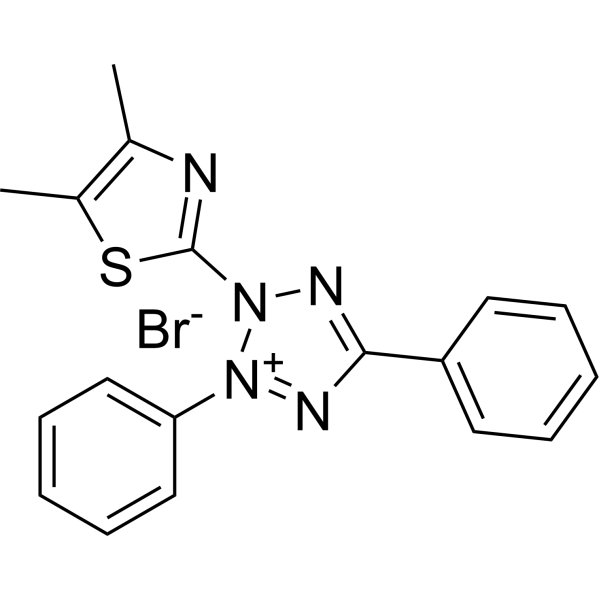
    Thiazolyl Blue
    Maximum Cited Publications
    182 Publications Verification

    MTT; Thiazolyl Blue Tetrazolium bromide; Methylthiazolyldiphenyl-tetrazolium bromide

    Fluorescent Dye Others
    Thiazolyl Blue (MTT) is a cell-permeable and positively charged tetrazolium dye that is used to detect reductive metabolism in cells. Thiazolyl Blue is taken up by cells through the plasma membrane and then reduced to formazan by intracellular NAD (P) H-oxidoreductases. Thiazolyl Blue is frequently used in colorimetric assays to measure cell proliferation, cytotoxicity, and apoptosis .
    Thiazolyl Blue
  • HY-137805
    Ferrozine
    3 Publications Verification

    Fluorescent Dye Others
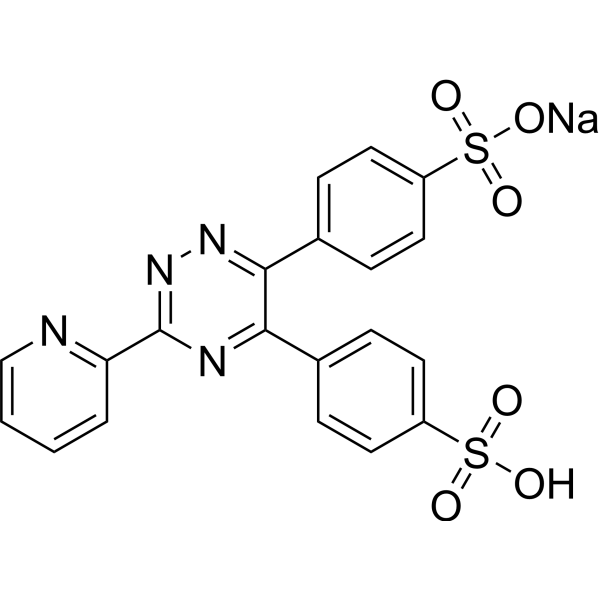
    Ferrozine is a spectrophotometric reagent for iron ions, can react with divalent Fe to form a stable magenta complex species. The complex has an absorption peak at 562 nm . Ferrozine-based colorimetric assays can quantify iron in cells
    Ferrozine
  • HY-W115718
    Cuprizone
    3 Publications Verification

    Dopamine β-hydroxylase Neurological Disease
    Cuprizone is a copper chelating agent that forms a deep blue copper ketone complex with copper (II). The copper ketone reaction can be used in colorimetric tests for the presence of trace copper. Cuprizone can be used to induce some schizophrenia-like behavior in mice. Cuprizone acts on copper enzymes, including SOD1, cytochrome oxidase, and DβH, thereby causing oxidative stress and increasing DA levels in certain brain regions such as the medial prefrontal cortex (PFC) .
    Cuprizone
  • HY-W034953
    Bathocuproine disulfonate disodium
    2 Publications Verification

    Biochemical Assay Reagents Others
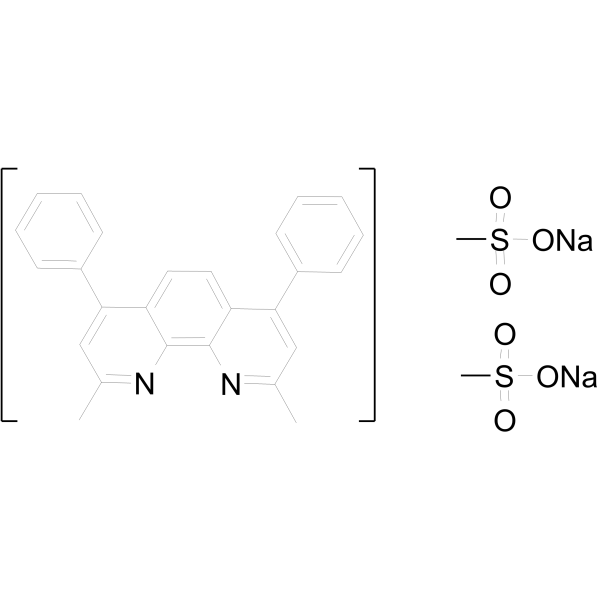
    Bathocuproine disulfonate disodium (BCS) is an organic compound used as a highly sensitive colorimetric reagent for copper ions in biochemical and analytical applications. It has a bright yellow color and absorbs light at specific wavelengths, so it can be used to detect and quantify trace copper. In biochemical applications, BCS is commonly used to study the role of copper ions in various biological processes. Copper is an essential nutrient for many organisms, but it can also be toxic in high concentrations, so accurate measurement of copper levels is important to understand its impact on living systems. In terms of analysis, BCS is often used in environmental monitoring and water quality testing to detect copper pollution. It can detect copper even at very low concentrations, making it an invaluable tool for identifying potential sources of pollution and assessing the impact of industrial activities on aquatic ecosystems.
    Bathocuproine disulfonate disodium
  • HY-W009694

    Biochemical Assay Reagents Others
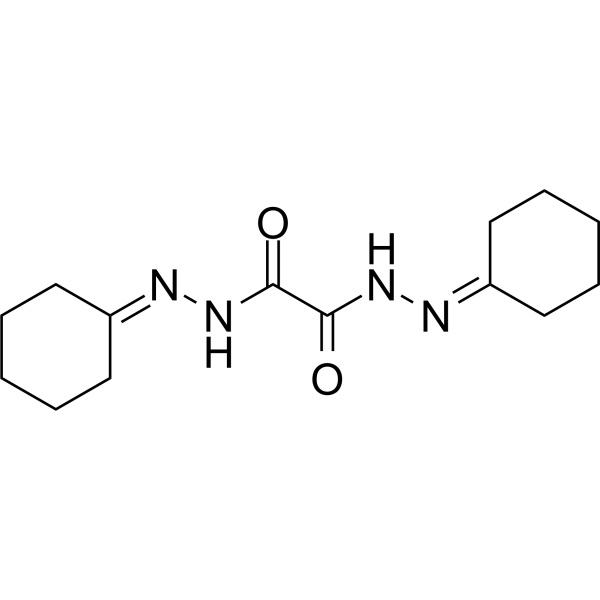
    3,5-Dinitrosalicylic acid the derivative of salicylic acid. 3,5-Dinitrosalicylic acid is used in the α-amylase assay, carbohydrase assay, and for the colorimetric determination of reducing substances .
    3,5-Dinitrosalicylic acid
  • HY-15926
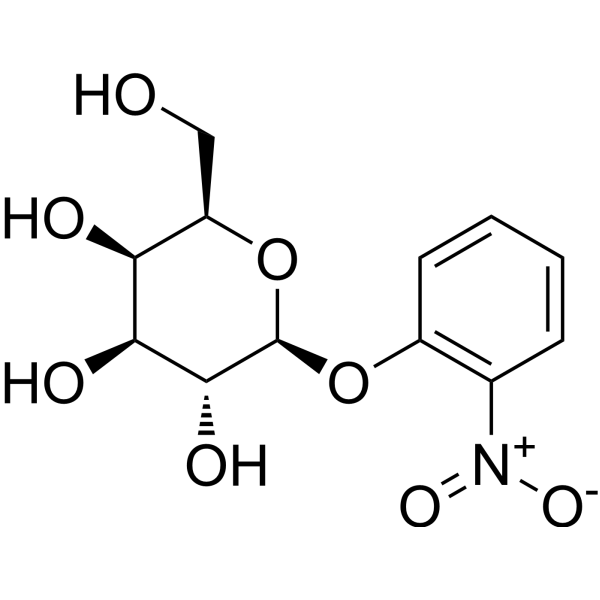
    ONPG
    Maximum Cited Publications
    6 Publications Verification

    2-Nitrophenyl β-D-galactopyranoside

    Biochemical Assay Reagents Others
    ONPG is a colorimetric and spectrophotometric substrate for detection of β-galactosidase activity.
    ONPG
  • HY-15920
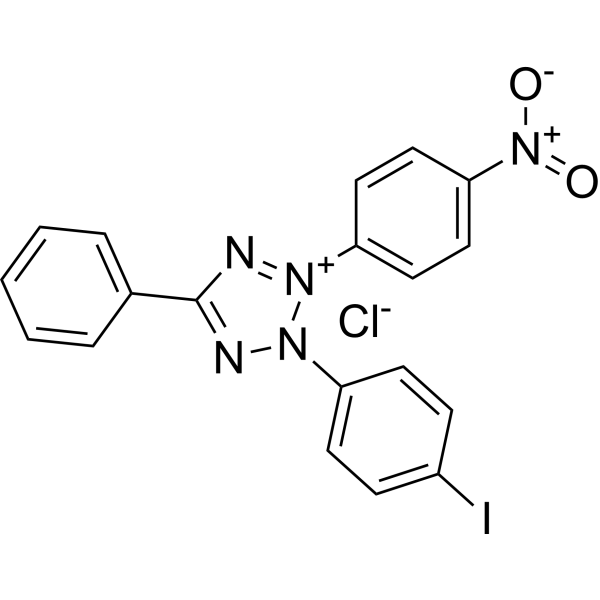
    INT
    3 Publications Verification

    Iodonitrotetrazolium chloride; p-Iodonitrotetrazolium Violet

    Biochemical Assay Reagents Others
    INT (Iodonitrotetrazolium chloride) is a biochemical reagent mainly used in the iodonitrotetrazolium chloride (INT) colorimetric method to assess the metabolic activity of cells and the activity of enzymes .
    INT
  • HY-77962

    Biochemical Assay Reagents Others
    2-Thiobarbituric acid is a commonly used colorimetric reagent for the detection of malondialdehyde (MDA), a marker of lipid peroxidation. 2-Thiobarbituric acid forms a complex with MDA that can be quantified by colorimetric detection at 532 nm as a measure of lipid peroxidation .
    2-Thiobarbituric acid
  • HY-D1224
    Chlorophenol red-β-D-galactopyranoside
    2 Publications Verification

    CPRG

    Biochemical Assay Reagents Others
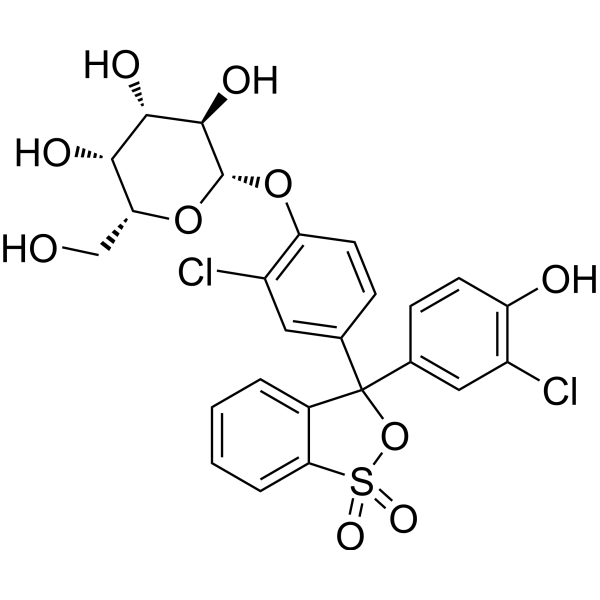
    Chlorophenol red-β-D-galactopyranoside (CPRG) is an efficient and sensitive chromogenic substrate for β-galactosidase (HY-P2869), widely used in colorimetric assays. Chlorophenol red-β-D-galactopyranoside itself appears pale yellow. When it is specifically hydrolyzed by β-galactosidase, it releases chlorophenol red. The released chlorophenol red turns purple-red under alkaline or neutral pH conditions. This color change from yellow to red can be quantitatively detected at wavelengths of 540-572 nm using visible spectrophotometry .
    Chlorophenol red-β-D-galactopyranoside
  • HY-B1306
    4-Aminohippuric acid
    4 Publications Verification

    p-Aminohippuric acid

    Others Neurological Disease Metabolic Disease
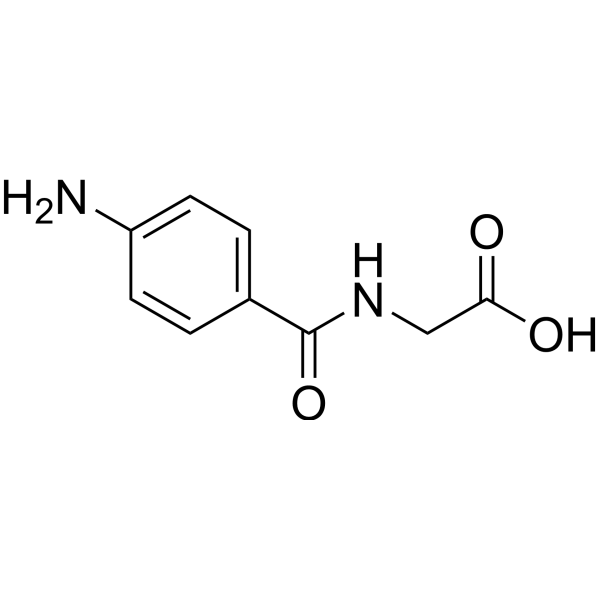
    4-Aminohippuric acid (p-Aminohippuric acid) is a coordination ligand for metal ions (such as Cu 2+, Fe 3+, Hg 2+) and a functionalization reagent for nanomaterials. 4-Aminohippuric acid can coordinate with metal ions or modify the surface of materials such as carbon nanotubes and gold nanoparticles through amino and carboxyl groups. 4-Aminohippuric acid can form stable complexes with metal ions or participate in the synthesis of nanomaterials as a reducing agent/stabilizer, enriching metal ions or giving nanoparticles peroxidase-mimicking activity. 4-Aminohippuric acid can be used to construct highly sensitive electrochemical sensors or colorimetric sensors to detect and quantitatively analyze heavy metal ions such as copper, iron, and mercury in environmental water samples and biological samples. 4-Aminohippuric acid may also be a biomarker for attention-deficit/hyperactivity disorder (ADHD) .
    4-Aminohippuric acid
  • HY-15909

    BCIP p-toluidine salt; X-phosphate p-toluidine salt

    Fluorescent Dye Others
    BCIP(BCIP p-toluidine salt; X-phosphate p-toluidine salt) is an artificial chromogenic substrate used for the sensitive colorimetric detection of alkaline phosphatase activity .
    BCIP
  • HY-W013168

    4-Nitrophenyl hexadecanoate; p-Nitrophenyl Palmitate; pNpp

    Lipase Others
    4-Nitrophenyl palmitate (4-Nitrophenyl hexadecanoate) is a chromogenic substrate for lipases and esterases. Upon enzymatic hydrolysis, 4-Nitrophenyl palmitate releases p-nitrophenol, which can be quantified by colorimetric detection at 410 nm as a measure of enzymatic activity. 4-Nitrophenyl palmitate is used to characterize the activity of various bacterial and mammalian enzymes, including those from Burkholderia and porcine pancreatic lipase .
    4-Nitrophenyl palmitate
  • HY-W129633

    DCIP sodium hydrate; DPIP sodium hydrate

    Biochemical Assay Reagents Others
    2,6-Dichlorophenolindophenol (DCIP; DPIP) sodium hydrate is a redox chromogenic indicator with a redox potential of +217 mV relative to SHE, and it acts as a substrate for reduction reactions. During the metabolic process of nutrient consumption by Saccharomyces cerevisiae, 2,6-Dichlorophenolindophenol sodium hydrate is reduced from dark blue to colorless, resulting in a decrease in absorbance. 2,6-Dichlorophenolindophenol sodium hydrate is widely used in spectrophotometric biochemical oxygen demand determination and preclinical colorimetric toxicity analysis for heavy metal ion detection based on Saccharomyces cerevisiae .
    2,6-Dichlorophenolindophenol sodium hydrate
  • HY-D0221

    NSC 112125; 2,4,6-Tipyidyl-s-tiazie

    MOFs Fluorescent Dye Others
    2,4,6-Tri-2-pyridinyl-1,3,5-triazine (NSC 112125) is a colorimetric reagent for detecting iron. 2,4,6-Tri-2-pyridinyl-1,3,5-triazine forms a complex with Fe (II) and can be quantified as a measure of iron concentration by colorimetric detection at 594 nm .
    2,4,6-Tri-2-pyridinyl-1,3,5-triazine
  • HY-125815
    Reactive Blue 4
    3 Publications Verification

    Fluorescent Dye Others
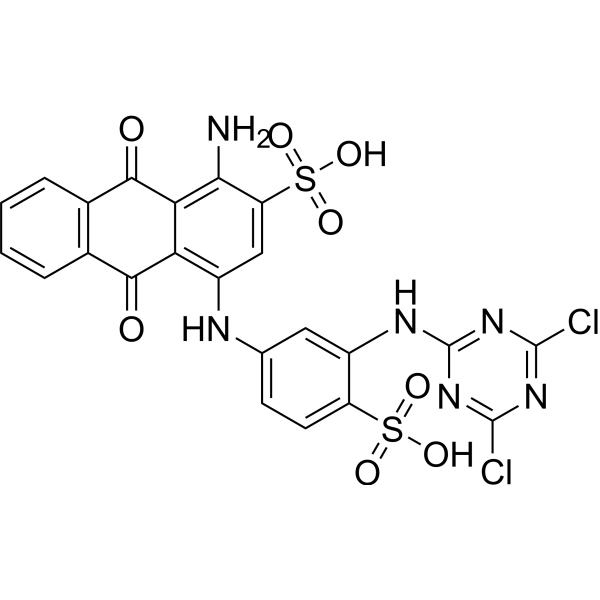
    Reactive Blue 4 is an anthraquinone dye used extensively in the textile industry. Reactive Blue 4 is a single colorimetric chemosensor for sequential determination of multiple analytes with different optical responses in aqueous media .
    Reactive Blue 4
  • HY-151644
    Fluorescein hydrazide
    1 Publications Verification

    Fluorescent Dye Others
    Fluorescein hydrazide is a sensitive fluorescent probe for Hg 2+ and Co 2+ that induces obvious color changes and fluorescence changes. Fluorescein hydrazide can be prepared by the reaction of fluorescein and hydrazine. Fluorescein hydrazide exhibits an excitation wavelength of 508 nM and an emission wavelength of 531 nM [2][3].
    Fluorescein hydrazide
  • HY-131409

    D-Val-Leu-Lys-p-itoailide dihydrochloride; D-VLK-pNA dihydrochloride; S 2251 dihydrochloride

    Fluorescent Dye Others
    D-Val-Leu-Lys-pNA (D-Val-Leu-Lys-p-nitroanilide) dihydrochloride is a chromogenic peptide substrate that serves as a characteristic substrate for plasmin and plasminogen. D-Val-Leu-Lys-pNA dihydrochloride acts as a sensitive substrate for the DFE27 serine protease derived from Bacillus subtilis DC27. Catalyzed by plasmin, D-Val-Leu-Lys-pNA dihydrochloride binds and hydrolyzes to release p-nitroaniline (pNA), which can be detected colorimetrically at 405 nm as a measure of fibrinolytic activity .
    D-Val-Leu-Lys-pNA dihydrochloride
  • HY-P3236

    Ac-IEPD-pNA

    Ser/Thr Protease Cancer
    N-Acetyl-Ile-Glu-Pro-Asp-p-nitroanilide (Ac-IEPD-pNA) is a colorimetric peptide substrate of granzyme B that allows accurate measurement of granzyme B activity .
    N-Acetyl-Ile-Glu-Pro-Asp-p-nitroanilide
  • HY-W115738

    Biochemical Assay Reagents Others
    PAR is an azo dye widely used as a colorimetric reagent for metal ions. PAR forms stable chelates with different metal ions. PAR can also complex with heavy metal ions in polar organic solvents, such as ethanol .
    PAR
  • HY-Y0699

    Environmental Pollutants Fluorescent Dye Others
    Methyl red is a pH-sensitive acid-base indicator and colorimetric reagent with a pKa of 5.1. Methyl red achieves visual judgment of the titration endpoint through reversible structural changes of protonation (red, pH <4.4) and deprotonation (yellow, pH >6.2). Methyl red is widely used in acid-base titration in chemical analysis and buffer pH monitoring in biochemistry .
    Methyl red
  • HY-D0202

    Fluorescent Dye Others
    Arsenazo III is an azo derivative of chromotropic acid, a metal chrome dye, a chelating agent, and a cation complexing agent. Arsenazo III forms stable 1:1 complexes with Ca 2+, Mg 2+, Sr 2+, Ba 2+, K +, and Na +, and its binding affinity for Ca 2+ depends on pH, alkali metal cation concentration, and buffer parameters. Arsenazo III serves as a colorimetric indicator for micromolar ionized Ca 2+ in cells .
    Arsenazo III
  • HY-W011654

    4-Aminophenyl-beta-D-galactopyranoside, 98%

    Glycosidase Inflammation/Immunology Cancer
    4-Aminophenyl-β-D-galactopyranoside, 98% is a highly efficient substrate for β-galactosidase. It is specifically hydrolyzed by this enzyme to release galactose and electroactive p-aminophenol. 4-Aminophenyl-β-D-galactopyranoside, 98% is widely used in colorimetric and electrochemical assays for detecting β-galactosidase activity and determining enzyme kinetics, such as in biosensing fields including cellular senescence, pathogen and contaminant detection. In addition, since β-galactosidase is often overexpressed in primary ovarian cancer, 4-Aminophenyl-β-D-galactopyranoside, 98% can also be applied to related research on primary ovarian cancer .
    4-Aminophenyl-β-D-galactopyranoside, 98%
  • HY-15929
    TBHBA
    1 Publications Verification

    2,4,6-Tribromo-3-hydroxybenzoic acid

    Biochemical Assay Reagents Others
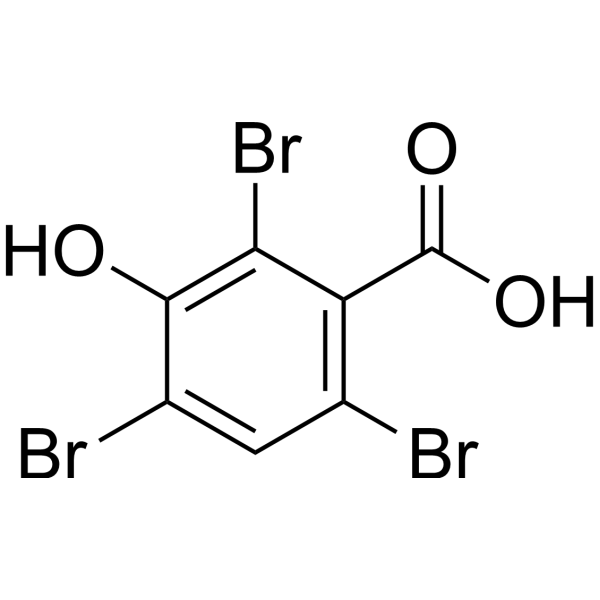
    TBHBA (2,4,6-Tribromo-3-hydroxybenzoic acid) is a chemical colorimetric agent and nanomaterial surface modifier. TBHBA can react with some oxidants (such as H2O2) to generate high-absorbance quinoneimine dyes, which enhance the sensitivity of HDL cholesterol enzymatic determination. TBHBA can be used as a bromine-containing coupling agent to modify the surface of silica nanoparticles through esterification reaction. Thereby, organic flame retardant groups are introduced to improve the thermal stability and flame retardant properties of nanocomposites. TBHBA can be used in clinical biochemical testing (such as serum lipoprotein analysis) and the preparation of flame-retardant polymer nanocomposites .
    TBHBA
  • HY-D1599

    R6GH

    Fluorescent Dye Others
    Rhodamine 6G hydrazide (R6GH) is a fluorescent dye. Rhodamine 6G hydrazide can be used in selective colorimetric and fluorescent sensing .
    Rhodamine 6G hydrazide
  • HY-D0943

    Kernechtrot

    Fluorescent Dye Photosensitizer Others
    Nuclear Fast Red, an anthraquinone dye, is commonly used in conjunction with an excess of aluminum ions as a red nuclear counterstain. Nuclear fast red has been used as a histochemical and colorimetric reagent for calcium . Nuclear fast red as highly sensitive "off/on" fluorescent probe for detecting guanine .
    Nuclear Fast Red
  • HY-W011911

    Biochemical Assay Reagents Others
    L-Leucyl-4-nitroanilide is a colorimetric substrate for leucine aminopeptidase assays.
    L-Leucyl-4-nitroanilide
  • HY-W110793

    Diphenylthiocarbazone

    Biochemical Assay Reagents Metabolic Disease
    Dithizone can be toxic to pancreatic islet cells and cause experimental diabetes. Dithizone can be used for in vitro in vivo staining of transplanted islets and cytoplasmic granules of bone marrow cells. Dithizone can be used as a chelating agent and colorimetric indicator for the detection and extraction of various heavy metals, including lead and mercury, in analytical and biochemical applications. Dithizone forms stable colored complexes with metal ions and can be quantitatively analyzed by methods such as spectrophotometry .
    Dithizone
  • HY-D2329

    Fluorescent Dye Others
    Fluorescein-PEG4-NHS ester is a colorimetric probe formed by the reaction of adipic dihydrazide and fluorescein isothiocyanate .
    Fluorescein-PEG4-NHS ester
  • HY-D0813

    Fluorescent Dye Others
    Zincon sodium is an excellent colorimetric reagent for the detection of zinc and copper ions in aqueous solution. Zincon sodium can be used for the determination of zinc, copper, and cobalt ions in metalloproteins .
    Zincon sodium
  • HY-W009454

    4-Nitopheyl Sulfate potassium

    Fluorescent Dye Others
    Potassium p-nitrophenyl sulfate (4-Nitophenyl Sulfate potassium) serves as a chromogenic substrate for arylsulfatases. Potassium p-nitrophenyl sulfate releases nitrophenol under the cleavage action of arylsulfatases, and the activity of arylsulfatases can be quantitatively determined via colorimetric detection at 400 nm. Potassium p-nitrophenyl sulfate is commonly used in enzyme inhibition assays and metabolite analog-related studies .
    Potassium p-nitrophenyl sulfate
  • HY-W127790

    Biochemical Assay Reagents Others
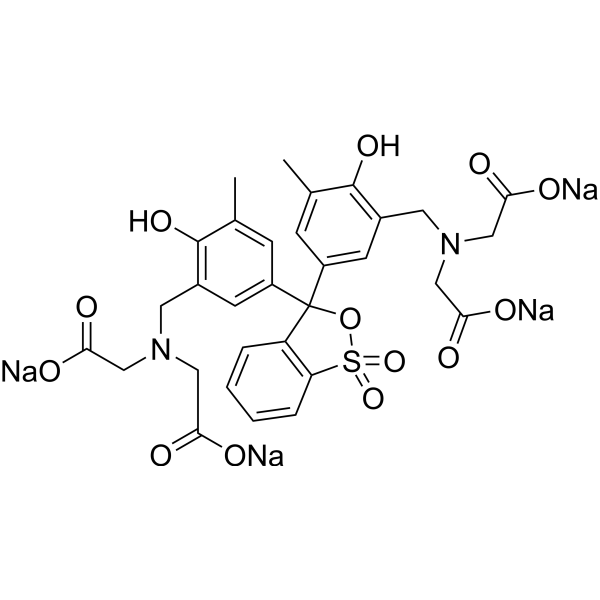
    Bathophenanthrolinedisulfonic acid disodium salt (BPS) is a colorimetric reagent for iron detection, with a wavelength of 535 nm for iron complex. It can be used for iron determination in aqueous solution systems without the need for extraction solvents. BPS can serve as a precursor to prepare Europium(III) tris(dibenzoylmethanate) bis(bathophenanthrolinedisulfonate) complex and ruthenium(II) tris(bathophenanthrolinedisulfonate), or participate in the catalytic oxidation of 2-hexanol by forming water-soluble complexes with palladium .
    Bathophenanthrolinedisulfonic acid disodium
  • HY-107864

    Tetraiodofluorescein

    Fluorescent Dye Infection
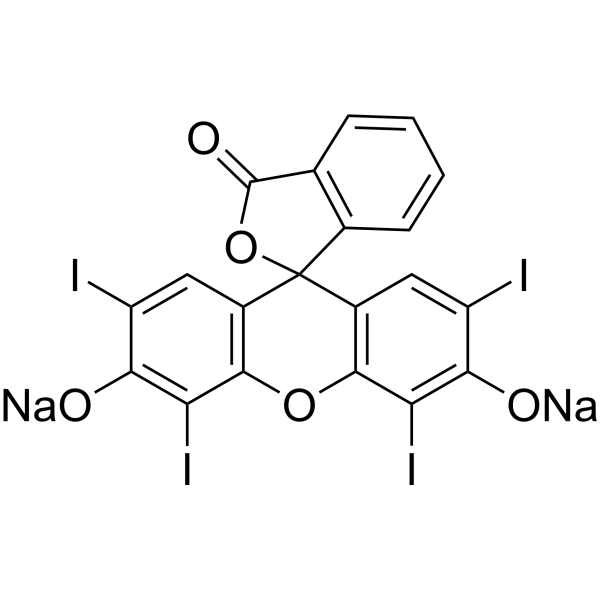
    Erythrosine B free acid is a visibly red dye with colorimetric and fluorescent properties that serves as an important dye for many Gram-positive and -negative bacteria. Erythrosine B free acid can be used for live/dead determination in both colorimetric and fluorescence-based assays for low, medium and high-throughput experimentation .
    Erythrosine B free acid
  • HY-121694

    Beta-lactamase Infection
    CENTA is a colorimetric cephalosporin substrate for β-lactamases. Upon hydrolysis by β-lacatamases, CENTA turns from light yellow to chrome yellow, which can be quantified by colorimetric detection at 405 nm as a measure of β-lactamase activity.
    CENTA
  • HY-D0108

    Fluorescent Dye
    Fluorescein dilaurate is a colorimetric probe formed by the reaction of adipic acid dihydrazide and fluorescein isothiocyanate.
    Fluorescein dilaurate
  • HY-134354A

    ADP-ribose-pNP disodium

    Poly(ADP-ribose) Glycohydrolase (PARG) Others
    pNP-ADPr disodium is a colorimetric substrate that used for the first continuous Poly(ADP-ribose) glycohydrolase (PARG) and ADP-ribosyl hydrolase 3 (ARH3) activity assays. pNP-ADPr disodium can be used for the research of poly(ADP-ribose)polymerase (PARP) enzymes .
    pNP-ADPr disodium
  • HY-120833

    Caspase Others
    Ac-Ile-Glu-Thr-Asp-pNA is a substrate for caspase-8. Caspase-8 binds to and cleaves the Ile-Glu-Thr-Asp (IETD) peptide sequence to release p-nitroalinide, which can be quantified by colorimetric detection at 405 nm as a measure of enzyme activity .
    Ac-Ile-Glu-Thr-Asp-pNA
  • HY-W009311

    4,4'-Bis(dimethylamino)thiobenzophenone

    Biochemical Assay Reagents Others
    Thiomichler's ketone (4,4'-Bis (dimethylamino) thiobenzophenone) is a heavy metal complexing agent and a colorimetric/spectrophotometric reagent. Thiomichler's ketone shows selectivity for Hg 2+ at pH 3, and exhibits activity towards Pd 2+ and Ag + at pH 3.5. Thiomichler's ketone enables accurate detection of trace Pd 2+ by forming an extractable Hg 2+ complex via micelle-mediated cloud point extraction, or generating a red coordination complex including Pd (TMK)4. Thiomichler's ketone is applicable for the determination of trace Pd 2+ in antibiotics and catalysts of automobile exhaust purifiers .
    Thiomichler's ketone
  • HY-B1306R

    p-Aminohippuric acid (Standard)

    Reference Standards Biochemical Assay Reagents Neurological Disease Metabolic Disease
    4-Aminohippuric acid (p-Aminohippuric acid) (Standard) is the analytical standard of 4-Aminohippuric acid (HY-B1306). This product is intended for research and analytical applications. 4-Aminohippuric acid (p-Aminohippuric acid) is a coordination ligand for metal ions (such as Cu 2+, Fe 3+, Hg 2+) and a functionalization reagent for nanomaterials. 4-Aminohippuric acid can coordinate with metal ions or modify the surface of materials such as carbon nanotubes and gold nanoparticles through amino and carboxyl groups. 4-Aminohippuric acid can form stable complexes with metal ions or participate in the synthesis of nanomaterials as a reducing agent/stabilizer, enriching metal ions or giving nanoparticles peroxidase-mimicking activity. 4-Aminohippuric acid can be used to construct highly sensitive electrochemical sensors or colorimetric sensors to detect and quantitatively analyze heavy metal ions such as copper, iron, and mercury in environmental water samples and biological samples. 4-Aminohippuric acid may also be a biomarker for attention-deficit/hyperactivity disorder (ADHD) .
    4-Aminohippuric acid (Standard)
  • HY-101263

    Biochemical Assay Reagents Others
    2-Thio-PAF, a synthetic analog of PAF, is used in a colorimetric assay for PAF acetylhydrolases .
    2-Thio-PAF
  • HY-121549

    4-Nitrophenyl-2S,3S-epoxy-3 phenylpropyl carbonate

    Epoxide Hydrolase Others
    S-NEPC (4-Nitrophenyl-2S,3S-epoxy-3 phenylpropyl carbonate) is a colorimetric substrate used to measure epoxide hydrolase activity .
    S-NEPC
  • HY-134354

    ADP-ribose-pNP

    Poly(ADP-ribose) Glycohydrolase (PARG) Others
    pNP-ADPr is a colorimetric substrate that used for the first continuous Poly(ADP-ribose) glycohydrolase (PARG) and ADP-ribosyl hydrolase 3 (ARH3) activity assays. pNP-ADPr can be used for the research of poly(ADP-ribose)polymerase (PARP) enzymes .
    pNP-ADPr
  • HY-P10236

    Caspase Others
    Ac-WEHD-pNA is a colorimetric substrate for caspase 1, 4, 5 and 14, which is utilized to measure the caspase activity .
    Ac-WEHD-pNA
  • HY-15926S

    2-Nitrophenyl β-D-galactopyranoside-13C

    Isotope-Labeled Compounds Others
    ONPG- 13C is the 13C labeled ONPG. ONPG is a colorimetric and spectrophotometric substrate for detection of β-galactosidase activit .
    ONPG-13C
  • HY-138653

    DGGR; 1,2-o-Dilauryl-rac-glycero-3-glutaric acid (6′-methylresorufin) ester

    Lipase Metabolic Disease
    Lipase Substrate is a chromogenic substrate of lipase to detect activity . It is used in colorimetric methods to measure lipase activity. It produces a red-purple compound, methylresorufin, upon digestion by the lipase enzyme.
    Lipase Substrate
  • HY-D0374

    Fluorescent Dye Others
    Reactive Blue 4 sodium is an anthraquinone dye used extensively in the textile industry. Reactive Blue 4 sodium is a single colorimetric chemosensor for sequential determination of multiple analytes with different optical responses in aqueous media .
    Reactive Blue 4 sodium
  • HY-W151629A

    Fluorescent Dye Others
    Ferrozine sodium hydrate is a spectrophotometric reagent for iron, can react with divalent Fe to form a stable magenta complex species. The complex has an absorption peak at 562 nm .Ferrozine sodium hydrate-based colorimetric assays can quantify iron in cells
    Ferrozine sodium hydrate
  • HY-W115718R

    Reference Standards Dopamine β-hydroxylase Neurological Disease
    Cuprizone is a copper chelating agent that forms a deep blue copper ketone complex with copper (II). The copper ketone reaction can be used in colorimetric tests for the presence of trace copper. Cuprizone can be used to induce some schizophrenia-like behavior in mice. Cuprizone acts on copper enzymes, including SOD1, cytochrome oxidase, and DβH, thereby causing oxidative stress and increasing DA levels in certain brain regions such as the medial prefrontal cortex (PFC) .
    Cuprizone (Standard)
  • HY-W004617

    4,4',4''-(1,3,5-Triazine-2,4,6-triyl)tribenzoic acid

    MOFs Others
    2,4,6-Tris(4-carboxyphenyl)-1,3,5-triazine (4,4',4''-(1,3,5-Triazine-2,4,6-triyl) tribenzoic acid) is a metal-organic framework. 2,4,6-Tris(4-carboxyphenyl)-1,3,5-triazine is a C3-symmetric organic ligand with temperature-sensitive ratioluminescent properties. Complexes derived from 2,4,6-Tris(4-carboxyphenyl)-1,3,5-triazine exhibit strong emissivity and can be used for highly sensitive ratiometric fluorescent temperature sensing .
    2,4,6-Tris(4-carboxyphenyl)-1,3,5-triazine
  • HY-B1306S

    p-Aminohippuric acid-d4

    Biochemical Assay Reagents Neurological Disease Metabolic Disease
    4-Aminohippuric acid-d4 (p-Aminohippuric acid-d4) is the deuterium labeled 4-Aminohippuric acid (HY-B1306). 4-Aminohippuric acid (p-Aminohippuric acid) is a coordination ligand for metal ions (such as Cu 2+, Fe 3+, Hg 2+) and a functionalization reagent for nanomaterials. 4-Aminohippuric acid can coordinate with metal ions or modify the surface of materials such as carbon nanotubes and gold nanoparticles through amino and carboxyl groups. 4-Aminohippuric acid can form stable complexes with metal ions or participate in the synthesis of nanomaterials as a reducing agent/stabilizer, enriching metal ions or giving nanoparticles peroxidase-mimicking activity. 4-Aminohippuric acid can be used to construct highly sensitive electrochemical sensors or colorimetric sensors to detect and quantitatively analyze heavy metal ions such as copper, iron, and mercury in environmental water samples and biological samples. 4-Aminohippuric acid may also be a biomarker for attention-deficit/hyperactivity disorder (ADHD) .
    4-Aminohippuric acid-d4
  • HY-W142631

    Fluorescent Dye Cancer
    4-(Phenylazo)diphenylamine is an excellent colorimetric indicator for the accurate determination of the concentration for a variety of strong bases, Lewis acids, and hydride reducing agents .
    4-(Phenylazo)diphenylamine

Inquiry Online

Your information is safe with us. * Required Fields.

Salutation


Country or Region *

Applicant Name *


Organization Name *

Department *


Email Address *


Product Name *

Cat. No.


Requested quantity *

Phone Number *


Remarks

Inquiry Online

Inquiry Information

Product Name:
Cat. No.:
Quantity:
MCE Japan Authorized Agent:

