28 Results for "

DNA damage sites

" in MedChemExpress (MCE) Product Catalog:
Products (28)

28 Results for "DNA damage sites" in MCE Product Catalog:

8
8 Publications Verification
Cat. No.: HY-123834
CAS No.: 824983-91-7
Purity:  99.85%
Target:  

FLAP ATM/ATR

Research Areas:  

Cancer

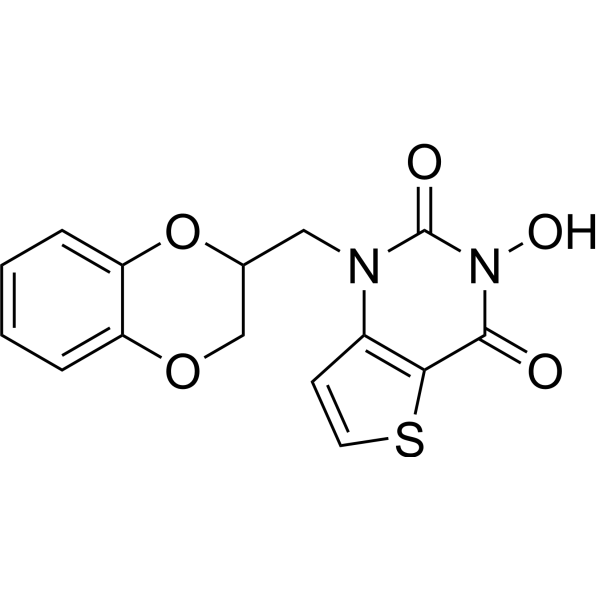
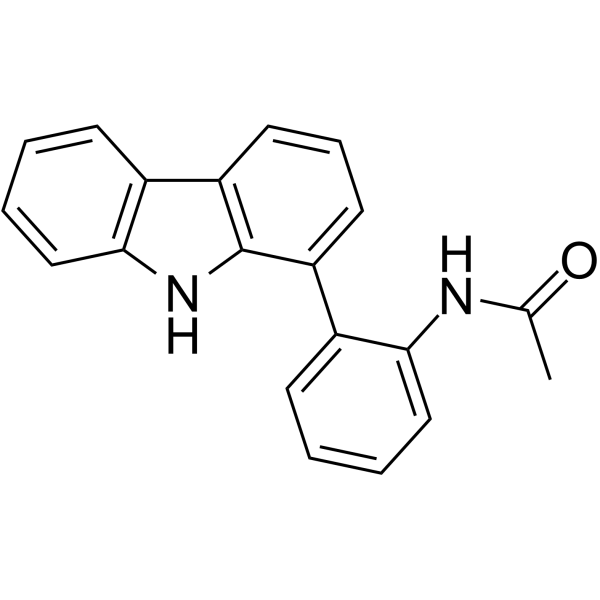
FEN1-IN-1 (compound 1) is a small molecule flap endonuclease 1 (FEN1) inhibitor with antitumor activity. FEN1-IN-1 binds to the active site of FEN1 and partly achieves inhibition by the co-ordination of Mg 2+ ions. FEN1-IN-1 initiaties a DNA damage response and activates the ATM checkpoint signalling pathway, the phosphorylation of histone H2AX and the ubiquitination of FANCD2 in mammalian cells. FEN1-IN-1 is promising for research of cancers .
loading...
    loading...
1
1 Cited Publications
Cat. No.: HY-135136
CAS No.: 627090-10-2
Purity:  95.10%
Research Areas:  

Others

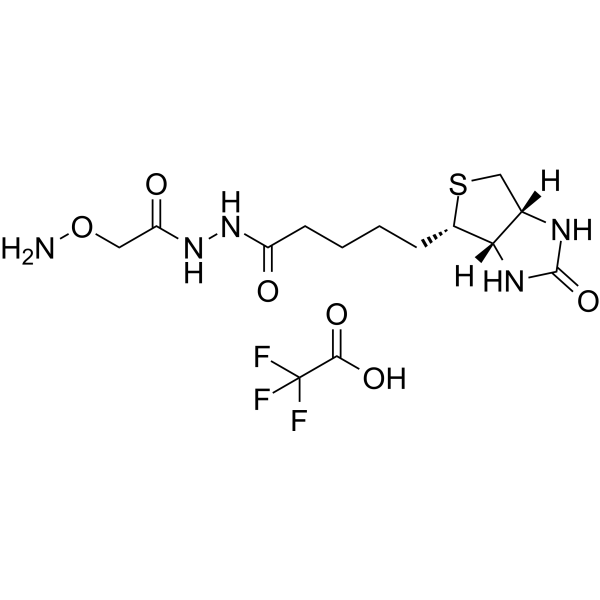
Aldehyde reactive probe TFA is an aldehyde reactive probe. Aldehyde reactive probe TFA specifically labels the AP site in DNA with biotin residues. Aldehyde reactive probe TFA can detect RNA oxidation-induced debasement sites. Aldehyde reactive probe TFA can be used to quantify AP sites or detect other aldehyde-containing DNA damage and RNA oxidation-induced debasement sites .
loading...
    loading...
1
1 Cited Publications
Cat. No.: HY-Y0958
CAS No.: 593-56-6
Synonyms: O-Methylhydroxylamine hydrochloride
Research Areas:  

Cancer

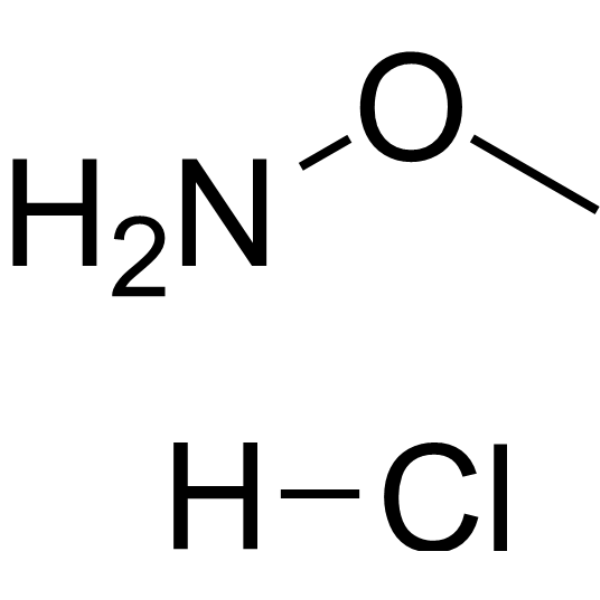
Methoxyamine (O-Methylhydroxylamine) hydrochloride is an orally active and potent base excision repair (BER) inhibitor. Methoxyamine hydrochloride binds to 3’ hydroxyl groups that are left behind by 3-methylpurine-DNA glycosylase (MPG) following excision of the damaged base and thus inhibits BER activity. Methoxyamine hydrochloride binds directly to the apyrimidinic (AP) sites. Methoxyamine hydrochloride synergistically enhances the therapeutic efficacy of DNA-damaging agents .
loading...
    loading...
1
1 Cited Publications
Cat. No.: HY-125254
CAS No.: 2313525-90-3
Purity:  99.72%
Target:  

HRASLS Phospholipase

Research Areas:  

Metabolic Disease Cancer

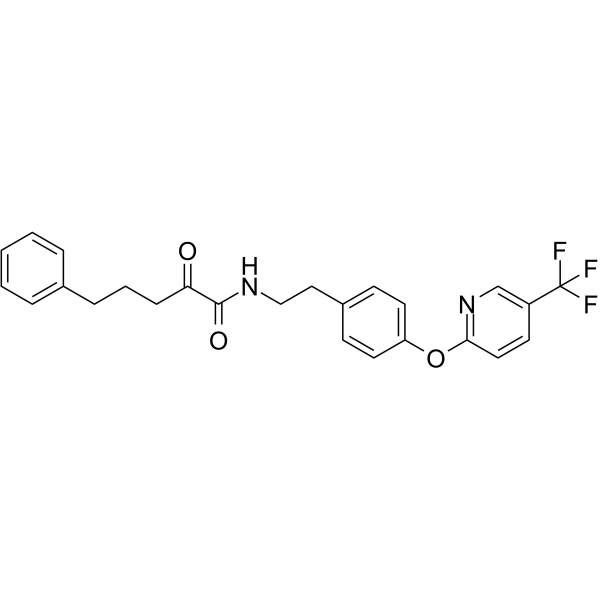
LEI110 is a pan-inhibitor of the HRASLS family and an inhibitor of AP-2α, with a Ki of 20 nM against PLA2G16. LEI110 exhibits inhibitory activity against PLA2G16, HRASLS2, RARRES3 and iNAT, with pIC50 values of 7.0, 6.8, 6.8 and 7.6, respectively. LEI110 binds to the active site of PLA2G16, reduces intracellular arachidonic acid levels, and attenuates oleic acid-induced lipolysis. LEI110 stabilizes AP-2α, impairs its DNA-binding ability, inhibits the transcription of DNA damage repair genes, induces the accumulation of oxidative DNA damage, suppresses cell proliferation and clonogenicity, and sensitizes HCC cells to DNA-damaging agents. LEI110 can be used in research related to obesity, fatty liver disease, the common cold and hepatocellular carcinoma .
loading...
    loading...
Cat. No.: HY-108708
CAS No.: 2143475-98-1
Purity:  99.91%
Target:  

PARP

Research Areas:  

Cancer

GeA-69 is a selective, allosteric inhibitor of poly-adenosine-diphosphate-ribose polymerase 14 (PARP14) targeting macrodomain 2 (MD2), with a Kd value of 2.1 μM. GeA-69 involves in DNA damage repair mechanisms and prevents recruitment of PARP14 MD2 to sites of laser-induced DNA damage .
loading...
    loading...
Cat. No.: HY-W012817
CAS No.: 95-71-6
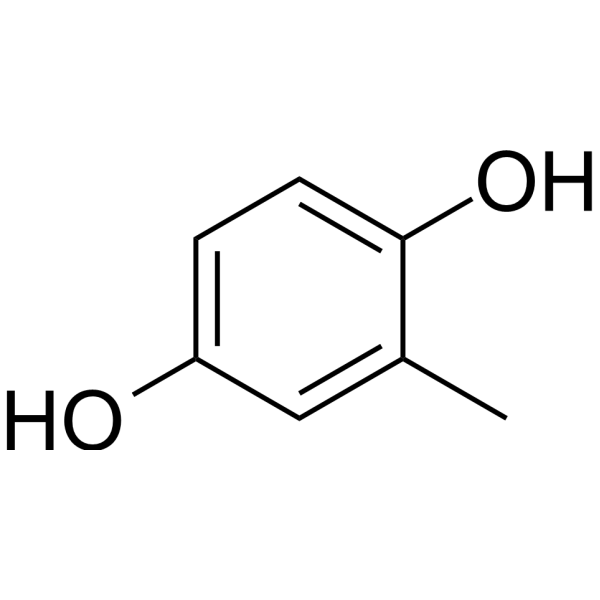
Methylhydroquinone is an orally active COX inhibitor with IC50s of 480.7 μM and 52.2 μM for ovine COX-1 and human recombinant COX-2, respectively. Methylhydroquinone has potential DNA damaging effects: 1) inhibiting COX-1 to reduce prostaglandin synthesis and exert anti-inflammatory activity; 2) inducing DNA single-strand breaks. Methylhydroquinone exerts its effects by competitively binding to the active sites of COX-1 (such as Tyr385, Met522) and non-covalent interactions .
loading...
    loading...
Cat. No.: HY-163944
CAS No.: 3081311-94-3
LL-K12-18 is a CDK12 kinase inhibitor and a dual-site molecular glue. LL-K12-18 inhibits human CDK12 with an IC50 value of 283.9 nM, and selectively degrades cyclin K via the ubiquitin-proteasome system by stabilizing the CDK12-DDB1 complex. LL-K12-18 downregulates DNA damage response genes, reduces the phosphorylation level of CTD Ser2 in RNA polymerase II, and modulates biomarkers such as ATM, RAD51, γ-H2AX and cleaved PARP, thereby effectively inducing apoptosis and inhibiting proliferation of breast cancer cells. LL-K12-18 exhibits high target selectivity and serves as a research tool for studies on triple-negative breast cancer .
loading...
    loading...
Cat. No.: HY-129056
CAS No.: 159776-70-2
Purity:  99.31%
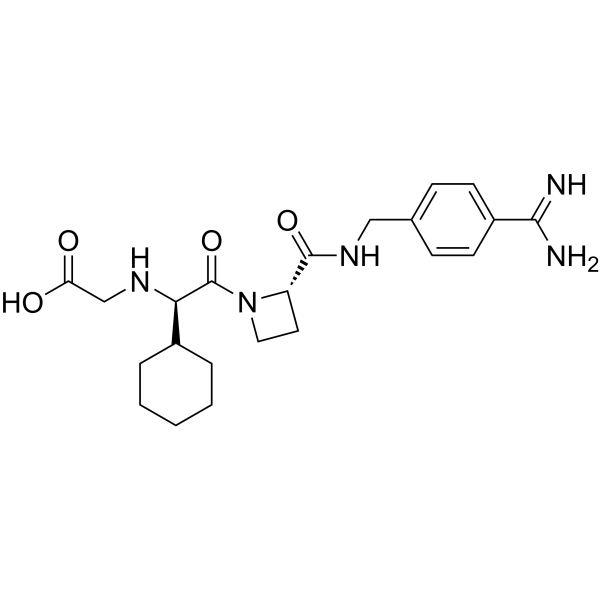
Melagatran is a reversible, selective, orally active direct inhibitor of thrombin with a Ki of 2 nM. Melagatran binds directly to the active site of thrombin, inhibiting thrombin-mediated conversion of fibrinogen to fibrin. Melagatran reduces the DNA binding activity of NF-κB and AP-1. Melagatran reduces fibrin deposition in organs, alleviates ischemic brain damage, and reduces the size of advanced atherosclerotic lesions. Melagatran can be used in the study of cardiovascular disease (coronary thrombosis, atherosclerosis) and ischemic brain damage .
loading...
    loading...
Cat. No.: HY-115531
CAS No.: 1648707-58-7
Purity:  98.84%
Target:  

DNA/RNA Synthesis

Research Areas:  

Cancer

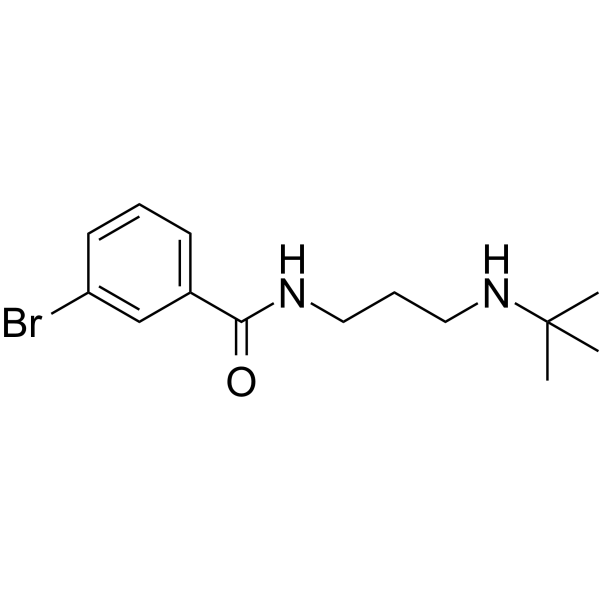
UNC-2170 is a functionally active, fragment-like ligand for 53BP1 (IC50=29 µM; Kd=22 µM). UNC-2170 shows at least 17-fold selectivity for 53BP1 as compared to nine other methyl-lysine (Kme) reader proteins. 53BP1 is a Kme binding protein that plays a central role in DNA Damage Repair (DDR) pathways and is recruited to sites of double-strand breaks (DSB) .
loading...
    loading...
Cat. No.: HY-164279
CAS No.: 1207615-74-4
Target:  

DNA/RNA Synthesis

Research Areas:  

Cancer

YTR107 is a radiation sensitizer. YTR107 binds to nucleophosmin1 (NPM1) and inhibits pentamer formation. YTR107 inhibits recruitment of nucleophosmin to sites of DNA damage, suppresses repair of DNA double strand breaks, and enhances radiosensitization .
loading...
    loading...
Cat. No.: HY-P10280
CAS No.: 1232497-16-3
Target:  

ATM/ATR

Research Areas:  

Cancer

ATR kinase substrate peptide (ASELPASQPQPFSAKKK) is a peptide substrate for ATR protein kinase and can be used to detect ATR kinase activity .
loading...
    loading...
Cat. No.: HY-D2353
CAS No.: 756525-96-9
Biotin-PEG3-benzophenone is biotin-labeled Benzophenone (HY-Y0546). Benzophenone is an endogenous metabolite and a photosensitizer that has been implicated in photosensitive damage to DNA. Benzophenone causes nucleobase oxidation, formation of cyclobutane-pyrimidine dimers, single-strand breaks, DNA-protein cross-links or abasic sites, different pathologies that may occur in nucleosides, oligonucleotides or DNA .
loading...
    loading...
Cat. No.: HY-135782
CAS No.: 15720-01-1
Research Areas:  

Cancer

iso-ADP ribose is the small-molecule ligand for protein nucleic acid modification, comprising parts of two consecutive ADP-ribosyl units within the PAR chain. iso-ADP ribose specifically binds WWE, FHA and OB-fold domains, enabling PAR-dependent functional responses like ubiquitylation and supporting DNA damage signaling and repair. iso-ADP ribose can be used for cancer research .
loading...
    loading...
Cat. No.: HY-178364
CAS No.: 3102894-57-2
GPX4-IN-19 is an effective GPX4 inhibitor (IC50 = 0.311 μM), covalently binds to the Sec 46 site of GPX4. GPX4-IN-19 shows strong anti-proliferative activity with high ferroptosis selectivity. GPX4-IN-19 causes intracellular Fe 2+ accumulation, leading to increased levels of lipid peroxides (LPOs) and reactive oxygen species (ROS), which induces ferroptosis and subsequently results in DNA damage. GPX4-IN-19 can be used for the study of Triple-Negative Breast Cancer (TNBC) .
loading...
    loading...
Cat. No.: HY-172699
DSPE-PEG2000-ANG is a conjugate of DSPE-PEG2000-MAL and Angiopep-2. Angiopep-2 is a peptide ligand that targets LRP-1. DSPE-PEG2000-ANG is used to synthesize gadolinium-boron bifunctionalized lipid nanoparticles BPA-F&DOTA-Gd@LIPO-ANG with blood-brain barrier and glioma targeting properties .
loading...
    loading...
Cat. No.: HY-120105
CAS No.: 170747-33-8
NSC666715 is a DNA polymerase β (Pol-β) inhibitor. NSC666715 directly and specifically interacts with Pol-β, interferes with its binding to damaged DNA, blocks its dRP lyase activity, and inhibits Pol-β-mediated SN- and LP-BER. NSC666715 induces AP site accumulation and S-phase cell cycle arrest, and triggers senescence and apoptosis (apoptosis) via the p53/p21 pathway in colorectal cancer cells. NSC666715 enhances TMZ (HY-17364)-induced DNA damage, senescence and apoptosis, and potentiates the cytotoxicity of TMZ. NSC666715 inhibits tumor growth in colon cancer xenograft models. NSC666715 can be used in research related to colorectal cancer .
loading...
    loading...
Cat. No.: HY-139678
CAS No.: 2839142-69-5
SC13 is an orally active, selective Flap structure-specific endonuclease 1 (FEN1) inhibitor and mu opioid receptor (MOR) activator. SC13 impairs DNA damage repair and induces apoptosis in cancer cells. SC13 activates cGAS-STING signaling, increases chemokine secretion, and promotes CAR-T cell infiltration at solid tumour sites. SC13 can be used for the research of solid tumours and pain .
loading...
    loading...
Cat. No.: HY-125209A
CAS No.: 2253744-57-7
Research Areas:  

Cancer

TH5427 hydrochloride is a NUDT5 inhibitor with a human target IC50 of 29 nM, ~690-fold selectivity over MTH1 in vitro, and selective functional inhibition over other NUDIX hydrolases including NUDT9 .TH5427 hydrochloride binds to the active site of NUDT5, blocking enzymatic activity related to ADP-ribose metabolism and PAR-derived ATP synthesis .TH5427 hydrochloride blocks progestin-dependent nuclear ATP synthesis, impairs progestin-induced chromatin remodeling, inhibits histone H1 displacement, disrupts progestin-dependent gene regulation, and abrogates progestin-dependent proliferation in breast cancer cells .TH5427 hydrochloride functions as a versatile probe to study nuclear ATP dynamics and ADP-ribose-related metabolism in cells .TH5427 hydrochloride engages NUDT5 at physiological temperatures, as demonstrated by Drug Affinity Responsive Target Stability (DARTS) assay .TH5427 hydrochloride stabilizes NUDT5 against thermal denaturation in cell lysates and intact cells, as shown by cellular thermal shift assay (CETSA) .TH5427 hydrochloride functionally inhibits NUDT5 activity, leading to downstream effects on oxidative DNA damage and DNA replication in triple-negative breast cancer (TNBC) cells .TH5427 hydrochloride suppresses proliferation of TNBC cells without inducing cell death or apoptosis, slows DNA replication in TNBC cells, promotes accumulation of oxidative DNA lesions, and triggers DNA damage response in TNBC cells .TH5427 hydrochloride suppresses growth of TNBC cells in vitro, inhibits growth of TNBC xenograft tumors in nude mice in vivo, and shows greater potency against TNBC cell lines compared to ER-positive and normal-like breast cell lines .TH5427 hydrochloride can be used for the research of breast cancer and triple-negative breast cancer .
loading...
    loading...
Cat. No.: HY-176846
CAS No.: 2490429-83-7
Research Areas:  

Others

HIPS probe-1 (Compound 1) is a click chemistry reagent containing a alkyne group. HIPS probe-1 can undergo copper-catalyzed azide-alkyne cycloaddition (CuAAc) with molecules containing Azide groups. HIPS probe-1 can be used as a chemical probe to specifically recognize and label aldehyde functional groups in DNA, especially abasic sites (AP sites) for DNA damage research .
loading...
    loading...
Cat. No.: HY-135782A
Research Areas:  

Cancer

iso-ADP ribose TEA is the small-molecule ligand for protein nucleic acid modification, comprising parts of two consecutive ADP-ribosyl units within the PAR chain. iso-ADP ribose TEA specifically binds WWE, FHA and OB-fold domains, enabling PAR-dependent functional responses like ubiquitylation and supporting DNA damage signaling and repair. iso-ADP ribose TEA can be used for cancer research .
loading...
    loading...

