
18 Results for "

ERK-MAPK

" in MedChemExpress (MCE) Product Catalog:
Products (18)

18 Results for "ERK-MAPK" in MCE Product Catalog:

9
9 Publications Verification
Cat. No.: HY-10966
CAS No.: 405554-55-4
Purity:  99.77%
Target:  

Raf Apoptosis

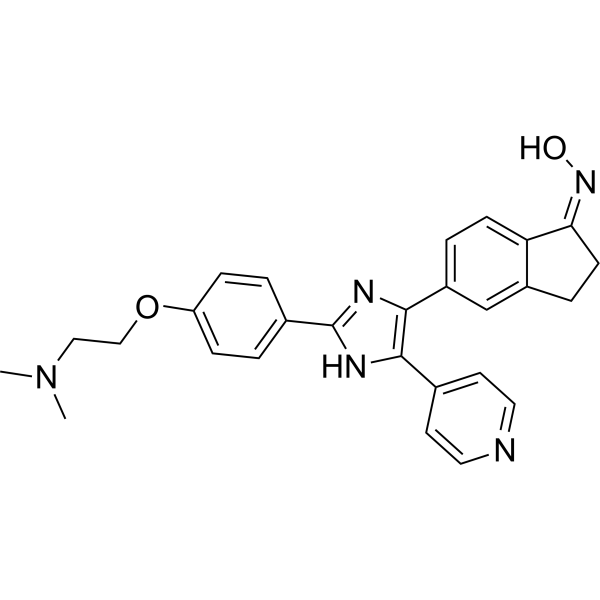
SB-590885 is a BRAF/c-Raf kinase inhibitor that selectively targets B-Raf, and it amplifies the ERK/MAPK signaling pathway in RAS-activated cells. SB-590885 effectively inhibits the malignant proliferation, transformation and tumorigenicity of oncogenic B-Raf cells; it also induces the proliferation of erythroid progenitor cells, delays their differentiation and promotes hemoglobin synthesis, thereby improving ineffective erythropoiesis and reducing apoptosis. SB-590885 exerts a synergistic effect with TGF-β inhibitors and glucocorticoids, significantly promoting the formation of erythroid colonies in cells from patients with Diamond-Blackfan anemia (DBA). SB-590885 is mainly used in relevant studies on DBA, cisplatin-induced myelosuppression-related anemia, and pan-cancers such as melanoma and colorectal cancer .
loading...
    loading...
4
4 Cited Publications
Cat. No.: HY-N8211
CAS No.: 94987-09-4
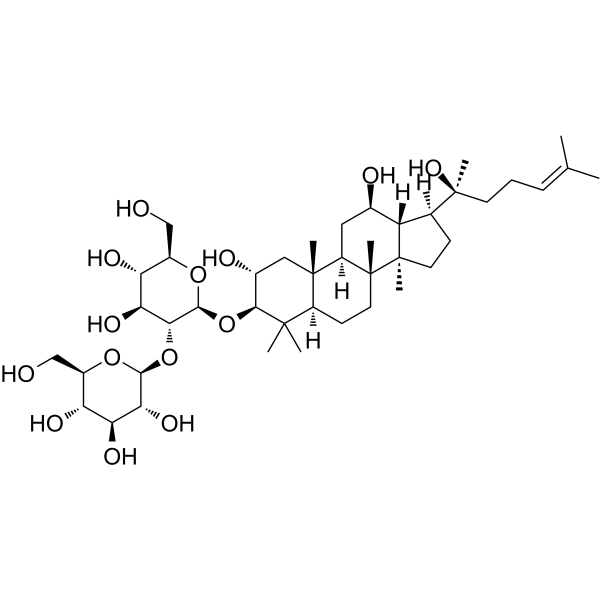
Gypenoside L is a saponin that can be found in Gynostemma pentaphyllum. Gypenoside L increases the SA-β-galactosidase activity, promotes the production of senescence-associated secretory cytokines. Gypenoside L also can activate p38 and ERK MAPK pathways and NF-κB pathway to induce senescence. Gypenoside L exhibits anti-tumor and anti-inflammatory activities .
loading...
    loading...
2
2 Cited Publications
Cat. No.: HY-N0809
CAS No.: 526-07-8
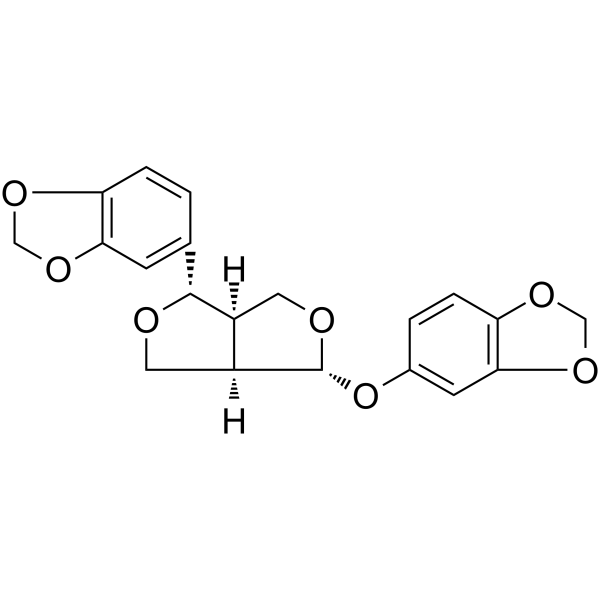
Sesamolin, isolated from Sesamum indicum, has antioxidative activity, Sesamolin inhibits lipid peroxidation and shows neuroprotection effect. Sesamolinl potently inhibits MAPK cascades by preventing phosphorylation of JNK, p38 MAPKs, and caspase-3 but not ERK-MAPK expression. Sesamolin is orally active .
loading...
    loading...
2
2 Cited Publications
Cat. No.: HY-N1921
CAS No.: 32685-93-1
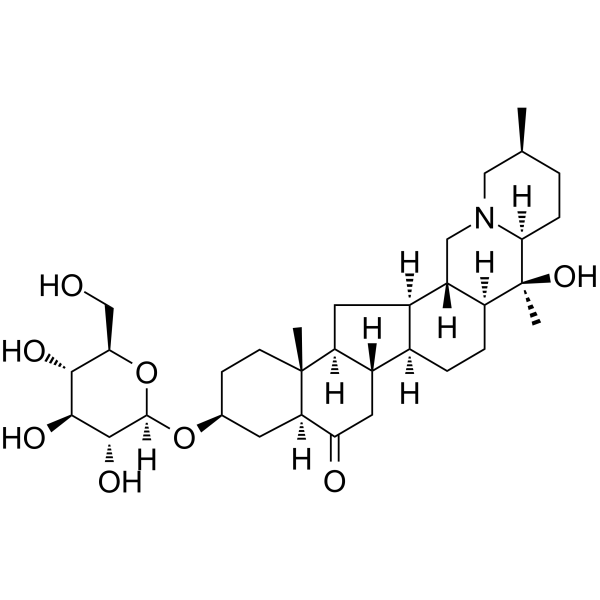
Edpetiline is an anti-inflammatory agent. Edpetiline inhibits the phosphorylation of IκB, nuclear transcription/translocation of NF-κB p65, as well as the phosphorylation of p38 MAPK and ERK MAPK. Edpetiline reduces intracellular ROS levels, inhibits the expression of TNF-α, IL-6, iNOS, COX-2, and promotes the expression of IL-4. Edpetiline is applicable to the research of diseases associated with inflammation and oxidative stress .
loading...
    loading...
1
1 Cited Publications
Cat. No.: HY-156625
CAS No.: 2252314-46-6
Purity:  98.25%
Synonyms: NFX-179
Target:  

MEK PERK p38 MAPK

Research Areas:  

Cancer

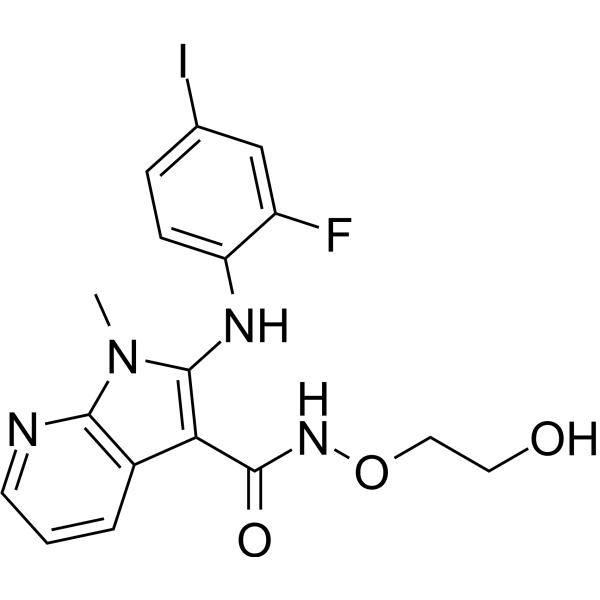
Nedometinib (NFX-179) is a specific MEK1 inhibitor with an IC50 of 135 nM. Nedometinib inhibits p-ERK, MAPK. Nedometinib exerts anticancer activity against squamous cell carcinoma. Nedometinib can be used for research in dermatosis, neurofibromatosis .
loading...
    loading...
1
1 Cited Publications
Cat. No.: HY-147855
CAS No.: 948044-25-5
Purity:  99.76%
Research Areas:  

Cancer

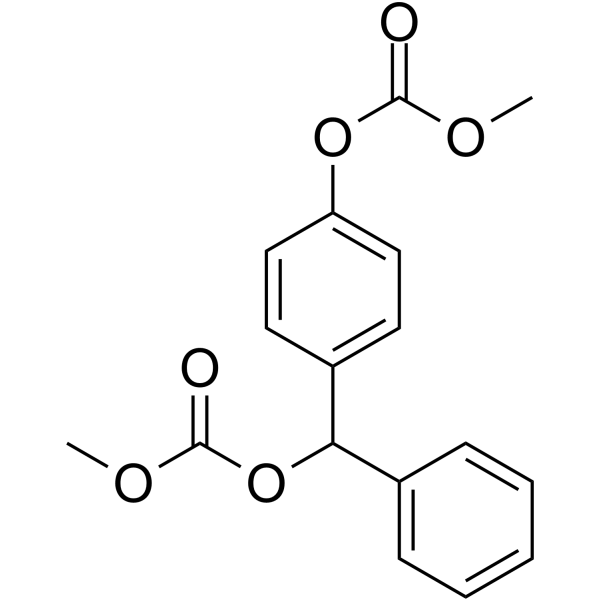
ACA-28 is a potent ERK MAPK signaling modulator. ACA-28 selectively inhibits cancer cell growth and induces apoptosis. ACA-28 can activate nuclear factor erythroid 2-related factor 2 (Nrf2) signaling via inducing ROS production. ACA-28 can be used for the research of cancer, such as melanoma .
loading...
    loading...
Cat. No.: HY-148385
CAS No.: 127663-77-8
Purity:  98.0%
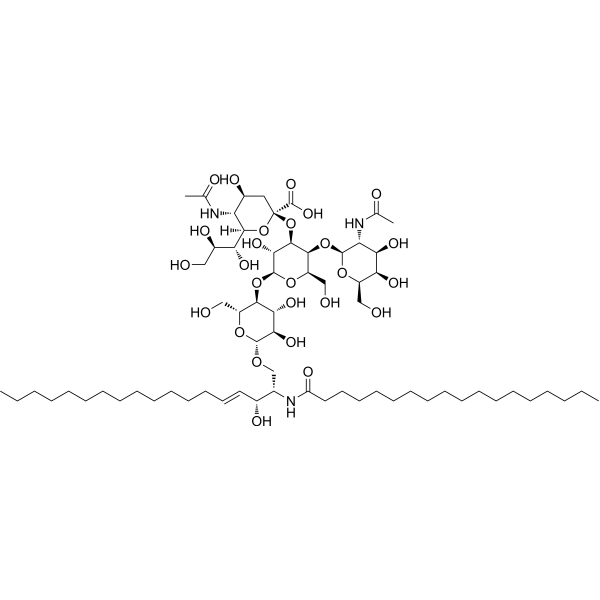
Ganglioside GM2 is a human tumor antigen predominantly found in human tumor cells and fetal brain tissue. As a sialylated glycosphingolipid, Ganglioside GM2 is involved in processes such as cell signaling, adhesion, and motility. Ganglioside GM2 abnormal expression and accumulation are associated with tumors and neurodegenerative disorders. Ganglioside GM2 promotes tumor cell migration and invasion by directly binding to the integrin β1 receptor, activating the FAK/Src/Erk-MAPK signaling pathway, and inducing actin cytoskeleton remodeling .
loading...
    loading...
Cat. No.: HY-P2265A
CAS No.: 2896737-31-6
Target:  

SOS1 Ras

Research Areas:  

Cancer

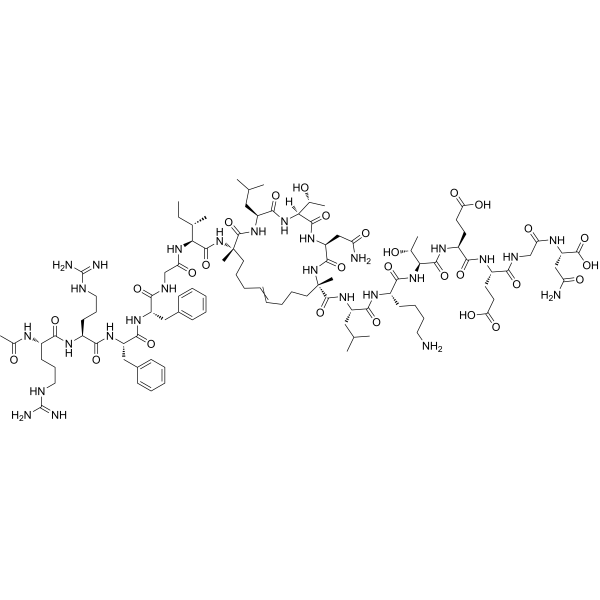
SAH-SOS1A TFA is a peptide-based SOS1/KRAS protein interaction inhibitor. SAH-SOS1A TFA binds to wild-type and mutant KRAS (G12D, G12V, G12C, G12S, and Q61H) with nanomolar affinity (EC50=106-175 nM). SAH-SOS1A TFA directly and independently blocks nucleotide association. SAH-SOS1A TFA impairs KRAS-driven cancer cell viability and exerts its effects by on-mechanism blockade of the ERK-MAPK phosphosignaling cascade downstream of KRAS .
loading...
    loading...
Cat. No.: HY-142026
CAS No.: 142449-89-6
Synonyms: (+)-Vitisin A
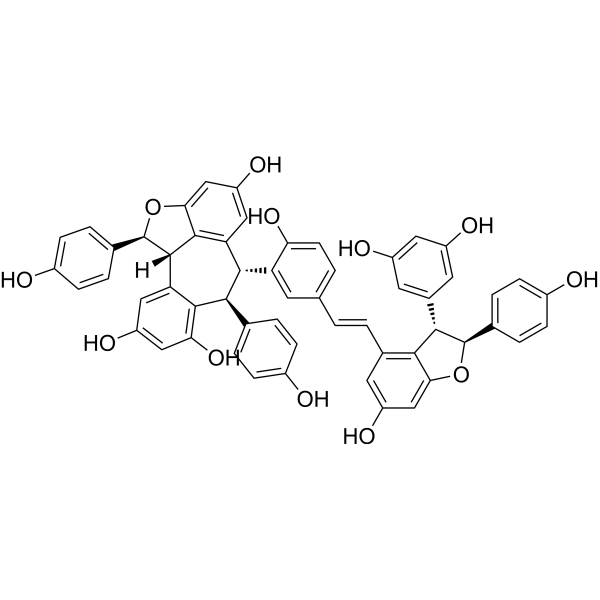
Vitisin A ((+)-Vitisin A) is an orally active natural product with multiple pharmacological activities including anti-inflammatory, anti-tumor, anti-oxidant, anti-pathogenic microorganism, hypoglycemic and lipid-regulating, anti-osteoporotic, neuroprotective and cardiovascular protective effects. Vitisin A exhibits inhibitory effects on human AChE and MAO-B with IC50 values of 1.29 µM and 4.94 µM, respectively. Vitisin A inhibits the ERK, MAPK, NF-κB, STAT1, HMGCR and TRAF6 pathways, downregulates the related phosphorylation and protein expression, while activates the Nrf2/HO-1 pathway and upregulates p21 expression. Vitisin A induces tumor cell apoptosis and cell cycle arrest, inhibits adipogenesis and lipid accumulation, while alleviates oxidative stress, suppresses inflammatory responses, blocks hepatic fibrosis, Cuproptosis and cholesterol synthesis, and increases the expression levels of central BDNF and TrkB. Vitisin A can be used in the research of tumors, infectious diseases, metabolic diseases, bone and joint diseases, liver diseases, skin injuries, as well as neurodegenerative and cognitive dysfunction-related diseases .
loading...
    loading...
Cat. No.: HY-P2265
CAS No.: 1652561-87-9
Target:  

SOS1 Ras

Research Areas:  

Cancer

SAH-SOS1A is a peptide-based SOS1/KRAS protein interaction inhibitor. SAH-SOS1A binds to wild-type and mutant KRAS (G12D, G12V, G12C, G12S, and Q61H) with nanomolar affinity (EC50=106-175 nM), directly and independently blocks nucleotide association, impairs KRAS-driven cancer cell viability, and exerts its effects by on-mechanism blockade of the ERK-MAPK phosphosignaling cascade downstream of KRAS .
loading...
    loading...
Cat. No.: HY-E70844
Target:  

MEK

Research Areas:  

Cancer

MAP2K2 (MEK2) is a dual specificity protein kinase that belongs to the MAP kinase kinase family. This kinase is known to play a critical role in mitogen growth factor signal transduction. MAP2K2 phosphorylates and thus activates MAPK1/ERK2 and MAPK3/ERK1. MAP2K2 Recombinant Human Active Protein Kinase is a recombinant MAP2K2 protein that can be used to study MAP2K2-related functions .
loading...
    loading...
Cat. No.: HY-N1818
CAS No.: 113122-54-6
Synonyms: 3-Deoxysappanone B
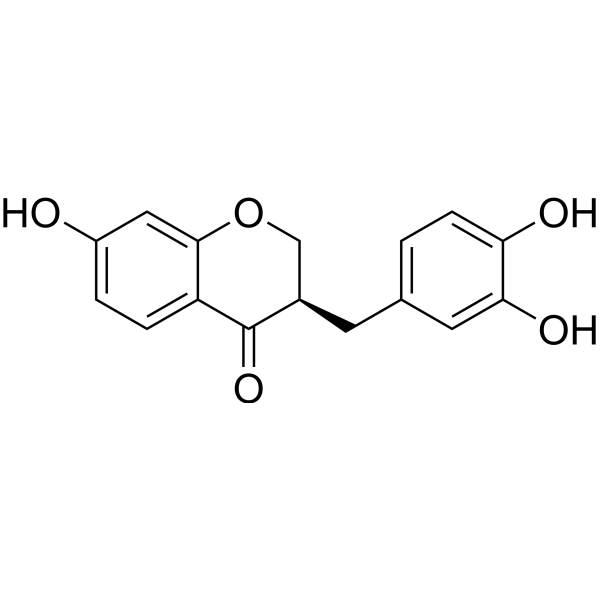
Deoxysappanone B (3-Deoxysappanone B) is a homoisoflavone compound isolated from Caesalpinia sappan L (Lignum Sappan). Deoxysappanone B has anti-neuroinflammatory and neuroprotective effects and inhibits the production of neuroinflammatory mediators by blocking the IκB kinase (IKK)-NF-κB and p38/ERK MAPK pathways. Deoxysappanone B can be used in disease studies of neuritis and inflammation-related neurological damage .
loading...
    loading...
Cat. No.: HY-N0809R
CAS No.: 526-07-8
Sesamolin (Standard) is the analytical standard of Sesamolin. This product is intended for research and analytical applications. Sesamolin, isolated from Sesamum indicum, has antioxidative activity, Sesaminol inhibits lipid peroxidation and shows neuroprotection effect. Sesamolin potently inhibits MAPK cascades by preventing phosphorylation of JNK, p38 MAPKs, and caspase-3 but not ERK-MAPK expression .
loading...
    loading...
Cat. No.: HY-10966R
CAS No.: 405554-55-4
Research Areas:  

Cancer

SB-590885 (Standard) is the analytical standard of SB-590885 (HY-10966). This product is intended for research and analytical applications. SB-590885 is a BRAF/c-Raf kinase inhibitor that selectively targets B-Raf, and it amplifies the ERK/MAPK signaling pathway in RAS-activated cells. SB-590885 effectively inhibits the malignant proliferation, transformation and tumorigenicity of oncogenic B-Raf cells; it also induces the proliferation of erythroid progenitor cells, delays their differentiation and promotes hemoglobin synthesis, thereby improving ineffective erythropoiesis and reducing apoptosis. SB-590885 exerts a synergistic effect with TGF-β inhibitors and glucocorticoids, significantly promoting the formation of erythroid colonies in cells from patients with Diamond-Blackfan anemia (DBA). SB-590885 is mainly used in relevant studies on DBA, cisplatin-induced myelosuppression-related anemia, and pan-cancers such as melanoma and colorectal cancer .
loading...
    loading...
Cat. No.: HY-152003S
CAS No.: 2692623-87-1
Ganglioside GM2-d3 (ammonium) is the deuterium labeled Ganglioside GM2 (HY-148385). Ganglioside GM2 is a human tumor antigen predominantly found in human tumor cells and fetal brain tissue. As a sialylated glycosphingolipid, Ganglioside GM2 is involved in processes such as cell signaling, adhesion, and motility. Ganglioside GM2 abnormal expression and accumulation are associated with tumors and neurodegenerative disorders. Ganglioside GM2 promotes tumor cell migration and invasion by directly binding to the integrin β1 receptor, activating the FAK/Src/Erk-MAPK signaling pathway, and inducing actin cytoskeleton remodeling .
loading...
    loading...
Cat. No.: HY-10966G
CAS No.: 405554-55-4
SB-590885 GMP is SB-590885 (HY-10966) produced by using GMP guidelines. GMP small molecules works appropriately as an auxiliary reagent for cell therapy manufacture. SB-590885 is a BRAF/c-Raf kinase inhibitor that selectively targets B-Raf, and it amplifies the ERK/MAPK signaling pathway in RAS-activated cells. SB-590885 effectively inhibits the malignant proliferation, transformation and tumorigenicity of oncogenic B-Raf cells; it also induces the proliferation of erythroid progenitor cells, delays their differentiation and promotes hemoglobin synthesis, thereby improving ineffective erythropoiesis and reducing apoptosis. SB-590885 exerts a synergistic effect with TGF-β inhibitors and glucocorticoids, significantly promoting the formation of erythroid colonies in cells from patients with Diamond-Blackfan anemia (DBA). SB-590885 is mainly used in relevant studies on DBA, cisplatin-induced myelosuppression-related anemia, and pan-cancers such as melanoma and colorectal cancer .
loading...
    loading...
Cat. No.: HY-L139
3,456 compounds

Pain is a kind of distressing feeling caused by the stimulation of tissue damage. According to the International Association for the Study of Pain (IASP), pain is defined as ”An unpleasant sensory and emotional experience associated with actual or potential tissue damage, or described in terms of such damage”.

Pain is usually classified according to its location, duration, underlying causes, and intensity. For example, acute and chronic pain, muscle pain, and nerve pain. Pain is the main symptom of most diseases, which seriously affects the quality of life and body function of patients. In the medical treatment of pain, anti-inflammatory drugs and opioid analgesic agents have traditionally been used, but the side effects are serious. In recent years, targeted drugs targeting the ERK/MAPK pathway or other targets have gradually become a research hotspot.

MCE supplies a unique collection of 3,456 compounds targeting key proteins in the pain system. MCE Pain-Related Compound Library is a useful tool for pain related research and anti-pain drug development.

Cat. No.: HY-119884
CAS No.: 1261080-40-3
Research Areas:  

Cancer

DC-120 is an ATP-competitive AKT inhibitor, with particular activity against AKT1 (an IC50 of 0.153 μM). DC-120 functionally blocks AKT kinase activity and reduces the phosphorylation levels of FOXO3a and GSK-3β. DC-120 induces cancer cell apoptosis (apoptosis) and inhibits cancer cell proliferation. DC-120 activates the mTORC1 pathway via the Ca 2+/calmodulin (calmodulin)/hVps34 signaling pathway. DC-120 abrogates AKT-mediated inhibition of CRAF, thereby activating the MEK/ERK MAPK pathway. DC-120 exerts anti-tumor activity in a nude mouse hepatocellular carcinoma xenograft model. DC-120 can be used for hepatocellular carcinoma-related research .
loading...
    loading...
  • 1

