


1. Search Result
Search Result
Results for "

Energy processes

" in MedChemExpress (MCE) Product Catalog:

41

Inhibitors & Agonists

10

Screening Libraries

1

Fluorescent Dyes

7

Biochemical Assay Reagents

4

Peptides

11

Natural
Products

4

Oligonucleotides

Cat. No. Product Name Target Research Areas Chemical Structure
  • HY-N5134
    5'-Guanylic acid
    2 Publications Verification

    5'-GMP; 5'-guanosine monophosphate

    Endogenous Metabolite iGluR Neurological Disease Metabolic Disease
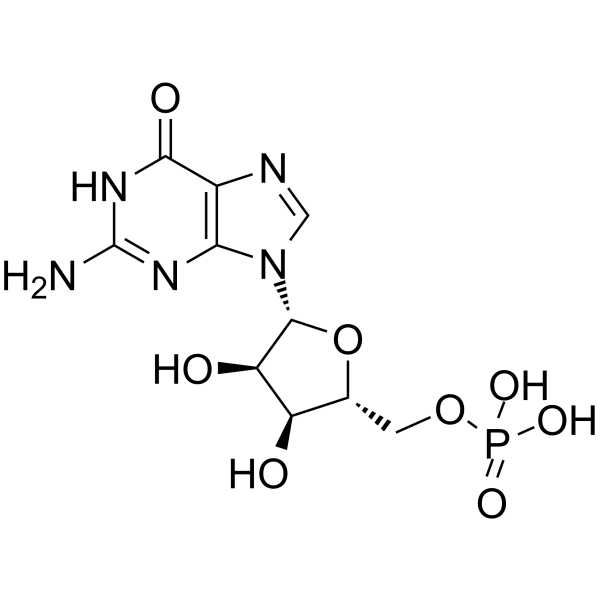
    5'-Guanylic acid is a purine nucleotide that participates in physiological processes such as energy metabolism, signal transduction, and gene expression regulation. 5'-Guanylic acid regulates the expression of genes related to fatty acid metabolism. 5'-Guanylic acid is the weak agonist for ionotropic glutamate receptors (iGluR), reduces the activity of the glutamatergic system and exhibits neuroprotective effect. 5'-Guanylic acid also causes neuronal cell death at high concentrations .
    5'-Guanylic acid
  • HY-P2853

    p38 MAPK Reactive Oxygen Species (ROS) Bacterial Fungal Infection Inflammation/Immunology Cancer
    Hemocyanin is an extracellular giant copper-containing glycoprotein. Hemocyanin can be found in the hemolymph of both mollusk and arthropod. Hemocyanin is responsible for oxygen transport. Hemocyanin is also involved in several physiological processes, such as energy storage, osmoregulation, molt cycle and exoskeleton formation. Hemocyanin in shrimp can enhance its immune response by modulating the p38 MAPK pathway. Hemocyanin from Penaeus monodon could act as an antiviral agent against a variety of viruses including DNA and RNA viruses. Hemocyanin from horseshoe crab Carcinoscorpius rotundicauda could possess a strong antimicrobial defense by the production of ROS activated with microbial proteases. Hemocyanin from L. vannamei would be effective against cervical cancer cell growth .
    Hemocyanin
  • HY-121965

    Biochemical Assay Reagents Endogenous Metabolite Others
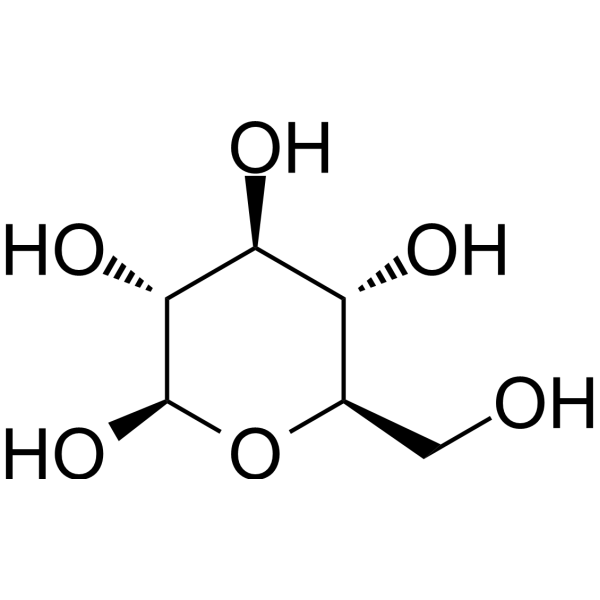
    β-D-Glucose, also known as glucose, is a monosaccharide, the most important carbohydrate in biological systems, the main energy source of cells, and plays a key role in various metabolic processes. β-D-Glucose has unique chemical properties that make it an abundant component in plant and animal tissues and is readily metabolized by organisms to produce cellular energy. It is commonly used to improve hypoglycemia and dehydration, and as a sweetener and preservative in food and beverage production.
    β-D-Glucose
  • HY-W051271

    Titanium dioxide

    Environmental Pollutants Reactive Oxygen Species (ROS) Photosensitizer Others
    Titanium(IV) oxide is a photosensitizer and photocatalyst. Titanium(IV) oxide can be used as a pharmaceutical excipient such as a flow aid, coating agent, sunscreen, colorant, etc. Pharmaceutical excipients or pharmaceutical excipients refer to other chemical substances used in the pharmaceutical process other than the drug ingredients. Pharmaceutical excipients generally refer to inactive ingredients in pharmaceutical preparations that can improve the stability, solubility and processability of pharmaceutical preparations. Pharmaceutical excipients also affect the absorption, distribution, metabolism and elimination (ADME) process of co-administered drugs. Titanium(IV) oxide can use light energy to generate electron-hole pairs to degrade pollutants. Photons excite electrons in TiO2 to generate active oxygen species (such as ·OH and ·O2 -), thereby oxidizing and mineralizing pollutants such as organic compounds and heavy metals. TiO2 can be used in the research of environmental remediation fields such as water treatment, air purification and self-cleaning materials .
    Titanium(IV) oxide
  • HY-D0889
    Glycylglycine
    1 Publications Verification

    Gly-Gly; H-Gly-Gly-OH

    Endogenous Metabolite Metabolic Disease
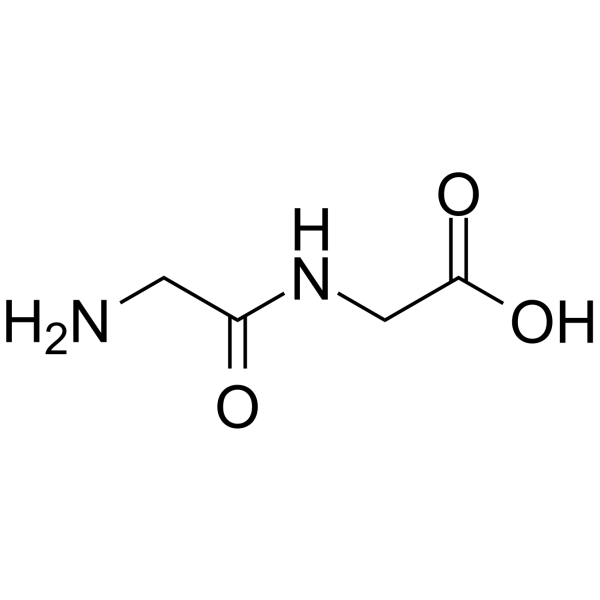
    Glycylglycine is a non-selective glycylglycine dipeptidase substrate and iNOS inhibitor. Glycylglycine can cross the cell membrane by passive diffusion and is hydrolyzed to glycine in the cell, participating in energy metabolism and antioxidant processes. Glycylglycine promotes spermatogonial stem cells (SSCs) proliferation, inhibits astrocyte overactivation and reduces nitric oxide (NO) release, while upregulating the expression of neurotrophic factors (such as PDGFA, FGF2, CNTF) to support nerve myelin repair. Glycylglycine can be used to study male reproductive biology (such as SSCs proliferation regulation) and neurodegenerative diseases (such as neuroprotective mechanisms in multiple sclerosis) .
    Glycylglycine
  • HY-N0354
    Anthraquinone
    3 Publications Verification

    Environmental Pollutants Virus Protease Infection Metabolic Disease Inflammation/Immunology Cancer
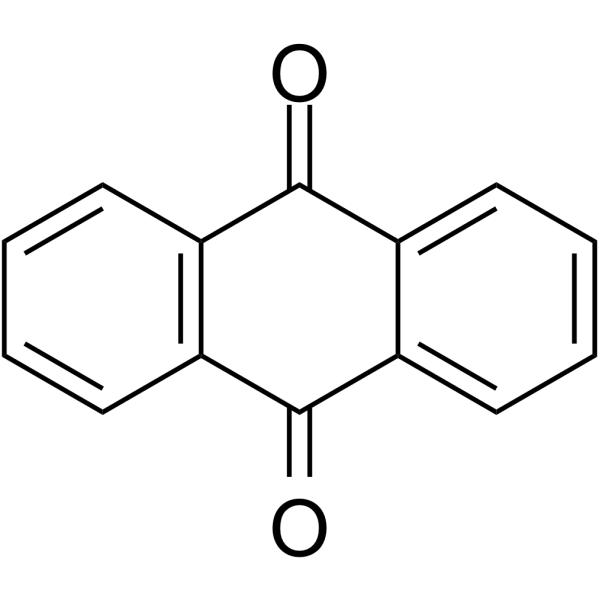
    Anthraquinone is used as a precursor for dye formation and agrochemicals, existing in different organisms, such as bacteria, fungi, plants, and some animals. Anthraquinone has biological activities: anticancer, antiinflammatory, diuretic, antiarthritic, antifungal, antibacterial, antimalarial and antioxidant. Anthraquinone also plays an important role in the primary metabolism of plants by acting on the electron transport chain through the inhibition of energy transfer in the photosynthetic process. Anthraquinone can intercalates into DNA and inhibits the topoisomerase II (topo II) enzyme, resulting in cell death via Apoptosis .
    Anthraquinone
  • HY-W010970
    5'-Guanylic acid disodium salt
    2 Publications Verification

    5'-GMP disodium salt; 5'-guanosine monophosphate disodium salt

    Endogenous Metabolite iGluR Neurological Disease Metabolic Disease
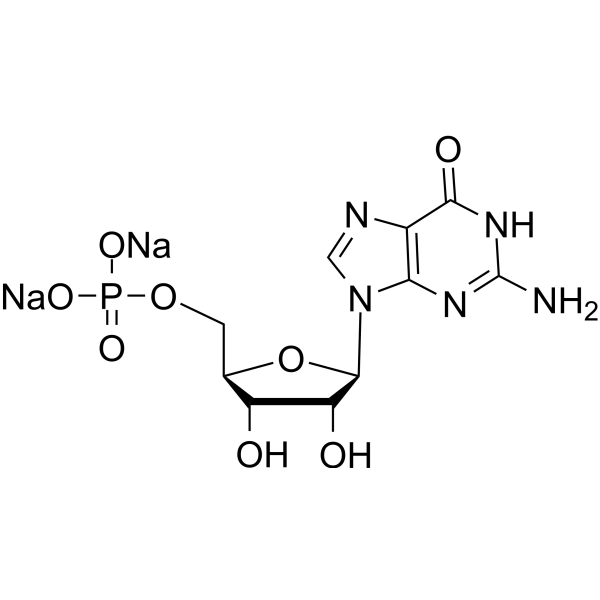
    5'-Guanylic acid disodium salt is the disodium salt form of 5'-Guanylic acid (HY-N5134). 5'-Guanylic acid disodium salt is a purine nucleotide that participates in physiological processes such as energy metabolism, signal transduction, and gene expression regulation. 5'-Guanylic acid disodium salt regulates the expression of genes related to fatty acid metabolism. 5'-Guanylic acid disodium salt is the weak agonist for ionotropic glutamate receptors (iGluR), reduces the activity of the glutamatergic system and exhibits neuroprotective effect. 5'-Guanylic acid disodium salt also causes neuronal cell death at high concentrations .
    5'-Guanylic acid disodium salt
  • HY-129328
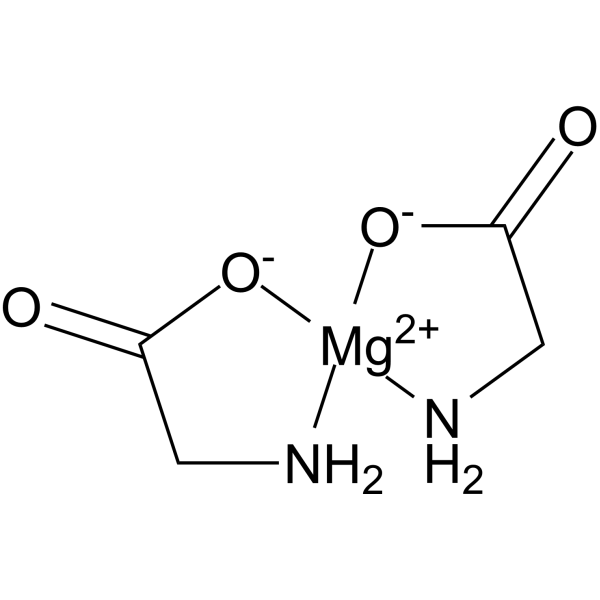
    Magnesium glycinate
    1 Publications Verification

    Magnesium bisglycinate; Magnesium diglycinate

    Biochemical Assay Reagents Cancer
    Magnesium glycinate (Magnesium bisglycinate), the magnesium salt of glycine, is a nutrient supplement. Magnesium glycinate has satisfactory physico-chemical properties and bioactivities. Metal glycinate chelates are formed by glycine and metal compounds through chemical reactions. Magnesium is an essential mineral that plays a critical role in the human body. Magnesium takes part in the process of energy metabolism and assists the maintenance of normal muscle function .
    Magnesium glycinate
  • HY-119725

    Environmental Pollutants Insecticide Infection
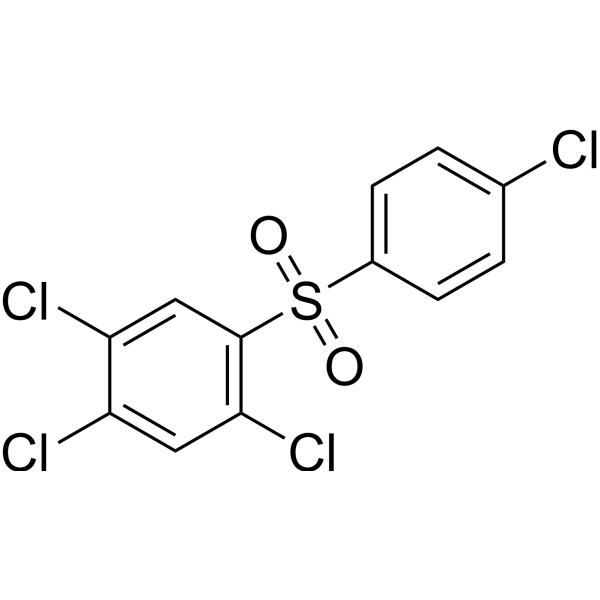
    Tetradifon is a broad-spectrum organochlorine insecticide and an inhibitor of the mitochondrial oligomycin sensitivity conferring protein (OSCP), which can be used to control a variety of mites. Tetradifon inhibits energy-related activities such as ADP-stimulated respiration, DNP and Mg 2+-stimulated ATPase, with an IC50 of 4.5-27 nmoL/mg mitochondrial protein. Tetradifon exerts oligomycin-like activity by inhibiting the oxidative phosphorylation process, inducing oxidative stress and interfering with bone metabolism. Tetradifon is currently mainly used in the research of mitochondrial function regulation, bone remodeling mechanism and nephrotoxicity of environmental pollutants .
    Tetradifon
  • HY-N10374

    Fructose-1,6-bisphosphate aldolase Others Others
    Perseitol is a heptoses produced by mature avocado plants. Perseitol can be converted to D-mannoheptulose as an energy-providing compound as well as a transport carbohydrate. Perseitol may act as a ripening inhibitor during the fruit ripening process. Perseitol’s synthesis may be related to the aldolase reaction in the Calvin cycle .
    Perseitol
  • HY-113511B

    Endogenous Metabolite Metabolic Disease
    Glycogen, from rabbit liver, ≥85% is glycogen extracted from rabbit liver. Glycogen, from rabbit liver, ≥85% is a branched polysaccharide condensed from glucose and serves as a storage form of glucose in the body. Glycogen, from rabbit liver, ≥85% plays an important role in physiological processes such as maintaining blood sugar and providing energy .
    Glycogen, from rabbit liver, ≥85%
  • HY-N5134R

    5'-GMP (Standard); 5'-guanosine monophosphate (Standard)

    Reference Standards Endogenous Metabolite
    5'-Guanylic acid is a purine nucleotide that participates in physiological processes such as energy metabolism, signal transduction, and gene expression regulation. 5'-Guanylic acid regulates the expression of genes related to fatty acid metabolism. 5'-Guanylic acid is the weak agonist for ionotropic glutamate receptors (iGluR), reduces the activity of the glutamatergic system and exhibits neuroprotective effect. 5'-Guanylic acid also causes neuronal cell death at high concentrations .
    5'-Guanylic acid (Standard)
  • HY-P2822

    PGK

    Endogenous Metabolite Infection Endocrinology Cancer
    Phosphoglycerate kinase, yeast (PGK), namely phosphoglycerate kinase, is a glycolytic enzyme commonly used in biochemical research. Phosphoglycerate kinase can catalyze the reversible transfer of phosphate groups from 1,3-bisphosphoglycerate (1,3-BPG) to ADP to generate 3-phosphoglycerate (3-PG) and ATP. At the same time, it can also participate in gluconeogenesis, catalyzing the opposite reaction to produce 1,3BPGA and ADP. Phosphoglycerate kinase is involved in energy metabolism, interaction with nucleic acid, tumor progression, cell death and virus replication and other related processes .
    Phosphoglycerate kinase, yeast
  • HY-D0889R

    Gly-Gly (Standard); H-Gly-Gly-OH (Standard)

    Reference Standards Endogenous Metabolite Metabolic Disease
    Glycylglycine (Standard) is the analytical standard of Glycylglycine (HY-D0889). This product is intended for research and analytical applications. Glycylglycine is a non-selective glycylglycine dipeptidase substrate and iNOS inhibitor. Glycylglycine can cross the cell membrane by passive diffusion and is hydrolyzed to glycine in the cell, participating in energy metabolism and antioxidant processes. Glycylglycine promotes spermatogonial stem cells (SSCs) proliferation, inhibits astrocyte overactivation and reduces nitric oxide (NO) release, while upregulating the expression of neurotrophic factors (such as PDGFA, FGF2, CNTF) to support nerve myelin repair. Glycylglycine can be used to study male reproductive biology (such as SSCs proliferation regulation) and neurodegenerative diseases (such as neuroprotective mechanisms in multiple sclerosis) .
    Glycylglycine (Standard)
  • HY-W010918R

    Adenosine diphosphate (Standard); ADP (Standard)

    Reference Standards Endogenous Metabolite Others
    Adenosine 5'-diphosphate (Standard) is the analytical standard of Adenosine 5'-diphosphate. This product is intended for research and analytical applications. Adenosine 5'-diphosphate (Adenosine diphosphate) is a nucleoside diphosphate. Adenosine 5'-diphosphate is the product of ATP dephosphorylation by ATPases. Adenosine 5'-diphosphate induces human platelet aggregation and inhibits stimulated adenylate cyclase by an action at P2T-purinoceptors. In Vitro: Adenosine 5'-diphosphate consists of the pyrophosphate group, the pentose sugar ribose, and the nucleobase adenine. Adenosine 5'-diphosphate is the product of ATP dephosphorylation by ATPases. ADP is converted back to ATP by ATP synthases. ATP is an important energy transfer molecule in cells. Adenosine 5'-diphosphate is utilized in a wide number of cellular processes, including respiration, biosynthetic reactions, motility, and cell division.
    Adenosine 5'-diphosphate (Standard)
  • HY-167805

    Biochemical Assay Reagents
    D-Glucose 6-phosphate potassium is a biologically active compound that has the activity of being a substrate for glucose-6-phosphate isomerase. D-Glucose 6-phosphate potassium can participate in the sugar metabolism process and promote the production and utilization of energy in cells.
    D-Glucose 6-phosphate potassium
  • HY-W016638

    1-Butyl-1-methylpyrrolidin-1-ium chloride

    Biochemical Assay Reagents Others
    1-Butyl-1-methylpyrrolidin-1-ium chloride, also known as BMIM chloride, belongs to the class of ionic liquids and consists of a positively charged pyrrolidine cation and a negatively charged chloride anion. This compound is commonly used as a solvent for various chemical reactions, especially those involving organic compounds and metals. Its unique physical and chemical properties, such as low volatility, high thermal stability, and tunable solubility, make it useful in a range of applications in catalysis, electrochemistry, and separation science. Furthermore, 1-butyl-1-methylpyrrolidin-1-ium chloride may have potential applications as a green solvent in energy storage devices and various industrial processes.
    1-Butyl-1-methylpyrrolidinium chloride
  • HY-W749117

    Endogenous Metabolite Metabolic Disease
    Inosine 5’-diphosphate sodium is a purine ribonucleoside 5’-diphosphate with inosine as the nucleobase, which can participate in intracellular energy metabolism and signal transduction processes .
    Inosine 5′-diphosphate sodium
  • HY-148851

    BChl a, from Rhodopseudomonas sphaeroides (under argon)

    Bacterial Others
    Bacteriochlorophyll a, from Rhodopseudomonas sphaeroides (under argon) (BChl a, from Rhodopseudomonas sphaeroides (under argon)) is a chlorophyll analog found in some bacteria that participates in the light absorption and energy transfer processes of photosynthesis .
    Bacteriochlorophyll a, from Rhodopseudomonas sphaeroides (under argon)
  • HY-D1671

    Fluorescent Dye Others
    TRITC-DHPE is a rhodamine-labeled glycerophosphate ethanolamine lipid, with head groups marked with bright red fluorescent TRITC dye (λEx/λEm=514/580 nm). TRITC-DHPE can be used for membrane fusion assay to trace lipid processing in intracellular phagocytosis. TRITC-DHPE can serves as an energy transfer receptor for NBD, BODIPY and fluorescein lipid probes .
    TRITC-DHPE
  • HY-P10618

    Bacterial Infection
    BTM-P1 is a polycationic peptide that exhibits antibacterial activity against both Gram-positive and Gram-negative bacteria. BTM-P1 can form ion-permeable channels in the inner mitochondrial membrane to interfere with mitochondrial energy processes .
    BTM-P1
  • HY-N10374R

    Reference Standards Fructose-1,6-bisphosphate aldolase Others Others
    Perseitol is a heptoses produced by mature avocado plants. Perseitol can be converted to D-mannoheptulose as an energy-providing compound as well as a transport carbohydrate. Perseitol may act as a ripening inhibitor during the fruit ripening process. Perseitol’s synthesis may be related to the aldolase reaction in the Calvin cycle .
    Perseitol (Standard)
  • HY-P2733C

    GPO, microorganism

    Endogenous Metabolite Metabolic Disease
    Glycerol-3-phosphate oxidase, microorganism is an enzyme that catalyzes the oxidation of glycerol-3-phosphate to dihydroxyacetone phosphate, producing hydrogen peroxide in the process. Glycerol-3-phosphate oxidase is located in the mitochondria of microorganisms and is involved in the glycerol-3-phosphate cycle, regulating cellular energy metabolism. Glycerol-3-phosphate oxidase, microorganism can be used in conjunction with Lipoprotein Lipase and Glycerol Kinase to determine triglyceride levels .
    Glycerol-3-phosphate oxidase, microorganism
  • HY-113225B

    GTP tritris

    Endogenous Metabolite Exosomes Cancer
    Guanosine triphosphate tritris (GTP tritris) serves as a vital enhancer of myogenic cell differentiation and plays a critical role in modulating miRNA-myogenic regulator factors. It also facilitates the release of exosomes enriched with guanosine and guanosine-derived molecules, and is regarded as an activated precursor for RNA synthesis. In mitochondrial function, GTP participates in the import of proteins into the matrix, which is essential for various regulated pathways, and is involved in initiating peptide synthesis through the binding of formylmethionyl-tRNA to the ribosome, as well as polypeptide chain elongation. Additionally, GTP acts as a phosphate and pyrophosphate carrier that channels chemical energy into specific biosynthetic pathways. It activates signal transducing G proteins that regulate cellular processes such as proliferation and differentiation, and its hydrolysis by small GTPases, including Ras and Rho, is integral to both proliferation and apoptosis. Furthermore, the small GTPase Rab is instrumental in vesicle docking, fusion, and formation. Beyond signal transduction, GTP is an energy-rich precursor in the enzymatic biosynthesis of DNA and RNA.
    Guanosine triphosphate tritris
  • HY-164556

    DNA/RNA Synthesis Others
    3′-Deoxy-5′-AMPIt can be used to study various physiological processes such as energy metabolism and information transmission.
    3′-Deoxy-5′-AMP
  • HY-164556A

    DNA/RNA Synthesis Others
    3′-Deoxy-5′-AMP sodiumIt can be used to study various physiological processes such as energy metabolism and information transmission.
    3′-Deoxy-5′-AMP sodium
  • HY-138227

    3′-dADP

    DNA/RNA Synthesis Others
    3′-Deoxyadenosine 5′-diphosphate (3′-dADP)It can be used to study various physiological processes such as energy metabolism and information transmission.
    3′-Deoxyadenosine 5′-diphosphate
  • HY-138227A

    3′-dADP disodium

    DNA/RNA Synthesis Others
    3′-Deoxyadenosine 5′-diphosphate (3′-dADP) disodiumIt can be used to study various physiological processes such as energy metabolism and information transmission.
    3′-Deoxyadenosine 5′-diphosphate disodium
  • HY-153995A

    Drug Metabolite Mitochondrial Metabolism Metabolic Disease
    D-Ribonic acid is a metabolite of D-Ribose (HY-113375). Ribonic acid is associated with genetic variations in ENOSF1 and NUBPL. Ribonic acid may participate in the mitochondrial energy production process .
    D-Ribonic acid
  • HY-P10379

    Neuropeptide FF Receptor Others Neurological Disease
    palm-PrRP31 is a potent dual receptor agonist for both GPR10 (EC50=72 pM) and NPFF-R2. palm-PrRP31 activates downstream signaling pathways through binding to its receptors, GPR10 and NPFF-R2, which results in reduced appetite and increased energy expenditure. Utilizing palm-PrRP31 facilitates the study of the mechanism of action in the nervous system, thereby elucidating the complex biological processes that regulate appetite and energy expenditure .
    palm-PrRP31
  • HY-E70813

    CaMK Neurological Disease
    CaMKK2 is a serine/threonine protein kinase and the central component of a Ca 2+-calmodulin activated signalling pathway. CaMKK2 is highly enriched in brain neurons and regulates energy metabolism and neuronal processes. CAMKK2 Recombinant Human Active Protein Kinase is obtained by expressing CAMKK2 proteins .
    CAMKK2 Recombinant Human Active Protein Kinase
  • HY-123294R

    YRC 2388 (Standard); BAY-YRC 2388 (Standard); NBA 061 (Standard)

    Herbicide Reference Standards Neurological Disease Metabolic Disease
    Fentrazamide (Standard) is the analytical standard of Fentrazamide. This product is intended for research and analytical applications. Fentrazamide (YRC 2388) is a herbicide. Fentrazamide has specific toxic effects on the nervous system and erythrocytes in rats, affecting the energy supply of cells mainly by interfering with the glycolysis process. Fentrazamide can be used as a useful tool to study the mechanisms of neurodegenerative diseases and erythrocyte dysfunction .
    Fentrazamide (Standard)
  • HY-W925660

    Biochemical Assay Reagents Endogenous Metabolite
    (+)-Potassium Ds-threo-isocitrate monobasic is a biologically active compound that has the activity of promoting cellular metabolism and regulating energy production. (+)-Potassium Ds-threo-isocitrate monobasic can also be used to study the regulation of metabolic pathways and enzyme activities. (+)-Potassium Ds-threo-isocitrate monobasic is widely used in biochemical research to explore its potential role in cellular function and disease processes.
    (+)-Potassium Ds-threo-isocitrate monobasic
  • HY-W040074

    Diglycine hydrochloride hydrate; Gly-Gly (HCl H2O)

    Biochemical Assay Reagents Metabolic Disease
    Glycylglycine hydrochloride hydrate is a non-selective Glycylglycine hydrochloride hydrate dipeptidase substrate and iNOS inhibitor. Glycylglycine hydrochloride hydrate can cross the cell membrane by passive diffusion and is hydrolyzed to glycine in the cell, participating in energy metabolism and antioxidant processes. Glycylglycine hydrochloride hydrate promotes spermatogonial stem cells (SSCs) proliferation, inhibits astrocyte overactivation and reduces nitric oxide (NO) release, while upregulating the expression of neurotrophic factors (such as PDGFA, FGF2, CNTF) to support nerve myelin repair. Glycylglycine hydrochloride hydrate can be used to study male reproductive biology (such as SSCs proliferation regulation) and neurodegenerative diseases (such as neuroprotective mechanisms in multiple sclerosis) .
    Glycylglycine hydrochloride hydrate
  • HY-119725R

    Reference Standards Insecticide Infection
    Tetradifon (Standard) is the analytical standard of Tetradifon (HY-119725). This product is intended for research and analytical applications. Tetradifon is a broad-spectrum organochlorine insecticide and an inhibitor of the mitochondrial oligomycin sensitivity conferring protein (OSCP), which can be used to control a variety of mites. Tetradifon inhibits energy-related activities such as ADP-stimulated respiration, DNP and Mg 2+-stimulated ATPase, with an IC50 of 4.5-27 nmoL/mg mitochondrial protein. Tetradifon exerts oligomycin-like activity by inhibiting the oxidative phosphorylation process, inducing oxidative stress and interfering with bone metabolism. Tetradifon is currently mainly used in the research of mitochondrial function regulation, bone remodeling mechanism and nephrotoxicity of environmental pollutants .
    Tetradifon (Standard)
  • HY-153995B

    Mitochondrial Metabolism Drug Metabolite Metabolic Disease
    D-Ribonic acid ammonium is a metabolite of D-Ribose (HY-113375). Ribonic acid ammonium is associated with genetic variations in ENOSF1 and NUBPL. Ribonic acid ammonium may participate in the mitochondrial energy production process .
    D-Ribonic acid ammonium
  • HY-182438

    Drug Intermediate Metabolic Disease
    SDZ 51641 is an orally active fatty acid oxidation inhibitor. By reducing fatty acid oxidation, SDZ 51641 deprives the gluconeogenesis process of required energy and cofactors, thereby lowering blood glucose levels in diabetic models. SDZ 51641 can be used in diabetes research .
    SDZ 51641
  • HY-123294

    YRC 2388; BAY-YRC 2388; NBA 061

    Herbicide Neurological Disease Metabolic Disease
    Fentrazamide (YRC 2388) is a herbicide. Fentrazamide has specific toxic effects on the nervous system and erythrocytes in rats, affecting the energy supply of cells mainly by interfering with the glycolysis process. Fentrazamide can be used as a useful tool to study the mechanisms of neurodegenerative diseases and erythrocyte dysfunction .
    Fentrazamide
  • HY-176894

    Carnitine Palmitoyltransferase (CPT) Others Metabolic Disease
    Hemiacetylcarnitinium chloride is a inhibitor of fatty acid metabolism, specifically targeting carnitine palmitoyltransferase I (CPT I). Hemiacetylcarnitinium chloride disrupts the conversion of fatty acyl-CoA to fatty acyl carnitine, thereby blocking the subsequent oxidation of long-chain fatty acids and reducing the production of ATP required for energy-dependent cellular processes. Hemiacetylcarnitinium chloride can be used for the study of fatty acid metabolism .
    Hemiacetylcarnitinium chloride
  • HY-121628

    Fungal Infection
    Flusulfamide is a sulfonanilide Fungicide that effectively inhibits the germination of resting spores of Plasmodiophora brassicae, the pathogen causing clubroot in cruciferous crops. Flusulfamide blocks the developmental process of resting spores from stage 1 to stage 2. By downregulating germination-related genes and upregulating immunophilin genes (such as PbCyp3), it induces abnormal accumulation of the PbCYP3 protein, thereby causing the spores to deplete energy in a state of continuous energy consumption without germination, and reducing their infectivity. Flusulfamide reduces soil ATP content in the early stage of application, but soil microbial biomass gradually recovers 3 days later. Flusulfamide is widely used in research on clubroot control .
    Flusulfamide
  • HY-W854727

    Others Others
    N-Methylfulleropyrrolidine serves as an electron acceptor molecule characterized by its fullerene core and a nitrogen-free lone pair associated with the pyrrolidine ring. This compound can act as an intermediate in the synthesis of various functionalized fullerenes and plays a significant role in the development of opto-electronic devices. Comprehensive studies have been conducted on the photoinduced energy and electron transfer processes between oligothienylenevinylenes and N-Methylfulleropyrrolidine (MP-C60).
    N-Methylfulleropyrrolidine

Inquiry Online

Your information is safe with us. * Required Fields.

Salutation


Country or Region *

Applicant Name *


Organization Name *

Department *


Email Address *


Product Name *

Cat. No.


Requested quantity *

Phone Number *


Remarks

Inquiry Online

Inquiry Information

Product Name:
Cat. No.:
Quantity:
MCE Japan Authorized Agent:

