Search Result
Results for "
Enzyme activity detection
" in MedChemExpress (MCE) Product Catalog:
7
Biochemical Assay Reagents
1
Isotope-Labeled Compounds
| Cat. No. |
Product Name |
Target |
Research Areas |
Chemical Structure |
-
- HY-D0027
-
|
Coumarin 120; AMC
|
Fluorescent Dye
Antibiotic
Fungal
|
Infection
|
|
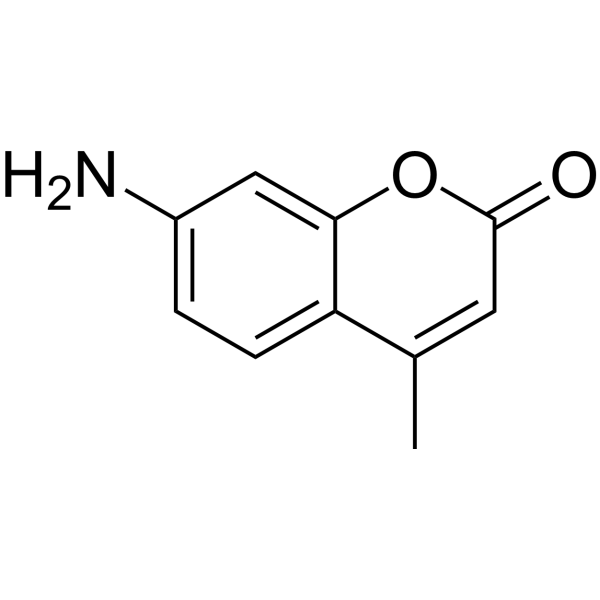
7-Amino-4-methylcoumarin belongs to the coumarin class, can be isolated from the endophytic fungus Xylaria sp. and has a broad spectrum of antibacterial activity. 7-Amino-4-methylcoumarin is also commonly used as an important laser dye that emits in the blue region, capable of analyzing glycoprotein monosaccharides and N-linked oligosaccharides, and is also utilized in tissue pathology analysis, enzyme activity measurement, and copper ion detection. The excitation wavelength and emission wavelength are 351 nm and 430 nm, respectively.
|
-
-
- HY-137875
-
|
N-Benzoyl-Gly-His-Leu hydrate
|
Angiotensin-converting Enzyme (ACE)
Amino Acid Derivatives
|
Cardiovascular Disease
|
|
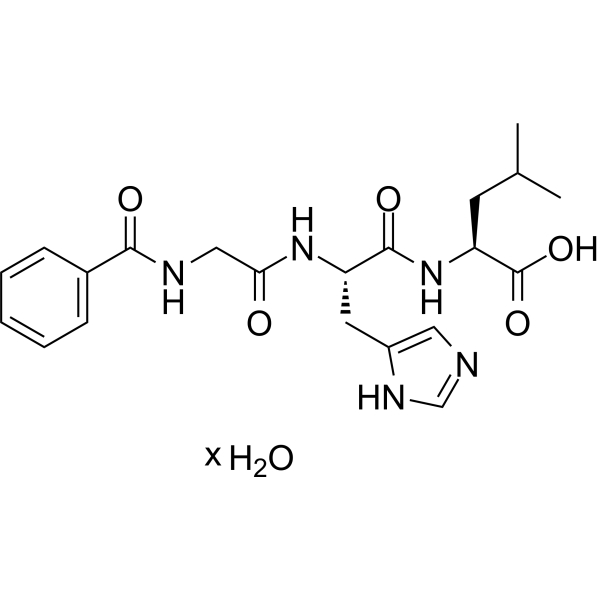
Hippuryl-His-Leu-OH (N-Benzoyl-Gly-His-Leu) hydrate is a specific substrate for angiotensin-converting enzyme ACE I and is a molecular tool used for ACE activity detection in in vitro experiments. Hippuryl-His-Leu-OH hydrate is hydrolyzed by ACE through competitive binding. Under ACE catalysis, Hippuryl-His-Leu-OH hydrate undergoes hydrolysis to produce hippuric acid (HA). The amount of HA produced can be used to quantitatively assess ACE activity or screen for ACE inhibitors. The His-Leu released from Hippuryl-His-Leu-OH hydrate can also react with o-phthalaldehyde or Fluorescamine (HY-D0715) for fluorescence detection. Hippuryl-His-Leu-OH hydrate can be applied to the in vitro screening of ACE inhibitors for hypertension and cardiovascular diseases, and is also used in the study of changes in ACE activity during physiological and pathological processes such as renal compensatory hypertrophy .
|
-
-
- HY-W010991
-
|
FAPGG
|
Angiotensin-converting Enzyme (ACE)
|
Others
|
|
N-[3-(2-Furyl)acryloyl]-Phe-Gly-Gly (FAPGG) is a specific substrate of angiotensin converting enzyme (ACE) with a Ki of 2.546×10 -4 M. It is used as a chromogenic probe for quantitative detection of ACE activity. N-[3-(2-Furyl)acryloyl]-Phe-Gly-Gly can be hydrolyzed by ACE to generate N-[3-(2-furyl)acryloyl]-Phe (FAP) and Gly-Gly, and the ACE inhibitory effect is monitored by photometry. FAPGG competitively binds to the active center of ACE and is a key tool for screening ACE inhibitors such as Captopril (HY-B0368) and Dioscorin. Its reversible mechanism of action supports hypertension research and drug development targeting the renin-angiotensin system .
|
-
-
- HY-W020780
-
|
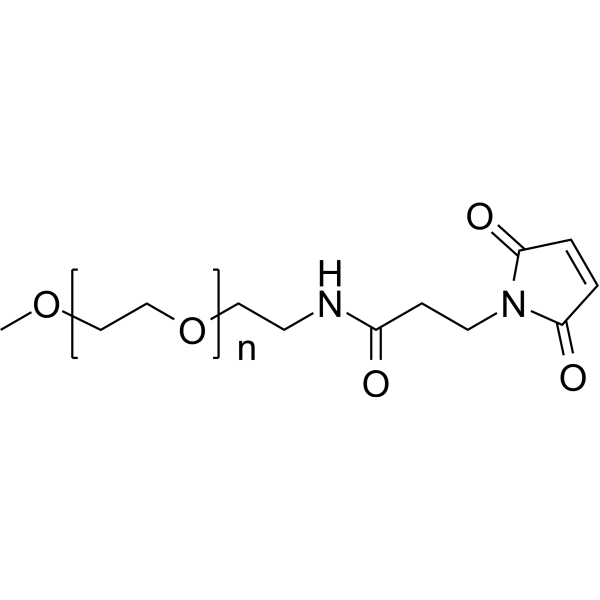
mPEG5000-Maleimide
|
Biochemical Assay Reagents
|
Cancer
|
|
mPEG5000-Mal (mPEG5000-Maleimide) is a PEG-derived selective covalent binding agent for sulfhydryl groups (RSGs), which can form irreversible thioether bonds with sulfhydryl groups under near-neutral conditions via the maleimide group. The mechanism of action of mPEG5000-Mal can be divided into two categories: firstly, as an enzyme modifier, it binds to target proteins through hydrophobic interactions, hydrogen bonds, and van der Waals forces, altering the protein's secondary structure; secondly, as a nanoparticle surface modifier, it covalently binds to sulfhydryl groups on the surface of red blood cells, changing the surface properties and morphology of the red blood cells, leading to their phagocytosis by macrophages of the reticuloendothelial system. mPEG5000-Mal can react with free cysteine in proteins, increasing the apparent molecular weight of the modified protein by 10-15 kDa for detection purposes. mPEG5000-Mal can enhance the thermal stability and catalytic activity of enzymes, and improve the macrophage targeting of nanoparticles, enabling targeted drug delivery. mPEG5000-Mal can be applied in enzyme engineering research in the food industry and in oncology, assisting radiotherapy by inhibiting tumor-associated macrophage infiltration and enhancing anti-tumor immune responses .
|
-
-
- HY-137276
-
|
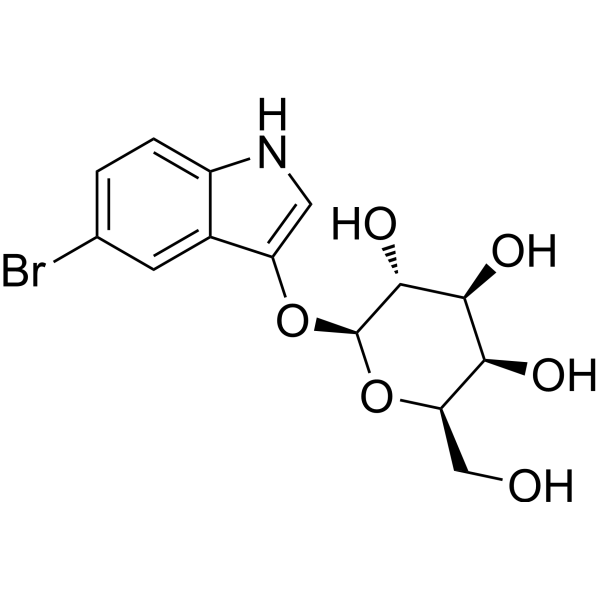
Bluo-Gal
|
Fluorescent Dye
Glycosidase
|
Others
|
|
5-Bromo-3-indolyl β-D-galactopyranoside (Bluo-Gal) is a chromogenic substrate for β-galactosidase. 5-Bromo-3-indolyl β-D-galactopyranoside is hydrolyzed by the enzyme to generate a 5-bromoindole intermediate, which is further oxidized to form an insoluble blue precipitate. 5-Bromo-3-indolyl β-D-galactopyranoside can specifically recognize bacterial β-galactosidases (such as the product of the Escherichia coli lacZ gene) and reacts at pH 7.4, making it suitable for light and electron microscopic observations. 5-Bromo-3-indolyl β-D-galactopyranoside can be used in histochemical detection of reporter gene expression in transgenic organisms, such as the localization analysis of β-galactosidase activity in mouse embryos or muscle tissues .
|
-
-
- HY-134434
-
|
|
Cathepsin
Fluorescent Dye
|
Others
|
|
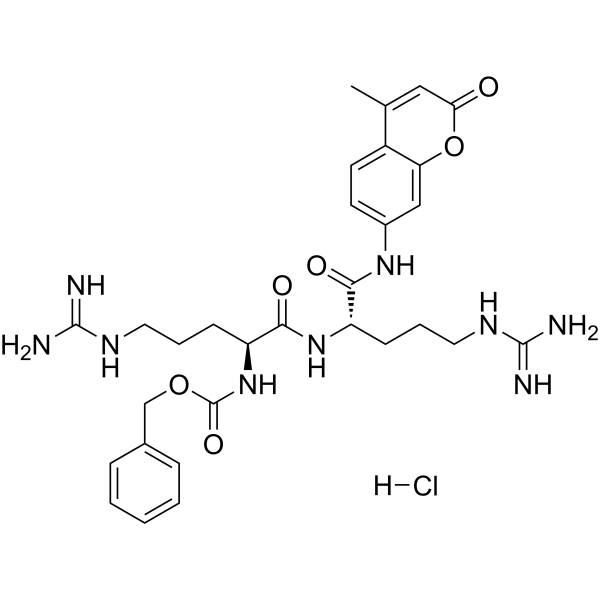
Z-Arg-Arg-AMC hydrochloride is a highly selective fluorescent Cathepsin B substrate. Z-Arg-Arg-AMC hydrochloride can be hydrolyzed by Cathepsin B to produce a fluorescent product for enzyme activity detection .
|
-
-
- HY-W013168
-
|
4-Nitrophenyl hexadecanoate; p-Nitrophenyl Palmitate; pNpp
|
Lipase
|
Others
|
|
4-Nitrophenyl palmitate (4-Nitrophenyl hexadecanoate) is a chromogenic substrate for lipases and esterases. Upon enzymatic hydrolysis, 4-Nitrophenyl palmitate releases p-nitrophenol, which can be quantified by colorimetric detection at 410 nm as a measure of enzymatic activity. 4-Nitrophenyl palmitate is used to characterize the activity of various bacterial and mammalian enzymes, including those from Burkholderia and porcine pancreatic lipase .
|
-
-
- HY-D2468
-
|
|
Fluorescent Dye
|
Others
|
|
Sulfonylurea Receptor HRP-Streptavidin is a biotin-binding signal amplifier designed to bind tightly with biotinylated anti-TSH monoclonal antibodies, thereby constituting a key component of the signal amplification system in immunoassays. HRP-Streptavidin is formed by the covalent coupling of Horseradish Peroxidase (HRP) with Streptavidin; it combines the highly efficient catalytic activity of the enzyme with the high affinity of Streptavidin for biotin, making it a potent and sensitive tool for signal amplification. HRP-Streptavidin is suitable for use in Western Blotting, ELISA, and other detection techniques .
|
-
-
- HY-114879
-
DDAO
1 Publications Verification
|
Fluorescent Dye
Carboxylesterase (CES)
|
Cancer
|
|
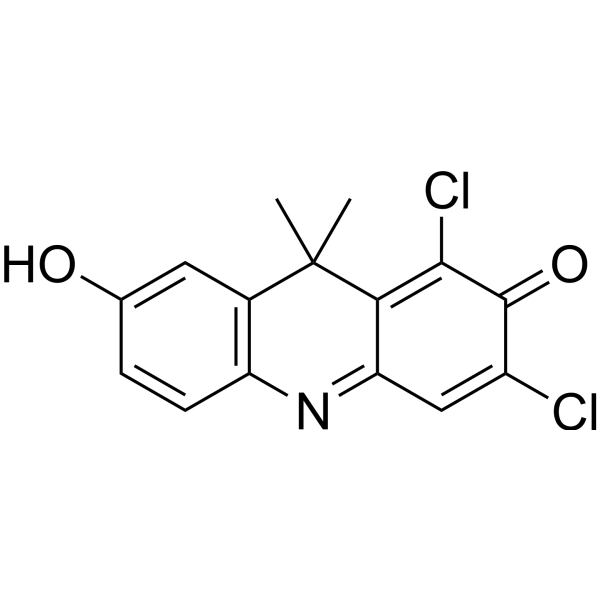
DDAO is a promising near-infrared (NIR) red fluorescent probewith tunable excitation wavelength (600-650nm) and longemission wavelength(λem=656nm). DDAO can de desiged for detection of the activities of different enzymes such asβ-galactosidase,sulfatase, proteinphosphatase2A,carboxylesterase 2, humanalbumin andesterases .
|
-
-
- HY-131924
-
|
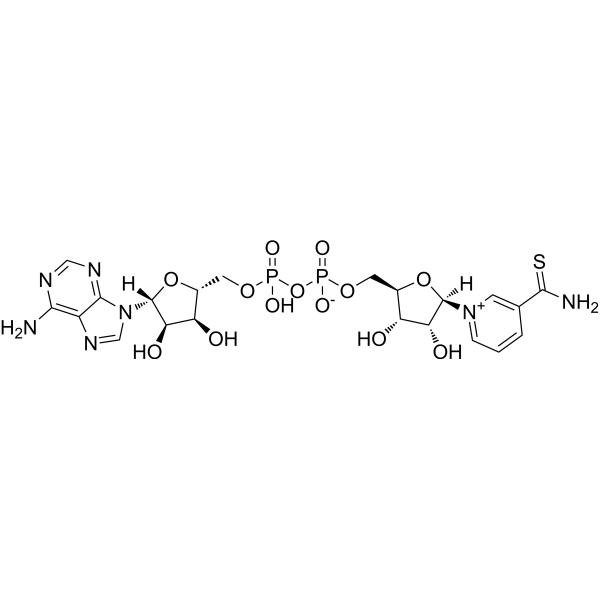
Thio-NAD
|
Biochemical Assay Reagents
|
Others
|
|
Thionicotinamide adenine dinucleotide (Thio-NAD) is a thione-modified analog of the coenzyme nicotinamide adenine dinucleotide (NAD +). Thionicotinamide adenine dinucleotide can replace NAD + in enzymatic reactions and shift the absorption peak to 405 nM, enabling sensitive, real-time kinetic detection of enzyme activity, which is particularly suitable for high-sensitivity diagnostic cyclic detection systems .
|
-
-
- HY-W011654
-
|
4-Aminophenyl-beta-D-galactopyranoside, 98%
|
Glycosidase
|
Inflammation/Immunology
Cancer
|
|
4-Aminophenyl-β-D-galactopyranoside, 98% is a highly efficient substrate for β-galactosidase. It is specifically hydrolyzed by this enzyme to release galactose and electroactive p-aminophenol. 4-Aminophenyl-β-D-galactopyranoside, 98% is widely used in colorimetric and electrochemical assays for detecting β-galactosidase activity and determining enzyme kinetics, such as in biosensing fields including cellular senescence, pathogen and contaminant detection. In addition, since β-galactosidase is often overexpressed in primary ovarian cancer, 4-Aminophenyl-β-D-galactopyranoside, 98% can also be applied to related research on primary ovarian cancer .
|
-
-
- HY-137855
-
|
|
Biochemical Assay Reagents
|
Others
|
|
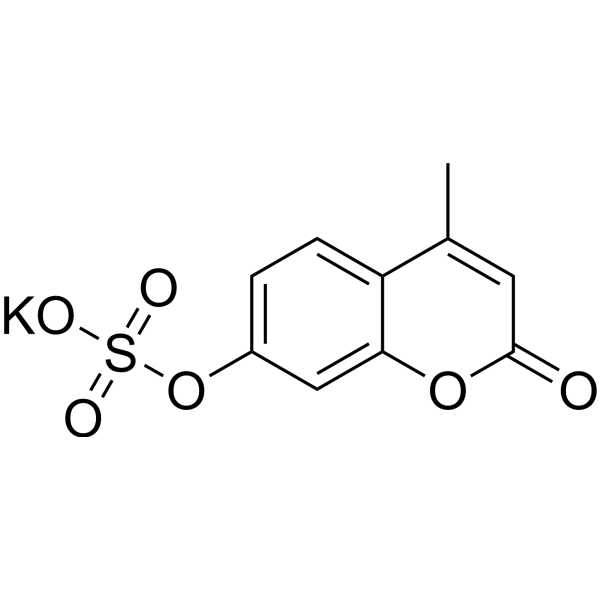
4-Methylumbelliferyl sulfate (potassium), a fluorescent substrate, is commonly used to detect sulfatase activity in biochemical and biomedical research. It consists of a sulfate group attached to a fluorescent molecule, which can be cleaved by sulfatase enzymes. Upon cleavage, 4-Methylumbelliferyl sulfate releases a highly fluorescent product that can be detected using fluorescence microscopy or spectroscopy. The use of 4-Methylumbelliferyl sulfate as a substrate for sulfatase enzymes allows accurate detection and quantification of these enzymes in a variety of biological samples.
|
-
-
- HY-131618
-
|
Bz-Gly-Arg
|
Amino Acid Derivatives
|
Others
|
|
Hippuryl-Arg (Bz-Gly-Arg) is a substrate used for fluorescence detection and is commonly used in biochemical studies, especially in studying enzyme activity. The phenylalanine portion of Hippuryl-Arg is connected by an aromatic side chain, which allows it to be detected under ultraviolet light. Hippuryl-Arg is used to detect enzymes that recognize and cut peptide bonds containing arginine .
|
-
-
- HY-W009454
-
|
4-Nitopheyl Sulfate potassium
|
Fluorescent Dye
|
Others
|
|
Potassium p-nitrophenyl sulfate (4-Nitophenyl Sulfate potassium) serves as a chromogenic substrate for arylsulfatases. Potassium p-nitrophenyl sulfate releases nitrophenol under the cleavage action of arylsulfatases, and the activity of arylsulfatases can be quantitatively determined via colorimetric detection at 400 nm. Potassium p-nitrophenyl sulfate is commonly used in enzyme inhibition assays and metabolite analog-related studies .
|
-
-
- HY-W015996
-
|
pNP-GalNAc
|
Fluorescent Dye
|
Others
|
|
4-Nitrophenyl-N-acetyl-α-D-galactosaminide (pNP-GalNAc) can be used as a chromogenic substrate for N-acetyl-D-galactosaminase. 4-Nitrophenyl-N-acetyl-α-D-galactosaminide is cleaved by N-acetyl-D-galactosaminase to generate a yellow solution. The enzyme activity is quantitatively determined by absorbance detection .
|
-
-
- HY-P4426A
-
|
|
Fluorescent Dye
|
Others
|
|
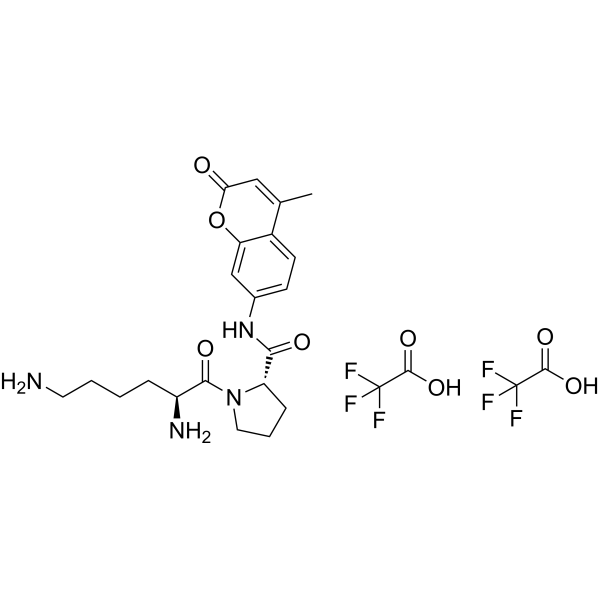
Lys-Pro-AMC diTFA is a fluorogenic substrate for the detection and measurement of the activity of specific enzymes .
|
-
-
- HY-D0146
-
|
BzRes; 7-Benzyloxyresorufin; 7-Benzyloxyphenoxazone
|
Fluorescent Dye
|
Others
|
|
Resorufin benzyl ether (BzRes), a fluorogenic enzyme substrate, can be used to detect CYP3A4 enzyme activity. Resorufin benzyl ether modified with a recognizing moiety boronate, can be used for ONOO - detection via a self-immolation mechanism. Ex/Em=530-570 nm/590 nm .
|
-
-
- HY-120833
-
|
|
Caspase
|
Others
|
|
Ac-Ile-Glu-Thr-Asp-pNA is a substrate for caspase-8. Caspase-8 binds to and cleaves the Ile-Glu-Thr-Asp (IETD) peptide sequence to release p-nitroalinide, which can be quantified by colorimetric detection at 405 nm as a measure of enzyme activity .
|
-
-
- HY-W011985
-
|
|
Biochemical Assay Reagents
|
Others
|
|
H-Arg-NH2 hydrochloride is a nucleophilic reagent. H-Arg-NH2 hydrochloride can be used in experiments related to the detection of enzyme activity centers .
|
-
-
- HY-118210
-
|
|
FAAH
|
Metabolic Disease
|
|
PHOP is a fatty acid amide hydrolase (FAAH) inhibitor used to assess inhibitory activity in a fluorometric assay. PHOP can determine FAAH activity by measuring the amount of 4-pyridin-1-ylbutyric acid released by the enzyme in rat brain microsomes. PHOP demonstrates potential as a FAAH inhibitor and can directly measure FAAH activity by reversed-phase HPLC and fluorescence detection, providing a basis for the development of new inhibitors.
|
-
-
- HY-P4551
-
|
N-Benzoyl-Gly-His-Leu
|
Angiotensin-converting Enzyme (ACE)
Amino Acid Derivatives
|
Cardiovascular Disease
|
|
Hippuryl-His-Leu-OH (N-Benzoyl-Gly-His-Leu) is a specific substrate for angiotensin-converting enzyme (ACE I) and a molecular tool used for ACE activity detection in in vitro experiments. Hippuryl-His-Leu-OH is hydrolyzed by ACE through competitive binding. Under ACE catalysis, Hippuryl-His-Leu-OH undergoes hydrolysis to produce hippuric acid (HA). The amount of HA produced can be used to quantitatively assess ACE activity or screen for ACE inhibitors. The released His-Leu can also react with o-phthalaldehyde or Fluorescamine (HY-D0715) for fluorescence detection. Hippuryl-His-Leu-OH can be applied to the in vitro screening of ACE inhibitors for hypertension and cardiovascular diseases, and is also used in the study of ACE activity changes in physiological and pathological processes such as renal compensatory hypertrophy .
|
-
-
- HY-P4426
-
|
|
Fluorescent Dye
|
Others
|
|
Lys-Pro-AMC is a fluorogenic substrate for the detection and measurement of the activity of specific enzymes .
|
-
-
- HY-137858
-
|
Gly-Arg-4-NA hydrochloride; GR-pNA hydrochloride; GR p-itoailide hydrochloride
|
Fluorescent Dye
|
Others
|
|
H-Gly-Arg-pNA hydrochloride (GR-pNA hydrochloride) is a colorimetric substrate for thrombin. H-Gly-Arg-pNA is preferentially bound by thrombin and cleaves the Gly-Arg (GR) peptide sequence, releasing p-nitroaniline (pNA) that can be detected colorimetrically at 405 nm. H-Gly-Arg-pNA hydrochloride is used as a fluorescent dye to measure thrombin activity .
|
-
-
- HY-112688
-
|
|
Ser/Thr Protease
|
Others
|
|
H-Arg-4MβNA is a substrate for cathepsin H, used for the detection of enzyme activity in gel electrophoresis.
|
-
-
- HY-143285
-
|
|
Fluorescent Dye
|
Infection
|
|
AMC-GlcNAc (compound 1) is a potent fluorogenic probe for detection and characterization of β-hexosaminidase enzyme activity. AMC-GlcNAc enables continuous monitoring by turn-on fluorescence and fluorescence signal is constant over a wide pH range (Ex=325 nm, Em=390 nm). AMC-GlcNAc enables ratiometric fluorescence detection with high sensitivity and low background, which can be used to screen for recombinant dispersin B activity in E. coli cell lysate .
|
-
-
- HY-171045
-
-
-
- HY-135256
-
|
Acid yellow 1, 98%
|
Biochemical Assay Reagents
|
Others
|
|
Naphthol yellow S, 98% (Acid yellow 1, 98%) is a basic protein-binding dye used for enzyme activity detection.
|
-
-
- HY-W927376
-
|
|
Fluorescent Dye
|
Others
|
|
Boc-Val-Arg-AMC is a synthetic peptide compound. As a specific fluorescent substrate, Boc-Val-Arg-AMC can be specifically cleaved by specific enzymes, especially thrombin, to release a fluorescent molecule AMC (7-amino-4-methylcoumarin), which can be used to monitor thrombin activity. Boc-Val-Arg-AMC can be used to detect thrombin activity in plasma samples .
|
-
-
- HY-W854392
-
|
|
Biochemical Assay Reagents
|
|
|
3-Carboxyumbelliferyl-β-D-glucuronide (dipotassium) is a chromogenic substrate with biological activity for enzyme activity detection. 3-Carboxyumbelliferyl-β-D-glucuronide (dipotassium) can be used to evaluate biological reactions associated with glycosidases. 3-Carboxyumbelliferyl-β-D-glucuronide (dipotassium) shows a wide range of application potentials in compound discovery and biomedical research.
|
-
-
- HY-134429
-
|
|
Biochemical Assay Reagents
|
Others
|
|
p-Nitrophenyl α-L-arabinopyranoside is a biochemical reagent. p-Nitrophenyl α-L-arabinopyranoside can be hydrolyzed by recombinant BgaA (rBgaA, isolated from E. coli BL21 (DE3) strain harboring pEBGA29). p-Nitrophenyl α-L-arabinopyranoside has potential application in enzyme activity detection .
|
-
-
- HY-W928283
-
|
|
Biochemical Assay Reagents
|
|
|
L-Hydroxyproline 7-amido-4-methylcoumarin hydrochloride is a fluorescent substrate with biological activity for enzyme activity detection. L-Hydroxyproline 7-amido-4-methylcoumarin hydrochloride is often used in biochemical research to detect reactions associated with specific enzymes. L-Hydroxyproline 7-amido-4-methylcoumarin hydrochloride helps scientists monitor the progress of reactions through its fluorescent properties. L-Hydroxyproline 7-amido-4-methylcoumarin hydrochloride has important application value in compound development and basic biological research.
|
-
-
- HY-D0027R
-
|
Coumarin 120 (Standard); AMC (Standard)
|
Fluorescent Dye
Antibiotic
Fungal
Reference Standards
|
Infection
|
|
7-Amino-4-methylcoumarin (Standard) is the analytical standard of 7-Amino-4-methylcoumarin. This product is intended for research and analytical applications. 7-Amino-4-methylcoumarin belongs to the coumarin class, can be isolated from the endophytic fungus Xylaria sp. and has a broad spectrum of antibacterial activity. 7-Amino-4-methylcoumarin is also commonly used as an important laser dye that emits in the blue region, capable of analyzing glycoprotein monosaccharides and N-linked oligosaccharides, and is also utilized in tissue pathology analysis, enzyme activity measurement, and copper ion detection. The excitation wavelength and emission wavelength are 351 nm and 430 nm, respectively. [4]
|
-
-
- HY-D3208
-
|
|
Fluorescent Dye
|
Inflammation/Immunology
|
|
oLOX is a fluorescent activity reporter. oLOX can be activated by lysyl oxidase family (LOXF) enzymes, which in turn releases a luciferin fluorescent product that reports LOXF enzyme activity. After oLOX is activated in in vitro fibrotic lung tissues, the fluorescence intensity increases, enabling real-time detection of fibrotic activity. oLOX can be used in studies related to pulmonary fibrosis .
|
-
-
- HY-P11367
-
|
|
Fluorescent Dye
Ser/Thr Protease
|
Infection
Metabolic Disease
|
|
Boc-Ala-Gly-Pro-Arg-AMC is a synthetic fluorescent substrate, widely used for the detection of protease activity. Boc-Ala-Gly-Pro-Arg-AMC can be used to detect the activity of serine proteases and the oligopeptide enzyme B of Trypanosoma brucei .
|
-
-
- HY-W612175
-
|
|
Leukotriene Receptor
|
Others
|
|
H-Ala-pNA is an L-amino acid p-nitroaniline (pNA) derivative and a specific substrate for leukotriene A4 hydrolase. The D-enantiomer of H-Ala-pNA shows no activity toward leukotriene A4 hydrolase. H-Ala-pNA can be catalytically hydrolyzed by leukotriene A4 hydrolase, and the p-nitroaniline produced during the reaction is monitored spectrophotometrically at 405 nm to enable quantitative detection of enzyme activity. H-Ala-pNA is used to evaluate the potency of inhibitors targeting the amidase activity of leukotriene A4 hydrolase .
|
-
-
- HY-D0027S1
-
|
Coumarin 120-d4; AMC-d4
|
Isotope-Labeled Compounds
Fluorescent Dye
Antibiotic
Fungal
|
Infection
|
|
7-Amino-4-methylcoumarin-d4 (Coumarin 120-d4) is the deuterium labeled 7-Amino-4-methylcoumarin (HY-D0027). 7-Amino-4-methylcoumarin belongs to the coumarin class, can be isolated from the endophytic fungus Xylaria sp. and has a broad spectrum of antibacterial activity. 7-Amino-4-methylcoumarin is also commonly used as an important laser dye that emits in the blue region, capable of analyzing glycoprotein monosaccharides and N-linked oligosaccharides, and is also utilized in tissue pathology analysis, enzyme activity measurement, and copper ion detection. The excitation wavelength and emission wavelength are 351 nm and 430 nm, respectively .
|
-
| Cat. No. |
Product Name |
Type |
-
- HY-D0027
-
|
Coumarin 120; AMC
|
Fluorescent Dyes
|
|
7-Amino-4-methylcoumarin belongs to the coumarin class, can be isolated from the endophytic fungus Xylaria sp. and has a broad spectrum of antibacterial activity. 7-Amino-4-methylcoumarin is also commonly used as an important laser dye that emits in the blue region, capable of analyzing glycoprotein monosaccharides and N-linked oligosaccharides, and is also utilized in tissue pathology analysis, enzyme activity measurement, and copper ion detection. The excitation wavelength and emission wavelength are 351 nm and 430 nm, respectively.
|
-
- HY-W010991
-
|
FAPGG
|
Fluorescent Dyes
|
|
N-[3-(2-Furyl)acryloyl]-Phe-Gly-Gly (FAPGG) is a specific substrate of angiotensin converting enzyme (ACE) with a Ki of 2.546×10 -4 M. It is used as a chromogenic probe for quantitative detection of ACE activity. N-[3-(2-Furyl)acryloyl]-Phe-Gly-Gly can be hydrolyzed by ACE to generate N-[3-(2-furyl)acryloyl]-Phe (FAP) and Gly-Gly, and the ACE inhibitory effect is monitored by photometry. FAPGG competitively binds to the active center of ACE and is a key tool for screening ACE inhibitors such as Captopril (HY-B0368) and Dioscorin. Its reversible mechanism of action supports hypertension research and drug development targeting the renin-angiotensin system .
|
-
- HY-W013168
-
|
4-Nitrophenyl hexadecanoate; p-Nitrophenyl Palmitate; pNpp
|
Fluorescent Dyes
|
|
4-Nitrophenyl palmitate (4-Nitrophenyl hexadecanoate) is a chromogenic substrate for lipases and esterases. Upon enzymatic hydrolysis, 4-Nitrophenyl palmitate releases p-nitrophenol, which can be quantified by colorimetric detection at 410 nm as a measure of enzymatic activity. 4-Nitrophenyl palmitate is used to characterize the activity of various bacterial and mammalian enzymes, including those from Burkholderia and porcine pancreatic lipase .
|
-
- HY-D2468
-
|
|
Fluorescent Dyes
|
|
Sulfonylurea Receptor HRP-Streptavidin is a biotin-binding signal amplifier designed to bind tightly with biotinylated anti-TSH monoclonal antibodies, thereby constituting a key component of the signal amplification system in immunoassays. HRP-Streptavidin is formed by the covalent coupling of Horseradish Peroxidase (HRP) with Streptavidin; it combines the highly efficient catalytic activity of the enzyme with the high affinity of Streptavidin for biotin, making it a potent and sensitive tool for signal amplification. HRP-Streptavidin is suitable for use in Western Blotting, ELISA, and other detection techniques .
|
-
- HY-114879
-
DDAO
1 Publications Verification
|
Fluorescent Dyes
|
|
DDAO is a promising near-infrared (NIR) red fluorescent probewith tunable excitation wavelength (600-650nm) and longemission wavelength(λem=656nm). DDAO can de desiged for detection of the activities of different enzymes such asβ-galactosidase,sulfatase, proteinphosphatase2A,carboxylesterase 2, humanalbumin andesterases .
|
-
- HY-W015996
-
|
pNP-GalNAc
|
Fluorescent Dyes
|
|
4-Nitrophenyl-N-acetyl-α-D-galactosaminide (pNP-GalNAc) can be used as a chromogenic substrate for N-acetyl-D-galactosaminase. 4-Nitrophenyl-N-acetyl-α-D-galactosaminide is cleaved by N-acetyl-D-galactosaminase to generate a yellow solution. The enzyme activity is quantitatively determined by absorbance detection .
|
-
- HY-D0146
-
|
BzRes; 7-Benzyloxyresorufin; 7-Benzyloxyphenoxazone
|
Fluorescent Dyes
|
|
Resorufin benzyl ether (BzRes), a fluorogenic enzyme substrate, can be used to detect CYP3A4 enzyme activity. Resorufin benzyl ether modified with a recognizing moiety boronate, can be used for ONOO - detection via a self-immolation mechanism. Ex/Em=530-570 nm/590 nm .
|
-
- HY-137858
-
|
Gly-Arg-4-NA hydrochloride; GR-pNA hydrochloride; GR p-itoailide hydrochloride
|
Fluorescent Dyes
|
|
H-Gly-Arg-pNA hydrochloride (GR-pNA hydrochloride) is a colorimetric substrate for thrombin. H-Gly-Arg-pNA is preferentially bound by thrombin and cleaves the Gly-Arg (GR) peptide sequence, releasing p-nitroaniline (pNA) that can be detected colorimetrically at 405 nm. H-Gly-Arg-pNA hydrochloride is used as a fluorescent dye to measure thrombin activity .
|
-
- HY-143285
-
|
|
Fluorescent Dyes
|
|
AMC-GlcNAc (compound 1) is a potent fluorogenic probe for detection and characterization of β-hexosaminidase enzyme activity. AMC-GlcNAc enables continuous monitoring by turn-on fluorescence and fluorescence signal is constant over a wide pH range (Ex=325 nm, Em=390 nm). AMC-GlcNAc enables ratiometric fluorescence detection with high sensitivity and low background, which can be used to screen for recombinant dispersin B activity in E. coli cell lysate .
|
-
- HY-D0027R
-
|
Coumarin 120 (Standard); AMC (Standard)
|
Fluorescent Dyes
|
|
7-Amino-4-methylcoumarin (Standard) is the analytical standard of 7-Amino-4-methylcoumarin. This product is intended for research and analytical applications. 7-Amino-4-methylcoumarin belongs to the coumarin class, can be isolated from the endophytic fungus Xylaria sp. and has a broad spectrum of antibacterial activity. 7-Amino-4-methylcoumarin is also commonly used as an important laser dye that emits in the blue region, capable of analyzing glycoprotein monosaccharides and N-linked oligosaccharides, and is also utilized in tissue pathology analysis, enzyme activity measurement, and copper ion detection. The excitation wavelength and emission wavelength are 351 nm and 430 nm, respectively. [4]
|
-
- HY-D3208
-
|
|
Fluorescent Dyes
|
|
oLOX is a fluorescent activity reporter. oLOX can be activated by lysyl oxidase family (LOXF) enzymes, which in turn releases a luciferin fluorescent product that reports LOXF enzyme activity. After oLOX is activated in in vitro fibrotic lung tissues, the fluorescence intensity increases, enabling real-time detection of fibrotic activity. oLOX can be used in studies related to pulmonary fibrosis .
|
| Cat. No. |
Product Name |
Type |
-
- HY-W020780
-
|
mPEG5000-Maleimide
|
Biochemical Assay Reagents
|
|
mPEG5000-Mal (mPEG5000-Maleimide) is a PEG-derived selective covalent binding agent for sulfhydryl groups (RSGs), which can form irreversible thioether bonds with sulfhydryl groups under near-neutral conditions via the maleimide group. The mechanism of action of mPEG5000-Mal can be divided into two categories: firstly, as an enzyme modifier, it binds to target proteins through hydrophobic interactions, hydrogen bonds, and van der Waals forces, altering the protein's secondary structure; secondly, as a nanoparticle surface modifier, it covalently binds to sulfhydryl groups on the surface of red blood cells, changing the surface properties and morphology of the red blood cells, leading to their phagocytosis by macrophages of the reticuloendothelial system. mPEG5000-Mal can react with free cysteine in proteins, increasing the apparent molecular weight of the modified protein by 10-15 kDa for detection purposes. mPEG5000-Mal can enhance the thermal stability and catalytic activity of enzymes, and improve the macrophage targeting of nanoparticles, enabling targeted drug delivery. mPEG5000-Mal can be applied in enzyme engineering research in the food industry and in oncology, assisting radiotherapy by inhibiting tumor-associated macrophage infiltration and enhancing anti-tumor immune responses .
|
-
- HY-W011654
-
|
4-Aminophenyl-beta-D-galactopyranoside, 98%
|
Biochemical Assay Reagents
|
|
4-Aminophenyl-β-D-galactopyranoside, 98% is a highly efficient substrate for β-galactosidase. It is specifically hydrolyzed by this enzyme to release galactose and electroactive p-aminophenol. 4-Aminophenyl-β-D-galactopyranoside, 98% is widely used in colorimetric and electrochemical assays for detecting β-galactosidase activity and determining enzyme kinetics, such as in biosensing fields including cellular senescence, pathogen and contaminant detection. In addition, since β-galactosidase is often overexpressed in primary ovarian cancer, 4-Aminophenyl-β-D-galactopyranoside, 98% can also be applied to related research on primary ovarian cancer .
|
-
- HY-137855
-
|
|
Biochemical Assay Reagents
|
|
4-Methylumbelliferyl sulfate (potassium), a fluorescent substrate, is commonly used to detect sulfatase activity in biochemical and biomedical research. It consists of a sulfate group attached to a fluorescent molecule, which can be cleaved by sulfatase enzymes. Upon cleavage, 4-Methylumbelliferyl sulfate releases a highly fluorescent product that can be detected using fluorescence microscopy or spectroscopy. The use of 4-Methylumbelliferyl sulfate as a substrate for sulfatase enzymes allows accurate detection and quantification of these enzymes in a variety of biological samples.
|
-
- HY-135256
-
|
Acid yellow 1, 98%
|
Biochemical Assay Reagents
|
|
Naphthol yellow S, 98% (Acid yellow 1, 98%) is a basic protein-binding dye used for enzyme activity detection.
|
-
- HY-W854392
-
|
|
Biochemical Assay Reagents
|
|
3-Carboxyumbelliferyl-β-D-glucuronide (dipotassium) is a chromogenic substrate with biological activity for enzyme activity detection. 3-Carboxyumbelliferyl-β-D-glucuronide (dipotassium) can be used to evaluate biological reactions associated with glycosidases. 3-Carboxyumbelliferyl-β-D-glucuronide (dipotassium) shows a wide range of application potentials in compound discovery and biomedical research.
|
-
- HY-134429
-
|
|
Biochemical Assay Reagents
|
|
p-Nitrophenyl α-L-arabinopyranoside is a biochemical reagent. p-Nitrophenyl α-L-arabinopyranoside can be hydrolyzed by recombinant BgaA (rBgaA, isolated from E. coli BL21 (DE3) strain harboring pEBGA29). p-Nitrophenyl α-L-arabinopyranoside has potential application in enzyme activity detection .
|
-
- HY-W928283
-
|
|
Biochemical Assay Reagents
|
|
L-Hydroxyproline 7-amido-4-methylcoumarin hydrochloride is a fluorescent substrate with biological activity for enzyme activity detection. L-Hydroxyproline 7-amido-4-methylcoumarin hydrochloride is often used in biochemical research to detect reactions associated with specific enzymes. L-Hydroxyproline 7-amido-4-methylcoumarin hydrochloride helps scientists monitor the progress of reactions through its fluorescent properties. L-Hydroxyproline 7-amido-4-methylcoumarin hydrochloride has important application value in compound development and basic biological research.
|
| Cat. No. |
Product Name |
Target |
Research Area |
-
- HY-137875
-
|
N-Benzoyl-Gly-His-Leu hydrate
|
Angiotensin-converting Enzyme (ACE)
Amino Acid Derivatives
|
Cardiovascular Disease
|
|
Hippuryl-His-Leu-OH (N-Benzoyl-Gly-His-Leu) hydrate is a specific substrate for angiotensin-converting enzyme ACE I and is a molecular tool used for ACE activity detection in in vitro experiments. Hippuryl-His-Leu-OH hydrate is hydrolyzed by ACE through competitive binding. Under ACE catalysis, Hippuryl-His-Leu-OH hydrate undergoes hydrolysis to produce hippuric acid (HA). The amount of HA produced can be used to quantitatively assess ACE activity or screen for ACE inhibitors. The His-Leu released from Hippuryl-His-Leu-OH hydrate can also react with o-phthalaldehyde or Fluorescamine (HY-D0715) for fluorescence detection. Hippuryl-His-Leu-OH hydrate can be applied to the in vitro screening of ACE inhibitors for hypertension and cardiovascular diseases, and is also used in the study of changes in ACE activity during physiological and pathological processes such as renal compensatory hypertrophy .
|
-
- HY-W010991
-
|
FAPGG
|
Angiotensin-converting Enzyme (ACE)
|
Others
|
|
N-[3-(2-Furyl)acryloyl]-Phe-Gly-Gly (FAPGG) is a specific substrate of angiotensin converting enzyme (ACE) with a Ki of 2.546×10 -4 M. It is used as a chromogenic probe for quantitative detection of ACE activity. N-[3-(2-Furyl)acryloyl]-Phe-Gly-Gly can be hydrolyzed by ACE to generate N-[3-(2-furyl)acryloyl]-Phe (FAP) and Gly-Gly, and the ACE inhibitory effect is monitored by photometry. FAPGG competitively binds to the active center of ACE and is a key tool for screening ACE inhibitors such as Captopril (HY-B0368) and Dioscorin. Its reversible mechanism of action supports hypertension research and drug development targeting the renin-angiotensin system .
|
-
- HY-134434
-
|
|
Cathepsin
Fluorescent Dye
|
Others
|
|
Z-Arg-Arg-AMC hydrochloride is a highly selective fluorescent Cathepsin B substrate. Z-Arg-Arg-AMC hydrochloride can be hydrolyzed by Cathepsin B to produce a fluorescent product for enzyme activity detection .
|
-
- HY-P4426A
-
|
|
Fluorescent Dye
|
Others
|
|
Lys-Pro-AMC diTFA is a fluorogenic substrate for the detection and measurement of the activity of specific enzymes .
|
-
- HY-120833
-
|
|
Caspase
|
Others
|
|
Ac-Ile-Glu-Thr-Asp-pNA is a substrate for caspase-8. Caspase-8 binds to and cleaves the Ile-Glu-Thr-Asp (IETD) peptide sequence to release p-nitroalinide, which can be quantified by colorimetric detection at 405 nm as a measure of enzyme activity .
|
-
- HY-P4551
-
|
N-Benzoyl-Gly-His-Leu
|
Angiotensin-converting Enzyme (ACE)
Amino Acid Derivatives
|
Cardiovascular Disease
|
|
Hippuryl-His-Leu-OH (N-Benzoyl-Gly-His-Leu) is a specific substrate for angiotensin-converting enzyme (ACE I) and a molecular tool used for ACE activity detection in in vitro experiments. Hippuryl-His-Leu-OH is hydrolyzed by ACE through competitive binding. Under ACE catalysis, Hippuryl-His-Leu-OH undergoes hydrolysis to produce hippuric acid (HA). The amount of HA produced can be used to quantitatively assess ACE activity or screen for ACE inhibitors. The released His-Leu can also react with o-phthalaldehyde or Fluorescamine (HY-D0715) for fluorescence detection. Hippuryl-His-Leu-OH can be applied to the in vitro screening of ACE inhibitors for hypertension and cardiovascular diseases, and is also used in the study of ACE activity changes in physiological and pathological processes such as renal compensatory hypertrophy .
|
-
- HY-P4426
-
|
|
Fluorescent Dye
|
Others
|
|
Lys-Pro-AMC is a fluorogenic substrate for the detection and measurement of the activity of specific enzymes .
|
-
- HY-P5510
-
|
HCV NS3 protease substrate
|
Peptides
|
Others
|
|
Ac-Asp-Glu-Asp(EDANS)-Glu-Glu-Abu-ψ-(COO)Ala-Ser-Lys(DABCYL)-NH2 (HCV NS3 protease substrate) is a biological active peptide. (This peptide is a HCV protease substrate incorporating an ester bond between residues P1 and P1. Due to ready transesterification of the scissile bond to the acyl-enzyme intermediate, this substrate shows very high kcat/Km values, enabling detection of activity with subnanomolar nonstructural protein 3 (NS3 protease) concentrations. It is widely used for the continuous assay of NS3 protease activity. Substrate cleavage is proportional to the enzyme concentration with a detection limit for NS3 between 1 nM and 250 pM.
|
-
- HY-P11367
-
|
|
Fluorescent Dye
Ser/Thr Protease
|
Infection
Metabolic Disease
|
|
Boc-Ala-Gly-Pro-Arg-AMC is a synthetic fluorescent substrate, widely used for the detection of protease activity. Boc-Ala-Gly-Pro-Arg-AMC can be used to detect the activity of serine proteases and the oligopeptide enzyme B of Trypanosoma brucei .
|
-
- HY-K0551
-
1 Publications Verification
|
|
MCE Mycoplasma Detection Kit (Luminescence) utilizes chemiluminescence technology to detect the activity of specific enzymes in the sample, determining the presence of mycoplasma contamination.
|
| Cat. No. |
Product Name |
Chemical Structure |
-
- HY-D0027S1
-
|
|
|
7-Amino-4-methylcoumarin-d4 (Coumarin 120-d4) is the deuterium labeled 7-Amino-4-methylcoumarin (HY-D0027). 7-Amino-4-methylcoumarin belongs to the coumarin class, can be isolated from the endophytic fungus Xylaria sp. and has a broad spectrum of antibacterial activity. 7-Amino-4-methylcoumarin is also commonly used as an important laser dye that emits in the blue region, capable of analyzing glycoprotein monosaccharides and N-linked oligosaccharides, and is also utilized in tissue pathology analysis, enzyme activity measurement, and copper ion detection. The excitation wavelength and emission wavelength are 351 nm and 430 nm, respectively .
|
-
Your information is safe with us. * Required Fields.
Inquiry Information
- Product Name:
- Cat. No.:
- Quantity:
- MCE Japan Authorized Agent: