1. Search Result
Search Result
Results for "

GABA binding

" in MedChemExpress (MCE) Product Catalog:

52

Inhibitors & Agonists

1

Screening Libraries

1

Fluorescent Dye

2

Peptides

1

Inhibitory Antibodies

3

Natural
Products

2

Recombinant Proteins

8

Isotope-Labeled Compounds

Cat. No. Product Name Target Research Areas Chemical Structure
  • HY-N0067
    γ-Aminobutyric acid
    5 Publications Verification

    4-Aminobutyric acid

    Environmental Pollutants Endogenous Metabolite GABA Receptor Neurological Disease Metabolic Disease
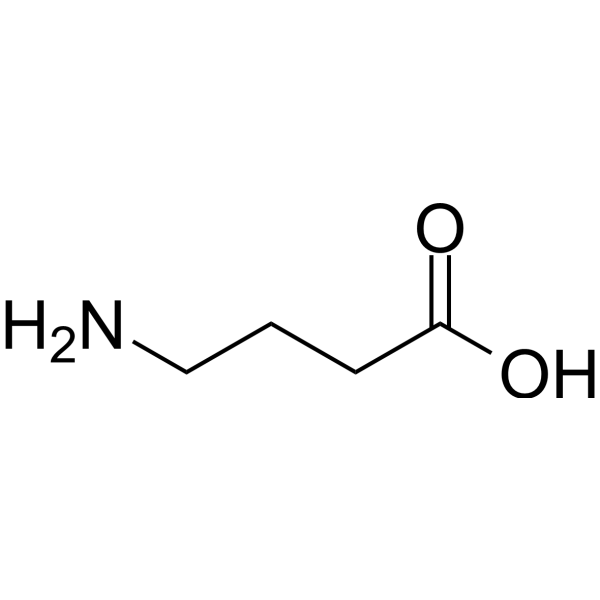
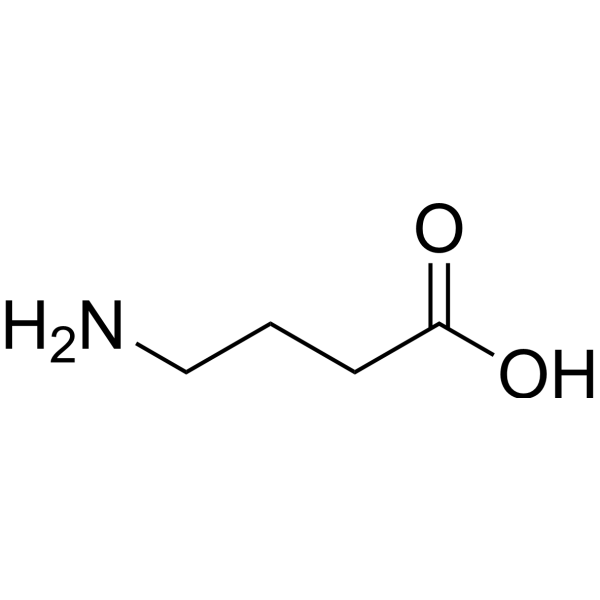
    γ-Aminobutyric acid (4-Aminobutyric acid) is a major inhibitory neurotransmitter in the adult mammalian brain, binding to the ionotropic GABA receptors (GABAA receptors) and metabotropic receptors (GABAB receptors. γ-Aminobutyric acid shows calming effect by blocking specific signals of central nervous system .
    γ-Aminobutyric acid
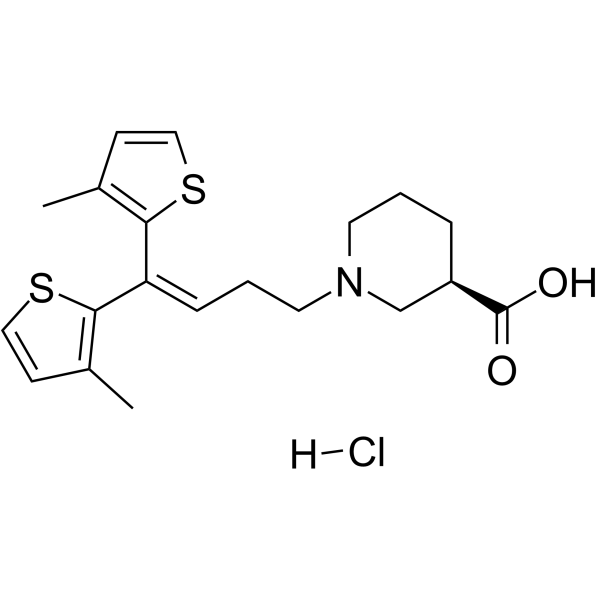
  • HY-B0696A

    NO050328 hydrochloride; NO328 hydrochloride; TGB hydrochloride

    GABA Receptor Neurological Disease
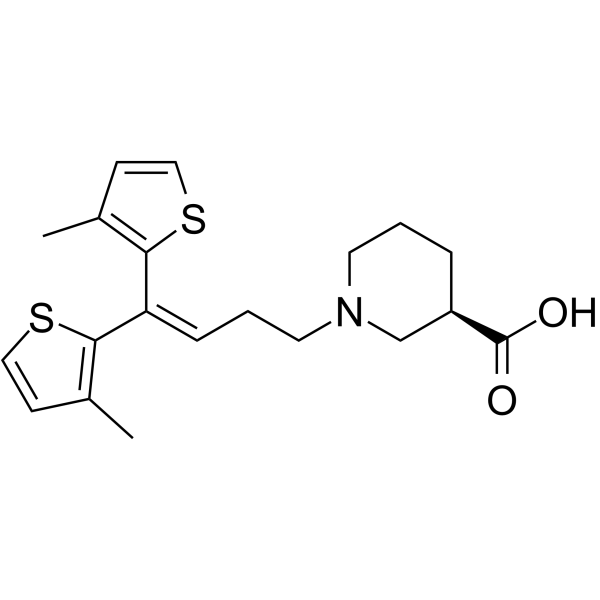
    Tiagabine hydrochloride (NO050328; NO328; TGB) is an orally active, highly selective, and reversible GAT-1 inhibitor and anticonvulsant that crosses the blood-brain barrier. By blocking the reuptake of GABA in neurons and glial cells, tiagabine increases extracellular GABA levels to enhance inhibitory signal transduction, thereby exerting multiple activities such as anticonvulsant, neuroprotective, and antioxidant effects. Tiagabine hydrochloride exhibits linear pharmacokinetic properties. Although it is metabolized by CYP3A and has a high protein binding rate, it carries a low risk of cognitive impairment. Tiagabine hydrochloride is widely used in research on related diseases including epilepsy (including refractory partial seizures), alcohol withdrawal symptoms, and Huntington's disease .
    Tiagabine hydrochloride
  • HY-N0067S
    γ-Aminobutyric acid-d6
    2 Publications Verification

    4-Aminobutyric acid-d6

    GABA Receptor Endogenous Metabolite Neurological Disease
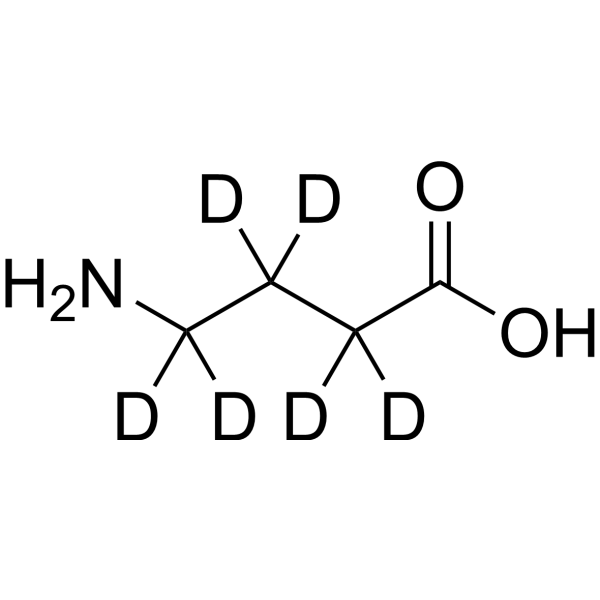
    γ-Aminobutyric acid-d6 is the deuterium labeled γ-Aminobutyric acid. γ-Aminobutyric acid (4-Aminobutyric acid) is a major inhibitory neurotransmitter in the adult mammalian brain , binding to the ionotropic GABA receptors (GABAA receptors) and metabotropic receptors (GABAB receptors) .
    γ-Aminobutyric acid-d6
  • HY-B0696

    NO050328; NO328; TGB

    GABA Receptor Neurological Disease
    Tiagabine (NO050328; NO328; TGB) is an orally active, highly selective, and reversible GAT-1 inhibitor and anticonvulsant that crosses the blood-brain barrier. By blocking the reuptake of GABA in neurons and glial cells, tiagabine increases extracellular GABA levels to enhance inhibitory signal transduction, thereby exerting multiple activities such as anticonvulsant, neuroprotective, and antioxidant effects. Tiagabine exhibits linear pharmacokinetic properties. Although it is metabolized by CYP3A and has a high protein binding rate, it carries a low risk of cognitive impairment. Tiagabine is widely used in research on related diseases including epilepsy (including refractory partial seizures), alcohol withdrawal symptoms, and Huntington's disease .
    Tiagabine
  • HY-B0837
    Emamectin Benzoate
    1 Publications Verification

    MK-244

    Environmental Pollutants Parasite Apoptosis Reactive Oxygen Species (ROS) GABA Receptor Infection Neurological Disease
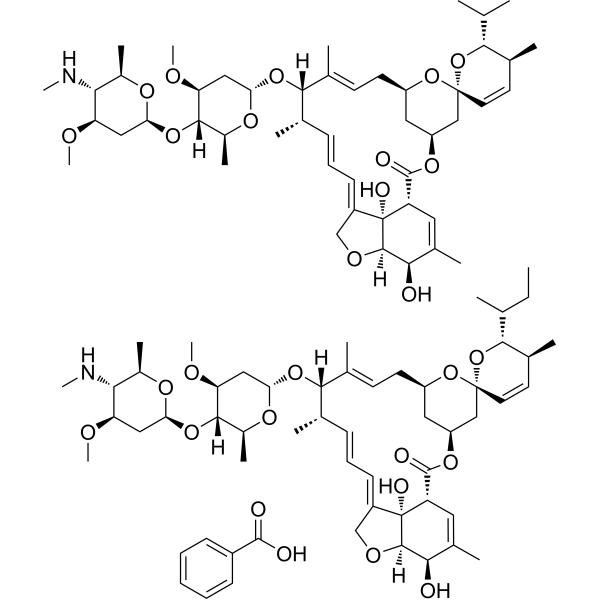
    Emamectin Benzoate (MK-244) is an orally active nervoussystem toxicant by binding g-aminobutyric (GABA) receptor in insects. Emamectin Benzoate is one of semi-synthetic derivative of Avermectin (HY-15311) with a broadspectrum of insecticidal and acaricidal activity. Emamectin Benzoate induces ROS-mediated DNA damage and cell apoptosis. Emamectin Benzoate, a mixture of the natural Emamectin B1a benzoate and Emamectin B1b benzoate, has the main component of Emamectin B1a benzoate .
    Emamectin Benzoate
  • HY-105042

    Selanc; TP-7

    GABA Receptor Neurological Disease
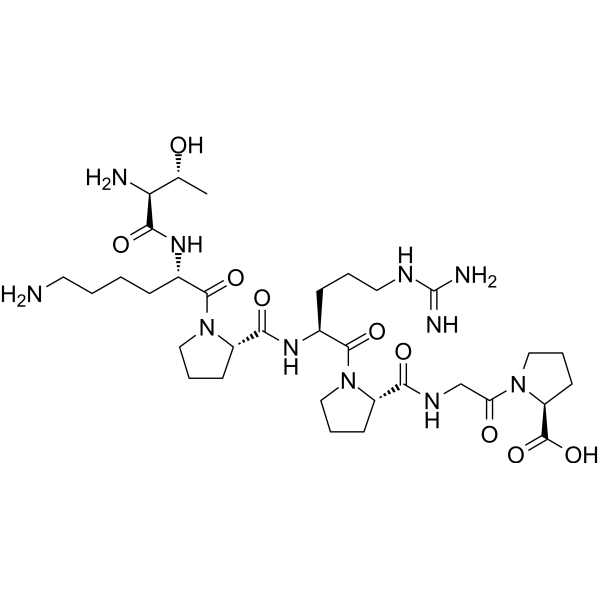
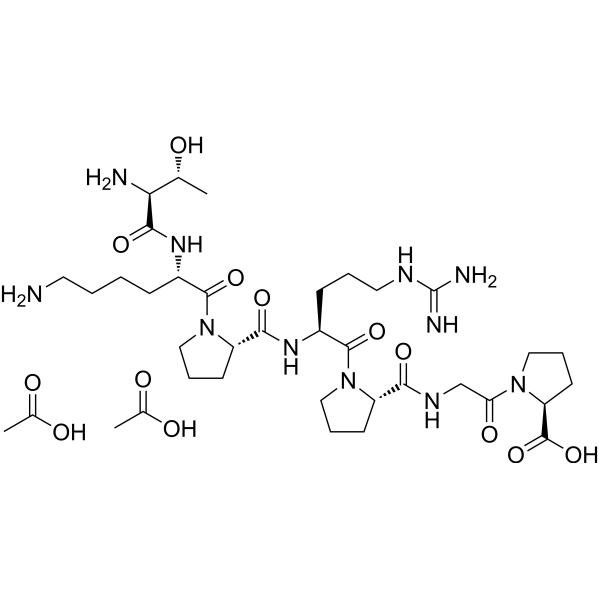
    Selank (Selanc; TP-7) is a GABAA receptor modulator with anxiolytic activity. Selank allosterically modulates the specific binding of GABA to GABAA receptors and alters the affinity of endogenous ligands for these receptors. Selank reduces elevated anxiety levels, attenuates stress-induced exacerbation of anxiety, and produces a synergistic anxiolytic effect with diazepam. Selank can be used in the research of anxiety disorders .
    Selank
  • HY-N0067R
    γ-Aminobutyric acid (Standard)
    5 Publications Verification

    4-Aminobutyric acid (Standard)

    Endogenous Metabolite GABA Receptor Reference Standards Neurological Disease
    γ-Aminobutyric acid (Standard) is the analytical standard of γ-Aminobutyric acid. This product is intended for research and analytical applications. γ-Aminobutyric acid (4-Aminobutyric acid) is a major inhibitory neurotransmitter in the adult mammalian brain, binding to the ionotropic GABA receptors (GABAA receptors) and metabotropic receptors (GABAB receptors. γ-Aminobutyric acid shows calming effect by blocking specific signals of central nervous system .
    γ-Aminobutyric acid (Standard)
  • HY-120051
    Afizagabar
    2 Publications Verification

    S44819; Egis-13529

    GABA Receptor Neurological Disease
    Afizagabar (S44819) is a first-in-class, competitive, and selective antagonist at the GABA-binding site of the α5-GABAAR, with an IC50 of 585 nM for α5β2γ2 and a Ki of 66 nM for α5β3γ2. Afizagabar enhances hippocampal synaptic plasticity and exhibits pro-cognitive efficacy .
    Afizagabar
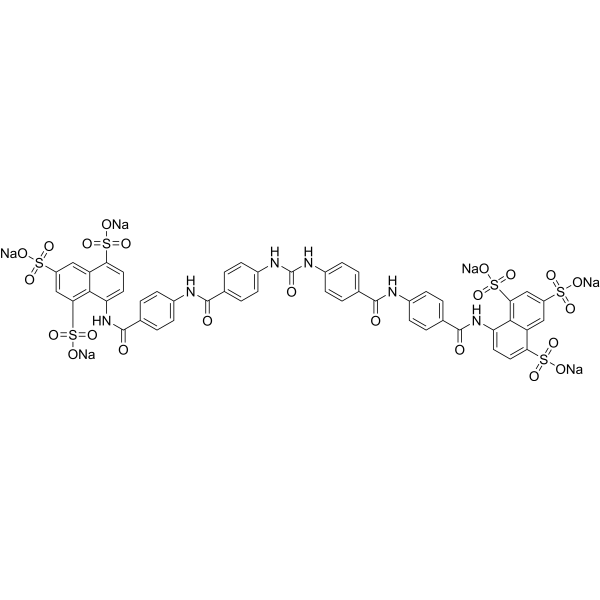
  • HY-D0976
    NF279
    1 Publications Verification

    P2X Receptor HIV NTPDase CXCR Infection
    NF279 is a selective P2X1 receptor antagonist and NTPDase inhibitor, with a P2X1 IC50 value of 19 nM. NF279 suppresses GABA-evoked currents, reduces ATP-excited respiratory activity, alters hypoglossal nerve burst parameters, and blocks CXCR4, CCR5, CXCR3, and CXCR7-mediated calcium responses. NF279 arrests HIV-1 fusion downstream of CD4 binding, inhibits R5- and X4-tropic HIV-1 strains. NF279 can be used for the research of HIV-1 infection .
    NF279
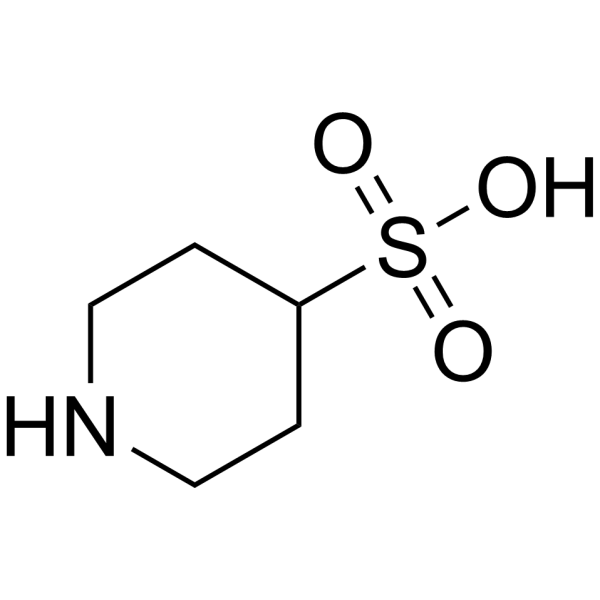
  • HY-139116
    Piperidine-4-sulfonic acid
    1 Publications Verification

    GABA Receptor Neurological Disease
    Piperidine-4-sulfonic acid is a potent GABA agonist with an IC50 of 0.034 μM for the inhibition of the binding of H-GABA .
    Piperidine-4-sulfonic acid
  • HY-115685

    GABA Receptor Neurological Disease
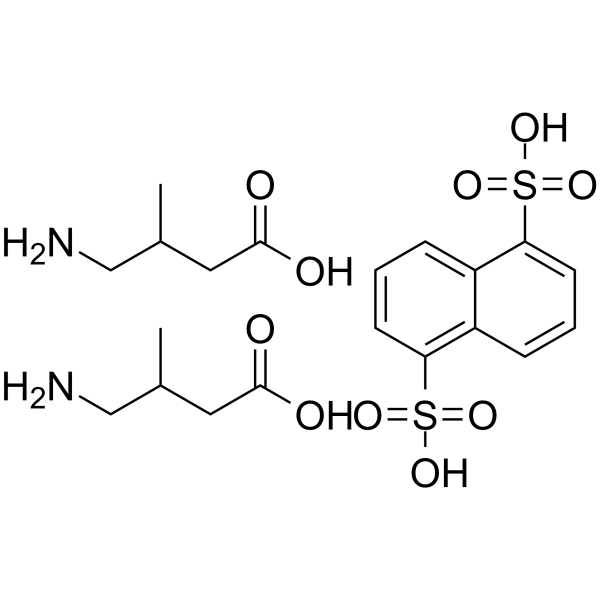
    3-Methyl-GABA is a potent GABA aminotransferase activator. 3-Methyl-GABA can fit the binding pocket of GABAA receptor (GABAaR). 3-Methyl-GABA can activate L-glutamic acid decarboxylase (GAD). 3-Methyl-GABA has anticonvulsant activity .
    3-Methyl-GABA
  • HY-N0067S3

    4-Aminobutyric acid-13C4

    Isotope-Labeled Compounds GABA Receptor Endogenous Metabolite Neurological Disease
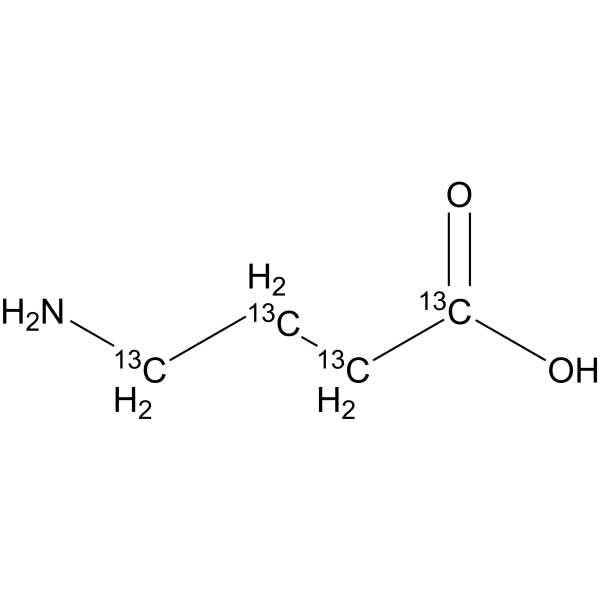
    γ-Aminobutyric acid- 13C4 is the 13C-labeled γ-Aminobutyric acid. γ-Aminobutyric acid (4-Aminobutyric acid) is a major inhibitory neurotransmitter in the adult mammalian brain , binding to the ionotropic GABA receptors (GABAA receptors) and metabotropic receptors (GABAB receptors) .
    γ-Aminobutyric acid-13C4
  • HY-10061B

    AZD-3355 hydrochloride

    GABA Receptor Metabolic Disease
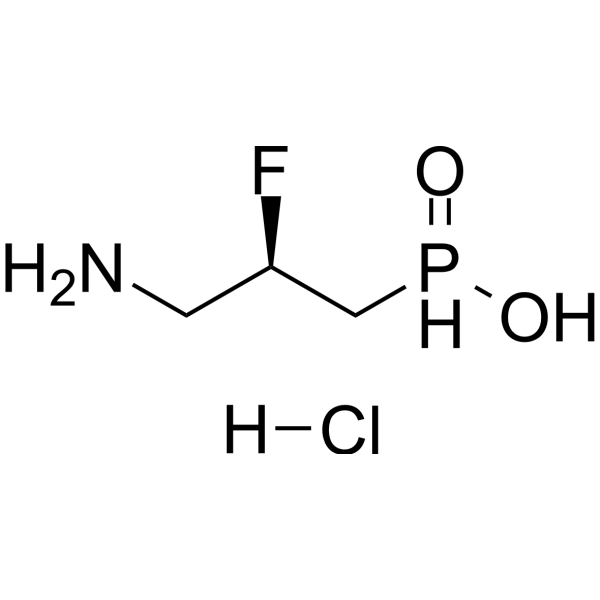
    Lesogaberan (AZD-3355) hydrochloride is a potent and selective GABAB receptor agonist with an EC50 of 8.6 nM for human recombinant GABAB receptor. The affinity (Kis) of Lesogaberan hydrochloride for rat GABAB and GABAA receptors, as measured by displacement of [ 3H]GABA binding in brain membranes: 5.1 nM and 1.4 μM, respectively. Lesogaberan hydrochloride inhibits transient lower esophageal sphincter relaxation through a peripheral mode of action .
    Lesogaberan hydrochloride
  • HY-W015050

    1-Aminoanthracene

    GABA Receptor Chloride Channel Fluorescent Dye Neurological Disease
    1-Anthramine (1-aminoanthracene) is a fluorescent general anesthetic. potentiates GABAergic transmission with Kd = 0.1 mM, for binding to the general anesthetic site in horse spleen apoferritin (HSAF). 1-Anthramine fluorescence is enhanced when bound to HSAF. 1-Anthramine potentiates chloride currents elicited by GABA. 1-Anthramine can reversibly inhibit the movement of Xenopus laevis, with an EC50 value of 16 μM .
    1-Anthramine
  • HY-101060

    GABA Receptor Neurological Disease
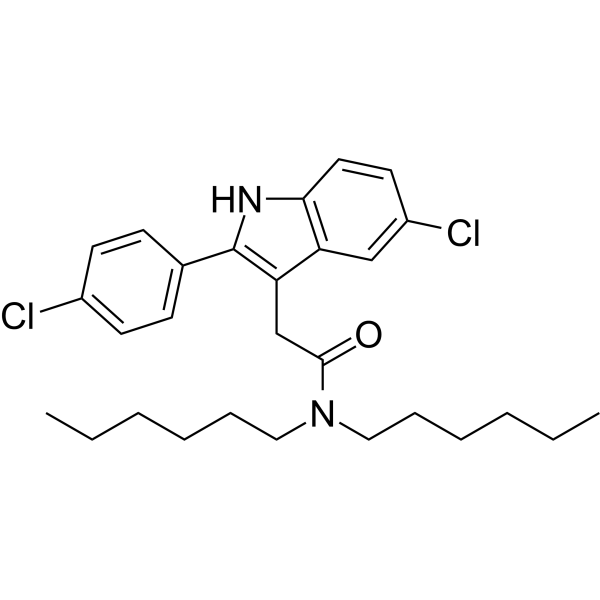
    FGIN-1-43 is an effective and specific ligand for the mitochondrial diazepam binding inhibitor (DBI) receptor (related to the production of neurosteroids). FGIN 1-43 enhances the transmission of GABA by inducing the production of neurosteroids, which can be used for research on anti-anxiety .
    FGIN-1-43
  • HY-126329
    AZD9898
    1 Publications Verification

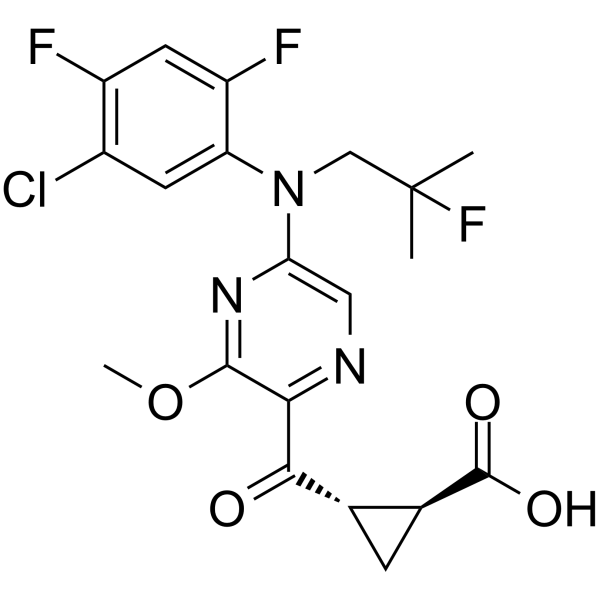
    Glutathione S-transferase Inflammation/Immunology
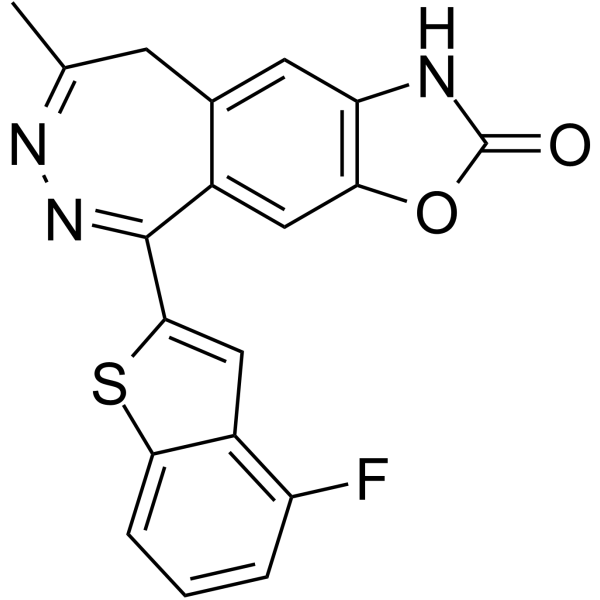
    AZD9898 is an orally active leukotriene-C4 synthetase (LTC4S, glutathione S-transferase II) inhibitor, with an IC50 of 0.28 nM. AZD9898 mitigates the GABA binding and hepatic toxicity signal. AZD9898 has the potential to treat asthma .
    AZD9898
  • HY-N0067S1

    4-Aminobutyric acid-d2

    Isotope-Labeled Compounds GABA Receptor Endogenous Metabolite Neurological Disease
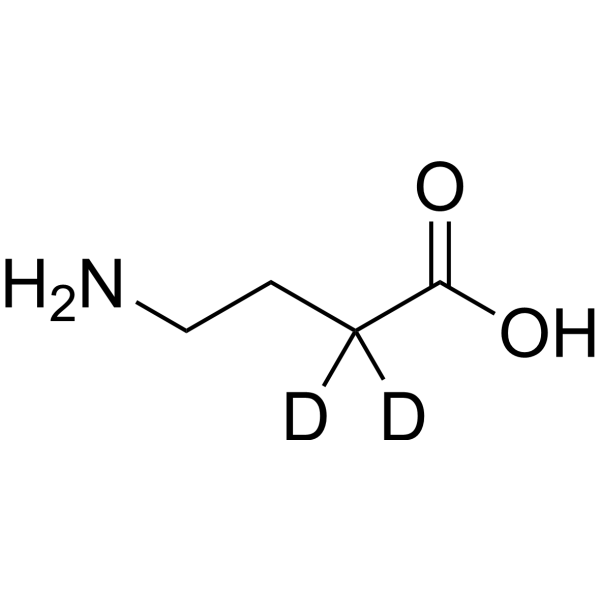
    γ-Aminobutyric acid-d2 is the deuterium labeled γ-Aminobutyric acid. γ-Aminobutyric acid (4-Aminobutyric acid) is a major inhibitory neurotransmitter in the adult mammalian brain[1][2], binding to the ionotropic GABA receptors (GABAA receptors) and metabotropic receptors (GABAB receptors)[2].
    γ-Aminobutyric acid-d2
  • HY-W103105

    GABA Receptor Neurological Disease
    R 29676 is a neuroleptic agent and inhibits sodium-dependent GABA binding (GABA uptake) .
    R 29676
  • HY-106316

    GABA Receptor Neurological Disease
    CGS 20625 is a potent, selective and orally active partial agonist for the central benzodiazepine receptor. CGS 20625 inhibits [3H]-flunitrazepam binding to central benzodiazepine receptors with an IC50 of 1.3 nM. CGS 20625 enhances GABA in Xenopus laevis oocytes . CGS 20625 can be used for the research of pentylenetetrazol-induced seizures and anxiety .
    CGS 20625
  • HY-D2341

    Fluorescent Dye Cancer
    6FC-GABA-Taxol is a fluorescent probe with cell permeability, which is formed by connecting 6FC to the anticancer drug Taxol (HY-B0015) via γ-aminobutyric acid (GABA). 6FC-GABA-Taxol can bind to microtubules in living cells and image them through confocal microscopy. Additionally, 6FC-GABA-Taxol enables the quantification of microtubule binding using flow cytometry without the addition of efflux inhibitors .
    6FC-GABA-Taxol
  • HY-B0696B

    NO050328 hydrochloride hydrate; NO328 hydrochloride hydrate; TGB hydrochloride hydrate

    GABA Receptor Neurological Disease
    Tiagabine (NO050328; NO328; TGB) hydrochloride hydrate is an orally active, highly selective, and reversible GAT-1 inhibitor and anticonvulsant that crosses the blood-brain barrier. By blocking the reuptake of GABA in neurons and glial cells, tiagabine increases extracellular GABA levels to enhance inhibitory signal transduction, thereby exerting multiple activities such as anticonvulsant, neuroprotective, and antioxidant effects. Tiagabine hydrochloride hydrate exhibits linear pharmacokinetic properties. Although it is metabolized by CYP3A and has a high protein binding rate, it carries a low risk of cognitive impairment. Tiagabine hydrochloride hydrate is widely used in research on related diseases including epilepsy (including refractory partial seizures), alcohol withdrawal symptoms, and Huntington's disease .
    Tiagabine hydrochloride hydrate
  • HY-122489A

    Opioid Receptor GABA Receptor Cardiovascular Disease Neurological Disease
    (S)-Laudanosine is an alkaloid that can be found in poppies and is the S-enantiomer of Laudanosine. Laudanosine acts on the central nervous system and cardiovascular system, inhibiting low-affinity GABA receptors with an IC50 value of 10 μM, and can cause seizures, hypotension, and bradycardia. Additionally, Laudanosine exerts analgesic effects by competitively binding to the opioid Mu-1 receptor (Ki = 2.7 μM) .
    (S)-Laudanosine
  • HY-10061

    AZD-3355

    GABA Receptor Metabolic Disease
    Lesogaberan (AZD-3355) is a potent and selective GABAB receptor agonist with an EC50 of 8.6 nM for human recombinant GABAB receptors. The affinity (Kis) of Lesogaberan for rat GABAB and GABAA receptors, as measured by displacement of [ 3H]GABA binding in brain membranes: 5.1 nM and 1.4 μM, respectively. Lesogaberan inhibits transient lower esophageal sphincter relaxation through a peripheral mode of action .
    Lesogaberan
  • HY-W722556

    3α,5α-Androstanol

    GABA Receptor Constitutive Androstane Receptor Metabolic Disease
    5α-Androstan-3α-ol is a γ-aminobutyric acid (GABA) receptor agonist. 5α-Androstan-3α-ol can inhibit the transcriptional activity of the orphan nuclear receptor CAR (constitutive androstane receptor). 5α-Androstan-3α-ol negatively regulates the activity of CAR by binding to CAR and promoting its dissociation from coactivator proteins. 5α-Androstan-3α-ol can be used to study nuclear receptor-mediated hormone metabolism and drug detoxification mechanisms .
    5α-Androstan-3α-ol
  • HY-147736

    GABA Receptor Neurological Disease
    GABAA receptor agonist 2 (compound 4c) is a potent GABAA receptor agonist. GABAA receptor agonist 2 shows anti-depression activities in classical mouse models of depression of FST and TST. GABAA receptor agonist 2 binds at the GABA binding site of GABAA receptor in order to produce GABAergic effects. GABAA receptor agonist 2 has the potential for the research of depression .
    GABAA receptor agonist 2
  • HY-W103105R

    Reference Standards GABA Receptor Neurological Disease
    R 29676 is a neuroleptic agent and inhibits sodium-dependent GABA binding (GABA uptake) .
    R 29676 (Standard)
  • HY-103513

    GABA Receptor Others
    GABAA receptor agent 2 (compound 13) is a compound used to study the structure and orthosteric ligand binding of GABA(A) receptors. The relevant model of GABAA receptor agent 2 can be used to understand the details of orthosteric ligand binding, and a detailed binding mode hypothesis was created through structure-activity relationships with two homologous series of orthosteric GABA(A)R antagonists.
    GABAA receptor agent 2
  • HY-14856

    PD 0200390

    GABA Receptor Neurological Disease
    Atagabalin (PD 0200390) is a selective GABA (gamma-aminobutyric acid) receptor agonist with antianxiety and sedative effects. Atagabalin enhances the activity of the GABA receptor by binding to the α2δ subunit of the GABA receptor, thereby increasing the GABA mediated inhibition. This enhancement results in reduced excitability of neurons, helping to reduce anxiety and improve sleep. Atagabalin can be used to study neuropsychiatric disorders, anxiety or sleep disorders .
    Atagabalin
  • HY-111298

    GABA Receptor Neurological Disease
    TG 41 is positive modulator of GABAA receptor. TG 41 enhances the binding both of GABA and of Flunitrazepam to rat cerebral cortical membranes .
    TG 41
  • HY-108035

    MR04A3

    GABA Receptor Neurological Disease
    (-)-JM-1232 (MR04A3) targets GABA A receptors and exerts its analgesic effects by binding to the benzodiazepine binding site of GABA A receptors. (-)-JM-1232 demonstrates potent analgesic effects in mice against acute thermal stimuli, mechanically induced pain, and visceral pain, with CI50 values of 2.96, 3.06, and 2.27 mg/kg, respectively. (-)-JM-1232 can be used in research related to pain and analgesia .
    (-)-JM-1232
  • HY-129927

    GABA Receptor Others
    Thiomuscimol is a GABAA receptor agonist (IC50=19 nM). It has been used as a photoaffinity label for the purification and identification of GABA binding sites within the GABAA receptor complex.
    Thiomuscimol
  • HY-106469

    MY-117

    Drug Derivative Neurological Disease
    Taltrimide (MY-117), a lipophilic derivative of Taurine (HY-B0351), strongly inhibits the sodium-independent binding of Taurine to synaptic membranes of brain, the effects on the binding of GABA being less pronounced. Taltrimide exhibits definitive anticonvulsive effects in experimental epilepsy models .
    Taltrimide
  • HY-P5305A

    GABA Receptor Metabolic Disease
    GAD65(247-266) epitope TFA is the T cell epitopes of islet antigens,binding to I-A g7 (type I diabetes-associated molecule) competitively with poor affinity. GAD65 refers to Glutamic Acid Decarboxylase 65,involved in the conversion of glutamate to gamma-aminobutyric acid (GABA) .
    GAD65(247-266) epitope TFA
  • HY-N0067S2

    4-Aminobutyric acid-4,4-d2

    Isotope-Labeled Compounds GABA Receptor Endogenous Metabolite Neurological Disease
    γ-Aminobutyric acid-4,4-d2 is the deuterium labeled γ-Aminobutyric acid. γ-Aminobutyric acid (4-Aminobutyric acid) is a major inhibitory neurotransmitter in the adult mammalian brain[1][2], binding to the ionotropic GABA receptors (GABAA receptors) and metabotropic receptors (GABAB receptors)[2].
    γ-Aminobutyric acid-4,4-d2
  • HY-147735

    GABA Receptor Neurological Disease
    GABAA receptor agonist 1 (compound 3e) is a potent GABAA receptor agonist. GABAA receptor agonist 1 shows anti-depression activities in classical mouse models of depression of FST and TST. GABAA receptor agonist 1 binds at the GABA binding site of GABAA receptor in order to produce GABAergic effects. GABAA receptor agonist 1 has the potential for the research of depression .
    GABAA receptor agonist 1
  • HY-114076

    GABA Receptor Neurological Disease
    CGP55845 is a potent and selective GABAB receptor antagonist with activity that blocks agonist binding. The IC50 value of CGP55845 is 5 nM, indicating that it exhibits significant activity in inhibiting GABA and glutamate release. The apparent Kd of CGP55845 when forming a complex with the GABAB receptor is 30 nM, indicating its high affinity for this receptor. CGP55845 is as potent as 100 μM CGP 35348 in relieving the inhibitory effect of (R)-(-)-baclofen .
    CGP55845
  • HY-W055872R

    Antibiotic Reference Standards Infection
    γ-Aminobutyric acid (Standard) is the analytical standard of γ-Aminobutyric acid. This product is intended for research and analytical applications. γ-Aminobutyric acid (4-Aminobutyric acid) is a major inhibitory neurotransmitter in the adult mammalian brain, binding to the ionotropic GABA receptors (GABAA receptors) and metabotropic receptors (GABAB receptors. γ-Aminobutyric acid shows calming effect by blocking specific signals of central nervous system .
    Erythromycylamine (Standard)
  • HY-10061A

    AZD-3355 napadisylate

    GABA Receptor Metabolic Disease
    Lesogaberan (AZD-3355) napadisylate is a potent and selective GABAB receptor agonist with an EC50 of 8.6 nM for human recombinant GABAB receptors. The affinity (Kis) of Lesogaberan napadisylate for rat GABAB and GABAA receptors, as measured by displacement of [ 3H]GABA binding in brain membranes: 5.1 nM and 1.4 μM, respectively. Lesogaberan napadisylate inhibits transient lower esophageal sphincter relaxation through a peripheral mode of action .
    Lesogaberan napadisylate
  • HY-B0696S

    NO050328-d6; NO328-d6; TGB-d6

    Isotope-Labeled Compounds GABA Receptor Neurological Disease
    Tiagabine-d6 (NO050328-d6) is deuterium labeled Tiagabine. Tiagabine (NO050328; NO328; TGB) is an orally active, highly selective, and reversible GAT-1 inhibitor and anticonvulsant that crosses the blood-brain barrier. By blocking the reuptake of GABA in neurons and glial cells, tiagabine increases extracellular GABA levels to enhance inhibitory signal transduction, thereby exerting multiple activities such as anticonvulsant, neuroprotective, and antioxidant effects. Tiagabine exhibits linear pharmacokinetic properties. Although it is metabolized by CYP3A and has a high protein binding rate, it carries a low risk of cognitive impairment. Tiagabine is widely used in research on related diseases including epilepsy (including refractory partial seizures), alcohol withdrawal symptoms, and Huntington's disease .
    Tiagabine-d6
  • HY-B0696AS

    NO050328-d4 hydrochloride; NO328-d4 hydrochloride; TGB-d4 hydrochloride

    Isotope-Labeled Compounds GABA Receptor Neurological Disease
    Tiagabine-d4 hydrochloride is deuterated labeled Tiagabine hydrochloride (HY-B0696A). Tiagabine hydrochloride (NO050328; NO328; TGB) is an orally active, highly selective, and reversible GAT-1 inhibitor and anticonvulsant that crosses the blood-brain barrier. By blocking the reuptake of GABA in neurons and glial cells, tiagabine increases extracellular GABA levels to enhance inhibitory signal transduction, thereby exerting multiple activities such as anticonvulsant, neuroprotective, and antioxidant effects. Tiagabine hydrochloride exhibits linear pharmacokinetic properties. Although it is metabolized by CYP3A and has a high protein binding rate, it carries a low risk of cognitive impairment. Tiagabine hydrochloride is widely used in research on related diseases including epilepsy (including refractory partial seizures), alcohol withdrawal symptoms, and Huntington's disease .
    Tiagabine-d4 hydrochloride
  • HY-B0696AR

    NO050328 hydrochloride (Standard); NO328 hydrochloride (Standard); TGB hydrochloride (Standard)

    Reference Standards GABA Receptor Neurological Disease
    Tiagabine (hydrochloride) (Standard) is the analytical standard of Tiagabine (hydrochloride). This product is intended for research and analytical applications. Tiagabine hydrochloride (NO050328; NO328; TGB) is an orally active, highly selective, and reversible GAT-1 inhibitor and anticonvulsant that crosses the blood-brain barrier. By blocking the reuptake of GABA in neurons and glial cells, tiagabine increases extracellular GABA levels to enhance inhibitory signal transduction, thereby exerting multiple activities such as anticonvulsant, neuroprotective, and antioxidant effects. Tiagabine hydrochloride exhibits linear pharmacokinetic properties. Although it is metabolized by CYP3A and has a high protein binding rate, it carries a low risk of cognitive impairment. Tiagabine hydrochloride is widely used in research on related diseases including epilepsy (including refractory partial seizures), alcohol withdrawal symptoms, and Huntington's disease .
    Tiagabine hydrochloride (Standard)
  • HY-129090

    GABA Receptor Neurological Disease
    CGS-​9895 is a GABA antagonist that acts via the benzodiazepine binding site of ag containing GABA receptors .
    CGS-​9895
  • HY-169651

    GABA Receptor Neurological Disease
    GABA-IN-4 (Compound 17) is a N-(indol-3-ylglyoxylyl)benzylamine derivative. GABA-IN-4 exhibits high affinity for the benzodiazepine receptor (BzR) (binding site in GABAA receptor complex) with Ki value of 67 nM. Benzodiazepines are widely used as antianxiety, sedative-hypnotic and anticonvulsant agents .
    GABA-IN-4
  • HY-121554

    GABA Receptor Neurological Disease
    Kojic amine is an orally active γ-aminobutyric acid (GABA) analog. Kojic amine acts as a GABA mimic that inhibits sodium-independent [ 3H]GABA binding to rat brain cell membranes. Kojic amine reduces flexor spasms in chronic spinal rat and cat models. Kojic amine prevents tonic extensor convulsions in mice. Kojic amine produces a transient, dose-dependent analgesic effect in the mouse hot-plate test. Kojic amine can be used in research related to skeletal muscle spasm, epilepsy and analgesia [1][2]
    Kojic amine
  • HY-B1803

    ICI 136753

    GABA Receptor Neurological Disease
    Tracazolate (ICI 136753) is an orally active non-benzodiazepine anxiolytic. Tracazolate significantly enhances the binding of the radioligand 3H-flunitrazepam ( 3H-FLU) to brain tissue benzodiazepine receptors. Tracazolate enhances the binding of γ-aminobutyric acid (GABA) to its receptors. Tracazolate exhibits anticonvulsant activity. Tracazolate can be used in anxiety-related research .
    Tracazolate
  • HY-114811

    Insecticide GABA Receptor Chloride Channel Infection Neurological Disease
    Leptophos oxon, a metabolite of leptophos, is a GABAA receptor chloride channel inhibitor with an IC50 values of 89.6 μM. Leptophos oxon inhibits GABA-induced chloride influx, binds to GABAA receptor-associated TBPS sites, and inhibits TBPS binding to voltage-dependent chloride channels. Leptophos oxon is a insecticide. Leptophos oxon can be used for the research of neurological disease .
    Leptophos oxon
  • HY-158252S

    NO050328-d5 hydrochloride; NO328-d5 hydrochloride; TGB-d5 hydrochloride

    Isotope-Labeled Compounds GABA Receptor Neurological Disease
    Tiagabine-d5 (hydrochloride) is deuterium labeled Tiagabine (hydrochloride). Tiagabine hydrochloride (NO050328; NO328; TGB) is an orally active, highly selective, and reversible GAT-1 inhibitor and anticonvulsant that crosses the blood-brain barrier. By blocking the reuptake of GABA in neurons and glial cells, tiagabine increases extracellular GABA levels to enhance inhibitory signal transduction, thereby exerting multiple activities such as anticonvulsant, neuroprotective, and antioxidant effects. Tiagabine hydrochloride exhibits linear pharmacokinetic properties. Although it is metabolized by CYP3A and has a high protein binding rate, it carries a low risk of cognitive impairment. Tiagabine hydrochloride is widely used in research on related diseases including epilepsy (including refractory partial seizures), alcohol withdrawal symptoms, and Huntington's disease .
    Tiagabine-d5 hydrochloride
  • HY-B0696S1

    NO050328-d4; NO328-d4; TGB-d4

    Isotope-Labeled Compounds GABA Receptor Neurological Disease
    Tiagabine-d4 (NO050328-d4) is deuterium labeled Tiagabine. Tiagabine (NO050328; NO328; TGB) is an orally active, highly selective, and reversible GAT-1 inhibitor and anticonvulsant that crosses the blood-brain barrier. By blocking the reuptake of GABA in neurons and glial cells, tiagabine increases extracellular GABA levels to enhance inhibitory signal transduction, thereby exerting multiple activities such as anticonvulsant, neuroprotective, and antioxidant effects. Tiagabine exhibits linear pharmacokinetic properties. Although it is metabolized by CYP3A and has a high protein binding rate, it carries a low risk of cognitive impairment. Tiagabine is widely used in research on related diseases including epilepsy (including refractory partial seizures), alcohol withdrawal symptoms, and Huntington's disease .
    Tiagabine-d4
  • HY-W975902

    Glycine Receptor (GlyR) Neurological Disease
    MDL-27531 acts functionally like a glycine agonist. MDL-27531 selectively reduces hindlimb contractions. MDL-27531 selectively reverses strychnine-induced seizures in mice. MDL-27531 inhibits pentylenetetrazol-induced seizures with an ED50 of 55 mg/kg. MDL-27531 promotes the binding of benzodiazepine antagonist Ro 15-1788 to cerebral cortex of mice without changing GABA levels. MDL-27531 can be studied in research on reflex control dysfunction .
    MDL-27531
  • HY-10061BR

    AZD-3355 hydrochloride (Standard)

    GABA Receptor Reference Standards Metabolic Disease
    Lesogaberan (hydrochloride) (Standard) is the analytical standard of Lesogaberan (hydrochloride) (HY-10061B). This product is intended for research and analytical applications. Lesogaberan (AZD-3355) hydrochloride is a potent and selective GABAB receptor agonist with an EC50 of 8.6 nM for human recombinant GABAB receptor. The affinity (Kis) of Lesogaberan hydrochloride for rat GABAB and GABAA receptors, as measured by displacement of [3H]GABA binding in brain membranes: 5.1 nM and 1.4 μM, respectively. Lesogaberan hydrochloride inhibits transient lower esophageal sphincter relaxation through a peripheral mode of action .
    Lesogaberan hydrochloride (Standard)

Inquiry Online

Your information is safe with us. * Required Fields.

Salutation


Country or Region *

Applicant Name *


Organization Name *

Department *


Email Address *


Product Name *

Cat. No.


Requested quantity *

Phone Number *


Remarks

Inquiry Online

Inquiry Information

Product Name:
Cat. No.:
Quantity:
MCE Japan Authorized Agent:

