505 Results for "

Gly-Gly

" in MedChemExpress (MCE) Product Catalog:
Products (505)

505 Results for "Gly-Gly" in MCE Product Catalog:

132
132 Publications Verification
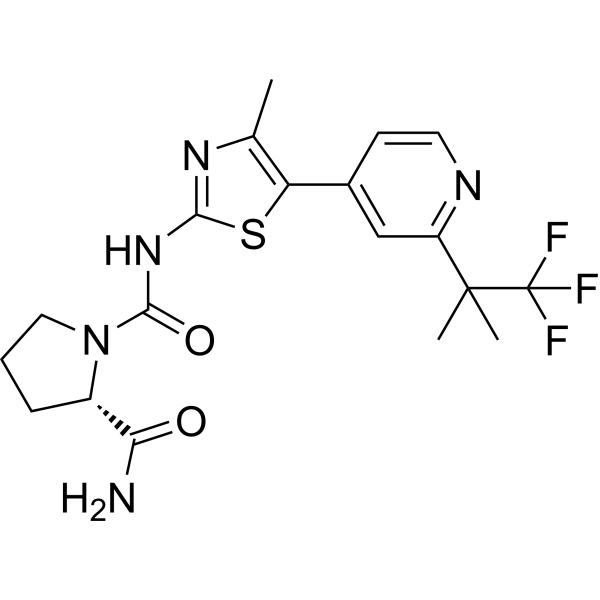
Cat. No.: HY-15244
CAS No.: 1217486-61-7
Purity:  99.88%
Synonyms: BYL-719
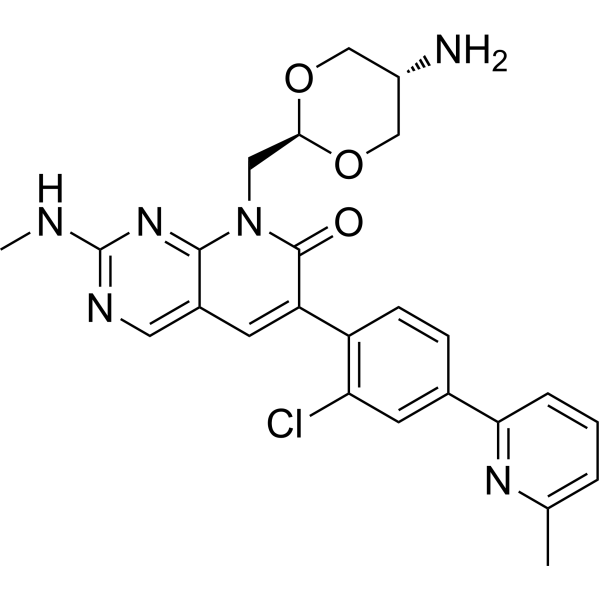
Alpelisib (BYL-719) is an orally active PI3Kα-selective inhibitor that blocks the conversion of PIP2 to PIP3, thereby inhibiting pathways including PI3K/AKT/mTOR, MAPK/ERK, Notch and JAK-STAT. Alpelisib also induces apoptosis, G0/G1 phase arrest and senescence; it significantly inhibits the proliferation, self-renewal, stemness and epithelial-mesenchymal transition (EMT) of tumor cells, reduces cancer stem cell populations and decreases the expression of stem cell markers. Alpelisib not only enhances the sensitivity to Eribulin (HY-13442) and exerts a synergistic effect with Paclitaxel (HY-B0015), but may also induce drug resistance by upregulating the SGK3/GSK3β/β-catenin signaling pathway. Alpelisib can be applied to research related to breast cancer, gastric cancer and lipomas associated with PTEN hamartoma tumor syndrome .
loading...
    loading...
132
132 Publications Verification
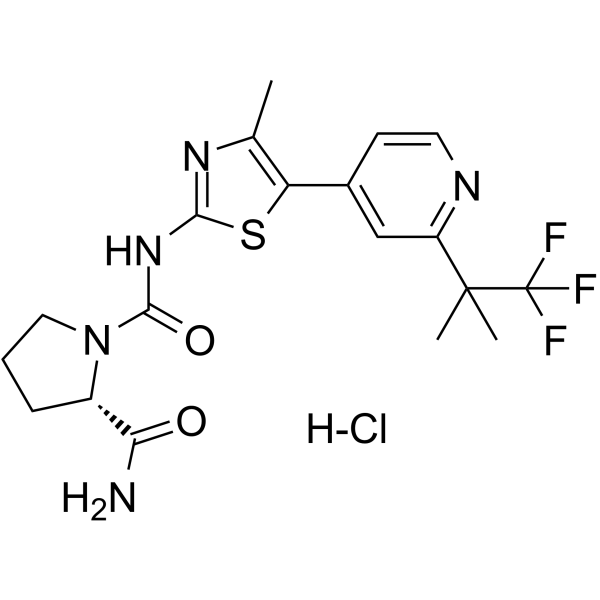
Cat. No.: HY-15244A
CAS No.: 1584128-91-5
Synonyms: BYL-719 hydrochloride
Alpelisib (BYL-719) hydrochloride is an orally active PI3Kα-selective inhibitor that blocks the conversion of PIP2 to PIP3, thereby inhibiting pathways including PI3K/AKT/mTOR, MAPK/ERK, Notch and JAK-STAT. Alpelisib hydrochloride also induces apoptosis, G0/G1 phase arrest and senescence; it significantly inhibits the proliferation, self-renewal, stemness and epithelial-mesenchymal transition (EMT) of tumor cells, reduces cancer stem cell populations and decreases the expression of stem cell markers. Alpelisib hydrochloride not only enhances the sensitivity to Eribulin (HY-13442) and exerts a synergistic effect with Paclitaxel (HY-B0015), but may also induce drug resistance by upregulating the SGK3/GSK3β/β-catenin signaling pathway. Alpelisib hydrochloride can be applied to research related to breast cancer, gastric cancer and lipomas associated with PTEN hamartoma tumor syndrome .
loading...
    loading...
68
68 Cited Publications
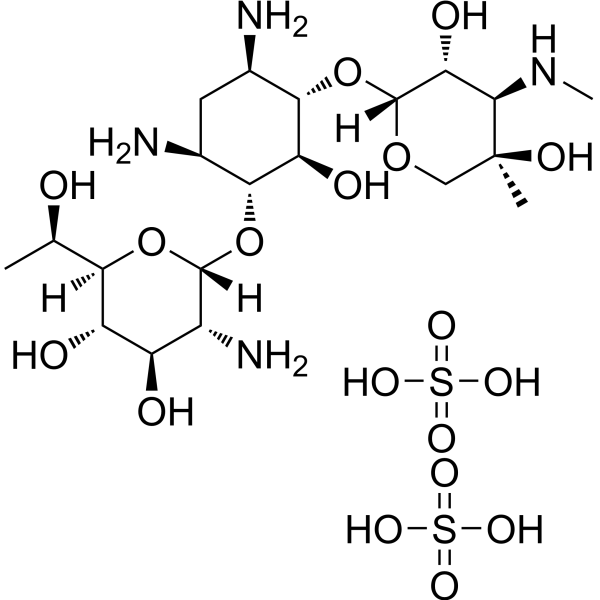
Cat. No.: HY-17561
CAS No.: 108321-42-2
Synonyms: Geneticin sulfate; Antibiotic G-418 sulfate
G-418 disulfate (Geneticin sulfate), is an aminoglycoside antibiotic, inhibits protein synthesis in eukaryotes and prokaryotes. G-418 disulfate is commonly used as a selective agent for eukaryotic cells .
loading...
    loading...
68
68 Cited Publications
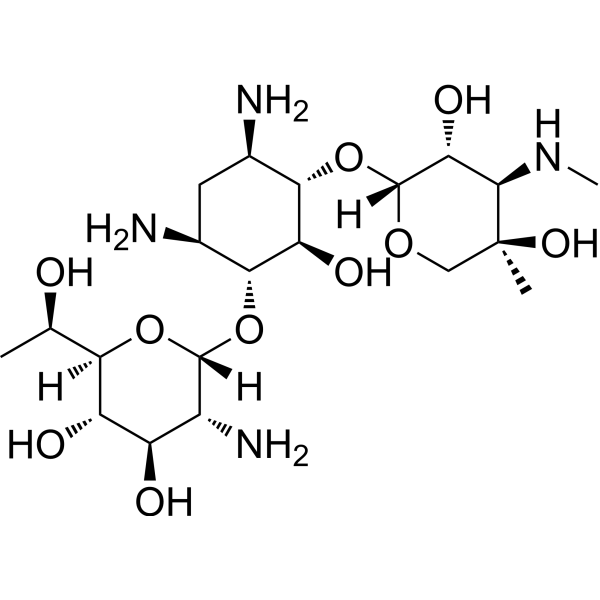
Cat. No.: HY-108718
CAS No.: 49863-47-0
Synonyms: Geneticin; Antibiotic G-418
Research Areas:  

Infection

G-418 (Geneticin) is an aminoglycoside antibiotic with a structure similar to gentamicin. It is toxic to both eukaryotic and prokaryotic cells and works by interfering with protein synthesis .
loading...
    loading...
39
39 Cited Publications
Cat. No.: HY-13768
CAS No.: 123948-87-8
Synonyms: SKF 104864A; NSC 609669
Research Areas:  

Cancer

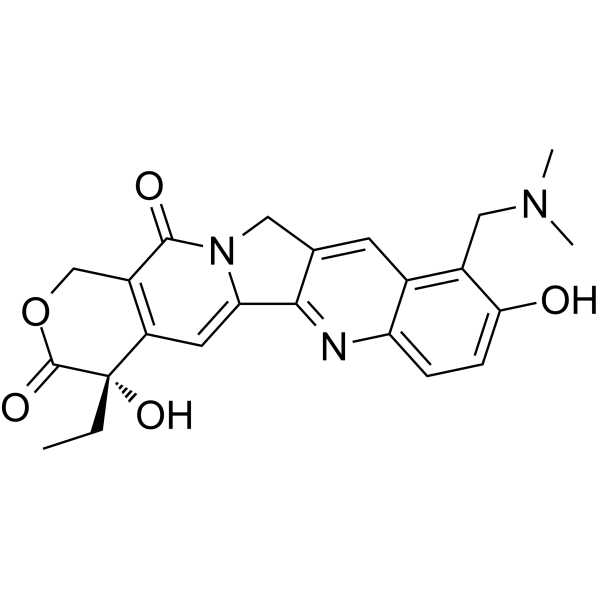
Topotecan (SKF 104864A; NSC 609669) is an orally active and potent Topoisomerase I inhibitor. Topotecan induces cell cycle arrest in G0/G1 and S phases and promotes apoptosis. Topotecan shows anticancer activity .
loading...
    loading...
30
30 Cited Publications
Cat. No.: HY-107216
CAS No.: 881639-98-1
Purity:  99.76%
Target:  

Estrogen Receptor/ERR

Research Areas:  

Cancer

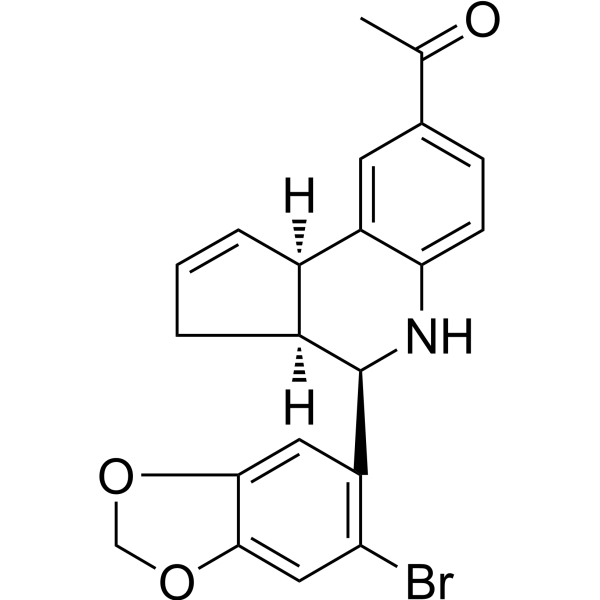
G-1 is a nonsteroidal, high-affinity and selective agonist of GPR30 with a Ki of 11 nM.
loading...
    loading...
25
25 Cited Publications
Cat. No.: HY-13817
CAS No.: 314245-33-5
Purity:  99.30%
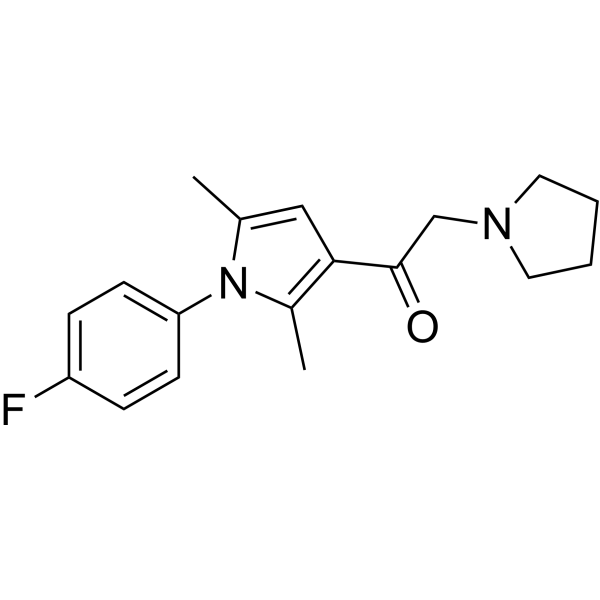
IU1 is a selective, reversible USP14 inhibitor with an IC50 of 4-5 μM. IU1 binds USP14’s catalytic cleft to block deubiquitinase activity. IU1 induces calpain-dependent Tau cleavage, causes ATP deficits, reduces E1~Ub thioester levels and 26S proteasome assembly. IU1 enhances 26S proteasome chymotrypsin-like activity, modulates LC3B-dependent autophagy flux, reduces cancer cell proliferation and migration, and blocks G0/G1 to S phase cell cycle transition in follicular thyroid cancer cells. IU1 activates autophagy-lysosomal and ubiquitin-proteasome pathways, triggers apoptosis, and reduces cervical cancer cell growth. IU1 enhances degradation of proteasome substrates linked to neurodegenerative disease, accelerates oxidized protein degradation, and increases oxidative stress resistance. IU1 can be used for the research of Alzheimer’s disease, follicular thyroid cancer, ischemic stroke, cervical cancer, and neurodegenerative disease .
loading...
    loading...
13
13 Cited Publications
Cat. No.: HY-N6791
CAS No.: 126643-37-6
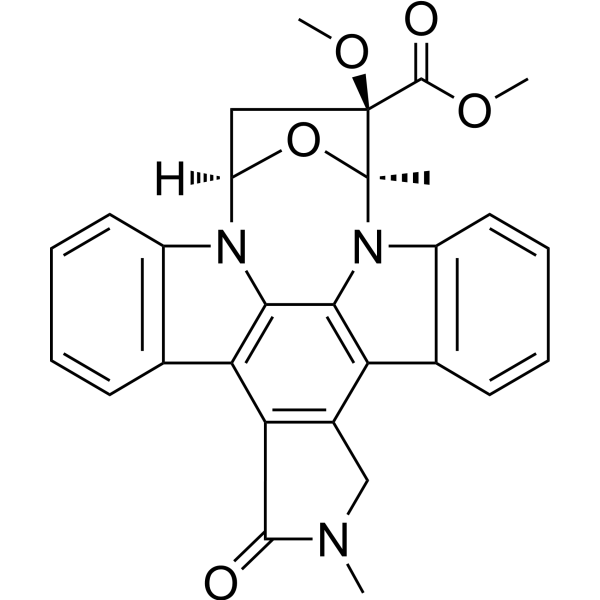
KT5823, a selective the cGMP-dependent protein kinase (PKG) inhibitor with an Ki value of 0.23 μM, it also inhibits PKA and PKC with Ki values of 10 μM and 4 μM, respectively. KT5823 is a Staurosporine-related protein kinase inhibitor, increases thyroid-stimulating hormone-induced (Na +/I - symporter) NIS expression, and iodide uptake in thyroid cells. KT5823 arrests cells after the G0/G1 boundary and causes increases in the levels of apoptotic DNA fragmentation .
loading...
    loading...
11
11 Cited Publications
Cat. No.: HY-P0019
CAS No.: 66216-78-2
Research Areas:  

Cardiovascular Disease

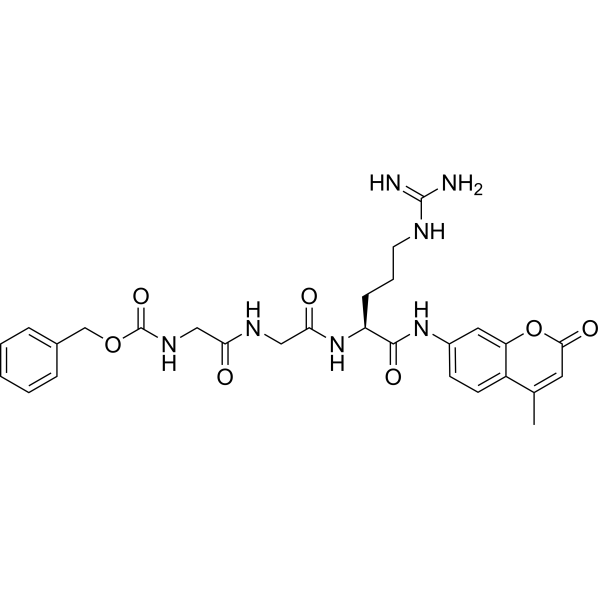
Z-Gly-Gly-Arg-AMC is a thrombin-specific fluorogenic substrate for testing of thrombin generation in PRP and platelet-poor plasma (PPP) (Ex/Em = 390/480 nm) .
loading...
    loading...
11
11 Cited Publications
Cat. No.: HY-P0019A
CAS No.: 2070009-61-7
Research Areas:  

Others

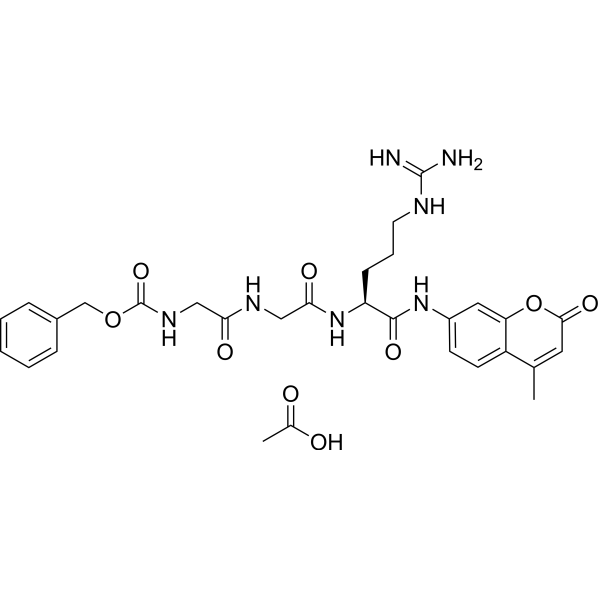
Z-Gly-Gly-Arg-AMC acetate is a thrombin-specific fluorogenic substrate for testing of thrombin generation in PRP and platelet-poor plasma (PPP) (Ex/Em = 390/480 nm) .
loading...
    loading...
10
10 Cited Publications
Cat. No.: HY-N0711
CAS No.: 499-75-2
Synonyms: Cymophenol
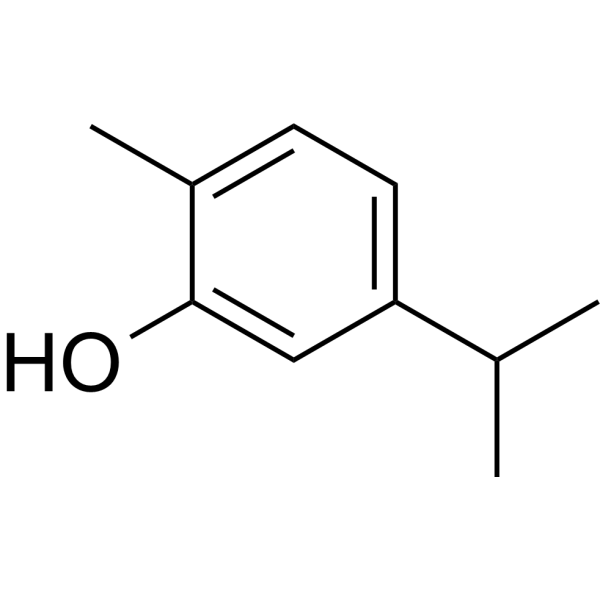
Carvacrol is an orally active and blood-brain barrier-permeable monoterpenic phenol that can be extract from an abundant number of aromatic plants, including thyme and oregano, possessing antioxidant, antibacterial, antifungal, anticancer, anti-inflammatory, hepatoprotective, spasmolytic, and vasorelaxant properties. Carvacrol also causes cell cycle arrest in G0/G1, downregulates Notch-1, and Jagged-1, and induces apoptosis. Carvacrol is used in low concentrations as a food flavoring ingredient and preservative, as well as a fragrance ingredient in cosmetic formulations .
loading...
    loading...
7
7 Cited Publications
Cat. No.: HY-19635A
CAS No.: 2319590-15-1
Target:  

PAK

Research Areas:  

Cancer

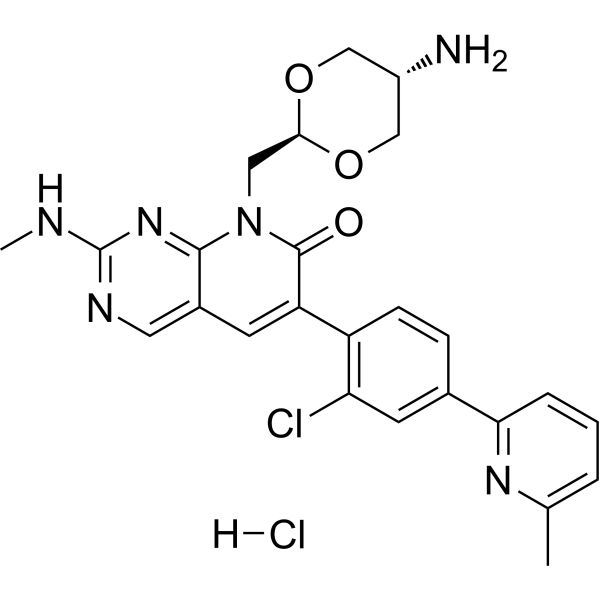
G-5555 hydrochloride is a potent and selective p21-activated kinase 1 (PAK1) inhibitor with a Ki of 3.7 nM.
loading...
    loading...
7
7 Cited Publications
Cat. No.: HY-19635
CAS No.: 1648863-90-4
Target:  

PAK

Research Areas:  

Cancer

G-5555 is a potent p21-activated kinase 1 (PAK1) inhibitor with Kis of 3.7 nM and 11 nM for PAK1 and PAK2, respectively.
loading...
    loading...
7
7 Cited Publications
Cat. No.: HY-17408
CAS No.: 73573-88-3
Synonyms: Compactin; ML236B
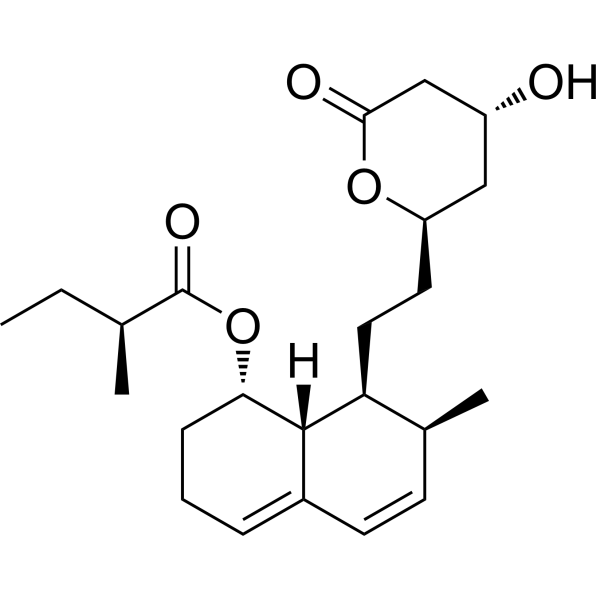
Mevastatin (Compactin) is a first HMG-CoA reductase inhibitor that belongs to the statins class. Mevastatin is a lipid-lowering agent, and induces apoptosis, arrests cancer cells in G0/G1 phase. Mevastatin also increases endothelial nitric oxide synthase (eNOS) mRNA and protein levels. Mevastatin has antitumor activity and has the potential for cardiovascular diseases treatment .
loading...
    loading...
6
6 Cited Publications
Cat. No.: HY-B0366A
CAS No.: 969-33-5
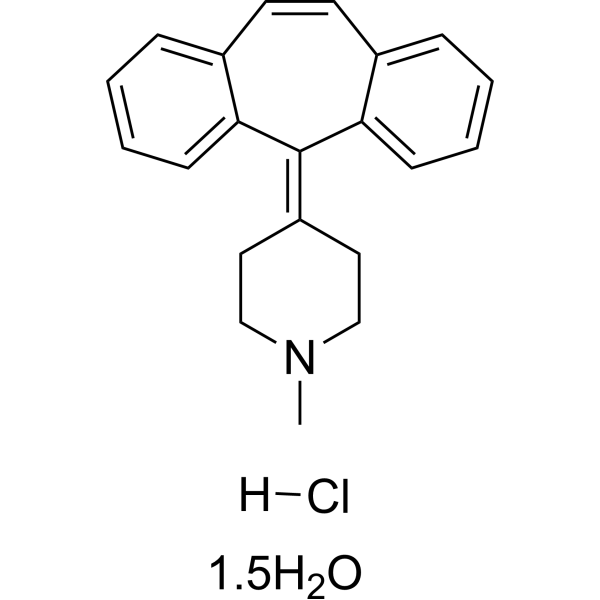
Synonyms: Cyproheptadine HCl
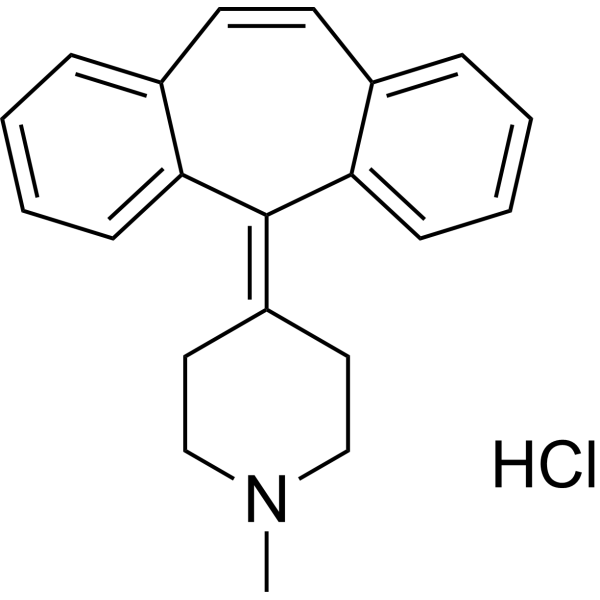
Cyproheptadine hydrochloride (Cyproheptadine HCl) acts as a p38 MAP kinase activator, CHK2 activator, histamine H1 receptor inhibitor and serotonin receptor inhibitor. Cyproheptadine hydrochloride mediates cell cycle arrest via G1 phase arrest, G1/S transition arrest, G0/G1 phase arrest, reduced expression of cyclins D1/D2/D3, upregulated expression of HBP1, p16, p21, p27, and decreased phosphorylation of retinoblastoma protein. Cyproheptadine hydrochloride induces Apoptosis by increasing PARP and cleaved PARP, as well as activating the mitochondrial caspase pathway. Cyproheptadine hydrochloride inhibits tumor growth with extremely low toxicity to normal cells. Cyproheptadine hydrochloride can be used in research related to hepatocellular carcinoma, multiple myeloma and acute myeloid leukemia .
loading...
    loading...
6
6 Cited Publications
Cat. No.: HY-B1622
CAS No.: 129-03-3
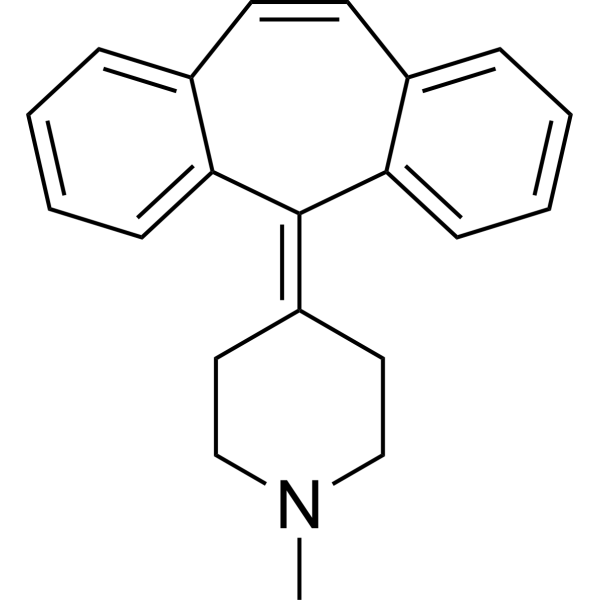
Cyproheptadine acts as a p38 MAP kinase activator, CHK2 activator, histamine H1 receptor inhibitor and serotonin receptor inhibitor. Cyproheptadine mediates cell cycle arrest via G1 phase arrest, G1/S transition arrest, G0/G1 phase arrest, reduced expression of cyclins D1/D2/D3, upregulated expression of HBP1, p16, p21, p27, and decreased phosphorylation of retinoblastoma protein. Cyproheptadine induces Apoptosis by increasing PARP and cleaved PARP, as well as activating the mitochondrial caspase pathway. Cyproheptadine inhibits tumor growth with extremely low toxicity to normal cells. Cyproheptadine can be used in research related to hepatocellular carcinoma, multiple myeloma and acute myeloid leukemia .
loading...
    loading...
6
6 Cited Publications
Cat. No.: HY-B1165
CAS No.: 41354-29-4
Cyproheptadine hydrochloride sesquihydrate acts as a p38 MAP kinase activator, CHK2 activator, histamine H1 receptor inhibitor and serotonin receptor inhibitor. Cyproheptadine hydrochloride sesquihydrate mediates cell cycle arrest via G1 phase arrest, G1/S transition arrest, G0/G1 phase arrest, reduced expression of cyclins D1/D2/D3, upregulated expression of HBP1, p16, p21, p27, and decreased phosphorylation of retinoblastoma protein. Cyproheptadine hydrochloride sesquihydrate induces Apoptosis by increasing PARP and cleaved PARP, as well as activating the mitochondrial caspase pathway. Cyproheptadine hydrochloride sesquihydrate inhibits tumor growth with extremely low toxicity to normal cells. Cyproheptadine hydrochloride sesquihydrate can be used in research related to hepatocellular carcinoma, multiple myeloma and acute myeloid leukemia .
loading...
    loading...
5
5 Cited Publications
Cat. No.: HY-150751C
Purity:  93.80%
Synonyms: ODN A151 sodium
Research Areas:  

Inflammation/Immunology

ODN TTAGGG sodium, inhibitory oligonucleotide (ODN), is a TLR9, AIM2 and cGAS antagonist. ODN TTAGGG sodium is immunosuppressive and inhibits AIM2 inflammasome activation, as well as cGAS activation, by competing with DNA. ODN TTAGGG sodium can be used in the study of lupus erythematosus and other related autoimmune diseases. ODN TTAGGG sequence: 5'-T-T-A-G-G-G-T-T-A-G-G-G-T-T-A-G-G-G-T-T-A-G-G-G-3' .
loading...
    loading...
5
5 Cited Publications
Cat. No.: HY-150751
CAS No.: 1801724-76-4
Purity:  93.80%
Synonyms: ODN A151
ODN TTAGGG (ODN A151), an inhibitory oligonucleotide (ODN), is a TLR9, AIM2, and cGAS antagonist. ODN TTAGGG inhibits AIM2 inflammasome activation and cGAS activation through competition with DNA. ODN TTAGGG blocks AIM2-mediated Pyroptosis and inhibits IL-18 production. ODN TTAGGG has immunosuppressive effects and can be used in research on related autoimmune diseases such as lupus erythematosus . ODN TTAGGG sequence: 5'-T-T-A-G-G-G-T-T-A-G-G-G-T-T-A-G-G-G-T-T-A-G-G-G-3'.
loading...
    loading...
4
4 Cited Publications
Cat. No.: HY-P0073
CAS No.: 58569-55-4
Synonyms: Met-Enkephalin; Methionine enkephalin; Metenkefalin
Target:  

Opioid Receptor

Research Areas:  

Neurological Disease Cancer

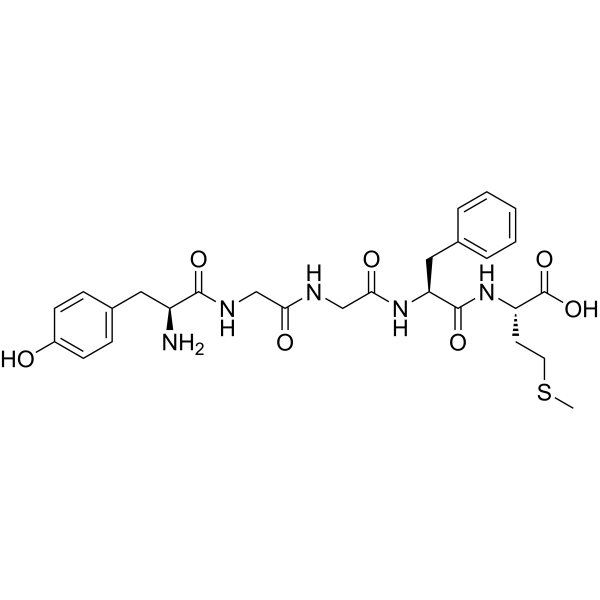
Tyr-Gly-Gly-Phe-Met-OH regulates human immune function and inhibits tumor growth via binding to the opioid receptor.
loading...
    loading...

