112 Results for "

Gram-positive pathogens

" in MedChemExpress (MCE) Product Catalog:
Products (112)

112 Results for "Gram-positive pathogens" in MCE Product Catalog:

33
33 Publications Verification
Cat. No.: HY-14865
CAS No.: 389139-89-3
Purity:  99.85%
Synonyms: PTK 0796; Amadacycline
Target:  

Bacterial Antibiotic

Research Areas:  

Infection

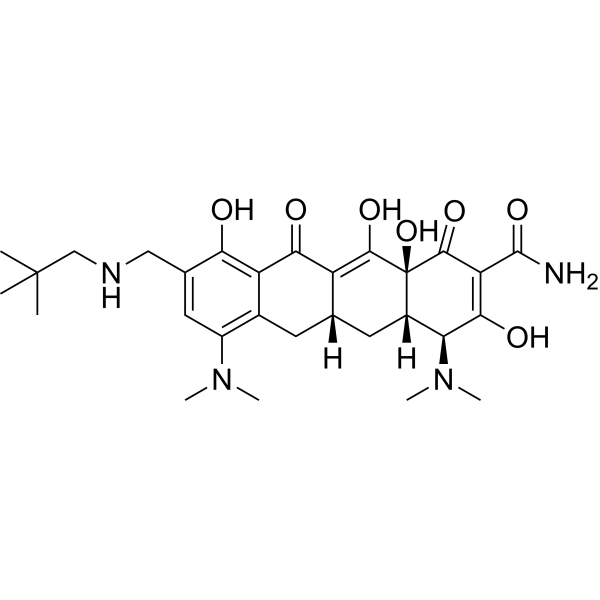
Omadacycline (PTK 0796), a first-in-class orally active aminomethylcycline antibacterial, is a member of the tetracycline class of antibiotics. Omadacycline acts through the inhibition of bacterial protein synthesis by binding to the 30S ribosomal subunit. Omadacycline possesses broad-spectrum antibacterial activity against aerobic and anaerobic Gram-positive and Gram-negative bacteria, as well as atypical bacteria. Omadacycline can be used for the research of acute bacterial skin and skin-structure infections, community-acquired pneumonia, and urinary tract infections .
loading...
    loading...
33
33 Publications Verification
Cat. No.: HY-14865B
CAS No.: 1075240-43-5
Purity:  99.37%
Synonyms: PTK 0796 tosylate; Amadacycline tosylate
Target:  

Bacterial Antibiotic

Research Areas:  

Infection

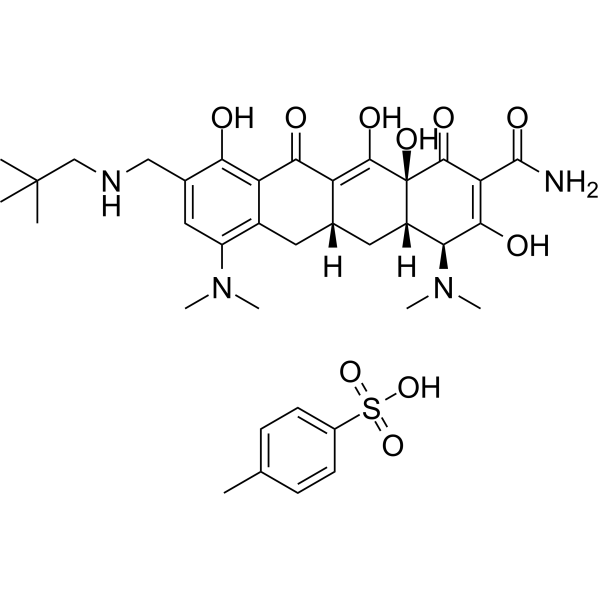
Omadacycline (PTK 0796) tosylate, a first-in-class orally active aminomethylcycline antibacterial, is a member of the tetracycline class of antibiotics. Omadacycline tosylate acts through the inhibition of bacterial protein synthesis by binding to the 30S ribosomal subunit. Omadacycline tosylate possesses broad-spectrum antibacterial activity against aerobic and anaerobic Gram-positive and Gram-negative bacteria, as well as atypical bacteria. Omadacycline tosylate can be used for the research of acute bacterial skin and skin-structure infections, community-acquired pneumonia, and urinary tract infections .
loading...
    loading...
33
33 Publications Verification
Cat. No.: HY-14865C
CAS No.: 1196800-39-1
Purity:  99.47%
Synonyms: PTK0796 hydrochloride; Amadacycline hydrochloride
Target:  

Bacterial Antibiotic

Research Areas:  

Infection

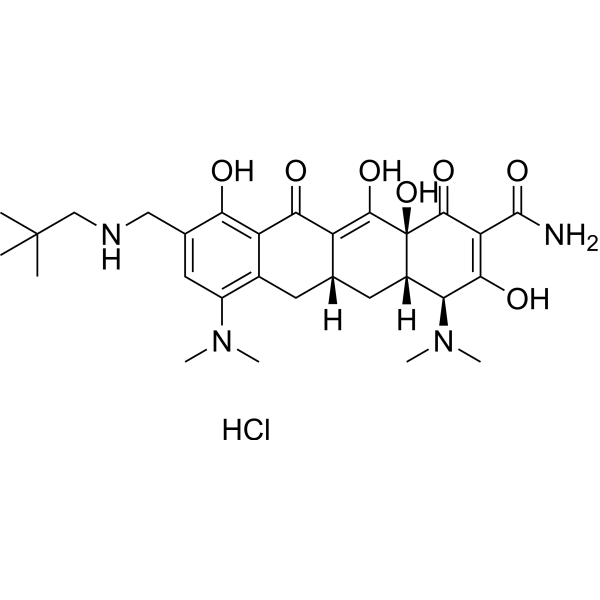
Omadacycline (PTK 0796) hydrochloride, a first-in-class orally active aminomethylcycline antibacterial, is a member of the tetracycline class of antibiotics. Omadacycline hydrochloride acts through the inhibition of bacterial protein synthesis by binding to the 30S ribosomal subunit. Omadacycline hydrochloride possesses broad-spectrum antibacterial activity against aerobic and anaerobic Gram-positive and Gram-negative bacteria, as well as atypical bacteria. Omadacycline hydrochloride can be used for the research of acute bacterial skin and skin-structure infections, community-acquired pneumonia, and urinary tract infections .
loading...
    loading...
14
14 Cited Publications
Cat. No.: HY-B0925
CAS No.: 1173-88-2
Target:  

Bacterial Antibiotic

Research Areas:  

Infection

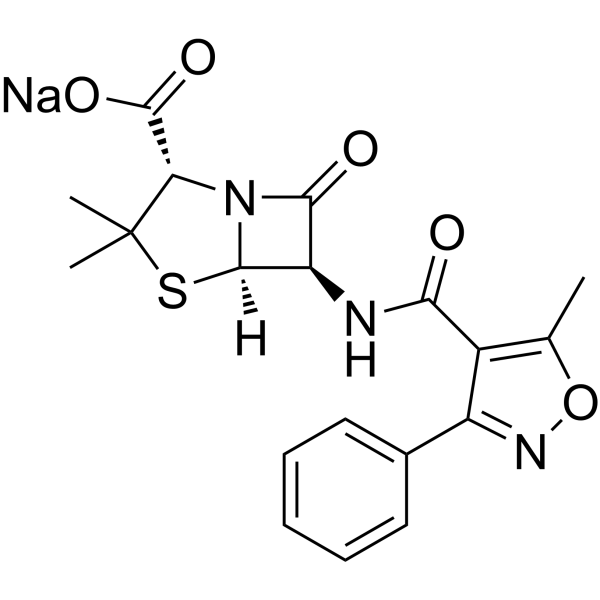
Oxacillin sodium salt is an orally active synthetic penicillin with good bactericidal activity against staphylococci and other gram-positive pathogens .
loading...
    loading...
6
6 Cited Publications
Cat. No.: HY-B0395C
CAS No.: 163253-35-8
Synonyms: DU6859a hydrate
Target:  

Bacterial Antibiotic

Research Areas:  

Infection

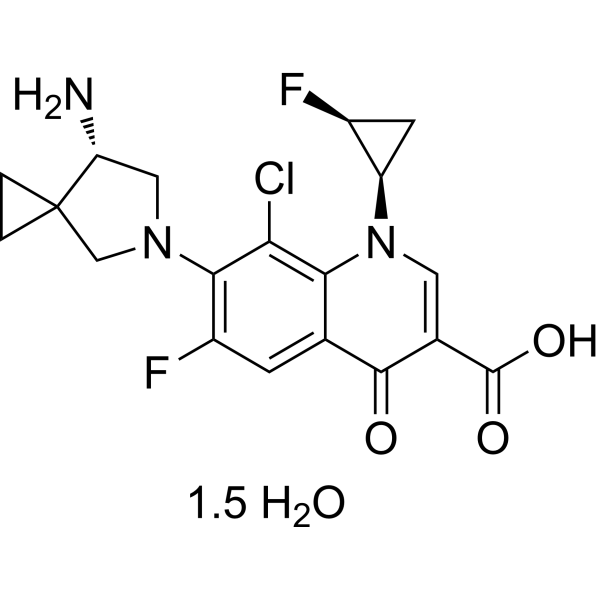
Sitafloxacin (DU6859a) hydrate is an orally active fluoroquinolone antibiotic (antibiotic) with in vitro activity against a wide range of Gram-positive and -negative bacteria, including anaerobic bacteria, as well as atypical pathogens. Sitafloxacin is used in the study of respiratory tract infections and urinary tract infections .
loading...
    loading...
6
6 Cited Publications
Cat. No.: HY-B0395
CAS No.: 127254-12-0
Synonyms: DU6859a
Target:  

Bacterial Antibiotic

Research Areas:  

Infection

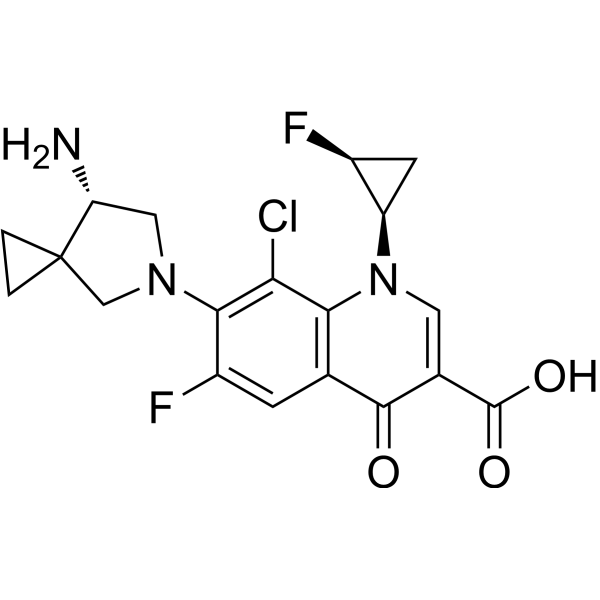
Sitafloxacin (DU6859a) is a potent, orally active fluoroquinolone antibiotic. Sitafloxacin shows antichlamydial activity and antibacterial activities against a broad range of gram-positive and gram-negative bacteria, including anaerobic bacteria, as well as against atypical pathogens. Sitafloxacin can be used for the research of respiratory tract infection and urinary tract infection .
loading...
    loading...
5
5 Cited Publications
Cat. No.: HY-B1156
CAS No.: 38821-53-3
Synonyms: Cefradine; SQ-11436
Target:  

Bacterial Antibiotic TOPK

Research Areas:  

Infection Inflammation/Immunology

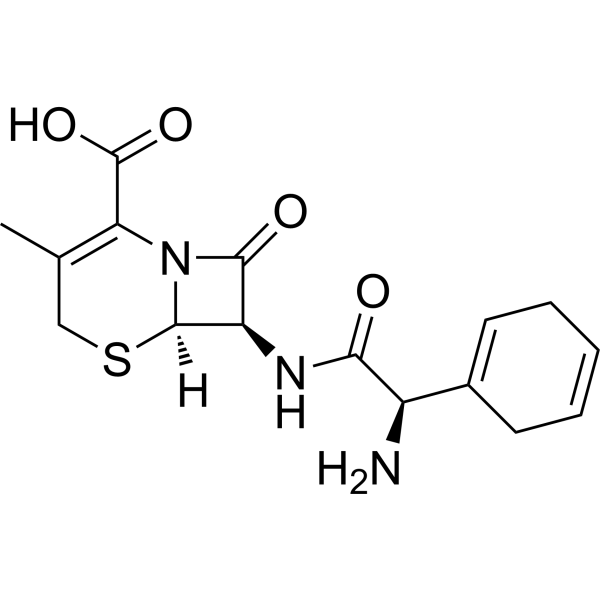
Cephradine (Cefradine) is a broad-spectrum and orally active cephalosporin. Cephradine is active against both gram-positive and gram-negative pathogens. Cephradine is effective in eradicating most penicillinase-producing organisms. Cephradine has been used in the research of genitourinary, gastrointestinal and respiratory tract infections, and in infections of the skin and soft tissues. Cephradine blocks solar-ultraviolet induced skin inflammation through direct inhibition of TOPK .
loading...
    loading...
5
5 Cited Publications
Cat. No.: HY-128449
CAS No.: 75975-70-1
Purity:  91.53%
Synonyms: Cefradine monohydrate
Target:  

Bacterial Antibiotic TOPK

Research Areas:  

Infection Inflammation/Immunology

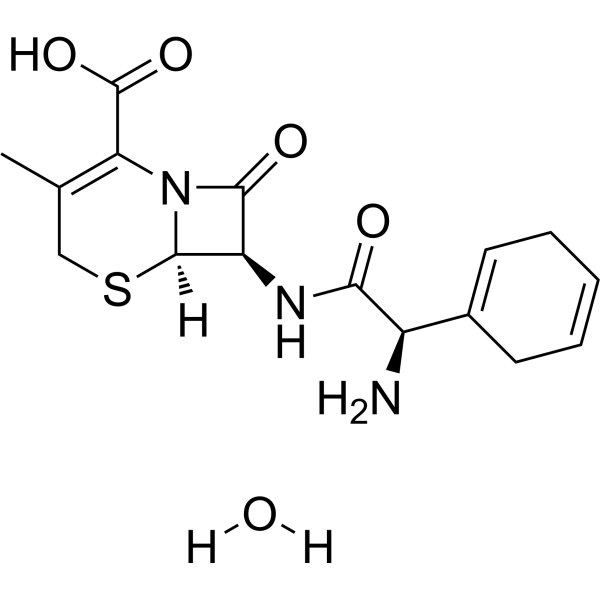
Cephradine (Cefradine) monohydrate is a broad-spectrum and orally active cephalosporin. Cephradine monohydrate is active against both grampositive and gram-negative pathogens and effective in eradicating most penicillinase-producing organisms known to be resistant to penicillin G, penicillin V, and ampicillin. Cephradine monohydrate has been used in the research of genitourinary, gastrointestinal and respiratory tract infections, and in infections of the skin and soft tissues. Cephradine monohydrate blocks solar-ultraviolet induced skin inflammation through direct inhibition of TOPK .
loading...
    loading...
3
3 Cited Publications
Cat. No.: HY-112579
CAS No.: 209467-52-7
Purity:  97.22%
Synonyms: Ro 63-9141; BAL 9141
Target:  

Bacterial Antibiotic

Research Areas:  

Infection Inflammation/Immunology

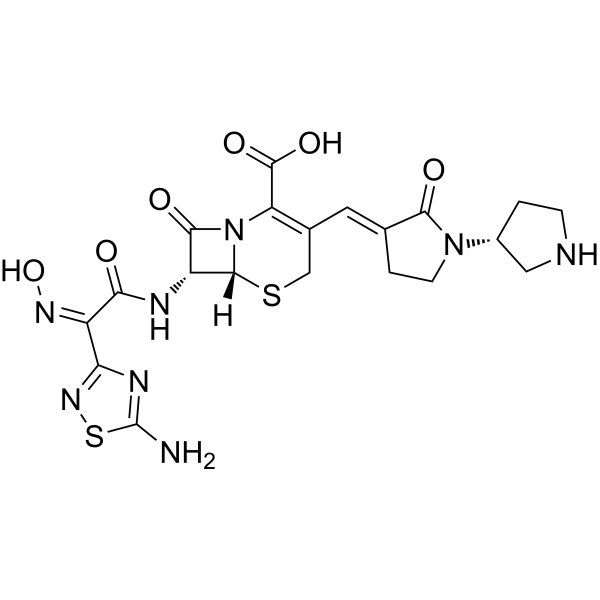
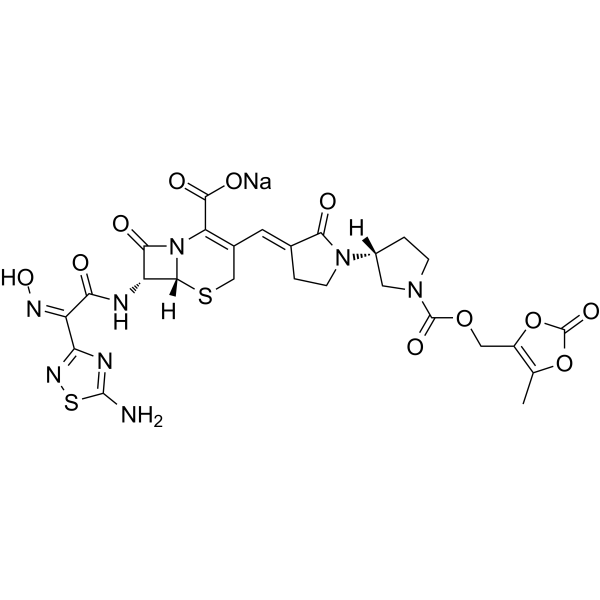
Ceftobiprole (Ro 63-9141) is a broad-spectrum cephalosporin with high levels of in vitro activity against methicillin- (MRSA) and vancomycin-resistant staphylococci (VRSA) and penicillin-resistant streptococci with a MIC90 value of 2 μg/mL for MRSA. Ceftobiprole also inhibits gram-positive and gram-negative pathogens. Ceftobiprole can be used for the study of hospital-acquired pneumonia (excluding ventilator-associated pneumonia) and community-acquired pneumonia .
loading...
    loading...
2
2 Cited Publications
Cat. No.: HY-B0698A
CAS No.: 118081-34-8
Synonyms: Sch-39720 dihydrate
Research Areas:  

Infection

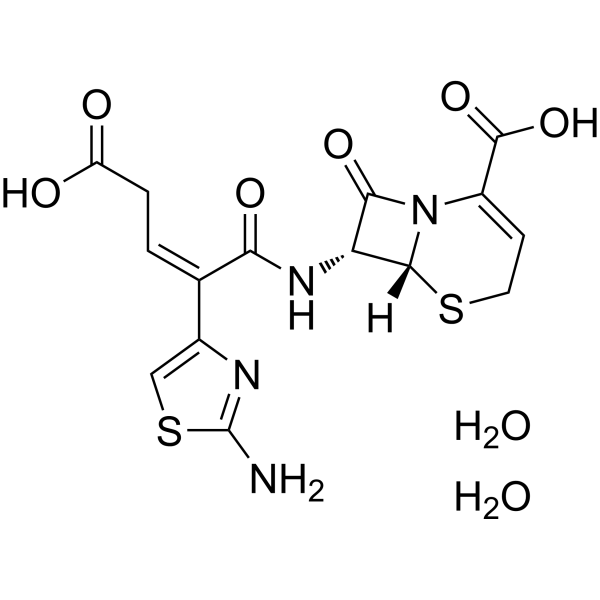
Ceftibuten (Sch-39720) dihydrate, an antibiotic, is an orally active cephalosporin, possesses potent activity in vitro against a wide range of gram-negative and certain gram-positive pathogens .
loading...
    loading...
2
2 Cited Publications
Cat. No.: HY-14855A
CAS No.: 1431699-67-0
Purity:  98.21%
Synonyms: (S)-TR 700; (S)-DA 7157
Target:  

Bacterial Antibiotic

Research Areas:  

Infection

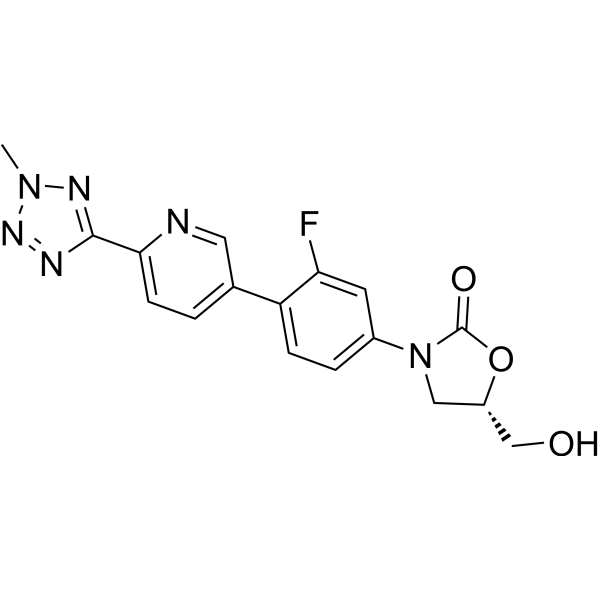
(S)-Tedizolid is the S-enantiomer of Tedizolid. Tedizolid is a novel oxazolidinone with activity against Gram-positive pathogens. (S)-Tedizolid is the less active isomer.
loading...
    loading...
2
2 Cited Publications
Cat. No.: HY-14737A
CAS No.: 400827-55-6
Purity:  98.88%
Synonyms: TAK-599 hydrate; PPI0903 hydrate
Target:  

Antibiotic Bacterial

Research Areas:  

Infection

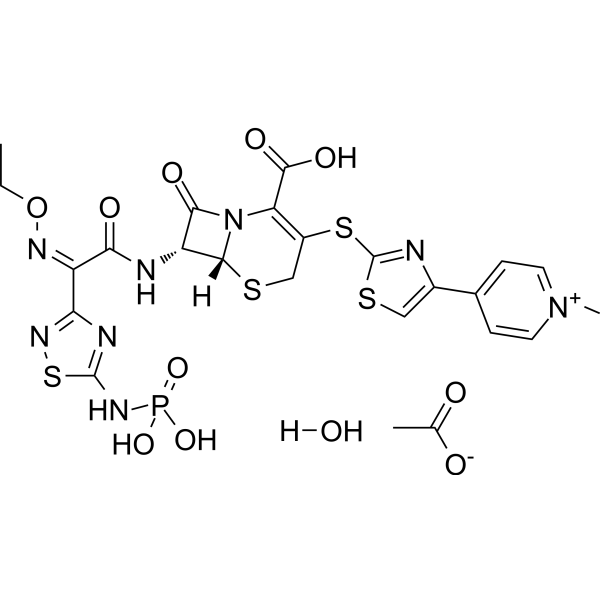
Ceftaroline fosamil hydrate is a potent cephalosporin antibiotic. Ceftaroline fosamil hydrateshows broad-spectrum activity against Gram-positive pathogens, including methicillin-resistant Staphylococcus aureus (MRSA) and multidrug-resistant Streptococcus pneumoniae, and common Gram-negative organisms. Ceftaroline fosamil hydrate has anti-infective activity, and can be used for the research of complicated skin and skin structure infections (cSSSIs) and community-acquired bacterial pneumonia (CABP) .
loading...
    loading...
1
1 Cited Publications
Cat. No.: HY-111023
CAS No.: 951163-60-3
Purity:  99.43%
Synonyms: TG-873870 malate
Target:  

Antibiotic Bacterial

Research Areas:  

Infection

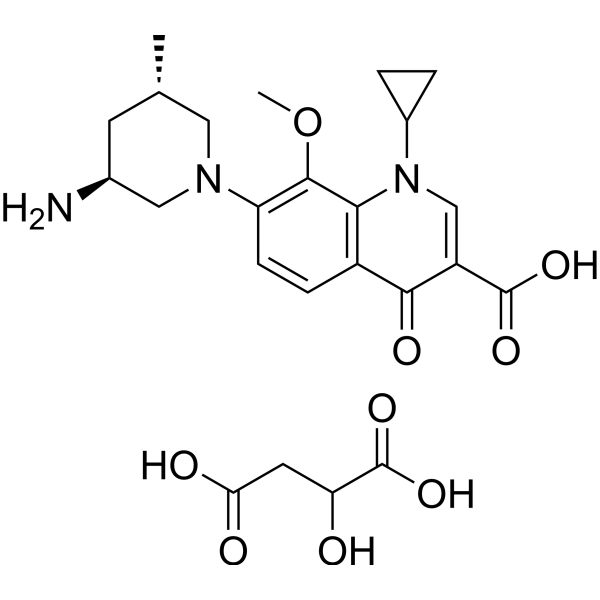
Nemonoxacin (TG-873870) malate is a nonfluorinated quinolone antibiotic. Nemonoxacin malate has broad-spectrum activity against Gram-positive, Gram-negative and atypical pathogens. Nemonoxacin malate can inhibit drug-resistant Streptococcus pneumoniae and Methicillin-resistant Staphylococcus aureus. Nemonoxacin malate can be used for the research of community-acquired pneumonia .
loading...
    loading...
1
1 Cited Publications
Cat. No.: HY-155333
CAS No.: 2001602-10-2
Target:  

Bacterial

Research Areas:  

Infection

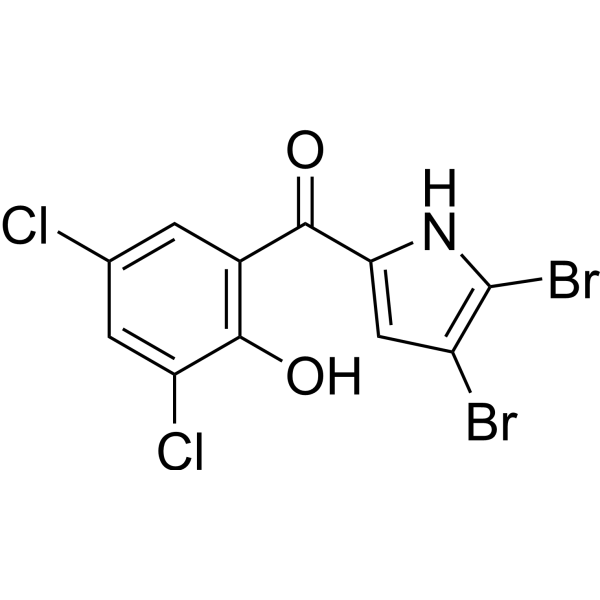
Antibiofilm agent-1 is an antibacterial agent that inhibits growth of Gram-positive pathogens (WO2017011725A1; compound 17) .
loading...
    loading...
1
1 Cited Publications
Cat. No.: HY-139554A
Purity:  99.79%
Synonyms: KBP-7072 TFA
Target:  

Bacterial

Research Areas:  

Infection

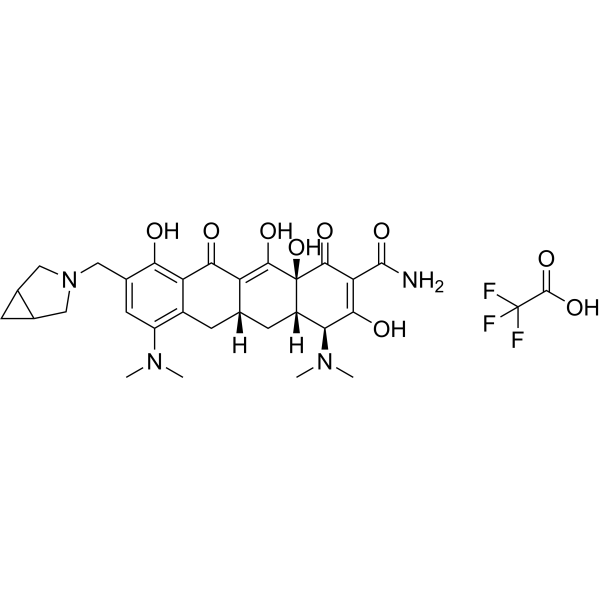
Zifanocycline (KBP-7072) TFA is an orally active, semi-synthetic aminomethylcycline antibiotic that inhibits the normal function of bacterial ribosomes. Zifanocycline TFA has broad spectrum in vitro antimicrobial activity against Gram-positive and Gram-negative bacteria, including many multidrug-resistant pathogens. Zifanocycline TFA is indicated for the study of acute bacterial skin and skin structure infections, community-acquired bacterial pneumonia, and complicated intra-abdominal infections .
loading...
    loading...
Cat. No.: HY-B0396
CAS No.: 161715-24-8
Synonyms: L084
Target:  

Antibiotic Bacterial OAT

Research Areas:  

Infection

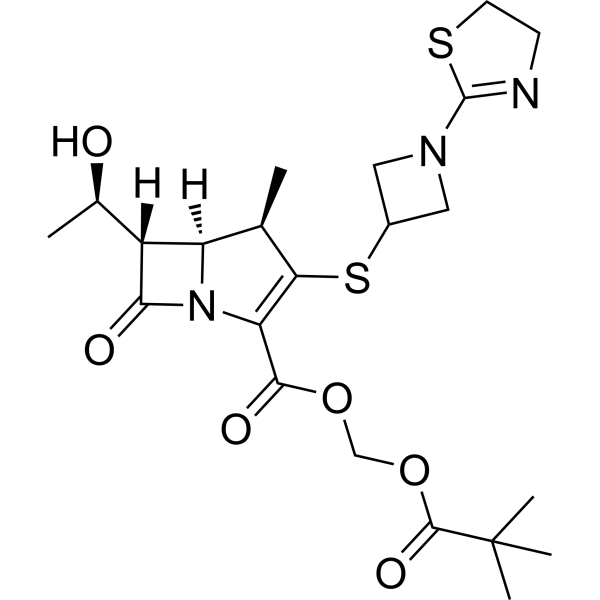
Tebipenem pivoxil (L084 hydrobromide) is an orally active carbapenem Antibiotic. Tebipenem pivoxil acts as a substrate of OATP1A2 with high affinity for this transporter (Km = 41.1 μM) . Tebipenem pivoxil achieves intestinal absorption via carrier-mediated uptake and simple diffusion. Tebipenem pivoxil inhibits the growth of Gram-positive bacteria, Gram-negative bacteria, multidrug-resistant bacteria, and pathogens producing extended-spectrum β-lactamases. Tebipenem pivoxil eliminates intestinal infection pathogens and reduces mortality in septic mice. Tebipenem pivoxil can be used in research related to bacterial pneumonia, severe gastrointestinal infections, bacterial sepsis, complicated urinary tract infections, and acute pyelonephritis .
loading...
    loading...
Cat. No.: HY-106574A
CAS No.: 252188-71-9
Purity:  95.70%
Synonyms: BAL5788 sodium
Target:  

Bacterial

Research Areas:  

Infection Inflammation/Immunology

Ceftobiprole medocaril (BAL5788) sodium is the parenteral proagent of Ceftobiprole (HY-112579). Ceftobiprole is a parenteral pyrrolidinone cephalosporin. Ceftobiprole is a broad-spectrum cephalosporin with high levels of in vitro activity against methicillin- (MRSA) and vancomycin-resistant staphylococci (VRSA) and penicillin-resistant streptococci. Ceftobiprole also inhibits gram-positive and gram-negative pathogens .
loading...
    loading...
Cat. No.: HY-A0279
CAS No.: 270076-60-3
Synonyms: Pristinamycine
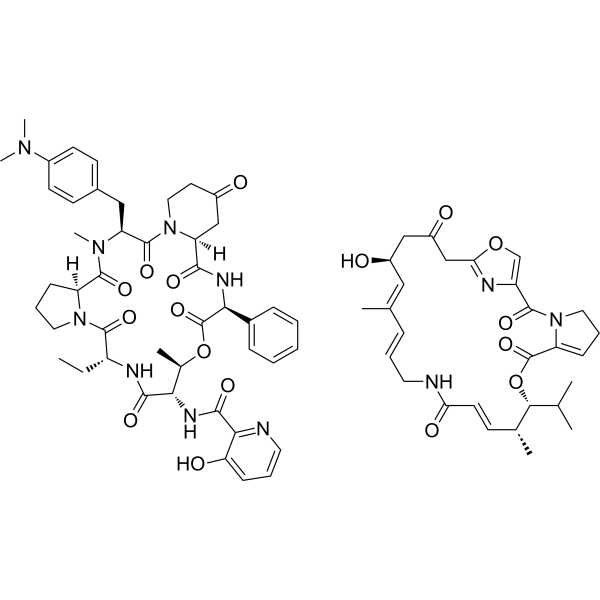
Pristinamycin, produced by Streptomyces pristinaespiralis, is an orally active streptogramin-like antibiotic consisting of two chemically unrelated components: Pristinamycin I (PI) and Pristinamycin II (PII). Pristinamycin is highly active against many antibiotic-resistant pathogens, particularly Gram-positive bacteria, including Methicillin-resistant Staphylococcus aureus (MRSA), Vancomycin-resistant S. aureus (VRSA) and Enterococcus faecium (VREF) .
loading...
    loading...
Cat. No.: HY-141633
CAS No.: 25339-99-5
Purity:  ≥97.0%
Sucrose monolaurate is a glycolipid surfactant . Sucrose monolaurate interacts with bacterial DNA, disrupts cell membrane permeability, and exerts excellent inhibitory and bactericidal effects against a variety of foodborne pathogens (especially Gram-positive bacteria). Sucrose monolaurate significantly reduces liquid surface tension, and acts as a synergist for chlorine-based disinfectants in food cleaning and disinfection to improve the removal efficiency of pathogens on the surface of agricultural products .
loading...
    loading...
Cat. No.: HY-P5601
CAS No.: 214542-43-5
Target:  

Bacterial Fungal

Research Areas:  

Infection

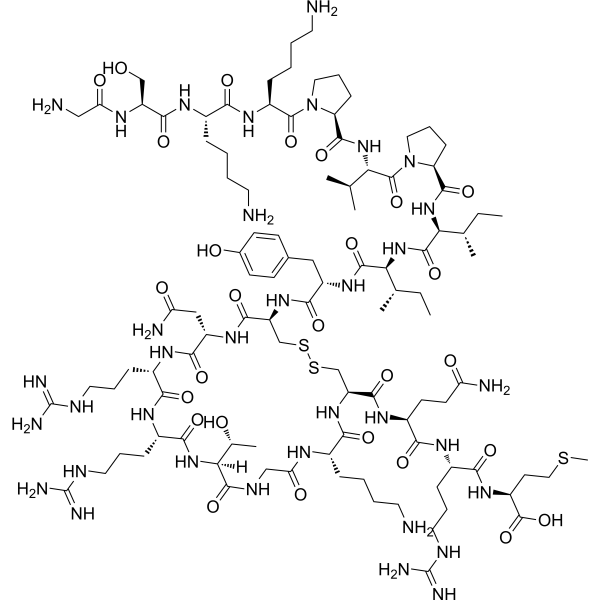
Thanatin is an inducible cationic antimicrobial peptide. Thanatin is a pathogen-inducible single-disulfide-bond-containing β-hairpin AMP. Thanatin displays broad-spectrum activity against both Gram-negative and Gram-positive bacteria as well as against various species of fungi with MICs of 0.3-40 µM, 0.6-40 µM and 0.6-20 µM, respectively. Thanatin has the property of competitive replacement of divalent cations from bacterial outer membrane (OM), leading to OM disruption .
loading...
    loading...

