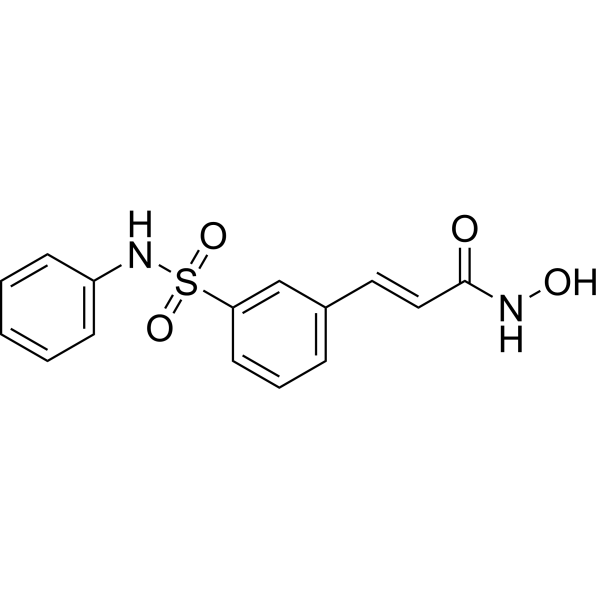
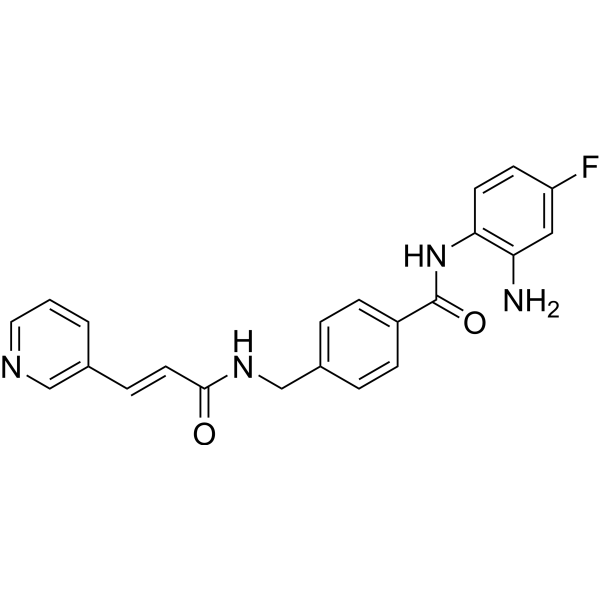
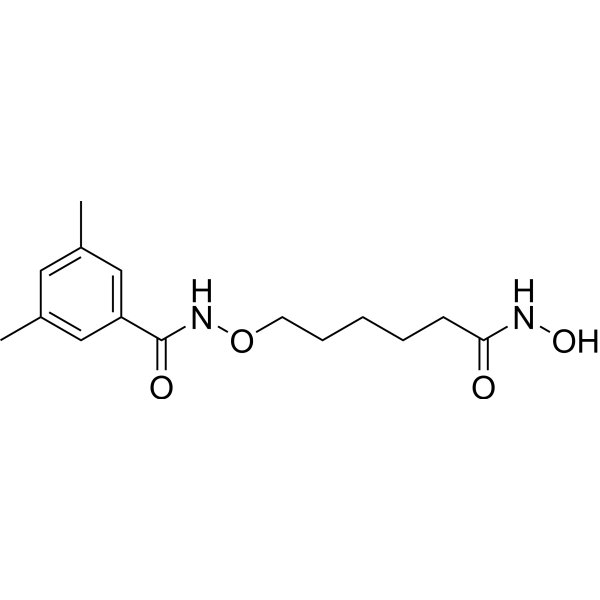
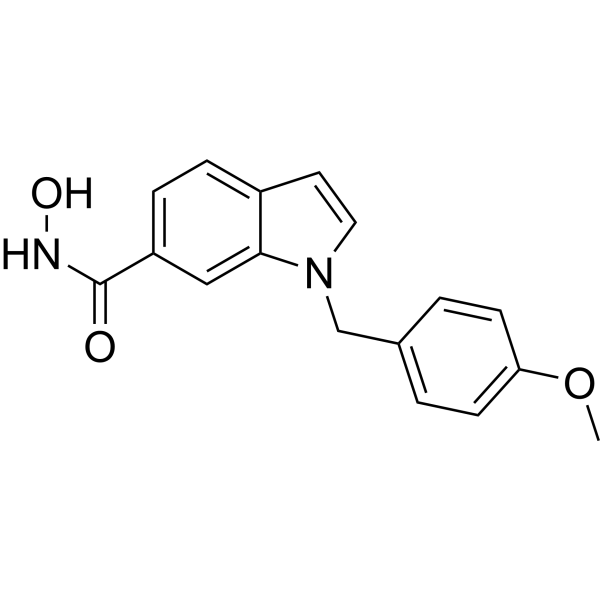
1. Search Result
Search Result
Results for "

HDACs

" in MedChemExpress (MCE) Product Catalog:

884

Inhibitors & Agonists

4

Screening Libraries

9

Fluorescent Dye

9

Biochemical Assay Reagents

13

Peptides

43

Natural
Products

28

Isotope-Labeled Compounds

13

Click Chemistry

34

Oligonucleotides

4

GMP Molecules

Cat. No. Product Name Target Research Areas Chemical Structure
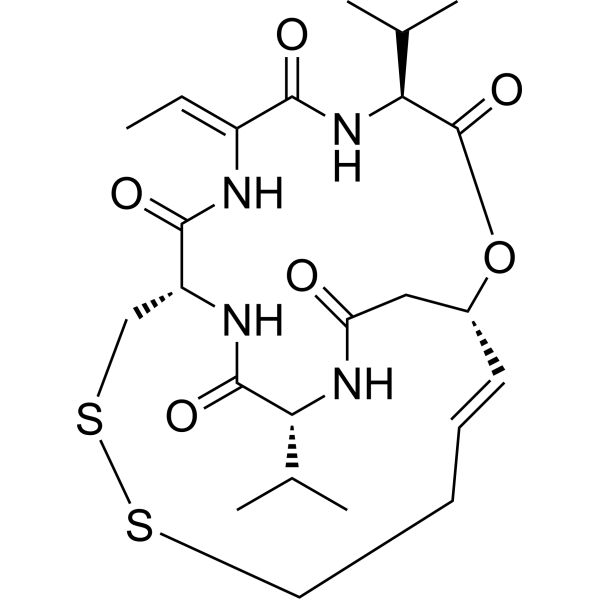
  • HY-15433
    Quisinostat
    15+ Cited Publications

    JNJ-26481585

    HDAC Autophagy Inflammation/Immunology Cancer
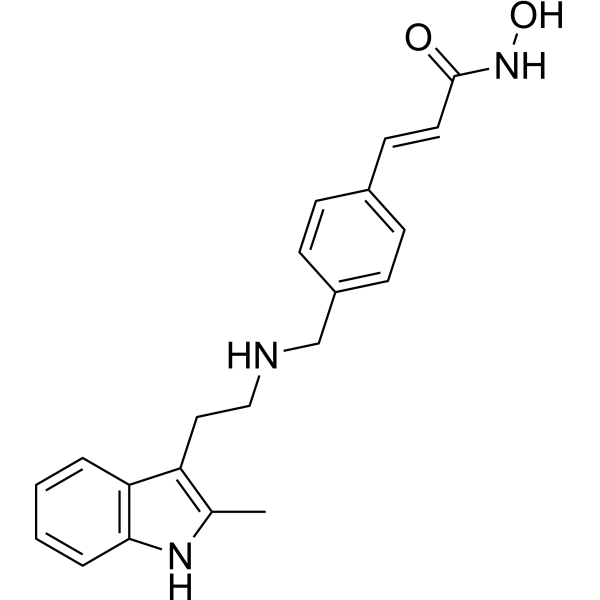
    Quisinostat (JNJ-26481585) is a potent and orally active pan-HDAC inhibitor (HDACi), with IC50 values ranging from 0.11 nM to 0.64 nM for HDAC1, HDAC2, HDAC4, HDAC10 and HDAC11. Quisinostat has a broad spectrum antitumoral activity . Quisinostat can induce autophagy in neuroblastoma cells .
    Quisinostat
  • HY-100719
    BRD-6929
    3 Publications Verification

    HDAC HIV Infection Cardiovascular Disease
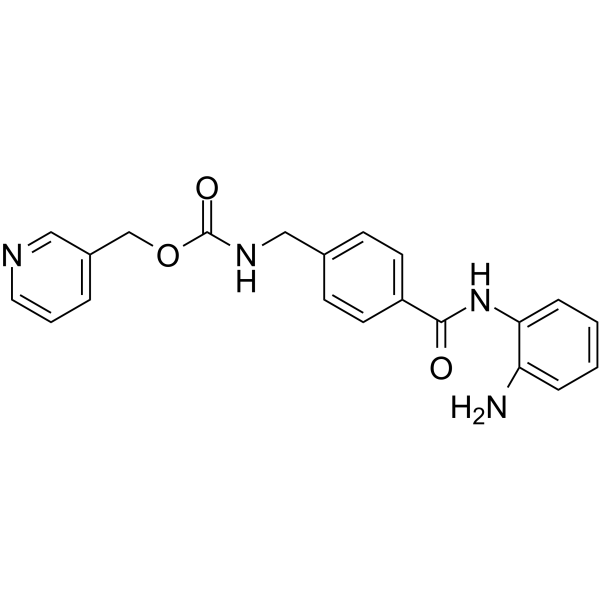
    BRD-6929 is a potent, selective brain-penetrant inhibitor of class I histone deacetylase HDAC1 and HDAC2 inhibitor with IC50 of 1 nM and 8 nM, respectively. BRD-6929 shows high-affinity to HDAC1 and HDAC2 with Ki of 0.2 and 1.5 nM, respectively. BRD-6929 can be used for mood-related behavioral model research .
    BRD-6929
  • HY-15433A
    Quisinostat dihydrochloride
    15+ Cited Publications

    JNJ-26481585 dihydrochloride

    HDAC Autophagy Inflammation/Immunology Cancer
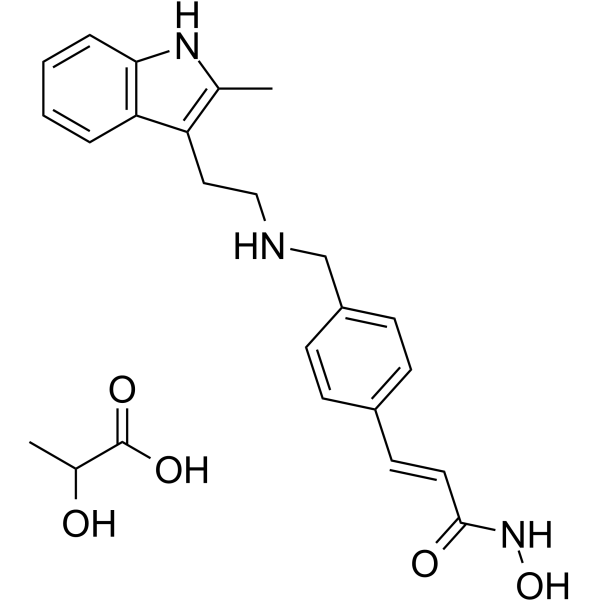
    Quisinostat dihydrochloride (JNJ-26481585 dihydrochloride) is an orally active, potent pan-HDAC inhibitor with IC50s of 0.11 nM, 0.33 nM, 0.64 nM, 0.46 nM, and 0.37 nM for HDAC1, HDAC2, HDAC4, HDAC10 and HDAC11, respectively. Quisinostat dihydrochloride has a broad spectrum antitumoral activity. Quisinostat dihydrochloride can induce autophagy in neuroblastoma cells .
    Quisinostat dihydrochloride
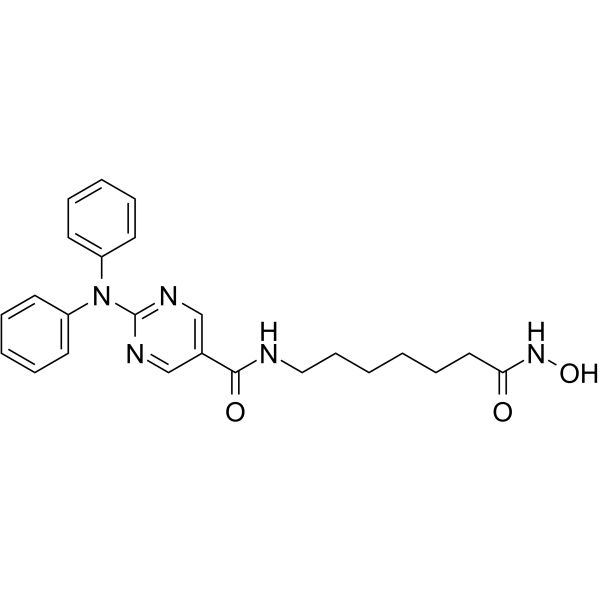
  • HY-149285

    HDAC Neurological Disease
    NT160 is a highly potent class-IIa HDAC inhibitor with an IC50 value of 0.046 μM. NT160 can be used for the research of central nervous system diseases .
    NT160
  • HY-19350
    BML-210
    2 Publications Verification

    HDAC Apoptosis Cancer
    BML-210 is a potent HDAC inhibitor. BML-210 can inhibit the HDAC4-VP16-driven reporter signal with an apparent IC50 of ∼5 µM. BML-210 has a specific disruptive effect on the HDAC4:MEF2 interaction. BML-210 causes an increase in the G0/G1 phase. BML-210 induces apoptosis and displays antitumour activities in orthotopic mammary tumours in mice .
    BML-210
  • HY-19772

    ESM-HDAC391; CHR-5154; HDAC-IN-3

    HDAC c-Fms Inflammation/Immunology
    GSK3117391 (ESM-HDAC391; CHR-5154; HDAC-IN-3) is an orally active HDAC inhibitor with a IC50 of 55 nM. Using esterase-sensitive motif technology, GSK3117391 is selectively converted into its active acid metabolite HDAC189 in cells expressing carboxylesterase-1. GSK3117391 induces sustained global protein acetylation in monocytes, inhibits the production of proinflammatory cytokines, depletes circulating monocytes, downregulates the expression of CSF1R, and inhibits monocyte adhesion and differentiation. GSK3117391 can be used in the research of chronic inflammatory diseases .
    GSK3117391
  • HY-100384
    NKL 22
    1 Publications Verification

    HDAC Neurological Disease Cancer
    NKL 22 is a potent and selective inhibitor of histone deacetylases (HDAC), with IC50 values of 199 and 69 nM for HDAC1 and HDAC3, respectively. NKL 22 can reverse abnormal expression of HD‑related genes and restore the levels of key genes including Ppp1r1b in Huntington's disease transgenic mice. NKL 22 can be used for the researches of Huntington's disease and cancer .
    NKL 22
  • HY-158075

    HDAC DNA Methyltransferase Cancer
    DNMT/HDAC-IN-1 (Compund 15a) is a dual DNMT and HDAC inhibitor with IC50 values for HDAC1 and HDAC6 are 56.84 nM and 17.39 nM respectively. DNMT/HDAC-IN-1 can induce apoptosis and be used in tumor research.
    DNMT/HDAC-IN-1
  • HY-114414
    HDACs/mTOR Inhibitor 1
    1 Publications Verification

    HDAC mTOR Apoptosis Cancer
    HDACs/mTOR Inhibitor 1 is a dual HDACs and mTOR inhibitor, with IC50s of 0.19 nM, 1.8 nM, 1.2 nM for HDAC1, HDAC6, mTOR, respectively. HDACs/mTOR Inhibitor 1 stimulates cell cycle arrest in G0/G1 phase and induces tumor cell apoptosis with low toxicity in vivo. HDACs/mTOR Inhibitor 1 can be used in the research of hematologic malignancies .
    HDACs/mTOR Inhibitor 1
  • HY-169259

    HDAC DNA/RNA Synthesis Reactive Oxygen Species (ROS) Apoptosis Caspase p38 MAPK Cancer
    HDAC9-IN-1 is a selective class IIa HDAC inhibitor that binds to HDAC9 with an IC50 of 40 nM. HDAC9-IN-1 potently inhibits HDACs 4 and 7 while showing weak activity against HDAC6 (IC50 values: 180 nM (HDAC4), 190 nM (HDAC7), 970 nM (HDAC6)). HDAC9-IN-1 significantly inhibits several human cancer cells, induces apoptosis and DNA damage in human cancer cells, and modulates caspase-related proteins and p38 in human cancer cells. HDAC9-IN-1 can be used for the research of oral cancer, breast cancer, gastric cancer .
    HDAC9-IN-1
  • HY-164233

    PROTACs HDAC Apoptosis Cancer
    YX968 is a potent and selective HDAC3/8 PROTAC dual degrader with DC50 values of 1.7 and 6.8 nM. YX968 exhibits antitumor activity by promoting apoptosis .(Pink: Target protein ligand (HY-168287); Black: linker (HY-W007700); Blue: E3 ligase ligand (HY-112078))
    YX968
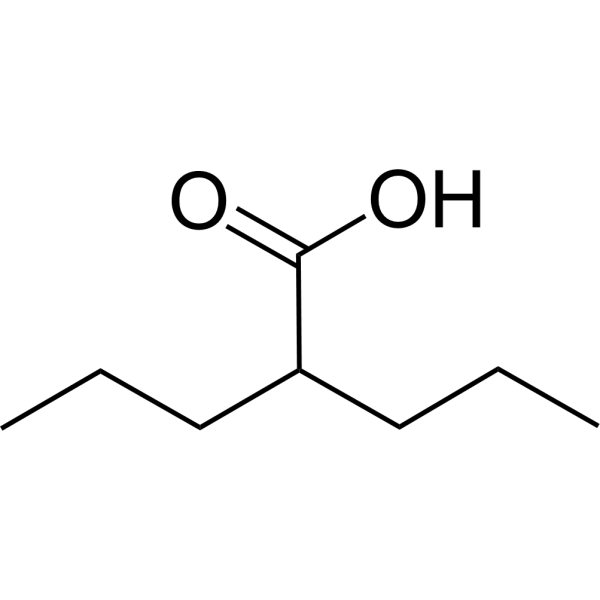
  • HY-10585R
    Valproic acid (Standard)
    45+ Cited Publications

    VPA (Standard); 2-Propylpentanoic acid (Standard); Dipropylacetic acid (Standard)

    Reference Standards Organoid HDAC Autophagy Mitophagy HIV Notch Apoptosis Endogenous Metabolite Infection Neurological Disease Metabolic Disease Cancer
    Valproic acid (Dipropylacetic Acid) (Standard) is an analytical standard for valproic acid. This product is intended for research and analytical applications. Valproic acid is an orally active HDAC inhibitor (IC50=0.5-2 mM), inhibits the activity of HDAC1 (IC50=400 μM), and induces the degradation of HDAC2. Valproic acid activates Notch1 signaling and inhibits the proliferation of small cell lung cancer (SCLC) cells. Valproic acid is used in the study of epilepsy, bipolar disorder, metabolic diseases, HIV infection, and migraine .
    Valproic acid (Standard)
  • HY-118052

    PKD HDAC Cardiovascular Disease
    BPKDi is an inhibitor of PKD. BPKDi inhibits three members of the PKD family, PKD1, PKD2, and PKD3, with IC50 values of 1 nM, 9 nM, and 1 nM, respectively. BPKDi blocks signal-dependent phosphorylation and nuclear export of class IIa HDACs in cardiomyocytes and concomitantly suppresses hypertrophy of these cells .
    BPKDi
  • HY-145819

    HDAC PROTACs Cancer
    JPS036 is a benzamide-based Von Hippel-Lindau (VHL) E3-ligase proteolysis targeting chimeras (PROTAC). JPS036 degrades class I histone deacetylase (HDAC). JPS036 is potent HDAC1/2 degrader correlated with greater total differentially expressed genes and enhanced apoptosis in HCT116 cells .
    JPS036
  • HY-145816A
    JPS016 TFA
    1 Publications Verification

    HDAC PROTACs Apoptosis PINK1/Parkin Autophagy Reactive Oxygen Species (ROS) Cancer
    JPS016 TFA is a class I histone deacetylase (HDAC) PROTAC inhibitor. JPS016 TFA recruits the VHL E3 ligase (Ligands for E3 Ligase) to mediate the ubiquitination and proteasomal degradation of HDAC1, HDAC2 and HDAC3. JPS016 TFA reduces the viability of colon cancer cells and induces Apoptosis. JPS016 TFA activates the PINK1/Parkin mitochondrial Autophagy pathway, enhances cardiomyocyte viability, alleviates mitochondrial damage, and reduces mitochondrial ROS production in cells. JPS016 TFA is applicable to research related to colon cancer and sepsis cardiomyopathy .
    JPS016 TFA
  • HY-174444A

    PROTACs HDAC Cancer
    PROTAC HDAC degrader-2 TFA is the trifluoroacetate salt of PROTAC HDAC degrader-2. PROTAC HDAC degrader-2 is a selective IIb HDACs PROTAC degrader, with DC50s of 13 nM for HDAC6, 29 nM for HDAC10, respectively. PROTAC HDAC degrader-2 exhibits low cytotoxicity against hematological and solid cancer cell lines. PROTAC HDAC degrader-2 can be used for the chemical knockdown of class IIb HDACs. ( Pink: HDAC ligand : (HY-174471), Blue: E3 ligase CRBN Ligand (HY-131717), E3 ligase ligand-linker conjugate (HY-174473)) .
    PROTAC HDAC degrader-2 TFA
  • HY-173444

    HDAC Transferrin Receptor Apoptosis Ferroptosis Cancer
    HDAC11-IN-3 (Compound A9) is a selective HDAC11 inhibitor (IC50: 4.1 nM). HDAC11-IN-3 has inhibitory effects on U937 and OCI-AML2 acute myeloid leukemia (AML) cell lines (IC50: 10 μM). HDAC11-IN-3 has significant anti-AML activity, inducing apoptosis, cell cycle arrest, and differentiation. HDAC11-IN-3 upregulates the iron transporters transferrin (TF) and transferrin receptor (TFRC), and activates the p62-Keap1-Nrf2-HMOX1 pathway, which together lead to increased intracellular iron levels and induce ferroptosis in AML cells. HDAC11-IN-3 can be used alone or in combination with Cytarabine (HY-13605) for AML research .
    HDAC11-IN-3
  • HY-149208

    HDAC Apoptosis Cancer
    HDAC-IN-53 is an orally active, and selective HDAC1-3 inhibitor with IC50 values of 47 nM, 125 nM, and 450 nM, respectively. HDAC-IN-53 does not inhibit class II HDACs (HDAC4, 5, 6, 7, 9; IC50>10 μM). HDAC-IN-53 induces caspase-dependent apoptosis. HDAC-IN-53 significantly inhibits the growth of human tumor xenografts in nude mice and murine tumor growth in immune-competent mice bearing MC38 colon cancer .
    HDAC-IN-53
  • HY-155248

    HDAC Cancer
    HL23 is a histone deacetylase (HDAC) inhibitor with activity against hepatocellular carcinoma (HCC). HL23 enhances acetylation of the TXNIP promoter and upregulates TXNIP expression, thereby mediating potassium channel activity and triggering TXNIP-dependent potassium deprivation. HL23 inhibits HCC progression and metastasis and has a synergistic effect with Sorafenib (HY-10201) and is more potent than Sorafenib+Vorinostat (HY-10221) .
    HL23
  • HY-144893

    HDAC Cancer
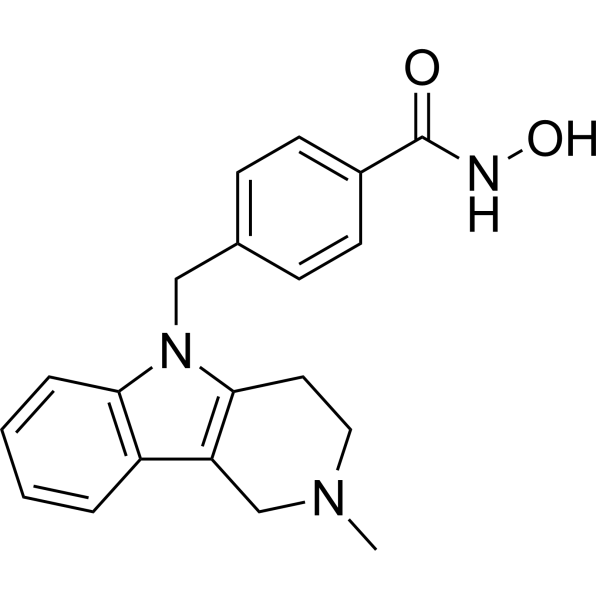
    OKI-006 is an orally active histone deacetylase (HDAC) inhibitor. OKI-006 is the active metabolite of OKI-005 (HY-185584) and OKI-179 (HY-156602). OKI-006 can be used for the research of cancers such as breast cancer and colorectal cancer .
    OKI-006
  • HY-162086

    HDAC Cancer
    HDAC-IN-68 (Compound 29) is a potent HDAC inhibitor that disrupts microtubule structure and inhibits tumor growth. HDAC-IN-68 significantly inhibits class I HDACs (HDAC1, HDAC2, HDAC3) with IC50 values of 5.1, 11.5 and 8.8 nM, respectively .
    HDAC-IN-68
  • HY-149819

    HDAC CDK Cancer
    CDK/HDAC-IN-3 is an orally active HDACs/CDKs dual inhibitor. CDK/HDAC-IN-3 has potent and selective inhibition of CDK9, CDK12, CDK13, HDAC1, HDAC2 and HDAC3 with IC50 values of 98.32 nM, 98.85 nM, 100 nM, 62.12 nM, 93.28nM and 82.87 nM. CDK/HDAC-IN-3 can be used for the acute myeloid leukemia (AML) .
    CDK/HDAC-IN-3
  • HY-152226

    HDAC Apoptosis Cancer
    MC2590 is a potent pyridine-containing histone deacetylase (HDAC) inhibitor. MC2590 is a inhibitor of HDAC1-3, -6, -8, and -10 (class I/IIb-selective inhibitor) with IC50s of 0.015 μM-0.156 μM. MC2590 also inhibits HDAC isoforms HDAC4, HDAC5, HDAC7, HDAC9, HDAC11 with IC50s of 1.35 μM-3.98 μM. MC2625 induces G2/M cell cycle arrest and modulates pro- and anti-apoptotic microRNAs towards apoptosis induction .
    MC2590
  • HY-161149

    HDAC Cancer
    CM-1758 is a histone deacetylase (HDAC) inhibitor. CM-1758 inhibits tumor growth in vivo. CM-1758 induces acetylation of non-histone proteins in acute myeloid leukemia cells .
    CM-1758
  • HY-176904

    PROTACs HDAC Apoptosis Cancer
    JPS004 is a HDAC1-3 PROTAC degrader. JPS004 can induce degradation of HDAC1-3 and induce histone acetylation. JPS004 can induce cancer cells apoptosis. JPS004 can be used for the research of cancer . (Structure Note: Pink: HDAC1-3 ligand (HY-50934); Blue: VHL ligand (HY-125845); HDAC1-3 ligand-Linker: (HY-176905))
    JPS004
  • HY-145818

    HDAC PROTACs Cancer
    JPS035 is a benzamide-based Von Hippel-Lindau (VHL) E3-ligase proteolysis targeting chimeras (PROTAC). JPS035 degrades class I histone deacetylase (HDAC). JPS035 is potent HDAC1/2 degrader correlated with greater total differentially expressed genes and enhanced apoptosis in HCT116 cells .
    JPS035
  • HY-145815

    HDAC PROTACs Cancer
    JPS014 is a benzamide-based Von Hippel-Lindau (VHL) E3-ligase proteolysis targeting chimeras (PROTAC). JPS014 degrades class I histone deacetylase (HDAC). JPS014 is potent HDAC1/2 degrader correlated with greater total differentially expressed genes and enhanced apoptosis in HCT116 cells .
    JPS014
  • HY-126943

    Fluorescent Dye Others
    SAHA-BPyne is an activity-based protein profiling (ABPP) probe for detecting HDAC activity, which covalently labels the proximal proteins through a photoactivation. SAHA-BPyne inhibits HDAC activity in HeLa nuclear lysate with an IC50 of less than 5 μM .
    SAHA-BPyne
  • HY-174444

    PROTACs HDAC Cancer
    PROTAC HDAC degrader-2 is a selective IIb HDACs PROTAC degrader, with DC50s of 13 nM for HDAC6, 29 nM for HDAC10, respectively. PROTAC HDAC degrader-2 exhibits low cytotoxicity against hematological and solid cancer cell lines. PROTAC HDAC degrader-2 can be used for the chemical knockdown of class IIb HDACs. ( Pink: HDAC ligand : (HY-174471), Blue: E3 ligase CRBN Ligand (HY-131717), E3 ligase ligand-linker conjugate (HY-174473)) .
    PROTAC HDAC degrader-2
  • HY-155840

    HDAC Apoptosis Cancer
    KH16 is a potent and low nanomolar HDAC inhibitor. KH16 is against class I HDACs HDAC1, HDAC2, and HDAC3, with IC50 values ranging from 6 to 34 nM. KH16 induces cell apoptosis and is against tumor cells with various gene expression patterns .
    KH16
  • HY-145816

    PROTACs HDAC Apoptosis PINK1/Parkin Autophagy Reactive Oxygen Species (ROS) Cardiovascular Disease Cancer
    JPS016 is a class I histone deacetylase (HDAC) PROTAC inhibitor. JPS016 recruits the VHL E3 ligase (Ligands for E3 Ligase) to mediate the ubiquitination and proteasomal degradation of HDAC1, HDAC2 and HDAC3. JPS016 reduces the viability of colon cancer cells and induces Apoptosis. JPS016 activates the PINK1/Parkin mitochondrial Autophagy pathway, enhances cardiomyocyte viability, alleviates mitochondrial damage, and reduces mitochondrial ROS production in cells. JPS016 is applicable to research related to colon cancer and sepsis cardiomyopathy .
    JPS016
  • HY-10221G

    SAHA (GMP); Suberoylanilide hydroxamic acid (GMP)

    HDAC Infection Cancer
    Vorinostat (GMP) is a GMP grade Vorinosta (HY-10221). GMP-grade small molecules can be used as auxiliary agents in cell therapy. Vorinostat is a potent, orally available HDAC1, HDAC2, HDAC3 (Class I), HDAC6 and Inhibitors of HDAC7 (Class II) and Class IV (HDAC11) .
    Vorinostat (GMP)
  • HY-176868

    HDAC Neurological Disease
    Rodin-C is a selective HDAC inhibitor with IC50s of 0.059, 0.18   and 5.39 μM for HDAC1, HDAC2 and HDAC11, respectively, over HDAC3-10. Rodin-C significantly inhibits the HDAC-CoREST complex with low hematological toxicity. Rodin-C can be used for neurologic disorders such as Alzheimer’s disease research .
    Rodin-C
  • HY-178333

    HDAC Cancer
    HDAC6-IN-66 is a potent and selective histone deacetylase (HDAC) 6 inhibitor with an IC50 of 1.8 nM. HDAC6-IN-66 induces α-tubulin acetylation over histone H3. HDAC6-IN-66 can be used for the research of cancer .
    HDAC6-IN-66
  • HY-150577

    HDAC Cancer
    HDAC-IN-45 (Compound 14) is a small molecule HDAC inhibitor and has anticancer activity, also can forms a hydrogen bond with residue Y303. HDAC-IN-45 (Compound 14) has substantial inhibitory effects towards HDAC1, 2 and 3 isoforms with IC50 values of 0.108, 0.585 and 0.563 μM respectively .
    HDAC-IN-45
  • HY-157490

    PARP HDAC Cancer
    PARP/HDAC-IN-1 (compound B102) is a potent dual inhibitor of PARP and HDAC. PARP/HDAC-IN-1 inhibits PARP1, PARP2 and HDAC1 with IC50s of 19.01, 2.13, 1690 nM, respectively .
    PARP/HDAC-IN-1
  • HY-176905

    Target Protein Ligand-Linker Conjugates Cancer
    Tacedinaline-C9-acid is a HDAC1-3 ligand (HY-50934)-Linker conjugate. Tacedinaline-C9-acid can be used to synthesize HDAC1-3 PROTAC degrader JPS004 (HY-176904) .
    Tacedinaline-C9-acid
  • HY-162487

    HDAC Cancer
    HDAC-IN-72 (compound 7j) is the most potent HDAC1 (IC50=0.65 μM), HDAC2 (IC50=0.78 μM), HDAC3 (IC50=1.70 μM) inhibitor and antiproliferative compound. HDAC-IN-72 can be used for breast cancer research .
    HDAC-IN-72
  • HY-175671

    HDAC Histone Demethylase Neurological Disease
    LSD1/HDAC-IN-3 is a inhibitor targeting class I HDAC and LSD1 enzymes. LSD1/HDAC-IN-3 inhibits HDAC1, HDAC2, HDAC3, and LSD1 with IC50 values of 1702 nM, 842 nM, 358 nM, and 1074 nM, respectively. LSD1/HDAC-IN-3 exhibits antioxidant effects in H2O2-stressed ARPE-19 and 661W retinal cells, increasing levels of acetylated and methylated histone H3. LSD1/HDAC-IN-3 enhances photoreceptor survival in the rd10 mouse model of retinitis pigmentosa. LSD1/HDAC-IN-3 can be used for the study of inherited retinal diseases such as retinitis pigmentosa (RP) .
    LSD1/HDAC-IN-3
  • HY-178104

    HDAC Apoptosis Caspase Bcl-2 Family Cancer
    HDAC-IN-93 is a HDAC inhibitor with promising total pan-HDAC inhibitory activity. HDAC-IN-93 demonstrates significant broad-spectrum antiproliferative activity across various cancer cell lines. HDAC-IN-93 induces cell apoptosis along with necrosis. HDAC-IN-93 can be used for the studies of prostate cancer and breast cancer .
    HDAC-IN-93
  • HY-176866

    HDAC Neurological Disease
    Rodin-A is an orally active, brain-penetrant and selective histone deacetylase (HDAC)-co-repressor of repressor element-1 silencing transcription factor (CoREST) complex inhibitor with an IC50 value of 1.80 μM for the CoREST complex, 0.15 μM for HDAC1, and 0.43 μM for HDAC2. Rodin-A increases the acetylation level of histone H3K9, upregulates the expression of neuron-related genes, thereby promoting the increase in dendritic spine density, the colocalization of synaptic proteins (SV2A and PSD95), and the improvement of hippocampal long-term potentiation (LTP), exerting synaptic protection and repair activity. Rodin-A is promising for research of neurodegenerative diseases related to synaptic dysfunction, especially Alzheimer’s disease .
    Rodin-A
  • HY-161688

    Apoptosis HDAC Cancer
    HDAC-IN-73 (compound P-503) is a histone deacetylase (HDAC) inhibitor. HDAC-IN-73 shows IC50s values of 0.17, 0.49 µM for HDAC1 and HDAC6, respectively. Notably, HDAC-IN-73's inhibitory potency against HDAC6 is heightened, exhibiting a 9-fold greater efficacy than PsA (HY-N2150) (IC50=3.9 μM). HDAC-IN-73 shows potent antiproliferative activity, induces apoptosis, and causes cell cycle arrest at G2 / M phase. HDAC-IN-73 has the potential to be used for the research of cancer such as colon cancer .
    HDAC-IN-73
  • HY-W017542

    Drug Intermediate Biochemical Assay Reagents Others
    L-Pyrohomoglutamic acid is an amino acid building block. L-Pyrohomoglutamic acid can be used to synthesize ligands for FK506-binding proteins (FKBPs) and histone deacetylase (HDAC) inhibitors .
    L-Pyrohomoglutamic acid
  • HY-175857

    HDAC Apoptosis Cancer
    HDAC-IN-92 is a pan-HDAC inhibitor with an IC50 of 12.58 µM in A2780 cells. HDAC-IN-92 demonstrates broad-spectrum, notable cytotoxic activity against a range of human cancer cell lines, including ovarian, liver, and breast carcinomas. HDAC-IN-92 causes apoptosis and demonstrates a notable decrease in tumor cell colony formation. HDAC-IN-92 inhibits the formation of blood vessels in the chick chorioallantoic membrane (CAM). HDAC-IN-92 exhibits anti-tumor effect in a 4T1 tumor-bearing mouse model. HDAC-IN-92 can be used for research targeting solid tumor .
    HDAC-IN-92
  • HY-179272

    Wee1 HDAC Apoptosis Cancer
    Wee1/HDAC-IN-1 is a dual Wee1/HDAC inhibitor with an IC50 of 1.2 nM for Wee1 and IC50 values of 196 nM for HDAC1, 156 nM for HDAC3, and 55 nM for HDAC6. Wee1/HDAC-IN-1 exhibits strong antiproliferative activity against MV4-11 cells with an IC50 of 0.076 μM. Wee1/HDAC-IN-1 selectively binds to Wee1 and HDACs. Wee1/HDAC-IN-1 interferes with DNA damage repair pathways and induces apoptosis in MV4-11 cells. Wee1/HDAC-IN-1 Wee1/HDAC-IN-1 can be used for the research of acute myeloid leukemia (AML) .
    Wee1/HDAC-IN-1
  • HY-178485

    PI3K HDAC Akt Histone Methyltransferase Cancer
    SJY26 is a PI3K/HDAC dual-target inhibitor with IC50s of 0.59 nM (PI3Kα and PI3Kδ), 2.02 nM (PI3Kγ), 12.69 nM (PI3Kβ) and 114 nM (HDAC1). SJY26 exhibits potent broad-spectrum anti-proliferative activity, and is particularly sensitive to Jurkat and PC9R cells. SJY26 inhibited the migration of PC9R cells, arrested the cell cycle and induced cell apoptosis. SJY26 reduces AKT phosphorylation, and decreases histone H3 deacetylation (Ac-H3). SJY26 can be used for the studies of non-small cell lung cancer and leukemia .
    SJY26
  • HY-118421

    Parasite HDAC Infection
    Nullscript is a negative control for Scriptaid. Nullscript is a known inactive analog of Scriptaid . Scriptaid is a representative HDAC inhibitor . Nullscript inhibits Cryptosporidium (C. parvum) growth with the IC50 value of 2.1 μM .
    Nullscript
  • HY-10226

    R306465

    Apoptosis HDAC Cancer
    JNJ-16241199 (R306465) is an orally active, selectivehydroxamate-based histone deacetylase (HDAC) inhibitor, with theIC50of 3.3 nM and 23 nM for HDAC1and HDAC8, respectively.JNJ-16241199induces histone 3 acetylation and strongly increases the expression of p21 waf1, cip1 in A2780 ovarian carcinoma cells.JNJ-16241199 inducescell apoptosisand shows anticancer activityin a broad spectrum of human malignancies. JNJ-16241199 can be used for cancer study .
    JNJ-16241199
  • HY-N8707

    Parasite HDAC NF-κB Infection Inflammation/Immunology Cancer
    Homobutein a natural chalcones (can be found in many medicinal plants, fruits, vegetables, spices and nuts), is a potent HDACs/NF-κB dual inhibitor with IC50s of 190 and 38 μM, respectively. Homobutein also a chelator of iron (II and III) cations, shows various activities, including anticancer, anti-inflammatory, antiparasite and antioxidation .
    Homobutein
  • HY-12926

    HIV HDAC DNA/RNA Synthesis Infection
    ST7612AA1 is a histone deacetylase (HDAC) inhibitor that controls chromatin condensation and DNA transcription by removing acetyl groups from histones. ST7612AA1 is also a potent HIV reactivation inducer, and its reactivation activity is exerted without activating or proliferating CD4+T cells, and can be used in the study of HIV reactivation strategies and elimination of viral reservoirs .
    ST7612AA1

Inquiry Online

Your information is safe with us. * Required Fields.

Salutation


Country or Region *

Applicant Name *


Organization Name *

Department *


Email Address *


Product Name *

Cat. No.


Requested quantity *

Phone Number *


Remarks

Inquiry Online

Inquiry Information

Product Name:
Cat. No.:
Quantity:
MCE Japan Authorized Agent:

