
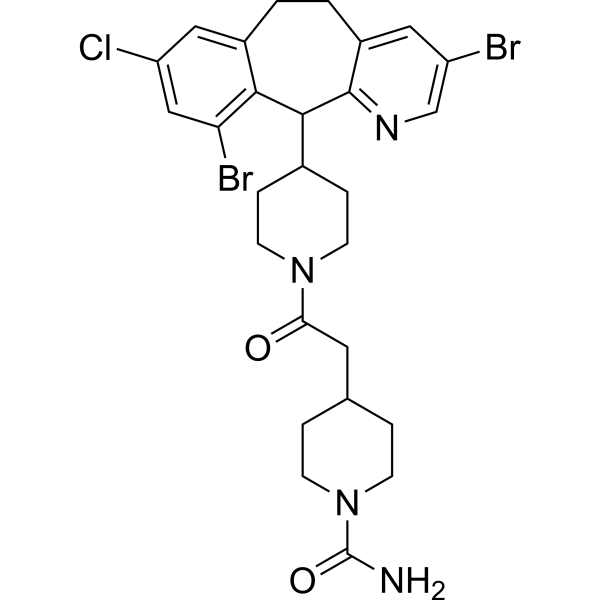
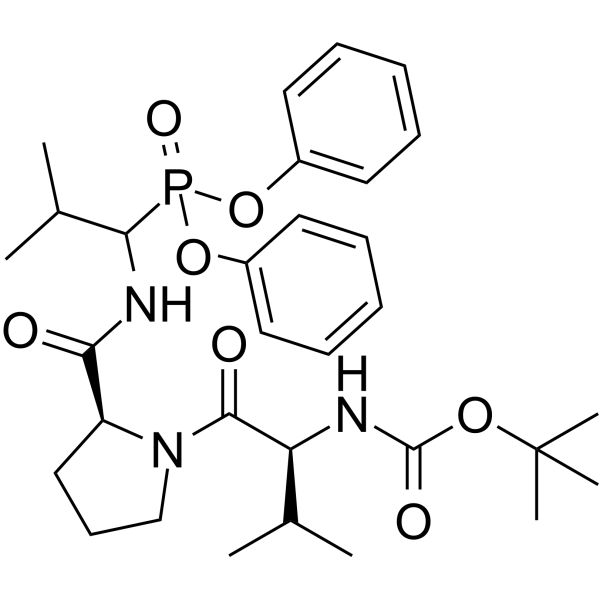
Search Result
Results for "
Hep-2
" in MedChemExpress (MCE) Product Catalog:
1
Biochemical Assay Reagents
2
Isotope-Labeled Compounds
| Cat. No. |
Product Name |
Target |
Research Areas |
Chemical Structure |
-
- HY-N6771
-
|
|
Calcium Channel
5-HT Receptor
MDM-2/p53
Apoptosis
RSV
|
Infection
|
|
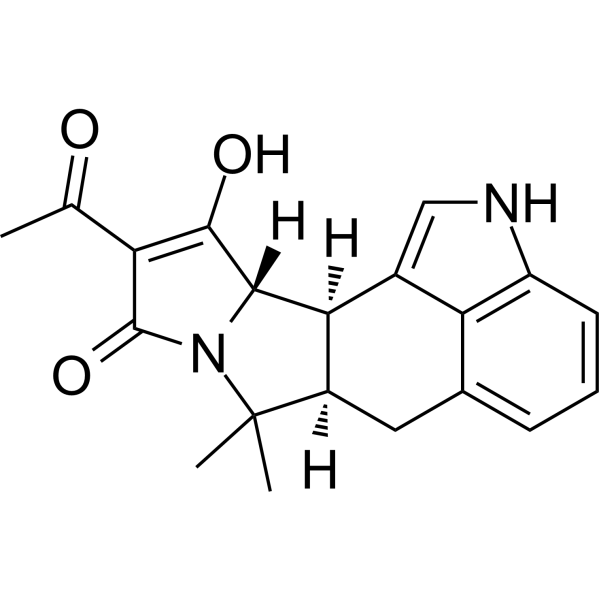
Cyclopiazonic acid is an endoplasmic reticulum calcium ATPase (ECAs) inhibitor and human respiratory syncytial virus (RSV) inhibitor (EC50 value of 4.13 μ M), which can reduce the antagonistic effect of 5-HT receptors in rat thoracic aorta, induce p53 dependent cell apoptosis and reproductive toxicity in mouse testes, and inhibit the biological activation of aflatoxin B [1][4][5].
|
-
-
- HY-D0203
-
|
Malachite green
|
Environmental Pollutants
Fluorescent Dye
|
Others
|
|
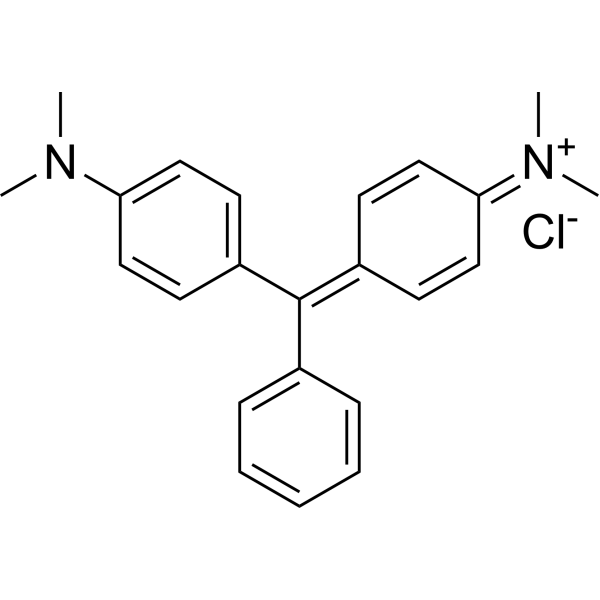
Basic green 4 (Malachite green) is a cationic dye that is widely used as a bactericide in aquaculture and is also commonly used in laboratories for the determination of phosphates. Basic green 4 exhibits high cytotoxicity and carcinogenicity to mammalian cells, specifically shown by its IC50 values of 2.03 µM for HEp-2 human laryngeal cells and 13.8 µM for Caco-2 human colorectal adenocarcinoma cells, and it can promote the development of liver tumors. The maximum absorbance wavelength is 621 nm [2] .
|
-
-
- HY-17642
-
|
UR-7276
|
Prostaglandin Receptor
|
Endocrinology
|
|
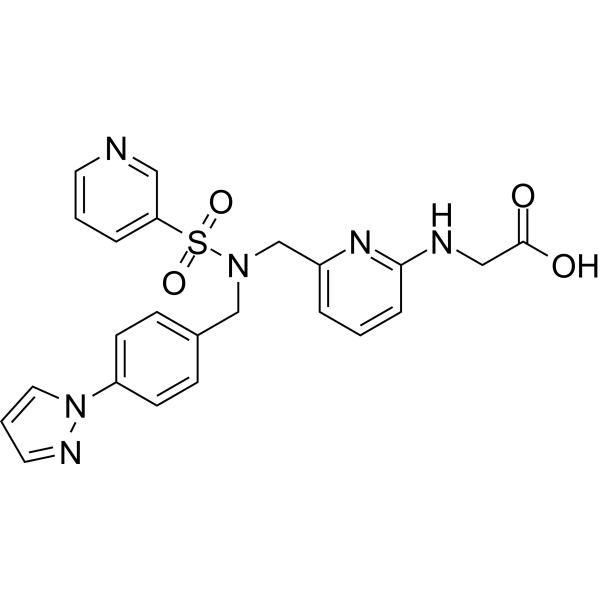
Omidenepag (UR-7276), a pharmacologically active form of Omidenepag Isopropyl, is a selective, non-prostanoid EP2 receptor agonist, with an EC50 of 1.1 nM. Omidenepag shows binding affinities (IC50) 10 nM for h-EP2. Omidenepag is used in research on diseases related to intraocular pressure [2].
|
-
-
- HY-P99804
-
|
MK1654
|
RSV
|
Infection
|
|
Clesrovimab (MK1654) is a humanized IgG1 monoclonal antibody targeting the respiratory syncytial virus (RSV) protein F. Clesrovimab binds to pre-fusion and post-fusion forms of RSV-A fusion protein with high affinity, with corresponding KD values of 71 pM and 480 pM, respectively. Clesrovimab is applicable for the research of RSV infection .
|
-
-
- HY-134978
-
|
|
SHMT
Bacterial
|
Others
|
|
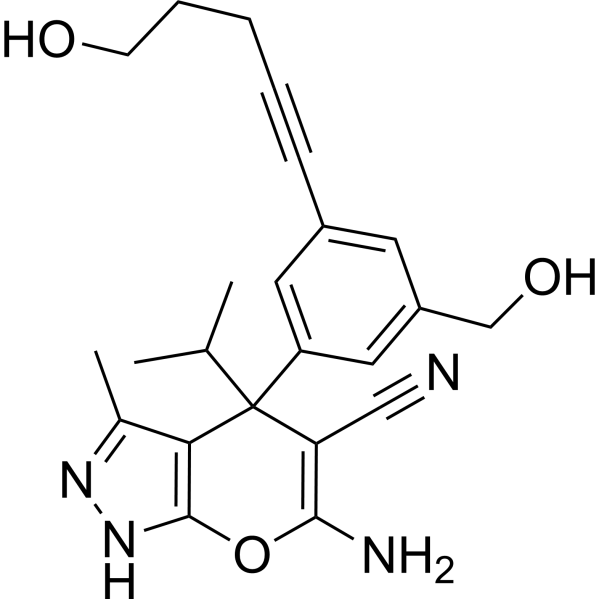
(Rac)-SHIN2 is a pyrazolopyran derivative and a serine hydroxymethyltransferase (SHMT) inhibitor. (Rac)-SHIN2 has antibacterial activity and low cytotoxicity against Hep2 cells. (Rac)-SHIN2 exerts potent antibacterial activity against both vancomycin-susceptible and vanA-type vancomycin-resistant Enterococcus [2].
|
-
-
- HY-D2769
-
|
Difluorocarboxyfluorescein azide, 6-isomer
|
Fluorescent Dye
|
Others
|
|
Oregon green 488 azide (Difluorocarboxyfluorescein azide, 6-isomer) is a bright green fluorescent azide-activated probe that reacts with terminal alkynes via copper-catalyzed azide-alkyne cycloaddition (CuAAC). Oregon green 488 azide can label goat anti-mouse IgG and exhibits excellent luminescence efficiency. Oregon green 488 azide, as a streptavidin conjugate, is used for flow cytometry staining of macrophages [2].
|
-
-
- HY-176293
-
|
|
Prostaglandin Receptor
Amyloid-β
|
Neurological Disease
|
|
EP2 receptor antagonist-3 is a selective EP2 receptor antagonist (IC50: 8 nM in hEP2 SPA assay, 50 nM in hEP2 cAMP assay). EP2 receptor antagonist-3 increases the macrophage-mediated clearance of Amyloid-β plaques. EP2 receptor antagonist-3 can be used for the study of alzheimer’s diseases .
|
-
-
- HY-D0300
-
|
|
Biochemical Assay Reagents
|
Others
|
|
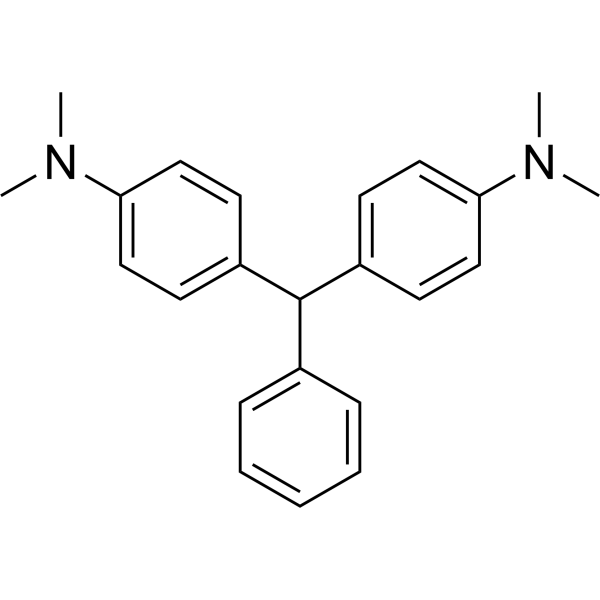
Leucomalachite green is the major reduced metabolite of malachite green (MG) and has lower cytotoxicity (such as HEp-2 and Caco-2) than malachite green. Leucomalachite green may be involved in interfering with cell metabolism or redox balance and can be used to evaluate its potential harm to human cells as a food contaminant [2].
|
-
-
- HY-16635
-
|
ACT-129968; KYTH-105
|
Prostaglandin Receptor
|
Inflammation/Immunology
Endocrinology
|
|
Setipiprant (ACT-129968) is an orally active and selective CRTH2 antagonist. Setipiprant interacts with hCRTH2 receptor with an IC50 value of 6 nM. Setipiprant inhibits prostanoid receptors hDP1 and hEP2 with IC50 values of 1290 and 2600 nM, respectively. Setipiprant can be used for the research of asthma and rhinitis .
|
-
-
- HY-164049
-
|
|
Prostaglandin Receptor
|
Inflammation/Immunology
|
|
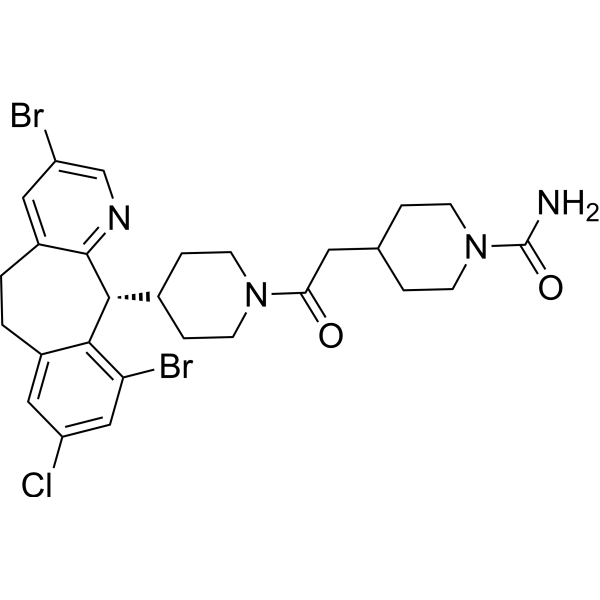
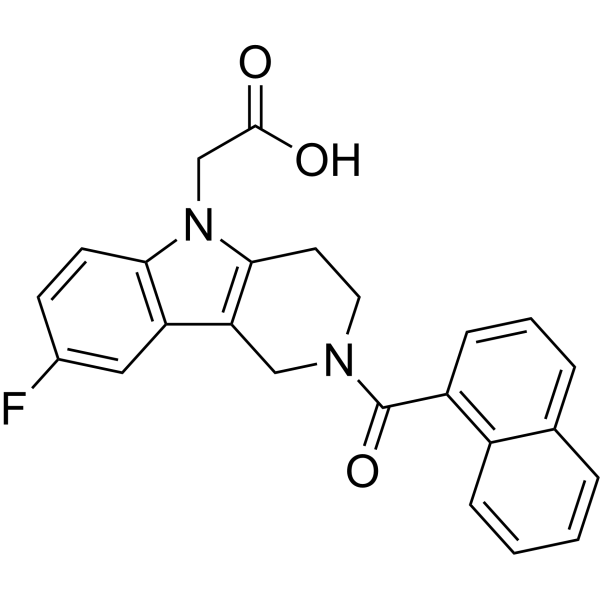
TG8-260 is a second-generation EP2 antagonist developed to alleviate the pathology of central nervous system and peripheral diseases driven by inflammation. TG8-260 can reduce neuroinflammation and gliosis in the hippocampus of rats after pilocarpine-induced persistent epileptic status. Pharmacokinetic data of TG8-260 showed that its plasma half-life was 2.14 hours and its oral bioavailability was 77.3%. TG8-260 is also a potent inhibitor of CYP450 and shows antagonistic activity in inhibiting EP2 receptor-mediated inflammatory gene expression in BV2-hEP2 microglia, which is suitable for studying anti-inflammatory pathways in animal models of peripheral inflammatory diseases .
|
-
-
- HY-W008864
-
|
β-Octaacetyllactose
|
Fungal
|
Infection
|
|
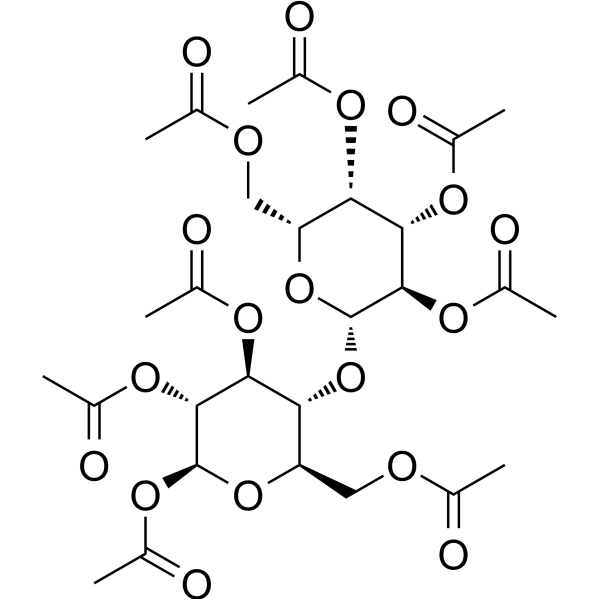
Lactose octaacetate shows mild to moderate antifungal activity against some fungi, but it has low or no activity against bacteria and yeast. Lactose octaacetate shows low cytotoxicity to MDBK cells, Hep-2 and MDCK cells. Lactose octaacetate has antiviral activity against PV-1 .
|
-
-
- HY-115574
-
|
|
RSV
|
Infection
|
|
RSV L-protein-IN-1 (compound D) is a potent inhibitor of Respiratory syncytial virus (RSV) (EC50=0.021 μM). RSV L-protein-IN-1 inhibits Polymerase (IC50=0.089 μM),and blocks RSV mRNA synthesis by inhibiting guanylation of viral transcripts. RSV L-protein-IN-1 shows moderate cytotoxicity (CC50=8.4 μM,HEp-2),also exhibits activity and lowers virus titers in mouse models of RSV infection .
|
-
-
- HY-N7803
-
|
|
Apoptosis
|
Cancer
|
|
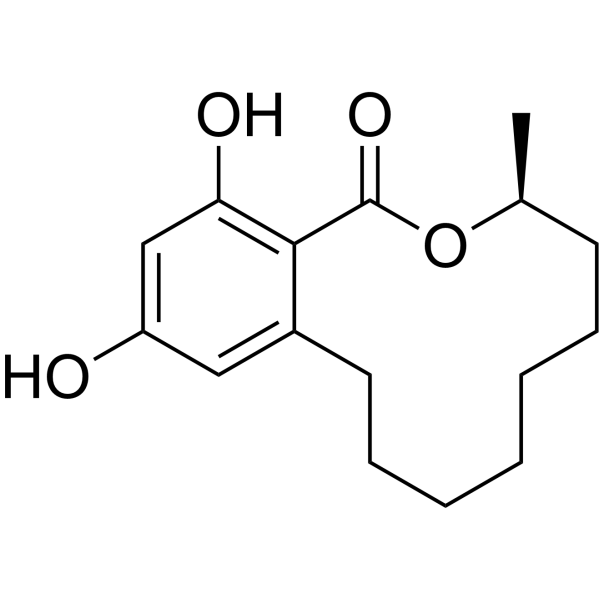
De-O-Methyllasiodiplodin, a cytotoxic compound, can be isolated from Ludwigia hyssopifolia. De-O-Methyllasiodiplodin inhibits Hep-2 cell growth by inducing apoptosis [2].
|
-
-
- HY-121561
-
|
At-1258; Nsc 245413
|
DNA/RNA Synthesis
|
Cancer
|
|
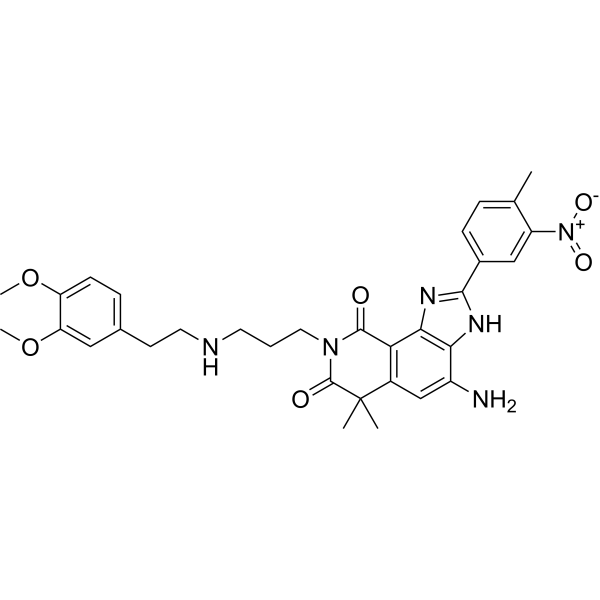
Nitrocaphane (At-1258) is an antineoplastic agent whose target of action is DNA. Nitrocaphane has a broad antineoplastic spectrum. Nitrocaphane's cytotoxicity on HEp-2 cells can be enhanced by hyperthermia. Nitrocaphane can be used in the research of tumors such as malignant trophoblastic tumors [2].
|
-
-
- HY-P991370
-
|
|
STAT
|
Cancer
|
|
SBT-100 (His Tag) is a human monoclonal antibody (mAb) targeting STAT3. SBT-100 (His Tag) inhibits IL-6-mediated P-STAT3 nuclear translocation in HEp-2 and PANC-1 cells. SBT-100 (His Tag) has tumor growth inhibitory effects on MDA-MB-231 .
|
-
-
- HY-178151
-
|
|
RSV
|
Infection
|
|
CGR-50 is a potent RSV fusion glycoprotein (F protein) inhibitor (EC50 = 32.6 nM against RSV A2 in HEp-2 cells). CGR-50 blocks RSV entry by binding to the F protein and inhibiting membrane fusion. CGR-50 can be used for RSV infection research .
|
-
-
- HY-W075353
-
-
-
- HY-N10850
-
|
|
Bacterial
|
Cancer
|
|
Blepharotriol is a phenolic triterpene that can be found in Maytenus blepharodes. Blepharotriol shows antimicrobial activity with a MIC value of 8-4 µg/ml for Bacillus subtilis. Blepharotriol shows cytotoxic activity with IC50s of 12.2, >20, >20 µM for HeLa, Hep-2, Vero cells, respectively .
|
-
-
- HY-D0300S1
-
|
|
Isotope-Labeled Compounds
Biochemical Assay Reagents
|
Others
|
|
Leucomalachite green-d6 is the deuterated derivative of Leucomalachite green (HY-D0300). Leucomalachite green is the major reduced metabolite of malachite green (MG) and has lower cytotoxicity (such as HEp-2 and Caco-2) than malachite green. Leucomalachite green may be involved in interfering with cell metabolism or redox balance and can be used to evaluate its potential harm to human cells as a food contaminant [2].
|
-
-
- HY-123091
-
|
|
Others
|
Cancer
|
|
Ivangustin is a sesquiterpene isolated from the flower heads of the medicinal plant Inula britannica .
|
-
-
- HY-N2802
-
|
9-Oxo-10,11-dehydroageraphorone
|
Apoptosis
Caspase
Parasite
|
Infection
Cancer
|
|
Euptox A (9-Oxo-10, 11-dehydroageraphorone), a cadenine sesquiterpene, is the main toxin that can be isolated from Eupatorium adenophorum. Euptox A induces apoptosis by improving the gene expression level of apoptotic proteases such as caspase-10 in HeLa cells .
|
-
-
- HY-149632
-
|
|
EGFR
Dihydrofolate reductase (DHFR)
|
Cancer
|
|
EGFR/HER2/DHFR-IN-2 (Compound 4b) is an inhibitor of EGFR, HER2, and DHFR (IC50: 0.248, 0.156, 0.138 μM respectively). EGFR/HER2/DHFR-IN-2 has anticancer activities against a panel of cancer cells (IC50: 9.14, 7.33, 14.18, 24.87, 20.07, 6.16 μM for Hep G2, HeLa, HEp-2, HCT 116, PC-3, MCF7 cells). EGFR/HER2/DHFR-IN-2 reduce breast cancer tumor growth .
|
-
-
- HY-D0300S
-
|
|
Isotope-Labeled Compounds
Biochemical Assay Reagents
|
Others
|
|
Leucomalachite green-d5 is the deuterated derivative of Leucomalachite green (HY-D0300). Leucomalachite green is the major reduced metabolite of malachite green (MG) and has lower cytotoxicity (such as HEp-2 and Caco-2) than malachite green. Leucomalachite green may be involved in interfering with cell metabolism or redox balance and can be used to evaluate its potential harm to human cells as a food contaminant [2].
|
-
-
- HY-D0300R
-
|
|
Biochemical Assay Reagents
Reference Standards
|
Others
|
|
Leucomalachite green (Standard) is the analytical standard of Leucomalachite green (HY-D0300). This product is intended for research and analytical applications. Leucomalachite green is the major reduced metabolite of malachite green (MG) and has lower cytotoxicity (such as HEp-2 and Caco-2) than malachite green. Leucomalachite green may be involved in interfering with cell metabolism or redox balance and can be used to evaluate its potential harm to human cells as a food contaminant [2].
|
-
-
- HY-122147
-
|
|
Prostaglandin Receptor
|
Metabolic Disease
|
|
L-644698 is a potent and selective human recombinant prostaglandin D2 (PGD2) receptor (hDP) agonist with Ki values of 0.9, 267, 3730, 9280 nM for hDP, hEP2, hEP3, hEP4, respectively. L-644698 induces cyclic AMP production with an EC50 value of 0.5 nM .
|
-
-
- HY-N6771R
-
-
-
- HY-168889
-
|
|
RSV
SARS-CoV
|
Infection
|
|
HRSV/hCoV-229E-IN-1 (compound 8X) is a potent HRSV and hCoV-229E inhibitor with an IC50 value of 2.1 µM for hCoV-229E. HRSV/hCoV-229E-IN-1 inhibits cell viability .
|
-
-
- HY-154966
-
|
|
RSV
|
Infection
|
|
RSV L-protein-IN-3 is a wild-type RSV polymerase inhibitor with an IC50 value of 10.4 μM and an EC50 value of 2.1 μM (against RSV). RSV L-protein-IN-3 has lesser cytotoxicity than the clinical agent, Ribavirin (HY-B0434) .
|
-
-
- HY-154968
-
|
|
RSV
|
Infection
|
|
RSV L-protein-IN-5 (compound E) is a potent inhibitor of Respiratory syncytial virus (RSV) (EC50=0.1 μM). RSV L-protein-IN-5 inhibits Polymerase (IC50=0.66 μM),and blocks RSV mRNA synthesis by inhibiting guanylation of viral transcripts. RSV L-protein-IN-5 shows moderate cytotoxicity (CC50=10.7 μM,HEp-2),also exhibits activity and lowers virus titers in mouse models of RSV infection .
|
-
-
- HY-162701
-
|
|
SARS-CoV
Influenza Virus
RSV
HSV
|
Infection
|
|
Antiviral agent 58 (Compound J1) is an orally active antiviral agent with broad-spectrum antiviral activity against enveloped viruses, including influenza A virus (IAV), respiratory syncytial virus (RSV), severe acute respiratory syndrome coronavirus 2 (SARS-CoV-2), human coronavirus OC43 (HCoV-OC43), herpes simplex virus type 1 (HSV-1), and HSV-2 .
|
-
-
- HY-168729
-
|
|
Bacterial
|
Infection
|
|
Antibacterial agent 256 (Compound C09) is an inhibitor for type I signal peptidase (SPase I). Antibacterial agent 256 inhibits gram-positive bacteria, that inhibits S. aureus ATCC 29213, E. faecium QF31, E. faecalis SF23-1 and S. suis P1/7, with MIC of 1-16 μg/mL. Antibacterial agent 256 exhibits cytotoxicity in cancer cell HEp-2 and Caco-2 with CC50 of 14.65 μg/mL and 21.93 μg/mL. Antibacterial agent 256 exhibits a hemolytic activity on mouse RBCs, with an HC50 of 13.29 μg/mL. Antibacterial agent 256 ameliorates the MRSA skin infection in mouse model .
|
-
-
- HY-16635R
-
|
ACT-129968 (Standard); KYTH-105 (Standard)
|
Prostaglandin Receptor
Reference Standards
|
Inflammation/Immunology
Endocrinology
|
|
Setipiprant (Standard) is the analytical standard of Setipiprant. This product is intended for research and analytical applications. Setipiprant (ACT-129968) is an orally active and selective CRTH2 antagonist. Setipiprant interacts with hCRTH2 receptor with an IC50 value of 6 nM. Setipiprant inhibits prostanoid receptors hDP1 and hEP2 with IC50 values of 1290 and 2600 nM, respectively. Setipiprant can be used for the research of asthma and rhinitis .
|
-
-
- HY-128496
-
|
|
Prostaglandin Receptor
|
Neurological Disease
Cancer
|
|
EP2 receptor agonist 2 (compound 18a) is a potent and selective G protein-biased EP2 receptor agonist (hEP2G protein EC50 = 13 nM, hEP2β arrestin EC50 > 10000 nM). EP2 receptor agonist 2 exhibits excellent selectivity over hEP1/3/4, hIP and hFP (EC50s > 10000 nM) .
|
-
-
- HY-N16801
-
-
-
- HY-181603
-
|
|
Enterovirus
IFNAR
|
Infection
|
|
Antiviral agent 79 is a broad-spectrum antiviral agent. Antiviral agent 79 exhibits anti-EV71, anti-CVB3 and anti-ADV7 activities. Antiviral agent 79 activates the host type I interferon signaling pathway to enhance antiviral defense. Antiviral agent 79 can be used in research related to viral infections .
|
-
-
- HY-N19297
-
|
Prieurianin
|
Elastase
|
Inflammation/Immunology
Cancer
|
|
Endosidin1 (Prieurianin) is a Prieurianin with cleaved A and B rings. Endosidin1 is isolated from the roots of Aphanamixis polystachya. Endosidin1 inhibits superoxide anion production and Elastase release in neutrophils, with an IC50 >10 μg/mL. Endosidin1 exhibits mild cytotoxic activity against laryngeal cancer cells in vitro. Endosidin1 shows anti-inflammatory activity. Endosidin1 can be used in studies related to laryngeal cancer .\n
|
-
-
- HY-182030
-
|
|
RSV
|
Infection
|
|
RSV fusion protein IN-1 is an orally active RSV pre-fusion F protein inhibitor with an IC50 of 0.10 nM against RSV. RSV fusion protein IN-1 forms stable hydrogen bonds and π-π stacking interactions with pre-fusion F protein to block viral fusion and entry. RSV fusion protein IN-1 suppresses RSV F protein expression in epithelial cells. RSV fusion protein IN-1 reduces viral burden in the lungs of RSV-infected murine models.RSV fusion protein IN-1 can be used for the research of respiratory syncytial virus (RSV) infection .
|
-
-
- HY-181864
-
|
|
Parasite
|
Infection
|
|
Rac1-IN-6 (Compound 5e) is a selective Rac1 inhibitor and antimalarial agent. Rac1-IN-6 inhibits Rac1 activation induced by the Escherichia coli CNF1 toxin. Rac1-IN-6 suppresses the growth of chloroquine-sensitive Plasmodium falciparum D10 (IC50 = 76.0 nM) and chloroquine-resistant Plasmodium falciparum W2 (IC50 = 236.6 nM) .
|
-
-
- HY-P992301
-
|
|
RSV
|
Infection
|
|
Anti-RSV F Antibody (R4.C6) is a monoclonal antibody against RSV F, with a Kd of 0.34 nM for the post-fusion RSV F trimer. Anti-RSV F Antibody (R4.C6) recognizes a unique neutralizing epitope spanning epitopes II and IV on both pre-fusion and post-fusion RSV F. Anti-RSV F Antibody (R4.C6) can be used in studies related to respiratory syncytial virus infection .
|
-
-
- HY-P992423
-
|
|
RSV
|
Infection
|
|
NIAID RSVF2-5 is a human monoclonal antibody fragment. NIAID RSVF2-5 binds to conserved, distinct conformational epitopes on RSV fusion glycoprotein, and shows activity against RSV subgroup A and B strains. NIAID RSVF2-5 reduces pulmonary and lung viral titers in RSV-infected rodents. NIAID RSVF2-5 can be used for the research of respiratory syncytial virus infection [2].
|
-
-
- HY-P992175
-
|
|
RSV
|
Infection
|
|
ADI-14448 is a RSV prefusion fusion glycoprotein inhibitor and HMPV fusion glycoprotein inhibitor, with a Kd of 3.8 × 10 -10 M for RSV preF. ADI-14448 binds to epitope III of RSV preF, thereby blocking viral infection. ADI-14448 neutralizes RSV subtype A and HMPV subtype A1. ADI-14448 can be used in studies related to respiratory syncytial virus infection and metapneumovirus infection .
|
-
| Cat. No. |
Product Name |
Type |
-
- HY-D0203
-
|
Malachite green
|
Fluorescent Dyes
|
|
Basic green 4 (Malachite green) is a cationic dye that is widely used as a bactericide in aquaculture and is also commonly used in laboratories for the determination of phosphates. Basic green 4 exhibits high cytotoxicity and carcinogenicity to mammalian cells, specifically shown by its IC50 values of 2.03 µM for HEp-2 human laryngeal cells and 13.8 µM for Caco-2 human colorectal adenocarcinoma cells, and it can promote the development of liver tumors. The maximum absorbance wavelength is 621 nm [2] .
|
-
- HY-D2769
-
|
Difluorocarboxyfluorescein azide, 6-isomer
|
Fluorescent Dyes
|
|
Oregon green 488 azide (Difluorocarboxyfluorescein azide, 6-isomer) is a bright green fluorescent azide-activated probe that reacts with terminal alkynes via copper-catalyzed azide-alkyne cycloaddition (CuAAC). Oregon green 488 azide can label goat anti-mouse IgG and exhibits excellent luminescence efficiency. Oregon green 488 azide, as a streptavidin conjugate, is used for flow cytometry staining of macrophages [2].
|
-
- HY-D0300
-
|
|
Fluorescent Dyes
|
|
Leucomalachite green is the major reduced metabolite of malachite green (MG) and has lower cytotoxicity (such as HEp-2 and Caco-2) than malachite green. Leucomalachite green may be involved in interfering with cell metabolism or redox balance and can be used to evaluate its potential harm to human cells as a food contaminant [2].
|
-
- HY-D0300R
-
|
|
Fluorescent Dyes
|
|
Leucomalachite green (Standard) is the analytical standard of Leucomalachite green (HY-D0300). This product is intended for research and analytical applications. Leucomalachite green is the major reduced metabolite of malachite green (MG) and has lower cytotoxicity (such as HEp-2 and Caco-2) than malachite green. Leucomalachite green may be involved in interfering with cell metabolism or redox balance and can be used to evaluate its potential harm to human cells as a food contaminant [2].
|
| Cat. No. |
Product Name |
Type |
-
- HY-W008864
-
|
β-Octaacetyllactose
|
Biochemical Assay Reagents
|
|
Lactose octaacetate shows mild to moderate antifungal activity against some fungi, but it has low or no activity against bacteria and yeast. Lactose octaacetate shows low cytotoxicity to MDBK cells, Hep-2 and MDCK cells. Lactose octaacetate has antiviral activity against PV-1 .
|
| Cat. No. |
Product Name |
Target |
Research Area |
Image |
-
- HY-P99804
-
|
MK1654
|
RSV
|
Infection
|
|
Clesrovimab (MK1654) is a humanized IgG1 monoclonal antibody targeting the respiratory syncytial virus (RSV) protein F. Clesrovimab binds to pre-fusion and post-fusion forms of RSV-A fusion protein with high affinity, with corresponding KD values of 71 pM and 480 pM, respectively. Clesrovimab is applicable for the research of RSV infection .
|
-
(5)
-
- HY-P991370
-
|
|
STAT
|
Cancer
|
|
SBT-100 (His Tag) is a human monoclonal antibody (mAb) targeting STAT3. SBT-100 (His Tag) inhibits IL-6-mediated P-STAT3 nuclear translocation in HEp-2 and PANC-1 cells. SBT-100 (His Tag) has tumor growth inhibitory effects on MDA-MB-231 .
|
-
(5)
-
- HY-P992301
-
|
|
RSV
|
Infection
|
|
Anti-RSV F Antibody (R4.C6) is a monoclonal antibody against RSV F, with a Kd of 0.34 nM for the post-fusion RSV F trimer. Anti-RSV F Antibody (R4.C6) recognizes a unique neutralizing epitope spanning epitopes II and IV on both pre-fusion and post-fusion RSV F. Anti-RSV F Antibody (R4.C6) can be used in studies related to respiratory syncytial virus infection .
|
-
(5)
-
- HY-P992423
-
|
|
RSV
|
Infection
|
|
NIAID RSVF2-5 is a human monoclonal antibody fragment. NIAID RSVF2-5 binds to conserved, distinct conformational epitopes on RSV fusion glycoprotein, and shows activity against RSV subgroup A and B strains. NIAID RSVF2-5 reduces pulmonary and lung viral titers in RSV-infected rodents. NIAID RSVF2-5 can be used for the research of respiratory syncytial virus infection [2].
|
-
(5)
-
- HY-P992175
-
|
|
RSV
|
Infection
|
|
ADI-14448 is a RSV prefusion fusion glycoprotein inhibitor and HMPV fusion glycoprotein inhibitor, with a Kd of 3.8 × 10 -10 M for RSV preF. ADI-14448 binds to epitope III of RSV preF, thereby blocking viral infection. ADI-14448 neutralizes RSV subtype A and HMPV subtype A1. ADI-14448 can be used in studies related to respiratory syncytial virus infection and metapneumovirus infection .
|
-
(5)
| Cat. No. |
Product Name |
Category |
Target |
Chemical Structure |
| Cat. No. |
Product Name |
Chemical Structure |
-
- HY-D0300S1
-
|
|
|
Leucomalachite green-d6 is the deuterated derivative of Leucomalachite green (HY-D0300). Leucomalachite green is the major reduced metabolite of malachite green (MG) and has lower cytotoxicity (such as HEp-2 and Caco-2) than malachite green. Leucomalachite green may be involved in interfering with cell metabolism or redox balance and can be used to evaluate its potential harm to human cells as a food contaminant [2].
|
-
-
- HY-D0300S
-
|
|
|
Leucomalachite green-d5 is the deuterated derivative of Leucomalachite green (HY-D0300). Leucomalachite green is the major reduced metabolite of malachite green (MG) and has lower cytotoxicity (such as HEp-2 and Caco-2) than malachite green. Leucomalachite green may be involved in interfering with cell metabolism or redox balance and can be used to evaluate its potential harm to human cells as a food contaminant [2].
|
-
| Cat. No. |
Product Name |
|
Classification |
-
- HY-D2769
-
|
Difluorocarboxyfluorescein azide, 6-isomer
|
|
Azide
|
|
Oregon green 488 azide (Difluorocarboxyfluorescein azide, 6-isomer) is a bright green fluorescent azide-activated probe that reacts with terminal alkynes via copper-catalyzed azide-alkyne cycloaddition (CuAAC). Oregon green 488 azide can label goat anti-mouse IgG and exhibits excellent luminescence efficiency. Oregon green 488 azide, as a streptavidin conjugate, is used for flow cytometry staining of macrophages [2].
|
Your information is safe with us. * Required Fields.
Inquiry Information
- Product Name:
- Cat. No.:
- Quantity:
- MCE Japan Authorized Agent:

