1. Search Result
Search Result
Results for "

Hg

" in MedChemExpress (MCE) Product Catalog:

77

Inhibitors & Agonists

3

Fluorescent Dye

4

Biochemical Assay Reagents

8

Peptides

4

Natural
Products

5

Recombinant Proteins

2

Isotope-Labeled Compounds

4

Antibodies

1

Click Chemistry

2

Oligonucleotides

Cat. No. Product Name Target Research Areas Chemical Structure
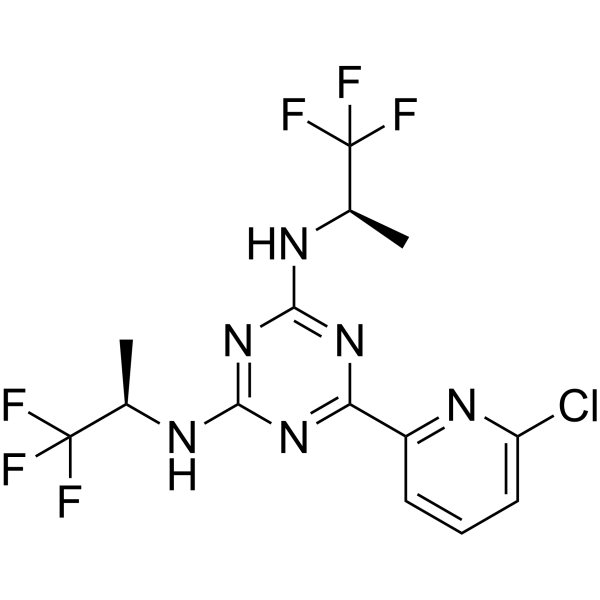
  • HY-104042
    Vorasidenib
    5+ Cited Publications

    AG-881

    Isocitrate Dehydrogenase (IDH) Cancer
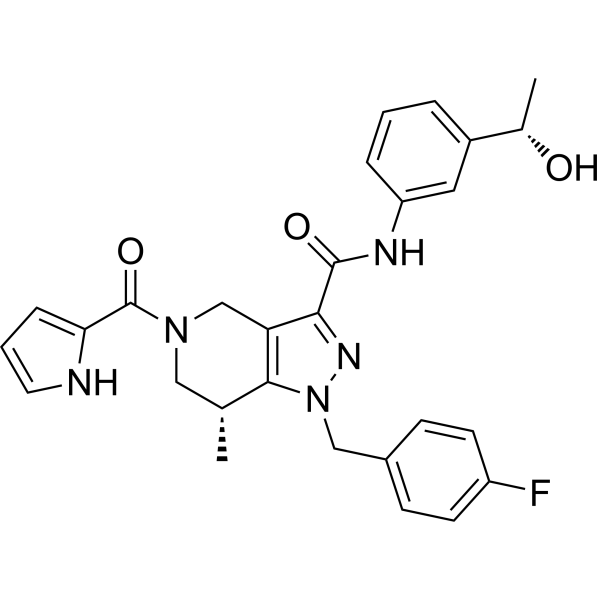
    Vorasidenib (AG-881) is an orally available, brain penetrant second-generation dual mutant isocitrate dehydrogenases 1 and 2 (mIDH1/2) inhibitor. Vorasidenib (AG-881) exhibits nanomolar inhibition of (D)-2-hydroxyglutarate (D-2-HG), and the IC50 ranges of 0.04~22 nM against IDH1 R132C, IDH1 R132G, IDH1 R132H and IDH1 R132S and 7~14 nM against IDH2 R140Q and 130 nM against IDH2 R172K. Vorasidenib can be used for the study of grade 2 astrocytoma or oligodendroglioma with a susceptible IDH1/2 mutation .
    Vorasidenib
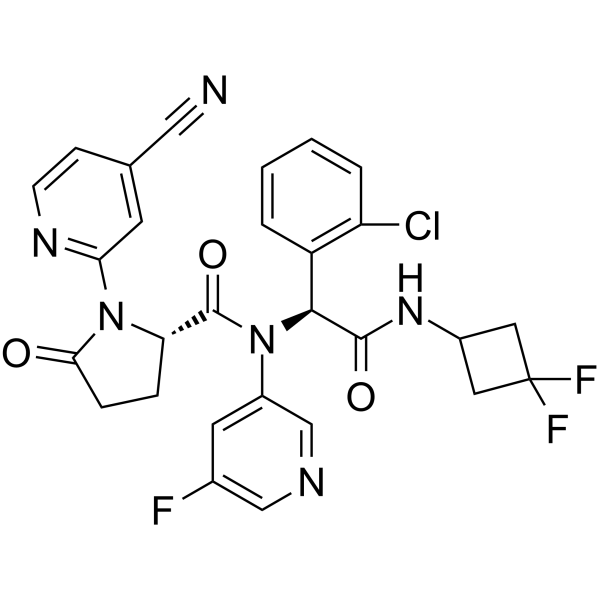
  • HY-18767
    Ivosidenib
    15+ Cited Publications

    AG-120

    Isocitrate Dehydrogenase (IDH) Metabolic Disease Cancer
    Ivosidenib (AG-120) is an orally active inhibitor of isocitrate dehydrogenase 1 mutant (mIDH1) enzyme, it exhibits profound d-2-hydroxyglutatrate (2-HG) lowering in vivo. Ivosidenib (AG-120) has the potential for AML therapy due to its acceptable safety profile and clinical activity .
    Ivosidenib
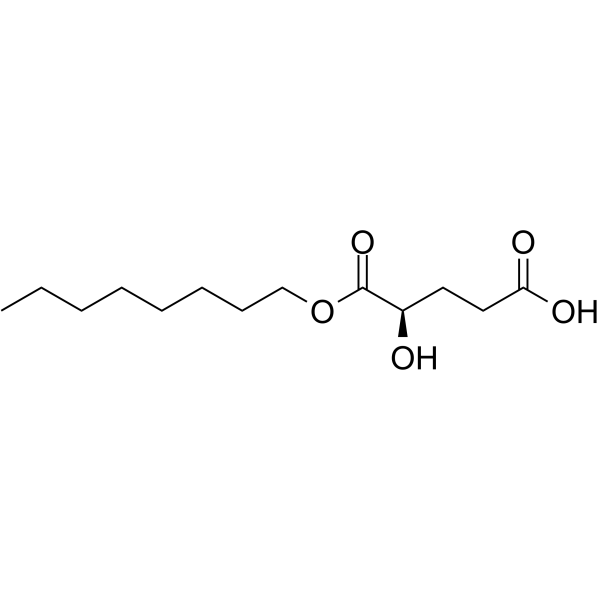
  • HY-103641
    (2R)-Octyl-α-hydroxyglutarate
    3 Publications Verification

    (2R)-Octyl-2-Hg

    Drug Isomer Cancer
    (2R)-Octyl-α-hydroxyglutarate ((2R)-Octyl-2-HG) is a modified form of D-isomer 2-Hydroxyglutarate.
    (2R)-Octyl-α-hydroxyglutarate
  • HY-16659
    EHT 1864
    20+ Cited Publications

    Ras Neurological Disease Cancer
    EHT 1864 is an inhibitor of Rac family small GTPases. EHT 1864 directly binds and impairs the ability of this small GTPase to engage critical downstream effectors required for growth transformation. The Kd values are 40, 50, 60, and 230 nM for Rac1, Rac1b, Rac2 and Rac3, respectively. EHT 1864 also potently inhibits other Rac-dependent transformation processes, Tiam1- and Ras-mediated growth transformation. EHT 1864 prevents Aβ 40 and Aβ 42 production in vivo. EHT 1864 dependently suppresses the release of migrasomes from podocytes induced by LPS, PAN, or HG .
    EHT 1864
  • HY-15776
    HG-9-91-01
    Maximum Cited Publications
    26 Publications Verification

    SIK inhibitor 1

    Salt-inducible Kinase (SIK) Inflammation/Immunology
    HG-9-91-01 is a potent and highly selective salt-inducible kinase (SIK) inhibitor with IC50s of 0.92 nM, 6.6 nM and 9.6 nM for SIK1, SIK2 and SIK3 respectively.
    HG-9-91-01
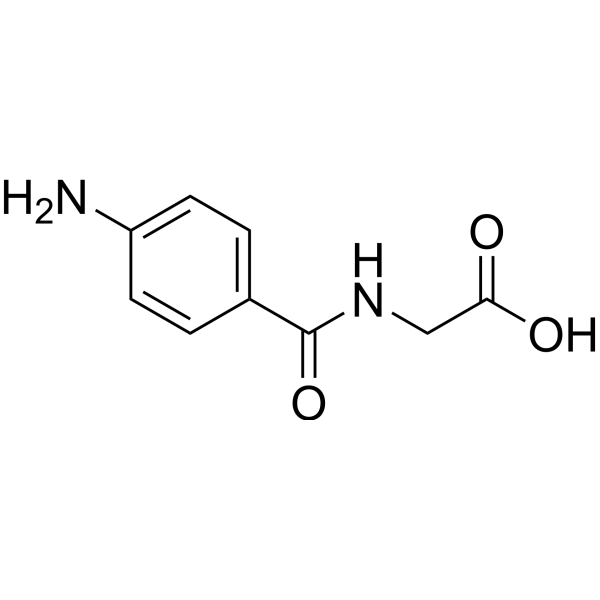
  • HY-B1306
    4-Aminohippuric acid
    4 Publications Verification

    p-Aminohippuric acid

    Others Neurological Disease Metabolic Disease
    4-Aminohippuric acid (p-Aminohippuric acid) is a coordination ligand for metal ions (such as Cu 2+, Fe 3+, Hg 2+) and a functionalization reagent for nanomaterials. 4-Aminohippuric acid can coordinate with metal ions or modify the surface of materials such as carbon nanotubes and gold nanoparticles through amino and carboxyl groups. 4-Aminohippuric acid can form stable complexes with metal ions or participate in the synthesis of nanomaterials as a reducing agent/stabilizer, enriching metal ions or giving nanoparticles peroxidase-mimicking activity. 4-Aminohippuric acid can be used to construct highly sensitive electrochemical sensors or colorimetric sensors to detect and quantitatively analyze heavy metal ions such as copper, iron, and mercury in environmental water samples and biological samples. 4-Aminohippuric acid may also be a biomarker for attention-deficit/hyperactivity disorder (ADHD) .
    4-Aminohippuric acid
  • HY-W451275
    HG106
    2 Publications Verification

    Apoptosis Cancer
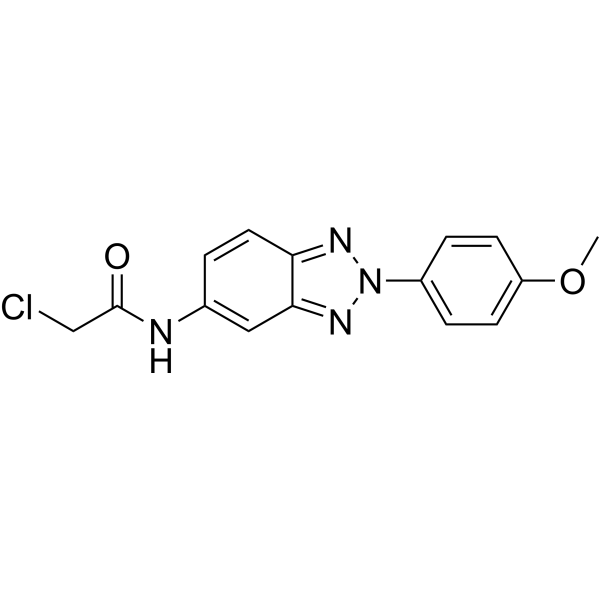
    HG106 is an effective SLC7A11 inhibitor. HG106 mediates apoptosis by increasing oxidative stress and endoplasmic reticulum stress, and it has antitumor activity .
    HG106
  • HY-148030

    PROTACs LRRK2 Neurological Disease
    XL01126 is a potent LRRK2 PROTAC (DC50: 14 nM (G2019S LRRK2) and 32 nM (WT LRRK2)) composed of the VHL ligand VH 101, thiol (HY-47851, blue part) and the LRRK2 inhibitor HG-10-102-01 (HY-13488, red part). XL01126 crosses the blood-brain barrier and is used as a degradation probe in Parkinson's disease research. XL01126 can be used to study the non-catalytic and framework functions of LRRK2 .
    XL01126
  • HY-18948
    GSK321
    1 Publications Verification

    Isocitrate Dehydrogenase (IDH) Cancer
    GSK321 is a potent, selective mutant IDH1 inhibitor with IC50 values of 2.9, 3.8, 4.6 and 46 nM for R132G, R132C, R132H and WT IDH1, respectively, and >100-fold selectivity over IDH2. GSK321 induces decrease in intracellular α-Hydroxyglutaric acid (2-HG) (HY-113038B), abrogation of the myeloid differentiation block and induction of granulocytic differentiation at the level of leukemic blasts and more immature stem-like cells. GSK321can be used for research of acute myeloid leukemia (AML) and other cancers .
    GSK321
  • HY-151644
    Fluorescein hydrazide
    1 Publications Verification

    Fluorescent Dye Others
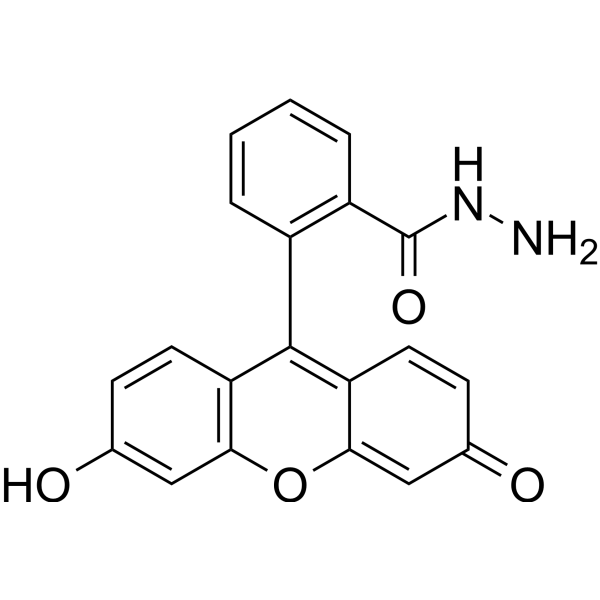
    Fluorescein hydrazide is a sensitive fluorescent probe for Hg 2+ and Co 2+ that induces obvious color changes and fluorescence changes. Fluorescein hydrazide can be prepared by the reaction of fluorescein and hydrazine. Fluorescein hydrazide exhibits an excitation wavelength of 508 nM and an emission wavelength of 531 nM [2][3].
    Fluorescein hydrazide
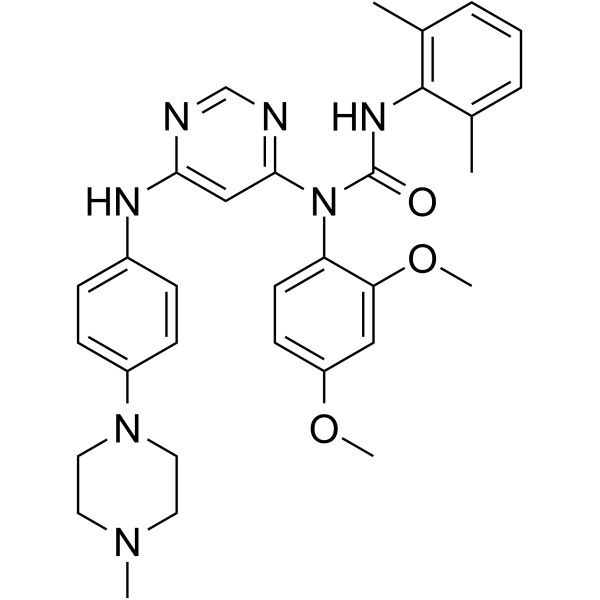
  • HY-13488
    HG-10-102-01
    1 Publications Verification

    LRRK2 MNK Neurological Disease
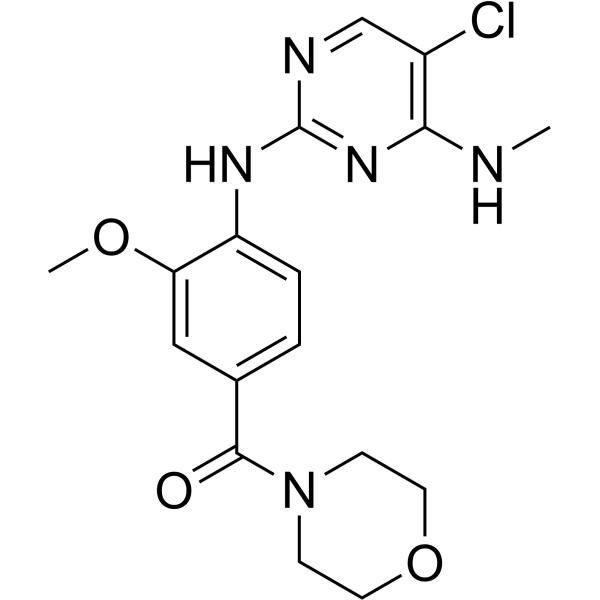
    HG-10-102-01 is a highly potent, selective, and brain-penetrable LRRK2 inhibitor, with IC50 values of 20.3 and 3.2 nM against wild-type LRRK2 and LRRK2[G2019S], respectively. HG-10-102-01 also inhibits MNK2 and MLK1, with IC50 values of 0.6 and 2.1 μM. HG-10-102-01 can be used for Parkinson's disease (PD) research .
    HG-10-102-01
  • HY-12475
    Mutant IDH1-IN-1
    2 Publications Verification

    Agios 135

    Isocitrate Dehydrogenase (IDH) Cancer
    Mutant IDH1-IN-1 (Agios 135) is a selective mutant IDH1 inhibitor with activity against both IDH1 R132H and IDH1 R132C. Mutant IDH1-IN-1 reduces the level of 2-hydroxyglutarate (2-HG), stabilizes mutant IDH1 protein, and restores blocked monocyte differentiation. Mutant IDH1-IN-1 can be used in tumor-related research .
    Mutant IDH1-IN-1
  • HY-201263

    Biochemical Assay Reagents Cancer
    p-SCN-Bn-TCMC is a bifunctional chelator. Its cyclen backbone binds Hg 2+, while its isothiocyanate group allows for conjugation to biomolecules. p-SCN-Bn-TCMC can be used in the research of prostate cancer .
    p-SCN-Bn-TCMC
  • HY-Y0102

    2-Mercaptobenzoic acid

    Biochemical Assay Reagents Drug Intermediate Infection
    Thiosalicylic acid (2-Mercaptobenzoic acid) is an organosulfur compound bearing both sulfhydryl and carboxyl functional groups. Thiosalicylic acid acts as a desulfurizing agent. Thiosalicylic acid also serves as a ligand to synthesize azosulfonamide derivatives with antibacterial and antifungal activities, as well as their Fe 3+, Cu 2+ and Hg 2+ chelates .
    Thiosalicylic acid
  • HY-W011060

    4,7,13,16,21,24-Hexaoxa-1,10-diazabicyclo[8.8.8]hexacosane

    Biochemical Assay Reagents Others
    Cryptand 2.2.2 (4,7,13,16,21,24-Hexaoxa-1,10-diazabicyclo[8.8.8]hexacosane) is a metal ion chelator. Cryptand 2.2.2 forms stable mononuclear, protonated and dinuclear complexes with copper (II) ions; forms protonated complexes with hydrogen ions; and also forms stable complexes with Zn 2+, Co 2+, Ni 2+, Cd 2+, Hg 2+ and Pb 2+ ions. Cryptand 2.2.2 can be used for the preparation of nanoparticles, transition metal compounds, etc.
    Cryptand 2.2.2
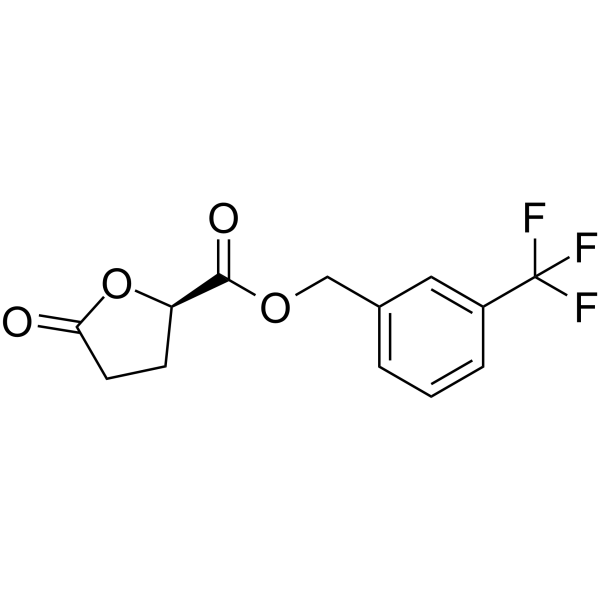
  • HY-129079A
    TFMB-(S)-2-HG
    2 Publications Verification

    DNA Methyltransferase Wnt β-catenin Endocrinology Cancer
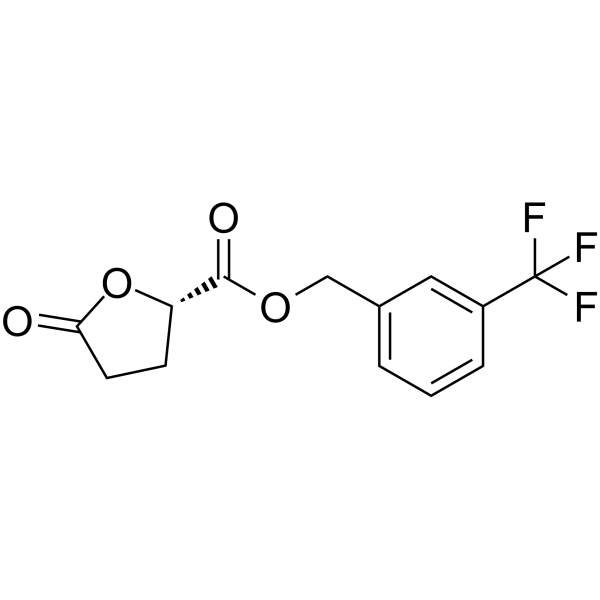
    TFMB-(S)-2-HG is a potent TET2 inhibitor. TFMB-(S)-2-HG also inhibits the EglN prolyl hydroxylases. TFMB-(S)-2-HG downregulates Wnt3a, β-catenin (intranuclear) protein expression. TFMB-(S)-2-HG inhibits osteogenic differentiation of cells. TFMB-(S)-2-HG has the potential for the research of acute myeloid leukemia (AML) .
    TFMB-(S)-2-HG
  • HY-129079
    TFMB-(R)-2-HG
    3 Publications Verification

    Estrogen Receptor/ERR Histone Demethylase Fat Mass and Obesity-associated Protein (FTO) Cancer
    TFMB-(R)-2-HG is a cell membrane-permeable (R)-2-HG and acute myeloid leukemia (AML) oncogenic factor. TFMB-(R)-2-HG competitively inhibits α-ketoglutarate-dependent dioxygenases such as KDM2B and FTO. TFMB-(R)-2-HG impairs cell differentiation in response to Estrogen withdrawal. TFMB-(R)-2-HG is used in acute myeloid leukemia and glioma research .
    TFMB-(R)-2-HG
  • HY-12291

    HMSL 10017-101-1

    Raf Apoptosis Cancer
    HG6-64-1 (HMSL 10017-101-1) is a B-raf kinase modulator.HG6-64-1 modulates B-raf kinase activity, including the V600E mutant form and the drug-resistant gatekeeper mutation T529I. HG6-64-1 is a germinal center kinase inhibitor. HG6-64-1 induces cell cycle arrest and apoptosis. HG6-64-1 can be used for the research of diffuse large B-cell lymphoma (DLBCL) .
    HG6-64-1
  • HY-103641A
    (2S)-Octyl-α-hydroxyglutarate
    2 Publications Verification

    (2S)-Octyl-2-Hg

    Drug Isomer Cancer
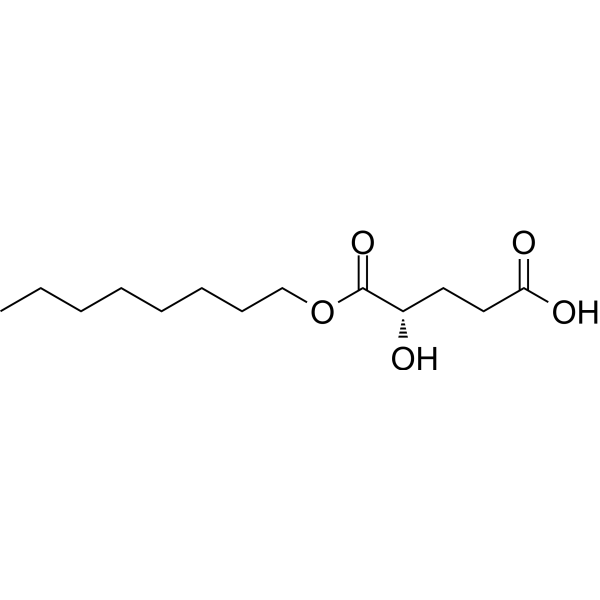
    (2S)-Octyl-α-hydroxyglutarate ((2S)-Octyl-2-HG) is a modified form of S-isomer 2-Hydroxyglutarate.
    (2S)-Octyl-α-hydroxyglutarate
  • HY-151782A

    ADC Linker Others
    H-(Gly)3-Lys(N3)-OH (hydrochloride) is a click chemistry reagent. Click chemistry has great potential for use in binding between nucleic acids, lipids, proteins, and other molecules, and has been used in many research fields because of its beneficial characteristics, including high yield, high specificity, and simplicity . It contains an azide group and can undergo copper-catalyzed azide-alkyne cycloaddition (CuAAc) with molecules containing alkyne groups. It can also undergo ring strain-promoted alkyne-azide cycloaddition (SPAAC) with molecules containing DBCO or BCN groups.
    H-(Gly)3-Lys(N3)-OH hydrochloride
  • HY-15814

    Bcr-Abl PDGFR c-Kit Src JAK Apoptosis Cancer
    HG-7-85-01 is a type II ATP competitive inhibitor of wild-type and gatekeeper mutations forms of Bcr-Abl, PDGFRα, Kit, and Src kinases. HG-7-85-01 inhibits T315I mutant Bcr-Abl kinase, KDR and RET with IC50s of 3 nM, 20 nM and 30 nM, and is only weak or no inhibition of other kinases (IC50>2 μM). HG-7-85-01 inhibits the cell proliferation, which is mediated by the induction of apoptosis, and inhibition of cell-cycle progression .
    HG-7-85-01
  • HY-15801

    Anaplastic lymphoma kinase (ALK) EGFR Cancer
    HG-14-10-04 is a potent ALK and mutant EGFR inhibitor with IC50s of 20 nM, 15.6 nM, 22.6 nM and 124.5 nM for ALK, EGFR LR/TM, EGFR 19del/TM/CS and EGFR LR/TM/CS, respectively. HG-14-10-04 can be used to research anticancer .
    HG-14-10-04
  • HY-128888B

    Isocitrate Dehydrogenase (IDH) Cancer
    (S,R)-GSK321 is the (S,R)-enantiomer of GSK321 (HY-18948). GSK321 is a potent, selective mutant IDH1 inhibitor with IC50 values of 2.9, 3.8, 4.6 and 46 nM for R132G, R132C, R132H and WT IDH1, respectively, and >100-fold selectivity over IDH2. GSK321 induces decrease in intracellular 2-HG, abrogation of the myeloid differentiation block and induction of granulocytic differentiation at the level of leukemic blasts and more immature stem-like cells. GSK321can be used for research of acute myeloid leukemia (AML) and other cancers .
    (S,R)-GSK321
  • HY-153395

    Drug-Linker Conjugates for ADC Cancer
    PH-HG-005-5 (compound 16c) is a derivative of SN-38 (HY-13704) and can be used as Drug-Linker Conjugates for ADC. PH-HG-005-5 can conjugate to targeting peptides for ADCs synthesis .
    PH-HG-005-5
  • HY-Q51222
    ZINC110492
    1 Publications Verification

    Biochemical Assay Reagents Cancer
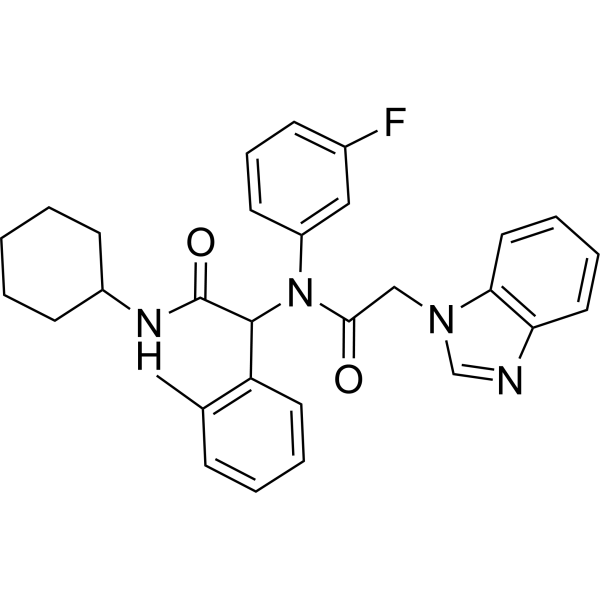
    ZINC110492 is a selective ligand of CS-ΔEx4 (a splicing isoform of citrate synthase (CS)). ZINC110492 does not bind to CS full-length (CS-FL). ZINC110492 inhibits colorectal cancer (CRC) cell growth in cells overexpressing CS-ΔEx4 with an IC50 of 7.840 µM. ZINC110492 significantly decreases both citrate and 2-hydroxyglutarate (2-HG) levels in the CS-ΔEx4-overexpressing SW1116 cells .
    ZINC110492
  • HY-112289

    Isocitrate Dehydrogenase (IDH) Cancer
    IDH889 is an orally available, brain penetrant, allosteric and mutant specific inhibitor of isocitrate dehydrogenase 1 (IDH1). IDH889 has potent selectivity for IDH1 R132* mutations, with IC50s of 0.02 μM, 0.072 μM and 1.38 μM for IDH1 R132H, IDH1 R132C and IDH1 wt, respectively. IDH889 shows potent cellular inhibition of R-2-hydroxyglutarate (2-HG) production with an IC50 of 0.014 μM .
    IDH889
  • HY-W009311

    4,4'-Bis(dimethylamino)thiobenzophenone

    Biochemical Assay Reagents Others
    Thiomichler's ketone (4,4'-Bis (dimethylamino) thiobenzophenone) is a heavy metal complexing agent and a colorimetric/spectrophotometric reagent. Thiomichler's ketone shows selectivity for Hg 2+ at pH 3, and exhibits activity towards Pd 2+ and Ag + at pH 3.5. Thiomichler's ketone enables accurate detection of trace Pd 2+ by forming an extractable Hg 2+ complex via micelle-mediated cloud point extraction, or generating a red coordination complex including Pd (TMK)4. Thiomichler's ketone is applicable for the determination of trace Pd 2+ in antibiotics and catalysts of automobile exhaust purifiers .
    Thiomichler's ketone
  • HY-B1306R

    p-Aminohippuric acid (Standard)

    Reference Standards Biochemical Assay Reagents Neurological Disease Metabolic Disease
    4-Aminohippuric acid (p-Aminohippuric acid) (Standard) is the analytical standard of 4-Aminohippuric acid (HY-B1306). This product is intended for research and analytical applications. 4-Aminohippuric acid (p-Aminohippuric acid) is a coordination ligand for metal ions (such as Cu 2+, Fe 3+, Hg 2+) and a functionalization reagent for nanomaterials. 4-Aminohippuric acid can coordinate with metal ions or modify the surface of materials such as carbon nanotubes and gold nanoparticles through amino and carboxyl groups. 4-Aminohippuric acid can form stable complexes with metal ions or participate in the synthesis of nanomaterials as a reducing agent/stabilizer, enriching metal ions or giving nanoparticles peroxidase-mimicking activity. 4-Aminohippuric acid can be used to construct highly sensitive electrochemical sensors or colorimetric sensors to detect and quantitatively analyze heavy metal ions such as copper, iron, and mercury in environmental water samples and biological samples. 4-Aminohippuric acid may also be a biomarker for attention-deficit/hyperactivity disorder (ADHD) .
    4-Aminohippuric acid (Standard)
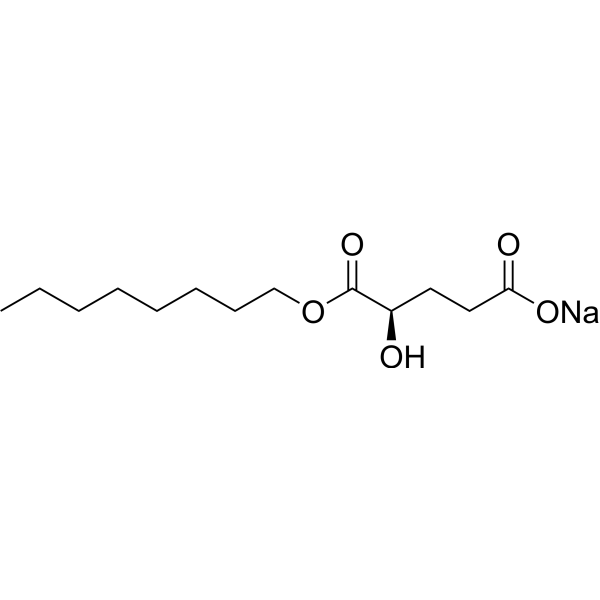
  • HY-103641C

    Octyl-2-Hg

    Histone Methyltransferase Cancer
    Octyl-α-hydroxyglutarate (octyl-2-HG) increases histone methylation and enhances viability of LMP1-negative NPC cells .
    Octyl-α-hydroxyglutarate
  • HY-P2516

    Tau Protein Neurological Disease
    Tau Peptide (275-305) (Repeat 2 domain) is the Alzheimer's Tau fragment R2, corresponding to the second repeat unit of the microtubule-binding domain, which is believed to be pivotal to the biochemical properties of full tau protein. Tau Peptide (275-305) specifically coordinates with group IIB metal ions (Zn²⁺, Cd²⁺, Hg²⁺), which can induce their conformational changes and significantly promote their pathological accumulation. Tau Peptide (275-305) can be used to study the role of heavy metals in neurodegenerative diseases .
    Tau Peptide (275-305) (Repeat 2 domain)
  • HY-123956

    IRAK Inflammation/Immunology
    HG-12-6 is a type II inhibitor of IRAK4. HG-12-6 shows preferential binding to unphosphorylated inactive IRAK4 with an IC50 of 165 nM. HG-12-6 can modulate IRAK4 activity in autoimmunity and inflammation .
    HG-12-6
  • HY-P5706

    Bacterial Infection Inflammation/Immunology
    HG2 is a fast-acting antimicrobial peptide. HG2 shows anti-biofilm and anti-inflammatory activities. HG2 is active against Gram-positive pathogens, especially against MRSA strains (MIC: 16-32 μg/mL). HG2 can bind to bacterial lipids and reduces ATP concentration in S. aureus MRSA USA300 cells .
    HG2
  • HY-B1306S

    p-Aminohippuric acid-d4

    Biochemical Assay Reagents Neurological Disease Metabolic Disease
    4-Aminohippuric acid-d4 (p-Aminohippuric acid-d4) is the deuterium labeled 4-Aminohippuric acid (HY-B1306). 4-Aminohippuric acid (p-Aminohippuric acid) is a coordination ligand for metal ions (such as Cu 2+, Fe 3+, Hg 2+) and a functionalization reagent for nanomaterials. 4-Aminohippuric acid can coordinate with metal ions or modify the surface of materials such as carbon nanotubes and gold nanoparticles through amino and carboxyl groups. 4-Aminohippuric acid can form stable complexes with metal ions or participate in the synthesis of nanomaterials as a reducing agent/stabilizer, enriching metal ions or giving nanoparticles peroxidase-mimicking activity. 4-Aminohippuric acid can be used to construct highly sensitive electrochemical sensors or colorimetric sensors to detect and quantitatively analyze heavy metal ions such as copper, iron, and mercury in environmental water samples and biological samples. 4-Aminohippuric acid may also be a biomarker for attention-deficit/hyperactivity disorder (ADHD) .
    4-Aminohippuric acid-d4
  • HY-131178

    SNIPERs Ligands for Target Protein for PROTAC Bcr-Abl Cancer
    HG-7-85-01-NH2 is the HG-7-85-01 (ABL inhibitor) based moiety, binds to IAP ligand via a linker to form SNIPER .
    HG-7-85-01-NH2
  • HY-124698

    Isocitrate Dehydrogenase (IDH) Cancer
    MRK-A is a selective, blood-brain-barrier permeable mutant IDH1 inhibitor with an IC50 value of 5 nM. MRK-A inhibits 2-HG production. MRK-A has anti-cancer activity against brain tumors .
    MRK-A
  • HY-120765

    Isocitrate Dehydrogenase (IDH) Cancer
    BRD2879 is a potent IDH1-R132H inhibitor with IC50 values of 0.05, 2.5, >20, >20 µM for IDH1-R132H, IDH1-R132C, IDH1-WT, IDH2-R140Q, respectively. BRD2879 reduces (R)-2-hydroxyglutarate (R-2HG) levels .
    BRD2879
  • HY-175213

    Isocitrate Dehydrogenase (IDH) Cancer
    Mutant IDH1-IN-7 is a highly selective Isocitrate Dehydrogenase 1 (IDH1) R132H (IC50 = 0.26 μM, Kd = 2.1 μM)/R132C (IC50 = 1.1 μM) inhibitor. Mutant IDH1-IN-7 has no inhibitory effect on wild-type IDH1, IDH2-wt, and IDH2 R140Q. Mutant IDH1-IN-7 inhibits 2-Hydroxyglutarate (2-HG) production in U87-MG R132H cells (EC50 = 0.55 μM). Mutant IDH1-IN-7 exhibits moderate antiproliferative effects on U87-MG R132H and HT-1080 cells .
    Mutant IDH1-IN-7
  • HY-149359

    Isocitrate Dehydrogenase (IDH) Cancer
    IHMT-IDH1-053 (compound 16) is a highly selectivity and irreversible IDH1-mutant inhibitor with an IC50 of 4.7 nM for IDH1 R132H. IHMT-IDH1-053 displays high selectivity against IDH1 mutants over IDH1 wt and IDH2 wt/mutants. IHMT-IDH1-053 inhibits 2-hydroxyglutarate (2-HG) production in IDH1 R132H mutant transfected 293T cells (IC50=28 nM). IHMT-IDH1-053 binds to the IDH1 R132H protein in the allosteric pocket adjacent to the NAPDH binding pocket through a covalent bond with residue Cys269. IHMT-IDH1-053 inhibits the proliferation of HT1080 cell line and primary AML cells which both bear IDH1 R132 mutants .
    IHMT-IDH1-053
  • HY-161057

    Bcr-Abl Inflammation/Immunology Cancer
    HG-7-86-01 (Compound 26) is type II tyrosine kinase inhibitor. HG-7-86-01 has anti-proliferative activity .
    HG-7-86-01
  • HY-P5709

    Bacterial Infection Inflammation/Immunology
    HG4 is a fast-acting antimicrobial peptide. HG4 shows anti-biofilm and anti-inflammatory activities. HG4 is active against Gram-positive pathogens, especially against MRSA strains (MIC: 32-64 μg/mL). HG4 can bind to bacterial lipids and reduces ATP concentration in S. aureus MRSA USA300 cells .
    HG4
  • HY-164482

    RET Cancer
    HG-6-63-01 is a type II RET tyrosine kinase inhibitor (TKI). HG-6-63-01 also inhibits REarranged during Transfection (RET) kinase and signaling in human thyroid cancer cell lines carrying oncogenic RET alleles. HG-6-63-01 impairs phosphorylation and signalling of RET oncogenic mutants. HG-6-63-01 blunts proliferation of RET/C634R and RET/M918T-transformed fibroblasts and of RET mutant thyroid cancer cells, which is promising for research of cancers harboring oncogenic activation of RET .
    HG-6-63-01
  • HY-P10572

    Ser/Thr Protease Potassium Channel Inflammation/Immunology Endocrinology
    HG1 Toxin is a peptide found in the venom of the scorpion Heterometrus fulvipes, which has the activity of inhibiting potassium channel Kv1.3. HG1 Toxin also has the activity of inhibiting trypsin (Ki=107 nM) and can be used in the study of autoimmune diseases .
    HG1 Toxin
  • HY-143535

    Androgen Receptor Cancer
    HG122 promotes androgen receptor (AR) degradation through the proteasome pathway inhibiting the castration-resistant prostate cancer.
    HG122
  • HY-111855

    PROTAC ABL binding moiety 3

    Ligands for Target Protein for PROTAC Cancer
    HG-7-85-01-Decyclopropane, the HG-7-85-01 (ABL inhibitor) based moiety, binds to IAP ligand via a linker to form SNIPER .
    HG-7-85-01-Decyclopropane
  • HY-103641R

    (2R)-Octyl-2-Hg (Standard)

    Histone Demethylase Reference Standards Others Cancer
    (2R)-Octyl-α-hydroxyglutarate (Standard) is the analytical standard of (2R)-Octyl-α-hydroxyglutarate. This product is intended for research and analytical applications. (2R)-Octyl-α-hydroxyglutarate ((2R)-Octyl-2-HG) is a modified form of D-isomer 2-Hydroxyglutarate.
    (2R)-Octyl-α-hydroxyglutarate (Standard)
  • HY-D1549

    Fluorescent Dye Others
    o-Pah is a BODIPY derivative with an -NH2 and -OH substituted meso-Ph group. o-Pah exhibits metal-induced J-aggregation in the presence of Cu 2+ and a specific fluorescence enhancement for Hg 2+ (Ex/Em=483/(495-600) nM) .
    o-Pah
  • HY-103641AS1

    (2R)-Octyl-2-Hg-d17

    Isotope-Labeled Compounds Others Cancer
    (2R)-Octyl-α-hydroxyglutarate-d17 ((2R)-Octyl-2-HG-d17) is deuterium labeled (2R)-Octyl-α-hydroxyglutarate (HY-103641). (2R)-Octyl-α-hydroxyglutarate is a modified form of S-isomer 2-Hydroxyglutarate .
    (2R)-Octyl-α-hydroxyglutarate-d17
  • HY-D1750

    Fluorescent Dye Others
    Rhodamine B thiolactone is a high-sensitive Hg 2+ indicator used for measuring Hg 2+ concentration.
    Rhodamine B thiolactone
  • HY-111862

    SNIPERs Bcr-Abl Cancer
    SNIPER(ABL)-044, conjugating HG-7-85-01 (ABL inhibitor) to Bestatin (IAP ligand) with a linker, induces the reduction of BCR-ABL protein with a DC50 of 10 μM .
    SNIPER(ABL)-044
  • HY-111863

    SNIPERs Bcr-Abl Cancer
    SNIPER(ABL)-047, conjugating HG-7-85-01 (ABL inhibitor) to MV-1 (IAP ligand) with a linker, induces the reduction of BCR-ABL protein with a DC50 of 2 μM .
    SNIPER(ABL)-047

Inquiry Online

Your information is safe with us. * Required Fields.

Salutation


Country or Region *

Applicant Name *


Organization Name *

Department *


Email Address *


Product Name *

Cat. No.


Requested quantity *

Phone Number *


Remarks

Inquiry Online

Inquiry Information

Product Name:
Cat. No.:
Quantity:
MCE Japan Authorized Agent:

