
1. Search Result
Search Result
Results for "

Histone acetylation

" in MedChemExpress (MCE) Product Catalog:

93

Inhibitors & Agonists

1

Screening Libraries

1

Fluorescent Dyes

3

Biochemical Assay Reagents

2

Peptides

8

Natural
Products

2

Isotope-Labeled Compounds

Cat. No. Product Name Target Research Areas Chemical Structure
  • HY-N0005
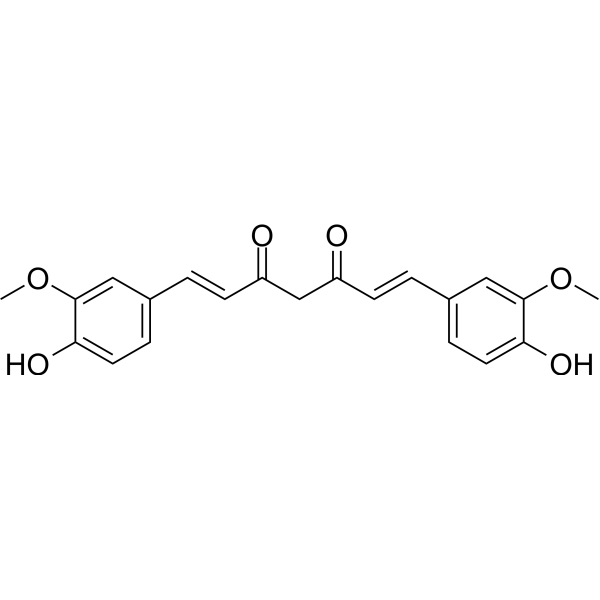
    Curcumin
    Maximum Cited Publications
    123 Publications Verification

    Diferuloylmethane; Natural Yellow 3; Turmeric yellow

    Histone Acetyltransferase Epigenetic Reader Domain Keap1-Nrf2 Autophagy Mitophagy Influenza Virus Ferroptosis Apoptosis Infection Metabolic Disease Inflammation/Immunology Cancer
    Curcumin (Diferuloylmethane), a natural phenolic compound, is a p300/CREB-binding protein-specific inhibitor of acetyltransferase, represses the acetylation of histone/nonhistone proteins and histone acetyltransferase-dependent chromatin transcription. Curcumin is a photosensitizer against microorganisms. Curcumin shows inhibitory effects on NF-κB and MAPKs, and has diverse pharmacologic effects including anti-inflammatory, antioxidant, antiproliferative and antiangiogenic activities. Curcumin induces stabilization of Nrf2 protein through Keap1 cysteine modification.
    Curcumin
  • HY-18935
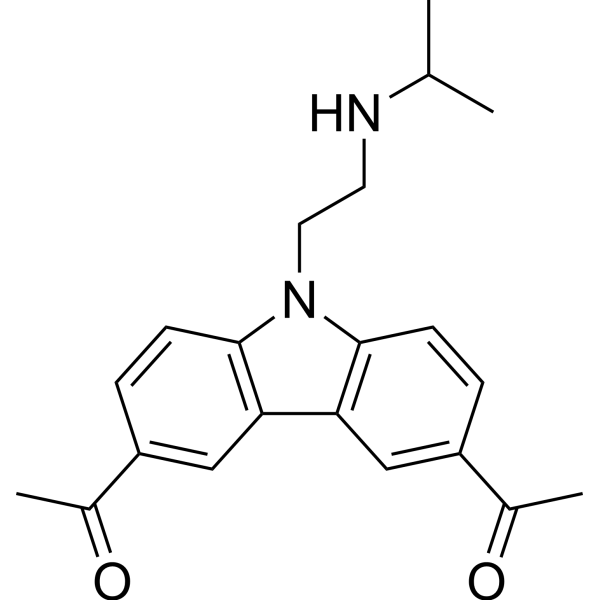
    CBL0137
    10+ Cited Publications

    Curaxin 137; CBL-C137

    Histone Acetyltransferase MDM-2/p53 NF-κB Cancer
    CBL0137, a curaxin compound, is a histone chaperone facilitates chromatin transcription (FACT) inhibitor. CBL0137 downregulates NF-κB and activates p53. CBL0137 restores both histone H3 acetylation and trimethylation. CBL0137 is an anticancer agent. CBL0137 induces cancer cell apoptosis .
    CBL0137
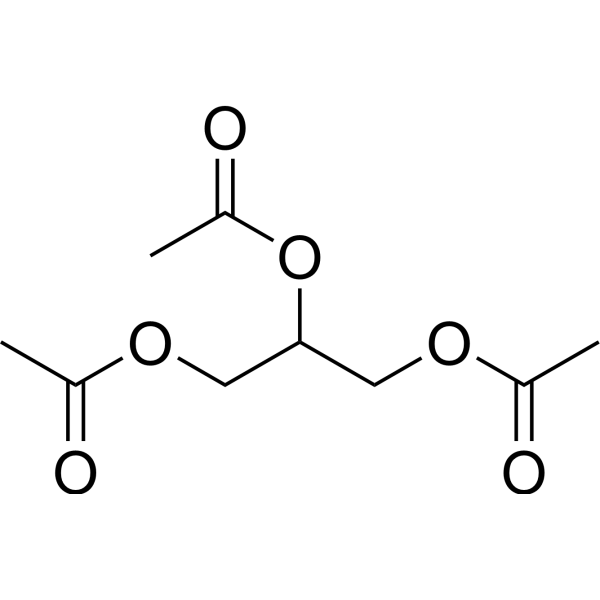
  • HY-B0896

    Glyceryl triacetate; 1,2,3-Triacetoxypropane

    Environmental Pollutants Fungal Endogenous Metabolite Cancer
    Triacetin (Glyceryl triacetate) is a synthetic compound that is a triester of glycerol and acetic acid, orally active. Triacetin increases acetate bioavailability in glioma cells. Triacetin induces glioma cell growth arrest and Apoptosis. Triacetin freely crosses the blood brain barrier/plasma membrane. Triacetin increases histone acetylation and enhances Temozolomide (HY-17364) (TMZ) chemotherapeutic efficacy .
    Triacetin
  • HY-100508
    ITSA-1
    15+ Cited Publications

    HDAC Cancer
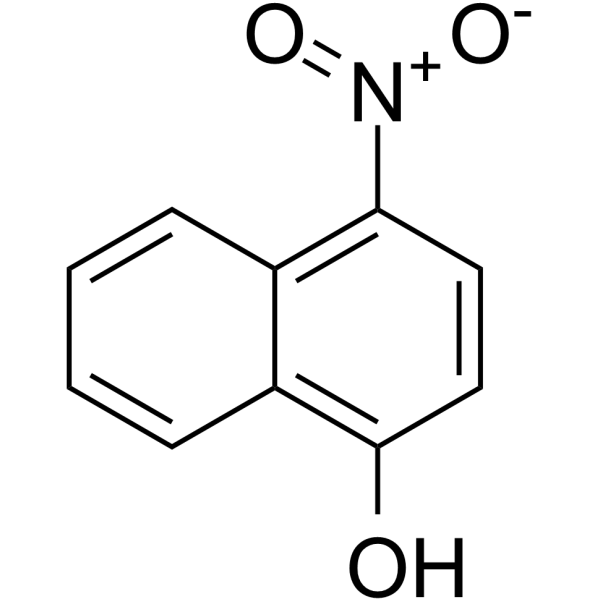
    ITSA-1 is an activator of histone deacetylase (HDAC), and counteract trichostatin A (TSA)-induced cell cycle arrest, histone acetylation, and transcriptional activation .
    ITSA-1
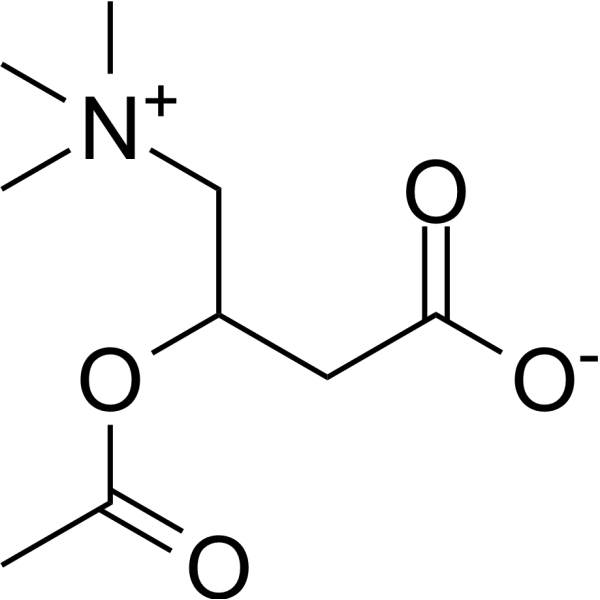
  • HY-126358

    Endogenous Metabolite Mitochondrial Metabolism Neurological Disease Metabolic Disease Cancer
    Acetylcarnitine is a CNS-penetrant endogenous metabolite. Acetylcarnitine shuttling links mitochondrial metabolism to histone acetylation and lipogenesis. Acetylcarnitine attenuates oxidative stress and neuroinflammation. Acetylcarnitine can be used for fatigue-associated diseases research. Acetylcarnitine can be used as a candidate diagnostic and prognostic biomarker of hepatocellular carcinoma .
    Acetylcarnitine
  • HY-W015239
    KAT8-IN-1
    3 Publications Verification

    Acyltransferase Inflammation/Immunology Cancer
    KAT8-IN-1 is a lysine (K) acetyltransferase 8 (KAT8) inhibitor, with IC50s of 141 μM (KAT8), 221 μM (KAT2B), 106 μM (KAT3B), respectively. KAT8 inhibits histone acetyltransferases (HATs), and could result in disease states, such as cancer or inflammatory diseases .
    KAT8-IN-1
  • HY-W013274
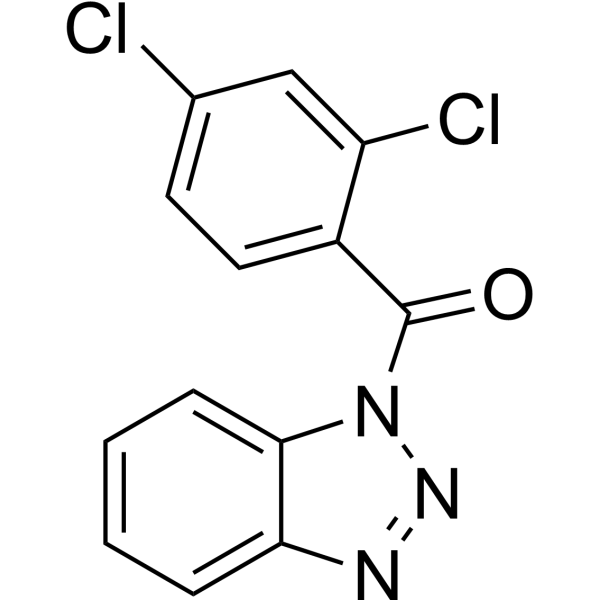
    CPTH2
    1 Publications Verification

    Histone Acetyltransferase Apoptosis Cancer
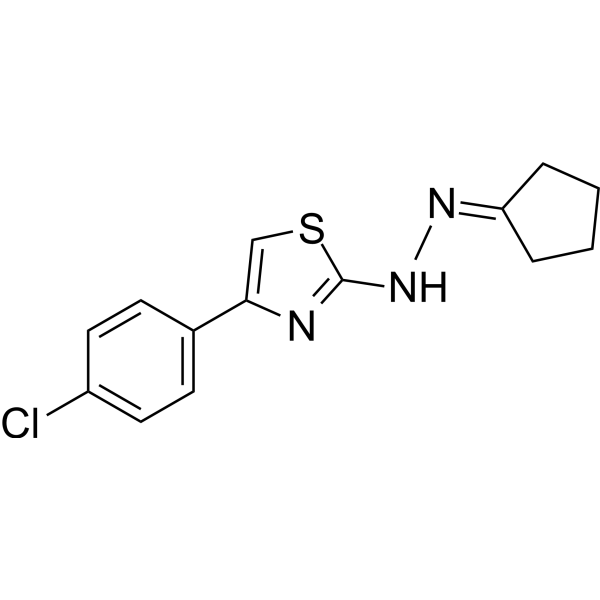
    CPTH2 is a potent histone acetyltransferase (HAT) inhibitor. CPTH2 selectively inhibits the acetylation of histone H3 by Gcn5. CPTH2 induces apoptosis and decreases the invasiveness of a clear cell renal carcinoma (ccRCC) cell line through the inhibition of acetyltransferase p300 (KAT3B) .
    CPTH2
  • HY-N2345
    Procyanidin B3
    1 Publications Verification

    Histone Acetyltransferase Toll-like Receptor (TLR) Androgen Receptor Inflammation/Immunology Cancer
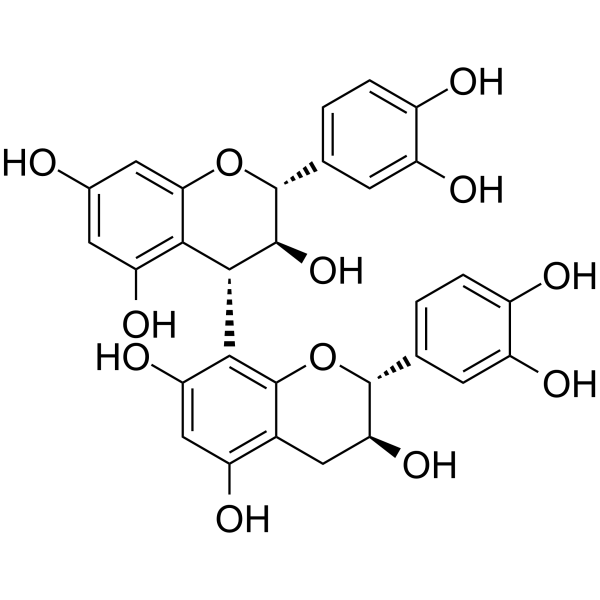
    Procyanidin B3 is a natural product with antioxidant activity and oral bioavailability, possessing good blood-brain barrier penetration. Procyanidin B3 is a selective inhibitor of histone acetyltransferase (HAT). By inhibiting p300 HAT-mediated acetylation of the androgen receptor (androgen receptor). Procyanidin B3 alleviates intervertebral disc degeneration (IVDD) by inhibiting the formation of the TLR4/MD-2 complex. Procyanidin B3 can be used in research on prostate cancer and arthritis .
    Procyanidin B3
  • HY-144315

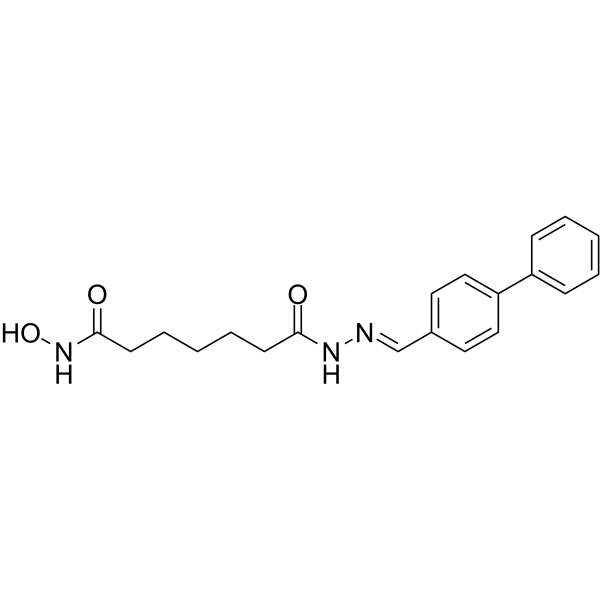
    Snail/HDAC-IN-1

    HDAC Cancer
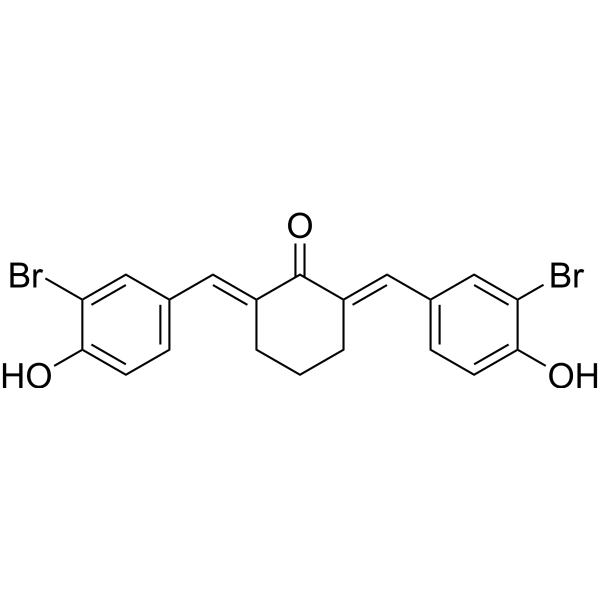
    CYD19 is a potent Snail/HDAC dual target inhibitor. CYD19 displays potent inhibitory activity against HDAC1 with an IC50 of 0.405 μM and potent inhibition against Snail with a Kd of 0.18 μM. CYD19 increases histone H4 acetylation in HCT-116 cells and decreases the expression of Snail protein to induce cell apoptosis .
    CYD19
  • HY-Y1325I

    Environmental Pollutants Biochemical Assay Reagents Apoptosis NO Synthase p38 MAPK Heme Oxygenase (HO) Keap1-Nrf2 Wnt β-catenin Metabolic Disease Inflammation/Immunology Cancer
    Sodium acetate trihydrate, 99.5% is a short-chain fatty acid salt with multiple biological activities. Sodium acetate trihydrate, 99.5% serves as a direct precursor of acetyl-CoA, and it extensively affects gene expression by promoting histone acetylation. Sodium acetate trihydrate, 99.5% can activate the p38 MAPK pathway to induce cancer cell apoptosis. Sodium acetate trihydrate, 99.5% can activate the Wnt/β-catenin signaling pathway to stimulate the proliferation and migration of cecal epithelial cells, thereby improving intestinal health. Sodium acetate trihydrate, 99.5% alleviates lead accumulation and oxidative damage by upregulating the testosterone-dependent eNOS/NO/cGMP signaling pathway, as well as activating the Nrf2/HO-1 pathway and its downstream antioxidant enzymes .
    Sodium acetate trihydrate, 99.5%
  • HY-N0005R
    Curcumin (Standard)
    1 Publications Verification

    Diferuloylmethane (Standard); Natural Yellow 3 (Standard); Turmeric yellow (Standard)

    Reference Standards Histone Acetyltransferase Epigenetic Reader Domain Keap1-Nrf2 Autophagy Mitophagy Influenza Virus Ferroptosis Infection Neurological Disease Inflammation/Immunology Cancer
    Curcumin (Standard) is the analytical standard of Curcumin (HY-N0005). This product is intended for research and analytical applications. Curcumin (Diferuloylmethane), a natural phenolic compound, is a p300/CREB-binding protein-specific inhibitor of acetyltransferase, represses the acetylation of histone/nonhistone proteins and histone acetyltransferase-dependent chromatin transcription. Curcumin is a photosensitizer against microorganisms. Curcumin shows inhibitory effects on NF-κB and MAPKs, and has diverse pharmacologic effects including anti-inflammatory, antioxidant, antiproliferative and antiangiogenic activities. Curcumin induces stabilization of Nrf2 protein through Keap1 cysteine modification.
    Curcumin (Standard)
  • HY-116673

    Histone Acetyltransferase Neurological Disease
    TTK21 is an activator of the histone acetyltransferases CBP/p300. TTK21 passes the blood–brain barrier, induces no toxicity, and reaches different parts of the brain when conjugated to glucose-based carbon nanosphere (CSP). TTK21 has beneficial implications for the brain functions of neurogenesis and long-term memory .CSP-TTK21 can ameliorate Aβ-impaired long-term potentiation (LTP). CSP-TTK21 may enhance the transcription of genes that promote synaptic health and cognitive function . CSP-TTK21 is orally effective and leads to improvements in motor functions, histone acetylation dynamics in a spinal injury rat model .
    TTK21
  • HY-100671

    Histone Acetyltransferase STAT Cardiovascular Disease Inflammation/Immunology Cancer
    L002 is a potent, cell permeable, reversible and specific acetyltransferase p300 (KAT3B) inhibitor with an IC50 of 1.98 μM . L002 binds the acetyl-CoA pocket and competitively inhibits the FATp300 catalytic domain, blocks histone acetylation and p53 acetylation, and inhibits STAT3 activation . L002 has the potential for hypertension-induced cardiac hypertrophy and fibrogenesis treatment .
    L002
  • HY-N4118
    Cephaeline
    1 Publications Verification

    (-)-Cephaeline; NSC 32944 free base

    Filovirus Flavivirus Keap1-Nrf2 Ferroptosis Reactive Oxygen Species (ROS) Infection Cancer
    Cephaeline ((-)-Cephaeline), a desmethyl analog of Emetine, is a phenolic alkaloid in Indian Ipecac roots isolated from the Cephaelis ipecacuanha. Cephaeline exhibits potent inhibition of both Zika virus (ZIKV) and Ebola virus (EBOV) infections. Cephaeline is an inductor of histone H3 acetylation and an inhibitor of mucoepidermoid carcinoma cancer stem cells (MEC), which promotes ferroptosis by inhibiting NRF2 to exert anti-lung cancer efficacy .
    Cephaeline
  • HY-100748
    Zabadinostat
    3 Publications Verification

    CXD101

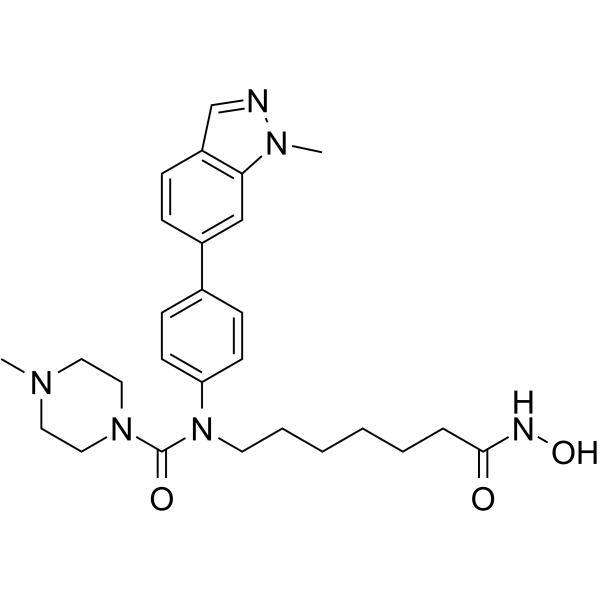
    HDAC Cancer
    Zabadinostat (CXD101) is a potent, selective and orally active class I HDAC inhibitor with IC50s of 63 nM, 570 nM and 550 nM for HDAC1, HDAC2 and HDAC3, respectively. Zabadinostat has no activity against HDAC class II. Zabadinostat has antitumor activity .
    Zabadinostat
  • HY-159099

    Molecular Glues Histone Acetyltransferase Cardiovascular Disease
    WIZ degrader 9 is an orally active molecular glue degrader of the WIZ transcription factor. As a molecular glue, WIZ degrader 9 recruits WIZ to the cereblon E3 ubiquitin ligase complex via its ZF7 domain, driving proteasome-dependent degradation of WIZ. WIZ degrader 9 induces hemoglobin production, reduces the level of H3K9 dimethylation across the whole genome and at the β-globin locus, upregulates the transcription of γ-globin and BGLT3, and increases the level of histone H3K9 acetylation in the promoter region of HBG1/2. WIZ degrader 9 effectively induces fetal hemoglobin production in both mice and cynomolgus monkeys. WIZ degrader 9 can be used for research on sickle cell disease .
    WIZ degrader 9
  • HY-141546

    Histone Acetyltransferase Cancer
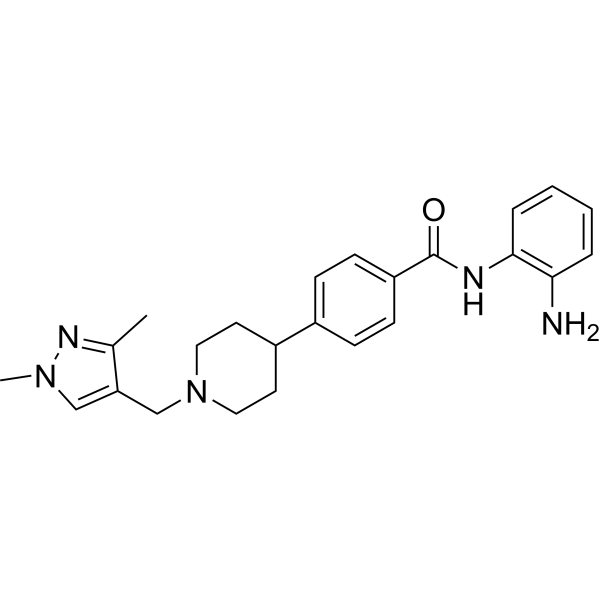
    Pocenbrodib is a P300/CBP inhibitor. Pocenbrodib blocks the function of P300/CBP and inhibits the acetylation of histones and non-histone proteins. Pocenbrodib may be used in research related to castration-resistant prostate cancer and other cancers .
    Pocenbrodib
  • HY-100734
    Histone Acetyltransferase Inhibitor II
    1 Publications Verification

    Histone Acetyltransferase Cancer
    Histone Acetyltransferase Inhibitor II (compound 2c) is a potent, selective and cell permeable p300 histone acetyltransferase inhibitor, with an IC50 of 5 µM. Histone Acetyltransferase Inhibitor II shows anti-acetylase activity in mammalian cells .
    Histone Acetyltransferase Inhibitor II
  • HY-135714

    EKZ-001

    HDAC Microtubule/Tubulin Neurological Disease Cancer
    Bavarostat (EKZ-001) is a blood-brain barrier-permeable, potent HDAC6 inhibitor and PET radiotracer, with an IC50 as low as 17 nM against human HDAC6. Bavarostat can be labeled with 18F and used as a probe to map HDAC6 distribution and measure target occupancy in the brains of non-human primates. Bavarostat also selectively modulates tubulin acetylation, but not histone acetylation. Bavarostat is applicable for research on Alzheimer's disease, other neurodegenerative disorders, and cancers .
    Bavarostat
  • HY-P5285

    Parasite Infection Inflammation/Immunology Cancer
    Lunasin is a bioactive peptide with antioxidant, anti-inflammatory, anticancer and anti-aging properties. Lunasin can be isolated from soybean. Lunasin also has an epigenetic mechanism of action associated with histone acetylation. Lunasin can be internalized into cells and inhibit Oncosphere formation in cancer cells .
    Lunasin
  • HY-117709

    HDAC Neurological Disease
    BRD6688 is a selective HDAC2 inhibitor. BRD6688 increases H4K12 and H3K9 histone acetylation in primary mouse neuronal cells. BRD6688 crosses the blood brain barrier and rescues the memory defects associated with p25 induced neurodegeneration in contextual fear conditioning in a CK-p25 mouse model .
    BRD6688
  • HY-N0005S

    Diferuloylmethane-d6; Natural Yellow 3-d6; Turmeric yellow-d6

    Isotope-Labeled Compounds Keap1-Nrf2 Ferroptosis Autophagy Histone Acetyltransferase Epigenetic Reader Domain Mitophagy Influenza Virus Infection Metabolic Disease Inflammation/Immunology Cancer
    Curcumin-d6 (Diferuloylmethane-d6 ) is deuterium labeled Curcumin (HY-N0005). Curcumin (Diferuloylmethane), a natural phenolic compound, is a p300/CREB-binding protein-specific inhibitor of acetyltransferase, represses the acetylation of histone/nonhistone proteins and histone acetyltransferase-dependent chromatin transcription. Curcumin is a photosensitizer against microorganisms. Curcumin shows inhibitory effects on NF-κB and MAPKs, and has diverse pharmacologic effects including anti-inflammatory, antioxidant, antiproliferative and antiangiogenic activities. Curcumin induces stabilization of Nrf2 protein through Keap1 cysteine modification.
    Curcumin-d6
  • HY-Y0319B1
    Potassium acetate, for molecular biology
    1 Publications Verification

    Environmental Pollutants Biochemical Assay Reagents Others
    Potassium acetate, for molecular biology is an acetate salt commonly used as a deicing agent, food preservative and potassium source. Potassium acetate, for molecular biology can serve as an activator for preparing waste tea-based activated carbon, and is applied to the adsorption of Acid Blue 25 dye .
    Potassium acetate, for molecular biology
  • HY-12310

    DNA Methyltransferase HDAC MDM-2/p53 Others Inflammation/Immunology
    RSC133 is a dual inhibitor of DNA methyltransferase 1 and histone deacetylase 1 inhibitor. RSC133 promotes cell proliferation, up-regulates H3K9 histone acetylation, down-regulates p53, p21, p16/INK4A, and ablates pro-senescence phenotypes .
    RSC133
  • HY-109109

    CKD-581

    HDAC Apoptosis Cancer
    Alteminostat (CKD-581) is a potent HDAC inhibitor. Alteminostat inhibits the class I-II HDAC family via histone H3 and tubulin acetylation. Alteminostat can be used for lymphoma and multiple myeloma research .
    Alteminostat
  • HY-130538
    1-Naphthohydroxamic acid
    2 Publications Verification

    HDAC Cancer
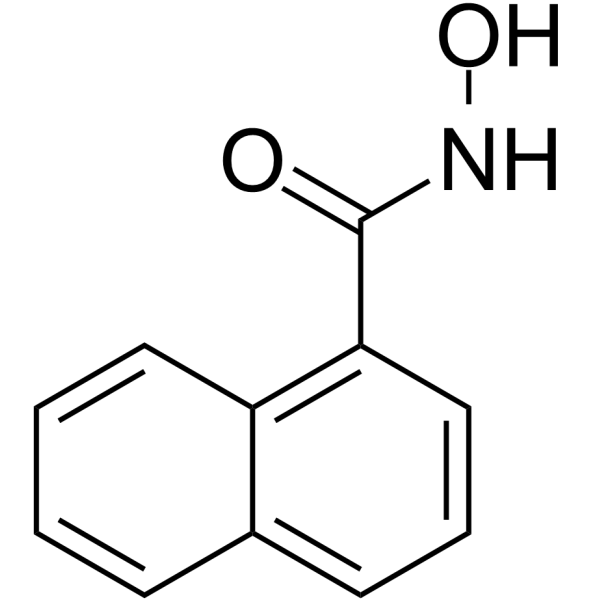
    1-Naphthohydroxamic acid (Compound 2) is a potent and selective HDAC8 inhibitor with an IC50 of 14 μM. 1-Naphthohydroxamic acid is more selectively for HDAC8 than class I HDAC1 and class II HDAC6 (IC50 >100 μM). 1-Naphthohydroxamic acid does not increase global histone H4 acetylation and also does not reduce total intracellular HDAC activity .1-Naphthohydroxamic acid can induce tubulin acetylation .
    1-Naphthohydroxamic acid
  • HY-116818

    HDAC Neurological Disease
    Crebinostat is a potent histone deacetylase (HDAC) inhibitor with IC50 values of 0.7 nM, 1.0 nM, 2.0 nM and 9.3 nM for HDAC1, HDAC2, HDAC3 and HDAC6, respectively. Crebinostat potently induces acetylation of both histone H3 and histone H4 as well as enhances the expression of the cAMP response element-binding protein (CREB) target gene Egr1. Crebinostat increases the density of synapsin-1 punctae along dendrites in cultured neurons. Crebinostat can modulate chromatin-mediated neuroplasticity and exhibits enhanced memory in mice .
    Crebinostat
  • HY-117491

    Epigenetic Reader Domain Cancer
    BRD4 Inhibitor-10 (Compound II-25) is a potent BRD4-BD1 inhibitor with an IC50 of 8 nM. BRD4 Inhibitor-10 can be used to study diseases caused by abnormal or excessive cell proliferation, such as cancer .
    BRD4 Inhibitor-10
  • HY-123295

    HDAC Infection Cancer
    HDAC3-IN-T247 is a potent and selective HDAC3 (histone deacetylase 3) inhibitor, with an IC50 of 0.24 µM. HDAC3-IN-T247 induces a selective increase of NF-κB acetylation in HCT116 cells. HDAC3-IN-T247 shows anticancer and antiviral activity. HDAC3-IN-T247 inhibits growth of cancer cells, and activates HIV gene expression in latent HIV-infected cells .
    HDAC3-IN-T247
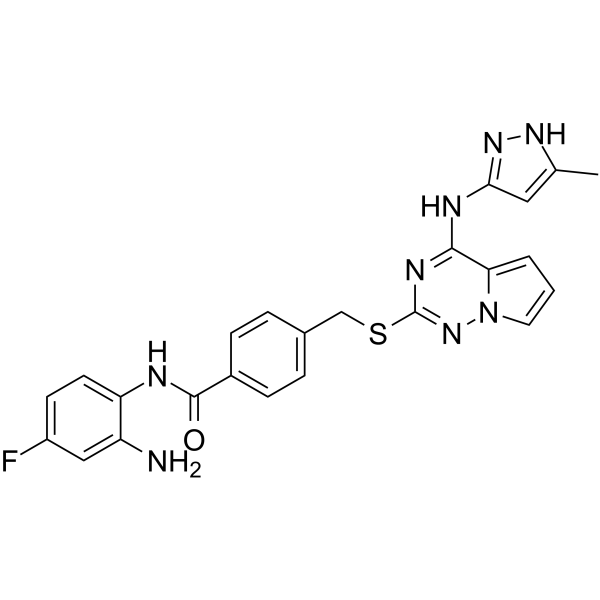
  • HY-155248

    HDAC Cancer
    HL23 is a histone deacetylase (HDAC) inhibitor with activity against hepatocellular carcinoma (HCC). HL23 enhances acetylation of the TXNIP promoter and upregulates TXNIP expression, thereby mediating potassium channel activity and triggering TXNIP-dependent potassium deprivation. HL23 inhibits HCC progression and metastasis and has a synergistic effect with Sorafenib (HY-10201) and is more potent than Sorafenib+Vorinostat (HY-10221) .
    HL23
  • HY-142690A

    Apoptosis HDAC Cancer
    HDAC-IN-27 dihydrochloride (Compound 11h) is a potent, orally active class I HDAC-selective inhibitor with IC50 values ranging from 0.43 to 3.01 nM against HDAC1-3. HDAC-IN-27 dihydrochloride exhibits both in vivo and in vitro antitumor activity. HDAC-IN-27 dihydrochloride demonstrates significant anti-proliferative activity against acute myeloid leukemia (AML) cell lines by inducing apoptosis and histone acetylation (AcHH3 and AcHH4). HDAC-IN-27 dihydrochloride can be used for research in acute myeloid leukemia (AML) .
    HDAC-IN-27 dihydrochloride
  • HY-142690

    HDAC Apoptosis Cancer
    HDAC-IN-27 (Compound 11h) is a potent, orally active class I HDAC-selective inhibitor with IC50 values ranging from 0.43 to 3.01 nM against HDAC1-3. HDAC-IN-27 exhibits both in vivo and in vitro antitumor activity. HDAC-IN-27 demonstrates significant anti-proliferative activity against acute myeloid leukemia (AML) cell lines by inducing apoptosis and histone acetylation (AcHH3 and AcHH4). HDAC-IN-27 can be used for research in acute myeloid leukemia (AML) .
    HDAC-IN-27
  • HY-161149

    HDAC Cancer
    CM-1758 is a histone deacetylase (HDAC) inhibitor. CM-1758 inhibits tumor growth in vivo. CM-1758 induces acetylation of non-histone proteins in acute myeloid leukemia cells .
    CM-1758
  • HY-13506G

    D 237 (GMP); MS 344 (GMP)

    HDAC Cancer
    M344 (GMP) (D 237) (GMP) is the GMP level of M344 (HY-13506). GMP level of small molecules can be used as auxiliary reagents in cell therapy. M344 is a kind of histone acetylation enzyme inhibitor .
    M344 (GMP)
  • HY-117617

    Histone Acetyltransferase Cancer
    CAY10669 (compound 6d) is an anacardic acid (HY-N2020) derivative that inhibits histone acetyltransferase PCAF with an IC50 of 662 μM . CAY10669 enhances the SAHA-induced acetylation in HEPG2 cells, exhibits cytotoxicity in zebrafish embryo, promotes transgene expression in CHO-K1 cells .
    CAY10669
  • HY-W014004

    CBHA

    HDAC Apoptosis Others Cancer
    m-Carboxycinnamic acid bishydroxamide (CBHA) is a histone deacetylase inhibitor. m-Carboxycinnamic acid bishydroxamide modulates histone acetylation sites, alters DNA methylation and epigenetic status, increases global histone acetylation, alleviates transcription repression, and facilitates chromatin remodelling. m-Carboxycinnamic acid bishydroxamide can be used for the research of cloned embryo development and epigenetic regulation .
    m-Carboxycinnamic acid bishydroxamide
  • HY-160461

    HDAC Metabolic Disease
    LTK-14A, a derivative of Garcinol (HY-107569), is a selective histone butyrylation inhibitor. LTK-14A does not affect acetylation. LTK-14A significantly inhibits the butyrylation of H4K5 and downregulated the expression of proadipogenic genes, thus culminating in abolished adipogenesis. LTK-14A can be used for the study of obesity .
    LTK-14A
  • HY-125969

    Histone Acetyltransferase Fungal Infection
    Rtt109 inhibitor 1 (Compound 1) is an inhibitor for histone acetyltransferase Rtt109 through a tight binding, uncompetitive system. Rtt109 inhibitor 1 exhibits antifungal activity through acetylation at H3K56 site .
    Rtt109 inhibitor 1
  • HY-176904

    PROTACs HDAC Apoptosis Cancer
    JPS004 is a HDAC1-3 PROTAC degrader. JPS004 can induce degradation of HDAC1-3 and induce histone acetylation. JPS004 can induce cancer cells apoptosis. JPS004 can be used for the research of cancer . (Structure Note: Pink: HDAC1-3 ligand (HY-50934); Blue: VHL ligand (HY-125845); HDAC1-3 ligand-Linker: (HY-176905))
    JPS004
  • HY-N4118R

    (-)-Cephaeline (Standard); NSC 32944 free base (Standard)

    Reference Standards Filovirus Flavivirus Keap1-Nrf2 Ferroptosis Reactive Oxygen Species (ROS) Infection Cancer
    Cephaeline ((-)-Cephaeline), a desmethyl analog of Emetine, is a phenolic alkaloid in Indian Ipecac roots isolated from the Cephaelis ipecacuanha. Cephaeline exhibits potent inhibition of both Zika virus (ZIKV) and Ebola virus (EBOV) infections. Cephaeline is an inductor of histone H3 acetylation and an inhibitor of mucoepidermoid carcinoma cancer stem cells (MEC), which promotes ferroptosis by inhibiting NRF2 to exert anti-lung cancer efficacy .
    Cephaeline (Standard)
  • HY-178333

    HDAC Cancer
    HDAC6-IN-66 is a potent and selective histone deacetylase (HDAC) 6 inhibitor with an IC50 of 1.8 nM. HDAC6-IN-66 induces α-tubulin acetylation over histone H3. HDAC6-IN-66 can be used for the research of cancer .
    HDAC6-IN-66
  • HY-154996

    Fungal γ-Glutamyl Transferase (GGT) Infection
    Gamma-Glutamyl Transferase-IN-2 (compound 4dq) is a β-carboline 1-hydrazide inhibitor with antifungal and antibacterial activities, targeting to glutamyltransferase. Gamma-Glutamyl Transferase-IN-2 acts function by resulting the accumulation of reactive oxygen species, destruction of cell membranes, and dysregulation of histone acetylation .
    Gamma-Glutamyl Transferase-IN-2
  • HY-154993

    Fungal γ-Glutamyl Transferase (GGT) Infection
    Gamma-Glutamyl Transferase-IN-1 (compound 4de) is a β-carboline 1-hydrazide inhibitor with antifungal and antibacterial activities, targeting to glutamyltransferase. Gamma-Glutamyl Transferase-IN-1 acts function by resulting the accumulation of reactive oxygen species, destruction of cell membranes, and dysregulation of histone acetylation .
    Gamma-Glutamyl Transferase-IN-1
  • HY-10226

    R306465

    Apoptosis HDAC Cancer
    JNJ-16241199 (R306465) is an orally active, selectivehydroxamate-based histone deacetylase (HDAC) inhibitor, with theIC50of 3.3 nM and 23 nM for HDAC1and HDAC8, respectively.JNJ-16241199induces histone 3 acetylation and strongly increases the expression of p21 waf1, cip1 in A2780 ovarian carcinoma cells.JNJ-16241199 inducescell apoptosisand shows anticancer activityin a broad spectrum of human malignancies. JNJ-16241199 can be used for cancer study .
    JNJ-16241199
  • HY-N0005S1

    Diferuloylmethane-d3; Natural Yellow 3-d3; Turmeric yellow-d3

    Isotope-Labeled Compounds Autophagy Histone Acetyltransferase Keap1-Nrf2 Influenza Virus Mitophagy Epigenetic Reader Domain Ferroptosis Infection Metabolic Disease Inflammation/Immunology Cancer
    Curcumin-d3 (Diferuloylmethane-d3 ) is deuterium labeled Curcumin (HY-N0005). Curcumin (Diferuloylmethane), a natural phenolic compound, is a p300/CREB-binding protein-specific inhibitor of acetyltransferase, represses the acetylation of histone/nonhistone proteins and histone acetyltransferase-dependent chromatin transcription. Curcumin is a photosensitizer against microorganisms. Curcumin shows inhibitory effects on NF-κB and MAPKs, and has diverse pharmacologic effects including anti-inflammatory, antioxidant, antiproliferative and antiangiogenic activities. Curcumin induces stabilization of Nrf2 protein through Keap1 cysteine modification.
    Curcumin-d3
  • HY-178351

    HDAC Microtubule/Tubulin Apoptosis Caspase Bcl-2 Family Cancer
    HDAC6-IN-67 is a selective HDAC6 inhibitor (IC50 = 17.15 nM) that exhibits 19-fold selectivity over HDAC1. HDAC6-IN-67 selectively inhibits HDAC6 by interacting with Ser531 and His614. HDAC6-IN-67 induces apoptosis by inducing the cleavage of caspases 9, 8, 3, and PARP, upregulating Bax expression, and downregulating Bcl-2 expression. HDAC6-IN-67 effectively induces the acetylation of α-tubulin, without affecting histone H3 acetylation in MCF-7/ADR cells. HDAC6-IN-67 can be used for the study of breast cancer .
    HDAC6-IN-67
  • HY-146351

    HDAC Neurological Disease
    HDAC-IN-38 (compound 13) is a potent HDAC inhibitor. HDAC-IN-38 shows similar micro-molar inhibitory activity toward HDAC1, 2, 3, 5, 6, and 8. HDAC-IN-38 increases cerebral blood flow (CBF), attenuates cognitive impairment, and improves hippocampal atrophy. HDAC-IN-38 also increases the level of histone acetylation (H3K14 or H4K5) .
    HDAC-IN-38
  • HY-176866

    HDAC Neurological Disease
    Rodin-A is an orally active, brain-penetrant and selective histone deacetylase (HDAC)-co-repressor of repressor element-1 silencing transcription factor (CoREST) complex inhibitor with an IC50 value of 1.80 μM for the CoREST complex, 0.15 μM for HDAC1, and 0.43 μM for HDAC2. Rodin-A increases the acetylation level of histone H3K9, upregulates the expression of neuron-related genes, thereby promoting the increase in dendritic spine density, the colocalization of synaptic proteins (SV2A and PSD95), and the improvement of hippocampal long-term potentiation (LTP), exerting synaptic protection and repair activity. Rodin-A is promising for research of neurodegenerative diseases related to synaptic dysfunction, especially Alzheimer’s disease .
    Rodin-A
  • HY-174396

    PI3K HDAC Bcl-2 Family Caspase Reactive Oxygen Species (ROS) Apoptosis Histone Methyltransferase Microtubule/Tubulin Cancer
    PI3Kδ/HDAC6-IN-1 (Compound 22E) is an orally active and dual inhibitor of PI3Kδ and HDAC6 with IC50 values of 2.4 nM and 6.2 nM, respectively. PI3Kδ/HDAC6-IN-1 exhibits potent antiproliferative effects on non-Hodgkin lymphoma (NHL) cells and possesses in vivo antitumor activity without significant toxicity. PI3Kδ/HDAC6-IN-1 arrests the cell cycle at the G0/G1 phase and induces apoptosis. PI3Kδ/HDAC6-IN-1 blocks the PI3K/AKT/mTOR signaling pathway and increases the acetylation levels of α-tubulin and histone H3 .
    PI3Kδ/HDAC6-IN-1
  • HY-173520

    EGFR HDAC Cancer
    EGFR/HDAC-IN-1 (Compound 22c2) is a potent dual inhibitor of epidermal growth factor receptor (EGFR) and histone deacetylase (HDAC) with IC50 values of 4.81 nM, 119.4 nM and 354.8 nM for EGFR, HDAC1 and HDAC3, respectively. EGFR/HDAC-IN-1 blocks the EGFR signaling pathway and affects the histone acetylation status, thereby inhibiting tumor cell proliferation. EGFR/HDAC-IN-1 is promising for research of non-small cell lung cancer (NSCLC) .
    EGFR/HDAC-IN-1

Inquiry Online

Your information is safe with us. * Required Fields.

Salutation


Country or Region *

Applicant Name *


Organization Name *

Department *


Email Address *


Product Name *

Cat. No.


Requested quantity *

Phone Number *


Remarks

Inquiry Online

Inquiry Information

Product Name:
Cat. No.:
Quantity:
MCE Japan Authorized Agent:

